- Album
Loveless by My Bloody Valentine
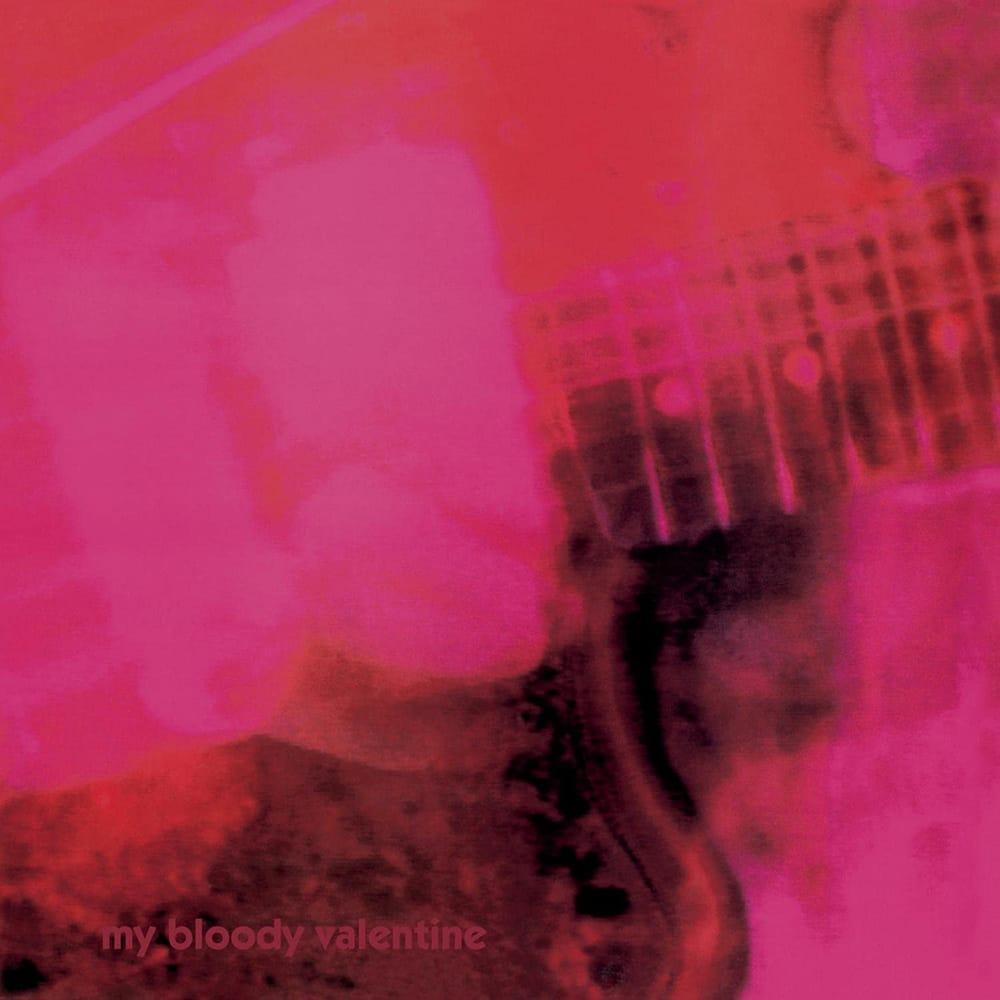
For my money, no sound in rock n’ roll is more bracing than the opening drum salvo on “Only Shallow,” followed by Kevin Shields’ lumbering guitar and Bilinda Butcher’s dreamy voice. Those opening moments perfectly encapsulate the paradox that lies at the very heart of My Bloody Valentine’s music. On the one hand, it’s so loud, abrasive, and piercing, you worry your eardrums might burst after just a few seconds. On the other hand, it’s lush and delicate, filled with wispy vocals and tremulous melodies that somehow survive being buried beneath several landslides’ worth of noise and distortion.
By now, the album’s production has become the stuff of myth and legend. When Shields and his bandmates entered the studio in February 1989, Creation Records assumed it’d take them less than a week to record their new album. Unfortunately, Creation head honcho Alan McGee failed to take into account Shields’ perfectionism and restless desire to experiment. In all, it took nearly two years to record Loveless, during which the band traveled to nineteen different studios and worked with over fifteen engineers. And to hear McGee tell it, the cost of recording Loveless essentially bankrupted his label.
But I daresay time has vindicated Shields and Co. Loveless was widely praised upon release, with one critic calling it “a virtual reinvention of the guitar.” These days, it’s considered a landmark album in the realms of shoegaze and dream pop, and consistently appears in “greatest albums of all time” lists. (It’s currently #73 in Rolling Stones’ list of the 500 greatest albums of all time,) Over the years, countless bands have sought to emulate Shields’ “glide guitar” technique, which makes his Fender Jazzmaster sound like it’s constantly shifting in and out of focus and lends songs like “To Here Knows When” and “Blown a Wish” a delightfully disorienting effect. However, none of Shields’ acolytes have come close to matching Loveless’ emotional and sensual effect.