Concerning Philip Yancey’s Adultery
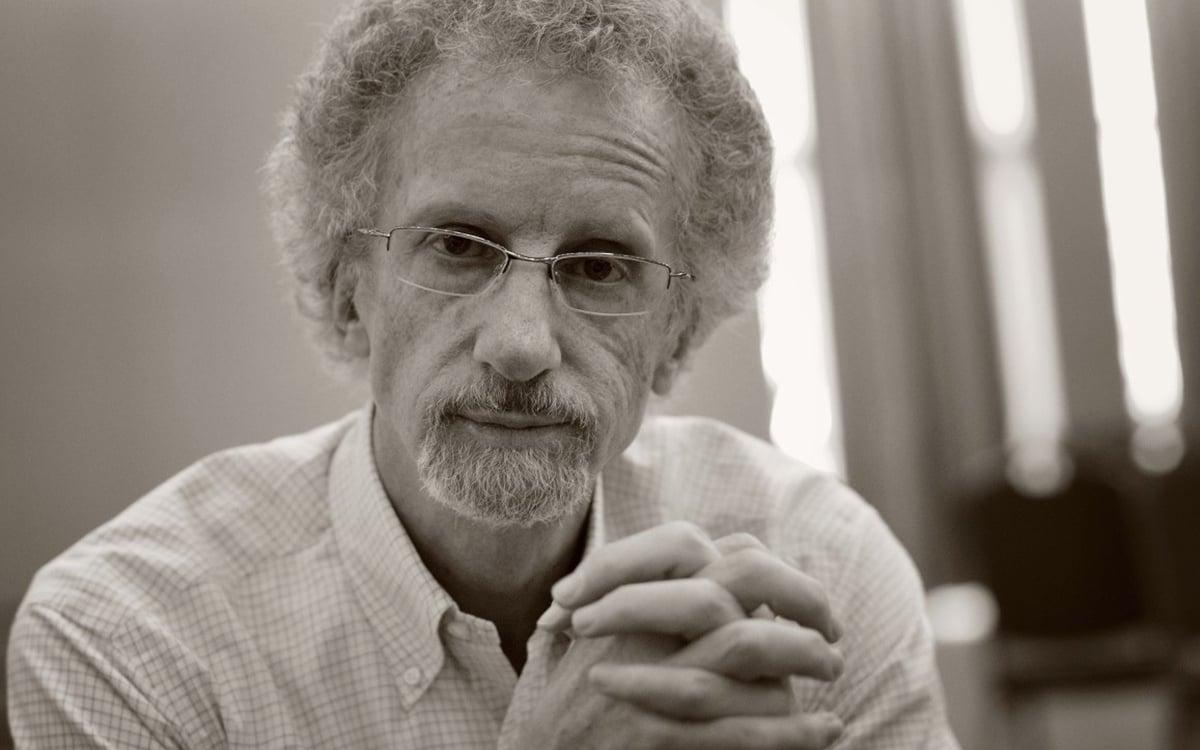
Sadly, instances of well-known Christian figures caught in adultery, abuse, and other sexual sins has become an all-too-common refrain in recent years. Spend any time perusing a website like The Roys Report, which covers such cases, and you’ll find a litany of names that includes Bill Hybels, Carl Lentz, Paul Pressler, and Ravi Zacharias.
You can now add Philip Yancey to that list. The best-selling Christian author and editor-at-large for Christianity Today released a statement this week admitting to an eight-year-long affair with a married woman. His statement reads, in part:
My conduct defied everything that I believe about marriage. It was also totally inconsistent with my faith and my writings and caused deep pain for her husband and both of our families. I will not share further details out of respect for the other family.
I have confessed my sin before God and my wife, and have committed myself to a professional counseling and accountability program. I have failed morally and spiritually, and I grieve over the devastation I have caused. I realize that my actions will disillusion readers who have previously trusted in my writing. Worst of all, my sin has brought dishonor to God. I am filled with remorse and repentance, and I have nothing to stand on except God’s mercy and grace.
He concludes his statement thusly: “Having disqualified myself from Christian ministry, I am therefore retiring from writing, speaking, and social media.” Yancey, who is currently 76 years old, will now focus on “rebuilding trust and restoring my marriage of 55 years.”
All instances of infidelity are painful, and even more so when it’s by a respected figure of the faith who, frankly, ought to know better. But this one’s particularly painful on a personal level.
I’ve written before about how Yancey’s books, including What’s So Amazing About Grace?, The Bible Jesus Read, Reaching for the Invisible God, and Soul Survivor, proved deeply beneficial to my faith. Reaching for the Invisible God was my first Yancey book, given to me by a friend when I was going through a particularly dark time of doubt and cynicism. Prior to then, I’d never read a Christian writer who dealt so honestly and forthrightly with doubt, and there are passages in that book that I’m still mulling over, 25 years after the fact. I don’t say this lightly, but if it weren’t for Yancey’s books, I’m not sure I’d still be a Christian today.
That’s why I say this case is particularly painful. Obviously, whatever I’m experiencing pales in comparison to the hurt and betrayal felt by Yancey’s wife, Janet. (Who, I might add, must now also care for Yancey as he struggles with Parkinson’s disease.) Nevertheless, it hurts when someone you looked up to as a mentor and exemplar of the sort of life you hope to live fails to hold to the standards they profess. To the standards that you found so inspiring, encouraging, and comforting. And when you add in the spiritual aspect, things only get more complicated. (Which is why James’ admonition — “Not many of you should become teachers, my brothers, for you know that we who teach will be judged with greater strictness.” — carries so much weight.)
I’m in a very different place then I was when I first encountered Yancey’s writings. Though I still struggle with doubts, and will probably do so for the rest of my life, I’m not so beset as I once was, and that’s due in part to those writings. I can’t deny that, and without excusing Yancey’s sin in the slightest, the truth in his books about God’s grace and love remains just as true now as when he first put it to page all those years ago.
My hope and prayer for Philip Yancey is simply this: that he keeps his word and spends his remaining years far removed from any ministry or spotlight and instead, remains focused on repairing and honoring his marriage. There have been far too many cases of Christian figures who’ve been caught in wrongdoing and claimed to repent, only to then move on to the next church, engagement, or platform as if they did nothing wrong and owe no restitution. I’d like to believe that the man who wrote What’s So Amazing About Grace? won’t squander or cheapen grace like that.
Finally, situations like this will naturally breed cynicism. Cynicism about the Church, Christian leaders, and even God. Thus, if someone decides they want nothing to do with Christianity after seeing a story like Yancey’s, I don’t blame them. It does the Church no good to circle the wagons and pretend like evil only exists out there when there’s ample evidence to disprove such naïveté. As a Christian, though, it’s incumbent upon me to not give into cynicism, as much as I understand the impulse.
God’s truth is bigger than any one person’s moral failings, especially the truth that sin lurks within the hearts of us all — even those deemed the best and brightest amongst us. Rather than cynicism, a story like Yancey’s should breed a watchfulness of our own hearts, encourage us to be honest about our own failings, and compel us to seek out the wise counsel of others and the grace of God. To quote some Scripture that a friend recently shared with me, “Now may the God of peace himself sanctify you completely, and may your whole spirit and soul and body be kept blameless at the coming of our Lord Jesus Christ. He who calls you is faithful; he will surely do it” (1 Thessalonians 5:23-24).