The Problem of Neil Gaiman
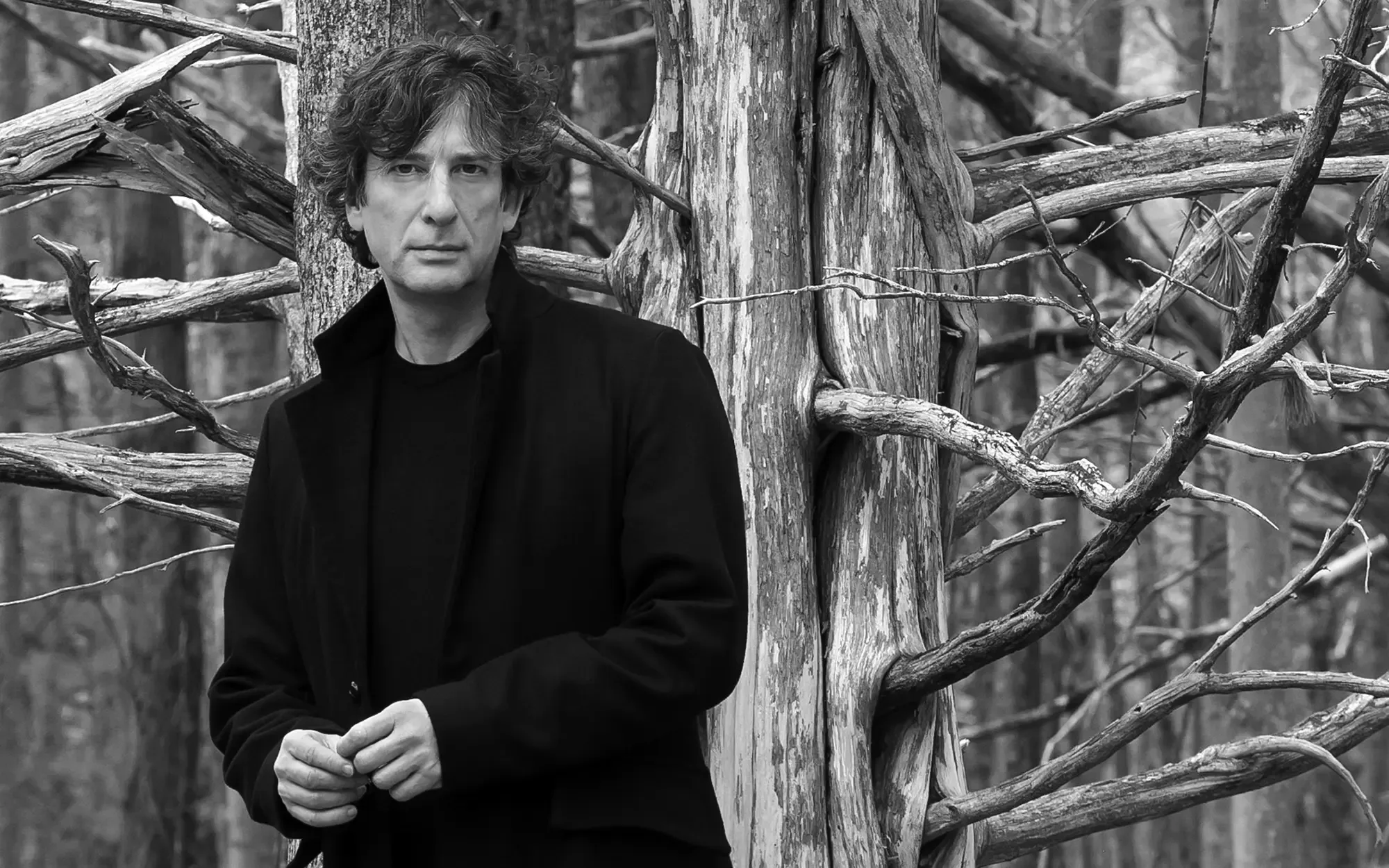
For many years, Neil Gaiman was one of my favorite authors. With his tousled hair, rich accent, and elegant-yet-rumpled appearance, he seemed the very ideal of an eccentric British fantasist. As for his ability to create richly imaginative worlds with stirring, evocative prose that could both hearken to the greats (e.g., Lewis, Chesterton) and be wonderfully weird and iconoclastic, it was second to none.
1999’s Stardust was a perfect novel in my eyes, one that I could read in a single sitting, and whose story remained deeply, profoundly enjoyable no matter how many times I cracked it open. As for Neverwhere, The Graveyard Book, and The Ocean at the End of the Lane, they’re all modern fantasy classics, as well. Gaiman is, of course, well-known for creating The Sandman — which helped elevate comics to a new cultural prominence in the ’80s and ’90s — as well as his work on Doctor Who and the English-language version of Hayao Miyazaki’s epic Princess Mononoke.
But knowing what I know now, my gut reaction is that I never want to read any of Neil Gaiman’s stories ever again, regardless of how impactful, affecting, and beautiful they’ve been in the past. Earlier this week, Vulture published Lila Shapiro’s “There Is No Safe Word,” which exhaustively details Gaiman’s history of sexual assault. Although his infidelity has been known for years, Shapiro reveals shocking accounts of harassment, assault, rape, and perversion. So shocking, in fact, that I just didn’t have the stomach to finish her article.
Needless to say, the unfolding Gaiman scandal is the latest to raise that age-old question: What do we do with great art made by terrible people? It’s a question that probably stretches back to the very first cave paintings and bone carvings, and it’s become increasingly prevalent as the internet makes it easier than ever to discover all manner of details about public figures — artists included. It’s a deeply felt, even existential question that unfortunately has no simple, straightforward answer.
History is littered with examples of celebrated artists who have done, said, and believed monstrous things. Woody Allen. David Bowie. Marion Zimmer Bradley. Caravaggio. Miles Davis. Warren Ellis. Edgar Degas. Dr. Dre. Paul Gauguin. Cormac McCarthy. Alice Munro. Jimmy Page. Pablo Picasso. Roman Polanski. Joss Whedon. The list goes on and on, with Gaiman a relatively recent addition, and it’ll keep going until the end of time because human beings are broken, fallible creatures — even those with especial talents.
We could simply try to avoid all “problematic” artists, but then we’d have to excise a considerable amount of humanity’s artistic achievement. And just to be safe, we’d also need to be suspicious of any remaining art on the off chance that its creators have a skeleton or two in their closets, as well. That might be acceptable for hermits and ascetics, but most of us would probably find such an existence untenable.
We’re left, then, with an uncomfortable thought: by continuing to enjoy art made by such people, we’re possibly overlooking and accepting, and even condoning, their behavior. And just to make things even more complicated, we run up against one of art’s great mysteries and great controversies: terrible people guilty of monstrous things do, in fact, create deeply beautiful and profound artistic works.
I often reflect on what Andy Whitman (one of my favorite music critics) wrote about Bill Evans:
Not that horrid behavior is ever justified, but I also find that I have great sympathy for artists who were fairly miserable human beings. The jazz pianist Bill Evans was a heroin addict who lied and cheated to keep his habit alive. He used to inject his wife, for God’s sake, and not surprisingly she developed her own habit, which led to her suicide at a young age. At one point in the late ’50s Evans was strung out, broke, and his wife had left him. The electricity and heat had been turned off in his apartment because he was unable to pay his bills. He was at rock bottom. And he went into the studio with no greater motivation than to earn some cash to keep his habit alive, sat down at the piano, and improvised for seven minutes while the tape rolled and ended up with something called “Peace Piece,” one of the most moving, hymnlike, and transparently beautiful pieces of music I’ve ever heard. And I love him for that.
Who can understand this? Where does that come from? The nice, neat theological explanation is that it’s common grace, and that God bestows his gifts on the righteous and the unrighteous alike. But the explanation that I prefer is that it’s a miracle, a little shard of God’s goodness and beauty that shines forth all the more starkly when surrounded by the muck and the mire.
Or as Tim Byrne posted on Bluesky:
1. Neil Gaiman’s art has spoken to me on a deeply personal level for decades.
2. Neil Gaiman is a pathetic evil creep who deserves universal condemnation.
Both these things can be true.
There’s certainly something redemptive about that, that even the worst of us is not so far gone as to be completely incapable or bereft of beauty. Nevertheless, it’s only right and fair that we should want our favorite artists to be decent men and women given the comfort, entertainment, inspiration, and joy their work adds to our lives. Thus, when an artist is revealed to be an abuser, a racist, or a degenerate creep, it’s a heart-breaking experience and a kind of betrayal. (Of course, this existential dilemma, while not nothing, is a far cry from the physical, psychological, and spiritual damage that abuse victims suffer and pales in comparison to their need for healing, restoration, and justice.)
The art that we once found so valuable can suddenly seem tainted and diminished, and we start asking ourselves more questions, such as:
- Were there signs of the artist’s degeneracy that we missed, and how could we have missed them?
- If we purchase or otherwise support their art, are we supporting their bad behavior?
- If we still enjoy their art, what does that say about our own morality?
- What do we do with any of their art that’s in our possession?
- Does the artist’s moral failures mean their art is a failure, as well?
These questions are particularly troubling because they have no universally applicable answers. I’m not trying to hem and haw here, but rather, simply acknowledge the reality of human nature. People are complicated, and different people can and will answer these questions differently in different situations, and have perfectly sound and legitimate reasons for doing so. Thus, whenever we talk about “problematic” artists and their art, we need to do something those artists didn’t:
We need to grant each other grace and compassion.
If someone still enjoys reading Harry Potter novels, it’s easy to accuse them of supporting transphobia. Conversely, it’s easy to label someone who rejects Harry Potter a cancel-happy social justice warrior. For the former, Harry Potter may have helped them through a difficult time in life, and they don’t want to surrender that feeling. Whereas for the latter, J. K. Rowling’s statements may be deeply hurtful, and they don’t want to support her endeavors in any way. Both stances are grounded in deeply felt personal reasons, and it’s a risky proposition to argue who’s right or which reason is more important or valid.
Returning to Gaiman — who responded to Shapiro’s article as I was writing this post with a boilerplate denial of any abuse or “non-consensual sexual activity” — I have difficulty imagining a time when I’ll be able to read, never mind recommend, anything he’s written. But if someone else believes that The Sandman remains a great work of art that they can enjoy apart from Gaiman’s moral failings, while still recognizing those failings and the harm they’ve caused, then more power to them.
Admitting the reality of our differing reactions is not equivocating so long as we’re honest and willing to talk about our reactions, and confess to each other that this stuff is complicated, suffused with confusion, grief, and anger. And because human beings are complicated, also admit that our views may very well change with time. (Also, we really must stop putting artists on pedestals.)
Which is to say, a day may come when I can once again pick up Stardust and enjoy its tale of magical adventure in spite of its author’s vileness. That day, however, is not today. And if that day never comes, then so be it. Regardless, I hope Neil Gaiman’s victims receive the healing and justice they so richly deserve even as he is held fully accountable — professionally, legally, and otherwise — for the pain and damage he’s caused in their lives.