Review Roundup: Andor, Season Two
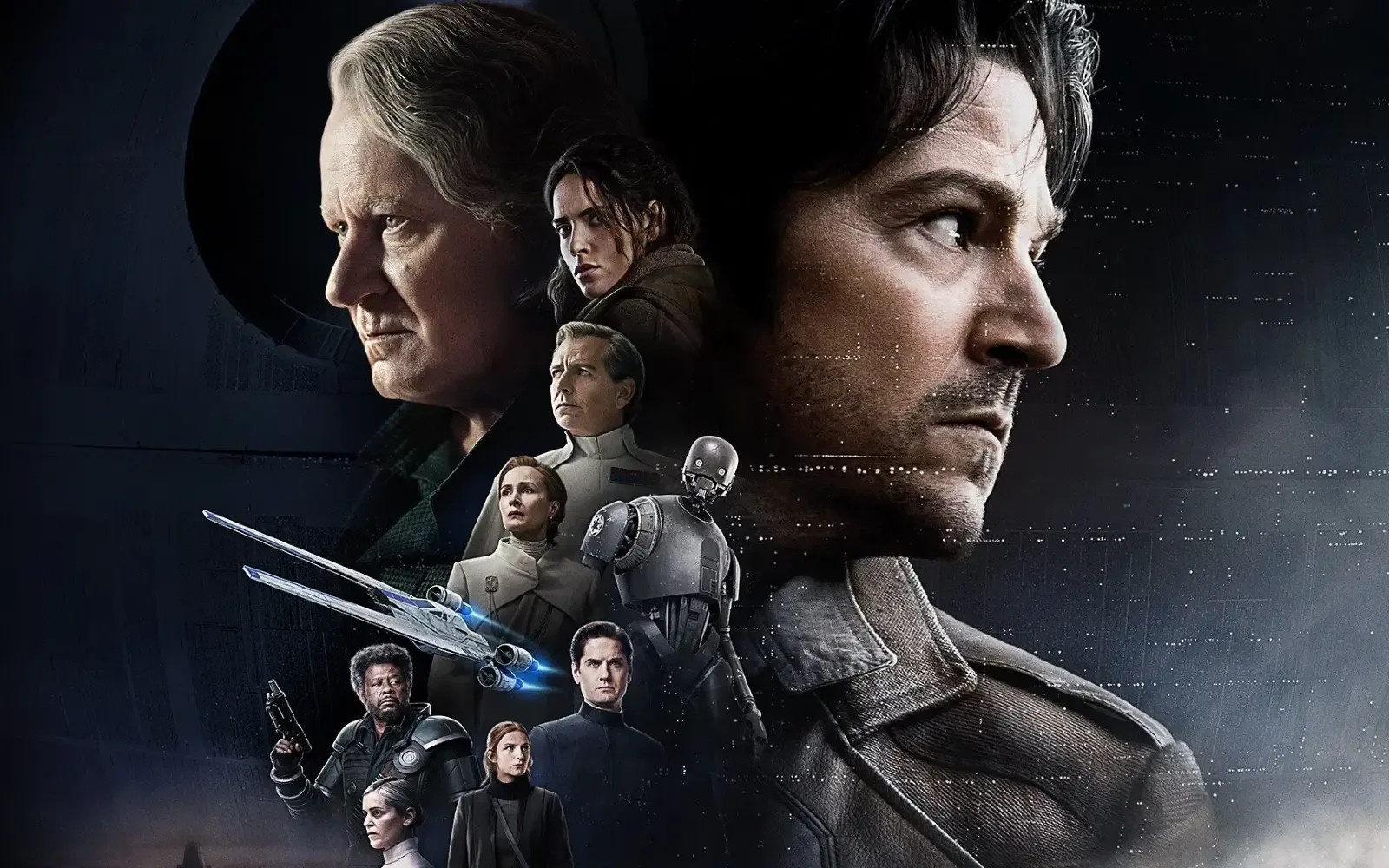
Put simply, Andor’s first season was one of the best things to happen to the Star Wars franchise in, well, ever (read my review). Tony Gilroy’s story about former thief Cassian Andor, who is slowly radicalized into joining the rebel insurgency against the Galactic Empire, deserved all of its accolades thanks to solid acting, impassioned dialog, and some gripping storytelling that now feels more than just a wee bit prophetic given our current political climate.
Needless to say, Star Wars fans have been eagerly awaiting the series’ second — and final — season. So, do Cassian Andor, Luthen Rael, and the rest of the burgeoning Rebel Alliance deliver the goods? Or does Andor’s second season fizzle and flame out? Read on to see what critics are saying.
Andor is a gift, an all-encompassing essential and important piece of modern mythology that reflects the world we live in now just as George Lucas’ Star Wars films always intended to. In A New Hope, the Empire were space Nazis meant to inspire a hero’s journey to inspire people from across galaxy to help take down the dark side. In the prequels we saw how it insidiously started with trade wars and children being massacred. Even the first season of Andor had innocent men disappeared off to prisons — which doesn’t seem all that unlikely now, does it?
As in season one, Andor draws much of its potency from its pointed and unsubtle parallels to events in our real world. It is impossible to watch news outlets mindlessly parroting the Empire line about “the continued and inexplicable Ghorman resistance to Imperial norms,” or the Galactic Senate avoiding calling a genocide a genocide, and not hear echoes of the destruction of Gaza, illegal mass deportation efforts or any of dozens of other shocking injustices currently being perpetrated before our eyes.
Andor is richly satisfying as a complete work, though it leaves Star Wars as a whole at a crossroads after the impending departure of Lucasfilm head Kathleen Kennedy. But Gilroy and his collaborators leave behind them a map for how the franchise could move forward. Obviously, not every Star Wars show can be an adult drama that dabbles in political theory. It can, however, focus on a narrow corner of George Lucas’s sprawling cosmology, leave out what doesn’t suit the story and combine what’s left with the creator’s own interests.
So much of Andor’s new season is spent with Gilroy picking apart the contradictions and conflicts that arise with any kind of political uprising, without the writer realizing that his show is so often in conflict with itself. Perhaps that internal creative rebellion is the whole point — the particular force flowing through Gilroy’s universe — but it still doesn’t make for consistently successful television. Andor tries. But this is a galaxy of do, or do not.
The good news is Gilroy has created what may end up being the second-best Star Wars trilogy of all time, after the original trilogy. The first two seasons of Andor, combined with Rogue One: A Star Wars Story, will go down as some of the very best Star Wars we have ever had. This is also some of the best television you will watch this year.
The show’s rep as the only good and smart new Star Wars might be a little overstated, but Tony Gilroy’s show does boast a confidence that’s been in short supply with Star Wars since the original trilogy. The first season took itself seriously but wasn’t self-serious in the way so many “prestige” genre shows are, wasn’t overly manipulative when it got emotional, and was fun despite hardly ever trying to be funny. It didn’t feel like the heavily test marketed product of a 21st century corporate IP mill the way so many shows and movies do today, eager to please and making the most obvious moves to do so, but instead came off as the result of a careful, intentional plan, with a firm grasp on its own personality and tone. And, despite some tight structural restraints, season two maintains that level of quality throughout.
Andor season two is counter-intuitively bold. It’s not gigantic and thrilling in a manner you might expect, but it is audacious in just how mannered, nuanced, and smaller-scale the narrative is without sacrificing engagement.
This chapter is bigger, bolder, and makes some of the most devastating narrative decisions Disney has ever signed off on. And at a time when political tyranny is on the ascent here in the real world, Andor’s message about having faith in the power of collective resistance is worth taking to heart.
Proving that, in the right hands, the franchise is a big umbrella under which different sorts of tones, approaches, and narratives can comfortably coexist, Andor is so good that it retroactively enhances the stature of Rogue One. It’s the sole modern Star Wars endeavor that lives up to its iconic original-trilogy predecessors.
Given its unique time constraints, Andor Season 2 was never going to be completely perfect. It’s a little like life that way — messy and unpredictable, full of surprises, and determined to give us less of what we want and more of what we may need. It deserves all the praise for taking such a massive risk with what’s essentially become popcorn IP, but it’s nearly undone by its need to subvert.
Andor’s second season begins streaming on Disney+ on April 22, 2025. Watch the trailer below.
