Dancer in the Dark by Lars Von Trier (Review)
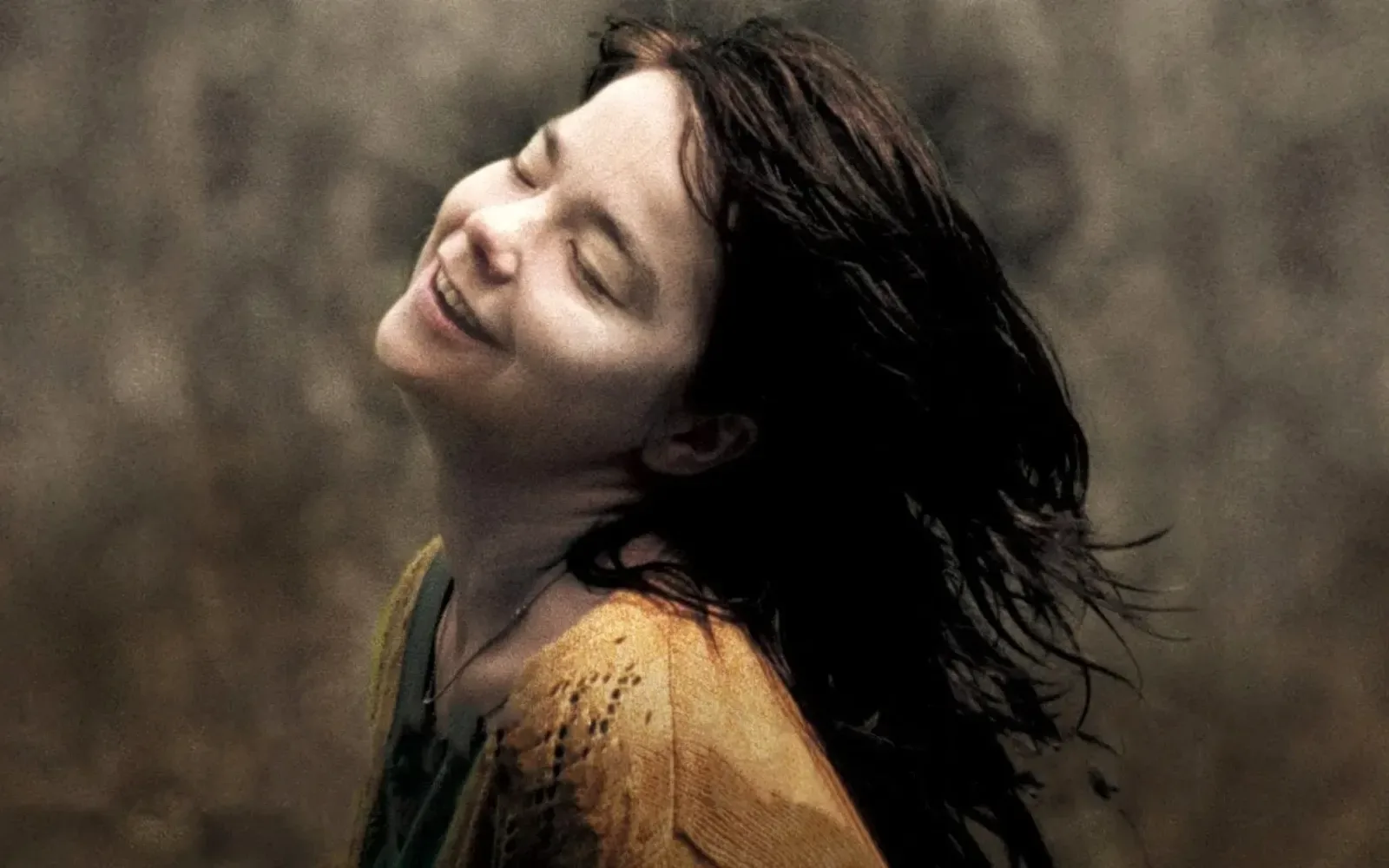
I don’t know what’s weirder, a movie that could almost make me cry (among others, Life Is Beautiful and The Dollmaker all came close and failed), the fact that it was a musical, or the fact that I watched it in the year 2000. Dancer in the Dark is about a factory drone emigre named Selma. Her life is complete drudgery, broken up by the hope that she will be able to one day save enough money for a surgery to prevent her son from going blind, like she slowly is.
Oh yeah, she has great daydreams inspired by factory machines’ rhythms where she becomes the lead of dance sequences inspired by the old musicals she loves. Could anyone have played the lead here BUT Björk?! I don’t think so. You may never break up with another girl that works in a factory after seeing this movie. Selma is a great blend of homely and unearthly elements. She’s shy, awkward, and schoolgirlish in rebuffing the advances of a coworker or botching the processes of the machines she runs, but in her dreams, she’s hoofing it up completely natural and pixie-like.
Sooner or later though, her dreams do come to an end, and reality comes creeping back in. Only Job comes to mind for someone who could match the living hell she ends up going through. (Unlike Job though, she never questions why.) I quite literally have never heard of a situation this sad, ever. Name a bad thing that could happen to her, and it does.
You could go for either just the plot or the songs, they’re both equally well realized (especially when you find out that the musical sequences were all done in one take). However, the two are very dependent on each other. Were they isolated you’d just get a few good music videos and a movie so depressing that not even watching Laetitia Casta sing “Happy Birthday Mr. President” could cheer you up after watching it.
Written by Pearson Greer.