Dark Days by Marc Singer (Review)
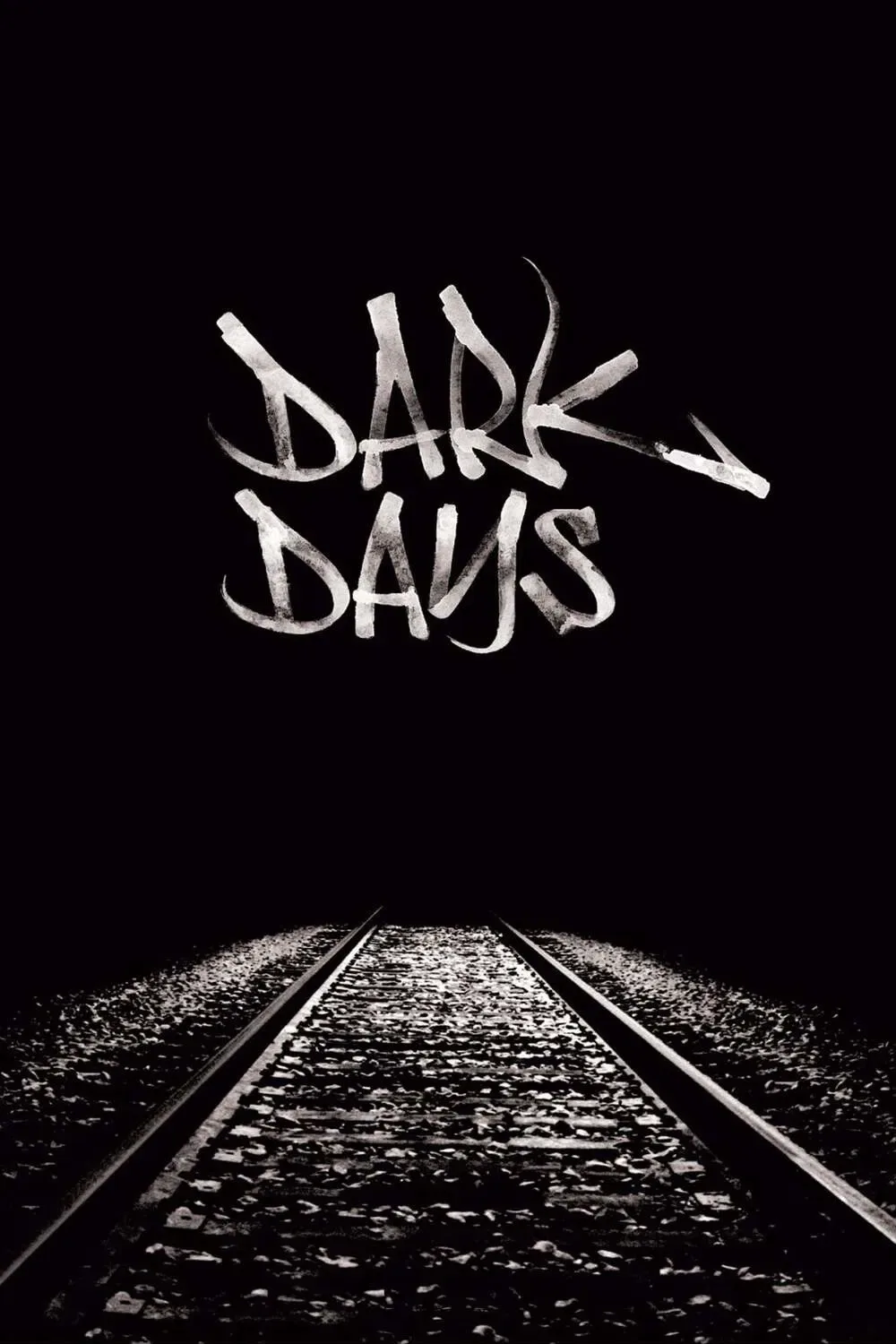
One would have to think that there’s always a danger when making documentaries, and that’s getting too close to the subject matter. Doing so risks creating a sentimental and flattering film that lacks any honesty or objectivity. Of course, I probably wouldn’t tell that to Marc Singer, who literally forsook everything he had to become part of the documentary he was making. The result is a film that is not just a testament to Singer’s determination, but also a moving testament to human spirit, to the ability of humans to survive and even rise above the situations they find themselves in.
Dark Days is the story of a group of people who lived in the tunnels beneath New York’s subway system. Eschewing the homeless life on the streets above, they opted to go far below the streets, where there was shelter and security. The environment they live in would seem absolutely disgusting to most, but these people managed to survive and create a community of sorts. Early in the film, one of the members of this subterranean community comments that it’s amazing what the human mind and body can become accustomed to. Every second of this film is proof of that.
While making the documentary, Singer lost nearly everything and decided to move in with the subjects of his film. They also became his crew, helping him document their lives. And it’s this closeness that gives Dark Days much of its emotional punch. These people completely open themselves to the camera, and the tales they tell are shocking, disturbing, and riveting. Singer doesn’t sentimentalize or portray his subjects in a positive light, but he does portray them in a honest and truthful one.
Ralph talks about his struggle with crack addiction (crack is quite prevalent throughout the movie and Singer does not shy away from its use or effects) and how his life spiralled downhill as a result. His wife asks him to choose between her and crack; he chooses crack. He spends much of his life in jail, unable to care for his daughter, who ends up being abused and molested. Then there’s Dee, who learns her two children have been killed in a fire while locked up in jail. As she laments the joys of motherhood she’ll never have, the pain in her voice is too real. But what makes Dee’s story even more poignant and brutal is what immediately follows, when Dee lights up her crack pipe and gets high before our eyes.
These people realize that their living situations are not the best, but they are also proud of the lives that they have managed to make for themselves. Despite all of the darkness that surrounds them (figuratively and literally), the film is far from a depressing one. Yes, it’s sad to know that there are people who actually live like this in our day and age. If anything, this film is a stark reminder of the inequality that still exists in our nation. But it’s also a wonder to know that people can survive in the midst of depressing situations and awful living conditions, and that they can also find humor and joy in the midst of it all.
Thankfully, Dark Days does not end on a depressing note. When subway officials tried to evict the tunnel dwellers, Singer used his documentary to make their plight known. The final scenes of the documentary show the tunnel dwellers moving into their new apartments, courtesy of government assistance programs. Like the rest of the film, it’s emotional, but in a good way this time. The relief at having survived what they did, and the joy of their newfound station in life is pretty overwhelming, and a thankful respite from the darkness.