My Home Is Not In This World by Natalie Bergman (Review)
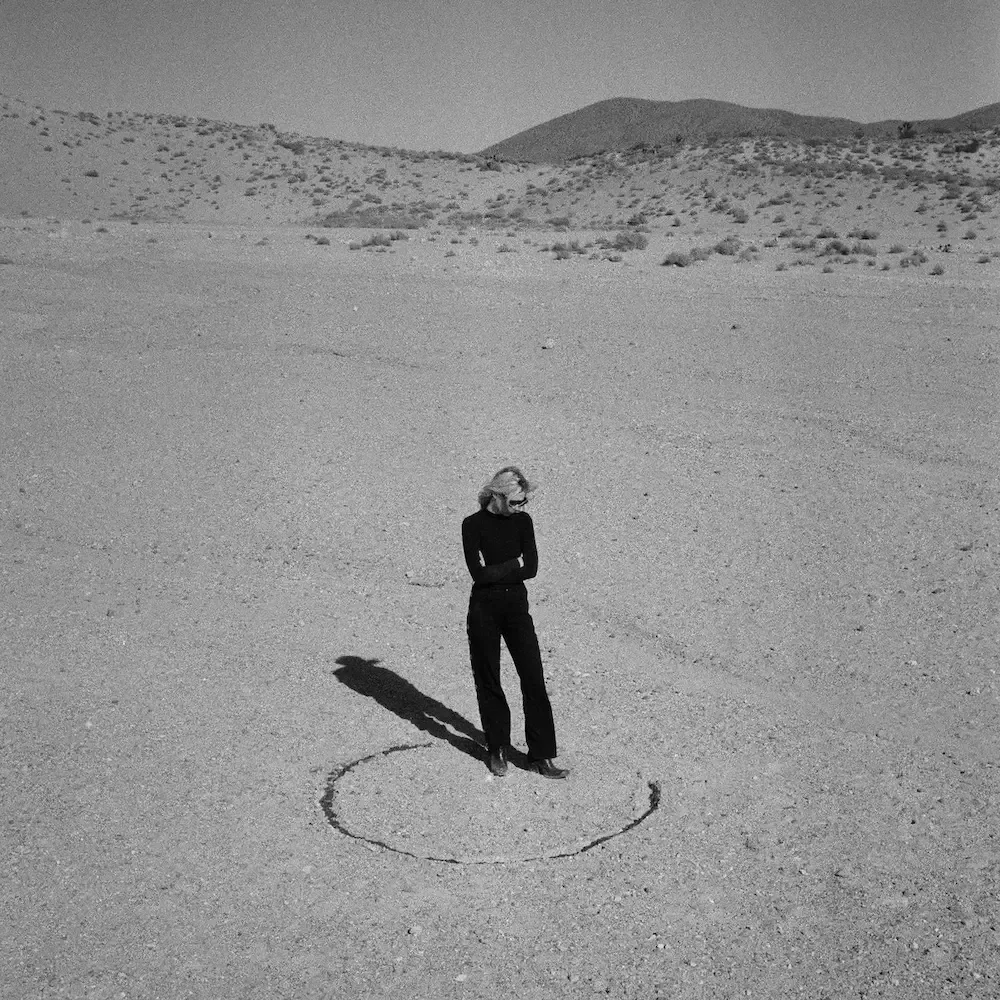
Along with Sufjan Stevens’ Carrie & Lowell and Mount Eerie’s A Crow Looked at Me, Natalie Bergman’s Mercy is one of the great grief albums of the last ten years. Written in the aftermath of her parents’ death by drunk driver, Mercy finds Bergman crying out to the Lord from within the depths of sorrow even as she wrestles with the very notion of a loving God. As I wrote in my review, it’s both “an exquisite expression of grief” and “an equally stirring reminder that death… does not have the final word.”
Four years later, Bergman is in a different place in life. Now a wife and mother, she’s experienced all manner of change in the years since Mercy’s recording and release. But her latest album, My Home Is Not In This World, makes it abundantly clear that Bergman is still a restless soul who views this world’s trappings with no small amount of skepticism.
Songs like “Gunslinger” and “Stop, Please Don’t Go” explore broken relationships while “You Can Have Me” is a heartbreaking plea for her lover to give up the hollow pursuit of fame. Bergman looks at those empty things askance and demands something more. Which means that when she does find something of value that’s worth holding onto, it’s so much the sweeter. As she explained in a recent Billboard interview:
[S]ome of [these songs] are inspired by birth and life — the gift of life and thankfulness for being alive. I’ve also visited a lot of old relationships on the record and looked back at some darker times in my life. It’s all a celebration. I’m celebrating not being with some of the people I used to chase around and celebrating finding my husband.
The album’s emotional centerpiece is “Song For Arthur,” an ode to Bergman’s young son. It’s also the album’s foundation, the very first song she wrote after a months-long creative block. “You came to me at the very right time,” she sings; “There was no more honey left to be had/For three long years I couldn’t leave my own bed/‘Til you gave me a reason.” Equally stirring is “Looking for You,” which celebrates Bergman’s husband and marriage: “How did I go on without you?/My tears had been dry for so long/Now I thank God that I found you.”
And then there’s the title track, a seemingly paradoxical number that’s both a Larry Norman-esque sentiment about this world’s transience (“All my life I never felt like I belong”) as well as a celebration of the world’s good things:
I want to go outside
Tell the trees that I love them
Open my eyes
See the children in the garden
Dancing underneath the sunshine
Swinging underneath the moonlight
Sing away your sorrow, my little one
As was the case with Mercy, classic soul and R&B is My Home Is Not In This World’s primary musical DNA, and its swinging arrangements and lush production ensures that its twelve songs are never cloying or maudlin. Indeed, there may be a few times when you’ll need to remind yourself that you’re listening to a 2025 album and not one from 1965, particularly on songs like the strutting “Dance” or, with its softly swelling strings, “Looking for You.”
Though perhaps a bit less eclectic than its predecessor, My Home Is Not In This World is no less a delight for the ears, and yet another sterling display of Bergman’s deeply personal songwriting and storytelling.