922 reviews of movies, TV shows, books, restaurants, etc. My own private Goodreads, Letterboxd, and Yelp all rolled into one (more info). Star ratings are 100% subjective, non-scientific, and subject to change. May contain affiliate links, which support Opus.
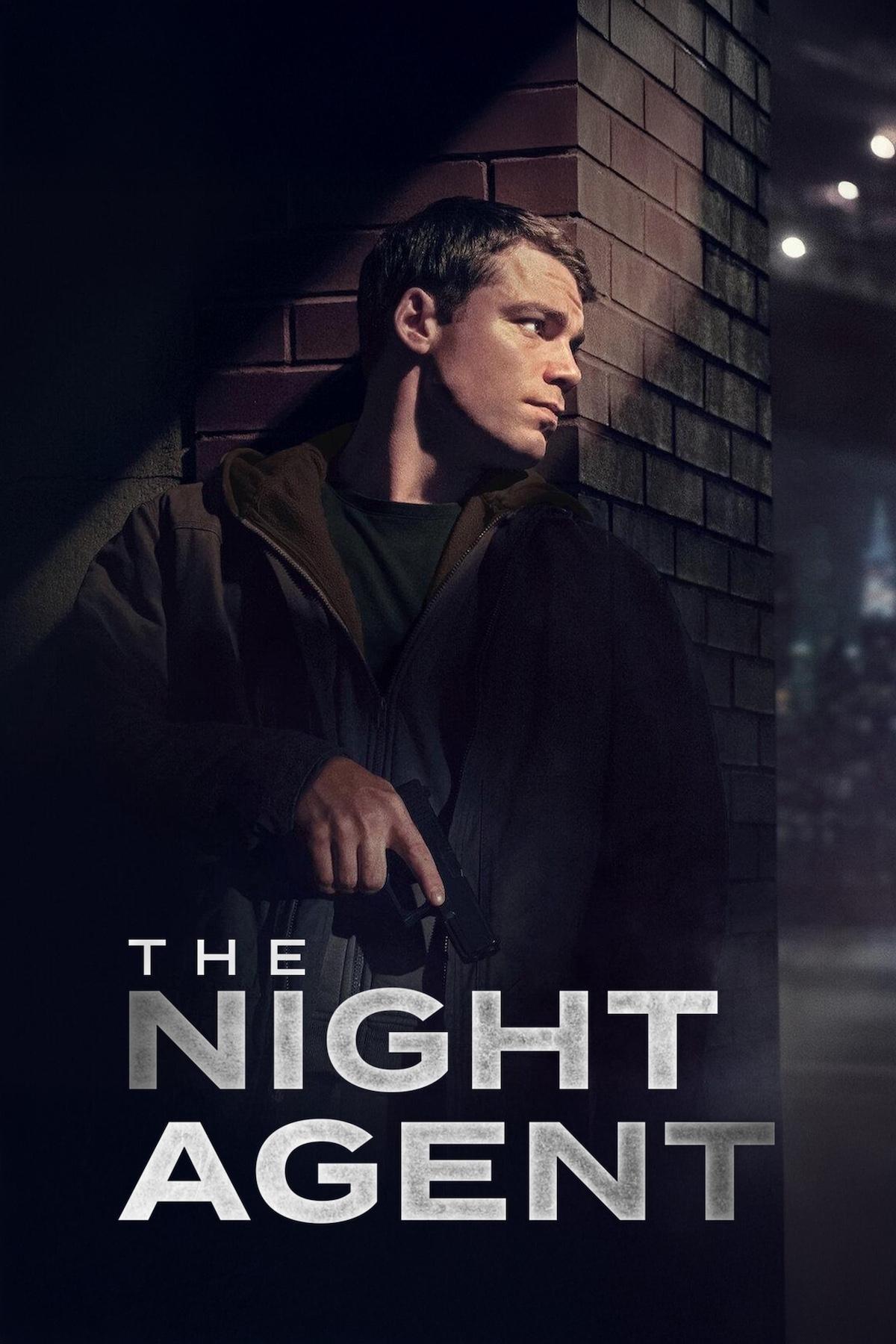
The first season of The Night Agent didn’t exactly blow me away, but it was still a solid enough espionage thriller that kept me entertained. Thus, I was honestly looking forward to the series’ second season, but unfortunately, it just didn’t click for me. All of the pieces are there, but there’s a certain lack of chemistry that makes the increasingly convoluted storyline less engaging than it should be. The Night Agent has obviously been a hit with lots of people, which explains why it’s already been renewed for a third season, but I don’t think I’ll be tuning in. Did not finish.
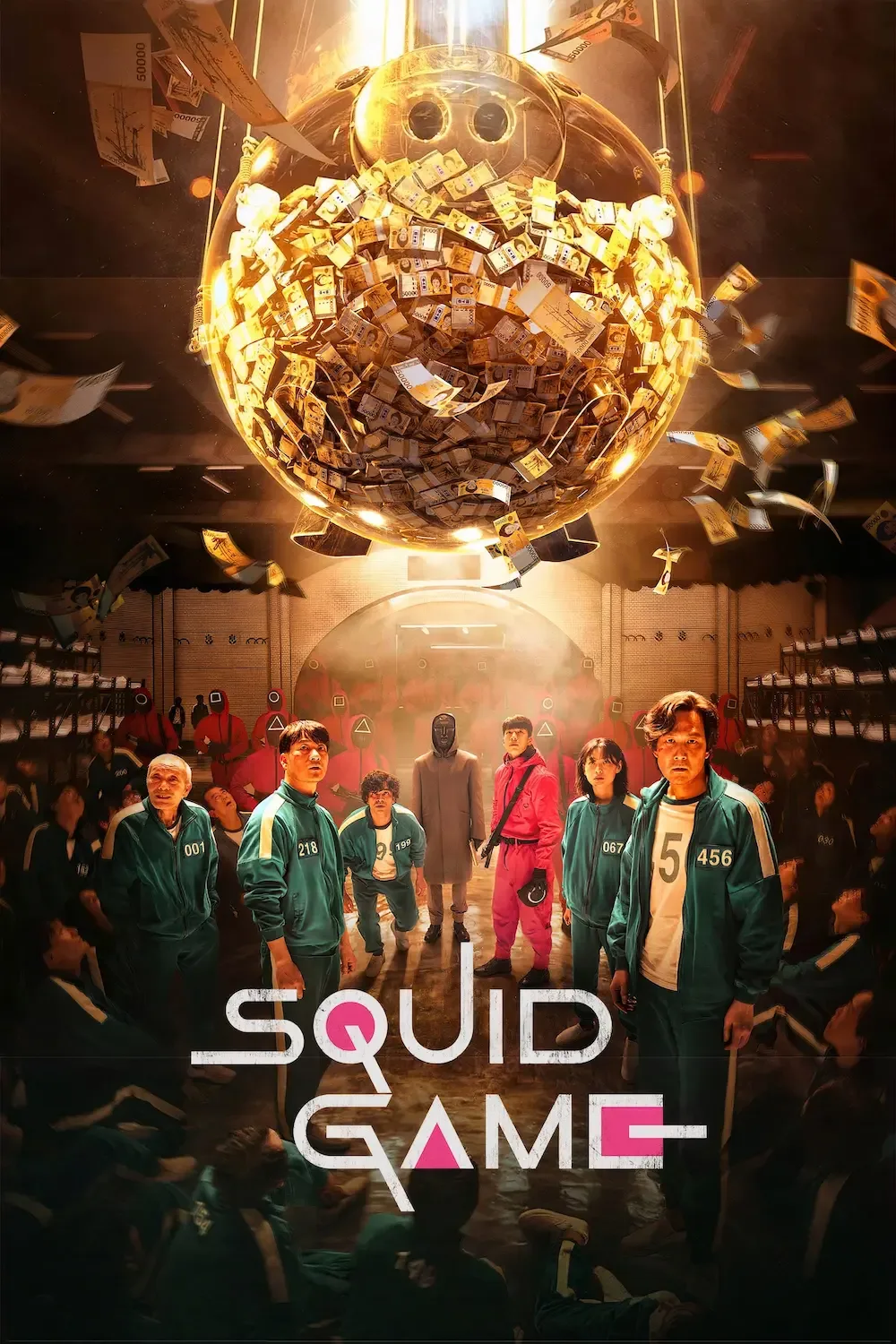
Squid Game’s second season picks up four years after the events of its first season, with the previous season’s winner re-entering the games in order to shut them down once and for all. He’s joined by another motley assembly of desperate, down-on-their-luck individuals, including a failed crypto influencer, a flamboyant rapper, a creepy shaman, a transgender woman, and a mother-son duo. Season two also offers a behind-the-scenes look at how the games are run, and the individuals wearing those iconic pink suits and black masks. It did feel like season two — which only has seven episodes compared to the first season’s nine — juggled a few too many storylines, specifically Detective Hwang’s ongoing search for the island on which the nefarious games take place. Nevertheless, Squid Game’s second season proved just as entertaining and engrossing as its first, and I’m eagerly looking forward to watching the third and final season when it’s released in June.
I’m a few years late to this one, but I was fortunately able to avoid most spoilers. It’s easy to see why Squid Game has been such a big hit for Netflix. Hwang Dong-hyuk’s original series is twisted in all the right ways, but its story of down-on-their-luck individuals playing deadly children’s games for money while overseen by mysterious masked individuals never feels tawdry or exploitative. Rather, it makes some incisive points about human nature and the desperation of those who’ve fallen through society’s cracks while at the same time, tapping into our present anxiety concerning the haves and the have-nots. On paper, the series’ premise might seem outlandish, and even preposterous, but it’s so well-done — be it Hwang Dong-hyuk’s script and stylish direction, the incredible set design and cinematography, or the strong performances by Lee Jung-jae, Wi Ha-joon, Jung Ho-yeon, et al. — that I was completely absorbed by the twists and turns and the characters’ plight.
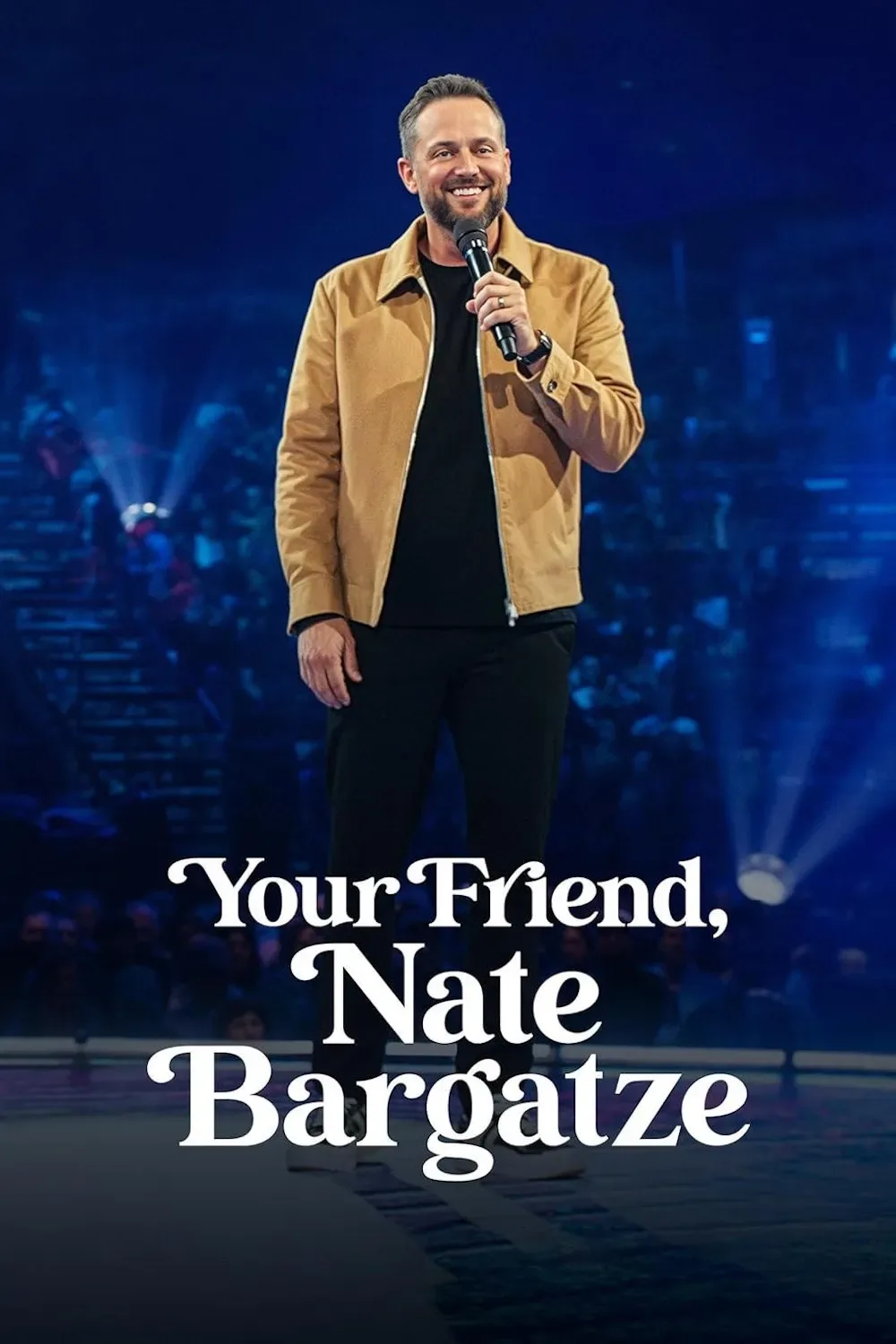
Your Friend, Nate Bargatze helped me realize something about Nate Bargatze’s stand-up: it’s consistently amusing, but rarely hilarious. His latest Netflix special, which finds the popular comedian ruminating — in his trademark low-key manner — on such hoary topics as pet ownership and the differences between him and his wife, certainly elicited chuckles throughout its hour-long runtime. (I laughed loudest at Bargatze’s recollections of being a water meter reader after 9/11, which is one of his first bits.) But there were also long stretches during which I had nothing more than a sort of half-smile on my face, and I don’t think I ever once doubled over in laughter. For the record, though, I’m not going to suggest that Bargatze obviously needs to spice up his act with some profanity; I actually respect him for keeping his humor clean through and through.
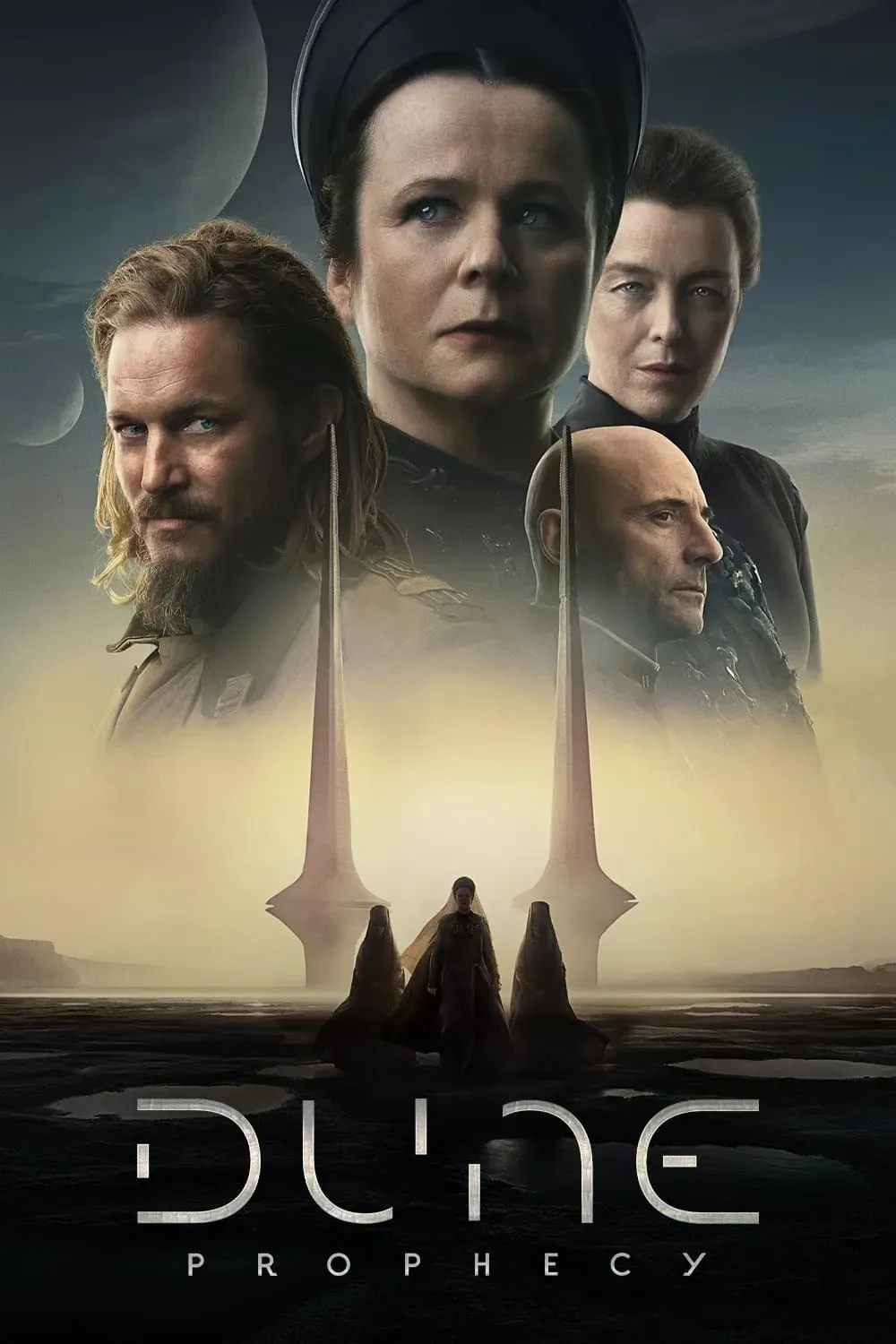
Dune: Prophecy has an awful lot going for it, starting with a stellar cast that includes Emily Watson, Olivia Williams, and Mark Strong. Add some impeccable production and costume design (the Bene Gesserits’ flowing black robes are as impressive as any visual effect) and the series — which is set 10,000 years before the events of the Dune novel and movies — has all the makings for an epic space opera. So why does it feel so underwhelming? Chalk that up to the fact that the season is a mere six episodes long, which is simply not enough time to fully develop its various plots and conspiracies: the Bene Gesserits’ plans to control the Imperium; the power struggles within the enigmatic Sisterhood; and the machinations and rebellions inside the Imperial court. With only a half-dozen episodes, all of them feel underdeveloped and fail to generate the sort of epic-ness one expects from a Dune title. The series has been renewed for a second season, which hopefully means more episodes to flesh things out and/or more efficient storytelling now that the groundwork’s been laid.
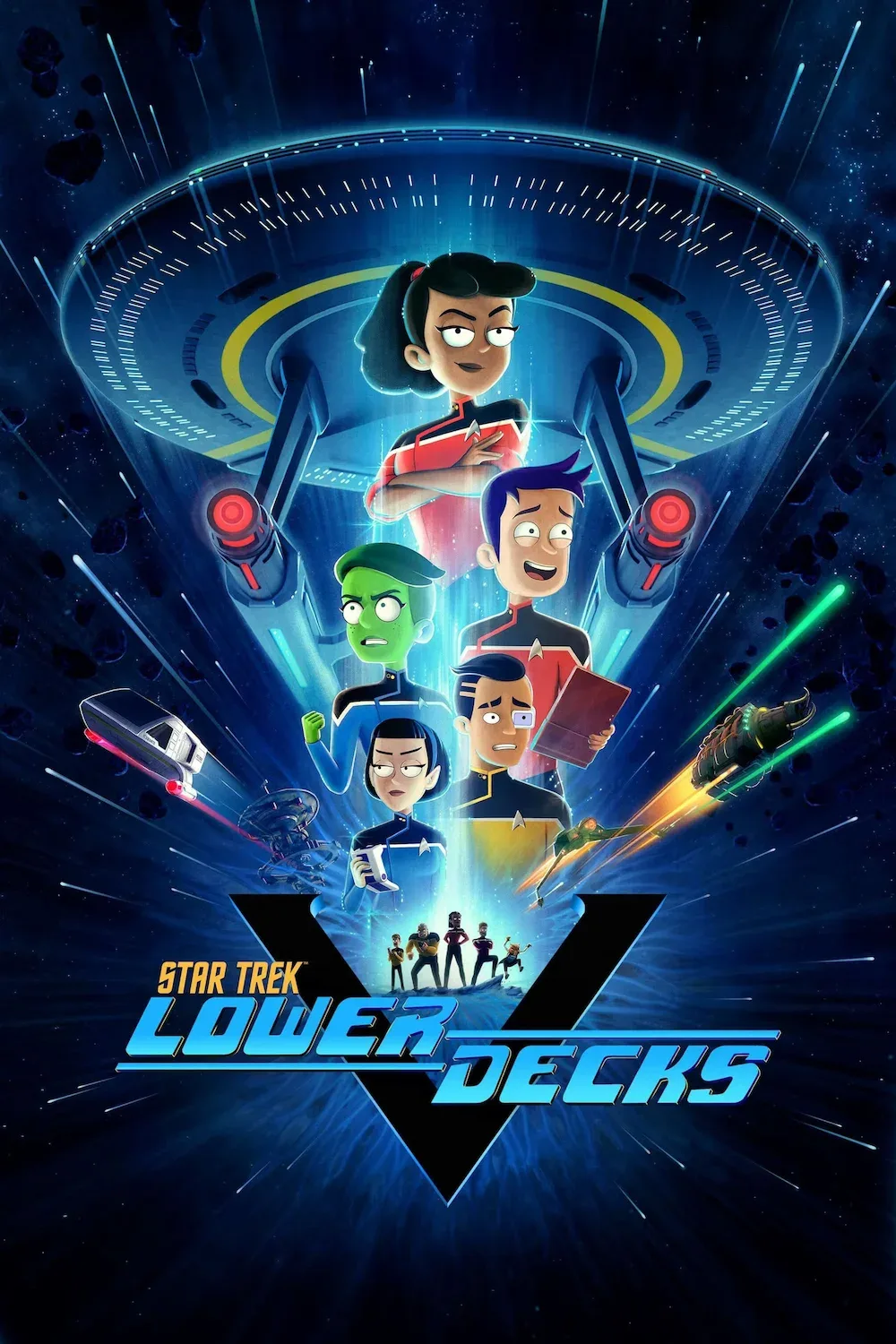
I was prepared to give the fifth and final season of Star Trek: Lower Decks a lower rating. The season’s jokes and references felt a little stale and rote, while the central storyline — the Cerritos crew is trying to figure out what’s causing a series of inter-dimensional rifts — seemed to meander. However, the season’s final episodes end it on such a delightful note, with Boimler, Mariner, et al. trying to save the universe, that the inside jokes and references felt fresh all over again. And, depending on just how canon Lower Decks is, the series finale potentially sets up a whole new chapter for the Star Trek franchise. “Engage the core,” indeed.
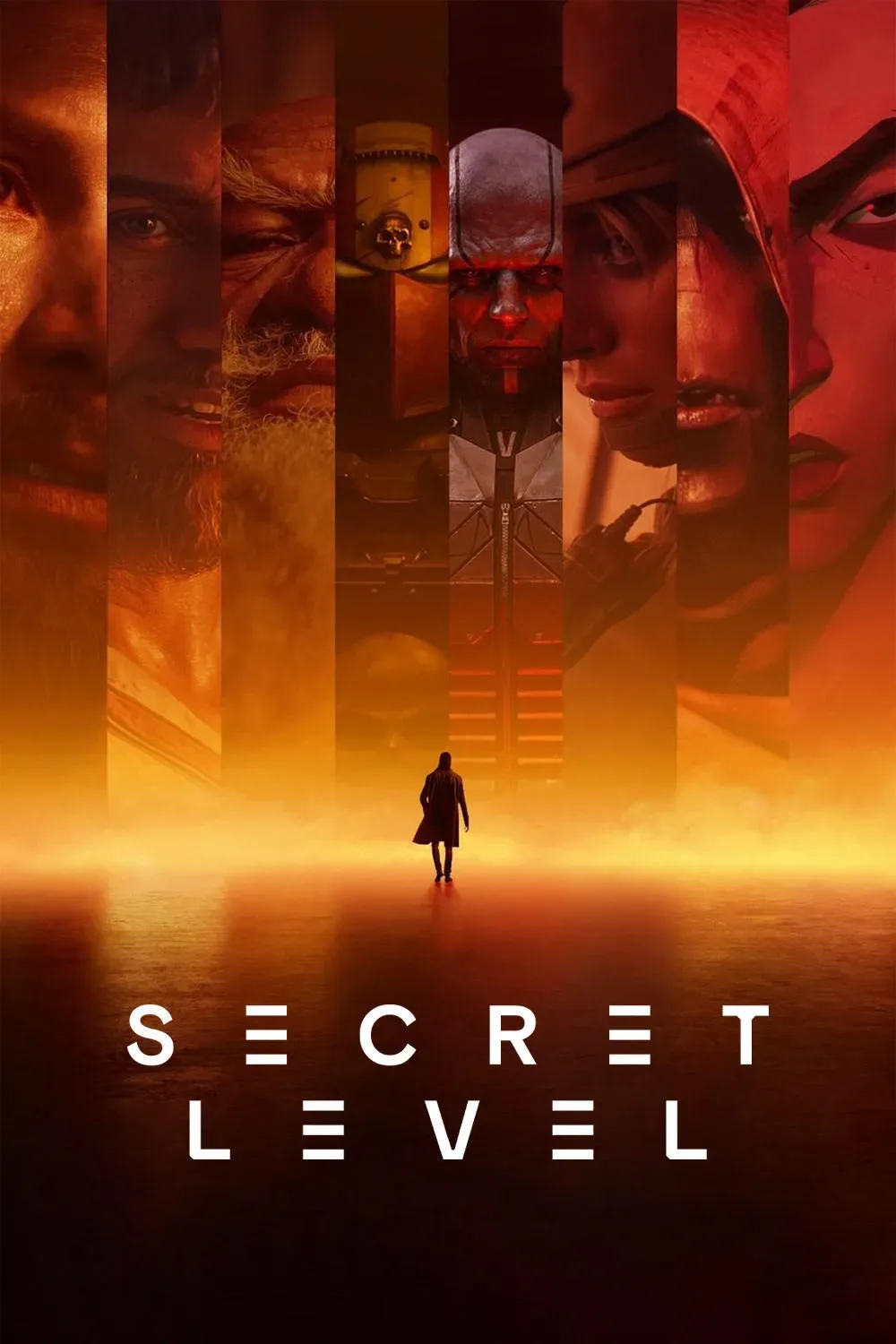
I had some high expectations for Secret Level, especially given that it was produced by the same folks behind Netflix’s Love, Death & Robots anthology. Unfortunately, this collection of animated shorts inspired by various games, both tabletop and video, largely squanders its potential. To be fair, some of the shorts are enjoyable. The Dungeons & Dragons short contains plenty of fun easter eggs, the Warhammer 40,000 short is packed with grimdark ultra-violence, and I really liked the blend of cyberpunk and traditional Chinese mythology in the Honor of Kings short. But by and large, Secret Level feels perfunctory and unnecessary, like a collection of extended cutscenes, or worse, advertisements. In other words, it’s a shameless appeal to nostalgia and fandom that offers precious little in terms of unique or interesting storytelling.
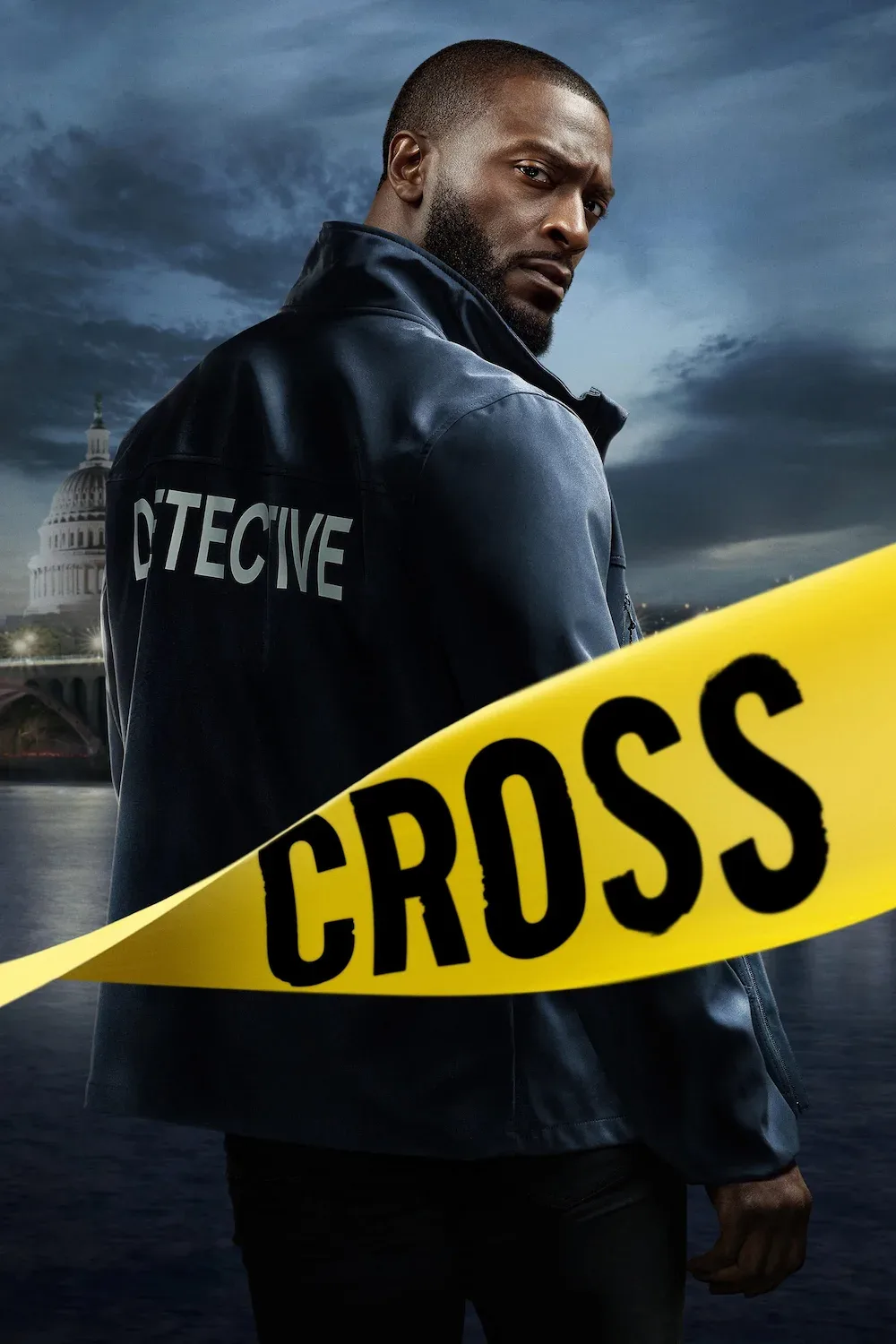
Like Reacher, I haven’t read any of the novels on which Amazon’s Cross is based. Thus, I can’t say how accurate the series, or Aldis Hodge’s lead performance, is to James Patterson’s thrillers. (Which have been previously adapted into several films, like 1997’s Kiss the Girls with Morgan Freeman.) Hodge’s Alex Cross is a driven detective and psychologist who explores the darkest recesses of human nature. That makes him the perfect man to match wits with a serial killer whose activities are inflaming Washington, D.C.’s already-fraught racial divide. But Cross’ grief over his own wife’s murder threatens to undo him, and even more so when an unknown individual targets his family. There’s a lot going on in Cross’ first season — family melodrama, murder mystery, questions of race and policing — and I’m not sure how well it juggles everything. I was never not entertained, and the cast is solid across the board. (I really enjoyed Isaiah Mustafa, of Old Spice commercial fame, as Cross’ best friend and fellow detective, and Eloise Mumford delivers a stirring performance as the killer’s latest victim.) What’s more, the show’s nuanced depiction of Black families seems like a needed tonic in today’s pop culture landscape. As the season neared its conclusion, however, the constant piling on of twists and revelations began to feel unwieldy, and what first interested me in the show got buried. I still plan on watching the already-announced second season, though, because there’s so much potential here.
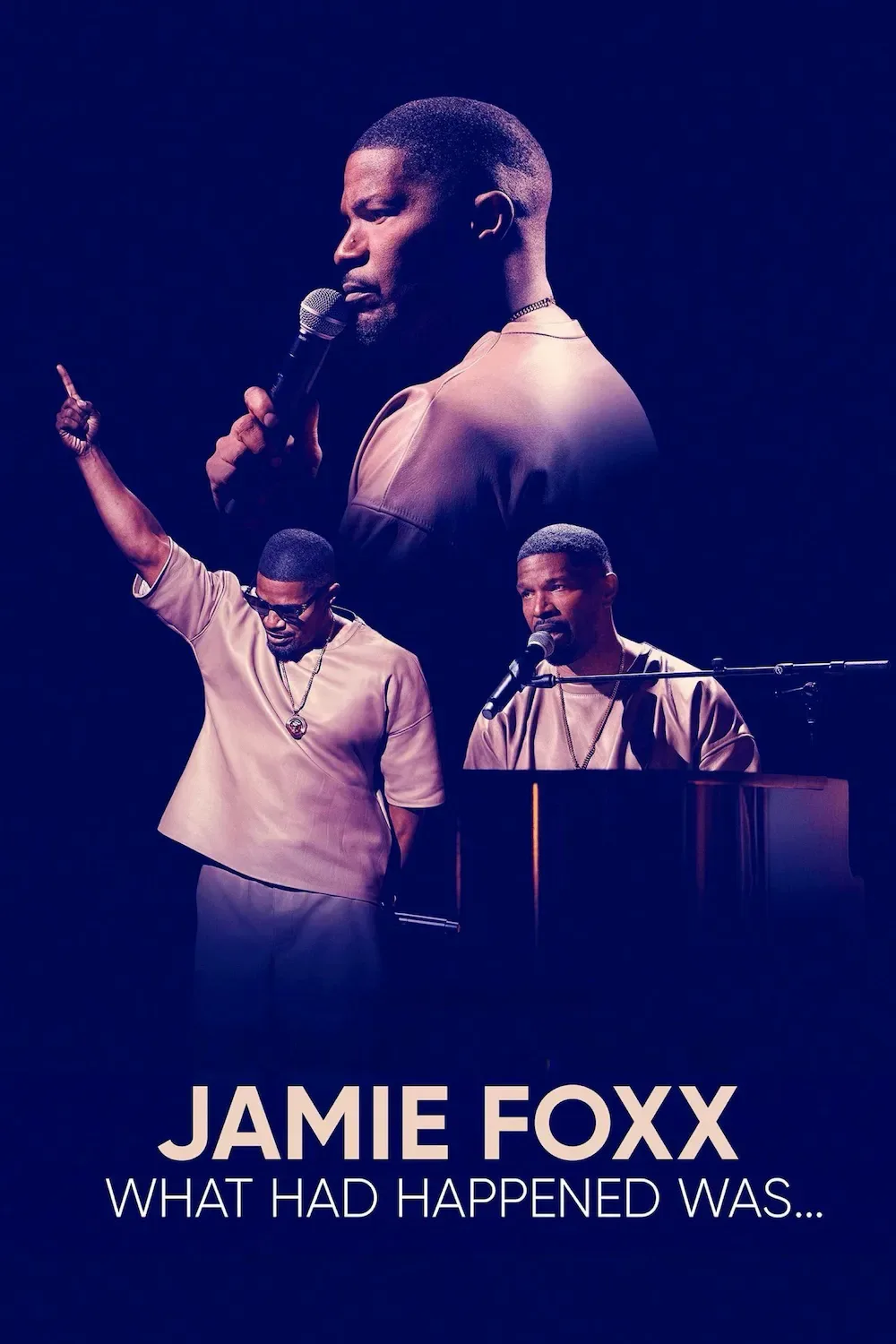
I’ve been a fan of Jamie Foxx ever since the In Living Color days. With his standup comedy, musical releases, and acclaimed performances in Ray, Collateral, Django Unchained, and They Cloned Tyrone, Foxx has become one of Hollywood’s most versatile and charismatic personalities. But in the spring of 2023, Foxx’s career, and even his very life, seemed to be on the precipice after a mysterious health scare left him hospitalized for weeks. Various rumors circulated during that time, including ones that he’d been cloned or replaced. So on this Netflix special, Foxx sets the record straight. Falling somewhere between a standup routine, a concert, and a sermon, What Had Happened Was… is a bit meandering due to Foxx’s numerous bits and impressions. But it’s also deeply emotional and spiritual, even with all of the crass and profane jokes. Foxx breaks down in tears on multiple occasions as he recalls his stroke and subsequent hospitalization and rehab as well as the profound realizations he had concerning his life, career, and faith. When he leads the audience in a round of “God is good/All the time/All the time/God is good,” it might just be the most worshipful moment Netflix has ever streamed.
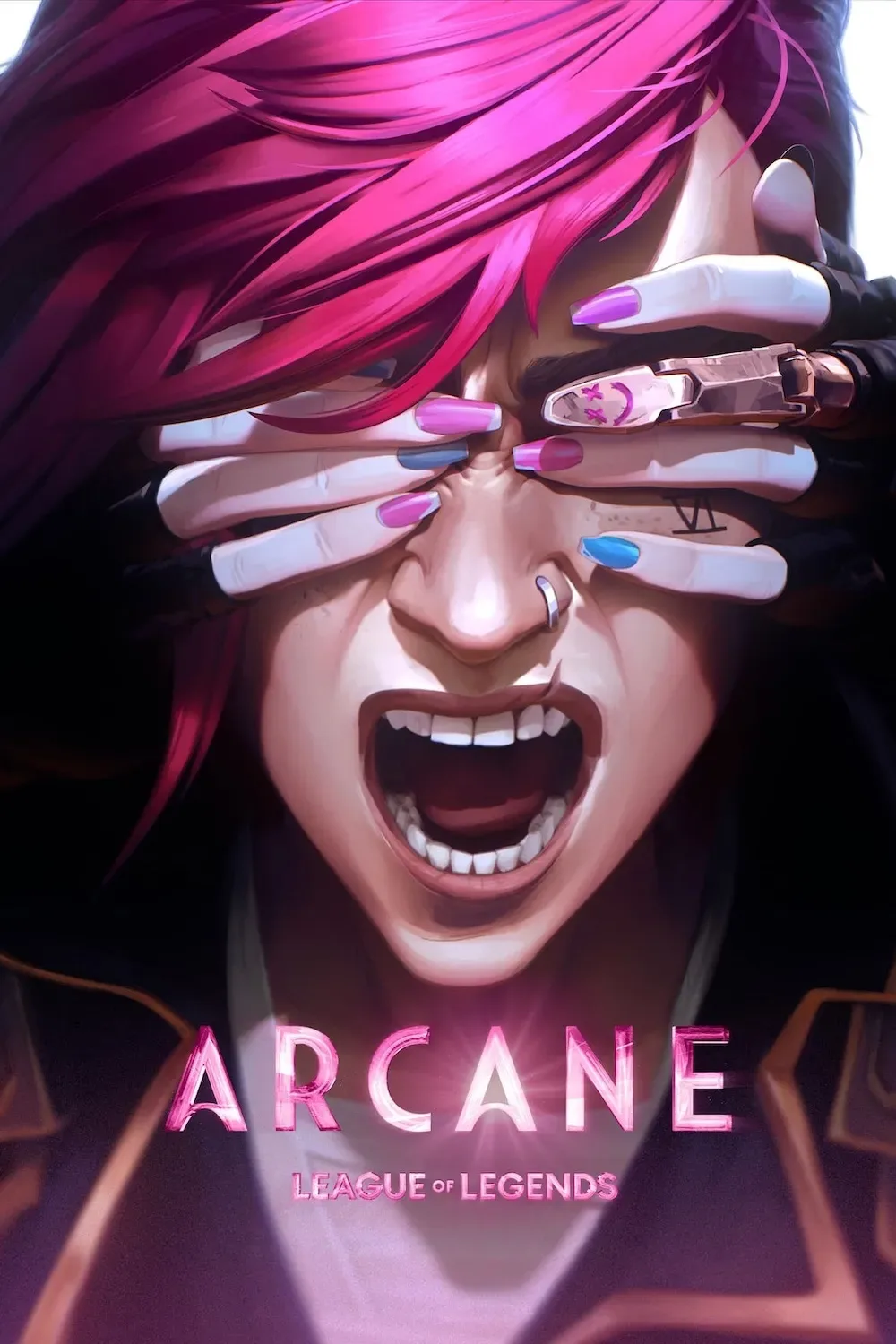
Arcane’s first season deserved any and all acclaim that it received (read my review). Its highly stylized and detailed artwork and animation, steampunk aesthetic, and rich world-building made for a rewarding and entertaining watch even if you’d never played a single second of League of Legends. Arcane’s second season boasts even more vivid animation, similar to how Across the Spider-Verse one-upped Into the Spider-Verse. Unfortunately, it contains far too much plot, essentially condensing what should be two seasons’ worth of storytelling into just one. The central storylines — Piltover and Zaun’s conflict, Vi and Jinx’s battle, Hextech’s development and dangers — are interspersed between new power struggles, family dysfunctions, and arcane (npi) revelations. Subsequently, all of the season’s storylines are underdeveloped and underwhelming. Which is a shame because technically speaking, Arcane sets a new standard for animated series. One of the series’ creators has acknowledged fan frustrations with the “rushed” second season, an openness and transparency that bodes well for any future League of Legends adaptations.
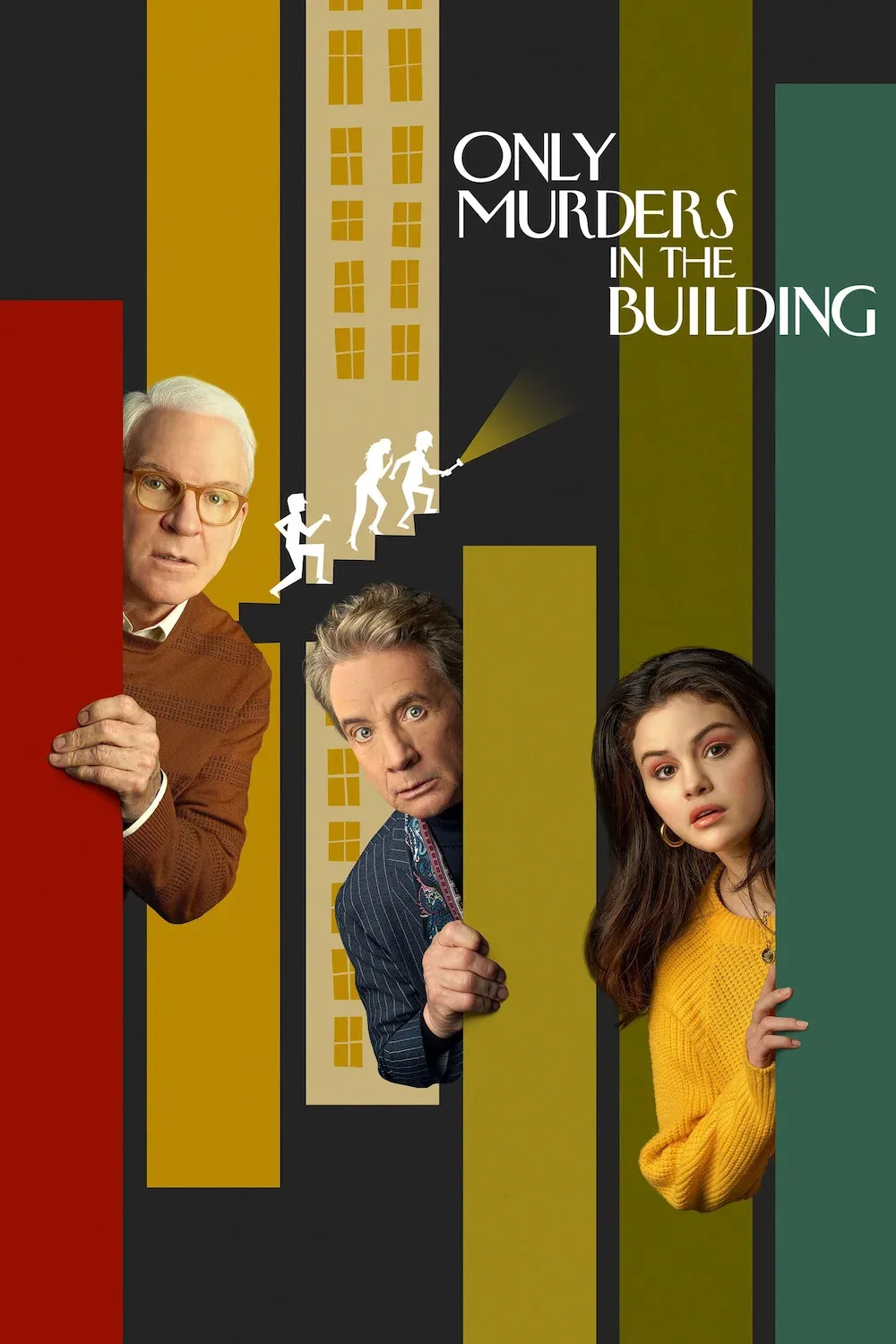
When one of their fellow tenants is murdered, three strangers — a retired actor, a washed up Broadway producer, and a reclusive artist — indulge their obsession with true-crime podcasts and start their own in order to solve the mystery. Naturally, things quickly get convoluted, dark secrets are revealed, and unlikely friendships form. I’ll be honest, I didn’t care too much for the season’s final revelations re. the killer and their motives; it felt a little too left-field and even meta. That said, any TV series that features Steve Martin and Martin Short riffing off each other is going to be a delight to watch, and that’s very much the case here. These characters are a joy, and my wife and I look forward to spending more time with them.
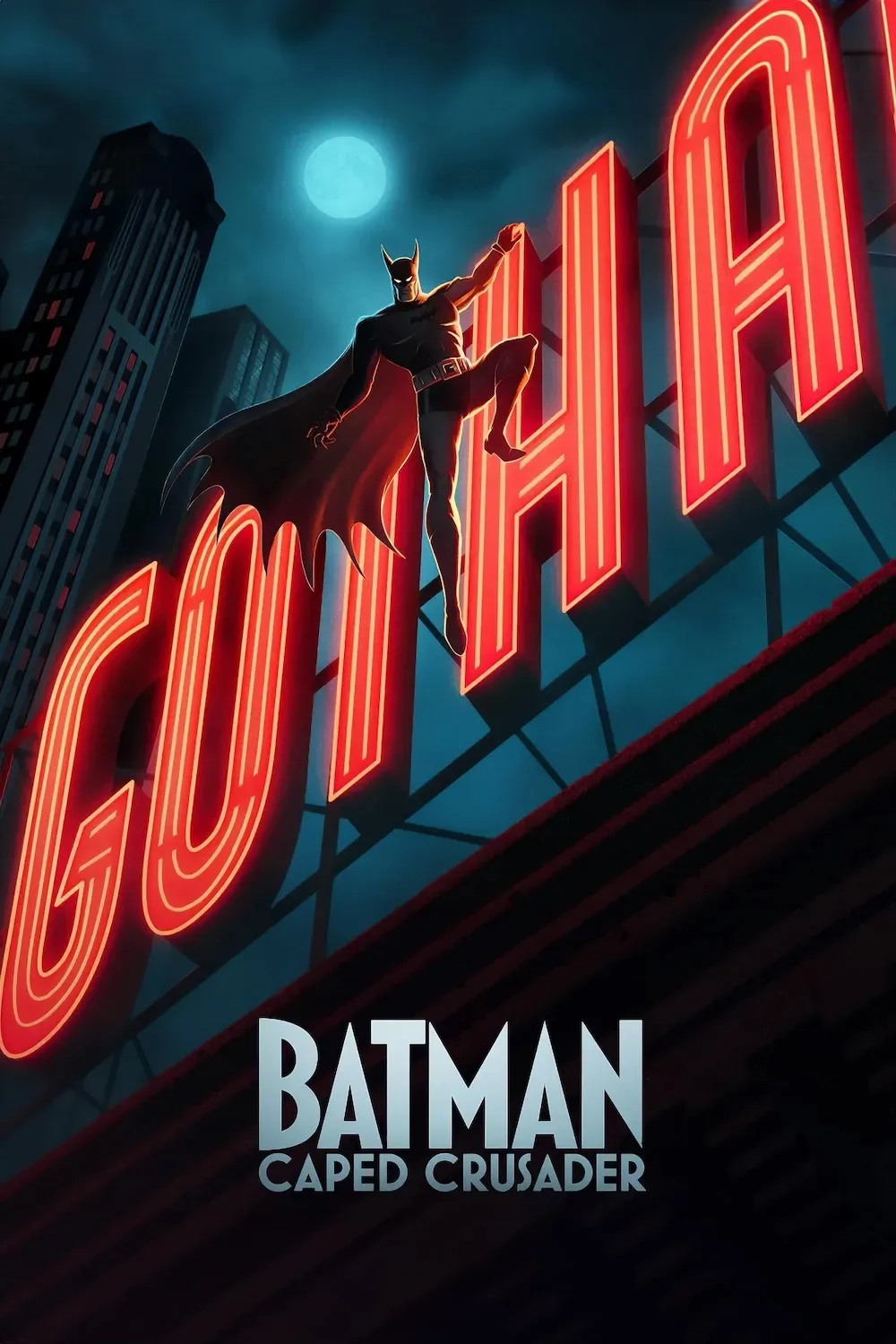
As a kid, my only real exposure to Batman was Adam West’s campy portrayal. Thus, Batman: The Animated Series was a revelation, and I daresay that for many of us who grew up in the ’90s, Bruce Timm’s series remains the definitive take on the Dark Knight, even more so than the actual comics. Timm’s Batman: Caped Crusader, which follows Bruce Wayne’s early adventures in crime-fighting, is clearly intended as a spiritual prequel to Batman: The Animated Series, even tapping into the same Art Deco-influenced aesthetic and noir tone. But the resulting series is just… OK. There’s nothing bad about Batman: Caped Crusader, though the blend of cel and CGI animation is surprisingly rough at times. But while the series has some bright spots (Hamish Linklater’s voicing of the Caped Crusader and the approach taken to Harvey Dent/Two-Face, voiced by Diedrich Bader), there’s nothing truly great about it, either. I’ll probably check out the already announced second season, but I don’t know if I hope that it hews even closer to Batman: The Animated Series, or tries to truly differentiate itself.
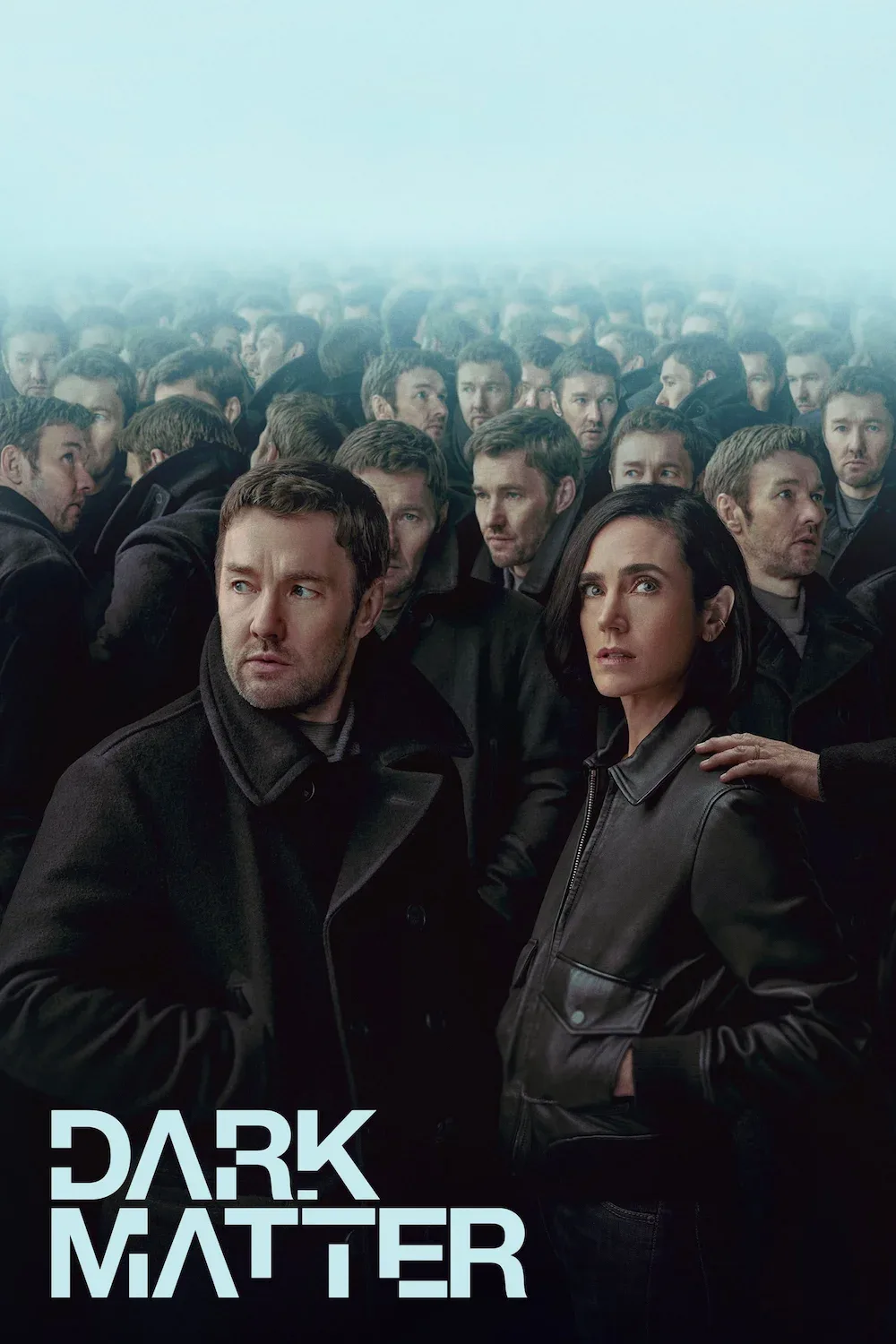
I was set on giving Dark Matter three stars — not great, but still enjoyable enough — but a pair of really solid, thought-provoking episodes elevated my score. Based on Blake Crouch’s 2016 novel, which I read several years ago and remember enjoying, this Apple original series follows a perfectly ordinary man who is kidnapped and wakes up in a world he doesn’t recognize — and the one who sent him there was himself. Given that Dark Matter deals with parallel universes and alternate realities, it works best when you don’t ask too many questions about the details (which, as I recall, the book spends more time exploring). I was a little disappointed that the series didn’t include my favorite moment for the book, but at the same time, Dark Matter features one of my favorite male/female relationships in quite some time that’s anchored by a heartfelt performance from Alice Braga.
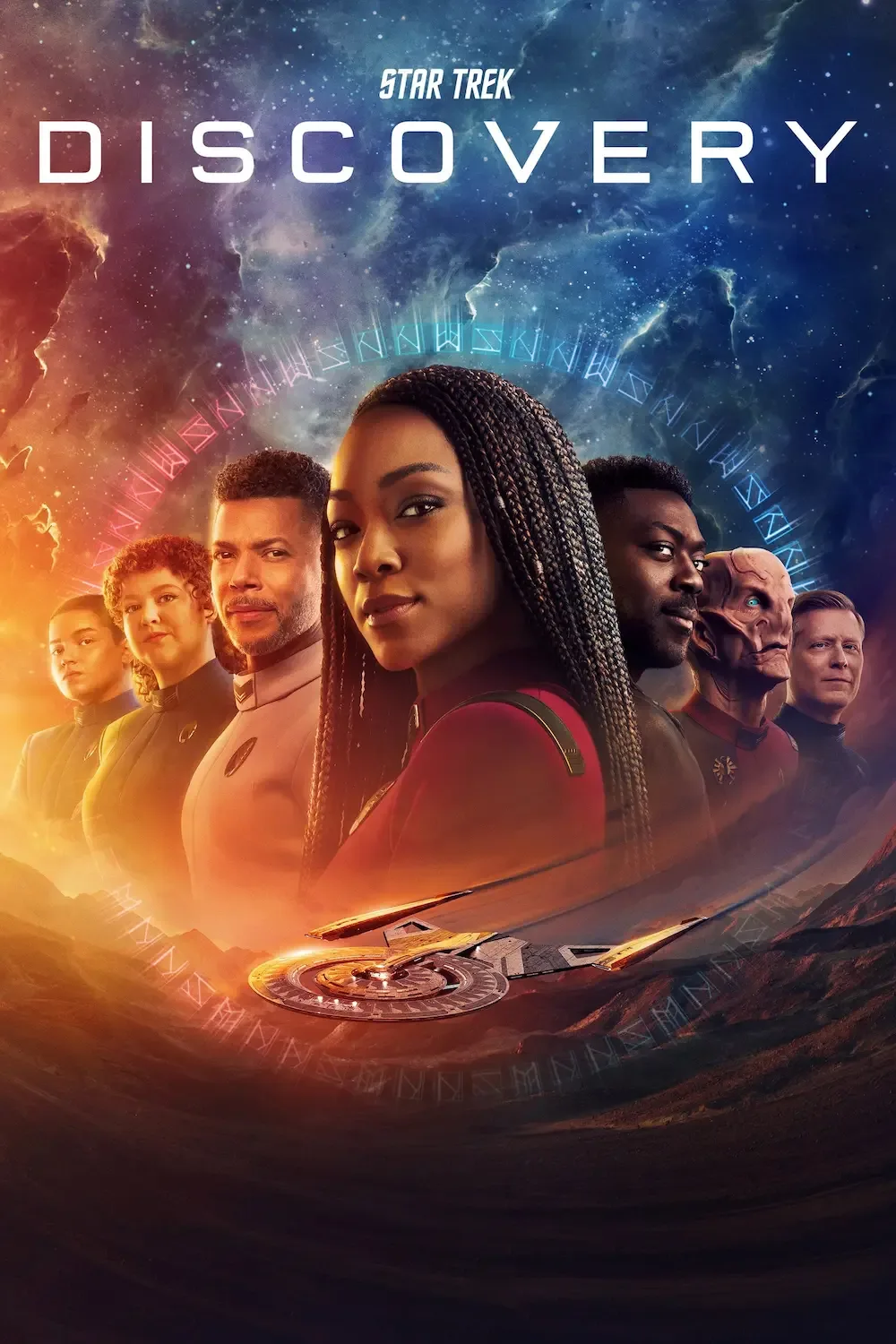
I’ve tried watching Star Trek: Discovery on several occasions, but it never really clicked for me. I thought I’d make an earnest effort for its fifth and final season, though, which tackles some TNG lore as Discovery’s crew tries to unlock the secrets of the Progenitors, the long-dead race that created sentient life throughout the galaxy. At its best, Discovery’s fifth season tackled the big themes you’d expect from Star Trek, like the balance between faith and science. More often than not, however, it was bogged down by melodrama. That, and several major characters just up and disappeared partway through. Worst of all — and I know this risks making me sound like one of those internet trolls who post hours-long YouTube screeds about Star Wars going “woke” — the series was just so darn touchy-feely. I honestly don’t know which is worse: when something’s too cynical or when it’s too earnest, but Discovery was earnest to an eyeroll-inducing fault, with every episode chock full of meaningful glances, heartfelt talks, encouraging words, and so. Many. Feelings. (Not surprisingly, my favorite character was the perpetually crabby and pissed off Commander Rayner.) In other words, the season’s potential was ultimately overshadowed by its good intentions.
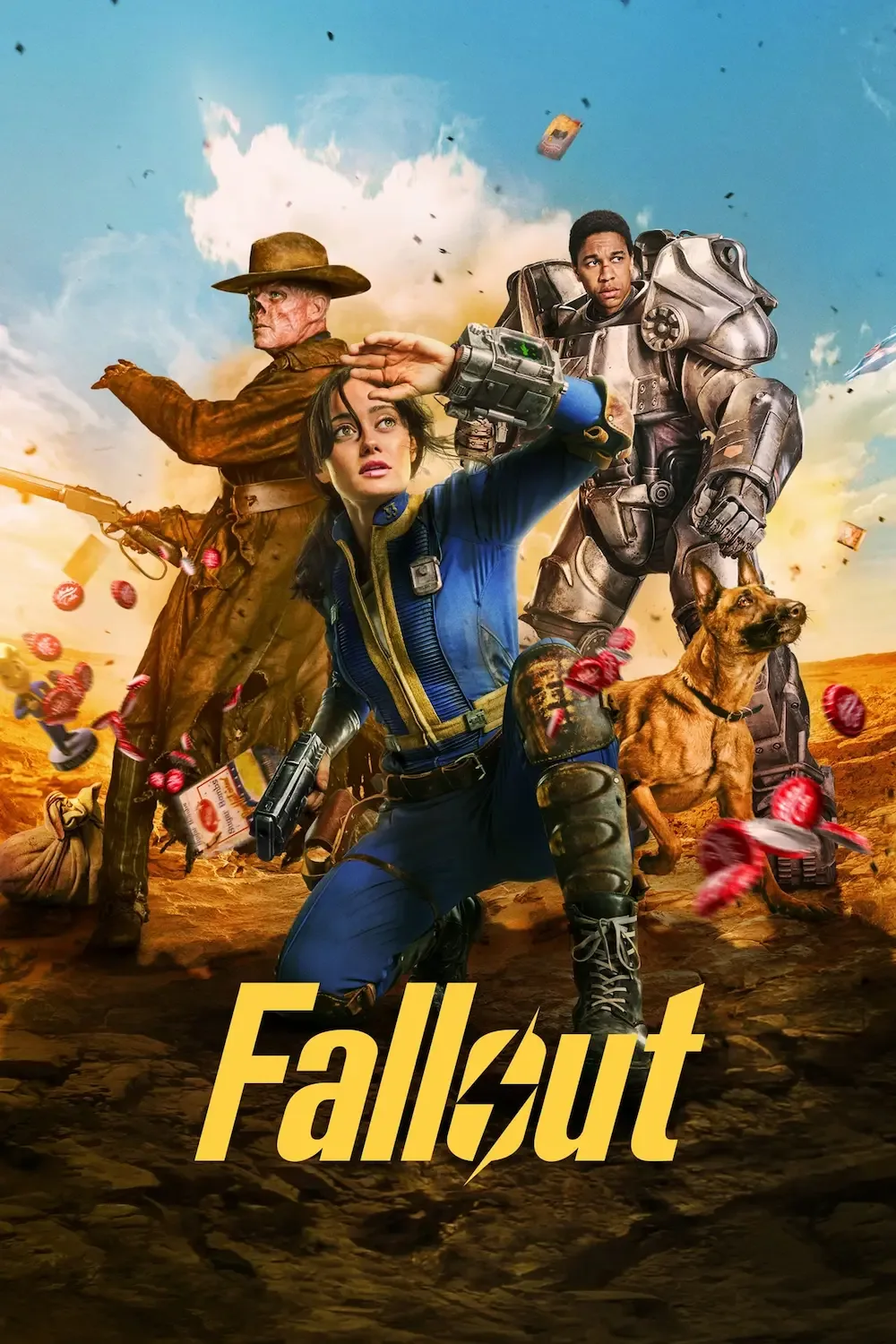
I’ve never played any of the Fallout games, so I have no real attachment to their story and lore. But even with my relative ignorance, I was struck by one thought while watching Amazon’s live-action series: This is how you do a video game adaptation. (I’m looking in your general direction, Halo.) Fallout gets off to a rough start as it follows a young, idealistic woman who leaves the safety of her underground vault’s utopian society to search for her dad in the post-apocalyptic wasteland, but its dark humor, satirical edge, and incredible production design kept me going. By the second half, I was fully invested as the various threads began resolving themselves. It’s deliciously ironic that Fallout, which offers a scathing critique of capitalism and corporate greed, was produced by Amazon of all places. And as should be obvious by now, Walton Goggins makes everything better; his amoral, deeply cynical bounty hunter steals every single scene.
It’s a rare privilege to watch a TV series that’s made with so much confidence, style, and gravitas that you trust it implicitly. You just know it’ll do right by the source material, deliver a stirring and entertaining story, and look great doing so (since TV is, after all, a visual medium). Shōgun is one such series. Based on James Clavelle’s acclaimed 1975 novel, in which an ambitious English sailor shipwrecked in Japan seeks to establish an alliance with a powerful warlord, Shōgun is not light viewing by any means. Its storytelling is dense, delving into the shifting politics of 17th century Japan, the ideological and cultural conflicts between Catholics and Protestants, and the sometimes shocking requirements of placing loyalty to one’s lord and clan above all else. I’ll admit to getting a little lost amidst all of the political maneuvering and conspiracies, but I was never not intrigued, and the series was never less than gripping. Much of that was due to powerful performances from a stellar cast (e.g., Hiroyuki Sanada, Tadanobu Asano, Anna Sawai, Moeka Hoshi), not to mention impeccable production design, costuming, and cinematography that authentically imagines feudal Japan as a land of both great beauty and brutality. Come year’s end, I’m going to be hard-pressed to think of another series that achieves so much.
If you’ve read Liu Cixin’s Three-Body Problem, then you know that producers David Benioff, D. B. Weiss and Alexander Woo had their work cut out for them. Cixin’s ambitious novel, which stretches from China’s Cultural Revolution to the modern era, puts an intriguing spin on the “alien invasion” storyline with some pretty heady ideas (e.g., virtual reality, multi-dimensional supercomputers, quantum entanglement, orbital mechanics). As such, the novel seemed unfilmable. To their credit, Benioff, Weiss, and Woo do a decent job of capturing the novel’s ideas and weirdness. (As for the novel’s infamous “boat scene,” it was just as horrific as I expected.) I just wish 3 Body Problem had more interesting characters to go along with those ideas. With the exception of Benedict Wong’s rumpled investigator and Liam Cunningham’s manipulative secret agent, the principle cast is boring, if not annoying. The occasionally ham-fisted dialog about the power of science and the need to understand reality doesn’t do the actors any favors, but humanity seems pretty screwed if the “Oxford Five” are our only hope.
For centuries, the Tawara family has defended Japan from within the shadows. After their beloved son is killed in a mission, though, they abandon the shinobi way and fall into dysfunction. But when a new threat emerges in the form of an increasingly popular cult, can the Tawaras overcome their differences and their grief, reclaim their shinobi skills, and defend the country once again? At its best, House of Ninjas is an enjoyable series about a modern family who just happen to be deadly shadow warriors. To its detriment, though, it never quite makes up its mind whether it’s a quirky comedy or a serious drama. That, and it juggles just a few too many storyline ideas within its eight episodes. But the most frustrating thing about House of Ninjas’ first season is that it ends on a cliffhanger with lots of unresolved questions. Since Netflix has a history of canceling promising series after just one season — I see you, Lockwood & Co. — I’m not holding my breath for season two. But if it happens, I’ll definitely be watching.
Apple’s Masters of the Air is an ambitious and stirring series about the 100th Bomb Group and the dangerous missions they flew over Germany. Depicting the brutality of World War II in graphic detail, Masters of the Air doesn’t shy away from the costs paid by those men, which only highlights their bravery. In hindsight, though, it might’ve been too ambitious, trying to cram too much story into just nine episodes. Certain elements — e.g., war’s psychological toll, the Tuskegee Airmen, the dangers faced by pilots shot down behind enemy lines and those helping them, the horrors of the Holocaust — get unfortunately shortchanged and end up feeling tangential. Also, the series’ relatively large cast and steady turnover of “main” characters occasionally makes it difficult to know who to follow, or whose story is actually being told. On the one hand, that makes historical sense; the daytime bombing raids were a meat grinder and the series never diminishes the constant loss of life. On the other hand, that storytelling decision sometimes causes the series to meander — which again, makes me wish there’d been a few more episodes to give it more room to breathe. Even so, Masters of the Air remains worth watching, thanks to solid performances from Austin Butler, Callum Turner, Barry Keoghan, and Nate Mann; impressive visuals and production values; and Blake Neely’s score.
On the one hand, Reservation Dogs’ third and final season felt more directionless and less cohesive than its first two, with episodes meandering around the reservation and focusing on a wider array of characters, both in the present and the past. Which sometimes made for a frustrating experience, particularly when compared to the previous seasons’ more defined arcs. On the other hand, I just love spending time with every single one of these characters: the titular foursome, their aunties, uncles, and grandparents, and even the various spirits who interact with them all and offer (occasionally) helpful advice. Furthermore, Reservation Dogs’ focus on the necessity of maintaining and respecting one’s community, exploration of life’s cyclical nature, and depiction of the “thinness” between the physical and spiritual worlds have given me much to think — and laugh — about. A truly special and unique series.