I’ve written before about the blackberry pie that I had on my honeymoon, a pie that has since become the stuff of myth and legend here at Opus HQ. I don’t know if I’ll ever taste it again, but Countryside Bakery’s blackberry pie comes pretty darn close to my memories. My in-laws picked one up for us on a recent trip, and it’s just about perfect. The filling is neither too tart nor too sweet, and it has a nice, solid consistency that ensures each slice maintains its shape and structure. (Until you start digging in, that is.) In other words, those Amish sure do know a thing or two about baked goods. The only reason I’m not giving Countryside Bakery a higher rating is because I want a larger sample size. A much larger sample size that possibly includes some peach and/or blueberry pie. Y’know, for science.
My Cultural Diet
911 reviews of movies, TV shows, books, restaurants, etc. My own private Goodreads, Letterboxd, and Yelp all rolled into one (more info). Star ratings are 100% subjective, non-scientific, and subject to change. May contain affiliate links, which support Opus.
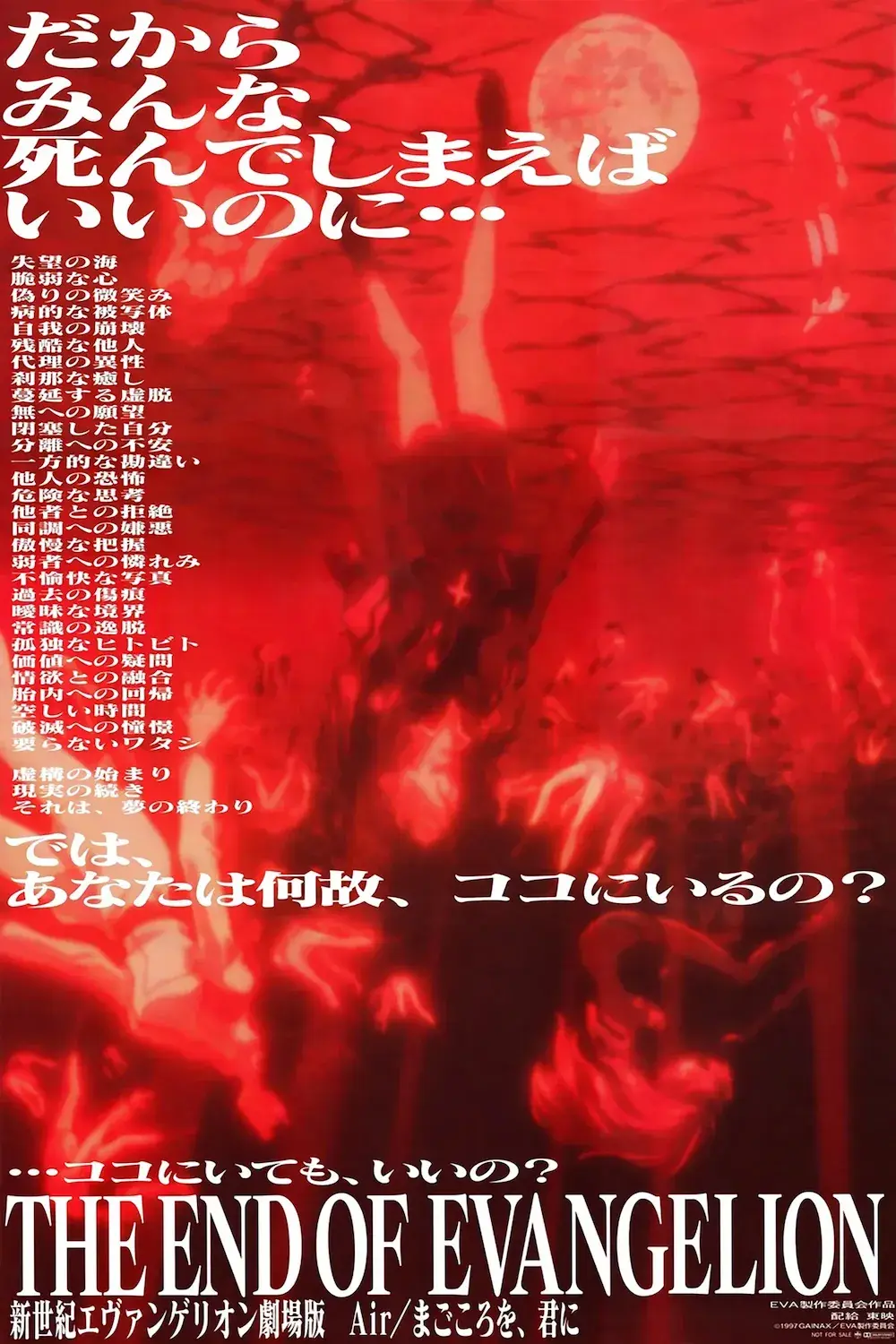
When Neon Genesis Evangelion’s final episode aired on March 27, 1996, some fans were left perplexed. The series had been building towards a climactic showdown that would decide the fate of humanity, only to retreat into the psyche of its main character, a depressed and traumatized 14-year-old named Shinji Ikari. Reports that Evangelion creator Hideaki Anno received death threats in response to the finale are largely overblown. Nevertheless, it was controversial at the time for failing to resolve the series’ major story points. In response, Anno cooked up The End of Evangelion as a more definitive conclusion. And by “definitive,” I mean dark, disturbing, and apocalyptic in the extreme. The movie begins with Shinji masturbating over his fellow Eva pilot Asuka, who’s been rendered comatose by her fight against the alien Angels, and it’s only downhill from there. The End of Evangelion’s 90 minutes are packed with intense imagery — a bloody shootout in Nerv’s underground headquarters, a giant kabbalistic Tree of Life floating in the sky, an Earth-sized angelic figure collecting humanity’s souls — as Anno explores themes of trauma, grief, and existential angst, every single second of which is rendered in vivid detail by Gainax and Production I.G. If you can believe it, Anno considered an even darker ending for the movie at one point, but what he settled on remains heavily debated even to this day and permanently sealed Evangelion’s status as one of the most iconic and talked about anime titles of all time.
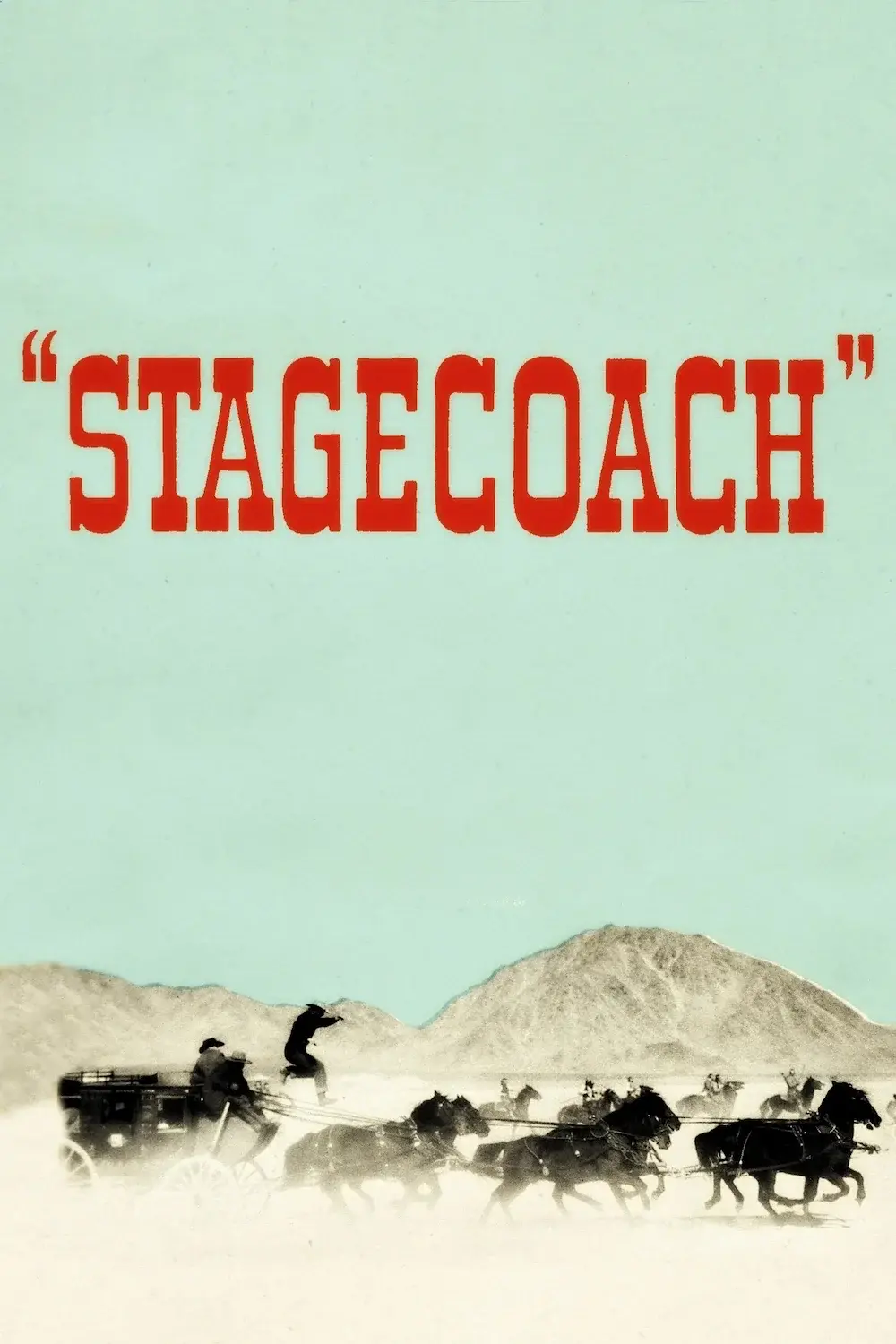
John Ford’s classic western has been understandably criticized for its portrayal of Native Americans as violent savages. And yet, there are other parts that feel surprisingly progressive for a film that’s nearly 90 years old, like the way it treats a prostitute who’s been run out of town by self-righteous “family values” types. Or the fact that the film’s most villainous figure isn’t Geronimo and his warriors, or even a former Confederate officer, but rather, a greedy banker who rails against federal regulations and the national debt, wants to reduce taxes, and loudly asserts that the nation would be better off with a businessman as president. (Where have I heard that before?) Stagecoach is as much a thriller as it is a western, as its characters make their way across the American Southwest — stunningly captured by Ford and cinematographer Bert Glennon — in constant dread of the inevitable attack by Geronimo and his Apaches. When that attack comes, it features stunt work that still looks thrilling even after all these decades. (Due, no doubt, to the far more relaxed safety protocols of the time.) Unfortunately, Stagecoach also tries to shoehorn in a more typical shootout storyline, with John Wayne’s character itching for a gunfight with the men who killed his father and brother. After that long, breathtaking ride through the desert, Stagecoach’s final act feels like it’s from a different movie entirely.
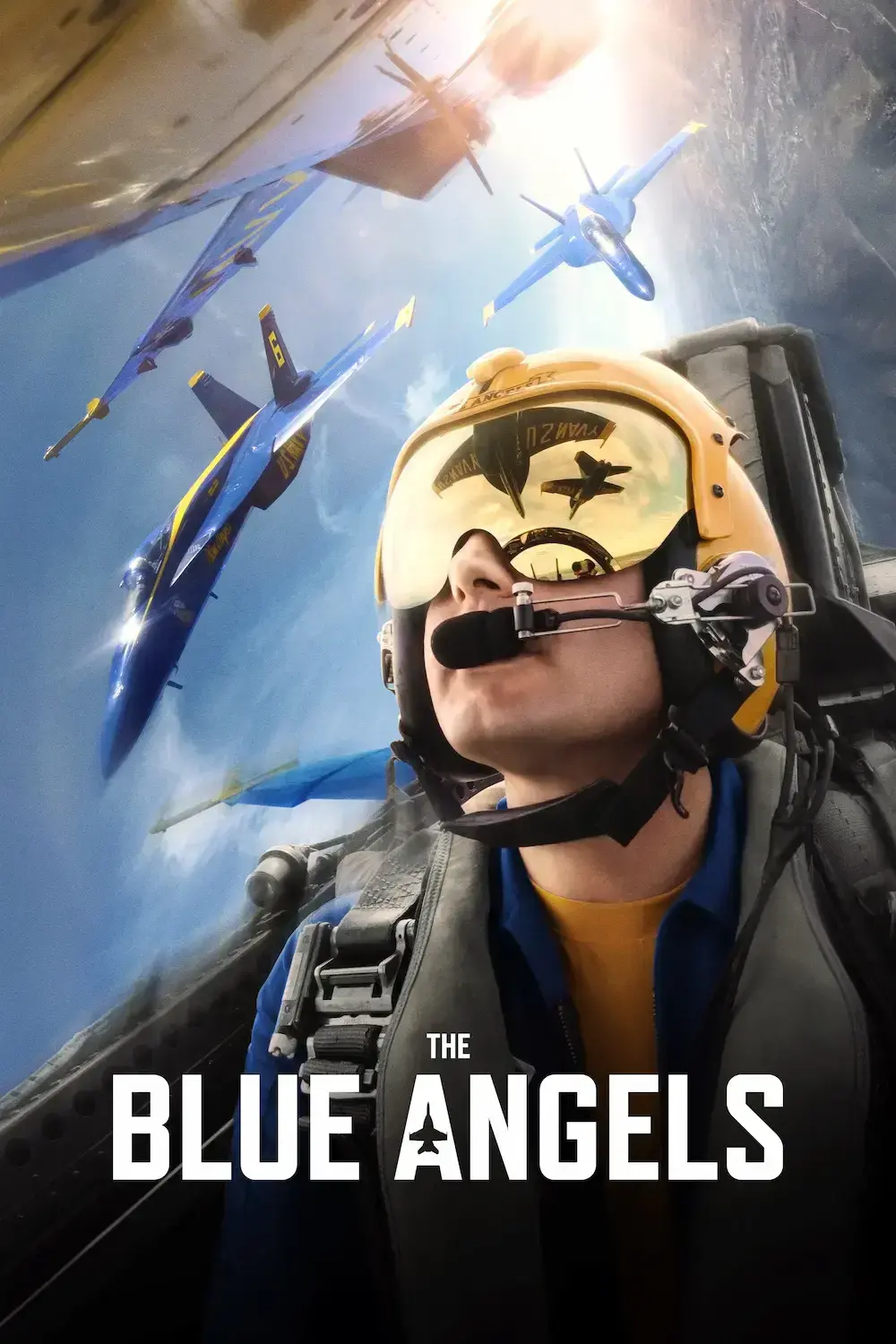
I’ve always loved a good air show, ever since my parents took me and my brother to Offutt Air Force Base to see demonstrations by the Air Force Thunderbirds and the Navy Blue Angels. Paul Crowder’s documentary focuses on the Navy squad to chronicle their 2022 season. Over the course of 90 minutes, we watch their demanding pre-season training, glimpse the planning and coordination required to put on a Blue Angels show, and even walk through the process of selecting new pilots. At times, The Blue Angels does feel like a puff piece. Although it addresses the dangers faced by Blue Angel pilots as well as the difficult logistics that military families must deal with, there’s no way the U.S. Navy would allow anything truly critical or negative in the film, not if the filmmakers wanted any significant level of access to the squadron, that is. Even so, it’s impossible to not be inspired and even moved by the men and women of the Blue Angels: by their camaraderie and precision, their pursuit of perfection, and of course, their elite flying skills, which are captured via some truly striking and never-before-seen aerial footage. If you thought Top Gun: Maverick was thrilling, just wait until you get a first-person view of the Blue Angels flying a mere 12 inches apart from each other while pulling off intricate maneuvers at 400 miles/hour.
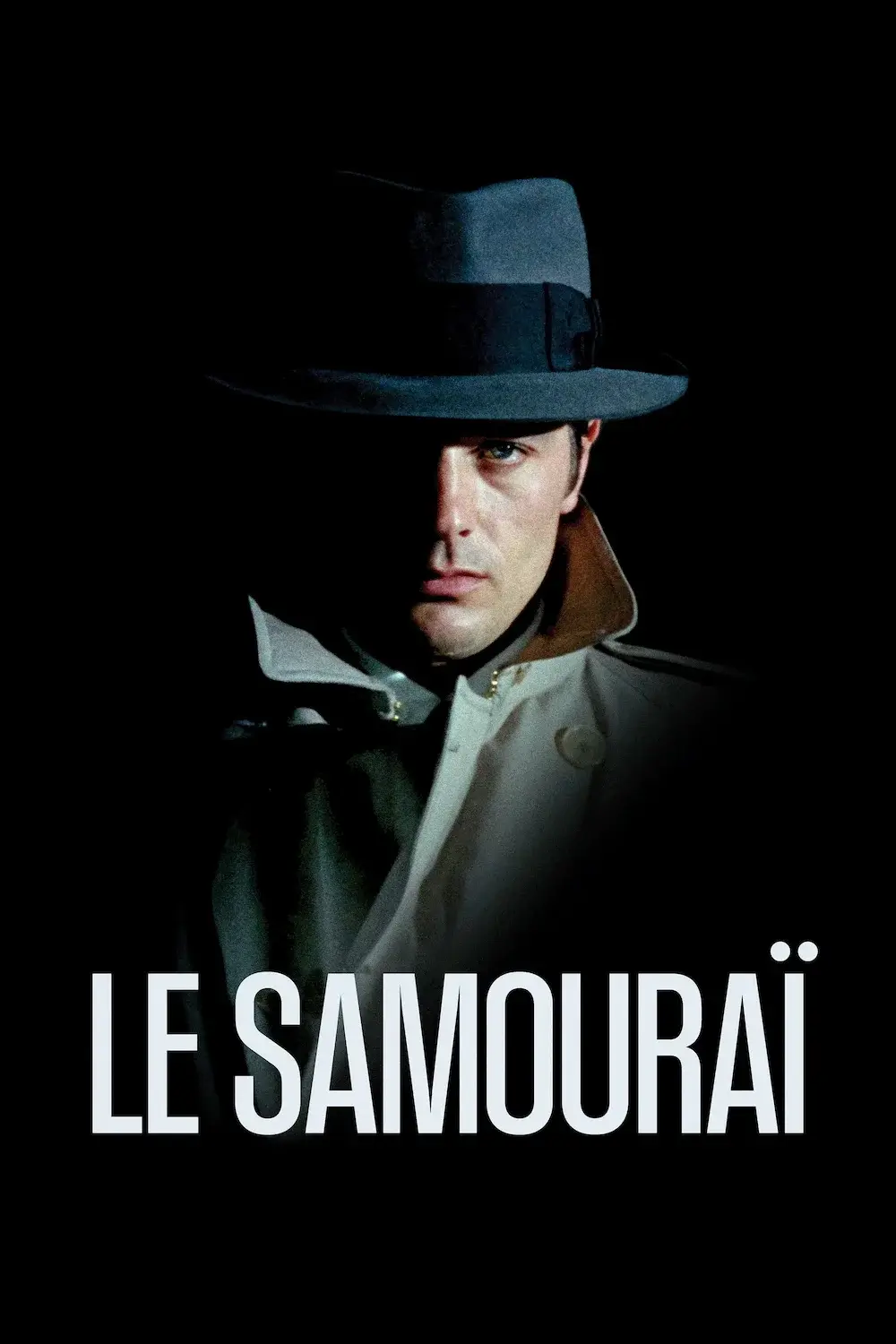
Alain Delon exudes cool in this stylish noir thriller about Jef Costello (Delon), a hitman who methodically carries out his jobs with precision and attention to detail. But when he’s seen after his most recent job and subsequently detained as a suspect, a shrewd police commissioner decides to start hounding Costello all over Paris. Meanwhile, his employers now consider him a liability and decide to tie up loose ends. If that plot sounds familiar, then it’s because Le Samouraï helped established the template for the “lone wolf” film; you can see its influence in such films as John Wick, The French Connection, and Heat while John Woo’s The Killer is essentially a remake (albeit with loads more gunplay). Le Samouraï can seem a bit on the glacial side, pacing-wise, but to be perfectly honest, I could easily watch two hours of Delon — for the record, one of the most handsome leading men to ever grace the screen — just meandering around Paris in his trenchcoat and fedora. Delon maintains an impassive exterior for most of the film. However, there are moments when his ice-blue eyes hint at the turmoil lurking just beneath his façade, which helps to explain his actions in the film’s final, relentless act.
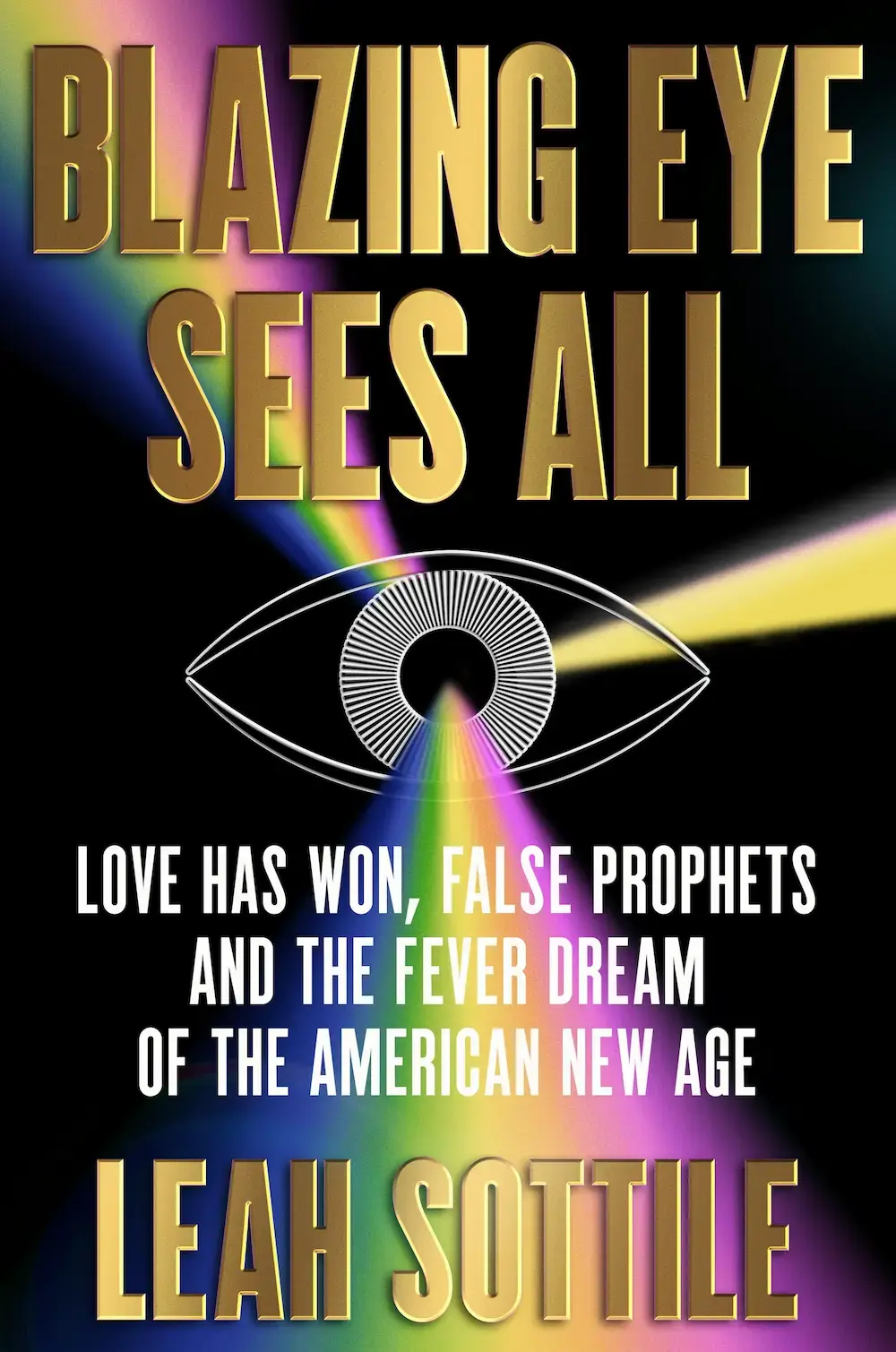
As I read Leah Sottile’s exhaustive account of the birth and growth of the “New Age” movement in America, I occasionally had to put her book down so I could try to wrap my head around it all. Spiritualists claiming to channel ancient masters from the sunken continent of Lemuria. Hucksters and conmen spinning fantastical and ludicrous — and anti-semitic — yarns about America’s ills, and making a fortune while doing so. Acolytes who kept believing even after they were confronted with the most disturbing evidence of their teachers’ flaws and failings. To Sottile’s credit, though, I couldn’t stop reading. Blazing Eye Sees All is actually two books in one. Half of the book chronicles the rise and fall of Love Has Won, a cult started by a woman who, after abandoning her family, called herself Mother God and built a devoted following via social media. The other half chronicles the history of spiritualism and theosophy in America, including figures like the Fox sisters, Madame Blavatsky, and Guy and Edna Ballard, whose outlandish claims laid the foundation for Love Has Won. Sottile occasionally struggles to balance these two narratives. On the whole, however, Blazing Eye Sees All remains compelling, particularly when Sotille explores the appeal that such movements hold for women who often lack a sense of power or agency in their lives, or when she finds striking (and disturbing) parallels between the ultra-nationalist teachings of early 20th century spiritualists and the ultra-nationalist rhetoric of QAnon, January 6 insurrectionists, and other far-right factions. (On a side note, the reason this book caught my eye in the first place was because the title and cover art make it look like something an actual cult might publish. I can only assume that was intentional, and I applaud the decision.)
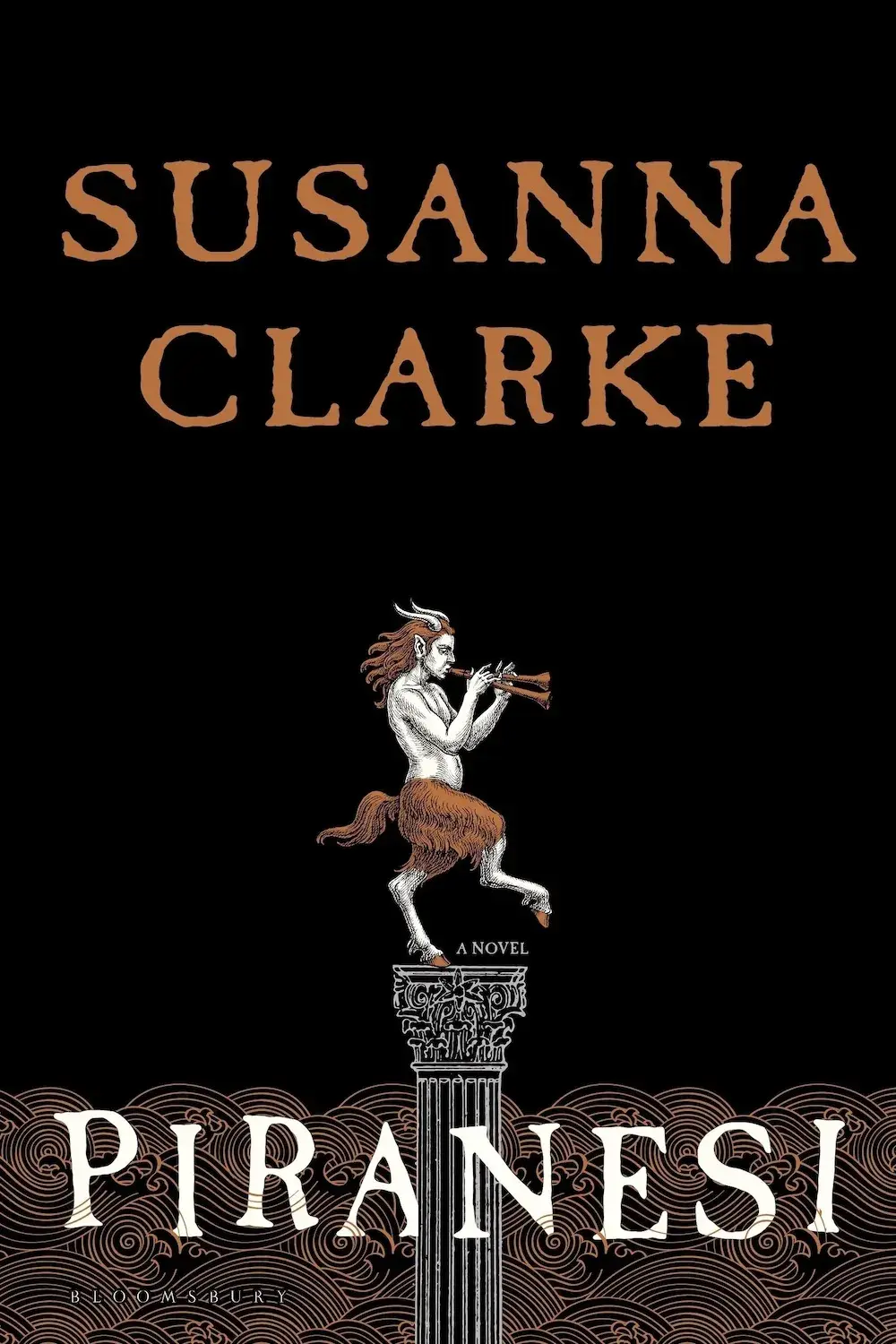
This was my second time reading Piranesi, in preparation for my church’s summer book club. I’d forgotten many of the details after my first read, though, so this felt like a brand new experience in some significant ways. Susanna Clarke’s second novel can seem affected at times, being an epistolary novel about a man trapped in a nigh-infinite arrangement of halls filled with marble statues and ocean waves. Once you embrace the book’s premise, though, Piranesi becomes a very delightful read, and the House becomes a place that you’d like to believe actually exists. There’s something quite charming about Clarke’s guileless protagonist, who beholds the House with reverence and is content to explore its seemingly limitless rooms and corridors and chronicle its elaborate statuary. Clarke slowly weaves in darker, more troubling facets, but they never fully override or diminish the story, which isn’t exactly light-hearted, but does possess a sense of grave whimsy. That Piranesi also works as a riff on C.S. Lewis’s Chronicles of Narnia, and in particular, The Magician’s Nephew, only adds to its charm. Back in 2024, Laika Studios announced their plans to adapt Piranesi into an animated feature film, and I’m very curious to see how they’ll render the House in all of its otherworldly glory.
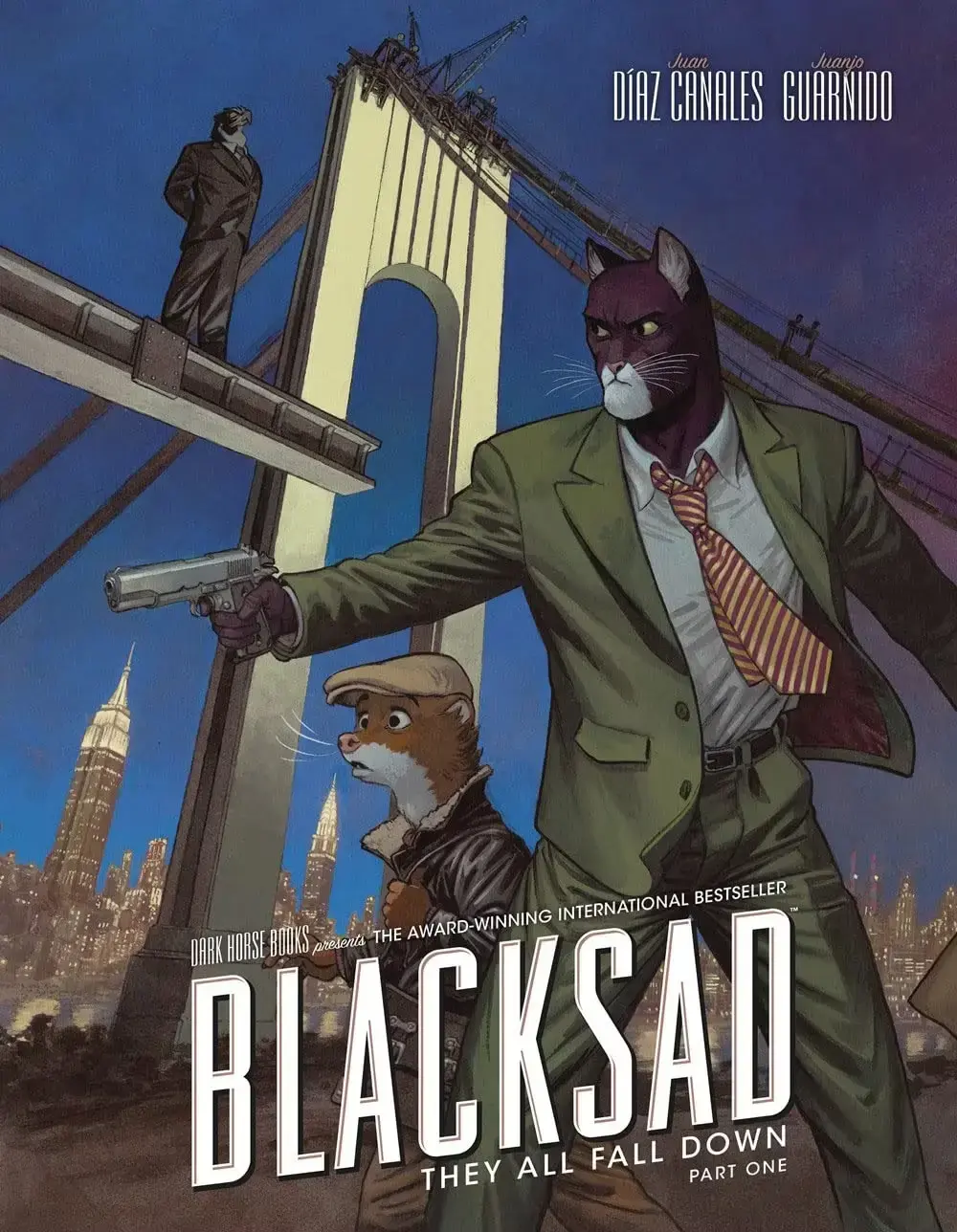
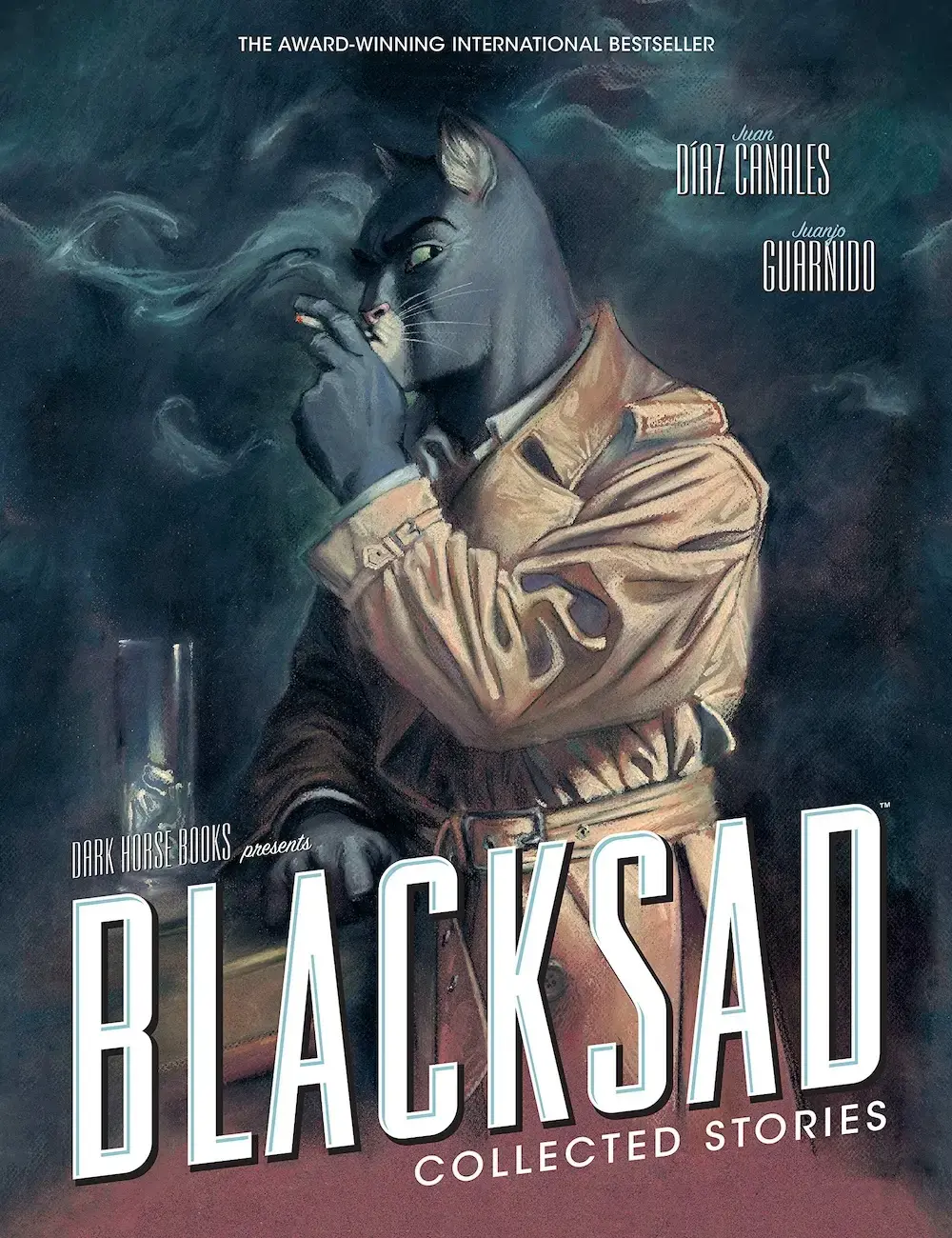
Who’s the cat that won’t cop out when there’s danger all about? I am, of course, talking about John Blacksad, the hard-nosed PI who isn’t afraid to confront the rich and powerful in Juan Díaz Canales and Juanjo Guarnido’s anthropomorphized world. This time around, Blacksad tangles with an ambitious developer seeking to remake the city in his image, which necessarily requires burying a few skeletons from his past, literally and figuratively. But skeletons have a way of reappearing, and just as Blacksad is getting on the case, a skeleton from his own past reappears, as well. As with all Blacksad stories, They All Fall Down — which was released in two parts in 2022 and 2024 — is filled with twists and turns that find Blacksad struggling to maintain his faith in humanity even as he confronts its worst aspects, and it’s all brought to life by Guarnido’s incredible artwork.
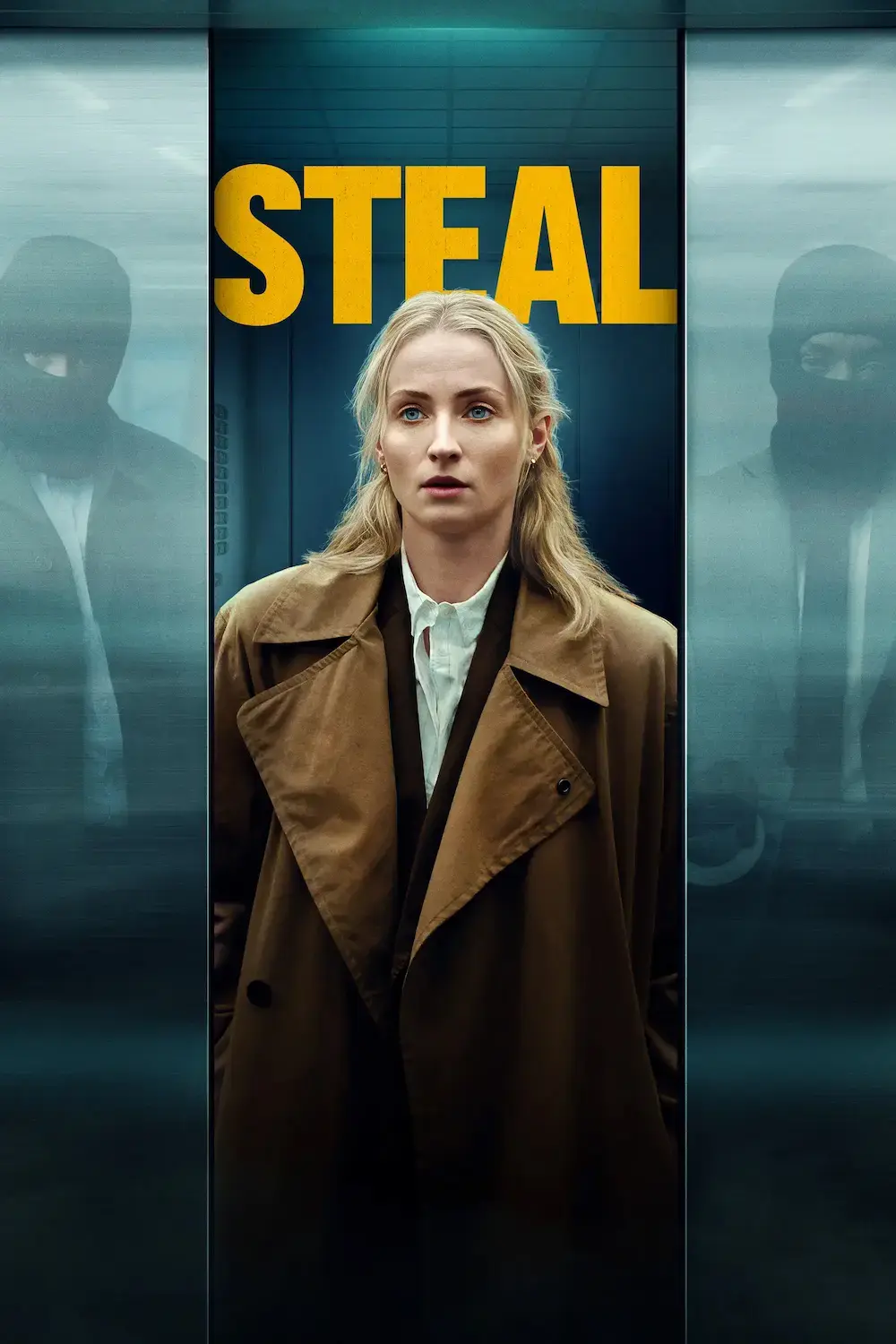
Sophie Turner (Game of Thrones) stars in this taut thriller about a low-ranking office worker trying to move on with her life after her office is raided by armed thieves who make off with billions. The series premier had me on the edge of my seat as the thieves execute their heist with ruthless precision, and the remaining episodes did a good job of maintaining that pace as secrets are revealed, including secrets about our traumatized heroine. And just when things seemed all wrapped up, Steal would reveal yet another layer of conspiracy — which is precisely what you want from a thriller like this. Without spoiling anything, Steal is ultimately a condemnation of our current financial system, which benefits the ultra-wealthy while leaving the rest of us to fall further and further behind. Which, I suppose, makes it more than a little ironic that it’s currently streaming on Amazon, whose former CEO Jeff Bezos has almost certainly benefited from that aforementioned system. Nevertheless, Steal possesses a blend of righteous anger and moral ambiguity that makes for a very compelling watch.
Imagine Zootopia if its lead was a jaded, world-weary detective suffering from postwar PTSD, and the bustling metropolis was simmering with corruption, sin, and vice. That would describe Juan Díaz Canales and Juanjo Guarnido’s Blacksad in a nutshell, but it would also sell short the pleasure of reading these post-WW2-set noir tales featured anthropomorphized animals. Even if it seems like a losing battle, the titular Blacksad seems intent on using all of his nine lives to take on the corrupt and the powerful, including wealthy tycoons, white supremacists, and Red Hysteria scaremongers — and sometimes, it seems like all he has to rely on are his quick fists, quick wits, and deep-seated sense of justice. I’ll admit, I went into Blacksad with some skepticism; the anthropomorphism seemed like it might be a bit too on the nose. But Canales and Guarnido have taken what seems like a simple premise and spun it into a thoroughly realized world that’s brought to life by Canales’s grounded storytelling and historical references and Guarnido’s richly detailed artwork.
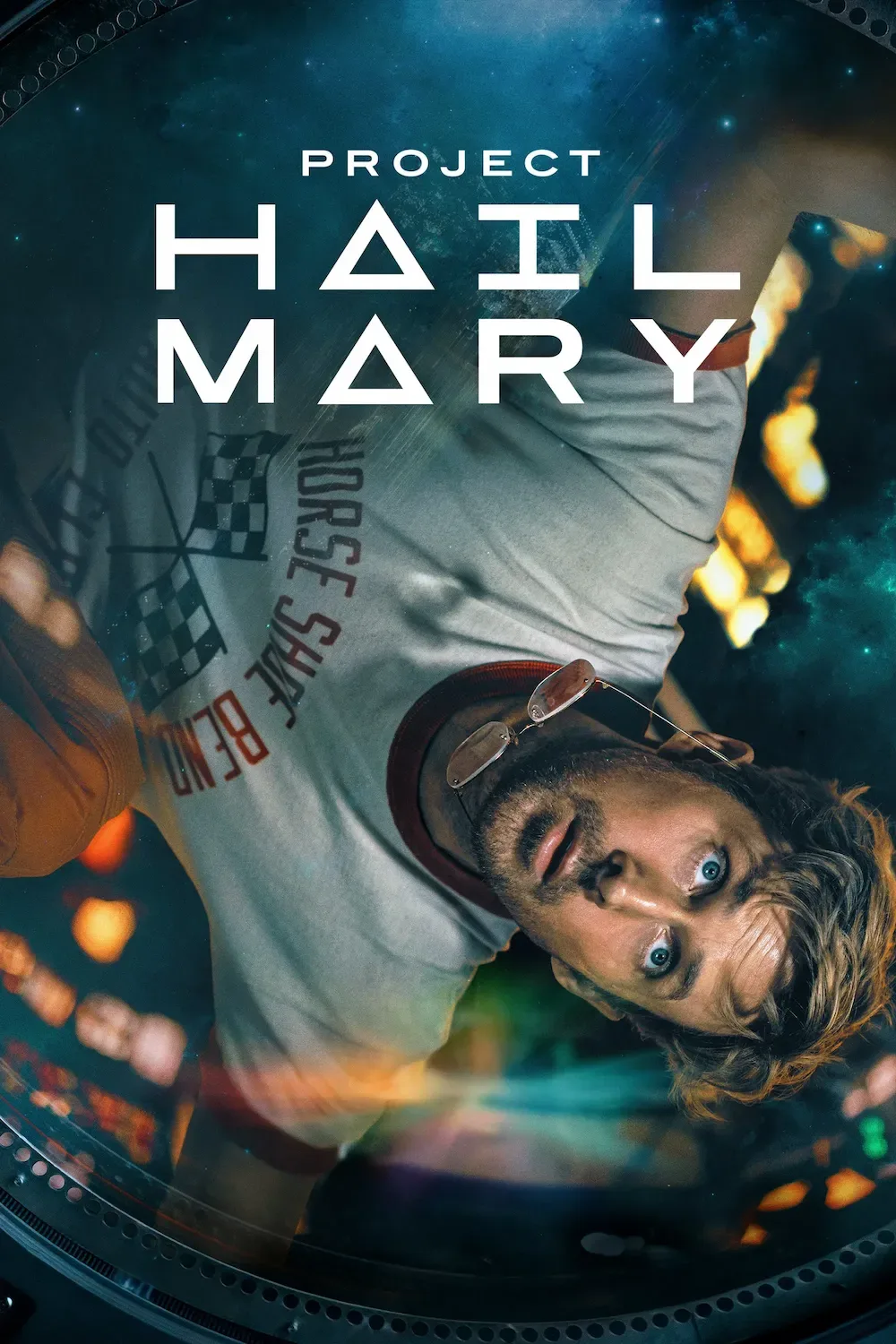
I’ve described Andy Weir’s Project Hail Mary as the sort of sci-fi novel that “makes you feel smarter while you read it” and noted — somewhat blithely, perhaps — that a movie adaptation was all but inevitable, thanks to the success of 2015’s The Martian (another Weir adaptation). I prefer Sir Ridley Scott’s film to this one, if only because Matt Damon works a bit better for me as an isolated astronaut who uses jokes as much as science to survive. That said, Project Hail Mary is still plenty fun in its own right, and quite refreshing. Like The Martian, it’s a prime example of “competence porn” — don’t worry, that link’s “safe for work” — in which smart, resourceful, and dedicated individuals work together to solve insurmountable problems sans any angst or melodrama. Ryan Gosling stars as an astronaut who finds himself adrift in space without any memories, only to slowly realize that it’s up to him to save the sun, and by extension, all of humanity. Fortunately, he’s not alone in this endeavor, not when he encounters an alien who resembles a rock spider, and who’s on a similarly desperate mission. If this odd pair wants to save their respective worlds, then they’ll need to figure out how to communicate and overcome their differences. That they do is never in doubt, but it’s the journey — and their burgeoning friendship — that really matters. Certain parts of Project Hail Mary don’t hold up under close scrutiny, like some of the hand-waving concerning the various logistical challenges facing our two very different heroes. (I recall Weir’s novel being more thoughtful in that regard.) But the film’s so gosh-darn charming and optimistic — not to mention visually stunning — that you just want to hold on and go along for the ride.
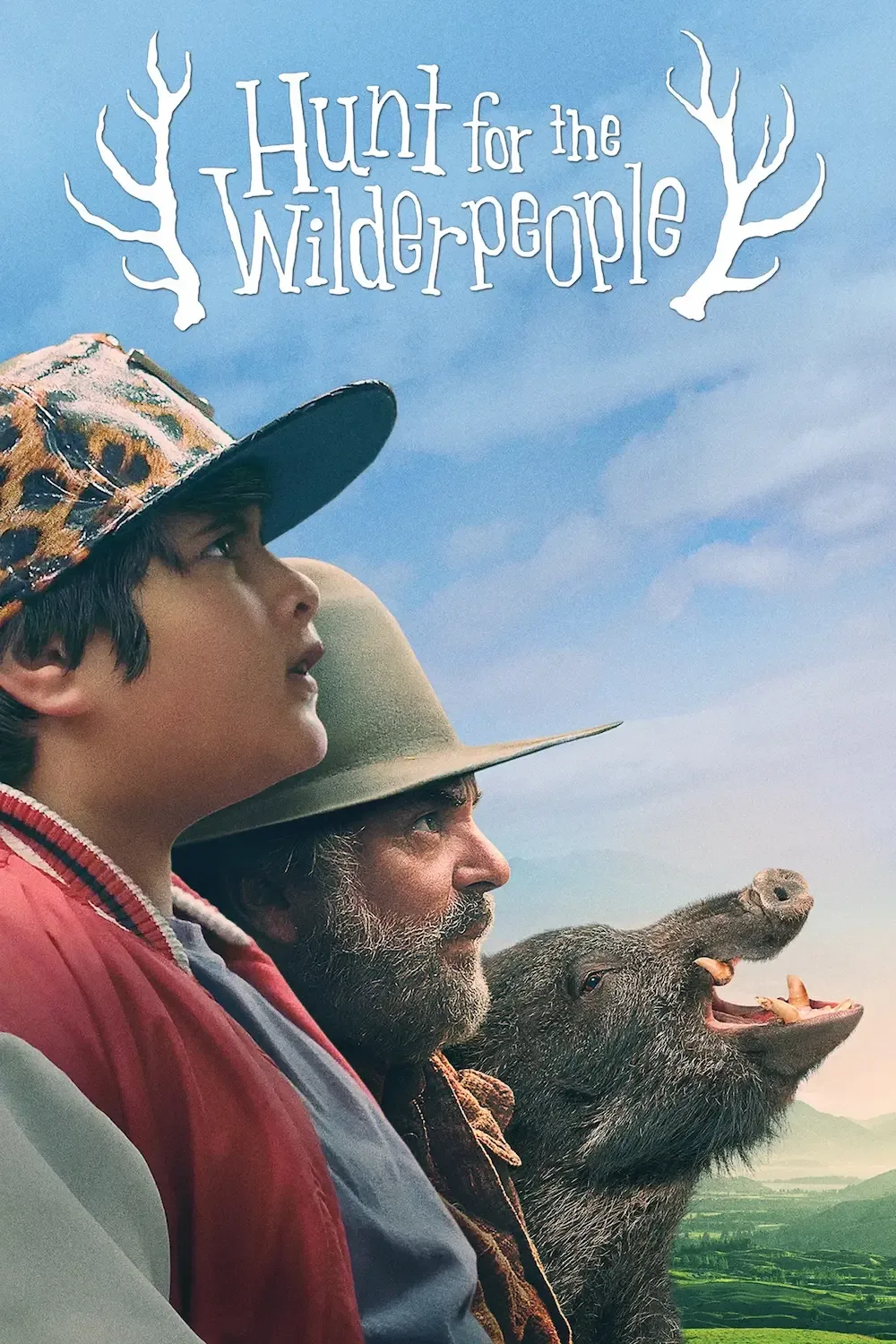
Taika Waititi had been steadily building a name for himself thanks to films like Eagle vs. Shark and What We Do in the Shadows, but 2016’s Hunt for the Wilderpeople was arguably his breakthrough. Ten years on, it remains the highest grossing New Zealand film of all time, and now that I’ve finally seen it, I’m not surprised one bit. When young Ricky arrives at Bella and Hector’s remote farm, it’s his last chance in the foster system before he’s sent to juvenile detention. But when Bella suddenly dies, Ricky fakes his death and heads off into the New Zealand bush with Hector in pursuit, only for the pair to become the target of a nationwide manhunt when authorities suspect that Hector has kidnapped Ricky. When ensues is a charming, Wes Anderson-esque comedy of errors filled with dry humor and affecting performances. Which would be good enough on their own, but Hunt for the Wilderpeople is further elevated by Waititi’s inventive direction and especially the lush New Zealand countryside.
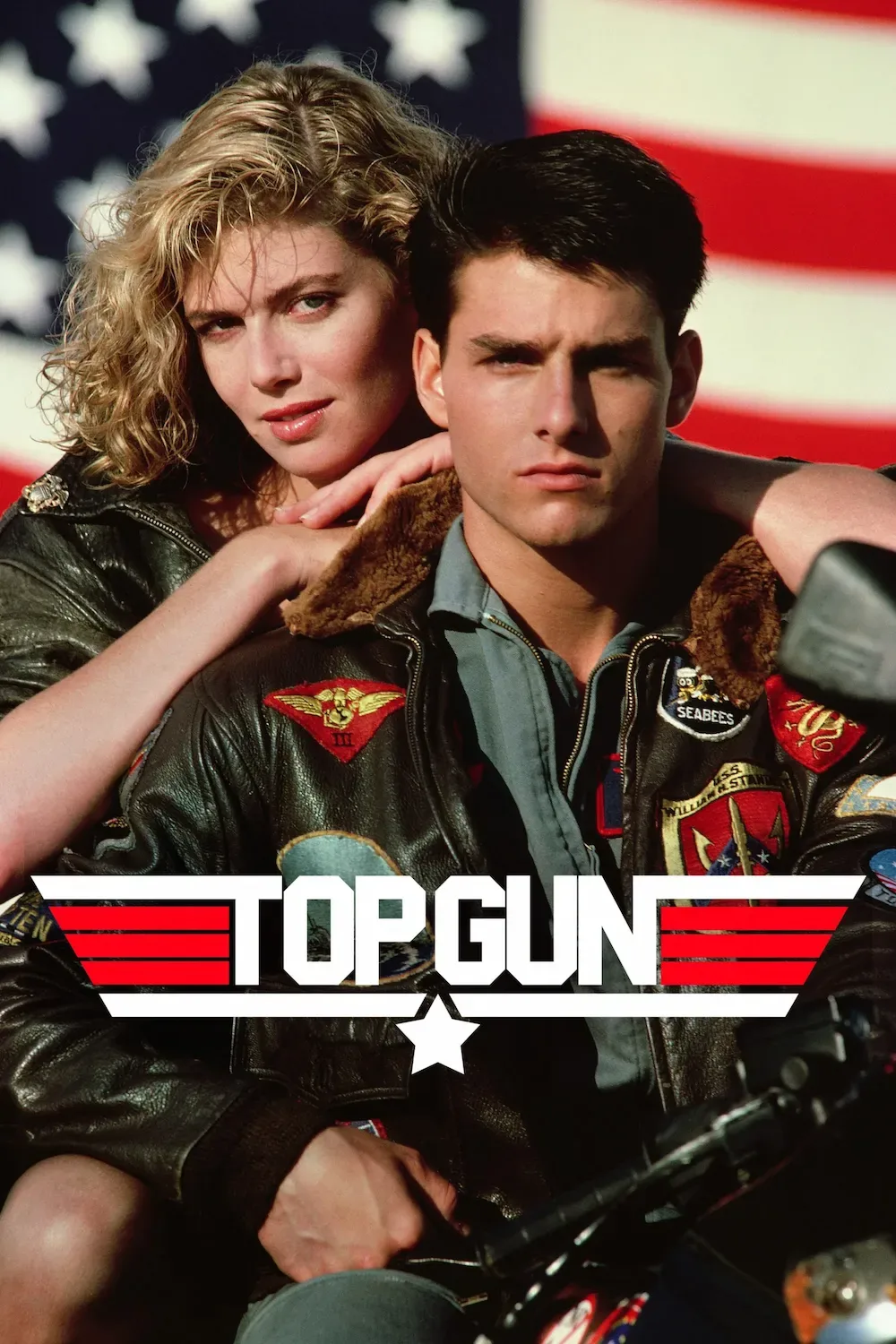
Back in 5th grade, I was absolutely convinced that I was going to be a fighter pilot when I grew up. I was obsessed with military aircraft, read everything I could about them, and loved going to the Offutt Air Show to watch the Blue Angels and the Thunderbirds tear up the sky. Needless to say, my dad pulling me out of school one day so I could see Top Gun in the theater ranks as a top-tier childhood memory. So when my son asked if I’d watch it with him, what else could I say but “Yes”? It’s been awhile since I’ve watched Top Gun, and its flaws are readily apparent, starting with the great liberties it takes while depicting naval aviators and military regulations. (In the real world, I’m pretty sure Maverick would’ve been dishonorably discharged before he ever climbed into a cockpit.) But when Tom Cruise’s cocky, million-dollar smile lights up the screen and his F-14 Tomcat takes to the skies, I’m all in. Tony Scott’s advertising background served him well here; Top Gun still looks amazing, even forty years after its original release. Obviously, the main focus is the numerous aerial sequences. However, Scott and cinematographer Jeffrey L. Kimball’s frequent use of soft lighting imbues the movie with a dream-like quality that only adds to the nostalgia.
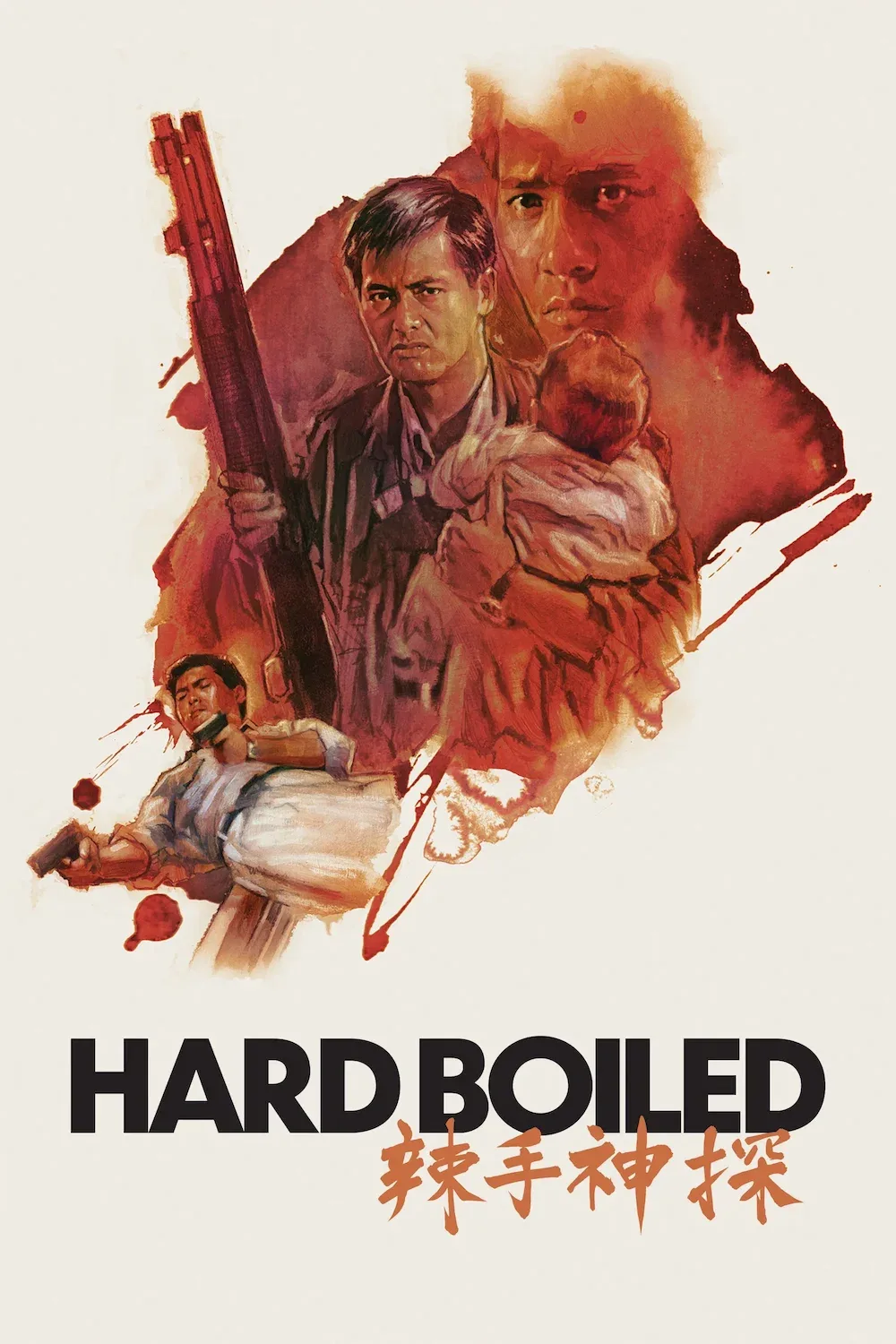
For his final Hong Kong action film, John Woo decided to pull out all of the stops and go for broke. But whereas previous Woo films like A Better Tomorrow and The Killer had glamorized criminals and assassins, Hard Boiled instead glamorized the city’s cops (a decision Woo made in the wake of a real-life psychopath poisoning baby food). Of course, in Woo’s action cinema universe, the cops — led by Chow Yun-fat’s Tequila — don’t care one whit about due process. But more importantly, they never, ever have to reload their guns, which comes in handy when Tequila has to take on wave after wave after wave of nameless goons, each one of which is loaded with squibs for extra bloody effect. Meanwhile, Tony Leung’s undercover cop finds his morals increasingly challenged as he infiltrates the gang of a violent gun smuggler (played with vile glee by Anthony Wong). Will Chow and Leung be forced to work from opposite sides of the law to bring down Wong’s triad boss? C’mon now, what do you think? There’s nothing but excess in Hard Boiled, be it the many gun fights — which, despite influencing countless Hollywood films like the John Wick franchise, have never been equalled — or the intense bro drama between Chow and Leung’s characters. Hard Boiled is definitely silly at times (and this time around, I was struck by just how funny it can be). But when it’s on (e.g., the warehouse shootout), few movies are this deliriously stylish and enjoyable.
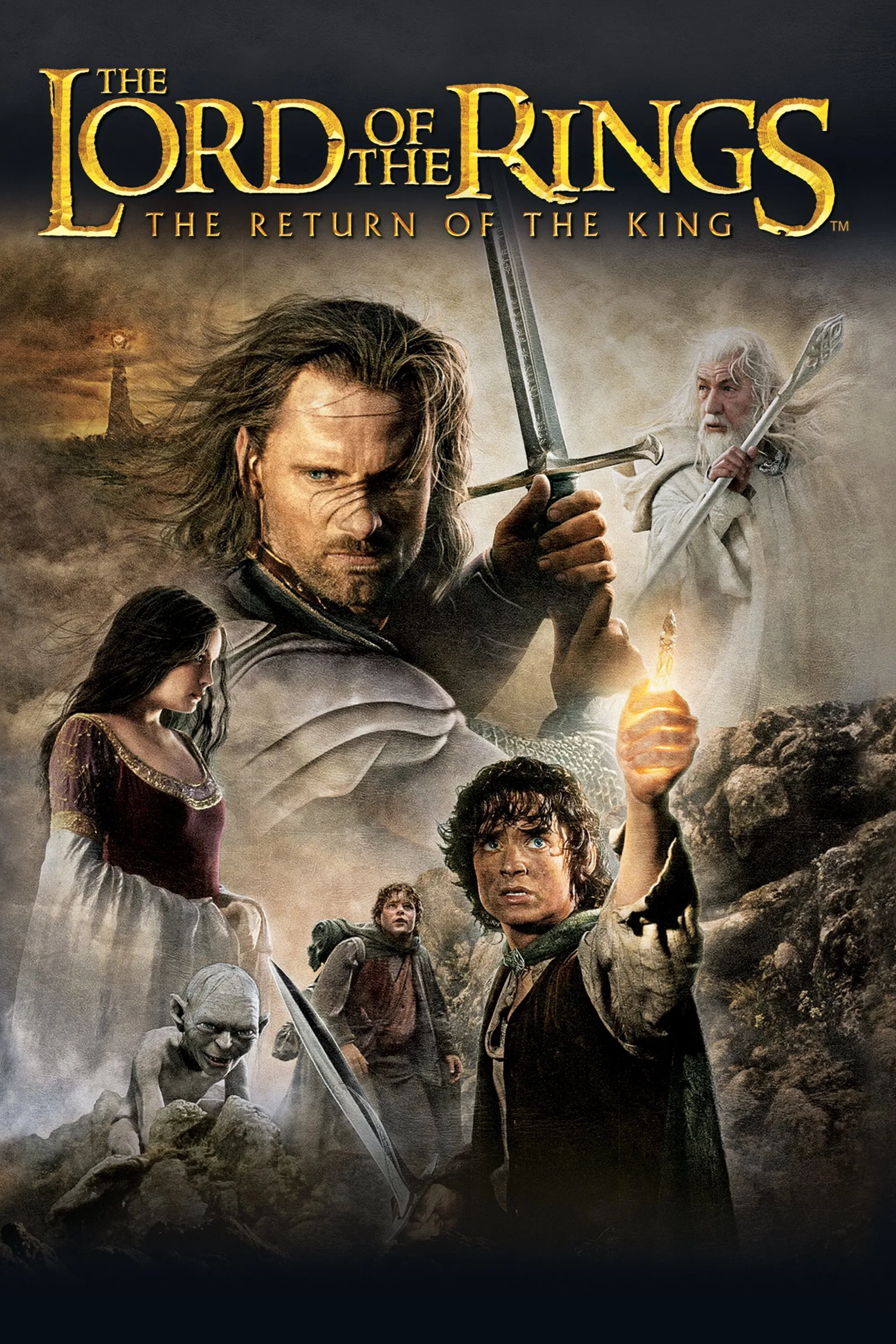
The Return of the King contains some of Peter Jackson’s biggest liberties with Tolkien’s original epic, like the reforging of Andúril and almost everything involving the Army of the Dead, from their skull-filled underground lair to their arrival on Pelennor Fields. And don’t get me started on Denethor, especially his nonsensical death. At times, such moments almost seem like they could undermine the film, but it contains far too many grace notes for that. Gandalf’s encouraging words to Pippin. Sam’s glimpse of stars while in the darkness of Mordor. Éowyn’s battle with the Witch-king of Angmar. And of course, the charge of the Rohirrim. I find every single one of them deeply moving even to this day. (I can’t think of Théoden’s battlecry — “Ride for ruin and the world’s ending!” — and not get a little choked up.) I remember the movie often being mocked for its many endings, but how else could such an epic tale end? I love Gandalf’s line about not all tears being an evil; the fact that the film, like Tolkien’s story, ends on a melancholy note with a bittersweet farewell and a return to simple domestic life, and not some massive military victory, is precisely what makes it so endearing and enduring.
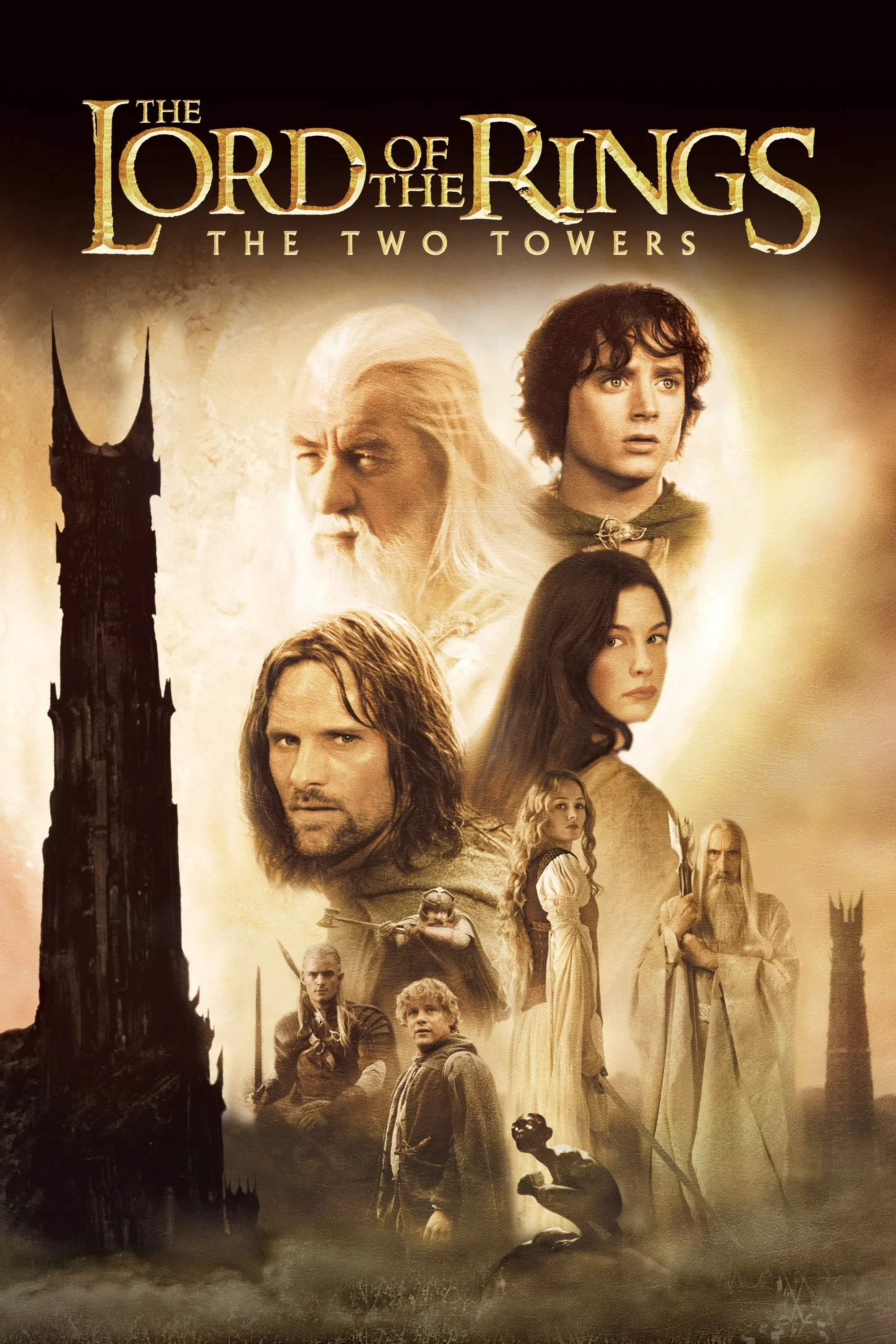
This is where Peter Jackson’s liberties with Tolkien’s story really become noticeable, for better or worse. There’s the obvious shifting around of story beats, like moving Boromir’s last stand to The Fellowship of the Ring, or more seriously, altering the character of Faramir. (I have friends who absolutely hate that particular change, claiming that it ruins one of the Tolkien’s noblest characters. I get where they’re coming from, but I also understand why Jackson made the change for dramatic purposes, even though I don’t think it works as well as it could have.) On a more positive note, The Two Towers introduces us to Bernard Hill’s King Théoden of Rohan, whose desire to save his people might prove their undoing, and Miranda Otto’s proud Éowyn. But more importantly, it brings us Andy Serkis’s Gollum, who is brought to life by detailed visual effects work and is both loathsome and pitiable, sometimes even in the same scene. This time around, I was particularly struck by the interplay between Gollum, Frodo, and Sam as the two hobbits argue over how to treat the creature formerly known as Sméagol. Frodo is driven by a sense of mercy and compassion that borders on naïve while Sam’s suspicions are as warranted as they are cruel. It’s tricky storytelling, especially considering one of the characters is entirely digital, but done in a very compelling manner here.
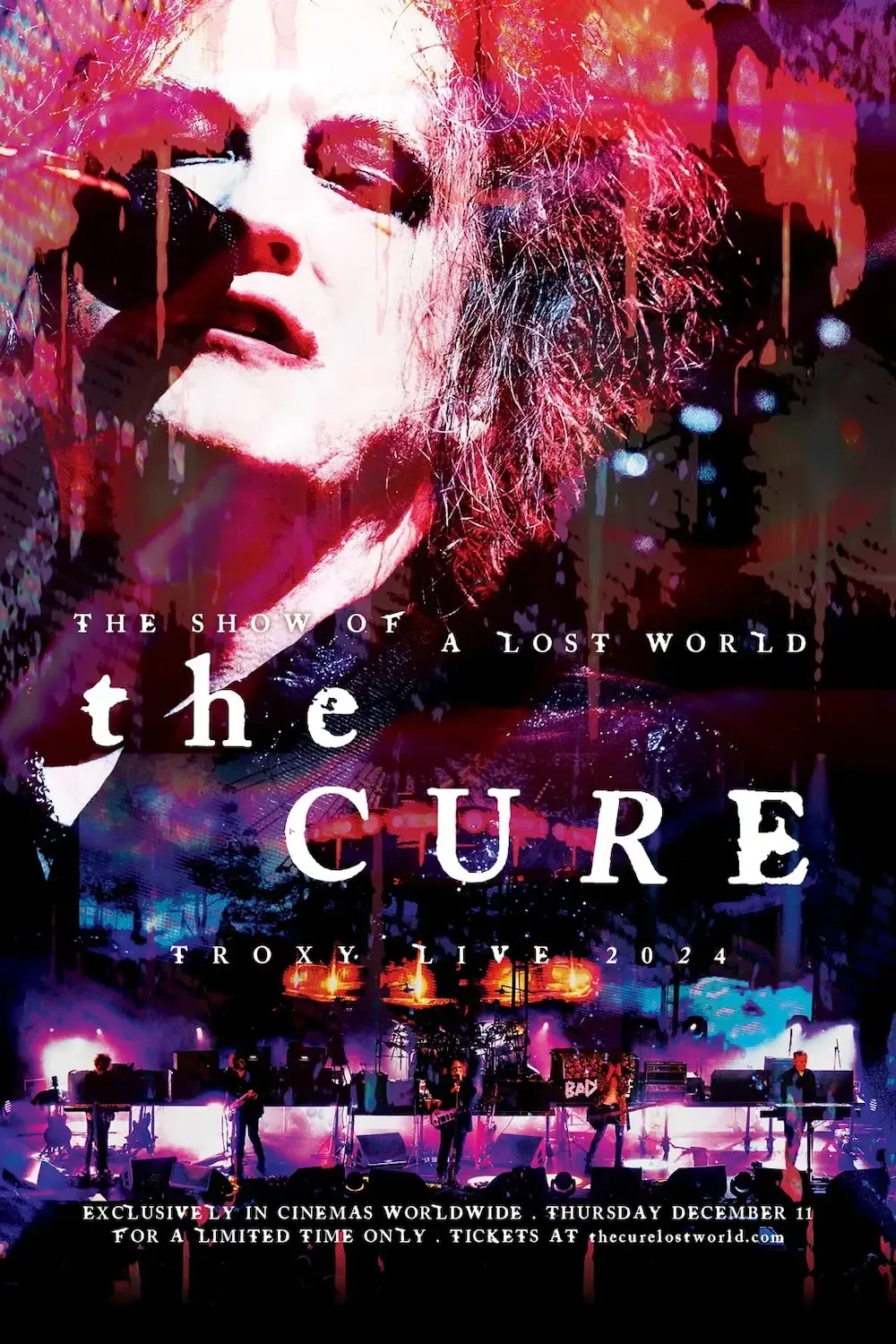
When they released Songs of a Lost World last year, The Cure marked the occasion by playing a three-hour-long set at London’s Troxy theater and streaming it on YouTube. I watched the concert when it was on their YouTube channel for a short time afterwards, and it was an even bigger treat to see it in a theater this week. Over the course of three hours, Robert Smith et al. actually deliver four mini-concerts. The first is Songs of a Lost World performed in its entirety (and I daresay I much prefer the live versions to the album) followed a collection of Cure classics (e.g., “Pictures of You,” “Fascination Street,” “Just Like Heaven”). Then comes a selection of songs from Seventeen Seconds, which turned 45 this year, and then another collection of Cure classics that includes “Friday I’m in Love” (which Smith hilariously flubs) and “Boys Don’t Cry.” It’s all excellent, must-see material for Cure fans, and ample proof that The Cure truly excel as a live band. Sure, Robert Smith gets a bit winded at times and he can’t quite hit some of those higher notes, but he still sounds great for a goth icon in his 60s, and the rest of the band create one evocative soundscape after another. As was the case when I saw them live in 2023, I was particularly struck by Reeves Gabrels’ fiery playing, which adds a muscular intensity to The Cure’s iconic gloom.
At least a decade has passed since I last watched Ghost in the Shell in its entirety, and given that it turned 30 this year, now seemed like a good time to reacquaint myself with Mamoru Oshii’s cyberpunk masterpiece. Based on Masamune Shirow’s manga, Oshii’s film ranks up there with the likes of Blade Runner in terms of influence. (Case in point, the Wachowskis’ goal with The Matrix was to basically make a live-action Ghost in the Shell.) In the year 2029, cybernetic enhancement is extremely common, effectively blurring the lines between man and machine. Major Motoko Kusanagi is a heavily cyberized government agent tasked with capturing a dangerous hacker known only as the Puppet Master. But as the Puppet Master’s plan slowly unfolds, it’s increasingly clear that he’s not at all what he seems. While I do think that 1993’s Patlabor 2 is a slightly better film, there’s absolutely no denying Ghost in the Shell’s style and execution, as Oshii balances ultra-bloody violence with long, contemplative passages during which Kusanagi et al. wax existential about the nature of the soul and the definition of life. In a lesser film, that would be pretentious as all get-out, but Oshii’s direction, combined with Kenji Kawai’s haunting score and some incredible design and art direction, ensure that Ghost in the Shell remains compelling from start to finish.
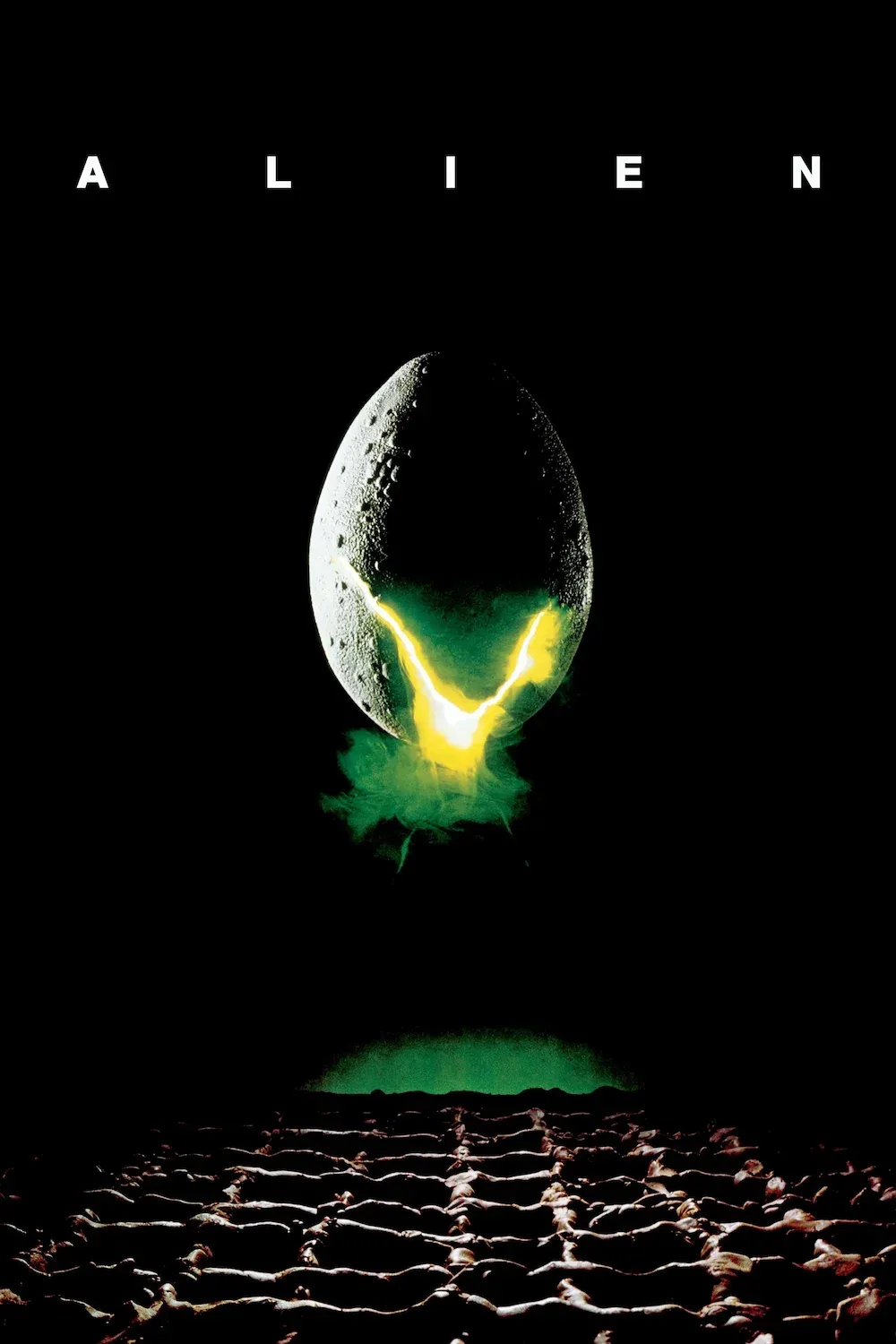
I’m a bit embarrassed to admit this was my first time watching Ridley Scott’s sci-fi horror classic in its entirety. Up until now, I’d only seen bits and pieces, but a screening at The Ross’s 2025 Fright Fest seemed like the perfect time to address this particular gap in my movie-watching history. Not surprisingly, it did not disappoint. Everything in Alien, from Jerry Goldsmith’s score to the incredible sets and production design to Scott’s camerawork, is designed to ratchet up the tension and sense of claustrophobic dread — and quite successfully so. As for the alien itself, it’s suitably, well, alien. Which is to say, horrific and terrifying. (H. R. Giger drew inspiration from his own nightmares for the creature’s design.) Much like Scott’s Blade Runner, Alien’s visuals still hold up and run circles around many of today’s CGI-laden special effects. The elaborate Nostromo sets feel “lived in” and authentic, a sense enhanced by the cast’s performances, which make it easy to believe that we’re really watching a crew of blue collar space workers just trying to get back home. On a related note, the film’s underlying critique of hyper-capitalism that prioritizes profit over people still hits hard in 2025, and perhaps even more so.
Although it’s canonicity is questionable, this collaboration between Marvel impresario Stan Lee and legendary French artist Moebius might be the quintessential Silver Surfer tale. When Galactus returns to Earth, the Devourer of Worlds sets off a religious frenzy that’s fueled by a desperate televangelist. It’s up to the Silver Surfer, who has been living incognito on Earth for some time now, to challenge both his former master and humanity’s growing madness — but will the Power Cosmic prove triumphant? As expected from its title, Silver Surfer: Parable is rife with religious imagery as Lee pontificates like he’s never pontificated before. It’s undoubtedly heavy-handed, sometimes to its detriment, but there’s an earnestness in Parable’s plea against blind, slavish devotion that’s appealing — and sadly, maybe even a bit too relevant at times. Not surprisingly, Moebius’s artwork is gorgeous, his clean lines imagining both a slightly futuristic version of Earth and ably capturing the Surfer’s cosmic grace and elegance.