A Glimpse Inside Satoshi Kon’s Unfinished Dreaming Machine
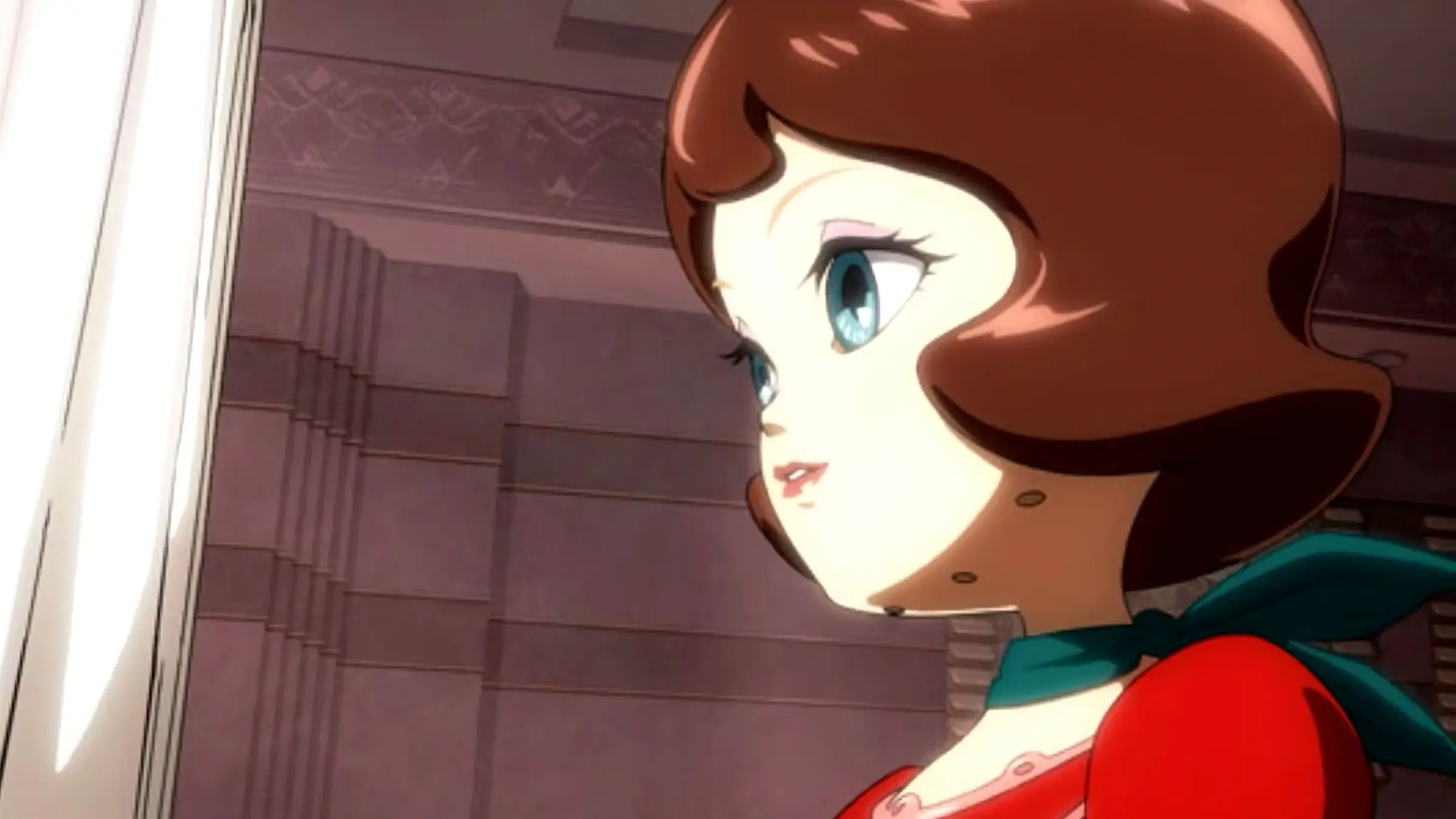
When he died at the far-too-young age of 46, Satoshi Kon had already established himself as one of the world’s premier animators thanks to sublime and thought-provoking films like Perfect Blue, Millennium Actress, and Paprika. Even so, he was hard at work on what looked to be his most ambitious film yet: a retrofuturistic tale titled Dreaming Machine that remains unfinished despite the existence of a wealth of production material.
Much of that material remains locked away. However, Animation Obsessive — a fantastic newsletter that all animation aficionados really ought to subscribe to — has dug through the material that has been released, along with interviews and blog posts, to provide our most complete look yet at Kon’s Dreaming Machine. Noting Kon’s desire to create a “retrofuturistic post-apocalypse” that hearkened back to the works he loved as a child, Animation Obsessive writes:
Kon was a child of the ‘60s, and all too familiar with the “shining future” that’d been promised. He mentioned the illustrator Shigeru Komatsuzaki, for example, who spent years conjuring optimistic future-tech worlds. In Dreaming Machine, this kind of world happened, but utopia failed somehow. Kon observed a similar feeling in the 21st century, where things haven’t played out as expected.
Even as Kon drew the past’s future in ruins, he wanted to get into the spirit of it. So, he immersed himself in the cartoons of his childhood.
In 1960s Japan, animation was often called manga eiga (cartoon movies) and terebi manga (TV cartoons). By the time Kon started Dreaming Machine, both terms sounded impossibly naive and old-fashioned, and they brought to mind animation in the same vein. But that’s what he hoped to channel. “A story of love and courage, a boy’s growth and adventure,” Kon wrote on his blog in 2002, half-joking. “The royal road of manga eiga.”
While working on Dreaming Machine, Kon listened to a 120-track playlist named “Shining Future.” It was four-plus hours of Japanese cartoon themes from the old days: Leo’s Song, Super Jetter. In these shows, Kon wrote, justice and love triumphed over the “bad guys” and scientific progress saved the day. The work still appealed to him, in a way, even though he saw right through it.
Given the relative darkness of Kon’s other movies, especially Perfect Blue and Paprika, it’s interesting to note that Kon intended Dreaming Machine to be a family film, i.e., “a dual-structured movie… in which children can enjoy it as a fantasy while adults can find the other message in it.” I suspect, however, that it would’ve been a far cry from what we typically consider a “family film,” and all the better as a result.
I encourage you to read the entire article, which goes into great detail about the few plot elements that have surfaced, as well as the surprising amount of material, much of it created by Kon himself, that remains unseen. It seems highly unlikely that Dreaming Machine will ever be finished or released in any form. Perhaps the most we can hope for is that the film’s storyboards, etc., are someday compiled and published as a tribute to Kon’s ambition and genius.