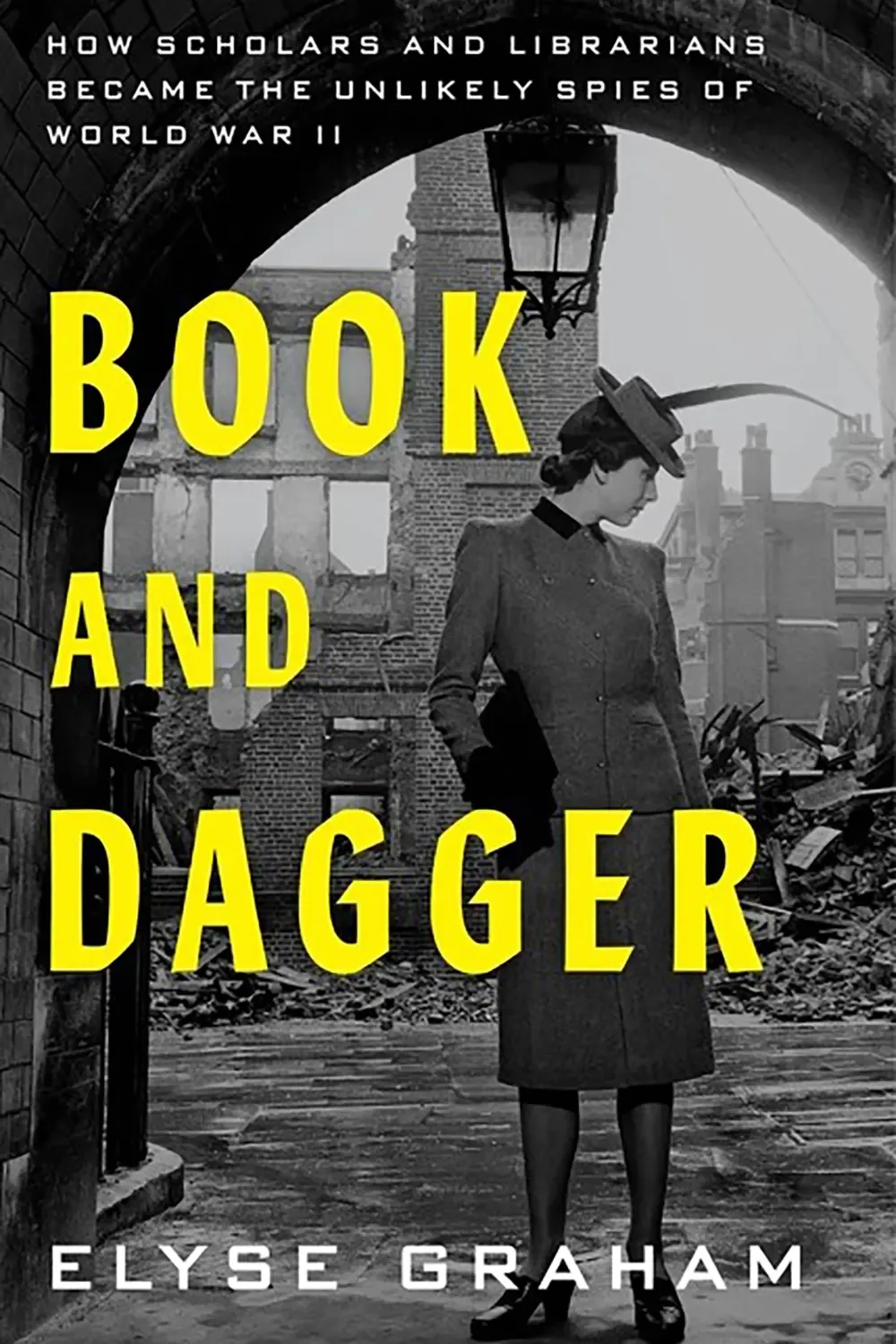
Book and Dagger by Elyse Graham (2024)
Our popular conception of a spy is that of a dashing and debonair individual who gallivants around the globe, stopping nefarious villains with clever gadgets and equally clever wit. But that image is hopelessly romanticized, explains Elyse Graham in Book and Dagger, which chronicles the WW2-era rise of modern espionage. Rather than recruit what we’d consider “spy” material, the Allies turned instead to scholars, librarians, historians, and economists — none of whom were soldiers but all of whom had the necessary skills and academic training to outthink Hitler and the Third Reich. Along with other unlikely folks (e.g., Hollywood studio execs and production crews) as well as refugees fleeing the Nazi regime, the Allies’ academics created a highly effective intelligence operation that proved essential to winning the war. Graham’s enthusiasm for her subject matter is readily apparent, and her heavily researched book is filled with fascinating details, and even proves legitimately gripping at times. (Her chapter on the D-Day invasion, and all of the behind-the-scenes planning and subterfuge that made it successful, is an absolute page-turner.) The book’s focus does wander at times; Graham casts a wide net and occasionally heads down what feels like elaborate rabbit trails. Even so, Book and Dagger is a fascinating look at a side of history most of us probably know nothing about, and given the current administration’s ongoing assault on academics and the humanities, it serves as a warning, as well.
I may earn an affiliate commission on items you buy through Opus. These commissions will go directly to supporting the site and my blogging.