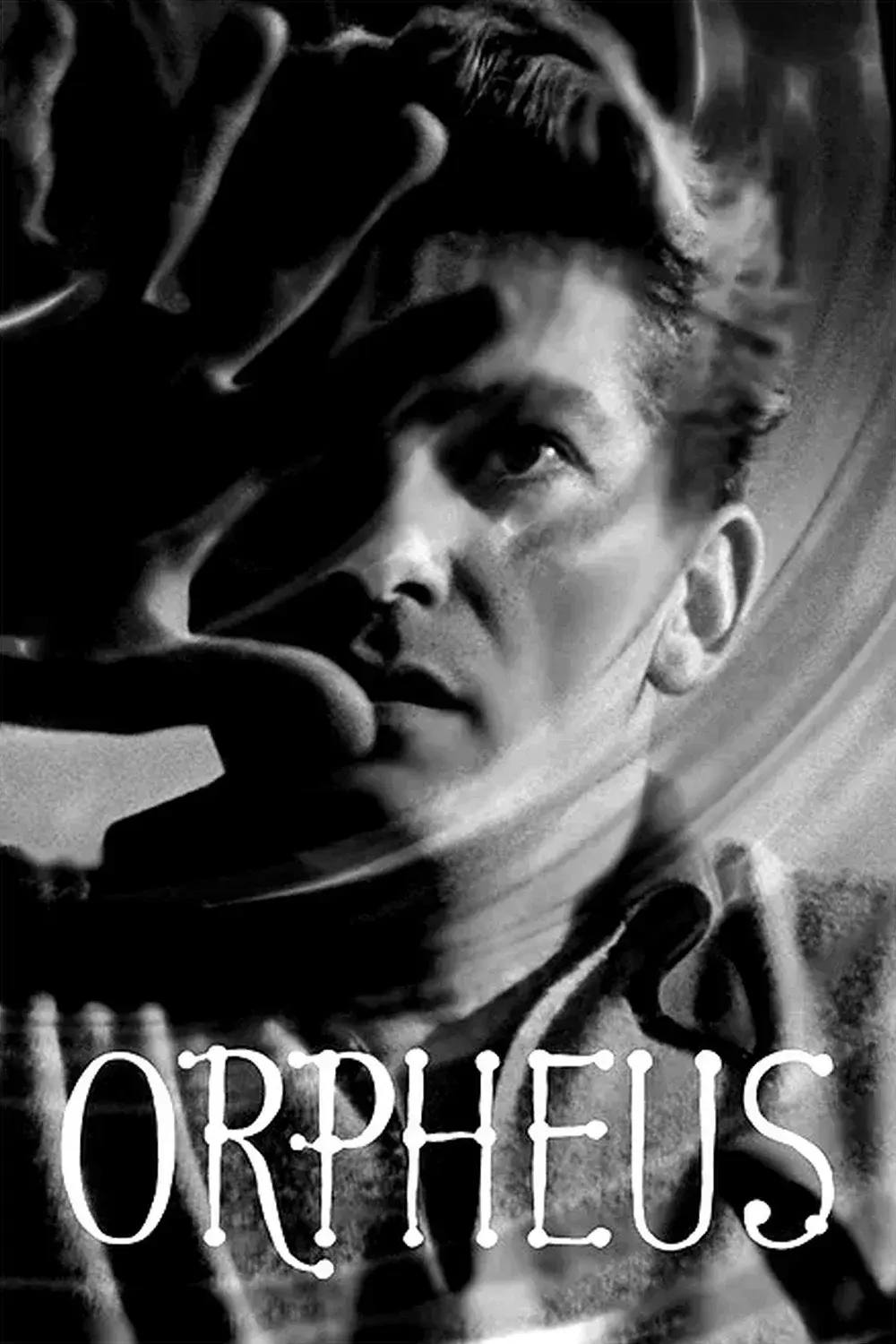
Orpheus by Jean Cocteau (1950)
Where to begin with Jean Cocteau’s Orpheus? Well, for starters, it was the very first film to show me that films could be more than just mere entertainment. That they could, in fact, be true works of art. (Related to that, the essay that I wrote about Orpheus for my sophomore-year film history class was arguably my first attempt at serious film criticism.) Even after 75+ years, it’s still visually impressive, employing classic cinematic sleight-of-hand — e.g., rear projection, reversed film, fake mirrors, trick camera angles — in ways that feel more innovative than many computer effects you see today. Cocteau’s effects never feel cheap or dated, but rather, perfectly suited for a film that jumps back forth between this world and the hereafter. As for its Greek mythology-inspired story about a jaded poet (Jean Marais) who falls in love with Death herself, Orpheus certainly gets overwrought and melodramatic, not to mention more than a little surreal. But then again, it is based on myth, and Cocteau creates a suitably otherworldly tone replete with afterlife tribunals, cryptic radio broadcasts, some instances of tragic love, and even a couple of poet riots. “Magical” is a term that often gets tossed around when describing films, but I really can’t think of a better term to describe what Jean Cocteau achieved with this film.
I may earn an affiliate commission on items you buy through Opus. These commissions will go directly to supporting the site and my blogging.