We’ve only been here a handful of times, but it’s already become one of our favorite restaurants in Lincoln for celebrating special occasions. I hesitate calling L’s Kitchen a “hole in the wall,” because that might communicate something a little on the sketchy side, and that couldn’t be further from the truth for this cozy little restaurant and its blend of French, Italian, and European cuisine. Everything we’ve ever had at L’s Kitchen is delicious, and obviously prepared with great skill and care by head chef Lawrence de Villiers (who personally greets every customer and tells them the specials). That said, I’m partial to the Chef’s Chicken and filet mignon while my wife loves the scallops.
My Cultural Diet
922 reviews of movies, TV shows, books, restaurants, etc. My own private Goodreads, Letterboxd, and Yelp all rolled into one (more info). Star ratings are 100% subjective, non-scientific, and subject to change. May contain affiliate links, which support Opus.
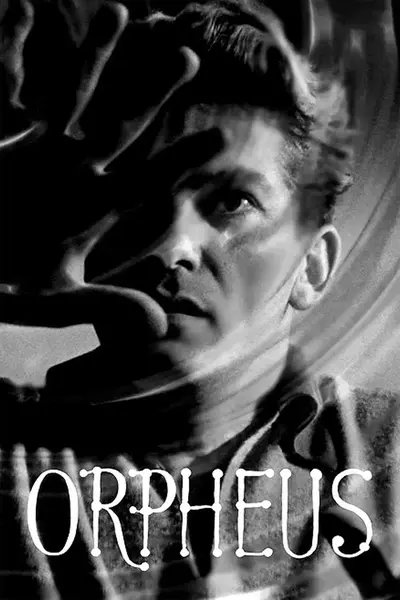
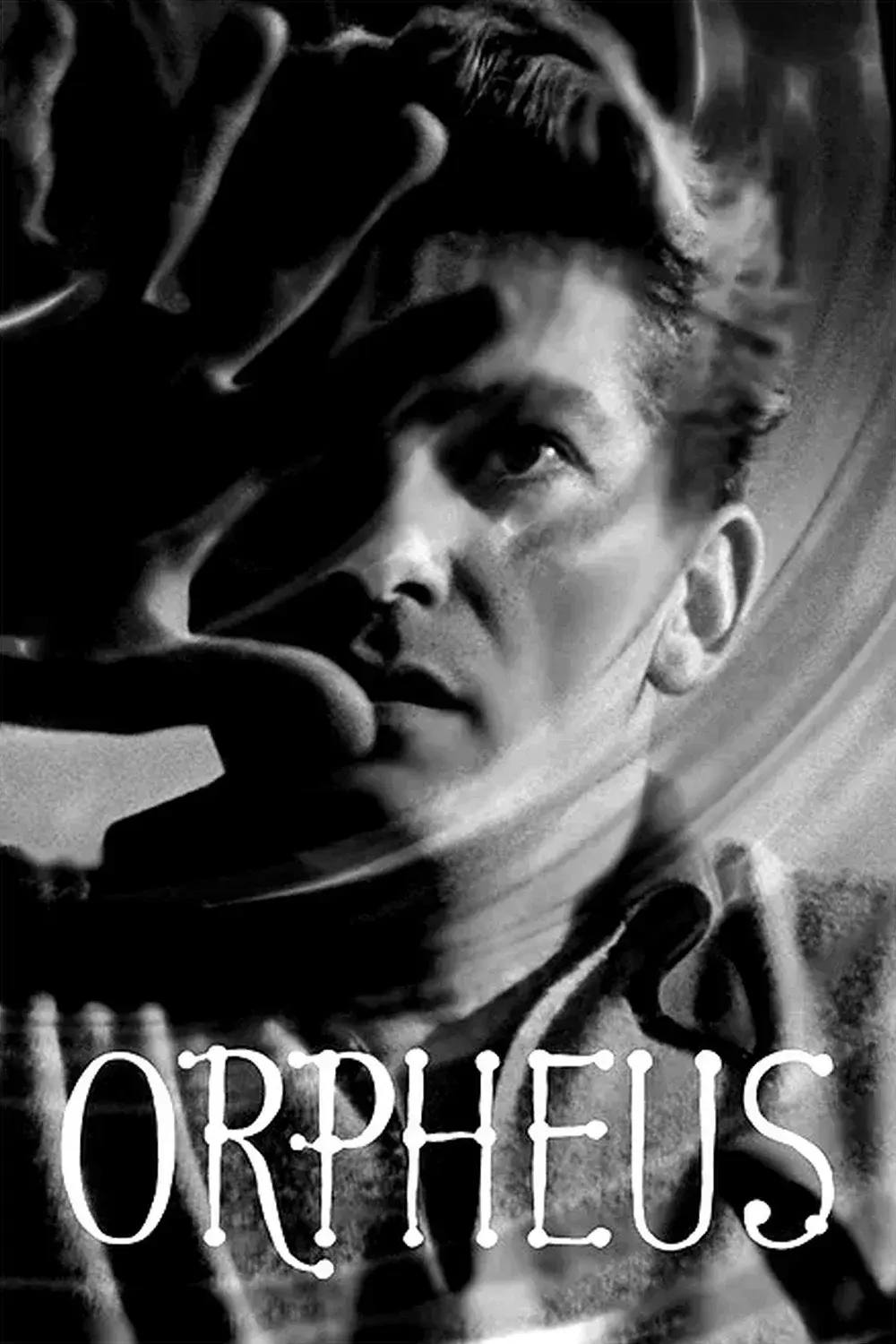
Where to begin with Jean Cocteau’s Orpheus? Well, for starters, it was the very first film to show me that films could be more than just mere entertainment. That they could, in fact, be true works of art. (Related to that, the essay that I wrote about Orpheus for my sophomore-year film history class was arguably my first attempt at serious film criticism.) Even after 75+ years, it’s still visually impressive, employing classic cinematic sleight-of-hand — e.g., rear projection, reversed film, fake mirrors, trick camera angles — in ways that feel more innovative than many computer effects you see today. Cocteau’s effects never feel cheap or dated, but rather, perfectly suited for a film that jumps back forth between this world and the hereafter. As for its Greek mythology-inspired story about a jaded poet (Jean Marais) who falls in love with Death herself, Orpheus certainly gets overwrought and melodramatic, not to mention more than a little surreal. But then again, it is based on myth, and Cocteau creates a suitably otherworldly tone replete with afterlife tribunals, cryptic radio broadcasts, some instances of tragic love, and even a couple of poet riots. “Magical” is a term that often gets tossed around when describing films, but I really can’t think of a better term to describe what Jean Cocteau achieved with this film.
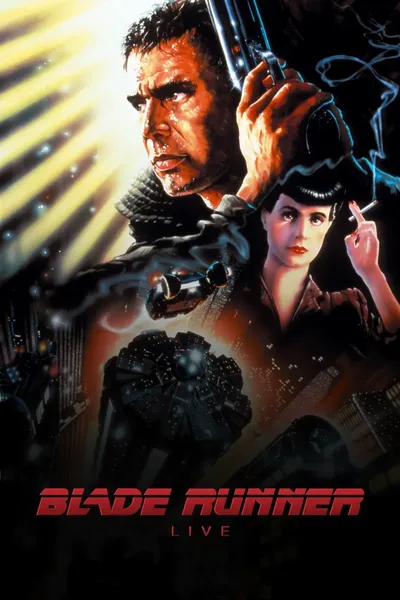
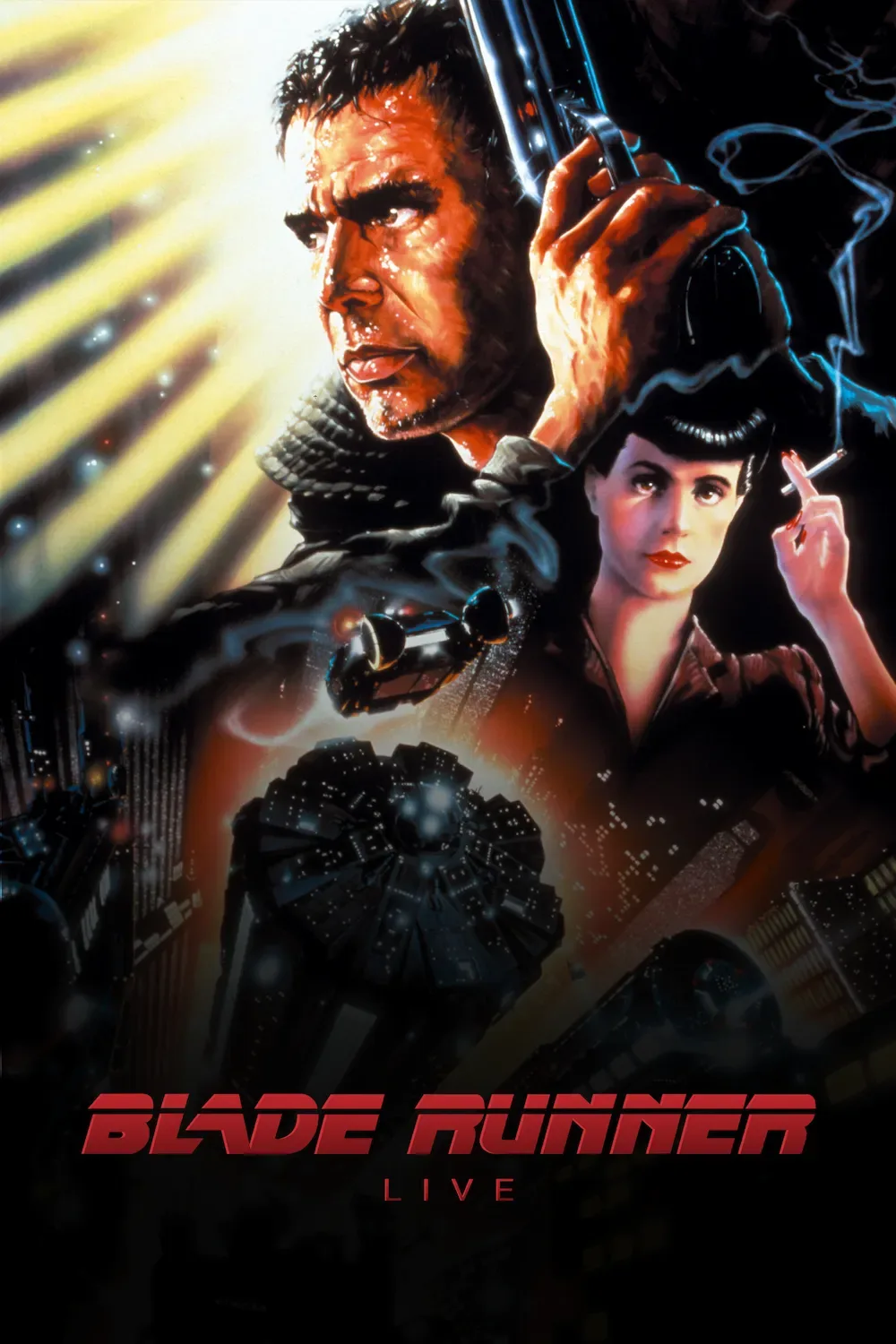
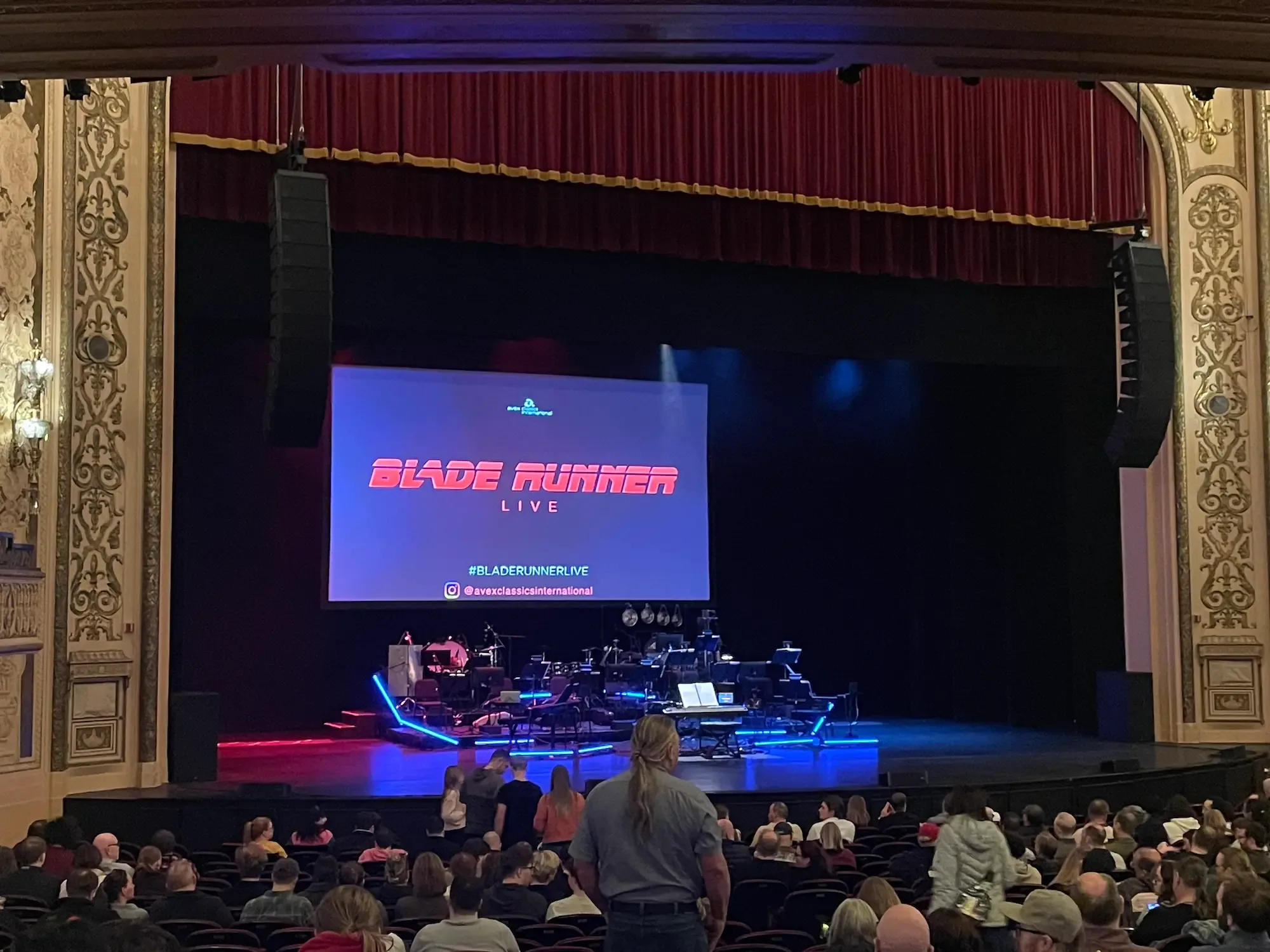
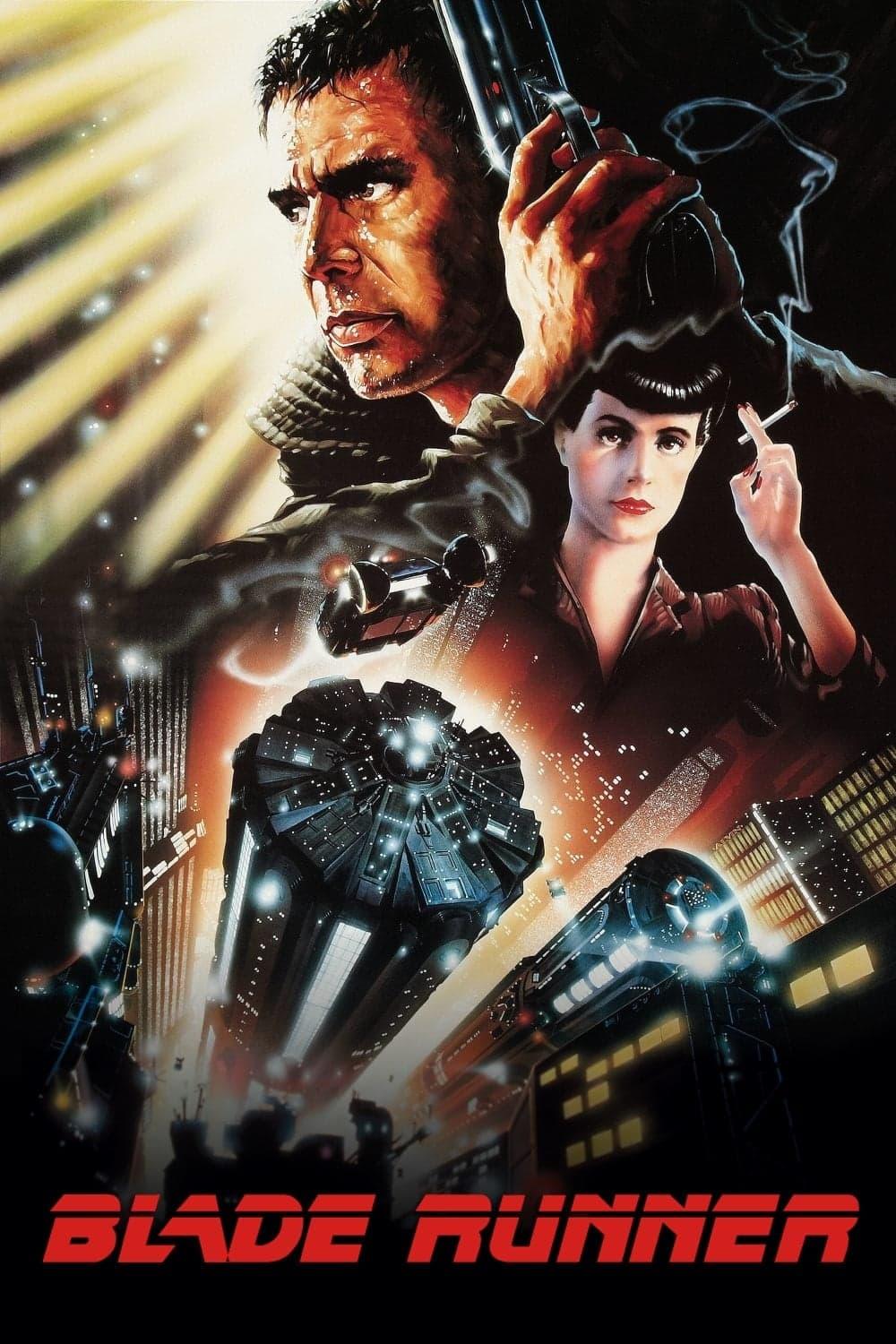
It’s pretty safe to say that Ridley Scott’s Blade Runner is my favorite movie of all time. I don’t know how many times I’ve seen it over the years, but it never fails to draw me into its detailed and highly stylized world. I’m hard-pressed to think of another movie with a visual style that’s so captivating. As it turns out, though, the only thing that’s as captivating as Blade Runner’s visuals is its atmospheric and eclectic score, courtesy of Vangelis. Thus, it was a truly special treat to watch Blade Runner with live musical accompaniment courtesy of The Avex Ensemble, who pull off Vangelis’s score perfectly with an 11-piece band. I’ve never actually seen a live accompaniment quite like this before, but as soon as I heard that first booming percussion during the opening sequence, I knew I was in for something special. There were one or two moments when the live music threatened to overwhelm the movie, but I attribute that more to a mixing issue than the performance. More often than not, I simply forgot that I was watching a movie with live accompaniment. That’s how good the Ensemble’s performance was, from the opening sequence to an exhilarating rendition of the end titles theme. Finally, special kudos to the vocalist — sadly, I can’t seem to find her name anywhere — who nailed the Middle Eastern chants heard on “Tales of the Future.”
-
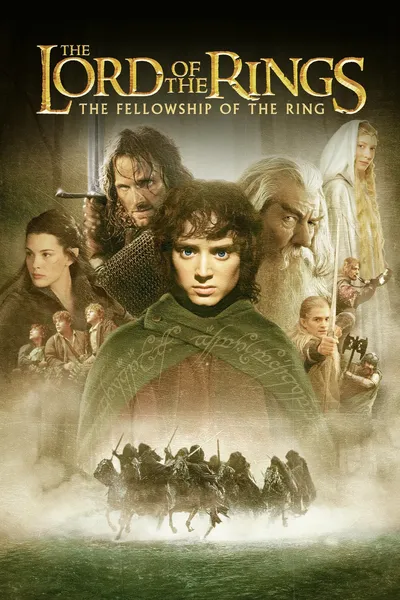
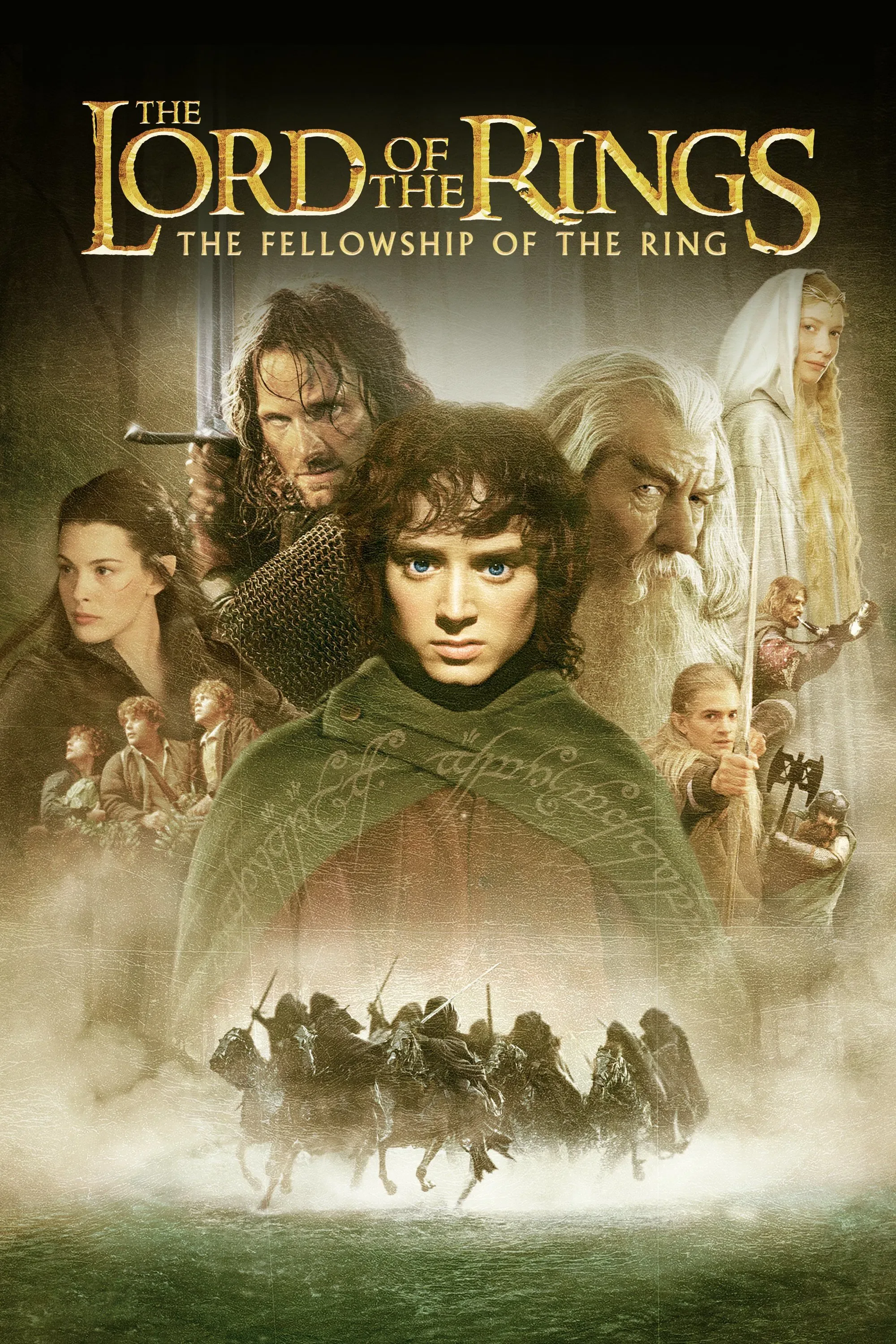
I’m sure that when Peter Jackson — director of such splatter classics as Bad Taste, Meet the Feebles, and Braindead — announced that he was adapting J. R. R. Tolkien’s Lord of the Rings, one of the most revered stories in Western literature, more than a few people doubted that he would deliver a modern cinematic epic that verges on transcendent. But that’s precisely what we got with The Fellowship of the Ring. Much of that’s due to the film’s incredible production design and art direction, which transform Tolkien’s Middle-earth into a living, breathing place that I believe can be visited every time I watch the film. Although Jackson’s changes to Tolkien’s story merit criticism in the trilogy’s subsequent titles, here they largely make the film a stronger and more cohesive story. (I’m sure Tom Bombadil has his fans, but he’s not really missed here.) From the first frame to the very last, Jackson and his incredible cast and crew deliver the very definition of movie magic that — to quote Yeats — I feel “in the deep heart’s core” every time I watch it.
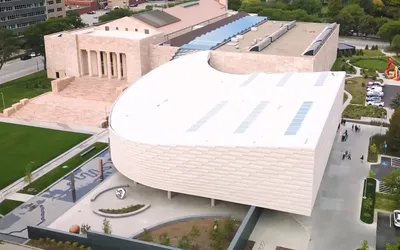
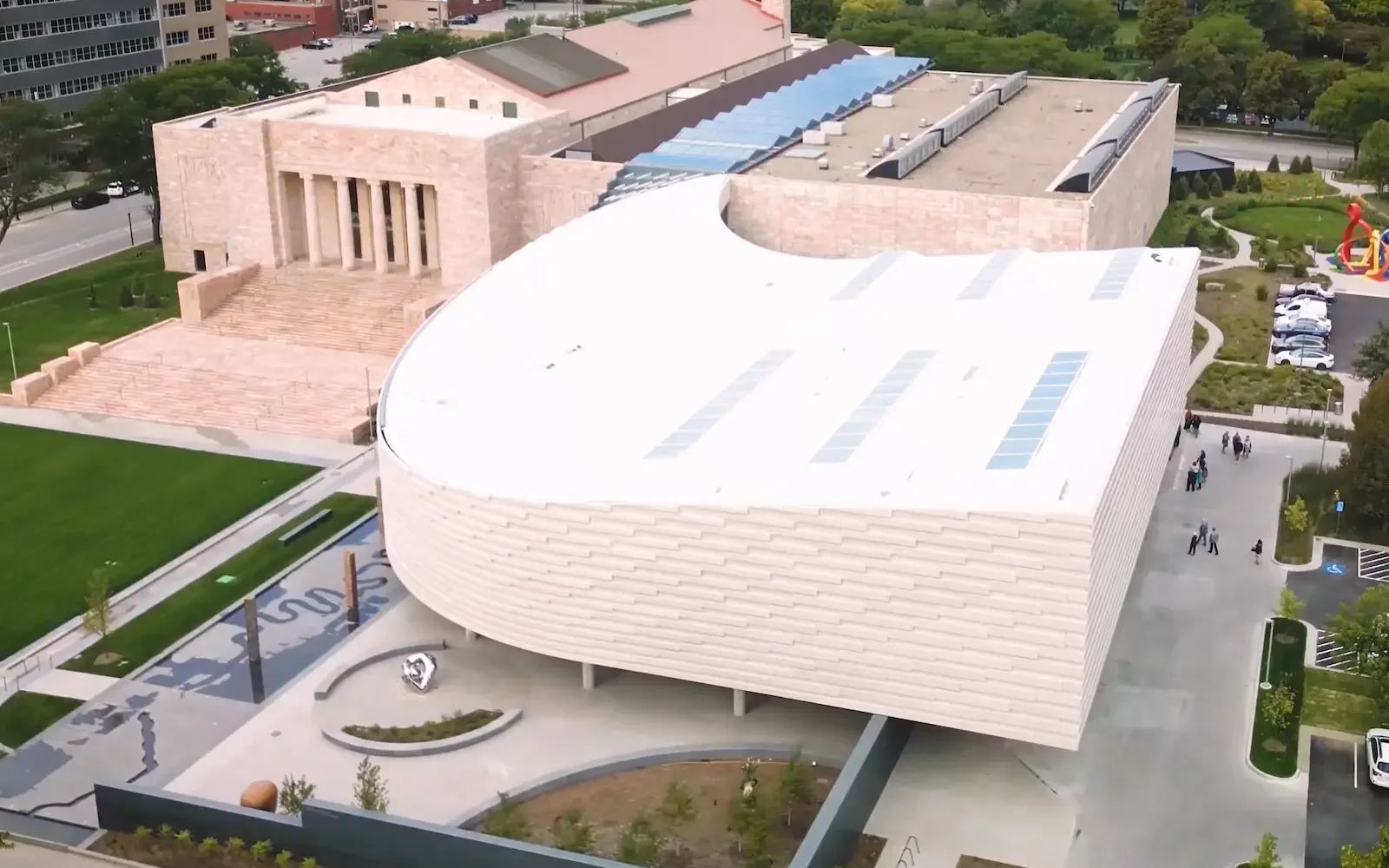
This was our first visit to the Joslyn since it reopened in September 2024 after two years of construction and renovation, and it did not disappoint. The newly added Hawks Pavilion is gorgeous. Our primary reason for visiting was to see the exhibition of Japanese prints spanning more than two centuries’ worth of work. The exhibition’s centerpiece was a reproduction of Hokusai’s iconic The Great Wave off Kanagawa, but the exhibition contained many excellent pieces. Afterwards, we spent some time exploring the rest of the museum’s collection. Some of my favorites include Titian’s Portrait of a Man with a Falcon, John Hoppner’s Portrait of Lady Redesdale, Jean-Léon Gérôme’s The Grief of the Pasha, and Jules Breton’s The Weeders.
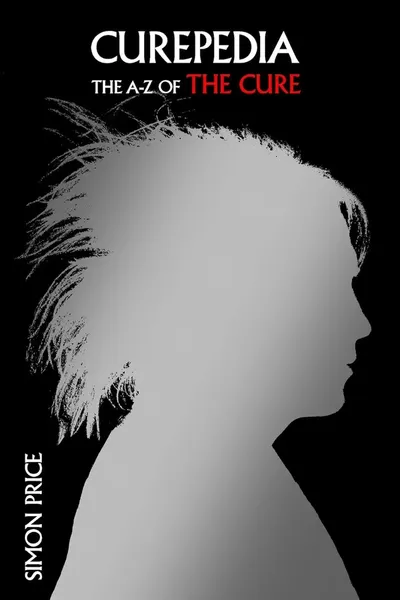
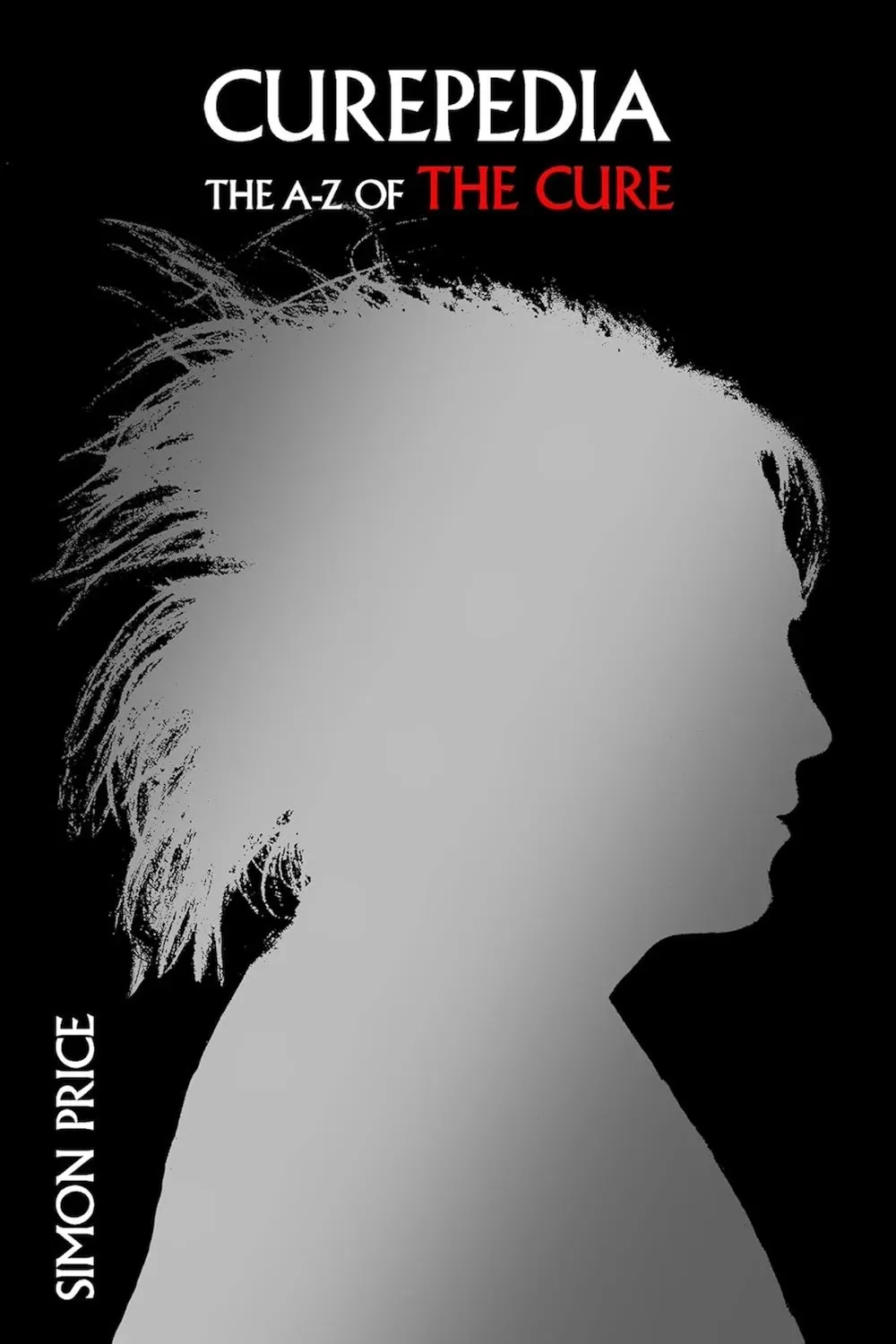
As its title implies, Simon Price’s Curepedia isn’t a biography or memoir, but rather, an encyclopedia of minutiae concerning one of the greatest bands of all time. As expected, there are detailed bios for Robert Smith and all of the other Cure members, past and present, as well as in-depth articles for all of their albums and various hits and singles (e.g., “Boys Don’t Cry,” “Just Like Heaven,” “Lovesong,” “Friday I’m in Love”). But Curepedia also covers the band’s birthplace in Crawley, their influences (musical, literary, etc.), related musical projects, Robert Smith’s marriage, their favorite soccer teams, their views on politics and the British Royal Family, and Smith’s iconic hairstyle and preferred footwear — to name just a few topics. Curepedia even delves into the less savory corners of Cure history, including run-ins with the law, the bullying of founding member Lol Tolhurst, their disastrous tours in the late ’90s, and of course, the band’s long history with drugs and alcohol. Whatever the topic, though, Price tackles it with an eye for detail and verve to spare, making it abundantly clear that Curepedia was a labor of love. With a new album on the horizon, now seemed like a good time to delve into Price’s tome, which proves itself to be an essential resource for Cure fans.
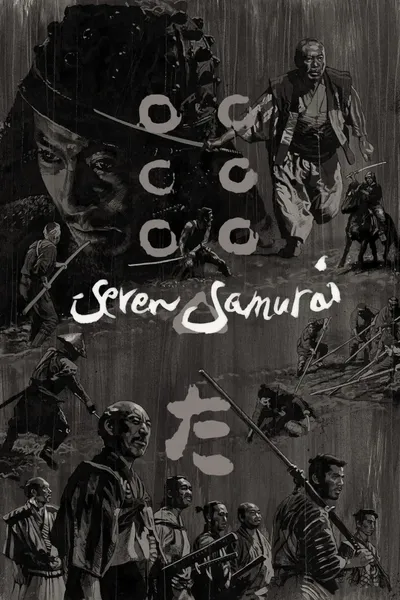
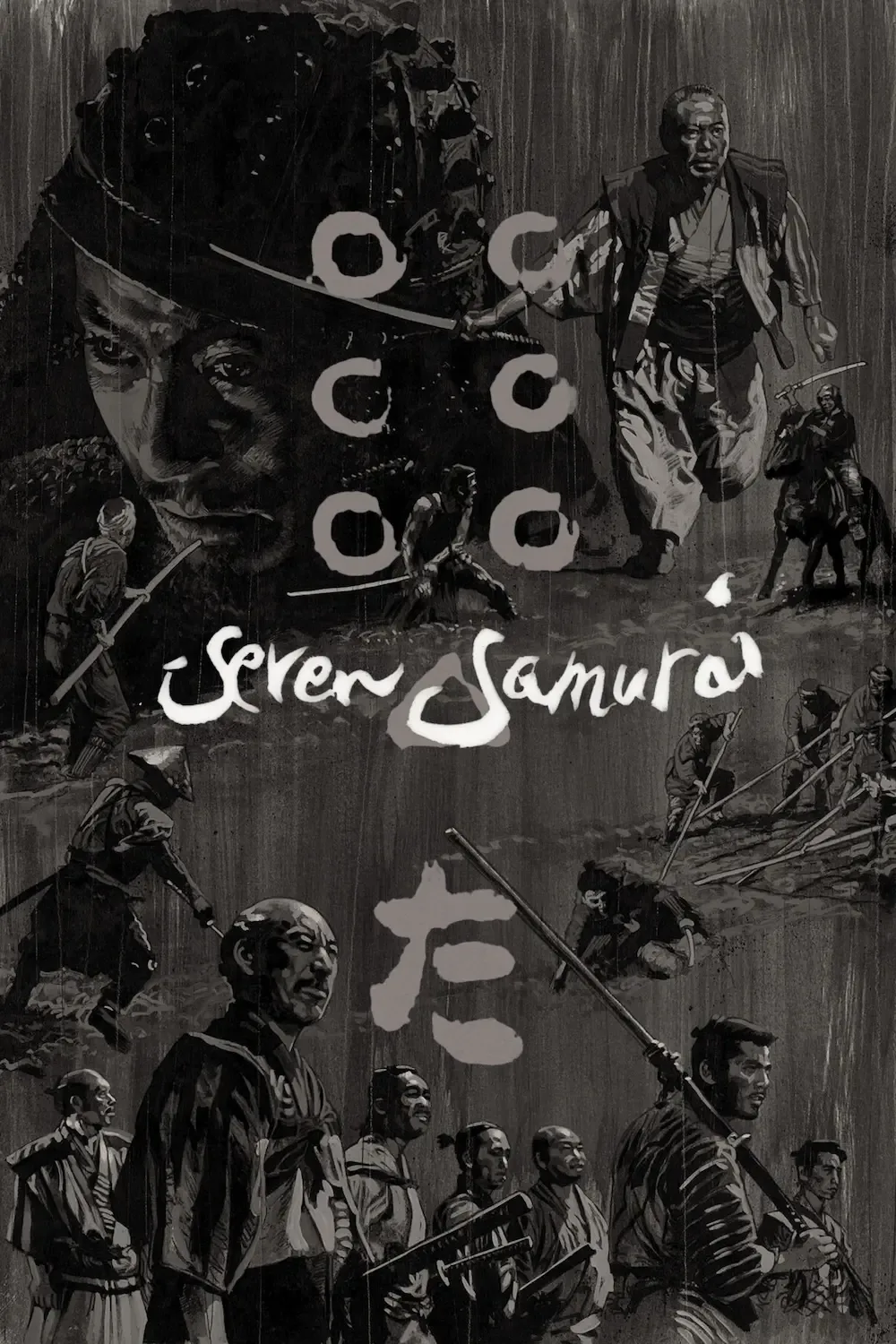
I’m not sure what else there is to say about Akira Kurosawa’s Seven Samurai at this point. The film is a cultural cornerstone, inspiring numerous remakes and influencing countless movies and TV series. If you’ve ever watched a movie in which a team of random strangers are assembled for a dangerous mission or heist, or you’ve watched an epic battle sequence, chances are that Seven Samurai is referenced somehow, somewhere. And yet, none of the remakes and references have eclipsed the original and its warm humanism, colorful characters, sweeping emotions, and of course, action, which has lost none of its thrilling effect in the last 70 years. Earlier this month, I saw a clip of Bill Maher mocking Kurosawa as “one of the most important directors that you need to pretend you care about.” I feel no need to pretend whatsoever; watching Seven Samurai in the theater — and in a 4K restoration, I might add — there was never a doubt in my mind that I was watching the work of a master.
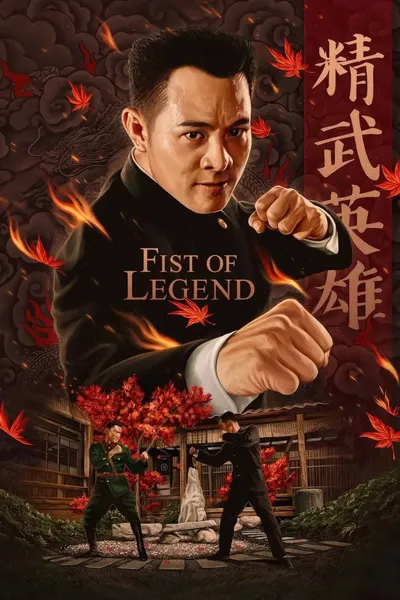
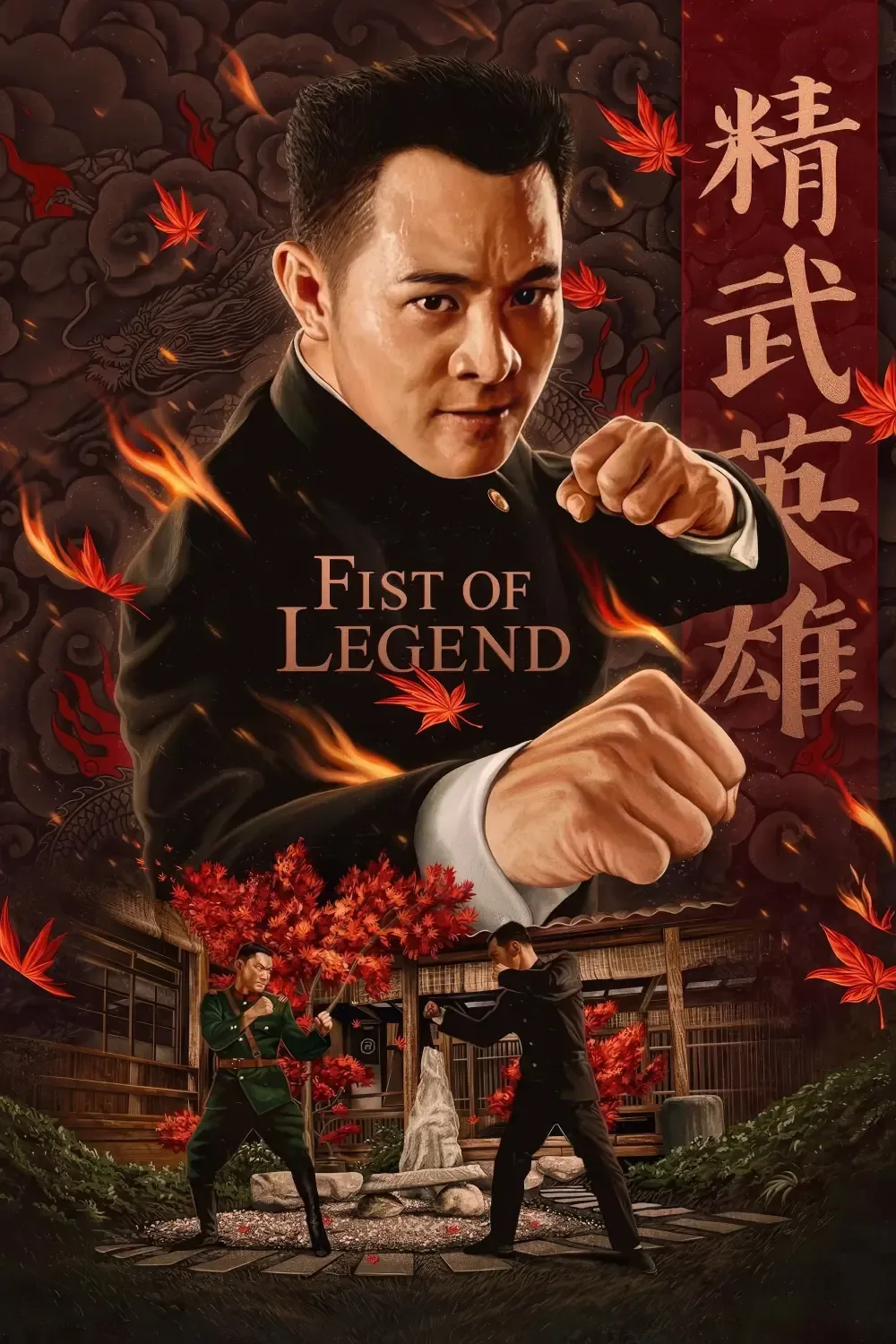
One of the greatest martial arts films of all time, and arguably Jet Li’s finest film to boot. When a young Chinese man returns home from Japan to mourn his master’s untimely death, he uncovers a web of political conspiracy and racial animus. Fortunately, he possesses some incredible martial arts skills, but even those might not save him and his loved ones. At the risk of sounding blasphemous, Gordon Chan’s remake of Bruce Lee’s Fist of Fury is actually an improvement on the original, with a much more nuanced storyline that isn’t afraid to delve into shades of gray. While Jet Li doesn’t have Bruce Lee’s charisma, he nevertheless acquits himself well here as a man forced to constantly reassess his idealism and loyalties. As for his martial arts prowess, that’s never in doubt, not even when it’s (occasionally) enhanced with wires and undercranking. Li’s speed and agility are a perfect match for Yuen Woo-Ping’s inventive fight choreography, and the result is at least five outstanding martial arts sequences, with the highlight being a surprisingly philosophical duel with an older Japanese master played by Yasuaki Kurata.
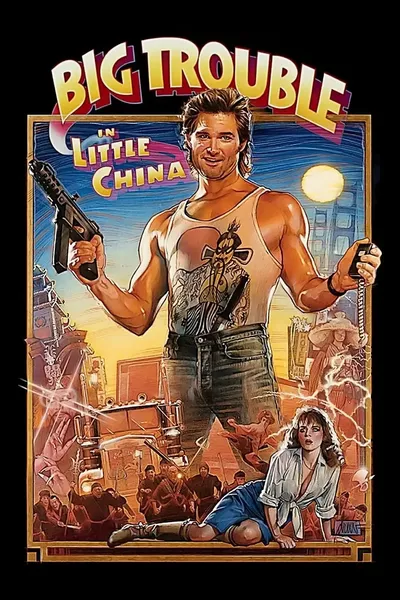
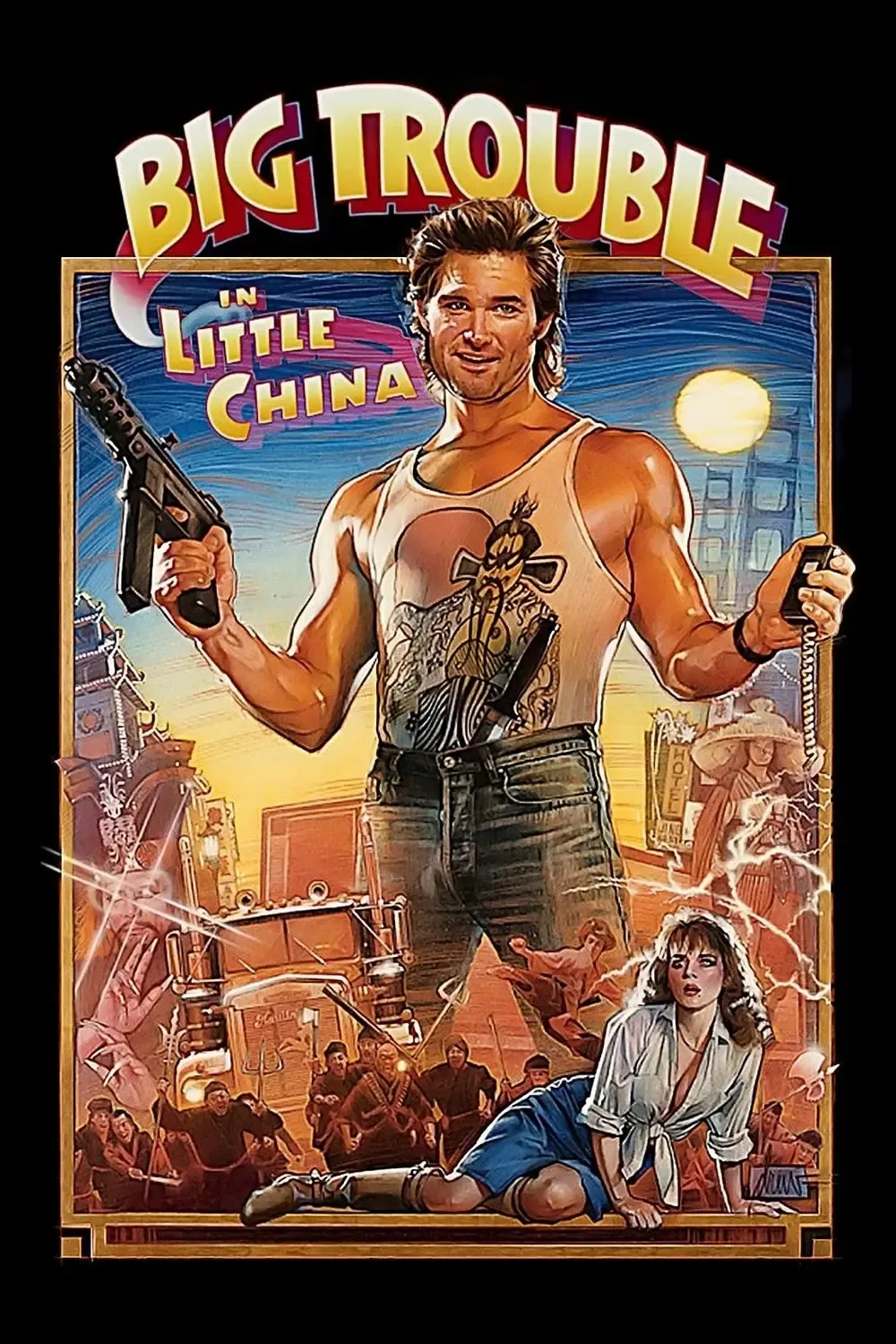
John Carpenter’s Big Trouble in Little China never fails to put a huge smile on my face, starting with Kurt Russell’s iconic performance as trucker Jack Burton, who finds himself in over his head while battling sorcerers, monsters, and kung fu masters straight out of Chinese myth and legend. I love how the movie is an obvious homage to kung fu and wuxia movies, and even stars a couple of martial arts movie legends like Carter Wong and Jeff Imada. I love how it plays with an Americanized (i.e., overly exoticized) version of Chinese culture even as it subverts that by making Russell’s swaggering, tough-talking, John Wayne-esque hero perpetually confused and out of his depth. (As Carpenter put it in his DVD commentary, Burton is a sidekick who thinks he’s the main character.) I love James Hong and Victor Wong’s performances as Lo Pan and Egg Shen, respectively. Basically, I love everything about this movie, from its beginning to its surprisingly bittersweet ending. May the wings of liberty never lose a feather, indeed.

The Cure were absolutely phenomenal. They played a pretty eclectic set with the usual hits (“A Forest,” “Lovesong,” “Pictures of You,” “Just Like Heaven”) as well as some deep cuts (“At Night,” “If Only Tonight We Could Sleep,” “Kyoto Song,” “Prayers for Rain”) and even a song from Wild Mood Swings (“Want”). They played 5 – 6 new songs, too, all of which were great and have me really excited for the new album (whenever Robert decides to release it). My favorite song of the evening, however, was “A Night Like This.” (I wish I would’ve recorded some video of it but I was too busy dancing and singing along.) We missed the first 2 – 3 songs from opening act The Twilight Sad because the venue took forever to get people in, but what we did see was phenomenal. I love their wall of sound mixed with a thicker-than-thick Scottish brogue, especially when they played my favorite song of theirs (“VTr”). All in all, a pretty perfect evening. I was afraid we’d get rained on because of the recent weather, but aside from a few sprinkles, the weather was great. Also, the crowd was a fun mix of goths (old and young), punks, Renaissance fair attendees, rivetheads, families, and middle-class suburbanites like ourselves. And we all sang along, at the top of our lungs, to “Friday I’m in Love.” I feel so fortunate and grateful to have been there.
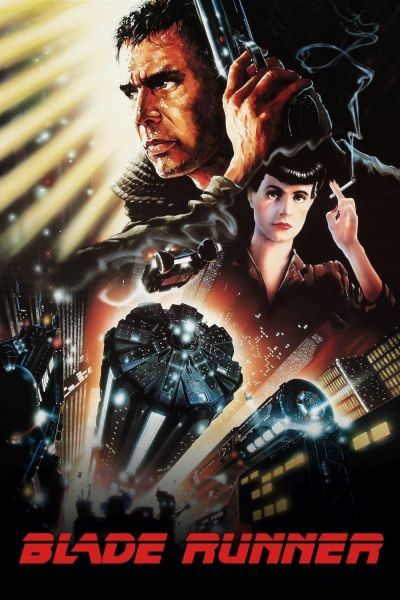
Shortly after finishing Arrival, I started talking about Denis Villeneuve’s films with my oldest, who’s a huge fan of Dune. I mentioned that Villeneuve also directed Blade Runner 2049, the sequel to one of my favorite films of all time: Blade Runner. And so the night ended up being a sci-fi double feature as we pulled up Ridley Scott’s sci-fi masterpiece. Specifically, we watched 2007’s “Final Cut,” i.e., the definitive director’s edition. I have some minor quibbles with some of Scott’s choices for his director’s cut, but I have no such issues with the film’s visuals. Already iconic, the “Final Cut”’s digital remastering makes the film’s visuals all the more stunning. Modern visual effects, which rely so heavily on CGI, can never hope to contain the richness and depth that’s on display in every single one of Blade Runner’s scenes. Despite being released over forty years ago, Scott’s film looks more futuristic than any modern film, and I suspect that’ll be the case for more decades to come. We always talk about suspending disbelief when watching movies, especially genre titles, but that term — “suspension of disbelief” — doesn’t feel quite right when talking about Blade Runner. Thanks to its production design, practical effects, and haunting soundtrack (courtesy of Vangelis), I can’t help believing that Blade Runner’s noir-ish, rain-soaked world actually exists.
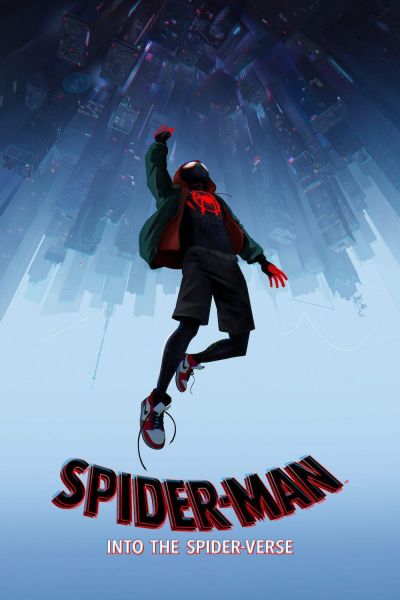
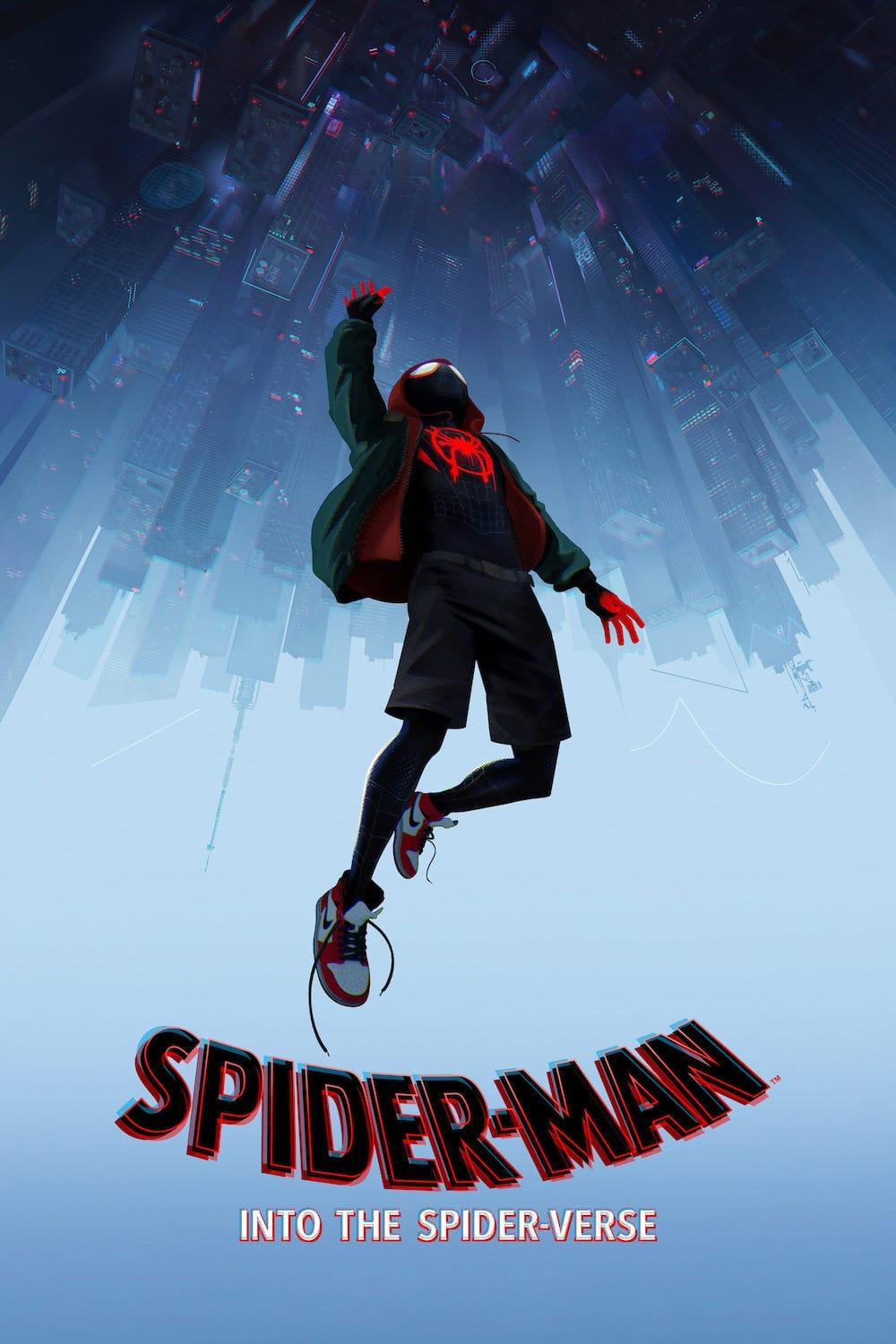
We watched this in preparation for Across the Spider-Verse. Into the Spider-Verse is perfect, and its perfection becomes clearer with each subsequent viewing. There is, of course, the stunningly vibrant artwork and animation, which pushes the medium forward by drawing inspiration from the classic styles of the past. (I love the climactic battle, in part, because it has Kirby Dots for days.) But that visual panache is also matched by the most heartfelt storytelling. As a father, the “spark” speech that Miles’ dad gives never fails to move because it’s precisely the sort of thing I always want my kids to hear from me. Miles’ “Uncle Ben” moment is appropriately heartbreaking; Stan Lee’s cameo is delightful as is the mentee/mentor dynamic between Miles and Peter B. Parker (voiced perfectly by New Girl’s Jake Johnson); I stan Spider-Man Noir; the moment when Miles finally comes into his own as Spider-Man is one of cinema’s most satisfying and triumphant scenes; the hip-hop soundtrack totally slaps… I could go on but you get the idea. Like I said, perfect.
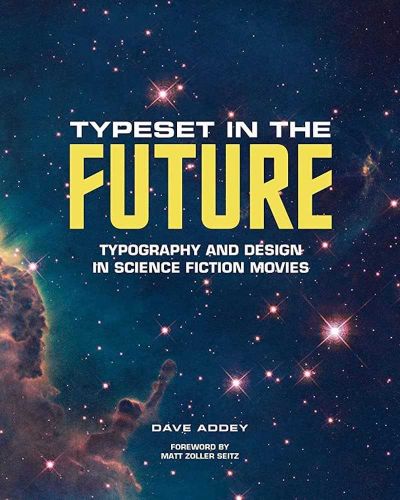
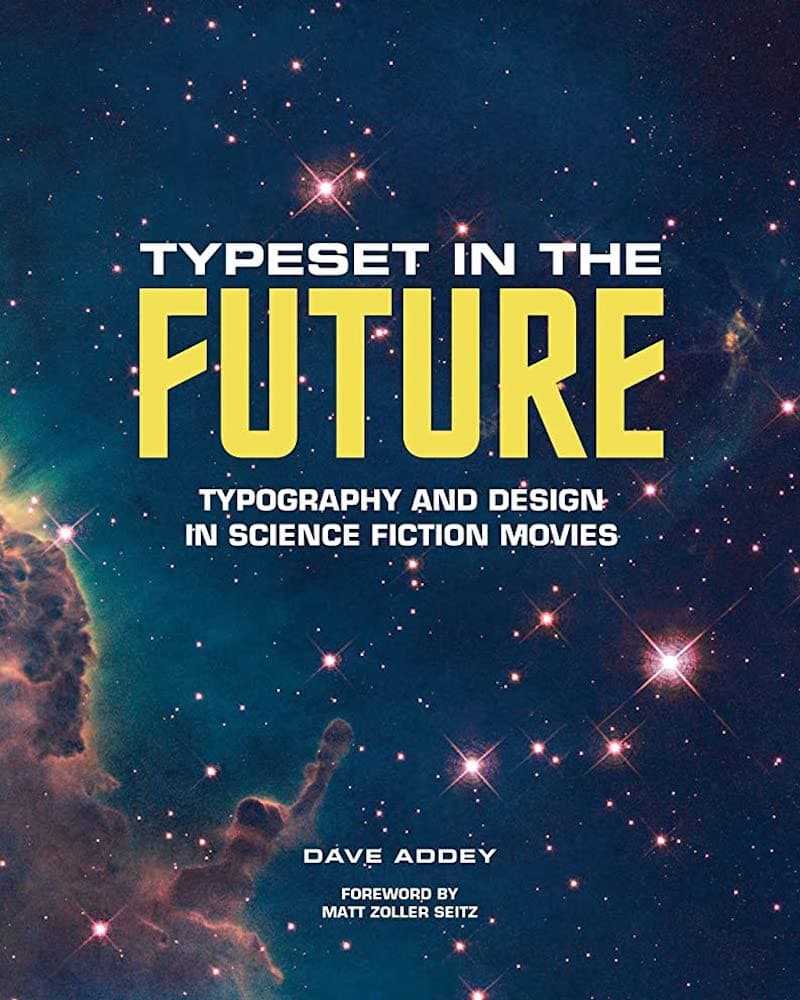
To call Typeset in the Future “in-depth” is a gross understatement. Dave Addey’s book dives headfirst into that liminal space between typography and sci-fi, and specifically, how typography has often been used to help create futuristic fictional worlds. Addey reviews several classic sci-fi movies (e.g., 2001: A Space Odyssey, Star Trek: The Motion Picture, Blade Runner) to see how they used typefaces to lend their individual visions of the future detail and legitimacy. Along the way, he delves into the history of “futuristic” typefaces like the ominipresent Eurostile Bold Extended, discusses graphic design and sci-fi with legends like Mike Okuda (who designed many of the computer displays and user interfaces seen in Star Trek), and offers up all manner of behind-the-scenes trivia for the movies in question. (For example, did you know that some of the on-screen text that appears in Blade Runner was actually lifted from a Matrix Instruments ad that ran in the January 1980 issue of Datamation magazine?) In other words, Typeset in the Future is the sort of high-level super-niche ultra-nerdery that can only result from a fascination that borders on obsession, and it’s all the more enjoyable for it.
I’ve been wanting to visit this Lincoln landmark for awhile now, and it did not disappoint when we finally toured it as a family. It’s fascinating that such a place exists literally under our feet. Tour guide Joel Green shared many interesting stories from Lincoln’s past, all of them filled with colorful characters and sketchy details. (My favorite being that Lincoln was once home to a secret society called the Iron Sphinx that conducted their initiation ceremonies in the cave.)
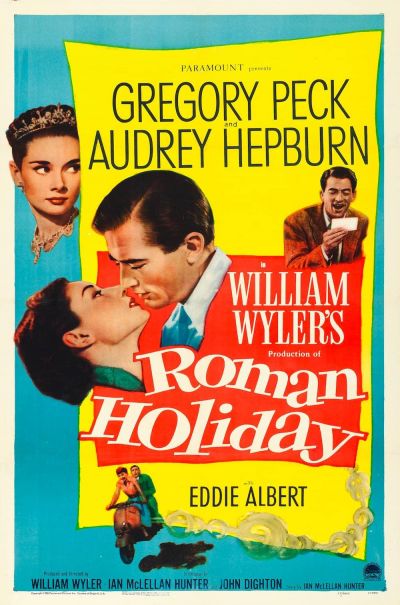
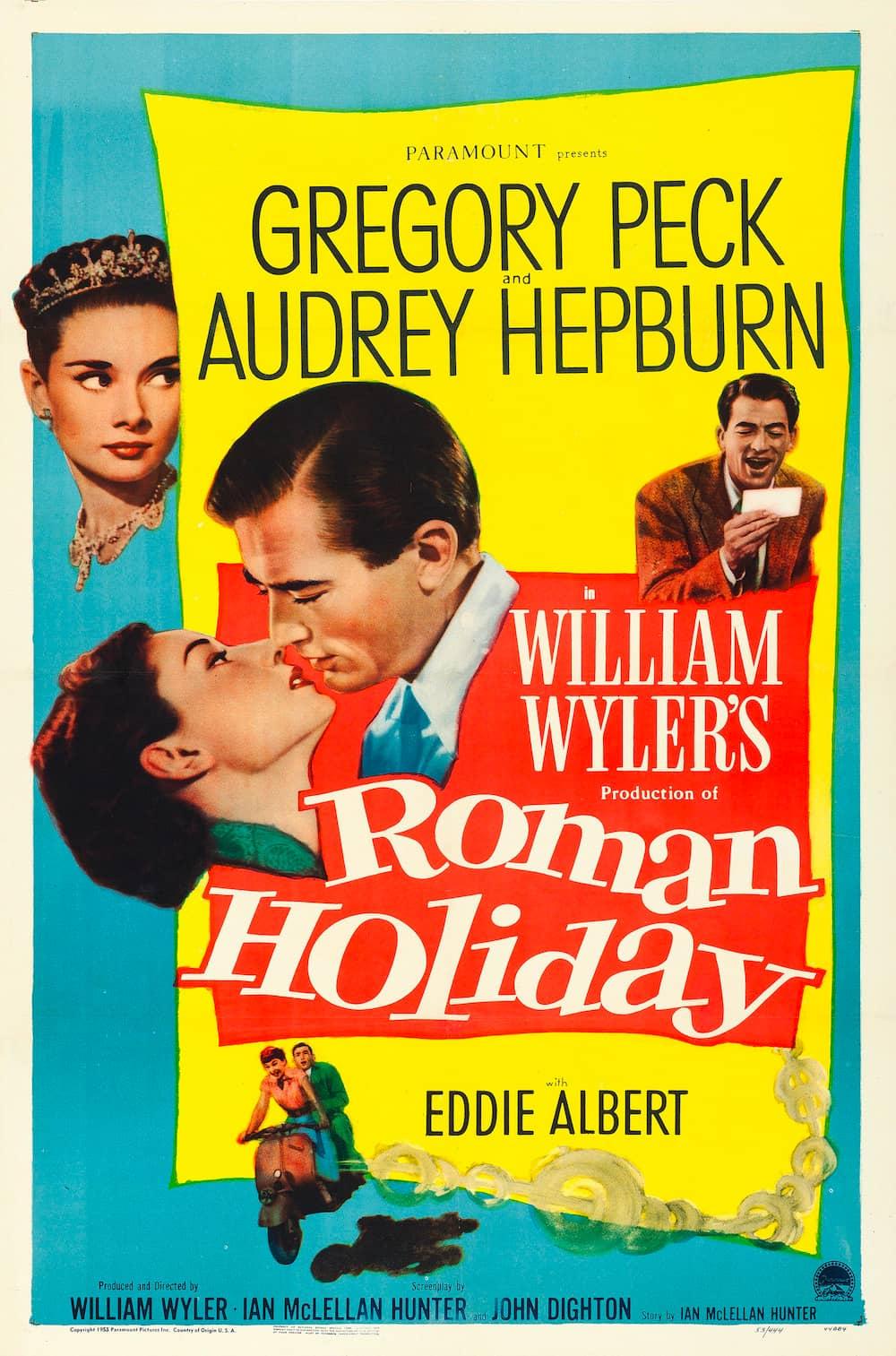
One of the great Hollywood classics. Audrey Hepburn (in her first major role) is absolutely luminous as Princess Ann and Gregory Peck is effortlessly charming as Joe Bradley. However, Eddie Albert almost steals the show as Joe’s photographer buddy. As for the Rome backdrop, it gives the film both authenticity and stunning scenery. I was struck by the film’s bittersweetness during this most recent viewing, as the young princess and opportunistic reporter alike come to realize the weight of duty and obligation. Hepburn and Peck were approached in the 1970s with doing a sequel, which probably would’ve been terrible. Roman Holiday works so well precisely because it ends on such a bittersweet and melancholy note.
The best burgers in Lincoln, no question about it. I usually get their “Greatest Burger Ever” (an excellent bacon cheeseburger) but the “Porterhouse” was on the menu this time — and it was fantastic.
I can’t tell you how many times I’ve been to the SAC Museum over the years, but every time I go, I’m still fascinated by the planes and the world history they represent. In addition to the planes, there are several excellent exhibits on topics ranging from the early days of the Space Age to the Berlin Airlift to the Holocaust.
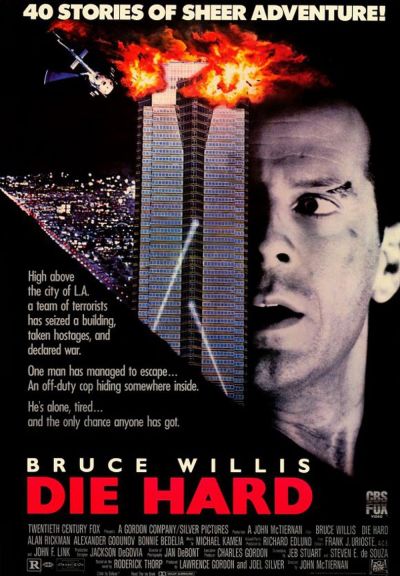
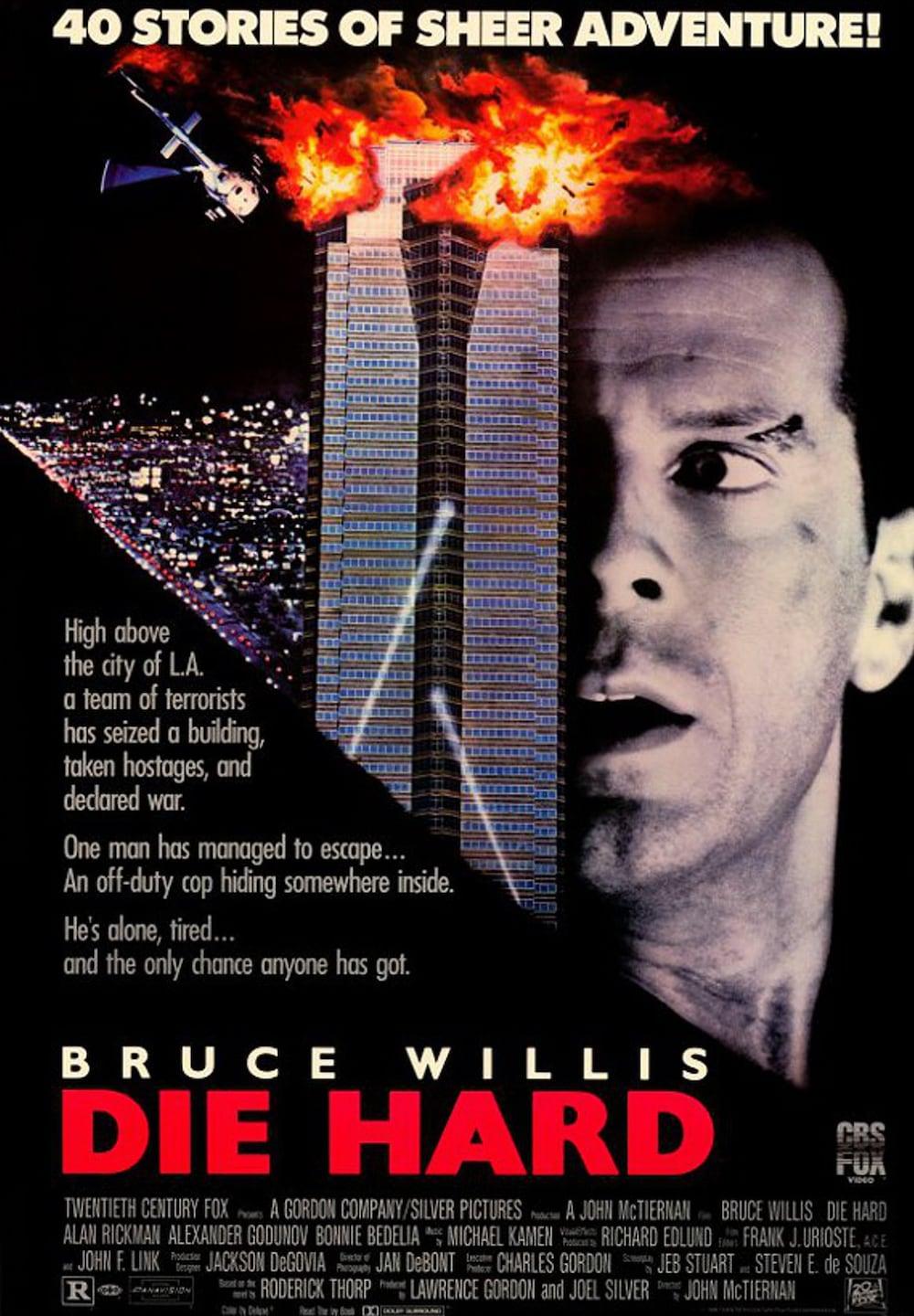
One of the great action movies of all time. 3+ decades have done absolutely nothing to diminish its thrills. This time around, I was fascinated by the gorgeous set design and surprisingly (at times) lush cinematography. The themes of bureaucratic nonsense and police incompetence (e.g., when they storm the building) hit even harder in light of recent police-related controversies. But mostly, worth watching for Bruce Willis’ everyman panic, Alan Rickman’s effortless charm, and lots of awesome explosions.
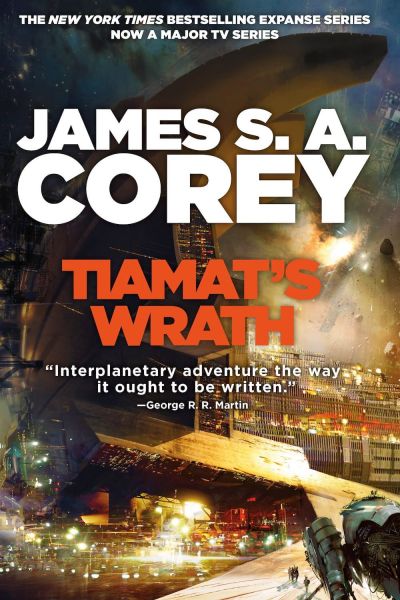
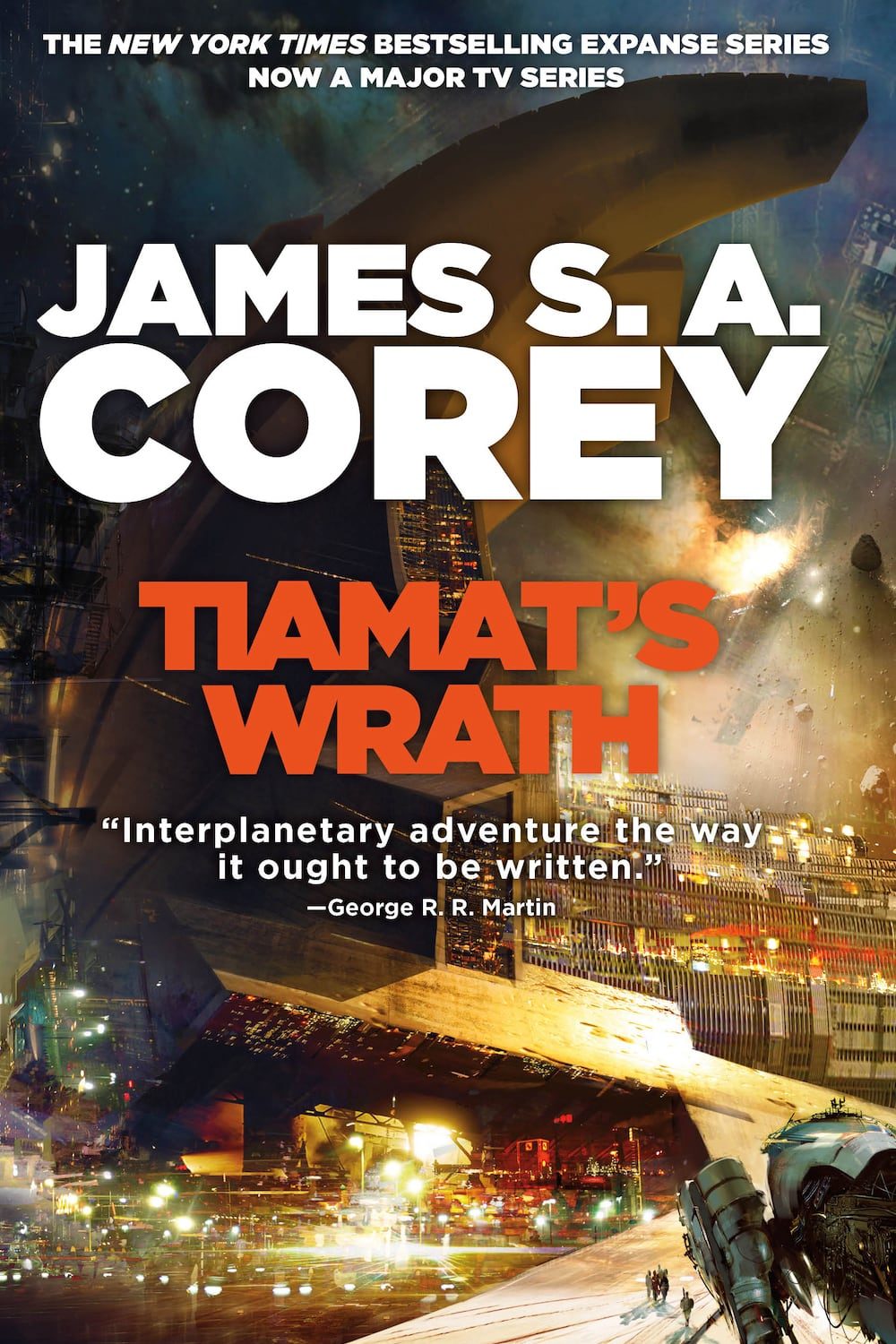
These books just keep getting better and better. The invasion of Laconia was thrilling, there were several moments that practically had me cheering, and though some of the revelations could be seen coming from a mile away, they were no less enjoyable for that. I also loved the vivid imagery used to describe the various weird alien phenomena. Can’t wait to dive into the final book.
This 850-acre prairie grassland preserve is located just outside of Lincoln, and with its gorgeous scenery, is one of our favorite places for hiking and birding.