918 reviews of movies, TV shows, books, restaurants, etc. My own private Goodreads, Letterboxd, and Yelp all rolled into one (more info). Star ratings are 100% subjective, non-scientific, and subject to change. May contain affiliate links, which support Opus.
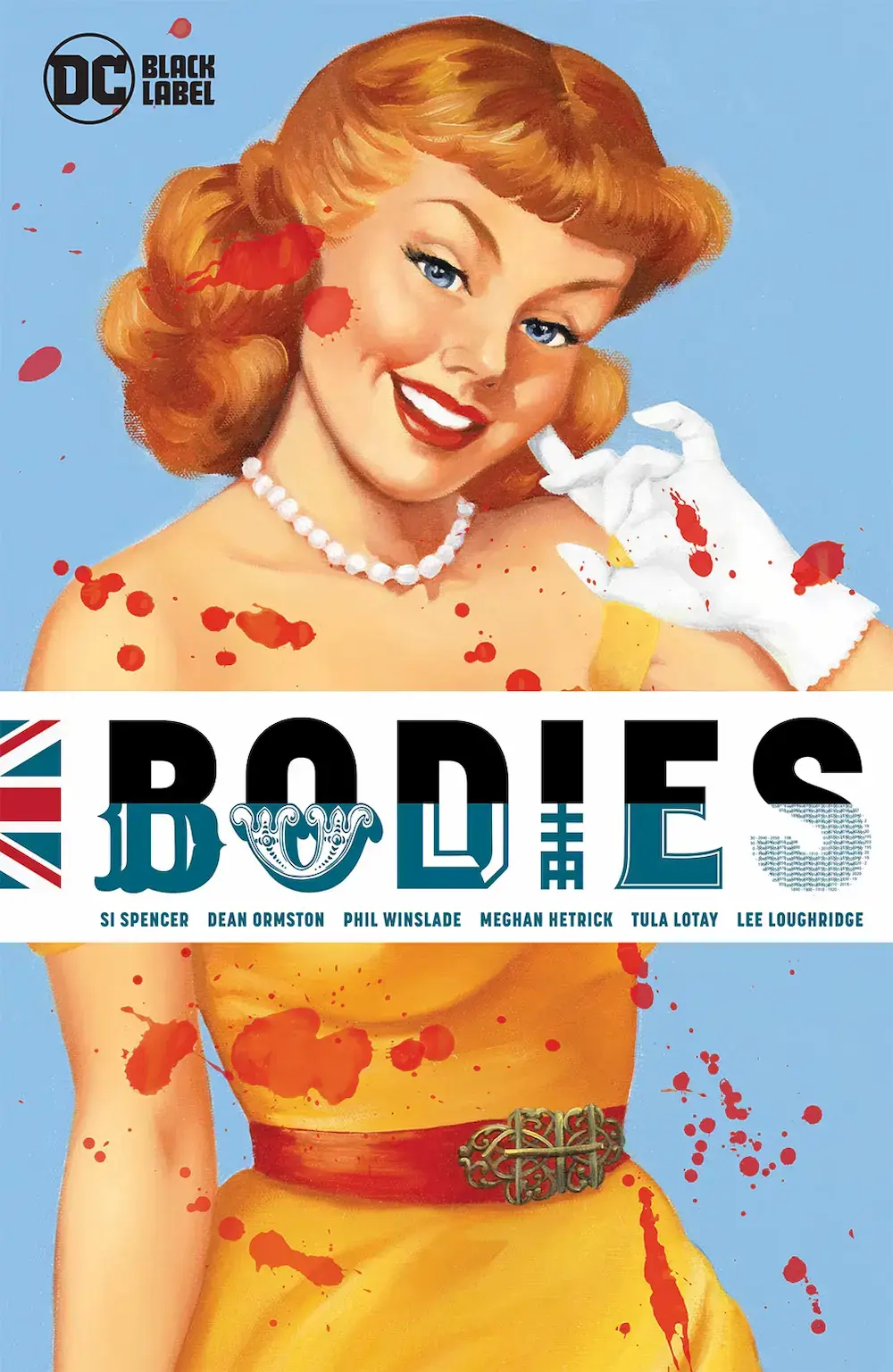
A mutilated corpse appears in the same spot in London’s Whitechapel district in four different eras between 1890 and 2050, drawing detectives from each era into a mystery that transcends time and speaks to the very heart of Great Britain. In other words, Si Spencer’s Bodies — which he produced with artists Dean Ormston, Phil Winslade, Meghan Hetrick, and Tula Lotay — is certainly ambitious, and contains many fascinating tidbits about secret societies and whatnot. It’s no surprise that many people lauded it upon its publication back in 2014. However, it just didn’t click for me. While I was certainly fascinated at times, the story felt too disjointed with an ending that felt cloying and overly sentimental.
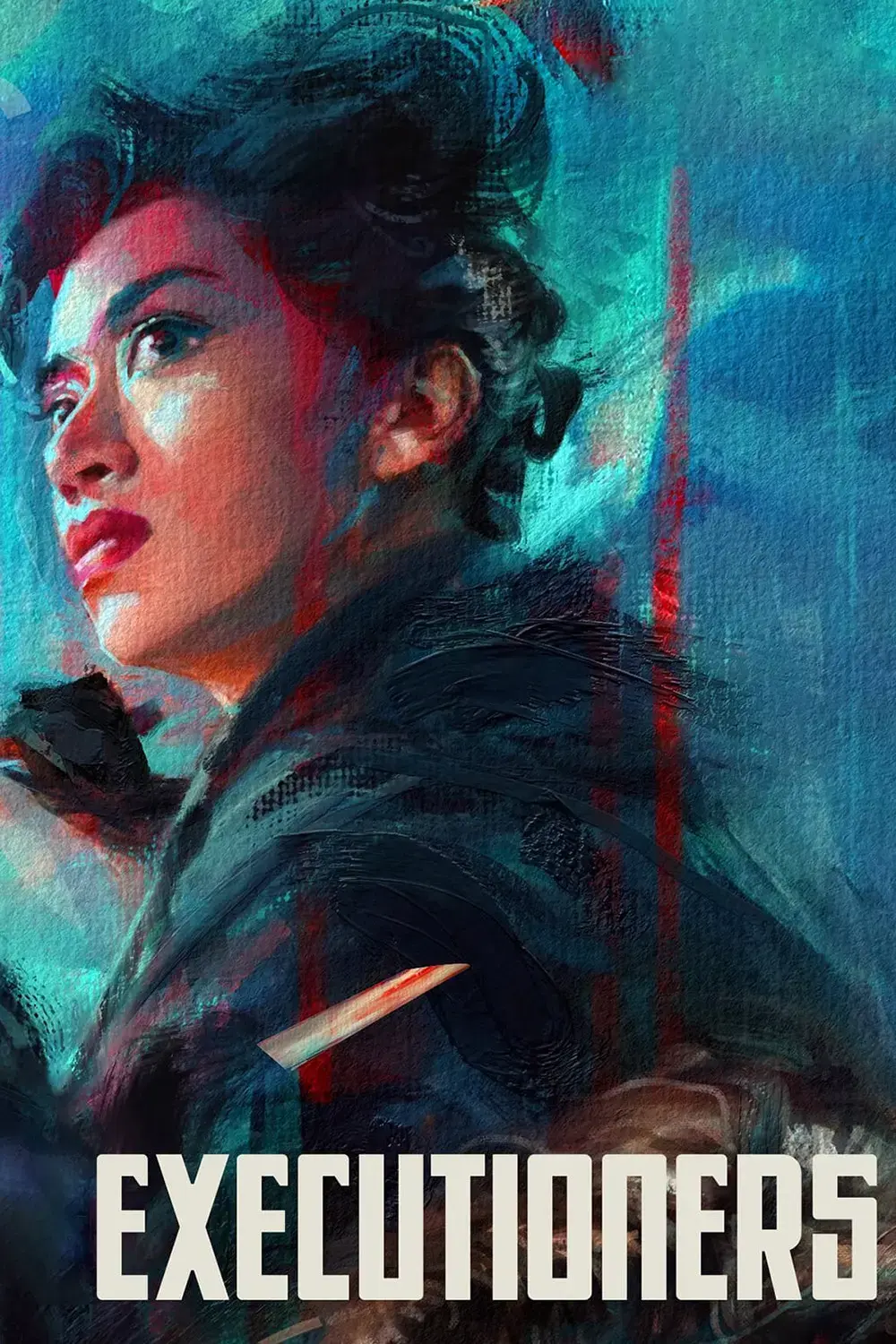
Filmed and released just seven months after The Heroic Trio to capitalize on that film’s success, Executioners reunites Anita Mui, Michelle Yeoh, and Maggie Cheung as a trio of superheroes trying to save their city. Set several years after the previous film, Executioners ups the ante, presenting a post-nuclear wasteland where water is scarce and the people are ruled by a totalitarian regime. That premise certainly seems pitch-perfect for Mui, Yeoh, and Cheung’s highly stylized and ultra-melodramatic heroics. Unfortunately, Executioners is a mess of a film that contains precious little of its predecessor’s style or panache. The story is disjointed and muddled, incorporating religious movements and even a disfigured mad scientist (played by Anthony Wong), and our three heroines share a surprisingly small amount of onscreen time. Co-director Ching Siu-tung brings some of his signature action to the table, but the dreary post-apocalyptic setting and flimsy plot make even his choreography look ridiculous. Fun fact: Executioners was the film debut of Takeshi Kaneshiro, who would immediately go on to star in Wong Kar-wai’s Chungking Express and Fallen Angels, establishing his heartthrob status.
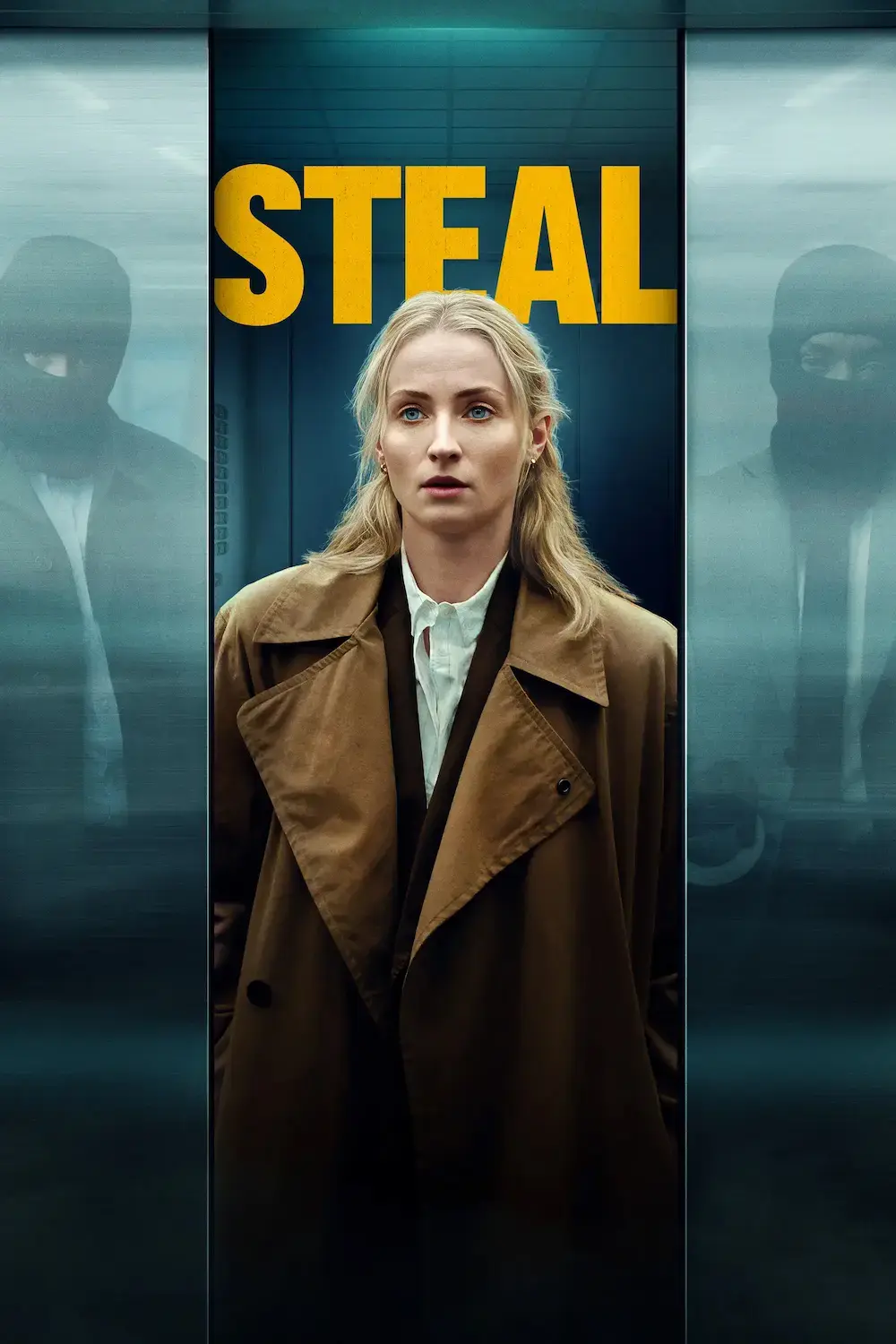
Sophie Turner (Game of Thrones) stars in this taut thriller about a low-ranking office worker trying to move on with her life after her office is raided by armed thieves who make off with billions. The series premier had me on the edge of my seat as the thieves execute their heist with ruthless precision, and the remaining episodes did a good job of maintaining that pace as secrets are revealed, including secrets about our traumatized heroine. And just when things seemed all wrapped up, Steal would reveal yet another layer of conspiracy — which is precisely what you want from a thriller like this. Without spoiling anything, Steal is ultimately a condemnation of our current financial system, which benefits the ultra-wealthy while leaving the rest of us to fall further and further behind. Which, I suppose, makes it more than a little ironic that it’s currently streaming on Amazon, whose former CEO Jeff Bezos has almost certainly benefited from that aforementioned system. Nevertheless, Steal possesses a blend of righteous anger and moral ambiguity that makes for a very compelling watch.
Long before the MCU was even a glimmer in Kevin Feige’s eye, Johnnie To created his own superhero world with The Heroic Trio, a deliriously campy and over-the-top film about three superheroines who take on an evil baby-kidnapping cult. As expected from a ’90s Hong Kong action film, The Heroic Trio is filled with wire-enhanced kung fu and physics-defying action — courtesy of Ching Siu-Tung — as Maggie Cheung, Michelle Yeoh, and the late, great Anita Mui strut their stuff across the screen. (Indeed, the film literally ends with them sashaying down the street with enough sass and style to make Beyoncé turn green with envy.) One doesn’t look to The Heroic Trio for logic or reason. How else to explain the fact that everyone’s completely oblivious to the alternate dimension lurking just below their city’s streets where an evil cult led by a eunuch seeks to restore China’s imperial line? (Seems like somebody in the Sanitation Department should’ve stumbled across that at some point in the city’s history.) Rather, you watch a film like this for the highly stylized visuals, from the aforementioned alternate dimension to the brutalist architecture to the secret lab filled with blowing paper for other reason than because it looks so. Darn. Dramatic. And speaking of drama, all three heroines have requisitely tragic backstories that — surprise! — are more connected than they realize, and for all of its camp, The Heroic Trio isn’t afraid to get surprisingly grim at times.
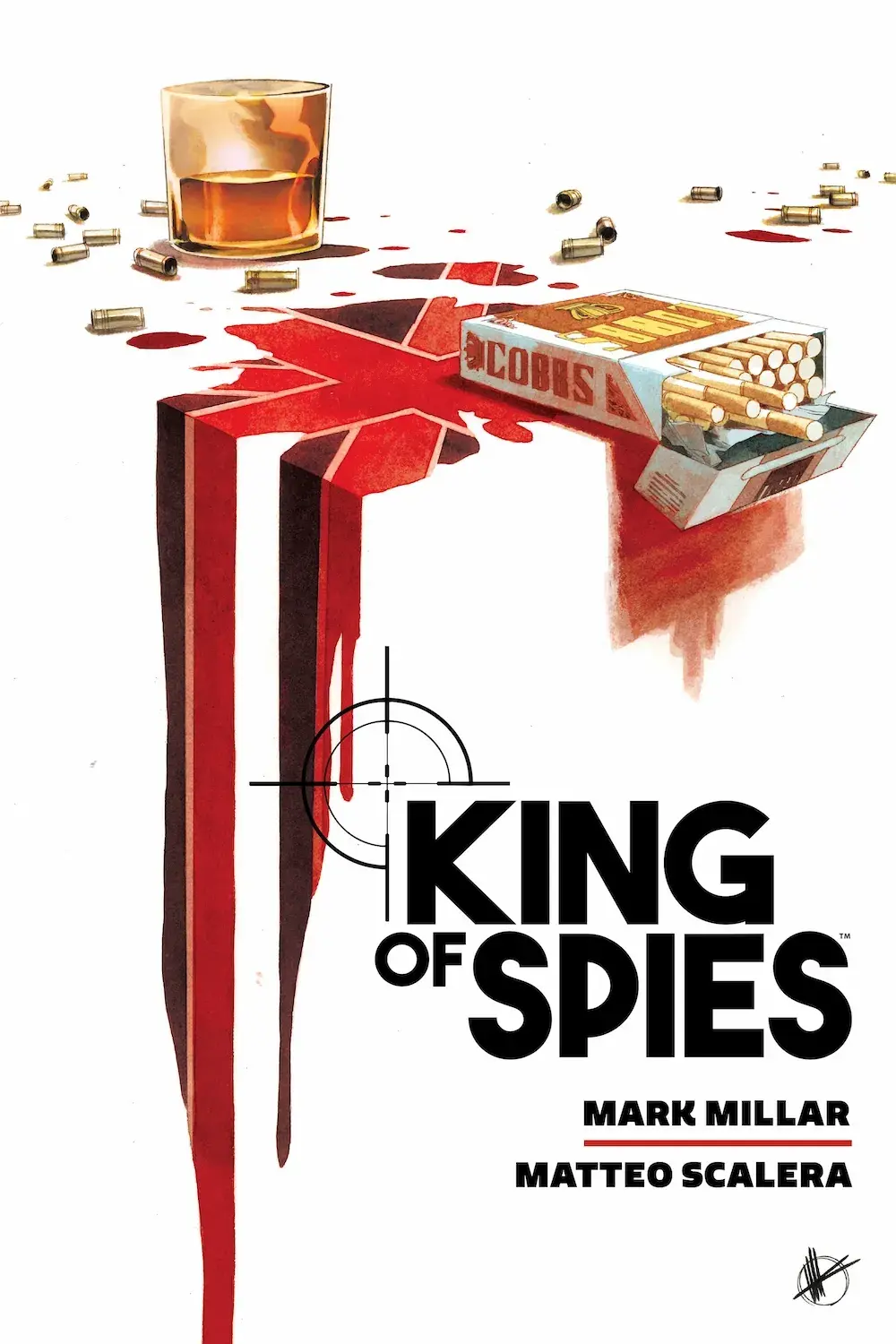
Sir Roland King was once England’s greatest spy, an unstoppable agent who did whatever it took to protect Queen and Country. Now in his golden years, he’s trying to figure out how to retire — until he discovers he only has a few months left to live. Fed up with the system he helped to create, King decides to assassinate everyone who profits from the corruption. The only one who can stop him is his estranged son, who’s every bit the monster that his old man is. I was initially interested in King of Spies because of Matteo Scalera; I loved his work on Black Science. And the story of an ex-spy going rogue to bring down the world’s most powerful men also had its own appeal. But frankly, I was pretty underwhelmed by King of Spies. I think much of that has to do with book’s length. At just four issues, King of Spies’ story felt shallow and perfunctory, especially when combined with Mark Millar’s snarky, “edgy” writing. I think I would’ve preferred a longer series that was more grounded in tone and less pulpy.
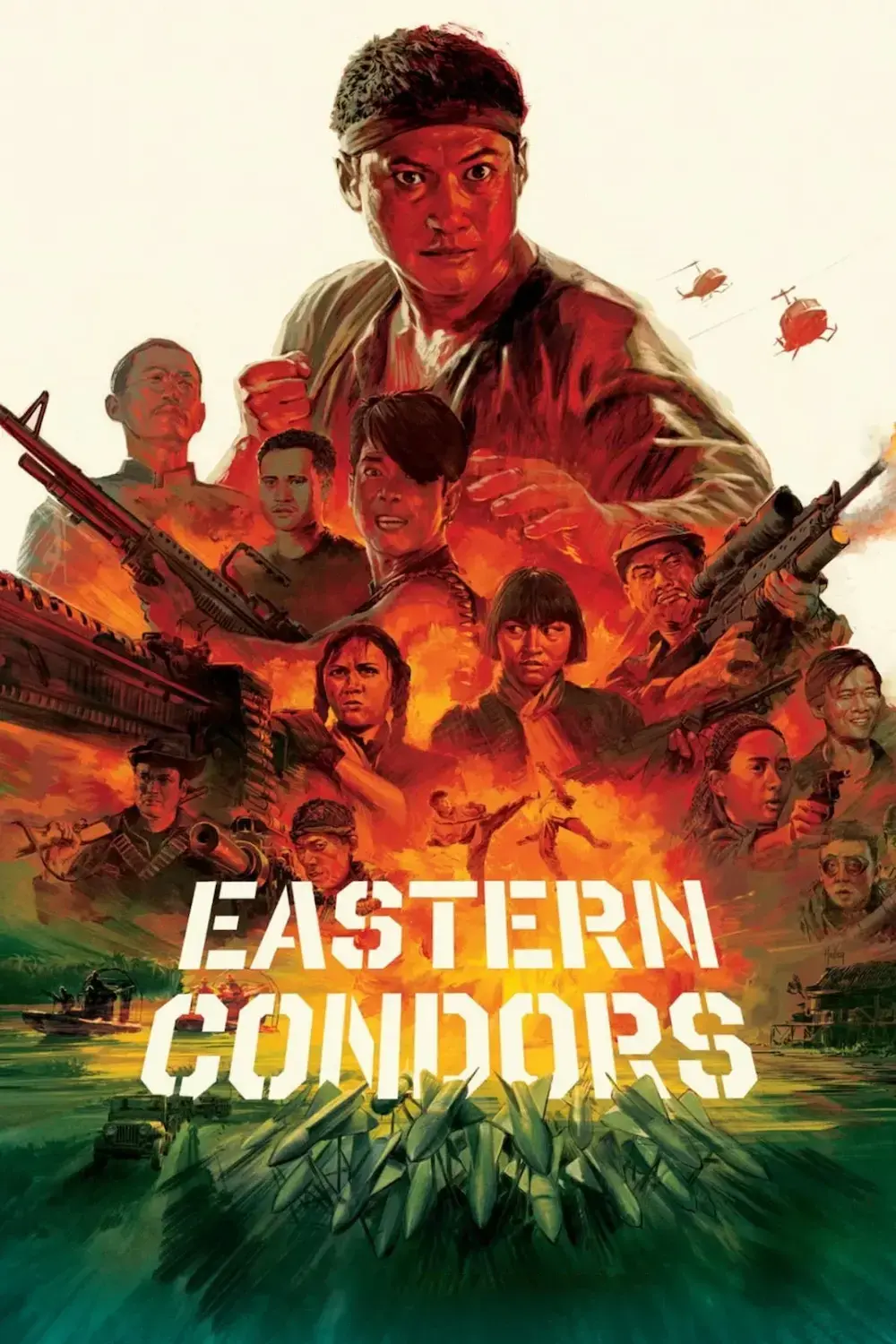
Eastern Condors is basically Sammo Hung and Golden Harvest’s attempt at making The Dirty Dozen, only set in Vietnam and featuring plenty of martial arts hijinks. But those hijinks prove to be a problem. Sometimes, Eastern Condors is a gritty war film, replete with POWs, traitors, and mad generals. At least, that’s the film that Hung seems to imagine that he’s starring in, if his perpetual stoicism is any indication. But there’s also a lot of silly slapstick humor like you might expect from an older Jackie Chan film, which makes Eastern Condors uneven to say the least. Which is a shame, because when Eastern Condors focuses on the action, be it of the kung fu kind or the pyrotechnics kind, it’s pretty amazing. Corey Yuen and Yuen Biao’s martial arts and stunt choreography is surprisingly brutal at times, and Hung films a lot of it in glorious slow motion. Which means you can basically see the stunt performers get concussions in agonizing detail.
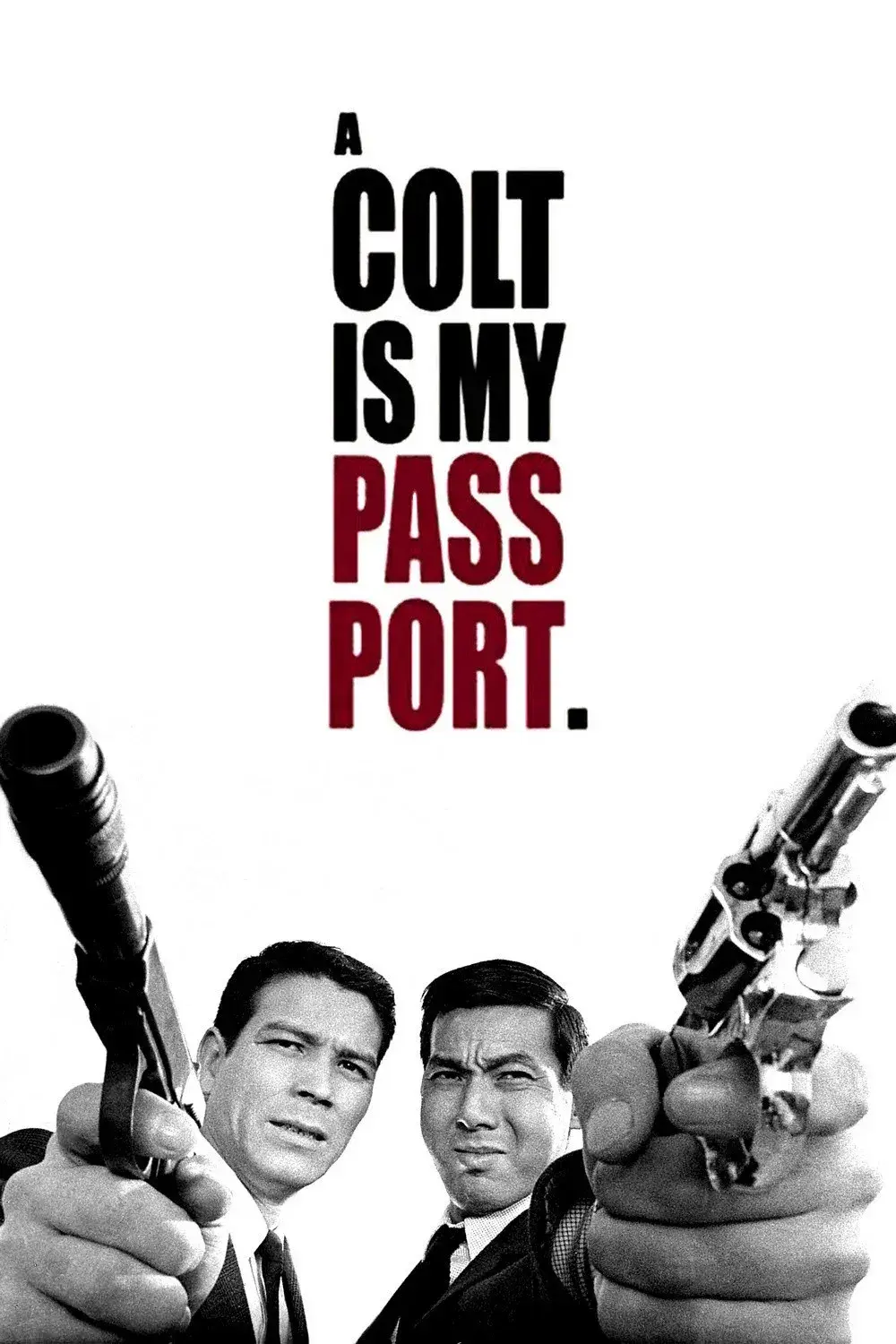
First off, Takashi Nomura’s noir film deserves at least a star for its bad-ass title alone. As for its story about a professional hitman who successfully completes his job, but is forced to go on the run when his methods anger his employer, it’s definitely a bit of a slow burn — which gives you ample time to stare in befuddlement at Joe Shishido’s cheeks. (Frustrated with his lack of acting success, Shishido underwent cheek augmentation surgery in 1957 to give himself a more distinctive appearance. And “distinctive” is certainly a term for it.) As Shishido’s hitman tries to stay one step ahead of the gangsters seeking his head on a platter, you know the film is leading up to a final confrontation — which is, indeed, pretty satisfying and ends on an appropriately nihilistic note. A Colt Is My Passport is currently being remade by director Gareth Evans (Gangs of London, The Raid) with Ṣọpẹ́ Dìrísù, Tim Roth, and Burn Gorman, and I’m definitely interested to see how Evans — who’s no stranger to blistering action movies — updates Nomura’s film.
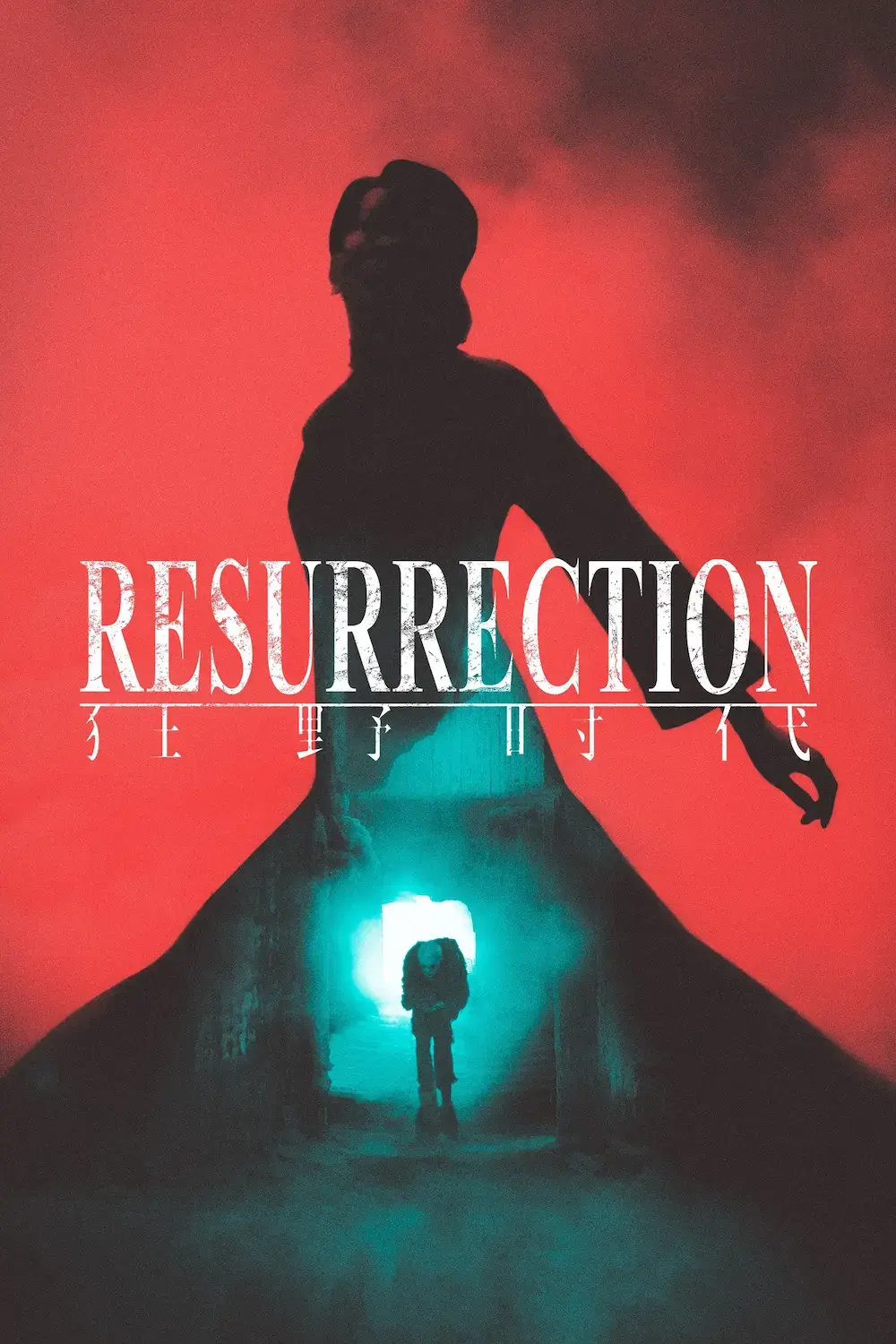
For many people, Bi Gan’s Resurrection would be the very definition of an “arthouse” film, albeit in a more pejorative sense of the term. That is to say, visually beautiful but completely inscrutable and nonsensical. And they’re not really wrong. To be clear, Resurrection is an absolutely gorgeous film, right up to its very last frame. Gan employs multiple filmmaking styles (e.g., silent film, German expressionism, film noir, ambitious long takes) and clever visual effects throughout the film’s 159 minutes, while cinematographer Dong Jingsong fills the screen with rich and vibrant colors no matter the setting. And of course, Shu Qi is as luminous as ever. But the vaguely sci-fi story about a distant future where humanity has achieved immortality by giving up the ability to dream, and the deformed monster who hides away in films in order to keep dreaming is just that: vague. It’s tempting to say that the film’s various segments, which chronicle the monster’s final moments and memories using different film styles, simply unfold according to an unconventional dream-like logic as befitting the visuals. But honestly, that feels less like an explanation and more like a copout. As true as that might be, it doesn’t necessarily make for the most interesting or satisfying narrative, even if you can’t tear your eyes away from Gan’s bravura filmmaking.
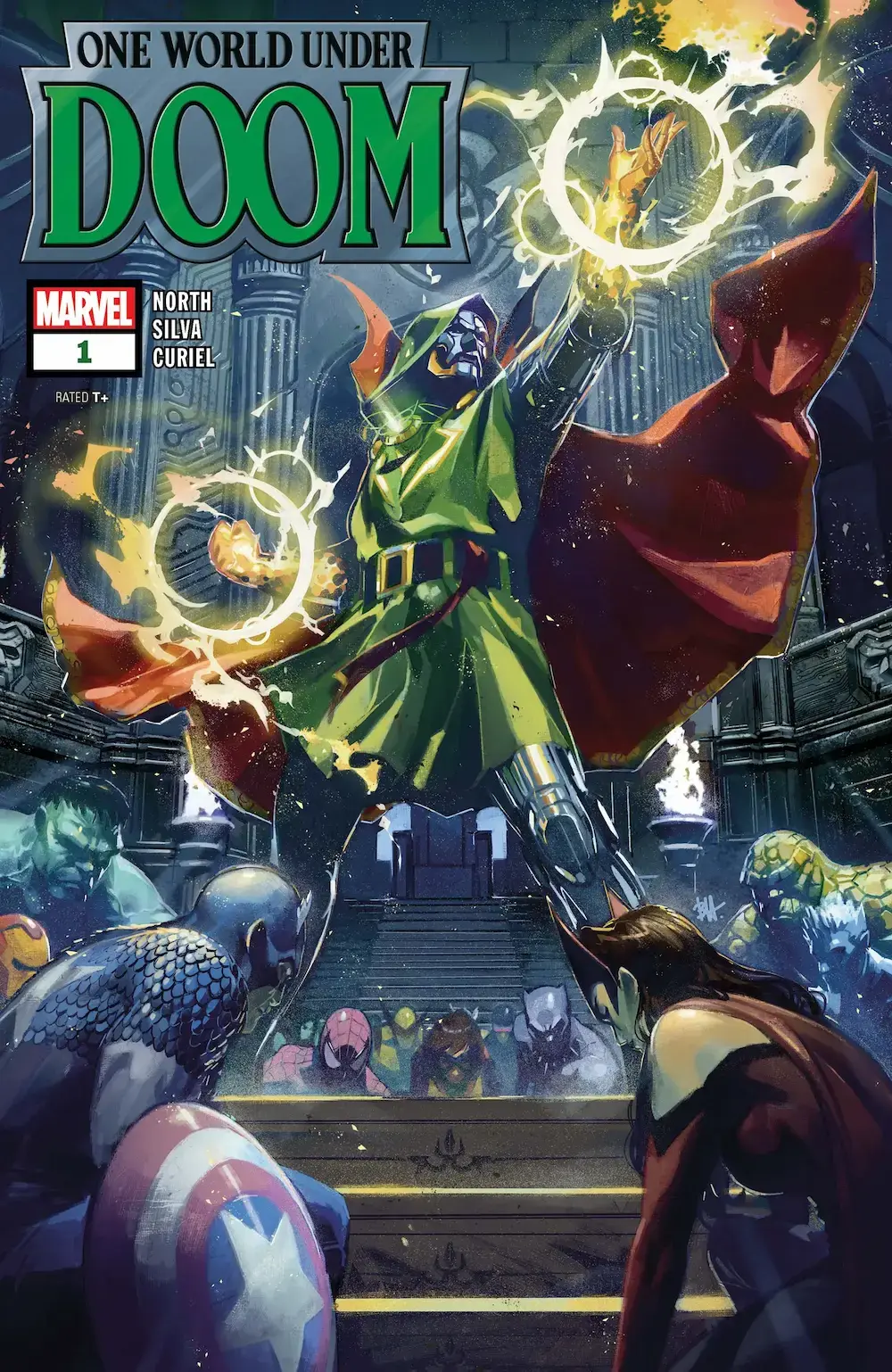
With Avengers: Doomsday coming out later this year, now felt like a good time to see what Victor von Doom’s been up to in Marvel’s pages. After taking the mantle of Earth’s Sorcerer Supreme from Doctor Strange, Doom sets out to take over the entire world — and succeeds. Delivering on such lofty promises as world peace and universal healthcare, it seems like Doom really is the world’s best bet. The Fantastic Four, the Avengers, and their superhero allies are skeptical, though, even as Doom continually stays one step ahead of their efforts to discover the truth behind his reign. Meanwhile, Doom’s ascension exposes Earth to otherworldly threats that may be beyond even his ability to handle. One World Under Doom isn’t quite as ambitious as 2015’s Secret Wars crossover, which also revolved around Doom’s megalomaniacal tendencies, but it’s still a pretty fun read. Interestingly, Doom’s ultimate weakness this time isn’t his hubris and arrogance, but rather something far more relatable and, dare I say, human. On a sidenote, it was difficult to read One World Under Doom and not think of a certain president who possesses a similar level of arrogance, though nowhere near as much class or competence.
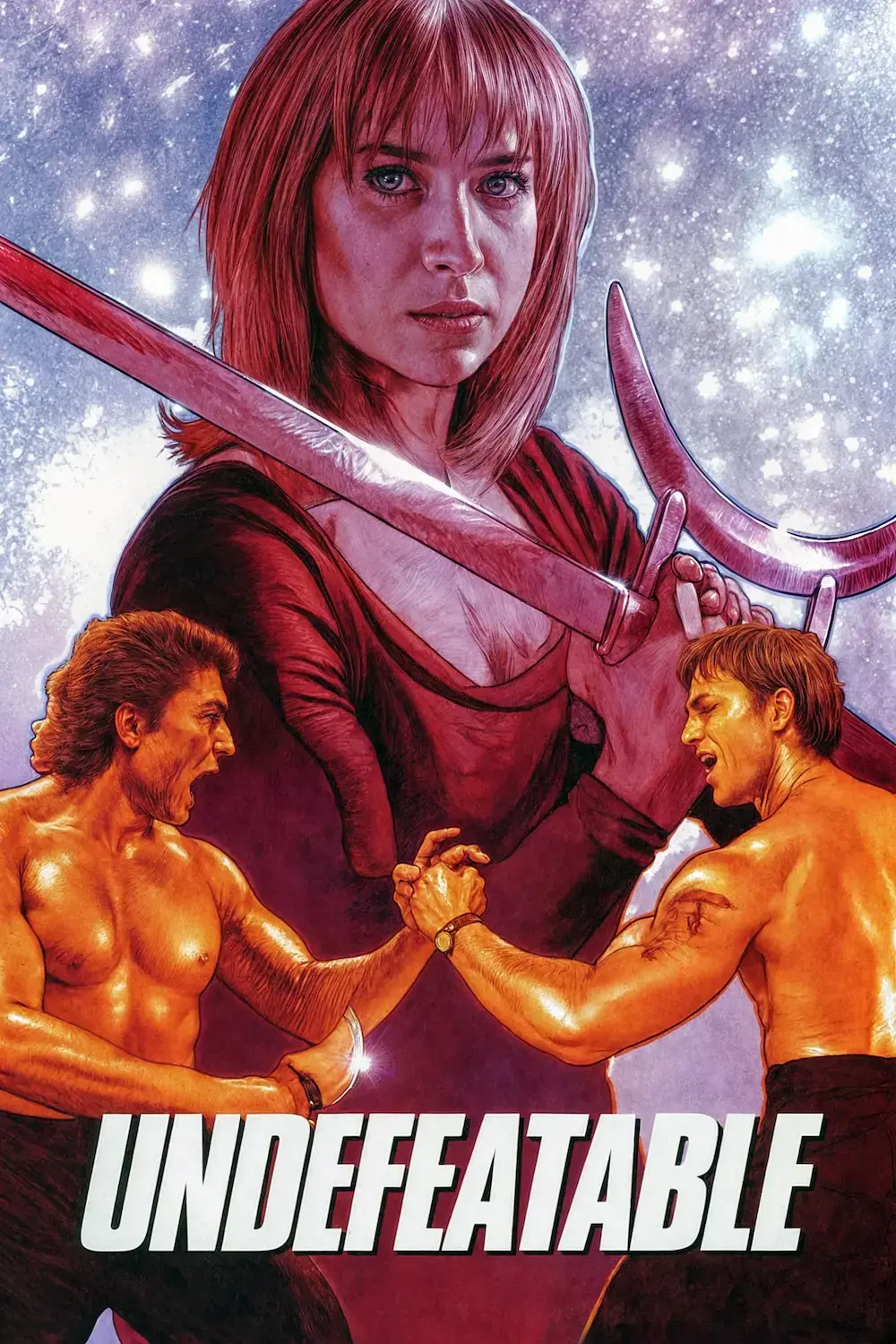
Even though it doesn’t feature a single mystically powered ninja, 1993’s Undefeatable is officially now one of my favorite Godfrey Ho movies. Cynthia Rothrock (Yes, Madam!) stars as a waitress who participates in underground fight clubs to pay her sister’s college tuition. But when her sister becomes the latest victim of a deranged serial killer, she’s forced to team up with a homicide detective to bring the killer to justice. Undefeatable is proof that Ho really could make a coherent film without resorting to spliced together footage from two totally unrelated films. Of course, “coherent” is a very relative term here. Apparently, Ho couldn’t decide if he was making a martial arts film, a slasher flick, or a buddy cop film, and so he just decided to make all three, and the resulting film sticks a three-point landing squarely in the “so bad it’s awesome” category. Be it the corny one-liners, the ill-timed humor, the ridiculously over-the-top acting — Don Niam really does give it his eye-popping all as the serial killer with a puffy mullet and serious mommy issues — or, of course, the iconic final duel between two shirtless and extremely well-oiled combatants, Undefeatable delivers some of the best martial arts cheese this side of Miami Connection or Samurai Cop.
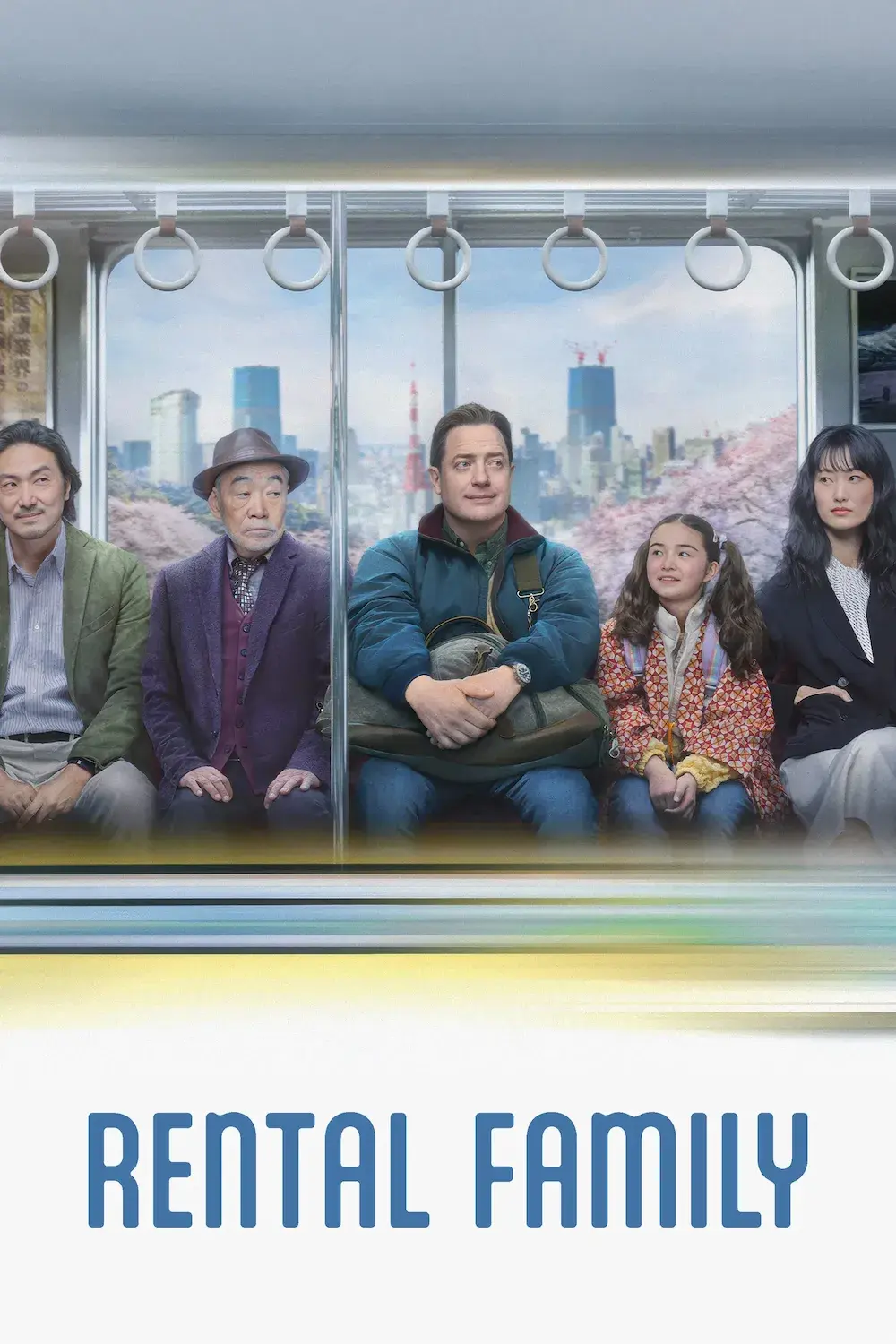
American actor Phillip Vanderploeg has been living in Tokyo for a long time, but to date, his only major role has been a silly-yet-beloved toothpaste commercial that he starred in years ago. Desperate for work, he signs on with Rental Family, an agency that provides actors who serve as stand-in friends and family for strangers. One of his first gigs as the agency’s “token white guy” is to “star” as the long-lost father of a young girl whose mother believe that having a complete family will improve the girl’s chances of getting into a prestigious school. Later, he’s hired to “star” as a film writer in order to encourage an aging actor long past his prime. Initially reluctant, Phillip soon finds himself drawn into these people’s lives even as he struggles with the dishonesty of it all. Rental Family’s first half is pleasant enough, though a bit cloying at times, and I was worried that’s where the film was going to stay. Thankfully, its second half takes a slightly darker turn as the emptiness of hiring stand-in actors is explored. (One of Phillip’s fellow actors, a woman named Aiko, is often hired by cheating husbands to appear as their mistress, exposing her to insult and abuse.) That was when the film really started to affect me. Overall, Rental Family is a charming dramedy with some truly sweet moments. And not surprisingly, it made me and my wife desperate to visit Japan again.
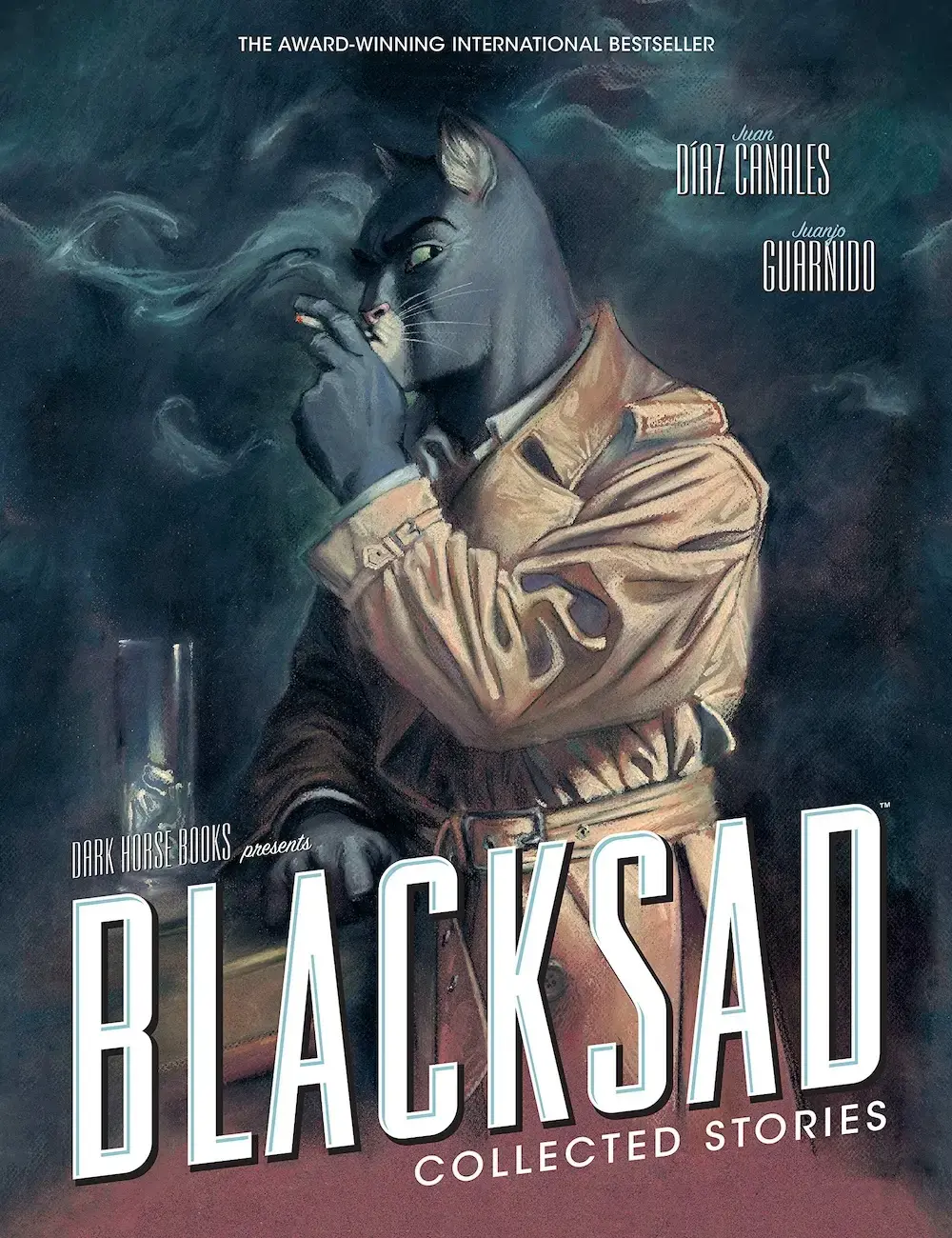
Imagine Zootopia if its lead was a jaded, world-weary detective suffering from postwar PTSD, and the bustling metropolis was simmering with corruption, sin, and vice. That would describe Juan Díaz Canales and Juanjo Guarnido’s Blacksad in a nutshell, but it would also sell short the pleasure of reading these post-WW2-set noir tales featured anthropomorphized animals. Even if it seems like a losing battle, the titular Blacksad seems intent on using all of his nine lives to take on the corrupt and the powerful, including wealthy tycoons, white supremacists, and Red Hysteria scaremongers — and sometimes, it seems like all he has to rely on are his quick fists, quick wits, and deep-seated sense of justice. I’ll admit, I went into Blacksad with some skepticism; the anthropomorphism seemed like it might be a bit too on the nose. But Canales and Guarnido have taken what seems like a simple premise and spun it into a thoroughly realized world that’s brought to life by Canales’s grounded storytelling and historical references and Guarnido’s richly detailed artwork.
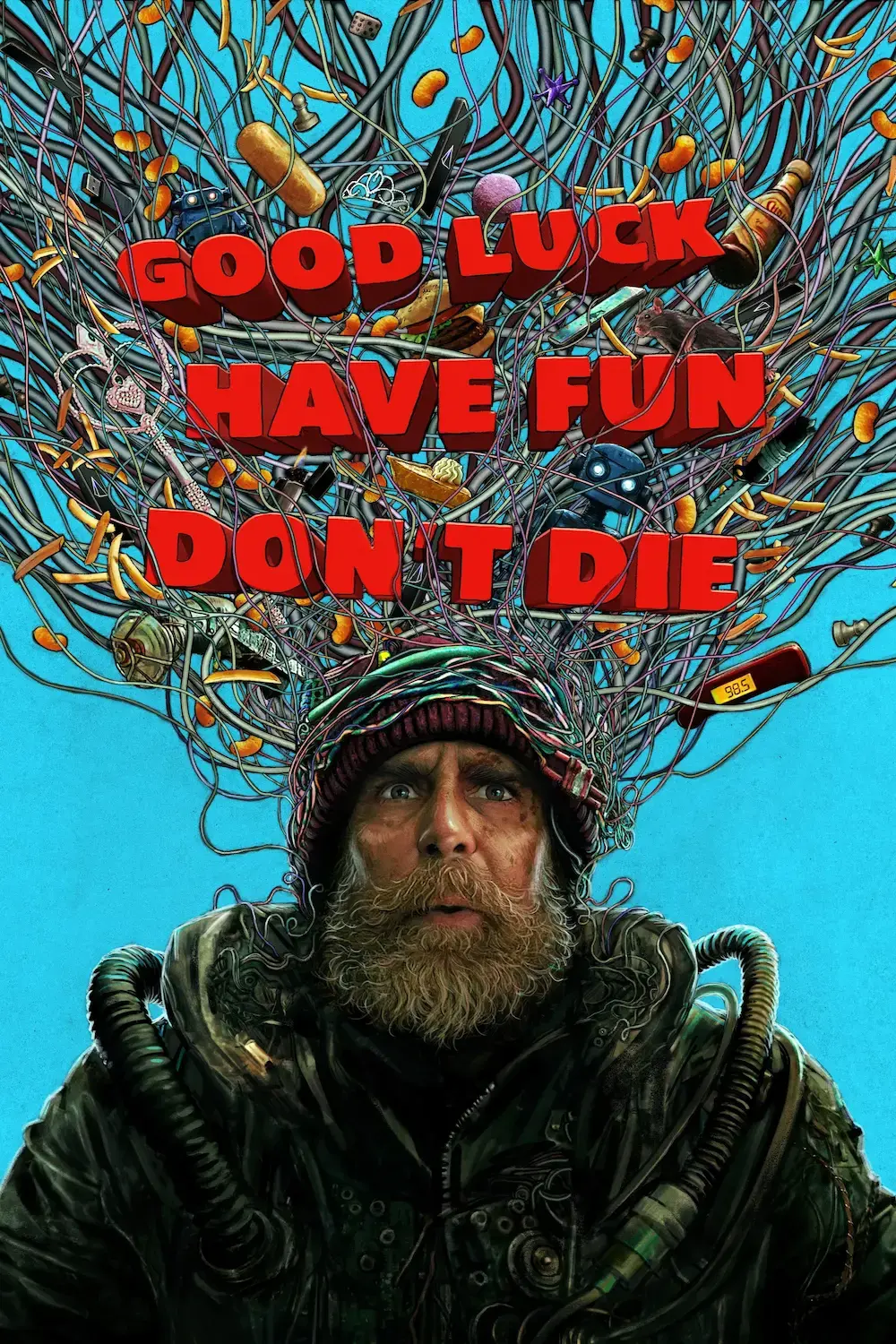
The patrons at Norms diner are just looking to enjoy a quiet evening when they’re interrupted by a strangely dressed and deranged-looking man who claims to be from the future. Oh, and he also has a bomb. After assembling a ragtag group of hostages and volunteers, the man sets off on a journey through Los Angeles to find a nine-year-old boy and stop him from creating the AI that will destroy humanity. It’s a wild premise that’s certainly rooted in modern concerns over the emergence of AI, concerns that I’ve written about here on Opus. And to his credit, Gore Verbinski did manage to convict me about my own smartphone usage. As a film, though, Good Luck, Have Fun, Don’t Die is a bit of a mess that requires far too much suspension of disbelief, even for a film that features AI-generated cat centaurs spraying glitter from their genitals. Verbinski clearly wanted to create a darkly surreal satire à la Terry Gilliam’s Brazil, right down to the final, heart-breaking twist. There are parts of the satire that do work. The film depicts an America where school shootings are so common that, rather than try and fix the problem, the government simply subsidizes the cloning and re-cloning of dead kids, and I found the plight of the woman who’s allergic to Wifi (shades of Todd Haynes’ Safe) quite affecting. But the comedy is too broad (sadly, Sam Rockwell is wasted here) and I spent too much of the film rolling my eyes at how didactic and heavy-handed it felt.
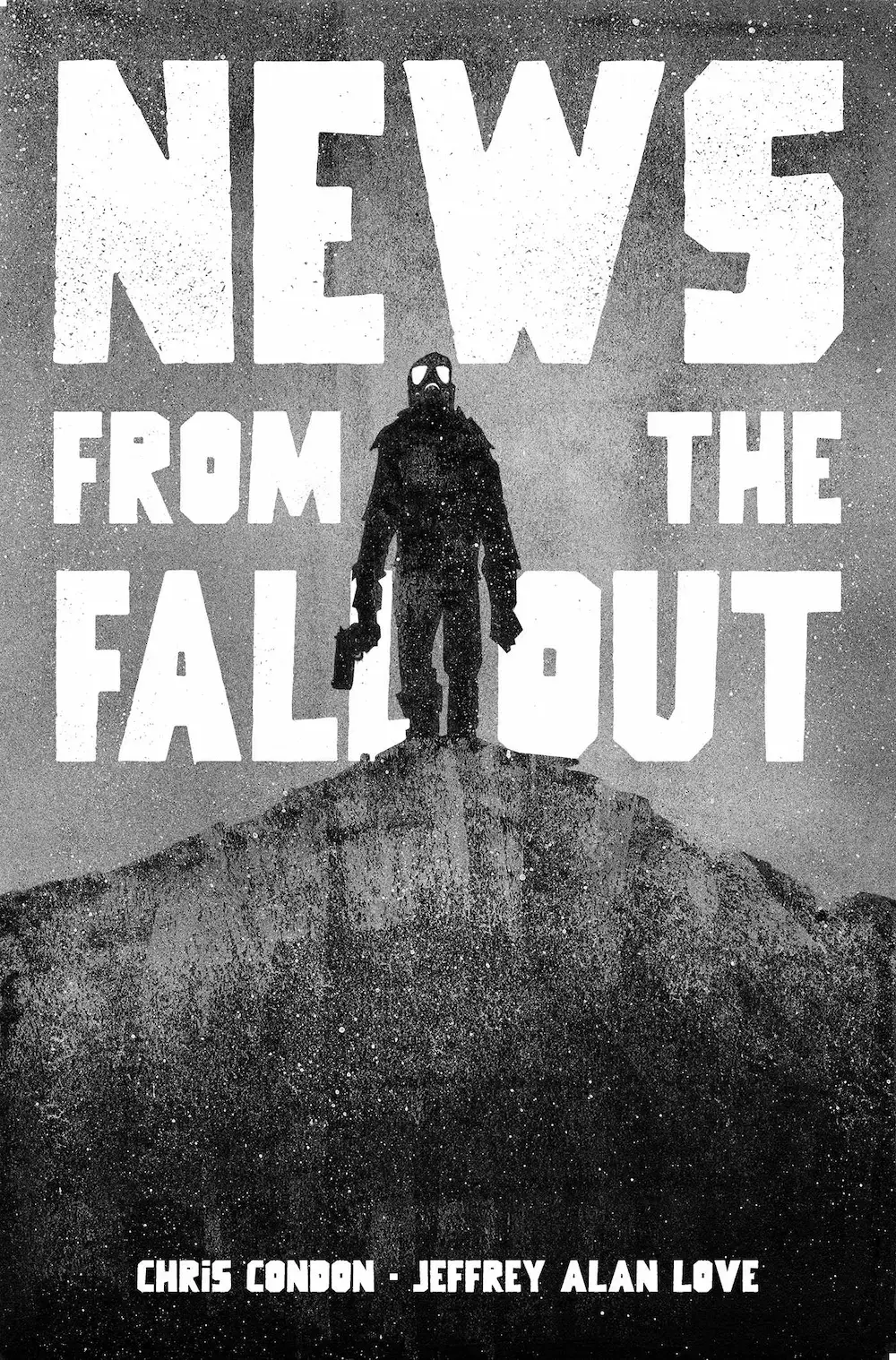
When a man stumbles into a remote Nevada diner claiming to be the sole survivor of a nuclear bomb test gone wrong, he’s immediately treated with suspicion by the patrons. Until, that is, they’re attacked by grotesquely mutated creatures intent on spreading a deadly plague. Thus begins News From the Fallout, a sci-fi/horror graphic novel set smack dab in the middle of the Cold War. As far as its story goes, News From the Fallout is engaging enough with its tale of atomic monsters, alien plagues, demented generals, and desert ghost towns. What sets it apart, though, is Jeffrey Alan Love’s stark and distressed black-and-white artwork, which really helps to sell the nuclear nightmare.
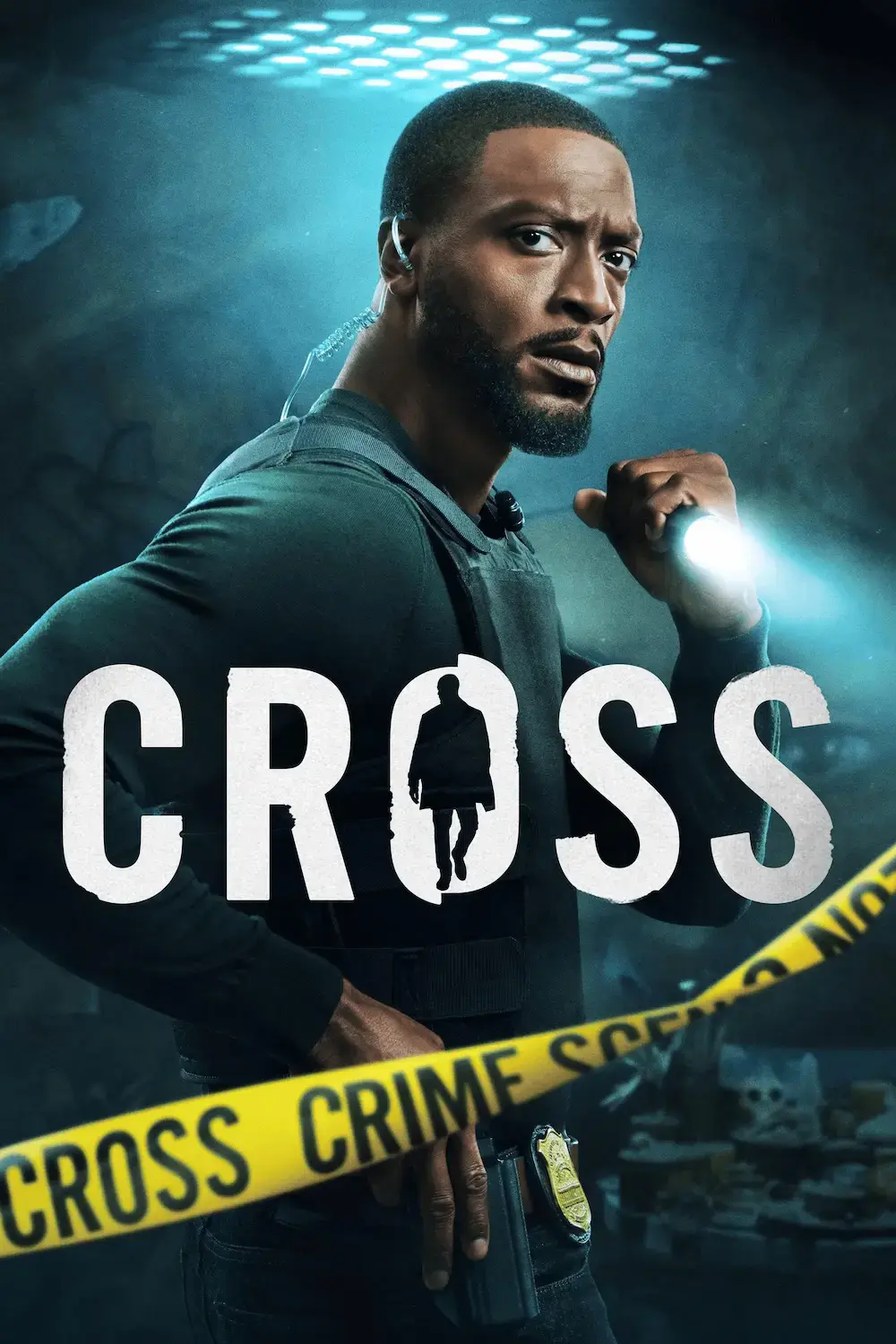
Between this and Reacher, Amazon really have cornered the market on middle-aged dad programming. Aldis Hodge — who I still remember as the geeky hacker on Leverage — reprises his role as detective Alex Cross, who uses psychology to get into the minds of the worst of the worst. And it doesn’t get much worse than the billionaire with a messiah complex whom Cross and his team are tasked with protecting after the former is targeted by a serial killer with a quasi-religious vendetta. As expected, the season is filled with various storylines that you know will inevitably converge, with twists and turns aplenty. It’s certainly entertaining, though not exactly gripping, and the labyrinthian storytelling eventually requires an info dump in the season finale to try and wrap everything up. It also ends with the biggest fantasy of all: a United States senator actually standing up to wealthy CEOs and holding them accountable, which feels just a tad bit ironic given that this is an Amazon series we’re talking about. This season got bonus points from me for starring Wes Chatham (aka, The Expanse’s Amos Burton) as one of the bad guys and though Hodge gets top billing, he’s ably matched by his co-stars, especially Isaiah Mustafa — who you probably recognize from the Old Spice commercials — as his best friend and partner, John “Two John” Sampson.
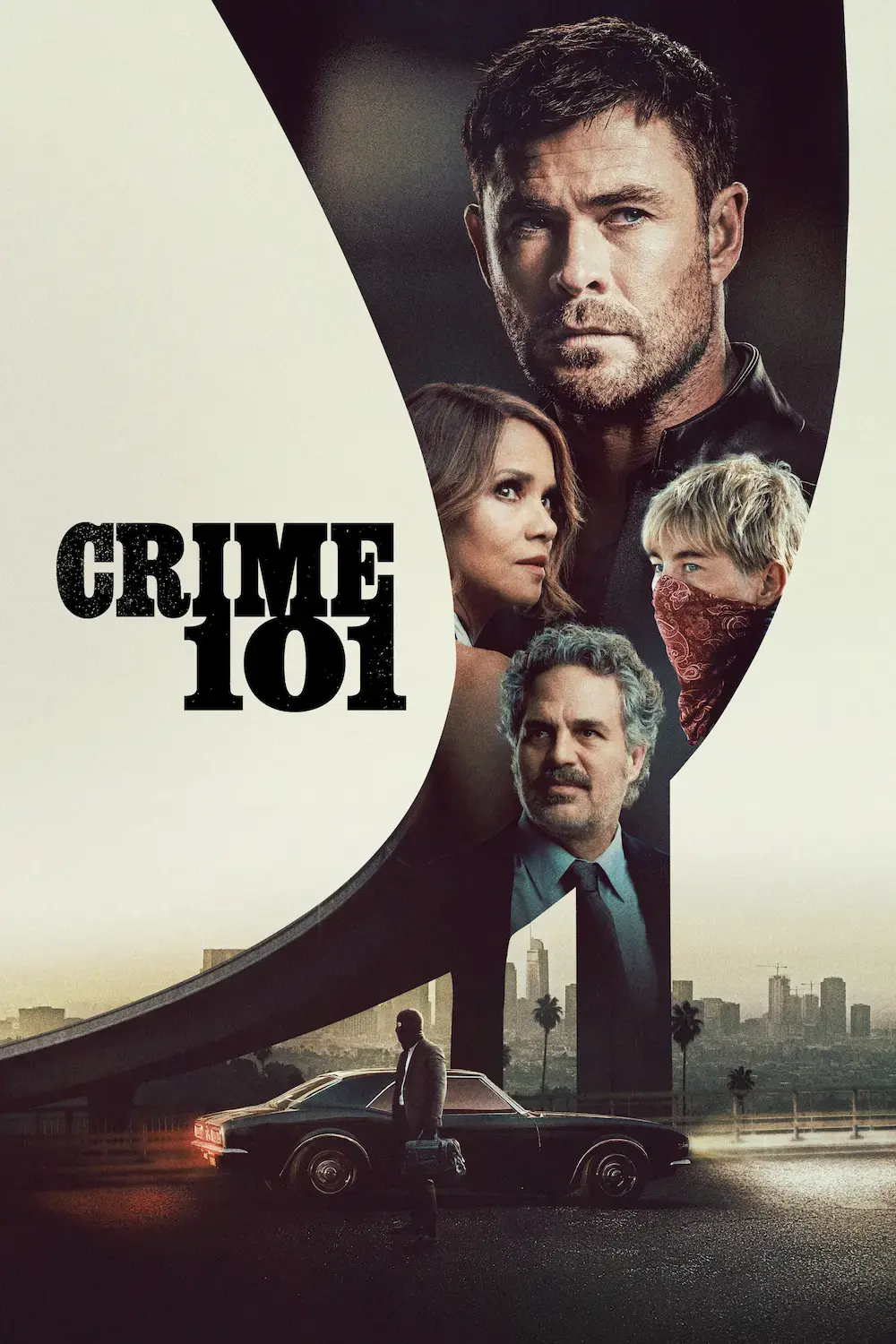
The latest from Bart Layton (American Animals, The Imposter) certainly has atmosphere to spare, thanks to its beautifully lensed aerial shots of Highway 101 snaking its way through Los Angeles (kudos to cinematographer Erik Wilson) and Blanck Mass’s moody electronic score. Unfortunately, its story about a meticulous jewel thief planning one last job (Chris Hemsworth), the unorthodox detective on his trail (Mark Ruffalo), and the disillusioned insurance broker who gets pulled into his plans (Halle Berry), never amounts to more than a sum of its parts. Which is a shame, because the individual characters, who are all struggling against the systems in which they find themselves, are intriguing. It doesn’t help that the film unfolds at a molasses-like pace that, rather than ratcheting up the tension, just renders everything kind of boring, car chases included. With its brooding visuals and pacing, Layton clearly wanted to make a Michael Mann-type thriller, but Crime 101 just makes me want to rewatch Thief and Heat.
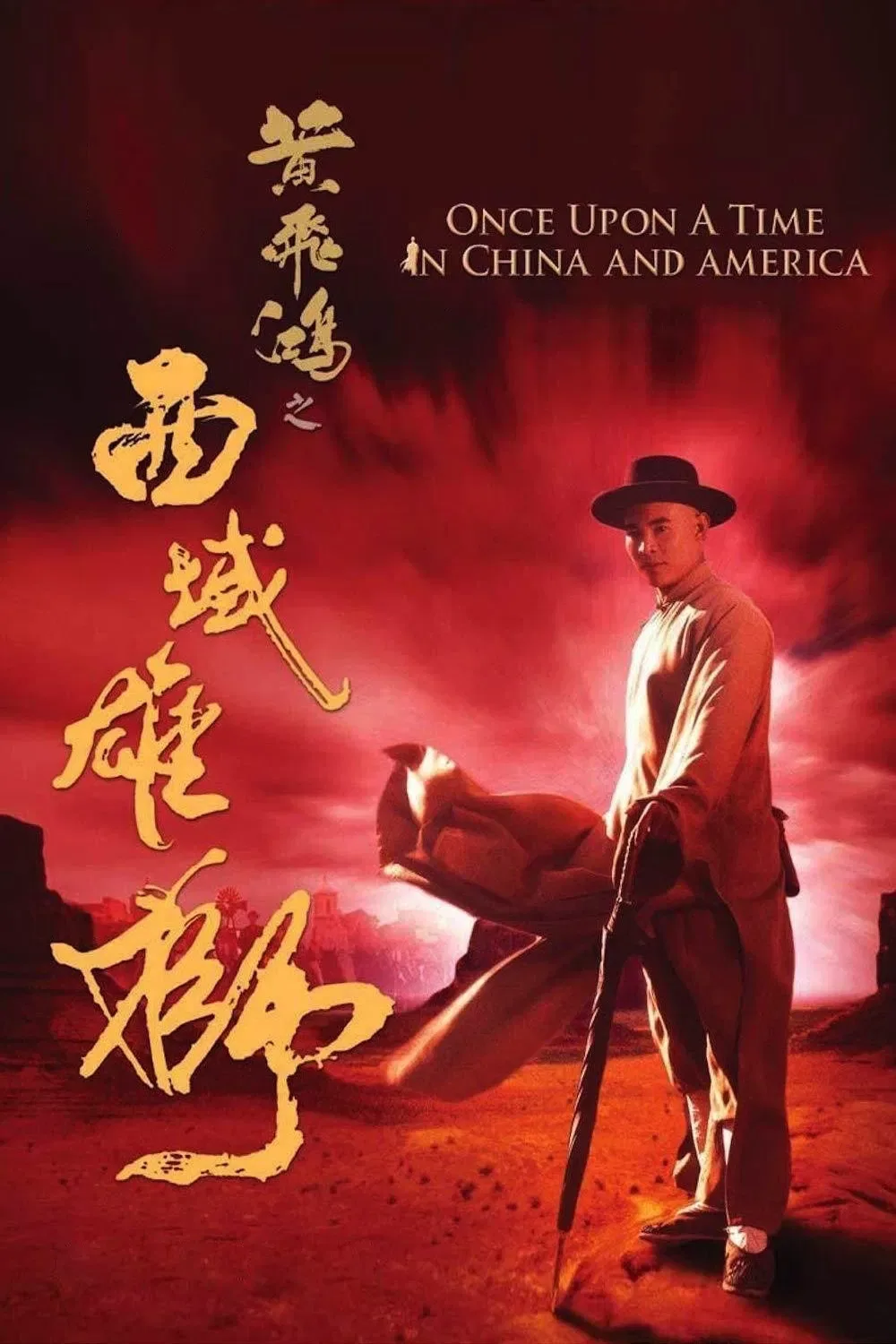
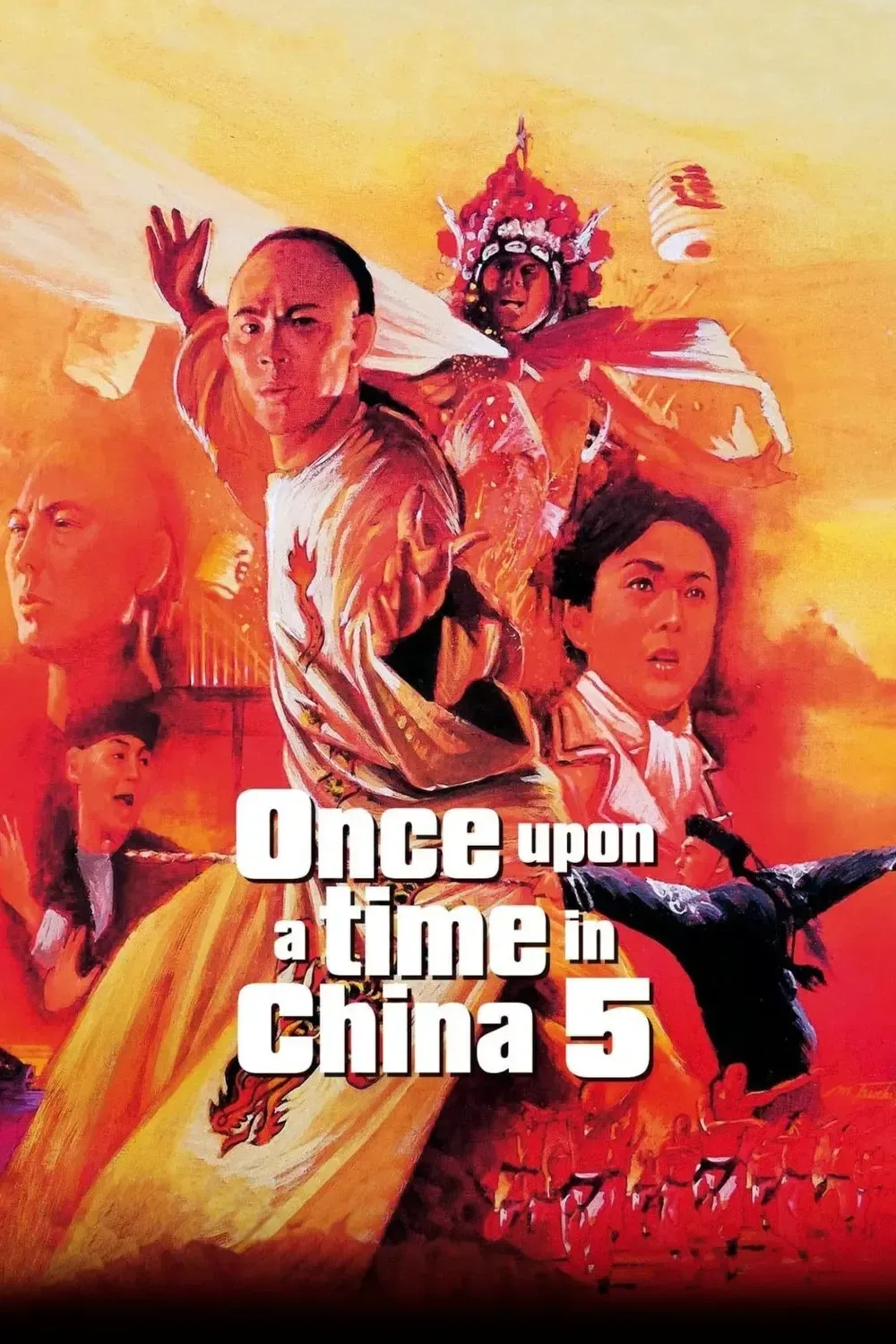
Three years before Jackie Chan ventured into the Old West with 2000’s Shanghai Noon, Jet Li — returning after a two-film absence — ventured there in this, the sixth and final Once Upon a Time in China film. Wong Fei-hung and his friends, including fiancé 13th Aunt (Rosamund Kwan), have traveled to America to visit a former student who’s opened a clinic in the burgeoning town of San Francisco. They’re attacked along the way by Native Americans, though, and in the ensuing chaos, Wong loses his memory and becomes adopted by another tribe. Meanwhile, the rest of his entourage arrive in San Francisco, where they find the local Chinese population oppressed by corrupt, racist officials. In its best moments, Once Upon a Time in China and America explores the various forms of prejudice facing the Chinese, including the prejudice that Wong experiences from Native Americans (who call him “Yellow”). At the same time, cultural sensitivity is not exactly the film’s strong suit, as evidenced by the decidedly non-Native actors and stuntmen dressed up in buckskin and war paint. I was looking forward to seeing what Sammo Hung might bring to the franchise as both director and action choreographer, but the film’s action sequences felt surprisingly stilted and disjointed. And of course, it wouldn’t be a Once Upon a Time in China film without a romantic triangle, this time between Wong, 13th Aunt, and a young Native woman who takes a shine to the amnesiac Wong. In the end, Once Upon a Time in China and America is an interesting mess, but a mess nevertheless.
Tsui Hark returned to the director’s chair for this entry in the Once Upon a Time in China series, with the previous film’s director — Bun Yuen — serving as its action choreographer. However, Hark’s return doesn’t do much good. Wong Fei-hung (Vincent Zhao) and his acolytes are on their way to Hong Kong, but unfortunately, the port town they’re staying in has become overrun by vicious pirates and greedy merchants. Meanwhile, a romantic triangle forms between Wong, “13th Aunt” Yee Siu-kwan (Rosamund Kwan, reprising her role from the earlier films), and “14th Aunt” May (Iron Monkey’s Jean Wang) that’s furthered by silly misunderstandings and sight gags. It all amounts to a trivial mess. None of the storylines are interesting, the slapstick humor courtesy of Wong’s students is never not annoying, and the action choreography is silly and incoherent. What’s more, the film can’t make up its mind if it’s a kung fu flick or a John Woo-style heroic bloodshed movie, and it just feels wrong to see Wong dispatch bad guys with a six-shooter rather than his legendary “Shadowless” kick.
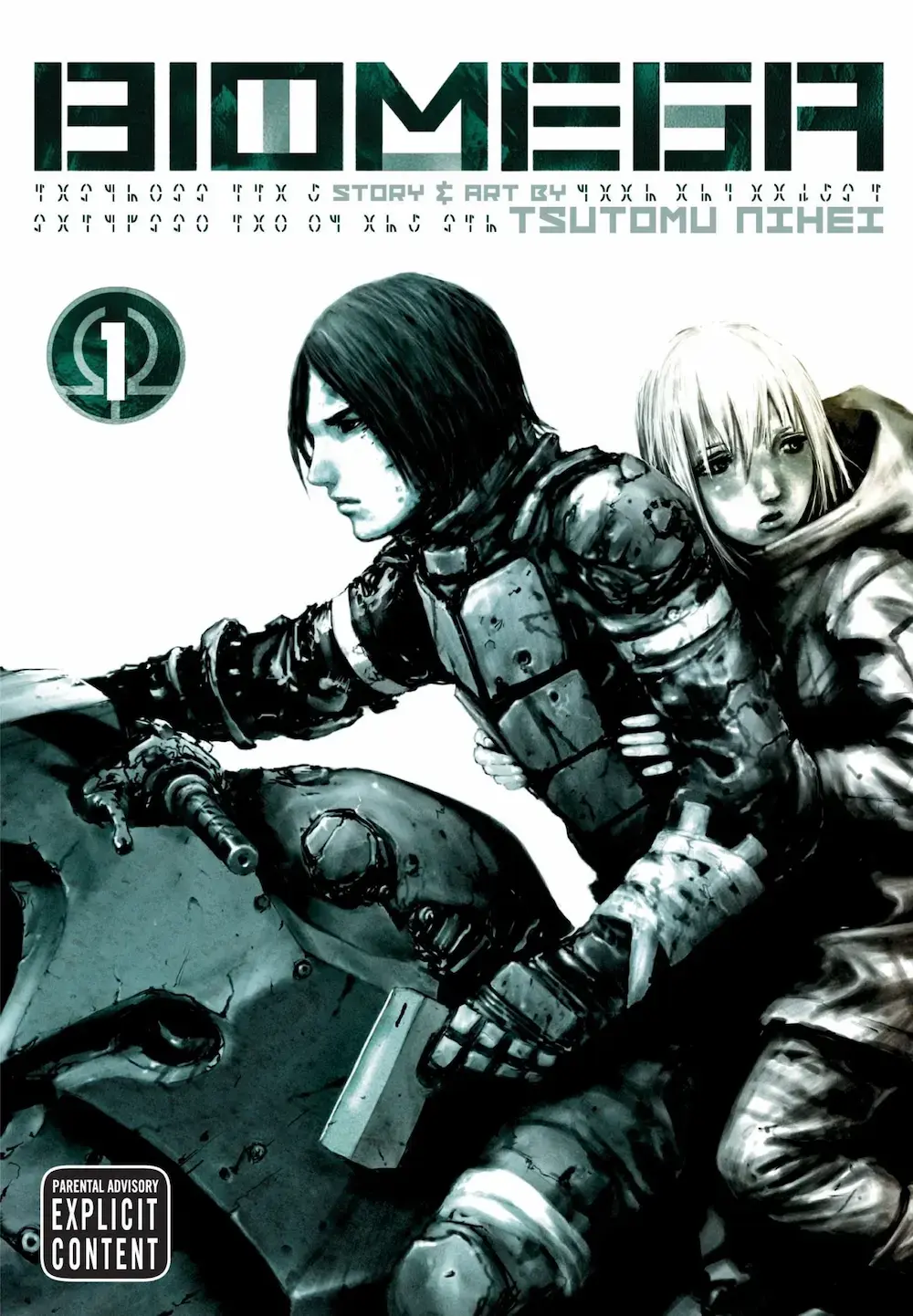
At first, Biomega feels like a bit of a retread of Nihei’s magnum opus, Blame!. Both series feature a taciturn protagonist who travels through an increasingly bizarre post-apocalyptic landscape while battling transhuman horrors with the help of a tiny but super-powerful gun, all in the hopes of discovering the cure to a plague that’s devastating humanity. In the end, Blame! remains the superior work — Biomega’s story really goes off the rails in its final volumes, with an ending that feels rushed and incoherent — but it’s to Nihei’s credit as an artist that Biomega still carves out its own unique identity. Nihei’s architectural background serves him well in Biomega’s early volumes, allowing him to fill his pages with intricate, stunningly envisioned dystopian cities and gothic environments. His crafting of thrilling action sequences with just a bare minimum of panels is also second-to-none, as he draws his series’ taciturn protagonist — a super-powered synthetic human named Zoichi Kanoe who just so happens to have a bad-ass motorcycle — driving up the side of skyscrapers, into the air against fighter jets, and even into outer space.
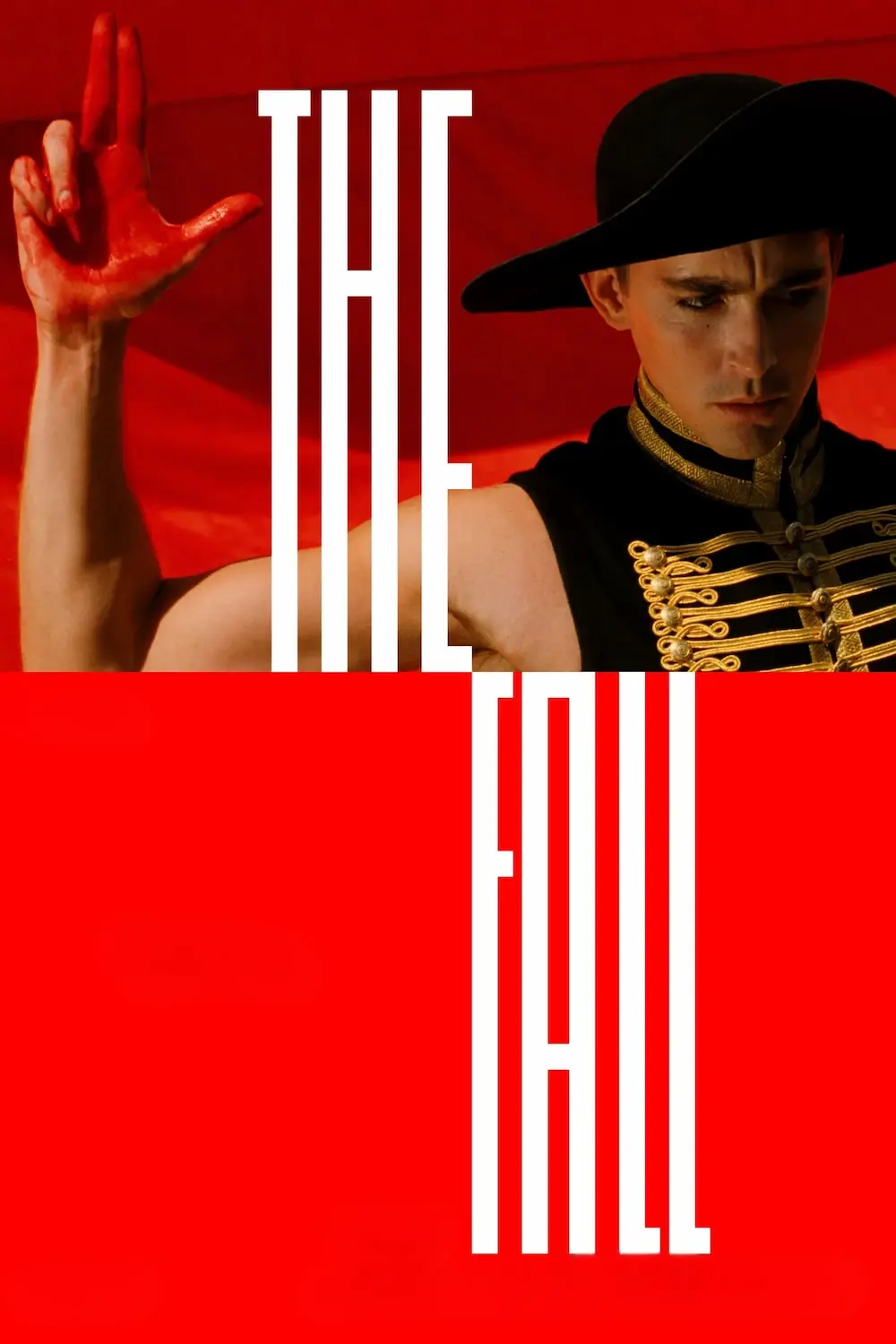
After this particular viewing of Tarsem Singh’s The Fall, I went back and re-read my original review, which I wrote at the 2006 Toronto International Film Festival, and in hindsight, I think I was a bit too hard on the film. My criticisms — that The Fall can often feel excessive and heavy-handed — remain, but I didn’t hold them quite so vehemently or feel them quite so strongly this time around. Or maybe I’ve just come to appreciate obvious ambition when I see it, because The Fall is nothing if not ambitious. Another thing that hasn’t changed is my appreciation for the film’s visuals; The Fall is easily one of the most visually arresting films I’ve ever seen, and it looked even more striking thanks to a recent 4K restoration. Singh’s background lies in advertising and music videos — his works include the award-winning video for R.E.M.‘s “Losing My Religion” — and he uses that to great effect, crafting lush, highly stylized scenes set in locations around the globe. (The Fall was shot in 28 countries over the course of four years, and Singh claims that no sets or stages were built for the film.) As for its story-within-a-story, as a disabled Hollywood stuntman weaves an exotic tale for a young migrant worker, there are moments that almost feel Princess Bride-ish, though Singh — who co-wrote the film with Andor’s Dan Gilroy, based on the 1981 Bulgarian film Yo ho ho — injects a bit more pathos into his fantastical tale.