Every good parade needs rousing music to set the celebratory mood and get the crowd cheering. This past weekend’s parade celebrating the 250th anniversary of the U.S. Army — which just so happened to fall on, and was eclipsed by, President Trump’s 79th birthday — was no different.
Several artists performed in person at the parade, including Noah Hicks, Warren Zeiders, and Lee “God Bless the U.S.A.” Greenwood. Meanwhile, the Army’s official rock band, Downrange — did you even know the Army has it’s own rock band? — performed covers throughout the event, including Guns N’ Roses’ “Sweet Child O’ Mine,” Heart’s “Barracuda,” Metallica’s “Enter Sandman,” and Van Halen’s “Jump.”
The setlist has not been without controversy; Heart’s Nancy Wilson claimed “Barracuda” was used without permission while some Metallica fans have criticized “Enter Sandman”’s usage. But perhaps the strangest entry in the parade’s setlist was Creedence Clearwater Revival’s “Fortunate Son.”
I did not edit this, this is the actual parade with the actual music being played.CINEMATIC
— Timothy Burke (@bubbaprog.lol) June 14, 2025 at 6:32 PM
[image or embed]
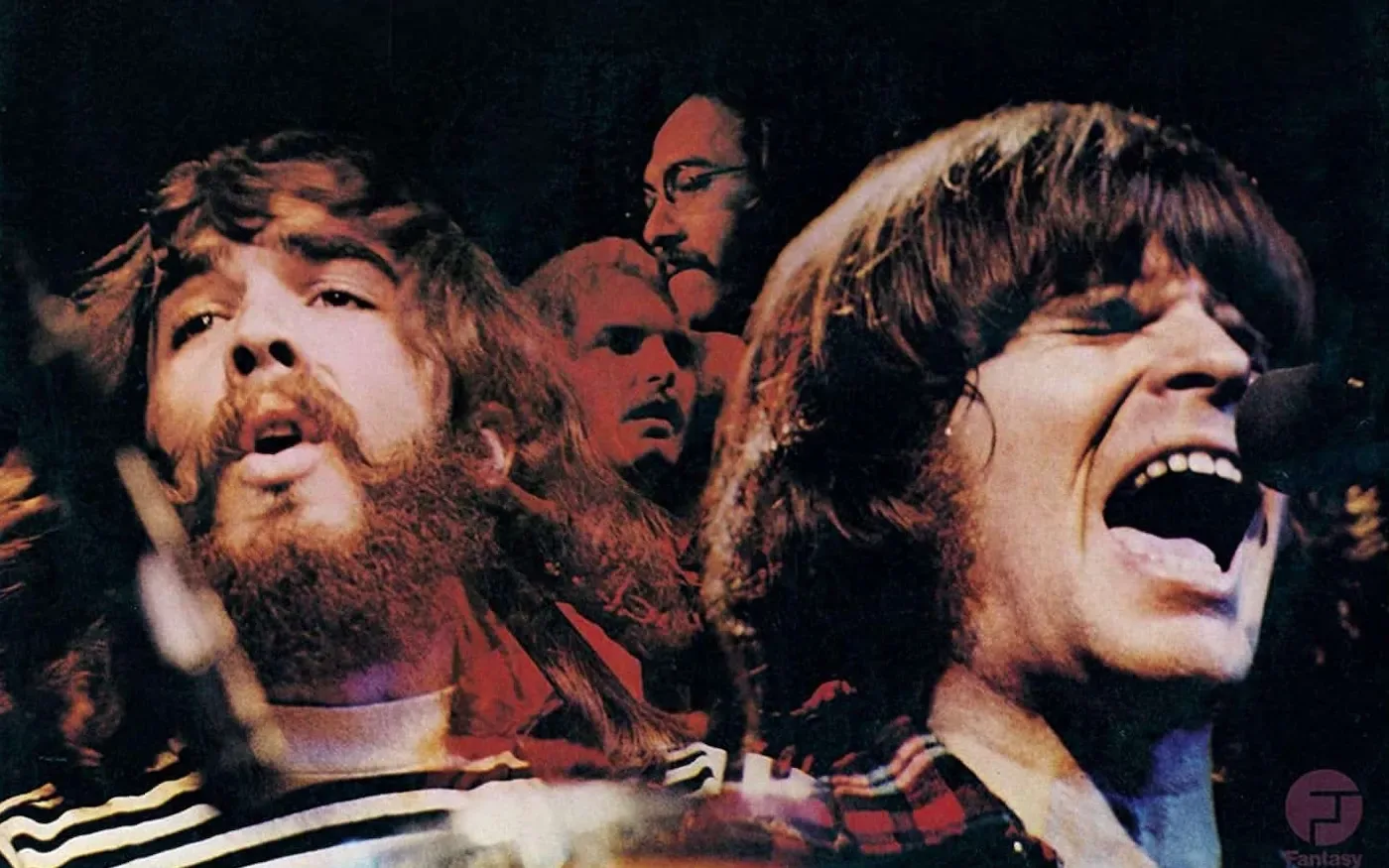
One of CCR’s most iconic songs, “Fortunate Son” originally appeared on the band’s fourth album, 1969’s Willy and the Poor Boys, and it quickly became associated with the Vietnam War. But whereas songs like “God Bless the U.S.A.” and Toby Keith’s “American Soldier” (which played during the closing fireworks) are the epitome of patriotic hits, “Fortunate Son” is more critical.
John Fogerty — who was drafted during the Vietnam War — wrote “Fortunate Son” to condemn those who used their power, wealth, and privilege to dodge military service. From his memoir, Fortunate Son: My Life, My Music:
You’d hear about the son of this senator or that congressman who was given a deferment from the military or a choice position in the military. They seemed privileged and whether they liked it or not, these people were symbolic in the sense that they weren’t being touched by what their parents were doing. They weren’t being affected like the rest of us.
The irony here is that Donald John Trump is the exact sort of person that Fogerty was writing about. Trump famously got out of military service during the Vietnam War thanks to a medical deferment claiming he had bone spurs in his feet — a diagnosis that has since been contested as phony and a favor to Trump’s father. Not surprisingly, when Trump used the song at a 2020 campaign rally, Fogerty condemned the usage and issued a cease-and-desist order. (To date, Fogerty has said nothing concerning the song’s appearance in Trump’s parade.)
On a completely unrelated note, Trump claimed during a 1997 interview with Howard Stern that avoiding STDs while sleeping with multiple women in the ’90s was his own “personal Vietnam” that made him feel like “a great and very brave soldier.”
Of course, Trump is not the first Republican to completely or willfully misinterpret and misuse popular songs. For example, Ronald Reagan used Bruce Springsteen’s “Born in the USA” during his 1984 re-election campaign, which completely overlooked the fact that, like “Fortunate Son,” Springsteen’s hit was a critique of America. But given his own history of flaunting and abusing his privilege, Trump’s association with “Fortunate Son” feels particularly egregious, not to mention clueless and demeaning to those who have, in fact, sacrificed and proudly served in our nation’s military.