My Cultural Diet (October 2026): Wildwood, Ghost in the Shell, Spider-Man, Ted Lasso
In order to better track my various cultural experiences (e.g., movies, TV shows, books, restaurants), I’ve created the Cultural Diet. Think of it as my own personal Goodreads, Letterboxd, and Yelp, all rolled into one (more info here). Every month, I recap everything that I watched, read, etc., in the previous month.
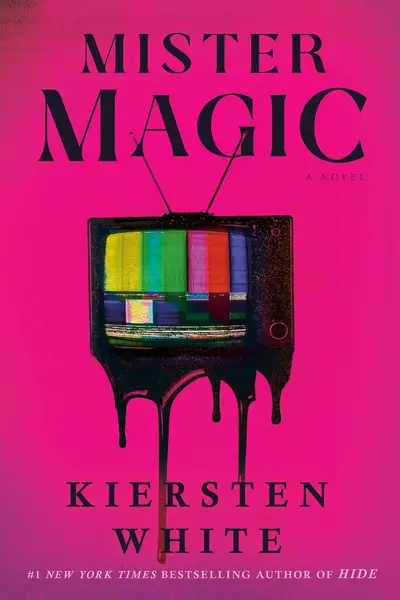
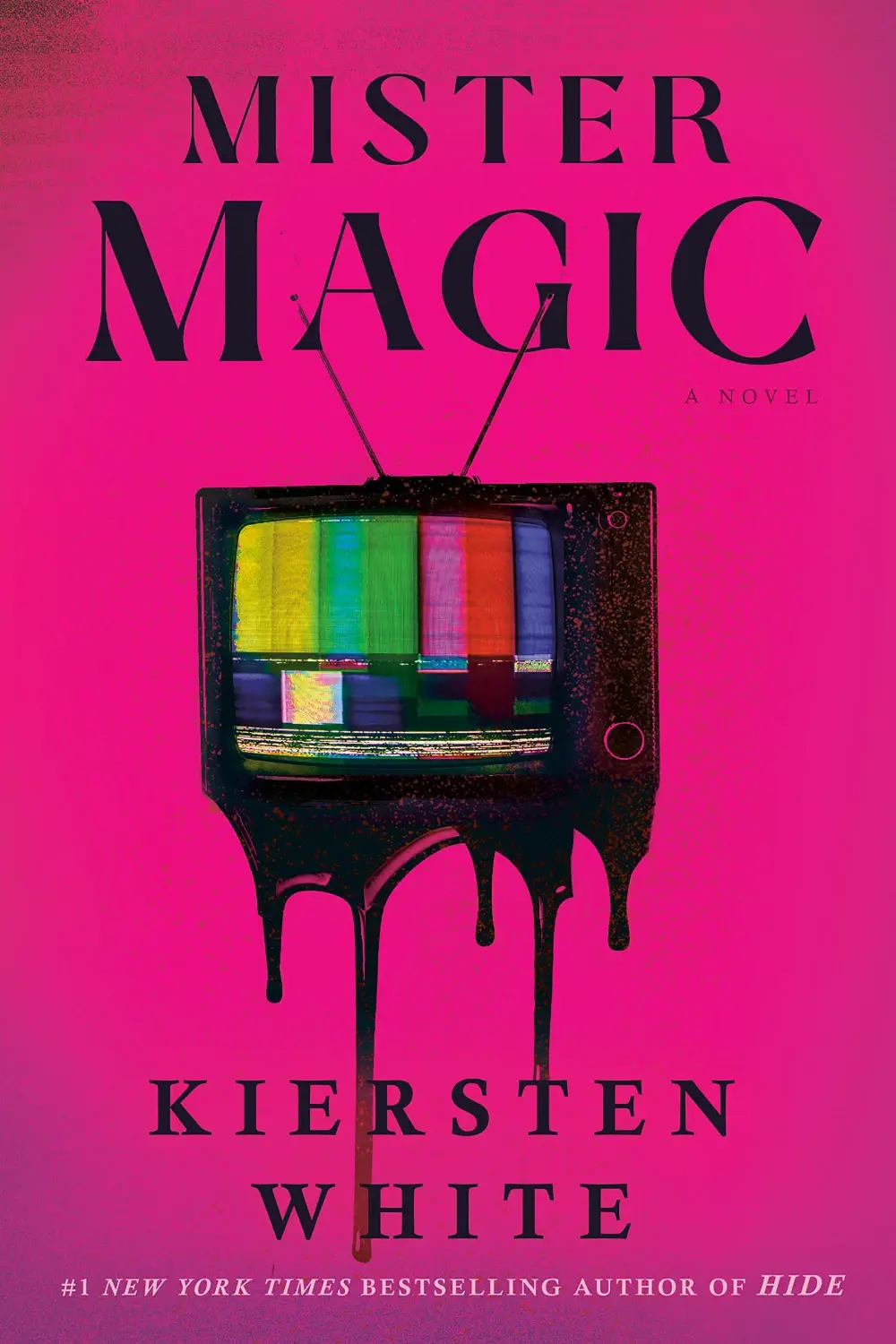
Mister Magic was a beloved children’s program that ran for years until a tragic accident forced it to go off the air. Strangely enough, nobody can actually find any evidence of its existence now. That all promises to change, though, when the surviving cast members reunite for a podcast (and maybe even a potential reboot). Once the closest of friends, the cast members have all drifted apart, meaning their reunion is far from ideal. And for one cast member in particular, the reunion threatens to unlock secrets from her childhood — secrets that hint at a great darkness lurking behind Mister Magic. Kiersten White’s 2023 horror novel popped up in my social media algorithms one day, and I was immediately intrigued by its premise. And while its premise is intriguing, White’s story about the dangers of nostalgia, the innocence of childhood, the pains of growing up, and the evils of religious indoctrination — the novel was inspired by White’s own deconversion from Mormonism — grows thin and repetitive, its characters little more than tropes. To her credit, White does occasionally conjure up an eerie mood. Unfortunately, Mister Magic is nowhere near as creepy or affecting as the critics (and social media algorithms) would have you believe, and by the end, it’s almost as preachy as the religious fundamentalism that it so strongly decries.
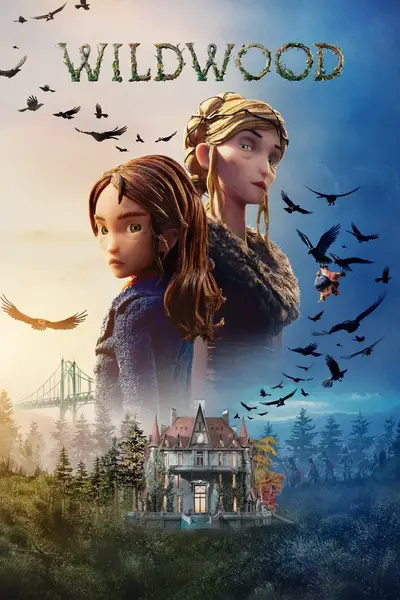
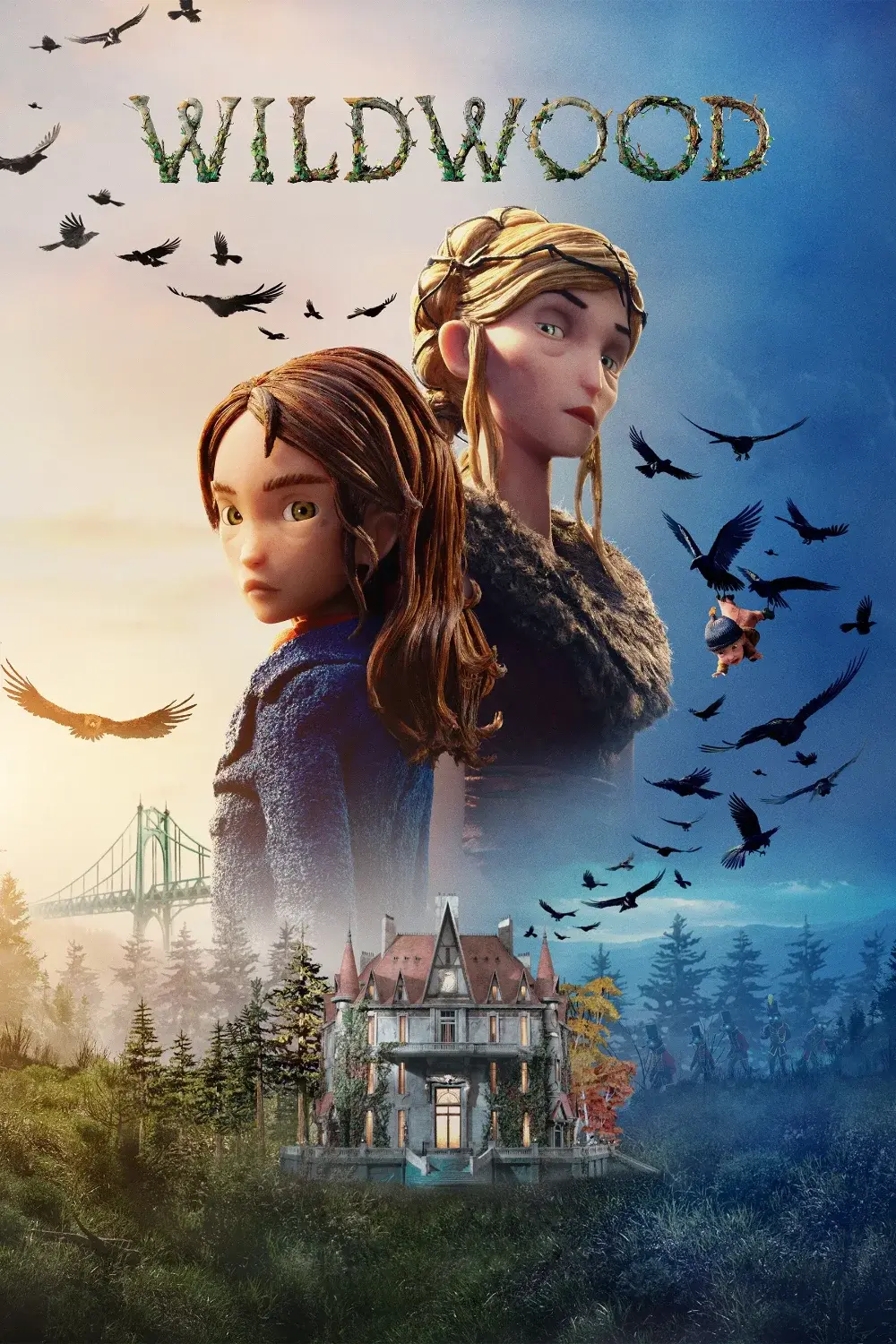
Let’s get the obvious out of the way first, shall we? In terms of visuals and animation, Wildwood is just one solid flex after another, and each flex is made all the more impressive because, this being a stop-motion film, they’re literally hand-made. There were multiple times when it struck me that LAIKA’s animators purposefully decided to make their scenes as intricate and detailed as possible (e.g., the eagle chase, the climactic battle). That certainly made their jobs harder and more time-consuming — in all, Wildwood took five years to produce — but the result is an immersive and entertaining film that also serves as a shot across the bow of every single “AI is the future of filmmaking” announcement that pollutes social media these days. That said, I wish I could say something similar for Wildwood’s story, which was adapted from Colin Meloy and Carson Ellis’s 2011 novel. It’s not a bad story, per se, and I was never not invested in young Prue McKeel’s efforts to save her baby brother from the clutches of an evil witch. But it also feels pretty derivative at times. (I challenge you, for example, to simply count the number of callbacks and parallels to The Lion, the Witch and the Wardrobe.) What’s more, certain character moments and revelations, particularly those involving Prue’s hippie parents, actually take away from the film and undermine its ending. As much as I enjoyed Wildwood, I was never quite able to shake the feeling that it could’ve been something even more unique and breathtaking, something was truly worthy of its marvelous visuals.
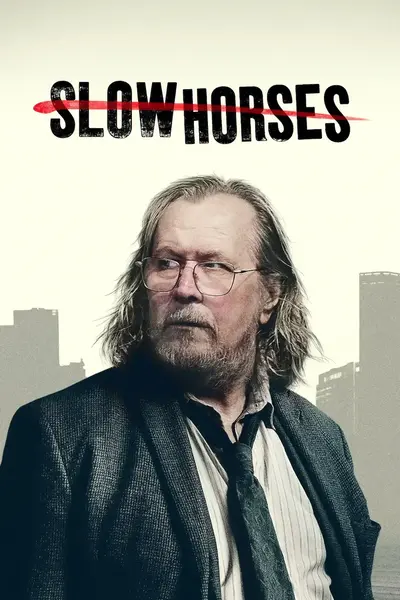
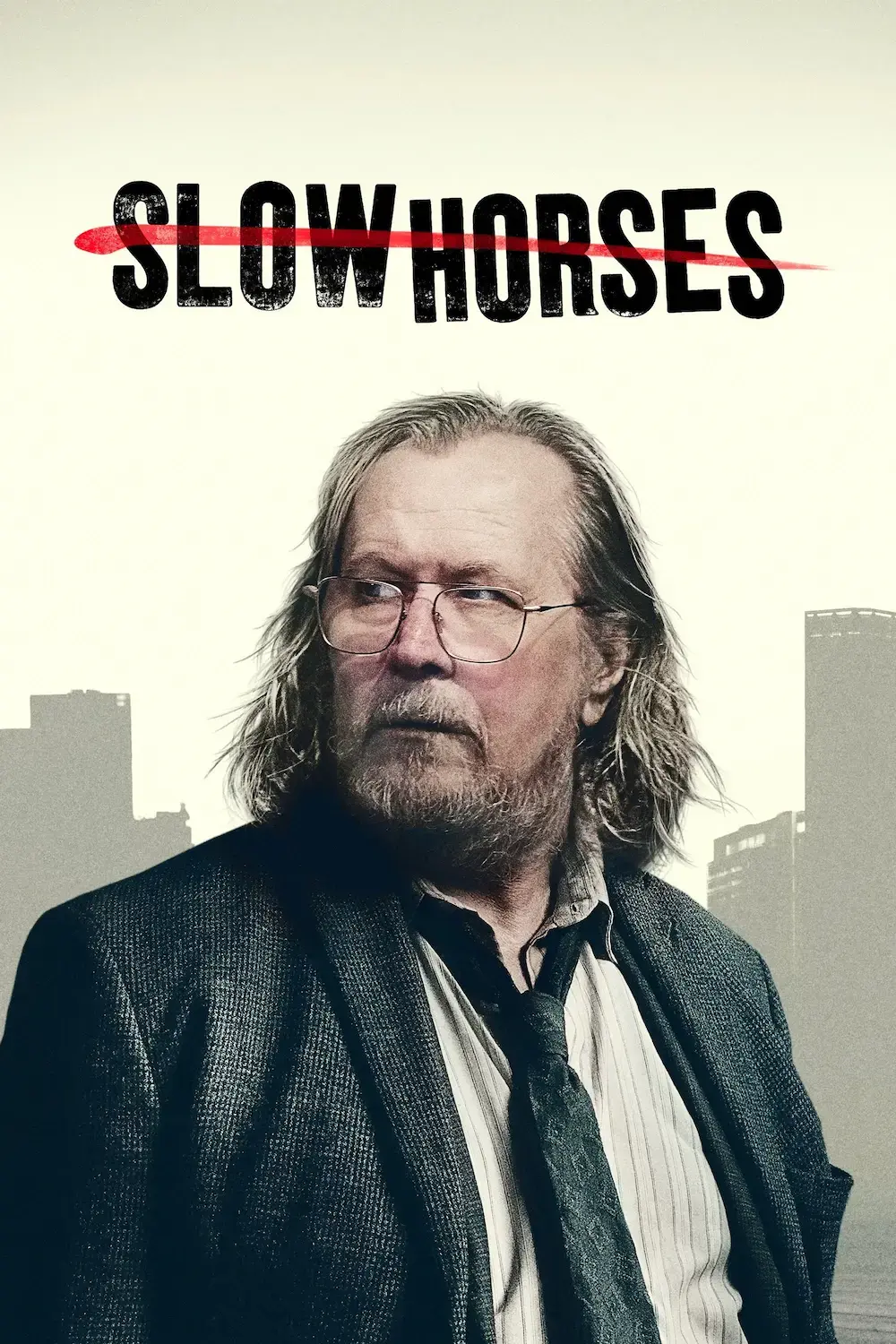
I hate to say it, but this was my least favorite season of Slow Horses to date. To be sure, Gary Oldman is still a delight as the despicable and misanthropic Jackson Lamb, who now has to contend with his agents getting knocked off by mysterious assassins. And there’s also something in there about a British media mogul compromising the head of British intelligence while hiring River Cartwright’s father for some underhanded stuff. Sidonie Baker — last seen in season one — returns from the dead, but maybe she’s a double or triple agent. Or maybe not. Oh, and the Russians make an appearance, too. Frankly, it’s all a bit of a mess, with our favorite disgraced spies scattered to and fro. Which means that any of the series’ trademark character moments are lost in the plot’s convolutions. I know I watched all of season six’s episodes, but I still feel like I missed that one episode that tied everything together.

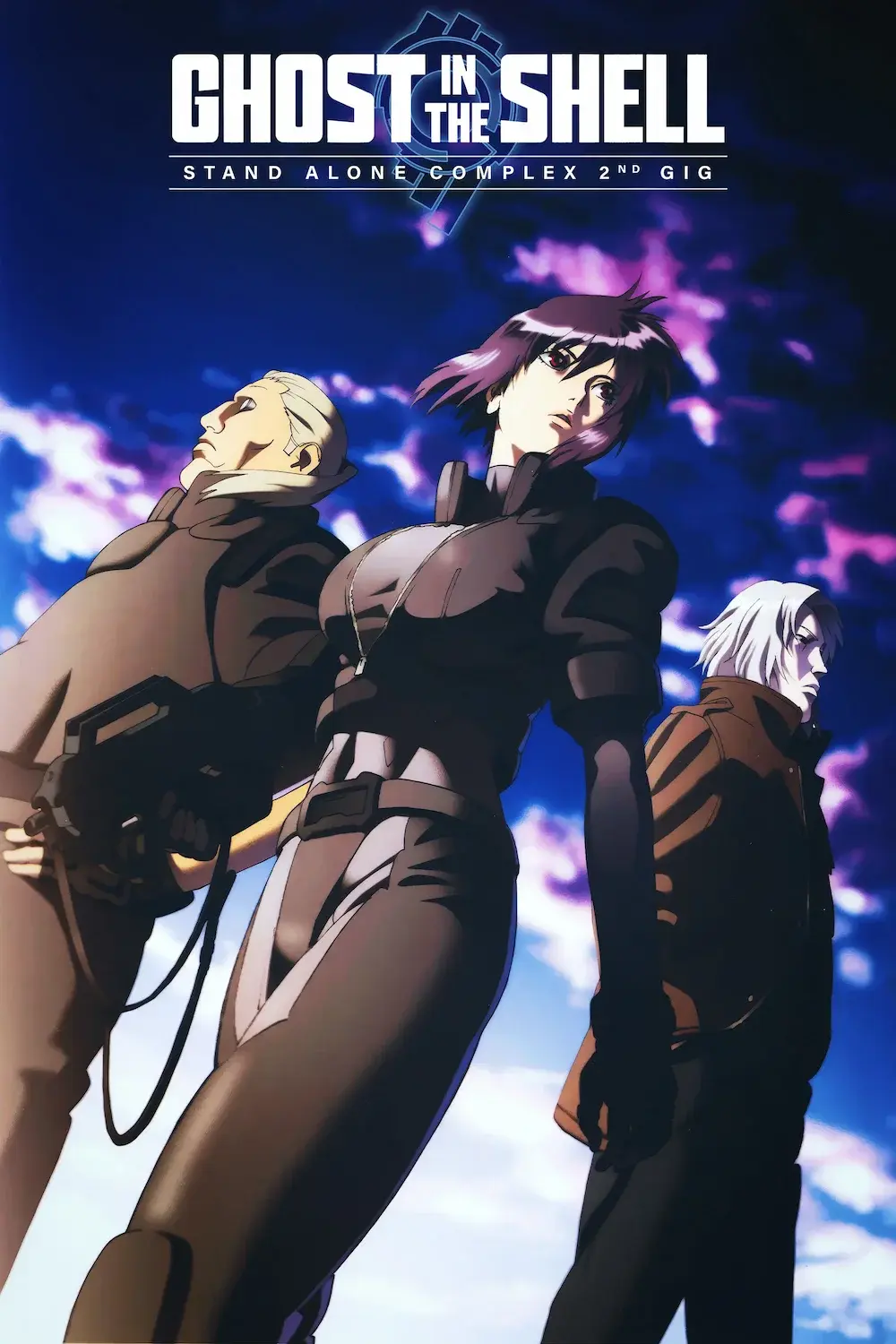
Two years after the events of Ghost in the Shell: Stand Alone Complex, 2nd Gig, Major Kusanagi has left Section 9, forcing Batou, Togusa, et al. to do the best they can investigating various threats to Japan. Like, say, a string of suicides that might also be connected to a series of kidnappings, which might also be connected to an enigmatic hacker known only as the Puppeteer. But an even bigger mystery looms: what is the Solid State Society? Kenji Kamiyama, who wrote and directed the movie, crams an awful lot into its 105 minutes, and it’s clear he’s trying to address some serious issues, like government corruption and Japan’s aging population. But even with its heavy focus on dialog, Solid State Society is a mess, story-wise. And some last-minute revelations only add to that impression. I can’t help thinking that if Solid State Society had been a mini-series rather than a feature film, Kamiyama’s various storylines would’ve had more room to develop and become fleshed out. Narrative issues aside, there’s no denying that Solid State Society looks fantastic, with Production I.G — who did stellar work throughout the Stand Alone Complex series — really outdoing themselves. And for what it’s worth, I still prefer Solid State Society’s relatively somber mood compared to the riot that was Amazon’s Ghost in the Shell series.
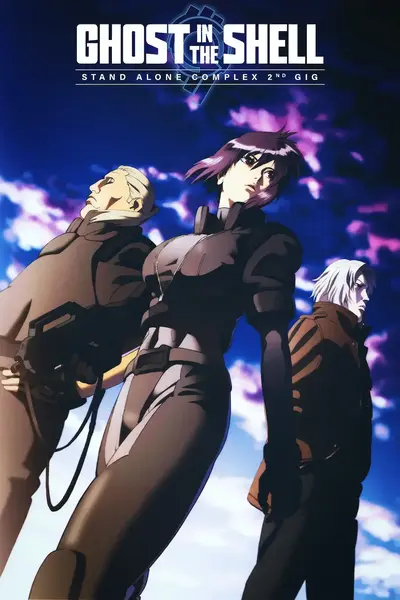
In the first season of Stand Alone Complex, Public Security Section 9 matched wits with an elite hacker and uncovered government corruption. This time around, Kusanagi, Batou, et al. are called in to investigate a mysterious terrorist group called the Individual Eleven that seeks to inflame the refugee crisis in post-World War IV Japan. Meanwhile, a mysterious leader emerges from amongst the embattled refugees, one who might have a startling connection to Kusanagi’s past. As with the previous season, 2nd Gig is a solid mature anime filled with equal parts action and dialog, and it leaves you feeling smarter for having watched it. Of course, this being Ghost in the Shell, the dialog often gets pretty heady. Sometimes too heady, as it turns out. 2nd Gig has plenty of highlights, such as when it explores the ethical and legal murkiness of Section 9’s actions or the emerging intelligence (and perhaps even humanity) of the Tachikoma robots. And even though Kusanagi is the face of Ghost in the Shell, I daresay that Batou emerges as the better character. But 2nd Gig gets muddled as it dives into the mysterious origins of the Individual Eleven, teases out connections between Kusanagi and the refugee leader, and delves into even more government corruption. As such, the season’s climax, though certainly gripping in places, is underwhelming because so much about the characters’ actions and motivations feels opaque.
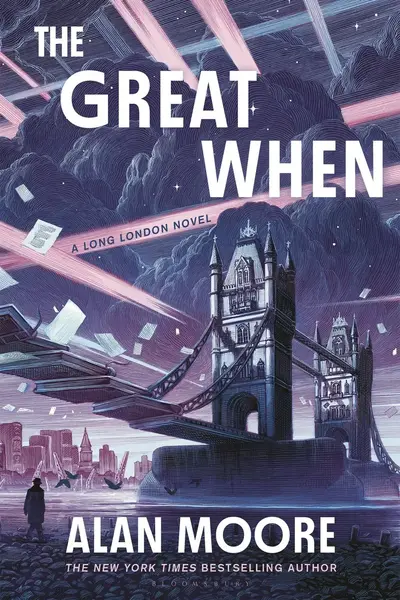
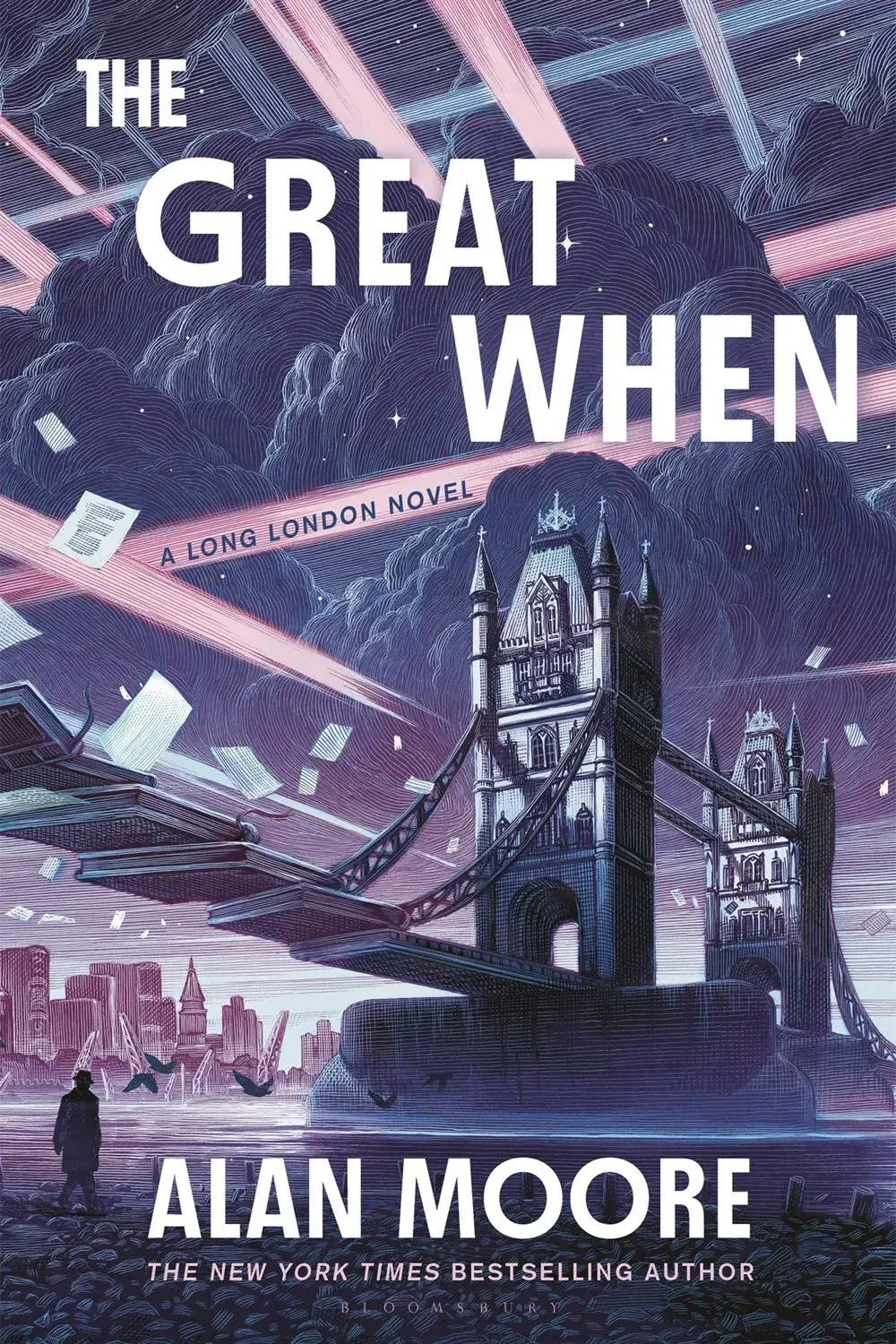
Dennis Knuckleyard is doing his best to eke out an existence in post-WW2 London, but his prospects are pretty bleak. As the sole employee at a used bookstore, he’s subject to the whims of his imperious boss, who one day orders him to pick up a collection of rare Arthur Machen books. Knuckleyard’s prospects become even bleaker, though, when one of the books that he picks up doesn’t exist. Or at least, it shouldn’t. Turns out, it’s from another London, the real London of metaphor and symbol that lurks behind and inspires the London that Knuckleyard knows, and if he doesn’t return it, the consequences will be dire. It’s an intriguing premise, and Alan Moore — who’s best known for his work in comics (e.g., Watchmen, V for Vendetta, Swamp Thing) — explores it for all it’s worth, filling his pages with obscure historical references, detailed descriptions of London’s various districts and neighborhoods, and of course, this being Alan Moore we’re talking about here, all manner of the arcane and esoteric. (Austin Osman Spare plays a significant role, for example, while Aleister Crowley and Dion Fortune make an appearance.) Moore’s prose is incredibly dense and detailed, his descriptions alternating between captivating and more resembling entries in the Bulwer-Lytton Fiction Contest (RIP), and at such a rate that you might experience literary whiplash. As such, your mileage will most definitely vary, and will largely depend on how much you enjoy Moore’s, shall we say, eccentricities. The Great When is the first in a planned pentalogy of novels exploring London in the last five decades of the 20th century. I’m not sure I’ll continue reading the series, but I certainly hope young Knuckleyard’s fortunes improve. (Somehow, though, I suspect they don’t.)
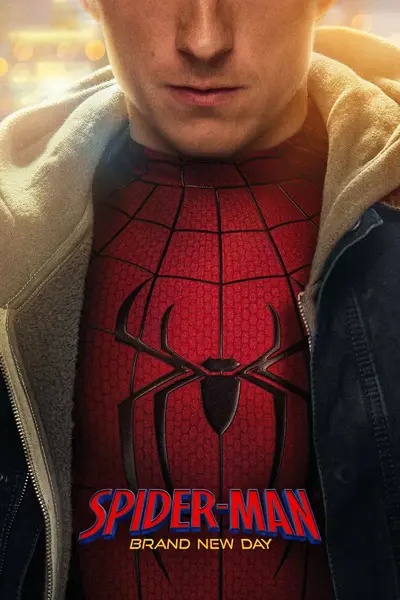
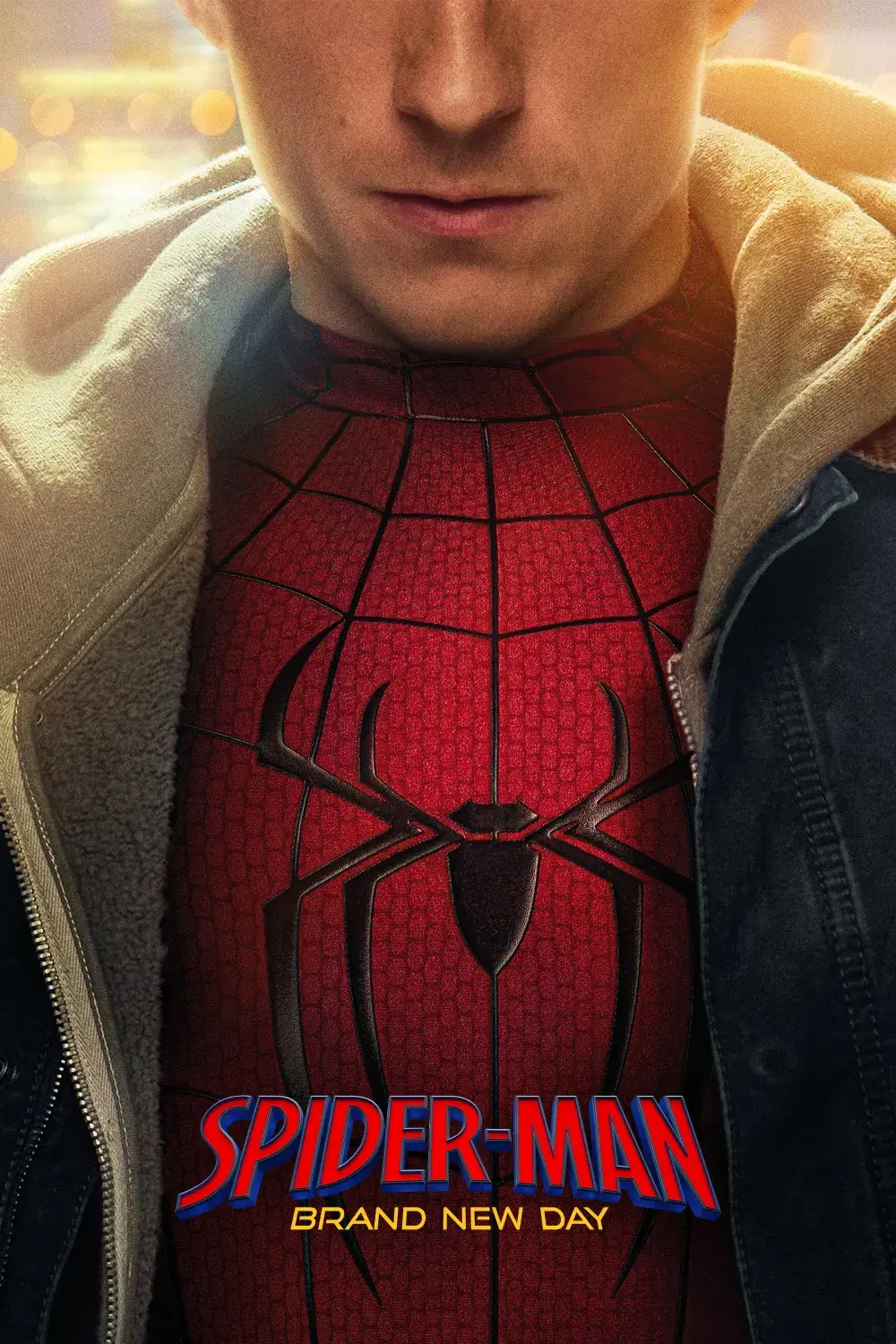
Has it really been five years since Spider-Man: No Way Home?! Well, those years haven’t been too kind to Peter Parker, who has been erased from the memories of everyone in the world, including his girlfriend and best friend. But there’s work to be done and crime to be fought, so Spider-Man is still swinging his way through the streets of New York — even though the stress and loss are changing him in surprising ways. And it only gets worse when a new foe appears, one who can seemingly leap from mind to mind and control total strangers. Brand New Day certainly benefits from Tom Holland, who’s still earnest and likable as the ol’ Webhead. But his trademark quips are few and far between, and Brand New Day possesses a decidedly darker, more melancholy tone than you might expect. Which would be fine — who doesn’t love to see superheroes get put through the ringer — except the film also fills like a clearinghouse of sorts. The big bad is surprisingly underwhelming, and the inclusion of the Hulk and Punisher, along with the villain’s reveal, feels as much like a set-up for the upcoming Avengers: Doomsday as anything.
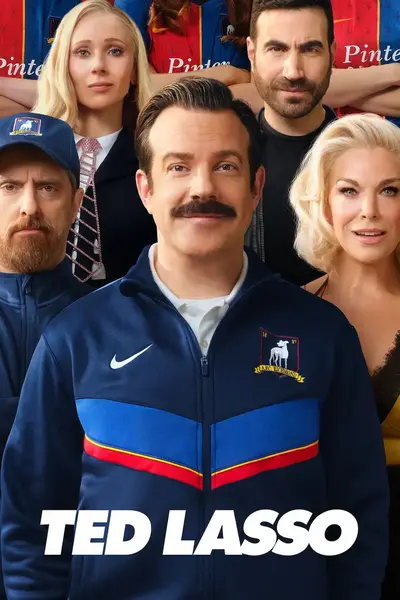
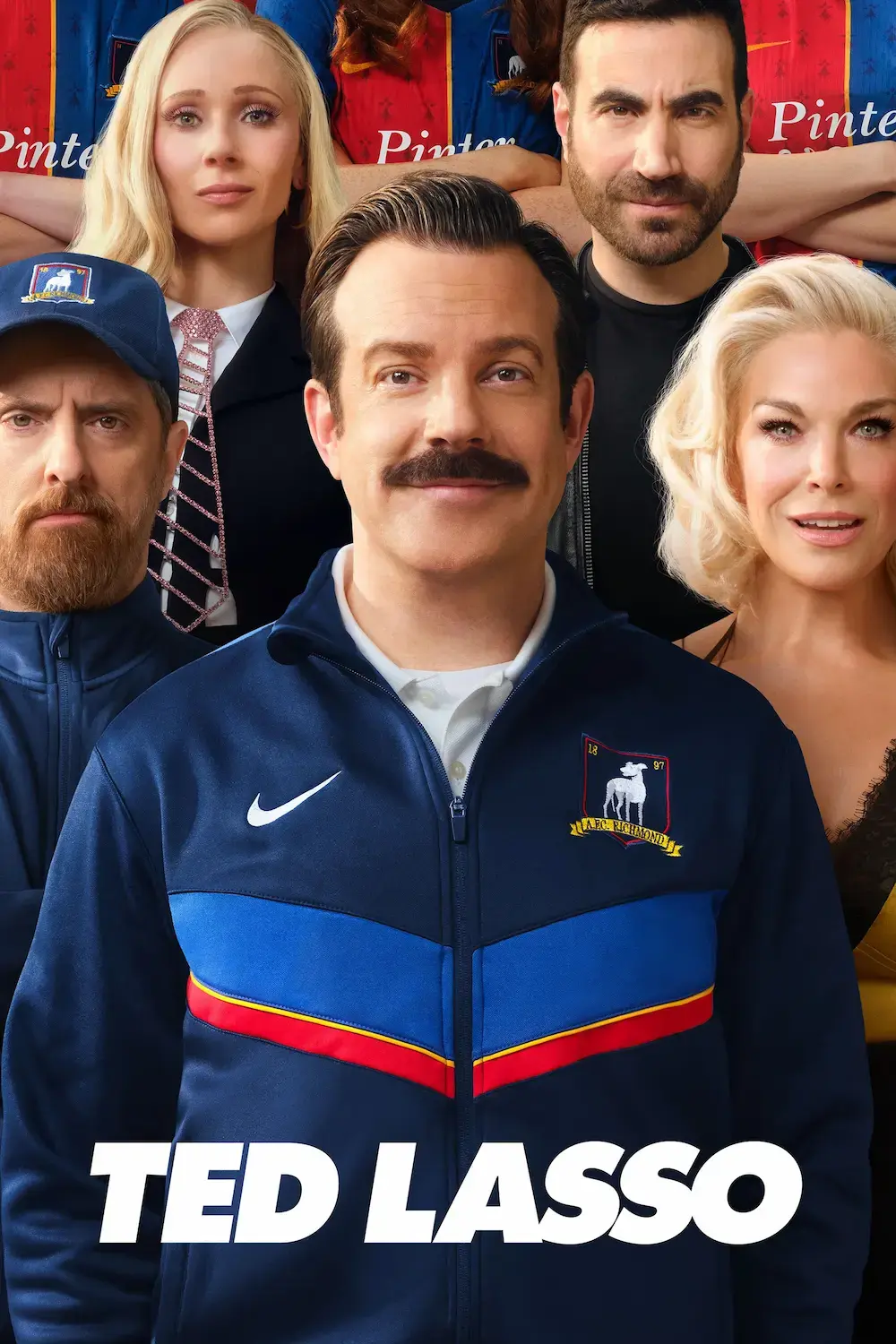
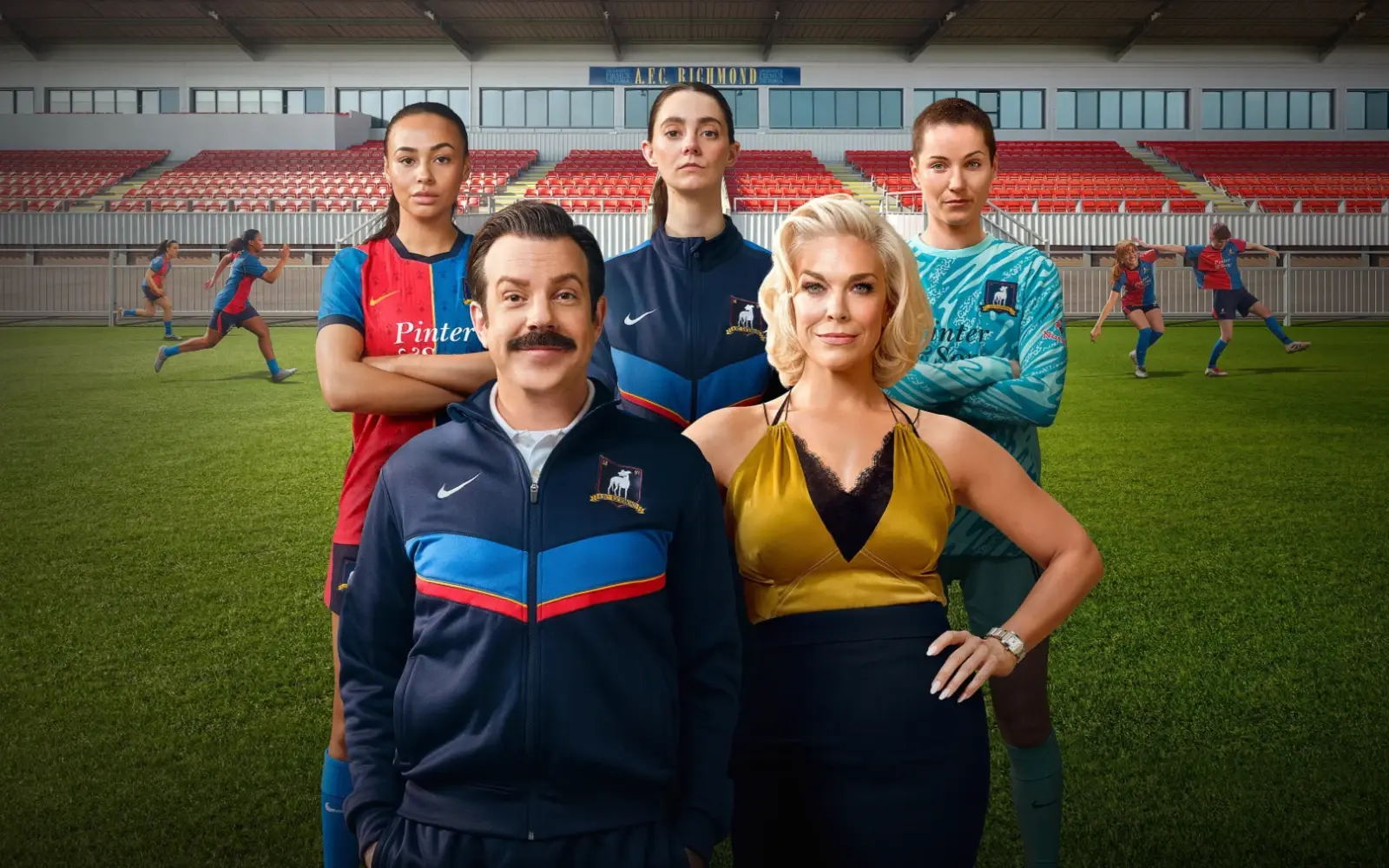
I was skeptical when Apple announced Ted Lasso’s fourth season, since it seemed like Coach Lasso had landed in a pretty good place at the end of season three. So let me first say that season four contains some truly delightful moments. (Coach Chilton’s “Cat People” is the face that launched a thousand reaction GIFs, mark my words.) And with Lasso coaching the newly announced AFC Richmond women’s team, there was a brand new group of fun and colorful characters out there on the pitch. (Don’t worry though: Jamie Tartt, Sam Obisanya, and even Jean-Claude Van Damme all make appearances.) But unfortunately, season four also felt like a lot of squandered opportunities as it jumped around from storyline to storyline, often getting distracted by what amounted to mere asides (e.g., Lasso’s post-divorce love life, Coach Beard’s mental anguish over his ex, Roy and Keeley’s will-they-or-won’t-they). In the end, the series’ primary storyline — the challenges faced by female athletes — felt poorly explored, with the season’s main antagonist and their plot being a complete and total nothingburger. All of which is a shame, because there was so much potential, beginning with Chilton’s own coach’s journey. There’s been no word yet concerning a fifth season, but if one does come to pass, then I hope Jason Sudeikis and the rest of the writers use season four to clear out all of the dross and finally give the Lady Greyhounds the stories they deserve.
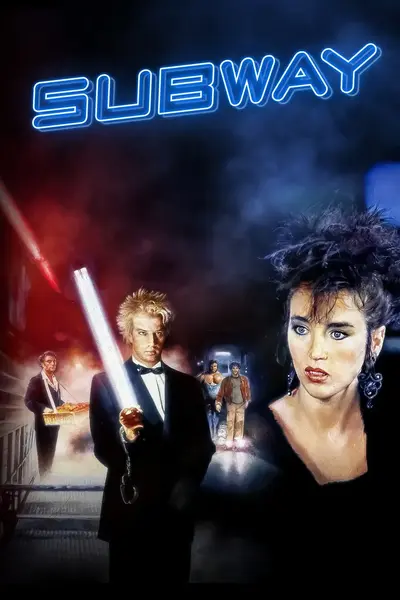
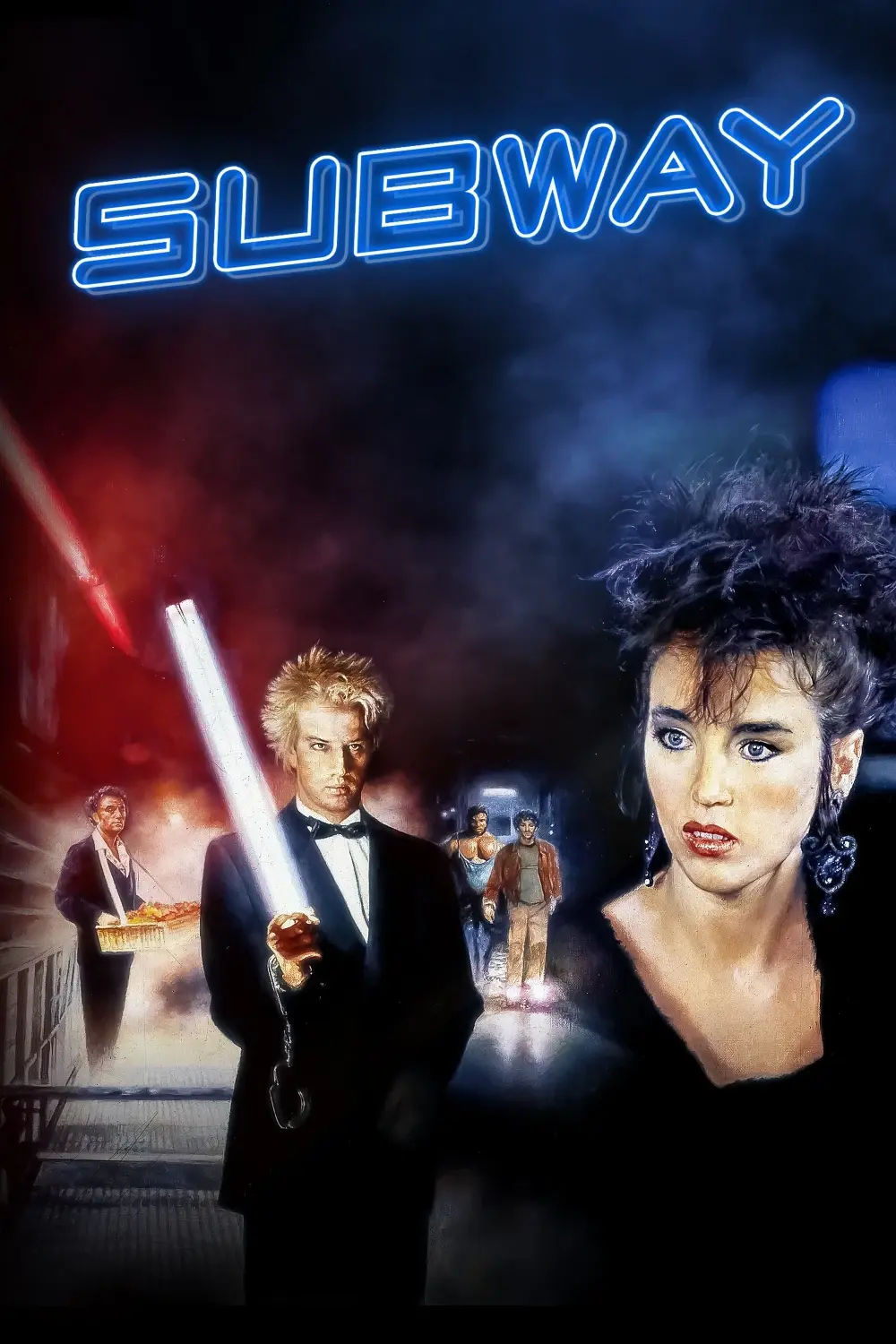
Some films can get by on their style alone, and heaven knows that Subway certainly tries. As one of the leading exemplars of the “cinéma du look” movement, Subway is often filled with visuals that I just wanted to pause and admire. One shot in particular, of Isabelle Adjani’s perfect face bathed in neon light, struck me as particularly rapturous. But all of that style serves only to reveal the hollow-ness of the movie’s story about a reckless thief (Christopher Lambert) who escapes into the Paris subway system, the various misfits and eccentrics that he encounters down there, and his infatuation with the woman he tried to rob (Adjani). Luc Besson, who also co-wrote the film, had no lack of plots, and he crams every single one of them into the film’s 104 minutes. But he does absolutely nothing to develop any of them beyond a mere sketch or idea, trusting, it seems, in the film’s vibrant visuals and anarchic spirit to carry it through. Which it does, but only so far, and not far enough.