My Cultural Diet (September 2026): Neagley, Reacher, The Ghost in the Shell, Mayday
In order to better track my various cultural experiences (e.g., movies, TV shows, books, restaurants), I’ve created the Cultural Diet. Think of it as my own personal Goodreads, Letterboxd, and Yelp, all rolled into one (more info here). Every month, I recap everything that I watched, read, etc., in the previous month.
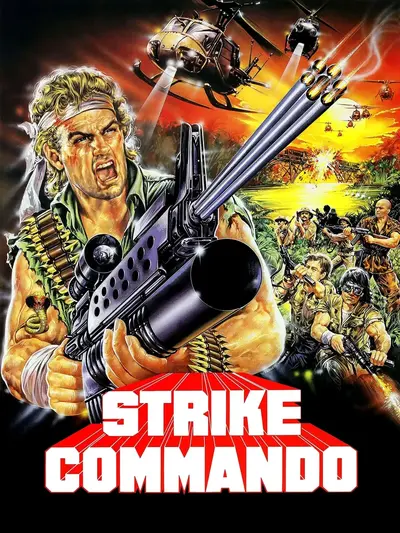
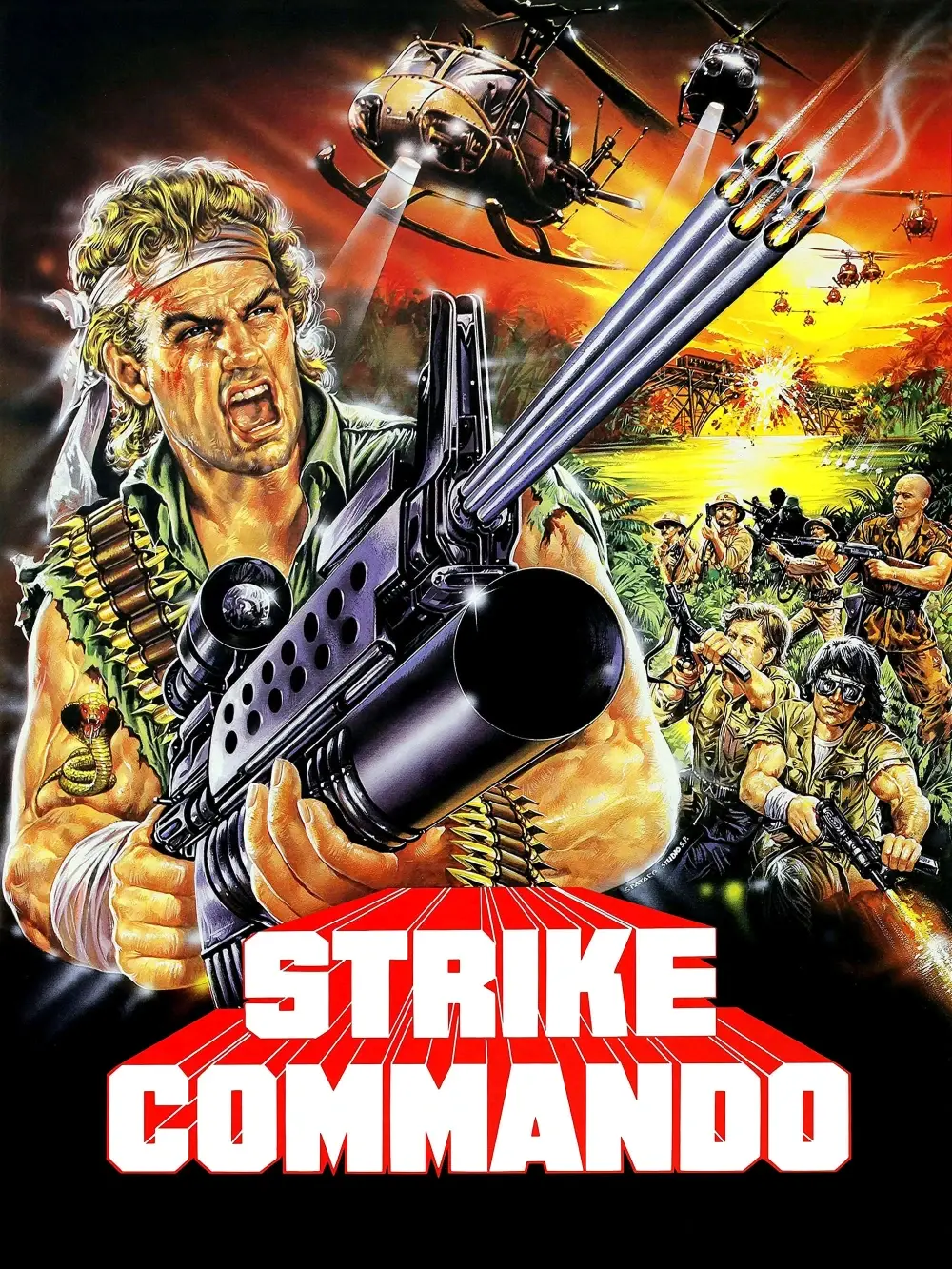
Once upon a time, there was a movie called Space Mutiny that starred one Reb Brown as a yoked fighter pilot named Blast Hardcheese. (Or was it Big McLargeHuge?) But before he saved the Southern Sun, Brown took on the Viet Cong as Sergeant Michael Ransom, an elite commando working behind enemy lines. Or at least he was before his team’s last mission went horribly awry. After being rescued by some villagers — who basically worship him simply because he’s an American — Ransom swears to avenge his buddies and strike back at the Viet Cong. However, they might not be his only enemy out there in the jungle. Strike Commando is an obvious and very awkward Rambo ripoff, but it rides that awkwardness so hard that it becomes something entirely its own. Which, to be perfectly clear, does not mean it’s good. Everything about Strike Commando is hilariously bad, be it Ransom’s endless supply of grenades regardless of his state of (un)dress, Luigi Ceccarelli’s synth-heavy soundtrack (which sounds better-suited for an ’80s “magical girl” anime), the gratuitous amounts of stock footage, or the countless bad guys who exist simply as cannon fodder. (I find no fault, however, with the film’s copious pyrotechnics.) Brown throws himself into his role with considerable gusto, which basically means lots and lots — and lots — of yelling. He also tries really hard to be dramatic as needed. But the film’s dialog is so corny that “dramatic” is an impossibility. At one point, Ransom comforts a dying child who’s been shot by the VC by telling him about all of the popcorn and cotton candy in Disneyland — and it’s the film’s funniest scene.
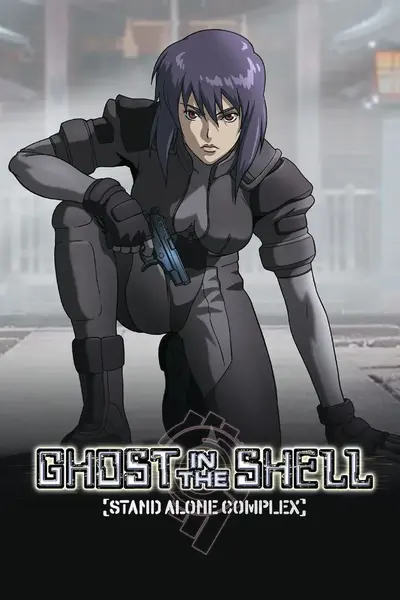
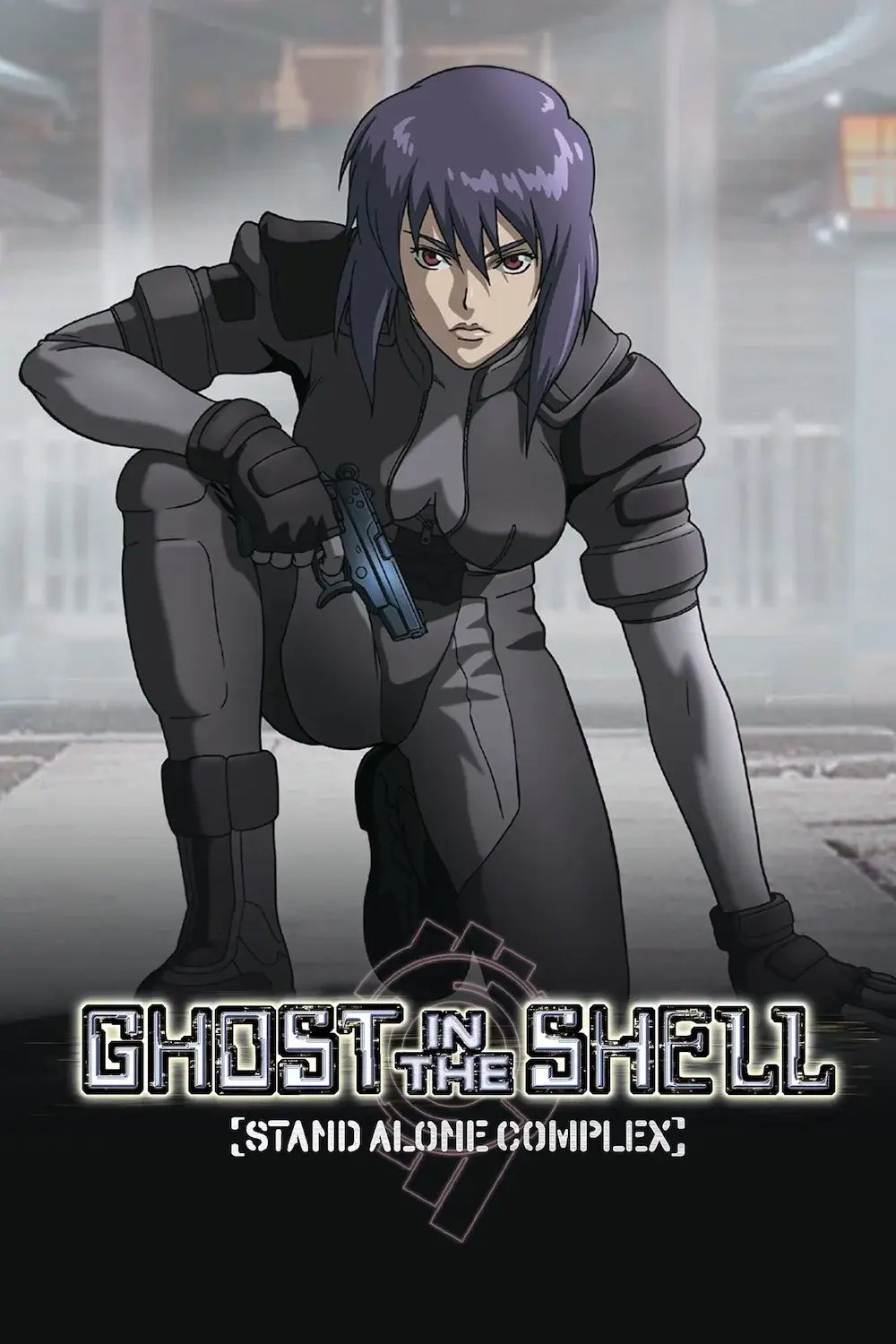
After watching The Ghost in the Shell, the latest entry in the vaunted anime franchise, I felt the urge to rewatch the first season of Stand Alone Complex. The newer title certainly has its pluses (e.g., Science Saru’s vibrant animation), but I ultimately prefer Stand Alone Complex’s slower, more methodical approach to storytelling and world building, which is closer in tone and spirit to Mamoru Oshii’s landmark movie. Nearly 25 years after its release, Stand Alone Complex’s cyberpunk world of augmented humans, virtual reality, AI, and mechs still feels cutting edge, while its storylines about political corruption, corporate malfeasance, law enforcement, and technology’s impact on society could be clipped from today’s headlines. The first season does occasionally get bogged down — a couple of episodes serve no purpose other than exposition and info dumping — and there are some storylines that could’ve been fleshed out a bit more, like the growing intelligence of Section 9’s AI-powered tachikoma mechs. Regardless, Stand Alone Complex’s first season represents a high water mark for serialized anime storytelling, adroitly balancing action, suspense, and, of course, philosophical speculation about technology and human nature. Also, I’d be sorely remiss if I didn’t mention Yoko Kanno’s soundtrack, and in particular, opening theme “Inner Universe,” which features the soaring vocals of Russian singer Origa (RIP).
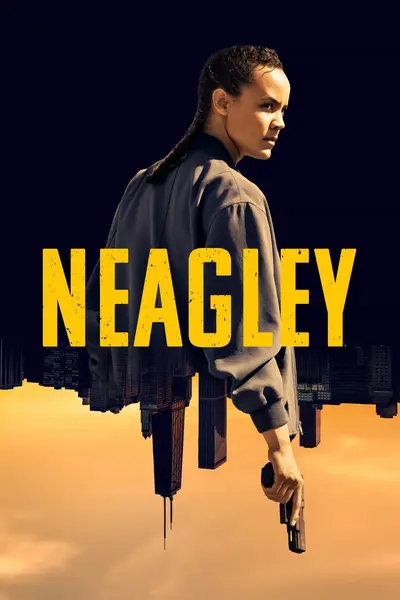
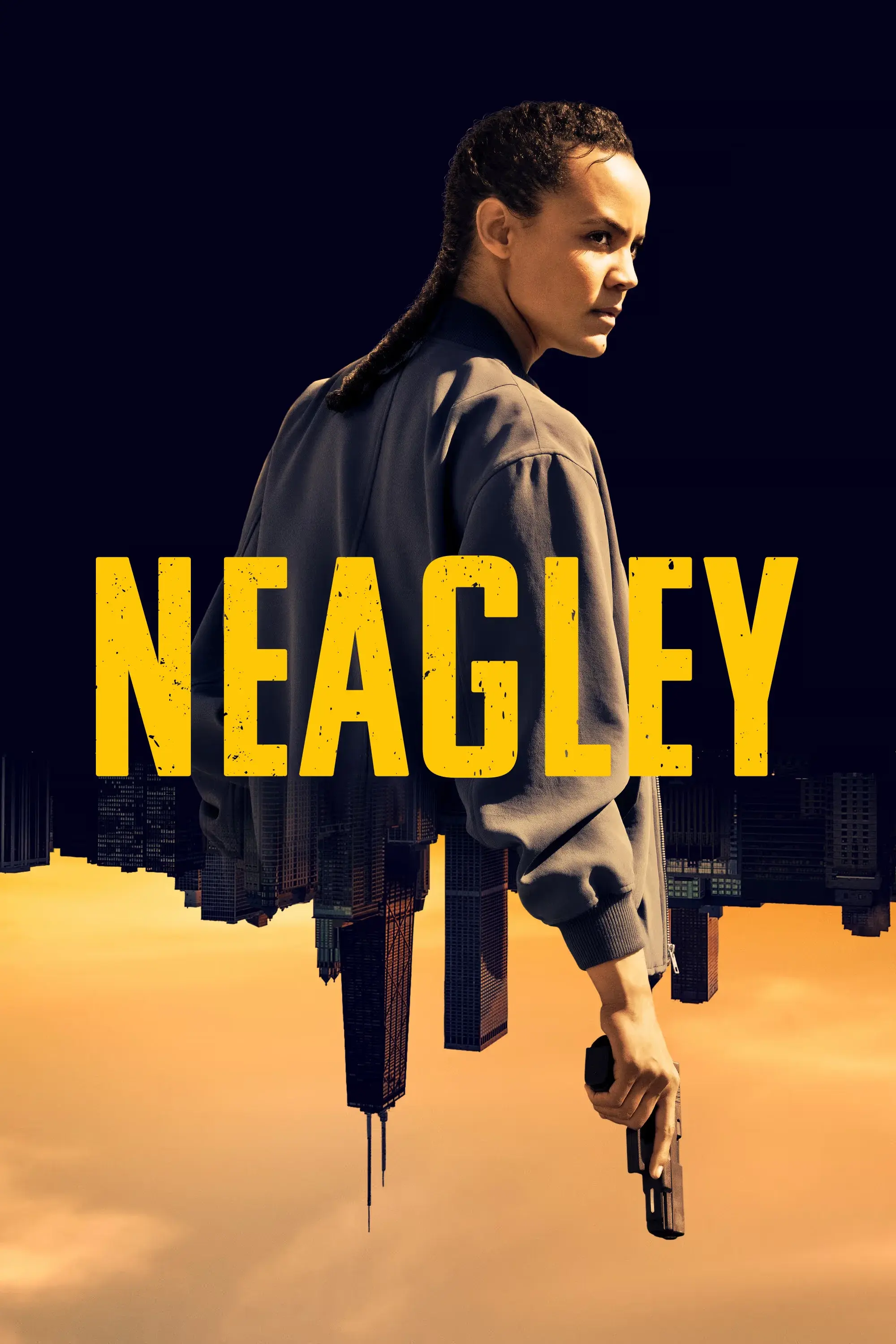
As you’d expect from a Reacher spin-off, Neagley — which focuses on Reacher’s closest confidant — is filled with bad guys getting punched in the face. And shot. And smacked with a baton. And so on. But it also goes some places that I wasn’t necessarily expecting. When Frances Neagley’s childhood friend walks into an oncoming train, everyone chalks it up to an overdose. But the former M.P. turned P.I. isn’t buying that, and her own investigation soon has her matching wits — and fists — with a cult, pharmaceutical CEOs, assassins, and crooked cops. And if all that wasn’t enough, she must also confront a secret from her own past, one that could tear her family apart. Make no mistake, Neagley is consistently entertaining. But it does pile on the twists and conspiracies, and as a result, can feel a bit top-heavy for just a mere eight episodes. Specifically, the subplot of Neagley dealing with her childhood trauma and haphephobia (i.e., intense fear of being touched) sometimes feels a bit tacked on and superfluous. That said, I appreciate the series’ attempt to give the normally unflappable Neagley her own struggles, and lead actress Maria Sten acquits herself well. Which makes it all the more satisfying when she smacks down a smug CEO or charismatic cult leader. Neagley’s first season is pretty self-contained, such that if it’s not renewed, you won’t feel cheated. And maybe it’s too similar to Reacher to be renewed. But suffice to say, I’ll check out season two if and when it’s released.
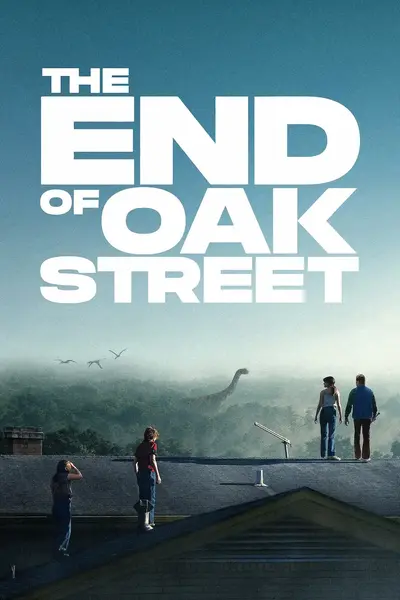
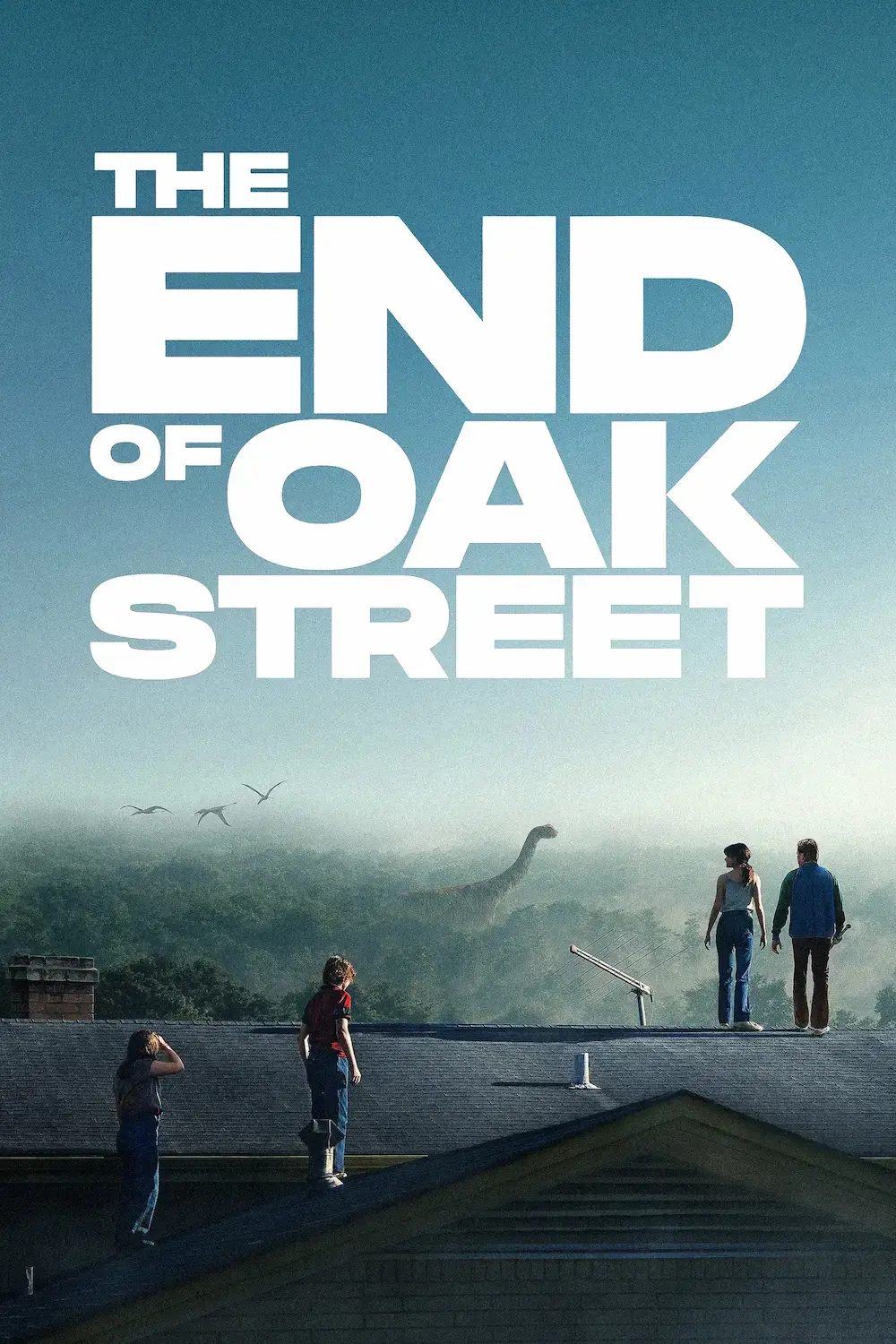
The Platts — Greg and Denise, and their kids Audrey and Brian — are a picture-perfect American family living in a picture-perfect neighborhood. But the cracks are beginning to show: Greg is constantly dipping out to work odd hours while Denise, an aspiring novelist, feels smothered in suburbia, and their kids have their own difficulties. The Platts’ strife is only made worse when their entire neighborhood is somehow transported back in time hundreds of millions of years, and their picture-perfect neighborhood becomes overrun with dinosaurs. The fun of bizarre survival movies like The End of Oak Street is that they let you ask yourself, “What would I do if my neighborhood was suddenly transported back to dinosaur times?” I’d like to think that I’d do a fair sight better than the Platts, who consistently prove their lack of situational awareness. Which is perhaps a metaphor for why their marriage is crumbling, but that might be giving the script too much credit. In hindsight, I probably should’ve been cheering for the dinosaurs to eat the bickering family. The End of Oak Street is set in 1982, so naturally, writer/director David Robert Mitchell seeks to employ Spielberg’s aesthetic, including a series of increasingly gratuitous split diopter shots. But the film has no fun or sense of wonder, just scene after scene of annoying suburbanites doing really dumb things and somehow surviving. (To be fair, there is one scene where the Platts watch two dinosaurs do it doggy-style against a neighbor’s house, but that’s neither fun nor all that wonderful. You might feel differently, though.)
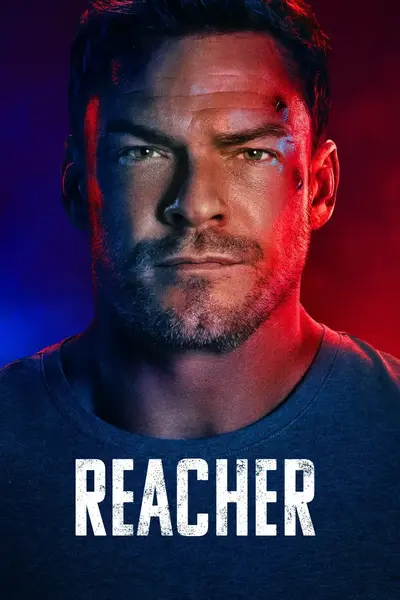
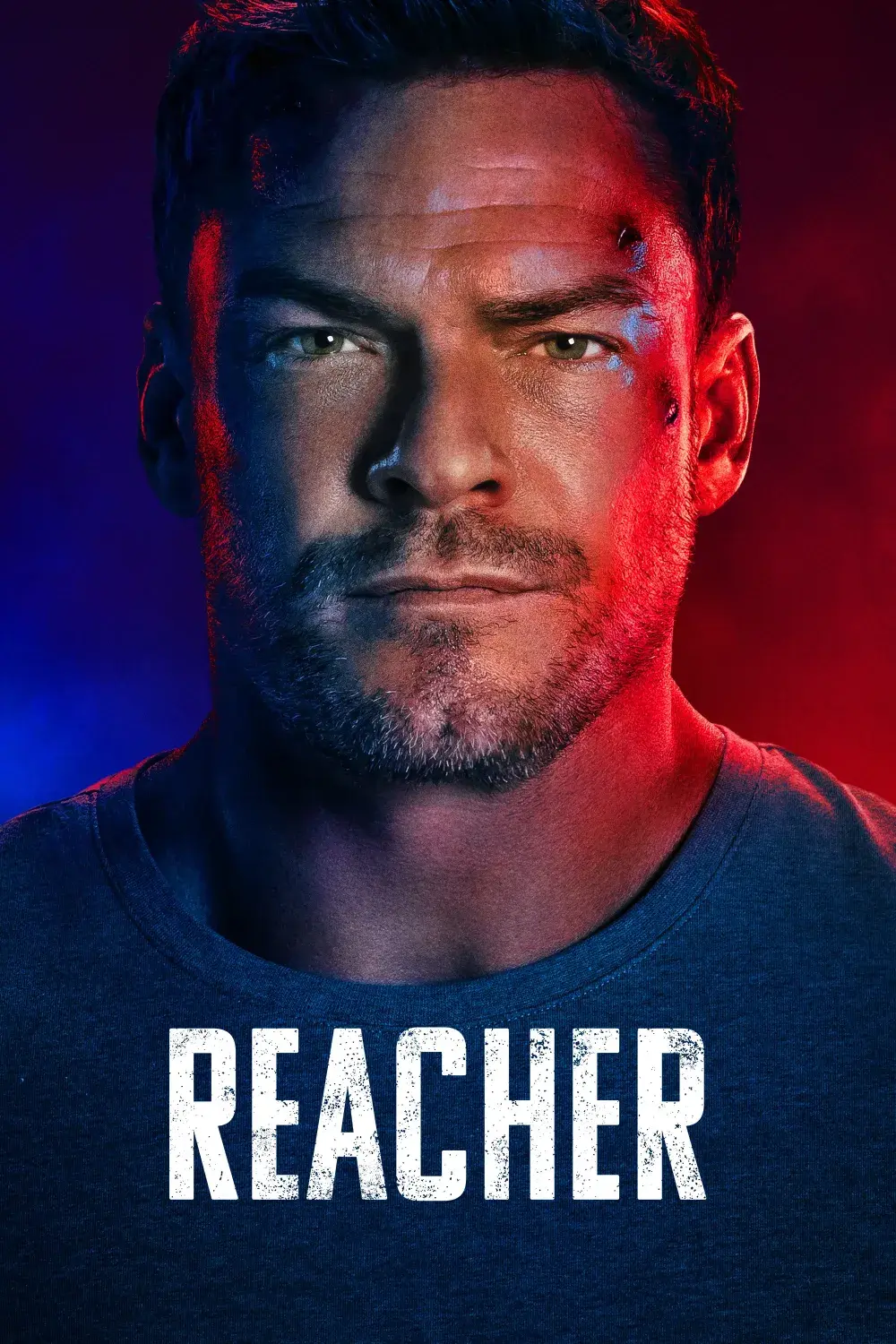
Arguably the most enjoyable season of Reacher since its premier, season four fully embraced Reacher’s ’80s action hero-ness, complete with one-liners and dialog that had me chuckling and pressing “Rewind.” This time around, Reacher’s in Philadelphia, where he sees a woman commit suicide on the subway. Before too long, he’s mixed up with a couple of thugs, an American Congressman, the CIA, a disgraced detective and a small-town cop, and a pair of mysterious women from Indonesia. The twists and turns come at a pretty rapid pace, but not so rapid that you can’t enjoy watching Reacher knock heads and trade quips with shady government agents. Reacher currently ranks as one of Prime Video’s most popular titles, and if future seasons — the show’s already been renewed for a fifth — are this enjoyable, then it’s not going to lose that status any time soon.

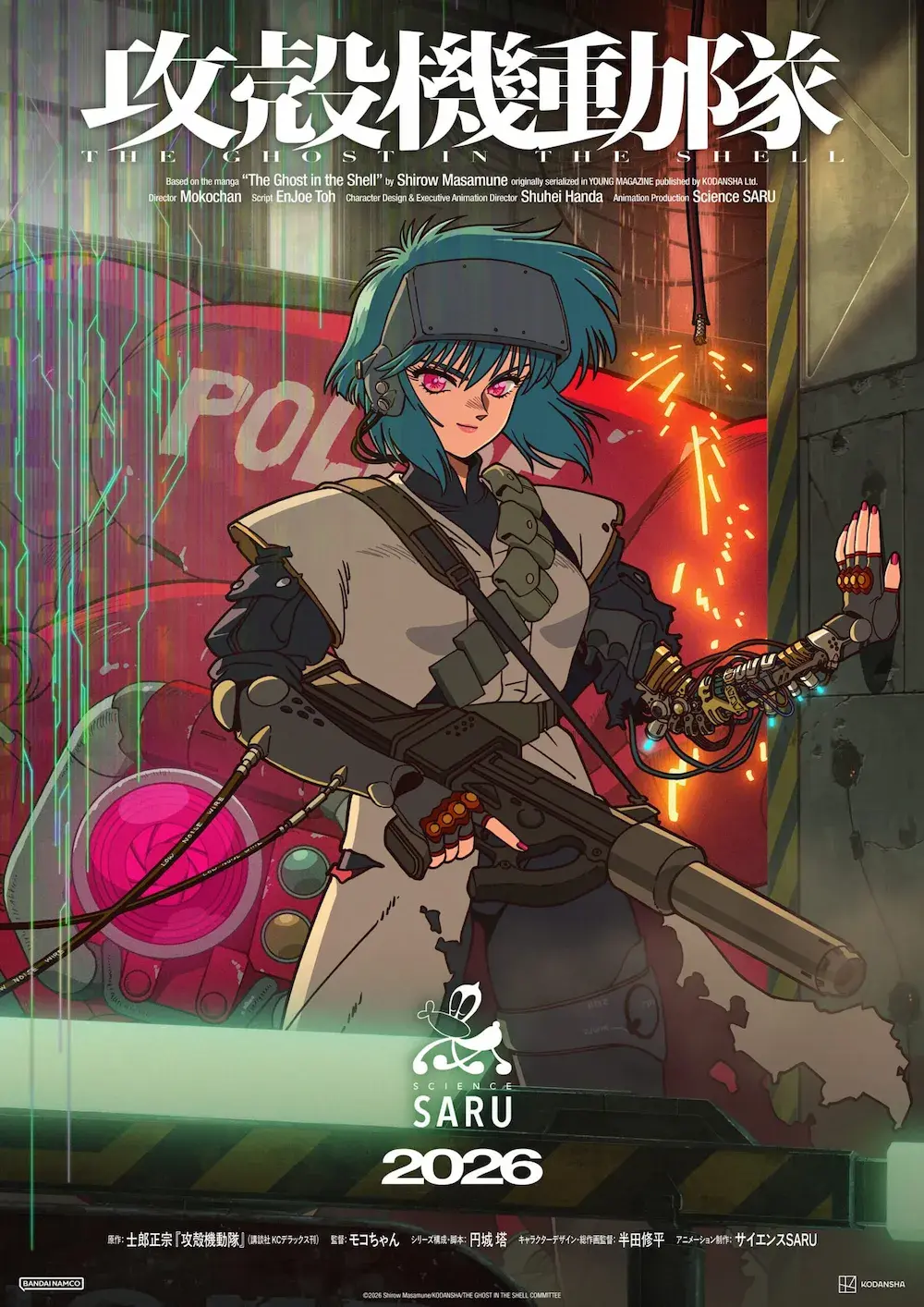
Over the years, the Ghost in the Shell anime franchise has become well-known for its serious, moody, and philosophical approach to cyberpunk, complete with political conspiracies and existential dilemmas. Thus, Science Saru’s new series will almost certainly throw many viewers for a loop. Hewing more closely to Masamune Shirow’s original manga, The Ghost in the Shell is raucous, riotous, and even a little unhinged. If you didn’t know better, you might even think it’s a parody. The basic storyline remains similar to the franchise’s other titles, though: the heavily cyberized Motoko Kusanagi leads Public Security Section 9, an elite and covert law enforcement agency tasked with protecting Japan from terrorists and cybercrime. But Section 9’s unorthodox tactics often get them in trouble with their superiors, as does Kusanagi’s rebellious streak, which could prove their undoing when a powerful new hacker makes their presence known. There’s no denying The Ghost in the Shell possesses a vibe unlike any other Ghost in the Shell title thanks to Science Saru’s vivid and often exaggerated animation. But it’s hamstrung by an overly stuffed storyline and uneven tone. Granted, Ghost in the Shell titles have always been a bit convoluted, but The Ghost in the Shell feels doubly so due to the producers’ decision to cram as many storylines as possible into just ten episodes, all while hopping back and forth between serious drama, philosophical mumbo-jumbo, and zany antics with wild abandon.
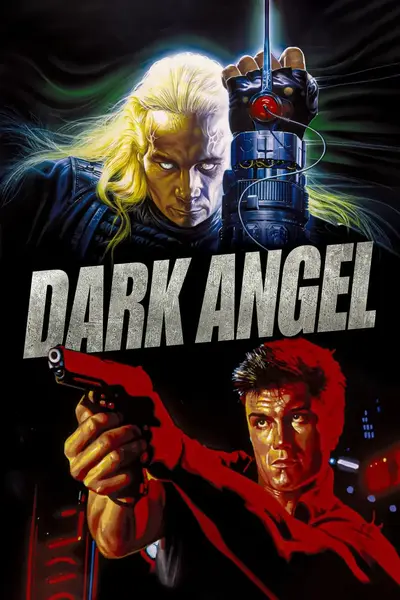
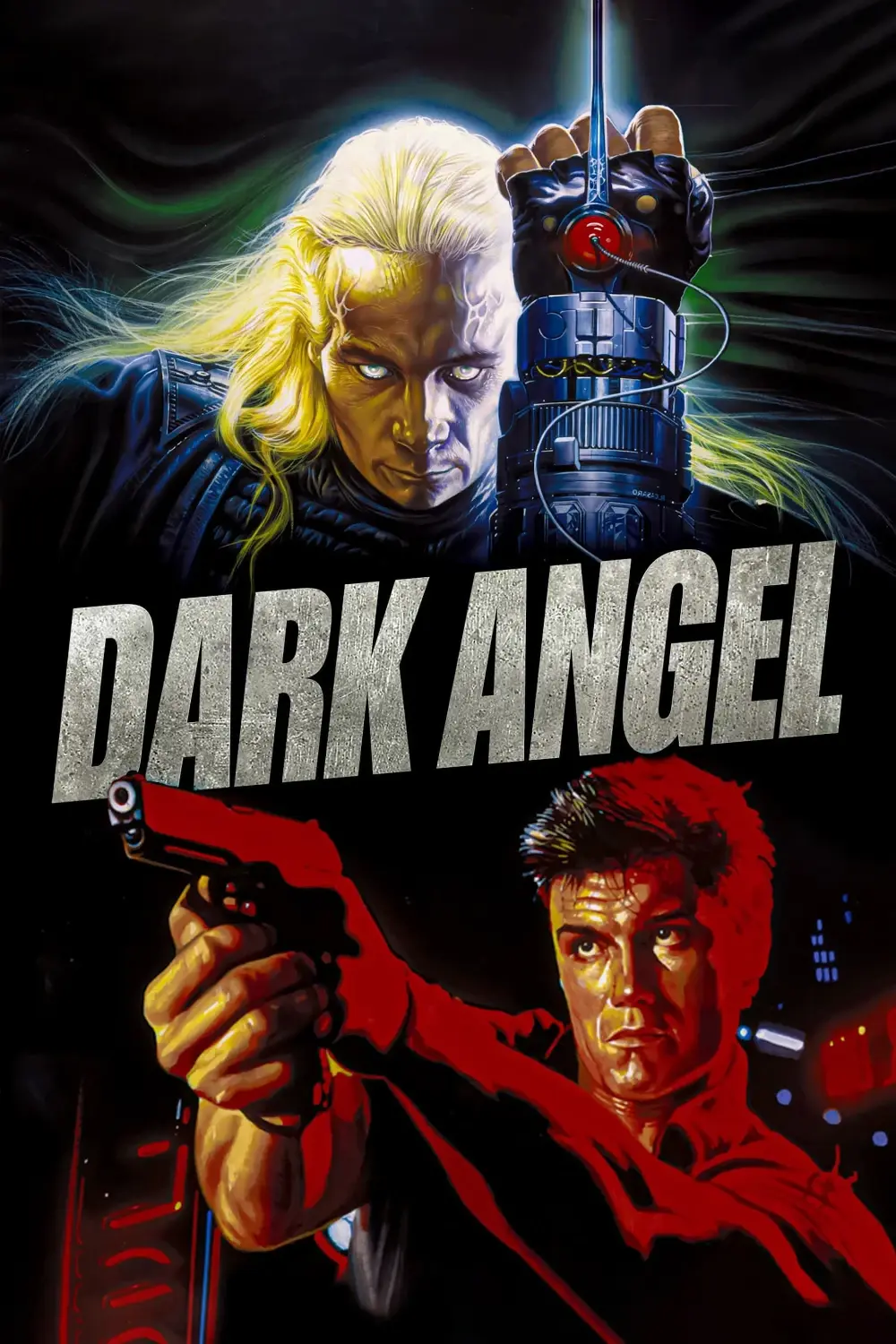
Plenty of classic lines emerged from ’80s action movies. “Go ahead, make my day.” “I’ll be back.” “You’re a disease, and I’m the cure.” I’m not sure that “And you go in pieces, asshole” belongs on that list, but it’s not for lack of trying. Jack Caine (Dolph Lundgren) is a Houston detective trying to shut down a gang of yuppie drug dealers called the White Boys. After his partner is killed in a drug bust gone bad, Caine is subsequently paired with a stick-in-the-mud FBI agent who mocks Caine’s unorthodox — and unconstitutional — approach to law enforcement. But when an alien arrives in the city and begins a killing spree, Caine’s unorthodox approach may be all that can save them. Dark Angel, also known as I Come In Peace, came out two months before Predator 2, but there are some definite similarities, along with some buddy cop dynamics that really want to be like Lethal Weapon. Dark Angel is fun in places like any slice of ’90s action cheese; at times, it feels more like an excuse for the pyrotechnics team to go wild than anything else. (Which isn’t too surprising given that director Baxley got his start as a stuntman.) However, the alien stuff feels like it belongs in a totally different movie. I found myself wishing that Dark Angel had just amped up the ridiculous White Boys storyline, if only so I could watch Lundgren roundhouse kick an army of smug yuppie bastards in the face.
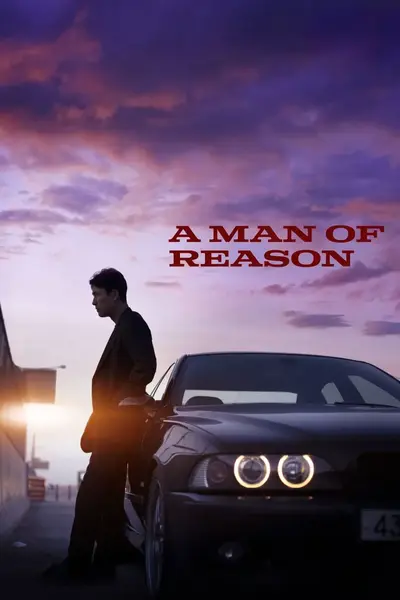
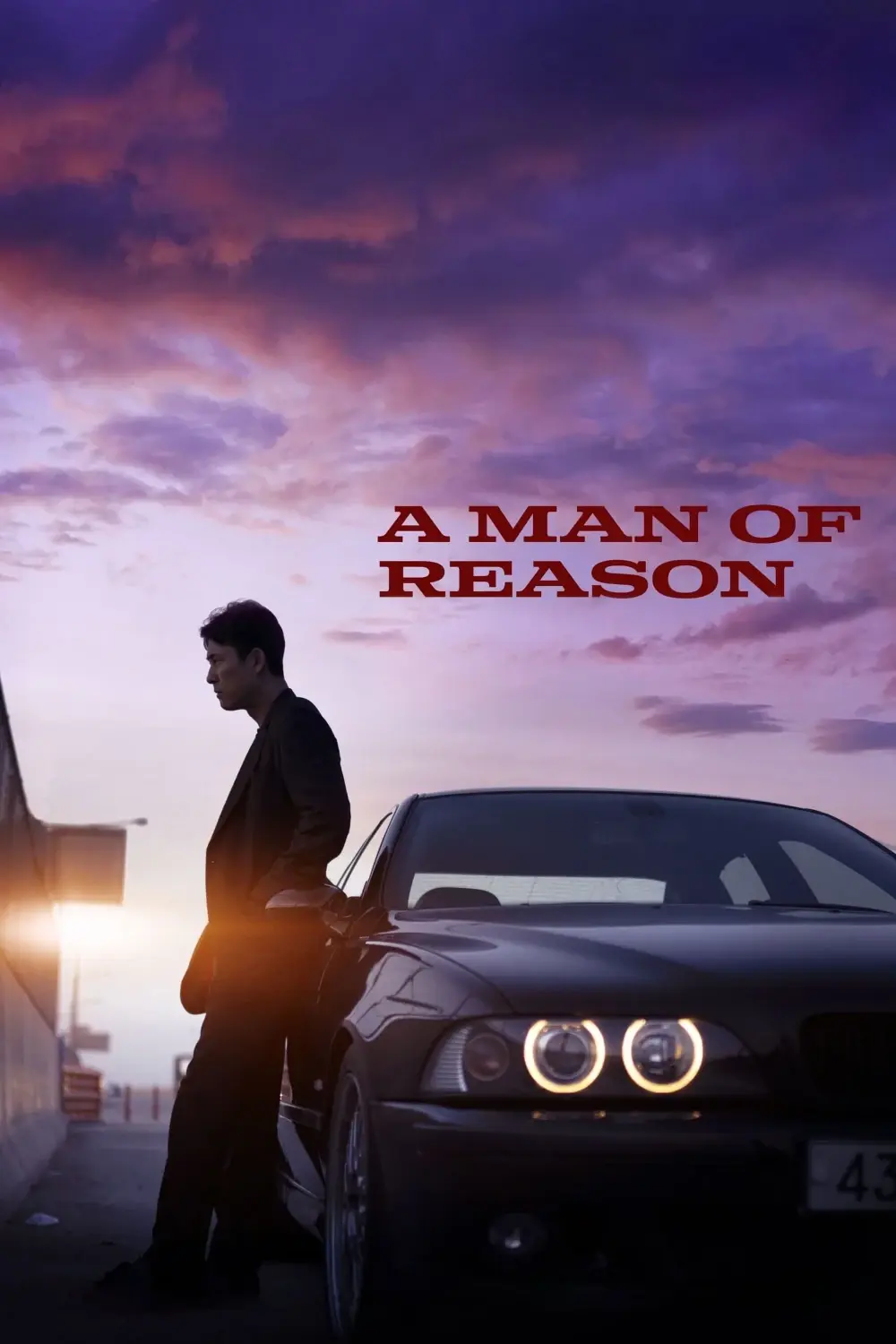
After serving ten years in prison, Soo-hyeok is determined to turn over a new leaf and lead a normal life, and even more so after he discovers that he has a daughter. But — and I know this will come as a shock — his former gang isn’t quite so ready to let him go. And if he’s not going to work for them, well, I think you can finish that sentence. Like many genre films, you can basically see where A Man of Reason is going within the first five minutes. Director Jung Woo-sung, who also co-wrote the film and stars as Soo-hyeok, does try to inject a little something extra with the inclusion of a pair of unhinged assassins hired to take out Soo-hyeok, but their antics are more annoying than dangerous. Even so, there’s still a thrill in watching Soo-hyeok take down one goon after another, whether he’s using his fists, a nailgun, or even his car. The film’s slick, glossy look, which I’ve come to expect from Korean thrillers (see also 2020’s Night in Paradise), also makes Soo-hyeok’s quest eminently watchable, even if the story doesn’t feel all that original.
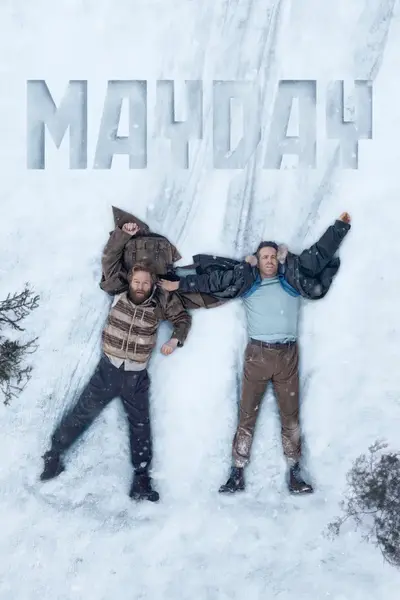
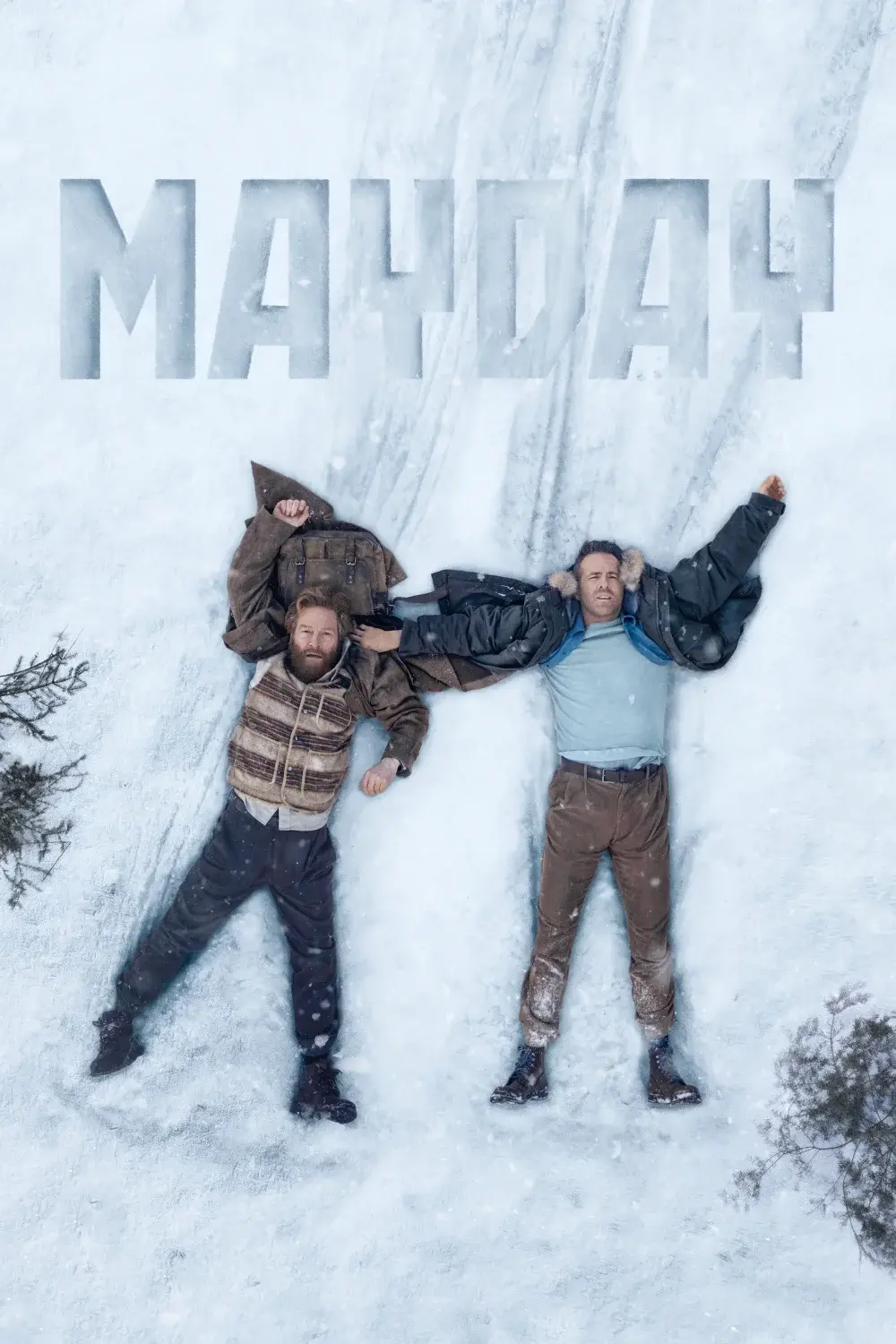
We all know by now what we’re getting with a Ryan Reynolds film: quips, sarcasm, and lots of general smart-assery. Sometimes, as in the case of 2021’s Free Guy, that ends up being better than it has any right to be. But other times, Reynolds’ shtick gets real old, real fast (see 2024’s Deadpool & Wolverine). Thankfully, Mayday leans closer to the former. In 1987, at the height of the Cold War, Lt. Troy Kelly is assigned to fly a top-secret spy mission over Russia in an SR-71 Blackbird. But when the mission goes awry and he’s shot down, Kelly’s only hope for survival is Nikolai Ustinov, who — luckily for our lieutenant — loves American culture. Much of the film’s fun comes from Reynolds’ cocky fighter pilot playing off Ustinov, a former KGB agent played drolly by Kenneth Branagh. There are the requisite moments when our two heroes learn a bit more about each other’s side: Kelly discovers that Russians are far from the Evil Empire that he’s been told, while Ustinov realizes that America isn’t quite all it’s cracked up to be. The movie is too invested in the jokes and quips to explore such themes too deeply. However, I do confess that Kelly’s line about standing up to your country in order to stand up for it cuts to the quick in light of everything America has become thanks to Trump and MAGA. In fact, it almost felt subversive, and the fact that Reynolds is, in fact, Canadian, only adds to the line’s subversiveness. Which was more than I expected from this Apple Original.

The shadow of 9/11 looms large over Terry Hayes’ debut novel, in which a covert agent — the greatest agent of all time, even, we’re told — is pulled back into service to hunt down a terrorist no one has ever seen. At the same time, he gets pulled into the investigation of a brutally perfect murder in post-9/11 New York, a murder that was committed using the very same techniques he once wrote about. Hayes’ background as a journalist is readily apparent; I Am Pilgrim is filled with detail as our agent, the titular “Pilgrim,” jaunts from New York to Turkey to Saudi Arabia in his pursuit. But Hayes can’t resist piling on the twists and turns, including another murder mystery as well as the various ghosts and demons from Pilgrim’s past and upbringing. As such, the novel becomes unwieldy and even ridiculous at times, and there were moments — such as when Pilgrim describes the sexual prowess of one of his alter egos, or when Hayes belabors the moral ambiguity inherent to espionage — when I was sorely tempted to stop reading altogether. In those moments, the novel felt more akin to juvenile wish fulfillment than a mature and bracing spy thriller. Still, in the end, I was pretty consistently entertained even as it felt like I Am Pilgrim had a fair amount of fat that could’ve been trimmed.
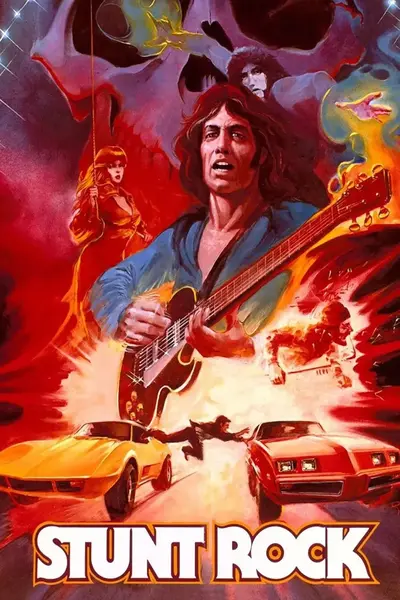
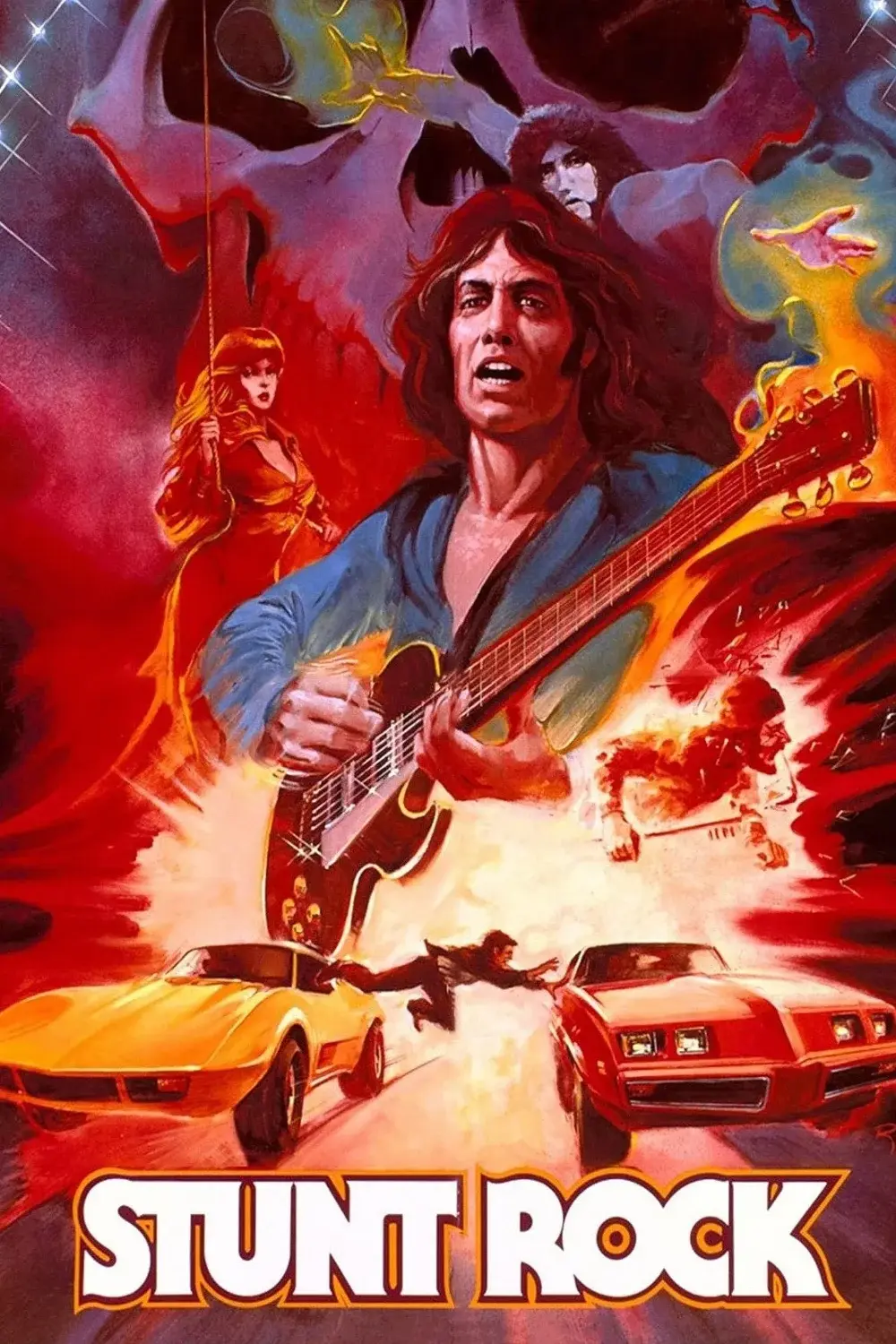
A 90-minute film in which the legendary Australian stuntman Grant Page sets himself on fire, jumps off insanely high places, launches himself through car windows, and pulls off other crazy stunts while expounding on his philosophy of stunt work? Yes and please. However, at least half of Stunt Rock is devoted to performances of the hard rock band Sorcery, a sort of Spinal Tap meets Led Zeppelin outfit who incorporates theatrical effects and stage magic into their concerts. (Fun fact: Director Trenchard-Smith was close to getting Foreigner in his film, but their touring obligations prevented that from happening.) Page is quite charming, especially when he dismisses the risks of rappelling down a cliff while on fire or casually does a high-wire act in the middle of the day. The behind-the-scenes look at his film-within-a-film turns Stunt Rock into something of a mockumentary, replete with a shady agent and a callous director who only cares about getting the shot, and a stuntman’s safety be damned. But the Sorcery sequences wear thin pretty quickly, and feel like they’re from an entirely different film. That said, it was amusing to watch entire families rock out to a band that sings of virgin sacrifices and the age-old battle between Merlin and Satan.
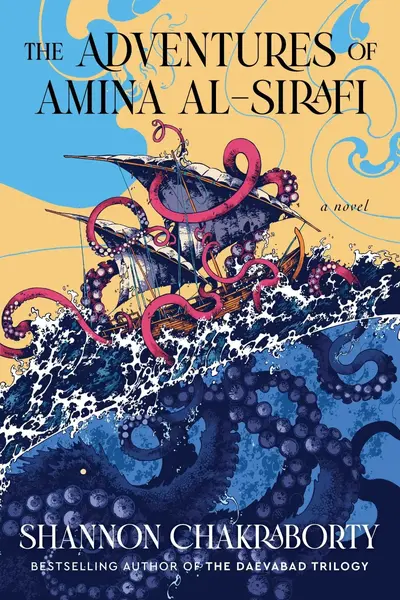
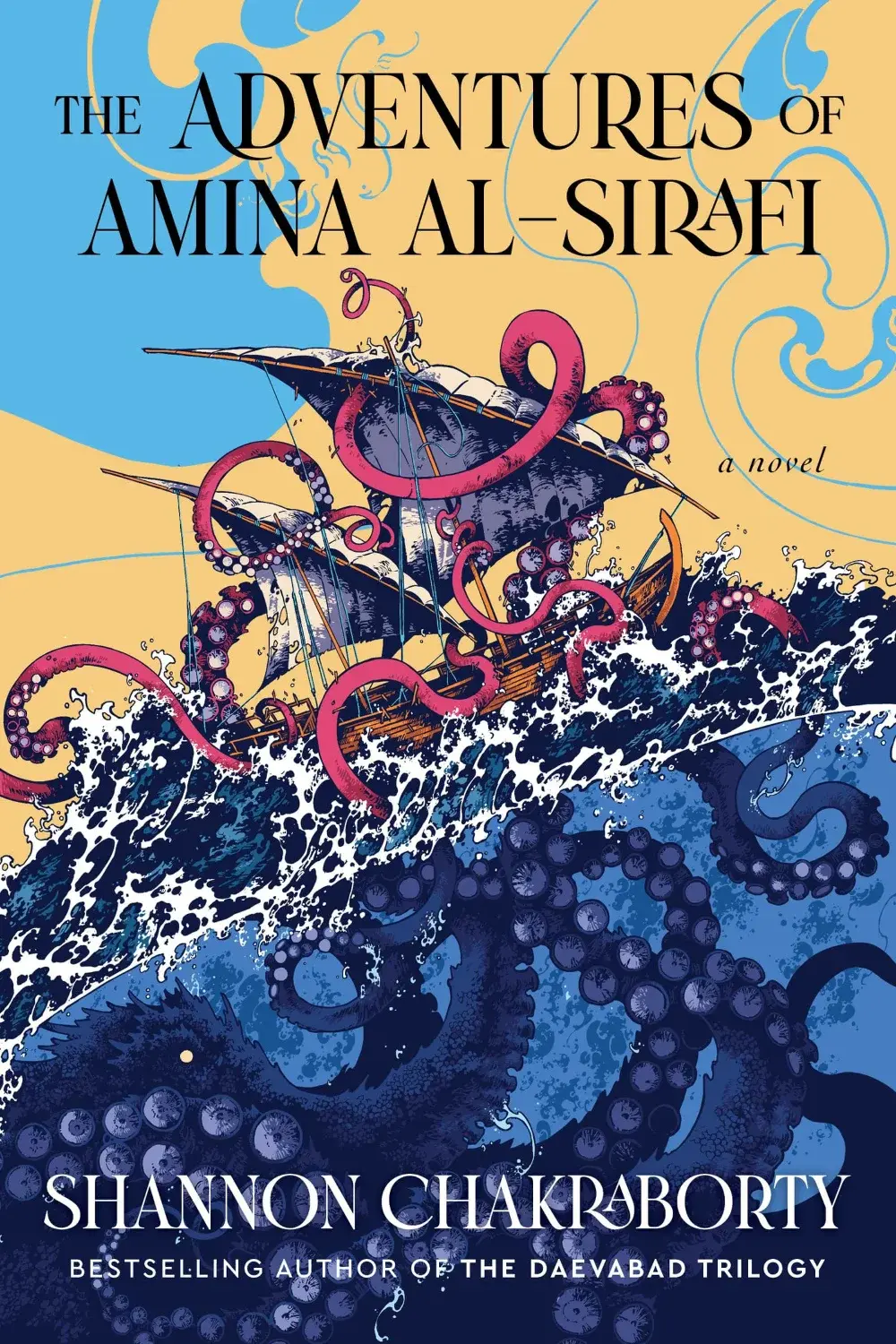
My wife loves lady pirates, heists, and stories in which someone who’s retired is forced to do One Last Job. The Adventures of Amina al-Sirafi combines all three, and does so in a fantastical world pulled from Middle-Eastern history and legend. That’s nothing new for S. A. Chakraborty, who burst onto the scene several years back with the Daevabad trilogy, which began with 2017’s wonderful City of Brass. Once an infamous pirate and smuggler, Amina al-Sirafi now just wants to live a quiet life with her daughter. But when the mother of a former associate and crew mate tracks her down and makes her an offer that’s simply too good to refuse, Amina heads back out onto the high seas, where she’s soon caught up in a world of myth and sorcery. And if that wasn’t enough, there’s also the matter of her demonic ex-husband. The Adventures of Amina al-Sirafi is a fun romp that mixes in some observations about race, class, and gender without ever becoming preachy or, more importantly, distracting from the high seas adventure. As I noted with The City of Brass, the Middle-Eastern elements and inspirations were a consistently nice change of pace from most fantasy, which tends to be Western and European in its origins. A sequel, titled The Tapestry of Fate, was just released, which I intend to read… once my wife’s finished with it, of course.