My Cultural Diet (July 2026): Halo, The Odyssey, Evangelion, House, Escape from New York

In order to better track my various cultural experiences (e.g., movies, TV shows, books, restaurants), I’ve created the Cultural Diet. Think of it as my own personal Goodreads, Letterboxd, and Yelp, all rolled into one (more info here). Every month, I recap everything that I watched, read, etc., in the previous month.

Given my love for Halo’s world and mythology, buying Halo: Campaign Evolved was a total no-brainer. It’s pretty much what it says on the tin, though, an “evolved” version of the original Halo: Combat Evolved campaign from 2001 built with Unreal Engine 5. Which means there’s nothing fundamentally new here, shiny graphics and reworked levels aside. (“The Library,” for instance, is no longer quite so tedious or annoying.) And in some ways, that’s enough. There’s a reason why the first Halo game is so fun and iconic, and to their credit, Halo Studios don’t really try to fix anything that wasn’t broken. (Although I do wish that some of the character designs, like Cortana’s, had received a few more rounds of polish.) But even with all of the reworked graphics and visual updates, it’s hard not to feel like the entire thing is a bit superfluous and unnecessary, like it was an extended tech demo made simply to prove that Halo can, indeed, run on Unreal. I don’t want to come off like I’m damning Halo: Campaign Evolved with faint praise, because let’s be honest: if Halo Studios releases similarly “evolved” versions of Halo 2 and Halo 3, I will almost certainly buy those, too. But if you already own the Master Chief Collection, which gave Halo: Combat Evolved a glow-up all the way back in 2014, and you don’t care about the novelty of playing Halo on a PlayStation, then this is far from a must-have.
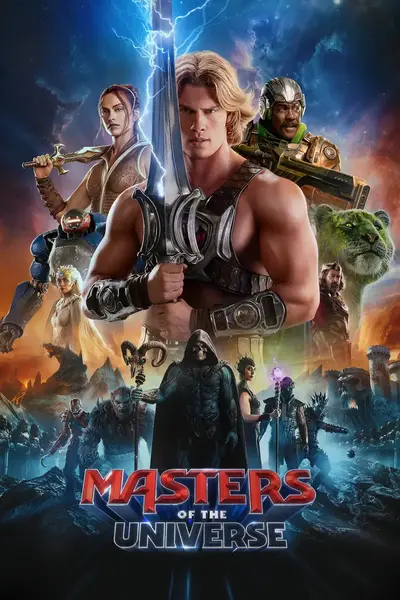
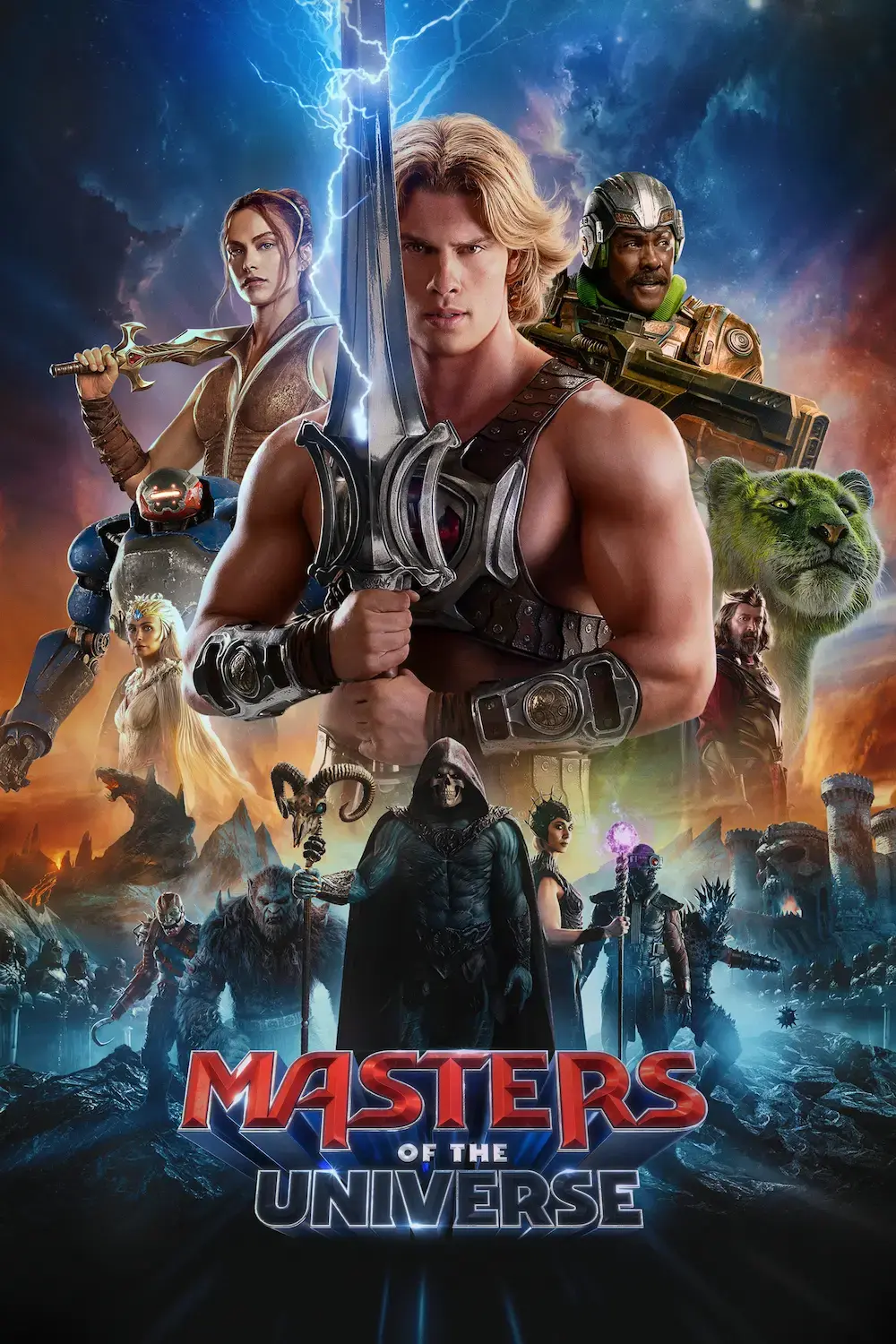
I was about two-thirds of the way through Masters of the Universe when my wife got home and asked how it was. “It is what it is,” I replied, and I stand by that. It’s precisely what you’d expect from a big-budget adaptation of the classic He-Man cartoon and toy line, for better or worse. To their credit, director Travis Knight and his cast and crew never shy away from the inherent silliness of their film’s subject matter. They fully embrace the memes (hence Four Non Blondes on the soundtrack), the colorful synthwave-y visuals, the feathered hair, and even the goofy homoeroticism (like Skeletor’s obsession with He-Man’s big, long sword). I’d much rather see that approach instead of any reductionistic effort to make He-Man “gritty” or “realistic,” and it had me chuckling throughout the film. At the same time, there’s just not a lot of there there. When the story requires Masters of the Universe to set aside the jokes and attempt something a bit more serious, like an actual sincere moment between characters, that’s when the film starts to flounder, as if it doesn’t quite know what to do with itself. And that’s to say nothing of the stuff the film just sort of hand-waves away so it can get back to the flashy, CGI-powered action (which, to be fair, looks pretty great).
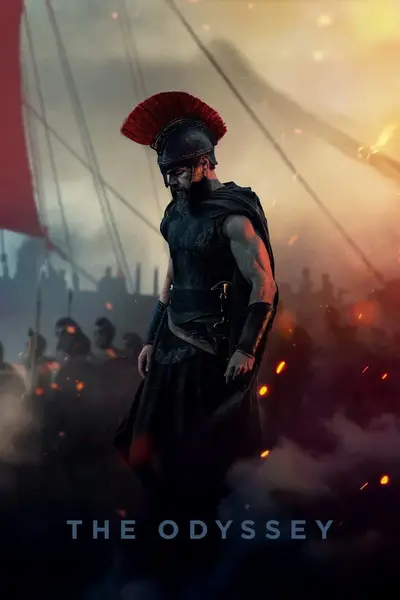
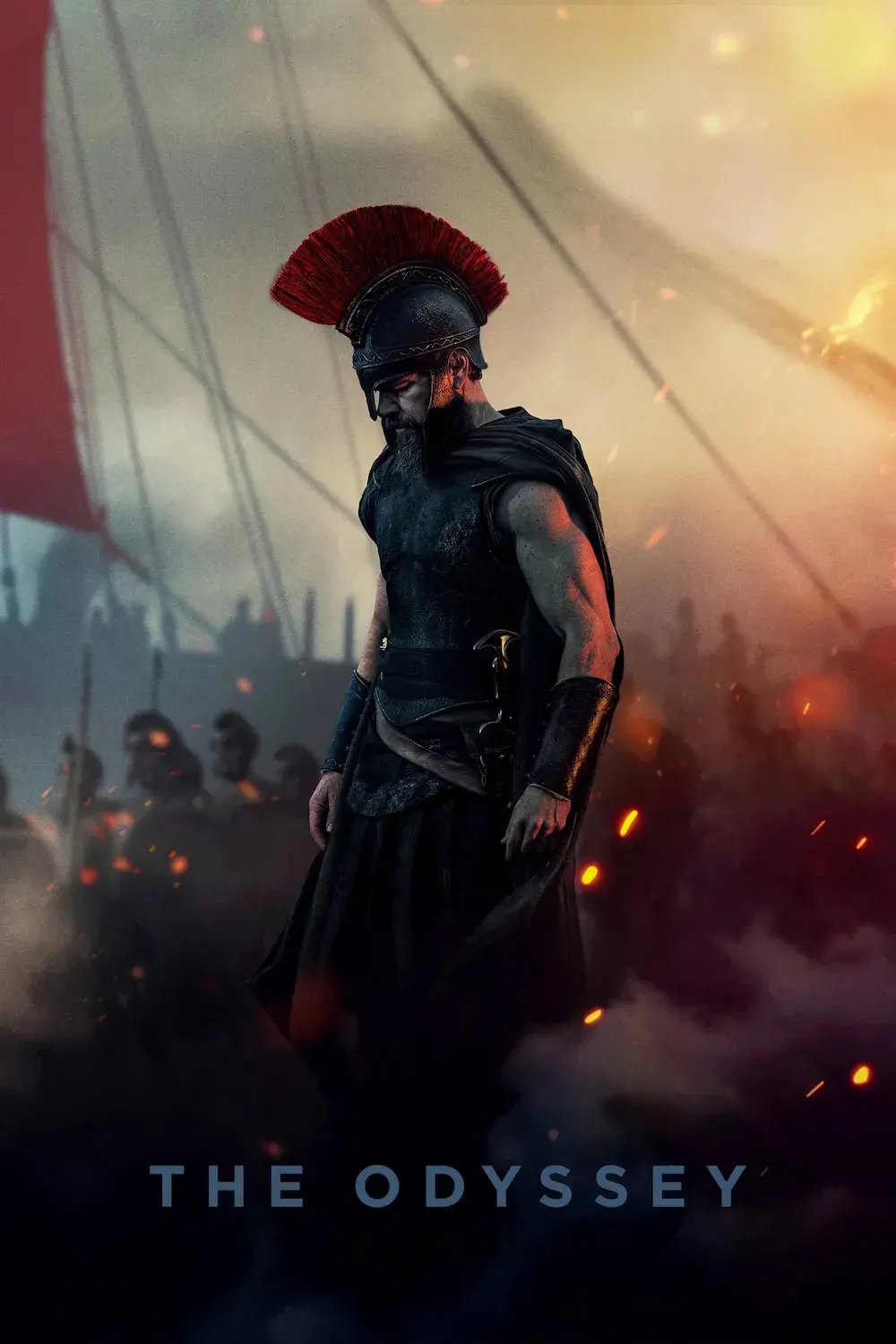
At this point, a Christopher Nolan film is an Event. And understandably so. Following the success of his “Dark Knight” trilogy, Nolan basically has carte blanche to do whatever he wants, and thankfully, he’s chosen to pursue ambitious, high-concept films with ensemble casts and the highest of production values (e.g., Inception, Tenet). His adaptation of Homer’s epic saga is no different, and for the most part, it’s perfectly fine. I was never not engaged by Nolan’s retelling, but ironically, I find it easier to point out the things I didn’t like so much about the film. The clunky dialog that occasionally confused the portentous for the profound. The herky-jerky editing, especially during the climactic assault on Troy. The sometimes questionable casting choices. (I like Matt Damon a lot, but his Odysseus often felt flat, even when he was lamenting the horrors of war.) As I type all of that, though, it feels like nitpicking, as there’s no denying the sense of ambition here, from the striking visuals (e.g., Odysseus’s journey into Hades) to Ludwig Göransson’s intense, otherworldly score. And I’d much rather seem ambition on the screen than the alternative. Unlike many big budget Hollywood films, Nolan’s films often call me back for multiple viewings — I felt compelled to watch Tenet 3 – 4 times, and now consider it my favorite Nolan film — so I’m curious to see if and how The Odyssey might further unfold after another viewing.
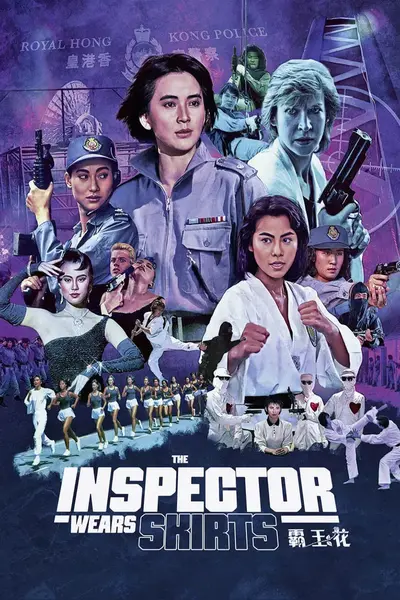
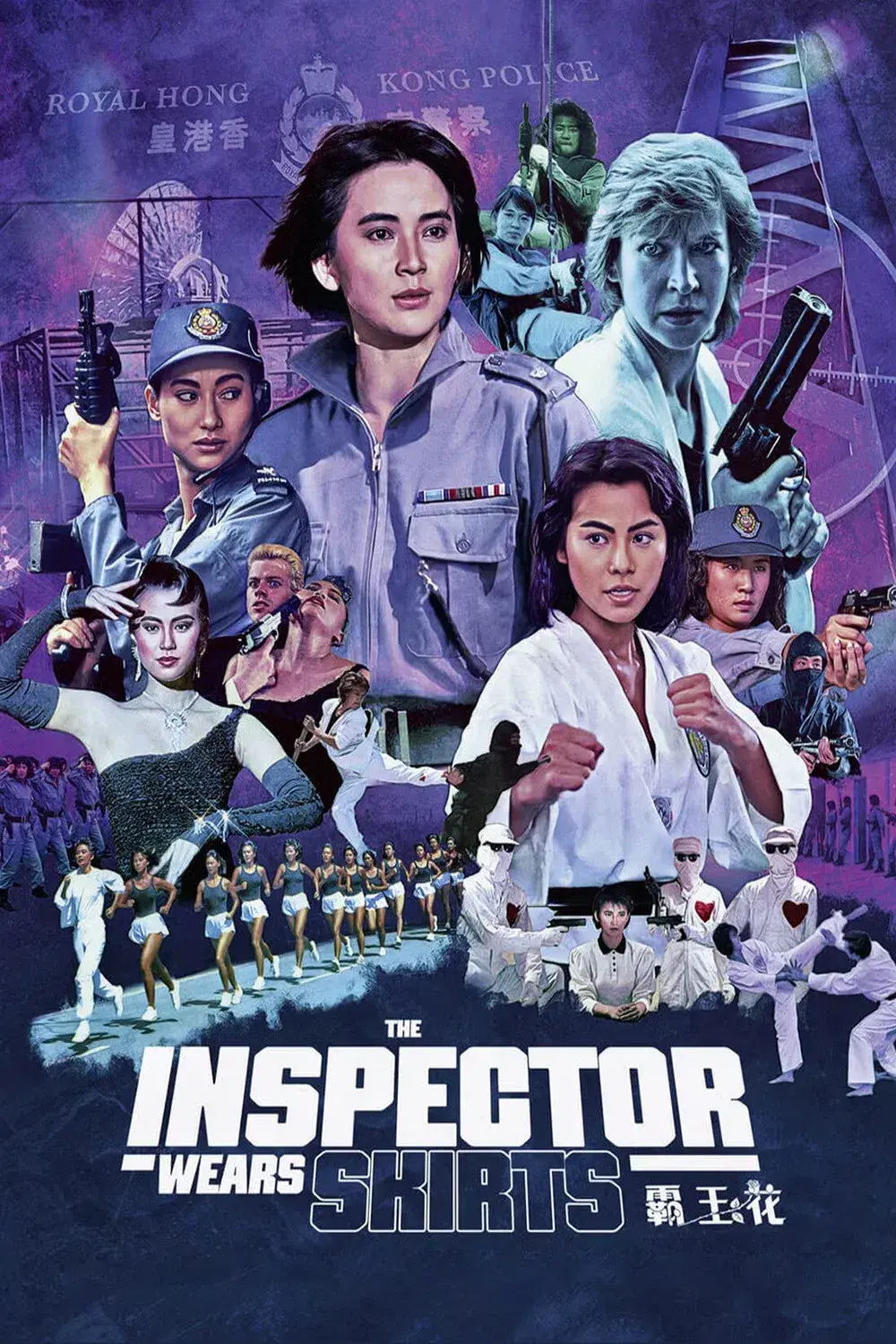
Following an international incident involving an Arab sheikh and his wife, the Hong Kong police department decide to establish a crack all-female commando squad. The squad’s training is brutal and exacting, especially when Cynthia Rothrock (Undefeatable) steps onto the screen, but don’t expect anything too gritty from The Inspector Wears Skirts. After all, the film, which begat several sequels, was essentially Hong Kong’s response to the Police Academy franchise. Which means that a good deal of The Inspector Wears Skirts is taken up with various shenanigans as the trainees deal with the chauvinism and unwanted advances of their male counterparts as well as their own internal rivalries. Sometimes this works in a slapstick sort of way, and other times — like the roller rink musical number — it just doesn’t. What ultimately saves The Inspector Wears Skirts, though, is its absolutely gonzo action sequences, which rival anything you’ll see in a classic Jackie Chan film and thanks to some occasional squib work, even venture into John Woo territory. (Not surprisingly, Chan was one of the film’s producers.) Indeed, The Inspector Wears Skirts landed in my Tubi queue because of an article by Jordan Elyse Crucchiola extolling the virtues of one fight scene in particular. Multiple scenes had me chortling with glee, however, and I rewound several of them more than once so that I could more fully appreciate their insanity.

Aliens and Steven Spielberg go together like chocolate and peanut butter. Close Encounters of the Third Kind. E.T. the Extra-Terrestrial. War of the Worlds. Even Indiana Jones and the Kingdom of the Crystal Skull. So Disclosure Day should be a walk in the park for the director, right? After all, it tackles some pretty big themes, like the effect that definitive proof of extraterrestrial life might have on human civilization. Unfortunately, Disclosure Day takes that high-concept premise and doesn’t really deliver on it. To be sure, it’s filled with bravura filmmaking; even though he’s pushing 80, Spielberg remains a master behind the camera. And John Williams’ score features his usual brilliance. But Disclosure Day’s story is half-baked, bringing up interesting points like it’s just checking them off a list and never really delving into them. (For example, it merely pays lip service to the challenges that alien life might pose for the world’s religions.) What’s more, the pacing feels off from the opening scene and it never really rights itself or develops a sense of momentum, which is ironic given that much of Disclosure Day is comprised of people chasing other people. I can see the ambition behind Disclosure Day, but overall, it’s a surprisingly ineffective film from one of our greatest filmmakers.
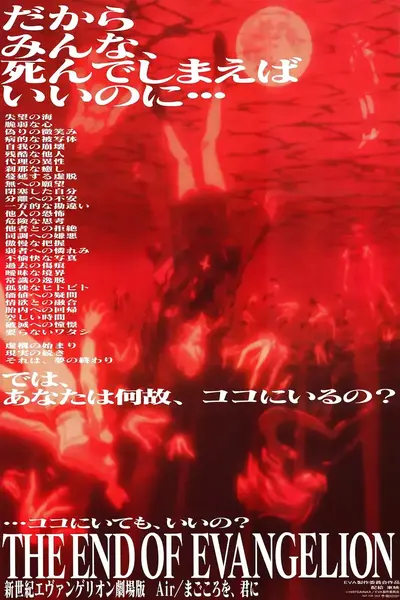
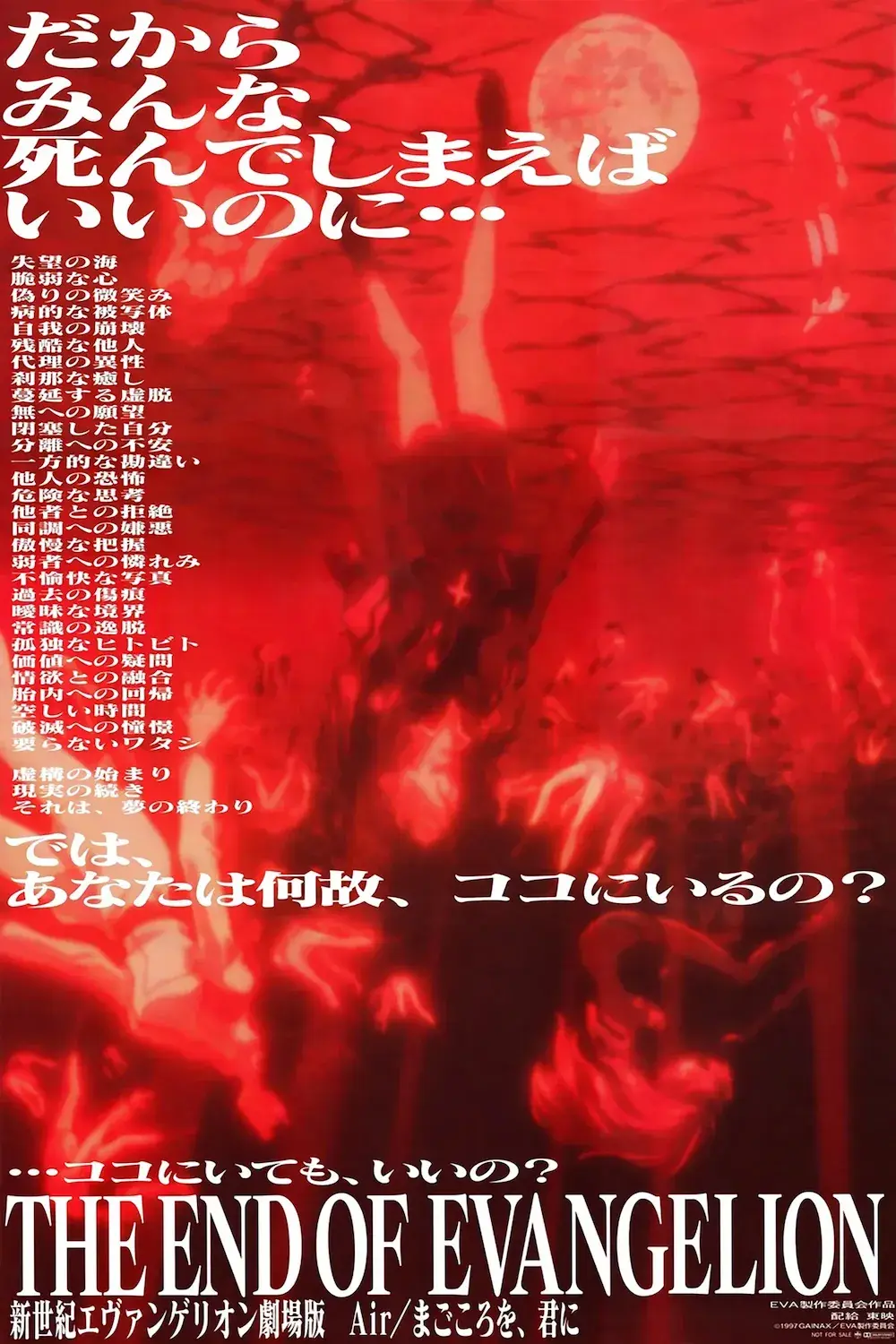
When Neon Genesis Evangelion’s final episode aired on March 27, 1996, some fans were left perplexed. The series had been building towards a climactic showdown that would decide the fate of humanity, only to retreat into the psyche of its main character, a depressed and traumatized 14-year-old named Shinji Ikari. Reports that Evangelion creator Hideaki Anno received death threats in response to the finale are largely overblown. Nevertheless, it was controversial at the time for failing to resolve the series’ major story points. In response, Anno cooked up The End of Evangelion as a more definitive conclusion. And by “definitive,” I mean dark, disturbing, and apocalyptic in the extreme. The movie begins with Shinji masturbating over his fellow Eva pilot Asuka, who’s been rendered comatose by her fight against the alien Angels, and it’s only downhill from there. The End of Evangelion’s 90 minutes are packed with intense imagery — a bloody shootout in Nerv’s underground headquarters, a giant kabbalistic Tree of Life floating in the sky, an Earth-sized angelic figure collecting humanity’s souls — as Anno explores themes of trauma, grief, and existential angst, every single second of which is rendered in vivid detail by Gainax and Production I.G. If you can believe it, Anno considered an even darker ending for the movie at one point, but what he settled on remains heavily debated even to this day and permanently sealed Evangelion’s status as one of the most iconic and talked about anime titles of all time.

Although it’s technically a recap of the original Neon Genesis Evangelion TV series — the first 24 episodes, anyway — Death & Rebirth really only makes sense if you’ve already seen the original series. And even then, just barely. If you haven’t seen the original series, then I suspect Death & Rebirth will just leave you all the more clueless and confused as Hideaki Anno and his team deliver a blitzkrieg of new and old footage that seems intentionally jumbled, opaque, and labyrinthine. Of course, words like “opaque” and “labyrinthine” are easily employed to describe Evangelion as a whole, with its mishmash of psychoanalysis, coming-of-age melodrama, family trauma, and Judeo-Christian mysticism. Oh, and giant mechs battling bizarre alien creatures. Overall, Death & Rebirth feels less like an effort to sum up the Evangelion story and more like an attempt to simply convey the Evangelion mood. That said, the “Rebirth” portion of the movie does offer some striking new footage as a teaser for The End of Evangelion, which was released four months after Death & Rebirth. However, The End of Evangelion ultimately redid this new footage, making Death & Rebirth the least essential title in the Evangelion franchise. Even so, like all things Evangelion, it’s still fascinating and compelling in places — if you already know the story, that is.

John Ford’s classic western has been understandably criticized for its portrayal of Native Americans as violent savages. And yet, there are other parts that feel surprisingly progressive for a film that’s nearly 90 years old, like the way it treats a prostitute who’s been run out of town by self-righteous “family values” types. Or the fact that the film’s most villainous figure isn’t Geronimo and his warriors, or even a former Confederate officer, but rather, a greedy banker who rails against federal regulations and the national debt, wants to reduce taxes, and loudly asserts that the nation would be better off with a businessman as president. (Where have I heard that before?) Stagecoach is as much a thriller as it is a western, as its characters make their way across the American Southwest — stunningly captured by Ford and cinematographer Bert Glennon — in constant dread of the inevitable attack by Geronimo and his Apaches. When that attack comes, it features stunt work that still looks thrilling even after all these decades. (Due, no doubt, to the far more relaxed safety protocols of the time.) Unfortunately, Stagecoach also tries to shoehorn in a more typical shootout storyline, with John Wayne’s character itching for a gunfight with the men who killed his father and brother. After that long, breathtaking ride through the desert, Stagecoach’s final act feels like it’s from a different movie entirely.
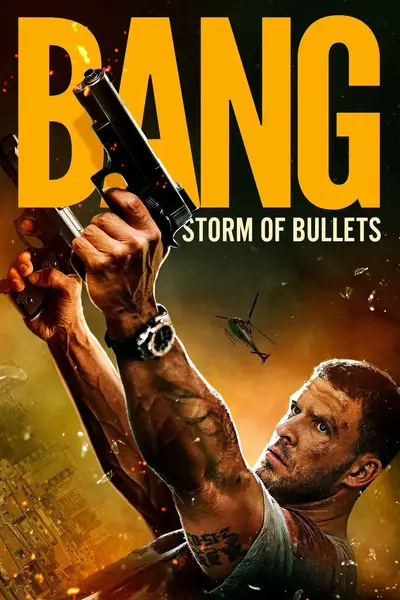
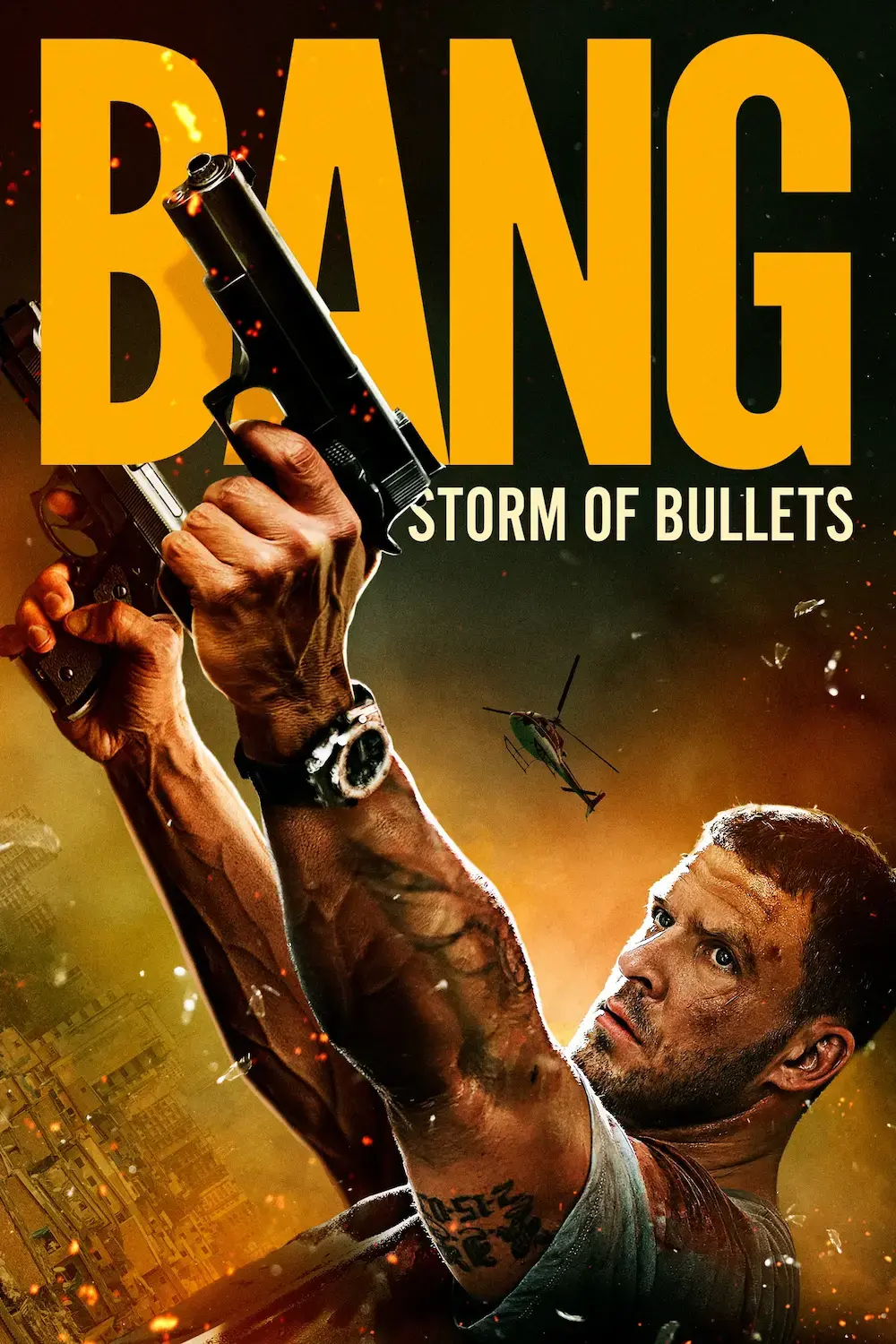
William Bang is the best hitman around, which means the local mob boss keeps him constantly busy. (Of course, with a name like William Bang, would you expect anything less?) When he’s gunned down and left for dead, though, and barely survives thanks to an emergency heart transplant, Bang starts to reassess his current life choices. But one doesn’t leave the underworld that easily, and Bang’s desire for a new life is obviously going to require more than a little bloodshed, not to mention some major suspension of disbelief on the viewer’s part as Bang’s plan starts to unfold. I went into Bang hoping for something along the lines of a Scott Adkins film like Avengement, something low-budget but also gritty and intense. Bang is certainly low-budget, as evidenced by the horrible CGI, laughable visual effects, and continuity errors, but it’s also the very opposite of “gritty and intense.” Lead actor Jack Kesy (Hellboy: The Crooked Man, The Killer) is woefully miscast; his attempts at making Bang seem introspective come off as empty and wooden, and the same holds true for his action scenes. Ironically, the film’s best action scene doesn’t even feature Kesy, but rather, Kane Kosugi, but even that scene is underwhelming thanks to the editing and camerawork. Meanwhile, Peter Weller’s efforts at scenery-chewing as the cruel mob boss are just awkward. (Sidenote: Bang never pauses to wonder why a gangster named Morgan Cutter might occasionally lapse into a bad Italian accent.)

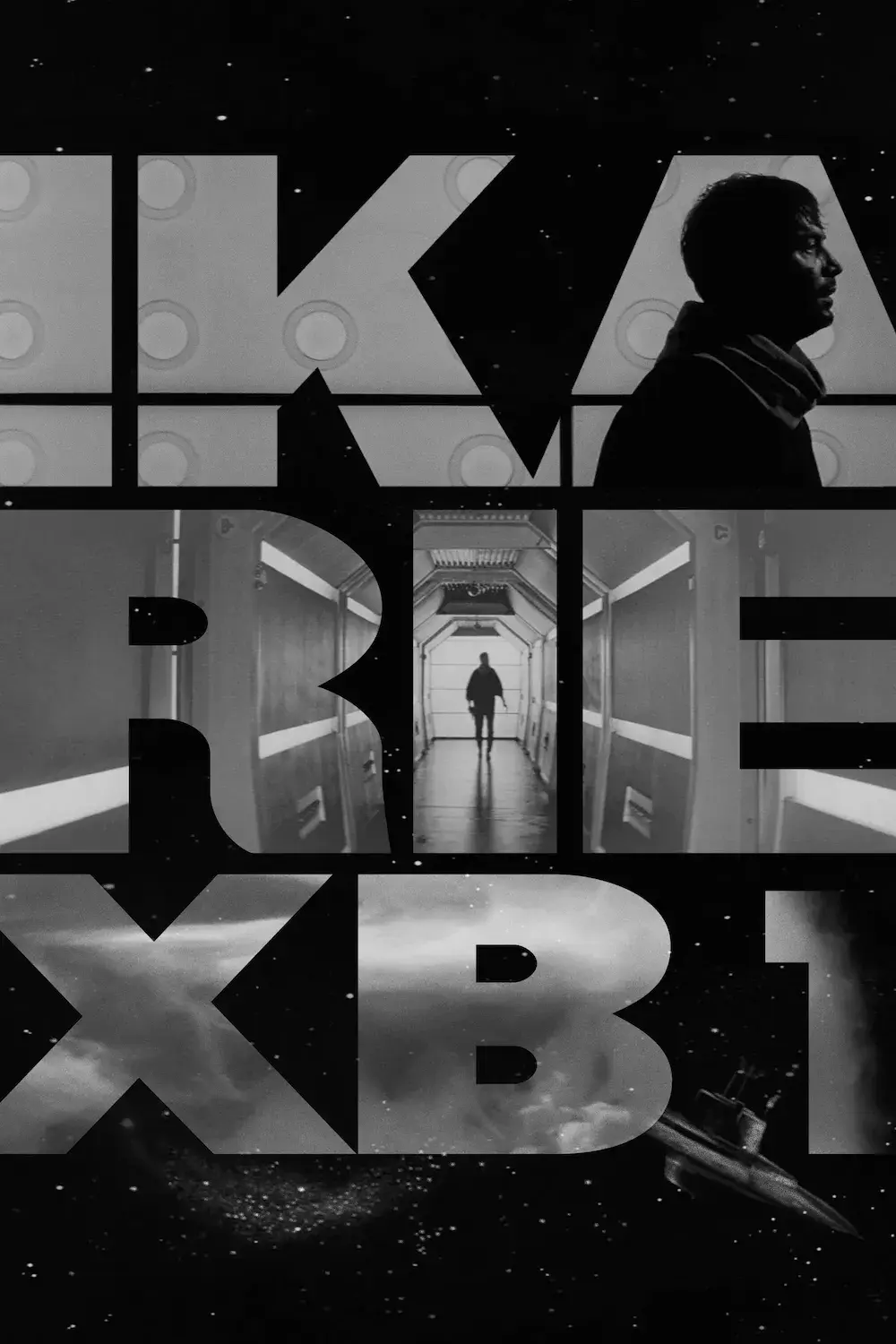
In the year 2163, the crew of the starship Ikarie XB-1 have left Earth to travel to a distant planet orbiting Alpha Centauri. Although the trip will only take them a little over two years, the effects of faster-than-light travel means that 15 years will pass on Earth — a fact that has left some of the crew concerned. That, combined with dangerous space phenomena, continues to raise the crew’s stress levels. But things reach a potential breaking point after they discover a derelict spaceship and choose to explore its mysteries. Inspired by a Stanisław Lem novel, it’s tempting to compare Ikarie XB-1 to 2001: A Space Odyssey. Both films take a much more serious approach to the rigors of space travel, and both films also feature elaborate production design. (Indeed, there’s some reason to believe that Ikarie XB-1 actually influenced Stanley Kubrick’s film.) Ikarie XB-1 suffers a bit in comparison though, as it tries to balance headier themes (e.g., criticism of 20th-century excess, relativistic physics) with more standard sci-fi tropes (e.g., talking robots, fancy ray guns). It doesn’t always work, but for sci-fi fans, Ikarie XB-1 is worth checking out to see how the genre developed in the Eastern Bloc.
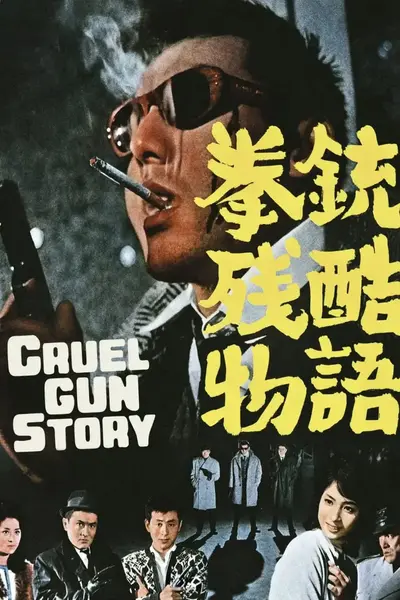
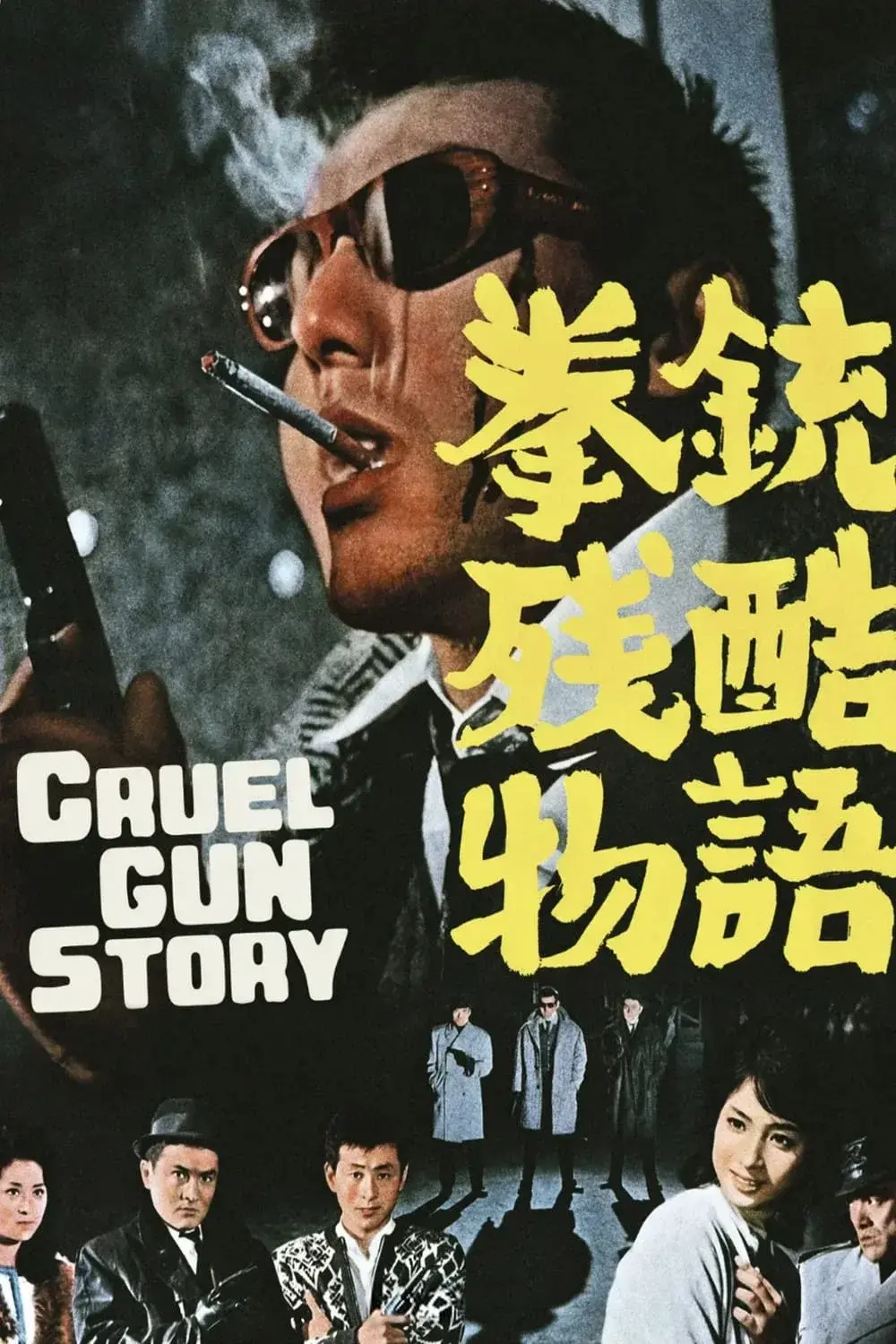
It’s a tale as old as time: A hardened criminal gets out of jail determined to start over and go straight, only for his former colleagues to drag him back into his old ways for one. Last. Job. We’ve seen this play out countless times in noir and gangster movies, and Cruel Gun Story — which gets some bonus points for the bad-ass title — hits all of the expected beats and tropes. But director Takumi Furukawa and lead actor Joe Shishido (Branded to Kill, A Colt Is My Passport) pull off their own little cinematic heist so well, proving that it’s all in the execution. When Togawa (Shishido) is roped into robbing an armored truck, he quickly learns that nobody can be trusted. Cue the double and triple crosses, not to mention kidnappings and shootouts. Shishido is particularly great here, delivering a performance that constantly hints at the desperation lurking just beneath Togawa’s tough guy persona. The movie does suffer a bit in its final act thanks to a denouement that feels just a little too extended. Nevertheless, Cruel Gun Story ends just like you’d expect a movie titled Cruel Gun Story to end, and I, for one, wouldn’t want it any other way.

I first learned of Nobuhiko Obayashi’s House well over 15 years ago, and honestly? I’m a bit disappointed in myself that it took me this long to finally watch it. House begins like countless other horror films, with a group of high school students deciding to spend their vacation at a remote house that looks idyllic but turns out to be all kinds of haunted. Of course, the students take way too long to realize something’s wrong, but by then it’s too late, and we spend the rest of the film waiting for the inevitable to happen. But Obayashi, who worked in both experimental film and TV advertising prior to making House, finds the most creative ways of presenting the inevitable. He employs every cinematic trick in the book and then some, and the resulting film is one for which words like “bizarre,” “psychedelic,” and “surreal” just barely begin to scratch the surface. As such, I hesitate to call this a horror film even though it features a haunted house, a demon cat, dancing skeletons, possession, a teenager-devouring piano, and more blood than The Shining’s elevator. Indeed, you’ll probably spend more time scratching your head and/or laughing than actually being scared. Oh, and would you believe that House also works as a metaphor for the trauma caused by the atomic bomb? (Obayashi was born in Hiroshima and all of his childhood friends were killed by the attack, an experience that he worked into the script.) This film’s got layers, I tell you, as well as a floating head that bites people’s butts.
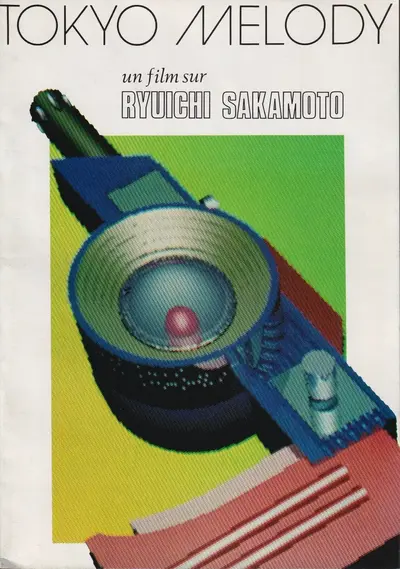
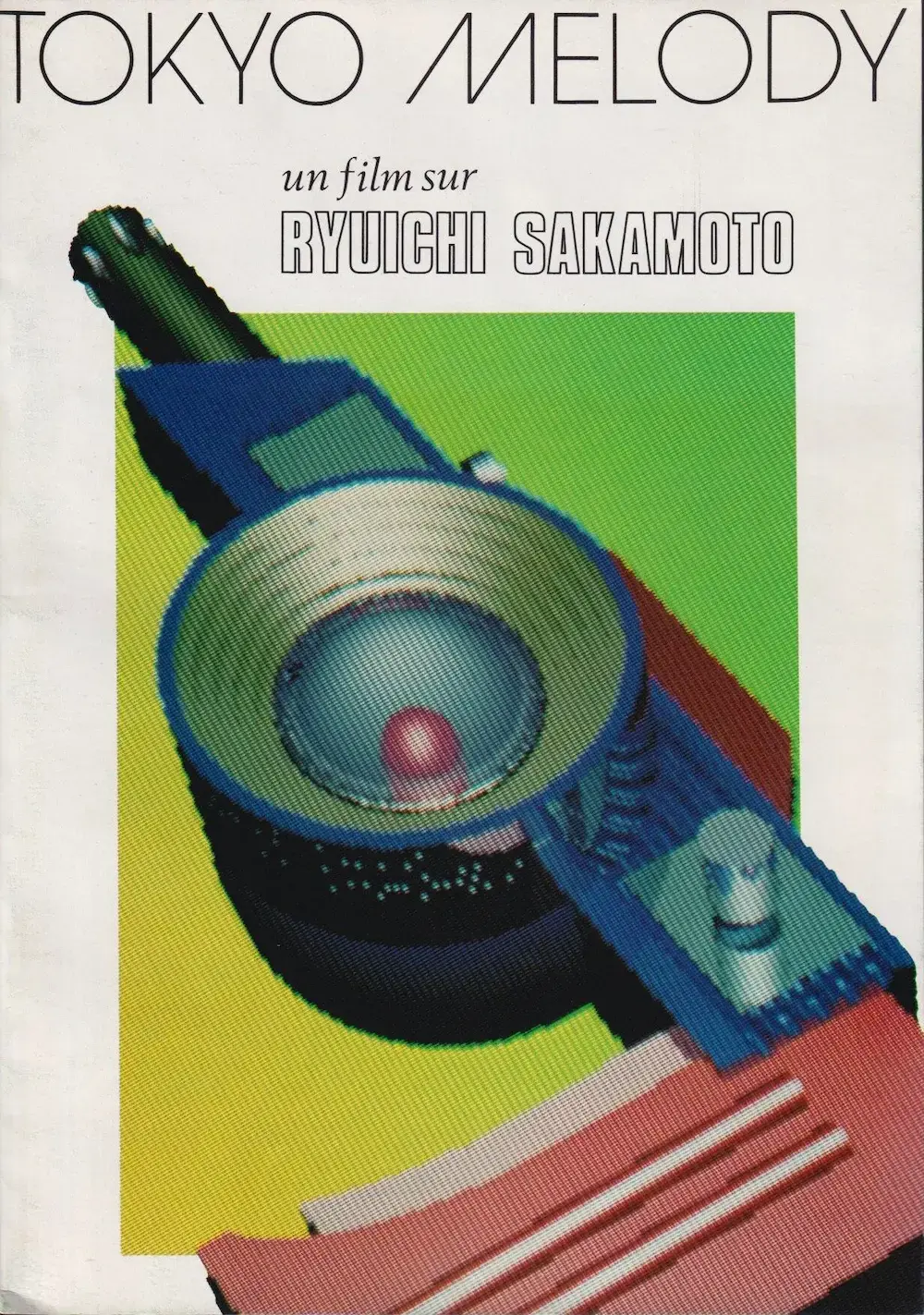
Thanks to both his solo work as well as his work with Yellow Magic Orchestra, Ryuichi Sakamoto — who died in 2023 after battling cancer — is arguably one of the greatest composers of the 20th century. Unfortunately, you might not really get that from this French documentary, which follows Sakamoto during the recording of his 1984 album Ongaku Zukan. Tokyo Melody is a mish-mash of material: Sakamoto doggedly working in the studio; Sakamoto waxing philosophical on various topics, including 20th century culture, the rise of technology, and of course, composing music; random scenes of Tokyo; and even some Yellow Magic Orchestra concert footage. The music that we hear in the documentary is, of course, fascinating, and it’s interesting to see Japan in the midst of the ’80s economic bubble. However, Elizabeth Lennard never really develops a through line for her film. As a result, I don’t feel like I understand or know Sakamoto any better than I did before I watched the film.
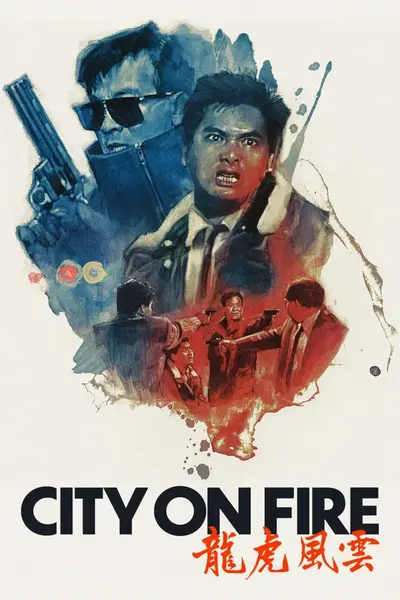
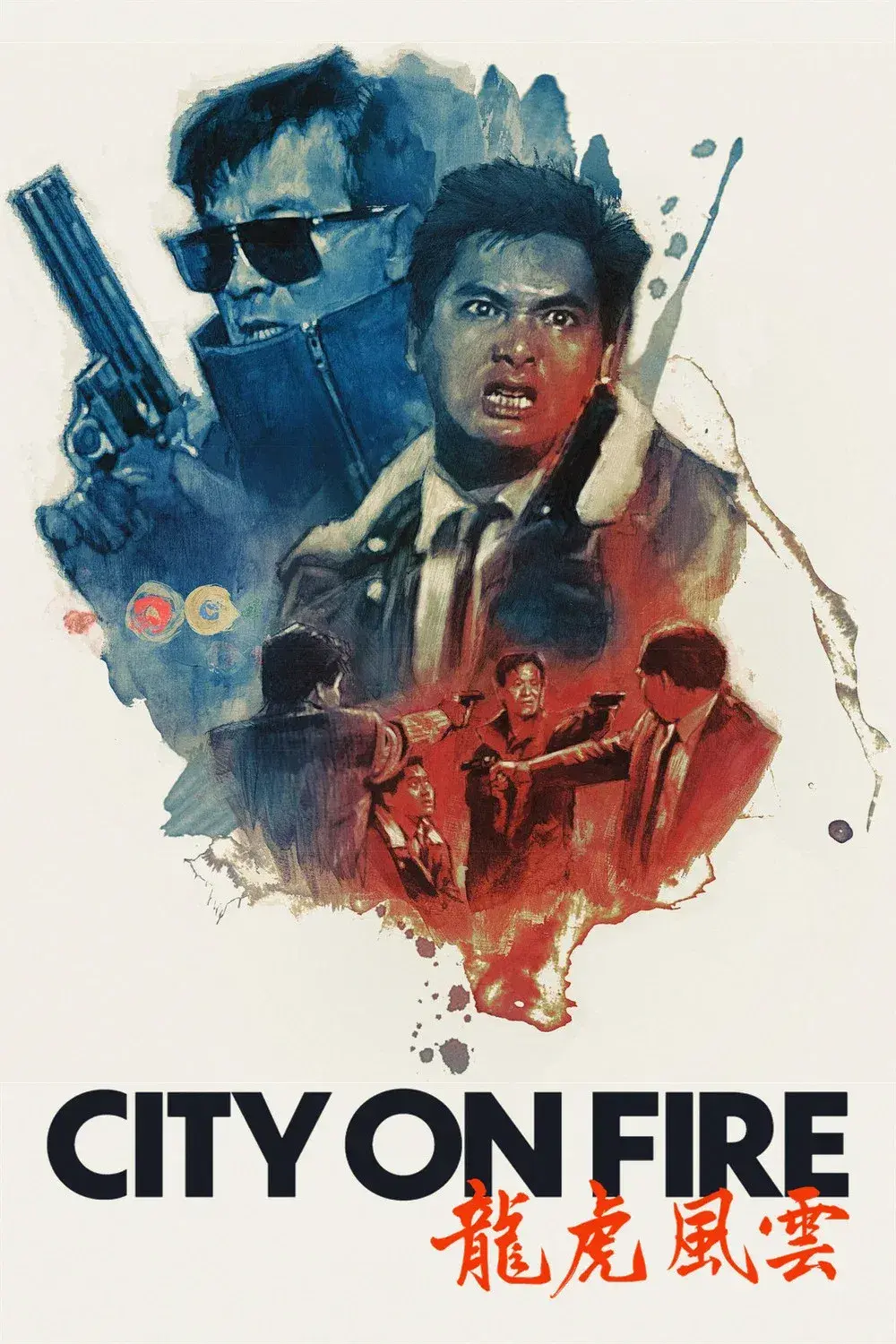
Ringo Lam’s City on Fire is perhaps best known for being the movie that Quentin Tarantino ripped off for 1992’s Reservoir Dogs. And while that’s technically true, it’s also wildly overstated, and actually diminishes both films. For starters, City on Fire is far more concerned with the build-up to the final robbery-gone-wrong, whereas Reservoir Dogs focuses on the aftermath of said robbery, as the gangsters try to identify the rat in their midst. And while Reservoir Dogs is an ensemble piece, City of Fire is primarily focused on Kam-wah (Chow Yun-fat), an undercover cop who’s stressed out, run ragged, and just wants to retire. But out of loyalty, he agrees to one more assignment, which is when he meets Fu (Danny Lee), a hardened thief who Kam-wah starts to befriend. Much of the film focuses on Kam-wah trying to balance the various aspects of his life, most noticeably his relationship with his fickle girlfriend (Carrie Ng), while the demands of being an undercover cop threaten to overwhelm him. There’s also an interesting side-plot involving Kam-wah’s aging superior who’s threatened by a younger rival on the force. Although it doesn’t reach the operatic heights of John Woo’s films — Chow Yun-fat and Danny Lee would reunite two years later in Woo’s The Killer — City on Fire possesses an arresting (npi) atmosphere all its own that’s enhanced by Teddy Robin Kwan’s moody score.
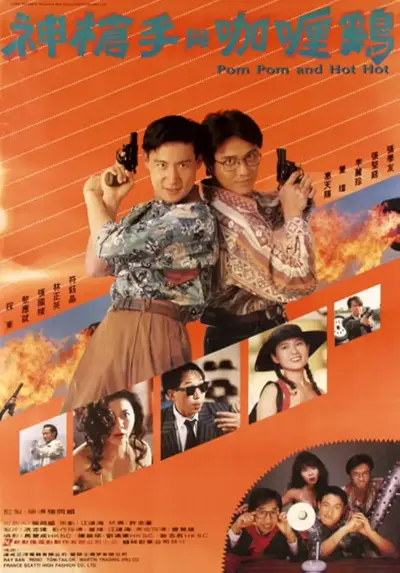
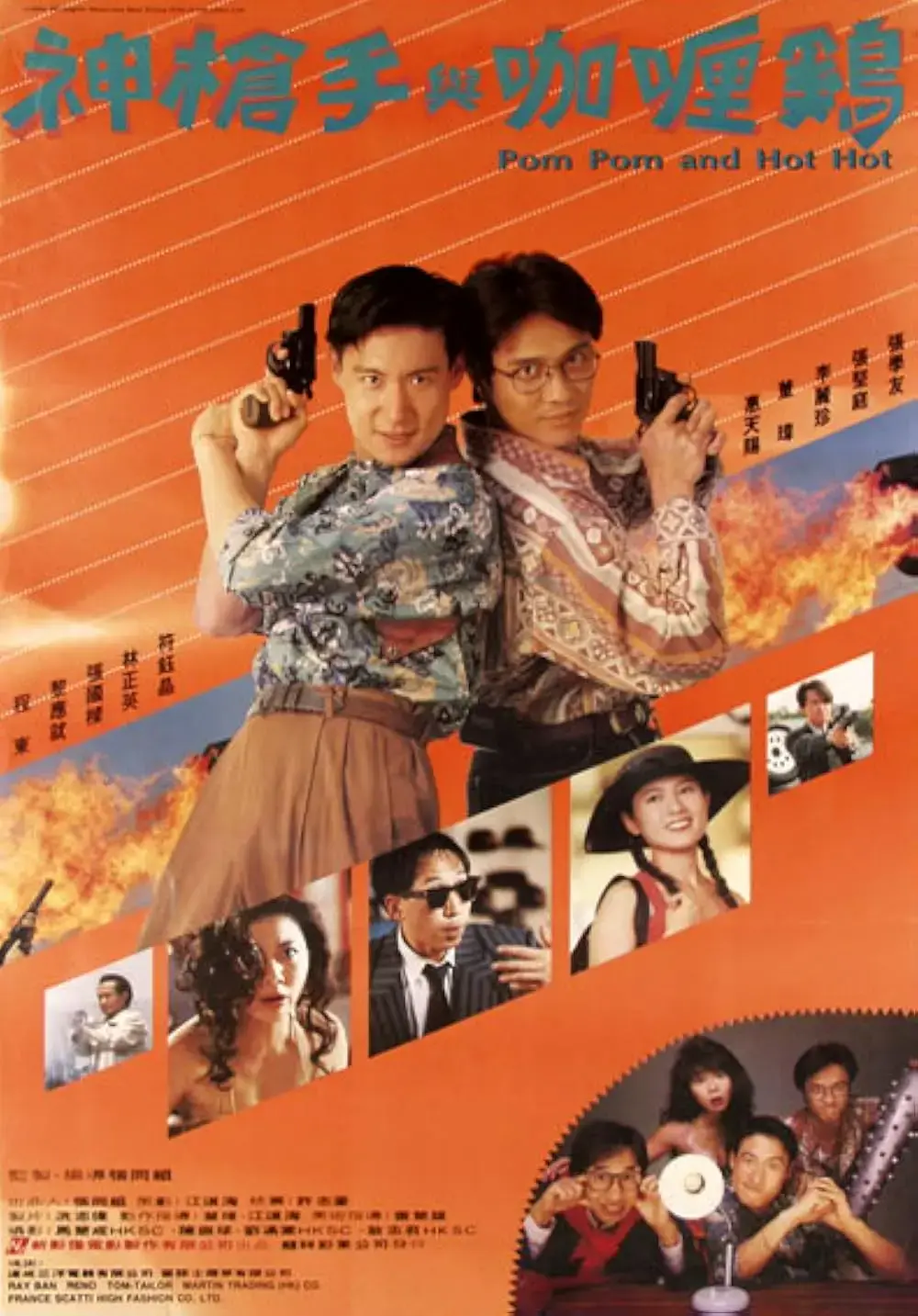
If you’re unfamiliar with the wackiness that is Hong Kong comedy, then Pom Pom and Hot Hot might easily be the most annoying movie you’ll ever see. Jacky Cheung and Stephen Tung star as Chien and Curry Chicken (yes, the character’s name is, in fact, Curry Chicken), a pair of Hong Kong police offers whose lackadaisical approach to law enforcement might take down the bad guys, but it also infuriates their superiors. Things get even crazier, though, when Chien’s distant cousins come to stay for awhile just as the duo begin investigating a particularly nasty gangster. Unfortunately, most of the film is focused on either Chien and Curry Chicken’s buddy cop hijinks or Chien’s cousins and their various antics. Fortunately, there are times when director Joe Cheung remembered that he was also making an action movie, and that’s when Pom Pom and Hot Hot shines. Just don’t expect John Woo-style grittiness. The action scenes here have more in common with Bollywood than your typical heroic bloodshed fare, and as such, they get increasingly ridiculous, from hitmen swinging around on ropes to lots of twirling shotguns and creative reloading techniques.
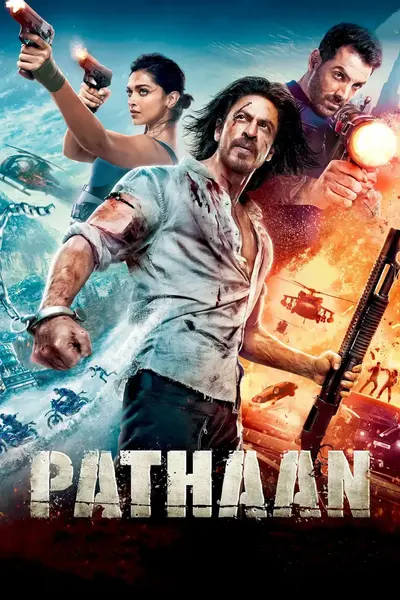
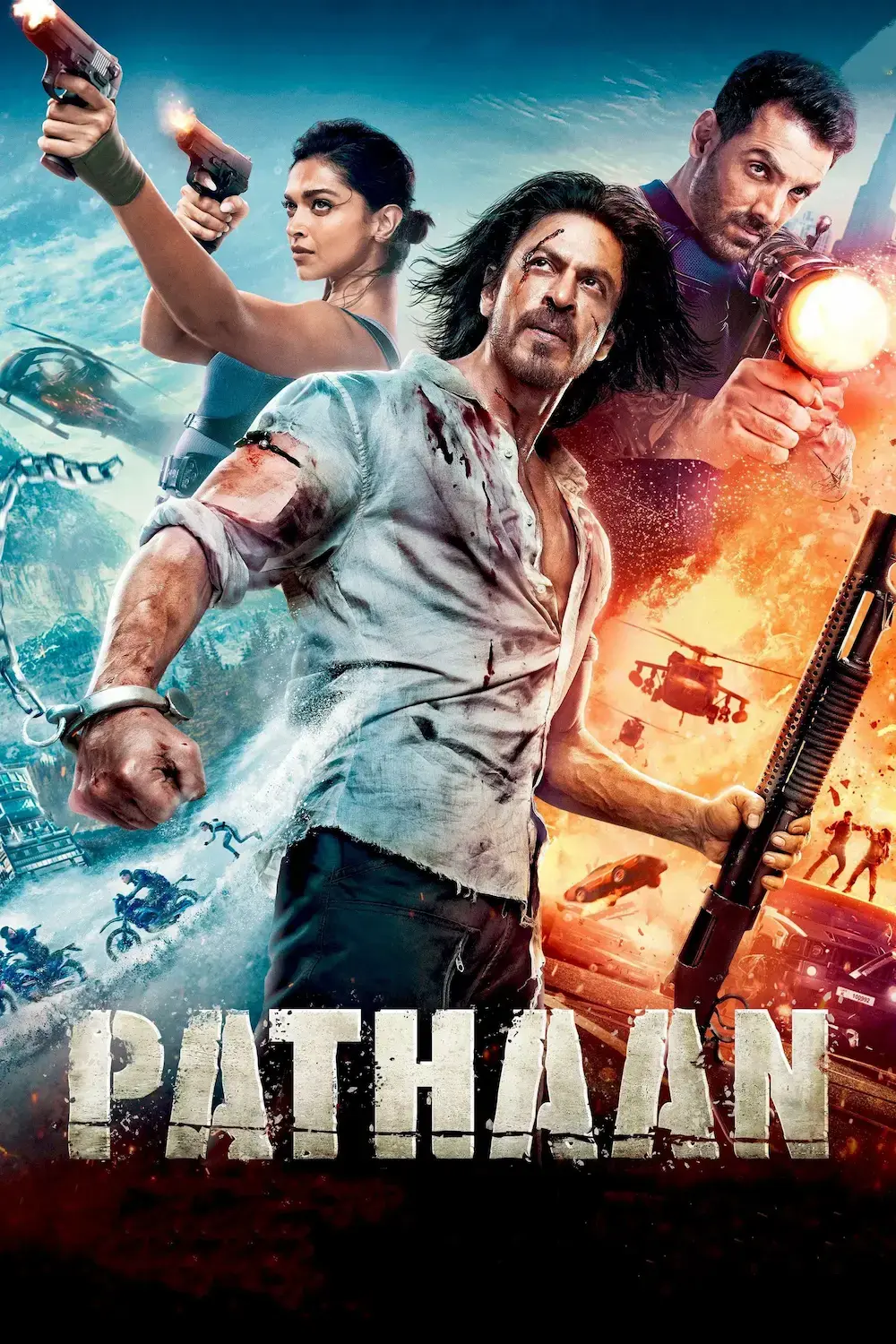
In 2019, the Indian government revoked Article 370 of their constitution, which granted autonomy to the heavily contested regions of Jammu and Kashmir. In the real world, this led to controversy and criticism. But in the world of the “YRF Spy Universe,” a Pakistani general goes rogue and hires a terrorist organization to exact revenge on India. The only one who can stop the terrorists and their leader, the diabolical Jim — yes, dear reader, Pathaan’s BBEG is named Jim — is the titular hero, an elite agent who’s been presumed dead after a mission went horribly wrong. In its best moments, Pathaan is utterly ridiculous in all the right ways, from the over-the-top melodrama and patriotic spirit (which are further enhanced by Shah Rukh Khan’s smoldering looks and deep voice) to some truly bonkers action sequences. I laughed every time the wind caught Pathaan’s hair (indoors, even!) or when a character relies on her speed skating skills during a chase scene. And don’t get me started on the movie’s aerial sequences, which break more than a few laws of physics. Unfortunately, many of Pathaan’s action sequences are edited to within an inch of their lives. The constant cuts on every single punch, kick, and hit make the Bourne films look like Tarkovsky by comparison and get rather headache-inducing over the course of two and a half hours.
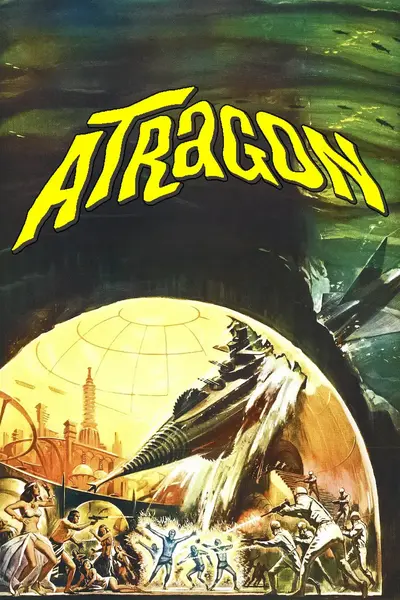
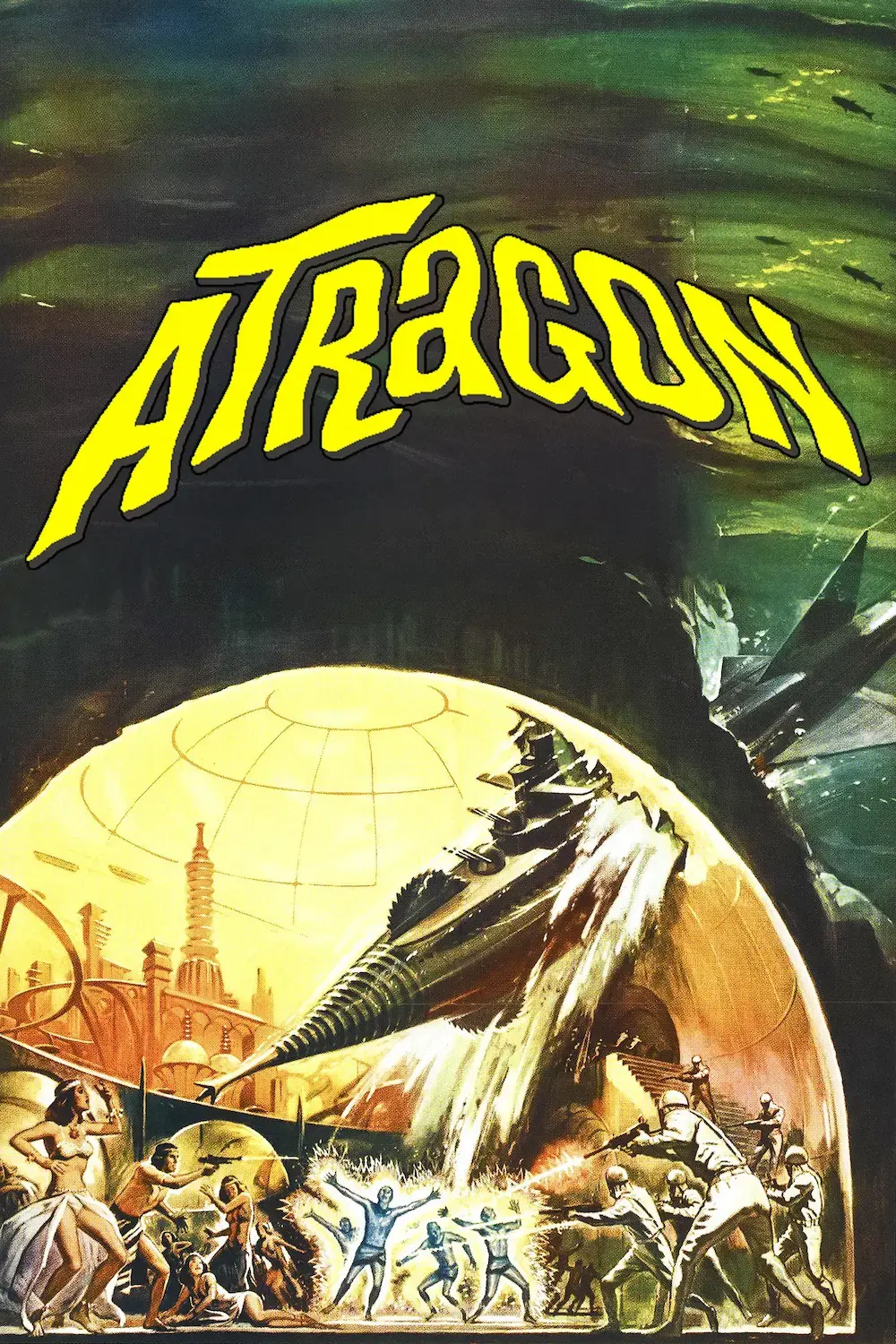
Thousands of years ago, the island empire of Mu ruled the entire world until it suddenly sank beneath the ocean waves. But now the empire’s back, and with their advanced technology, the people of Mu seek to once again control the world. Humanity’s only hope is an advanced submarine built and commanded by the renegade Captain Jinguji. Unfortunately, Jinguji refuses to believe that World War II is truly over and will only use his sub to ensure Japan’s supremacy. Just as Godzilla addressed the horrors of nuclear war and The Mysterians warned against science run amok, Ishirô Honda clearly intended Atragon as a criticism of unchecked patriotism and jingoism. What’s more, the film’s final scenes contain no small amount of grim irony in light of Japan’s own experience with wartime devastation. Normally, that would elevate Atragon above your average sci-fi flick. However, it feels like Honda was so focused on making a statement with Atragon that he forgot to tell an actual, entertaining story, and the film suffers as a result. (It doesn’t help that the horrible sea monster that Mu seeks to unleash upon the world is a bit on the goofy side.) In the end, I appreciated Atragon for what Honda sought to do more than I actually enjoyed it.
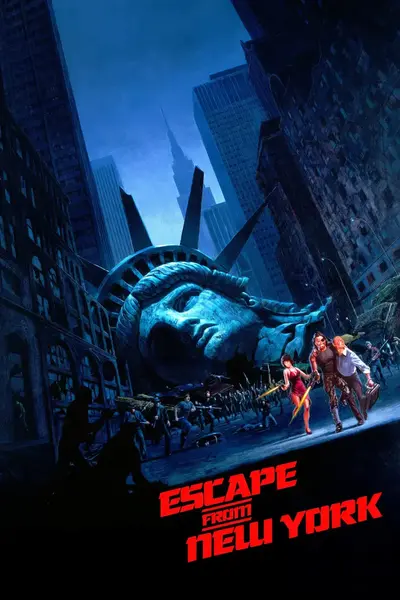
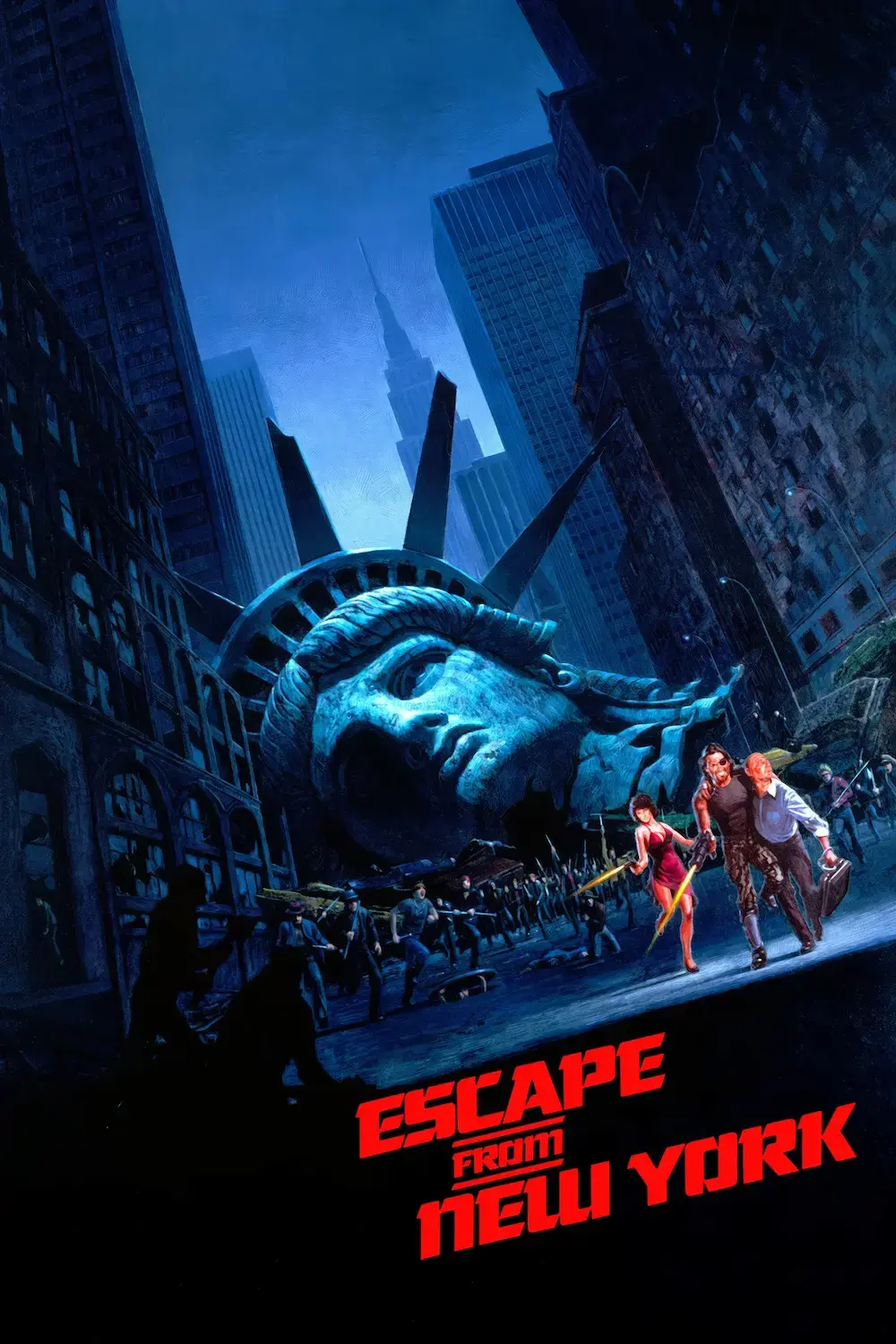
In the distant future of 1997, crime is so rampant that the U.S. government has converted Manhattan into a giant maximum security prison. Anyone who ends up in there is never getting out, which proves unfortunate when Air Force One is hijacked by terrorists and the president is left to the mercy of the gangs that now rule the city. The president’s only hope for rescue is Snake Plissken (Kurt Russell), a former war hero who’s now a convicted criminal himself. Plissken is given 24 hours to rescue the president before an important peace summit, or else his life is forfeit, as well. Written and directed by John Carpenter, Escape from New York hasn’t aged quite as well as some of Carpenter’s other films (e.g., Big Trouble in Little China). Nevertheless, its grim humor and cynical streak still possess an edge — Carpenter originally wrote the film in response to the Watergate scandal — and its vision of a decrepit, run down New York remains the gold standard of dystopian urban imagery.