My Cultural Diet (June 2026): Orpheus, Le Samouraï, Gunbuster, Scanners, 2001: A Space Odyssey
In order to better track my various cultural experiences (e.g., movies, TV shows, books, restaurants), I’ve created the Cultural Diet. Think of it as my own personal Goodreads, Letterboxd, and Yelp, all rolled into one (more info here). Every month, I recap everything that I watched, read, etc., in the previous month.
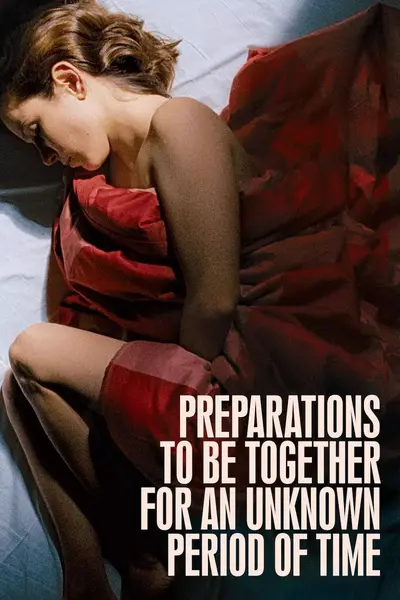
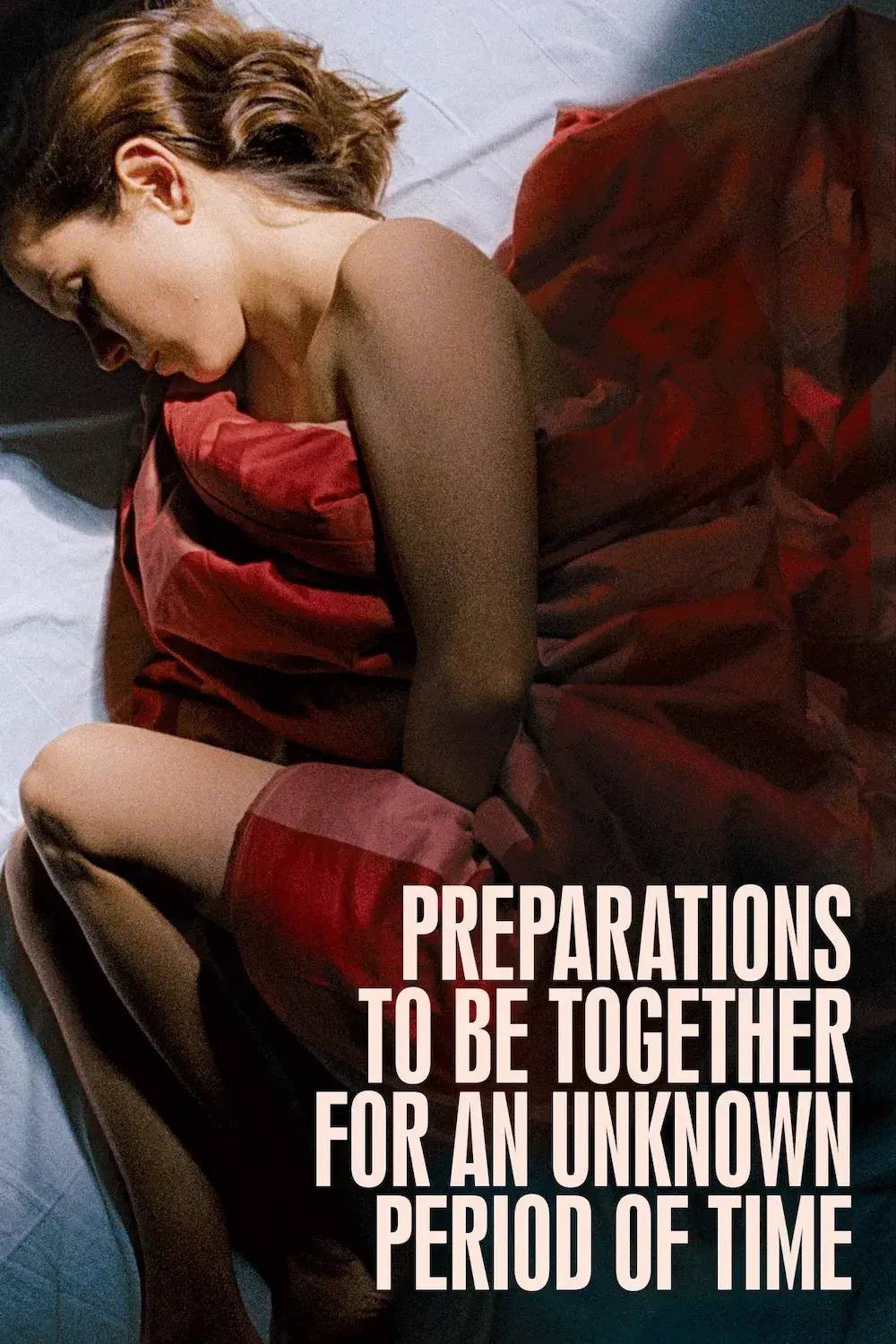
Sometimes you need to watch a movie simply because of its title. Empire of the Spiritual Ninja. Mechanical Violator Hakaider. Resurrection of the Little Match Girl. Of course, an intriguing title is no guarantee that the movie in question will be any good, and in my experience, movies rarely live up the promise of such titles. Which brings us to Preparations to Be Together for an Unknown Period of Time, the title of which instantly caught my eye when it popped up on the Criterion Channel. Márta is an accomplished neurosurgeon who’s lived in the U.S. for the last 20 years. But when she meets and falls for another doctor at a medical conference, she uproots her entire life and returns to Budapest in order to be with him. Unfortunately, he claims to have no idea who she is, sending Márta into a tailspin as she tries to figure out if he’s lying or if she’s just going crazy. Lili Horvát’s film certainly looks alluring thanks to Róbert Maly’s icy cinematography and lead actress Natasa Stork’s piercing blue eyes. But Horvát’s storyline, which hints at everything from a noir-ish tale of obsession to a critique of the Hungarian medical system, never quite coalesces or delivers. Instead, it takes the least interesting route on its way to a surprisingly pedestrian ending.
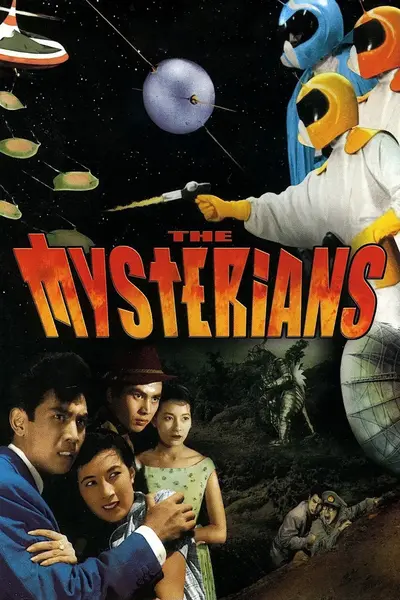
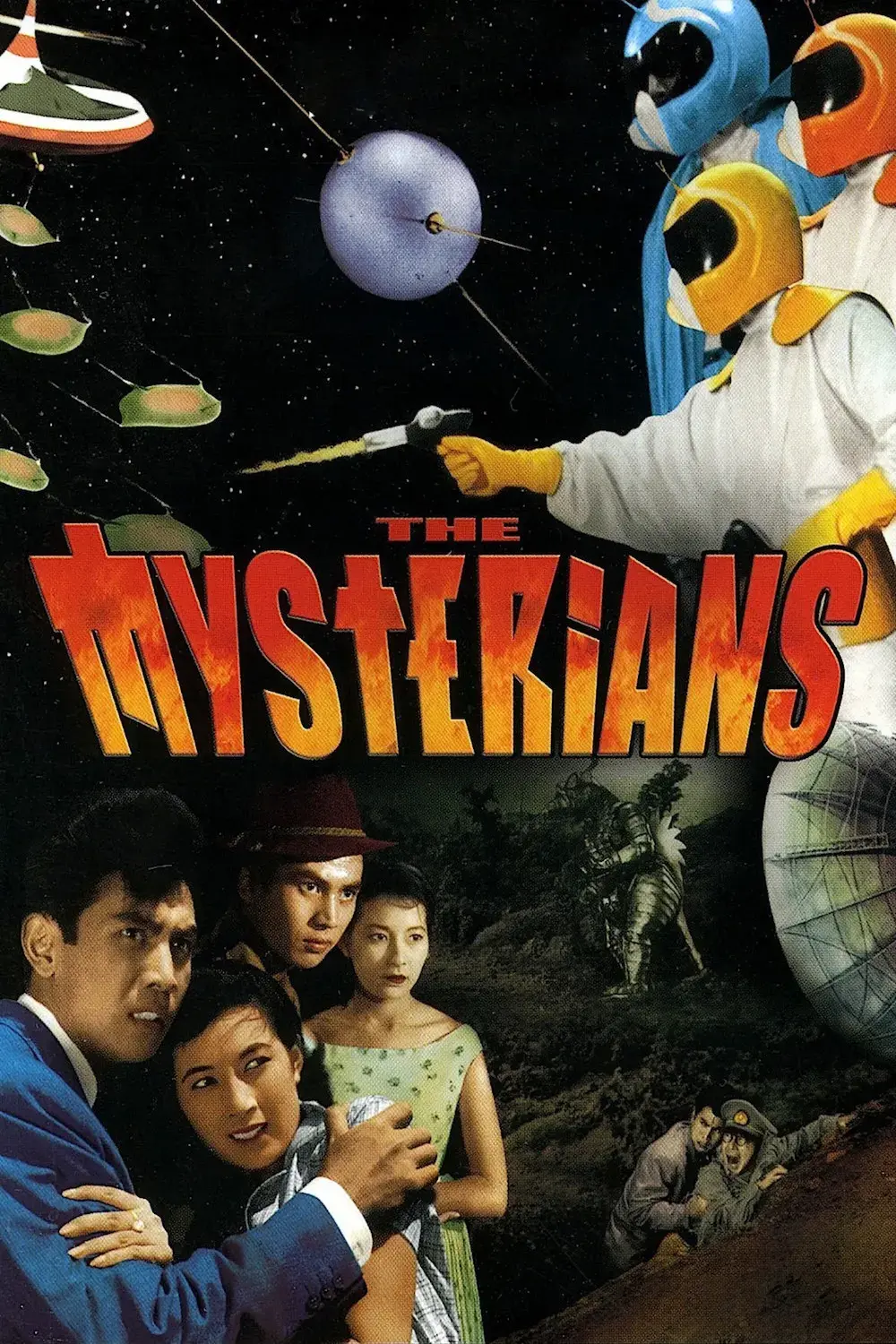
Ishirô Honda may be best known for introducing the world to Godzilla and other kaiju including Rodan and King Ghidorah. But he directed a string of sci-fi films throughout the ’50s, ’60s, and ’70s, including 1957’s The Mysterians, which Honda ranked among his favorites. Here, Japan faces a one-two punch in the form of a giant robot that lays waste to the countryside and, more importantly, the arrival of the Mysterians, a mysterious (npi) alien race whose arrival was foretold by a now-disappeared astrophysicist. At first, the Mysterians claim to only want peaceful coexistence, but Earth’s suspicions are raised by the Mysterians’ erratic behavior, including their demands to mate with Earth women. But will humanity be able to unite in time to overcome the Mysterians’ vastly advanced technology? Released a little more than a decade after the atomic bombings of Hiroshima and Nagasaki, The Mysterians is essentially Honda’s warning against placing too much faith in science, albeit one rendered with charming miniatures and scale model work and captured in that classic TohoScope cinematography. Unfortunately, the actual storyline is clunky and disjointed, and it feels like several key scenes were left on the cutting room floor, which undermines the scenes of widespread disaster as well as Honda’s earnest warning.
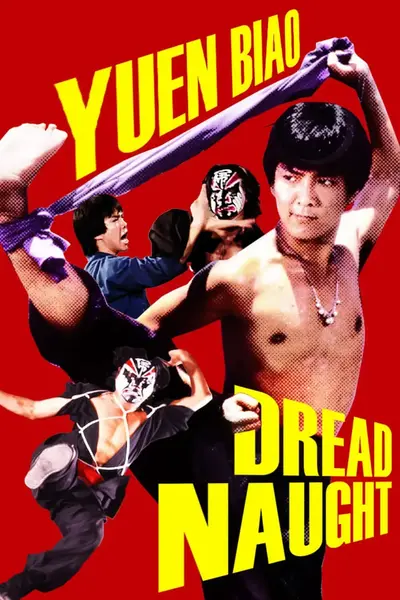
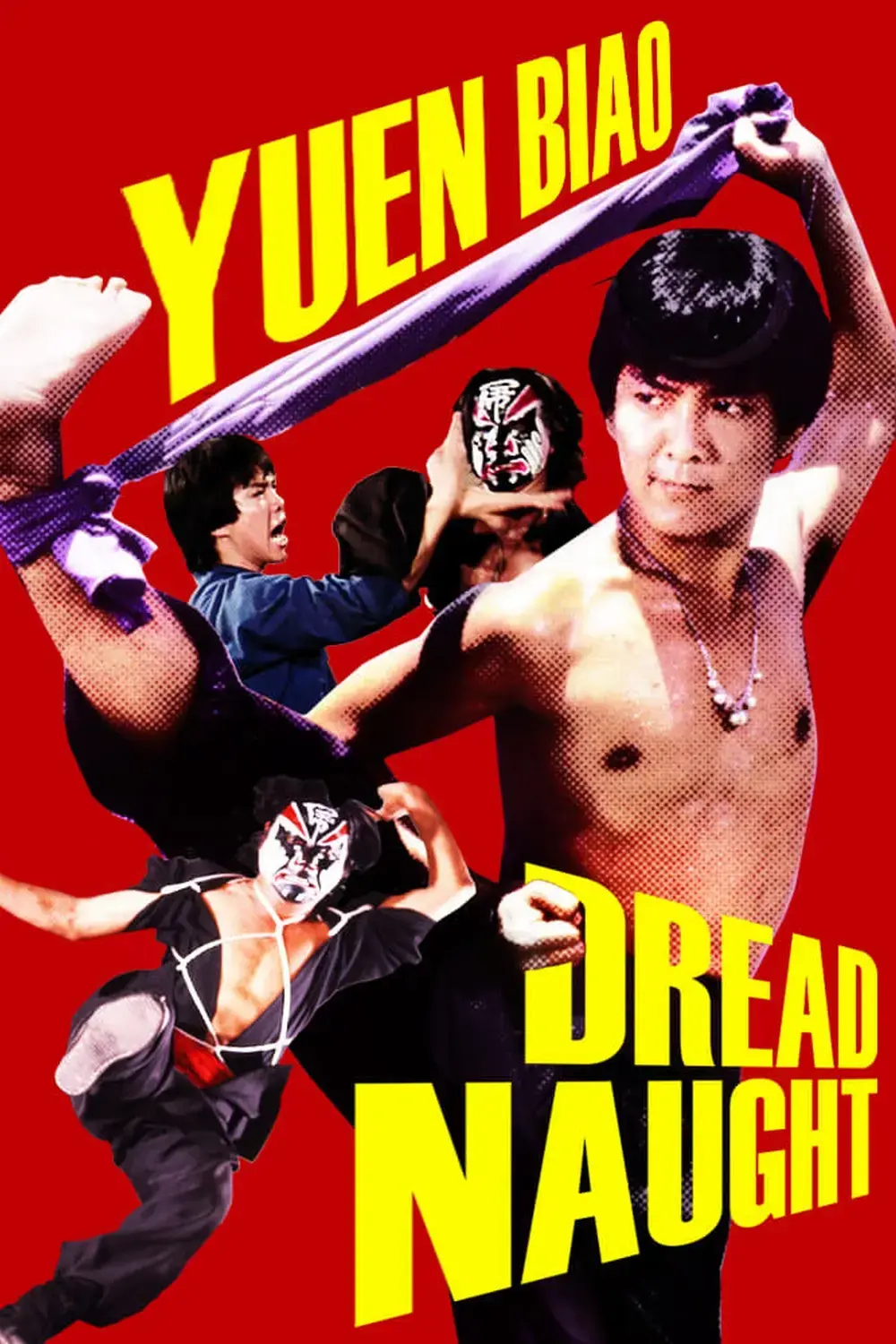
Yuen Biao stars in this kung fu caper as Mousy, a cowardly laundryman who’s constantly beaten up and ridiculed by his clients. He seems like the last person on Earth who should take on a deranged serial killer, but Mousy’s years of washing and hanging laundry have given him his own unique martial arts style. But will he actually ever muster up the courage to do what needs to be done? This early directorial effort by Yuen Woo-ping, best known to Western audiences for his martial arts choreography in the Matrix films, is a little all over the place, which isn’t too surprising given that it was written by Wong Jing. Yuen Biao is as acrobatic as ever, employing an agility similar to Jackie Chan. But the real treat was seeing Kwan Tak-hing as Wong Fei-hung. Even with all of the obvious stunt doubles, Kwan — who played Wong in nearly 80 different films — still looks plenty spry despite being in his mid 70s when Dreadnaught was made. Overall, this one’s very much for Yuen Woo-ping completists. In fact, the observant viewer will see some things that Yuen would later revisit in what is arguably his best film, 1993’s Iron Monkey.
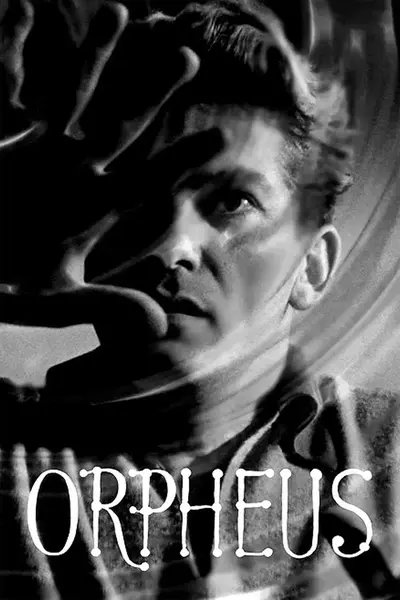
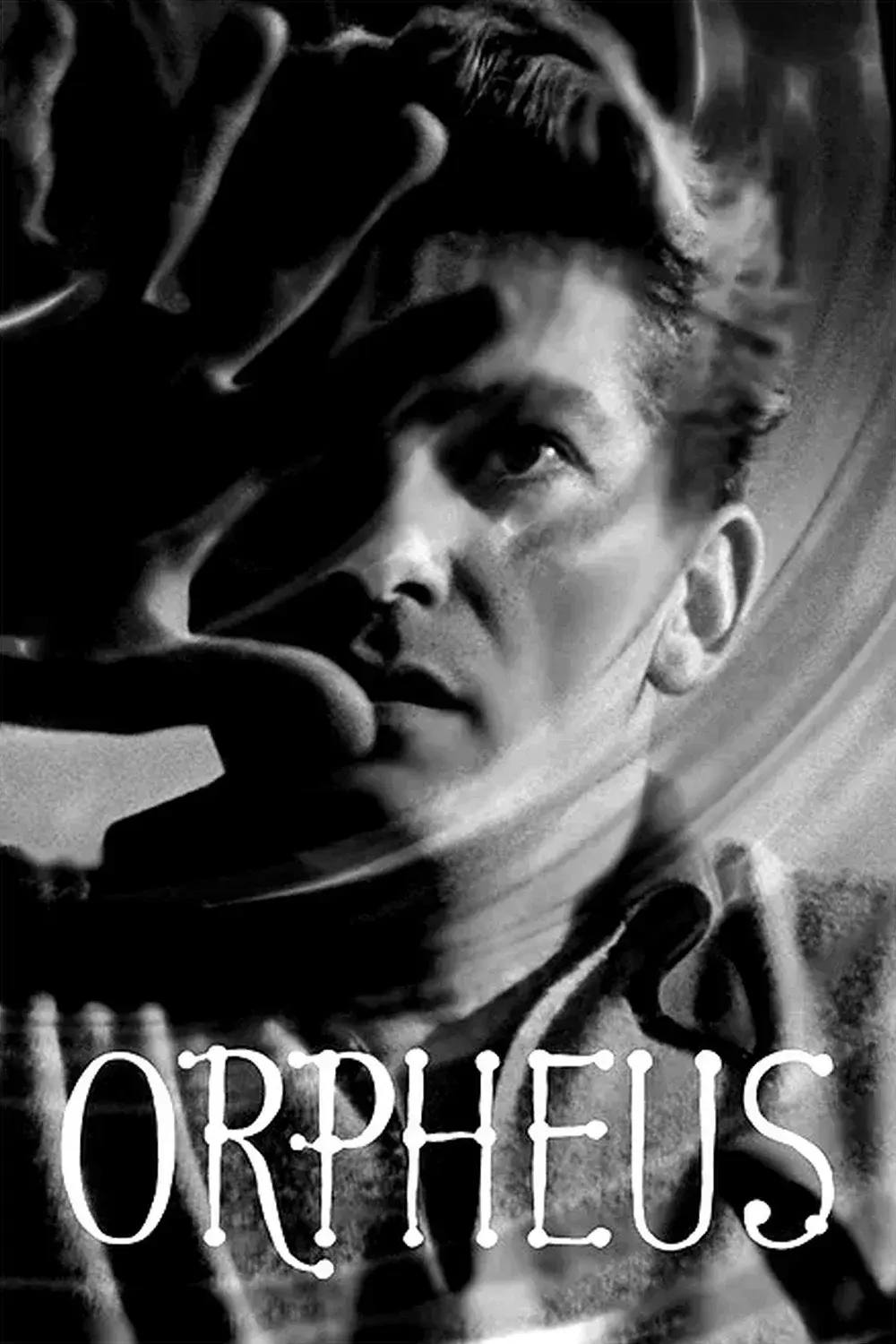
Where to begin with Jean Cocteau’s Orpheus? Well, for starters, it was the very first film to show me that films could be more than just mere entertainment. That they could, in fact, be true works of art. (Related to that, the essay that I wrote about Orpheus for my sophomore-year film history class was arguably my first attempt at serious film criticism.) Even after 75+ years, it’s still visually impressive, employing classic cinematic sleight-of-hand — e.g., rear projection, reversed film, fake mirrors, trick camera angles — in ways that feel more innovative than many computer effects you see today. Cocteau’s effects never feel cheap or dated, but rather, perfectly suited for a film that jumps back forth between this world and the hereafter. As for its Greek mythology-inspired story about a jaded poet (Jean Marais) who falls in love with Death herself, Orpheus certainly gets overwrought and melodramatic, not to mention more than a little surreal. But then again, it is based on myth, and Cocteau creates a suitably otherworldly tone replete with afterlife tribunals, cryptic radio broadcasts, some instances of tragic love, and even a couple of poet riots. “Magical” is a term that often gets tossed around when describing films, but I really can’t think of a better term to describe what Jean Cocteau achieved with this film.
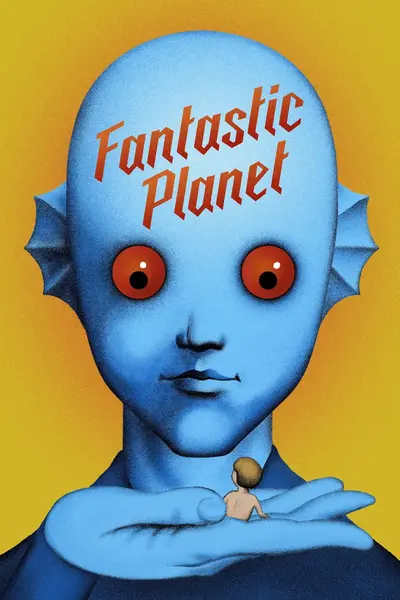
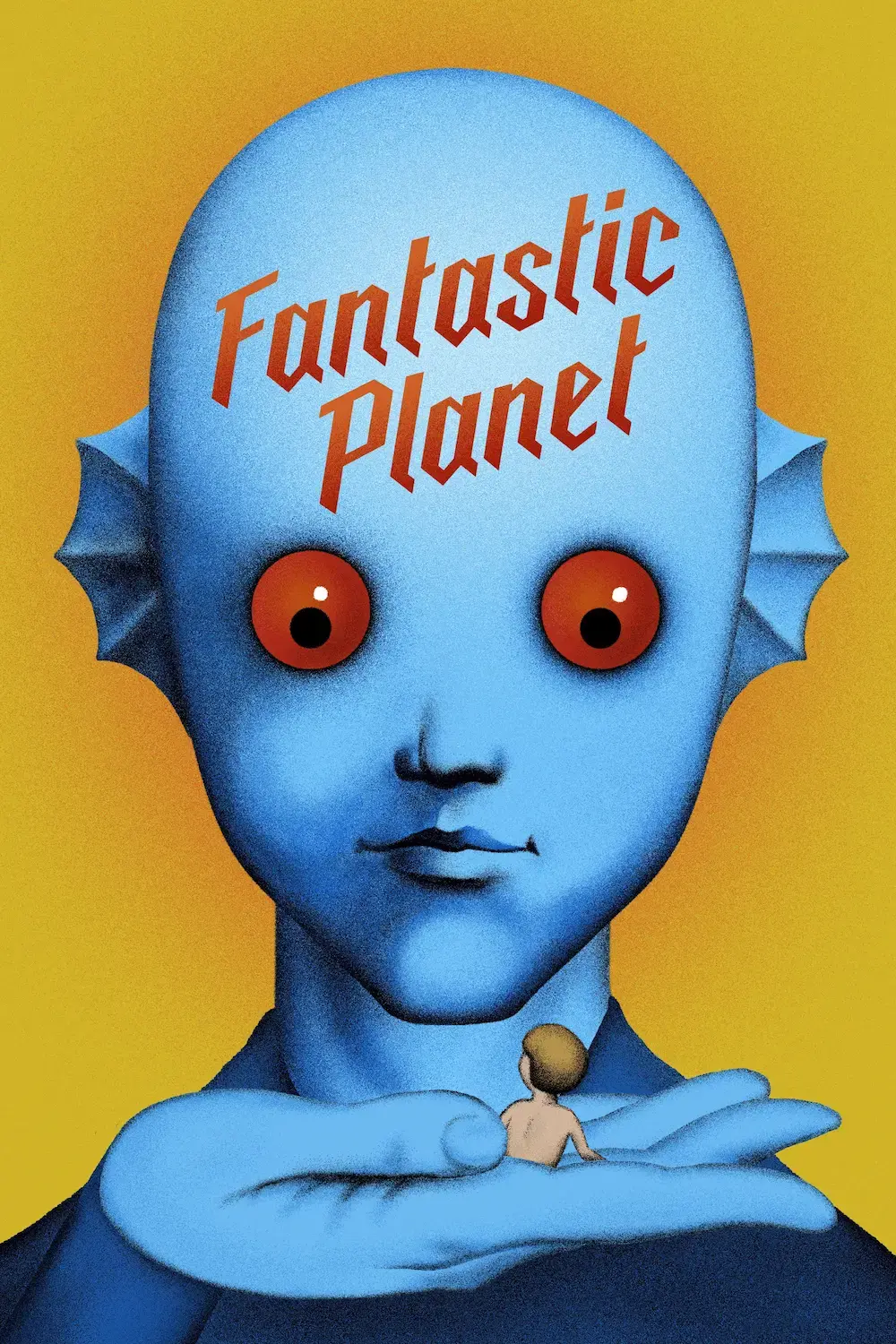
On the distant planet of Ygam, human beings called Oms live at the mercy of Draags, giant blue aliens who, at best, view humans as little more than pets. One of those pets is Terr, a boy who’s adopted by a young Draag named Tiwa after his mother is killed by some other Draag children. As Terr grows up in Tiwa’s household, he slowly begins to learn about the Draags and their culture and technology, which enables him to escape. But will his newly acquired knowledge allow him and his fellow Oms to truly survive the Draags’ oppression? Fantastic Planet is quite trippy thanks to its surreal animation and art style and Alain Goraguer’s psychedelic soundtrack; I have no doubt that it’s inspired and enhanced more than a few acid trips since its release in 1973. Also not surprising is that it can look quite dated at times, and its animation a bit rough. However, it still manages to create a very unique and singular atmosphere that’s unlike any other animated feature you’re likely to see.
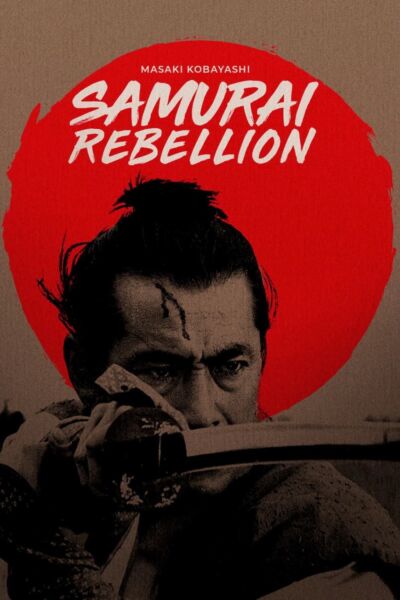
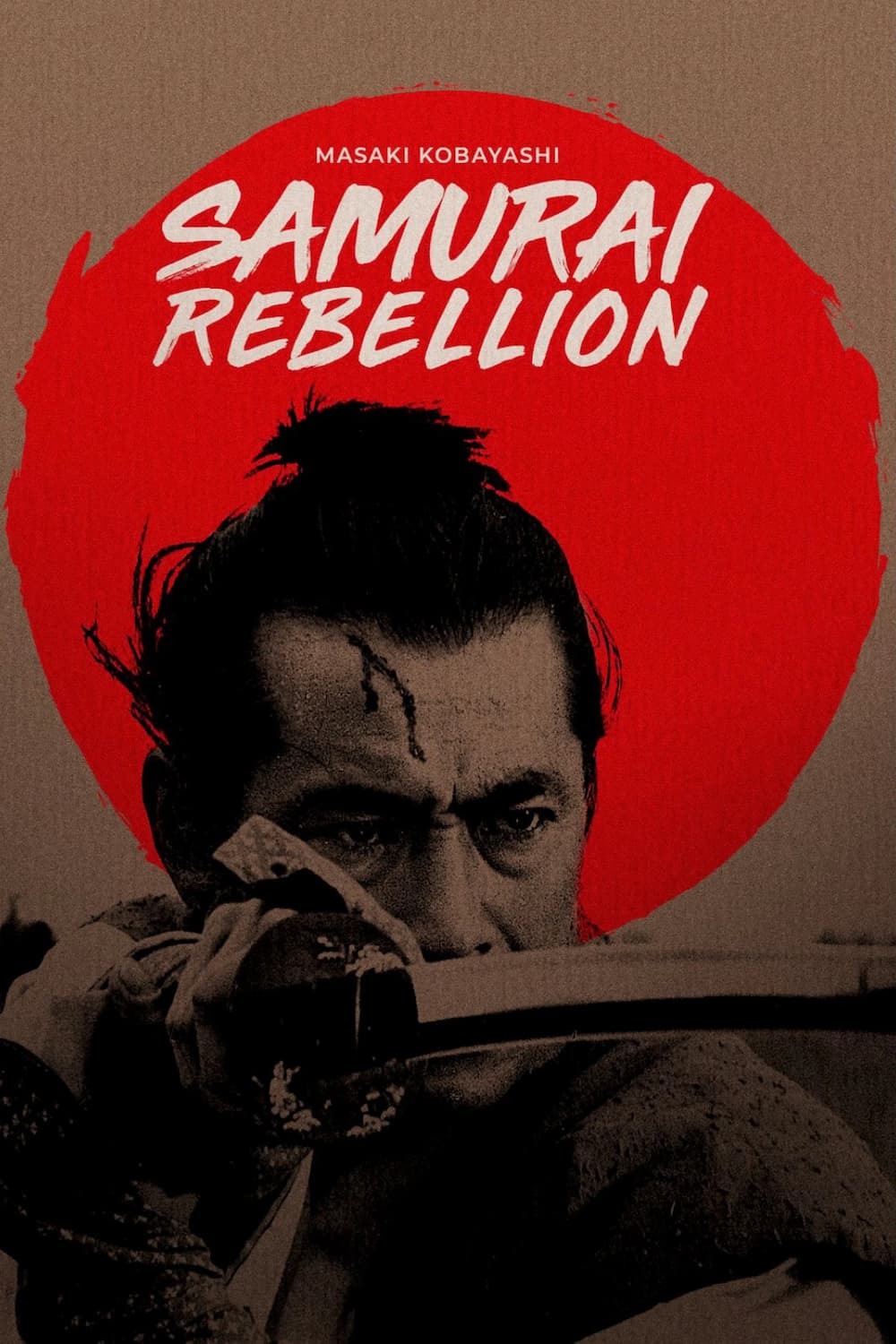
Isaburo Sasahara is one of his clan’s best swordsmen, though he spends his days testing his lord’s katana or managing the clan’s arsenal. He’d much rather retire and let his son Yogoro take over, but first he must find Yogoro a wife. Much to the family’s chagrin, however, Yogoro is ordered to marry their lord’s ex-concubine, a decision they consider disgraceful. Nevertheless, Yogoro complies and starts a happy little family of his own, only for the order to be rescinded when their lord wants his concubine back. Outraged, Isaburo and Yogoro intend to fight the unlawful order, even if that means destroying their clan. While less bleak than 1962’s Harakiri, Samurai Rebellion nevertheless exposes the dark side of the samurai era, where lords could command their vassals to do outrageous things with near impunity. Though less well-known than his collaborations with Akira Kurosawa, Samurai Rebellion is nevertheless a fine showcase for the great Toshiro Mifune. (Real talk, few things in cinema are as entertaining to watch as Mifune’s expressions when he tries to rein in his emotions.) Although its title suggests an action film, Samurai Rebellion is very much a slow burn, as Isaburo tries to outthink his superiors. Rest assured, though, the film does culminate in a clash of katanas, including a climactic duel with that other great samurai actor, Tatsuya Nakadai.
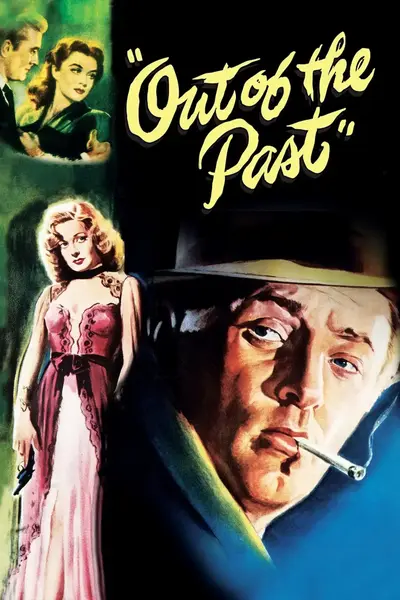
To his fellow citizens in Bridgeport, California, Jeff Bailey is just the guy running the local gas station and dating the town beauty. But Bailey’s got secrets, secrets that start to emerge — wait for it — out of the past when a former associate rolls into town and insists that Bailey travel to Lake Tahoe for a meeting. Soon enough, Bailey’s secrets land him in a convoluted web involving femme fatales, vicious gangsters, federal crimes, double crosses, and plenty of cigarette smoke. Make no mistake, Jacques Tourneur’s classic film noir is an enjoyable one. Robert Mitchum portrays Bailey with a sort of resigned fatalism that suggests he knows where things are heading the moment he sees his old associate, and yet he still does his damndest to outsmart and outrun fate. Meanwhile, Jane Greer is perfect as the beautiful woman you want to trust even though you know you really shouldn’t. And though you expect a film noir to be set in a gloomy urban environment, much of Out of the Past takes place in picturesque rural and outdoor settings, which is an interesting change. Maybe it’s that last aspect, but Tourneur’s film does lack a certain nihilistic edge that I prefer from noir, one that leaves you with a pit in your stomach.
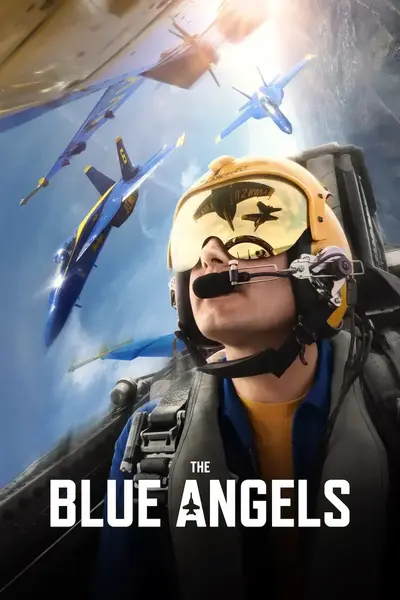
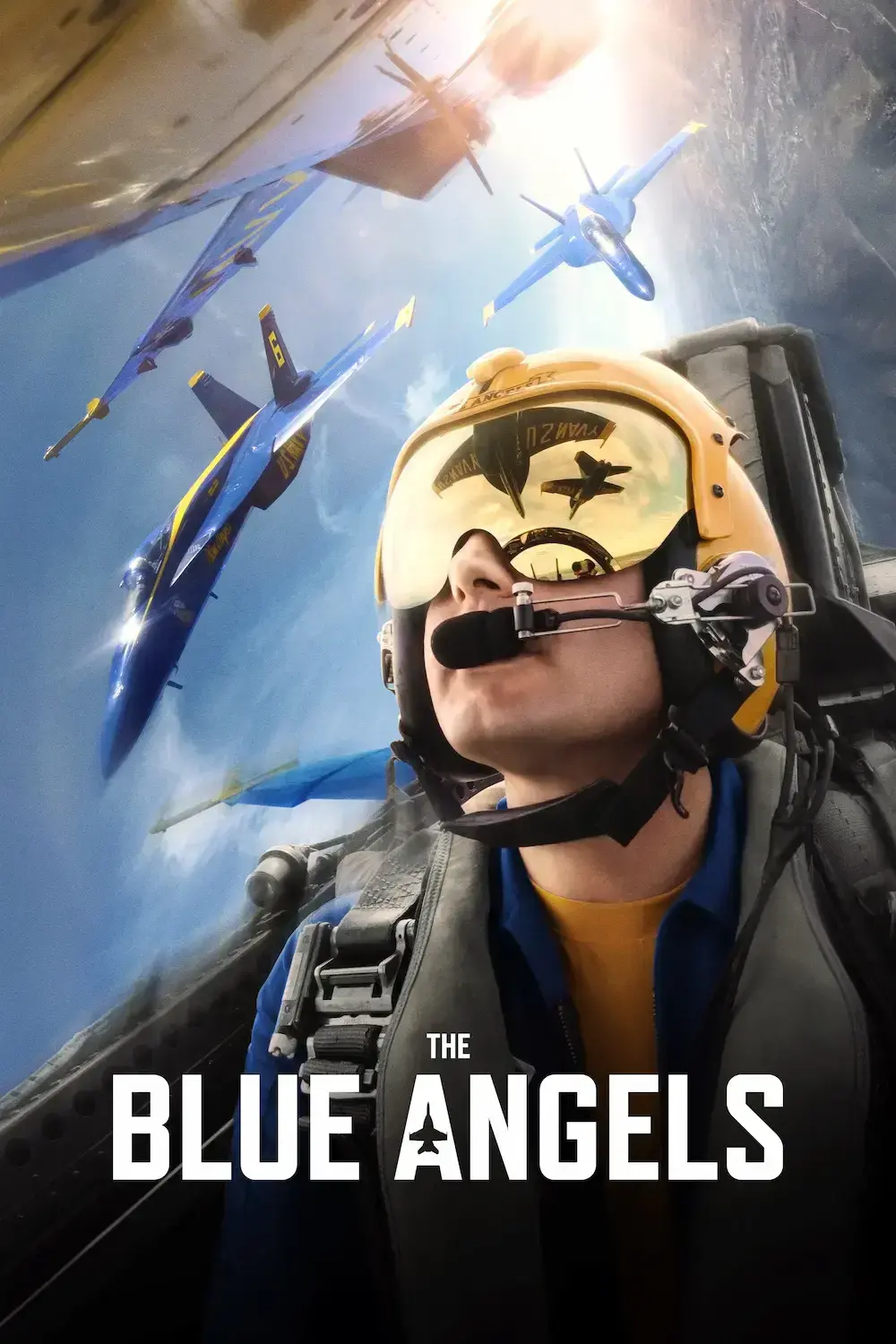
I’ve always loved a good air show, ever since my parents took me and my brother to Offutt Air Force Base to see demonstrations by the Air Force Thunderbirds and the Navy Blue Angels. Paul Crowder’s documentary focuses on the Navy squad to chronicle their 2022 season. Over the course of 90 minutes, we watch their demanding pre-season training, glimpse the planning and coordination required to put on a Blue Angels show, and even walk through the process of selecting new pilots. At times, The Blue Angels does feel like a puff piece. Although it addresses the dangers faced by Blue Angel pilots as well as the difficult logistics that military families must deal with, there’s no way the U.S. Navy would allow anything truly critical or negative in the film, not if the filmmakers wanted any significant level of access to the squadron, that is. Even so, it’s impossible to not be inspired and even moved by the men and women of the Blue Angels: by their camaraderie and precision, their pursuit of perfection, and of course, their elite flying skills, which are captured via some truly striking and never-before-seen aerial footage. If you thought Top Gun: Maverick was thrilling, just wait until you get a first-person view of the Blue Angels flying a mere 12 inches apart from each other while pulling off intricate maneuvers at 400 miles/hour.
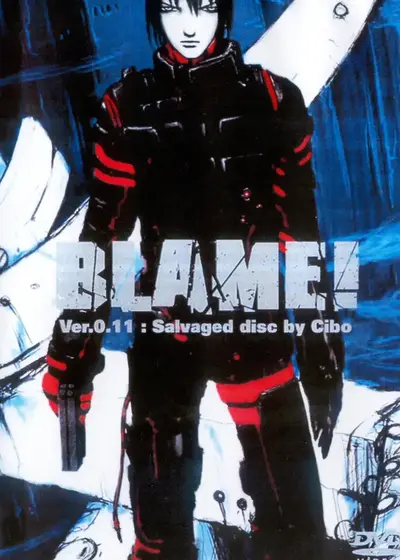
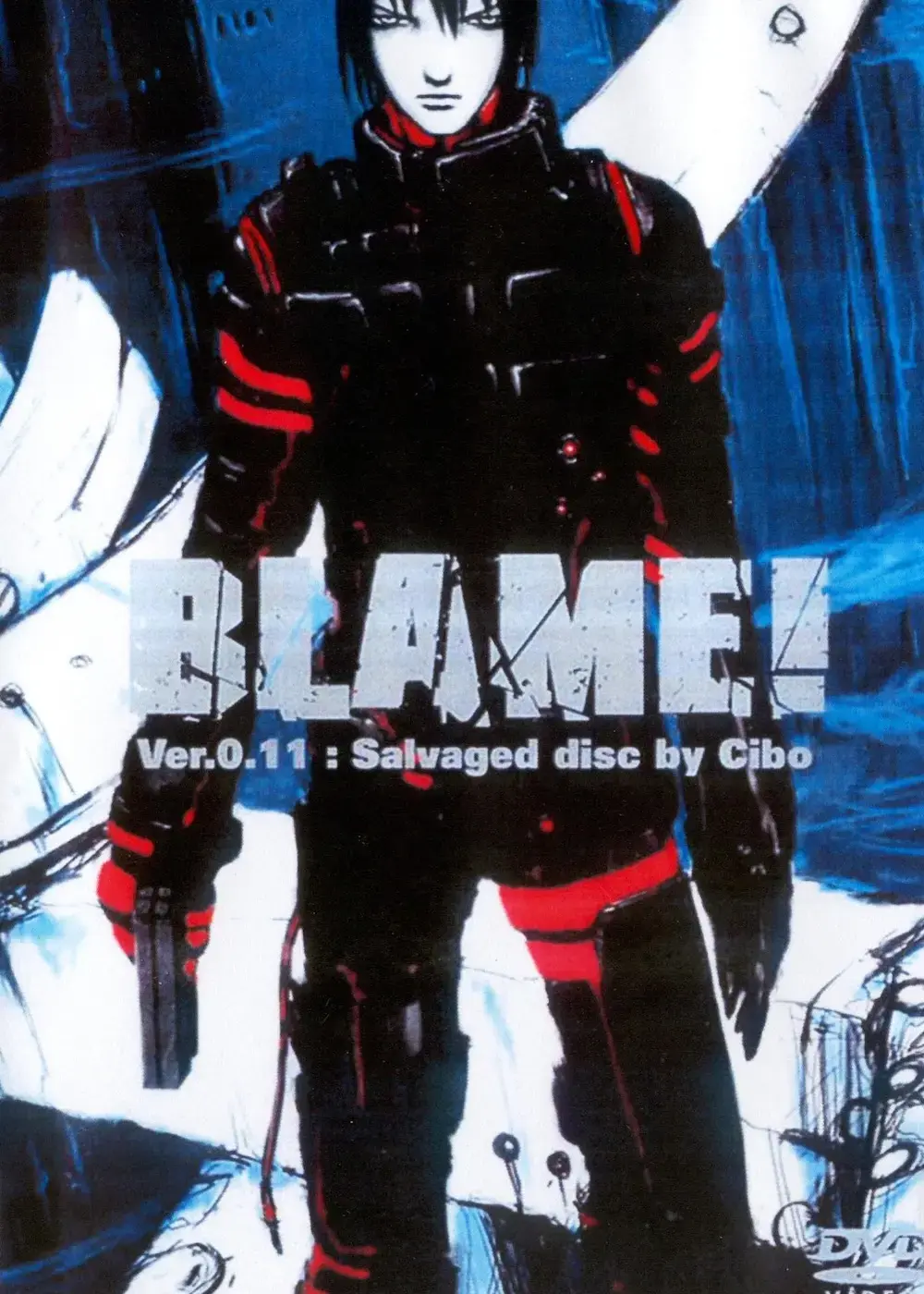
In 2017, Netflix released a long-awaited animated adaptation of Blame!, Tsutomu Nihei’s cyberpunk manga masterpiece. Although it’s certainly well-done, Netflix’s Blame! never quite conveys the sheer scale and weirdness of Nihei’s manga (read my review). But nearly 15 years before Netflix’s movie, the Group TAC studio and director Shintaro Inokawa released a 6-episode ONA (original net animation) that, while disjointed and of relatively low quality, actually did a halfway decent job of capturing just how strange and alienating Nihei’s transhumanist world would be. Apparently, the ONA was originally intended as a teaser or promo for a feature film — hence the rough animation quality — but Nihei was unable to get the funding, leaving the ONA as a standalone artifact. Each episode clocks in at just five minutes, and are largely dialog-free, instead relying on surreal post-apocalyptic imagery and an eerie soundtrack filled with mournful horns and ominous atmospherics. Furthermore, the episodes unfold randomly, depicting scenes and stories from the manga in nonlinear fashion. This approach would be close to unwatchable for a feature, but for a 30-minute series, it works — though I suspect that only Blame! diehards will actually enjoy it. On a related note, I continue to hold out hope that we’ll get a sequel to 2017’s Blame! that’s even bigger and stranger than its predecessor.
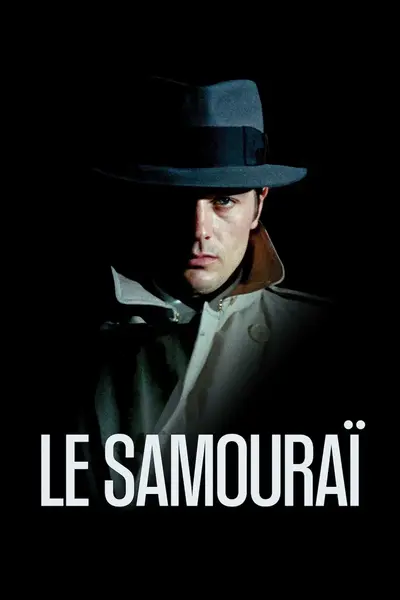
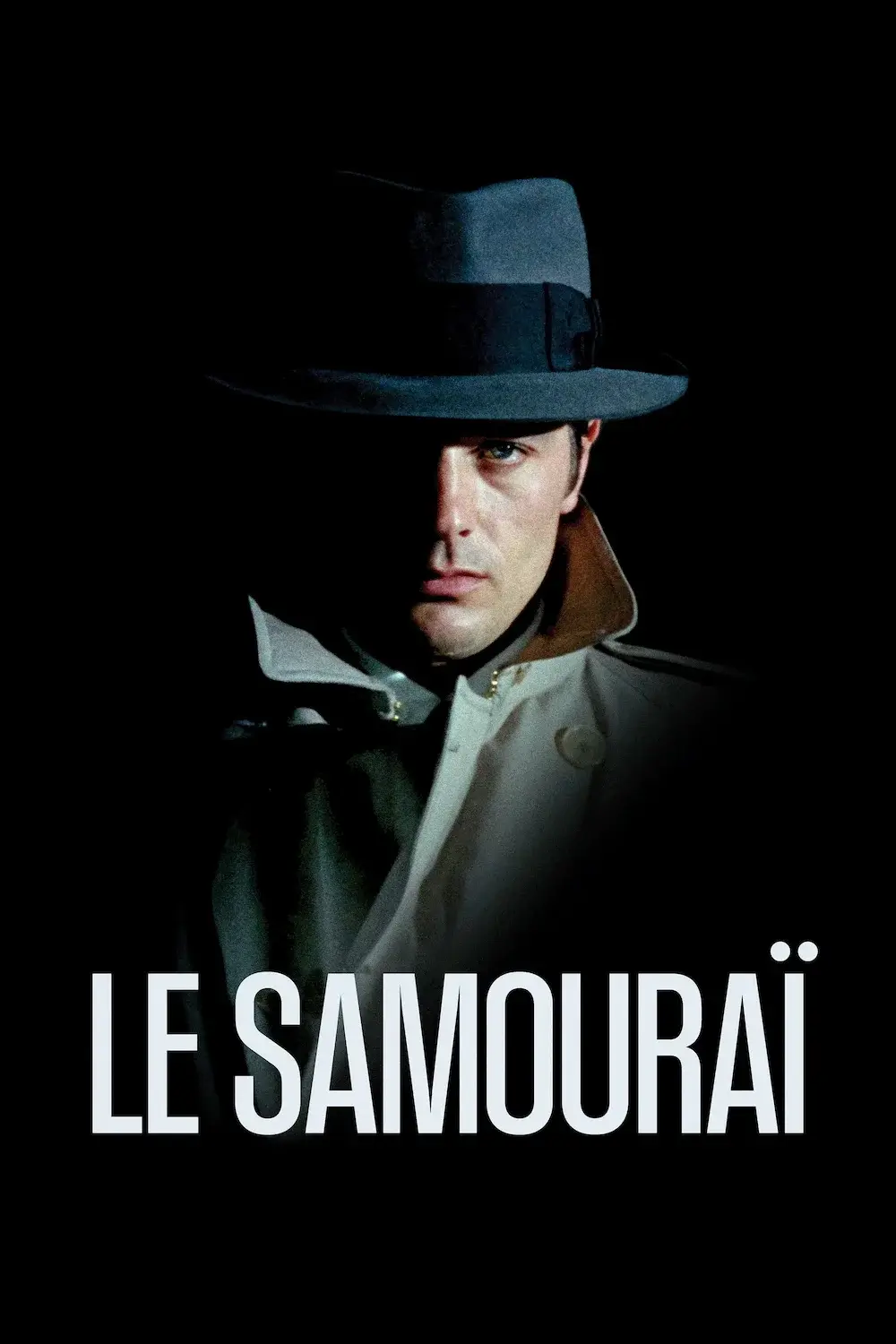
Alain Delon exudes cool in this stylish noir thriller about Jef Costello (Delon), a hitman who methodically carries out his jobs with precision and attention to detail. But when he’s seen after his most recent job and subsequently detained as a suspect, a shrewd police commissioner decides to start hounding Costello all over Paris. Meanwhile, his employers now consider him a liability and decide to tie up loose ends. If that plot sounds familiar, then it’s because Le Samouraï helped established the template for the “lone wolf” film; you can see its influence in such films as John Wick, The French Connection, and Heat while John Woo’s The Killer is essentially a remake (albeit with loads more gunplay). Le Samouraï can seem a bit on the glacial side, pacing-wise, but to be perfectly honest, I could easily watch two hours of Delon — for the record, one of the most handsome leading men to ever grace the screen — just meandering around Paris in his trenchcoat and fedora. Delon maintains an impassive exterior for most of the film. However, there are moments when his ice-blue eyes hint at the turmoil lurking just beneath his façade, which helps to explain his actions in the film’s final, relentless act.
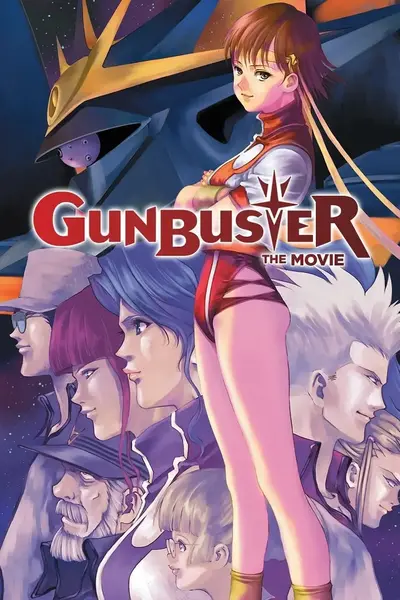
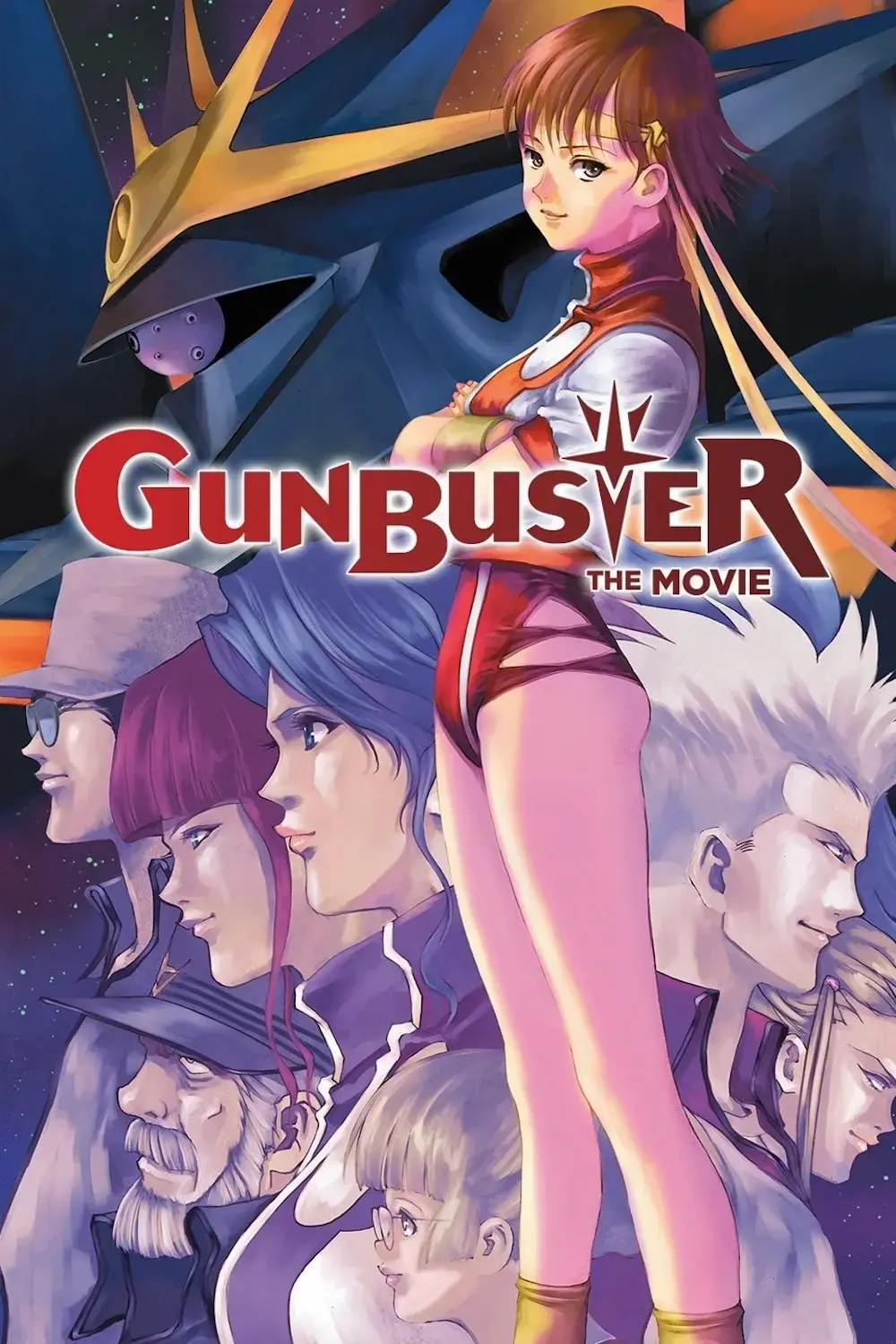
The original Gunbuster OVA was one of the very first anime titles that I watched back in the early ’90s, along with Black Magic M-66, Dirty Pair, and Project A-Ko. And while all of those titles had a few things in common — namely, female protagonists and the occasional bit of fan service — Gunbuster was always my favorite. Not because of the fan service, mind you, but rather, because of the way it juxtaposed coming-of-age melodrama with hard sci-fi concepts, and used the latter to enhance the former. That, and it had lots of cool, albeit ridiculous, mecha action. (I still get a kick out of the characters shouting out their mech’s special moves. Buster Beam! for the win.) Released in 2006, Gunbuster: The Movie is an abridged version of the original OVA, and as such, it does feel disjointed at times. Several storylines that are obviously supposed to be major emotional touch points are noticeably abbreviated here, diminishing their impact and importance. That said, the sense of loss that permeates Gunbuster — thanks to time dilation, our plucky young heroine remains the same age as she traverses the galaxy battling a monstrous alien foe; meanwhile, all of her friends back home on Earth continue growing old — proves quite affecting, and I’ll admit to getting a little choked up at the very end. The fact that the closing theme borrows elements from “Intermezzo” from Pietro Mascagni’s Cavalleria Rusticana only adds to that effect. Also, Gunbuster’s climax employs some of the same artistic abstraction that director Hideaki Anno would later employ to great effect in his most famous work, Neon Genesis Evangelion.
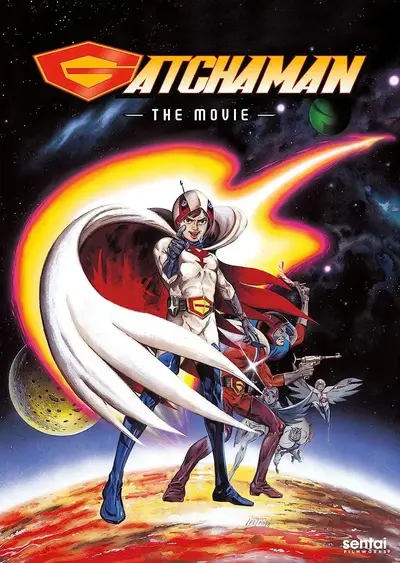
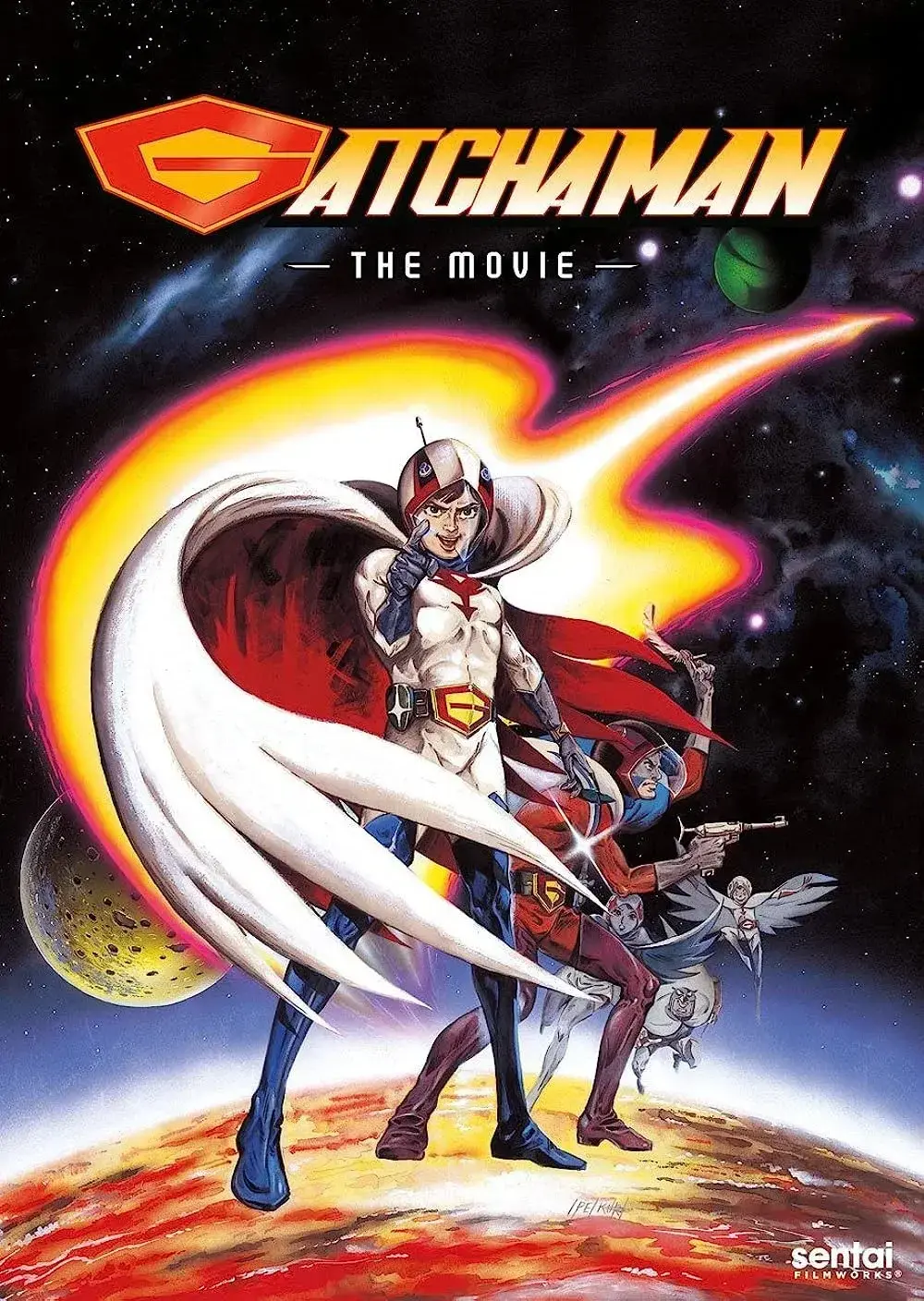
The evil Galactor organization, led by the enigmatic Leader X, is hellbent on taking over the world. The only ones who can possibly thwart their schemes are Gatchaman, aka, the Science Ninja Team, a group of five teens who fight with a mix of martial arts, scientific knowledge, and incredible, bird-themed technology. Given that Gatchaman: The Movie is actually a condensed version of the original 105-episode series, it’s surprising just how coherent it feels. Sure, it’s episodic at times, with Galactor hatching one evil, world-threatening scheme after another, usually involving giant robots of some kind, but that doesn’t make the movie any less enjoyable. Indeed, there’s something very G.I. Joe-esque about it — shadowy terrorist organization with elaborate uniforms led by a megalomaniac, heroes with codenames and unique abilities and tech, etc. — but Gatchaman is far more intense and violent than any cartoon I watched as a kid. People get shot, impaled, and/or sliced up, and nobody ever seems to parachute out of their plane just before it explores. (Not surprisingly, when Gatchaman was released in the States as Battle of the Planets in 1978, it was heavily edited.) Also, there’s no denying that the ’70s animation looks dated and uneven in places, but that doesn’t detract from its charm, and it’s easy to see its influence on later series like Super Sentai, aka Power Rangers.
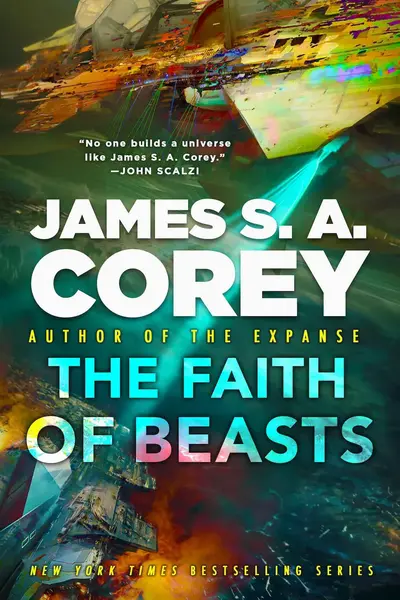
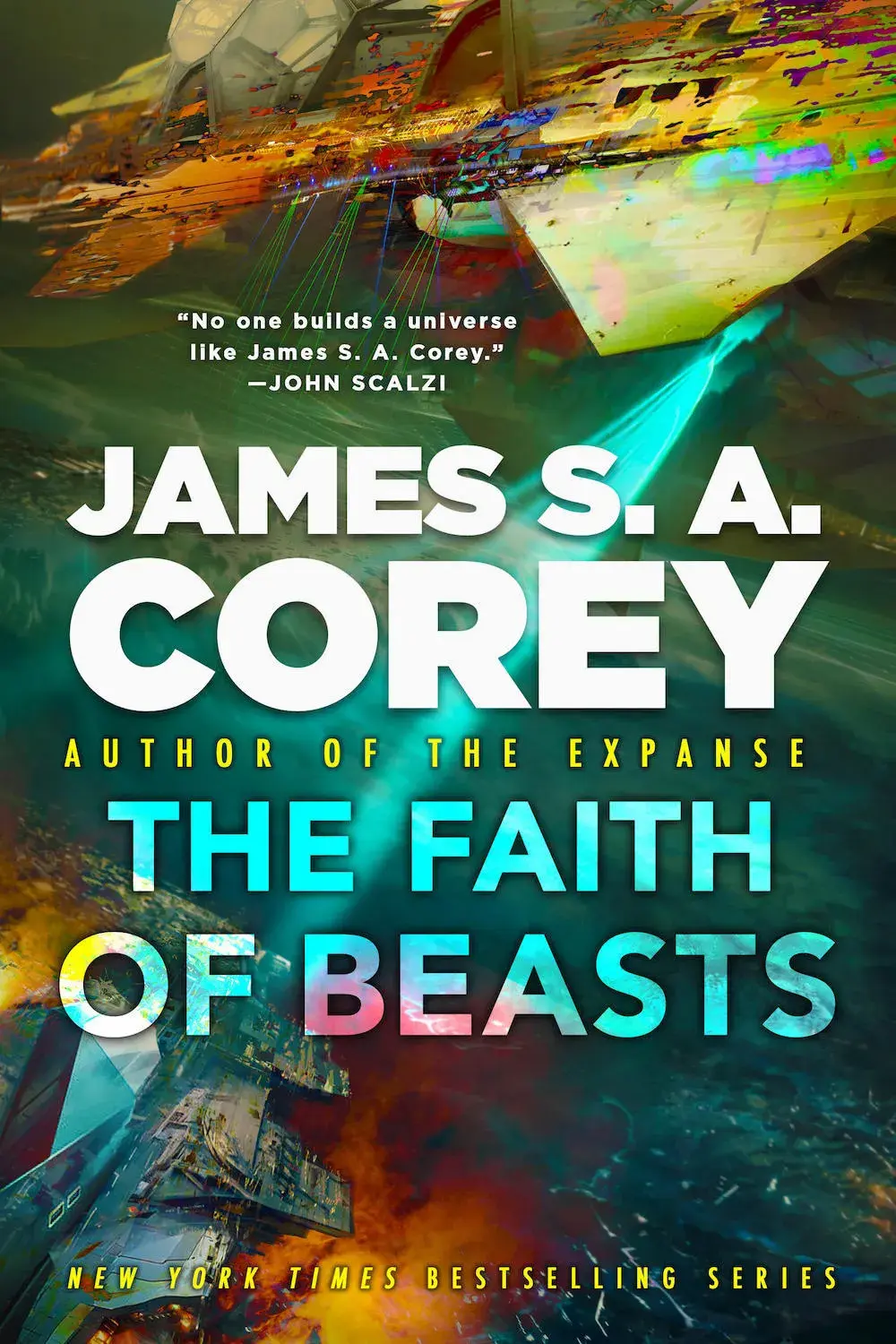
The second novel in James S. A. Corey’s Captive’s War trilogy finds the small human community still enslaved by the all-powerful Carryx Empire. However, some of its biggest threat might come from within. At the start of the trilogy, Dafyd Alkhor was a low-ranking researcher, but now he’s humanity’s chief representative to the Carryx — which means that he has to start making hard, possibly even immoral decisions in order to ensure their ongoing survival. Meanwhile, other humans make discoveries about the Carryx’s unending war and implacable foe that could tip the balance of power. Unfortunately, the humans don’t have any power to begin with. The first Captive’s War novel, 2024’s The Mercy of Gods, wasn’t bad by any means, but it did feel like it spent a lot of its pages simply setting up the story. The Faith of Beasts starts to actually build on some of those threads, especially in its last third or so, as discoveries about the Carryx and their enemy start to be revealed. Unfortunately, I don’t really find Dafyd or any of the other humans all that compelling as characters. I’m more intrigued by the various aliens who make up the Empire, and especially a spy for the other side who is far more — and far stranger — than they seem.
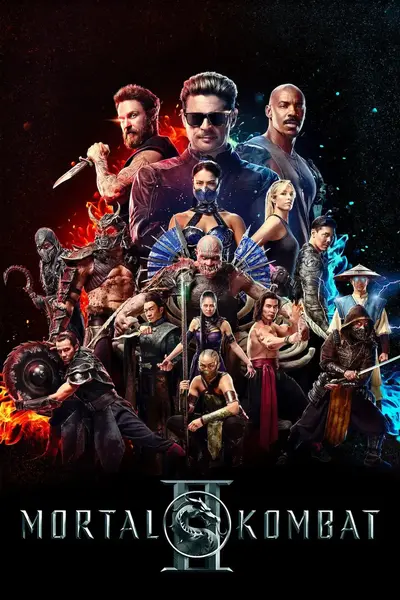
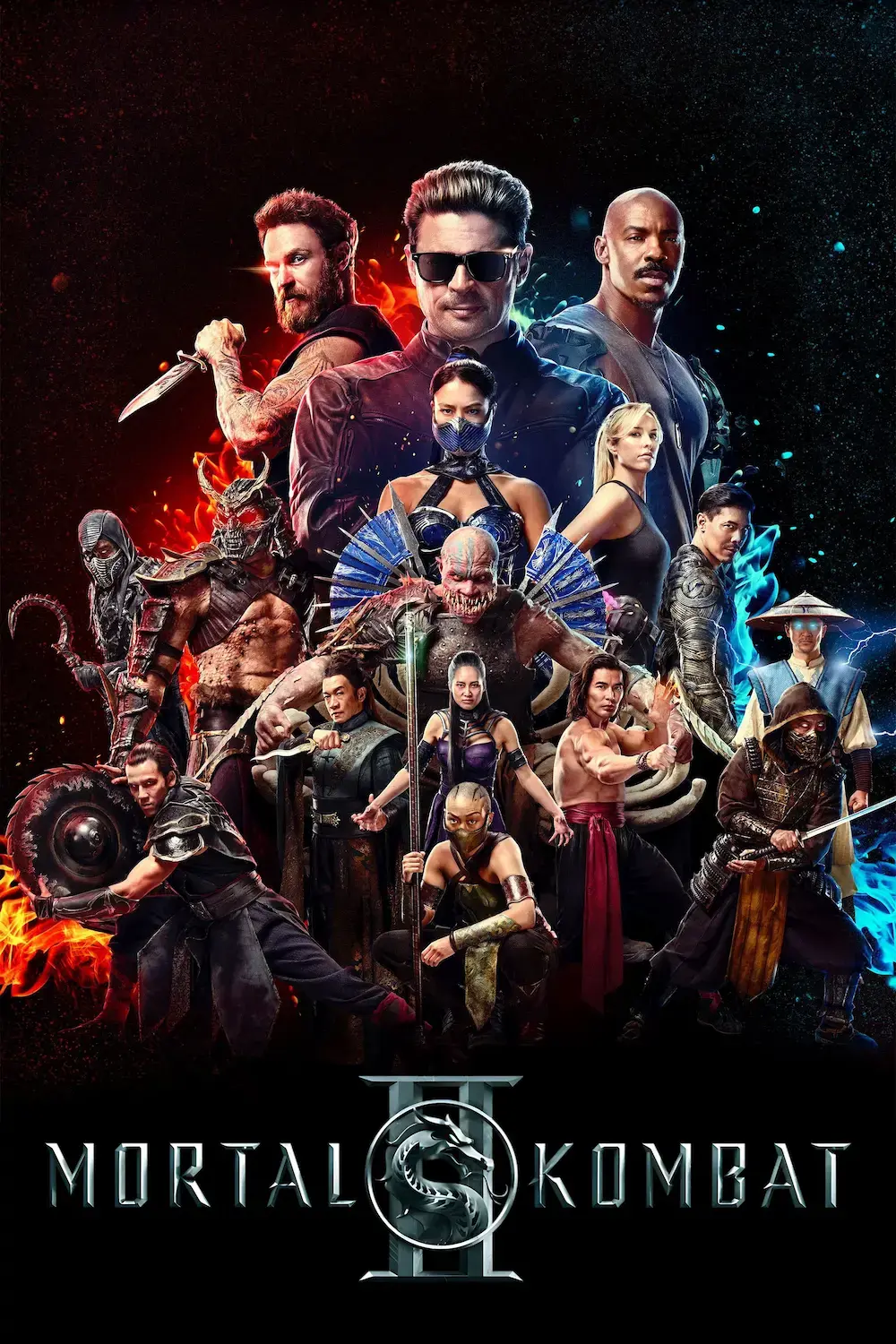
I thought I had adjusted my expectations accordingly for Mortal Kombat II. After seeing the movie’s first trailer last July, I was ready to watch Karl Urban chew up all the scenery as a washed up Johnny Cage who suddenly finds himself in an extra-dimensional duel to the death. As it turns out, though, I didn’t lower my expectations far enough. Sure, Karl Urban gives it his all, but Mortal Kombat II is never more than meh, especially when it becomes painfully obvious that stunt doubles and CGI stand-ins are doing most of Urban’s fighting for him. But what about the fatalities, you ask? After all, what’s a Mortal Kombat movie without gory deaths? There again, it’s all CGI spurts and splatters. Which means that sure, it’s gross when someone gets split asunder by Kung Lao’s razor-brimmed hat, but it’s also quite tame and the furthest thing from visceral. As for the movie’s storyline, it features the requisite character appearances and cameos, but it all feels rather by-the-numbers, especially when it tries to set up the inevitable sequel. To its credit, Mortal Kombat II is mostly better than the 2021 film, but that’s not saying much. But even so, it doesn’t have anything nearly as enjoyable or special as the Scorpion/Sub-Zero duels.
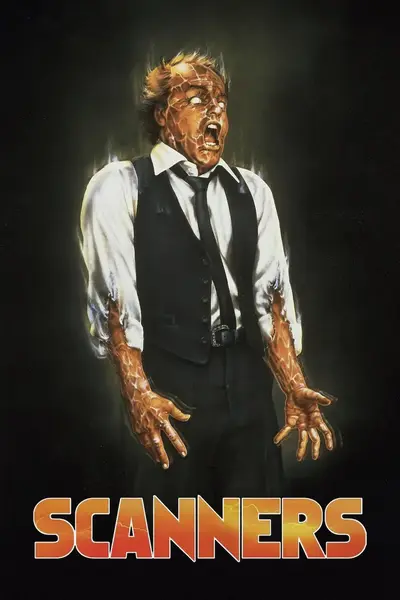
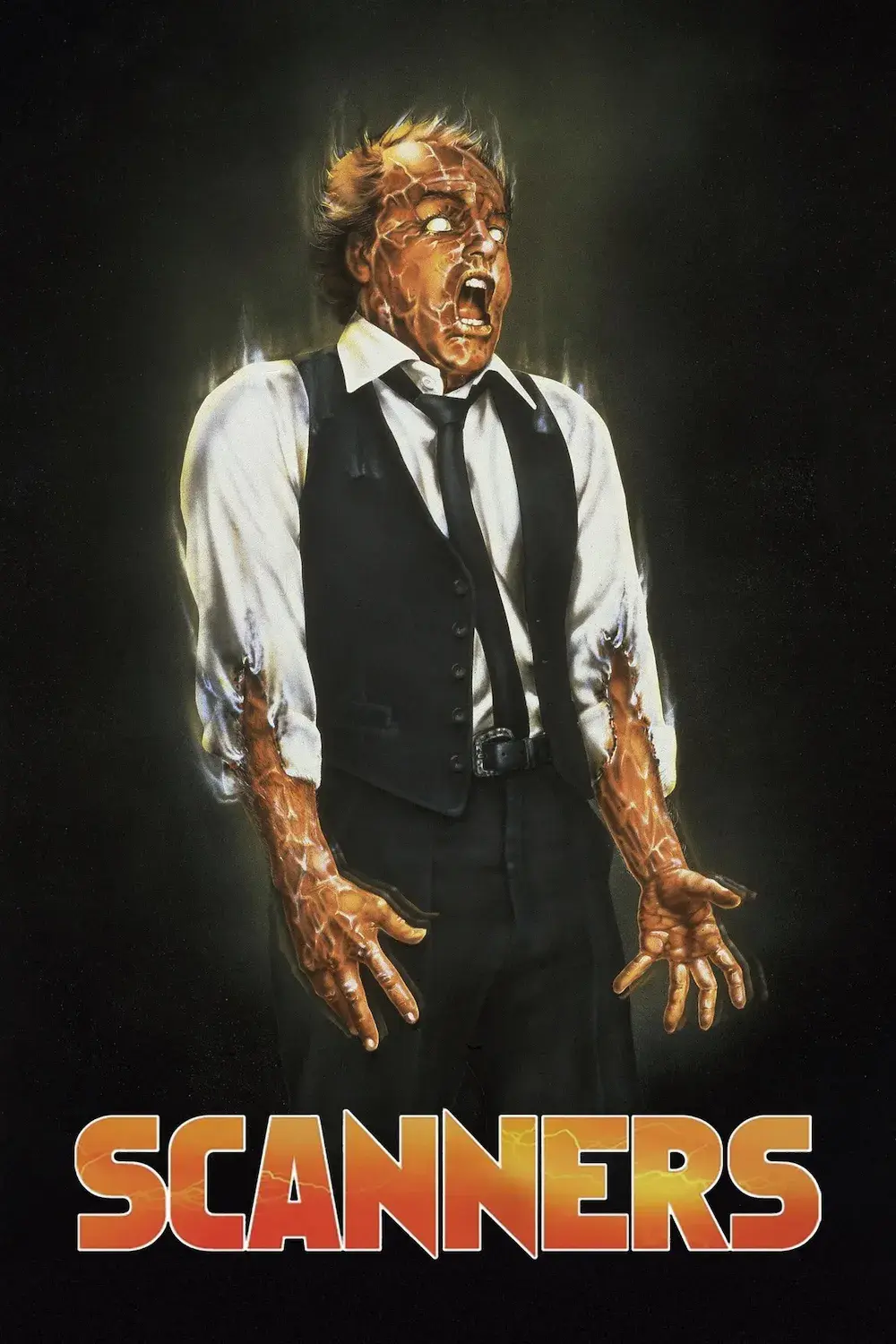
David Cronenberg’s film about psychics is arguably most (in)famous for its “exploding head” sequence, which has lost none of its visceral power in the last 40+ years. But there’s more going on with Scanners than just body horror, although Cronenberg certainly uses that to solid effect. A homeless man named Vale (Stephen Lack) is taken in by an unorthodox scientist who claims he can help Vale control the voices in his head, voices that he hears because he’s a “scanner” who possesses powerful telepathic abilities. Vale finds himself caught up in an underground war between rival scanner factions, and that’s to say nothing of the corporate espionage aspect. Scanners maintains an icy tone throughout thanks to Mark Irwin’s cinematography, which makes the corporate settings all the more dehumanizing (and fascinating). The film occasionally goes into some ridiculous territory, such as when psychic warfare suddenly becomes cyber warfare — but it came out in 1981, when computers still had a certain magical patina, so who’s to say telepaths can’t hack into mainframes? Scanners also stars Patrick McGoohan (The Prisoner) as the aforementioned scientist while Michael Ironside steals every scene he’s in as Revok, the megalomaniacal scanner leader. Scanners inspired several sequels, though Cronenberg wasn’t involved in any of them, and a modern remake was once planned. However, Scanners is successful thanks to its ’80s setting, something that would be challenging to capture in a modern version.

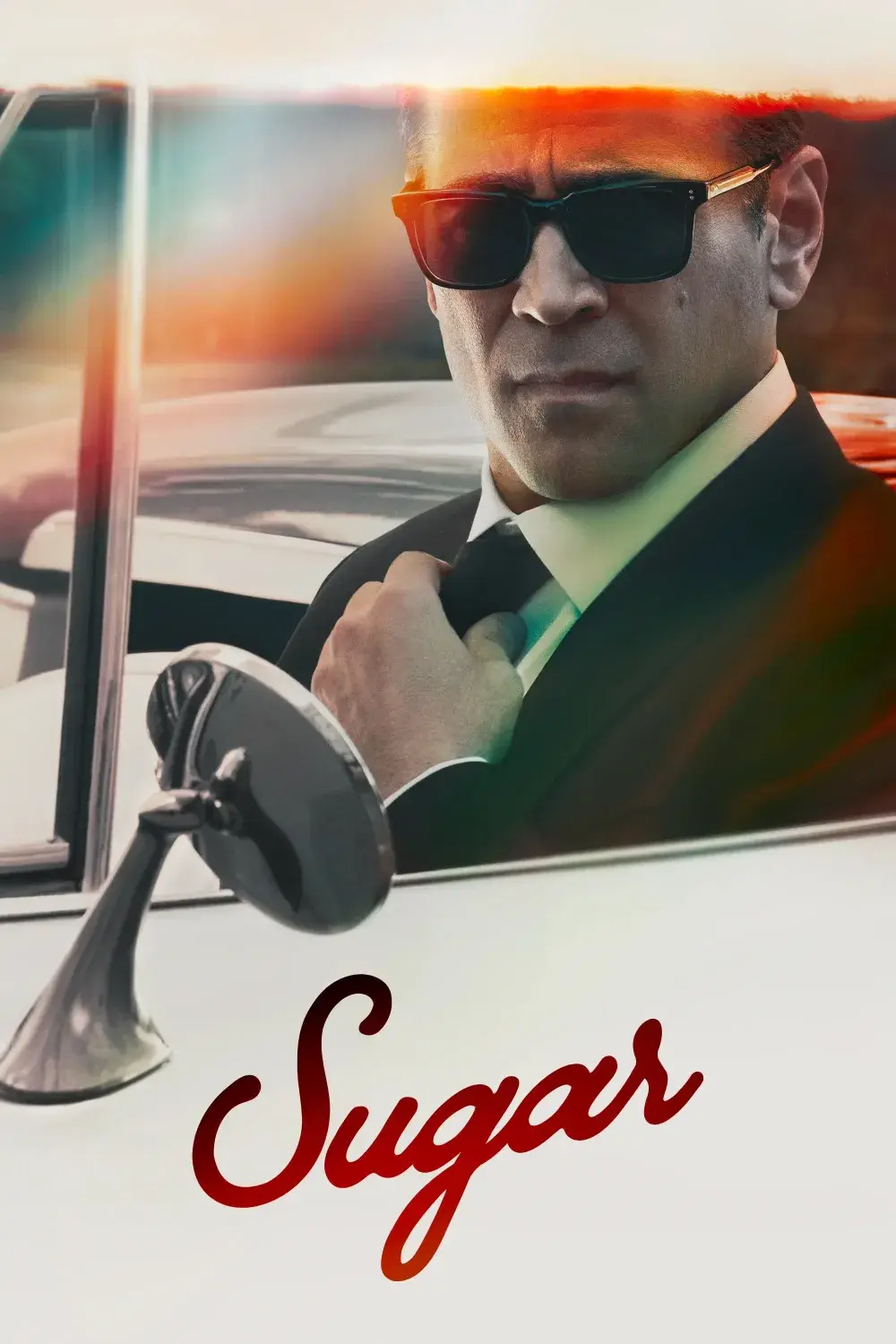
John Sugar (Colin Farrell) is a private investigator who specializes in finding lost and missing people, and he’s very good at what he does. But when he’s hired by a legendary film producer to track down the man’s missing granddaughter, Sugar — who is unfailingly polite, immaculately dressed, and something of a cinephile — may just be in over his head, especially when he heads down some particularly unsavory trails. There’s no denying that Sugar oozes neo-noir atmosphere, and Farrell delivers a solid performance. But there’s also no denying that series creator Mark Protosevich had a lot of ideas for Sugar when he started making it, beginning with some genre-bending twists concerning secrets about Sugar’s past. The series frequently embraces non-linear editing and storytelling, various cinematographic and filmmaking styles, and the inclusion of classic Hollywood clips as meta-commentary on Sugar’s noir exploits. Sometimes it really works, adding to the mood, and sometimes it feels really arch and affected. When I described it to my wife, she said it sounded exhausting to watch — and she’s not entirely wrong. But it’s also never not intriguing. A second season drops later this month (watch the trailer), and it’ll be interesting to see how Sugar builds on the big revelations of its first season.
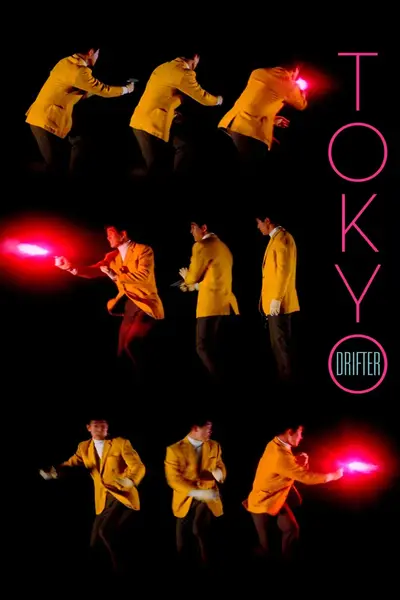
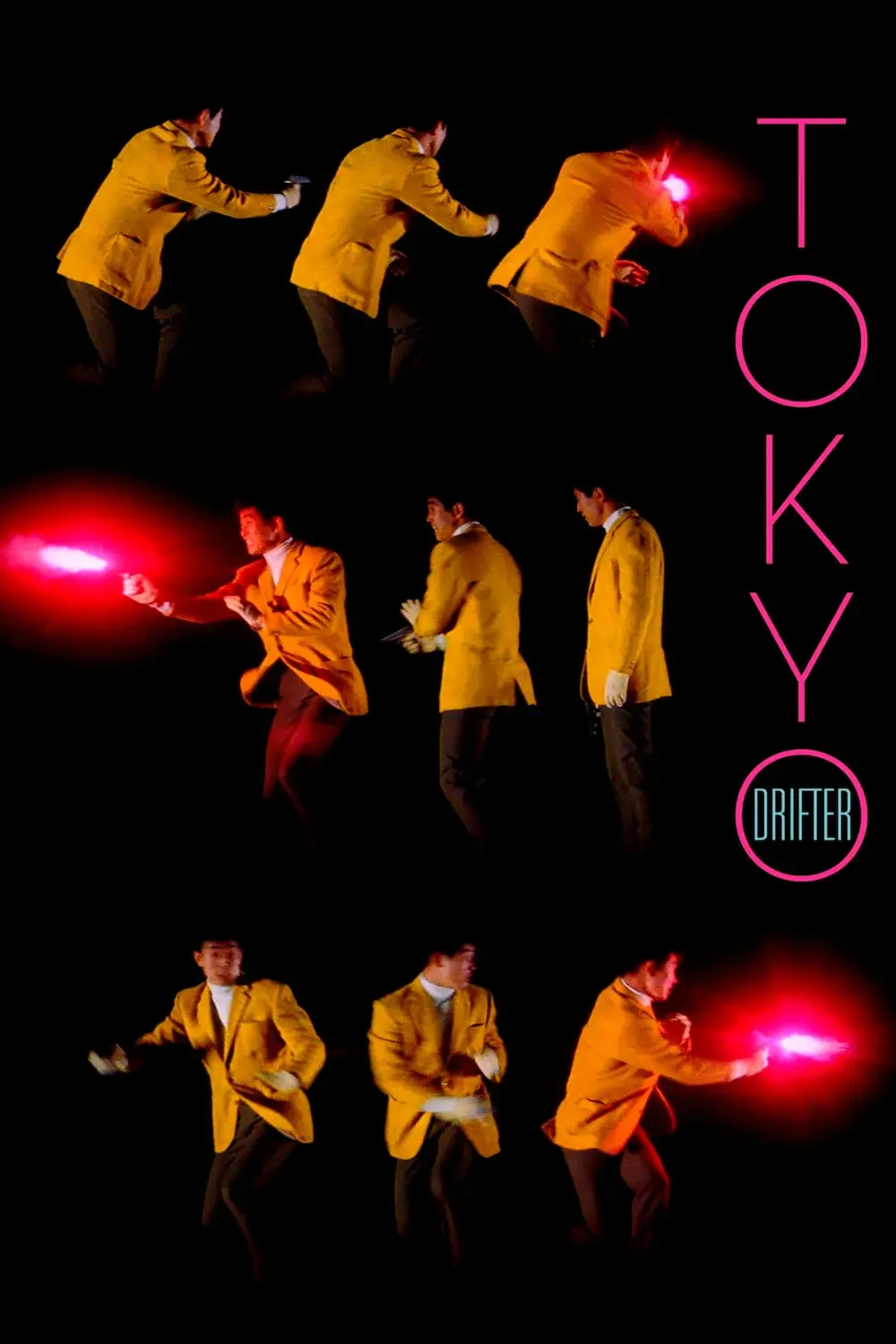
Tetsuya is fiercely loyal to his former yakuza boss Kurata, who has gone straight and left the criminal life behind. But that doesn’t mean the criminal life has left them behind, and Tetsuya — who is infamous for both his toughness and ability to get out tight scrapes — soon finds his notions of loyalty tested when he leaves Tokyo to protect Kurata. To call director Seijun Suzuki “unorthodox” would be an understatement. When the studio heads at Nikkatsu saw the finished Tokyo Drifter, with its surreal and psychedelic flourishes — Suzuki utilizes garish color schemes and in one bizarre sequence, films an all-out brawl in a club stylized after an Old West saloon — they forced Suzuki to make his next two films in black-and-white before ultimately firing and effectively blacklisting him. It probably didn’t help that Tokyo Drifter also pokes fun at, and frequently deconstructs, the yakuza genre even when it seems to be playing things straight.
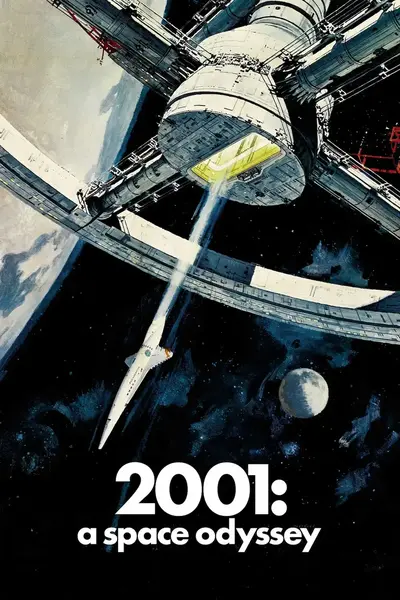
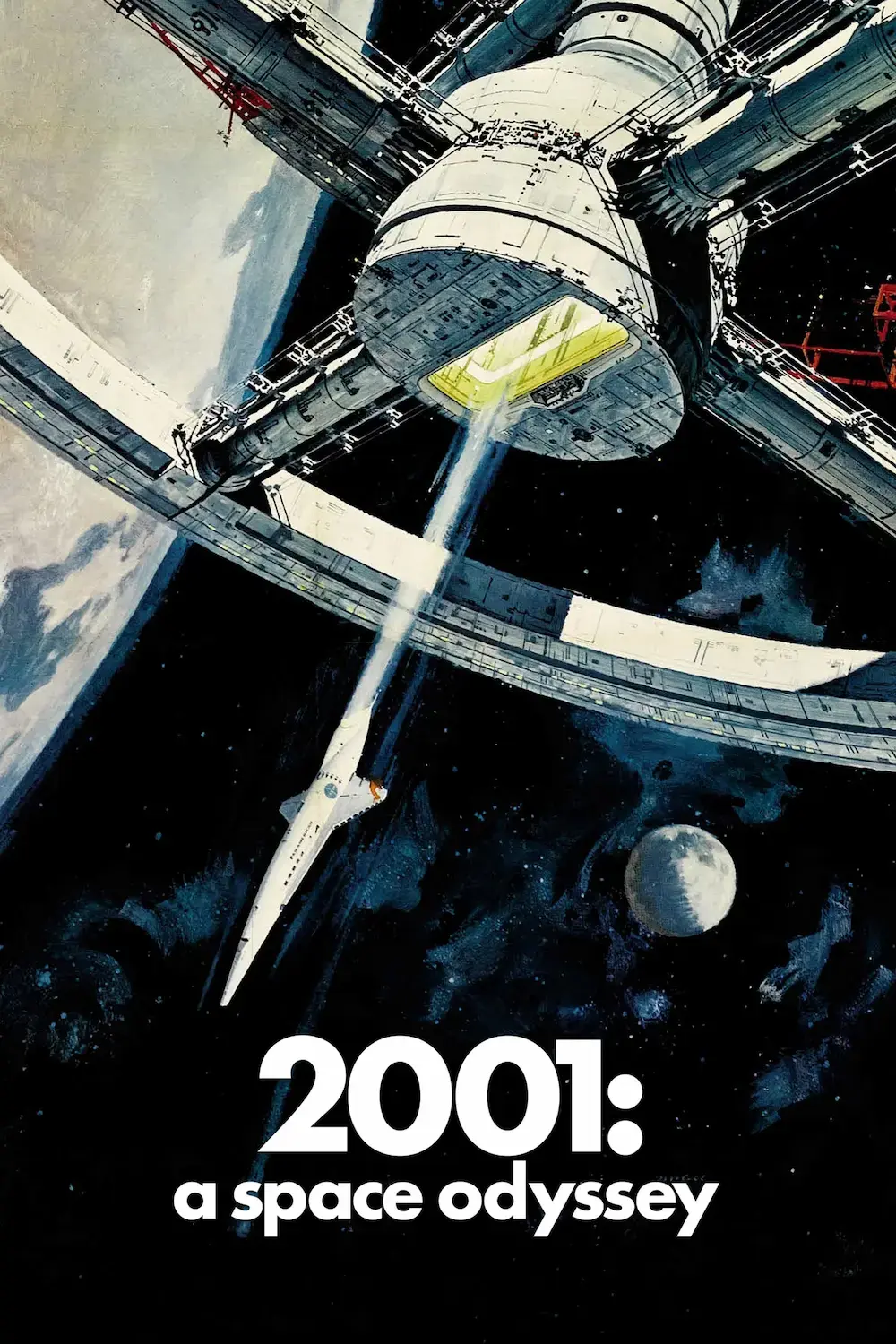
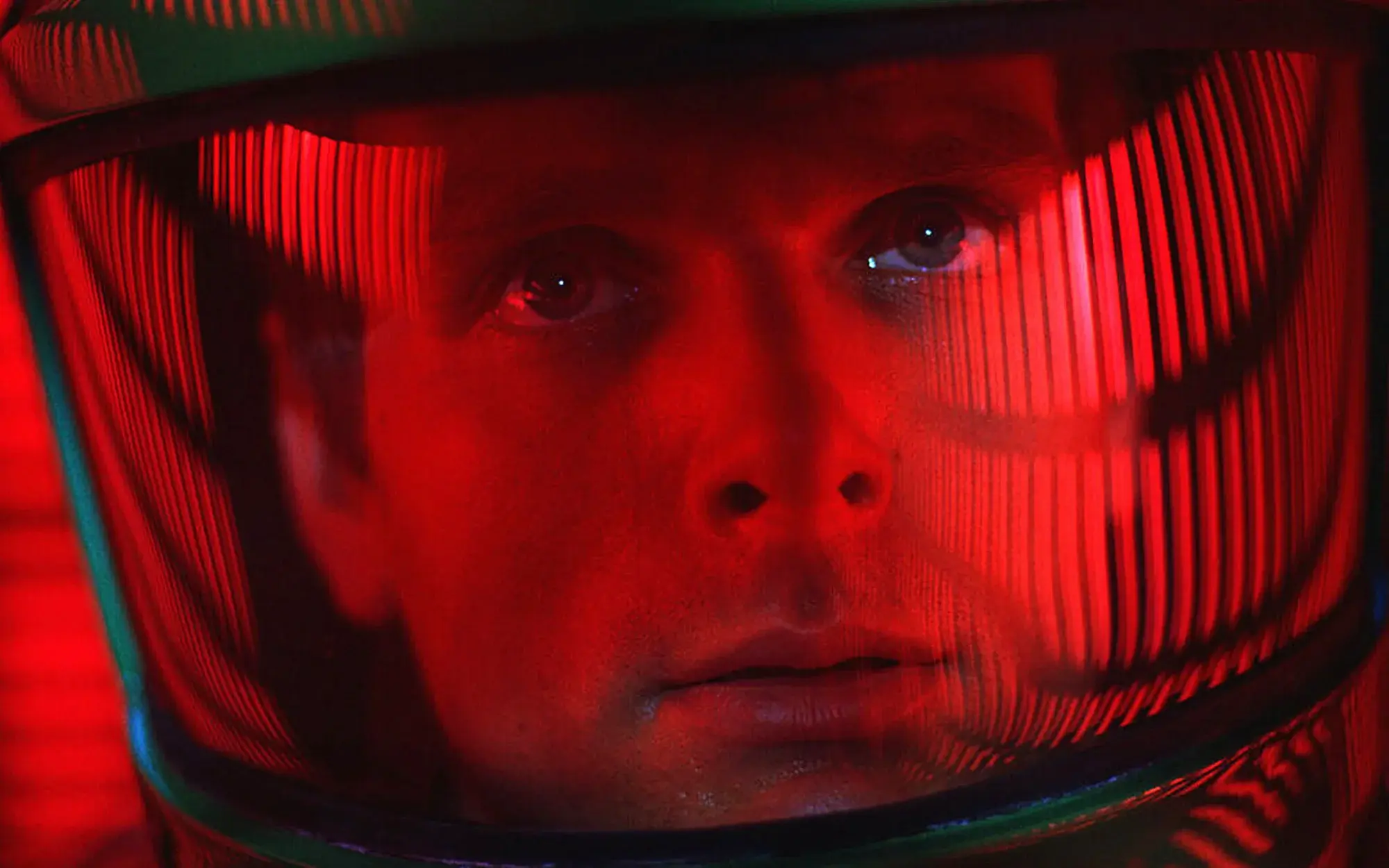
My 16-year-old has a list of “classic” movies that they’ve been steadily working through. Unfortunately, I wasn’t able to join them for the first two Terminator movies — which, as we all know, are the only Terminator movies that have ever been made — but when they asked if I’d sit in on 2001: A Space Odyssey, there’s no way I could refuse. Working with Arthur C. Clarke, Stanley Kubrick created one of the most iconic and influential movies of all time. Although it’s obviously sci-fi, what with its moon bases, spaceships, alien monoliths, space babies, and whatnot, 2001: A Space Odyssey transcends the genre. Much like Blade Runner, it’s one of those rare sci-fi movies that will still seem futuristic even 500 years from now, thanks to its heady script, immaculate production design, and Kubrick’s eye for detail. Sure, there are moments when the movie drags and Kubrick belabors his point, but honestly, what could be cut? Certainly not the climactic Star Gate sequence, one of cinema’s most transcendent — and mind-altering — moments. (That said, I am glad Kubrick trimmed down the scene of the astronaut jogging around Discovery One, which originally ran eleven minutes in order to convey just how boring space travel would be.)