My Cultural Diet (August 2026): Castle in the Sky, Ride or Die, Green City Wars, The Anthropocene Reviewed
In order to better track my various cultural experiences (e.g., movies, TV shows, books, restaurants), I’ve created the Cultural Diet. Think of it as my own personal Goodreads, Letterboxd, and Yelp, all rolled into one (more info here). Every month, I recap everything that I watched, read, etc., in the previous month.
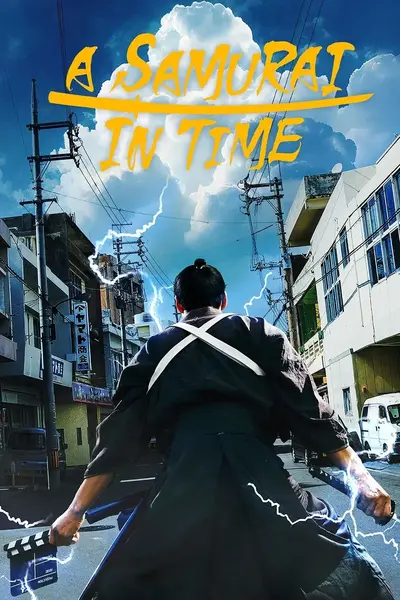
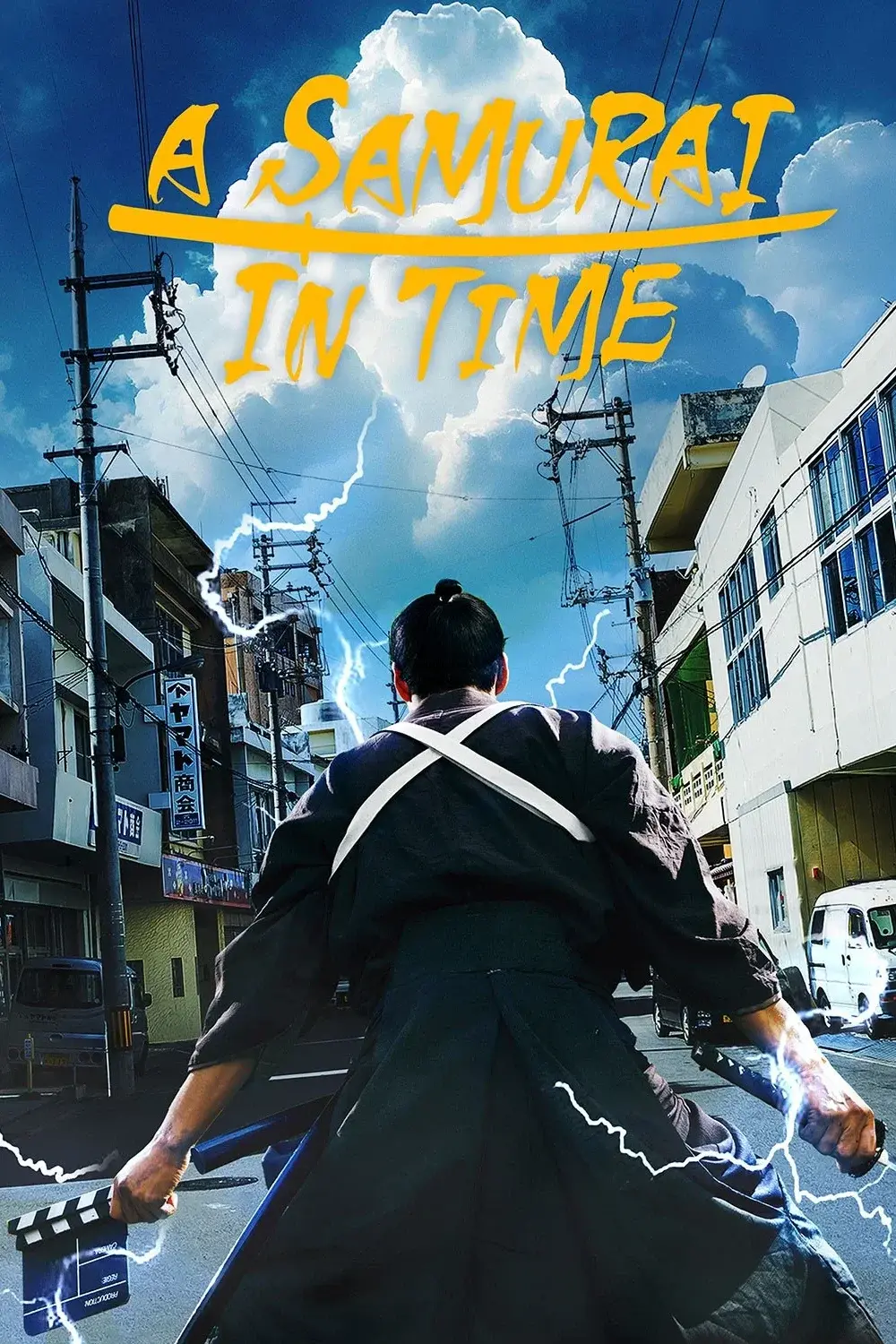
A Samurai in Time begins as any good samurai movie should, with a duel, as Kosaka Shinzaemon (Makiya Yamaguchi) prepares to cross katanas with a warrior from a rival clan. Fate, however, has something else in mind: a stray lightning bolt somehow sends Shinzaemon hundreds of years into the future, where he awakens on the set of a samurai TV series. Of course, he doesn’t realize it’s a set, and everyone else just assumes he’s an extra who wandered into the wrong production. Much of the ensuing humor stems from Shinzaemon trying to make sense of his strange new surroundings. But he eventually finds a new calling as an extra in jidaigeki titles, and specifically as a kirareyaku (i.e., an actor who specialize in dying on-screen). He even starts developing feelings for assistant director Yuko Yamamoto (Yuno Sakura), and becomes determined to help her film career succeed. But Shinzaemon can’t escape his past, and as the movie enters its final act, it becomes increasingly clear that the past isn’t through with him, either. A Samurai in Time is an obvious love-letter to the jidaigeki genre and as such, a clearly personal project for writer/director Jun’ichi Yasuda, who funded the film’s production with his own money. Thus, I do feel kind of bad for not liking it more than I did. A Samurai in Time is certainly charming and pleasant, and it’s easy to see why it became so successful thanks to word-of-mouth. (It would ultimately take the top prize at the 2025 Japan Academy Film Prize awards.) But it’s so pleasant that it occasionally becomes innocuous, even anodyne. While it’s occasionally a nice change of pace, the film’s exploration of the absurdity — and tragedy — of Shinzaemon’s plight lacks something vital to really bring it all home.
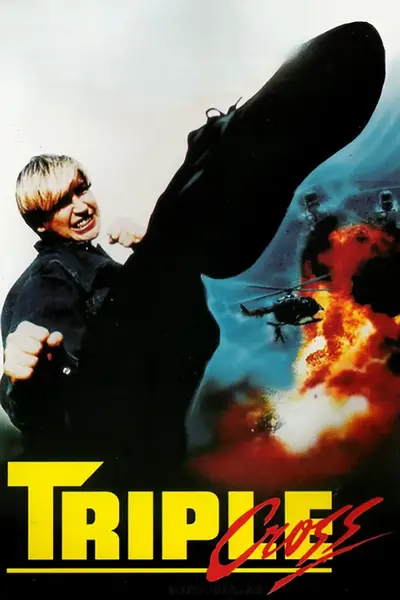
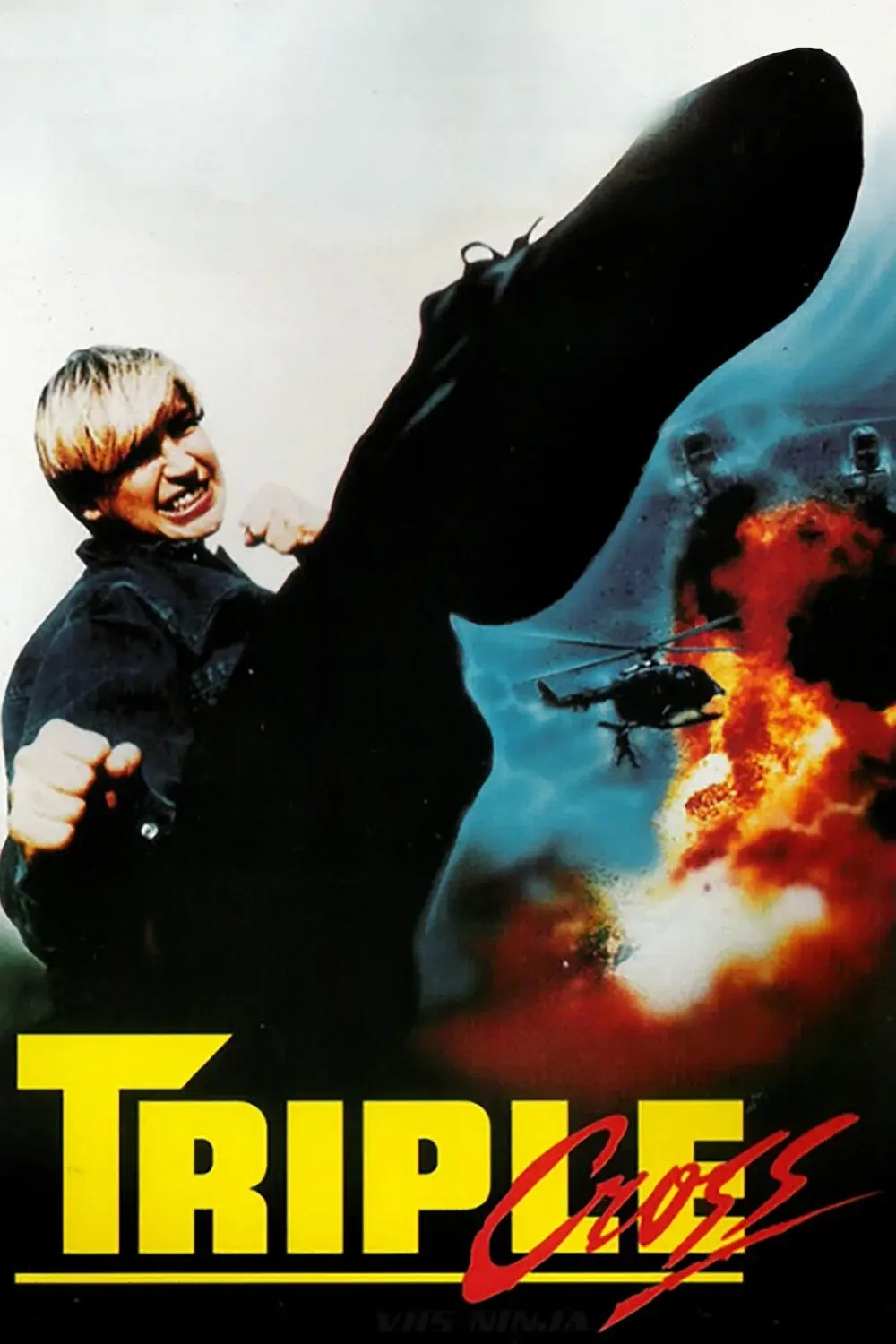
First, a bit of trivia: When Imperial Entertainment acquired the rights to Triple Cross, they apparently re-edited it and then renamed it to Angel of Fury prior to its American release in 1994 — which is how it’s listed on Tubi. However, star Cynthia Rothrock already had a movie titled Angel of Fury under her belt, which she’d made in 1993 with Billy Drago. So to clear up any potential confusion, Imperial just renamed that movie to Lady Dragon 2. Sadly, this backstory might be the most interesting thing about the film. Rothrock plays a corporate security consultant named Nancy Bolan who’s tasked with bringing an advanced computer into the country. However, her simple courier job is complicated by two things. A terrorist named Bolt — who, we’re told on several occasions, strikes like lightning — wants the computer for his own nefarious purposes. Meanwhile, a former lover that Nancy previously thought dead re-emerges from the shadows, and he’ll stop at nothing to capture Bolt. (Who, allow me to remind you, strikes like lightning.) It’s a muddled mess that occasionally elicits a chuckle, which is the most I can say for it. Screenwriter Christopher Mitchum claims the Indonesian filmmakers tore his script apart, replacing anything they didn’t understand with a fight scene. Adding insult to injury, the film’s fight scenes are all lackluster at best. Rothrock occasionally gets to strut her stuff, but most of her moves are edited into incoherence, which is further heightened by the fact that Triple Cross looks like it was filmed on sixth-generation VHS tape. Not surprisingly, Rothrock was so embarrassed, she tried to convince the studio to not release the film, but was obviously unsuccessful.
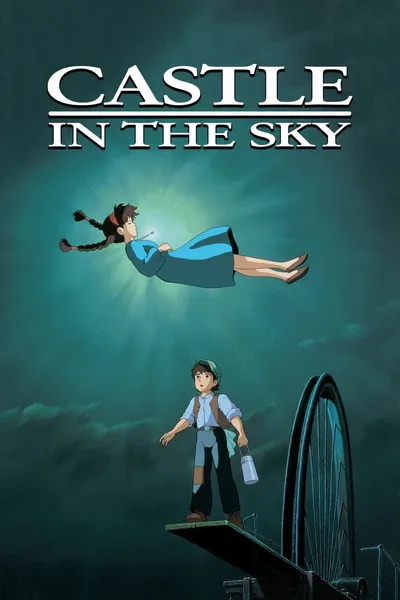
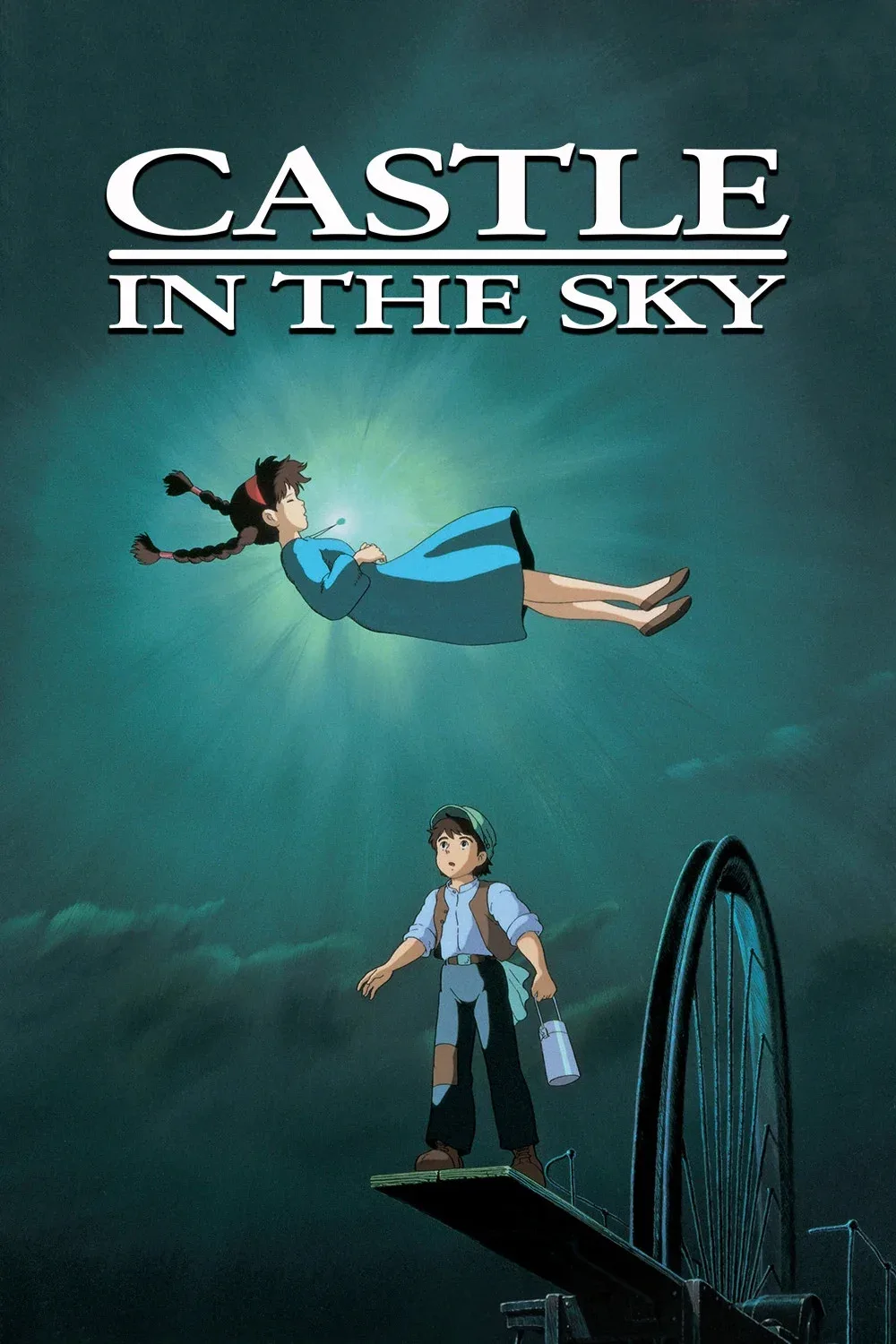
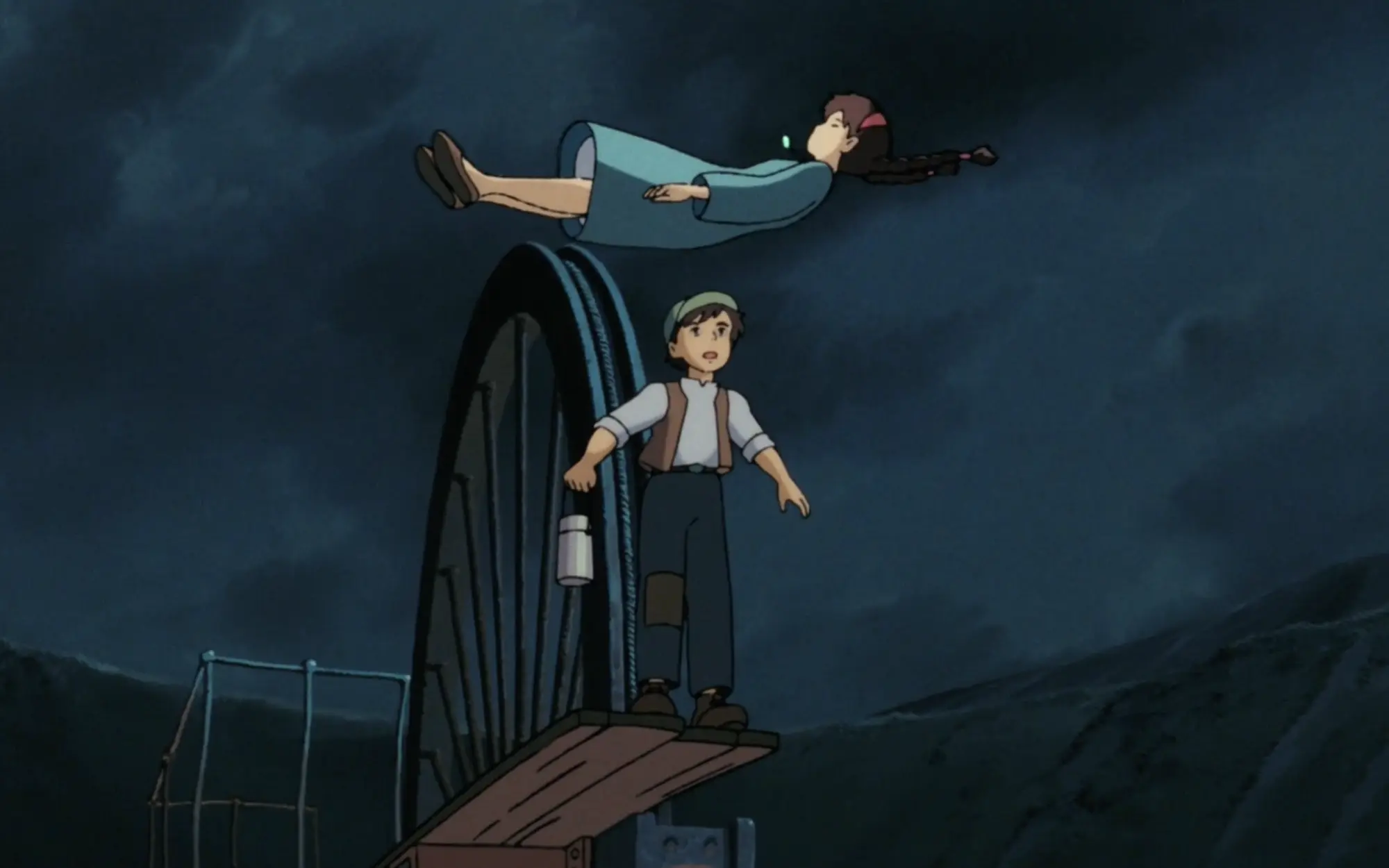
Flight has long been one of Hayao Miyazaki’s passions, as evidenced by films like Porco Rosso and The Wind Rises, as well as various sequences in Kiki’s Delivery Service and even My Neighbor Totoro. But Castle in the Sky — which was Studio Ghibli’s first feature film — is Miyazaki’s purest flight of fancy, featuring two plucky youngsters whose search for the mysterious floating city of Laputa brings them into conflict with sky pirates, greedy generals, and shady government agents. Castle in the Sky contains some of Miyazaki’s most delightful and imaginative settings: the cliffside mining town that young Pazu calls home, Uncle Pom’s underground haunts, the sky pirate’s clattering airship, and above them all (npi), Laputa, with its ancient ruins and waterworks, lush gardens, and arcane technology. Being a Miyazaki film, Castle in the Sky contains some expected themes (e.g., the corrupting influence of power, the need to respect nature), but balances them with pirate hijinks, a steampunk vibe, and some thrilling aerial sequences. This year marks the film’s 40th anniversary, and seeing it in the theater reaffirmed that it’s one of Miyazaki’s purest and most enjoyable crowdpleasers.
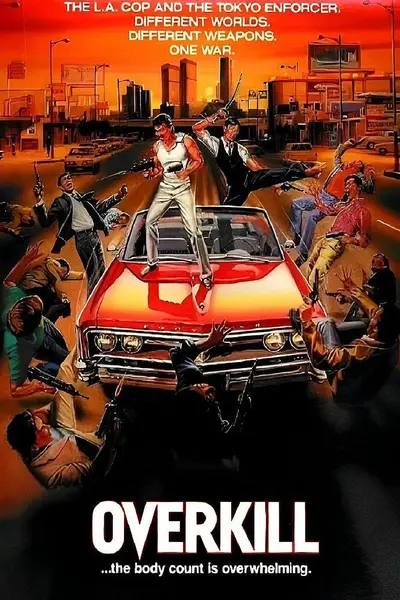
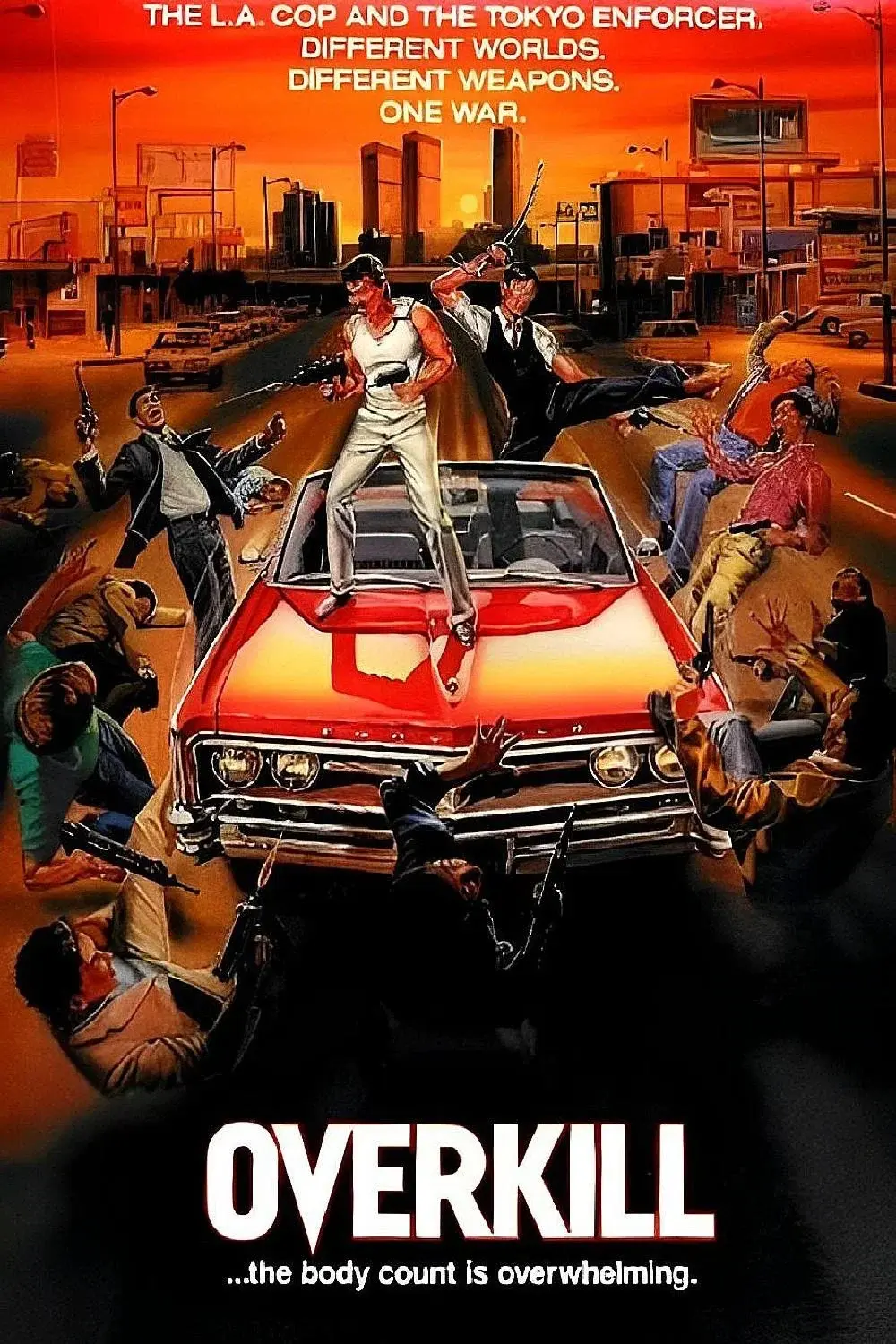
LAPD detective Mickey Delano is convinced that Japan’s yakuza is poised to take over the American west coast. Unfortunately, most of his fellow cops think he’s crazy, which forces him to resort to increasingly illegal tactics to gather evidence. Meanwhile, a Japanese cop named Akashi arrives in L.A. to avenge the death of his sister, who was murdered by the yakuza. The two cops team up to confront their common enemy, but the yakuza’s influence has spread throughout the city, meaning Delano and Akashi are truly on their own. Back in the ’80s, there was a growing concern that Japan, which was experiencing an economic resurgence at the time, was taking over America and making inroads into key American industries (e.g., the auto industry). It’s hard not to detect some of that in Ulli Lommel’s film, which he co-wrote with David Scott Kroes. There’s some pretty borderline racist stuff here, be it Delano’s yakuza paranoia or the fact that the Asian cast was required to play out various stereotypes. (For example, Akashi is prone to mystical koans about death and honor, and naturally, he’s an expert with the katana.) Overkill does occasionally seem on the verge of ascending to Samurai Cop levels of cheese, and nowhere more so than when Delano goes undercover as a male stripper. However, it really does seem like Lommel intended Overkill to be a “serious” gangster movie. But that intent is undercut by the film’s wooden acting and unintentionally hilarious dialog (early in the film, Delano yells “I was born in California and I’m gonna defend it!” as his rationale for taking on the yakuza), not to mention the ham-fisted editing, which makes Overkill feel about twice as long as it 82-minute runtime.
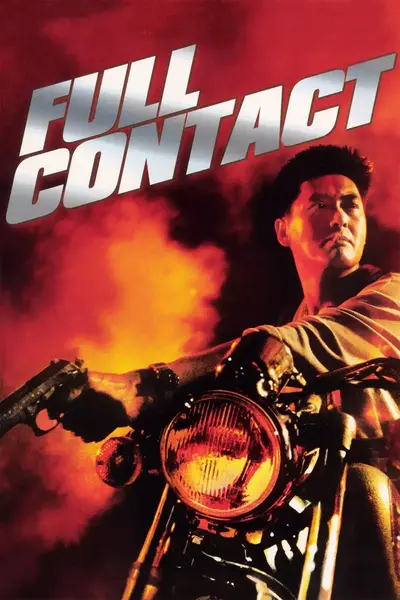
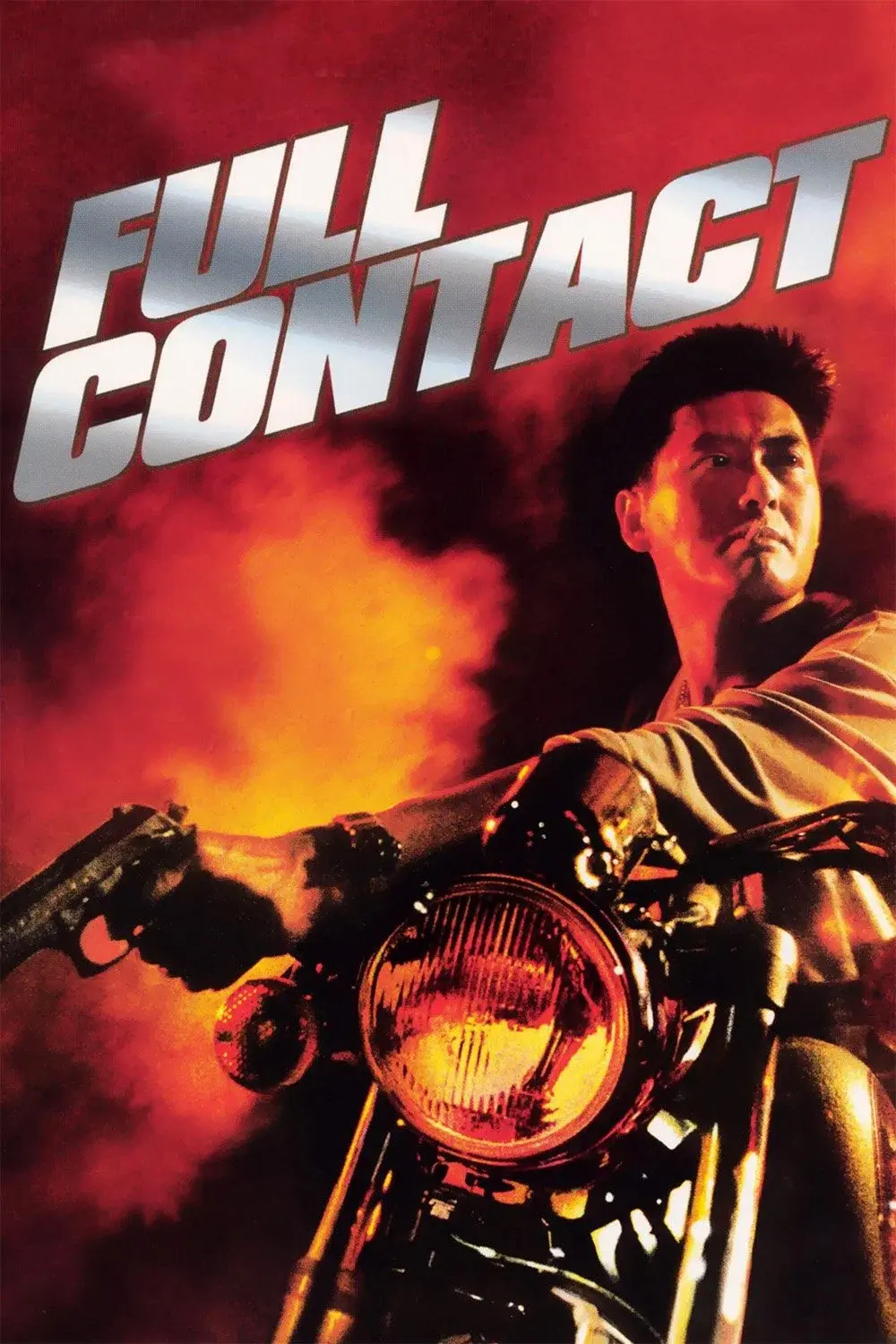
Chow Yun-fat stars in this Hong Kong action flick as Jeff, a low-level tough who agrees to participate in a heist to earn some extra money. Of course, wouldn’t you know it, he’s ultimately double-crossed and left for dead. But while Jeff recuperates and plots his revenge, his betrayer returns to Bangkok with the goods and even makes some moves on his wife (played by Ann Bridgewater), who has no clue that her husband is still alive. There’s no doubt that Ringo Lam’s film drips with style, especially when he drenches the screen in lurid neon lighting that gives everything a sharp, visceral edge. Unfortunately, Full Contact’s story isn’t quite as visceral or gripping as Lam’s visuals would seem to indicate. Melodrama is a key component of Hong Kong cinema, and even more so in the country’s action films, and Full Contact is awash with it. While Chow Yun-fat brooding and plotting revenge will never not be entertaining, the film often verges on self-parody thanks to its ridiculous antagonists, be it Simon Yam’s flamboyantly homosexual gangster or Bonnie Fu’s ultra-libidinous vixen. Whenever they’re vamping it up on the screen, it’s really hard to take the rest of Full Contact seriously.
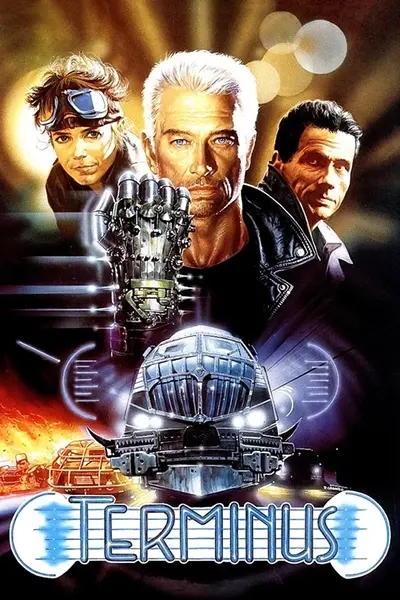
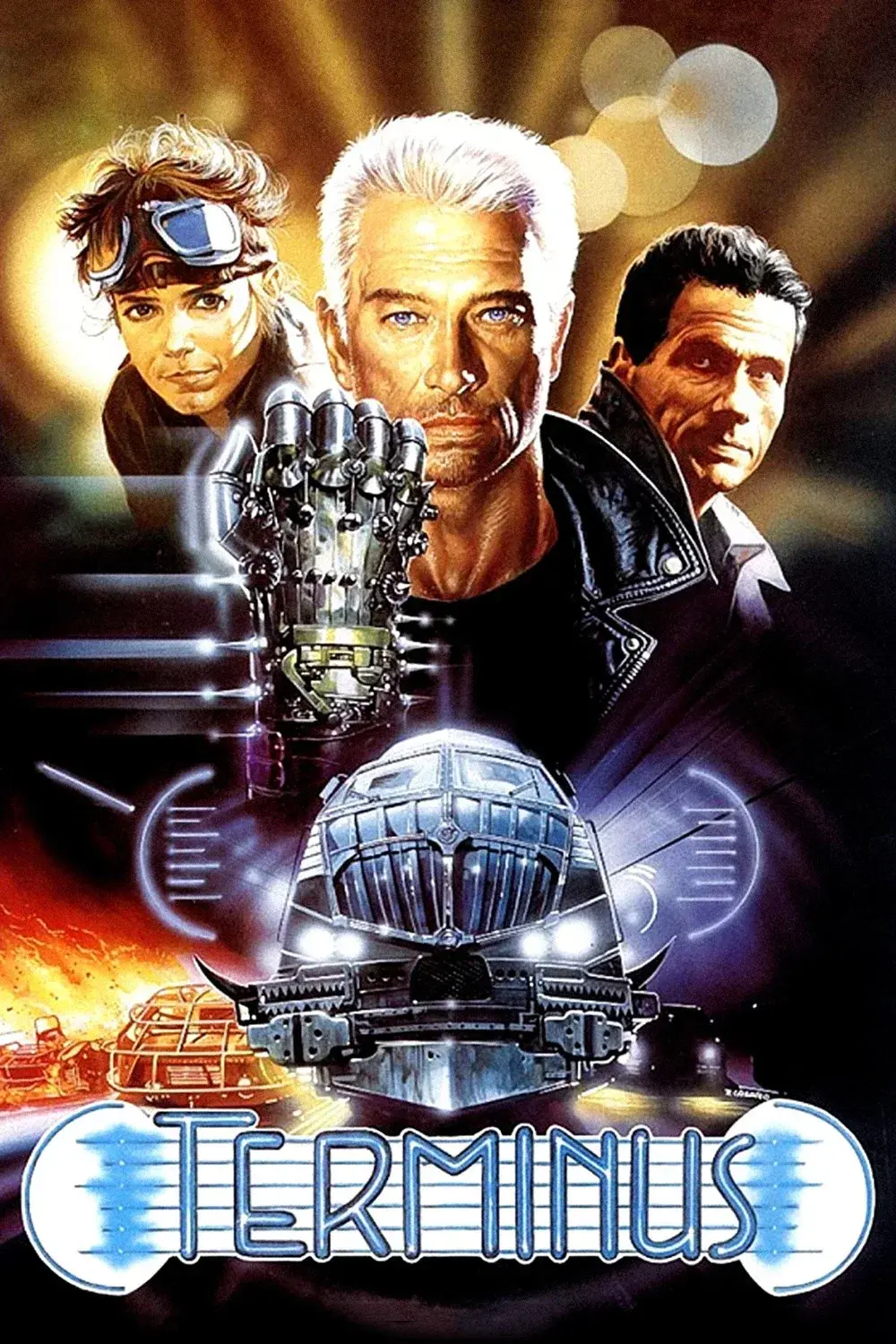
In the not-too-distant future, a woman named Gus (Karen Allen of Indiana Jones fame) is driving an advanced AI-powered truck through the countryside as part of an elaborate cross-country race. When she ends up off-course after her guidance system fails, she encounters a mysterious drifter (French rock star Johnny Hallyday) who becomes her only hope for completing the race and overcoming the sinister forces arrayed against them. At first, this French-German production looks like yet another post-apocalyptic road movie in the same vein as Mad Max, but as it unfolds, it’s hard to shake the feeling that the filmmakers had no idea what sort of story they were actually telling. There are glimmers of good ideas throughout Terminus, but it’s so vague and uneven, and its characters and their motivations so threadbare, that none of those ideas ever really materialize. What makes Terminus even more frustrating is that it does boast some cool images and production design, starting with the (I think) good guys’ neon-lit underground base. Unfortunately, the film’s style, which looks surprisingly modern at times, never overcomes or even balances out its lack of substance.
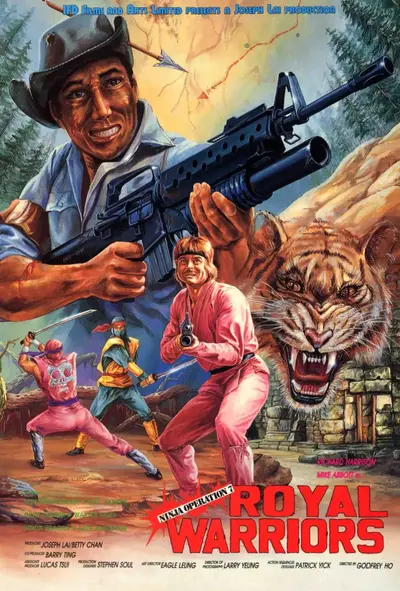
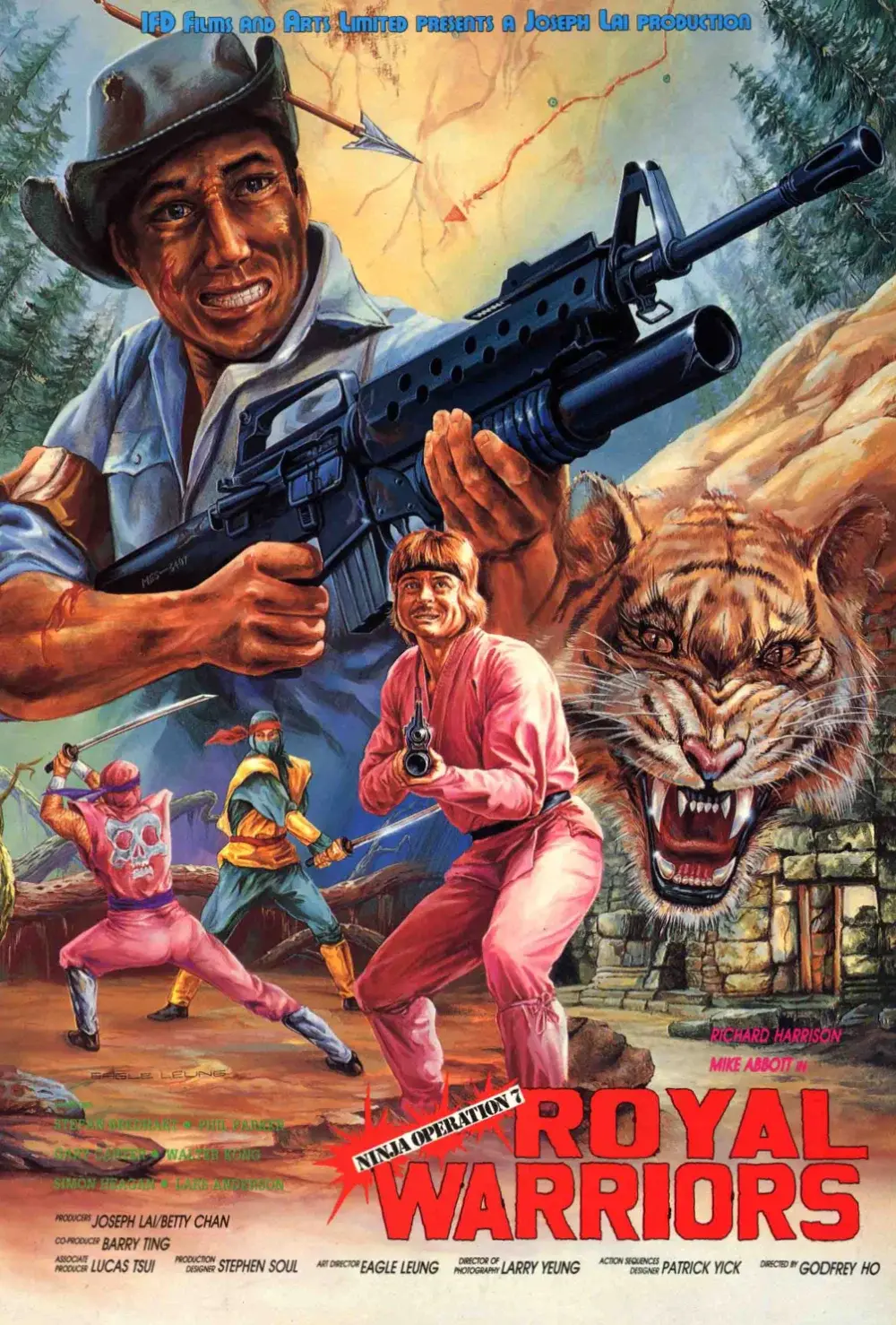
IMDb lists this one as Hands of Death but Ninja Operation 7: Royal Warriors is such a better title; it really speaks to the ridiculousness that is a Godfrey Ho ninja film. Unfortunately, even with the presence of Ho regulars Richard Harrison and Mike Abbott, both of whom wear “Ninja” headbands throughout the film, there’s only the bare minimum of ninja action here. This mishmash is, instead, focused on efforts to find a cache of gold hidden by the Japanese during World War II. In keeping with Ho’s cut-and-paste aesthetic, much of Ninja Operation 7 actually comes from a 1985 Korean-Taiwanese-Thai production titled The Great Jungle Escape that was directed by Kim Jong-seong, only re-edited and re-dubbed to work with Ho’s own footage. (Interestingly, this might be the first time I wanted to see the film that Ho used for his source material. The Great Jungle Escape looks to be very much in the same vein as Jackie Chan’s Armour of God, and features some wild martial arts action.) It’s all pretty threadbare, though, and given the story’s slapdash nature, I spent much of my time figuring out the film’s soundtrack. As with his other titles, Ho liberally “borrows” for Ninja Operation 7’s music, which explains why you’ll hear cuts from Italo disco star Miko Mission, Mark Knopfler, Stewart Copeland, Art of Noise, Pink Floyd’s Dark Side of the Moon, and even James Horner’s score for Star Trek II: The Wrath of Khan. It’s not the worst Godfrey Ho film I’ve seen — the ridiculous dialog elicited a few chuckles and I had to make sure I wasn’t tripping when a Sheena-like character came riding in on an elephant to fight some cannibals — but it’s no Ninja Knight Thunder Fox. Unfortunately, the version currently streaming on Tubi was cut off at the edges. Every scene lacks about a fourth of its footage, which renders them even more inscrutable than they’d normally be.
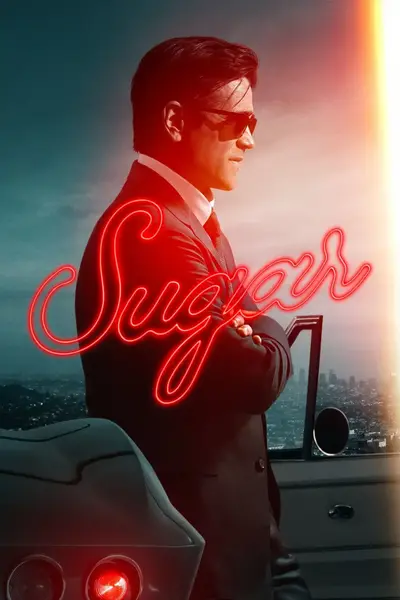
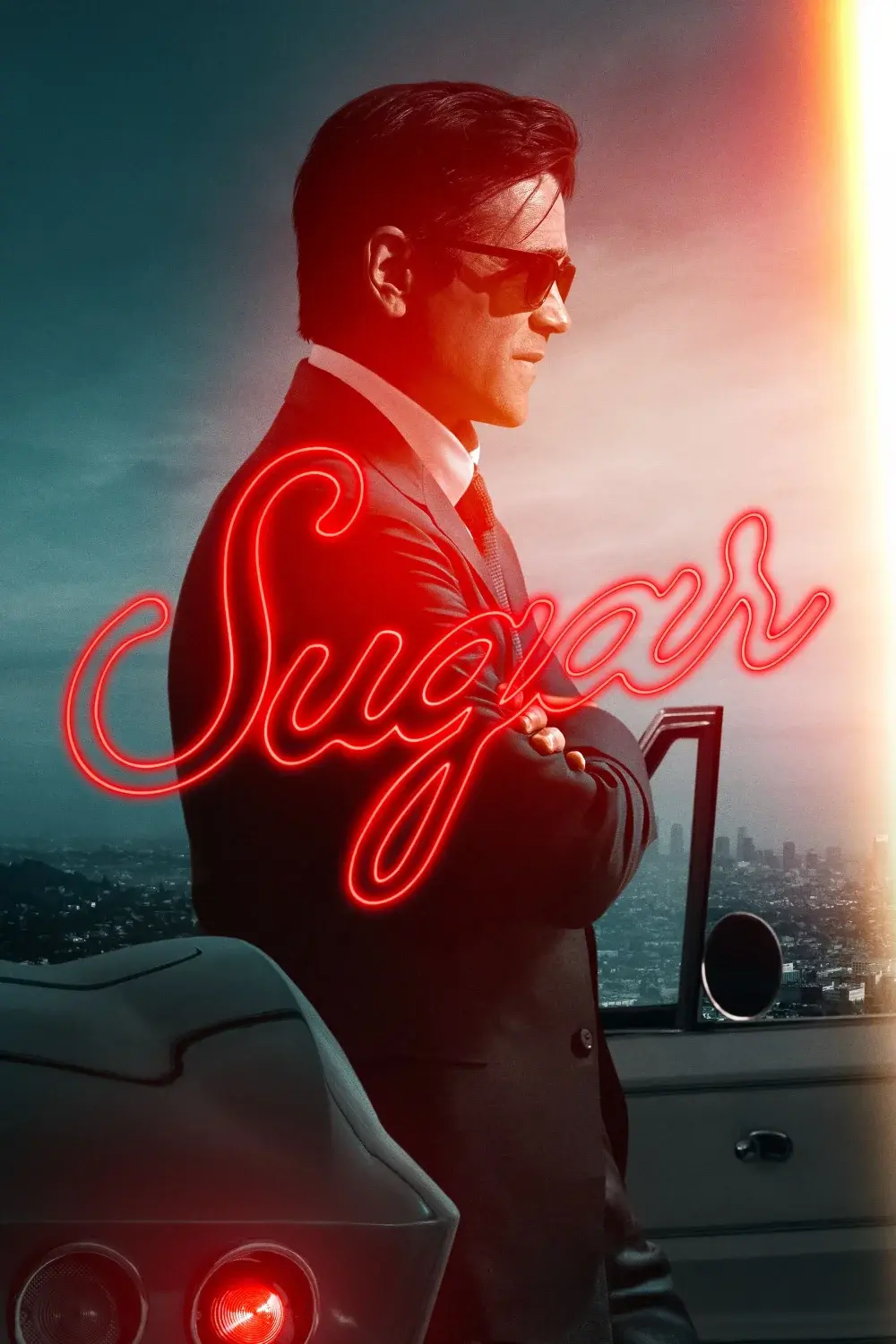
Colin Farrell reprises his role as John Sugar, the unfailingly polite P.I. who finds himself mixing up with the worst that Los Angeles has to offer. This time around, he’s asked to track down the junkie brother of an up-and-coming boxer, only to cross paths with one of L.A.‘s most notorious street gangs, some crooked cops, and corruption that possibly reaches all the way up to the highest levels of city hall. But the longer Sugar stays in L.A., the more he risks losing sight of who he really is, especially now that all of his friends have left (as seen in the previous season’s finale). I’m trying hard not to spoil anything, but if you know, you know. Some of the first season’s stylistic excesses have been thankfully trimmed back, which allows us to really focus on the character of Sugar himself, as well as Farrell’s warmly humanistic performance. This Apple original series is clearly indebted to film noir, but it feels more like a deconstruction or inversion of the genre, starting with a P.I. who’s doing everything humanly possible to resist sinking into cynicism and despair.
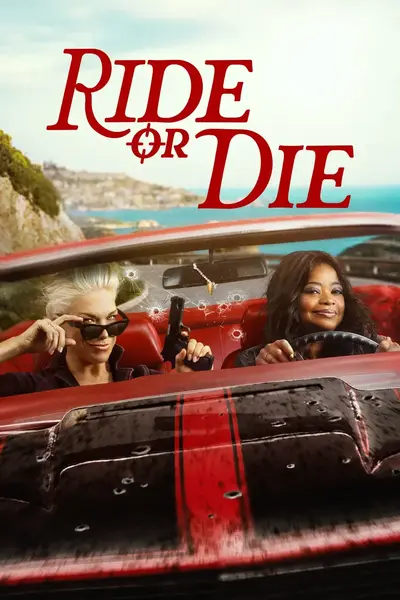
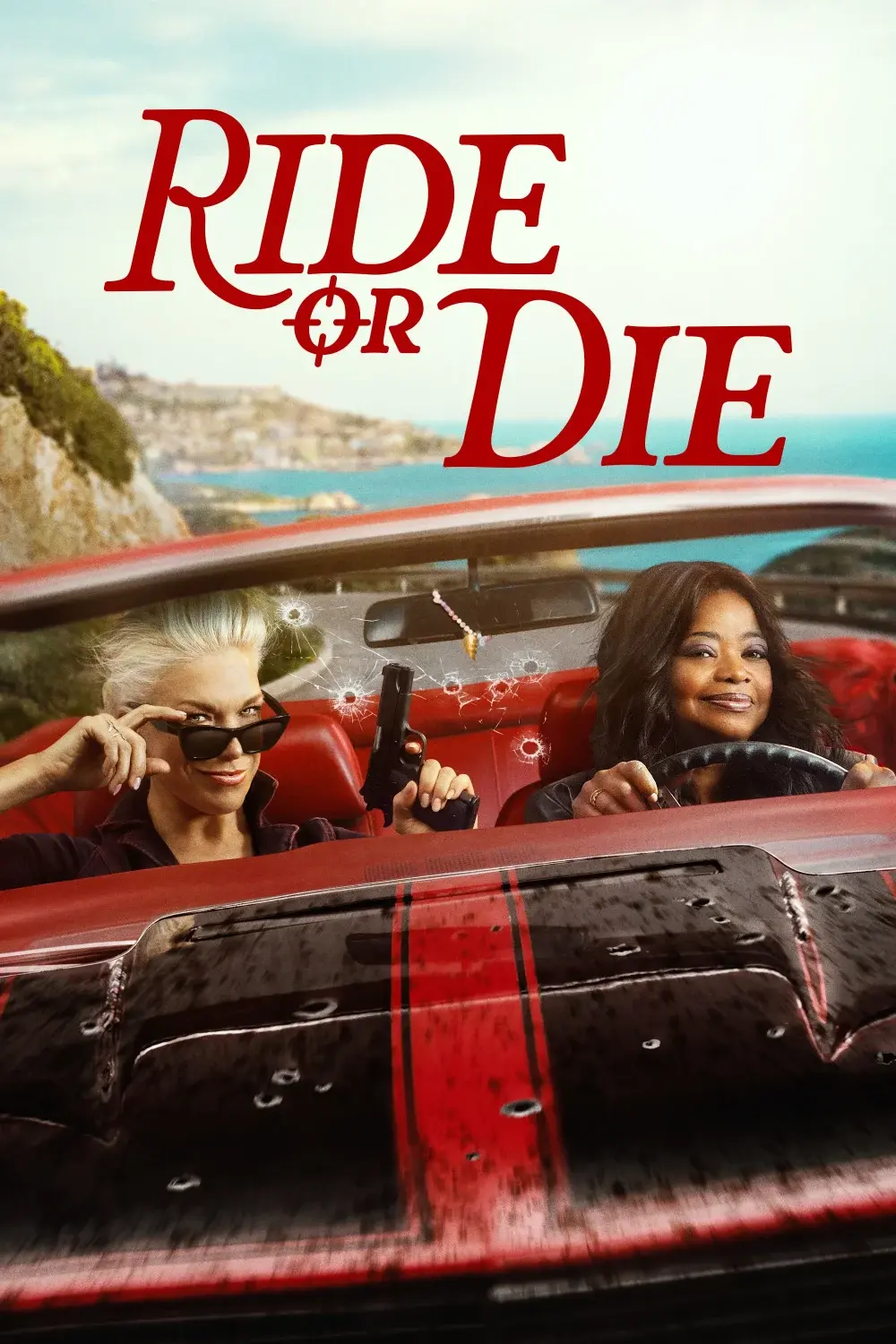
Debbie Claybourne has it all. Her husband is an up-and-coming British politician, she lives in a beautiful home, and best of all, she has her best friend, Judith. That perfect life comes tumbling down, however, when Debbie’s husband announces that he wants a divorce, only to then be murdered at a charity event. But worst of all, she discovers that Judith is, in fact, an international assassin. So now, Debbie’s on the run across Europe with both the Albanian mob and Interpol on her tail, and the only person she can trust is Judith, a woman — it turns out — she barely knows. But their biggest threat might be a dark secret from Judith’s past. Ride or Die largely hinges on the chemistry between Octavia Spencer and Hannah Waddingham as Debbie and Judith, respectively, and fortunately, they’ve got chemistry to spare. Indeed, it looks like everyone involved in this action comedy had fun making it. Unfortunately, the series does suffer at first from a too-strong reliance on genre tropes. But its final act takes things up a notch with some surprisingly gut-wrenching twists and turns. Ride or Die’s first season ends in a pretty satisfying manner, with just enough room left for a second season. Which, if it gets made, we’ll definitely watch.
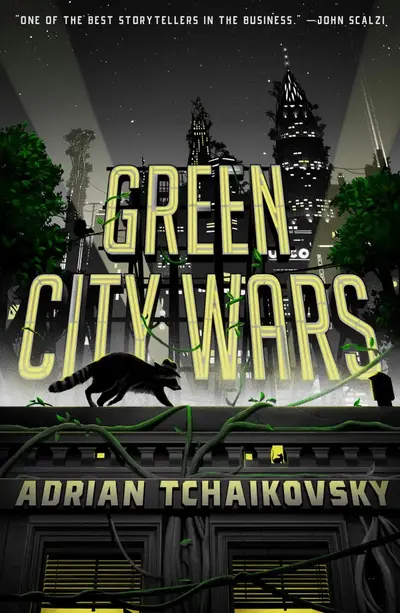
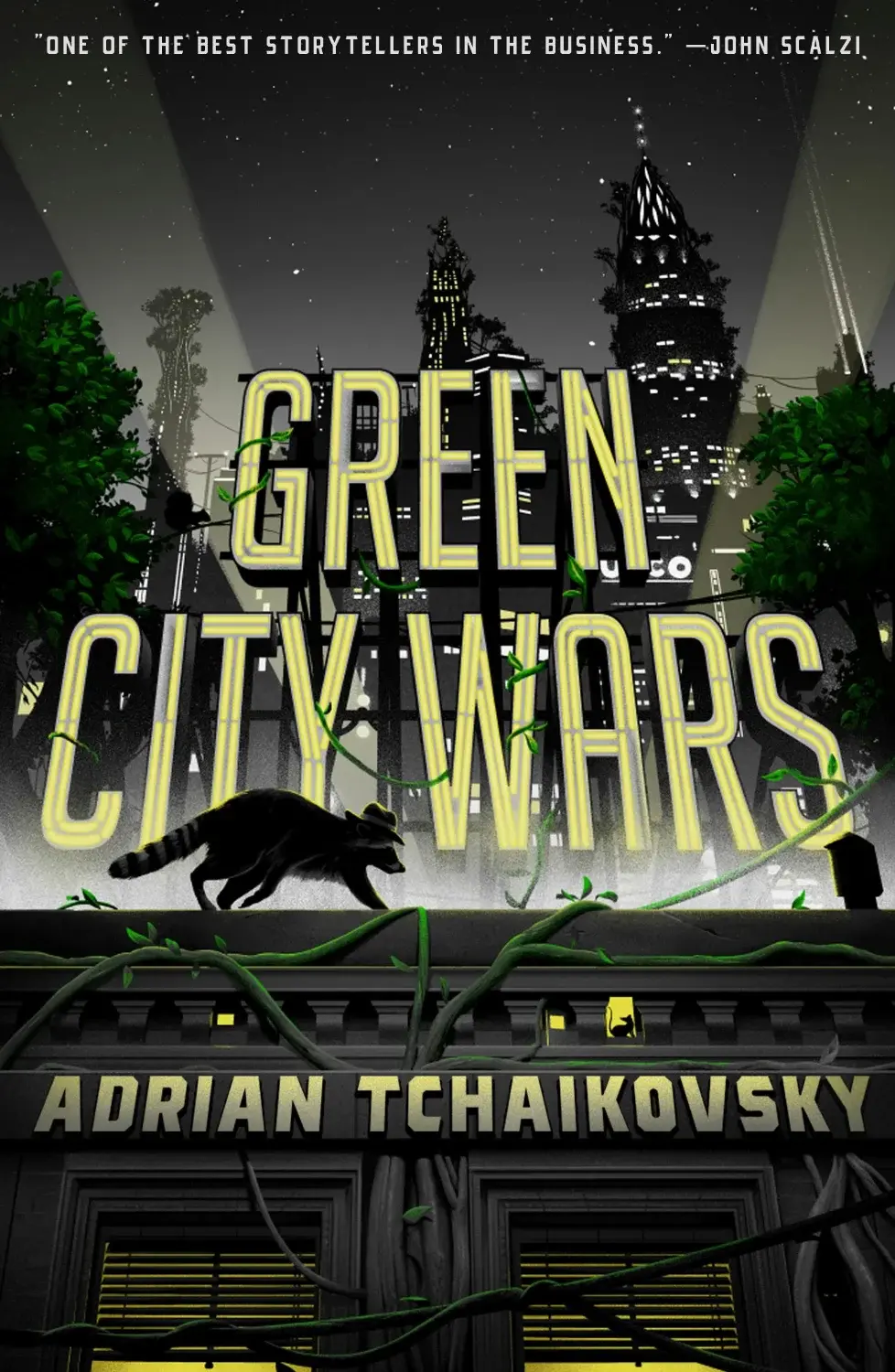
After war and much environmental devastation, humanity has entered a new golden age thanks to environmentally friendly cities that run on solar power and recycle everything. People are now free to live a life of leisure, but their utopia relies on a vast array of genetically engineered animals who handle all of the mundane tasks of city maintenance, from garbage cleanup and water treatment to food preparation. Unbeknownst to their creators, however, these augmented animals have developed a bustling society of their own complete with armies, gangs, guilds, and other social strata. And then there’s Skotch the raccoon, an honest-to-goodness private investigator who’s a bit down on his luck. That is, until he lands the biggest case of his life when his former boss hires him to track down a mouse. Which seems simple enough, but his case soon becomes bigger, and deadlier, than Skotch could have possibly imagined. Before too long, everyone in the city’s gunning for him, and he has no idea why. Green City Wars’ greatest strength is that Adrian Tchaikovsky plays his premise, and his animal-ized takes on noir tropes (e.g., a world-weary detective who’s a raccoon, a stoat femme fatale, rat mob bosses), entirely straight. Sure, there were moments when I was very conscious of my suspended disbelief, but because Tchaikovsky is completely invested in his premise, I was, too. It also helped that cynical ol’ Skotch is a pretty likable protagonist. And because Tchaikovsky plays things straight, he can work in some incisive social commentary, like a case for universal basic income, without sounding preachy.
I’ve written before about the blackberry pie that I had on my honeymoon, a pie that has since become the stuff of myth and legend here at Opus HQ. I don’t know if I’ll ever taste it again, but Countryside Bakery’s blackberry pie comes pretty darn close to my memories. My in-laws picked one up for us on a recent trip, and it’s just about perfect. The filling is neither too tart nor too sweet, and it has a nice, solid consistency that ensures each slice maintains its shape and structure. (Until you start digging in, that is.) In other words, those Amish sure do know a thing or two about baked goods. The only reason I’m not giving Countryside Bakery a higher rating is because I want a larger sample size. A much larger sample size that possibly includes some peach and/or blueberry pie. Y’know, for science.
-
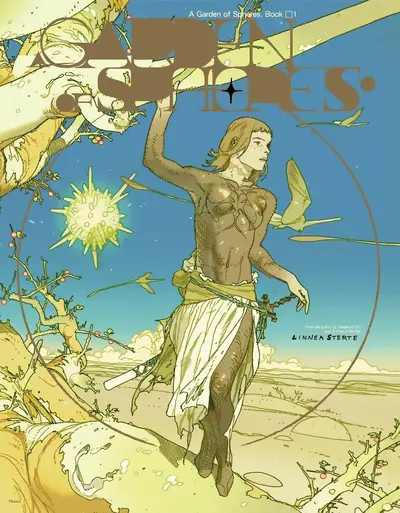
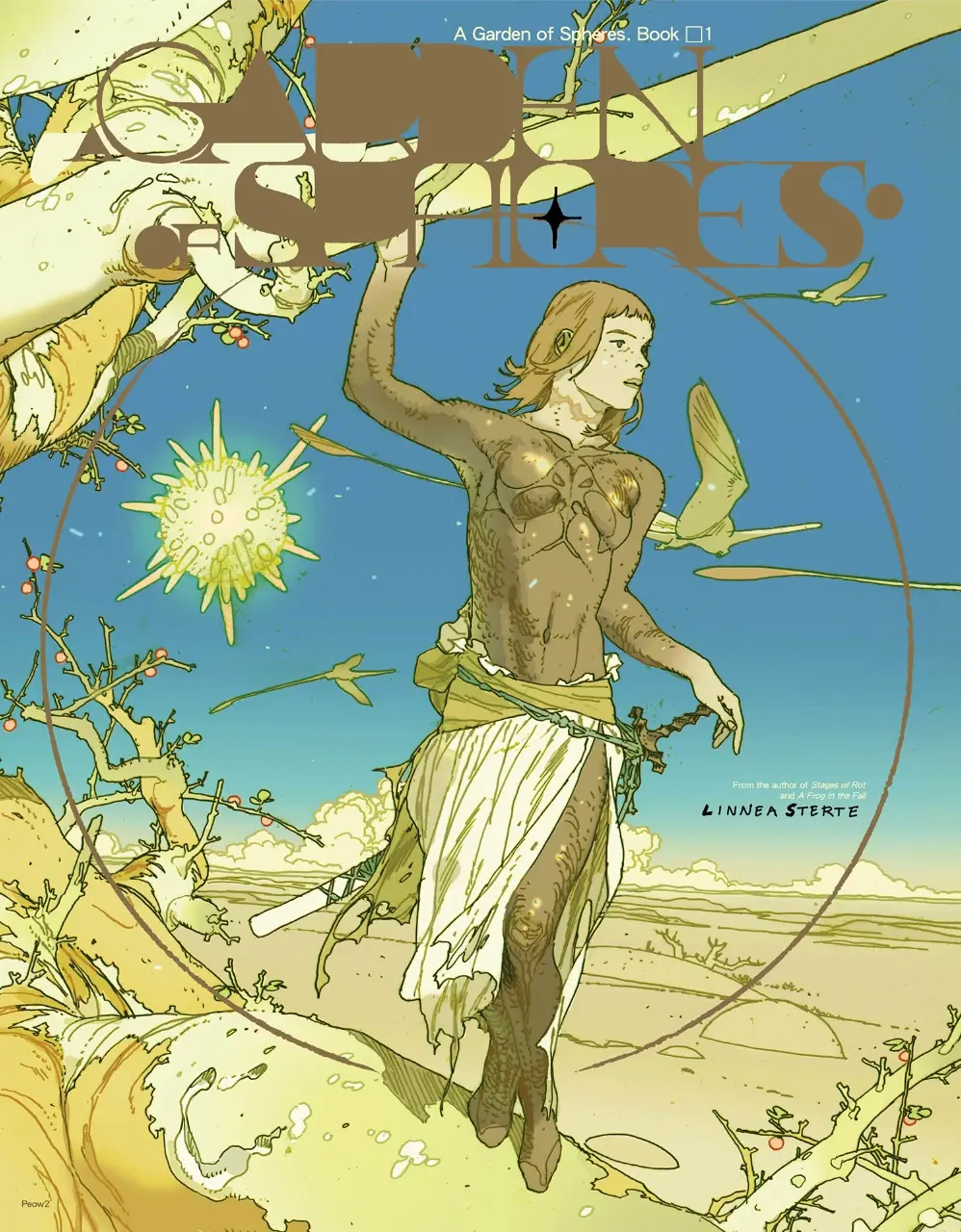
A woman with no memory of her past awakens on the shores of a bizarre world filled with gods, dragons, ancient ruins, and a variety of peoples and civilizations. But as she wanders through this vast land, encountering others and seeing the sights, she begins to develop a sense of her identity and purpose — a purpose that might be at odds with the gods themselves. At least, I think that’s what occurs in the pages of Linnea Sterte’s A Garden of Spheres. Sterte’s story unfolds over a series of vignettes that seem less interested in telling a coherent narrative, and instead, simply immerse you in her fantastical world. (Indeed, Sterte herself admits that she doesn’t really know what’s going on in her story, but rather, started making A Garden of Spheres in order to “define/refine a world I’d been carrying around half-formed in my head for almost a decade.”) On the one hand, that can make for a frustrating reading experience. But on the other hand, I don’t really mind because A Garden of Spheres is absolutely gorgeous to look at. Sterte’s Art Nouveau-inspired illustrations are incredibly rich and highly detailed, occasionally bringing to mind the work of Moebius. (Her use of silence and sudden action also evokes Tsutomu Nihei’s Blame!, although there’s nothing remotely cyberpunk about Sterte’s book.) As a result, her bizarre world possesses a strangely ethereal quality, such that even when I had no idea what was going on, I couldn’t stop reading. Needless to say, I look forward to learning more about Sterte’s world right alongside her in future volumes.
We’ve only been here a handful of times, but it’s already become one of our favorite restaurants in Lincoln for celebrating special occasions. I hesitate calling L’s Kitchen a “hole in the wall,” because that might communicate something a little on the sketchy side, and that couldn’t be further from the truth for this cozy little restaurant and its blend of French, Italian, and European cuisine. Everything we’ve ever had at L’s Kitchen is delicious, and obviously prepared with great skill and care by head chef Lawrence de Villiers (who personally greets every customer and tells them the specials). That said, I’m partial to the Chef’s Chicken and filet mignon while my wife loves the scallops.
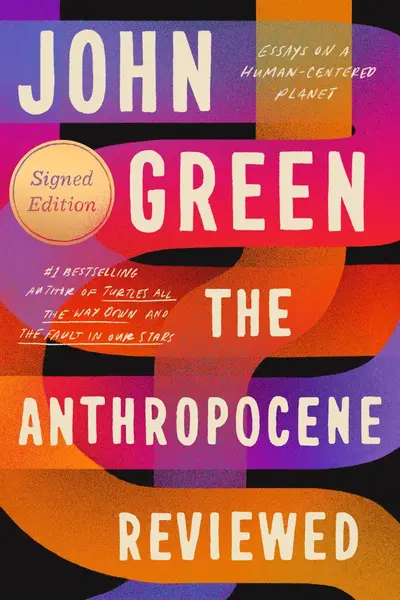
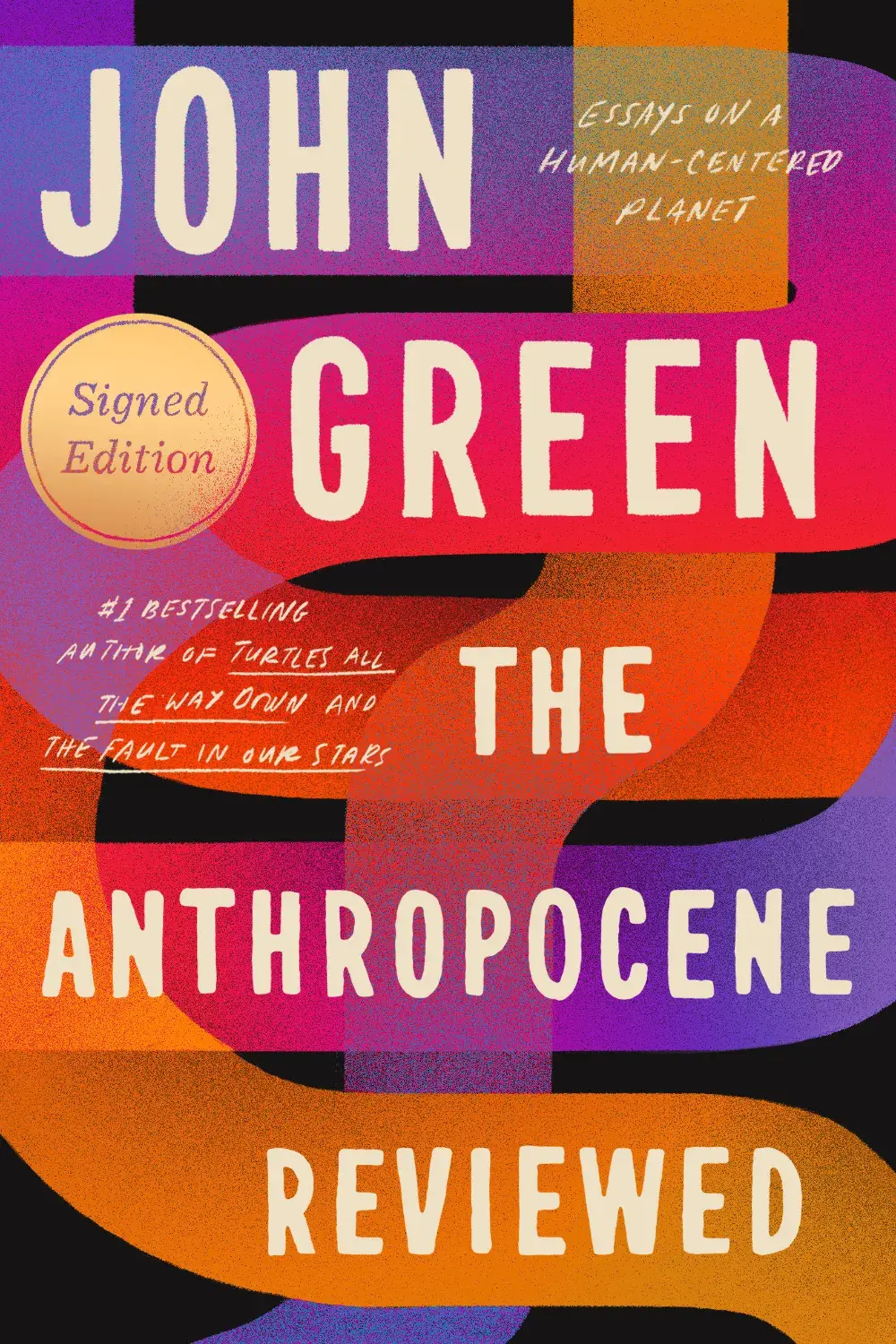
Although John Green’s essays tackle a wide range of topics — e.g., Halley’s Comet, the Lascaux cave paintings, Diet Dr Pepper, Piggly Wiggly, the Mountain Goats (the band, not the animal) — the specter of the COVID pandemic looms over all of them. Which is not to say that The Anthropocene Reviewed is gloomy or overwrought. Rather, it feels, in part, like an attempt to impress some order upon a world turned topsy-turvy by shutdowns and uncertainty. Although all of Green’s essays are filled with interesting facts — I learned more about the life and times of Piggly Wiggly founder Clarence Saunders than I previously thought possible — some feel like a bit of a stretch, like an obvious attempt at profundity. But the ones that resonated did so strongly. Sometimes, Green’s just drawing attention to the world’s natural beauty or expressing some antipathy about certain ridiculous facets of modern American life. (The word “hate” doesn’t even begin to describe how I feel about yard work, so naturally, I enjoyed his essay about America’s fascination with Kentucky bluegrass.) And his essays about Academic Decathlon and the QWERTY keyboard resonated because I, too, was a nerd in high school who found expression and a sense of identity via computer keyboards. Throughout the whole of The Anthropocene Reviewed, however, two major themes emerge: (1) humans have had an unmistakable and incalculable effect on the world, for better or worse, and (2) for all of our intelligence and technological advancements, our lives are still very fragile things, especially when faced with a global pandemic.
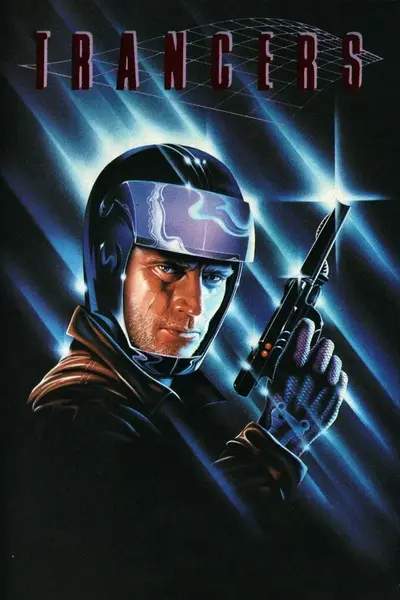
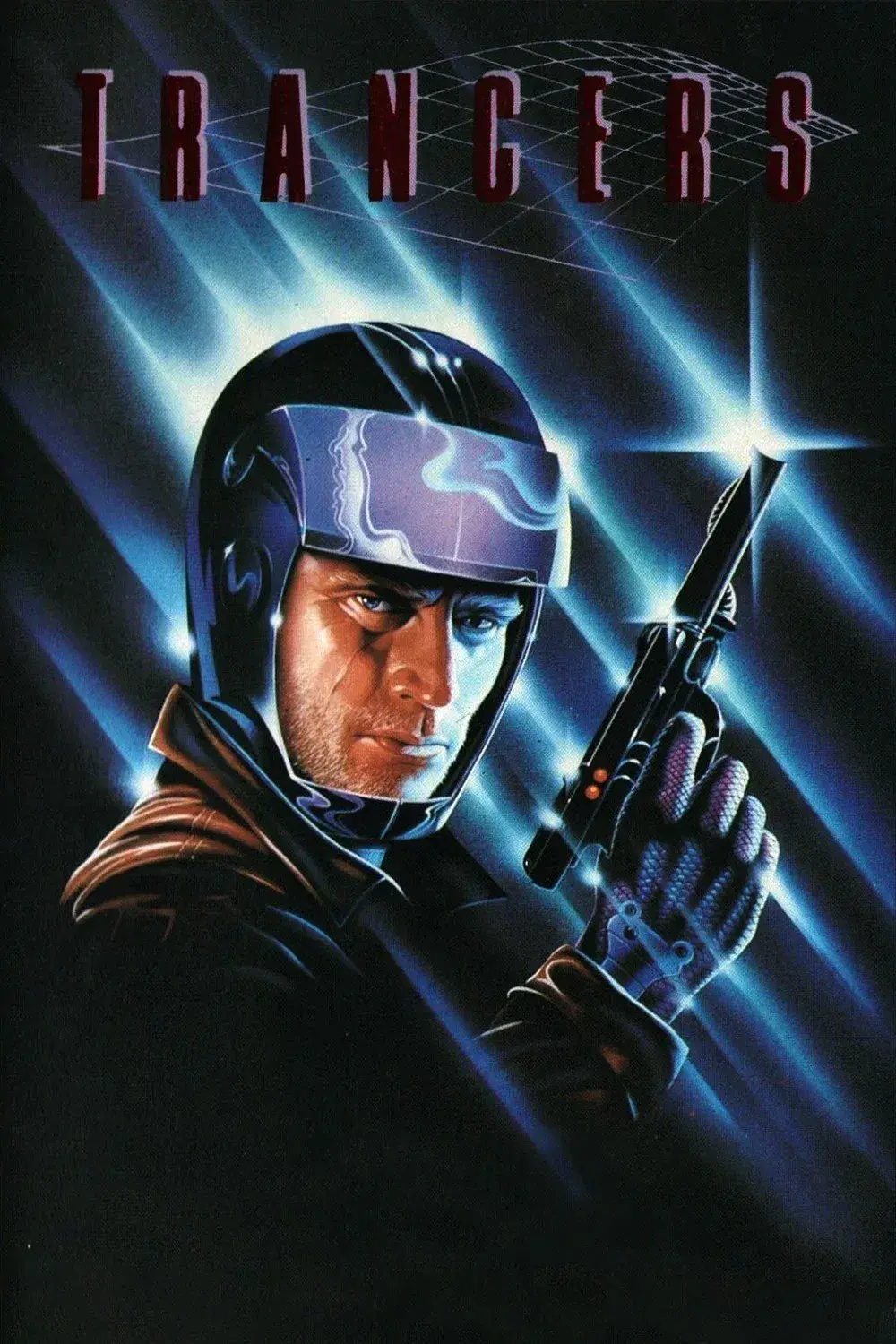
Jack Deth (yes, that’s our hero’s name) is a grizzled and cynical 23rd-century cop who’s tired of hunting down the titular monsters, humans who’ve been turned into zombie-like creatures by the evil Martin Whistler and his psychic powers. But when Whistler travels back in time to 1985, Deth is pressed back into service to make the jaunt himself and prevent Whistler from rewriting the future. Upon arriving in the past, Deth gains the help of a punk rock girl named Leena (Helen Hunt, in her first major film role), but there’s just one problem: Whistler currently occupies the body of a police detective and before too long, the entire LAPD is gunning for Deth and Leena. A prime example of an ’80s “B” movie that’s not great, but is nevertheless better and more enjoyable than it has any right to be, Trancers is a clear riff on Blade Runner, albeit with some time travel and zombie motifs tacked on for good measure, as well as some classic film noir references. What ultimately saves Trancers is its scrappy sense of style. Director Charles Band absolutely made the most of his $400,000 budget, piling on the lurid neon lighting and shooting much of the film in rundown areas and dilapidated buildings, all of which helps to sell the film’s modest attempts at cyberpunk and post-apocalyptic aesthetics.