My Cultural Diet (May 2026): Piranesi, His Girl Friday, Monarch: Legacy of Monsters, Peking Opera Blues
In order to better track my various cultural experiences (e.g., movies, TV shows, books, restaurants), I’ve created the Cultural Diet. Think of it as my own personal Goodreads, Letterboxd, and Yelp, all rolled into one (more info here). Every month, I recap everything that I watched, read, etc., in the previous month.
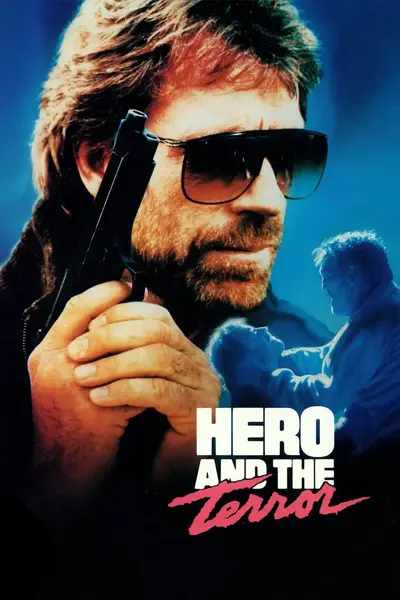
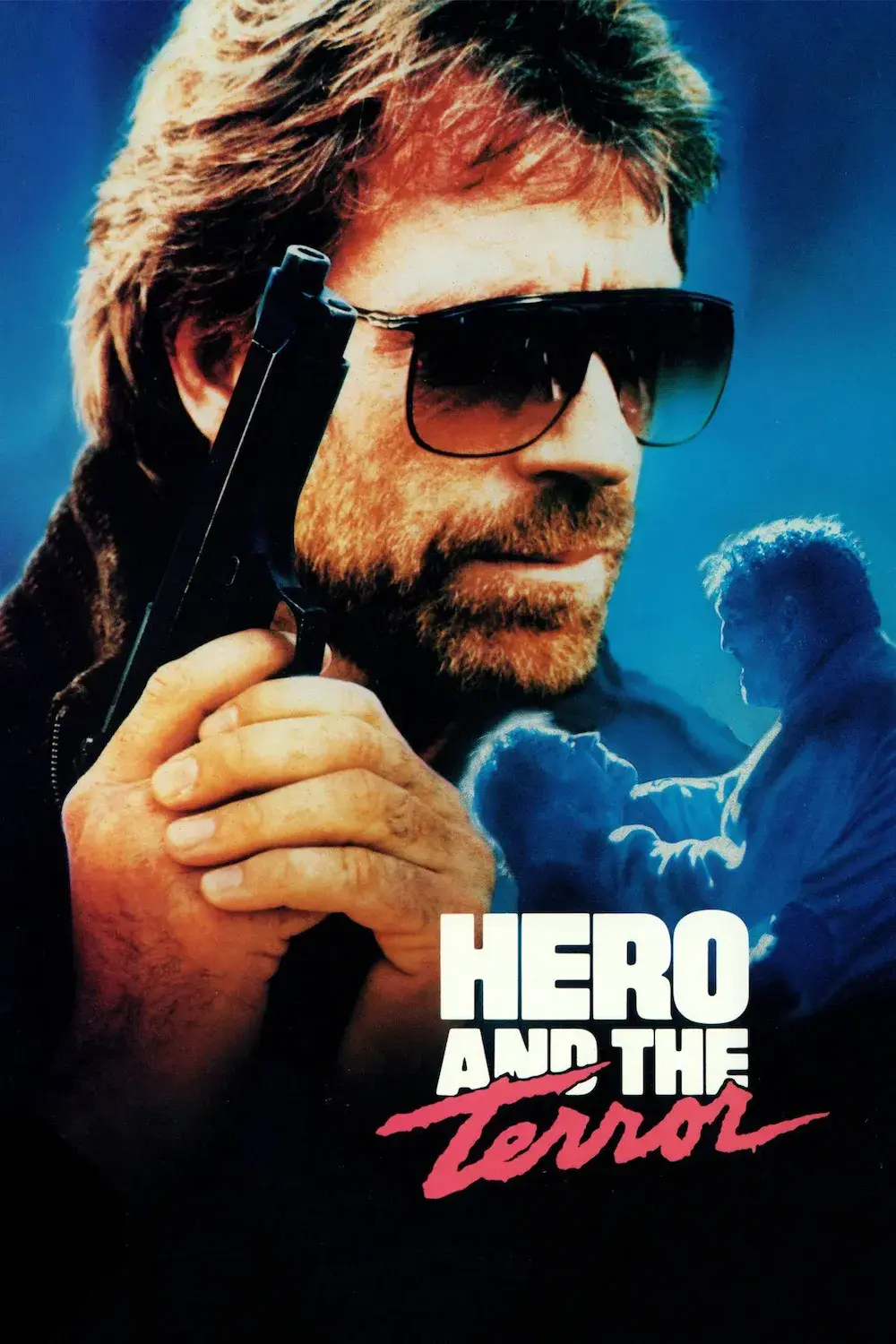
It’s easy to deride Chuck Norris’s movies, and in truth, some of them are pretty lackluster. But I’ve watched a lot of the man’s movies over the years, and I firmly believe that he believed in every single one of them. There’s an earnestness to them, and to Norris’s statements about them, that lends even the worst of them a certain charm. Hero and the Terror starts off like a typical Norris movie, with him capturing a sadistic serial killer and earning the city’s adulation. But when the madman escapes and starts another killing spree, Norris must track him down all over again — with the help of some roundhouse kicks, of course. But Hero and the Terror also explores the psychology of Norris’s character, who’s traumatized by his first encounter with the killer and consistently feels undeserving of his heroic reputation. Oh, and he’s also getting ready to become a father and struggles with being a good partner for his girlfriend, played by One Life to Live’s Brynn Thayer. Hero and the Terror doesn’t always do a good job of juggling these various aspects. There are moments when it feels more like a soap opera than a hard-boiled thriller, and there’s a bizarre sequence that splices the birth of Norris’s daughter with the killer claiming yet another victim. There’s even an ill-advised attempt at comedy when he faints as his girlfriend goes into labor. All of that works against the movie even as it leaves one wishing that it had been better, if only because it’s clear that Norris was trying to expand his range and repertoire here, and do something more diverse than just another action movie.
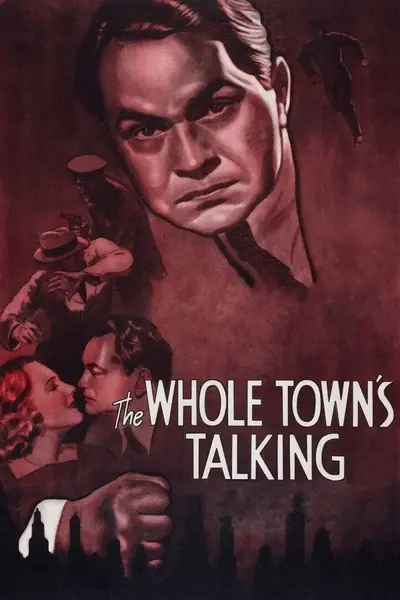
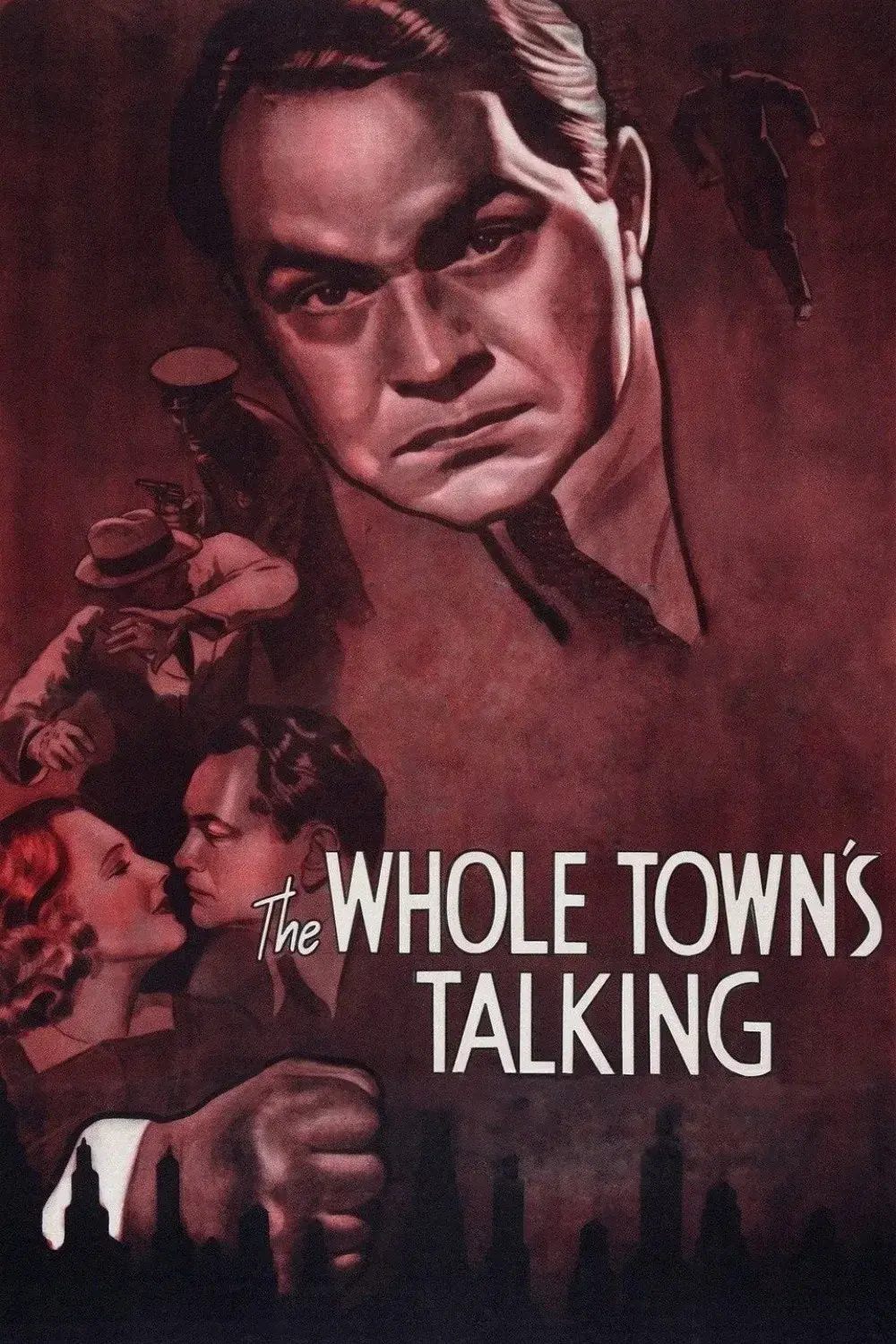
Director John Ford is best known for westerns like Stagecoach and The Searchers, while Edward G. Robinson established the classic Hollywood image of the scowling, scheming gangster. But on The Whole Town’s Talking, the duo did something else entirely: a screwball comedy. Robinson plays Arthur Ferguson Jones, a mild-mannered office clerk who has a somewhat obsessive crush on his spunky co-worker Wilhelmina Clark (Jean Arthur). Unfortunately, Jones bears more than a passing resemblance to “Killer” Mannion, the country’s most notorious gangster, who’s currently on the lam. What ensues is a classic case of mistaken identity that turns deadly when the real Mannion (also played by Robinson) shows up to take advantage of the situation. The Whole Town’s Talking was included as part of The Criterion Channel’s “Office Romances” collection alongside His Girl Friday, and unfortunately, it suffers by comparison. The Whole Town’s Talking is certainly a sweet enough film, thanks to Robinson’s meek performance and Arthur’s delightful sass, and it has its humorous moments — especially when the bungling police are involved — but if you want a true screwball comedy, stick with His Girl Friday. Also, my wife and I were on tenterhooks the entire film concerning Jones’s bathtub, but the film seemed to forget all about that. (If you know, you know.)
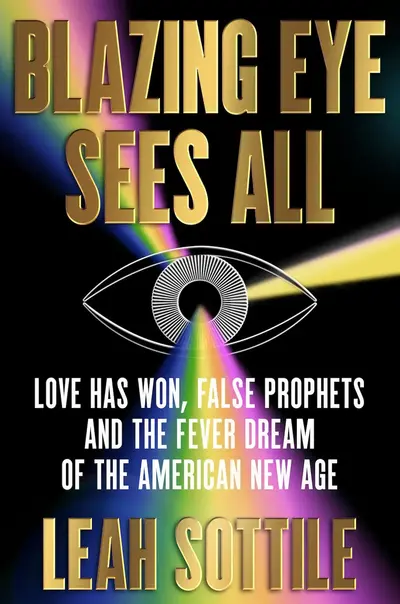
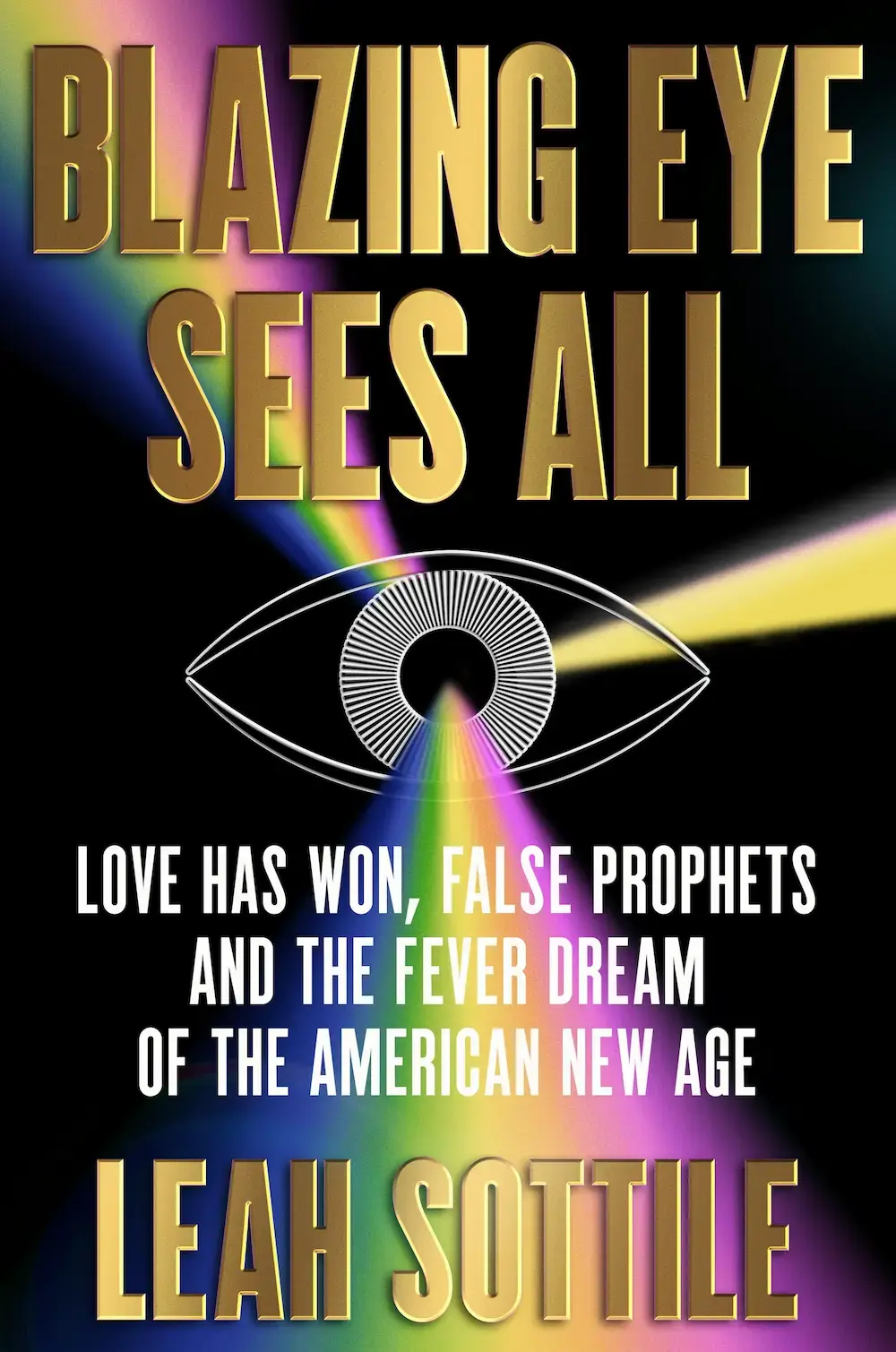
As I read Leah Sottile’s exhaustive account of the birth and growth of the “New Age” movement in America, I occasionally had to put her book down so I could try to wrap my head around it all. Spiritualists claiming to channel ancient masters from the sunken continent of Lemuria. Hucksters and conmen spinning fantastical and ludicrous — and anti-semitic — yarns about America’s ills, and making a fortune while doing so. Acolytes who kept believing even after they were confronted with the most disturbing evidence of their teachers’ flaws and failings. To Sottile’s credit, though, I couldn’t stop reading. Blazing Eye Sees All is actually two books in one. Half of the book chronicles the rise and fall of Love Has Won, a cult started by a woman who, after abandoning her family, called herself Mother God and built a devoted following via social media. The other half chronicles the history of spiritualism and theosophy in America, including figures like the Fox sisters, Madame Blavatsky, and Guy and Edna Ballard, whose outlandish claims laid the foundation for Love Has Won. Sottile occasionally struggles to balance these two narratives. On the whole, however, Blazing Eye Sees All remains compelling, particularly when Sotille explores the appeal that such movements hold for women who often lack a sense of power or agency in their lives, or when she finds striking (and disturbing) parallels between the ultra-nationalist teachings of early 20th century spiritualists and the ultra-nationalist rhetoric of QAnon, January 6 insurrectionists, and other far-right factions. (On a side note, the reason this book caught my eye in the first place was because the title and cover art make it look like something an actual cult might publish. I can only assume that was intentional, and I applaud the decision.)
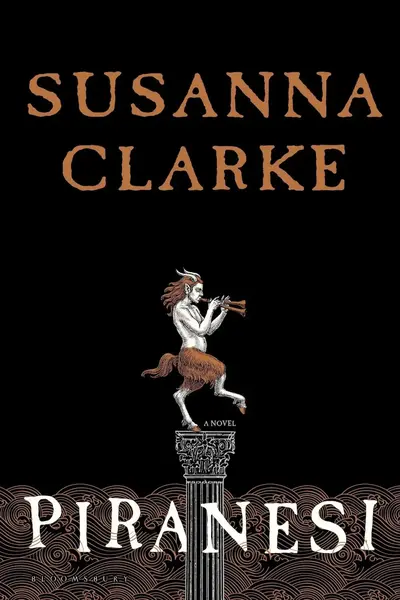
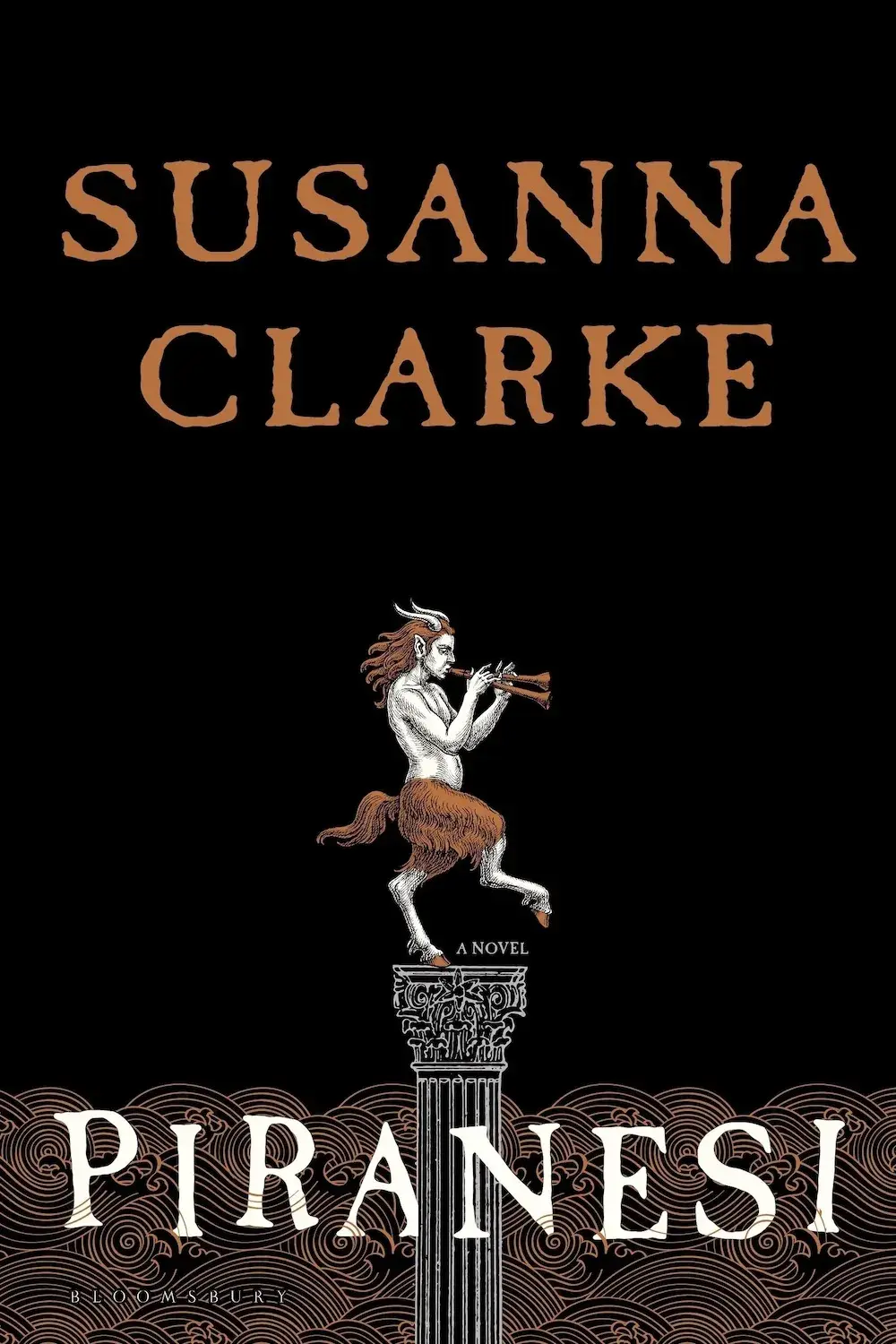
This was my second time reading Piranesi, in preparation for my church’s summer book club. I’d forgotten many of the details after my first read, though, so this felt like a brand new experience in some significant ways. Susanna Clarke’s second novel can seem affected at times, being an epistolary novel about a man trapped in a nigh-infinite arrangement of halls filled with marble statues and ocean waves. Once you embrace the book’s premise, though, Piranesi becomes a very delightful read, and the House becomes a place that you’d like to believe actually exists. There’s something quite charming about Clarke’s guileless protagonist, who beholds the House with reverence and is content to explore its seemingly limitless rooms and corridors and chronicle its elaborate statuary. Clarke slowly weaves in darker, more troubling facets, but they never fully override or diminish the story, which isn’t exactly light-hearted, but does possess a sense of grave whimsy. That Piranesi also works as a riff on C.S. Lewis’s Chronicles of Narnia, and in particular, The Magician’s Nephew, only adds to its charm. Back in 2024, Laika Studios announced their plans to adapt Piranesi into an animated feature film, and I’m very curious to see how they’ll render the House in all of its otherworldly glory.
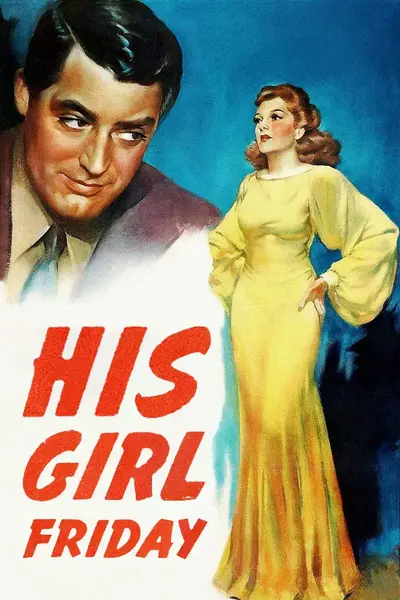
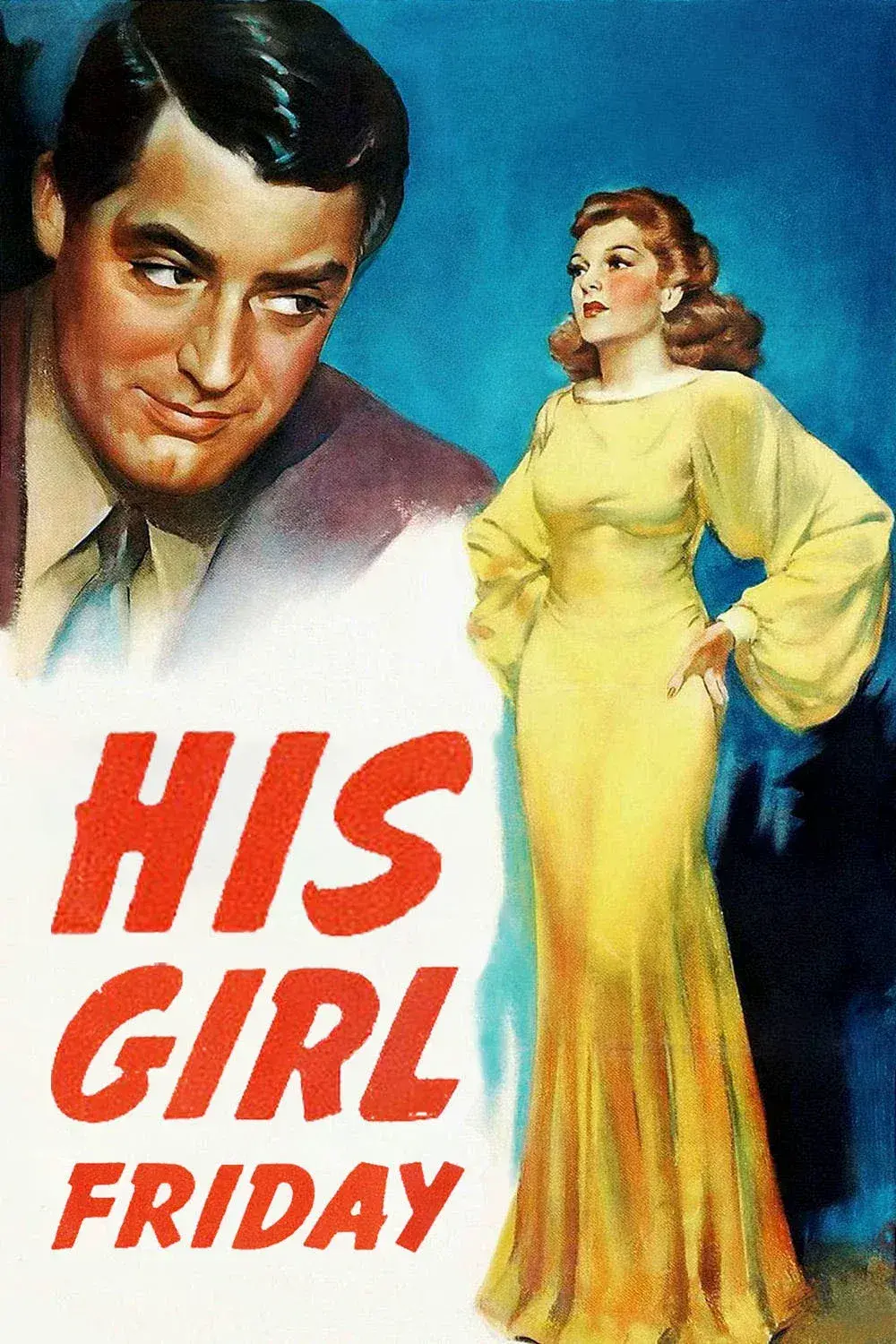
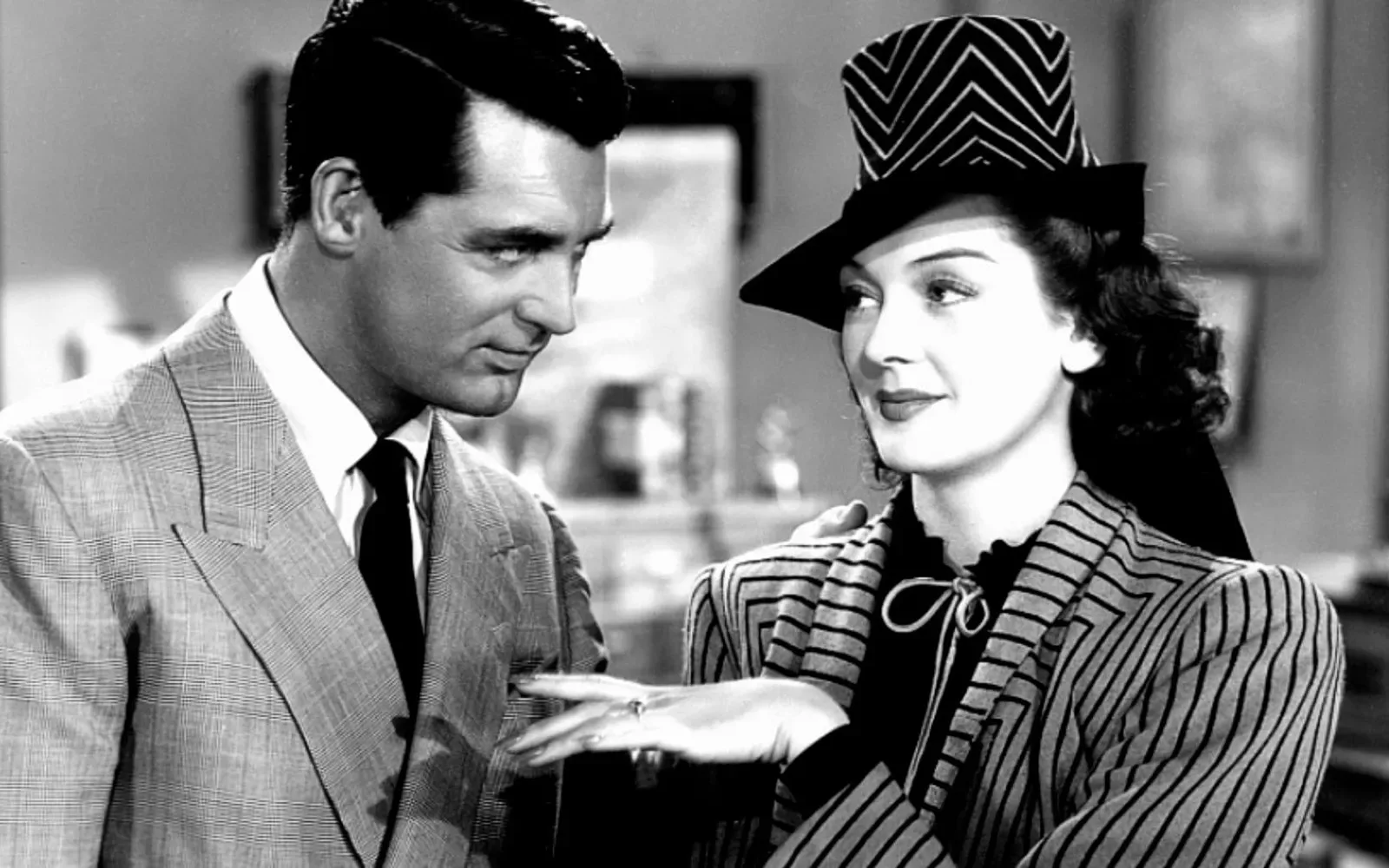
Once the star reporter at The Morning Post, Hildy Johnson (Rosalind Russell) now wants to quit the newspaper business altogether, marry her new beau, and embrace the quiet life of a housewife. And in Albany, no less. But first, she’ll need to get past her conniving and charming ex-husband, Walter Burns (Cary Grant), who also used to be her editor. Further complicating matters is the impending execution of a man charged with killing a policeman, which has the whole city in an uproar. Can Hildy resist the allure of covering the year’s biggest story? Will she be able to see through Walter’s schemes and machinations? And more importantly, will she be able to resist his charms? The answers to those questions make for one of the all-time classic Hollywood screwball comedies. Russell and Grant are absolutely perfect together onscreen, and Charles Lederer’s script — based on Ben Hecht and Charles MacArthur’s 1928 play The Front Page — is whip smart and crackerjack, filled with blink-and-you’ll-miss-em jokes, references, and double entendres. Director Howard Hawks encouraged ad-libbing and improvisation from Grant, Russell, and the rest of his ensemble cast. That decision led to production delays, but it also resulted in a film that explodes out of the gate in its opening scene and doesn’t let up until the closing credits.
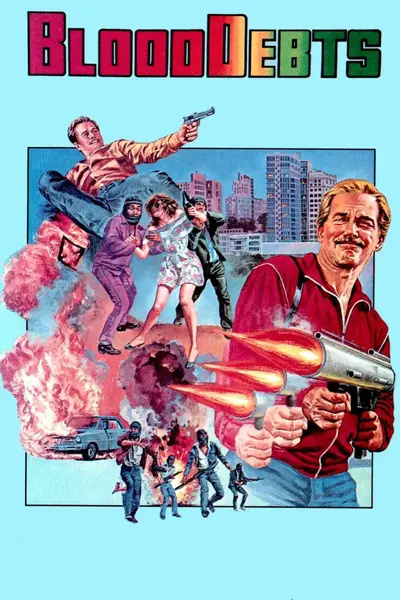
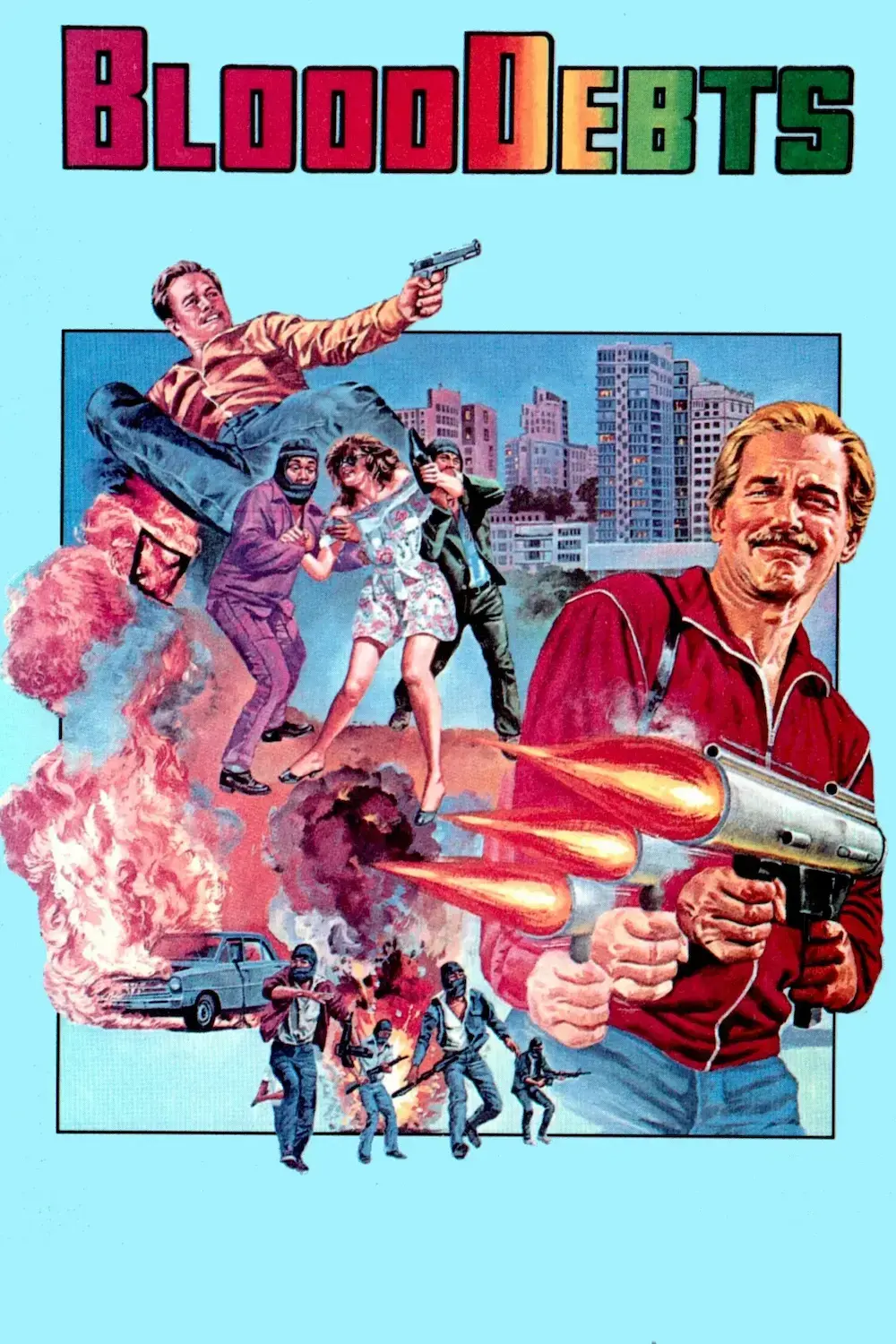
Richard Harrison is best known for his starring roles in Z-grade Godfrey Ho ninja movies like 1984’s Ninja Thunderbolt and 1986’s Ninja Terminator. But during the ’80s, he also starred in several movies by Filipino director Teddy Page (aka, Teddy Chiu), including Blood Debts. Essentially a riff on Death Wish, Blood Debts stars Harrison — who also co-wrote the movie — as Mark Collins, a former Vietnam vet who just wants to settle down with his family in the Philippines. That idyllic life is tragically shattered, however, when his daughter is raped and murdered by a gang of thugs that Collins subsequently tracks down and kills within the movie’s first ten minutes. That vigilanteism catches the attention of both the police and other criminal elements, and the latter want to use Collins’ thirst for revenge to their own advantage. That’s an interesting twist, but even so, Blood Debts is nowhere near as gritty or seedy as any of that might make it out to be. Although director Page didn’t employ Godfrey Ho’s cut-and-paste filmmaking style for his movie, Blood Debts is still pretty nonsensical thanks to its wooden performances, stilted dialog, and awkward pacing, not to mention an ending that went viral several years ago for its stunning abruptness. (Apparently, we have Ferdinand Marcos’s dictatorship, and its harsh censorship laws, to thank for that ending.) Ending aside, my favorite aspect of Blood Debts has to be Patrick Wales’s soundtrack, which veers from ’80s news channel theme music to some blaxploitation-style funk.
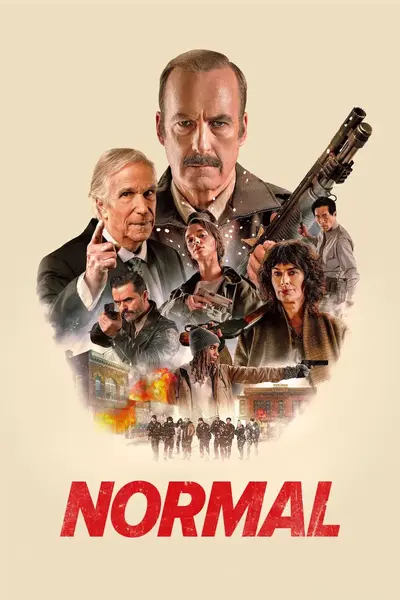
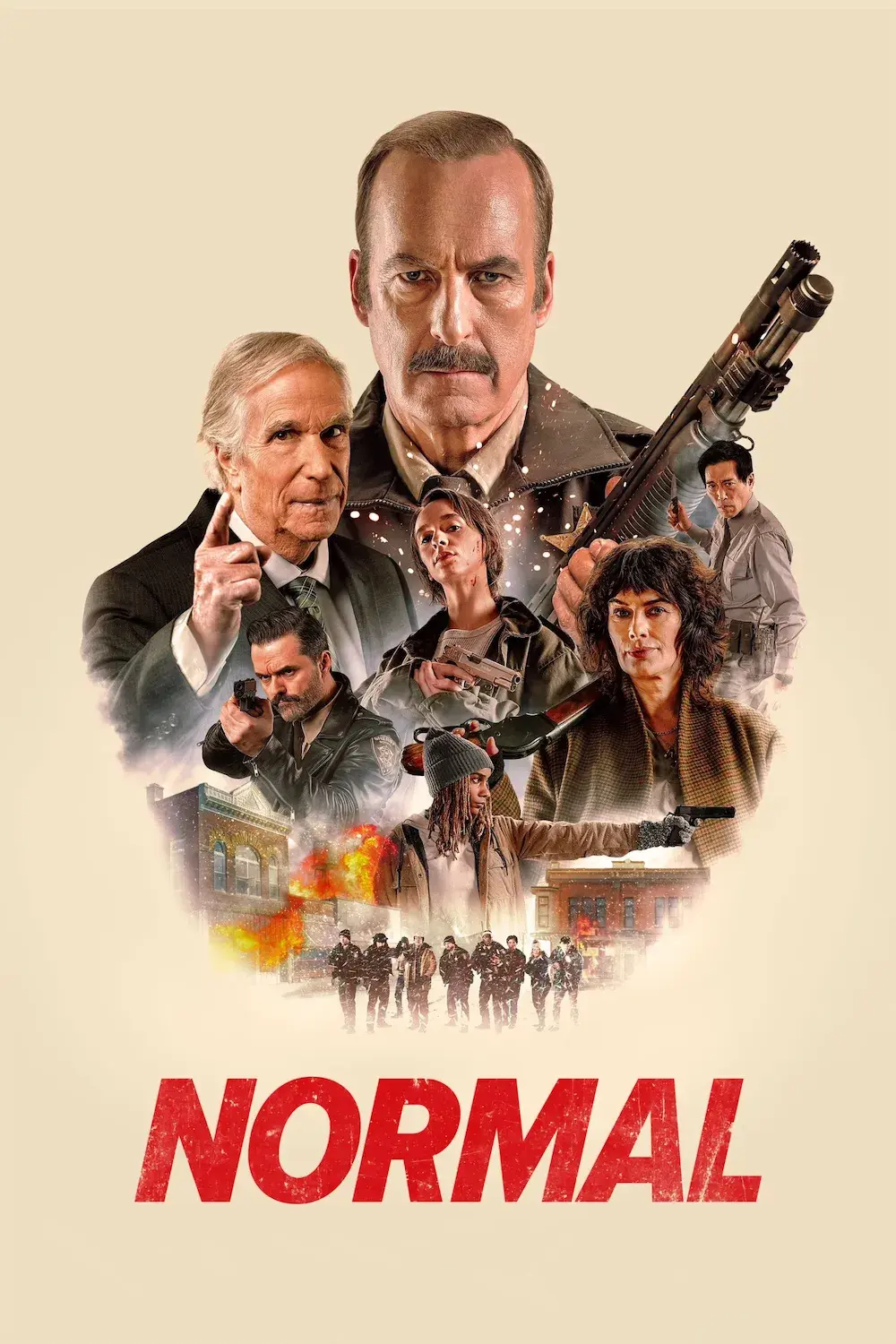
Boxers, wrestlers, martial artists, and other combatants know the importance of not telegraphing your moves, lest you tell your opponent what you’re going to do next and give up the element of surprise. Normal is an action thriller that telegraphs nearly all of its moves, right from the opening prologue, which effectively undermines virtually any twist or surprise that might crop up in its story about a sheriff who discovers a dark secret lurking behind the picture-perfect veneer of his small town. As said sheriff, Bob Odenkirk once again taps into his ability to portray the least likely action hero imaginable, a role he perfected with 2021’s Nobody. Due to Odenkirk’s performance, I really wanted to like Sheriff Ulysses and be sympathetic to his plight as he finds himself more and more at odds with the entire town of Normal, Minnesota. But Normal’s storyline lacks little suspense or surprise, and eventually, the film’s increasingly inventive — and gory — kills begin to wear thin. When all’s said and done, I think I was expecting something a bit more subversive, especially with Ben Wheatley (Kill List, Sightseers) at the helm. In other words, if you want to watch a film about an upright lawman trapped in a seemingly idyllic small town that turns out to be anything but, watch Edgar Wright’s Hot Fuzz.
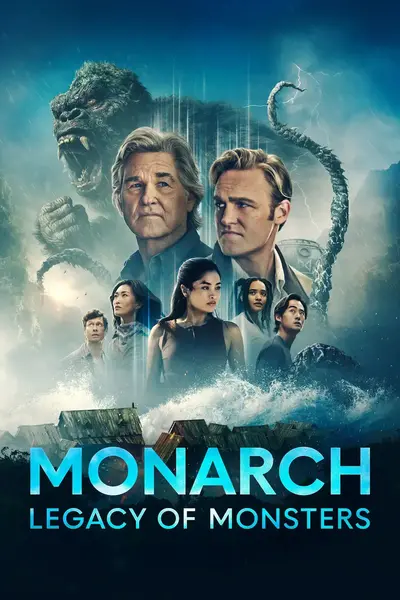
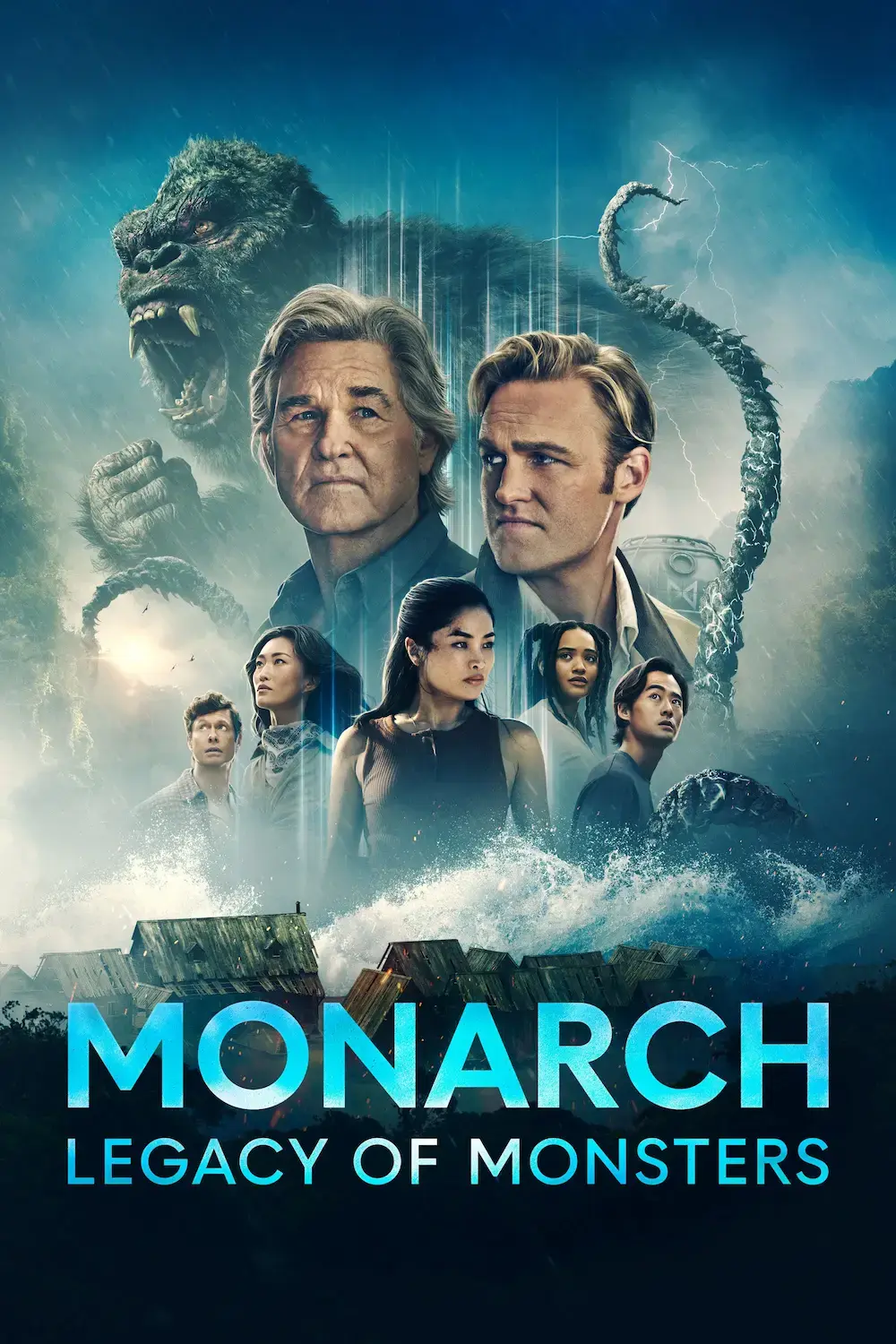
Two seasons in, and I’m still not sure why this series exists. Don’t get me wrong, I’m all for more Godzilla in the world, but Monarch: Legacy of Monsters isn’t really a Godzilla series. Indeed, the Big G scarcely appears at all during this season; the monster action is primarily focused on Kong and the bizarre Titan X. The series isn’t terrible, but in trying to expand the Monsterverse, Monarch just feels like it’s constantly trying to make something out of nothing. The globe-trotting storyline doesn’t seem to matter, and as hard as the cast tries, they can only do so much with the storyline. It also doesn’t help that a lot of season two hinges on characters doing stupid things — like opening an extra-dimensional rift, writing computer code to control a skyscraper-tall monster’s nervous system, or siding with an obvious villain — when they really ought to know better. Although Apple has yet to announce a third season, season two totally sets one up. And all criticisms aside, I’d be lying if I said I didn’t feel a little thrill when — spoilers! — Rodan appeared in the final moments of the season finale.
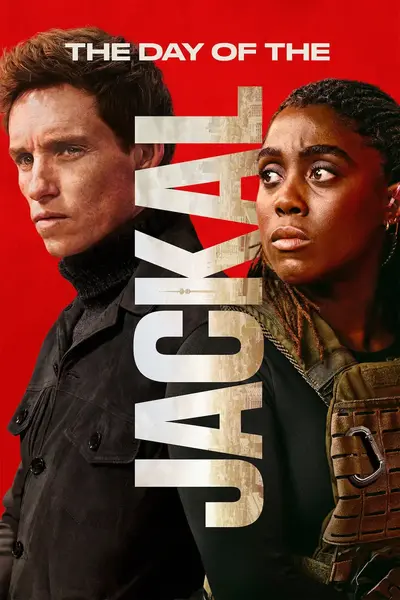
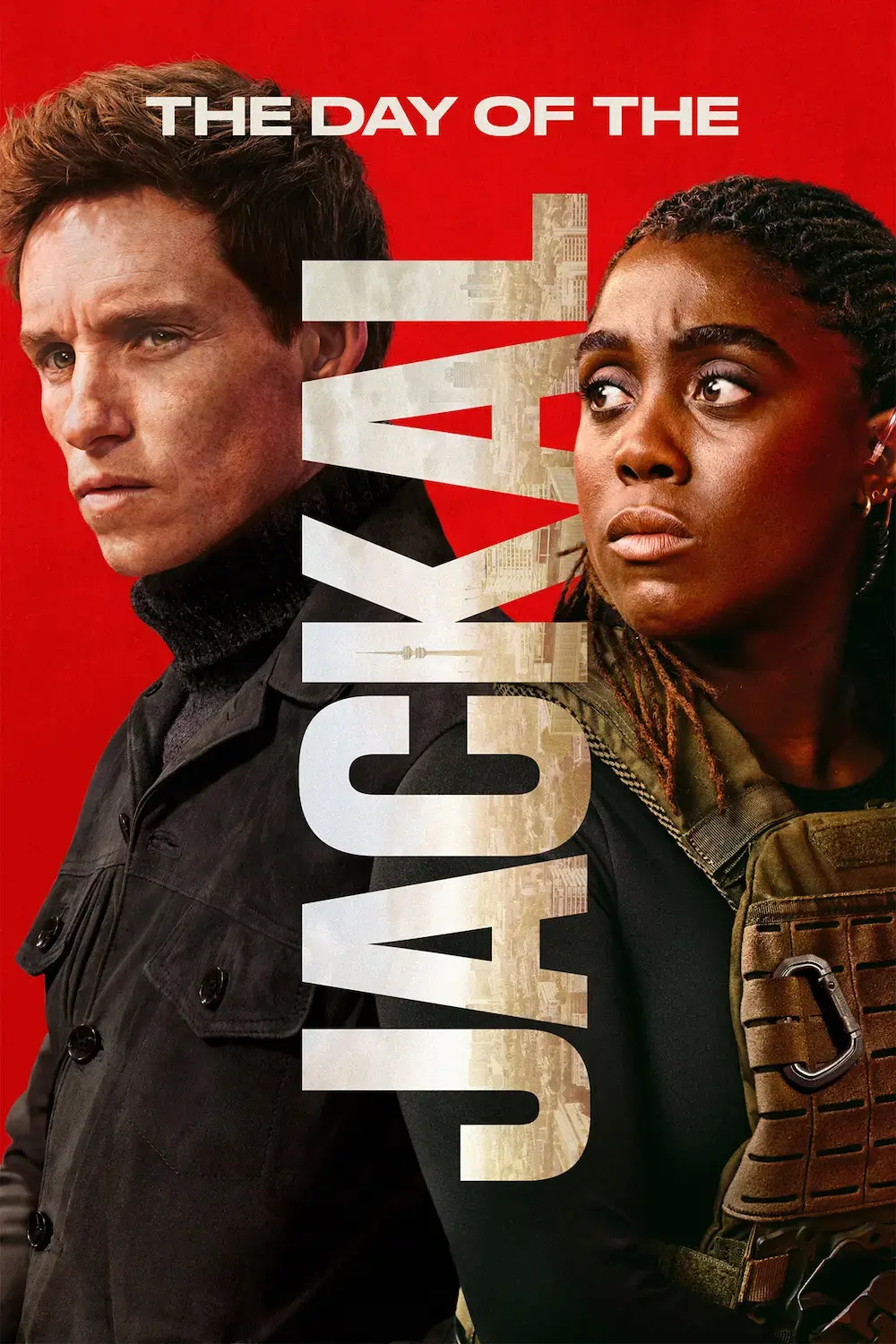
I’m always a sucker for a good hitman/assassin movie, and this British TV series is a remake of one of the most famous ones. The Jackal (Eddie Redmayne) is a meticulous and unstoppable hitman who specializes in killing seemingly unreachable targets with his preternatural sniper skills. Those skills land him on the radar of Bianca Pullman (Lashana Lynch), a dogged and determined MI6 agent. What ensues is a game of cat-and-mouse between the two as the Jackal begins planning his next mission: the assassination of a billionaire who plans to release technology that could up-end the world order. Meanwhile, events in both the Jackal and Pullman’s personal lives complicate their respective missions even as a much bigger conspiracy looms in the background. Like a good heist movie, a lot of the fun of watching The Day of the Jackal is seeing how the Jackal plots his missions while evading detection and arrest. The series gets bogged down, however, when it delves into the two leads’ personal lives or tries to draw parallels between their obsessive personalities. It also engages in some hand-waving, encouraging you to overlook a few unexplained twists and turns that — although they don’t ruin the series — do fall apart when you stop to think about them for 30 seconds. A second season has already been announced, and I plan on watching it.
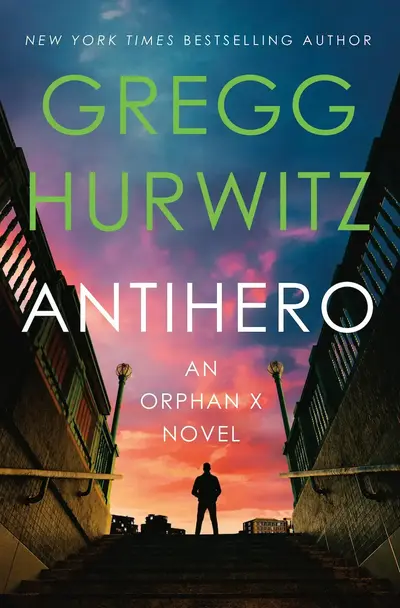
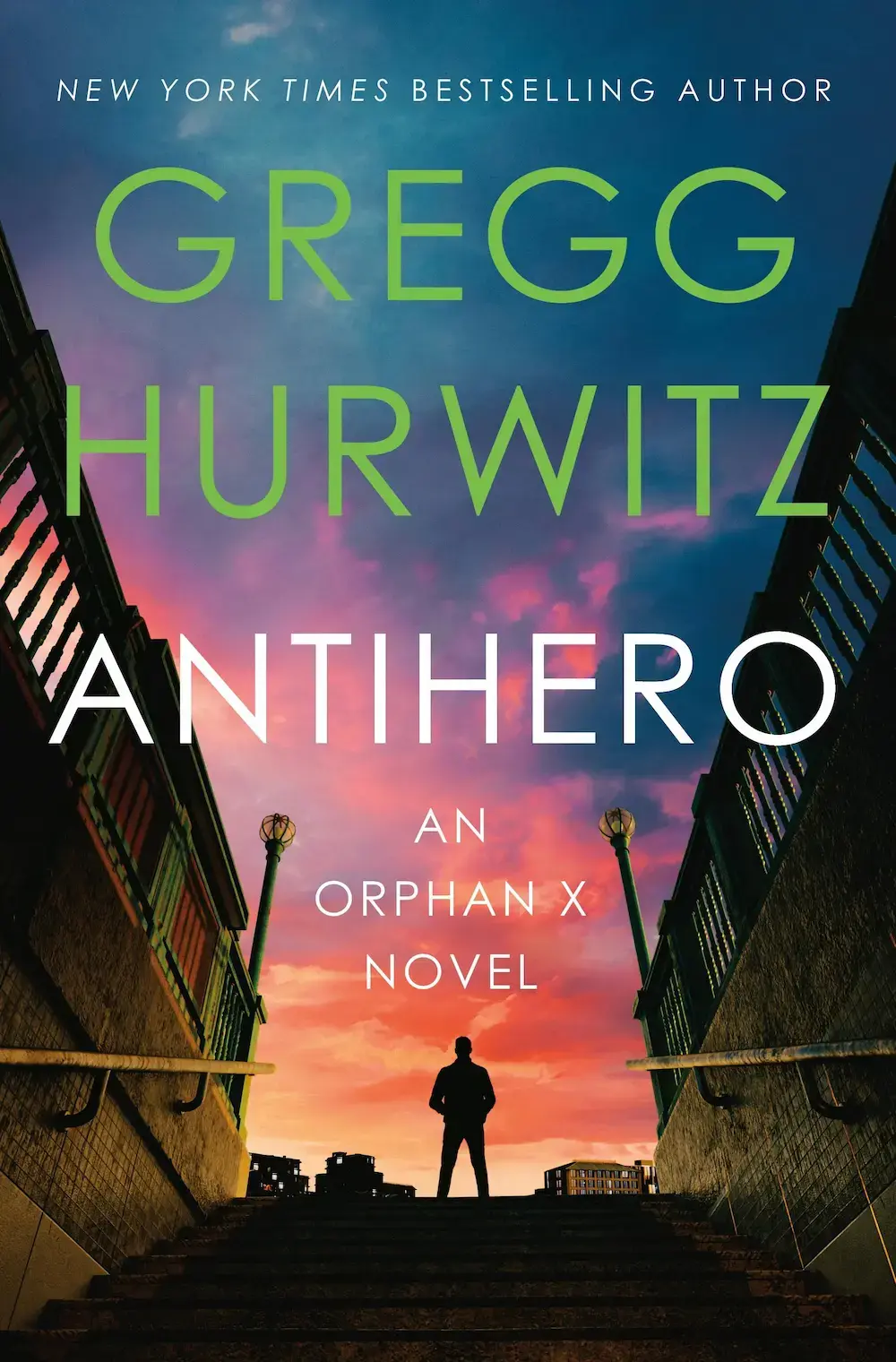
Gregg Hurwitz churns out Orphan X novels at a yearly pace, and I keep reading them, even though they all follow the same basic pattern. Evan Smoak, a former government operative trained since childhood to be a peerless assassin, now uses his deadly skills to help the powerless. That usually results in a not-insignificant body count. Antihero throws in a slight twist, however. The latest recipient of his aid — a devout young woman who was kidnapped, raped, and brutalized by a gang of young men who post their exploits online — makes Evan promise to not kill her attackers, but instead, leave them to God’s judgment. So what’s a former black ops assassin supposed to do? Antihero plunges into the world of online porn while commenting on what social media and terminal online-ness is doing to people, and especially disaffected young men. (In a stroke of serendipity, Antihero paired nicely with Adam Kinzinger’s recent diatribe against streamers like Clavicular.) Because of the sexual violence involved, Antihero was more difficult to read than other Orphan X novels, but it possesses a certain righteous anger that makes it more urgent than its predecessors. But Antihero was difficult to read at times for other reasons. When he’s describing Evan in full operational mode, Hurwitz’s prose is the very definition of a page turner. But when he tries to write Gen Z characters, with their slang and leetspeak, Antihero gets pretty cringe.

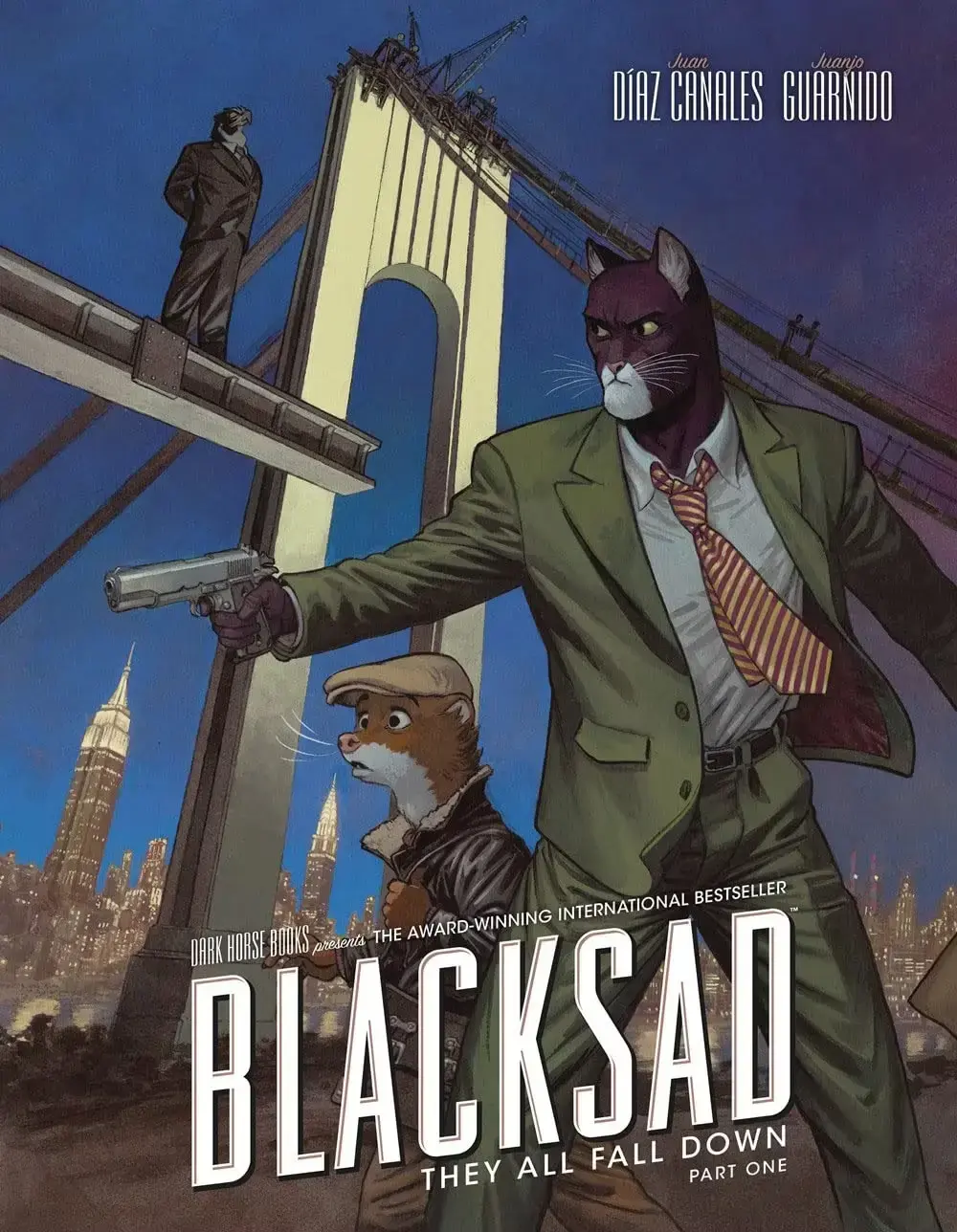
Who’s the cat that won’t cop out when there’s danger all about? I am, of course, talking about John Blacksad, the hard-nosed PI who isn’t afraid to confront the rich and powerful in Juan Díaz Canales and Juanjo Guarnido’s anthropomorphized world. This time around, Blacksad tangles with an ambitious developer seeking to remake the city in his image, which necessarily requires burying a few skeletons from his past, literally and figuratively. But skeletons have a way of reappearing, and just as Blacksad is getting on the case, a skeleton from his own past reappears, as well. As with all Blacksad stories, They All Fall Down — which was released in two parts in 2022 and 2024 — is filled with twists and turns that find Blacksad struggling to maintain his faith in humanity even as he confronts its worst aspects, and it’s all brought to life by Guarnido’s incredible artwork.

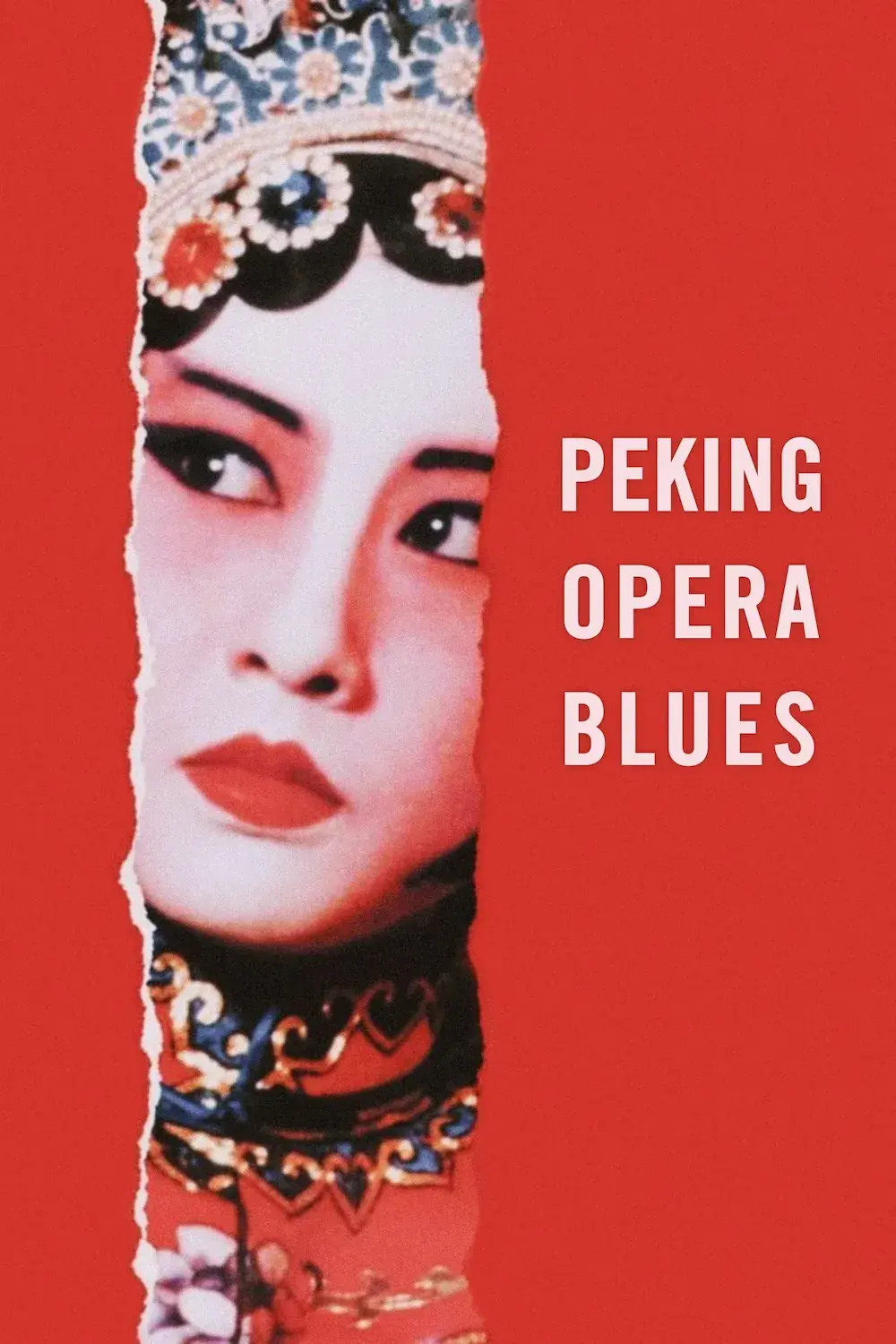
No less an authority than LoveHKFilm.com, one of the great Hong Kong cinema websites, has called Tsui Hark’s Peking Opera Blues “the perfect Hong Kong film.” With all due respect to Ross Chen and his staff, though, I don’t know if I’d go that far. Hark’s film is definitely ambitious, mashing together humor (often of a very exaggerated form), drama, political intrigue, and — because it features the Peking Opera, which historically served as the training ground for Jackie Chan, Sammo Hung, Yuen Biao, and other martial arts superstars — some high-flying action courtesy of Ching Siu-tung (himself a Peking Opera student). Brigitte Lin, Cherie Chung, and Sally Yeh star as three intrepid young women whose paths cross in early 20th-century China while revolutionaries and corrupt politicians clash in the aftermath of the Qing dynasty’s downfall. What ensues is a madcap tale of conspiracies, betrayal, love triangles, and yes, Peking opera hijinks — with an emphasis on “madcap.” My wife sat down to watch the last 20 minutes or so of the film, and I didn’t even try to explain the plot to her. Personally, I found the scenes of the actual opera troupe in action the most interesting (some awkward gay stereotypes notwithstanding), with the near-nonstop goofy humor undermining much of the film’s drama and intrigue.

For many years, the small glade behind her grandmother’s house has been Mabel Tanaka’s happy place, a place where she can experience peace, quiet, and natural beauty. So obviously, when the mayor announces plans to destroy the glade to make room for a new freeway, Mabel does her best to protest and fight back — to no avail. But when a top-secret technology lets her place her consciousness inside a robotic animal and live in nature, Mabel learns the truth behind the mayor’s plans as well as some shocking truths about the animal kingdom. Unfortunately, her impetuous decision could soon threaten the very nature that she loves. There’s no denying that Pixar’s Hoppers has its heart in the right place, and I appreciated its willingness to embrace some moral complexity. Much like a Studio Ghibli heroine, Mabel may be fierce and spirited, but she can also be shortsighted, rash, and stubborn to a fault. There are also some legitimately funny moments sprinkled throughout the film. In the end, however, Hoppers is so goofy, with a premise that starts to crumble as soon as you take any time at all to think about it, that it never really rises above mid-tier Pixar.

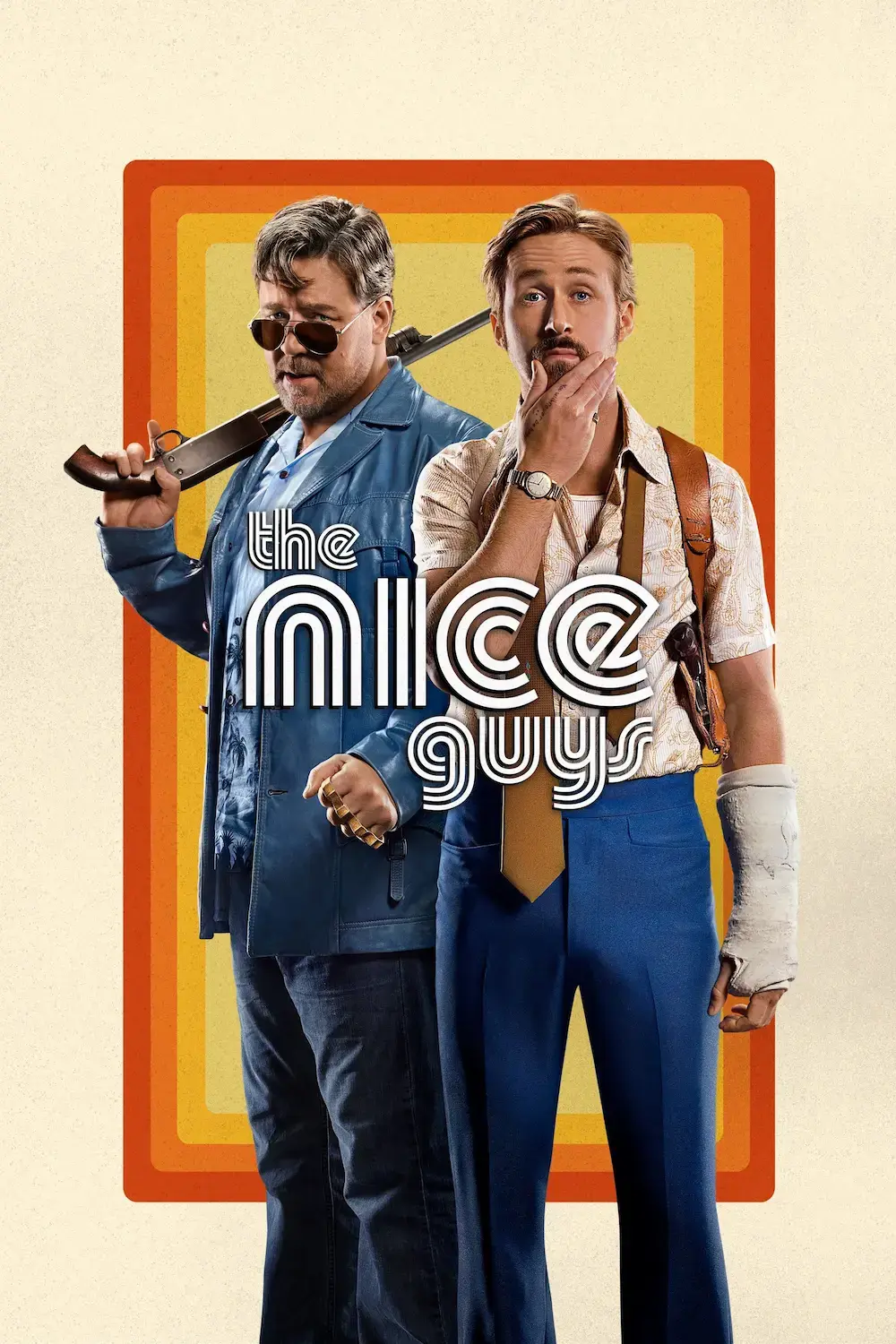
Shane Black sure does love making movies about unlikely duos who are forced together under wild circumstances and must fight their way out, tooth and nail, against shadowy conspiracies and seemingly untouchable elites. 2016’s The Nice Guys follows in the footsteps of earlier Black films like Lethal Weapon, The Last Boy Scout, The Long Kiss Goodnight, and Kiss Kiss Bang Bang. Its story about a sad-sack P.I. (Ryan Gosling) and a brutal-but-idealistic enforcer (Russell Crowe) searching for a young woman and traversing both the seedy underbelly of 1977-era Los Angeles and the highest levels of the American government certainly checks all of the right boxes. However, it lacks a certain misanthropic glee that makes Black’s other films so entertaining. That’s not for any lack of trying, though. Gosling, in particular, goes for broke as Holland March, aka, the world’s worst detective, and he and Crowe certainly have some nice chemistry. But The Nice Guys ultimately feels more like a film made by someone trying to copy Shane Black’s style, than an actual Shane Black film. For my money, I’d just stick with The Last Boy Scout or Kiss Kiss Bang Bang.

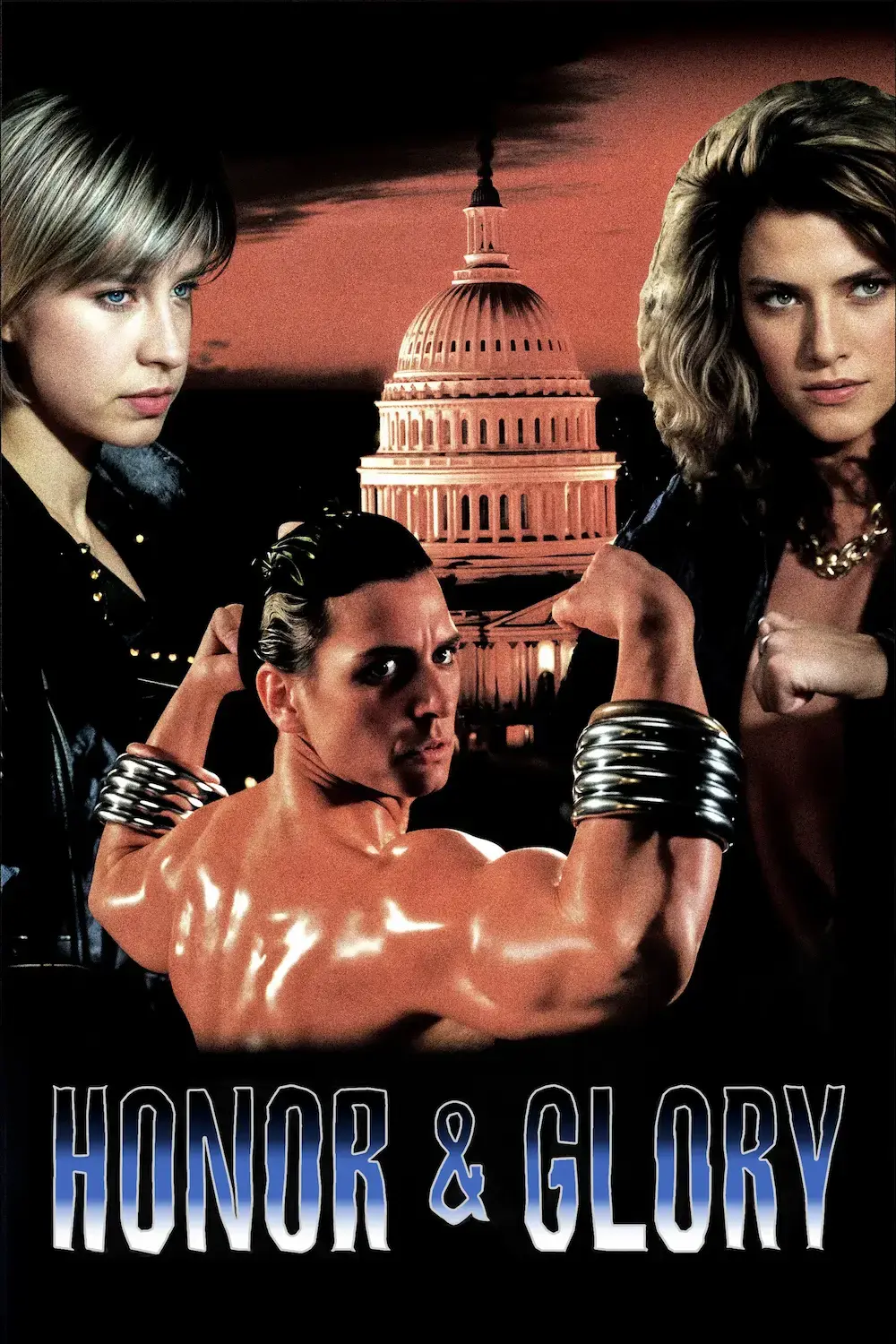
After thoroughly enjoying Undefeatable, I was compelled to watch another Godfrey Ho/Cynthia Rothrock collaboration. Released the year before Undefeatable, Honor and Glory is cut from the same B-movie cloth. That’s undoubtedly due to the fact that both movies were produced by Tai Yim, a real-life kung fu grandmaster and martial arts instructor, and star several of his students. Interestingly, Rothrock is barely in the movie despite getting top billing. (Apparently, she filmed all of her scenes in one week.) Most of Honor and Glory is focused on her sister, a journalist (Donna Jason) investigating a slimy businessman named Jason Slade (John Miller) who’s trying to sell stolen nuclear weaponry to the Middle East. Naturally, it’s the sort of investigation where kung fu comes in handy because in the movie’s world, everyone knows kung fu. Honor and Glory is a prime example of ’90s martial arts cinema that probably wouldn’t even rate as “direct to video,” but its wooden performances, awkward dialog, and lower-than-low-budget production values nevertheless possess an earnestness that’s quite charming. That said, it’s not as enjoyable as Undefeatable. Although Miller certainly hams it up as Slade, dropping such unforgettable lines as “Do you know a nuclear trigger from a Bulgarian dildo?” and “No woman can share my bed and not be mine for life,” Honor and Glory lacks the unhinged energy (i.e., a deranged serial killer with serious mommy issues) that truly confirmed Undefeatable’s cult status. (Note: In keeping with his infamous “cut and paste” approach to filmmaking, Godfrey Ho re-used footage from Honor and Glory for 1993’s Angel the Kickboxer.)

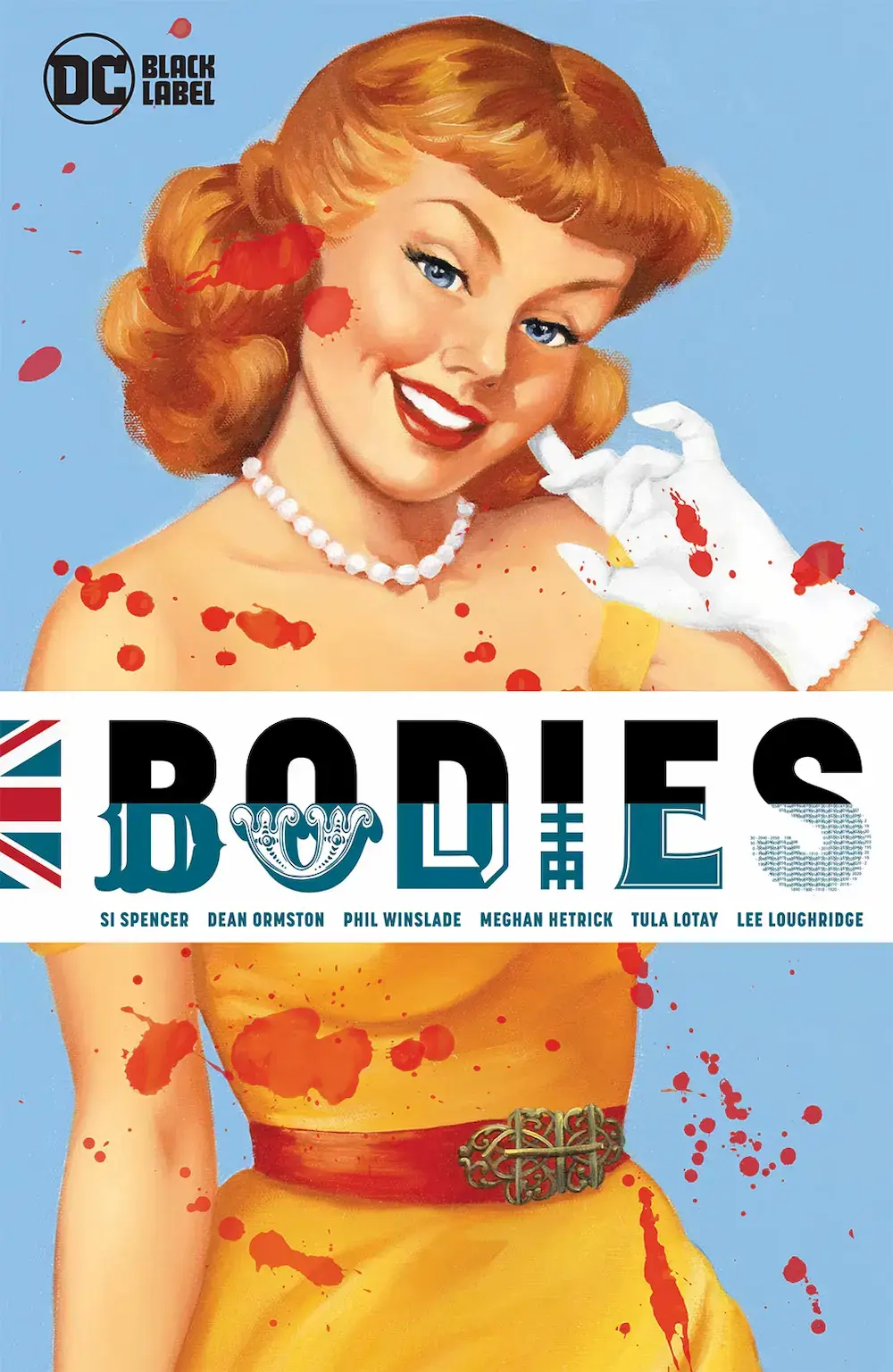
A mutilated corpse appears in the same spot in London’s Whitechapel district in four different eras between 1890 and 2050, drawing detectives from each era into a mystery that transcends time and speaks to the very heart of Great Britain. In other words, Si Spencer’s Bodies — which he produced with artists Dean Ormston, Phil Winslade, Meghan Hetrick, and Tula Lotay — is certainly ambitious, and contains many fascinating tidbits about secret societies and whatnot. It’s no surprise that many people lauded it upon its publication back in 2014. However, it just didn’t click for me. While I was certainly fascinated at times, the story felt too disjointed with an ending that felt cloying and overly sentimental.

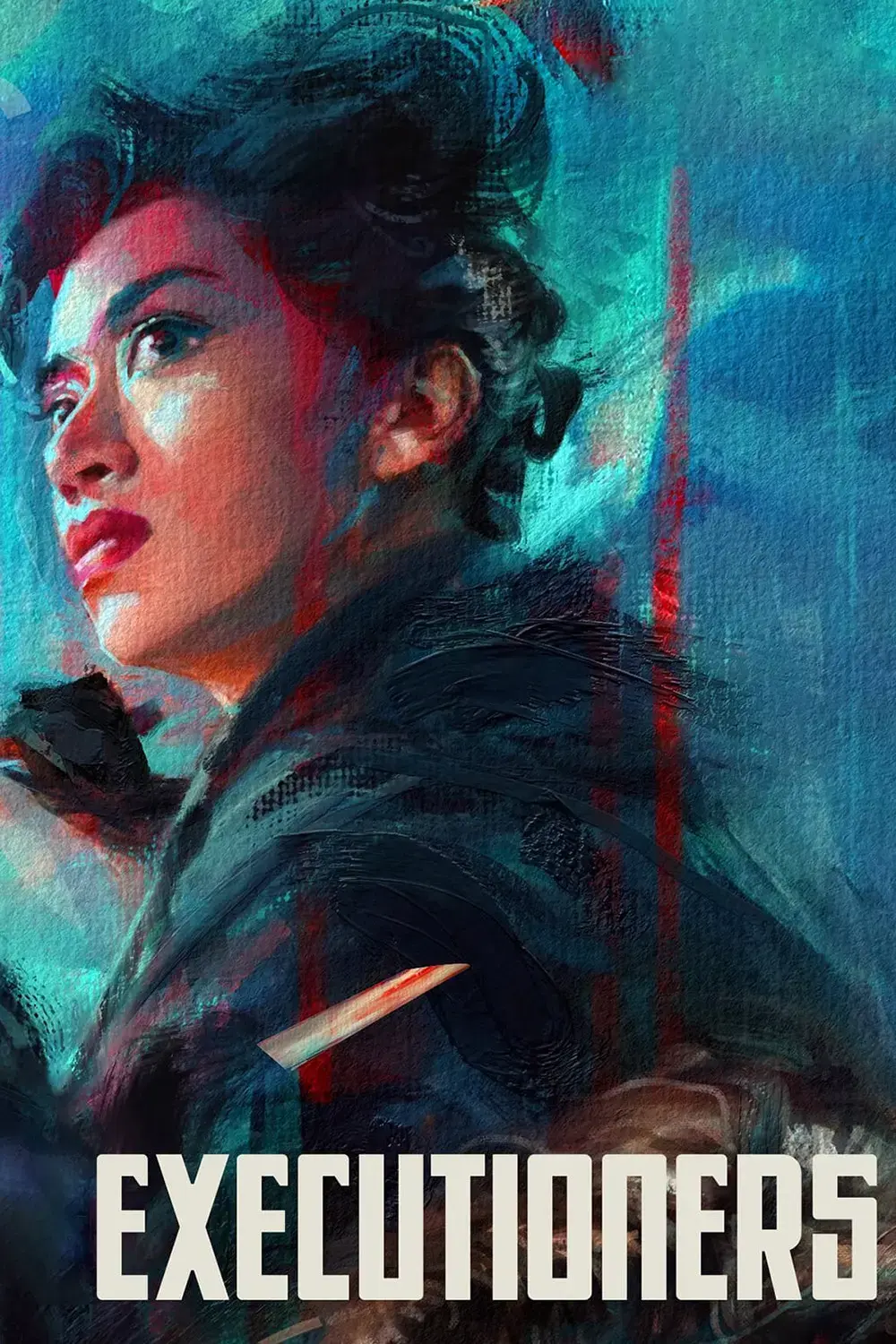
Filmed and released just seven months after The Heroic Trio to capitalize on that film’s success, Executioners reunites Anita Mui, Michelle Yeoh, and Maggie Cheung as a trio of superheroes trying to save their city. Set several years after the previous film, Executioners ups the ante, presenting a post-nuclear wasteland where water is scarce and the people are ruled by a totalitarian regime. That premise certainly seems pitch-perfect for Mui, Yeoh, and Cheung’s highly stylized and ultra-melodramatic heroics. Unfortunately, Executioners is a mess of a film that contains precious little of its predecessor’s style or panache. The story is disjointed and muddled, incorporating religious movements and even a disfigured mad scientist (played by Anthony Wong), and our three heroines share a surprisingly small amount of onscreen time. Co-director Ching Siu-tung brings some of his signature action to the table, but the dreary post-apocalyptic setting and flimsy plot make even his choreography look ridiculous. Fun fact: Executioners was the film debut of Takeshi Kaneshiro, who would immediately go on to star in Wong Kar-wai’s Chungking Express and Fallen Angels, establishing his heartthrob status.

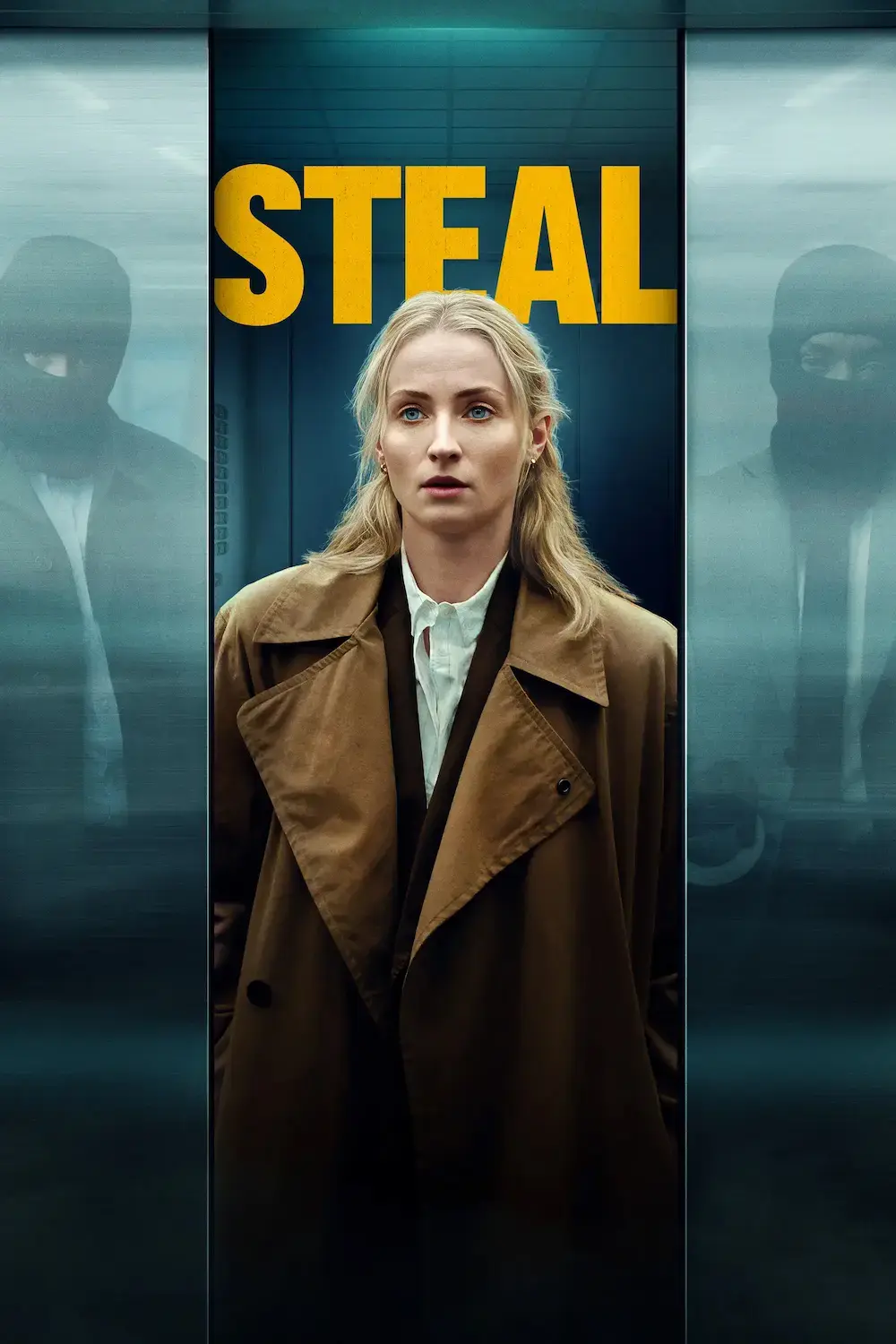
Sophie Turner (Game of Thrones) stars in this taut thriller about a low-ranking office worker trying to move on with her life after her office is raided by armed thieves who make off with billions. The series premier had me on the edge of my seat as the thieves execute their heist with ruthless precision, and the remaining episodes did a good job of maintaining that pace as secrets are revealed, including secrets about our traumatized heroine. And just when things seemed all wrapped up, Steal would reveal yet another layer of conspiracy — which is precisely what you want from a thriller like this. Without spoiling anything, Steal is ultimately a condemnation of our current financial system, which benefits the ultra-wealthy while leaving the rest of us to fall further and further behind. Which, I suppose, makes it more than a little ironic that it’s currently streaming on Amazon, whose former CEO Jeff Bezos has almost certainly benefited from that aforementioned system. Nevertheless, Steal possesses a blend of righteous anger and moral ambiguity that makes for a very compelling watch.

Long before the MCU was even a glimmer in Kevin Feige’s eye, Johnnie To created his own superhero world with The Heroic Trio, a deliriously campy and over-the-top film about three superheroines who take on an evil baby-kidnapping cult. As expected from a ’90s Hong Kong action film, The Heroic Trio is filled with wire-enhanced kung fu and physics-defying action — courtesy of Ching Siu-Tung — as Maggie Cheung, Michelle Yeoh, and the late, great Anita Mui strut their stuff across the screen. (Indeed, the film literally ends with them sashaying down the street with enough sass and style to make Beyoncé turn green with envy.) One doesn’t look to The Heroic Trio for logic or reason. How else to explain the fact that everyone’s completely oblivious to the alternate dimension lurking just below their city’s streets where an evil cult led by a eunuch seeks to restore China’s imperial line? (Seems like somebody in the Sanitation Department should’ve stumbled across that at some point in the city’s history.) Rather, you watch a film like this for the highly stylized visuals, from the aforementioned alternate dimension to the brutalist architecture to the secret lab filled with blowing paper for other reason than because it looks so. Darn. Dramatic. And speaking of drama, all three heroines have requisitely tragic backstories that — surprise! — are more connected than they realize, and for all of its camp, The Heroic Trio isn’t afraid to get surprisingly grim at times.