My Cultural Diet (February 2025): Macross, Flow, Liquid Sky, Squid Game, The Holdovers
In order to better track my various cultural experiences (e.g., movies, TV shows, books, restaurants), I’ve created the Cultural Diet. Think of it as my own personal Goodreads, Letterboxd, and Yelp, all rolled into one (more info here). Every month, I recap everything that I watched, read, etc., in the previous month.
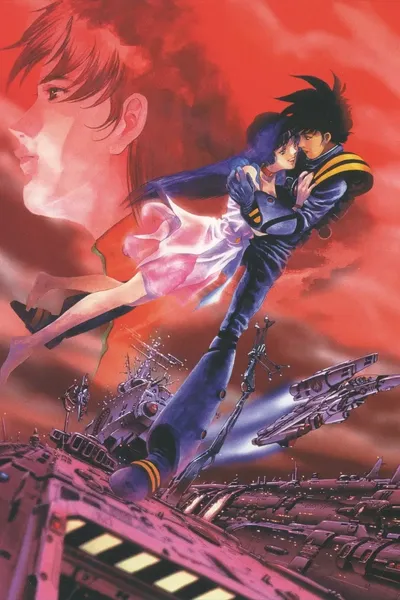
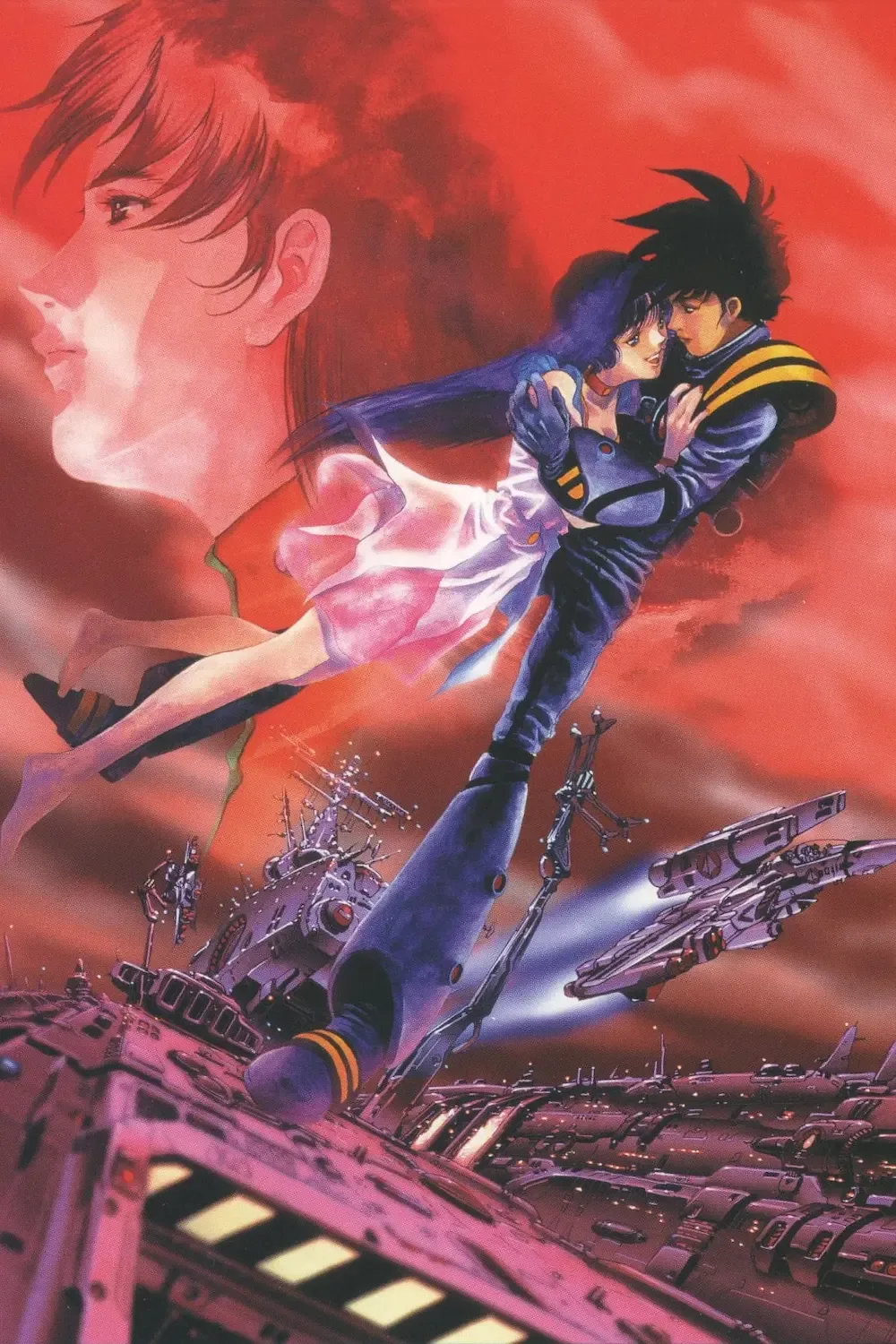
Both an adaptation and reinterpretation of the original Macross series, Macross: Do You Remember Love? essentially takes everything you love (and hate) about Macross and distills it down into a single two-hour-long movie. All of the expected characters are present, including Hikaru Ichijyo, Lynn Minmay, and Misa Hayase (and their romantic triangle), but significant changes are made to their backstories. Significant changes are made to the journey of the SDF-1 space battleship, as well, as it tries to return to Earth while battling the Zentradi alien warrior race, who are also fighting a civil war of their own. Macross titles are inherently melodramatic, but Do You Remember Love? is even more so, and as a feature-length film, it’s also surprisingly graphic in places. The film culminates in a massive space battle during which Minmay sings an ancient alien pop song to rally the troops. The discrepancy between the orgy of destruction and the swoon-y ballad, which contains such sentimental lyrics as “Do you remember the time when our eyes first met?/Do you remember the time when our hands first touched?/That was the very first time I set out on the journey of love,” is wildly ridiculous — and I kind of love it. Your mileage will, of course, vary. (Nerdy sidenotes: Do You Remember Love? is not part of the official Macross canon. Rather, it’s treated as a fictional movie that’s popular in the Macross universe. 1992’s Macross II is set after the events of Do You Remember Love?, and as such, is non-canonical, too. Do You Remember Love? was also re-edited, dubbed into English, and released here in the States circa 1986 as Clash of the Bionoids, which I definitely remember seeing in toy stores as a kid.)
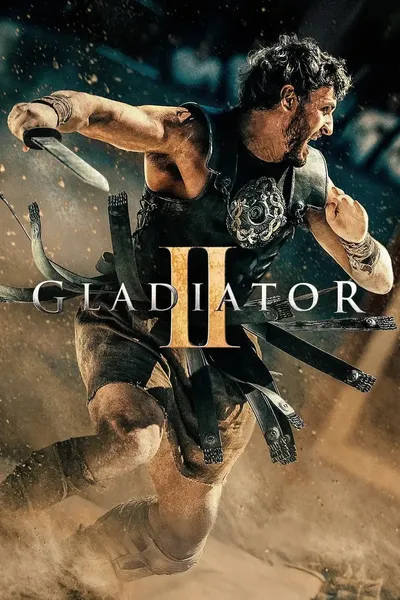
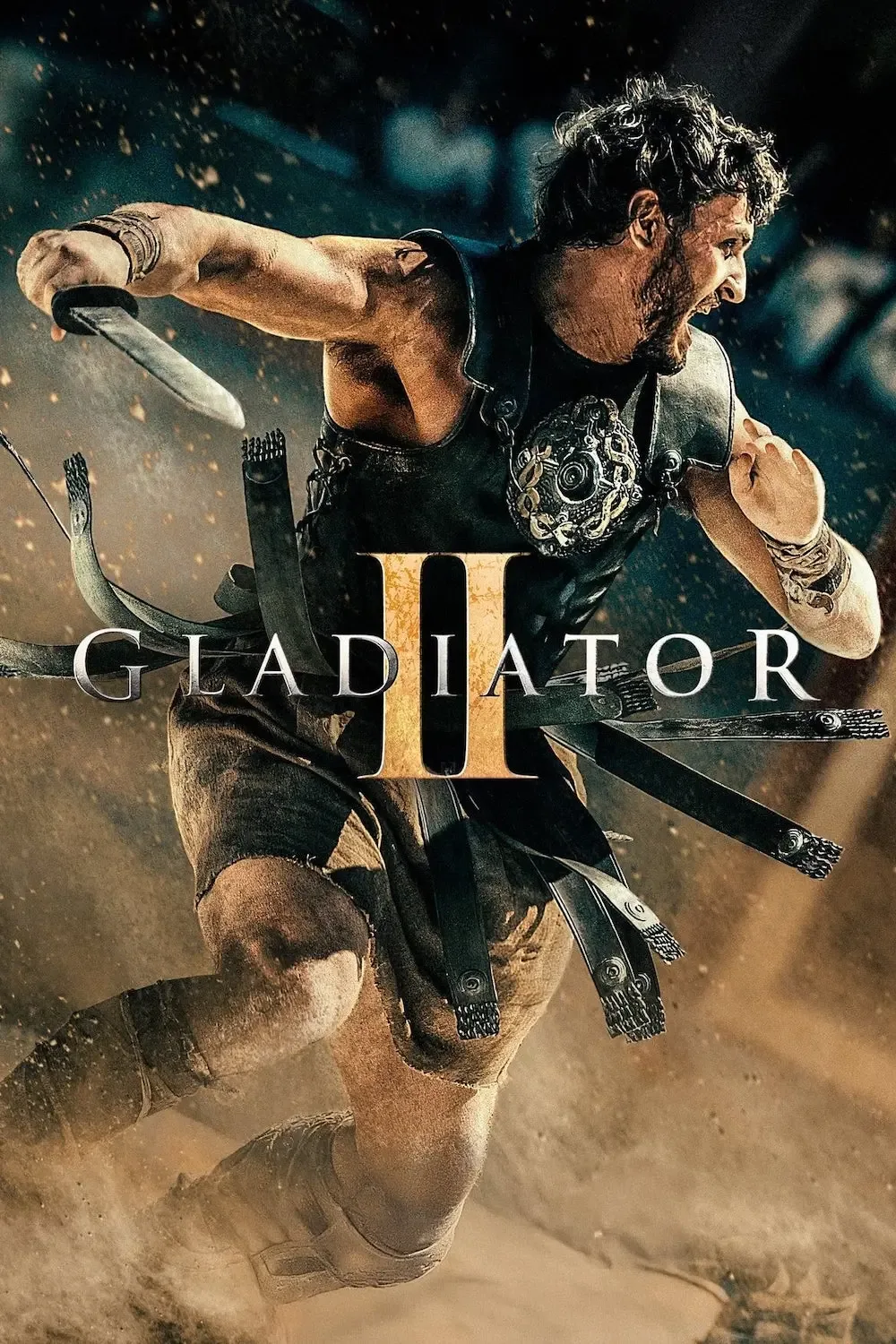
Quite possibly the most unnecessary movie sequel of the last 20 years, and perhaps of all time. (And yes, I’m including Highlander 2.) Despite clocking in at nearly two-and-a-half hours, I’m hard-pressed to think of a single moment in Gladiator II that comes close to the original Gladiator or adds anything to Ridley Scott’s vision of ancient Rome. Paul Mescal gives it the old Colosseum try, but his slave-turned-gladiator simply doesn’t have the conviction or gravitas of Russell Crowe’s Maximus Decimus Meridius. Needless to say, his rousing speeches all fall flat. Denzel Washington remains one of our greatest actors, but his flamboyant performance as a former slave with a hidden agenda is wildly uneven, to say the least. And finally, Pedro Pascal is wasted in his role as an honorable yet disillusioned general. As Gladiator II grinds to its clunky conclusion, and the audience is increasingly beaten over the head with whether or not Rome is worth saving, it becomes increasingly clear that there’s nothing about Gladiator II that’s worth saving. Given all of its clumsy and desperate references and callbacks to its predecessor, save yourself some time and just watch Gladiator again.

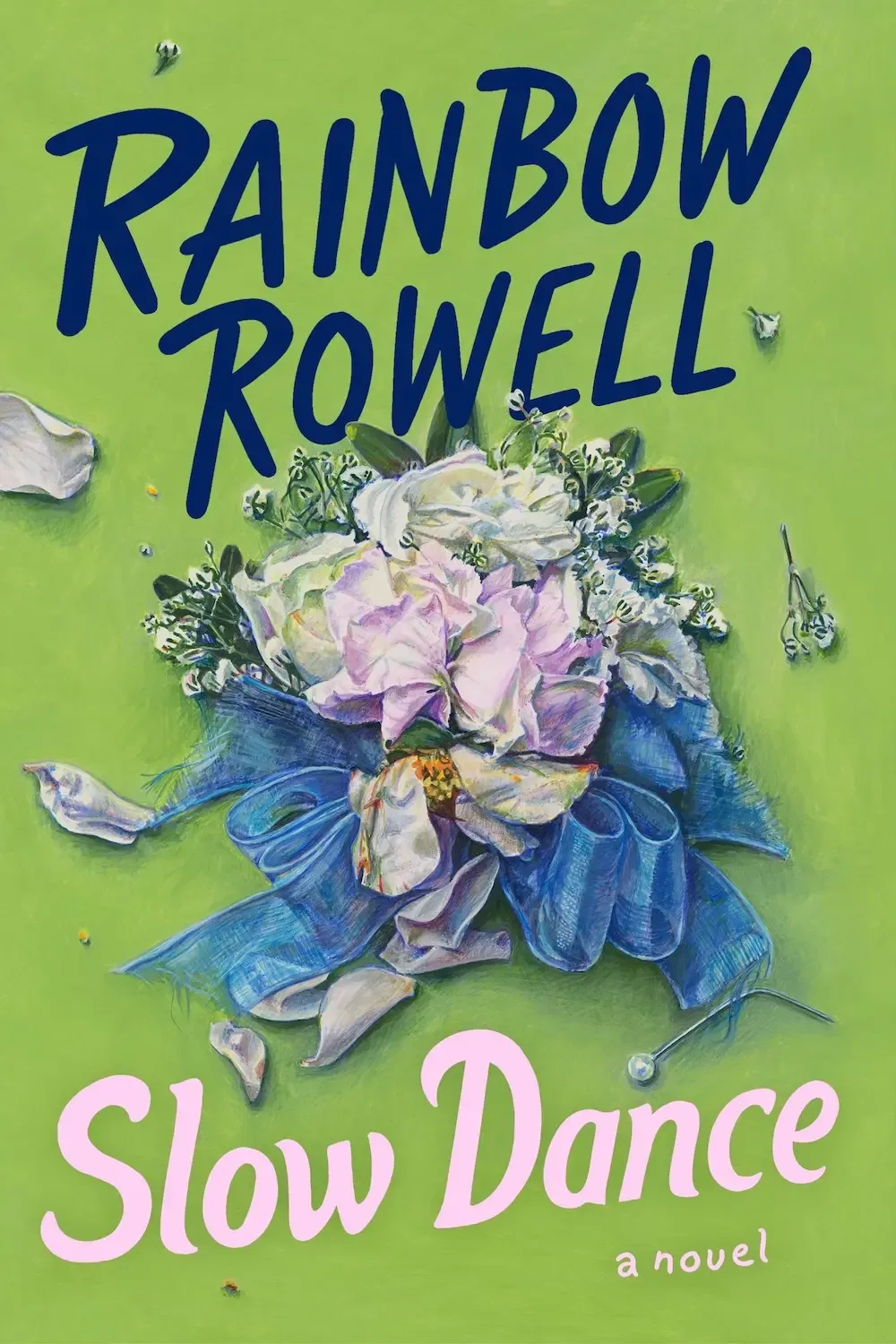
Shiloh and Cary were best friends in high school. They were so close, in fact, that everyone assumed they’d end up together. Which never happened. Jump ahead 14 years, and now Shiloh is a single mom with two kids while Cary is a naval officer. When they reunite at a friend’s wedding, it seems like fate is offering them a second chance even as their disparate lives keep getting in the way. If you peruse my book reviews, you’ll quickly realize that this is not my usual reading fare. But my curiosity was piqued by Slow Dance being partially set in north Omaha during the ’90s. (Fun fact: I actually went to Omaha North High with Rainbow Rowell during that time period, though she was a senior when I was a freshman, and she ended up marrying my friend Jason’s older brother. ‘Tis a small world.) The various Omaha references — Hinky Dinky! Richman Gordman! Miller Park! — imbued Slow Dance with a sense of place and some light nostalgia, both of which anchored the melodrama, of which is there. Is. A. Lot. Indeed, if weren’t for the Omaha setting, I might’ve given up on Slow Dance simply because of said melodrama. To her credit, though, Rowell is clearly fond of her characters, so much so that I can’t help wondering if parts of Slow Dance are semi-autobiographical, and her writing is breezy and eminently readable.
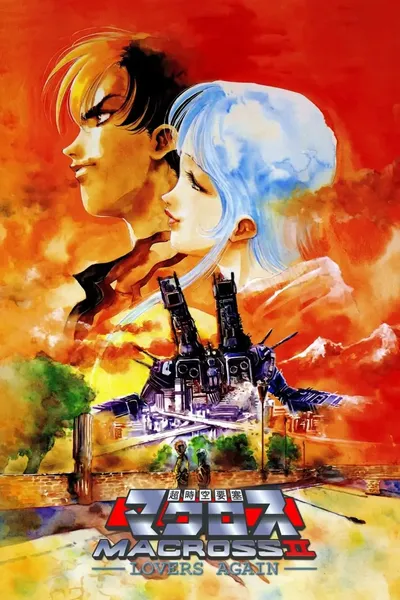
Given that it was created to celebrate the 10th anniversary of the original Macross series, which was the basis for Robotech here in the States, Macross II: Lovers Again was one of the most anticipated anime sequels at the time. Unfortunately, Macross creator Shōji Kawamori was not involved in its production, nor was the original studio, and it shows. To put it mildly, Macross II is filled with shoddy, inconsistent animation and character designs. (I actually rewatched several scenes to see if they really were as bad as they initially appeared. They were, every single one of them.) The mecha designs are actually pretty cool — I did enjoy the brief glimpse of the VF-XX variable fighter — but the animation is routinely sketchy and subpar, and the space battles are an incoherent mess. Macross II’s storyline has the requisite love triangle and messaging about love (and pop music) overcoming war and hate, but the characters are so bland that it’s hard to care about them. As for the series’ protagonist, a brash young journalist named Hibiki Kanzaki, he’s arguably one of the most annoying characters in the entire Macross franchise. All of this is a shame, because the OVA had the potential to expand the Macross universe with the introduction of the Marduk civilization. If any doubt, though, remains concerning Macross II’s quality, consider this: when Kawamori and Studio Nue returned to the Macross franchise, they retconned Macross II into an alternate continuity and released the far superior Macross Plus as the official Macross sequel.
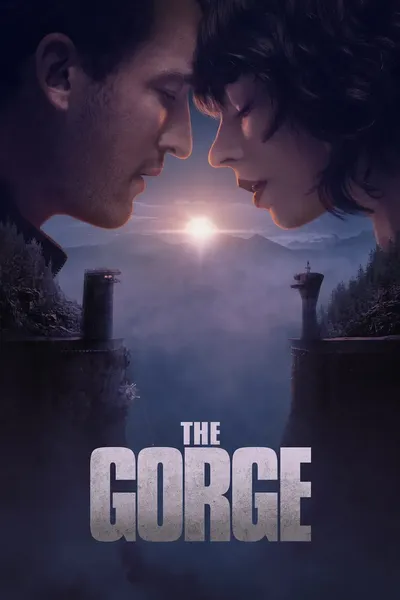
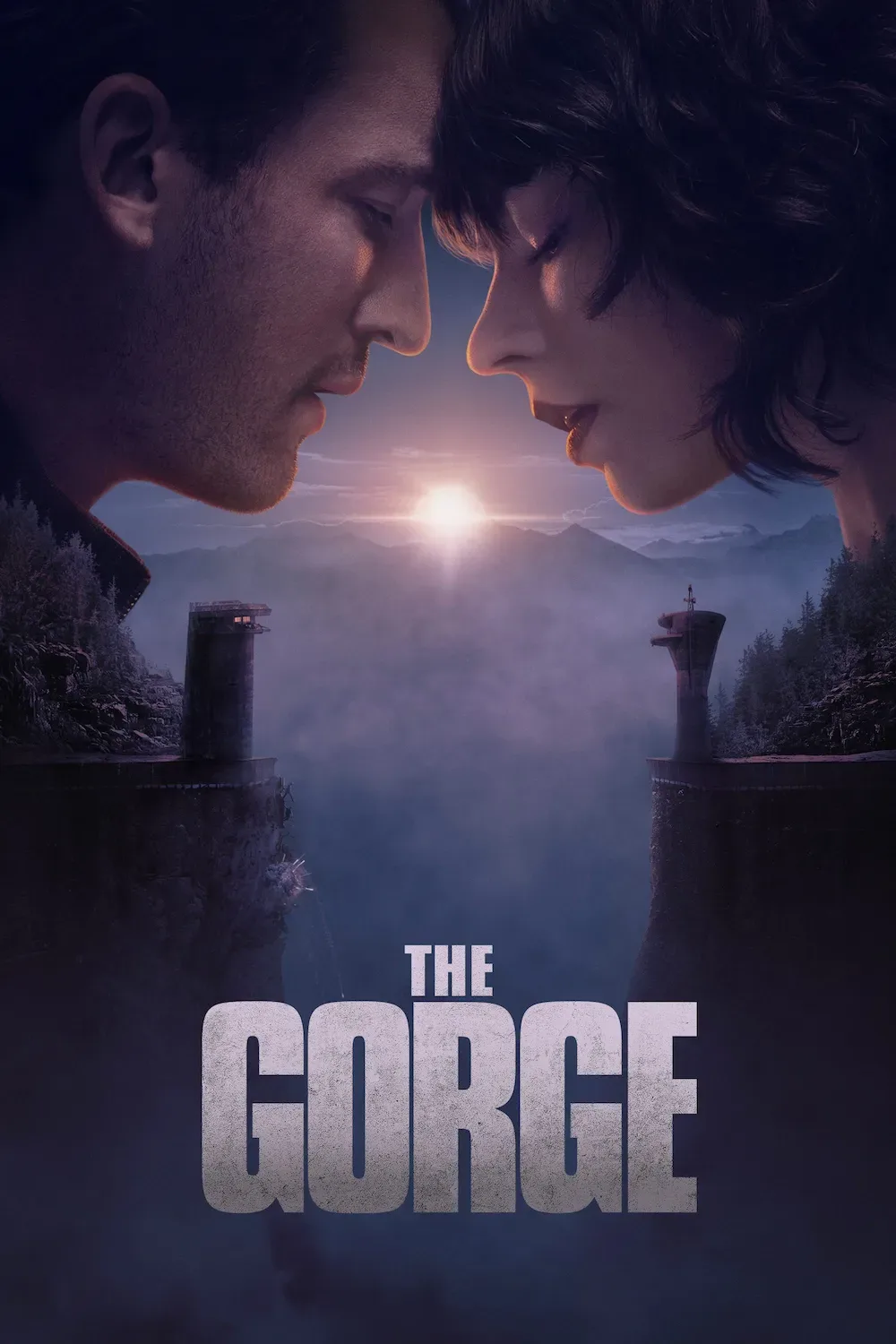
Given its premise, The Gorge could’ve and should’ve been a lot weirder and a lot cooler than it turned out to be. Two snipers, an American (Miles Teller) and a Lithuanian (Anya Taylor-Joy), are sent on a bizarre and secretive mission: monitoring a mysterious gorge in the middle of nowhere to prevent whatever might be lurking in its depths from escaping. Posted on opposite sides of the gorge, they’re forbidden from contacting each other, presumably for purposes of compartmentalization. Of course, they spend the first half of the movie disregarding that particular order — think of it as a meet cute with sniper rifles — only for all hell to break loose in the second half. Well, sort of. While Teller and Taylor-Joy are likable enough protagonists, The Gorge stumbles when the truth of their mission is finally revealed. Of all the directions the film could’ve taken in its final act, it opts for a pretty underwhelming one. I don’t think there was any chance The Gorge was going to land in theaters, but it could’ve become a modern cult classic had it opted for something less predictable and more bizarre.
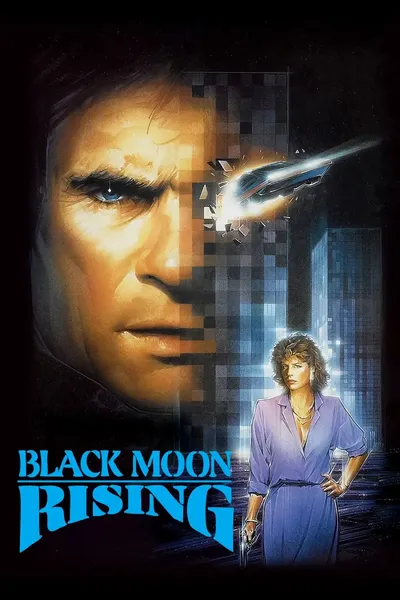
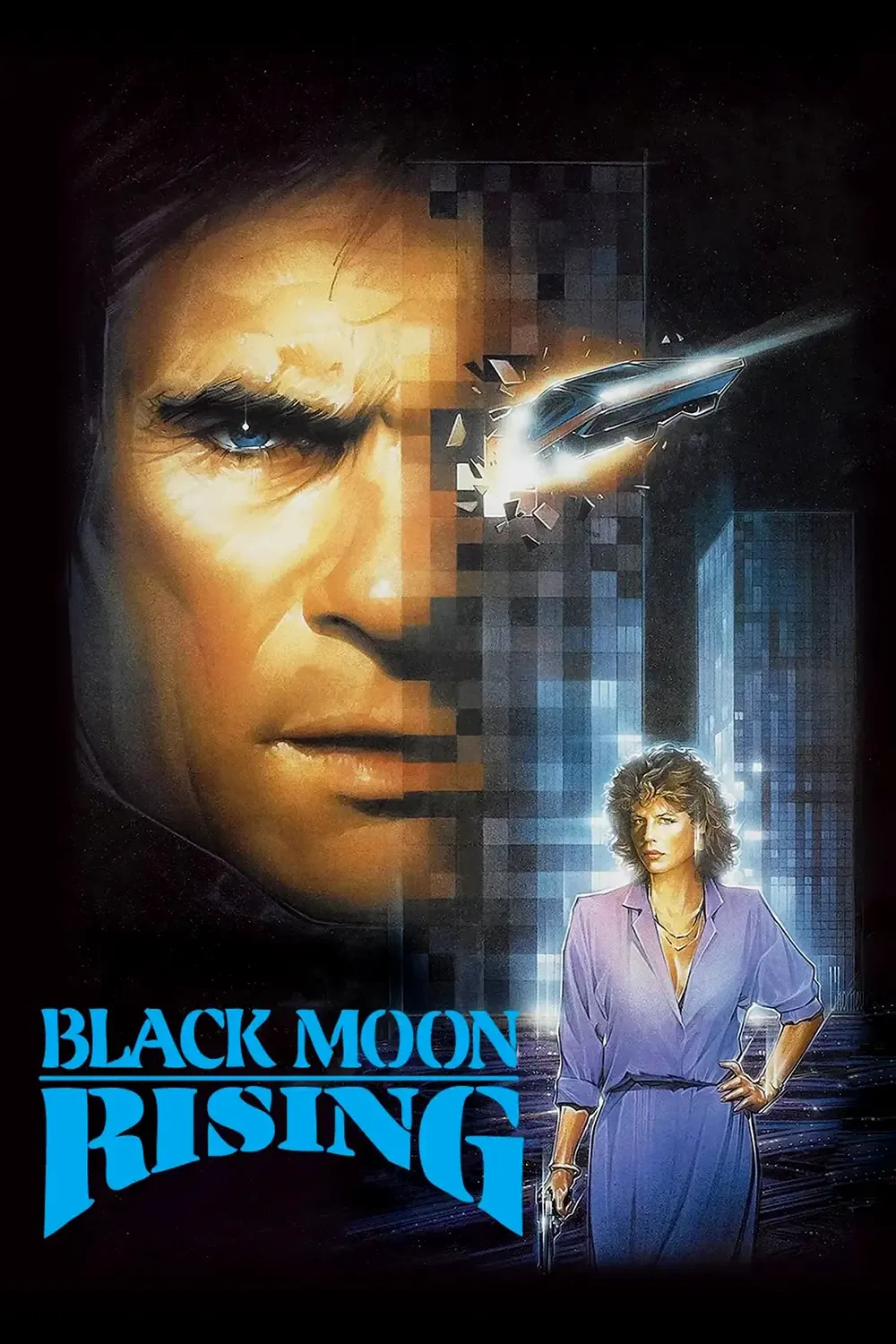
Here’s another one of those movies that’s fascinated me ever since I saw its VHS cover in the video rental store. It’s title is so enigmatic, however, that the actual storyline was bound to be a letdown. A professional thief (Tommy Lee Jones, who looks both way younger and way older than 40 here) is hired by the government to steal evidence from a company under investigation. He’s forced to hide that evidence in an experimental car, which is subsequently stolen by a beautiful car thief (Linda Hamilton), and he must figure out how to retrieve it before the government’s deadline. Black Moon Rising’s got some sci-fi, some action, and some heisting, and all of it awash in noir lighting, big hair, and vintage ’80s style. Unfortunately, the movie’s never more than the sum of its parts, and ends up feeling like a glorified Knight Rider episode (minus the talking car). Or maybe that’s just my inner 12-year-old’s expectations not being met. As for the titular car, my inner 12-year-old might think it’s rad, but it looks almost as ridiculous as a Cybertruck to 49-year-old me, who is much more taken with Jones’ Dodge Daytona Turbo Z. Fun fact: Black Moon Rising was written by John Carpenter, and I can’t help wondering what might’ve been had he sat in the director’s chair. That, and one of his classic synthesizer scores would’ve been a much better fit than Lalo Schifrin’s easy-listening lite jazz score.

There are moments when Yokohama Kaidashi Kikou’s story is so slight, I had trouble remembering why I was still reading it. And then I’d turn the page and see one of Hitoshi Ashinano’s simply-yet-gorgeously rendered landscapes, or a cute little character moment, or a hint at a bigger, stranger world, and I’d get sucked right back in. Make no mistake, Yokohama Kaidashi Kikou is very slight, its chapters essentially a collection of slice-of-life vignettes centered around an android named Alpha who’s trying to maintain a small rural coffee shop in her owner’s absence. Oh, and the world is slowly dying due to environmental collapse. Which means that technically, you could file Ashinano’s manga under “post-apocalyptic sci-fi,” but it’s far too gentle and unassuming for that, suffused with the soft, rueful melancholy that’s typified by the Japanese concept of mono no aware. I’m not necessarily in a rush to read the series’ other volumes, but I am glad I got to hang out with Alpha and her friends for as long as I did.
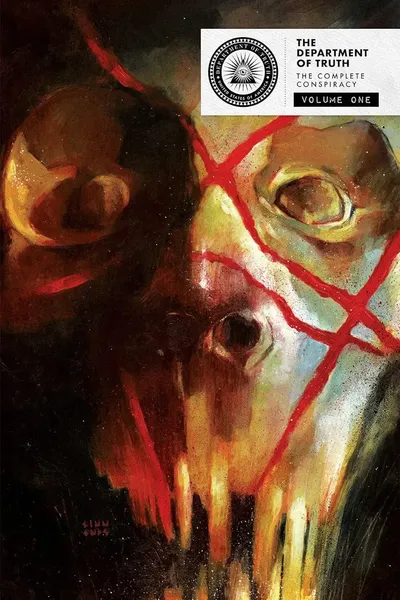
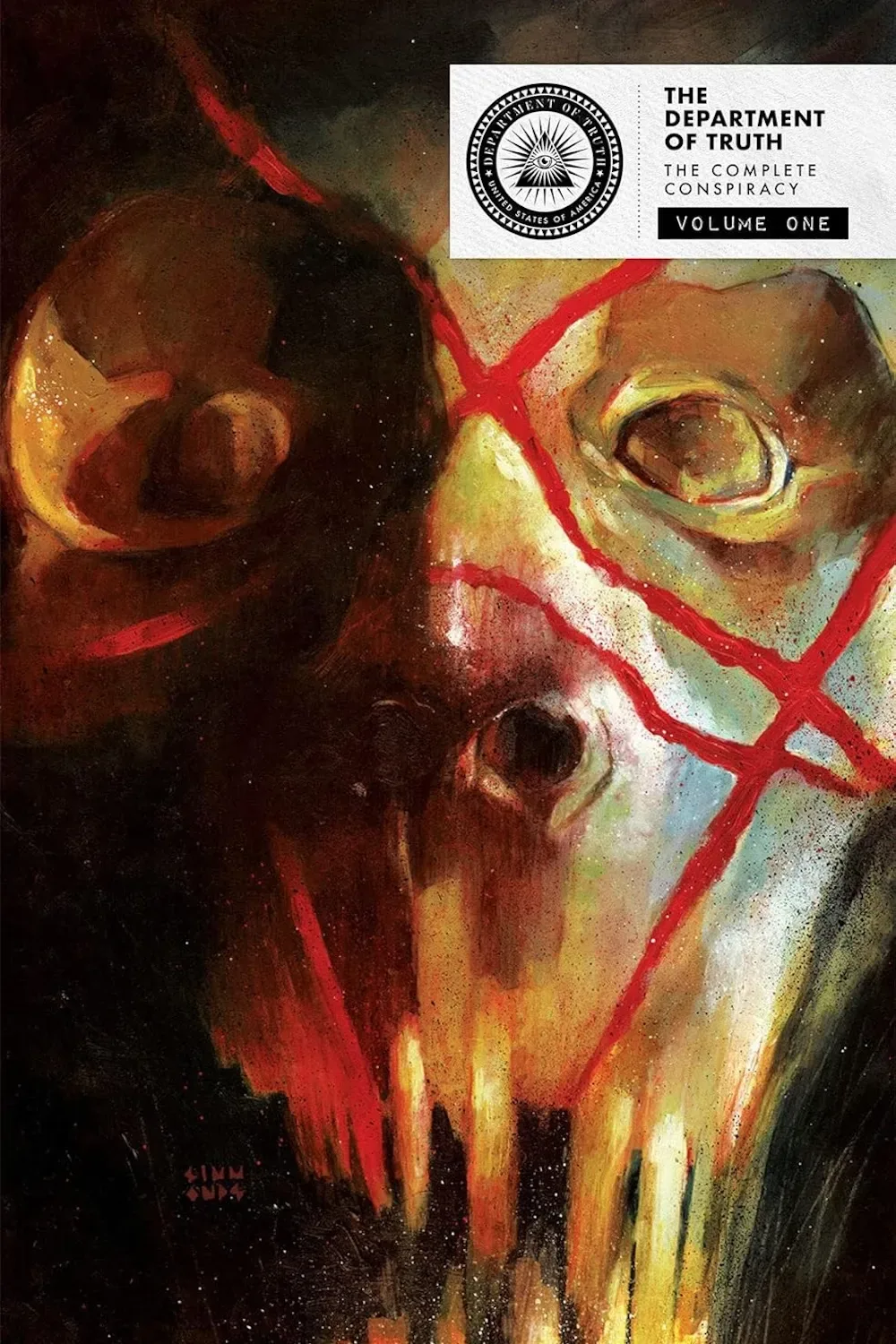
Every single conspiracy theory you’ve ever heard is true, or at least has the potential to become true if enough people believe in it. But altering reality and rewriting history like that is dangerous. Thus, it’s up to the Department of Truth, led by Lee Harvey Oswald — yes, that Lee Harvey Oswald — to prevent the worst ones from taking root in the public consciousness while promoting those that ensure America’s greatness. The Department’s methods, however — which range from mundane to mystical — are questionable at best, and there are other forces who seek to use the world’s conspiracy theories to further their own agendas. The question is, who are the good guys? The Department of Truth is as engrossing as it is troubling, as James Tynion IV weaves together the JFK assassination, flat Earthers, school shootings, Aleister Crowley, Jack Parsons, the moon landing, Bigfoot, the Illuminati, Charlemagne, and of course, the Satanic Panic into a nightmarish tangle of alternate histories. Meanwhile, Martin Simmonds’ painterly artwork is the perfect accompaniment to Tynion’s writing, richly capturing each bizarre conspiracy theory as it comes to life. Tynion has written a lot of great comics, including Something Is Killing the Children and The Nice House on the Lake, but The Department of Truth — which perfectly captures the zeitgeist that gives rise to such dangerous nonsense as QAnon and election denialism — might be his crowning achievement.
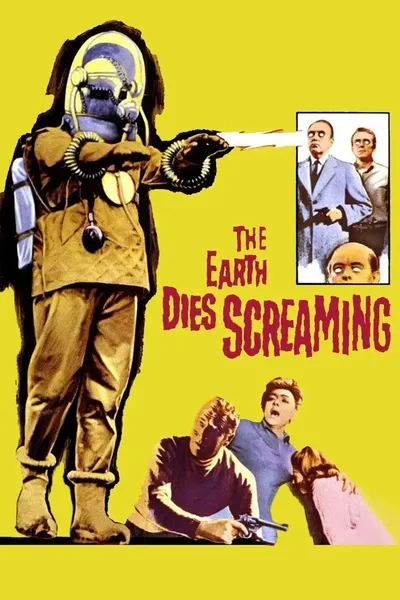
Make no mistake: I started watching The Earth Dies Screaming for its title alone. The film’s opening minutes, as people suddenly keel over and British streets become strewn with corpses, are effectively eerie and chilling. At first blush, it seems like it’s going to be something along the same lines as a Twilight Zone episode. As it progresses, however, The Earth Dies Screaming moves more and more into “B” movie territory, especially when characters start doing really dumb and predictable things (like failing to close and lock doors behind them when they’re being chased). The Earth Dies Screaming never gets too schlocky or MST3K-worthy, the main villains’ costumes notwithstanding, but I am glad that it clocks in at just over an hour, which prevents it from becoming tedious.
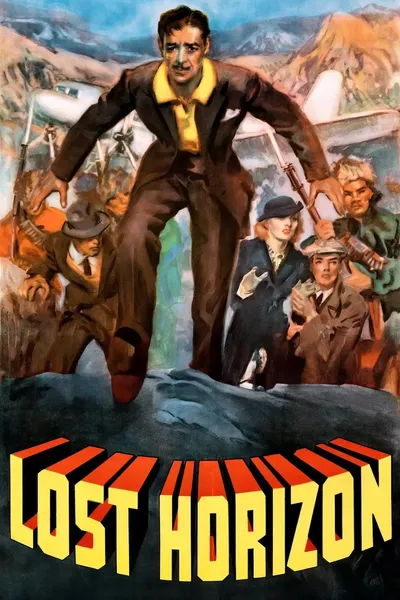
Frank Capra’s best known for classics like It Happened One Night, Mr. Smith Goes to Washington, and of course, It’s a Wonderful Life. In the midst of those, he directed this fantasy adventure, adapted from James Hilton’s novel, about a British diplomat who arrives in the hidden city of Shangri-La after his plane crashes in the Himalayas. The utopian society appeals to the cynical and world-weary diplomat while others in his group, led by his brother, fear they are being held against their will and seek to escape. Capra went way over budget when filming Lost Horizon, and it’s easy to see why. Originally a six-hour-long epic, it’s a lavish production from start to finish; look no further than the gorgeously elaborate Shangri-La sets, which epitomize the “Streamline Moderne” aesthetic (and earned a “Best Art Direction” Oscar). Given that it’s a vintage Hollywood take on Asian culture, though, Lost Horizon has no lack of Orientalism or whitewashing. What’s more, the film’s depiction of a peaceful society free from hatred and greed, and its criticism of the Western world’s race to the bottom, can get preachy. And yet, there’s some truth there. I can’t deny that Lost Horizon’s idealism awakens some yearning in my own heart for such a peaceful place, especially in light of my own homeland’s ongoing surrender to greed and bigotry.
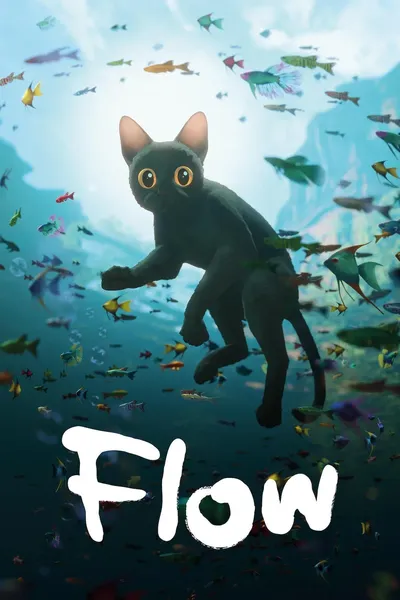
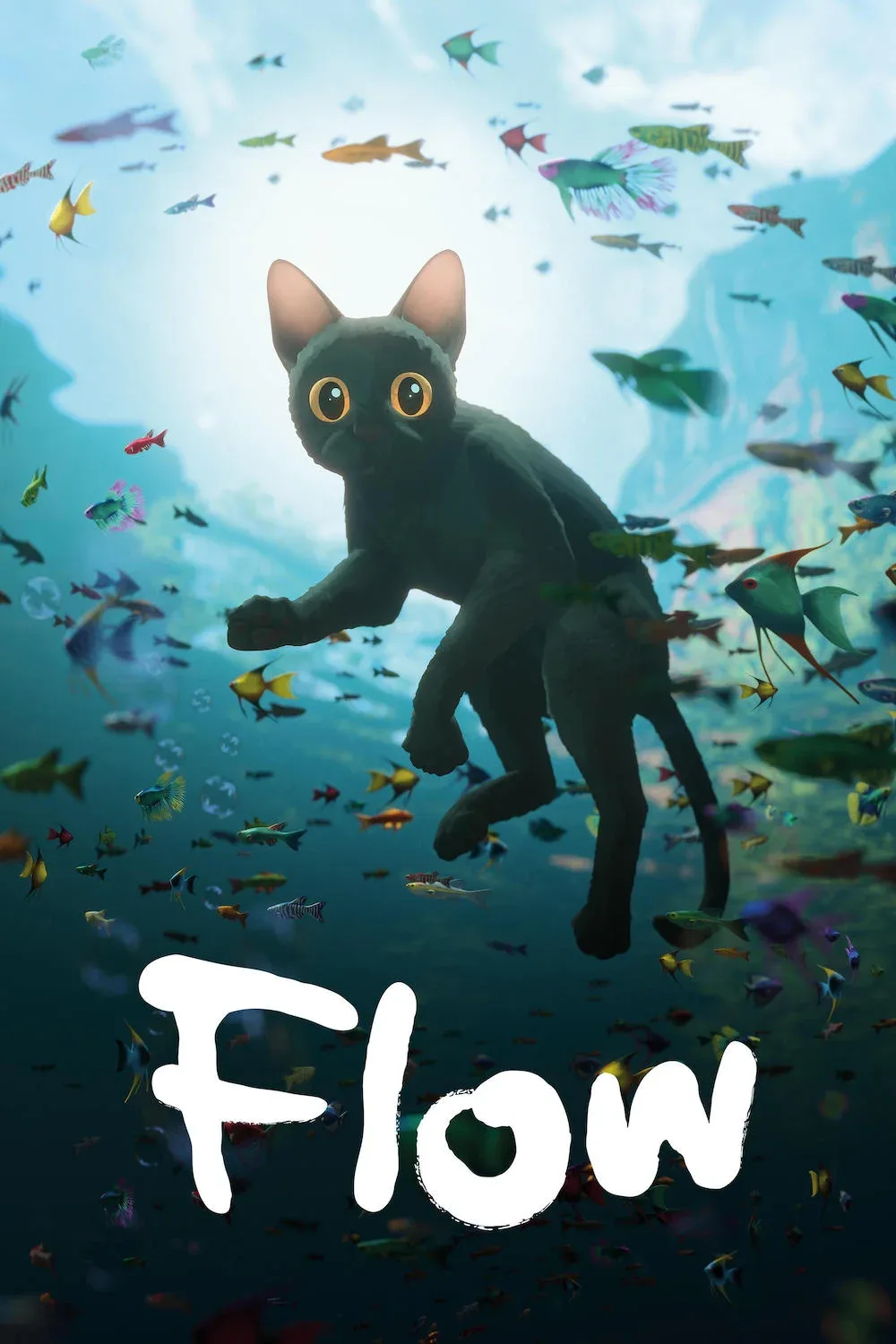
Several animals, including a cat, a dog, and a capybara, find themselves adrift on a boat, and they must learn to work together if they want to survive in a flooded, post-human world. Gints Zilbalodis’ animated adventure eschews Disney-fied anthropomorphism for stylized naturalism; in other words, these animals aren’t cute, they don’t talk, and there are certainly no musical numbers. The animals have distinct personalities — the cat’s wary and cautious, the dog’s a clumsy goofball, and so on — and they occasionally do non-animal things like learn to steer a boat. To the film’s credit, however, those things never feel amiss but rather, consonant with their animal natures. That naturalism enhances Flow’s sense of magical realism, as do the various bits of human civilization that the animals encounter, like art, giant statues, and empty cities. Flow is far from flashy — it’s the exact opposite of what we’ve come to expect from Disney, DreamWorks, and Pixar — but that only makes it all the more engrossing and fantastical.

In the year 2059, the Macross Frontier fleet is traveling to the galactic center in search of a planet to colonize when it’s attacked by a mysterious alien race known only as the Vajra. Alto Saotome is a 17-year-old pilot who gets caught up in the conflict and also finds himself in the middle of a romantic triangle with Sheryl Nome, the galaxy’s most popular singing idol, and Ranka Lee, a young girl who dreams of becoming a pop star herself. Macross Frontier certainly checks all of the Macross boxes: space combat, romantic triangles, pop stars, etc. But it’s so poorly plotted that its 25 episodes ultimately become a slog, and when the grand twists are revealed, they’re quite underwhelming. The uneven artwork and animation certainly don’t help, which is a shame because the mecha designs rank among my favorites in the entire Macross franchise, and neither does the ridiculous fan service. (One episode, for instance, revolves around a character trying to retrieve her panties.) There are moments when the series’ melodrama becomes legitimately affecting, but they’re few and far between. Maaya Sakamoto’s “Triangler” is a pretty catchy theme song, though.

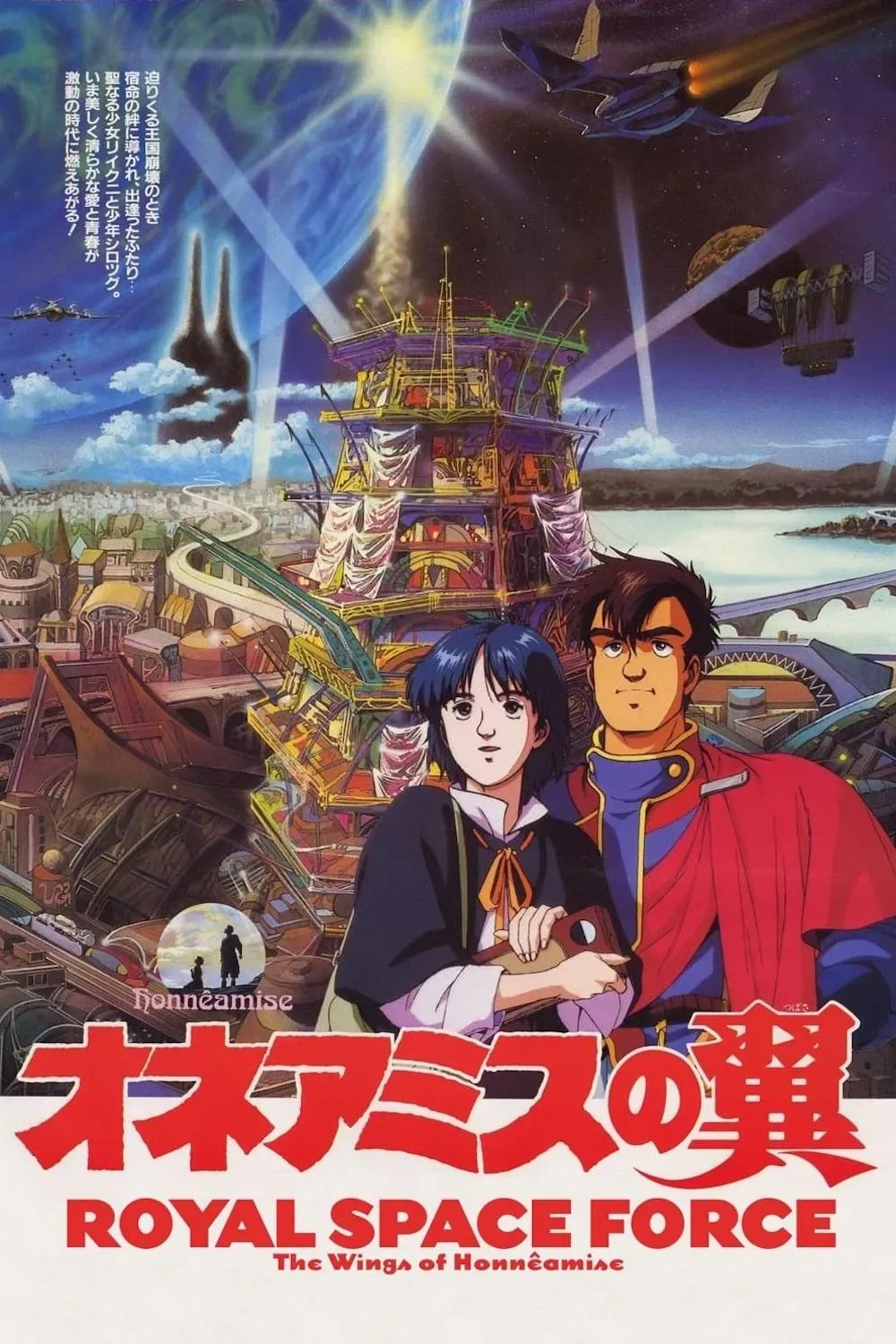
As a kid, Shirotsugh Lhadatt dreamed of being a fighter pilot. Instead, he’s consigned to the Space Force, a half-hearted attempt at a space program that’s the laughingstock of the military and treated with contempt by its own members. A chance encounter with a devout young woman inspires Lhadatt to redouble his efforts to become humanity’s first astronaut, but political machinations, social upheaval, and the specter of war threaten to undermine his dream. The Wings of Honnêamise is an ambitious project, no doubt about it, perhaps too ambitious. (Its chaotic four-year-long production nearly bankrupted Gainax.) It’s a wonderful bit of world-building — the movie takes place on an alternate Earth, with its own unique cultures, languages, and technologies à la Tetsurō Amino’s Iria: Zeiram the Animation — but the story is meandering and portentous. And though Ryuichi Sakamoto composed the soundtrack, it’s surprisingly uneven and ill-fitting at times, especially the synth-heavy numbers. That said, Gainax’s detailed hand animation is refreshing to watch compared to today’s CGI-heavy anime, and the final wartime launch sequence is breath-taking. A sequel, tentatively titled Uru in Blue, has been in various stages of development since the early ’90s, so I’m not exactly holding my breath that it’ll be released any time soon.

Liquid Sky has been on my “to watch” list ever since I saw it mentioned on the old cultheroes.com (a now-defunct site devoted to the style, glamor, and electronic music of the ’70s and ’80s). Undoubtedly the “cultiest” cult movie I’ve watched in quite some time, Slava Tsukerman’s film feels like a quasi-historical document of Manhattan’s punk and New Wave scene in the early ’80s. The film’s lurid, neon-drenched cinematography and highly stylized portrait of ’80s New York’s seamier side are its main draw. As for the plot, it feels like something Ed Wood might’ve conjured up had he still been alive in 1982: opiate-seeking aliens land their tiny UFO near the apartment of a cocaine-addicted model named Margaret, where they get off on the energy emitted by people she has sex with. Unfortunately, the process kills them all, pushing the already unstable Margaret closer to insanity. Make no mistake, Liquid Sky is bizarre, meaning most viewers will probably find it unwatchable, starting with its minimal synth soundtrack and wooden performances. (As for the film’s sexual content, it’s not as explicit as you might fear, but sexual assault features prominently, so viewer beware.) But its DIY aesthetic and countercultural feel make it easy to understand why Liquid Sky achieved the cult status that it still enjoys to this day.
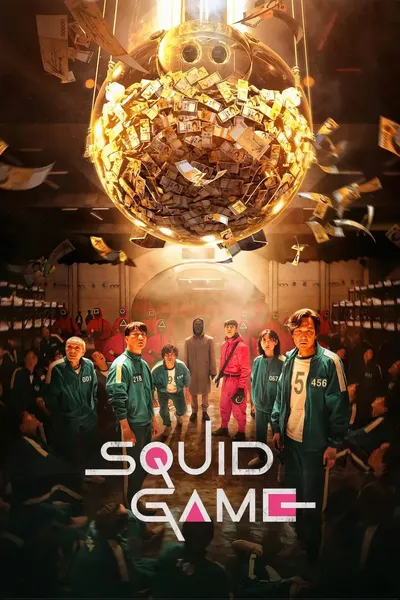
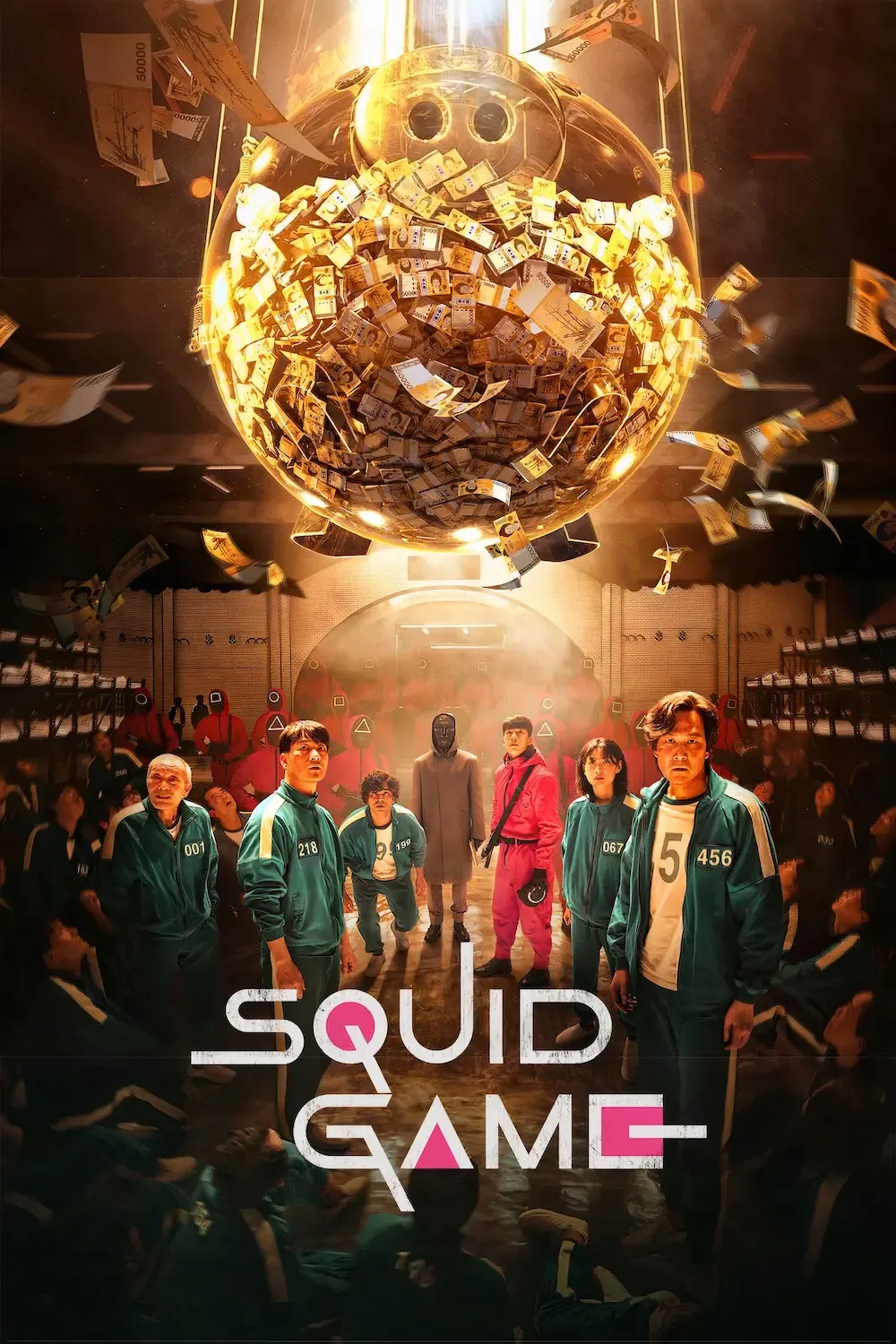
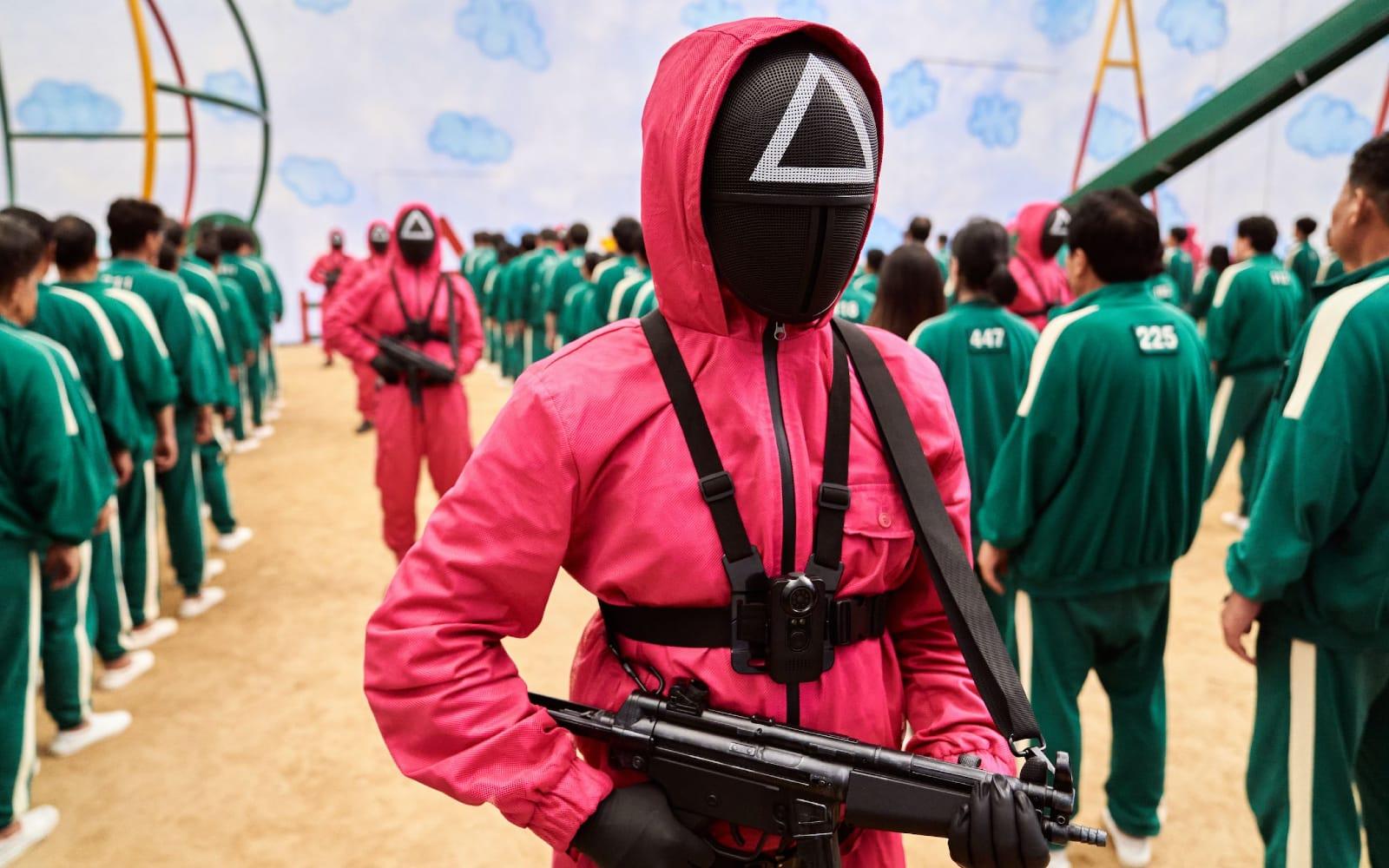
I’m a few years late to this one, but I was fortunately able to avoid most spoilers. It’s easy to see why Squid Game has been such a big hit for Netflix. Hwang Dong-hyuk’s original series is twisted in all the right ways, but its story of down-on-their-luck individuals playing deadly children’s games for money while overseen by mysterious masked individuals never feels tawdry or exploitative. Rather, it makes some incisive points about human nature and the desperation of those who’ve fallen through society’s cracks while at the same time, tapping into our present anxiety concerning the haves and the have-nots. On paper, the series’ premise might seem outlandish, and even preposterous, but it’s so well-done — be it Hwang Dong-hyuk’s script and stylish direction, the incredible set design and cinematography, or the strong performances by Lee Jung-jae, Wi Ha-joon, Jung Ho-yeon, et al. — that I was completely absorbed by the twists and turns and the characters’ plight.
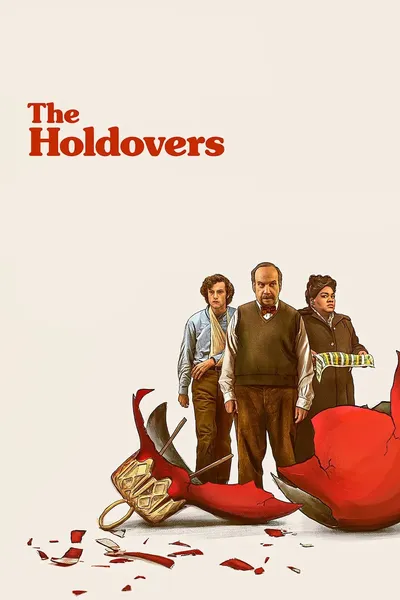
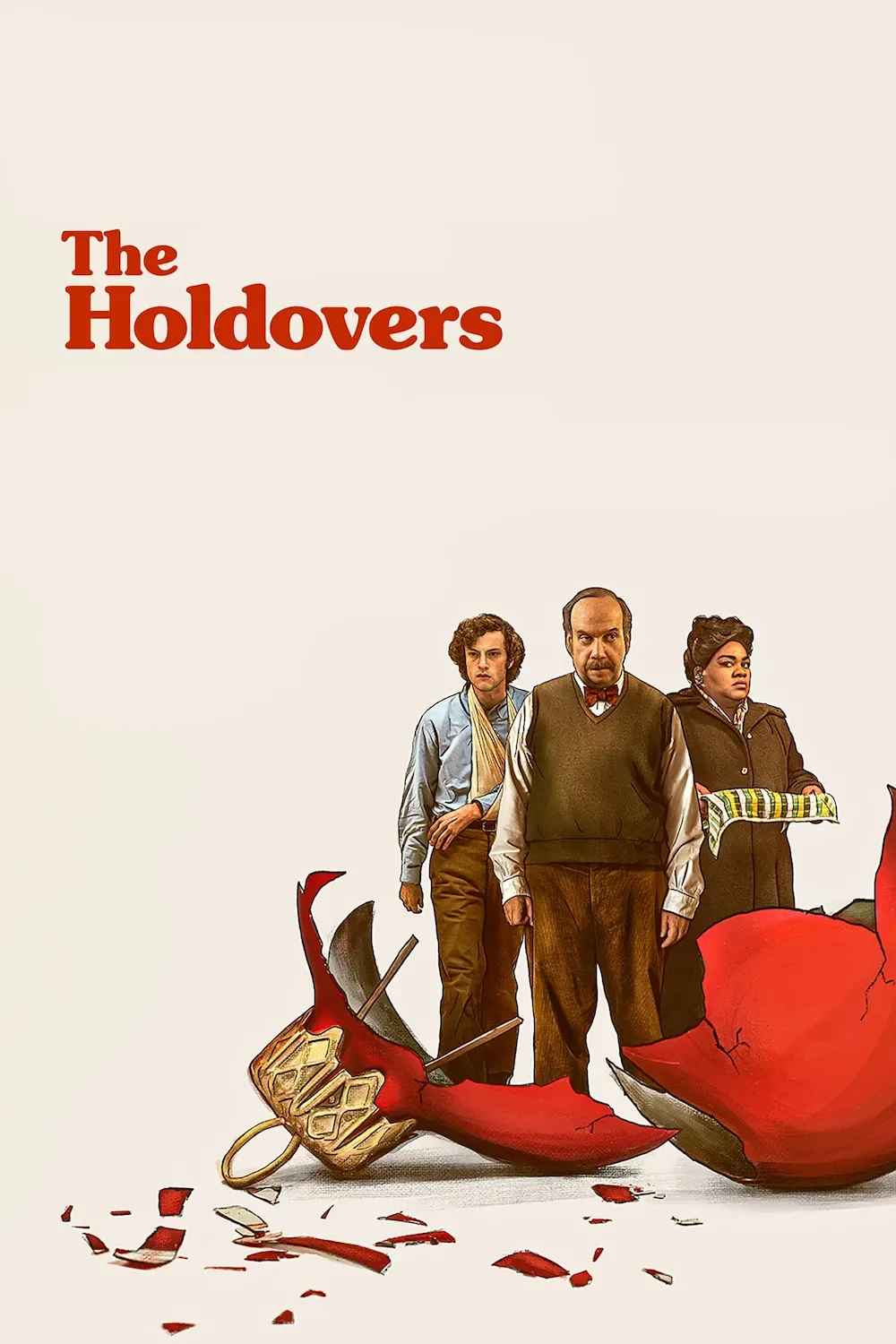
I really enjoyed this film’s aesthetic, which seeks to capture the look and feel of ’70s cinema, from the slight film grain to the typography and layout of the credits, as well as its ability to successfully conjure up a very specific time and place. That is, an elite New England boys boarding school in the middle of winter. Story-wise, The Holdovers’ Christmas-set tale about the unlikely friendship that emerges between a prickly professor (Paul Giamatti) and a smart-but-troubled student (Dominic Sessa) who are forced to remain on campus during the holiday break is… fine. Also quite predictable, as both characters learn some valuable life lessons even as they constantly piss each other off. To the film’s credit, their considerable faults never render them unlikable — each one has completely understandable fears and sorrows — so even when the film veers into melodrama, it never feels cheap or treacly. But there were also moments when the film’s attempts at dry humor, as well as its eclectic soundtrack, made me think I was watching a Wes Anderson movie — which I might’ve preferred, honestly.
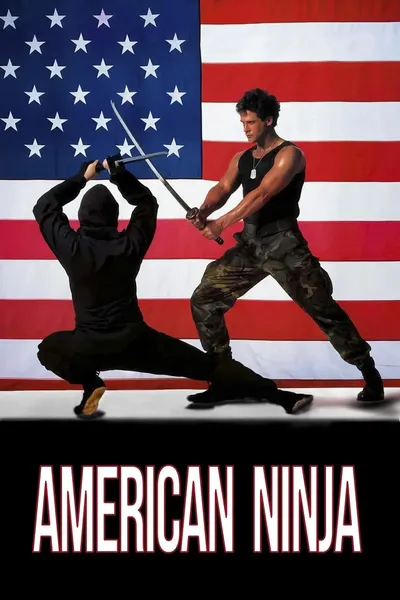
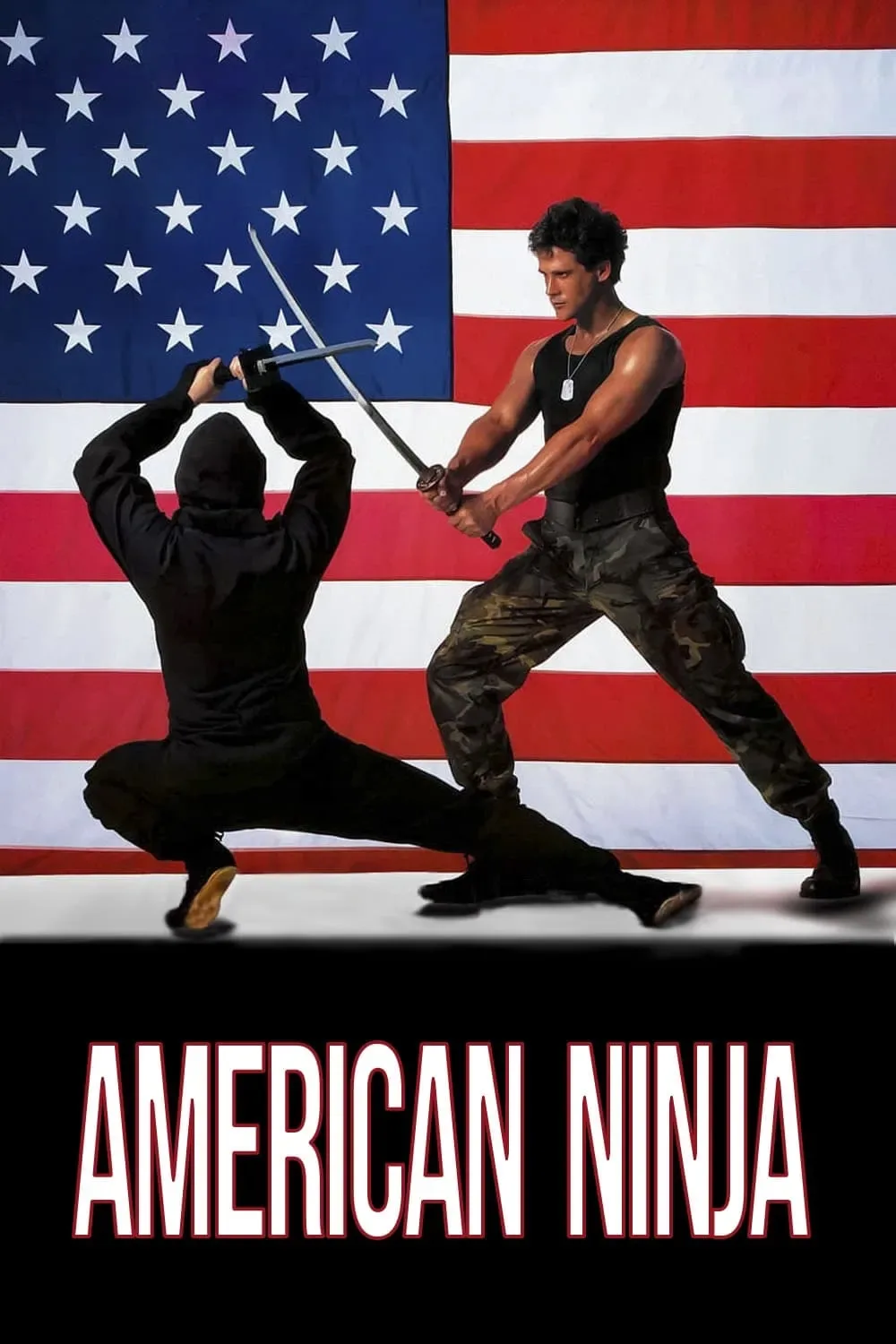
If you’ve been reading Opus for any length of time, then you know I’m a sucker for ’80s ninja movies. I’m talking The Octagon, Enter the Ninja, Rage of Honor, and now, American Ninja. Released by Cannon Films, who played a key role in kicking off America’s “ninja craze,” I ultimately enjoyed this one a lot more than I thought I would. Michael Dudikoff plays an American soldier named Joe who has amnesia (because of course he does) as well as some deadly skills, which come in handy when his convoy’s attacked by ninja-backed terrorists. Does this all reveal a bigger ninja conspiracy? Does Joe win over his C.O.‘s bratty daughter? Does he unlock secret ninja skills that help him fight ninjas with laser guns? Does Steve James (The Warriors, The Brother from Another Planet) steal the show when he goes full Rambo in the final act? I think you know the answers to all of these questions, and if they have you thinking that American Ninja sounds like a good time, then you should probably just watch it.
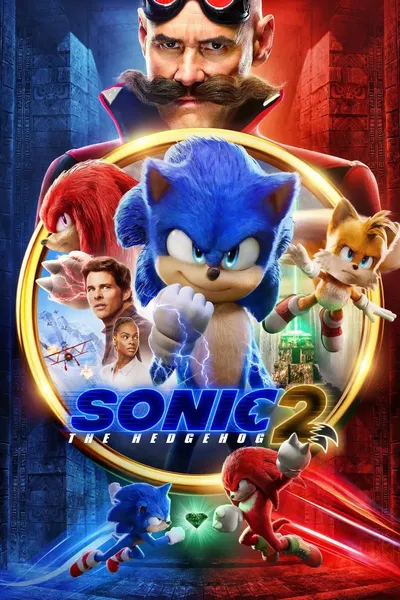
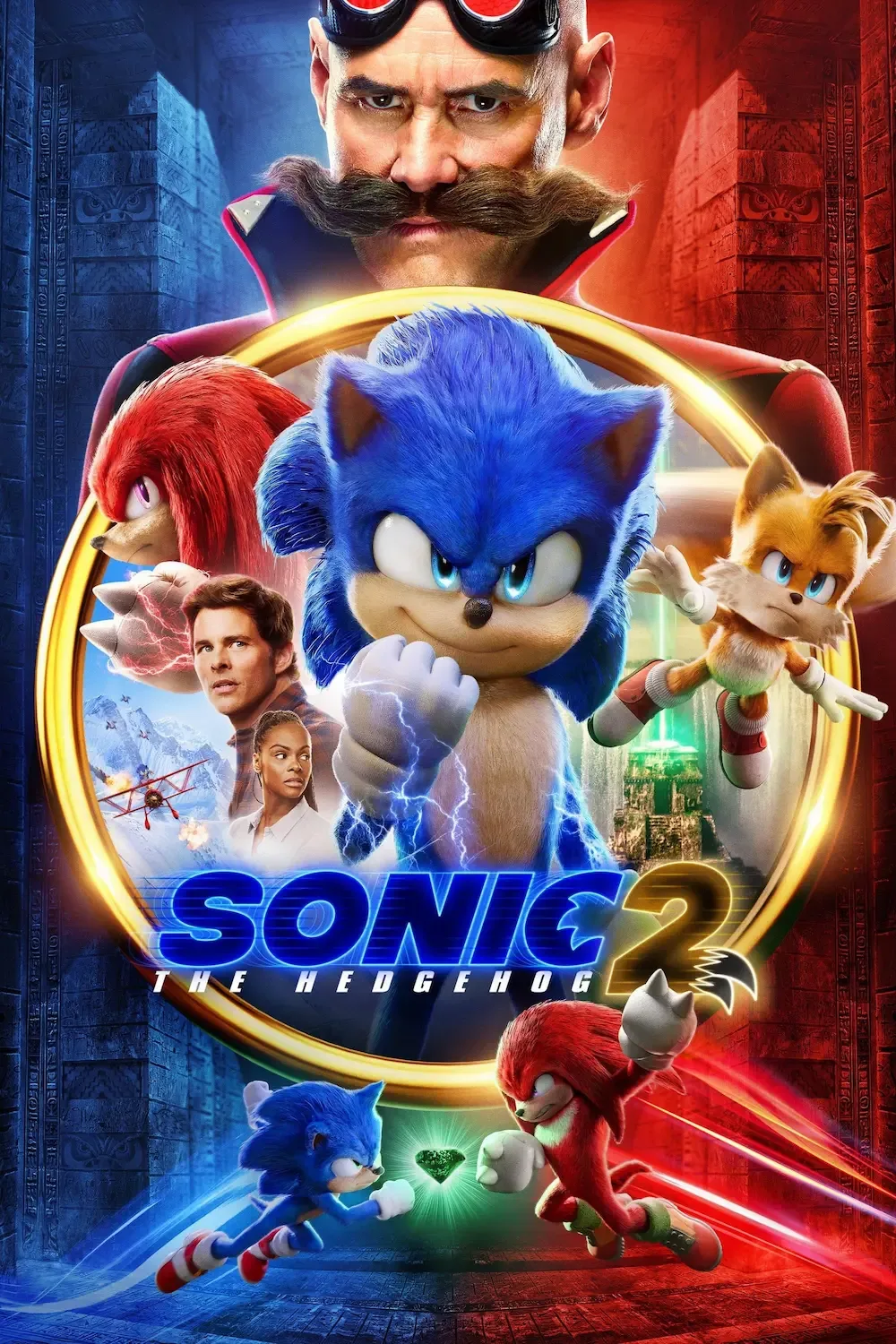
I can honestly say that the first Sonic the Hedgehog movie, from 2020, was better than I expected. Granted, I went in with pretty low expectations, but it had just the right amount of lunacy, thanks to the overall premise as well as Jim Carrey’s performance as Dr. Robotnik, to be enjoyable. I wasn’t expecting much more from the sequel, which finds Robotnik returning to Earth with the help of the echidna warrior Knuckles to find a magic jewel that will let him rule the universe. Unfortunately, the schtick didn’t work quite as well this time around, even though the film ticked many of the same boxes as the first Sonic film. That said, I did enjoy Idris Elba’s performance as the always serious Knuckles.