My Cultural Diet (January 2025): The Tripods, Your Name, Macross, Wallace & Gromit
In order to better track my various cultural experiences (e.g., movies, TV shows, books, restaurants), I’ve created the Cultural Diet. Think of it as my own personal Goodreads, Letterboxd, and Yelp, all rolled into one (more info here). Every month, I recap everything that I watched, read, etc., in the previous month.
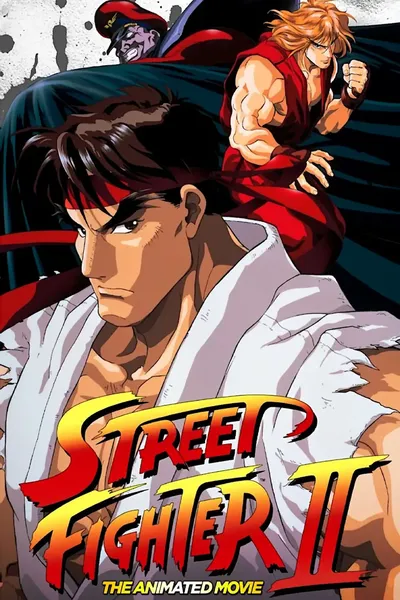
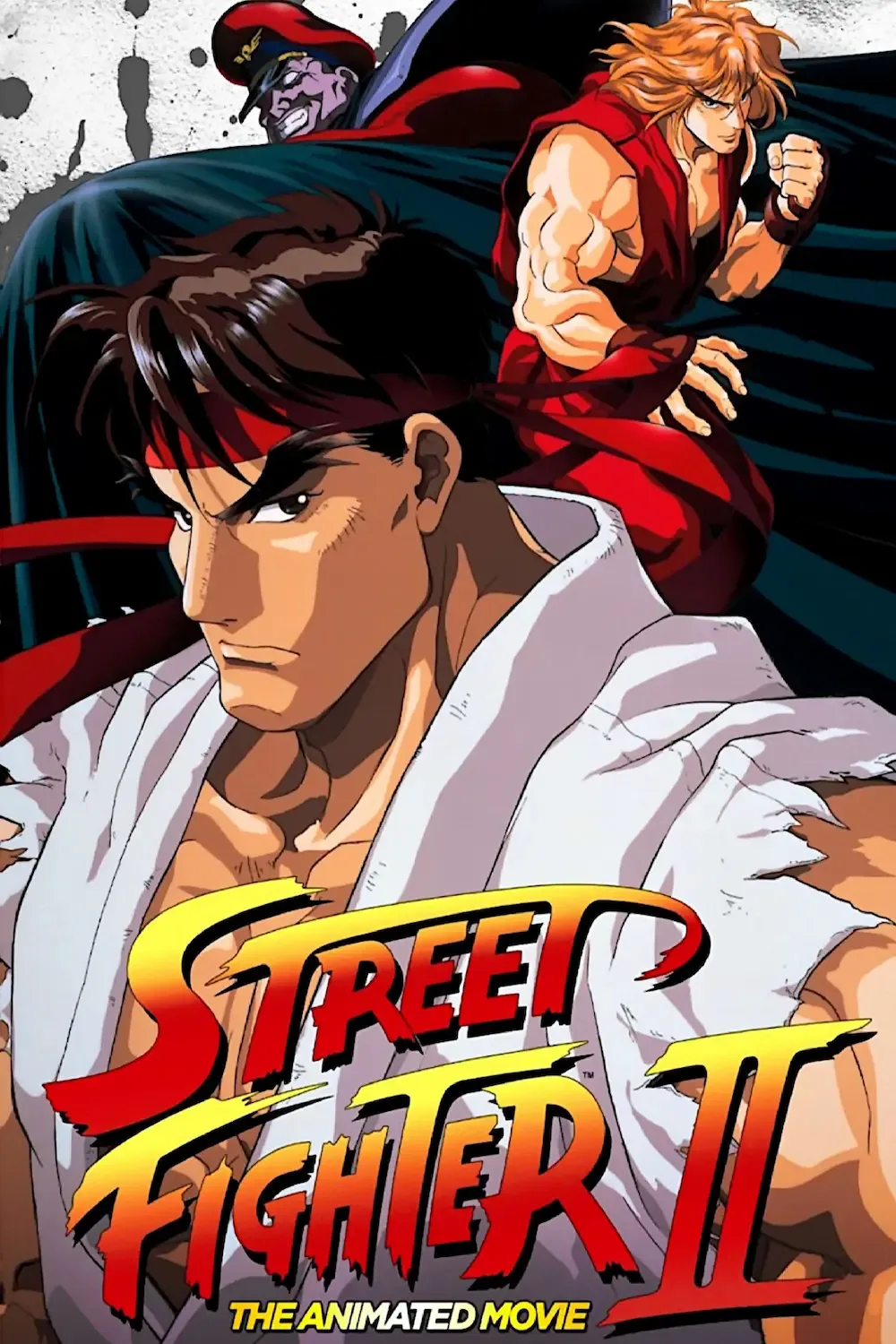
I have very fond memories from high school of pumping quarter after quarter into the Street Fighter II arcade machine at the gas station. Guile was my favorite character, and it was always a thrill when I could successfully pull off his “Sonic Boom” or “Flash Kick” special attack to take down my opponent. Had I watched Street Fighter II: The Animated Movie back then, I suppose it might have become a nostalgic favorite. Watching it now, however, on the cusp of my 49th birthday, it has no such appeal. Sure, it’s cool to see animated versions of Guile, Ryu, Chun-Li, et al. take on the evil M. Bison and the forces of Shadowlaw. But in its attempt to give every single character a moment to shine, the movie’s plot hops all over the place, leaving several characters’ storylines unresolved while giving others little more than a glorified cameo. And though I respect the effort to treat Street Fighter II seriously and maturely, the result is surprisingly boring, with long drawn out scenes that I can only assume were intended to create drama and atmosphere. In other words, a movie with the words “Street Fighter” in its title should be a bit more exciting than this.
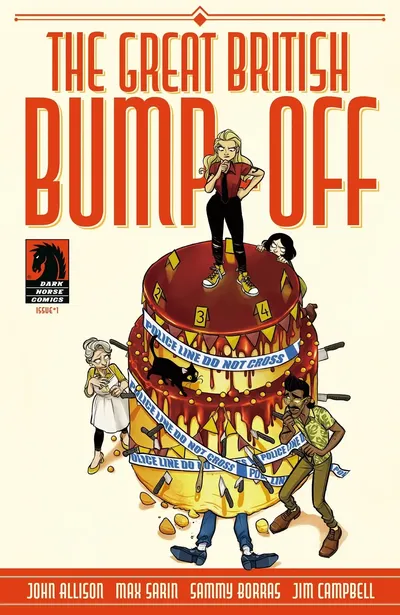
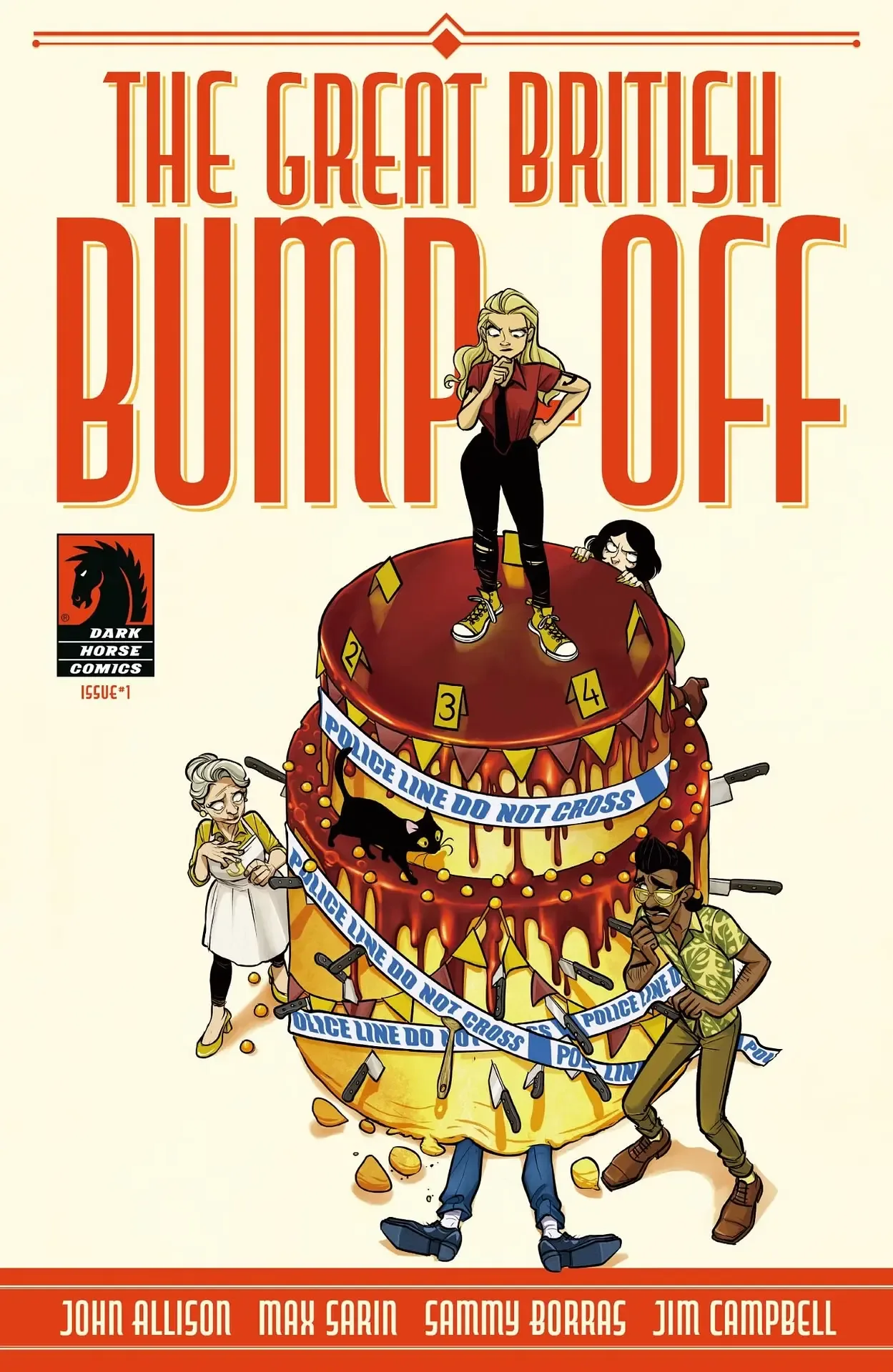
When a contestant on the beloved UK Bakery Tent competition show is poisoned, Shauna Wickle — grindcore vocalist and self-proclaimed experienced mystery solver — takes it upon herself to find the culprit. But will she be able to do so and complete all of her bakes at the same time? Or will she be sent home after the technical challenge, allowing the poisoner to strike again? Billed as “Agatha Christie meets the Great British Bake-Off,” I loved everything about the series’ premise. Unfortunately, the end result is a bit, shall we say, half-baked. Or is it underproofed? The Great British Bump-Off is certainly quirky as all get out, with a colorful cast of characters, but in the end, quirkiness is about all it has going for it, and that wears pretty thin after the first issue.
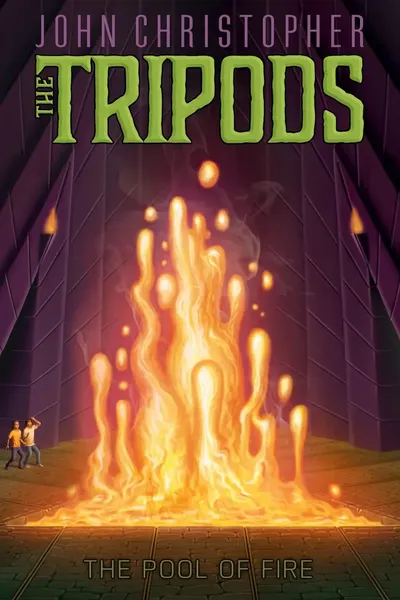
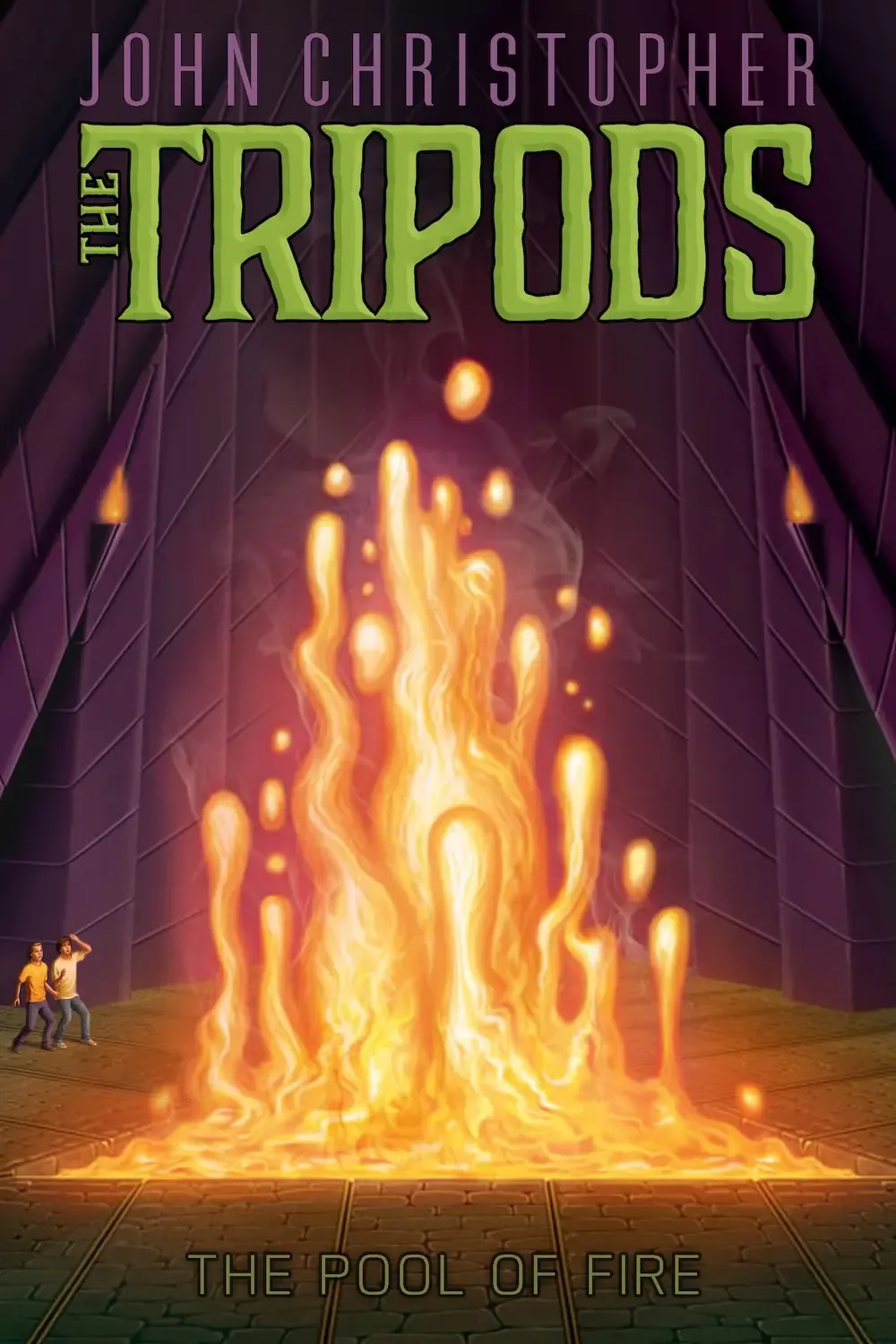
In the final Tripods novel, young Will Parker and his comrades take their final stand against the Masters, who seek to convert Earth into a poisonous wasteland. Among other things, this entails traveling around the world to recruit additional followers into their ranks as well as capturing a Master for study — both of which raise morally thorny questions for Will, who also wrestles with his own anger and bullheadedness. Indeed, the thing I enjoyed the most about John Christopher’s novels — which were ostensibly written for kids — is that they never shy away from harsh realities, be it the sacrifices necessary to overthrow highly advanced alien overlords or the inevitable flaws and foibles of human nature, which may prove a greater threat in the long run. Fittingly, the novel ends on a bittersweet note, with Will and his friends realizing that their struggle will never truly end. What changes is who and what they’re struggling against.
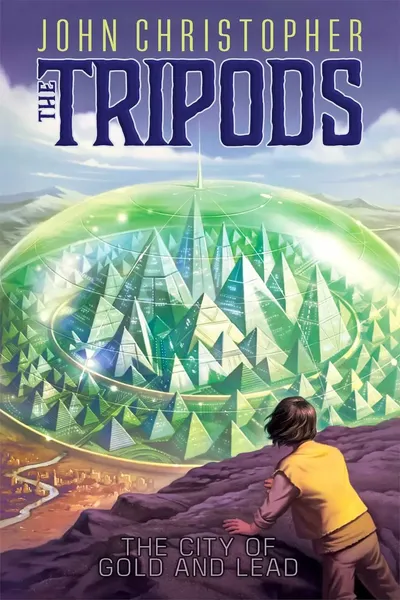
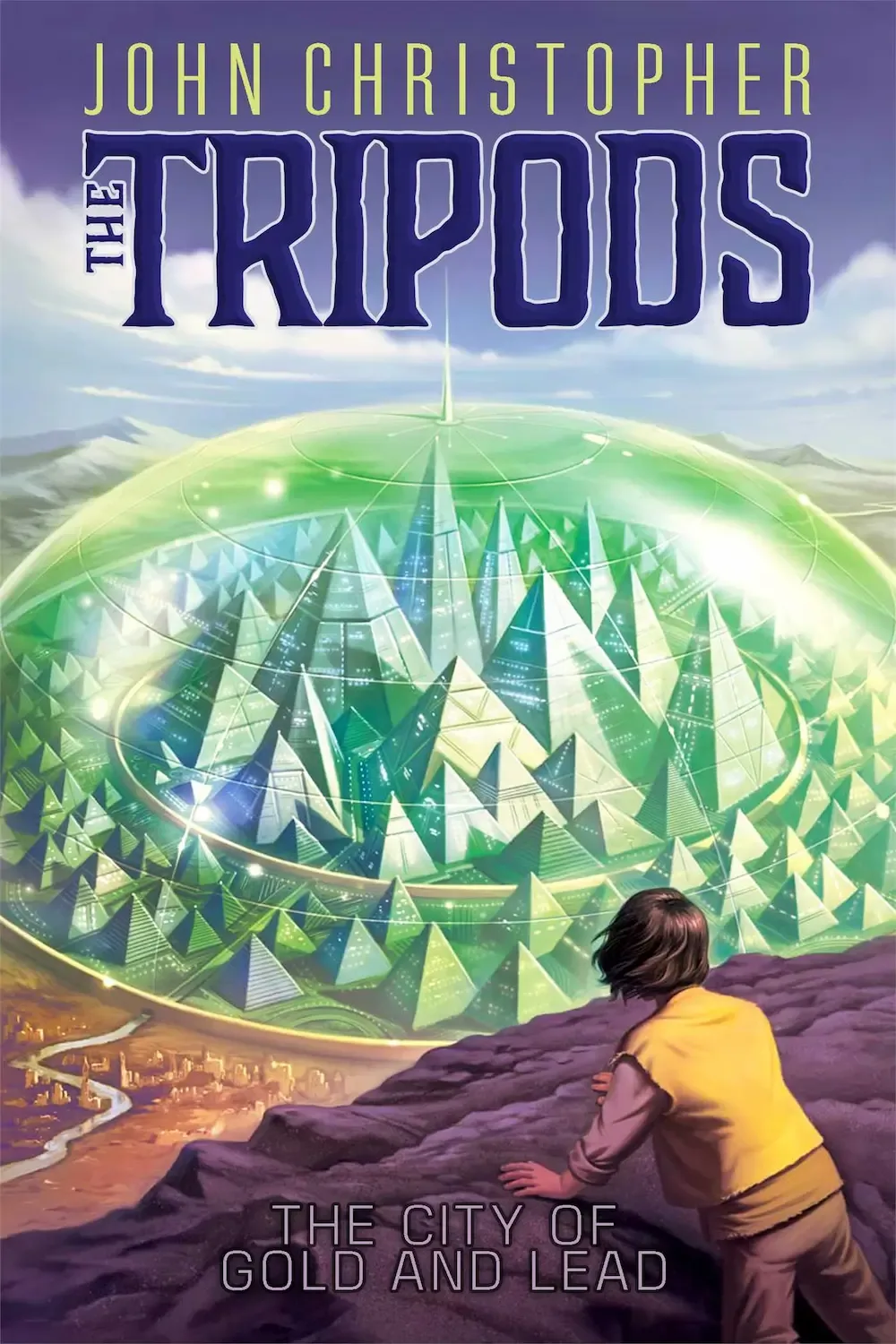
The second Tripods novel finds Will Parker and his comrades attempting to infiltrate the titular city of the Masters, the mysterious controllers of the giant tripods roaming the Earth. The novel is roughly divided into two parts. The first chronicles Will’s perilous journey to the athletic competition used to determine who will be strong enough to serve in the city, while the second details life within the City of Gold and Lead. Much like the first novel, it’s an enjoyable enough read, filled with the sort of derring do and hard-won lessons that you’d hope for in a children’s adventure novel. That said, John Christopher is unafraid to twist the knife, thus ensuring you never forget the stakes. One moment near the end of The City of Gold and Lead is particularly heartbreaking even though, in hindsight, it was entirely inevitable.
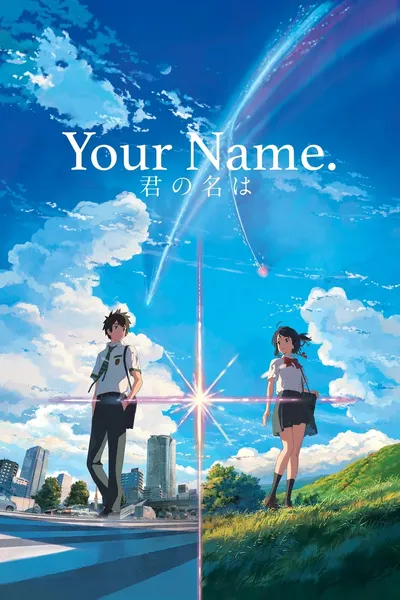
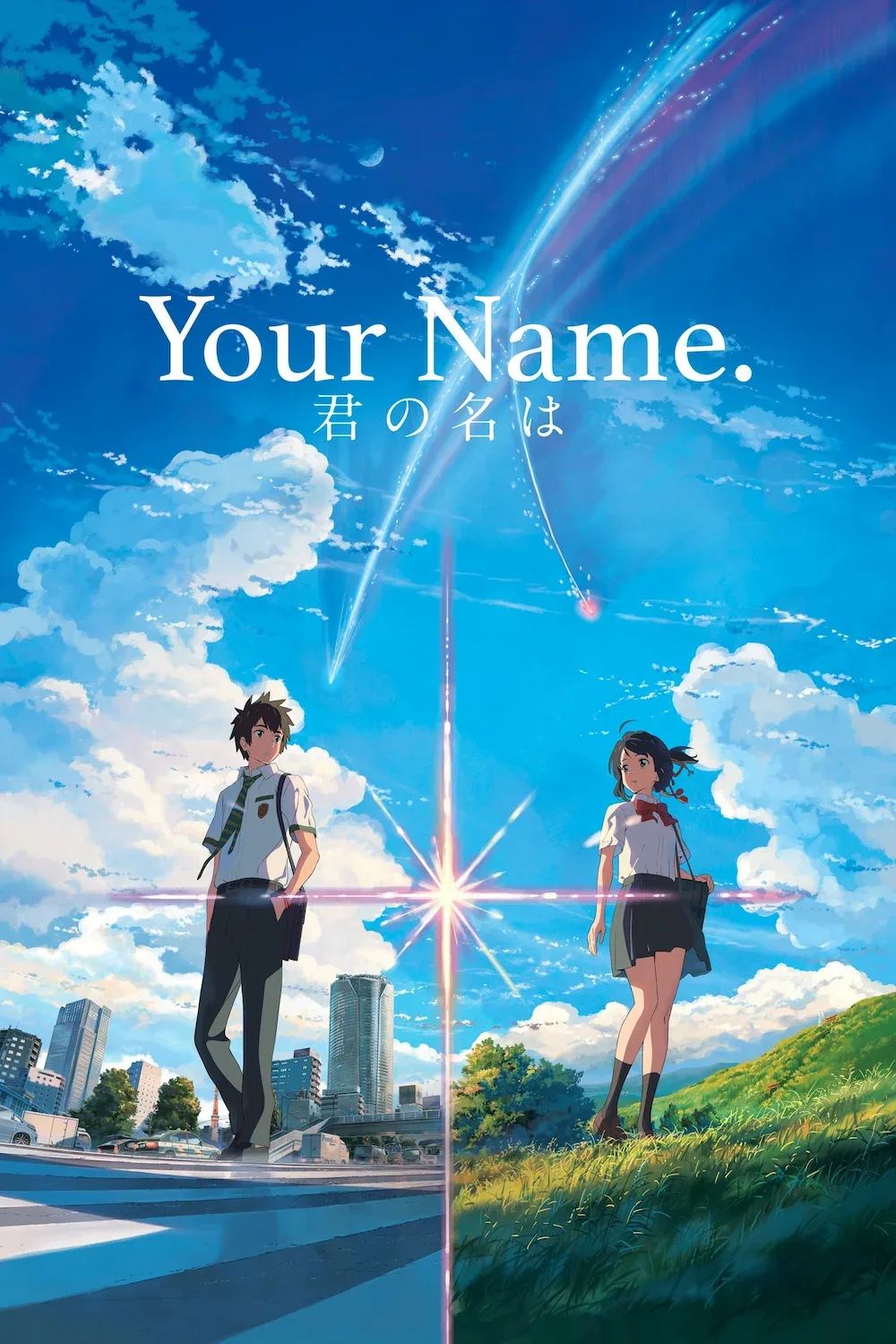
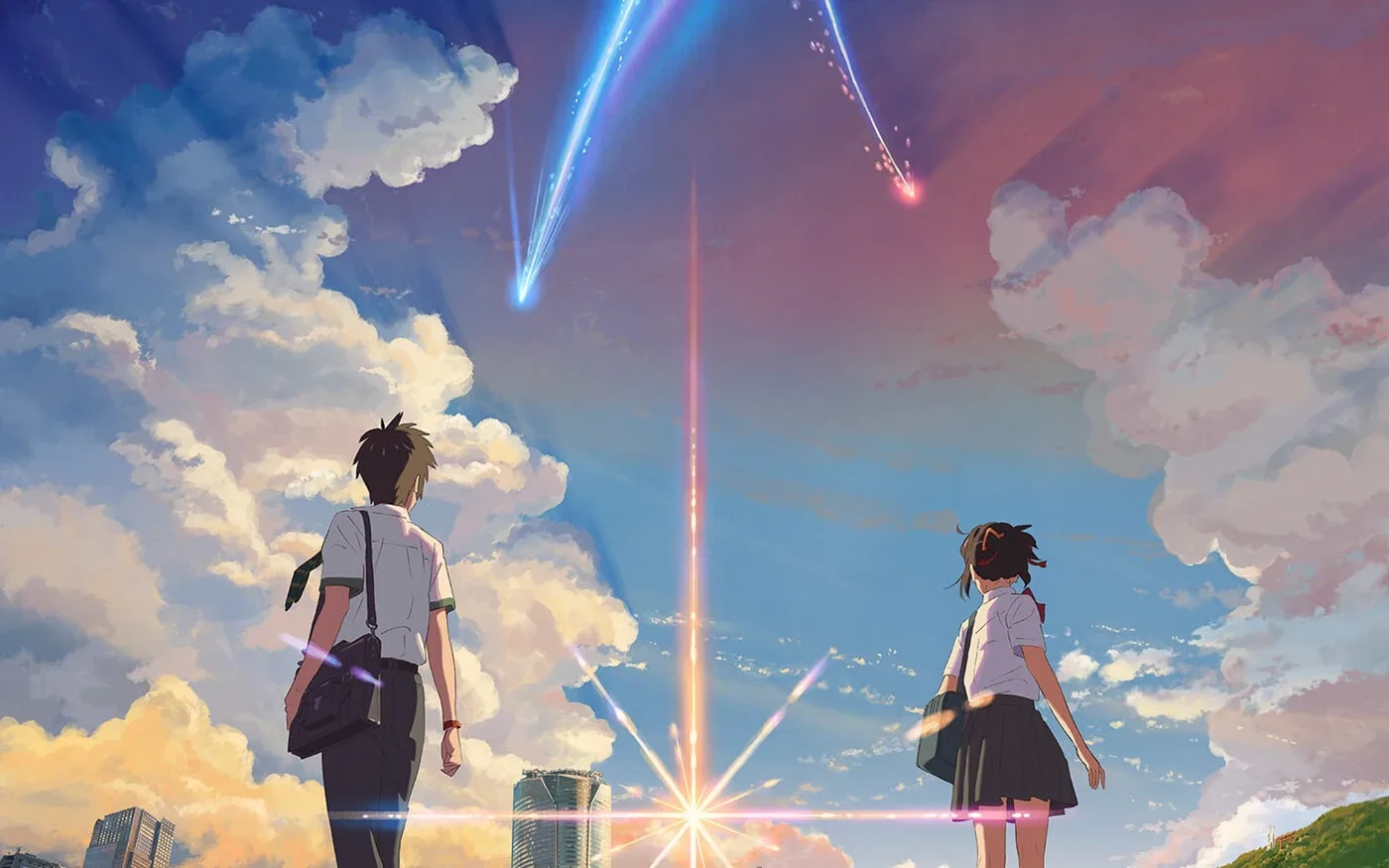
I haven’t watched Your Name in its entirety since seeing it in the theater back in 2016, which inspired this lengthy post about the movie’s mythology. This time around, I watched it with my daughter, who was thoroughly caught up in the story of a teenage boy and girl who mysteriously begin swapping bodies. As with any Shinkai film, Your Name is gorgeous. Indeed, I think it represents the zenith of his work, with lush backgrounds, highly detailed animation of trivial details (like handwriting) that feels like a total flex, and a particularly inspired surreal moment in the middle of the film. The film’s visuals are so good, in fact, that his character designs seem a bit basic by comparison. Story-wise, it’s all melodrama all the time. I’m still not sure how well it all comes together, especially in the final act with its big revelations about our heroes and their body-swapping, but Shinkai’s wears his heart so plainly on his sleeve that I can’t be mad. It’s easy to see why Your Name became such a cultural groundswell in Japan upon its release.
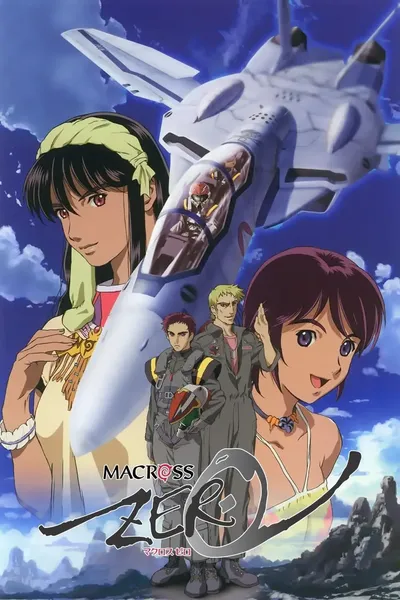
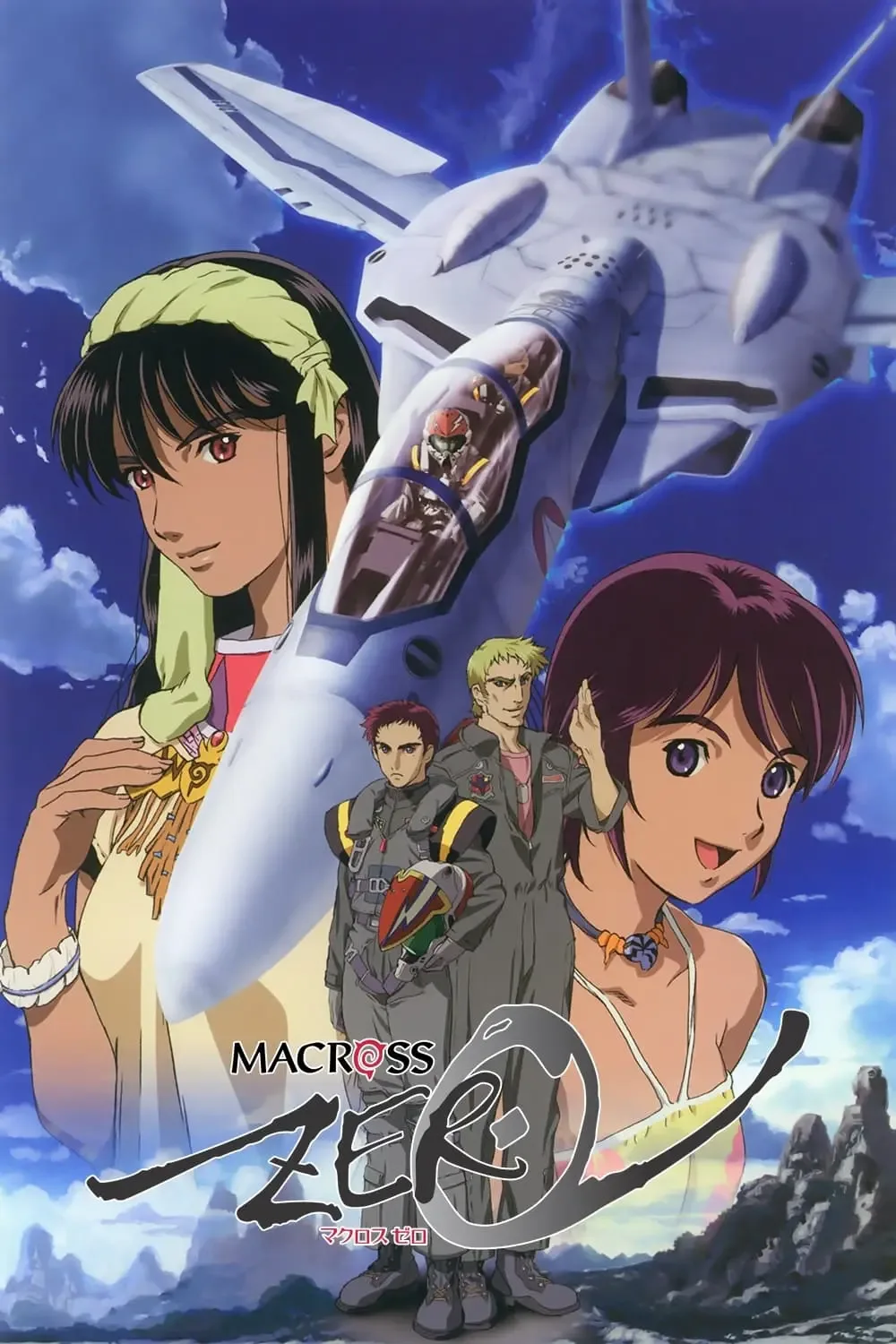
Produced for the Macross franchise’s 20th anniversary, Macross Zero is a prequel to the original Super Dimension Fortress Macross series, and depicts the aftermath of the alien SDF-1 spaceship’s arrival on Earth. After headstrong fighter pilot Shin Kudō is shot down by an enemy aircraft with bizarre transforming capabilities, he crashes on idyllic Mayan Island, whose inhabitants live a primitive-yet-utopian existence defined by bizarre ancient myths — myths that have a striking connection to the modern conflict and the SDF-1. I was hyped while watching the first bit of Macross Zero back in 2003, and especially by the CGI-enhanced animation. Watching the entire series now, however, my reaction’s considerably more muted. The animation has moments of cool, but overall, has not aged well, with the CGI portions looking like badly rendered PS2 cutscenes. As for the storyline, it never quite gels. Instead, it grows increasingly bizarre and disjointed with lots of pseudo-mythical mumbo-jumbo, culminating in an apocalyptic scenario that feels lifted from an episode of Neon Genesis Evangelion. In other words, this one’s for Macross diehards and completists, only.
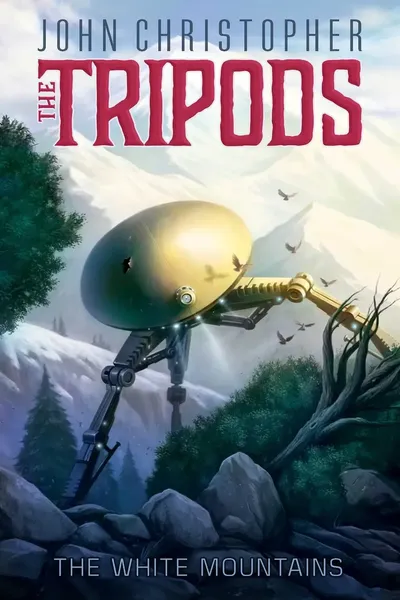
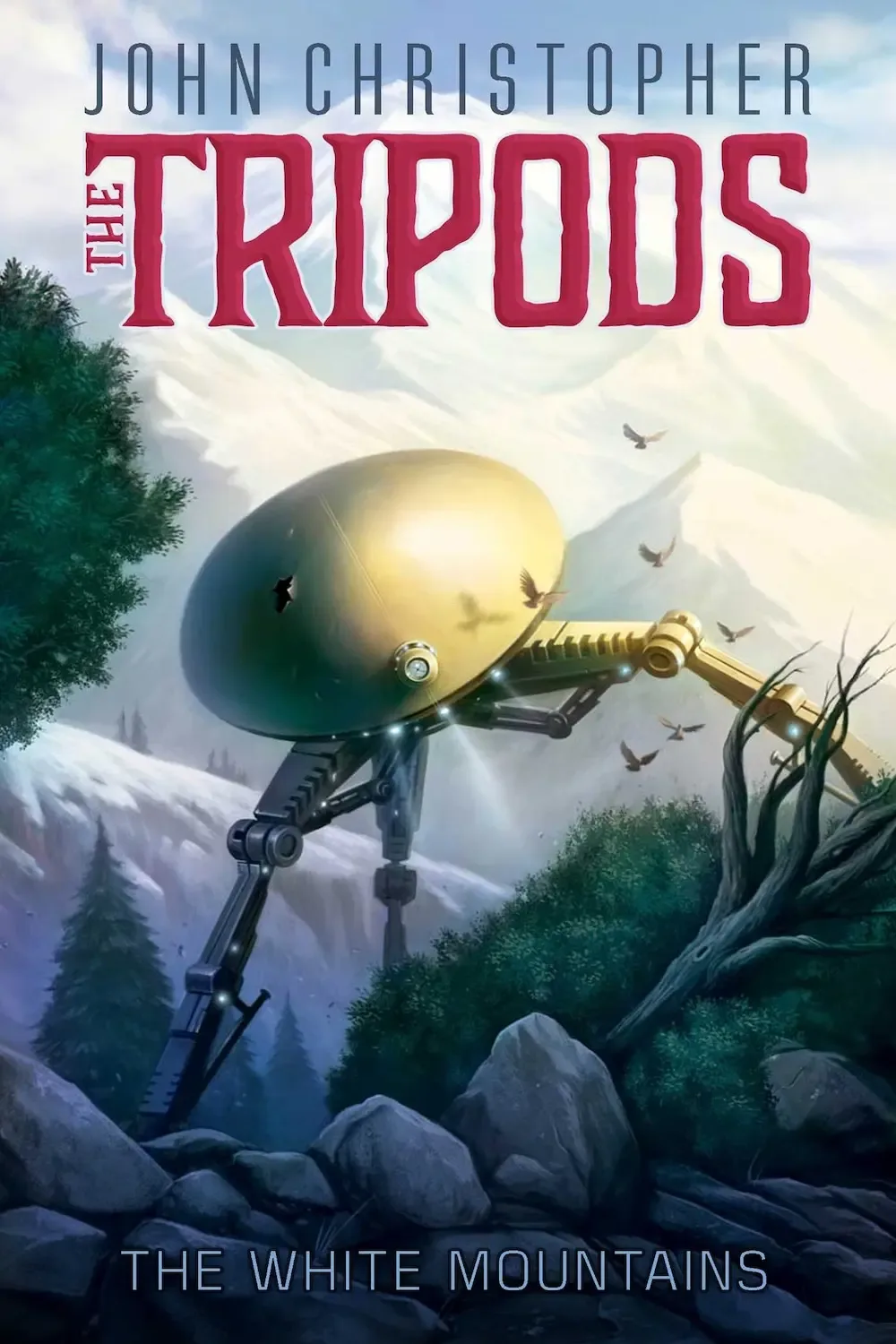
This is one of my wife’s favorite childhood books, and she’s read it multiple times with our kids as they’ve grown up. This was my first time reading it, though, and I kept wishing my ten-year-old self had read it back in the day; he would loved every bit of it. Alas, that was not the case, but my forty-eight-year-old self enjoyed it just fine. John Christopher does a wonderful job of creating a seemingly idyllic backdrop for his tale of humanity enslaved by the mysterious Tripods, and the young boys who decide — foolishly, perhaps — to abandon everything in their quest for freedom. The book’s main protagonist, thirteen-year-old Will Parker, is a likable enough fellow, with just enough flaws and fearlessness to remind you of his young age. The White Mountains does end somewhat abruptly, which I suppose is all the more reason to read its sequel.
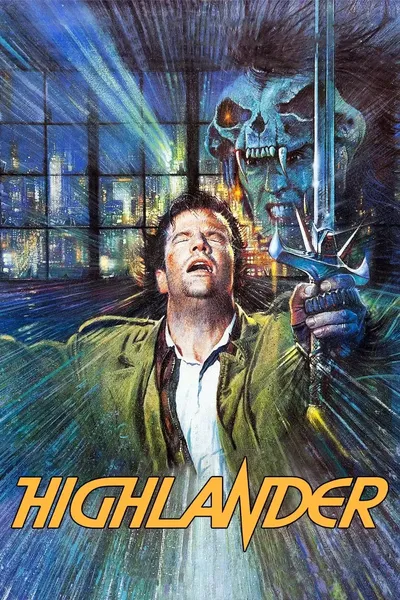
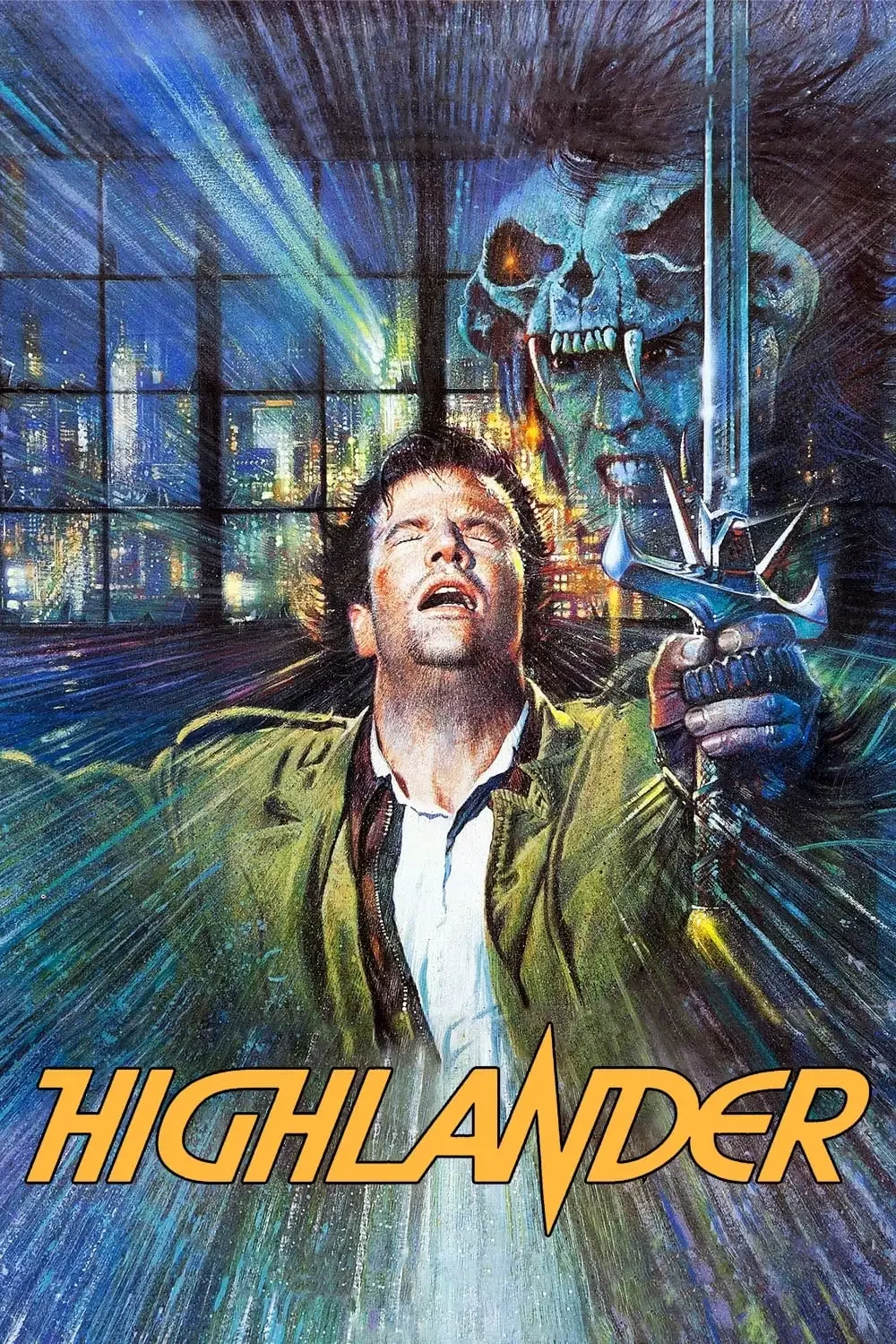
This most recent viewing of Highlander highlights the problem with watching cult classics. On the one hand, I see and appreciate all of the reasons why it became a cult classic in the first place, starting with the premise (immortal warriors doing battle throughout the ages). On the other hand, I also see all of the reasons why it failed in the first place. Director Russell Mulcahy certainly piles on the style, from the film’s bravura opening shot set during a wrestling match to copious amounts of noir-ish atmosphere. (I particularly loved the ridiculousness of the hero’s smoky apartment.) And let’s not forget the delightful scene-chewing by Sir Sean Connery as the hero’s mentor, and by Clancy Brown as the villainous Kurgan. Unfortunately, that style never quite transmogrifies into substance, and the constant intercutting between past and present starts to feel heavy-handed over time. In short, I see why Highlander became a cult classic, but it’s just not one of my cult classics. Note: A reboot is currently planned with John Wick’s Chad Stahelski directing and Henry Cavill and Michael Fassbender starring as hero and villain. Which means the stunts and action sequences will be topnotch, though I hope it keeps the fantastical elements, as well.
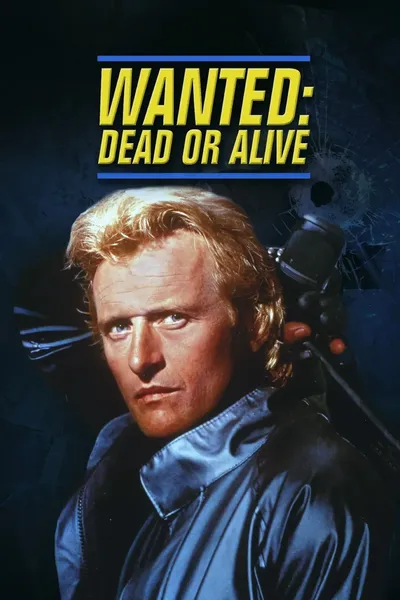
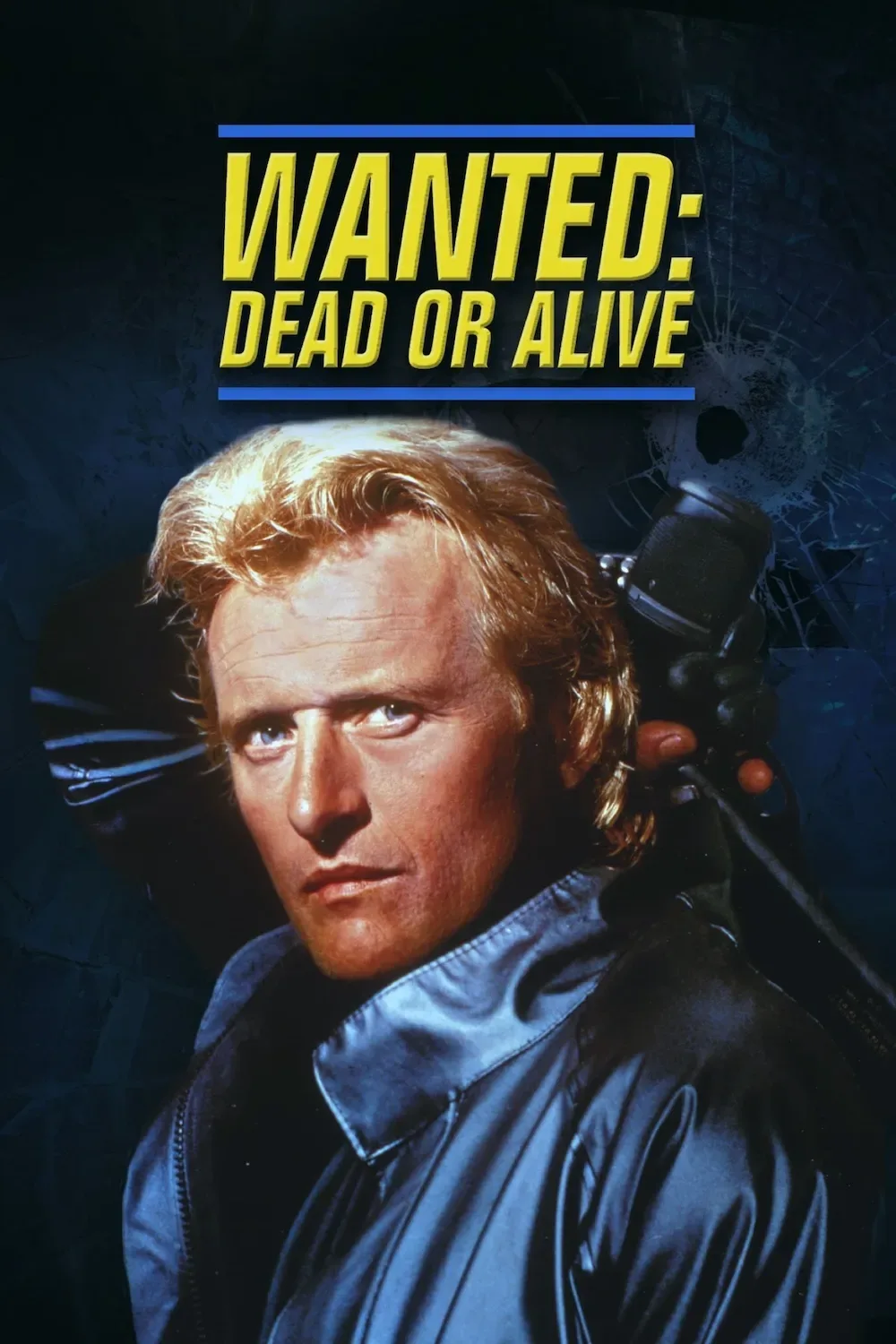
A spiritual sequel to the ’50s-era TV western series starring Steve McQueen, Wanted: Dead or Alive stars Rutger Hauer as bounty hunter Nick Randall, who’s called on by his former CIA colleagues to stop a terrorist (played by KISS’ Gene Simmons, who’s largely wasted here) from setting off random bombs around Los Angeles. Wanted: Dead or Alive’s main problem is that it’s never sure what sort of movie it wants to be. Is it a cat-and-mouse game between bounty hunter and terrorist? A conspiracy thriller where you’re never quite sure who to trust? An existential treatise about a man living on the edge? Wanted: Dead or Alive contains elements of all of the above, and as a result, it’s a rather uninteresting mess. Hauer is watchable as always, though, playing a peak bad-ass ’80s anti-hero. (You know, the kind who gives us insight into his emotional state by shooting his TV with a shotgun.) It doesn’t help that Joe Renzetti’s score lays on the harmonica so thick, it starts to become a self-parody.
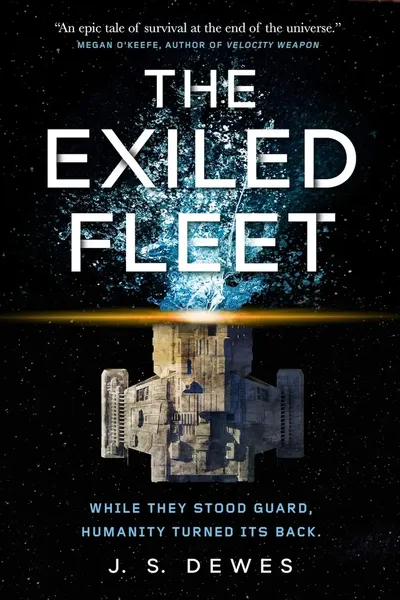
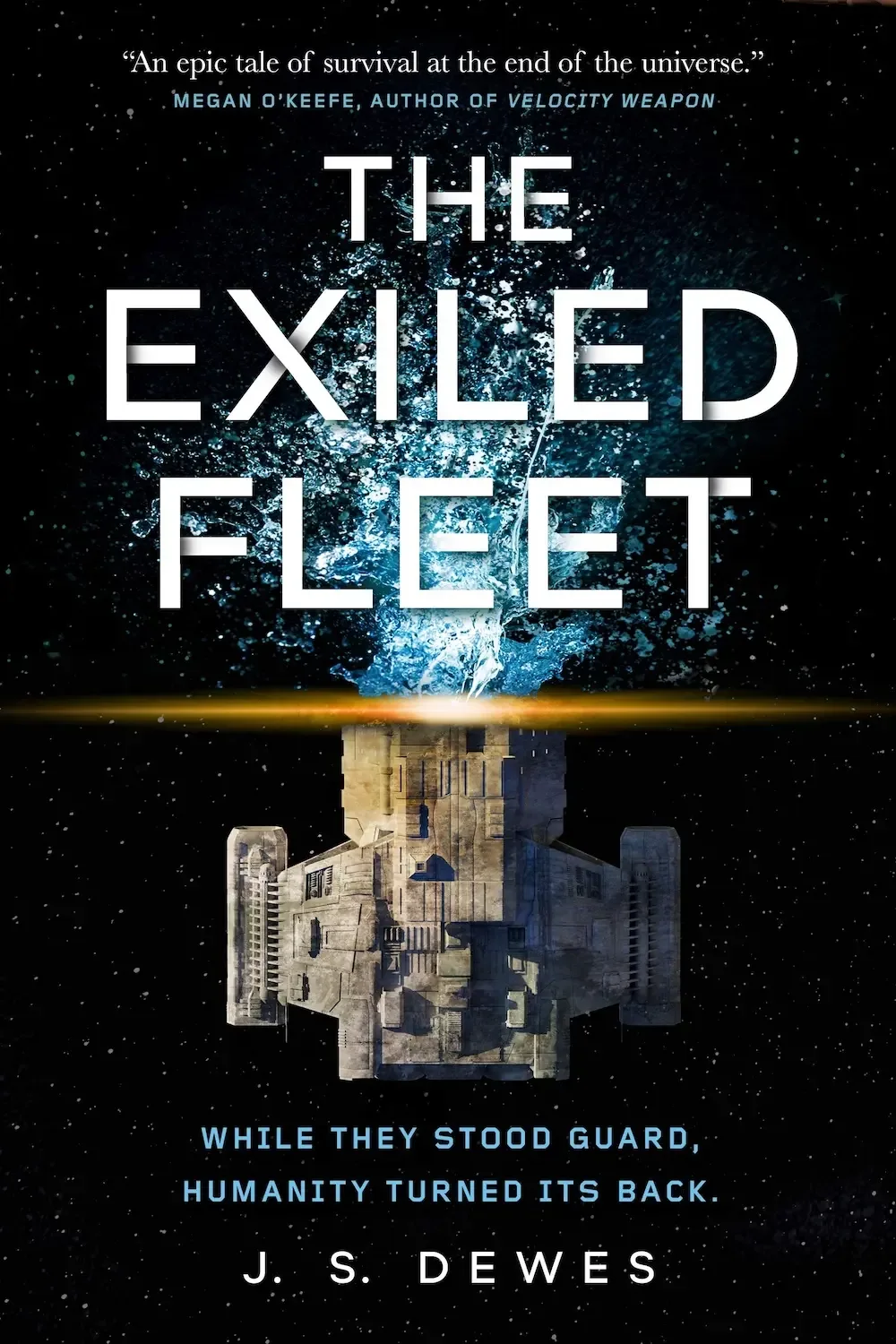
I read J. S. Dewes’ The Last Watch back in 2022 and enjoyed it well enough. I knew it was the first in a series, but never felt like tracking down the other books until recently, when I was in the mood for some space opera. The Exiled Fleet was ultimately frustrating, though. I love the setting — in the distant future, where the universe is slowly collapsing, and of course, it’s up to a ragtag bunch of forgotten soldiers to save everything — but The Exiled Fleet failed to click for me. I made it nearly halfway through the book, and a lot happens, but it felt like Dewes was just reshuffling things. Unlike The Expanse, which Dewes’ novels are frequently compared to, I never found the proceedings engaging, nor did I find any of the characters particularly memorable. Did not finish.
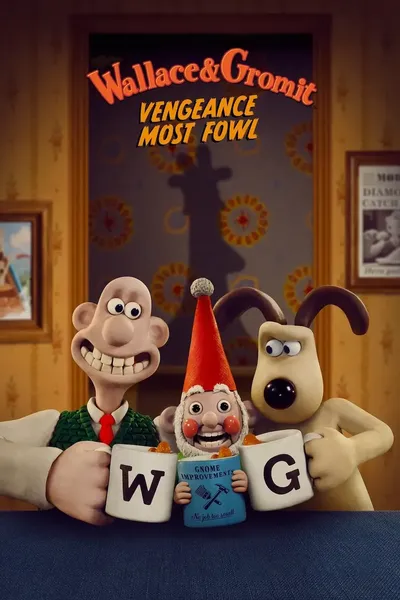
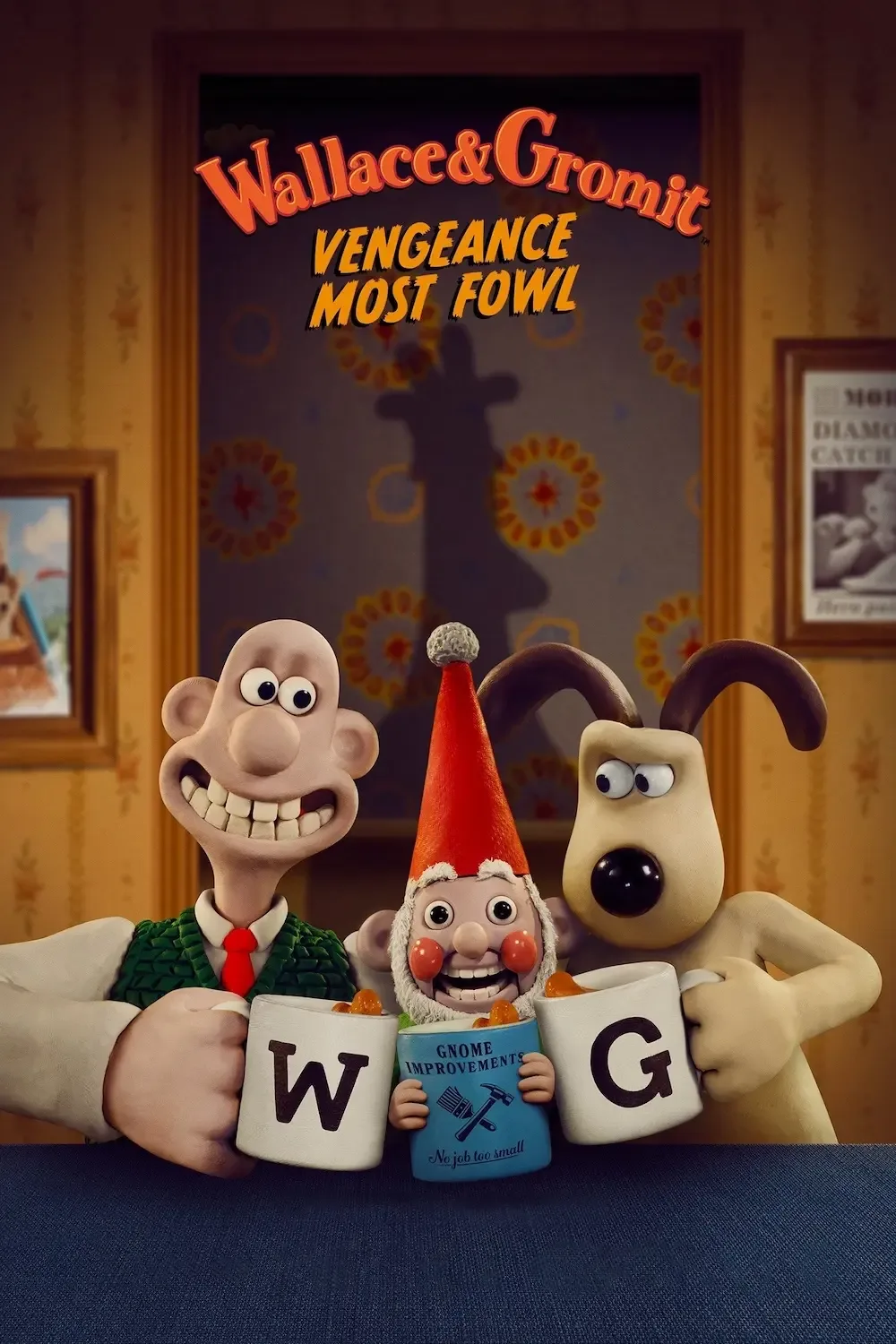
It pains me to say this, but I was a bit underwhelmed by Vengeance Most Fowl. It is, of course, as pleasant and jovial as any Wallace & Gromit title could be, but I suspect therein lies the problem. Not that I want a “gritty” Aardman title, mind you, but seeing as it’s a sequel of sorts to 1993’s The Wrong Trousers — which boasts one of the greatest chase sequences in cinema history — Vengeance Most Fowl just doesn’t quite have the same pizzazz. Wallace and Gromit’s latest escapade hits all of the expected moments (e.g., wacky inventions going awry, Wallace’s blissful naïveté, Gromit’s expressive disgruntlement), and it features the return of the dastardly Feathers McGraw, but it’s never more than the some of its parts. What’s more, I don’t think it contains a single Wensleydale reference.
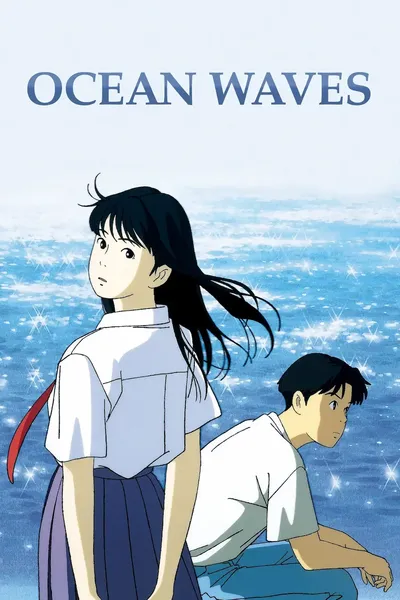
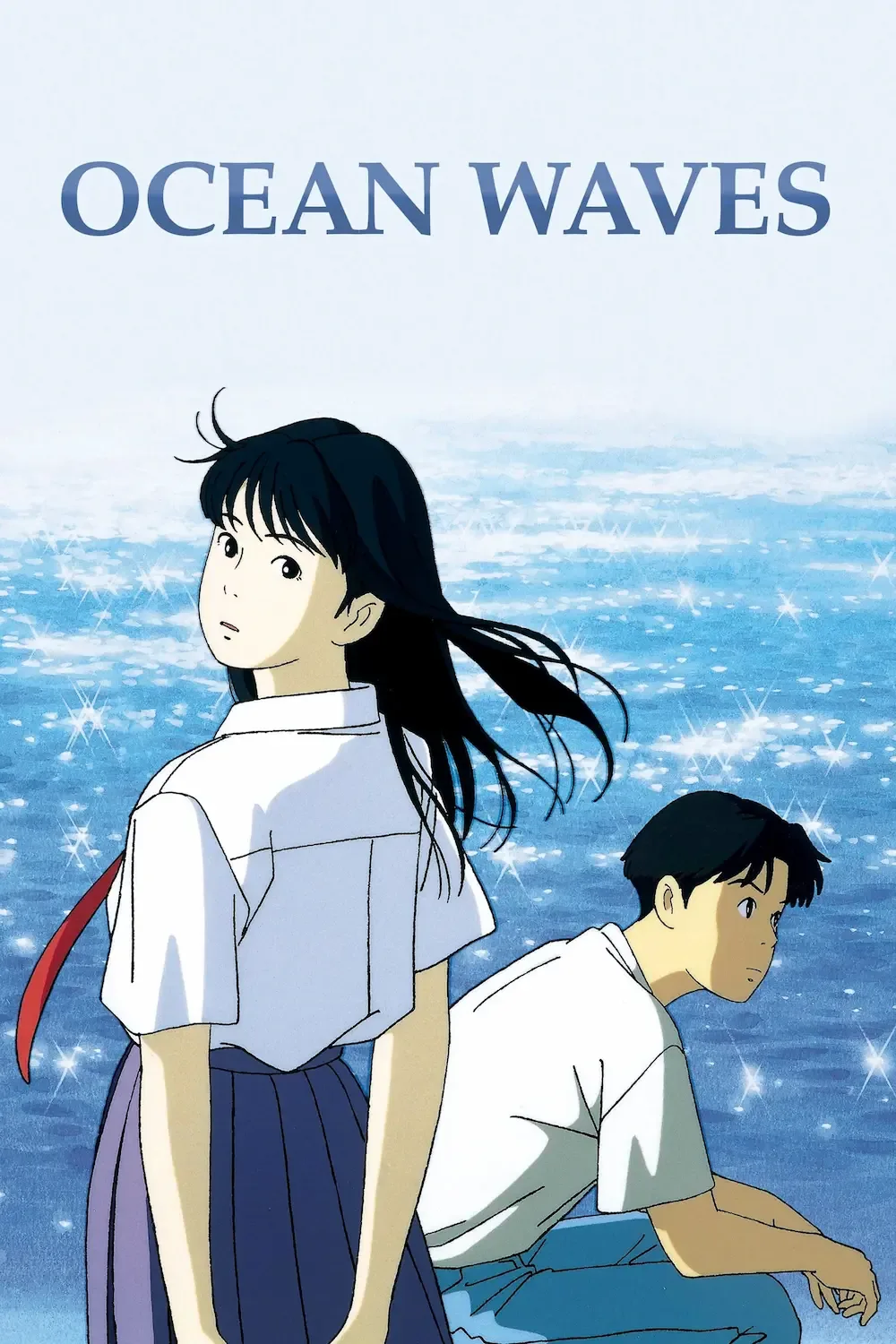
It’d be easy to label this coming-of-age melodrama, which was originally created for broadcast on Japanese TV, as one for Studio Ghibli completists only. It’s a bit slight compared to the usual Ghibli offerings, with none of the fantastical elements typically associated with the studio’s name. Taku and Yutaka are high school best friends, but their relationship gets complicated upon the arrival of the pretty Rikako, who has recently transferred to their school. Though an excellent student, Rikako’s personality veers between cheerful and distant, and she seems to enjoy pitting Taku and Yutaka against each other. As Ocean Waves unfolds, however, it’s clear she has her own complicated issues. Again, Tomomi Mochizuki’s (House of Five Leaves, Dirty Pair Flash) film can feel a bit slight, and its characters are occasionally less than sympathetic. Nevertheless, it boasts the same honest and careful attention to detail as any Ghibli title, and the quality of its animation doesn’t suffer despite being a TV production. I have kids of or approaching the same age as Ocean Waves’ protagonists, so I appreciated its depiction of the messy emotions and melodrama accompanying those years even as it occasionally hit a little too close to home.