My Cultural Diet (March 2025): Reacher, Severance, To Live and Die in L.A., Once a Castle, Squid Game
In order to better track my various cultural experiences (e.g., movies, TV shows, books, restaurants), I’ve created the Cultural Diet. Think of it as my own personal Goodreads, Letterboxd, and Yelp, all rolled into one (more info here). Every month, I recap everything that I watched, read, etc., in the previous month.
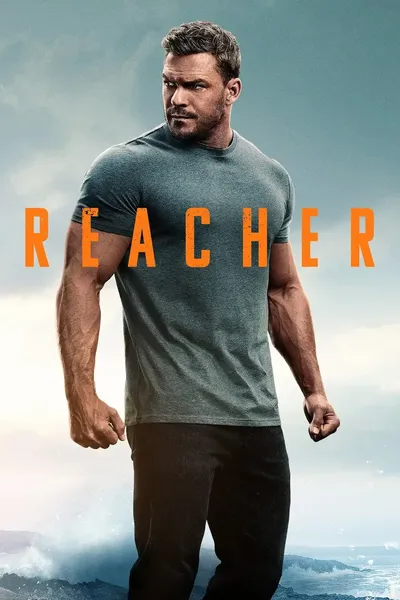
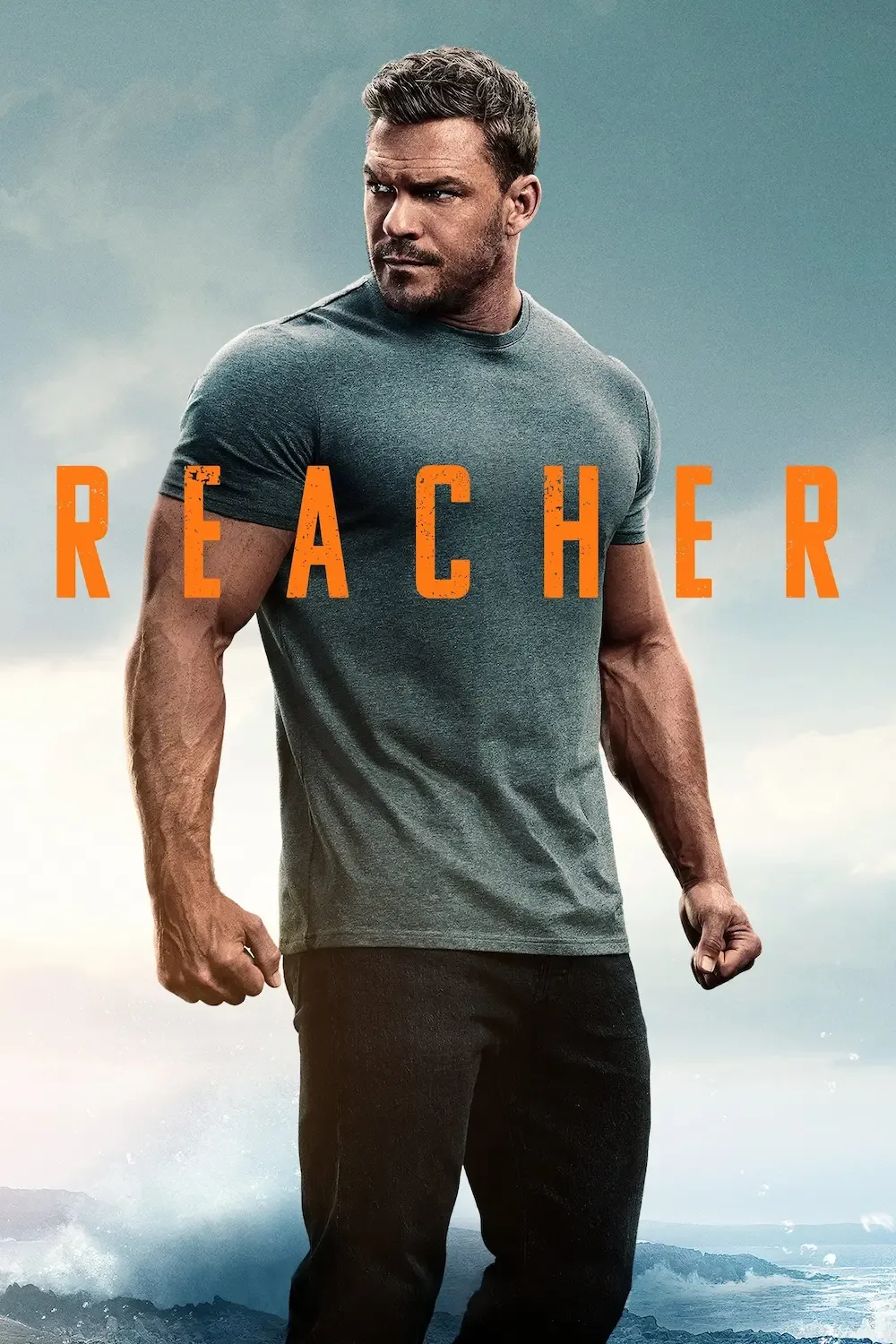
Reacher’s back and ready to punch even more bad guys in the face. Or shoot them. Or stab them with a rake. Or blow them up on a boat. Or… well, you get the idea. This time around, the former MP squares off against ruthless gunrunners led by a former military officer, played by Brian Tee in a truly malevolent performance. And of course, he’s backed up by the redoubtable Neagley (who’s getting her own spinoff series next year) as well as some DEA agents who might be operating outside the law — just the way Reacher likes it. Season three was more enjoyable than season two, with Reacher going undercover and slowly pitting the bad guys against each other while, at the same time, striking up an unlikely friendship with a neglected kid. Needless to say, I’ll start watching season four as soon as Amazon releases it. (On a related note, kudos to Amazon for not making us wait three years between seasons.)
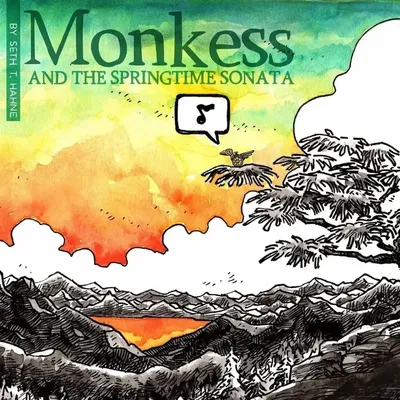
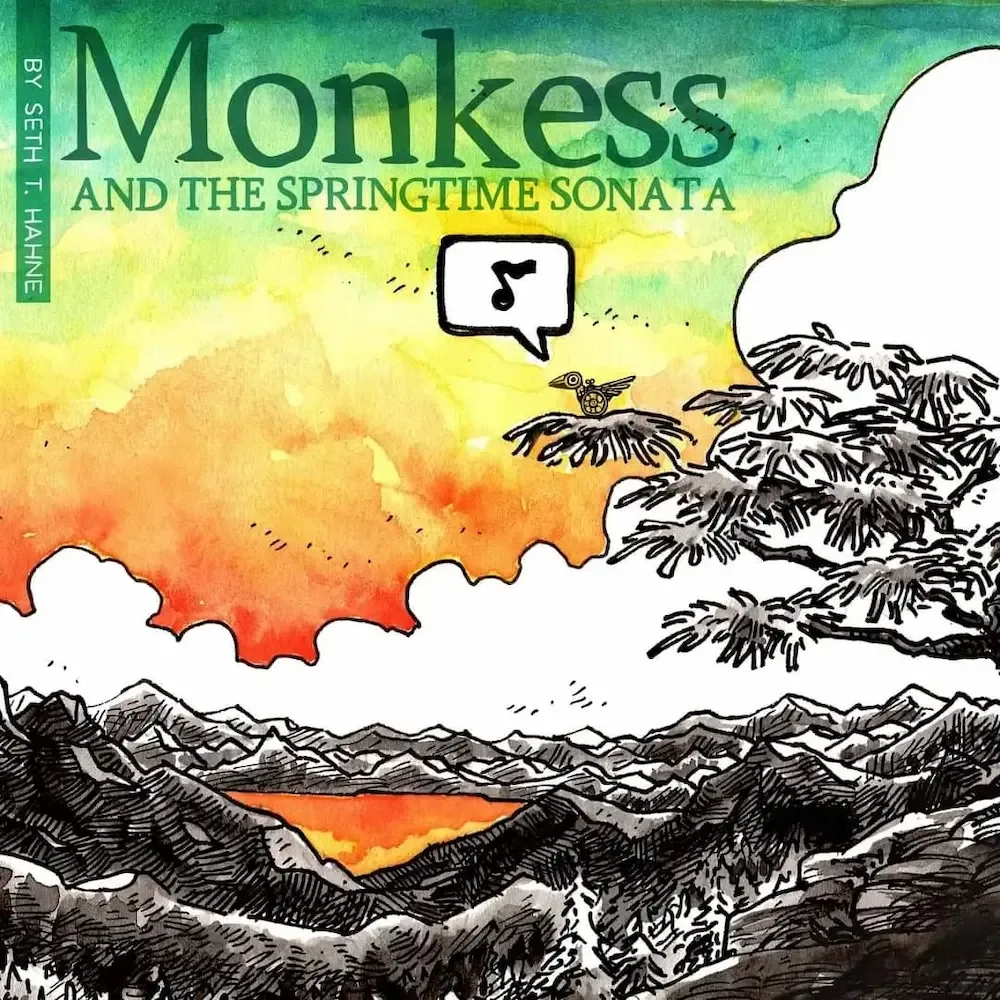
My wife and I are big fans of Seth T. Hahne’s Monkess the Homunculus, which was published all the way back in 2015. We read it often to our kids, who found it almost as enjoyable as we did. Thus, when Hahne announced a Kickstarter campaign to publish a new Monkess story, funding it was a no-brainer. The resulting book — Monkess and the Springtime Sonata — is as delightful as I was expecting, filled with colorful and vibrant artwork and a whimsical-yet-heartfelt story about a young homunculus, her puffin best friend, and their mutual discovery of “a new and important friend.” Our kids are quite a bit older now, so I’m not sure they’d enjoy Hahne’s latest as much as we do, but that’s OK. We’ll just save it for the grandkids.
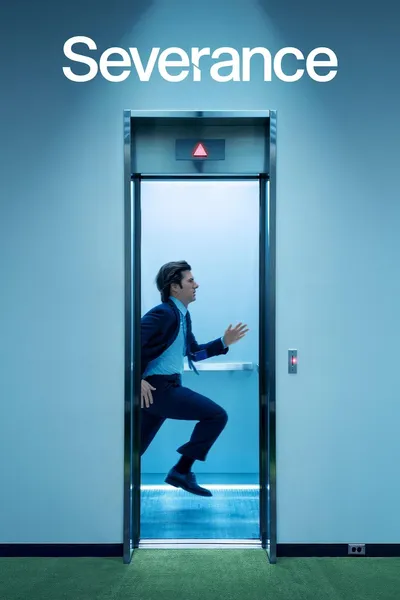
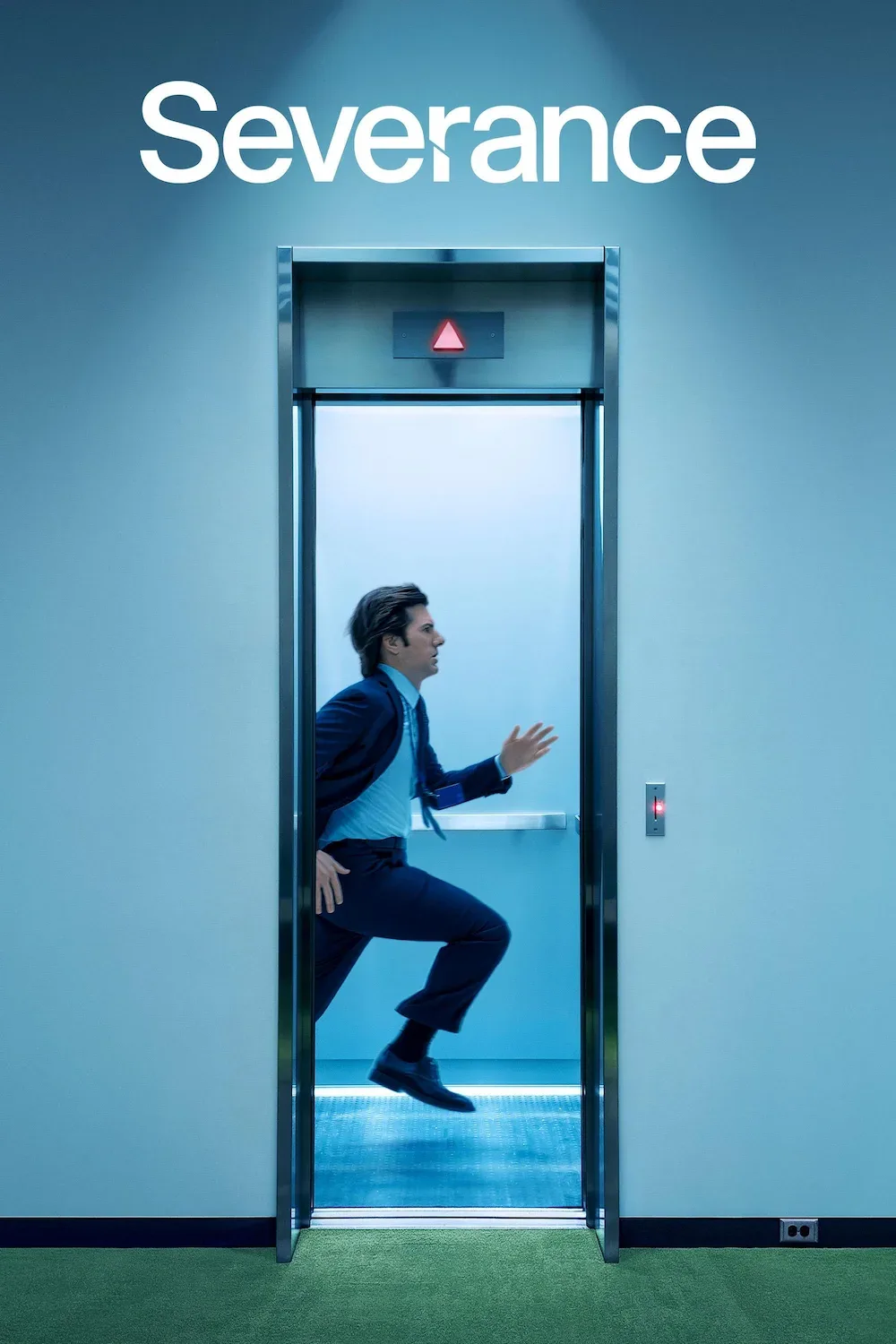
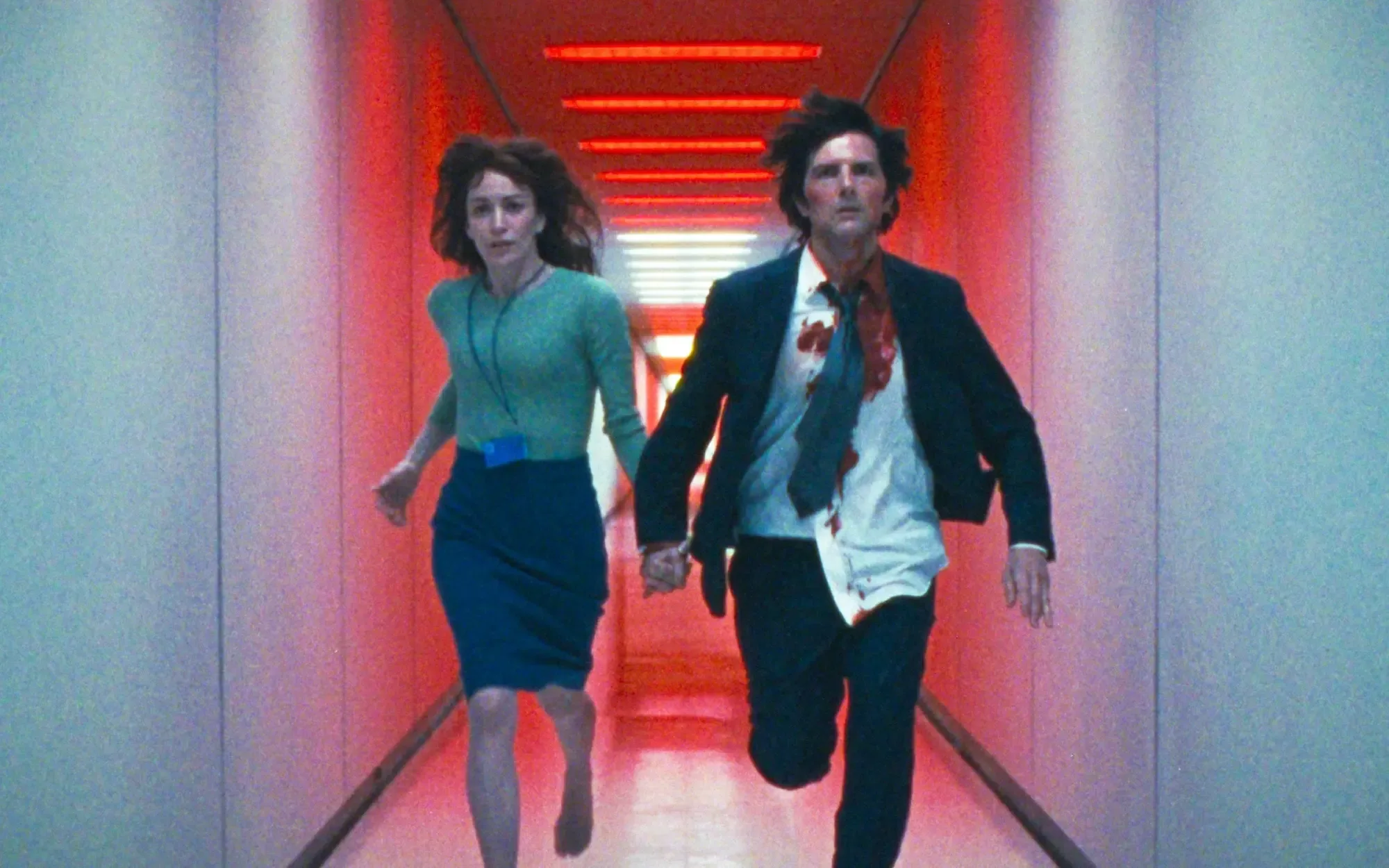
Severance’s second season felt very much like a transitional season, with episodes veering off into the mysteries of Lumon and characters coming and going. As a result, though, season two felt rather slapdash and unfocused compared to Severance’s remarkable first season. It also didn’t help that three years passed between the two seasons; I’ll admit to being a bit lost at times and scrambling to remember things. (I’d forgotten all about Dr. Reghabi, for instance.) That said, it remained intriguing right up until the final, much-discussed shot, and I want to believe the showrunners when they say that they know where the storyline is going and aren’t just making it up as they go along à la J.J. Abrams. (My wife and I still feel burned by Lost.) All complaints aside, though, I was head over heels in love with the look of the season. With all due respect to Adam Scott, Britt Lower, Tramell Tillman, and the rest of the cast, cinematographer Jessica Lee Gagné was the season’s real MVP.
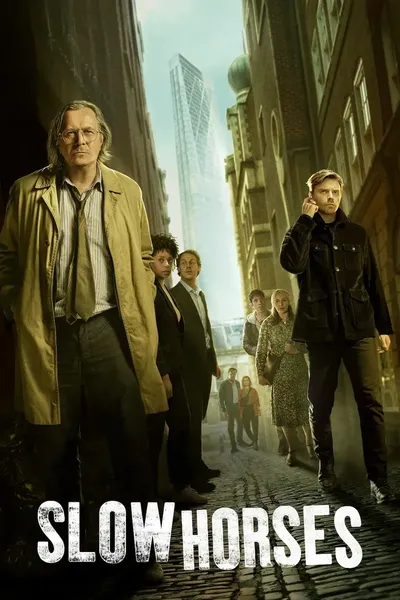
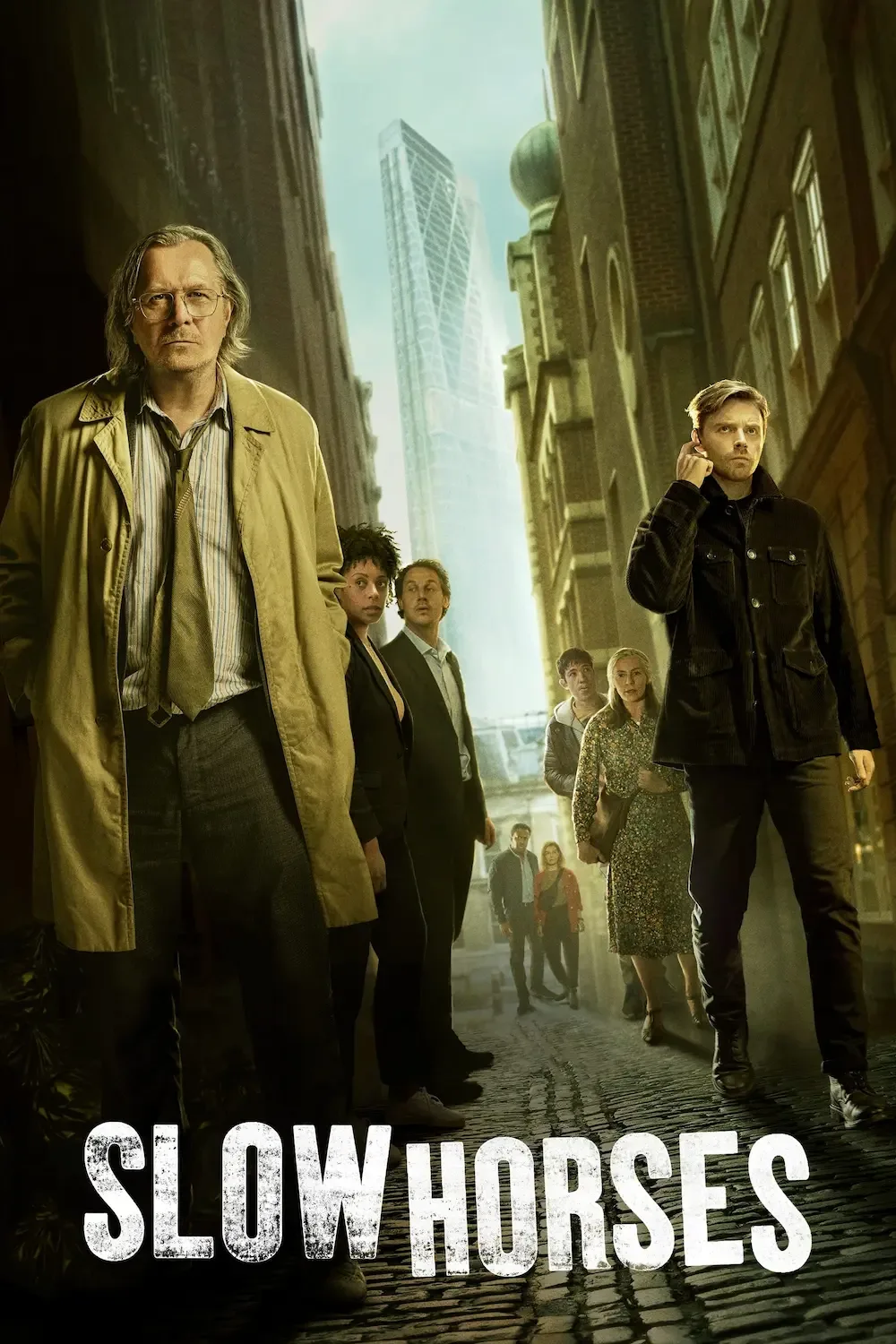
Gary Oldman’s ability to chew up the scenery as spymaster Jackson Lamb is truly a wonder to behold. Lamb is by turns rude, offensive, manipulative, brilliant, and loyal, and it’s obvious that Oldman’s having a blast with the role. This time around, Lamb and his disgraced MI5 agents are forced to scramble when a former spy dies under mysterious circumstances and a figure who shouldn’t exist begins to emerge from Lamb’s past. Slow Horse’s second season did a better job of balancing its tone than the first season and introduced some interesting new characters while keeping me on my toes with its various twists and turns.
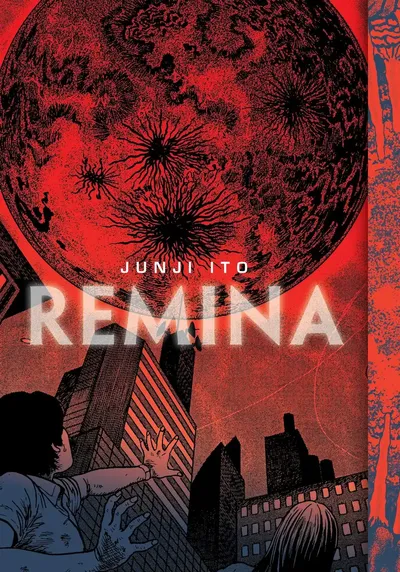
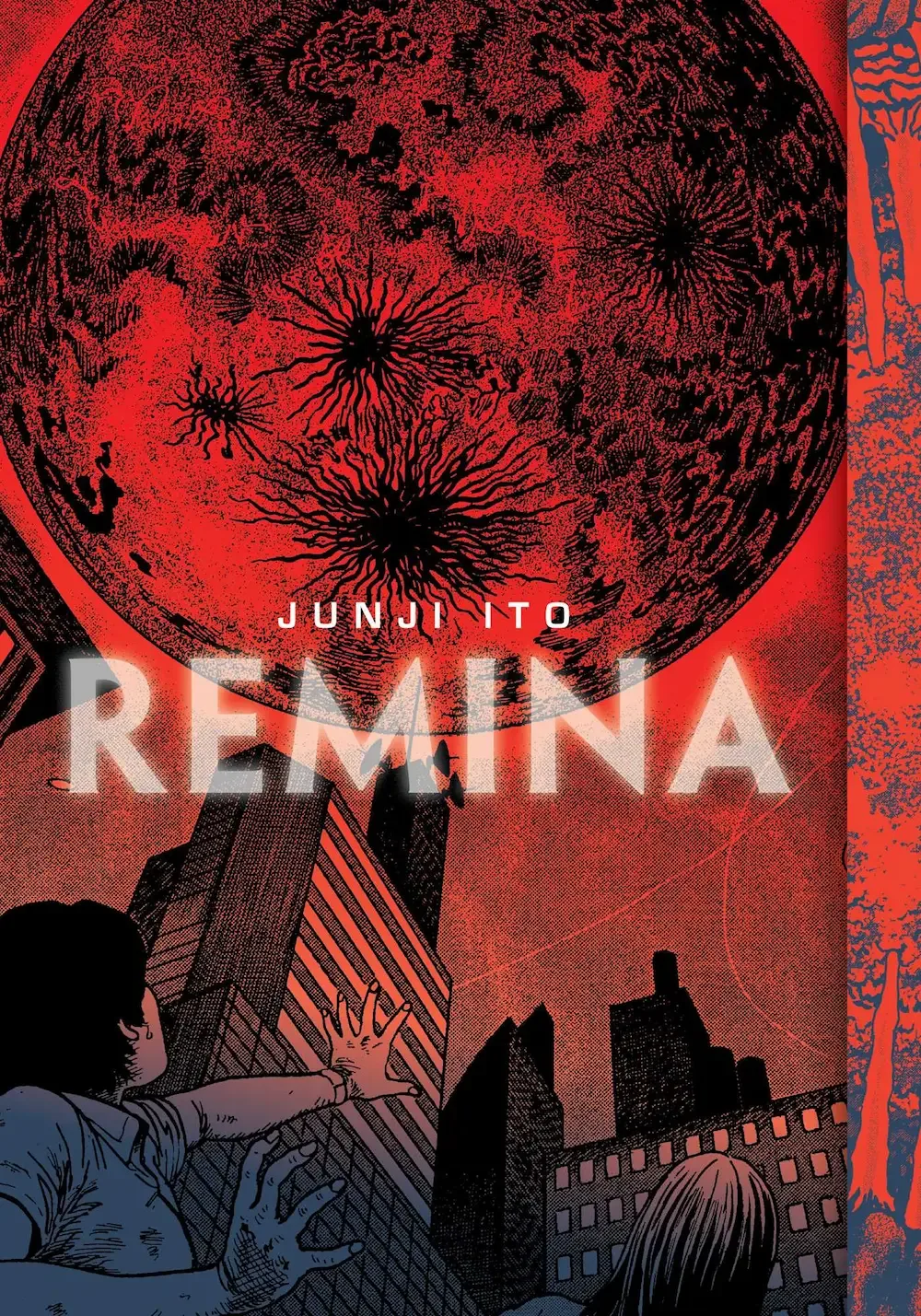
Horror manga artist Junji Ito is best known for works like Tomie and Uzumaki that revel in the bizarre and macabre. Originally published between 2004 and 2005, Remina also throws in some cosmic horror as the Earth is threatened by a bizarre planet from another universe. As the titular planet draws ever closer, humanity starts descending into madness, with people demanding the deaths of both the astronomer who discovered it and his teenage daughter, who is the planet’s namesake. Ito’s art is consistently striking; his designs of the rogue planet Remina would give H.P. Lovecraft the heebie-jeebies. His storyline, however, grows increasingly bizarre to the point of ridiculousness, which ultimately undermines the horror.
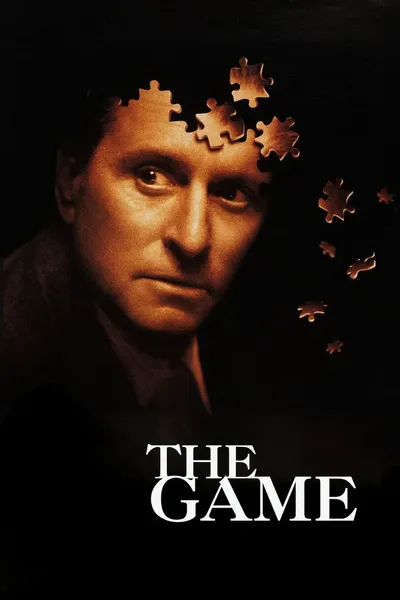
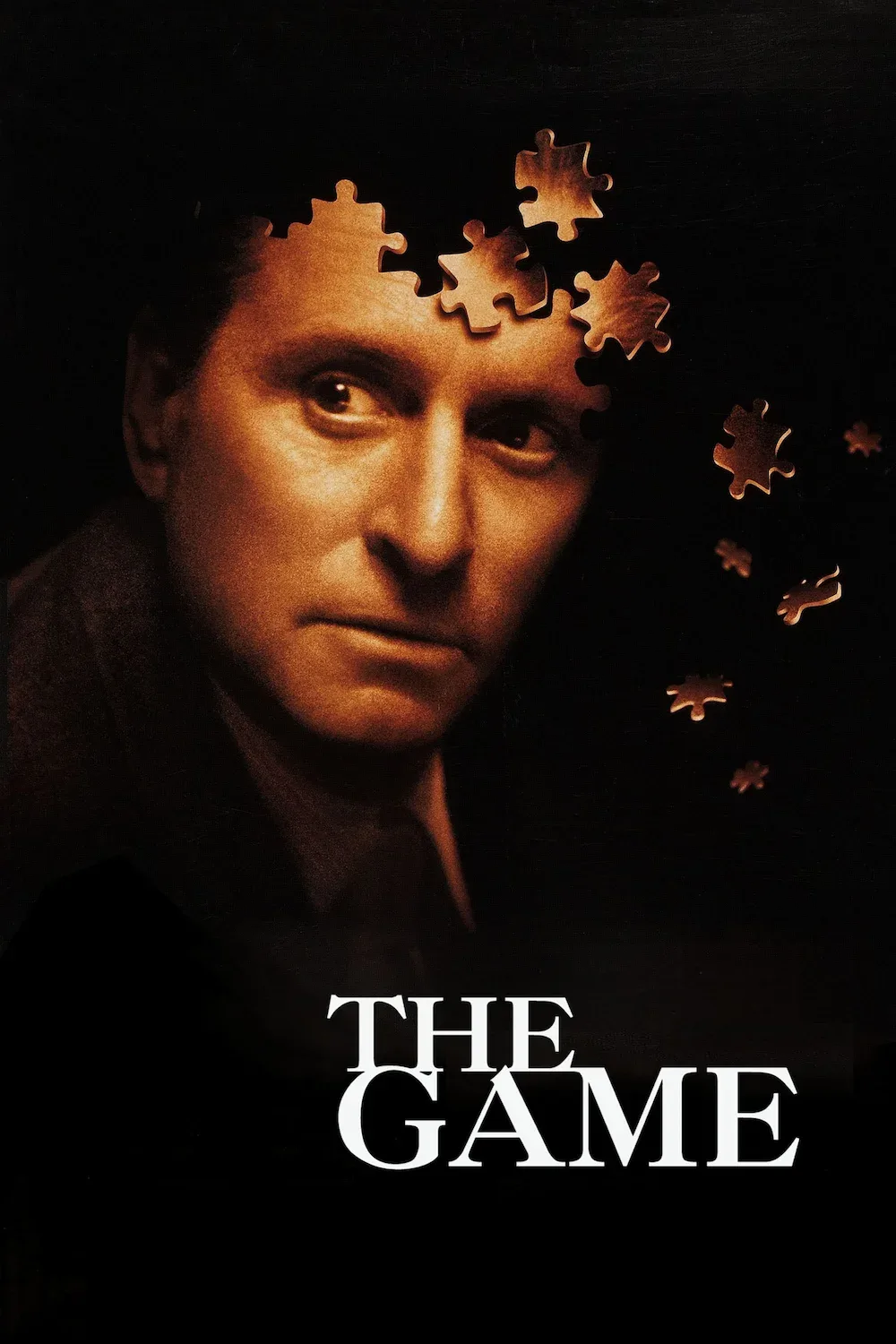
If you stop and take any time to think about it, The Game easily collapses under the weight of implausibility. Too many details just feel convenient, contrived, and untethered from reality. But David Fincher directs his film with such cool, masterful elegance that it’s easy to overlook all of that while you’re watching its increasingly Kafka-esque story about a ruthless investment banker (played to perfection by Michael Douglas) who signs up with a mysterious company to play a mysterious game. As the game unfolds, however, his carefully constructed existence begins to unravel until he’s no longer sure what’s real, and what’s all part of the game. Make no mistake, The Game does require some hefty suspension of disbelief. But if you’re willing to surrender yourself to its conceits, the result is a pretty slick and entertaining thriller.
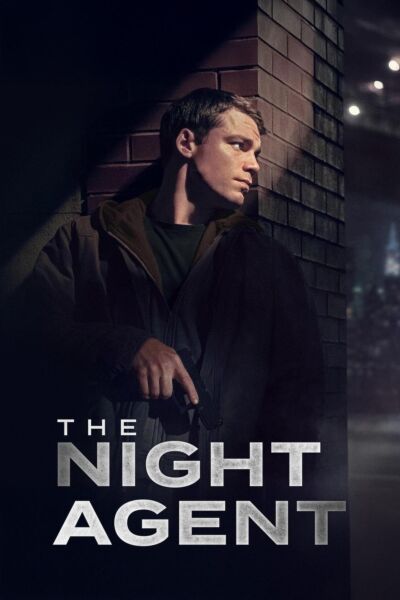
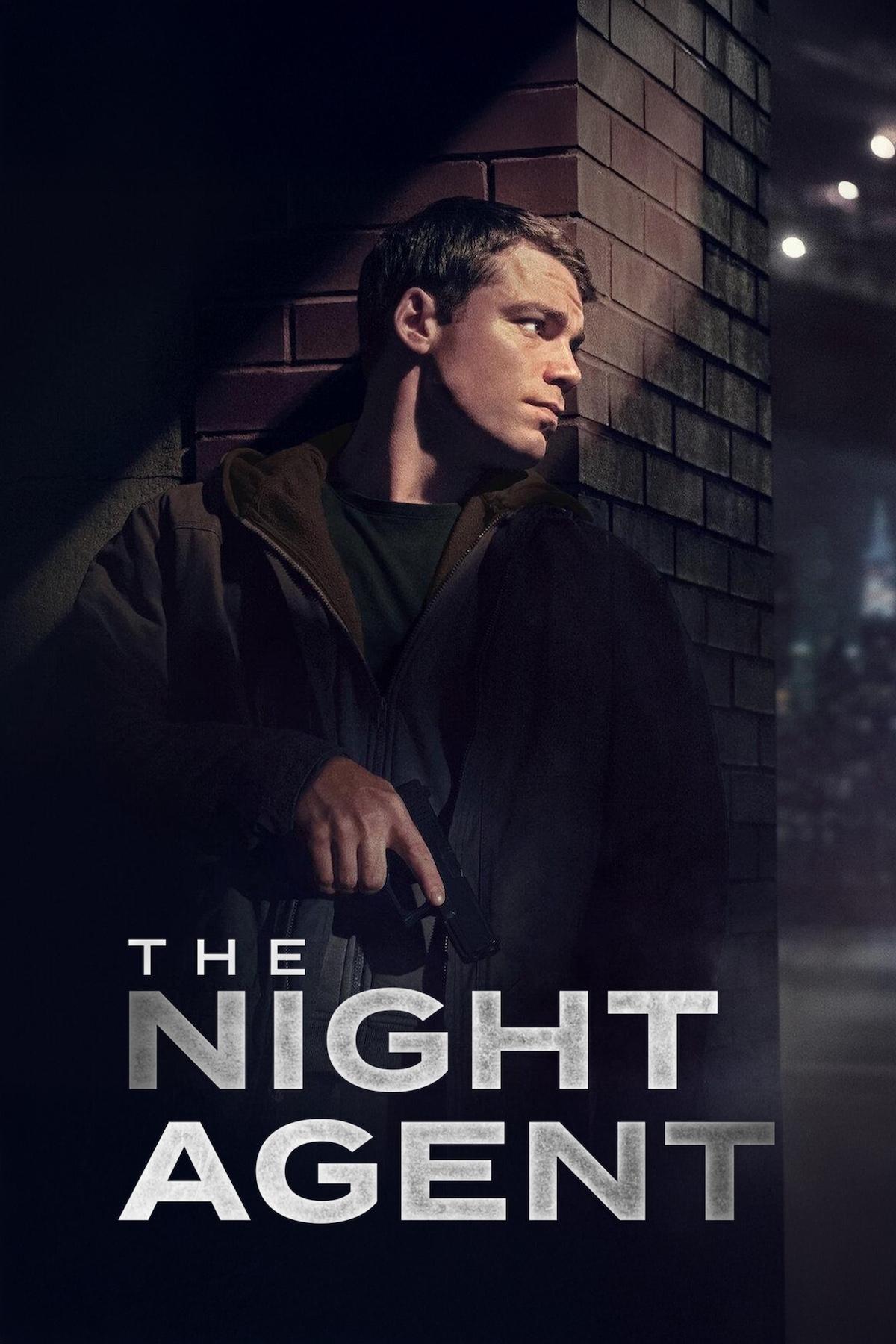
The first season of The Night Agent didn’t exactly blow me away, but it was still a solid enough espionage thriller that kept me entertained. Thus, I was honestly looking forward to the series’ second season, but unfortunately, it just didn’t click for me. All of the pieces are there, but there’s a certain lack of chemistry that makes the increasingly convoluted storyline less engaging than it should be. The Night Agent has obviously been a hit with lots of people, which explains why it’s already been renewed for a third season, but I don’t think I’ll be tuning in. Did not finish.
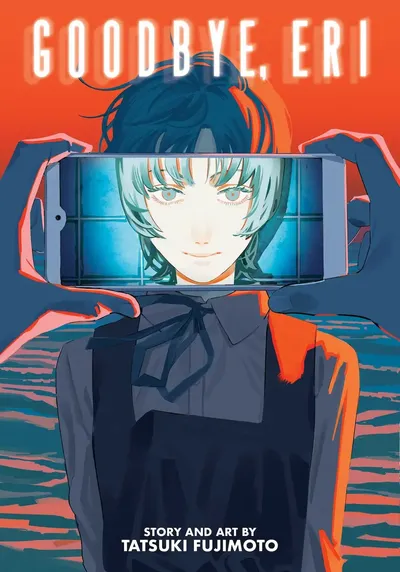
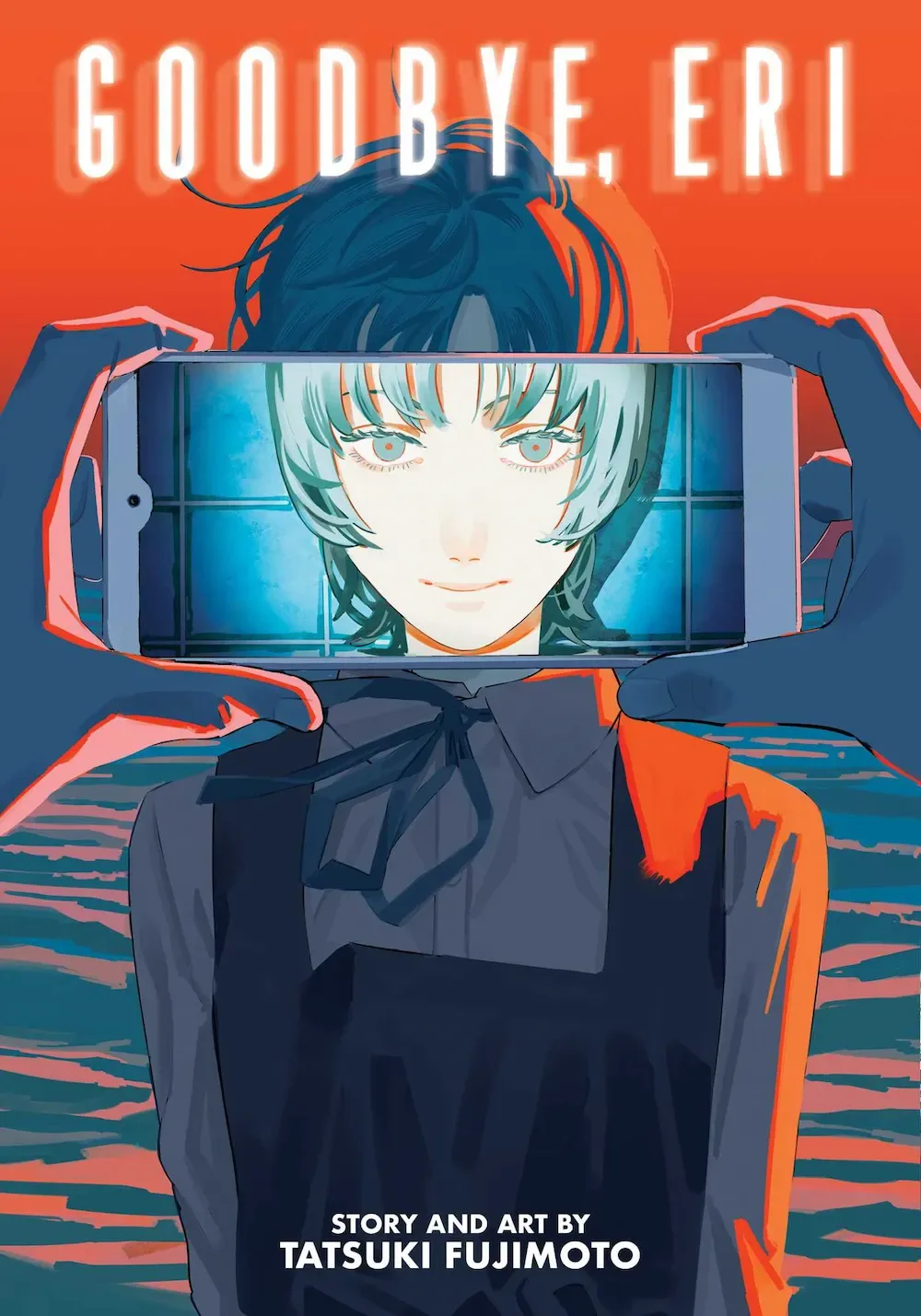
After he’s given a mobile phone for his birthday, Yuta’s dying mom asks him to record her final days, which he then uses to create a movie that shocks all of his classmates. All of them, that is, except for the enigmatic Eri, who insists that Yuta become a filmmaker and create something new. As Goodbye, Eri unfolds, Tatsuki Fujimoto — best known for creating Chainsaw Man — piles on the layers of meta-ness, with Yuta’s new film shifting from semi-autobiographical to something else entirely. Goodbye, Eri does say some interesting things about nostalgia and the unreliable-ness of memory, and it does have some genuinely touching moments. Ultimately, however, Fujimoto is more interested in twists and turns than emotional resonance as Goodbye, Eri increasingly calls into question everything that happens within its pages.
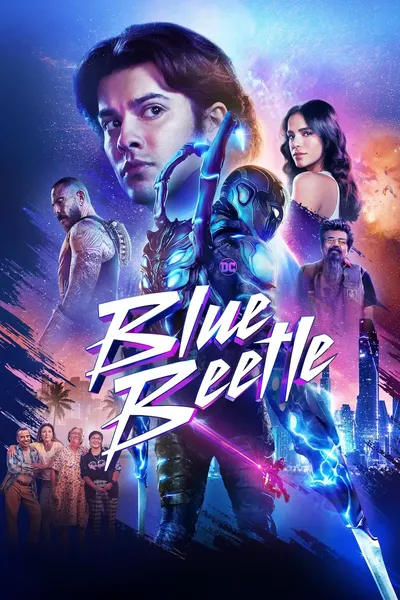
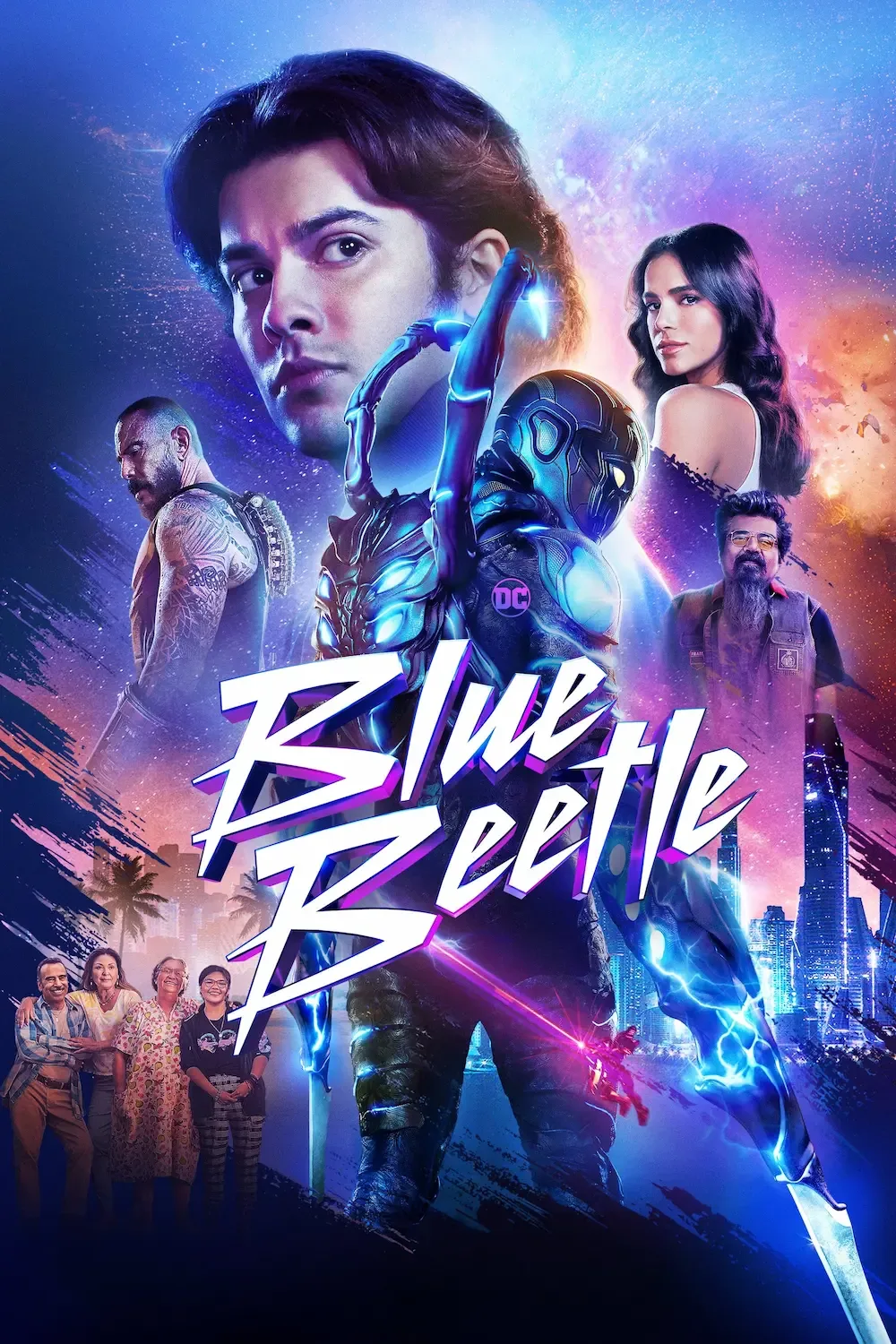
I’ve been pretty lukewarm on DC’s live-action superhero titles, 2017’s Wonder Woman notwithstanding, and Blue Beetle doesn’t reverse the trend. It’s heart is certainly in the right place, especially for the way in which it showcases Latino family and culture. (And, of course, for the way it takes on greedy industrialists.) With its young, likable protagonist, the film seems to be aiming for a Spider-Man vibe — there’s even an Uncle Ben moment — but it’s just too goofy and uneven. Blue Beetle’s neon-drenched synthwave aesthetic does look slick at times, but it also instantly dates the film, and though it’s part of the DC Extended Universe, it feels curiously cut off from the broader DCEU aside from the obligatory Superman and Batman (and Big Belly Burger) references. I enjoyed seeing some tokusatsu inspiration in the film’s superpowered smackdowns, but that also felt like one stylistic flourish too many.
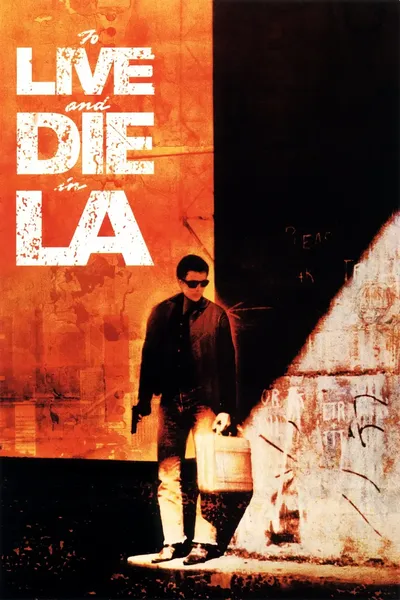
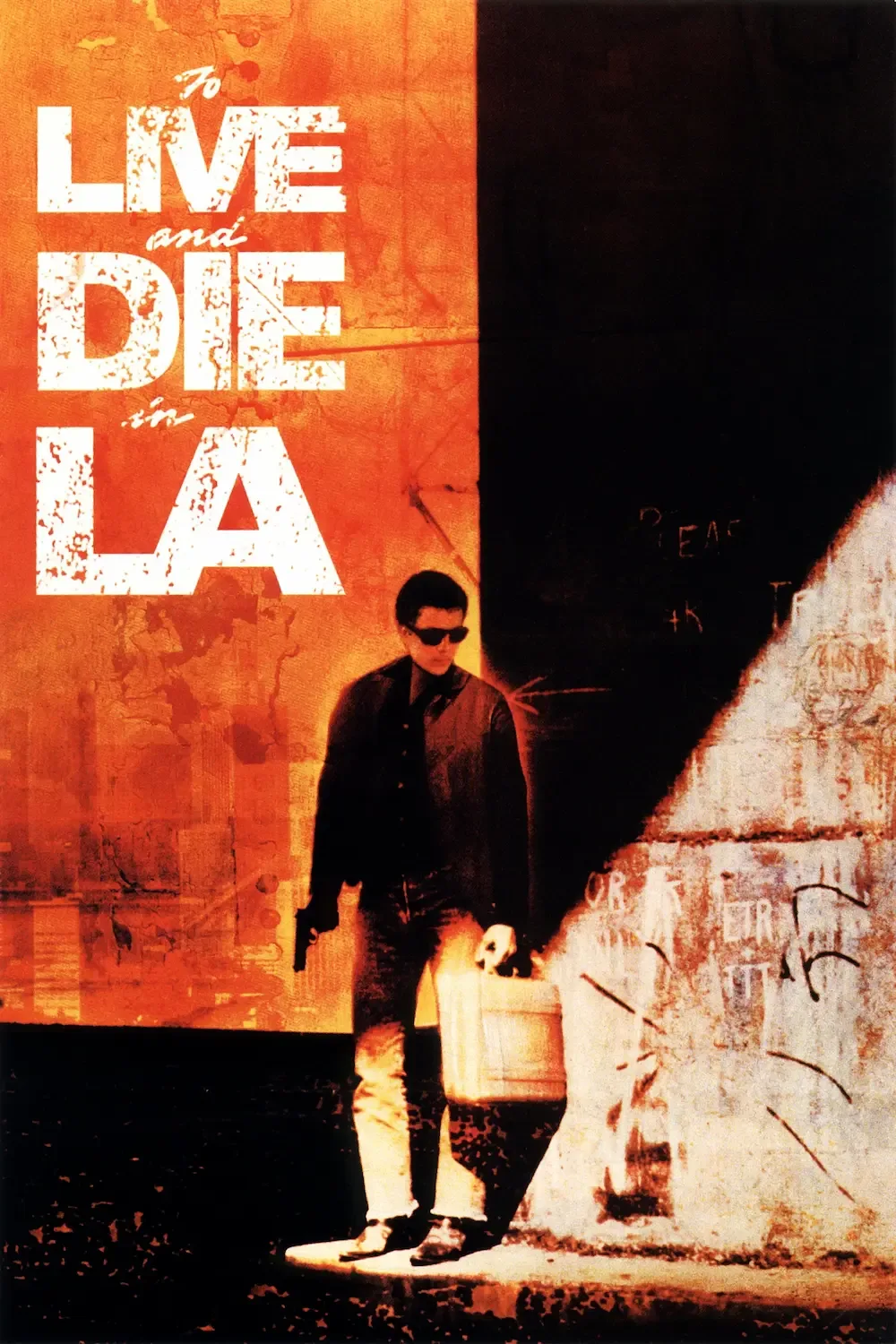
In this stylish William Friedkin noir thriller, an obsessed Secret Service agent (William Petersen) is willing to do anything to track down and arrest the ruthless counterfeiter (Willem Dafoe) who killed his partner. Put simply, To Live and Die in L.A. is an exercise in style as substance. Friedkin’s directing, Robby Müller’s cinematography, even Wang Chung’s soundtrack, all combine to create a fever dream version of Los Angeles that’s as iconic as it is lurid — a version of the city that can only exist in movies. As for the actual storyline, it often feels quite abstract, far more interested in seeing Petersen swagger across the screen on his way to cross any legal or ethical boundary in pursuit of his quarry, or Dafoe meticulously creating his funny money. Dafoe actually learned how to print counterfeit money for his role, and that sort of attention to detail — as well as an absolutely bonkers car chase in the final act — does help to ground the film’s stylish excess.
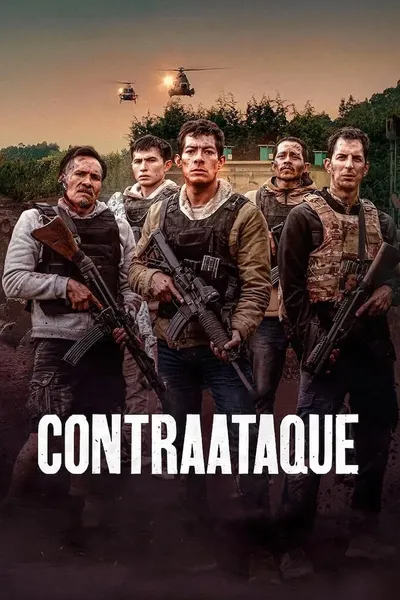
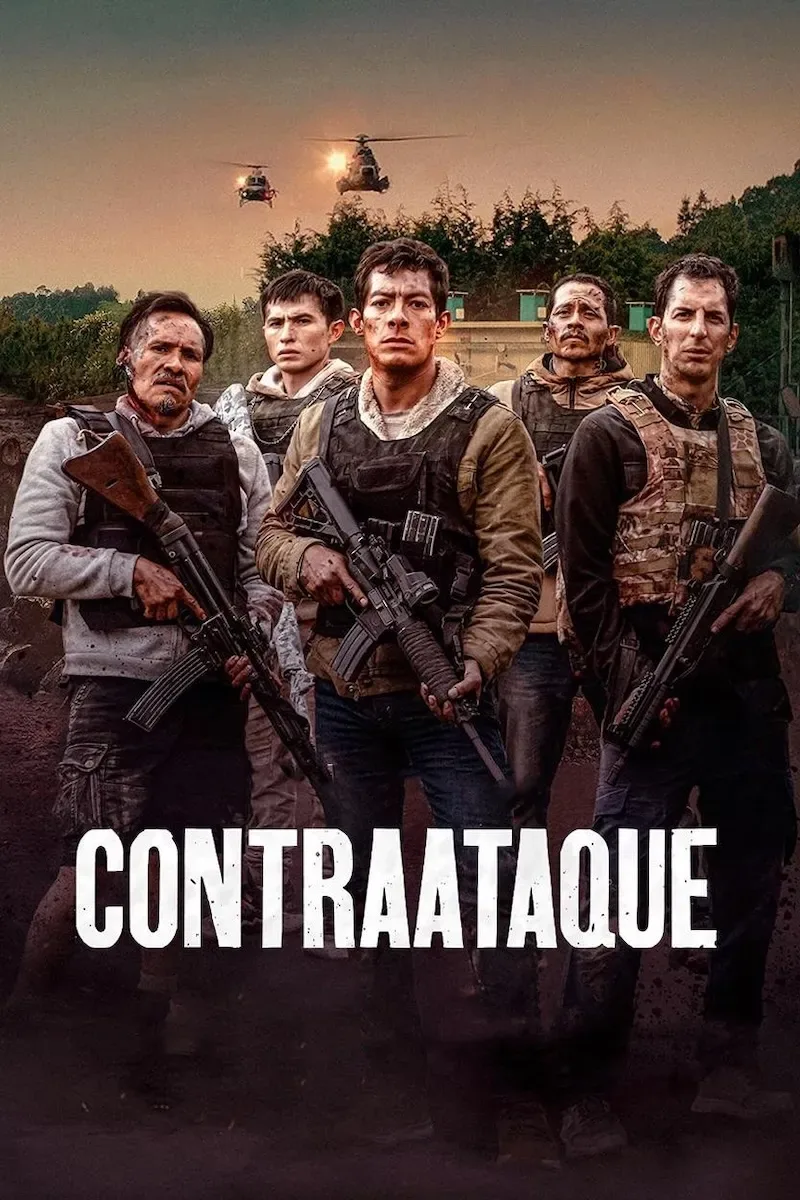
After a Mexican Special Forces officer saves two young women from being kidnapped, he and his fellow commandos find themselves in the crosshairs of a violent drug cartel while on leave. Which means they’ll have to use all of their training to survive in the Mexican countryside and stay one step ahead of the cartel’s seemingly limitless forces. There’s no fluff to Counterattack; it’s precisely what it says on the tin, and there’s nothing wrong with that. Much like France’s Lost Bullet films, Counterattack is a perfectly serviceable popcorn flick that’s proof Hollywood doesn’t have a corner on the action market. (The fact that it clocks in under 90 minutes is just an added bonus.) The dialog does get hamfistedly earnest whenever the commandos wax rhapsodically about their duty and honor, but that actually adds to the film’s effect, especially when they make their inevitable last stand.
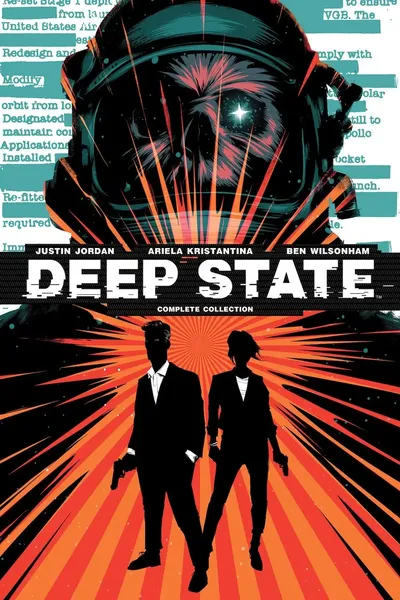
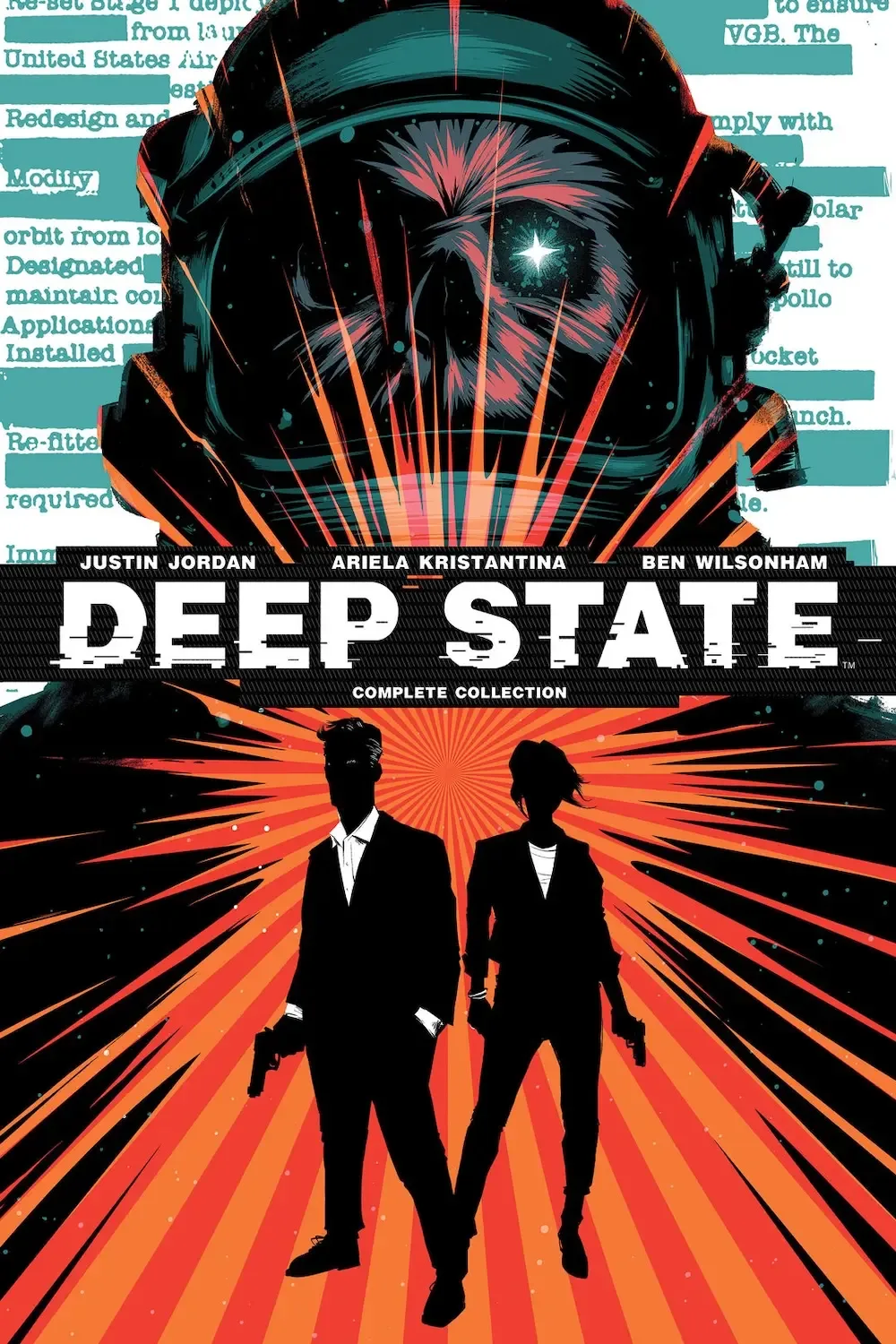
I think I might’ve liked this more had I not recently read The Department of Truth. Both series focus on a group of agents from a shadowy government agency that’s tasked with keeping various conspiracy theories (e.g., the moon landing, the JFK assassination) under wraps from the general populace. But whereas The Department of Truth goes full broke for gonzo into the world of conspiracies and the effect they might have on reality, Deep State plays things a bit more straight. That’s not to say there are no twists and turns in these eight issues, only that they’re the sort of twists and turns you kind of expect from a series about secret government agents and conspiracy theories.
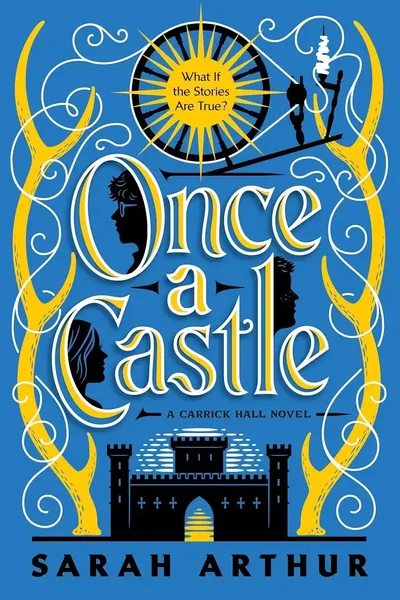
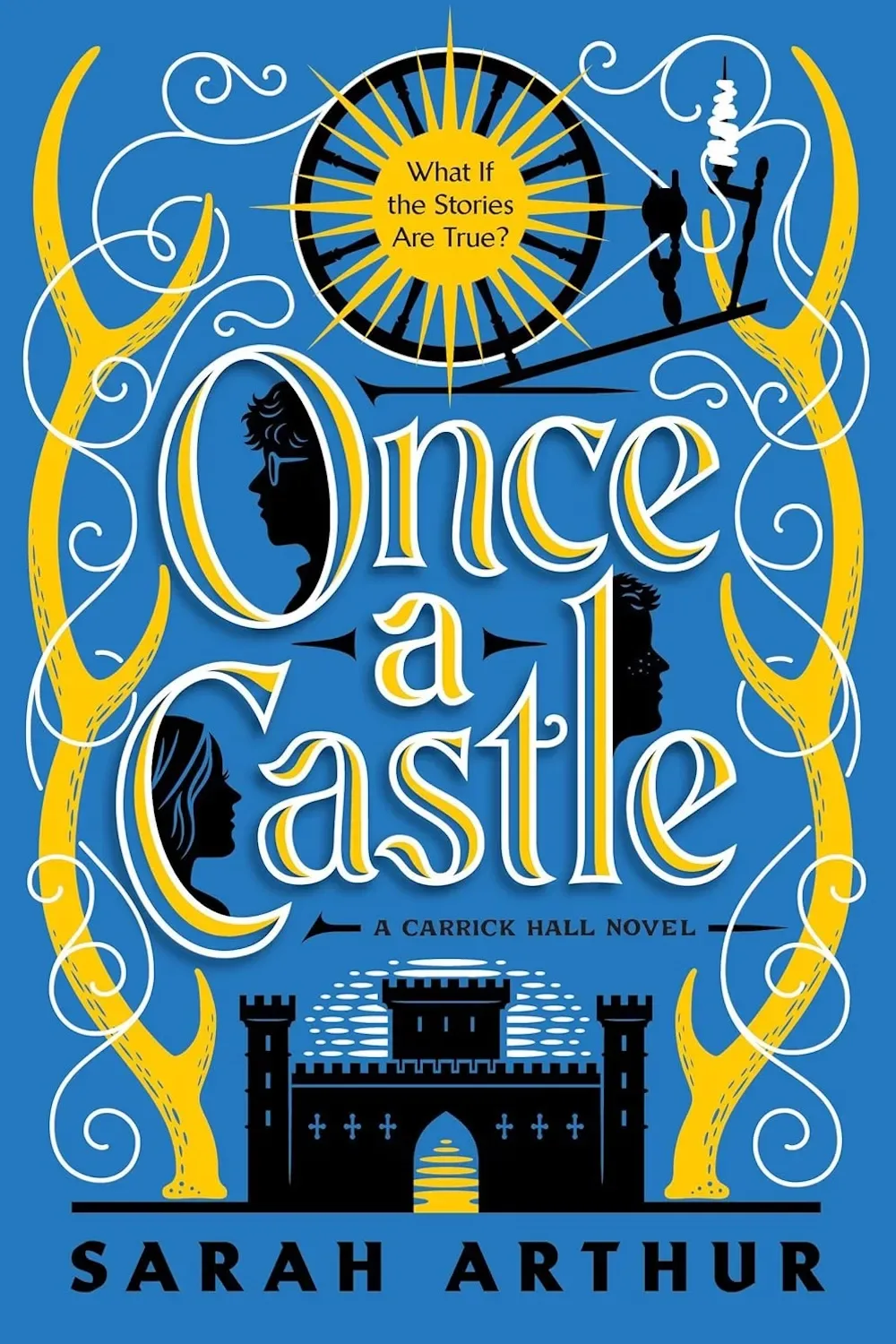
Your fondness for C.S. Lewis’ Chronicles of Narnia will likely determine how much you enjoy Once a Castle, the second installment in Sarah Arthur’s Carrick Hall series. In Arthur’s novels, a group of youths from our world stumble into the fantastical land of Ternival, where they must help the resident talking animals, dryads, and centaurs battle the machinations of an evil queen. Which, on paper, is a little on the nose. But that doesn’t make Once a Castle any less enjoyable. As with 2024’s Once a Queen, Arthur’s prose is light, fun, and eminently readable — I think I finished the book in a little over two days — and even quite beautiful and moving at times, be it the heroism of the centaur Starwise, the characters’ acts of grace and forgiveness, Arthur’s commentary on the nature of fairy tales, or even an apparent attempt to improve upon Lewis’ Calormenes. As with Once a Queen, Arthur crams an awful lot into Once a Castle and her attempts to weave the different plots and timelines together can feel a bit jumbled, which makes the ending feel just a bit too neat, tidy, and convenient. That said, I truly enjoyed my return trip to Ternival, and I’m looking forward to Arthur’s third Carrick Hall book, Once a Crown. (Thanks to NetGalley for the advance review copy.)
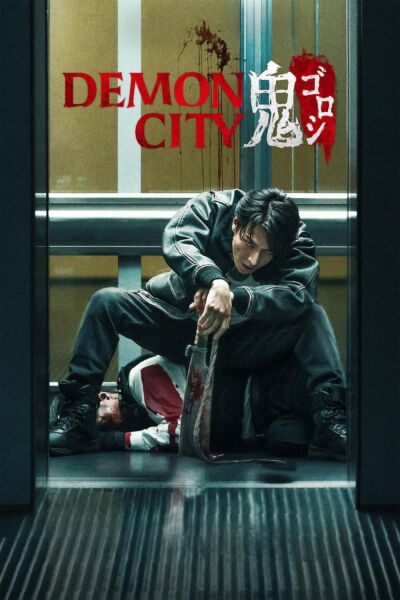
For years, Shûhei Sakata was the most feared assassin in Shingo City. But after completing his final mission, all Sakata wants is to hang up his blade and enjoy life with his wife and daughter. Unfortunately, the shadowy cabal that controls the city has other plans. They kill Sakata’s family before his eyes, frame him for their murder, and leave him in a coma. Twelve years later, Sakata re-emerges and… well, you already know what happens next. Based on Masamichi Kawabe’s manga, Demon City is an utterly rote and by-the-numbers revenge action/thriller piece. There are occasional flashes of a weirder and stranger movie, but nothing that ever comes to pass. Of course, you don’t necessarily watch a movie like Demon City for the plot or characterization — though things like plot and interesting characters should still matter — but rather, for the action. Demon City is filled with action, but after awhile it just becomes a slugfest that’s made increasingly dull by the obviously CGI blood splatter and arterial sprays.
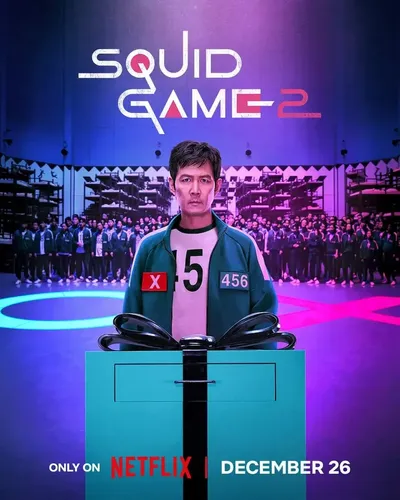
Squid Game’s second season picks up four years after the events of its first season, with the previous season’s winner re-entering the games in order to shut them down once and for all. He’s joined by another motley assembly of desperate, down-on-their-luck individuals, including a failed crypto influencer, a flamboyant rapper, a creepy shaman, a transgender woman, and a mother-son duo. Season two also offers a behind-the-scenes look at how the games are run, and the individuals wearing those iconic pink suits and black masks. It did feel like season two — which only has seven episodes compared to the first season’s nine — juggled a few too many storylines, specifically Detective Hwang’s ongoing search for the island on which the nefarious games take place. Nevertheless, Squid Game’s second season proved just as entertaining and engrossing as its first, and I’m eagerly looking forward to watching the third and final season when it’s released in June.
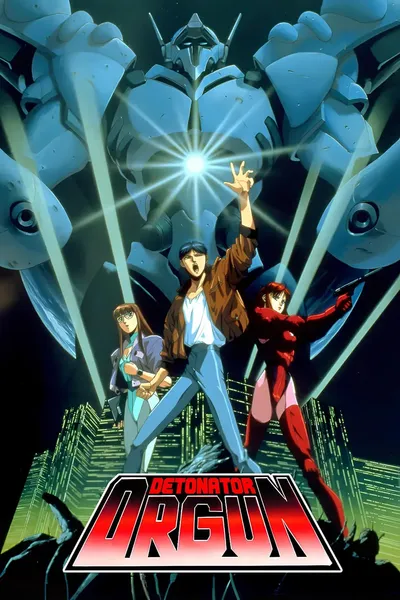
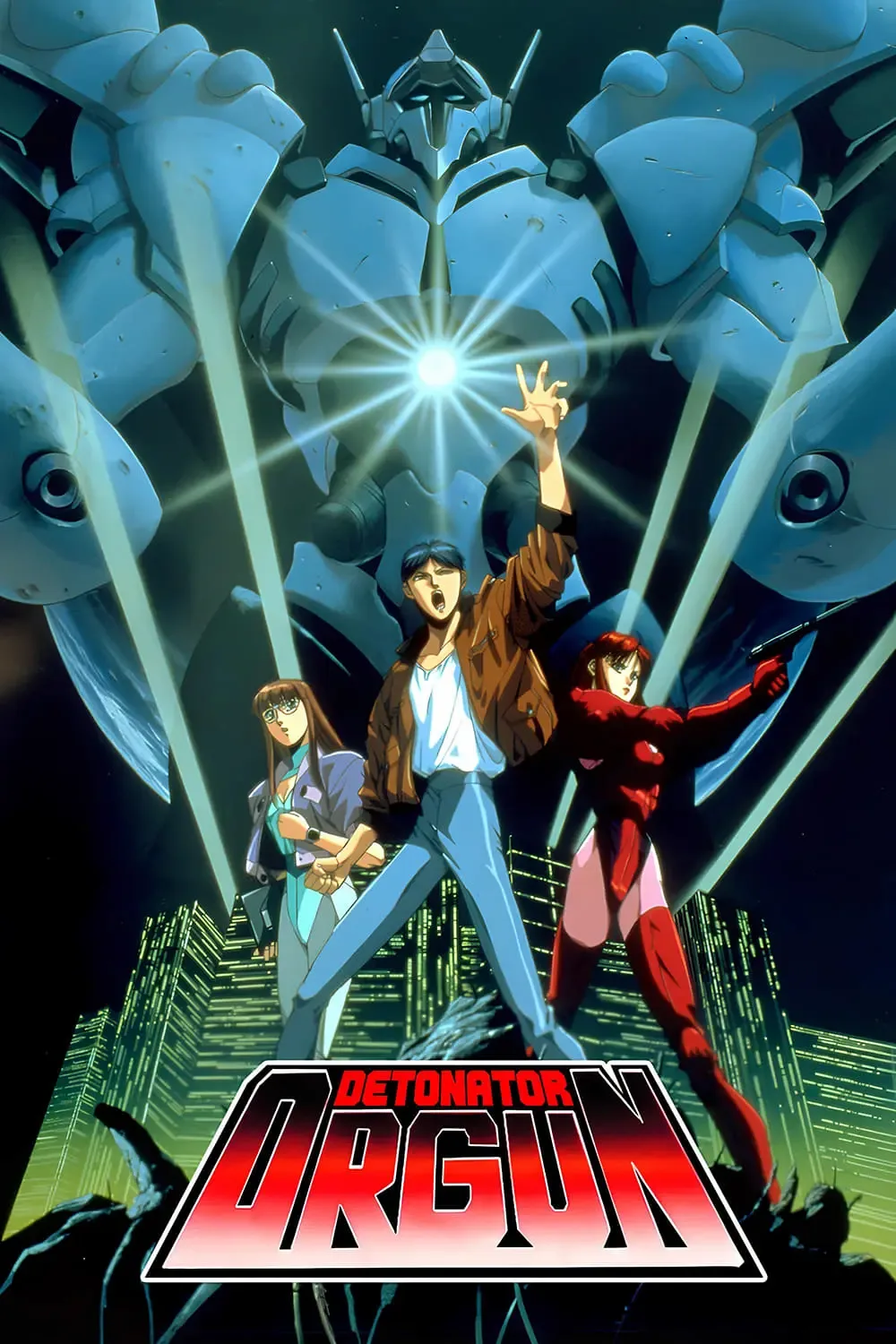
Several centuries from now, humanity enjoys a utopian existence and has begun venturing beyond the solar system. Even so, Tomoru Shindo remains apathetic about his post-college future. That all changes when a powerful alien weapon called Orgun arrives on Earth. A mysterious connection emerges between Tomoru and Orgun, which proves vital when the Evoluder empire arrives to reclaim Orgun and annihilate humanity. If he wants to save the human race from certain destruction, though, Tomoru must first confront the truth about Orgun, the Evoluders, and himself. There are some interesting ideas in Detonator Orgun, from the origins of Orgun and the Evoluders to commentary on the military-industrial complex, with time dilation and psychic powers thrown in for good measure. The execution, however, which consists of three hour-long episodes, is dull and convoluted. (The English dub with its stilted dialog certainly doesn’t help matters.) I enjoyed seeing some vintage ’90s hand-drawn anime aesthetic and mech designs, but Detonator Orgun is far from the best example of those things.