My Cultural Diet (May 2025): Andor, The Expanse, Once Upon a Time in the West, Love, Death & Robots

In order to better track my various cultural experiences (e.g., movies, TV shows, books, restaurants), I’ve created the Cultural Diet. Think of it as my own personal Goodreads, Letterboxd, and Yelp, all rolled into one (more info here). Every month, I recap everything that I watched, read, etc., in the previous month.
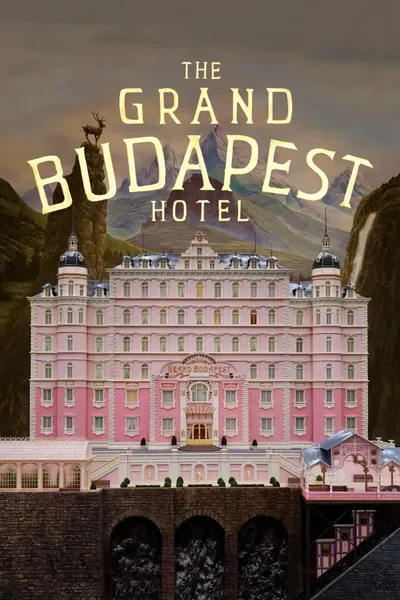
This week’s release of The Phoenician Scheme inspired me to go back and fill in this particular gap in my Wes Anderson viewing, which I missed during its original theatrical run and then just sort of forgot about over the years. Ralph Fiennes stars as Monsieur Gustave, the Grand Budapest Hotel’s concierge who is (in)famous for his various dalliances with the hotel’s older guests. But when his favorite guest suddenly dies, it sets in motion a complex and calamitous series of events involving murder, stolen paintings, the outbreak of war, downhill skiing, pastries, and prison breaks — all of which are rendered in Anderson’s highly stylized aesthetic. (The film’s set design really is wonderful and feels like a time capsule from another era.) Some consider this Anderson’s best film. However, I found it so highly stylized that it felt flat and trapped within its own artifice, even when Anderson twists the screws a bit near the end.
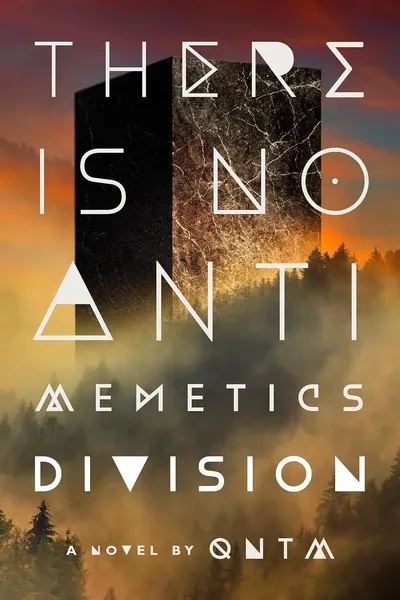
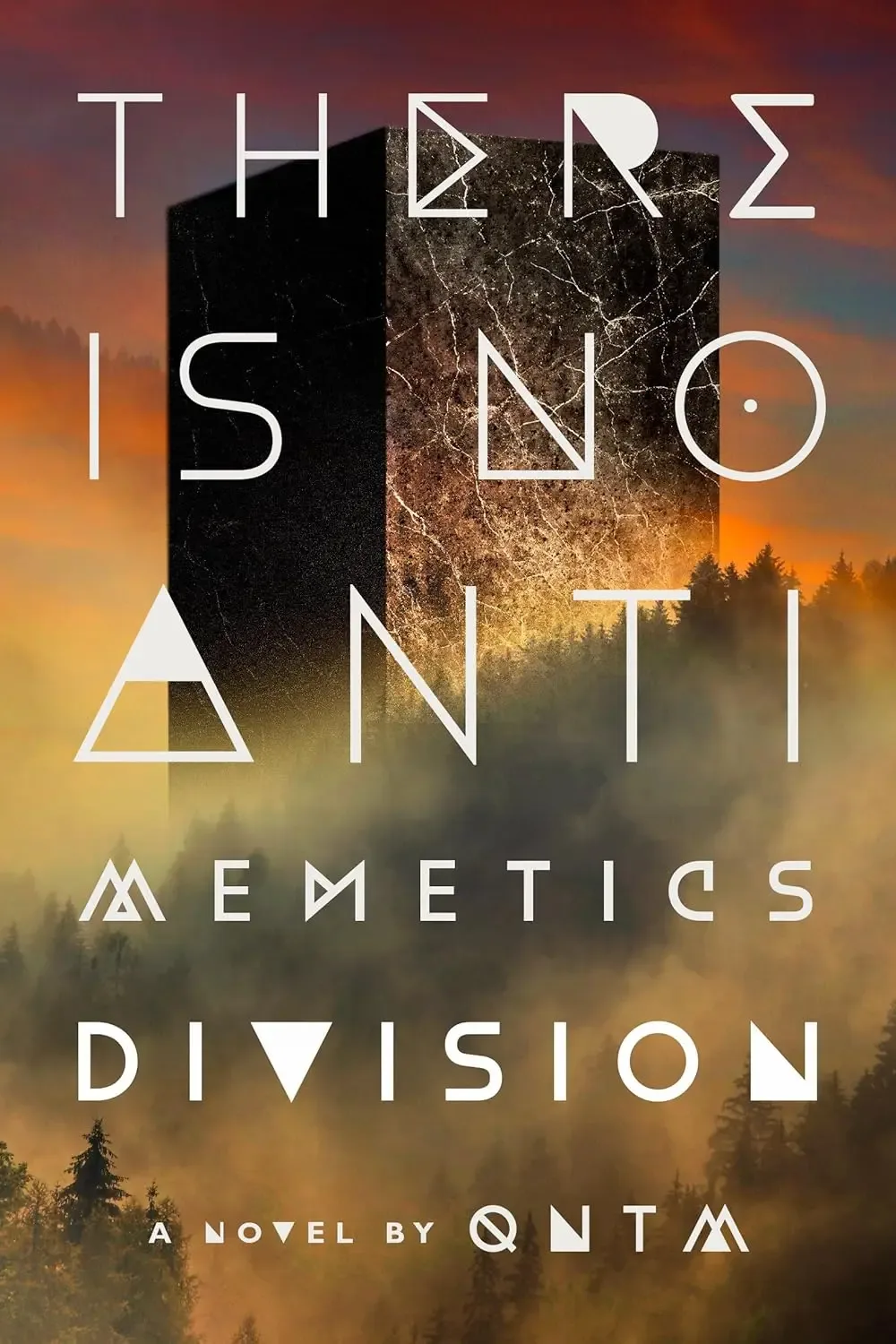
Thanks to social media, we all know what memes are: ideas that get stuck in our head and go viral because everyone, everywhere, is talking about them. But in There Is No Antimemetics Division, the world is also filled with antimemes, ideas and entities that defy reason and resist being remembered, even to the point of consuming our memories, our lives, and our reality. Using a blend of esoteric math and philosophy, labyrinthine security protocols, bizarre technologies, and memory-altering pharmaceuticals, the Antimemetics Division fights to protect humanity from these bizarre entities. But how can the men and women of the Antimemetics Division accomplish their mission when their mission often requires them to forget everything they know about their mission? Suffice to say, this novel — which originated as a series of entries on the SCP Foundation wiki — is pretty high concept stuff, and gets trippy as it jumps back and forth between time periods and even different states of memory and existence. It also gets creepy in places, weaving in traces of cosmic horror, and boasts a streak of bleak humor (like the antimeme that only consumes bicycle-related memories). There were times when I wasn’t sure Qntm — the pen name of programmer Sam Hughes — would be able to pull everything together, but in the end, I found this to be clever, enjoyable, and even a bit moving. There Is No Antimemetics Division will be published on November 11, 2025. Thanks to NetGalley for the advance copy.
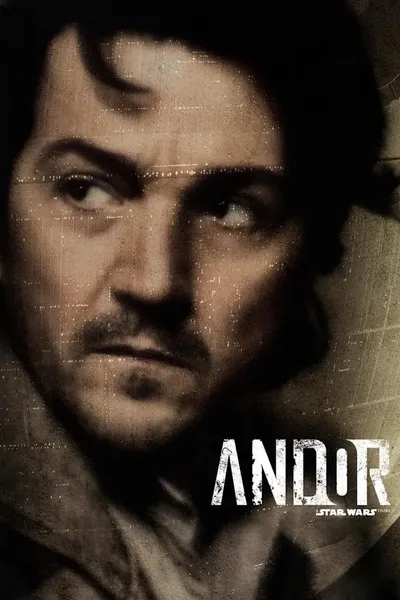
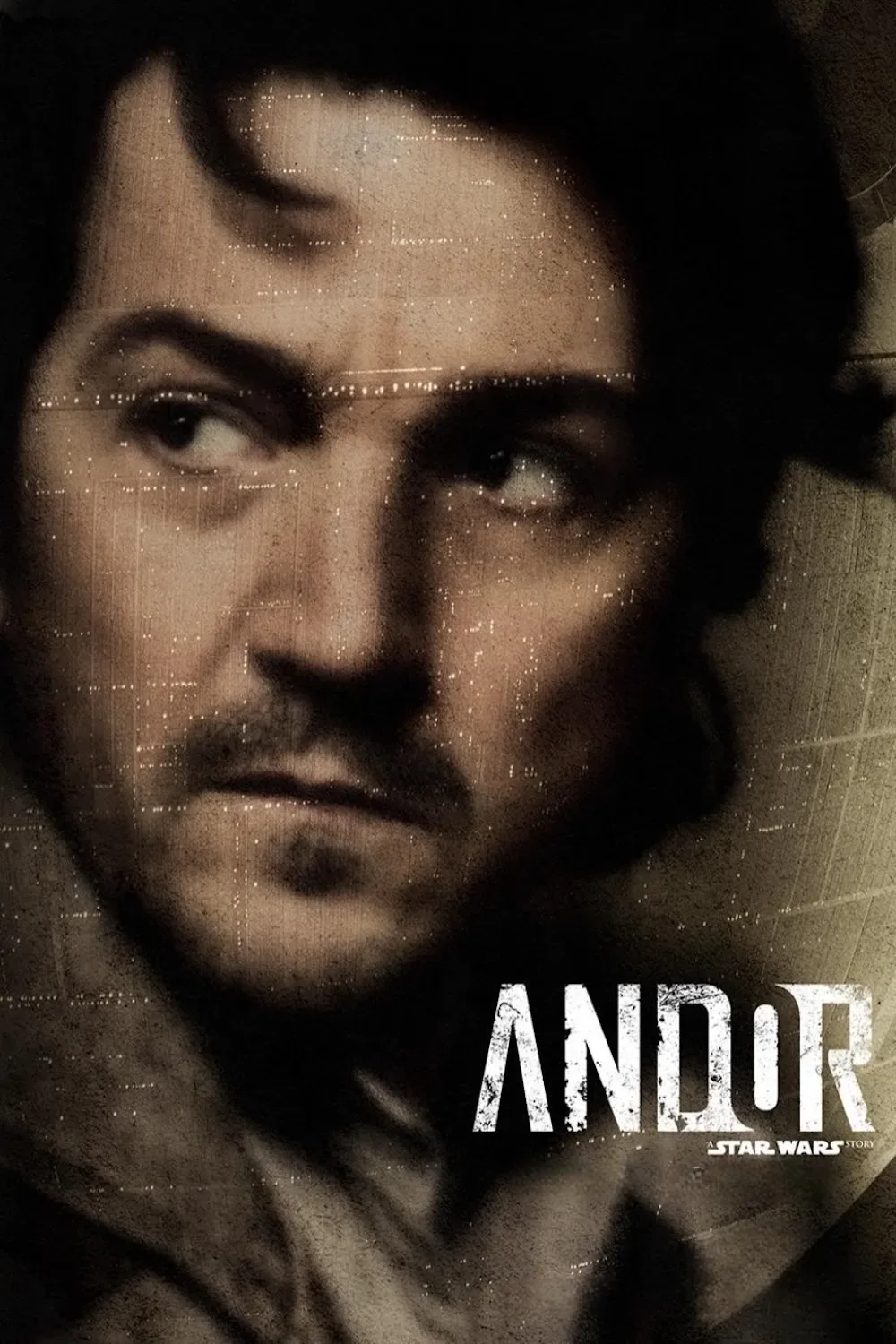
With its multiple time skips and various storylines, Andor’s second and final season is undoubtedly ambitious as it chronicles the Rebellion’s humble beginnings, which are characterized by conflicting agendas and personalities. As a result, however, it doesn’t flow as smoothly as the first season and occasionally gets bogged down by its storytelling (e.g., Andor’s interactions with the Maya Pei Brigade). But once it gets going, hoo boy, we’re in for a ride as Andor, Luthen, Mon Mothma, et al. try to stay one step ahead of the Empire’s dragnet (led by the implacable Dedra Meero) while confronting the numerous sacrifices required by their rebellion. Diego Luna, Stellan Skarsgård, Genevieve O’Reilly, and the rest of the cast really deliver, especially when backed by the series’ incredible effects and production design. (Put simply, Star Wars has never looked better.) The season’s political intrigue is hauntingly relevant given our current political climate, with Mon Mothma’s impassioned speech about the death of truth feeling downright prophetic in the Age of Trump. Finally, Diego Luna’s Cassian Andor might be the series’ namesake, but for my money, its real MVP was Luthen’s resourceful assistant Kleya, played to steely perfection by Elizabeth Dulau in a truly breakout performance. Episode ten (“Make It Stop”), which explores her history with Luthen as she tries to infiltrate an imperial-guarded hospital, was the season’s highlight. (The fact that Andor was Dulau’s first major role after acting school only makes it all the more impressive.)
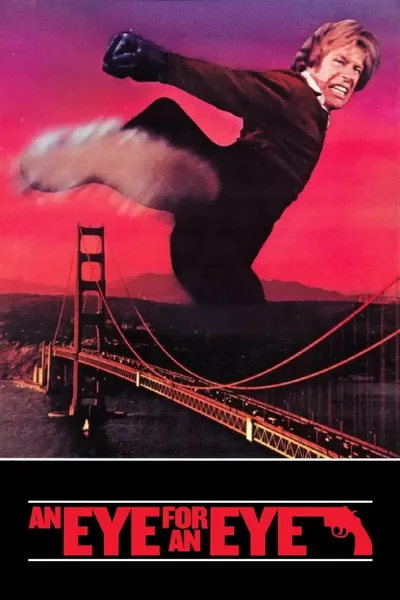
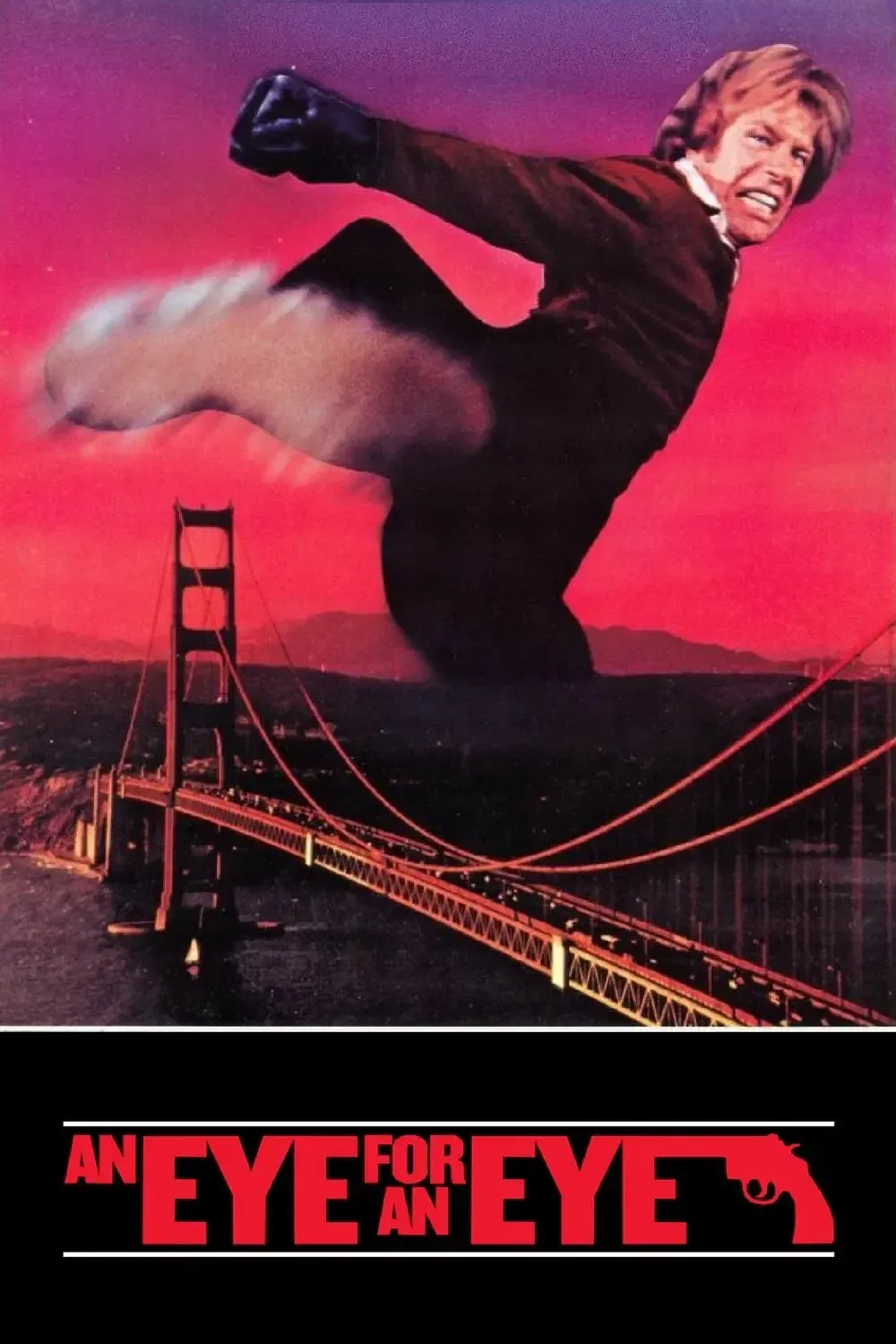
An Eye for an Eye is a pretty routine Chuck Norris flick. Norris plays San Francisco detective Sean Kane, who quits the force to avenge his partner’s death in a drug bust gone wrong. Kane’s thirst for revenge only deepens after his partner’s girlfriend, an investigative reporter, is also killed for digging too deeply into the city’s drug-related activities. There are some double crosses, as Kane suspects a leak somewhere in the department. There’s some romance when Kane joins forces with a pretty journalist. Naturally, there are lots of roundhouse kicks. And let’s not forget Kane’s sweet Pontiac Firebird Trans Am. The film does get a bit goofy in places, be it Kane’s mentor (played by the inestimable Mako) imparting nuggets of Asian wisdom, his laundry-fetching dog Mort, or the decision to occasionally embellish Kane’s martial arts with sound effects. Still, I found myself enjoying An Eye for an Eye for what it was, especially with Christopher Lee adding his considerable charisma to the film and William Goldstein’s soaring soundtrack. As far as Steve Steve Carver/Chuck Norris collaborations go, however, I prefer 1983’s Lone Wolf McQuade.
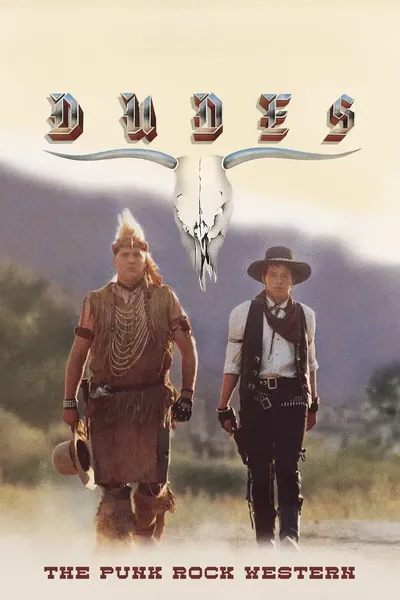
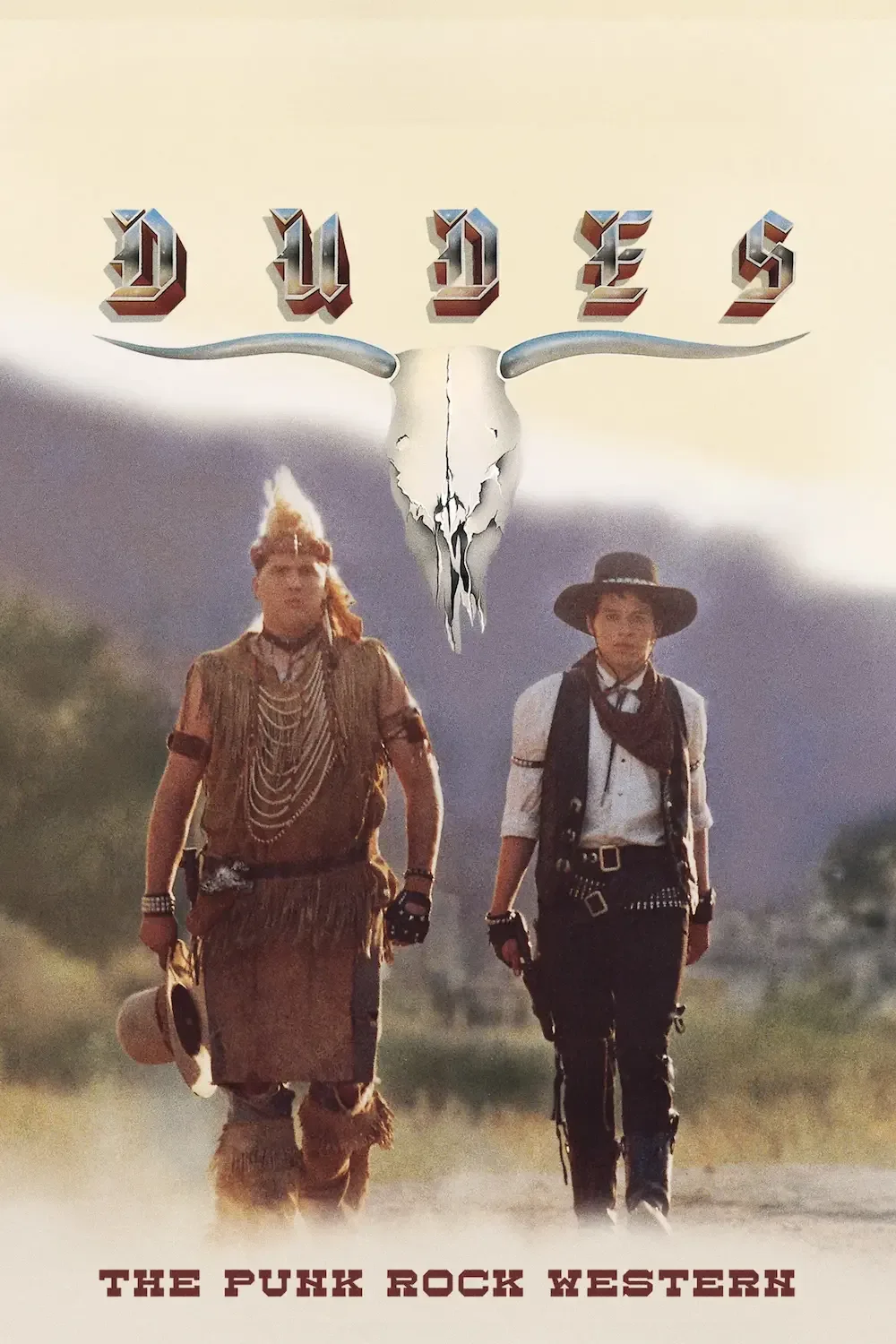
Bored with their lives in New York City, three punk rockers decide to start over in California. But after a run-in with some rednecks leaves one of them dead, the remaining two punks swear to avenge their friend’s death — even if they have to pursue his killers across the country. Based on that description, would you guess that Dudes is a revenge thriller? A roadtrip movie? A buddy comedy? A western? A psychedelic journey? A romance? The answer, of course, is all of the above. A lack of clearly defined genre means that Dudes is packed with tonal shifts and rabbit trails as our hapless punk rock heroes traverse the American West, meet a bullfighting Elvis impersonator, and go on a vision quest whilst backed by a soundtrack that includes The Vandals, W.A.S.P., Megadeth, Faster Pussycat, and Steve Vai. It also means that Dudes possesses the sort of scrappy, low-budget charm that might be box office suicide but will almost certainly appeal to a small sliver of ’80s cult film fans.
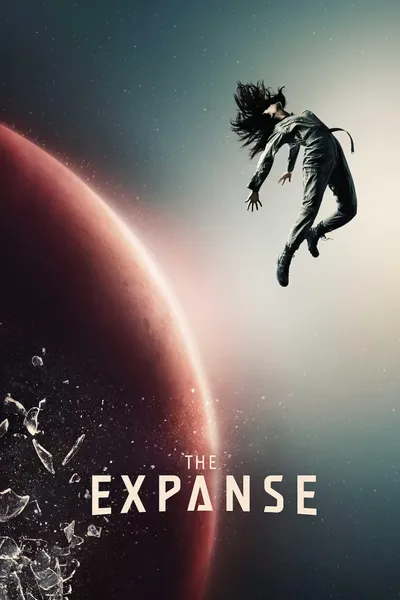
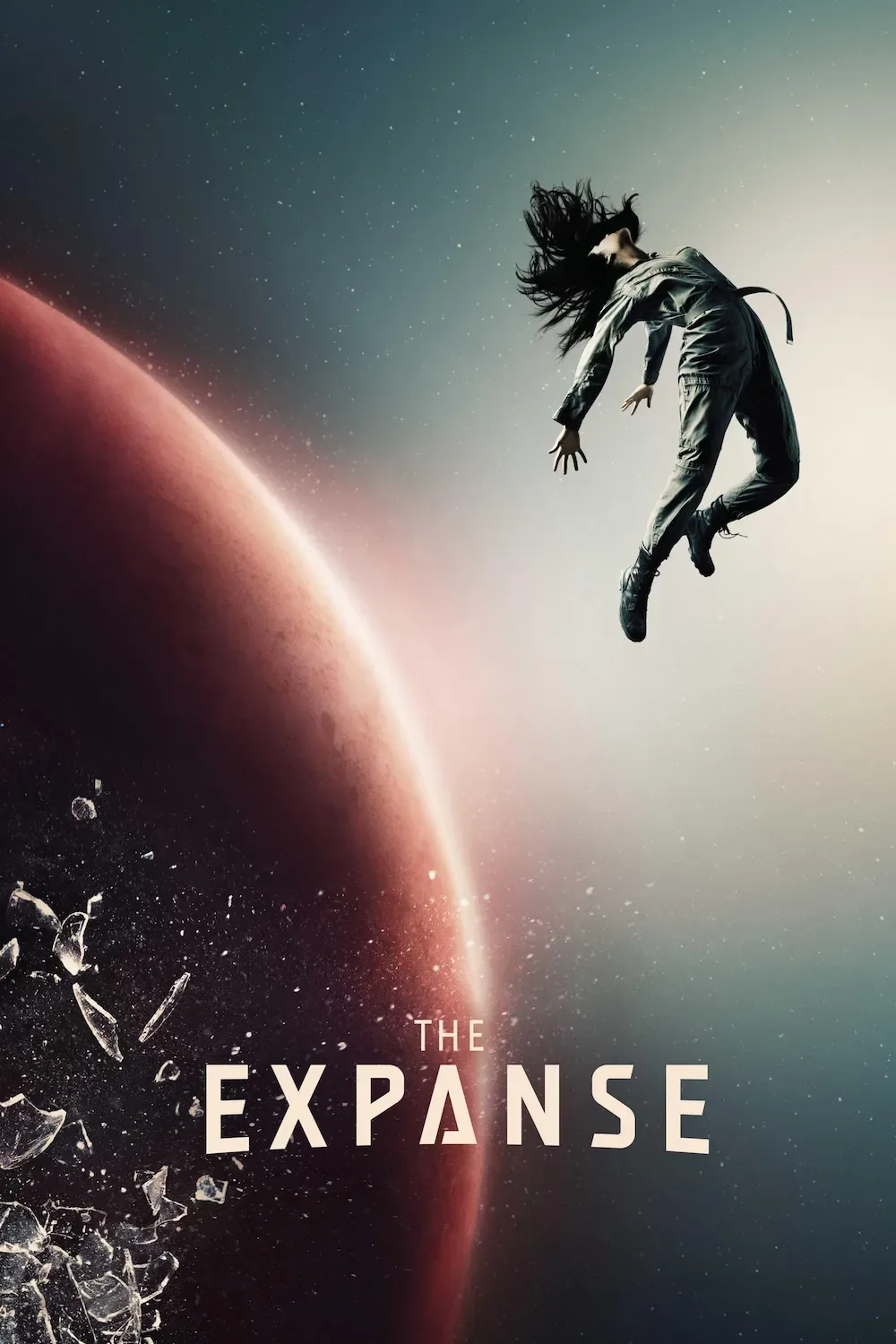
First of all, there’s no denying that The Expanse’s first season was beset by budgetary constraints — it was a Syfy original production, mind you — that sometimes hampered its ability to fully realize the scope of James S. A. Corey’s original novels. But that doesn’t really matter because the series nails it where it counts: the characters and the story. Set in a not-too-distant future where mankind has spread throughout the solar system and in the process, split into several factions, the delicate balance of power is threatened by a series of events that all seem connected to the missing daughter of one of the system’s most powerful men. Caught in the middle is the colorful crew of the Rocinante and a down-on-his-luck detective. It’s been quite a few years since I’ve watched The Expanse, but I was dialed in as soon as the first episode started.
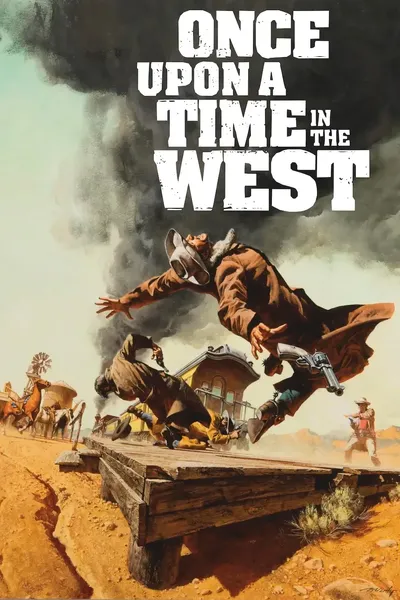
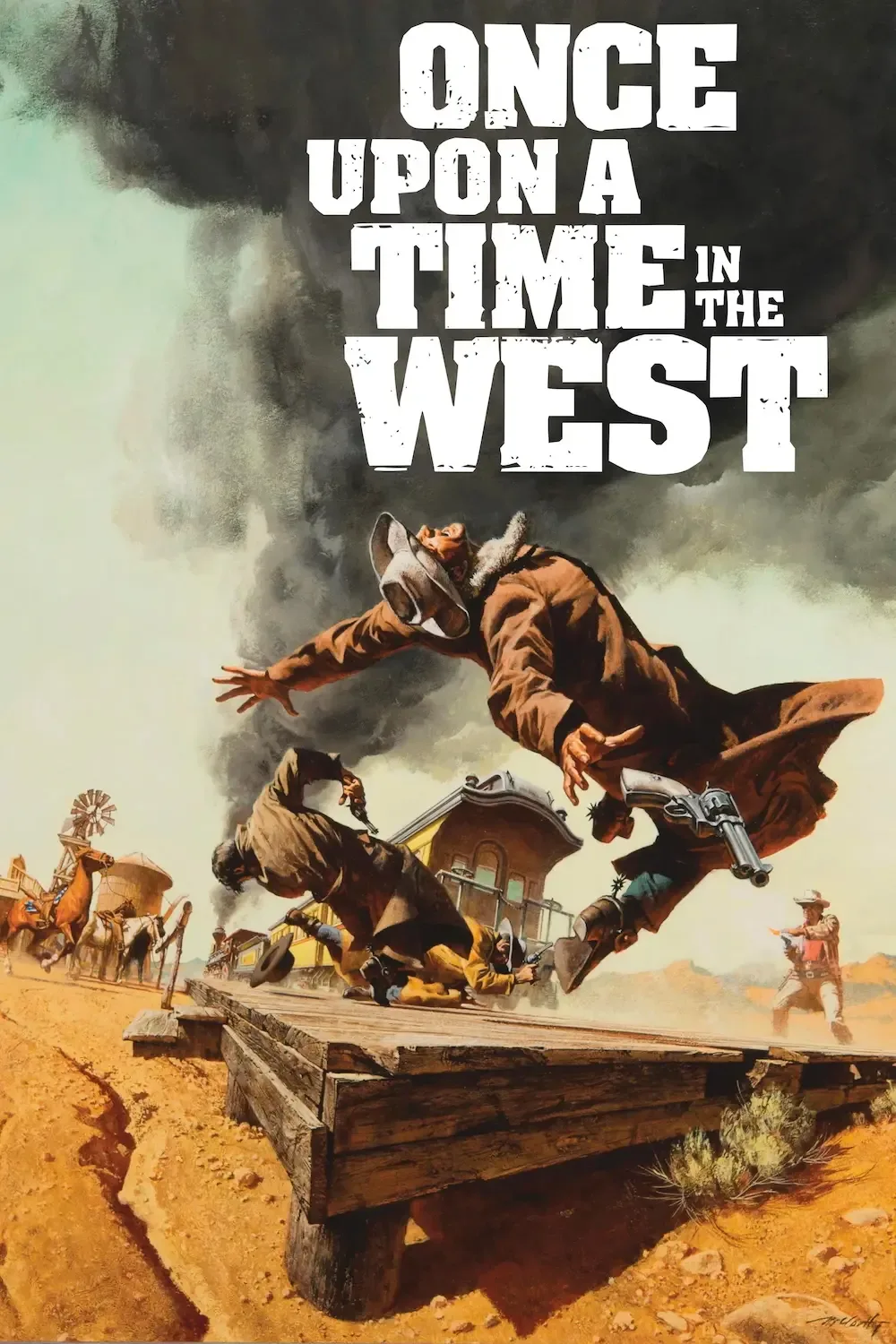
The first word that immediately comes to mind when reflecting on Sergio Leone’s Once Upon a Time in the West is “sprawling.” Clocking in at nearly two-and-a-half hours, it’s perfectly content to take its own sweet time. Case in point: The opening sequence is ten minutes long, almost wordless, and largely focused on a trio of gunslingers simply ambling about a dilapidated station in the middle of nowhere while waiting for a train to arrive. And yet, it’s frequently riveting — and culminates in one of the most iconic shootouts in cinema history. That’s a pretty succinct description of how I feel about the entire film. It’s certainly trying at times; Leone hardly ever seems to be in a hurry to move his story — an elaborate web involving a young widow, a harmonica-playing stranger, a railroad tycoon, and a violent psychopath — along. But that same languid pacing and sprawling nature gives Leone plenty of time to fill the screen with some truly indelible images, be it the searing, sun-blasted desert of the American Old West (though much of the film was actually shot in southern Spain), Henry Fonda’s ice-blue eyes, or Charles Bronson’s leathery visage.

As with most anthologies, this is a mix of hits and duds. Unfortunately, this season starts off weakly with “Can’t Stop,” which is just a Red Hot Chili Peppers performance in marionette form. And though I enjoyed season two’s “Night of the Mini Dead,” “Close Encounters of the Mini Kind” is perfunctory and juvenile. (For the record, I hope bestiality doesn’t play a part in the real alien invasion.) Other episodes, like “Spider Rose,” “The Other Large Thing,” and “Golgotha,” aren’t bad, just obvious and clichéd. That said, I enjoyed “400 Boys” and its weird vision of psychic street gangs (led by John Boyega and Ed Skrein) battling god-like extra-dimensional beings as well as “How Zeke Got Religion,” in which a WW2 bomber crew fights for survival against a Nazi-summoned demon, with predictably shocking and gory results. I’m glad to see Netflix promoting animation as an art form, but I wish the individual episodes were more original and intriguing. To that end, I still think the series’ first season is its best, thanks to episodes like “Beyond the Aquila Rift,” “Good Hunting,” and “Zima Blue.”
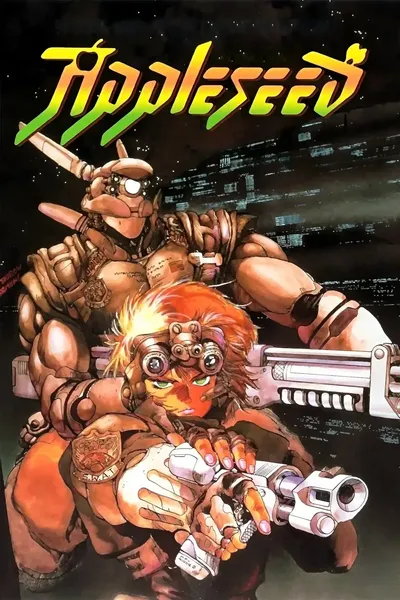
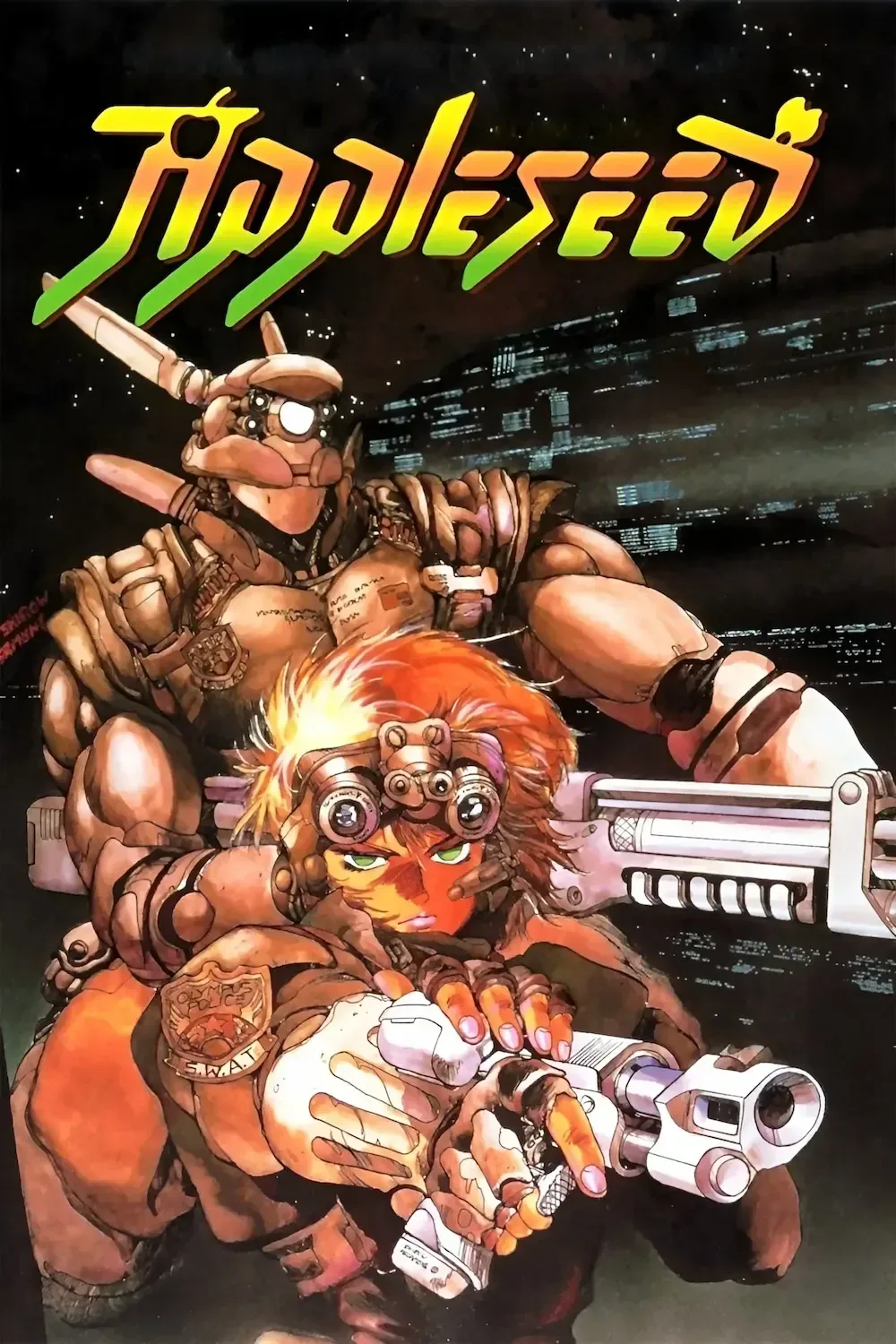
Along with Black Magic M-66, Bubblegum Crisis, and Project A-Ko, Kazuyoshi Katayama’s adaptation of Masamune Shirow’s classic Appleseed manga was one of my first forays into the world of anime back in the early ’90s. (This should not be confused with Shinji Aramaki’s Appleseed adaptation, which was released in 2004.) As such, there’s definitely a nostalgic aspect to Appleseed, but nostalgia only gets you so far. Or in this case, not very far at all. At just 70 minutes, Appleseed feels very rushed and truncated, and punctuated with weird tonal shifts. One minute, it wants to be a hard-edged cyberpunk tale raising heady existential themes, and the next, a goofy buddy cop flick. To be fair, the English translation and dub don’t help matters, as characters speak in broad accents while powering through awkward dialog and dropping lots of amusingly unnecessary profanity. The same goes for Norimasa Yamanaka’s city pop-lite soundtrack, which might be enjoyable on its own but is really out of place here. Unless you have a real fascination with late ’80s OVAs or are an Appleseed completist, in which case you’ve probably already seen this, just stick with Aramaki’s version instead.
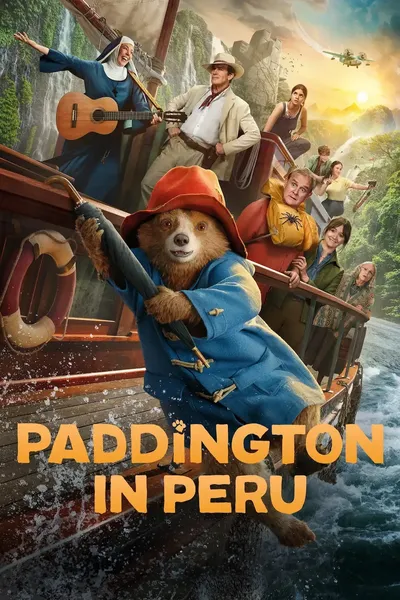
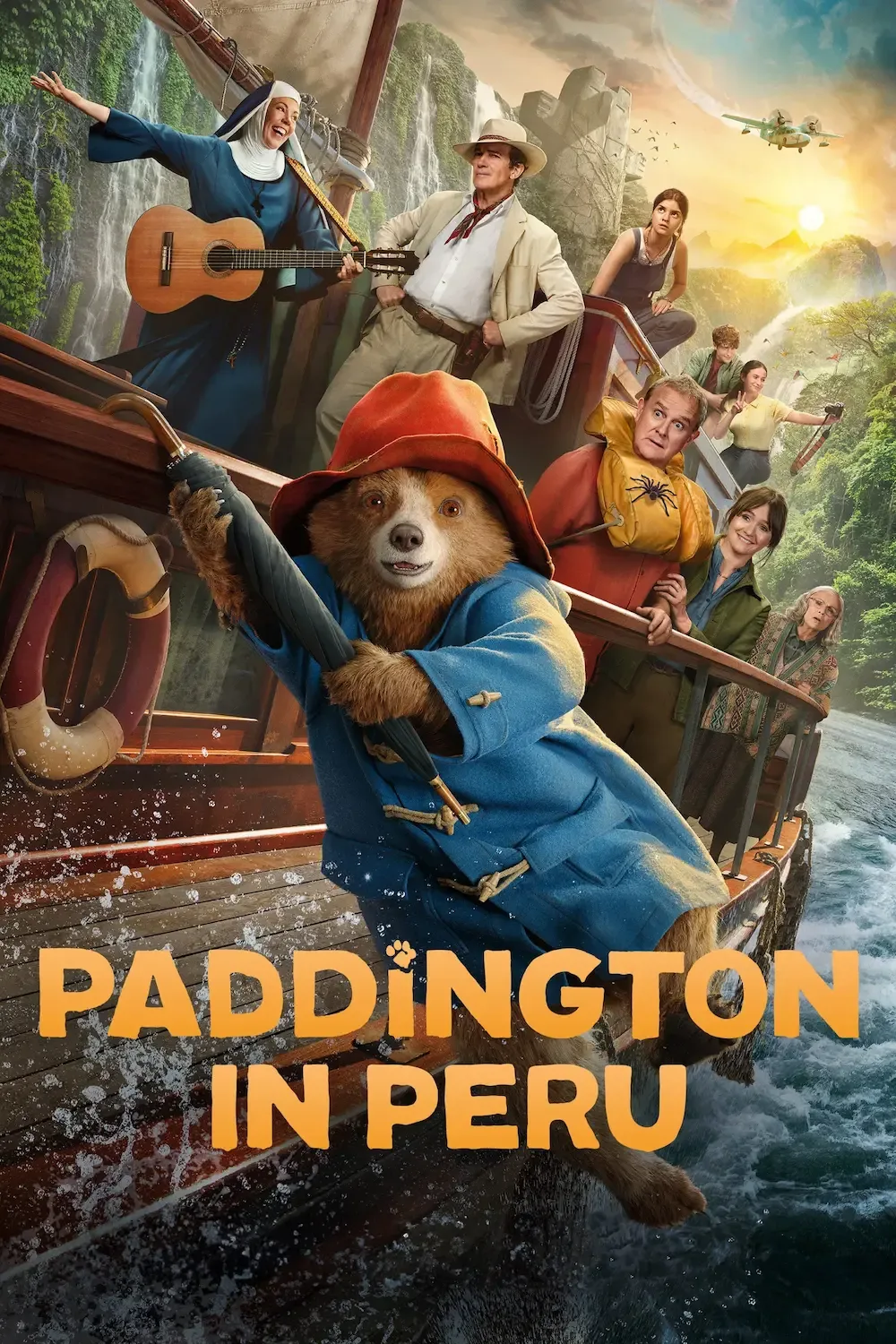
The Paddington movies are utterly delightful, chronicling the adventures of the guileless (if somewhat naïve) Paddington Bear as he explores his London home with the Brown family in tow. Thanks to its elaborate production design, musical numbers, and Hugh Grant’s showstopping performance, 2017’s Paddington 2 set a very high bar for any potential sequel. Unfortunately, Paddington in Peru doesn’t quite meet it. To be sure, there’s still fun to be had, especially thanks to Olivia Colman as a nun who’s not all that she seems, and I always enjoy a comedic Antonio Banderas. But as Paddington and the Browns travel deeper into the jungle in search of his missing Aunt Lucy, Paddington in Peru tries to combine the small, sweet-natured charms of its predecessors with a rollicking Indiana Jones-lite adventure. It’s a mix that never quite works.
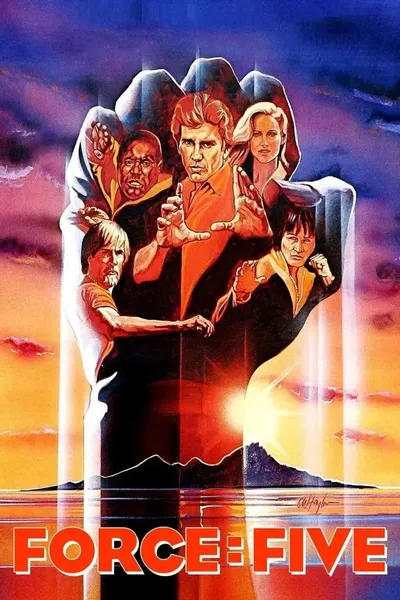
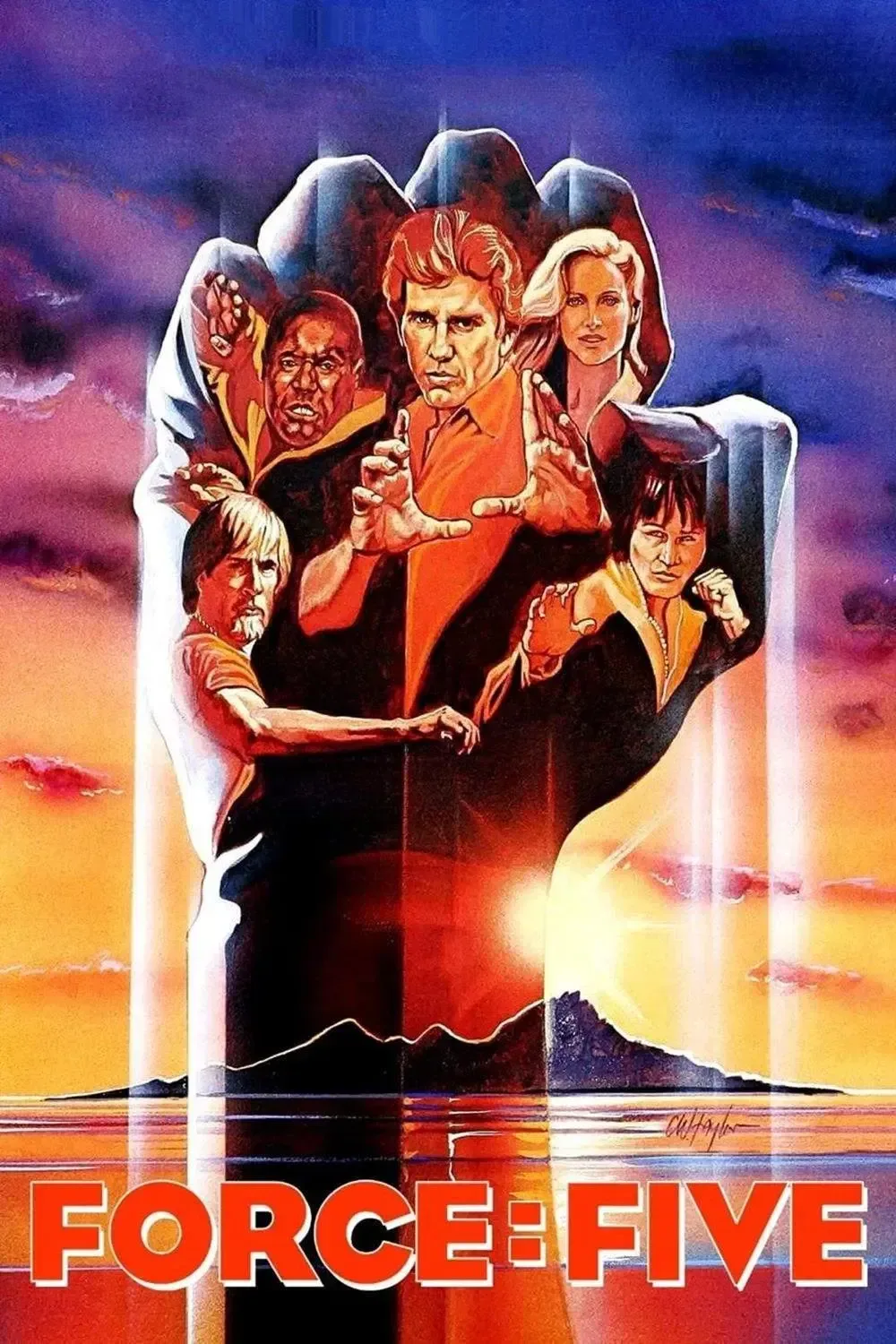
In 1973, Robert Clouse directed Enter the Dragon, one of the greatest martial arts films of all time. Eight years later, he directed Force: Five, which is most definitely not that despite having a very similar storyline. A group of elite martial artists are recruited to infiltrate the island compound of an Asian warlord (or in this case, cult leader) and take it down from within. Unfortunately, none of the martial artists seen onscreen possess Bruce Lee’s charisma, not even group leader Joe Lewis, a karate champion who trained with Lee and was called “the greatest karate fighter of all time” by him. Force: Five also stars martial arts icons Richard Norton (Mr. Nice Guy, The Octagon) and Benny “The Jet” Urquidez (Dragons Forever, Wheels on Meals) as well as hapkido master Bong-soo Han as the villainous Reverend Rhee. The film wastes Norton and Urquidez, though, and it’s hard to take Han seriously as a villain given his parody of Enter the Dragon’s evil Han in 1977’s The Kentucky Fried Movie. Force: Five has a couple of eye-opening stunts, though I suspect they’re due as much to lax on-set safety protocols as anything. For the most part, this is a pretty lackluster and entirely forgettable film. (My fellow cult film fans should check out Cool Ass Cinema’s extensive review, which has some interesting behind-the-scenes details).
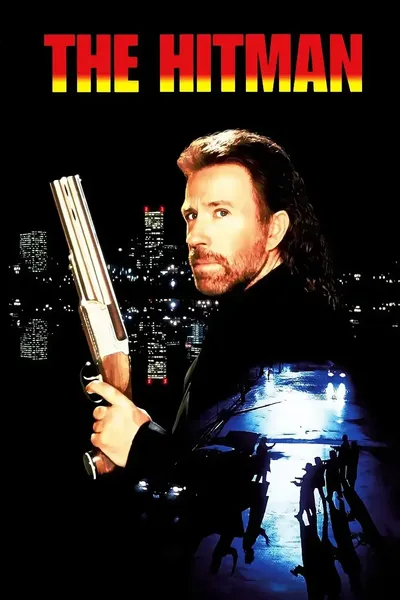
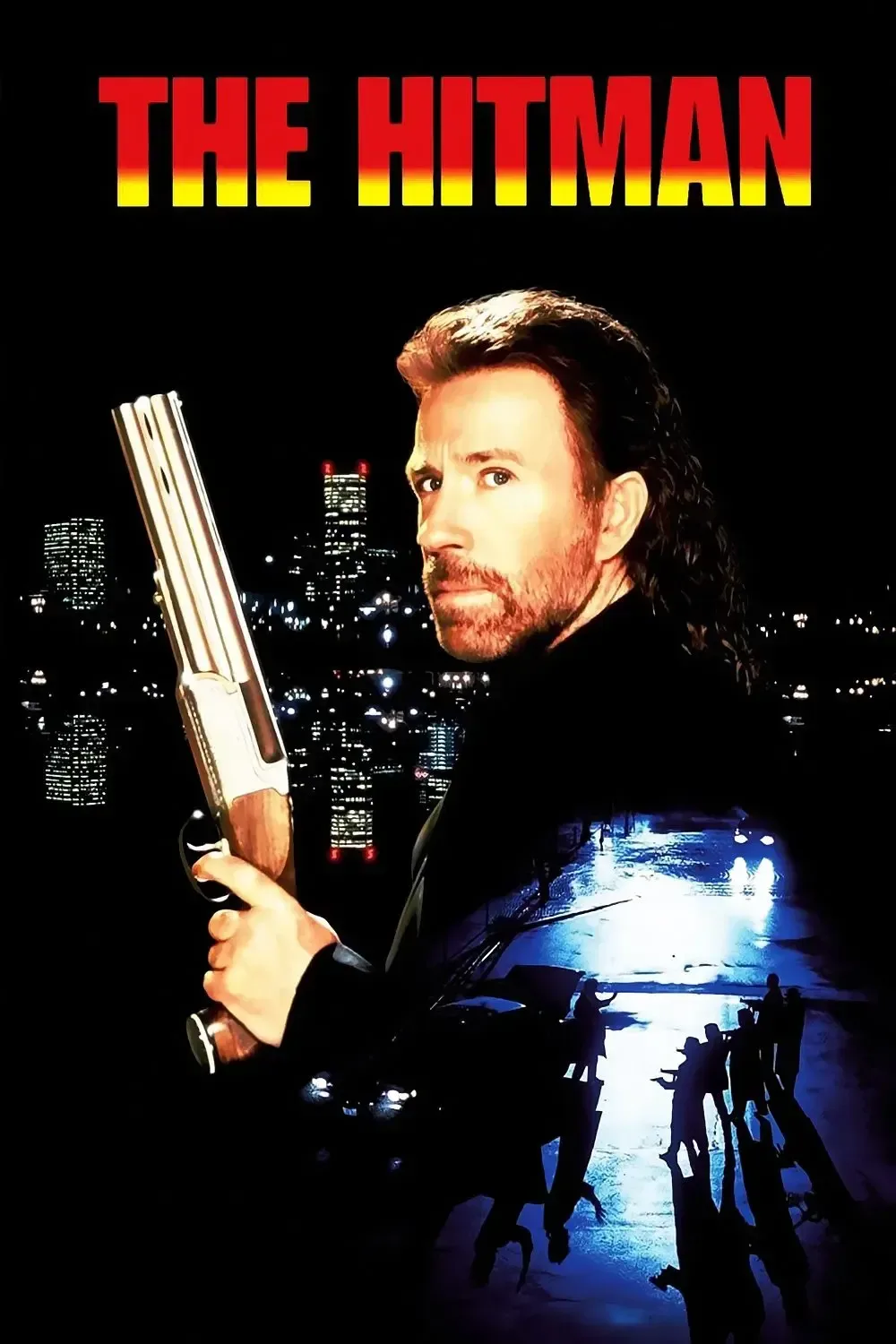
In a break from his usual roles, Chuck Norris plays something of an anti-hero here. You can tell that because he sports a bad-ass mullet and drives a souped up Ford Thunderbird. Still, he’s not such an anti-hero that he won’t take time out of his busy schedule as a mob enforcer to mentor a kid who’s being harassed by racist bullies. That’s because — spoiler alert! — he’s not really a mob enforcer. He’s actually a cop who, after being left for dead by his turncoat partner, was recruited to infiltrate a violent gang and take it down from the inside. The Hitman, which was directed by Chuck’s younger brother Aaron, clearly wants to be a gritty film, but it consistently undermines itself with weird tonal shifts (e.g., the aforementioned mentoring), silly Italian, French, and Islamic stereotypes, and Joel Derouin’s slinky synth soundtrack. Also, I don’t think I saw Norris do a single roundhouse kick, which feels deeply wrong. If I’m being honest, though, Derouin’s soundtrack might be my favorite aspect of the movie. Although it often sounds like it was originally composed for a softcore porn production rather than a gritty cop thriller, it occasionally contains a wistful note that imbues the film with an existential edge… for a few moments, anyway.
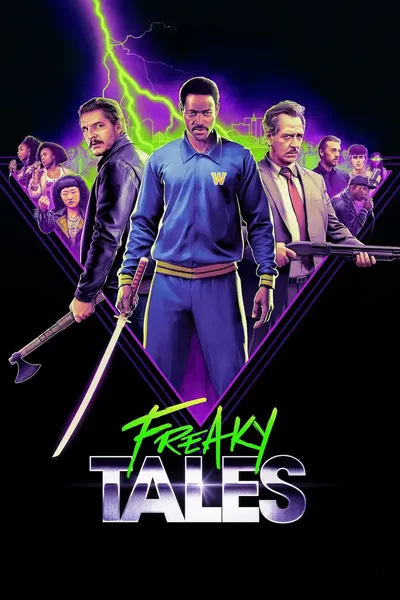
In this series of stories set in Oakland circa 1987, a group of punks battle Nazi skinheads, a rap duo gets the big break of their dreams, a thug with nothing left to lose gets one last opportunity, and an NBA all-star swears revenge on those who’ve wronged him. Unfortunately, Freaky Tales is less than the sum of its parts. Which is a shame because Anna Boden and Ryan Fleck’s film has “potential cult classic” written all over it. With its mix of ’80s style and grindhouse inspiration, the film’s heart is certainly in the right place and its cast (which includes Pedro Pascal, Jay Ellis, Ben Mendelsohn, and Tom Hanks in a glorified cameo) does the best they can. Nothing, however, really gels together and the stories feel strangely disconnected despite the obvious overlaps. Most disappointing of all, Freaky Tales just isn’t very freaky. Sure, there’s some stuff in there about a mysterious force guiding the stories and frequent mention of a bizarre New Age-ish religion, but it’s all little more than window dressing. In the end, I was left wanting more from each one of the individual stories as well as the film as a whole.