My Cultural Diet (November 2024): The Expanse, Arcane, Only Murders in the Building, Stalker, Deadpool

In order to better track my various cultural experiences (e.g., movies, TV shows, books, restaurants), I’ve created the Cultural Diet. Think of it as my own personal Goodreads, Letterboxd, and Yelp, all rolled into one (more info here). Every month, I recap everything that I watched, read, etc., in the previous month.
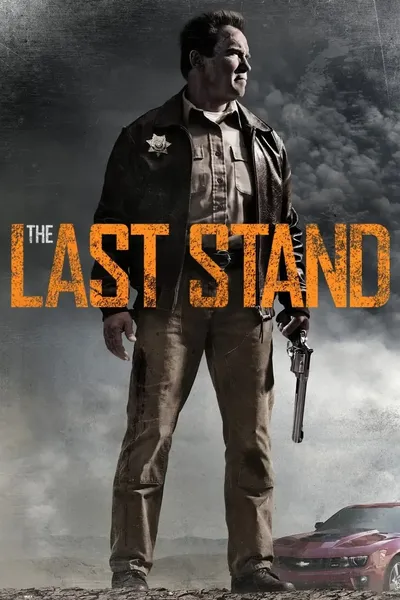
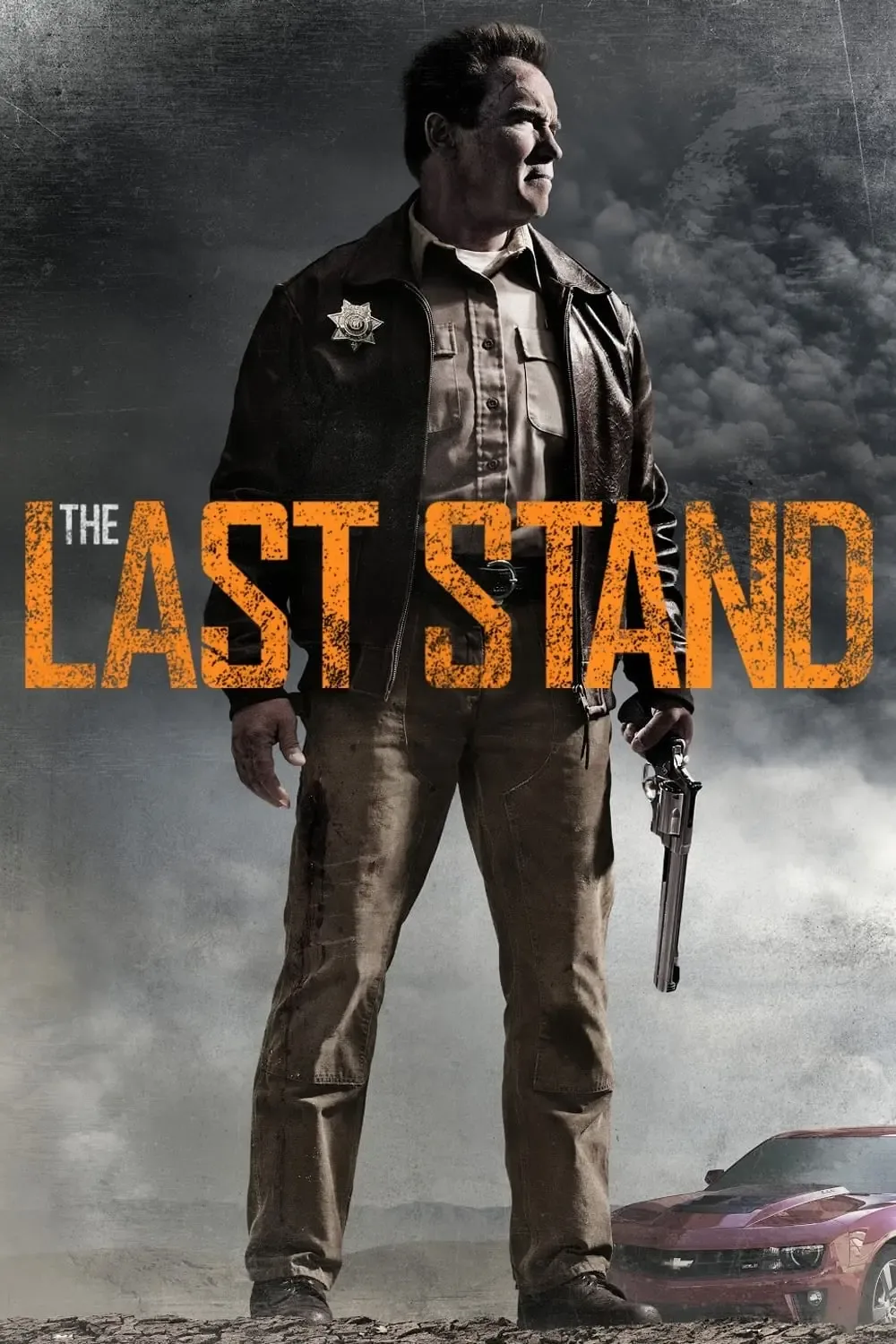
Kim Ji-woon established himself as one of South Korea’s top directors in late ’90s and early ’00s thanks to such stylish genre films as A Tale of Two Sisters, A Bittersweet Life, and The Good, the Bad, the Weird. Unfortunately, very little of that style can be seen in Kim’s Hollywood debut. There’s one scene near the end, when the hero and villain square off in a corn field to classical music, that boasts some of the panache seen in South Korea’s best thrillers. For the most part, however, The Last Stand is a tedious action film packed with wasted performances, stilted dialog, and flat jokes. There’s very little that differentiates it from the hyper-edited aesthetic mess that’s come to characterize Hollywood action films in the last 20 years.
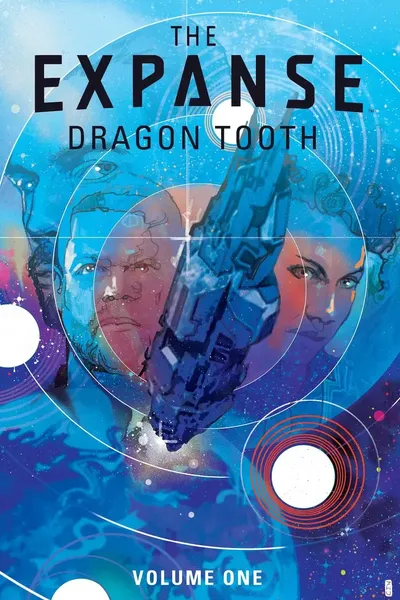
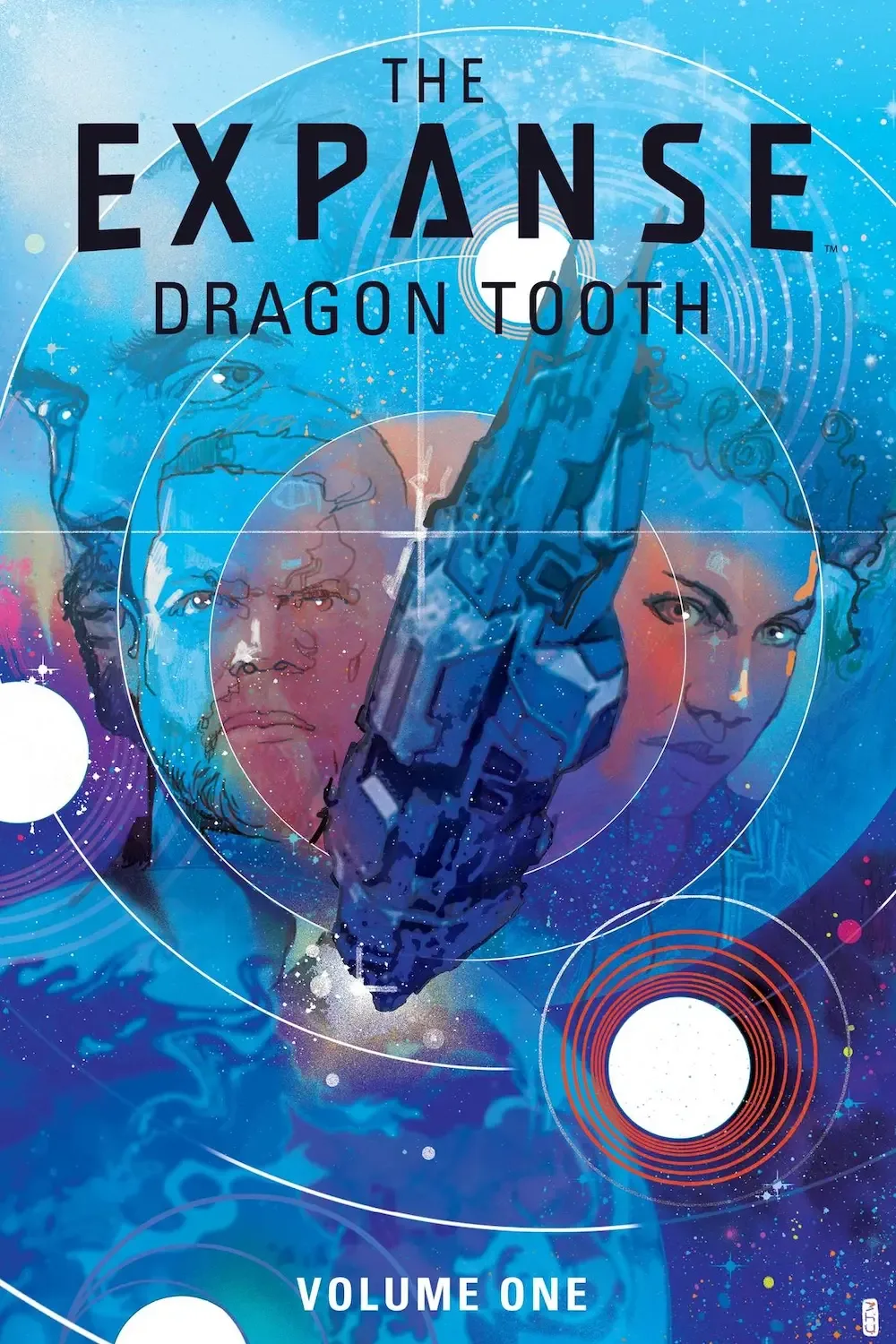
I had one prevailing thought while reading The Expanse: Dragon Tooth: it sure feels good to be back aboard the Roci. Set after The Expanse’s sixth season — the comic follows the TV series’ chronology, not the novels’ — Dragon Tooth opens with James Holden et al. hunting down pirates that are threatening trade and travel within the system. Soon enough, however, they uncover a much bigger and more diabolical conspiracy involving Mars and Laconia. Given that this is The Expanse we’re talking about, the series’ scope is not small; Dragon Tooth’s story spans two decades, and features all of the faces you’d expect to see, including Avasarala, Drummer, Bull, and even Elvi Okoye. The inclusion of practically everyone in The Expanse’s universe — though a delight for fans — does make Dragon Tooth’s story feel a bit cluttered. (In other words, if you’re new to The Expanse, this is not the place to start.) To his credit, though, writer Andy Diggle (2000 AD, Hellblazer, Daredevil) absolutely nails all of James S. A. Corey’s colorful characters and their personalities; I could absolutely hear their voices in my mind as I read, and it was a very welcome reunion.
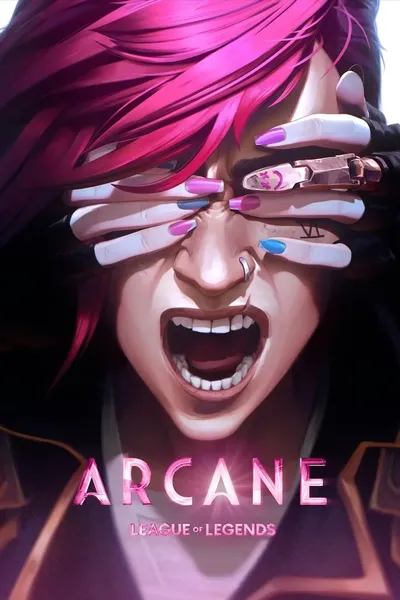
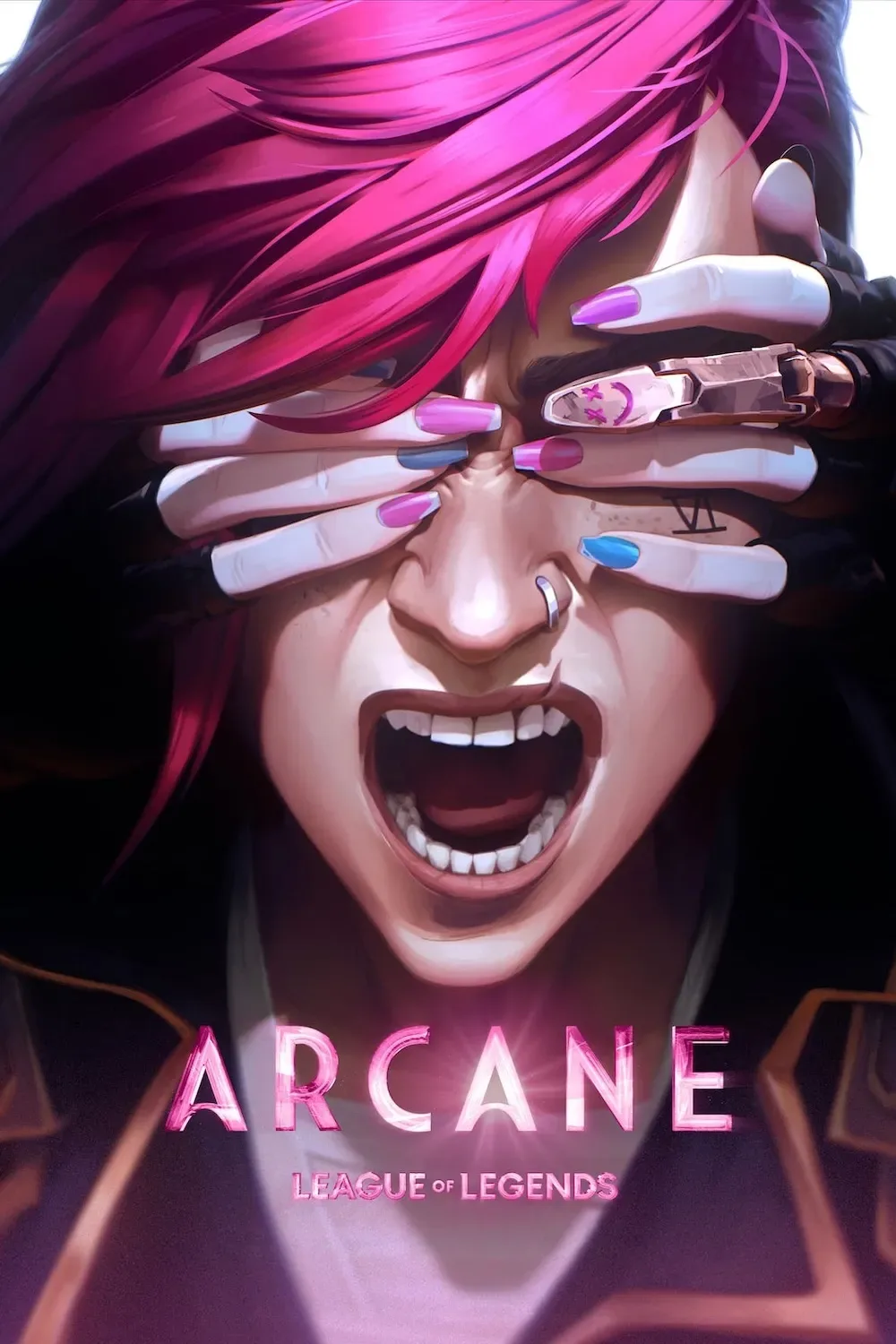
Arcane’s first season deserved any and all acclaim that it received (read my review). Its highly stylized and detailed artwork and animation, steampunk aesthetic, and rich world-building made for a rewarding and entertaining watch even if you’d never played a single second of League of Legends. Arcane’s second season boasts even more vivid animation, similar to how Across the Spider-Verse one-upped Into the Spider-Verse. Unfortunately, it contains far too much plot, essentially condensing what should be two seasons’ worth of storytelling into just one. The central storylines — Piltover and Zaun’s conflict, Vi and Jinx’s battle, Hextech’s development and dangers — are interspersed between new power struggles, family dysfunctions, and arcane (npi) revelations. Subsequently, all of the season’s storylines are underdeveloped and underwhelming. Which is a shame because technically speaking, Arcane sets a new standard for animated series. One of the series’ creators has acknowledged fan frustrations with the “rushed” second season, an openness and transparency that bodes well for any future League of Legends adaptations.
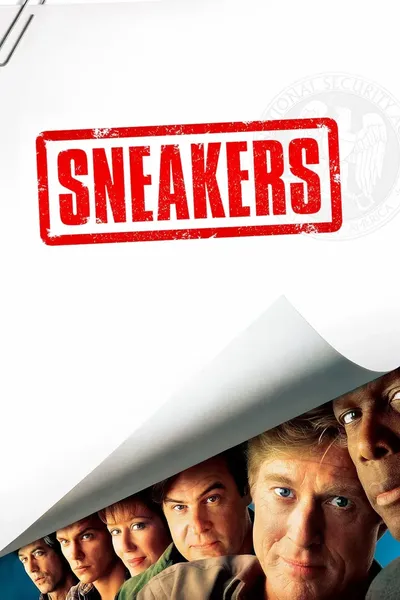
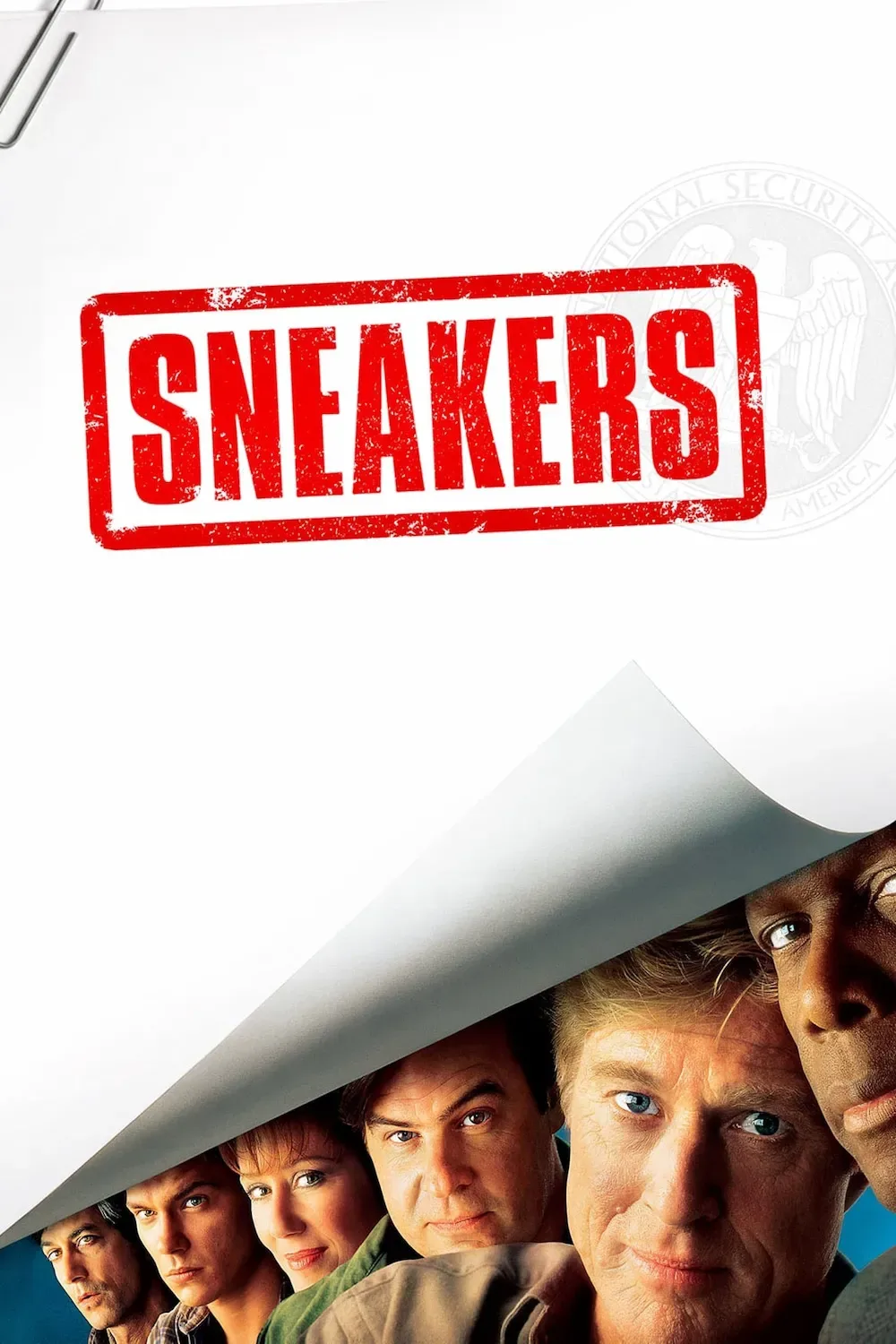
Have you ever started watching a movie and within the first five minutes or so, felt yourself physically relaxing because you knew — beyond any shadow of doubt — that you were in for a good time? That’s precisely what happened to me during this most recent viewing of Sneakers. Some of that was due to a sense of comforting nostalgia (despite 20+ years having passed since my last viewing, I still remembered an awful lot) as well as a delightfully geeky storyline involving security consultants, government agencies, cryptography, and privacy that still feels relevant today even with all of the ’90s computer technology onscreen. (Like the Cray supercomputer just sitting there in the bad guy’s office.) And a lot of that was due to a powerhouse cast that includes Robert Redford, Sir Ben Kingsley, Sidney Poitier, David Strathairn, Dan Aykroyd, River Phoenix, and Mary McDonnell, all of whom had a blast making the movie. Although it does delve into conspiracy theory territory, Sneakers never gets too dark or paranoid. Rather, it remains a deft and charming crowdpleaser thanks to Redford et al.‘s performances, an engaging plot, some wonderfully stylistic flourishes, and James Horner’s score.
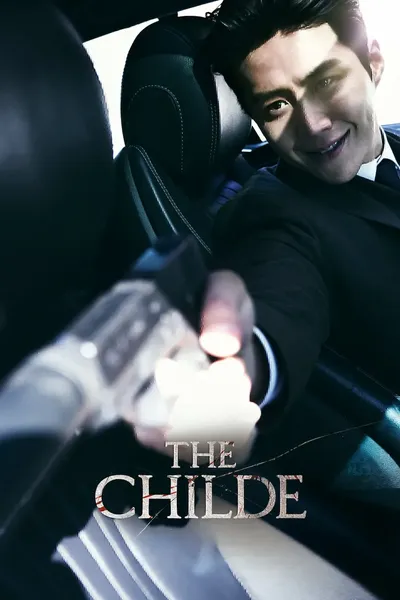
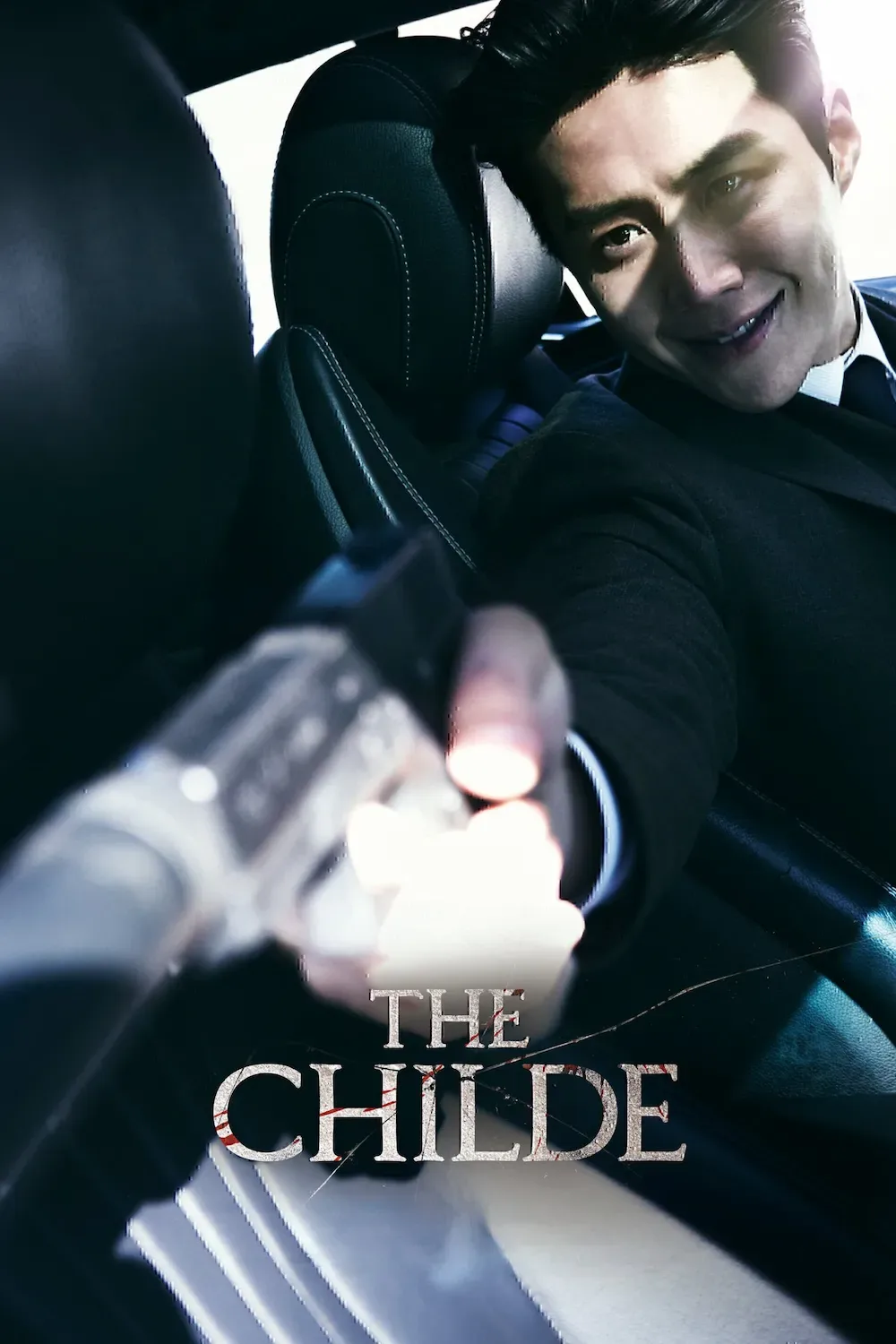
In order to secure funds for his mother’s much-needed operation, a young man tries to track down his estranged father for help. It’s an already difficult task made even more so by the fact that he’s “Kopino,” the child of mixed Korean and Filipino heritage, and not really at home in either culture. But when his father does actually respond, it’s not exactly the miracle he was hoping for. I think I took Amazon Prime’s synopsis a bit too literally when it said that The Childe contains a “shocking truth.” There are twists and turns aplenty in this 2023 noir thriller, but I kept waiting — and waiting — for some truly mind-blowing revelations to occur, especially when a mysterious hitman starts helping our young protagonist. The Childe is far from a terrible film — director Park Hoon-jung and his cinematographers capture some truly lovely visuals, and Kim Seon-ho is fun to watch as the charismatic-yet-unhinged hitman who claims to be the protagonist’s friend — but I’d suggest going in with lower expectations than I did.
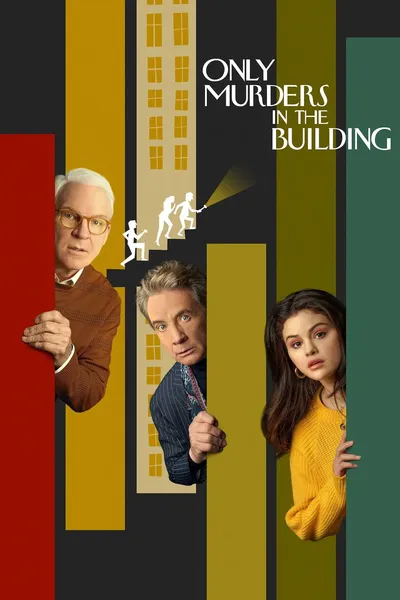
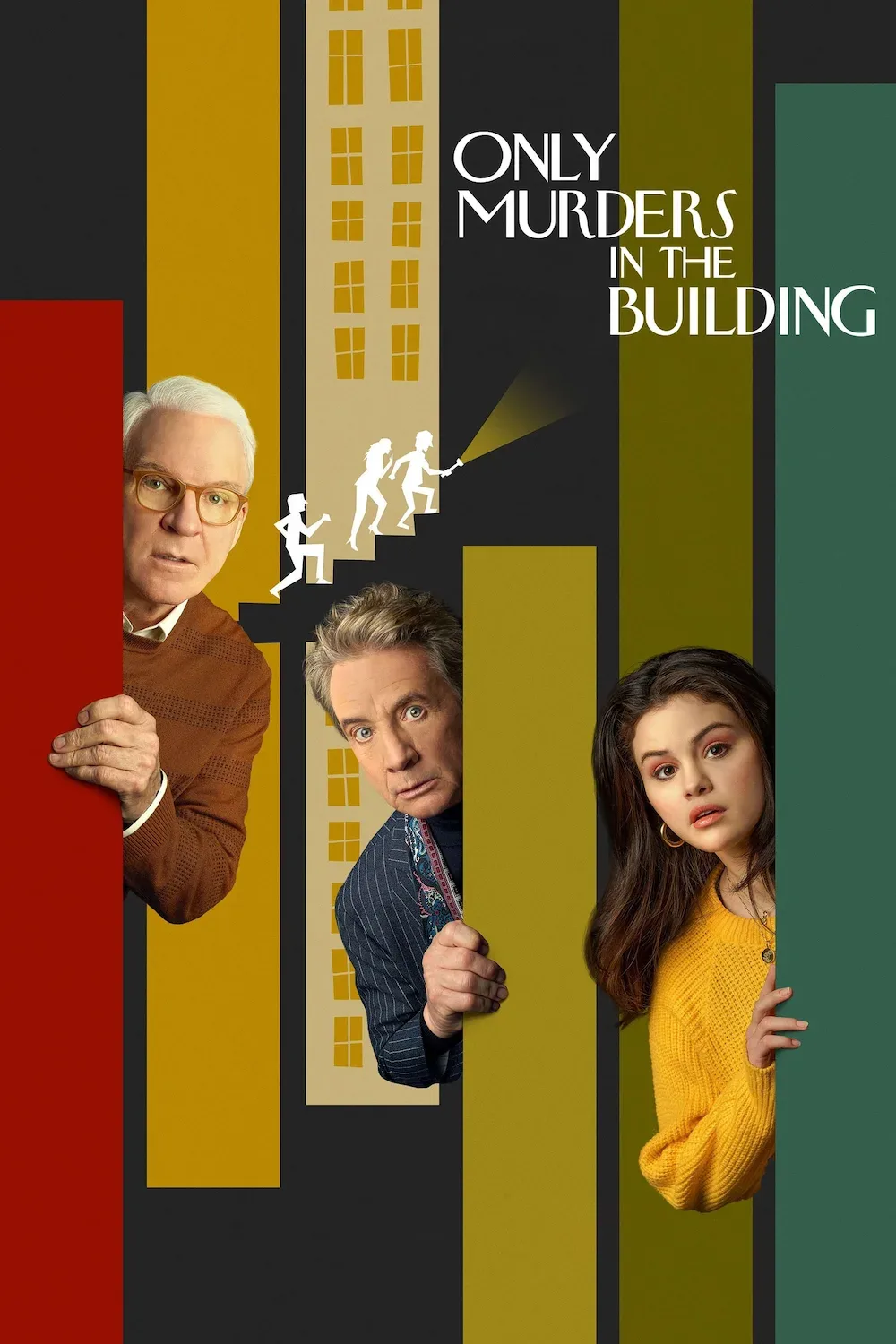
When one of their fellow tenants is murdered, three strangers — a retired actor, a washed up Broadway producer, and a reclusive artist — indulge their obsession with true-crime podcasts and start their own in order to solve the mystery. Naturally, things quickly get convoluted, dark secrets are revealed, and unlikely friendships form. I’ll be honest, I didn’t care too much for the season’s final revelations re. the killer and their motives; it felt a little too left-field and even meta. That said, any TV series that features Steve Martin and Martin Short riffing off each other is going to be a delight to watch, and that’s very much the case here. These characters are a joy, and my wife and I look forward to spending more time with them.
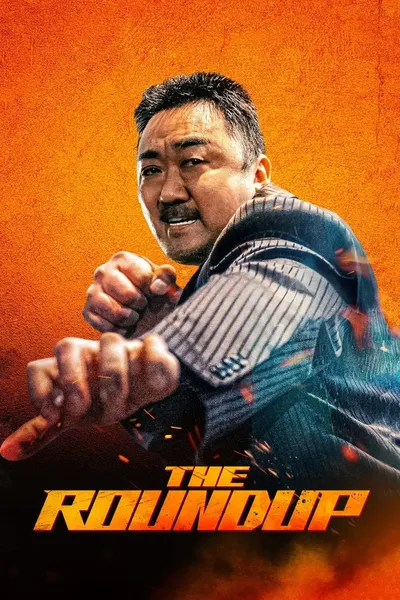
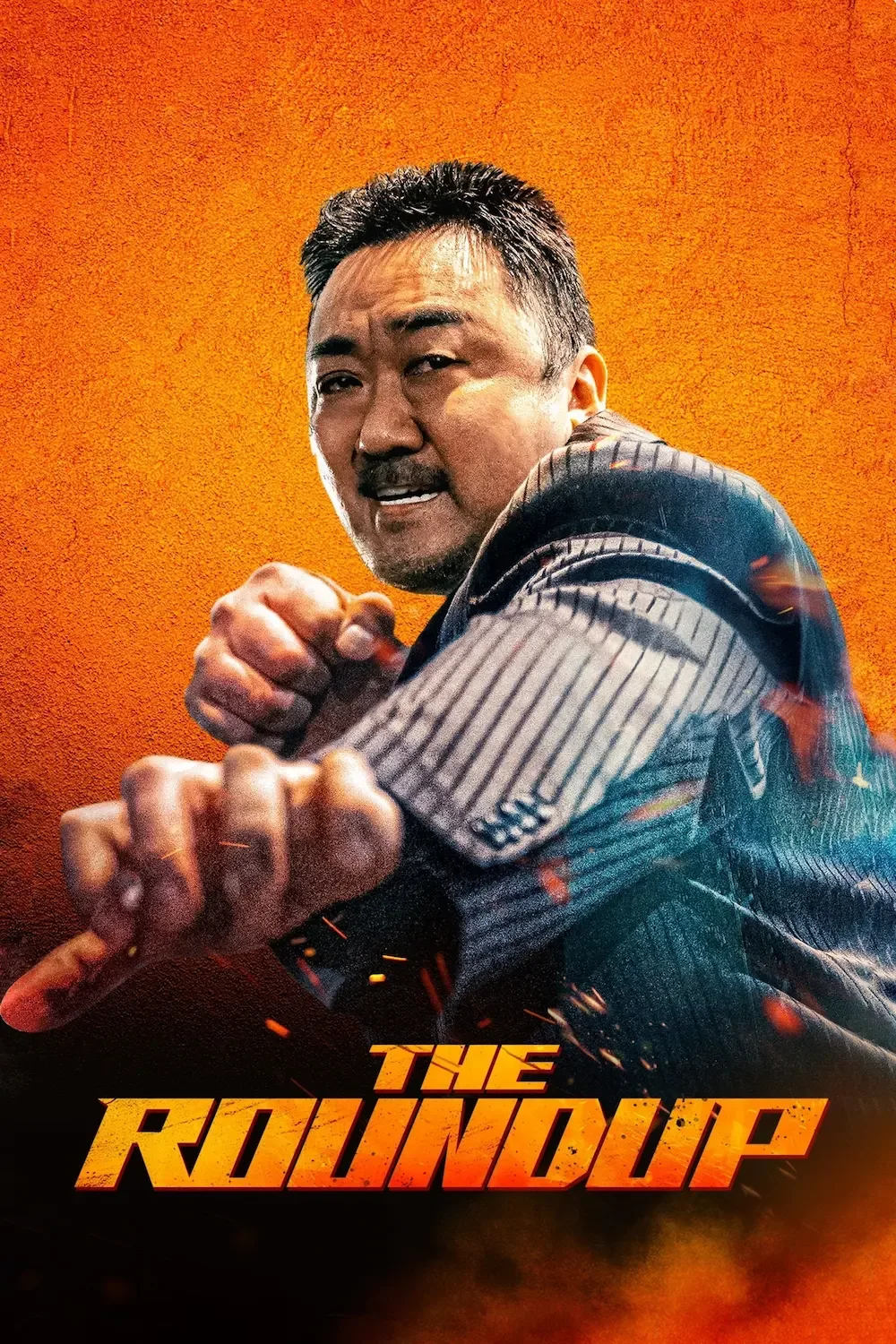
After watching Unstoppable, I wanted to experience some more Ma Dong-seok (billed here as Don Lee), and since The Roundup had pretty decent marks on Amazon Prime Video — which features quite a few of his movies — I thought I’d give it a shot. This time around, Dong-seok plays Ma Seok-do, an infamous detective who’s not afraid to knock some heads — and violate some civil liberties — if that’s what it takes to catch the bad guys. (In this case, a violent expat living in Vietnam who preys on Korean tourists.) The Roundup has the sort of brutal brawling you look for in a Ma Dong-seok/Don Lee film, but the wanton and casual police brutality quickly wears thin, as do the hijinks and bumbling of Ma’s colleagues and fellow officers. And unfortunately, neither Ma Dong-seok’s charisma nor the film’s style is enough to salvage it. Given The Roundup’s massive success, though — it’s one of the highest-grossing Korean films of all time and has spawned two sequels to date — I’m clearly in the minority.
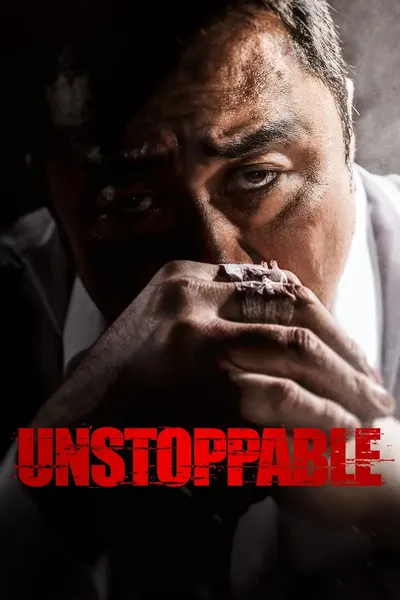
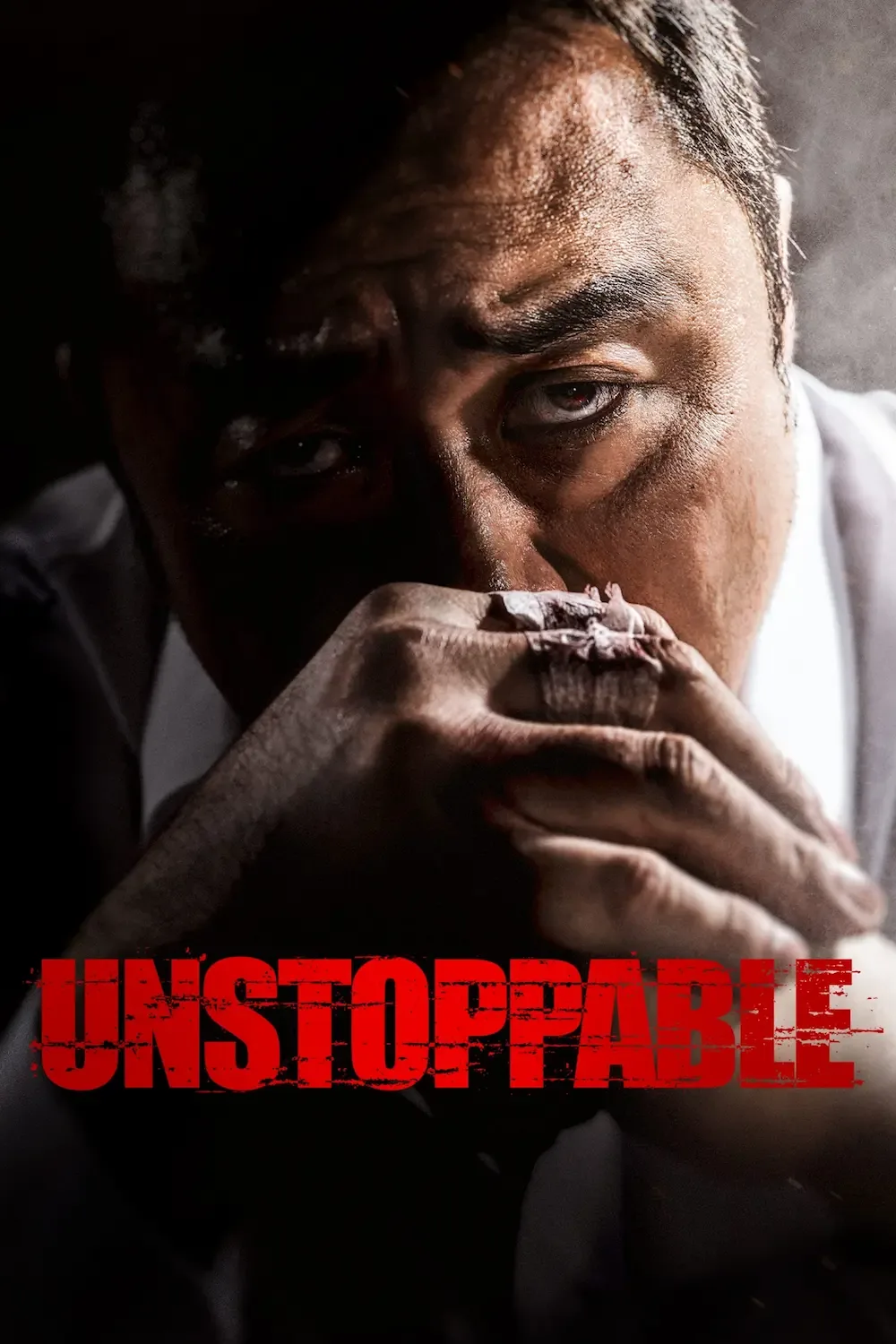
It’s really quite satisfying to watch Ma Dong-seok (Eternals, Train to Busan) stride and lumber across the screen. With his bulky, imposing frame, he truly does look unstoppable as Dong-cheol, a reformed gangster who must rely on his deadly skills to start knocking heads after his beloved wife is kidnapped by human traffickers. Unfortunately, writer/director Kim Min-ho couldn’t seem to decide what sort of movie he was making. The above premise, and some of the brutal fight scenes, would seem to suggest a grim, bloody thriller à la Lee Jeong-beom’s The Man from Nowhere. But then there are moments of slapstick humor courtesy of a pair of bumbling sidekicks (Park Ji-hwan, Kim Min-jae) and even some existential philosophizing courtesy of the main villain (Kim Sung-oh). As a result, Unstoppable never feels as gripping or intense — or funny — as it seems to want to be. On a more positive note, I did appreciate that Dong-cheol’s wife Ji-soo (Song Ji-hyo) is no mere pushover; she never makes it easy for her captors but rather, gives as good as she gets.
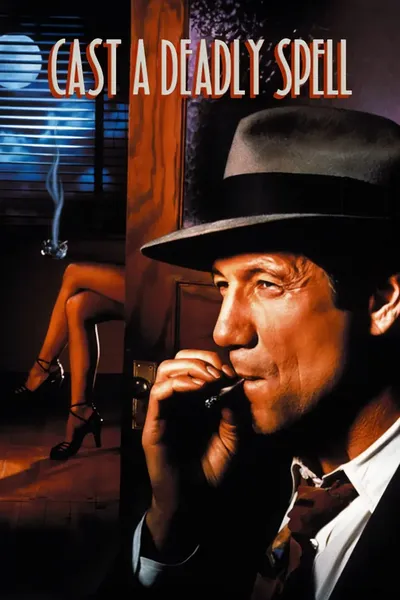
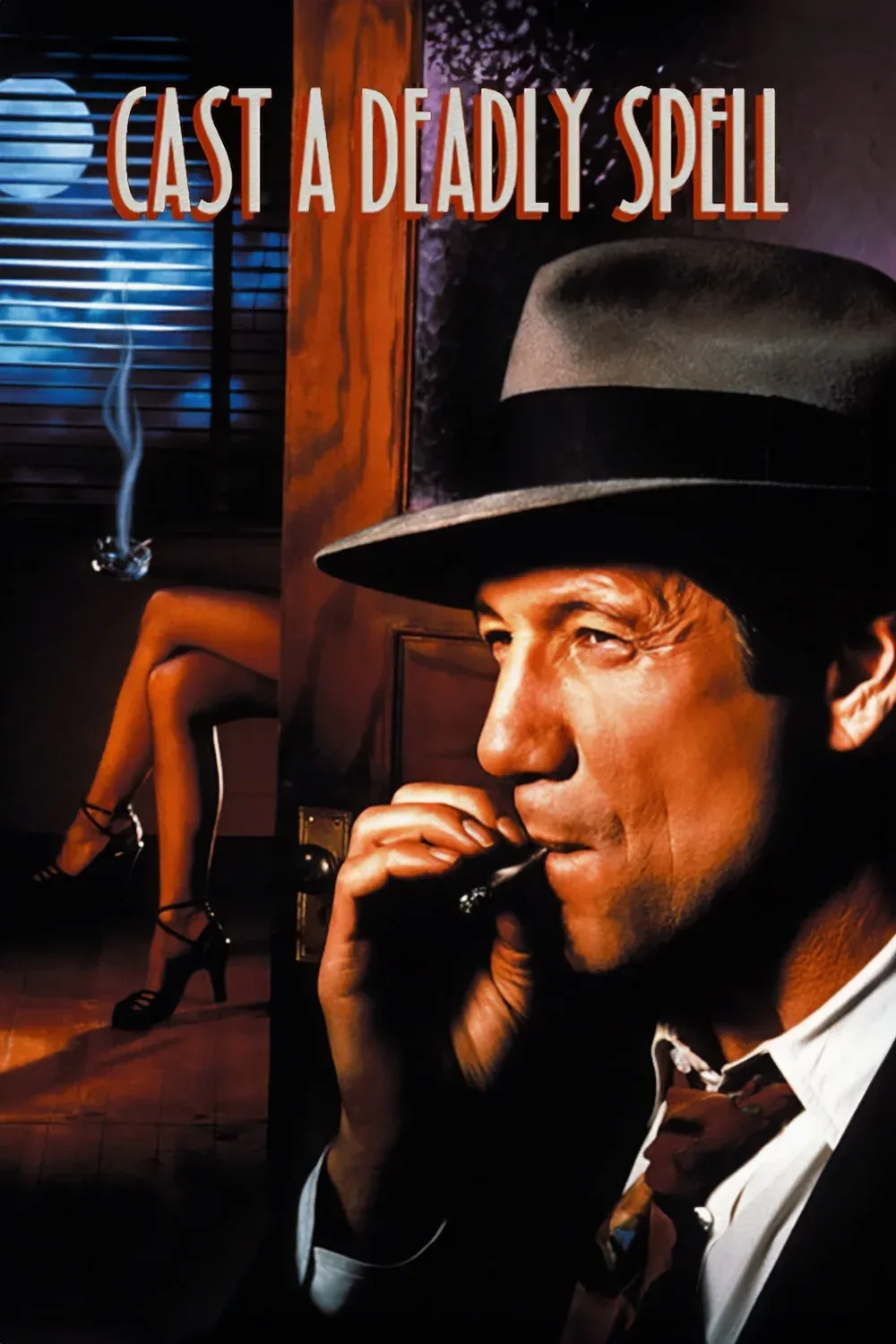
A film that blends 1940s-style film noir with Lovecraftian mythology? With a premise like that, I felt contractually obligated to watch Martin Campbell’s Cast a Deadly Spell. Unfortunately, this 1991 HBO original starring Fred Ward, Julianne Moore, and Clancy Brown doesn’t quite live up to its fascinating premise, thanks in large part to its overt silliness. I wish Campbell’s film had played things a bit more straight. Instead, its story about a jaded and cynical private eye (Ward) who’s hired to retrieve the stolen Necronomicon feels like a stab at both Lovecraft and film noir parody — only the jokes don’t really land and the broad performances feel more appropriate for a Naked Gun movie. (That said, I did enjoy Brown’s performance as a smarmy night club owner with sorcerous intentions.)
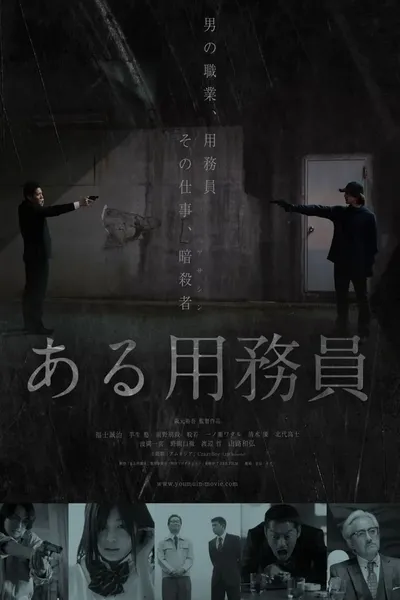
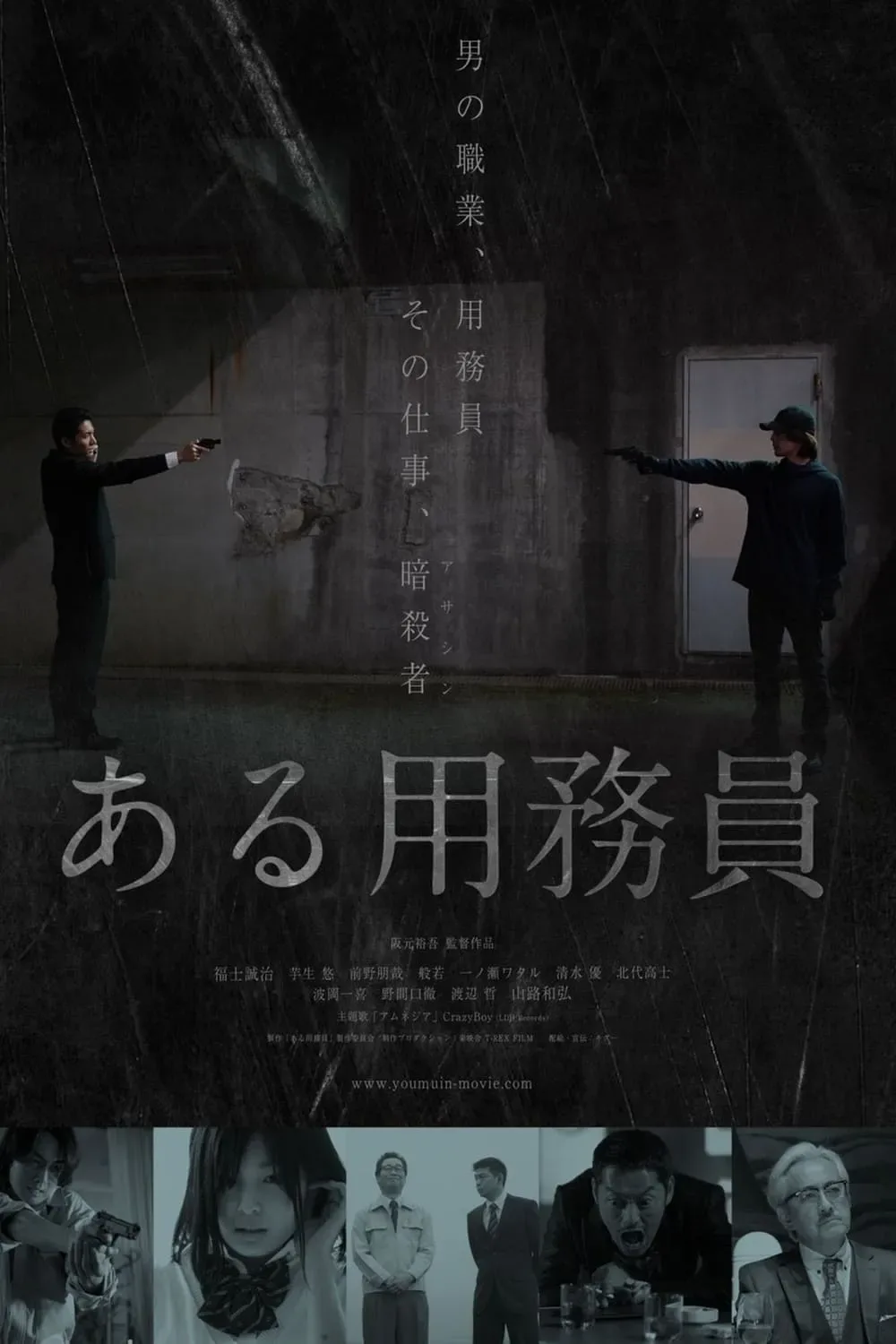
Before he rose to fame for the Baby Assassins movies, Yugo Sakamoto directed this low-budget action thriller about a yakuza assassin who’s tasked with protecting his boss’ daughter by moonlighting as her school’s janitor. It’s a fairly low-key job until the boss is assassinated and rival factions seek to kidnap the daughter for their own greedy ends. Unfortunately, A Janitor’s promising efforts to be a slow-burning thriller are hampered by the fact that it’s a pretty tedious movie, with bizarre tonal shifts — one minute it’s a gritty yakuza flick, the next a black comedy, and so on — and a storyline that gets less and less interesting as it proceeds. All of that might be forgivable were the action entertaining, but the film’s fights are hyper-edited Bourne-like messes that often left me thinking of better movies that I could be watching instead.
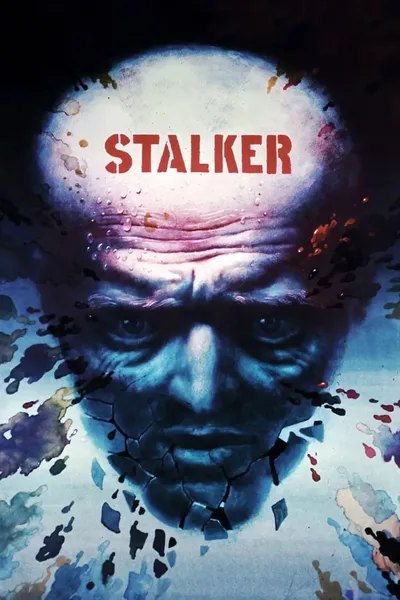
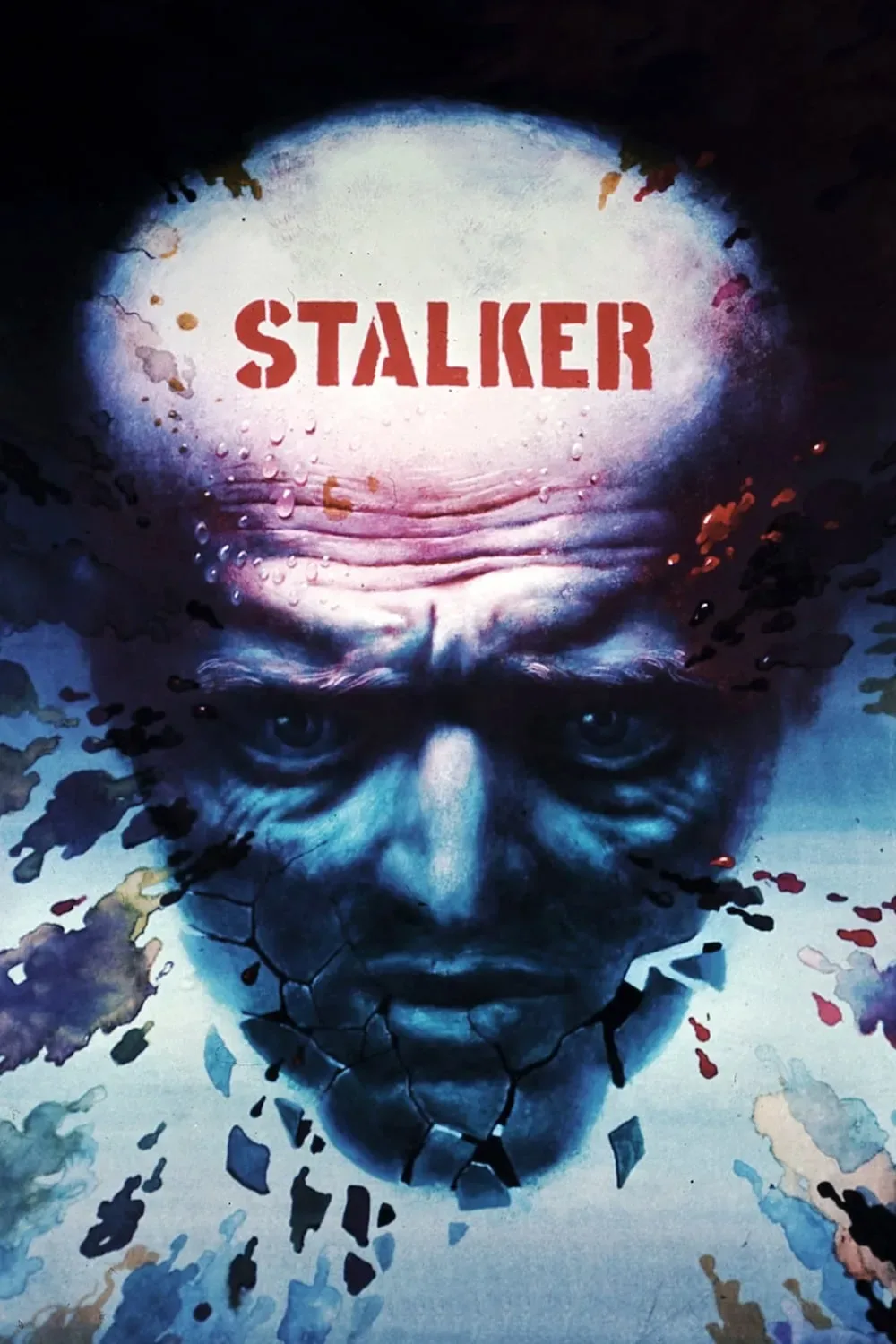
I’ve been fascinated by Andrei Tarkovsky’s Stalker ever since I saw a still from it in my film history textbook back in college. Ostensibly a sci-fi film about three men — a writer, a professor, and their titular guide — who journey into the heart of a perilous and forbidden zone in search of a mysterious room that will grant a person’s deepest wish, Stalker can be long and ponderous. Its characters often segue into philosophical monologues about art, science, faith, and human nature, and the film contains surreal sequences that could be dreams or displays of the zone’s bizarre effects. If you’re willing to surrender to Stalker’s glacial pace and elliptical narrative, however, then you’ll be treated to a truly unique cinematic atmosphere thanks to the film’s otherworldly locations, Tarkovsky’s unhurried direction, Alexander Knyazhinsky’s lush cinematography, and Eduard Artemyev’s haunting, exotic soundtrack.
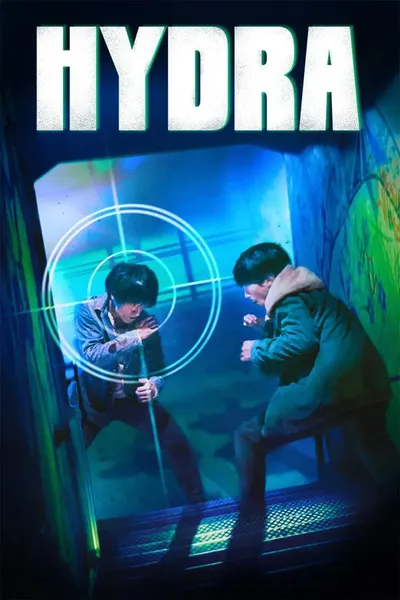
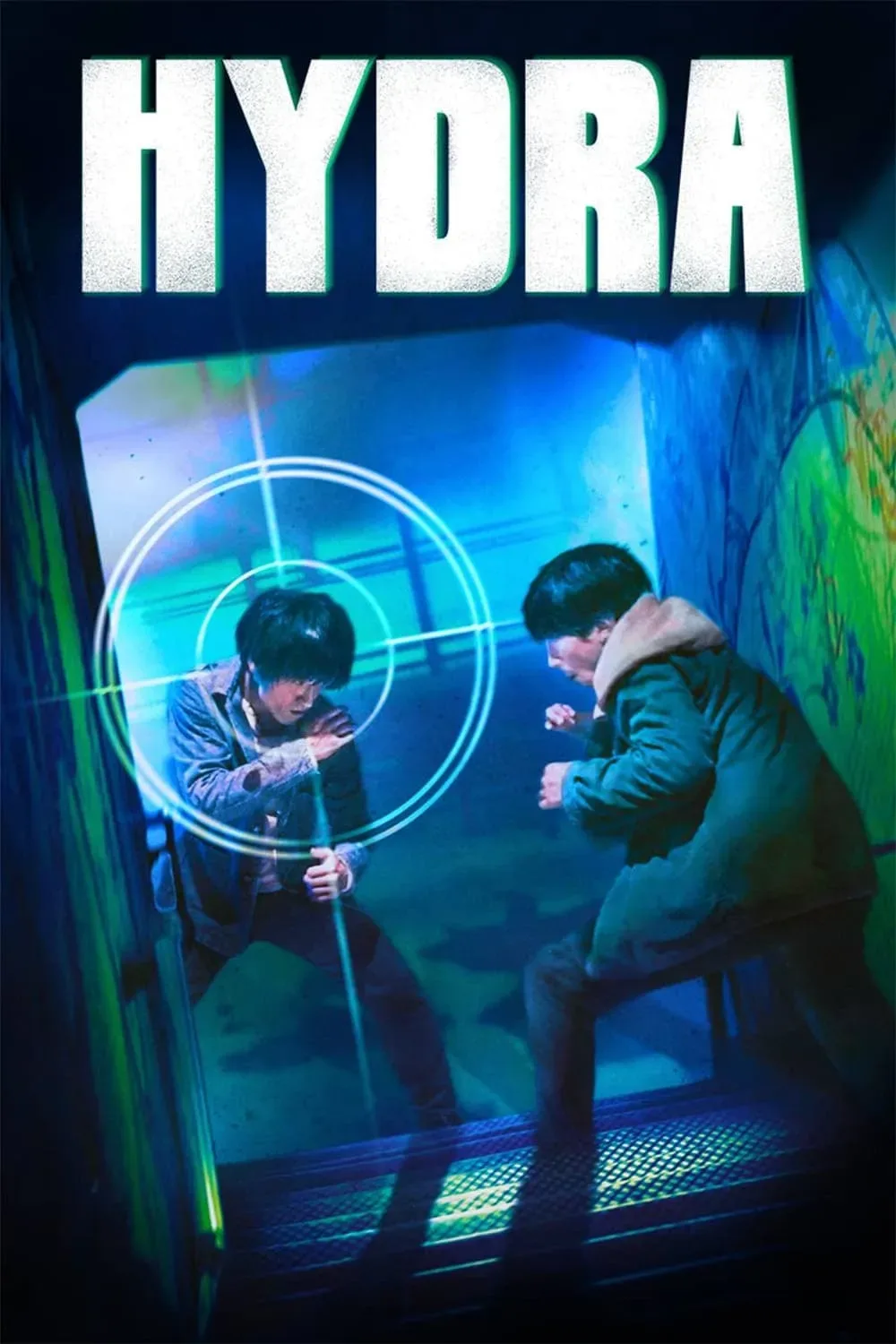
There are plenty of clichés in this martial arts thriller about a retired government assassin who gets pulled into one last mission and a bigger conspiracy. Even so, Hydra clearly has some greater aspirations beyond its scrappy, shot-on-DV origins, and the martial arts combat — when it finally happens — is an interesting change of pace from the Hong Kong-influenced action that’s become so prevalent these days. But starting with its taciturn protagonist, Hydra is so understated that it’s rather dull, and its abrupt ending implies a sequel that — as far as I know — does not exist.
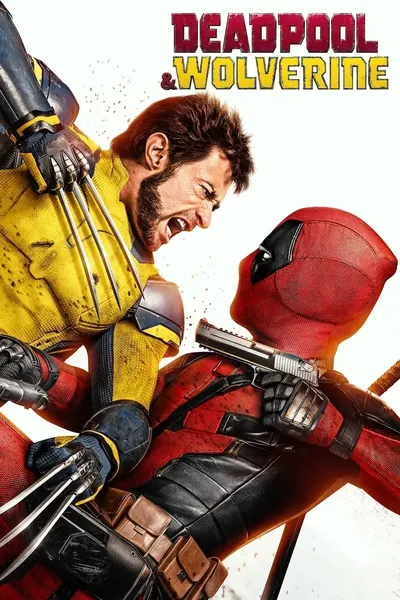
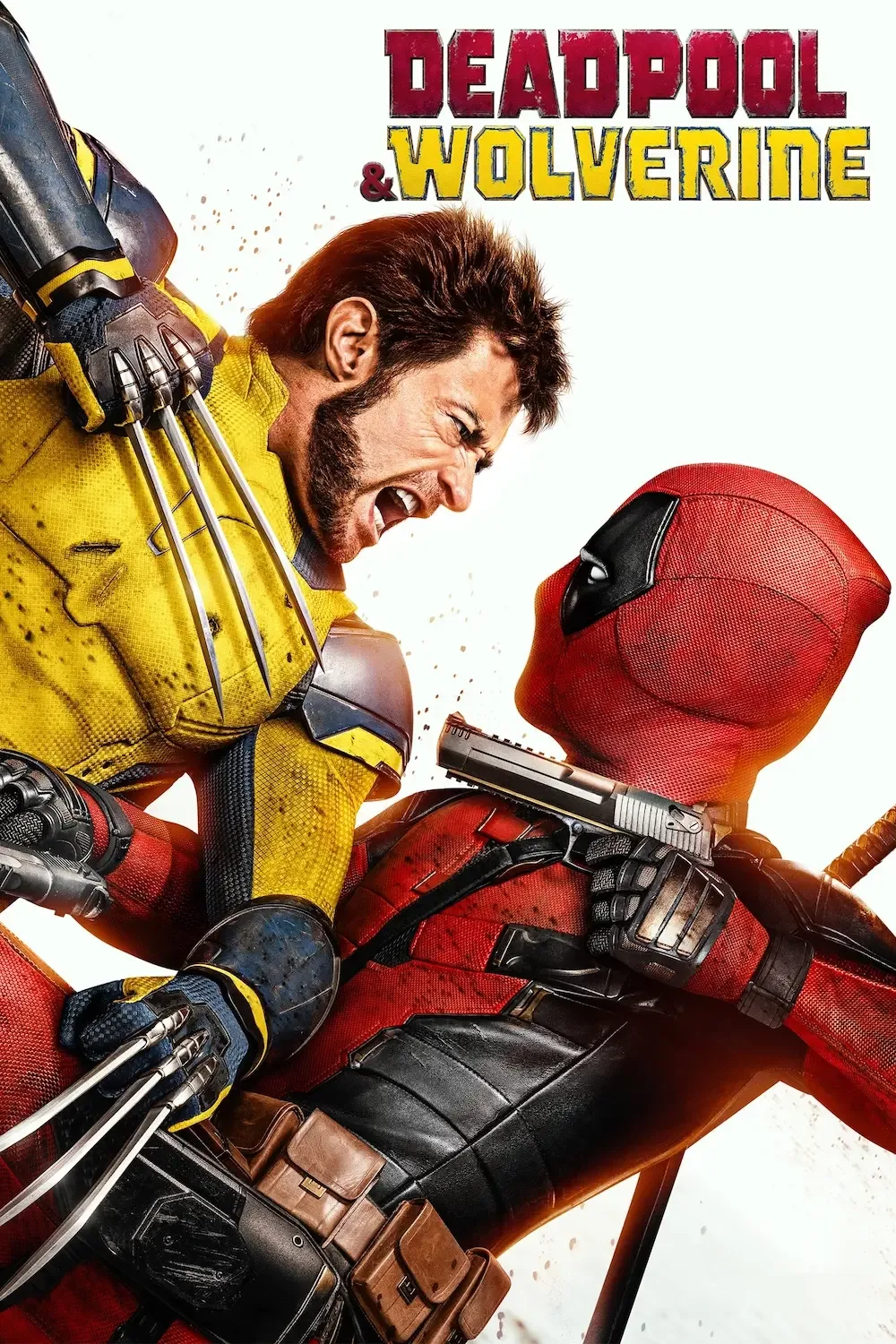
Yes, I chuckled a couple of times, particularly when Deadpool stuck it to Fox. And sure, it was fun to see Hugh Jackman pick up the adamantium claws once again. But for 95% of its runtime, Deadpool & Wolverine was a bore. Which is perhaps the funniest thing about it, because it tries so hard to be clever and subversive and edgy, what with the nonstop stream of vulgarities, cameos, references, and breaks in the fourth wall — and then tries just as hard to deconstruct those things using the same nonstop stream of vulgarities, etc. In the end, though, Deadpool & Wolverine just subverts and metas itself into a state of pointlessness. If Deadpool is supposed to be Marvel Jesus sent to redeem and resurrect the MCU, then he’s a false messiah, indeed.