My Cultural Diet (November 2025): Ghost in the Shell, Pale Rider, Stranger Things
In order to better track my various cultural experiences (e.g., movies, TV shows, books, restaurants), I’ve created the Cultural Diet. Think of it as my own personal Goodreads, Letterboxd, and Yelp, all rolled into one (more info here). Every month, I recap everything that I watched, read, etc., in the previous month.
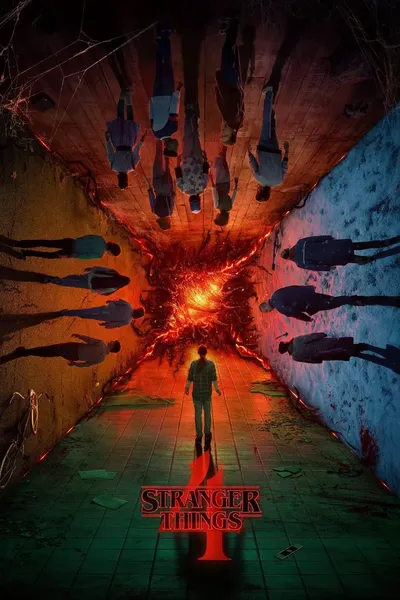
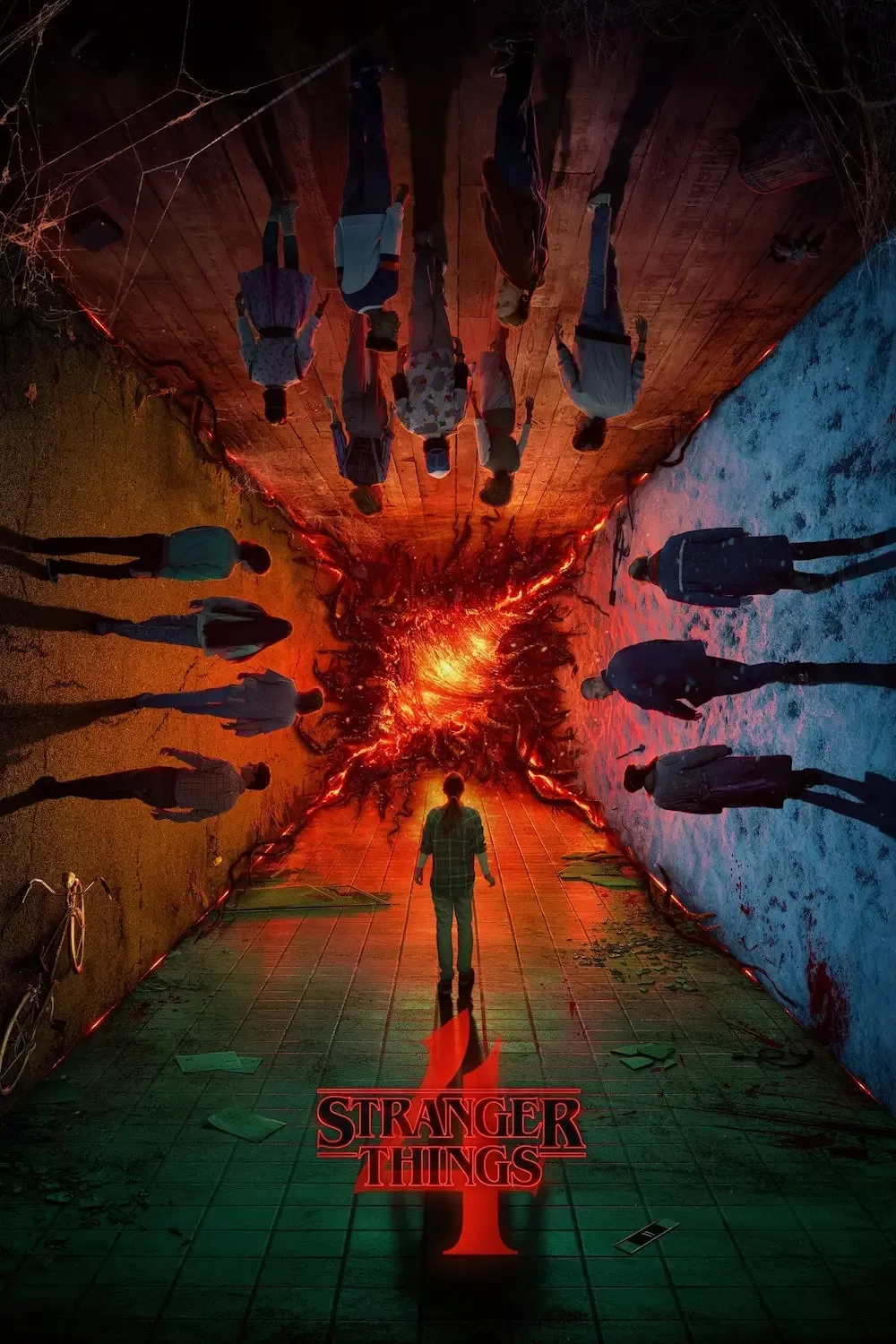
Watching season four a second time, I still feel the same after my first viewing, i.e., the Duffer Brothers wrote themselves into a corner after season three, especially with regards to Hopper’s fate. As such, season four feels like a lot of reshuffling as our beloved characters find themselves spread out from Hawkins to the Nevada desert to the frozen wastes of Russia, with some detours into the past added for good measure. Unfortunately, the season doesn’t always juggle all of its storylines very well, and the transitions between them get awkward. However, the season does benefit from some of Stranger Things’ most iconic and satisfying moments to date — specifically, Max’s Kate Bush-powered escape from Vecna’s clutches and Eddie Munson’s climactic “Master of Puppets” performance — while the Hawkins gang’s brave and resourceful plan to defeat Vecna was fun to watch.
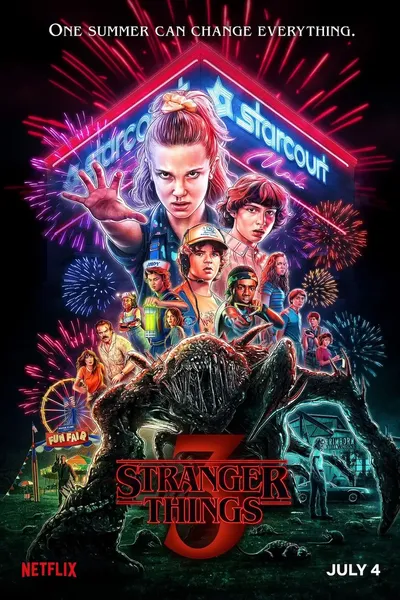
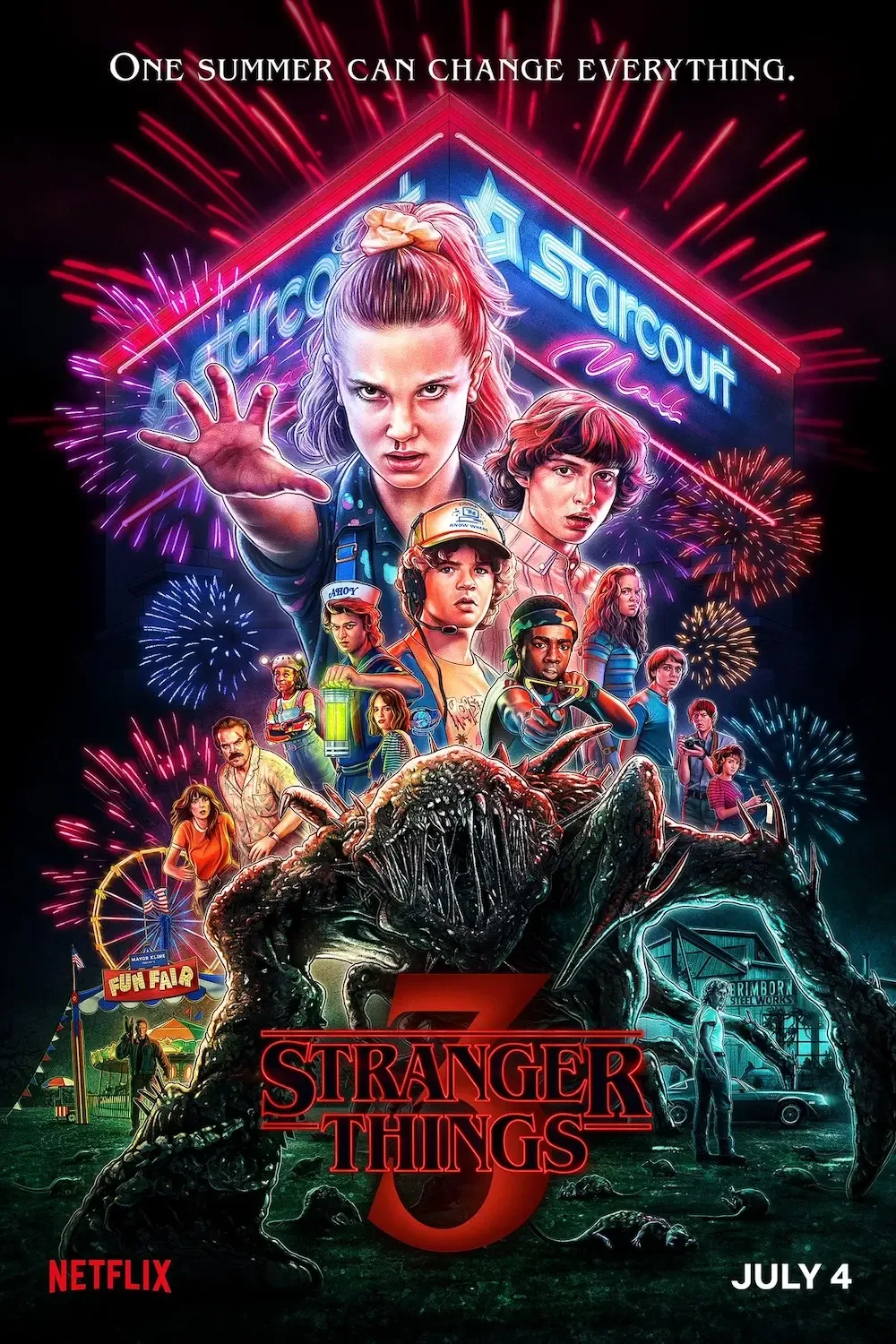
Stranger Things has never been one to hide its influences, be it Steven Spielberg-style adventure, Stephen King-esque horror, or of course, Dungeons & Dragons. But in its first two seasons, it handily rose above those influences, using them to create something that felt fresh and original. Not so with season three. Make no mistake, season three has some delightful aspects, such as the growing dynamic between Steve and Dustin and the inclusion of new characters like Robin and Erica. Story-wise, however, it was incredibly uneven. On the one hand, you had lots of super-icky Cronenberg-esque body and zombie horror, and on the other hand, a secret Russian base located far below Hawkins’ brand new shopping mall, which felt like a ridiculous homage to cheesy ’80s action movies. (The season even had a Terminator-esque bad guy, for good measure.) And don’t get me started on the teen romance hijinks and melodrama. It was all just a bit too forced and over-the-top, and yes, I know I’m saying that about a show in which a girl with psychic powers battles horrors from another dimension.

At least a decade has passed since I last watched Ghost in the Shell in its entirety, and given that it turned 30 this year, now seemed like a good time to reacquaint myself with Mamoru Oshii’s cyberpunk masterpiece. Based on Masamune Shirow’s manga, Oshii’s film ranks up there with the likes of Blade Runner in terms of influence. (Case in point, the Wachowskis’ goal with The Matrix was to basically make a live-action Ghost in the Shell.) In the year 2029, cybernetic enhancement is extremely common, effectively blurring the lines between man and machine. Major Motoko Kusanagi is a heavily cyberized government agent tasked with capturing a dangerous hacker known only as the Puppet Master. But as the Puppet Master’s plan slowly unfolds, it’s increasingly clear that he’s not at all what he seems. While I do think that 1993’s Patlabor 2 is a slightly better film, there’s absolutely no denying Ghost in the Shell’s style and execution, as Oshii balances ultra-bloody violence with long, contemplative passages during which Kusanagi et al. wax existential about the nature of the soul and the definition of life. In a lesser film, that would be pretentious as all get-out, but Oshii’s direction, combined with Kenji Kawai’s haunting score and some incredible design and art direction, ensure that Ghost in the Shell remains compelling from start to finish.
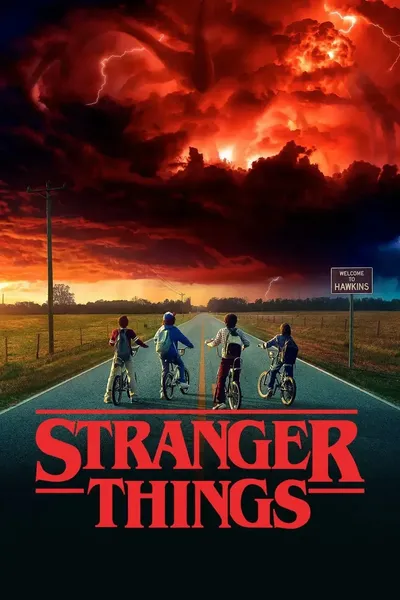
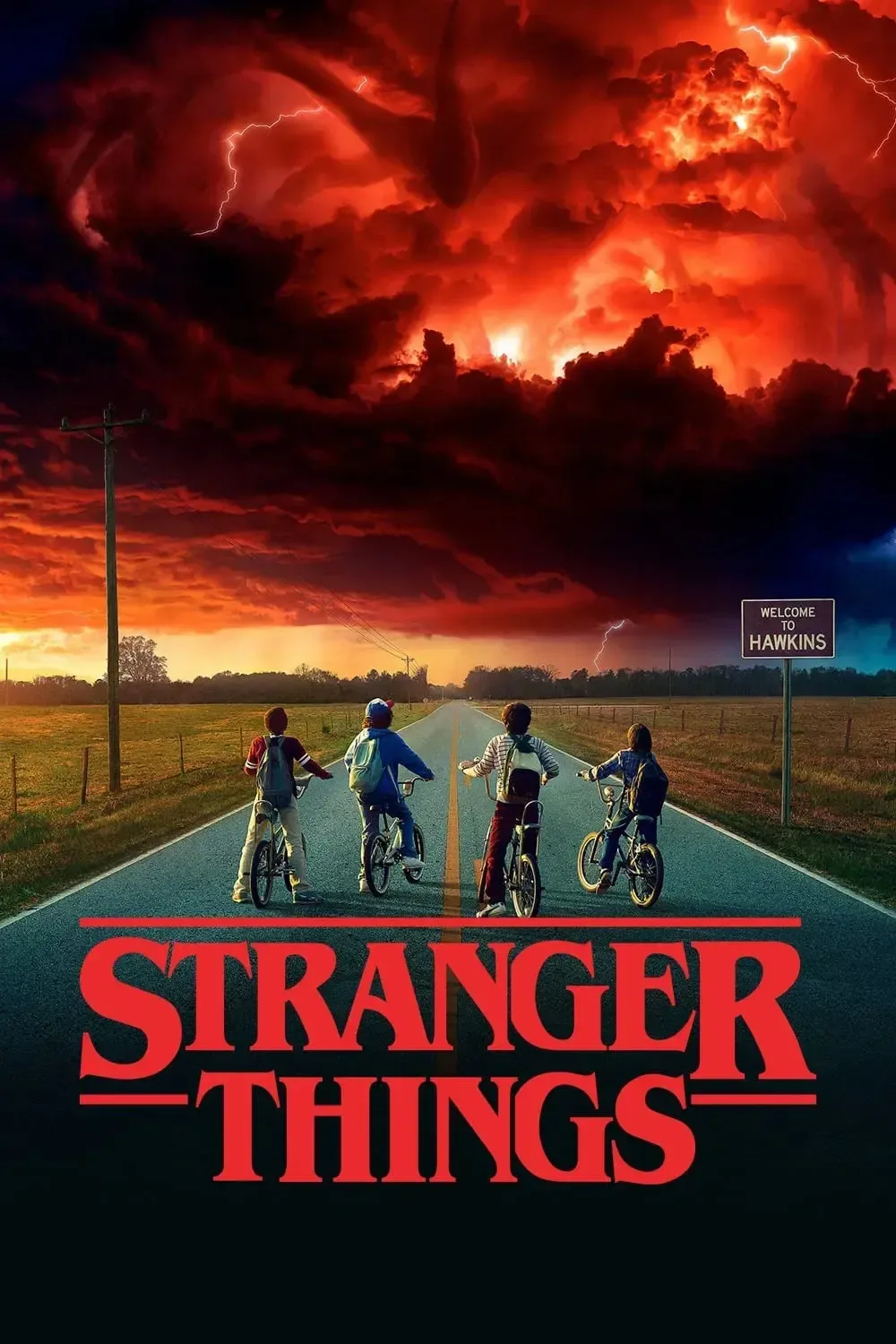
After a near-perfect first season, The Duffer Brothers had their work cut out for them with Stranger Things’ second season. They manage to stick the landing with a climactic finale that finds Eleven fully embracing her powers against the Upside Down and the Mind Flayer. Unfortunately, the season takes awhile to get there, as our our beloved characters run all over the place, leading to some wasted opportunities. Case in point: Eleven’s search for her mother, which ultimately leads her to Chicago where she connects with another one of Dr. Brenner’s psychically powered test subjects, should be a major turning point for the character, but it comes off as more perfunctory than anything. But season two is not without its delights. Sean Astin is wonderful as Bob Newby, Joyce’s dweeby boyfriend who brings a nice touch of normalcy to the Byers household. There are some wonderful character moments, including a powerful scene as Joyce, Jonathan, and Mike try to reconnect with a possessed Will. And most importantly, season two reveals that Steve Harrington isn’t just some fancy hairdo; he’s also the best damn babysitter in all of Hawkins, Indiana.
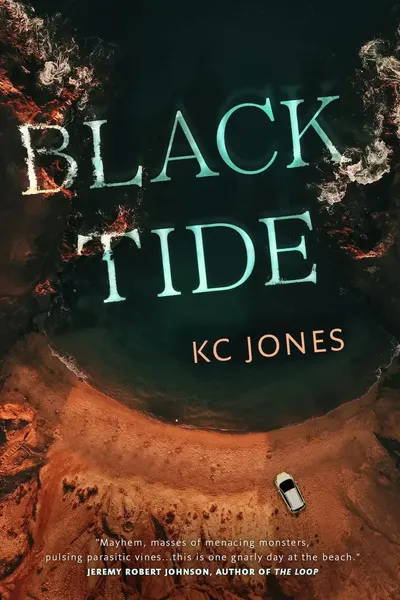
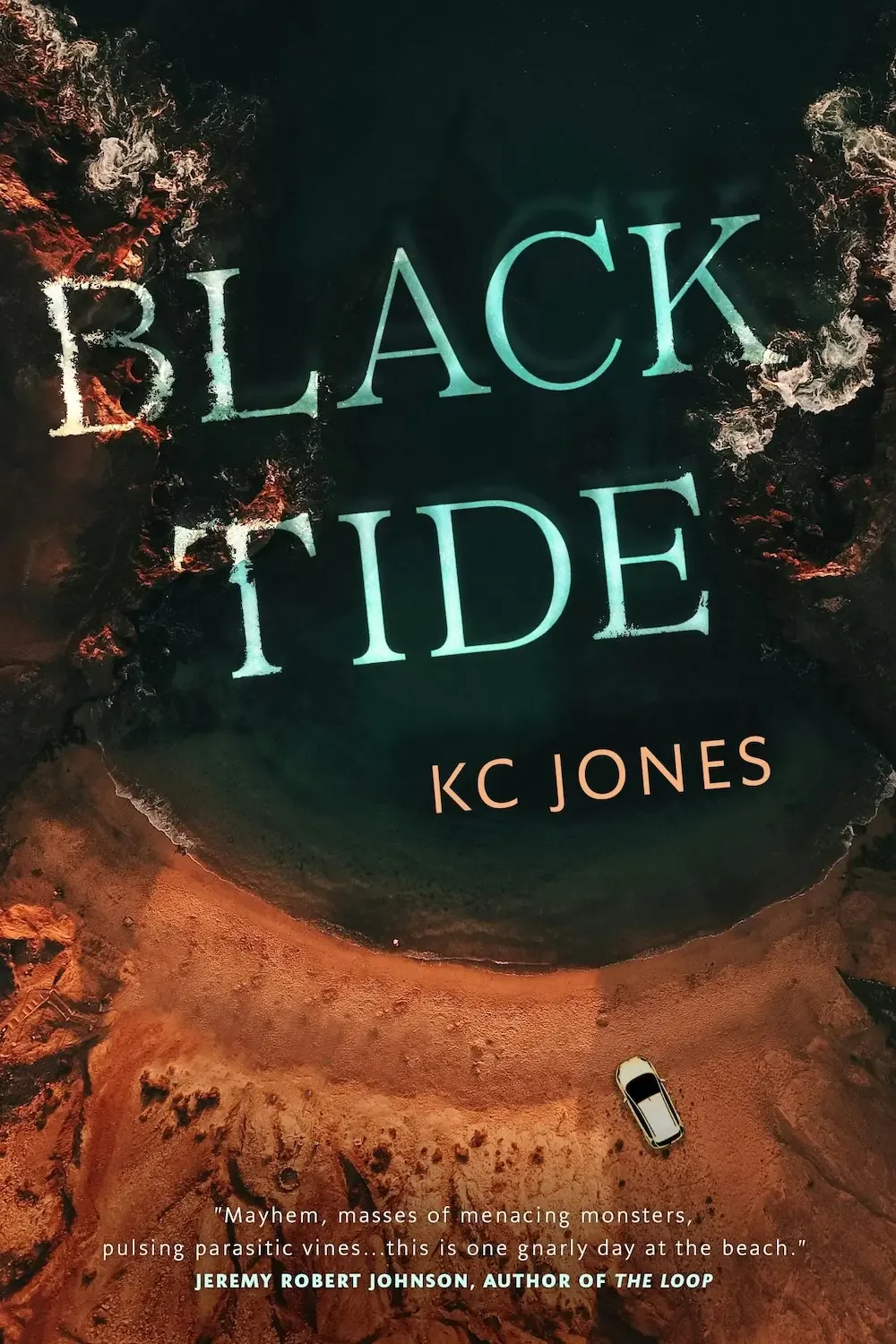
I do enjoy a good story in which some bizarre otherworldly event irrevocably changes life here on Earth, usually in the form of humanity being overcome by, and learning to fight back against, terrifying phenomena from beyond. On paper, that’s precisely what Black Tide promises, as two strangers awaken from a one-night stand to a bizarre and horrifying new reality. Their situation grows only more dire when they become trapped in a car on a beach, surrounded by alien creatures on one side and the slowly encroaching waves on the other. I discovered Black Tide via one of those Facebook reels of someone listing their favorite horror novels, and based on their description, I went in expecting a harrowing journey. Unfortunately, Black Tide falls less in the “otherworldly horror” genre, and more in the “annoying characters doing stupid things and getting mad at each other for it” genre. I don’t think I experienced a single moment of suspense, never mind horror, on any of the story’s 242 pages. I did, however, become increasingly bored by the characters’ frequent bickering, as well as the author’s attempts to make their neuroses, dysfunctions, and personal traumas more dramatic than they warranted.
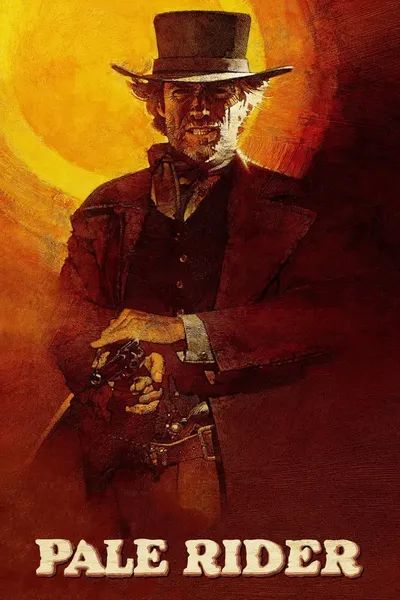
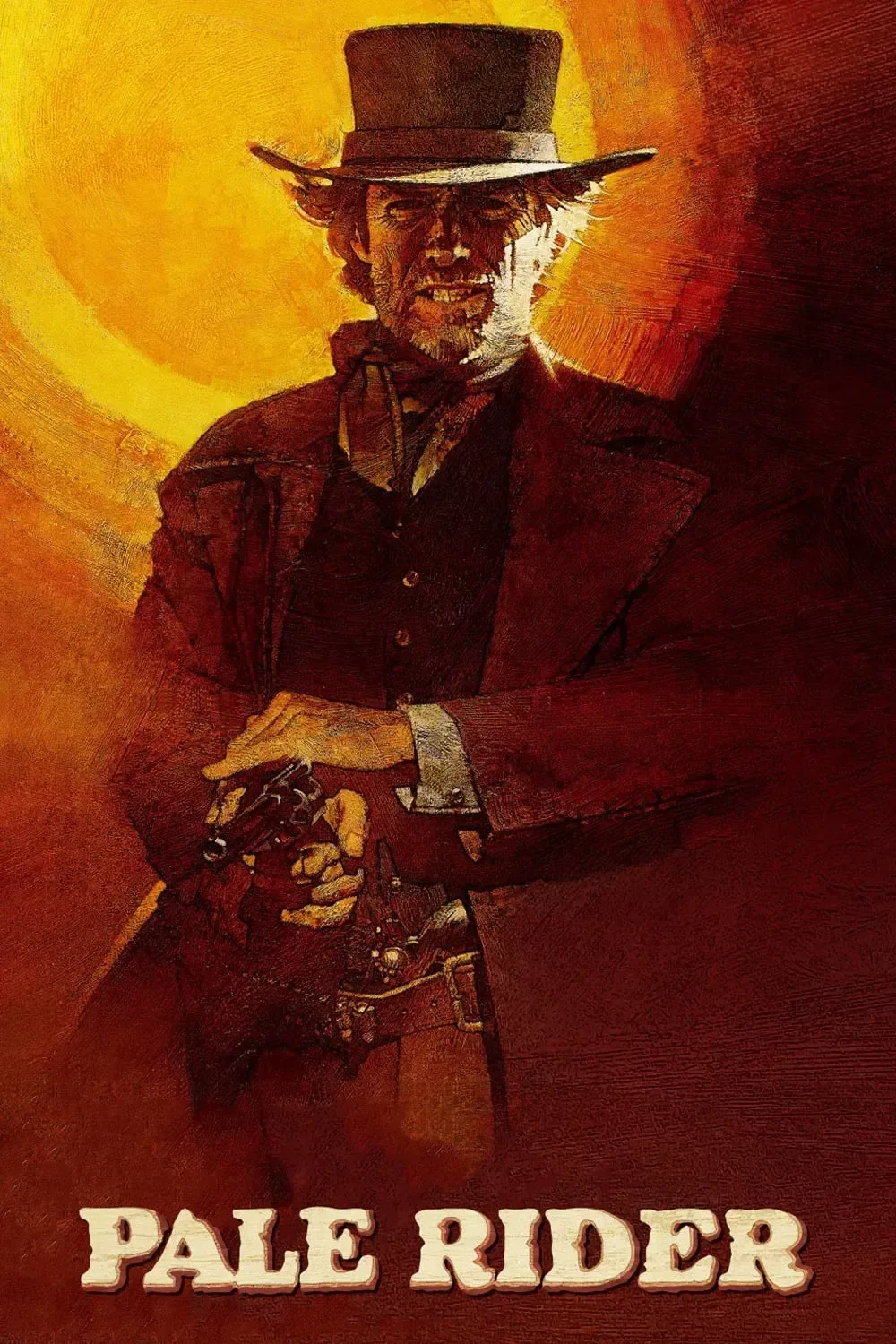
Clint Eastwood gets a wee bit Biblical in this ’80s western about a small community of prospectors who are locked in a struggle with a powerful land baron trying to acquire their claims by any means necessary. All hope seems lost for them until a mysterious preacher rides into town one day and quickly starts putting things a-right. Of course, the operative word here is “mysterious” given the preacher’s uncanny ability to fight back against the baron’s goons. Some parts of Pale Rider haven’t aged very well in the last four decades. For example, Eastwood might’ve intended the scene where a teenage girl offers herself to the preacher she’s just met as a chance for the parson to prove his virtue. Or maybe a way to contrast the girl’s innocence and naïveté with the preacher’s obviously violent past. These days, however, it just comes off as little creepy. That said, Pale Rider looks amazing thanks to Bruce Surtees’ cinematography and the beautifully barren Idaho countryside, while Eastwood’s economical direction ensures that there’s no dross to be found in the film’s 116 minutes.
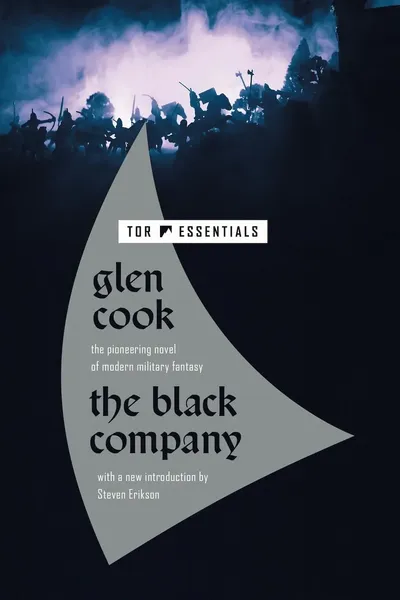
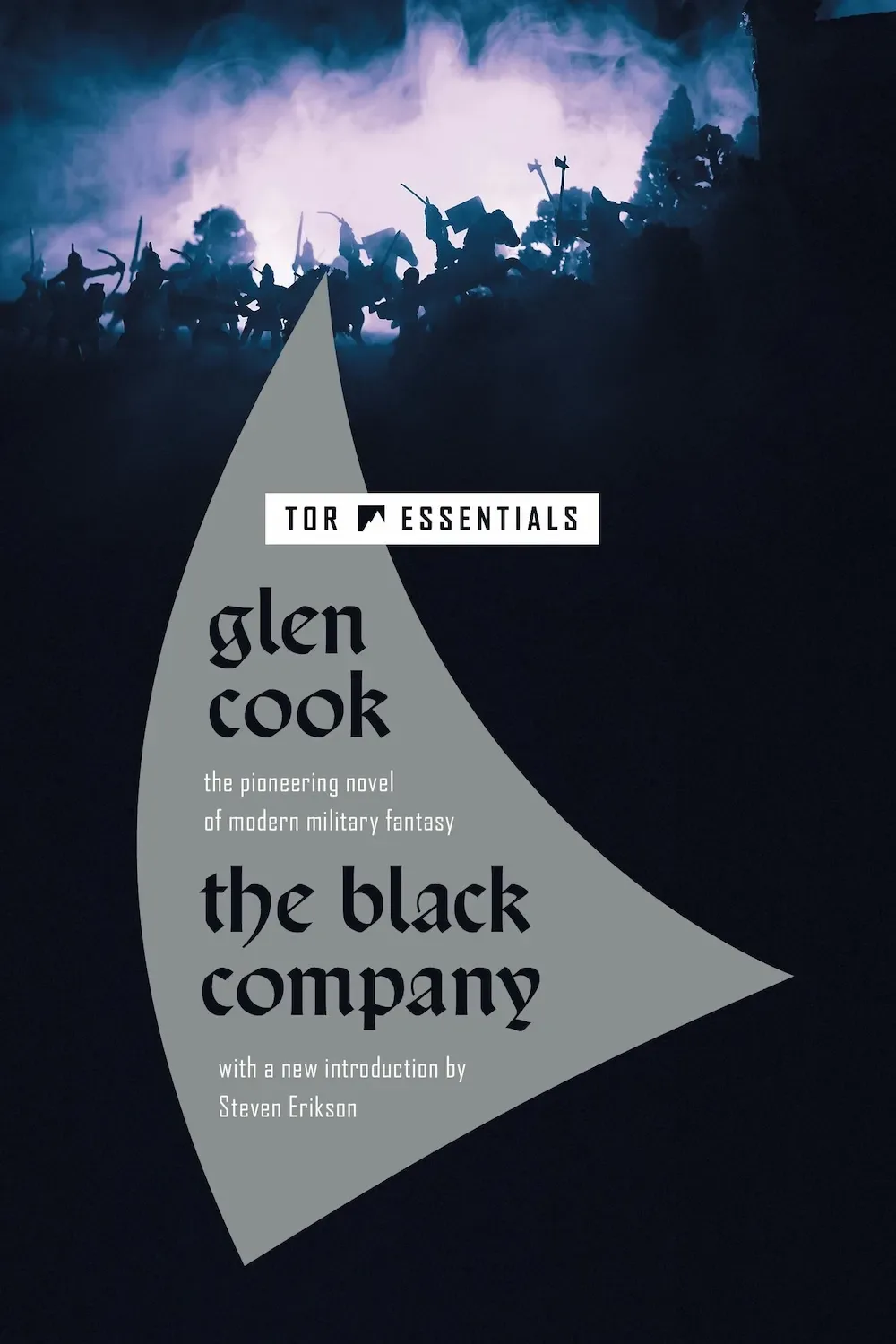
The Black Company is the most elite mercenary group in all the land, but they’ve fallen on hard times as of late. When a new opportunity presents itself, they leap at the opportunity — only to discover that their new employer might just be an ancient evil that’s beginning to reawaken. Glen Cook’s debut novel helped to establish the “grimdark” genre with its tale of mercenaries willing to do whatever it takes to survive and ancient sorcerers who barely seem human. (Tolkien, this most certainly is not.) The Black Company was inspired by Cook’s own experiences as a soldier, and as such, is less focused on traditional world building and more concerned with the mercenaries — colorful characters, every single one of them — and their own struggles to stay alive, no matter what. Some might find Cook’s terse, even perfunctory storytelling appealing and even refreshing compared to high fantasy, but it wasn’t exactly my cup of tea.
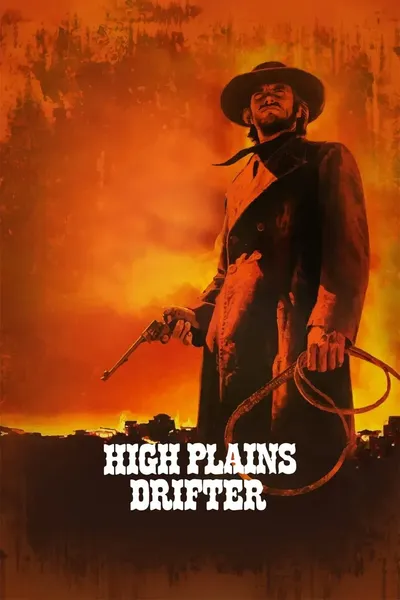
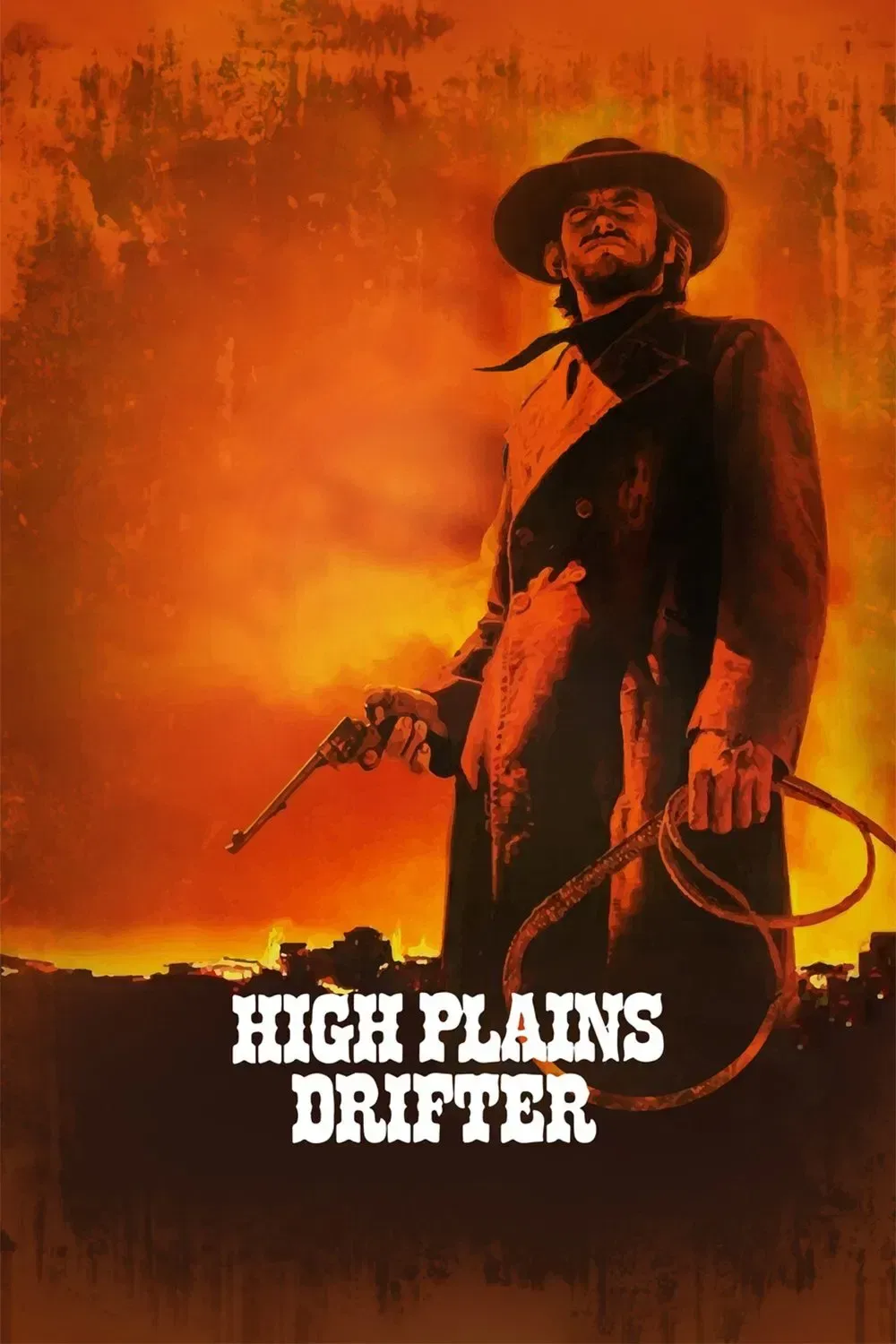
Clearly inspired by his work with Sergio Leone in films like The Good, the Bad and the Ugly, Clint Eastwood set out to make his own spaghetti-style western for his sophomore directorial effort. High Plains Drifter has all of the expected trappings for such a film, including a bleak frontier setting, bloody violence, and amoral characters. (Just how amoral, you might ask? Eastwood’s nameless character rapes a woman in the first 15 minutes, and he’s the protagonist.) But though it does feature some striking visuals, particularly in its final act, High Plains Drifter never quite shakes the feeling that it’s just a lesser copy of Leone’s work. The film clearly aims for a mythical, even supernatural atmosphere concerning Eastwood’s protagonist and his quest for retribution, but that all proves to be less interesting than it probably seemed on paper.
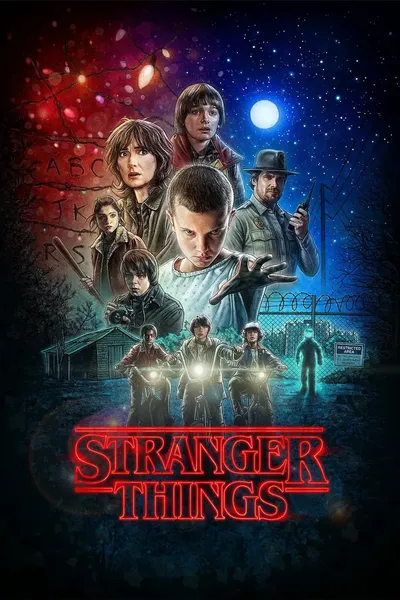
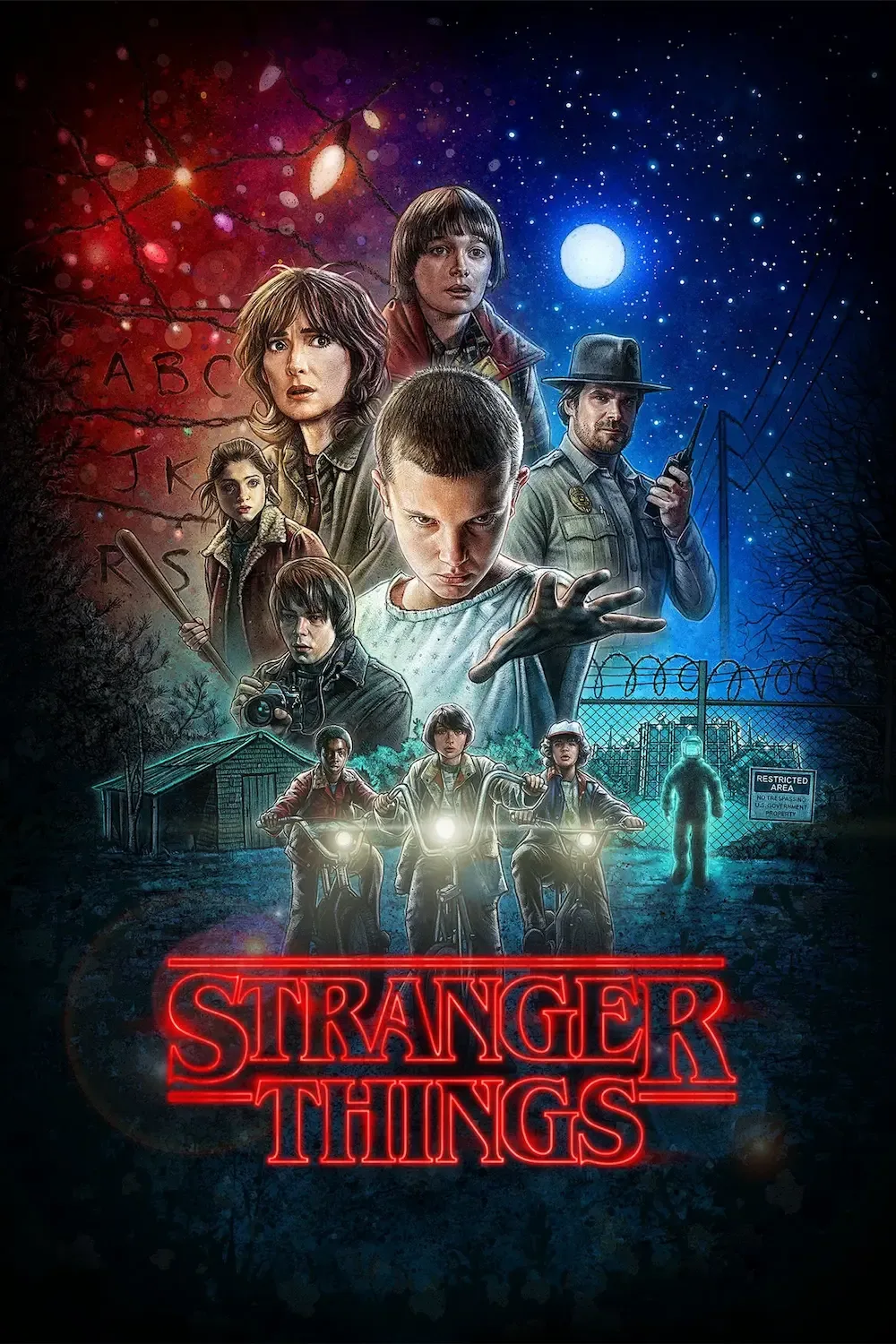
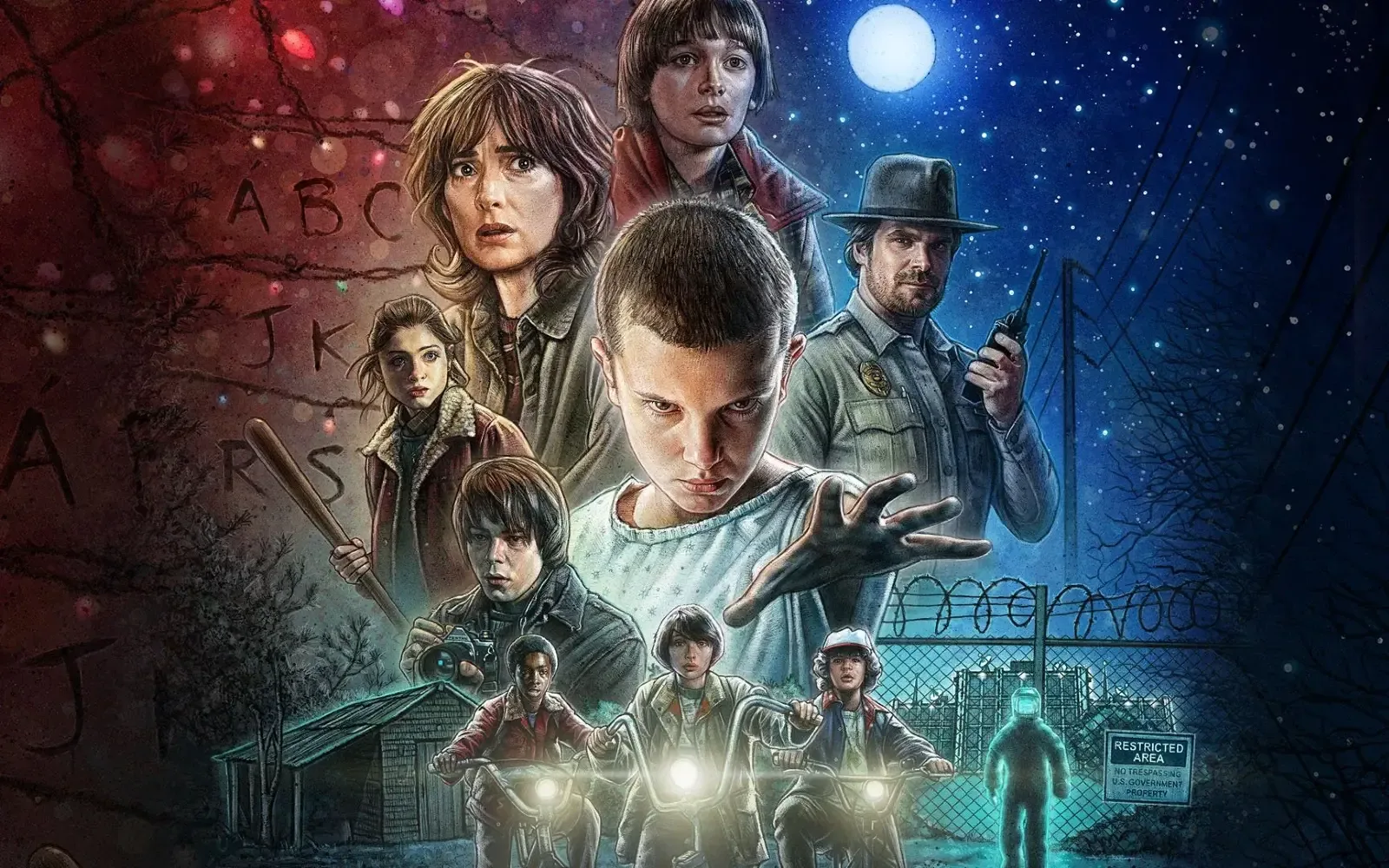
Given that Stranger Things’ fifth and final season starts later this month, now seemed like a good time to rewatch the first season with my kids. Not surprisingly, they loved it. (In fact, we blew through all eight episodes in just two days.) My wife likes to say that Stranger Things’ first season was healing for me, and that’s a pretty good way of putting it. I don’t think I’ve ever experienced a slice of television that so perfectly aligned with the nerdy themes and narrative tropes that are near and dear to my heart. As I’ve written elsewhere, “it’s almost like Matt and Ross Duffer tapped directly into my subconscious when they were creating the show.” Rewatching it nearly ten years later, it still holds up well, and “The Vanishing of Will Byers” is one of the best series premieres I’ve ever seen. Sure, the season might be a little too crammed with ideas, as if the Duffers were scared they might not get additional seasons. But I’ll take a wealth of ideas any day of the week, especially when they’re delivered with as much heart and charm — and as little cynicism — as they are here.
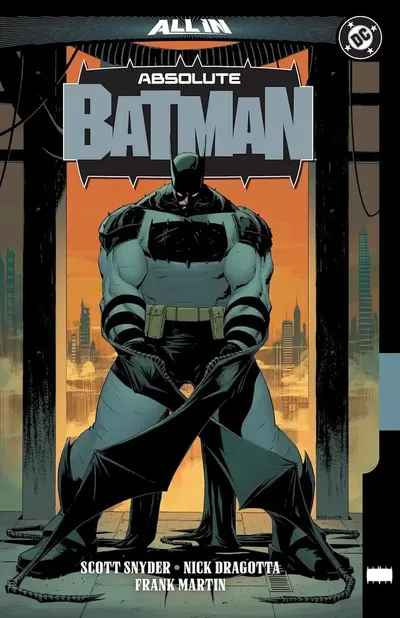
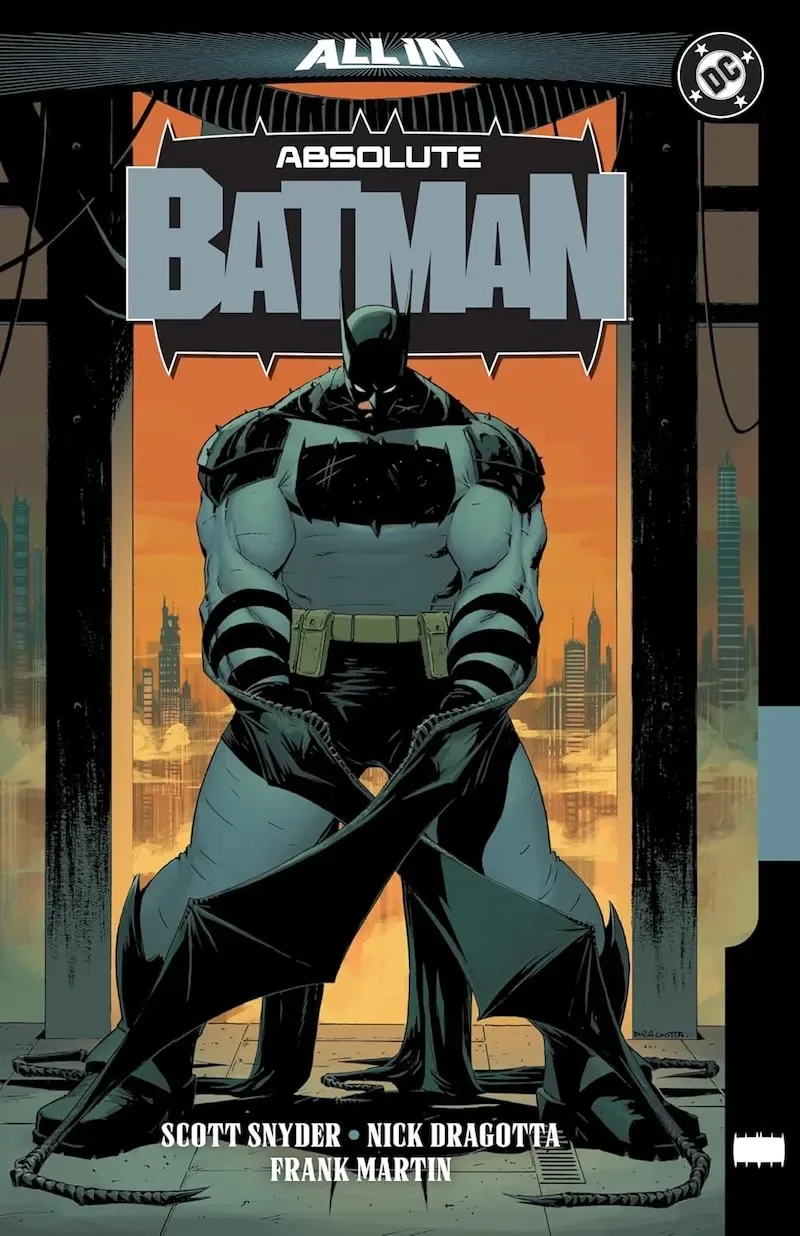
I couldn’t explain DC’s new “Absolute” universe to you if my life depended on it. All I know is that it has something to do with Darkseid, and it’s obviously a way for DC to present new versions of their most famous superheroes without worrying about pesky things like canon and continuity. Case in point: Absolute Batman features a version of Bruce Wayne who isn’t a billionaire playboy with a cool cave or unlimited resources. “Absolute” Bruce Wayne is a blue-collar worker who uses his construction and engineering knowhow to battle a vicious gang threatening Gotham City. Written by Scott Snyder, who’s written some of the best Batman stories of the last 15 years, Absolute Batman does offer some interesting twists on the Bat-mythos; Wayne’s construction background gives him some novel (and brutal) ways of fighting crime, for example, while Alfred is now an agent investigating Gotham for a covert organization. It’s also fun at times, with one panel in particular making me laugh out loud at its sheer ridiculousness. That said, it’s still a Batman comic, meaning it’s never quite as novel, earth-shattering, or original as DC’s marketing copy would have you believe.