My Cultural Diet (April 2025): Interior Chinatown, The Wild Robot, Princess Mononoke, Slow Horses
In order to better track my various cultural experiences (e.g., movies, TV shows, books, restaurants), I’ve created the Cultural Diet. Think of it as my own personal Goodreads, Letterboxd, and Yelp, all rolled into one (more info here). Every month, I recap everything that I watched, read, etc., in the previous month.
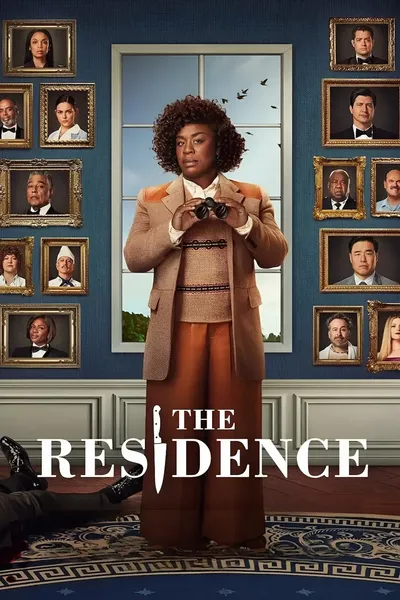
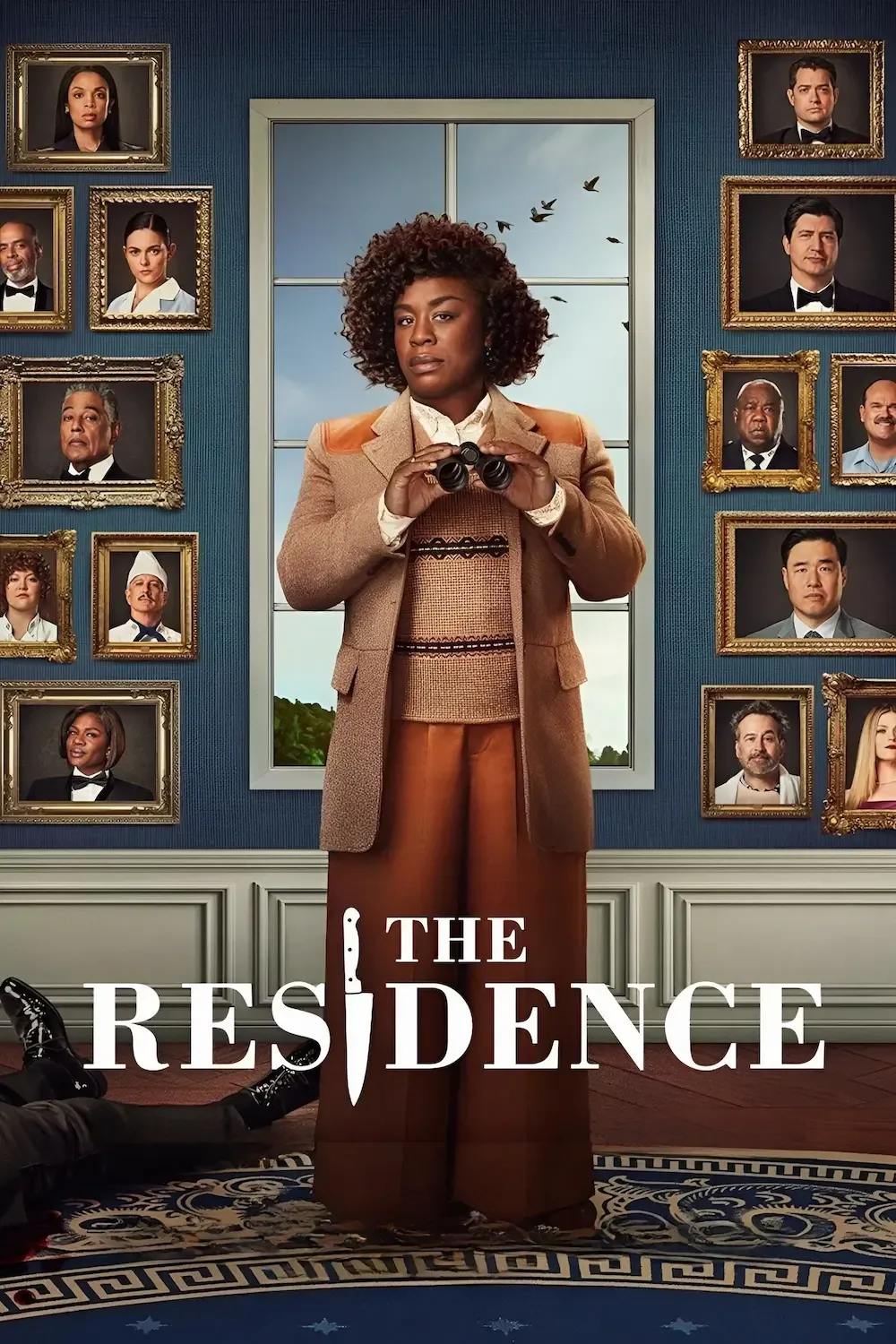
As we watched the bird-obsessed Detective Cordelia Cupp wind her way through the White House’s labyrinthine halls and passages to investigate a murder, I turned to my wife and noted how much it felt like The Residence had been made specifically for her. The original Netflix series is delightful for nearly all of its eight episodes, with twists and turns aplenty as Cupp’s investigation reveals all manner of scandals and misdeeds on the grounds of 1600 Pennsylvania Avenue. The Residence has an embarrassment of riches: colorful characters, a standout cast (e.g., Uzo Aduba, Giancarlo Esposito, Ken Marino, Randall Park, Jason Lee, Jane Curtin), immaculate production design, a riotous jazz soundtrack, and some of 2025’s funniest dialog to date. Unfortunately, after a wildly delightful ride, The Residence doesn’t quite stick the landing. It runs about 30 minutes too long and its critique of those who use their privilege and political power for personal gain, though certainly relevant to our current political situation, can get as preachy as it is pointed. Even so, if you’re a fan of Knives Out and Only Murders in the Building — and birding — then The Residence should be at the very top of your Netflix queue. (As a side note, I really wish my house had some secret stairways now.)
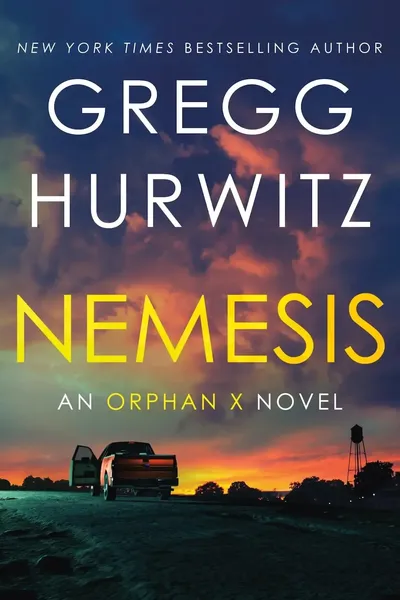
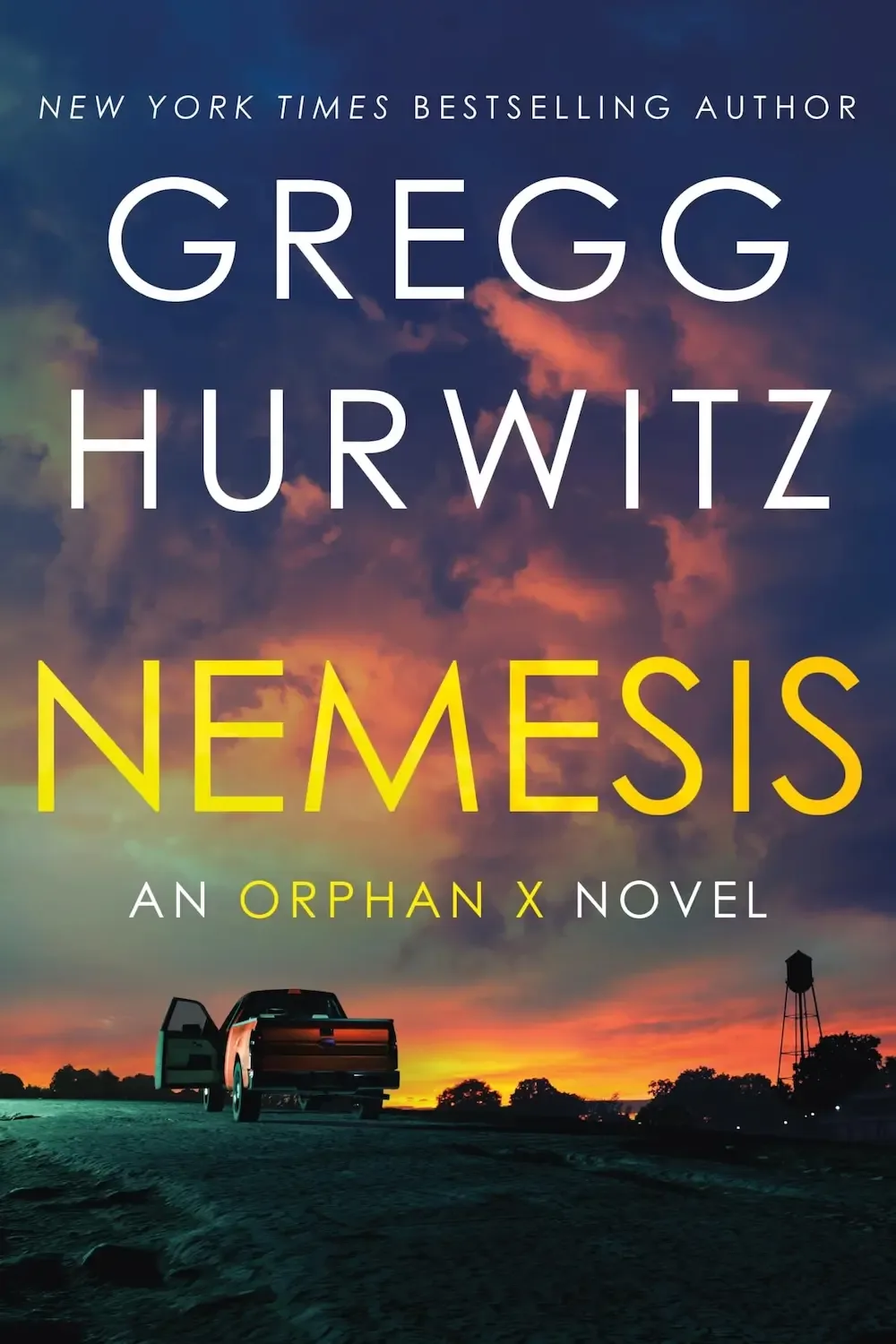
Another year brings another novel about everyone’s favorite OCD-tortured, vodka-loving ex-government assassin. With nine previous Orphan X novels under his belt, Gregg Hurwitz’s formula and style are completely locked in. This time around, Evan Smoak squares off against his oldest and most trusted ally, a skilled weapons developer who is, himself, in a complex situation involving a promise to a long-dead comrade and a bunch of racist rednecks. Oh, and there’s a squad of elite international assassins on his trail, too. I appreciate that Hurwitz isn’t afraid to delve into his characters’ pysches, and the book’s politics, which could’ve easily indulged in right-wing fantasies, are refreshingly convoluted. Unfortunately, Smoak’s frequent existential musings, interactions with his own protégé (a smart-ass hacker), and flashbacks to his childhood training make Nemesis feel bloated, unwieldy, and less thrilling than you’d expect from a book about a shadowy assassin-turned-vigilante.
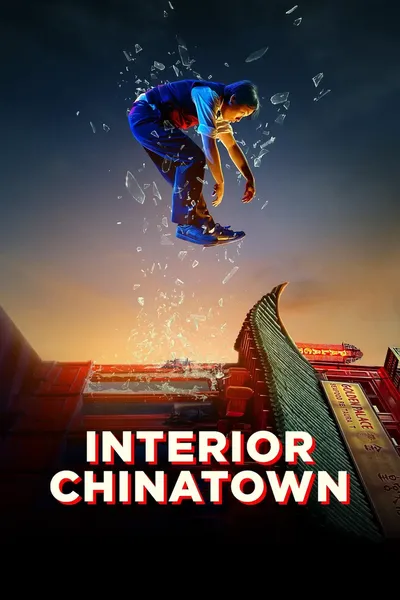
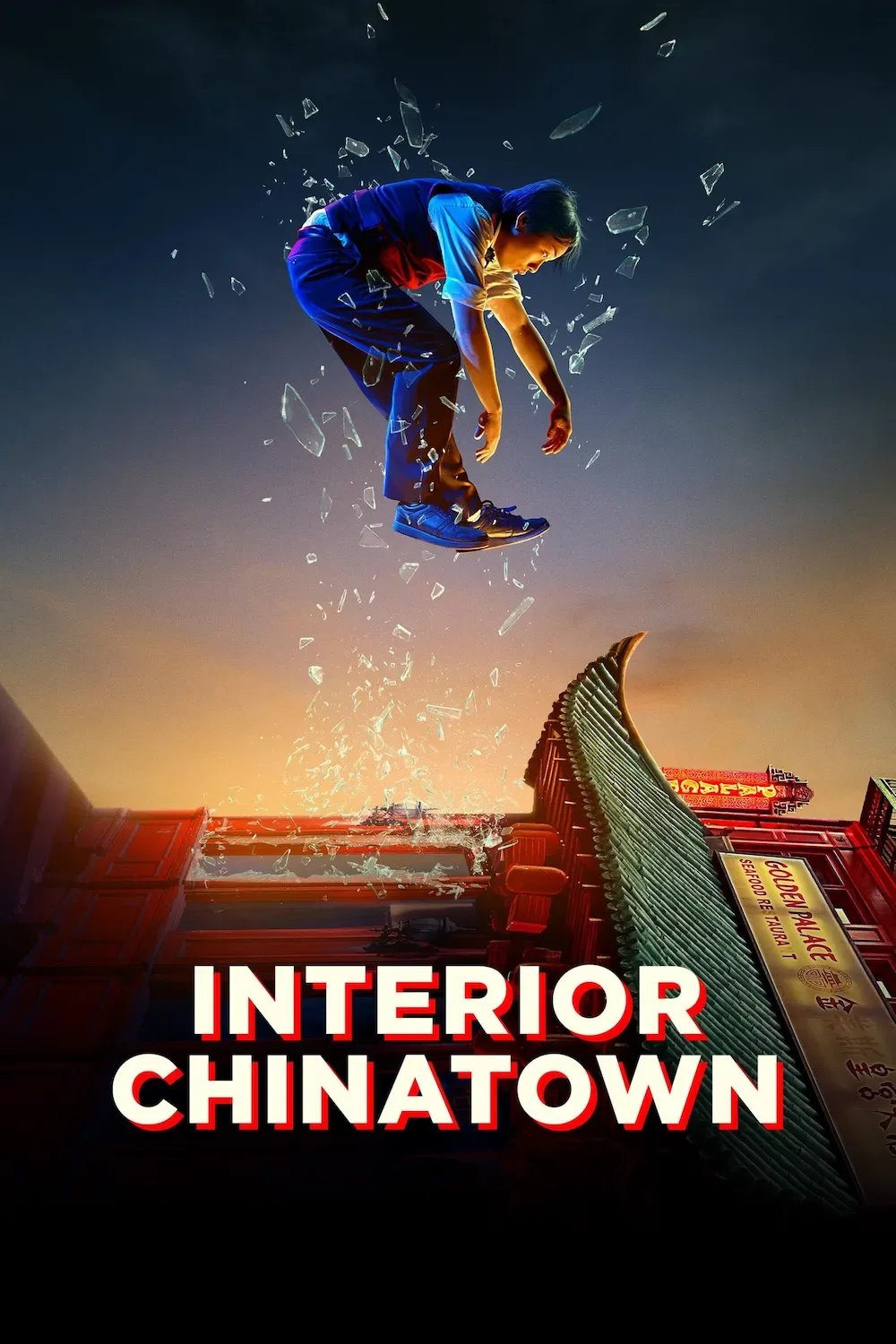
Willis Wu’s life in Chinatown is hardly what he hoped it would be. His family is still reeling from the mysterious death of his beloved older brother, his parents hardly speak to each other, and he’s stuck waiting tables at the Golden Palace Chinese restaurant. After witnessing a woman getting kidnapped, though, he begins to uncover a bizarre conspiracy that affects not only him, but all of Chinatown. Unfortunately, Wu’s investigation is hindered by the fact that he’s actually just a background character in the popular TV police procedural Black and White. Yes, you read that last bit correctly. Not surprisingly, Interior Chinatown gets very meta very quickly, and only more so throughout the season. As Wu tries to break free of the TV series’ constraints, Interior Chinatown explores questions of Asian identity and community while simultaneously poking fun at Asian stereotypes. (Special kudos to Ronny Chieng who kills it as Fatty “Mean Waiter” Choi.) The series occasionally gets too meta for its own good, seemingly more concerned with how it’s telling the story than the actual story itself. Even so, it’s never not inventive, intriguing, and humorous.
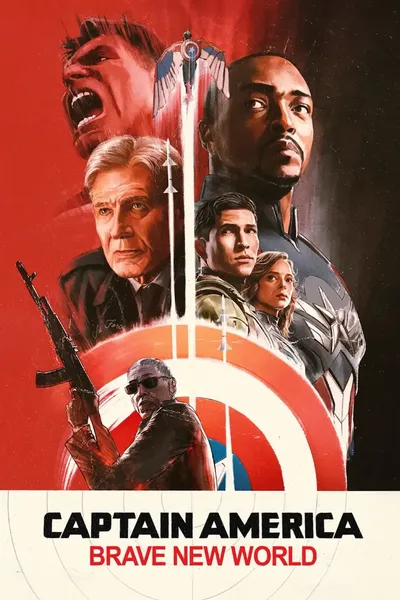
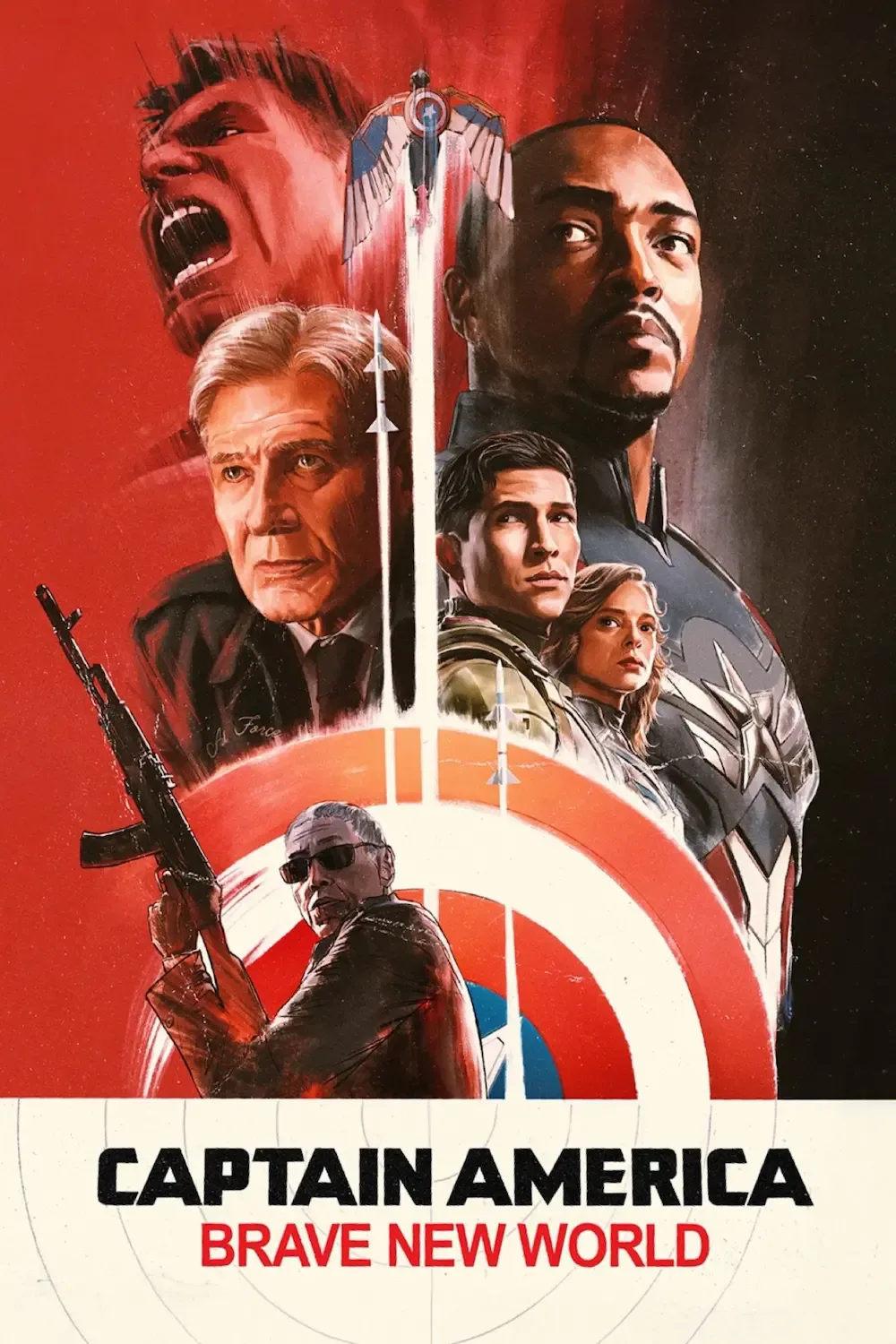
The MCU finally addresses that Celestial corpse floating in the Indian Ocean… sort of, but not really. I knew better than to expect a Captain America film to embrace the cosmic weirdness that a Celestial corpse might otherwise hint at, but maybe some cosmic weirdness might’ve helped this attempt at a superhero-filled political thriller. The new Captain America (Anthony Mackie), who’s still struggling to come out from under the shadow of Steve Rogers, is persuaded by the newly elected President Thaddeus Ross (Harrison Ford) to support a treaty concerning the world’s newly discovered supply of adamantium, a metal more precious than vibranium. Not surprisingly, that’s precisely when a secret from Ross’ past emerges to threaten everything. Brave New World has the pieces of a more interesting movie, and Mackie embraces his role as the new Captain America with no small amount of heart and humor. Still, it’s never more than just an OK film that lacks both the fun and conviction of its predecessors.
Billed as “Nebraska’s only British Fish & Chip Shop, Market, & Bakery,” Chippy’s is a literal hole in the wall — I think it’s about the size of our living room — that’s quite the local gem. We both ordered the fish and chips, which were quite delicious, as was the Ribena that washed it all down. We also got to try some of the tarts courtesy of the couple sitting next to us who were enjoying a spot of high tea. Afterwards, we bought some Jaffa Cakes and Jammie Dodgers.
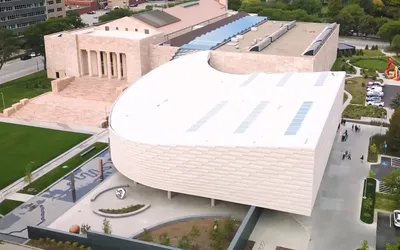
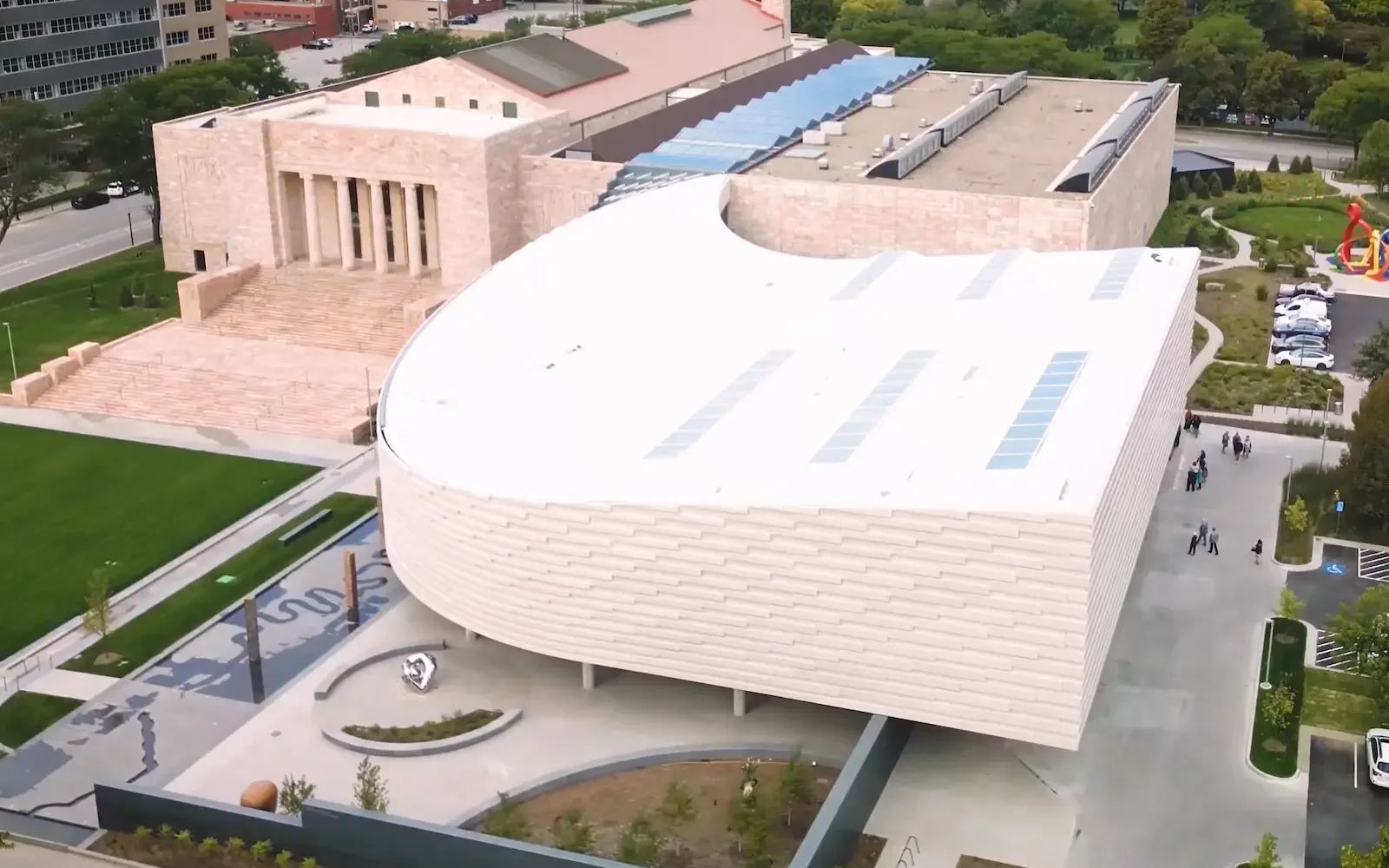
This was our first visit to the Joslyn since it reopened in September 2024 after two years of construction and renovation, and it did not disappoint. The newly added Hawks Pavilion is gorgeous. Our primary reason for visiting was to see the exhibition of Japanese prints spanning more than two centuries’ worth of work. The exhibition’s centerpiece was a reproduction of Hokusai’s iconic The Great Wave off Kanagawa, but the exhibition contained many excellent pieces. Afterwards, we spent some time exploring the rest of the museum’s collection. Some of my favorites include Titian’s Portrait of a Man with a Falcon, John Hoppner’s Portrait of Lady Redesdale, Jean-Léon Gérôme’s The Grief of the Pasha, and Jules Breton’s The Weeders.
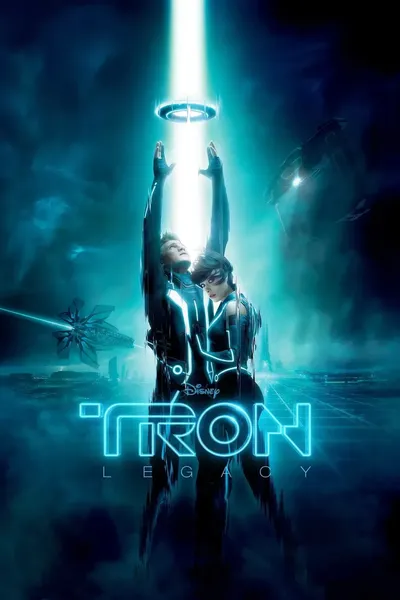
Based on its aesthetics alone, you’d think I’d love Tron: Legacy. From the ultra-sleek production design to Olivia Wilde’s haircut, it has enough style and panache for ten movies, not to mention a bangin’ Daft Punk soundtrack. But even after multiple viewings, Tron: Legacy feels empty and I’m left wishing that I liked it more than I actually do. Way back in 1982, the original Tron had a more fantastical view of technology, which felt apropos at the time given the relative newness of computers, networking, etc. These days, however, computing technology has become so ubiquitous that Tron: Legacy’s depiction of a computer world feels inherently hollow and dated.
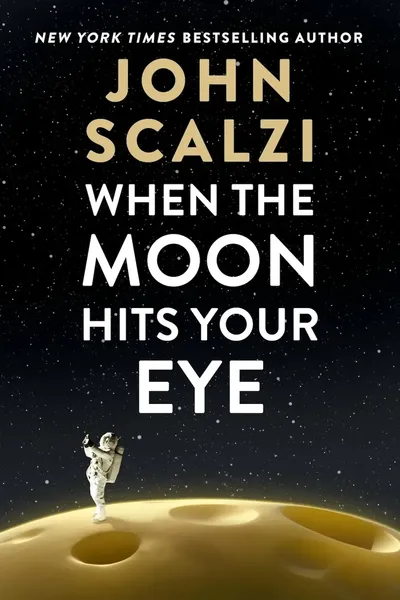
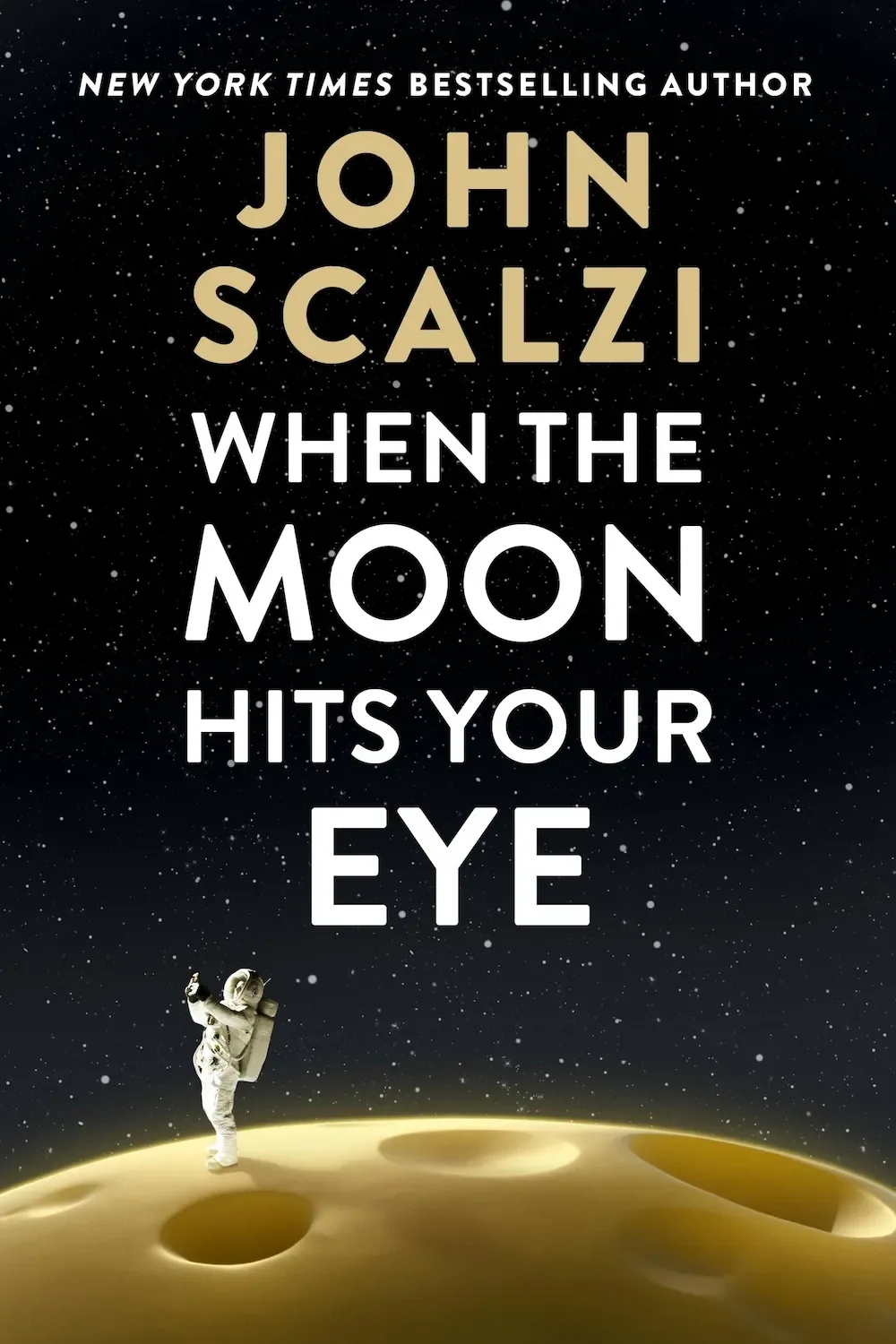
If any other author had written When the Moon Hits Your Eye — in which the world grapples with the scientific, religious, and existential ramifications of the moon suddenly turning into cheese (or an “organic matrix,” to use NASA’s term) — I probably would’ve left it on the library shelf. But since it was written by John Scalzi, it was a must-read. As I’ve mentioned before, Scalzi’s novels are like bacon double cheeseburgers: not necessarily the deepest or most profound books you’ll read, but when you’re in the mood for one, nothing else will satisfy. That said, When the Moon Hits Your Eye is his lightest, most whimsical novel to date, even when he’s taking tech billionaires to task or writing about a pastor’s crisis of faith. It was also the one I had the hardest time getting into. Scalzi’s novels are usually a quick weekend read for me, but this one’s vignette-ish nature — its chapters ping-pong around a vast cast of characters, some of whom we never see again — made it difficult to built up reading momentum. To Scalzi’s credit, though, I stayed up way too late finishing it because, in the end, I didn’t want to put it down.
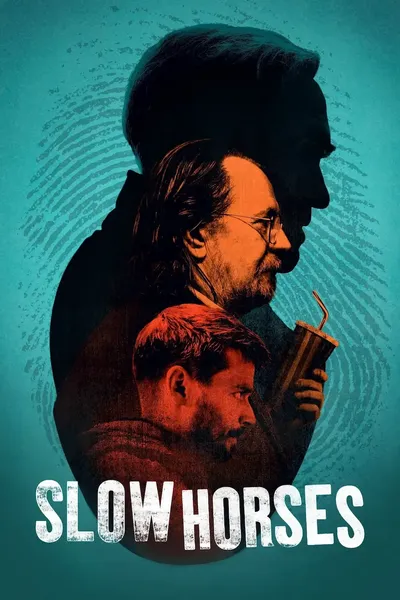
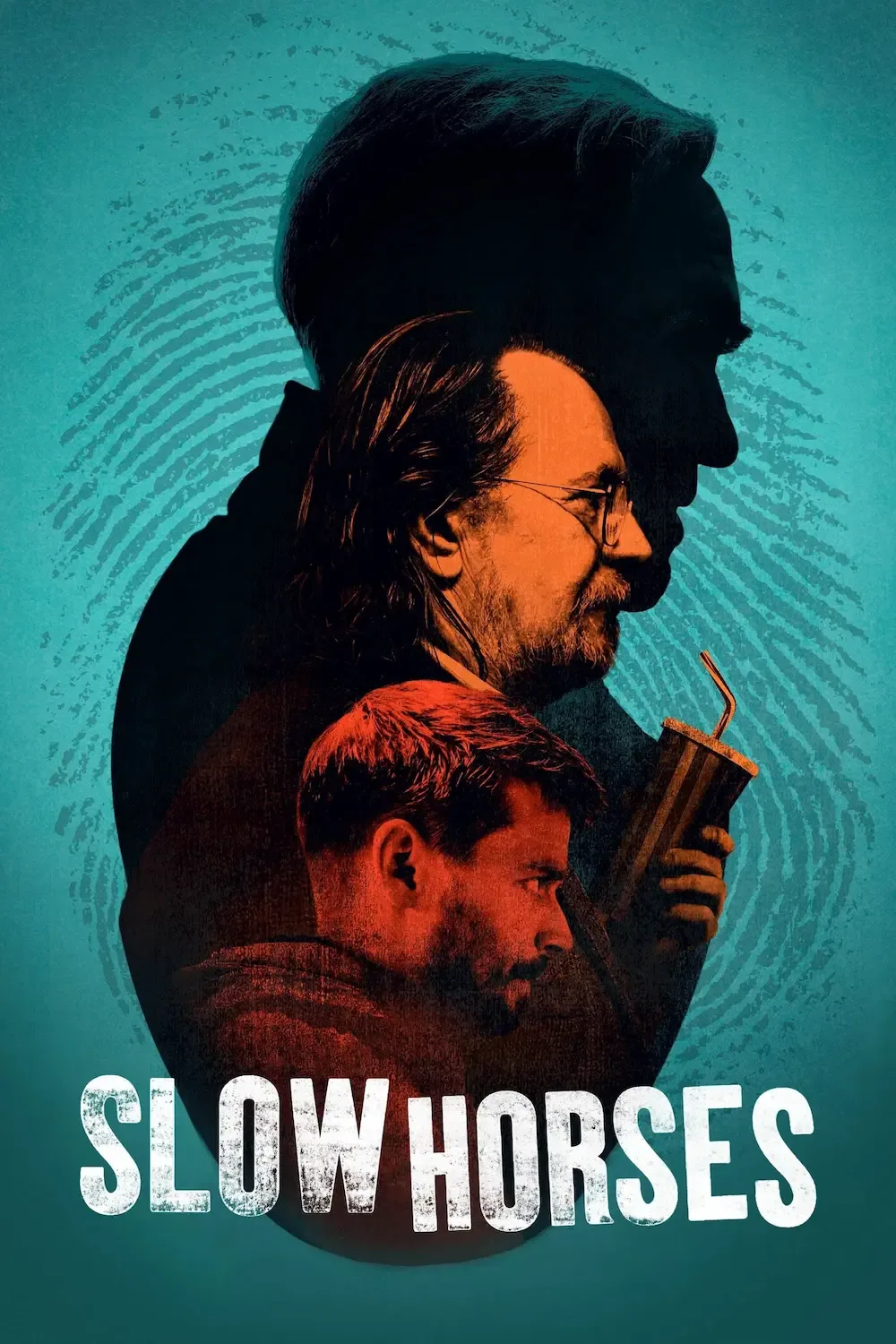
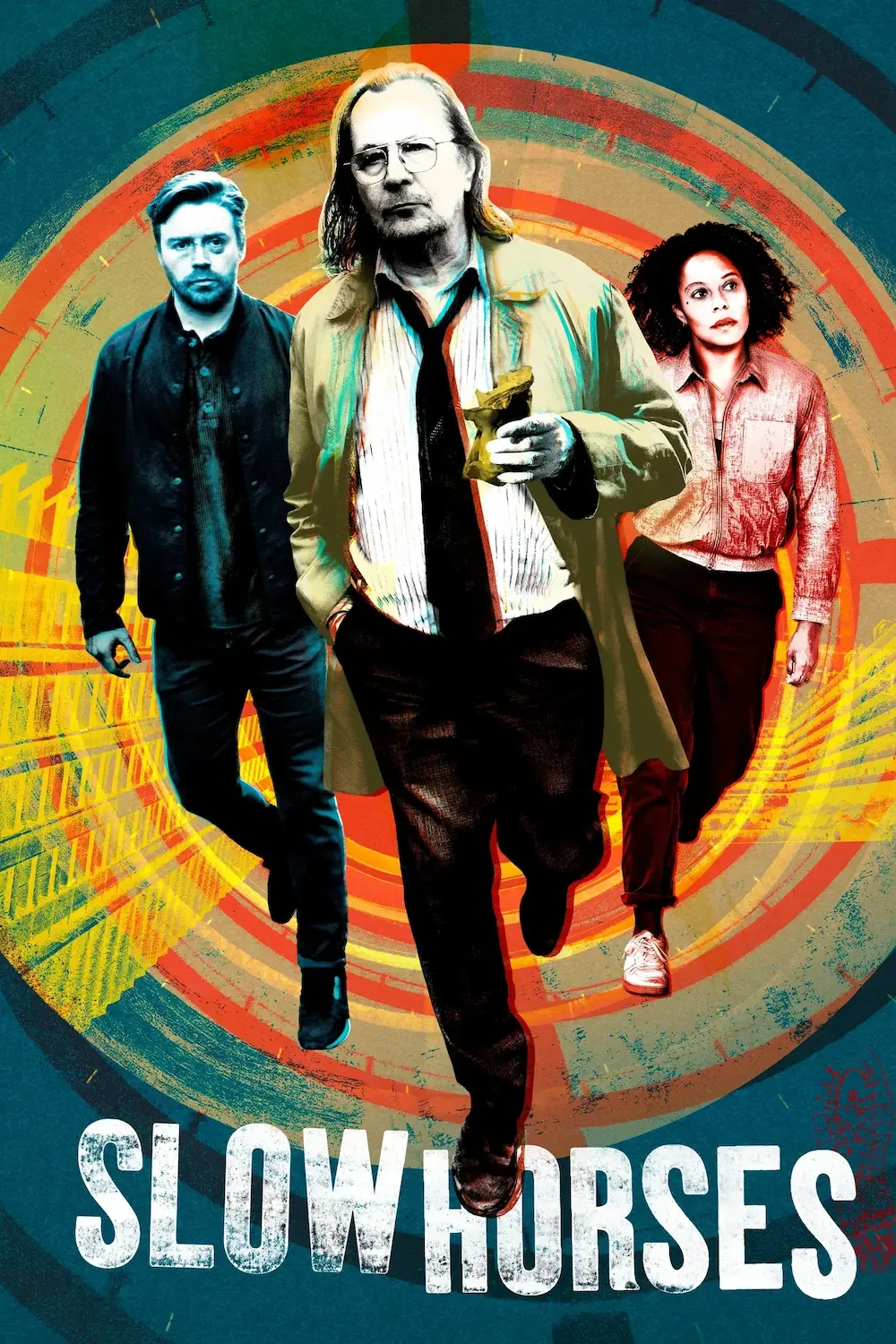
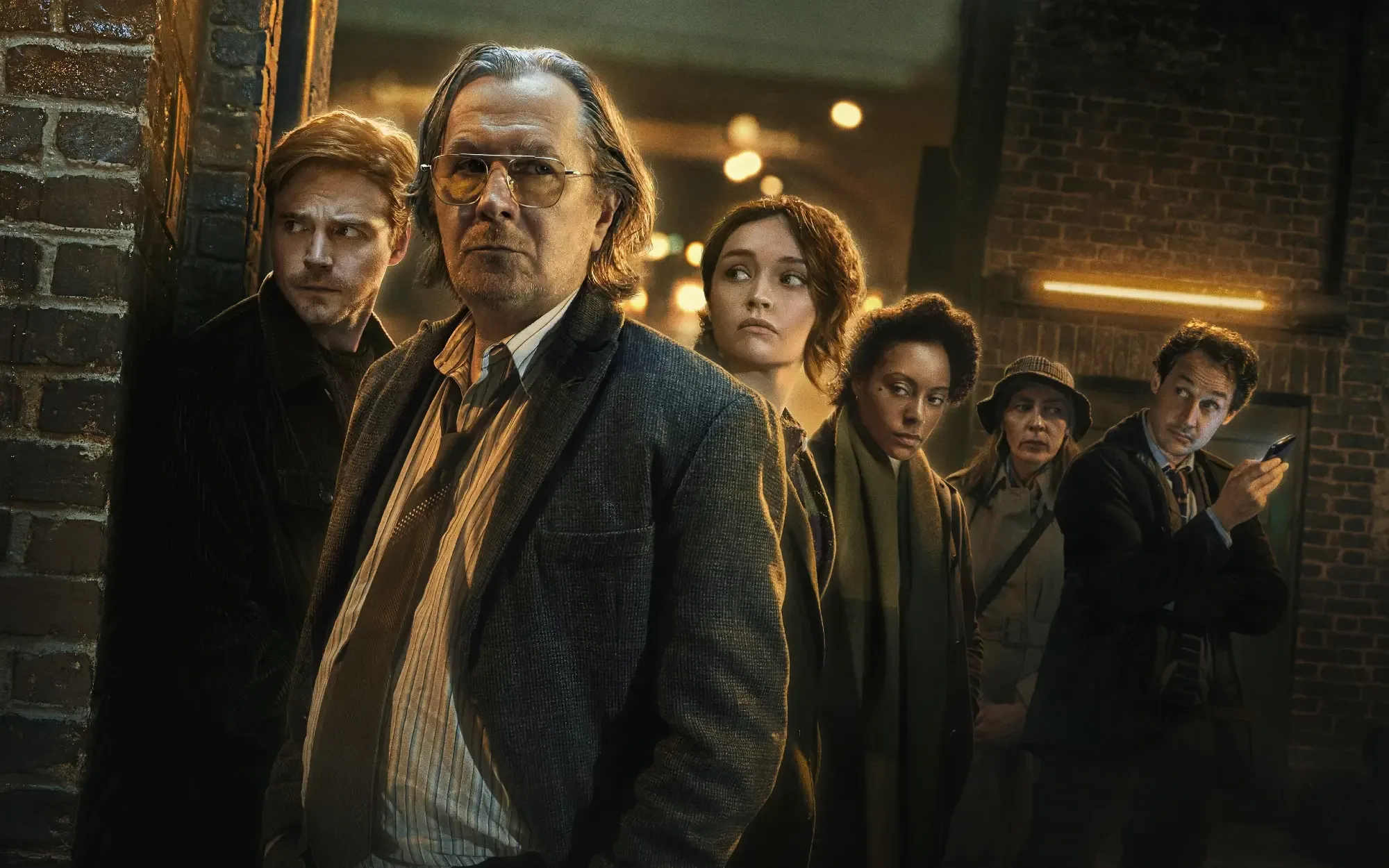
An overarching theme to Slow Horses is its titular MI5 “rejects” having to constantly clean up other people’s messes because no one else can or will. It could be a mess created by an overly ambitious politician, by MI5’s actions and policies, or by someone they love and respect. Season four’s storyline brought that theme into stark relief. Unfortunately, its primary arc — a secret about River Cartwright’s past — felt a bit contrived when all was said and done. It was nice to see Hugo Weaving in action again, but he felt kind of wasted in his role. And though Gary Oldman’s misanthropic Jackson Lamb was delightful as always, he did feel a bit sidelined this season. Don’t get me wrong, a “bad” season of Slow Horses is still plenty enjoyable. I appreciate how the series keeps you on your toes — for starters, it’s not afraid to kill off characters who would be “safe” in an American series, thus highlighting the dangerous nature of Slough House’s work — and I’m eagerly awaiting season five, which should drop later this year.
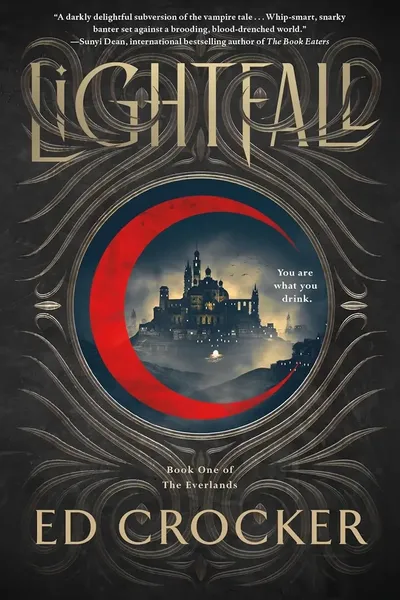
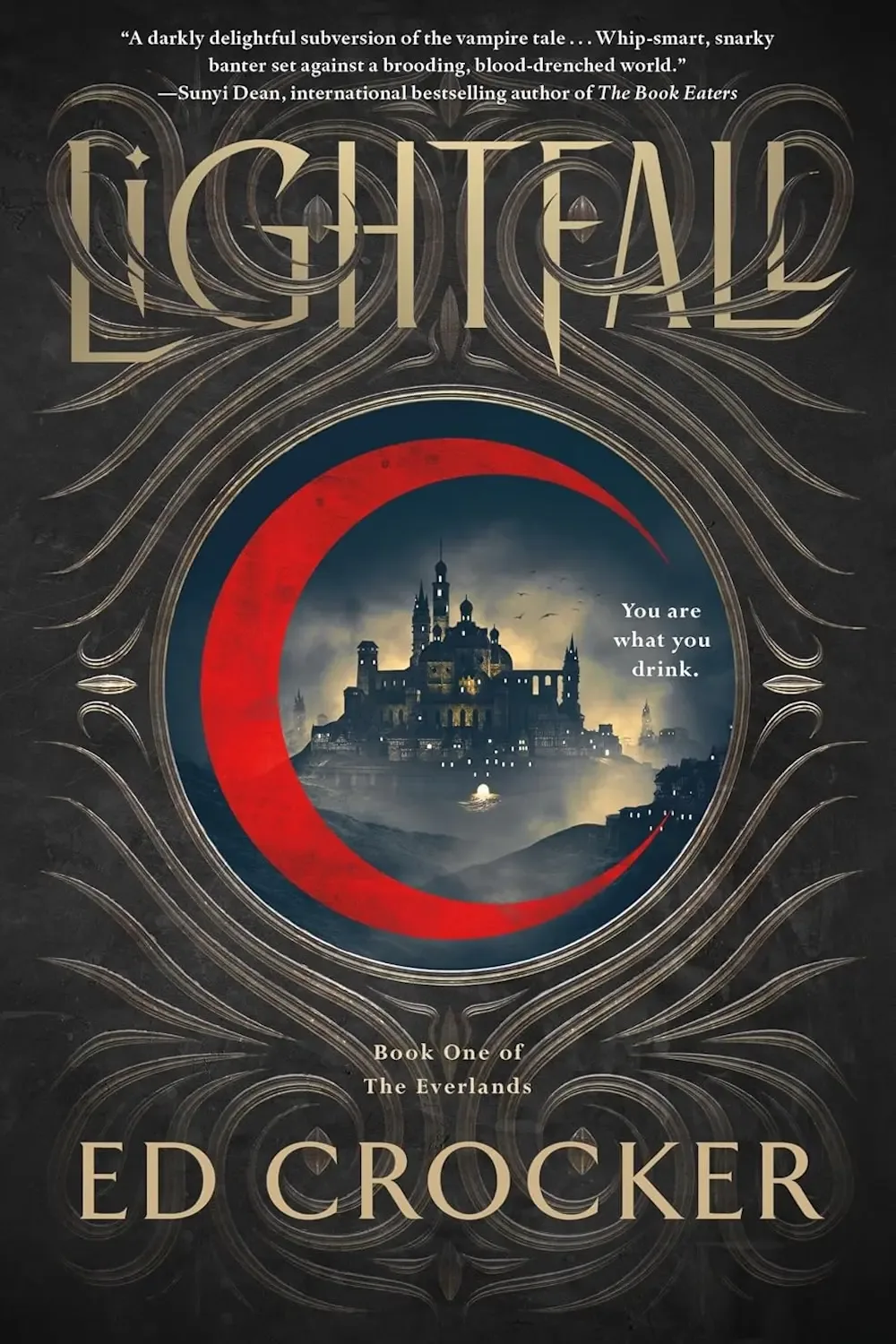
Vampires and werewolves and sorcerers, oh my… I’ve never really been much into vampire lit, so I’m still not exactly sure why I checked out this particular novel. In any case, Ed Crocker does some interesting world-building here, creating a continent populated by the three immortal races who have abandoned their traditional lands after a strange foe nearly wiped them out a century earlier. Most of the action takes place in the last remaining vampire city of Lightfall, which is ruled by an arrogant nobility that gets all the best blood. When the son of one of Lightfall’s most powerful lords is killed, his death sets in motion a series of events that could bring Lightfall to its knees. Caught in the tumult is a lowly vampire servant who wants to strike back at the nobles who destroyed her family, a werewolf warrior with her own reasons to hate vampires, and a sorcerer who has devoted his life to proving the existence of the mythical race of humanity. A novel about vampires, werewolves, and sorcerers could have easily sunk into YA tropes and nonsense, so it’s to Crocker’s credit that he keeps things interesting. That said, I can’t say I found the story and its characters particularly gripping, not enough to guarantee that I’ll read the rest of the Everlands books when they’re released, anyway.
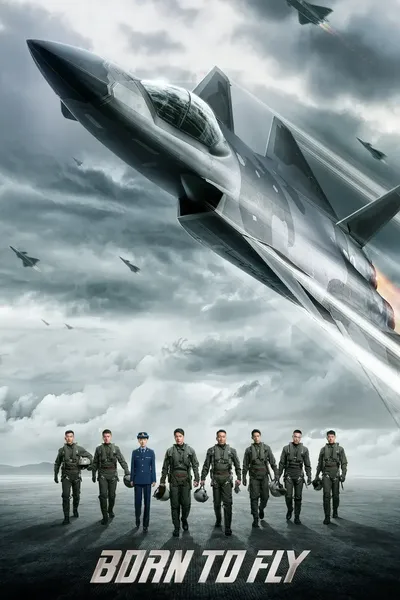
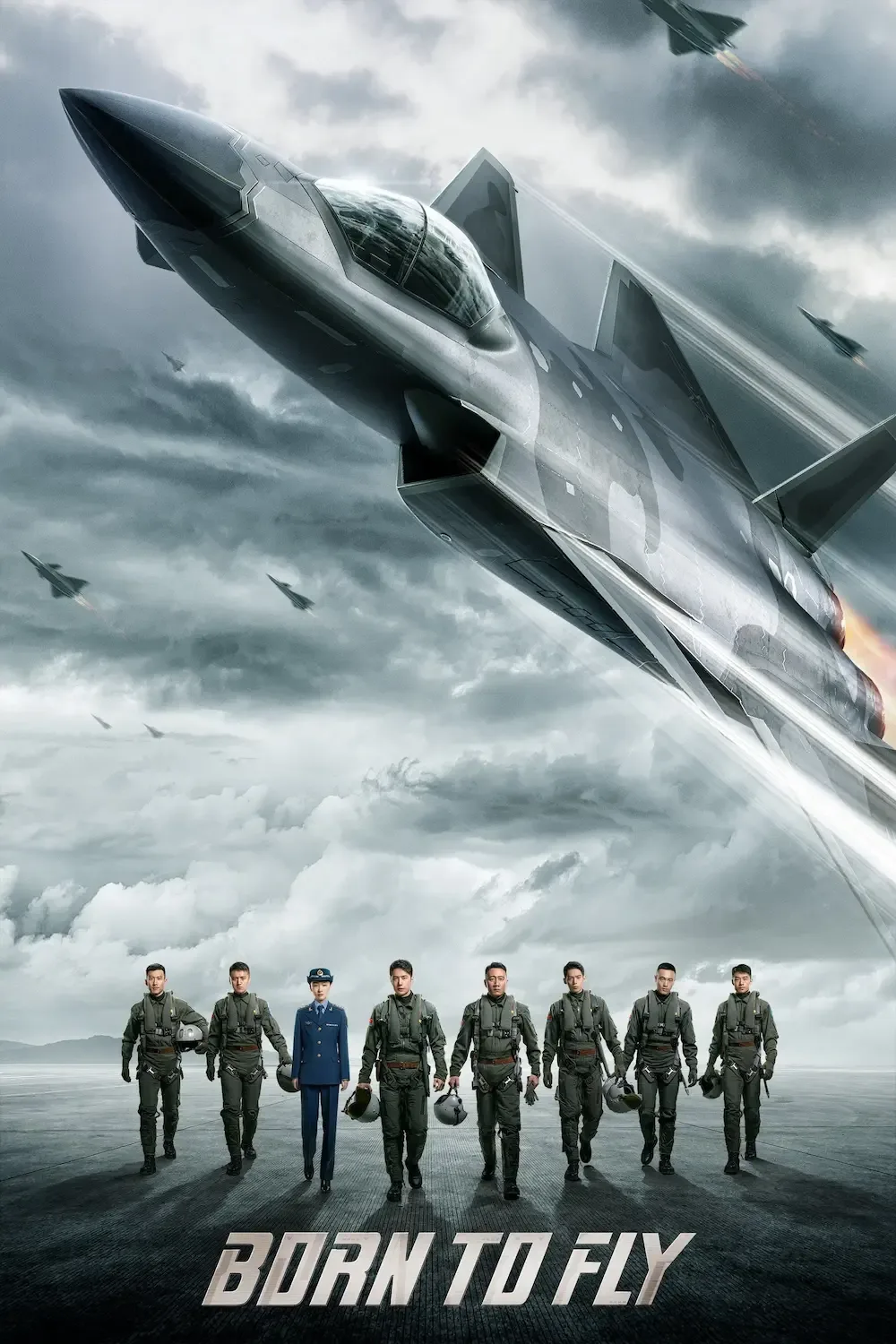
It’s easy to describe Born to Fly as China’s response to 2022’s Top Gun: Maverick. Easy, and also misleading. Whereas Top Gun: Maverick transcends its propagandistic qualities and actually becomes entertaining thanks to charismatic performances, an affecting storyline, and thrilling aerial sequences, Born to Fly has none of those things. As a result, Liu Xiaoshi’s film about a group of young test pilots testing China’s new stealth fighter is basically a military recruitment ad dressed up in tearjerking melodrama. (Not surprisingly, Xiaoshi created promotional materials for the Chinese military prior to directing Born to Fly.) This film doesn’t have performances, only half-realized tropes in flight suits. It doesn’t have a storyline, just loosely connected events punctuated by patriotic speeches. And it doesn’t have thrilling aerial sequences, just painfully obvious green screened CGI. Apparently, Born to Fly’s producers were so worried about Top Gun: Maverick comparisons that they delayed their film’s release to improve its visual effects in a bid to avoid any ridicule. That, and the Chinese Air Force was less than pleased with the film’s depiction of its new Chengdu J-20 fighter. All of that’s to say, based on the version of the film that was finally released, I shudder to think what the original Born to Fly was like.
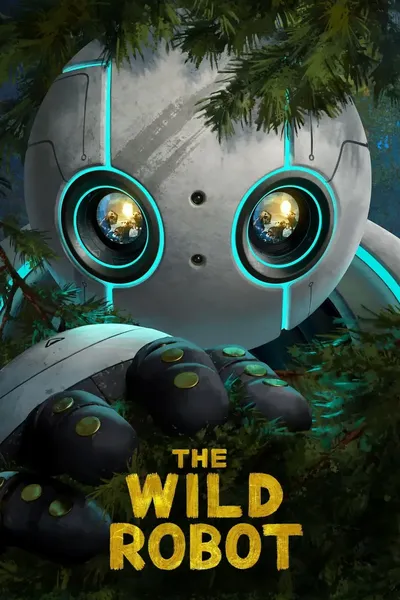
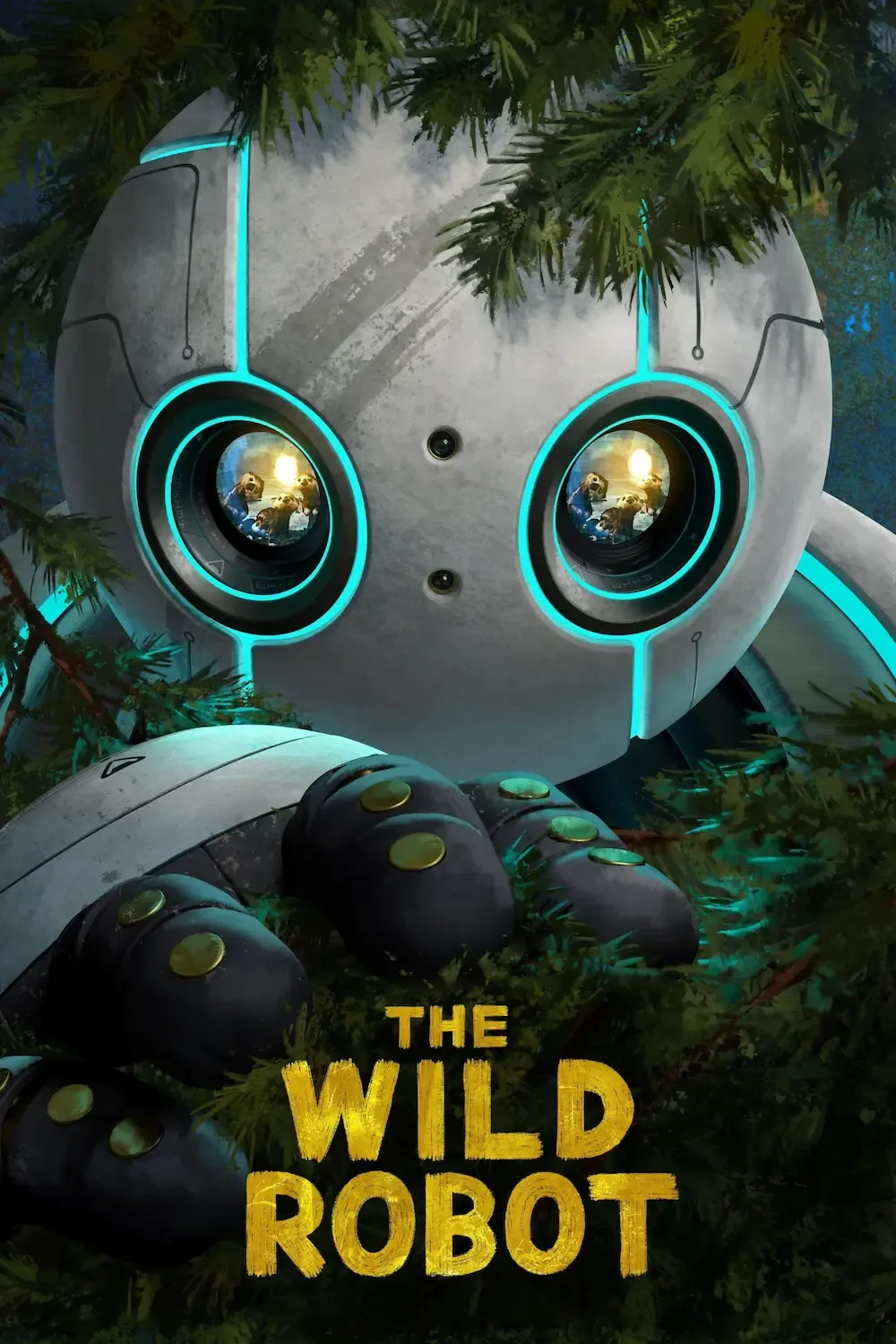
I told my wife she shouldn’t watch The Wild Robot for her own emotional wellbeing. The animated film, which is based on Peter Brown’s novel and follows a robot that crashes on a remote island and unwittingly becomes the mother of a runt gosling, lays on the maternal metaphors thicker than thick. Be it feelings of incompetence, physical wear and tear, or the struggle to eventually let one’s child venture off on their own, The Wild Robot is not subtle in its storytelling, sometimes painfully so. The film’s artwork has a painterly style that’s a refreshing break from today’s typical CGI fare, and its voice cast — which includes Lupita Nyong’o, Pedro Pascal, Catherine O’Hara, Mark Hamill, and Matt Berry — give it their all.
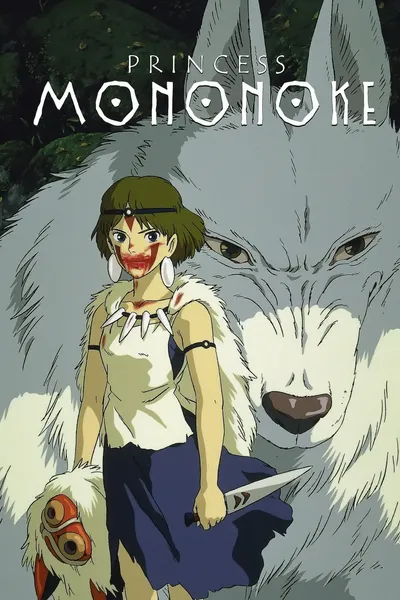
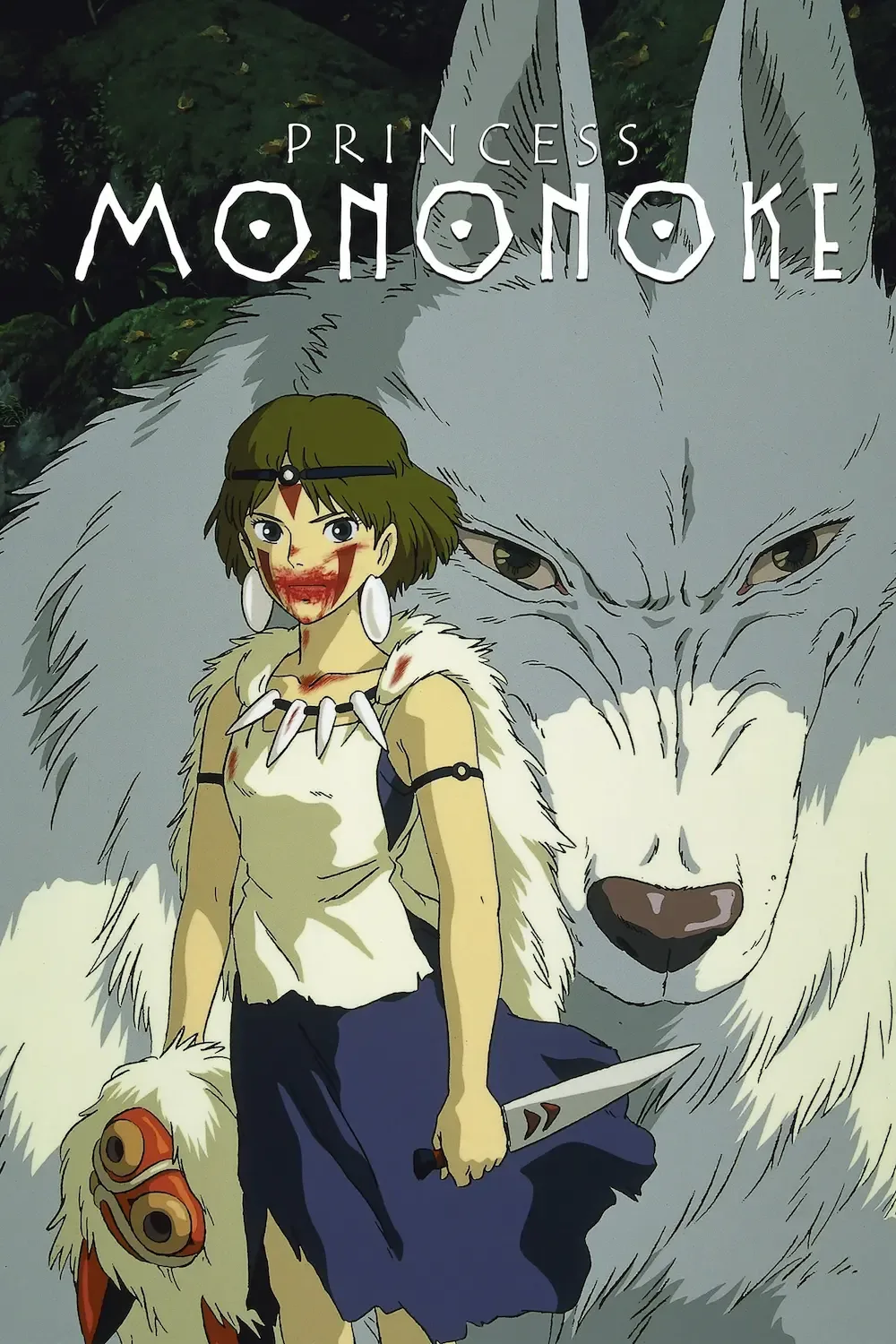
After seeing so many AI-generated rip-offs of Studio Ghibli’s aesthetic, I thought I’d get reacquainted with one of my favorite Hayao Miyazaki films and see the real deal. Princess Mononoke features the usual Miyazaki-isms — e.g., highly detailed animation, a sense of natural wonder, strong female characters — but it’s arguably his darkest and most despairing film. Miyazaki is a devout pessimist concerning human nature, and that shines through quite clearly in this “man vs. nature” epic. At the same time, however, his film possesses a moral complexity that makes it all the more intriguing. In the hands of a lesser filmmaker, Lady Eboshi and Irontown would be clearcut villains and the forces of nature would be entirely in the right. But because Miyazaki is a master storyteller, he weaves in just enough ambiguity to challenge your assumptions, along with a melancholy that haunts you after the credits stop rolling. And of course, the film is absolutely gorgeous to behold, with a suitably sweeping score from Joe Hisaishi.
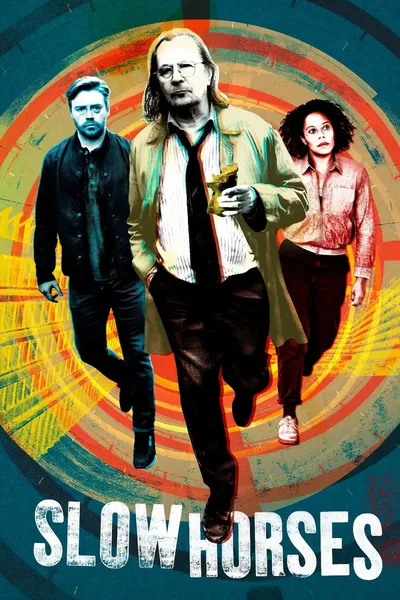
Apple’s series about a team of disgraced British spies just keeps getting better and better with each new season. This time around, the Slow Horses must race to save one of their own when a private military contractor threatens MI5 security. Naturally, things only get more complicated as various conspiracies and coverups begin to emerge. Gary Oldman is in top form as Jackson Lamb, the slovenly and misanthropic head of Slough House who gets in all of the best lines, especially when he’s taking down corrupt and ambitious politicians and bureaucrats. On a sidenote, Slow Horses’ third season was released in 2023, meaning its storyline about a private company arrogantly claiming to make government more efficient feels rather prophetic in light of current events.