My Cultural Diet (August 2024): Seven Samurai, The Fall Guy, Lone Wolf McQuade, Batman, Baby Assassins
In order to better track my various cultural experiences (e.g., movies, TV shows, books, restaurants), I’ve created the Cultural Diet. Think of it as my own personal Goodreads, Letterboxd, and Yelp, all rolled into one (more info here). Every month, I recap everything that I watched, read, etc., in the previous month.
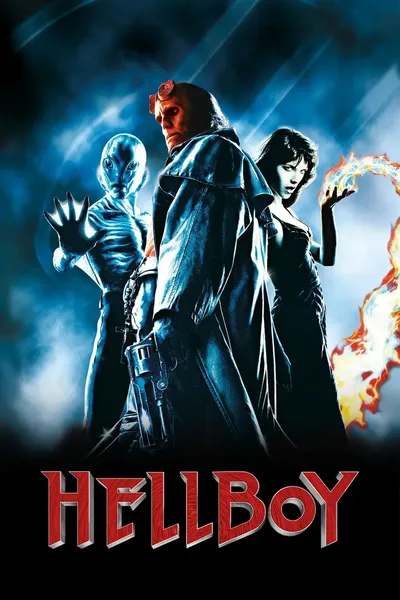
Since I finished Mike Mignola’s Hellboy series earlier this year (read my review), now seemed like a fine time to rewatch Guillermo del Toro’s 2004 live-action adaptation. When I first watched Hellboy 20 years ago, I recall being both impressed and underwhelmed — a bizarre sensation that I still experienced during this most recent viewing. It’s obvious that Hellboy was a labor of love for del Toro, who brings his trademark visual panache to the film. There’s so much that’s right here, e.g., Ron Perlman’s casting as the titular anti-hero, the Lovecraftian beasties, and the way del Toro brings Mignola’s complex mythology to life. At the same time, however, Hellboy feels meandering and unfocused, as if del Toro’s love for the source material caused him to cram too much into the film even as he made some curious adjustments, like an underwhelming romantic subplot and several unnecessary secondary characters.
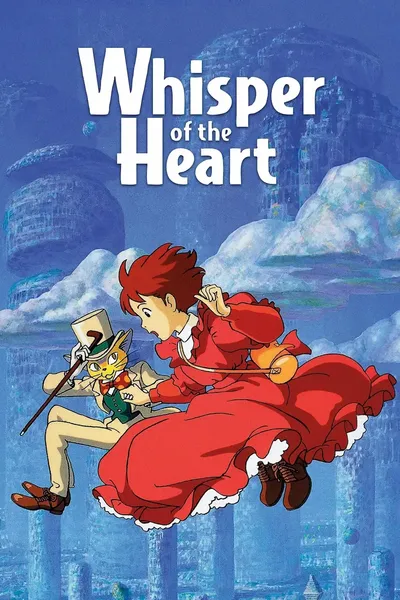
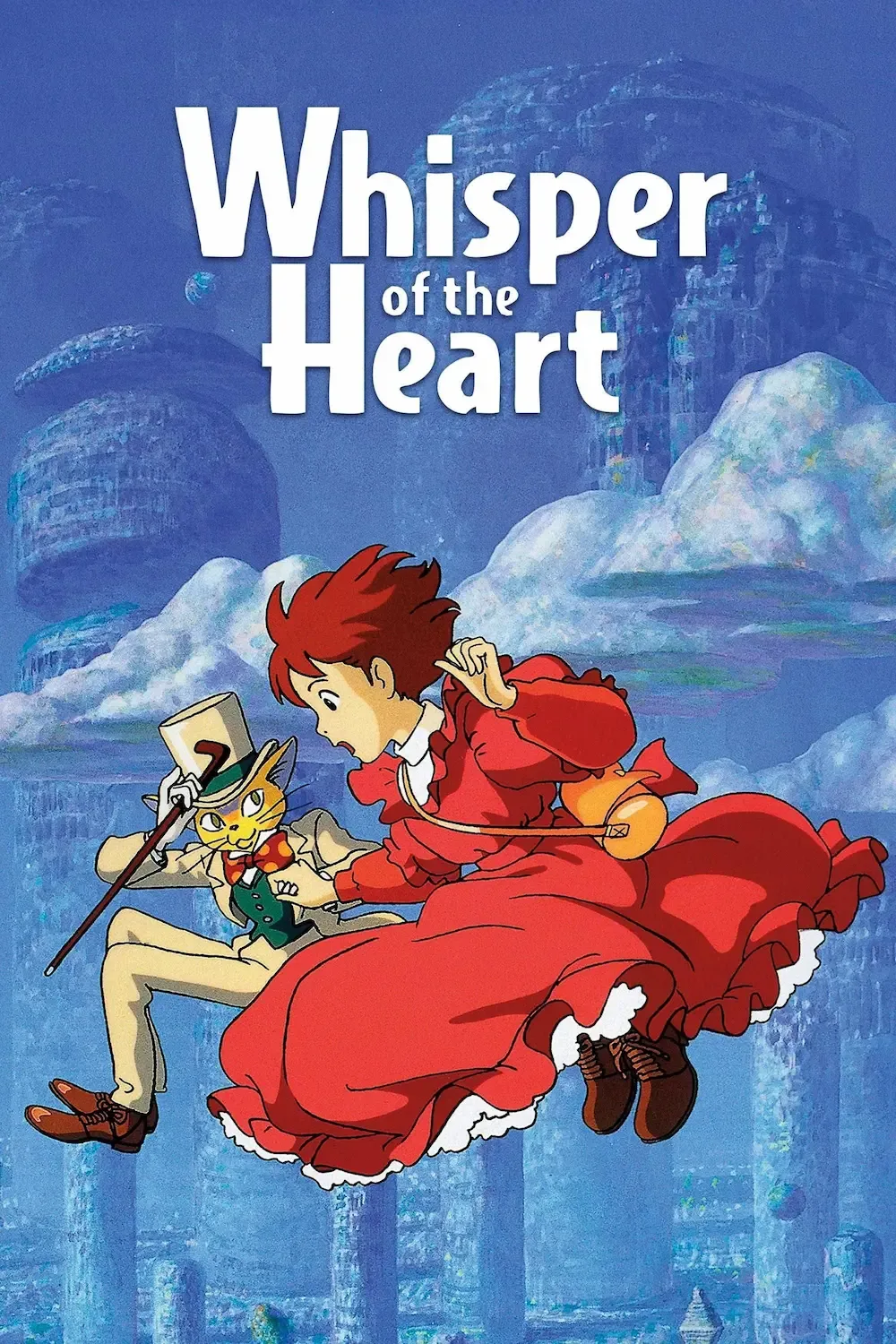
Studio Ghibli is best-known for fantastical movies like My Neighbor Totoro, Castle in the Sky, and Spirited Away. But Yoshifumi Kondō’s Whisper of the Heart lands in my Studio Ghibli “Top 5” precisely because it’s not fantastical. Or rather, because it reveals the fantastical in the mundane. 14-year-old Shizuku isn’t quite sure what to do with her life as she prepares for high school; she loves to read, but books have lost their appeal, and she’s unsure about her poetry and songwriting skills. A chance encounter with a classmate who dreams of becoming a violin maker in Italy inspires her to strike out on her own and become a writer — but are her talents a match for her ambition and imagination? (A question that any creative can sympathize with.) On paper, that’s not exactly the most thrilling storyline. In reality, Whisper of the Heart is a wonderfully quotidian drama about finding your own way in life — or even just starting to think about what your own way in life might look like — that boasts some of Studio Ghibli’s most exquisite artwork and animation. Sadly, Kondō — who had been tapped as Hayao Miyazaki’s successor at Studio Ghibli — died a few short years after the film’s release. If Whisper of the Heart is any indication, though, his death robbed the world of a talented filmmaker and the possibility of more lovely films to come.
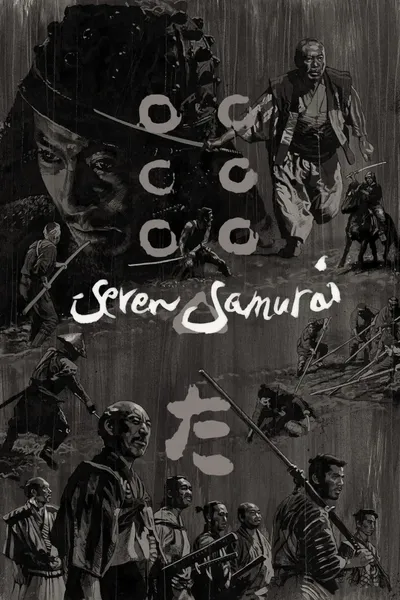
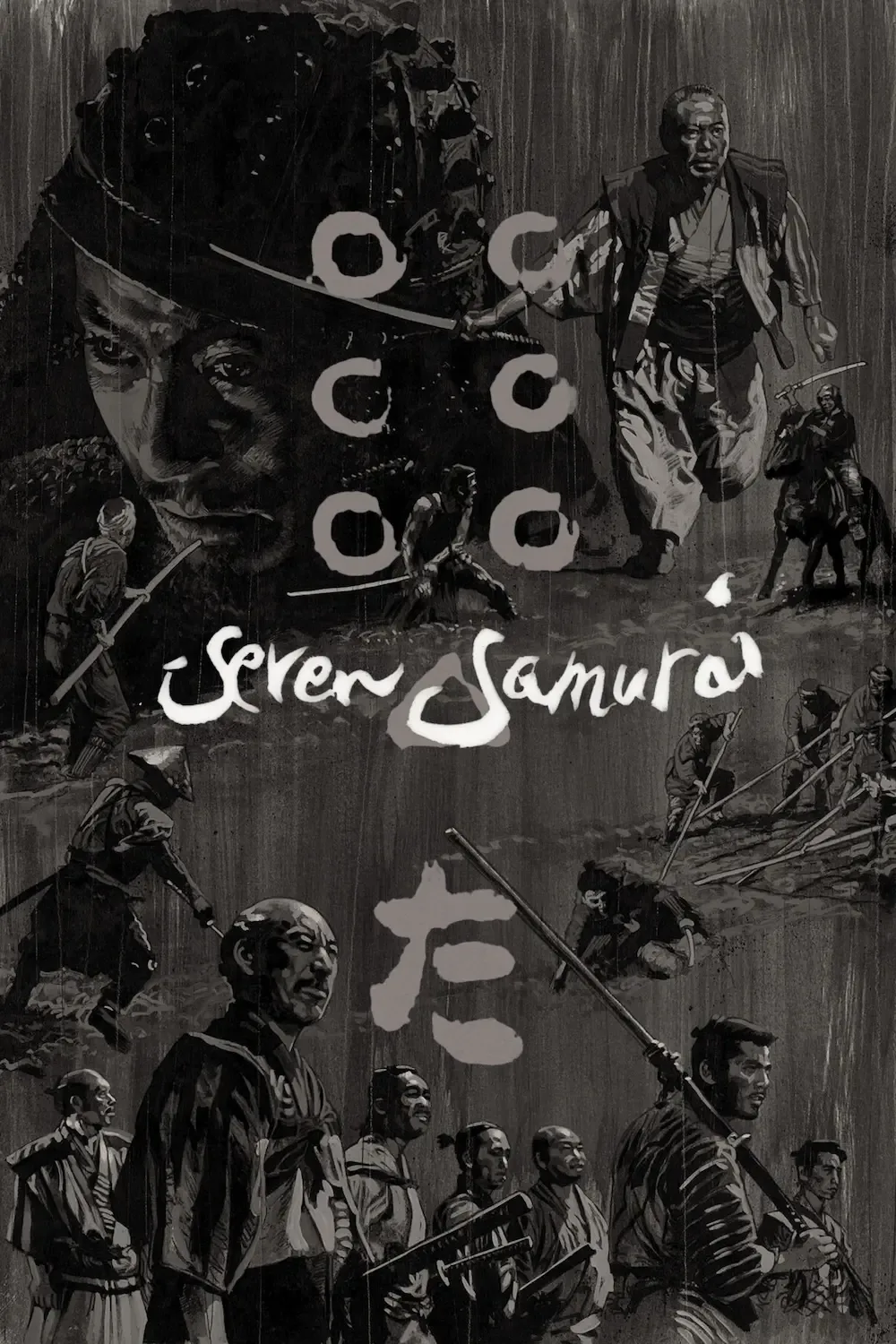
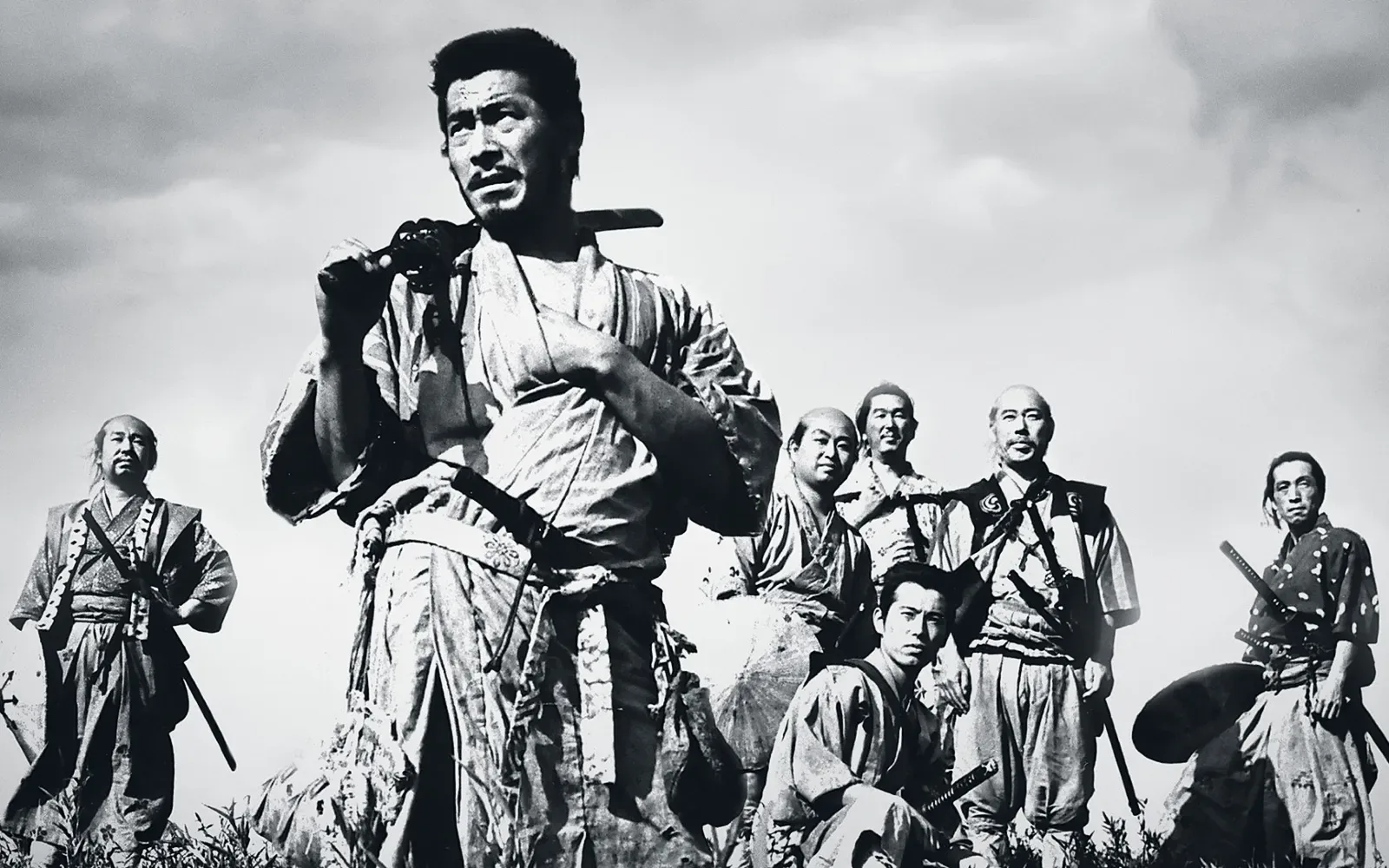
I’m not sure what else there is to say about Akira Kurosawa’s Seven Samurai at this point. The film is a cultural cornerstone, inspiring numerous remakes and influencing countless movies and TV series. If you’ve ever watched a movie in which a team of random strangers are assembled for a dangerous mission or heist, or you’ve watched an epic battle sequence, chances are that Seven Samurai is referenced somehow, somewhere. And yet, none of the remakes and references have eclipsed the original and its warm humanism, colorful characters, sweeping emotions, and of course, action, which has lost none of its thrilling effect in the last 70 years. Earlier this month, I saw a clip of Bill Maher mocking Kurosawa as “one of the most important directors that you need to pretend you care about.” I feel no need to pretend whatsoever; watching Seven Samurai in the theater — and in a 4K restoration, I might add — there was never a doubt in my mind that I was watching the work of a master.
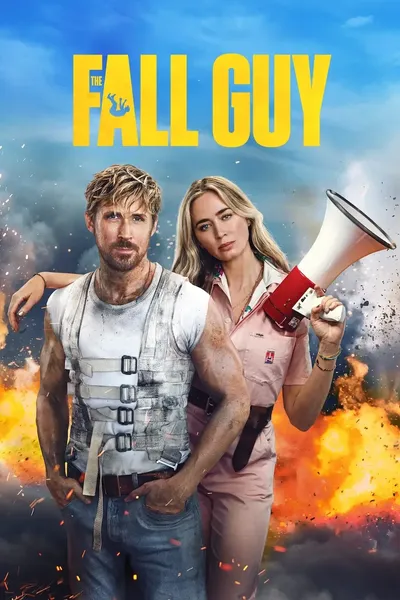
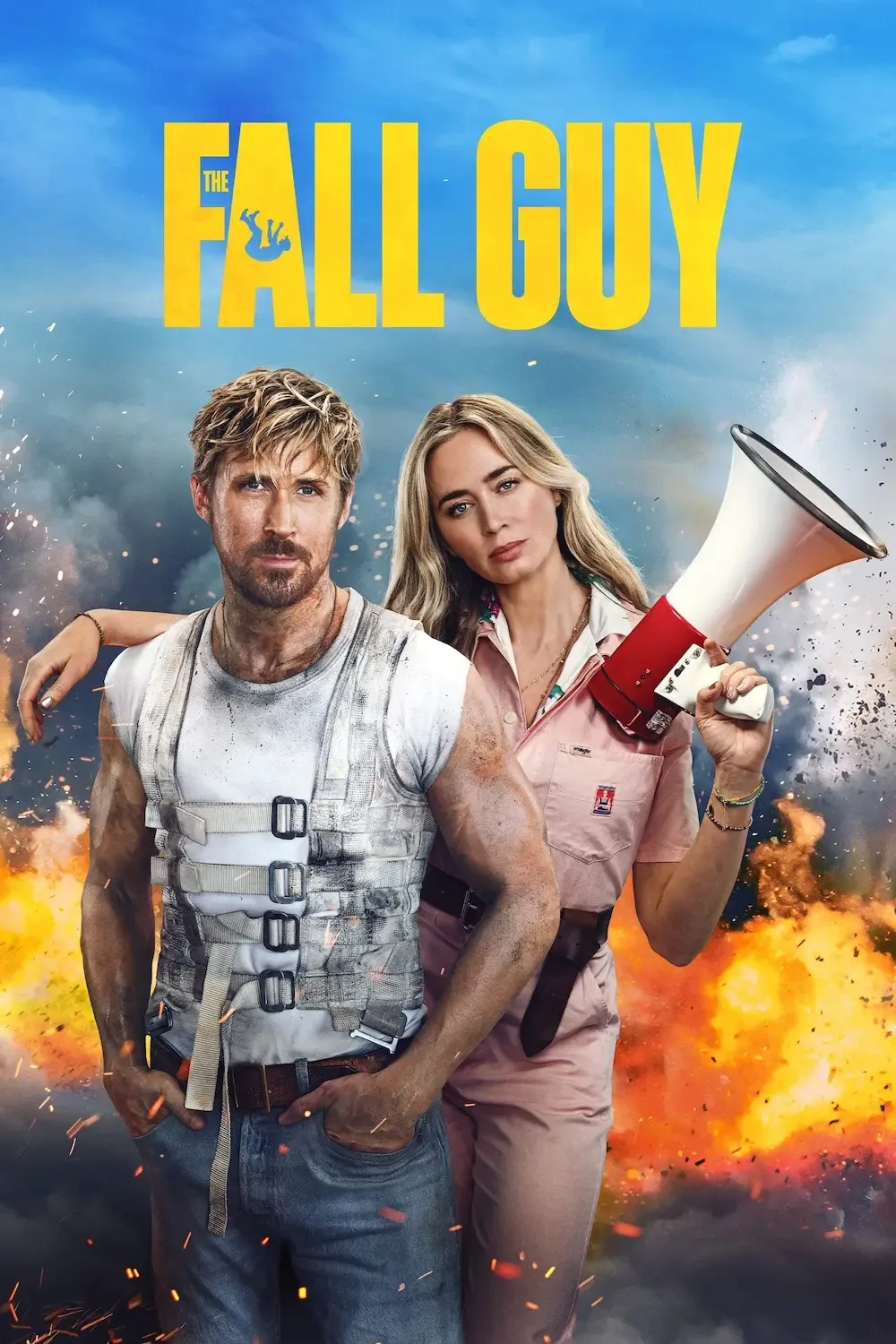
I’ve long believed that stuntmen and stuntwomen deserve more recognition than they receive. (Are you listening yet, Oscars?) For that reason alone, I was looking forward to The Fall Guy, a remake of the ’80s TV series starring Lee Majors. Colt Seavers (Ryan Gosling) is a disgraced stuntman who’s given a chance to redeem himself — and possibly reunite with his girlfriend Jody Moreno (Emily Blunt), now a fledgling director — when he’s tasked with tracking down action star Tom Ryder (Aaron Taylor-Johnson). Things, of course, go horribly awry. Given that it’s basically a movie about moviemaking, The Fall Guy is filled with cinematic references — which are humorous until they get heavy-handed and “meta.” (Winston Duke’s “Daniel Day-Lewis” war cry did make me chuckle, though.) The film is a fun bit of summer box office fluff, but I wish it had played things a bit more straight instead of constantly winking at the audience. In the end, The Fall Guy tries too hard to be clever, to its detriment.
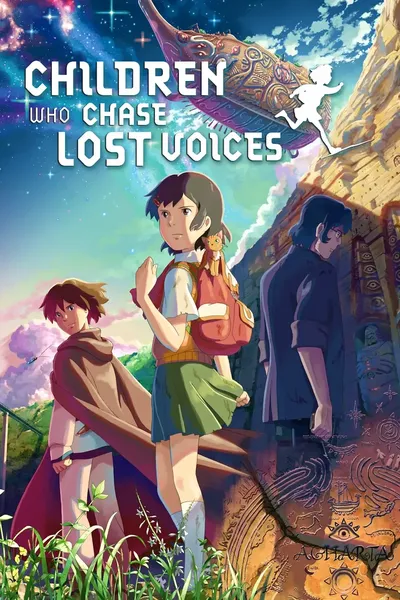
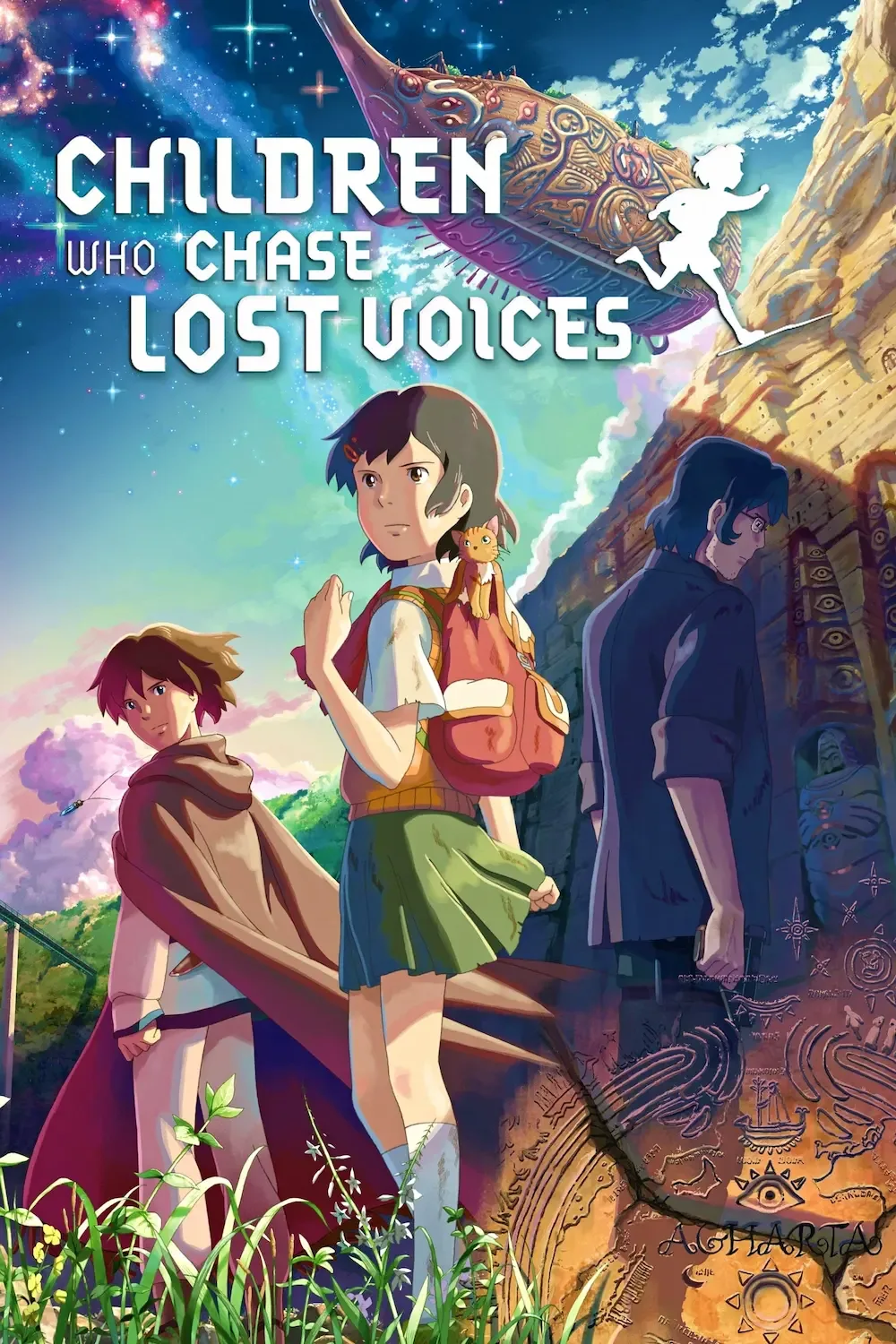
Makoto Shinkai has often been called the next Hayao Miyazaki, something that — to his credit — he has downplayed. That said, Children Who Chase Lost Voices is the only Shinkai film I’ve watched that actually feels Miyazaki-esque thanks to its fantastical storyline, which is to its detriment. There are some interesting ideas in this film about a young girl who embarks on a perilous journey through the underworld, and as expected from a Shinkai film, it frequently looks gorgeous. Ultimately, however, Children Who Chase Lost Voices feels like an awkwardly assembled mishmash — a little Castle in the Sky here, a little Princess Mononoke there — that never really gels or becomes something greater than the sum of its parts. Shinkai’s ambition is plain to see, but the resulting film just doesn’t work very well.
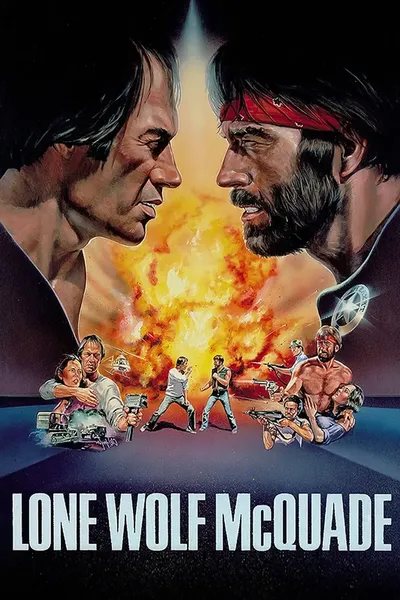
I confess to an inordinate fondness for Chuck Norris movies, probably because they frequently played on Omaha’s KPTM during the late ’80s and early ’90s. As such, the scene in Lone Wolf McQuade where Norris’ titular Texas Ranger is buried alive in his Dodge Ramcharger is forever seared into my subconscious, from the moment he pours beer all over himself to the moment he surges from beneath the ground, reborn and ready to get revenge on David Carradine’s slimy arms dealer. It’s all pretty absurd in the way that only an early ’80s Chuck Norris film can be, from the ridiculous body count and blatantly illegal interrogation tactics to the way that women show they love our hero (they clean up his pigsty of a house, even if they’re a wealthy widow), McQuade’s pet wolf, and of course, plentiful roundhouse kicks. I’d also be remiss if I didn’t mentioned McQuade’s — dare I say it? — progressive relationship with his ex-wife, which was actually kind of refreshing to watch. It’s no Octagon — what is? — but Lone Wolf McQuade is still pretty enjoyable in its own right.
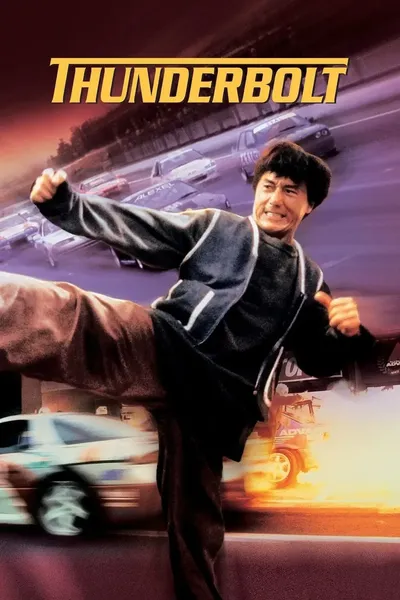
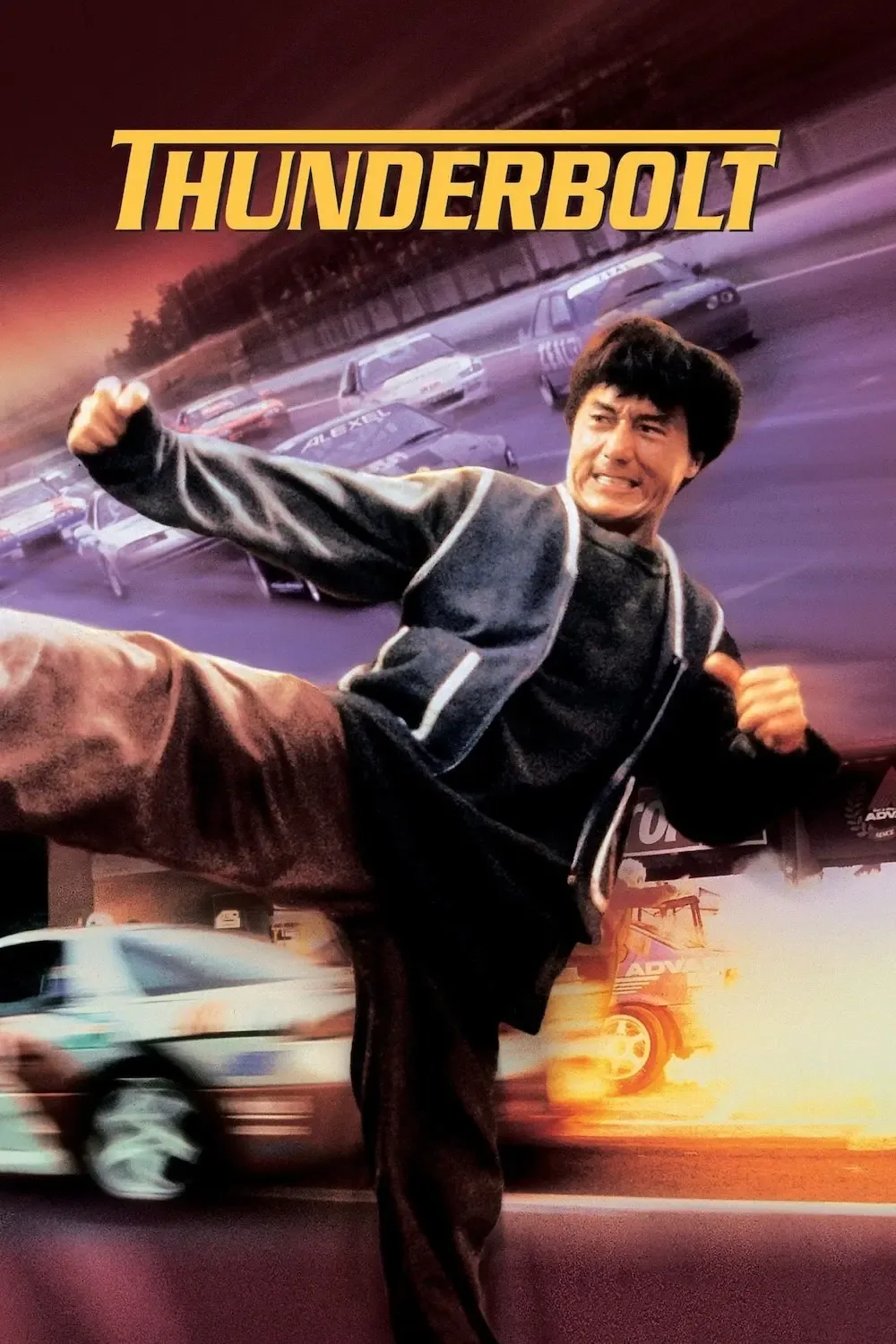
On paper, the mix of Jackie Chan’s trademark stunts and prop-based martial arts comedy with the world of auto racing seems pretty promising. After all, what could be a cooler prop for Chan to use than a race car? Unfortunately, 1995’s Thunderbolt fails to realize any of that setup’s promise. Chan plays a mechanic who runs afoul of a notorious criminal racer who subsequently kidnaps Chan’s sisters to force him into a final showdown on the track. Plenty of action ensues, as you’d expect from Chan, but unlike so many of his films, where the action is edited with clarity and perfection, Thunderbolt alternates between bleary-eyed slow-motion and Bourne-style hyper-editing, reducing the action to a migraine-inducing smudge. As for the racing, it’s surprisingly dull and tedious, which is a bit ironic given all of the under-cranking used during the race sequences. (All that’s missing is the inclusion of “Yakety Sax” in the soundtrack.) Put simply, if you’re looking for a good mid-’90s Jackie Chan film, reach for First Strike or Mr. Nice Guy instead.
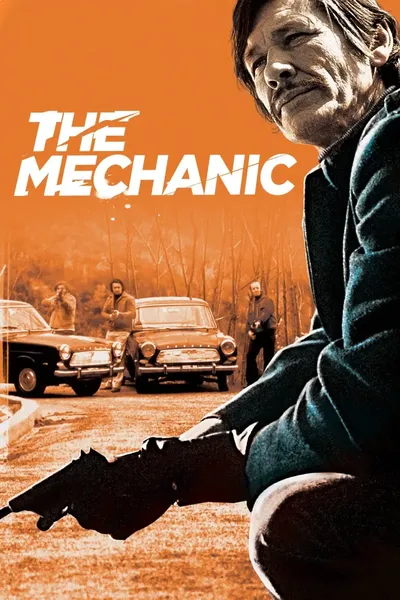
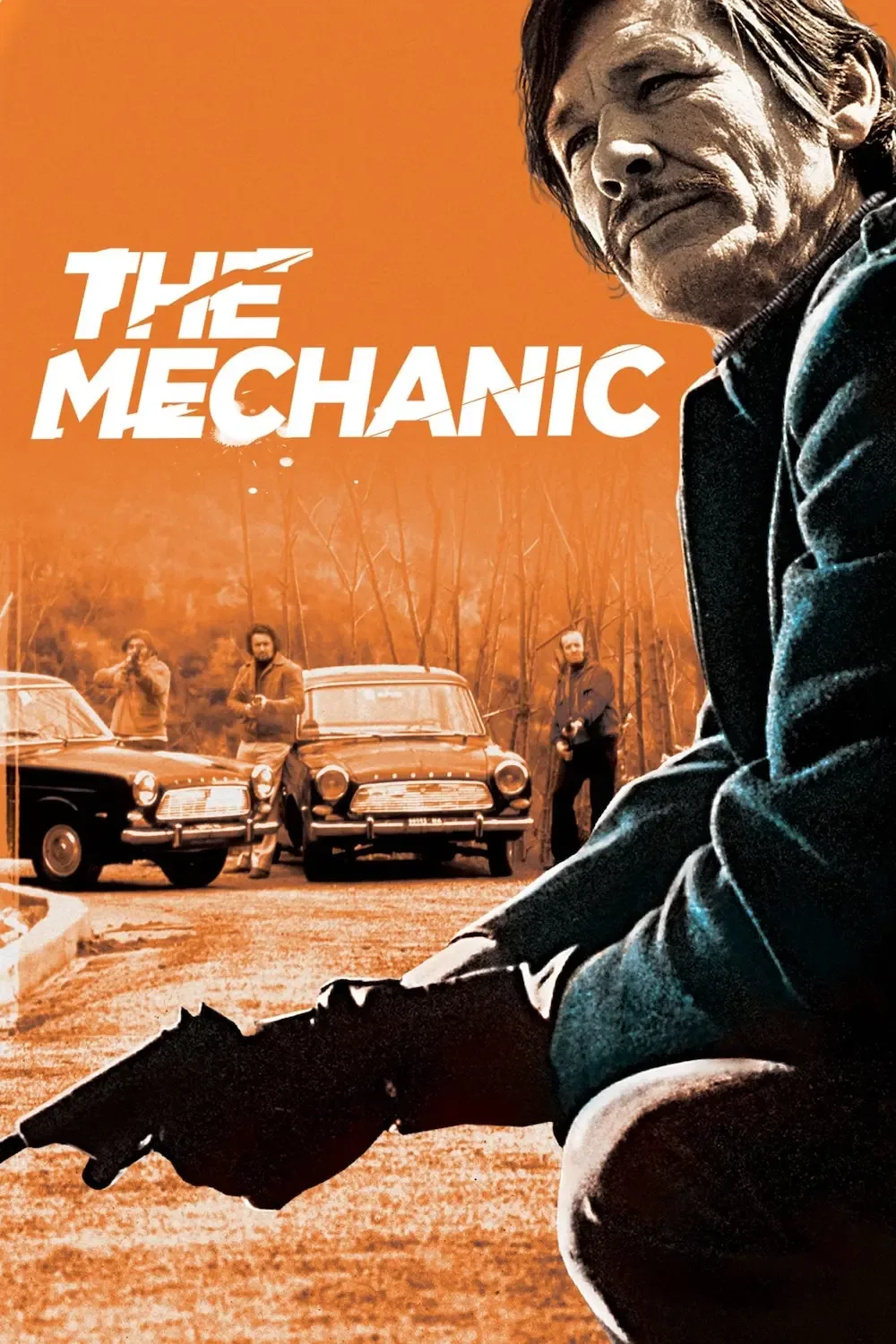
Arthur Bishop (Charles Bronson) is a hitman who specializes in making deaths look accidental. He’s the best at what he does; calm and methodical, he spends days studying his marks, turning each assignment into a sort of heist. But after he’s forced to kill a colleague, Bishop takes on the man’s vain and sociopathic son as a protégé — a decision that soon puts Bishop in the crosshairs of the secretive criminal organization that utilizes his services. The Mechanic is most interesting when Bishop and his apprentice Steve (a pre-Airwolf Jan-Michael Vincent) wax philosophical about what it takes to be a hitman. And the secretive, globe-spanning organization that Bishop works for could be considered a precursor to the John Wick movies’ High Table. But The Mechanic struggles with a lack of focus, especially when it explores Steve’s sociopathy and narcissism. (As an aside, Lewis John Carlino’s original script had Bishop and Steve in a gay relationship, which basically made it unfilmable in the ’70s.) That, and Jerry Fielding’s bombastic soundtrack constantly tries to make the film more thrilling than it actually is. In the end, I mostly watched The Mechanic for Bronson, who’s never not interesting on the screen.
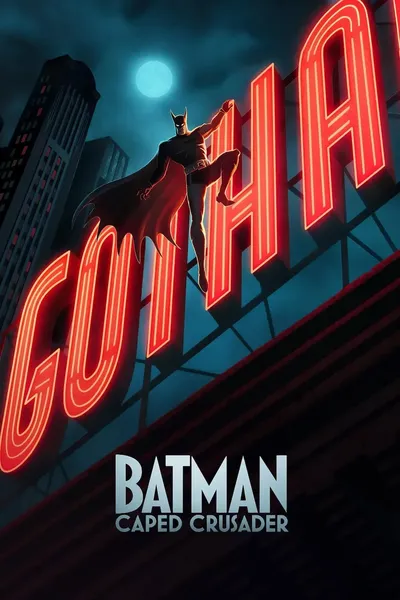
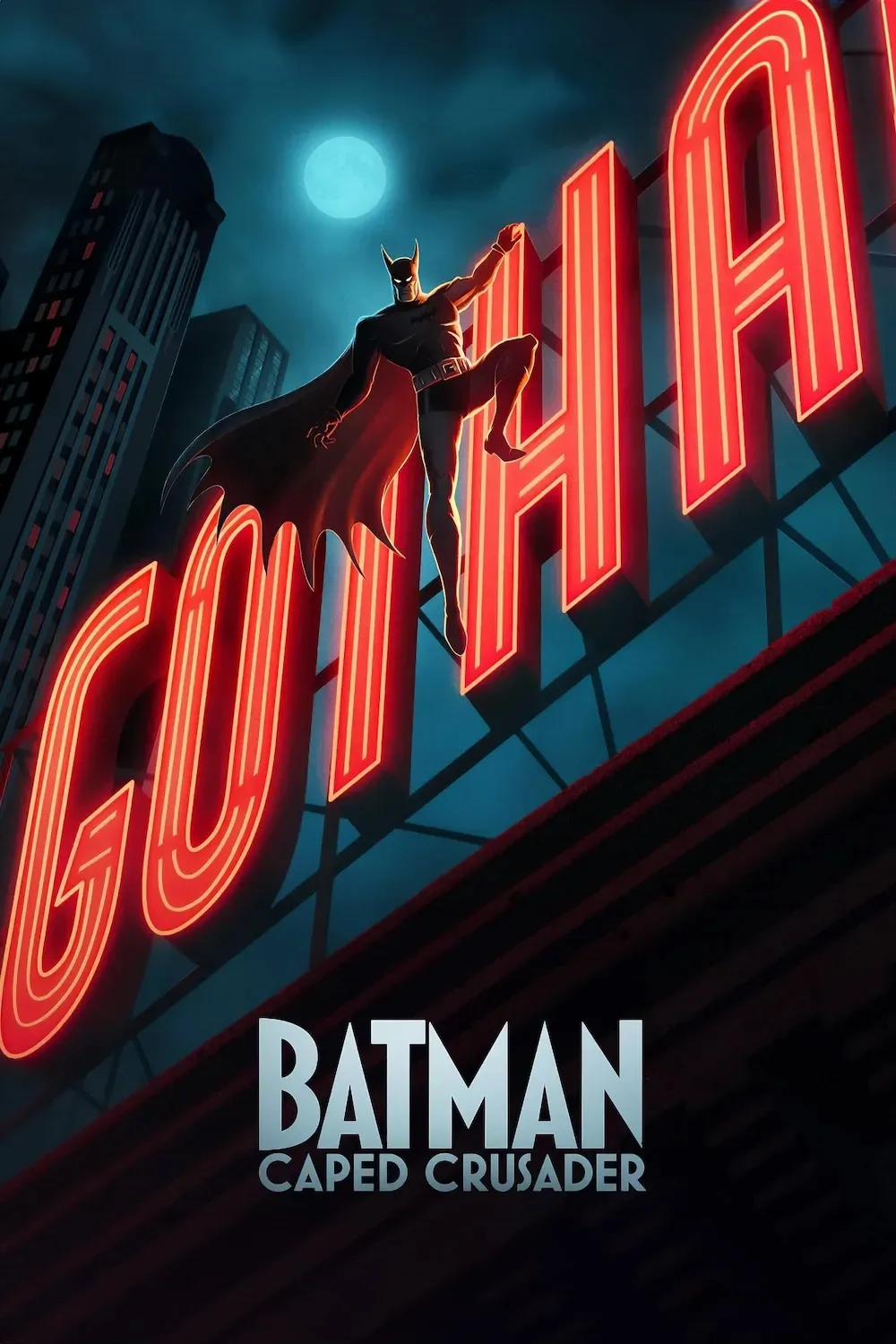
As a kid, my only real exposure to Batman was Adam West’s campy portrayal. Thus, Batman: The Animated Series was a revelation, and I daresay that for many of us who grew up in the ’90s, Bruce Timm’s series remains the definitive take on the Dark Knight, even more so than the actual comics. Timm’s Batman: Caped Crusader, which follows Bruce Wayne’s early adventures in crime-fighting, is clearly intended as a spiritual prequel to Batman: The Animated Series, even tapping into the same Art Deco-influenced aesthetic and noir tone. But the resulting series is just… OK. There’s nothing bad about Batman: Caped Crusader, though the blend of cel and CGI animation is surprisingly rough at times. But while the series has some bright spots (Hamish Linklater’s voicing of the Caped Crusader and the approach taken to Harvey Dent/Two-Face, voiced by Diedrich Bader), there’s nothing truly great about it, either. I’ll probably check out the already announced second season, but I don’t know if I hope that it hews even closer to Batman: The Animated Series, or tries to truly differentiate itself.
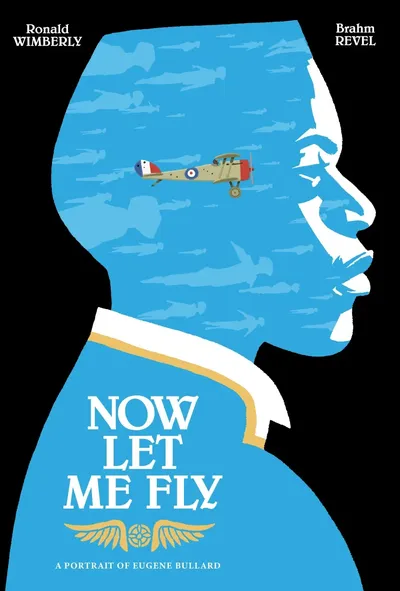
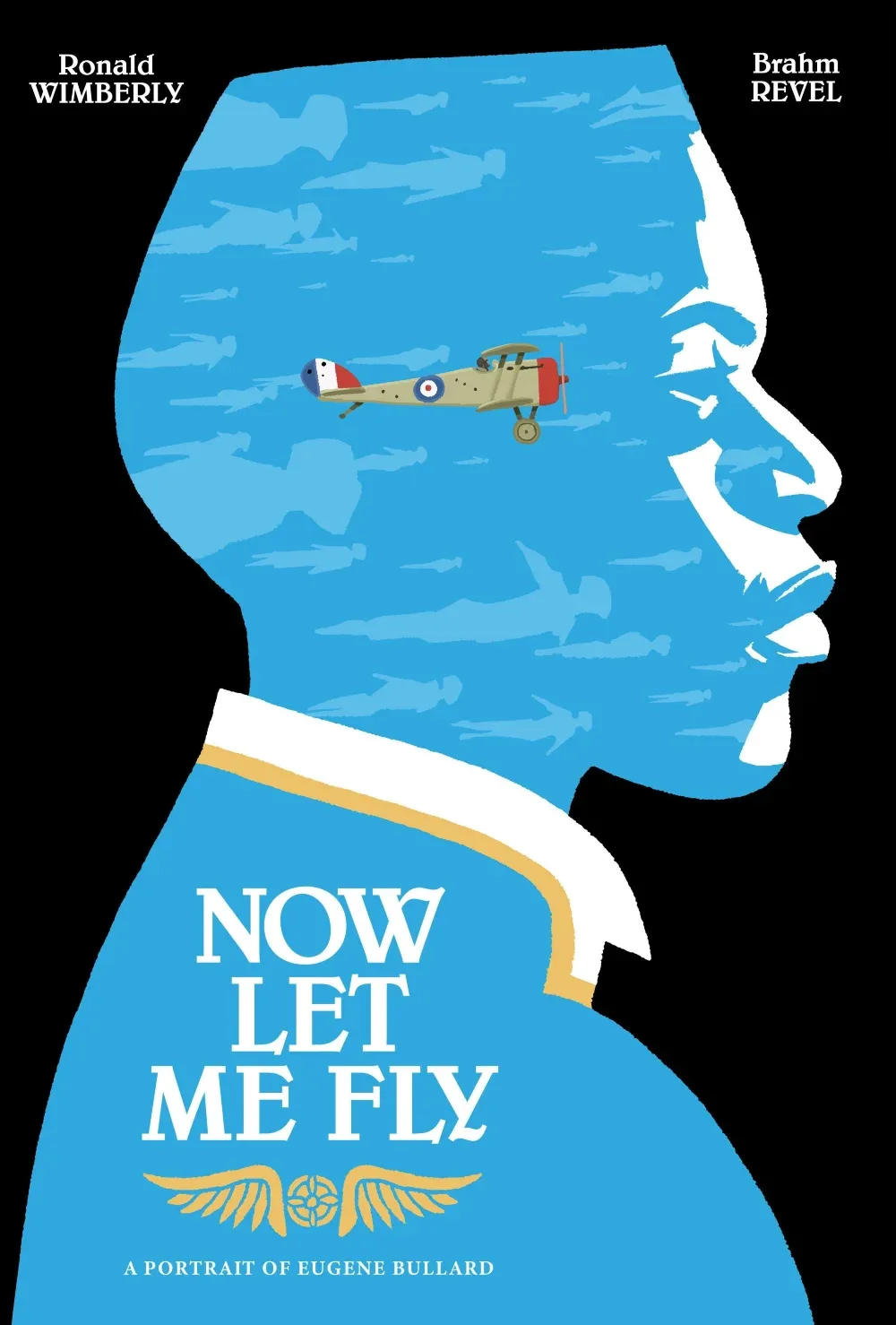
Ronald Wimberly and Brahm Revel’s Now Let Me Fly chronicles the true story of Eugene Bullard, who sought to escape the violence and racism of Jim Crow-era Georgia when he was just eleven years old. Bullard’s journey saw him becoming a gypsy, a jockey, a stowaway across the Atlantic, a boxer, a jazz musician, and ultimately, one of the first Black military pilots in history, flying for France during World War I. It’s a fascinating story that more people ought to know about, especially given the bittersweet direction that his post-war life took.
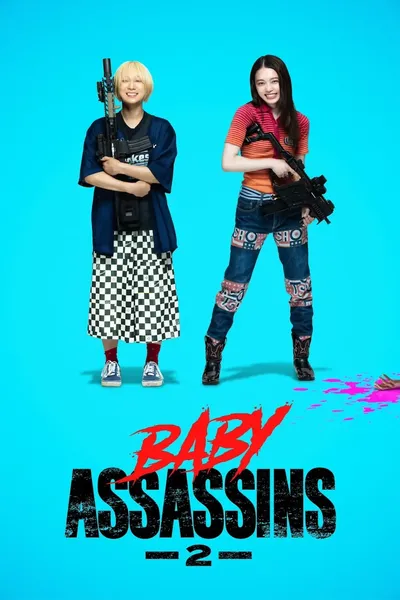
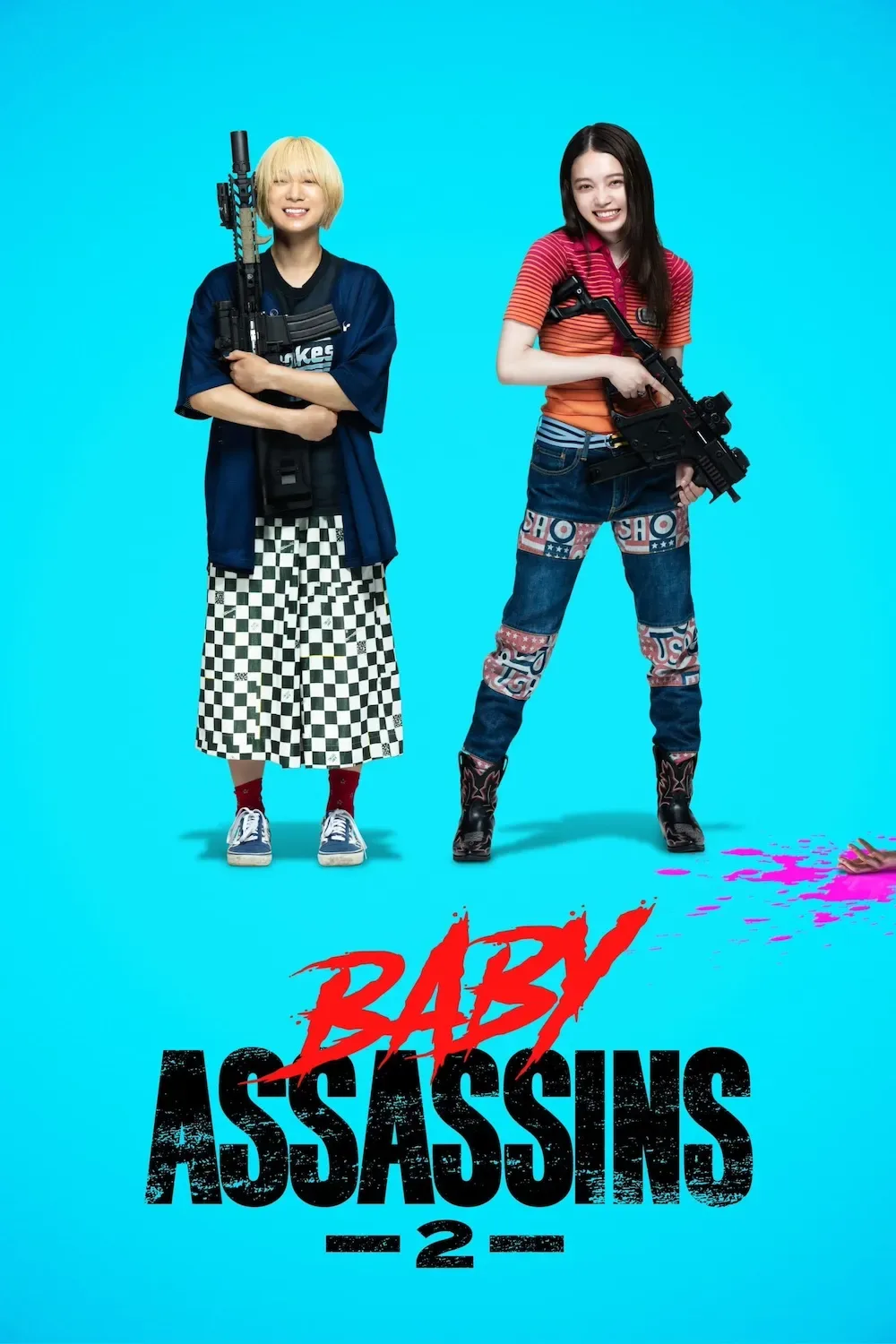
I wasn’t exactly blown away by the first Baby Assassins movie, but I’ve seen so many rave about the series — which just got its third installment — that I figured I’d check out the second Baby Assassins lest I miss out on something special. Baby Assassins: 2 Babies is marginally better, with our young sociopaths forced to suspend their assassinating even as a pair of rivals seek to take them out and claim their spot in Japan’s assassin hierarchy. As with the first Baby Assassins movie, there are some really fun action sequences, including one where Chisato and Mahiro battle each other in ridiculous costumes. And the inevitable showdown between the rivals is fast and furious. Also, kudos to Saori Izawa for her awesome band shirts, which include Ride and Stereolab. Unfortunately, the overly broad humor wears thin really quickly, and the quirky characters are very much love ‘em or hate ‘em. Which means that when the film takes a turn towards more emotional, dramatic territory, it falls on its face.