My Cultural Diet (December 2024): Dune, Gladiator, Star Trek: Lower Decks, Cross, Bloodsport, Jamie Foxx
In order to better track my various cultural experiences (e.g., movies, TV shows, books, restaurants), I’ve created the Cultural Diet. Think of it as my own personal Goodreads, Letterboxd, and Yelp, all rolled into one (more info here). Every month, I recap everything that I watched, read, etc., in the previous month.

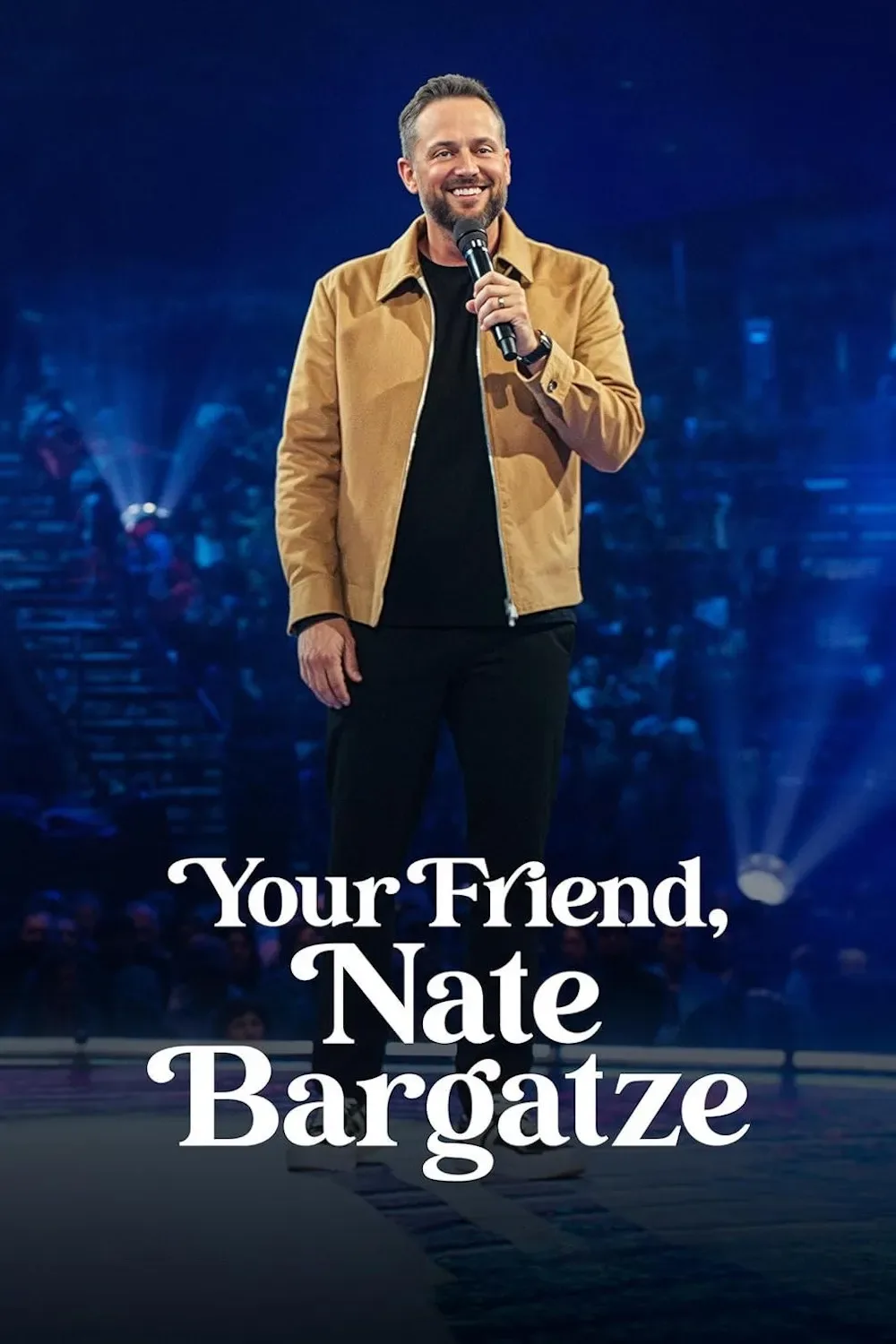
Your Friend, Nate Bargatze helped me realize something about Nate Bargatze’s stand-up: it’s consistently amusing, but rarely hilarious. His latest Netflix special, which finds the popular comedian ruminating — in his trademark low-key manner — on such hoary topics as pet ownership and the differences between him and his wife, certainly elicited chuckles throughout its hour-long runtime. (I laughed loudest at Bargatze’s recollections of being a water meter reader after 9/11, which is one of his first bits.) But there were also long stretches during which I had nothing more than a sort of half-smile on my face, and I don’t think I ever once doubled over in laughter. For the record, though, I’m not going to suggest that Bargatze obviously needs to spice up his act with some profanity; I actually respect him for keeping his humor clean through and through.
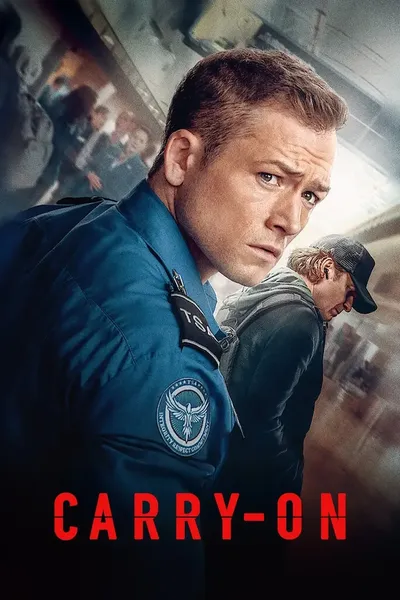
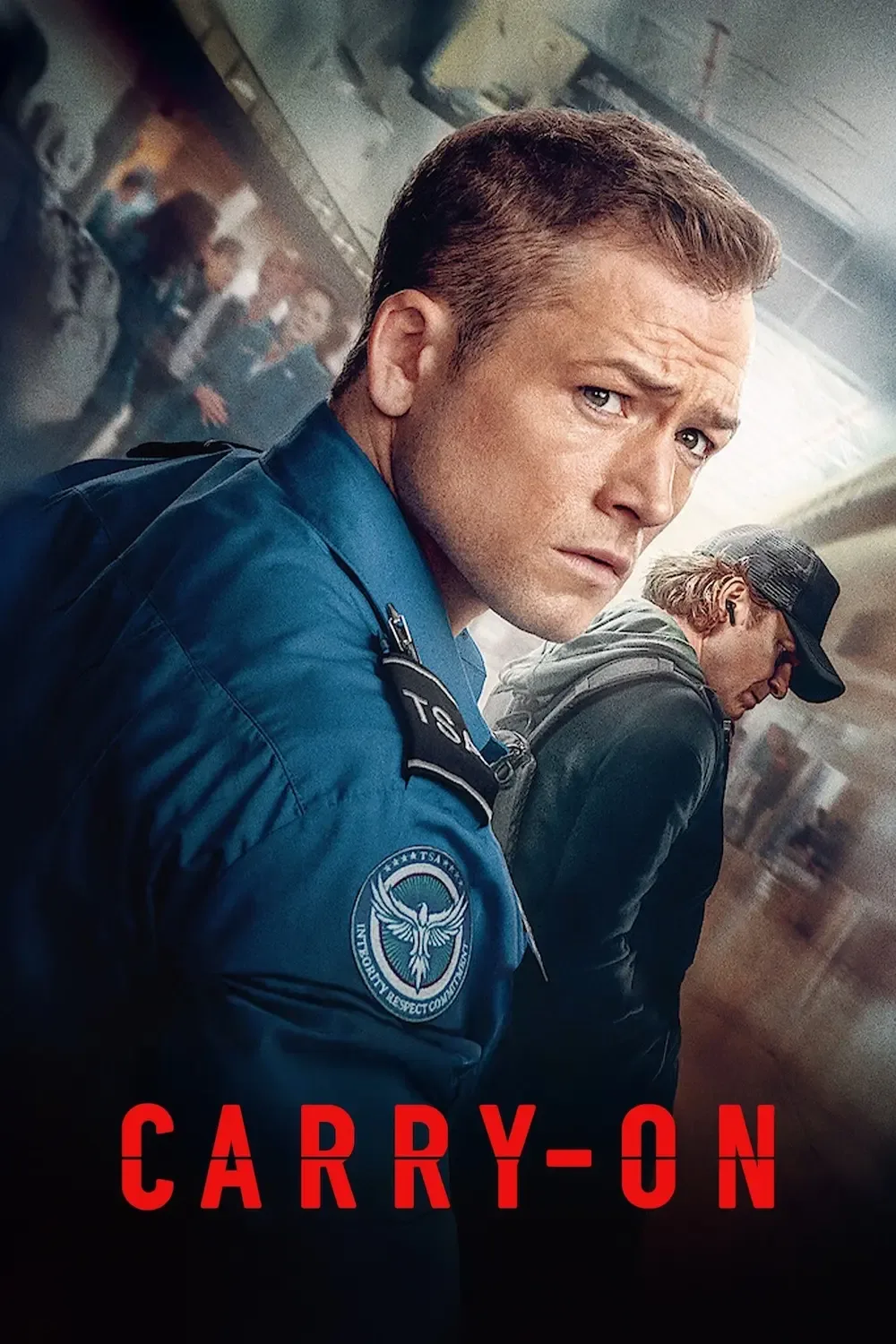
Taron Egerton and Jason Bateman match wits in this perfectly serviceable and enjoyable thriller from Netflix. Egerton is a young TSA agent who’s blackmailed by Bateman’s mercenary into allowing a suspicious carry-on to pass through the baggage scanner. Jaume Collet-Serra’s Carry-On checks all of the expected thriller boxes. You’ve got an affable everyman put in an impossible moral conundrum. A ruthless villain who’s always one step ahead. Some out-of-left-field twists and hints at a bigger conspiracy. A constant sense of “OK, but how’s he going to get out of this one?” And, as an added touch, a Christmas Eve backdrop for some holiday spirit. There’s nothing groundbreaking about Carry-On, but then again, it’s not trying to reinvent the genre. Rather, it just cares about keeping you entertained and guessing, especially as the hero’s plight gets increasingly improbable, and it succeeds quite well.
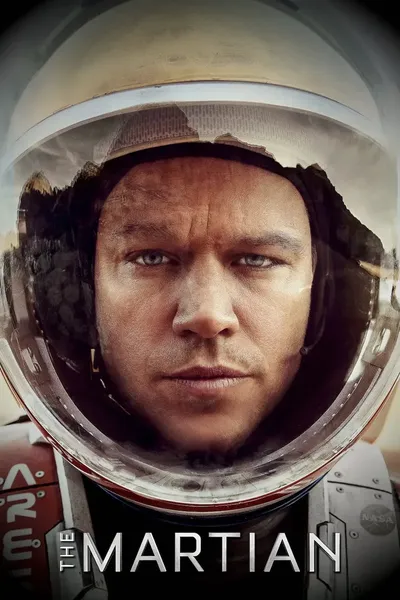
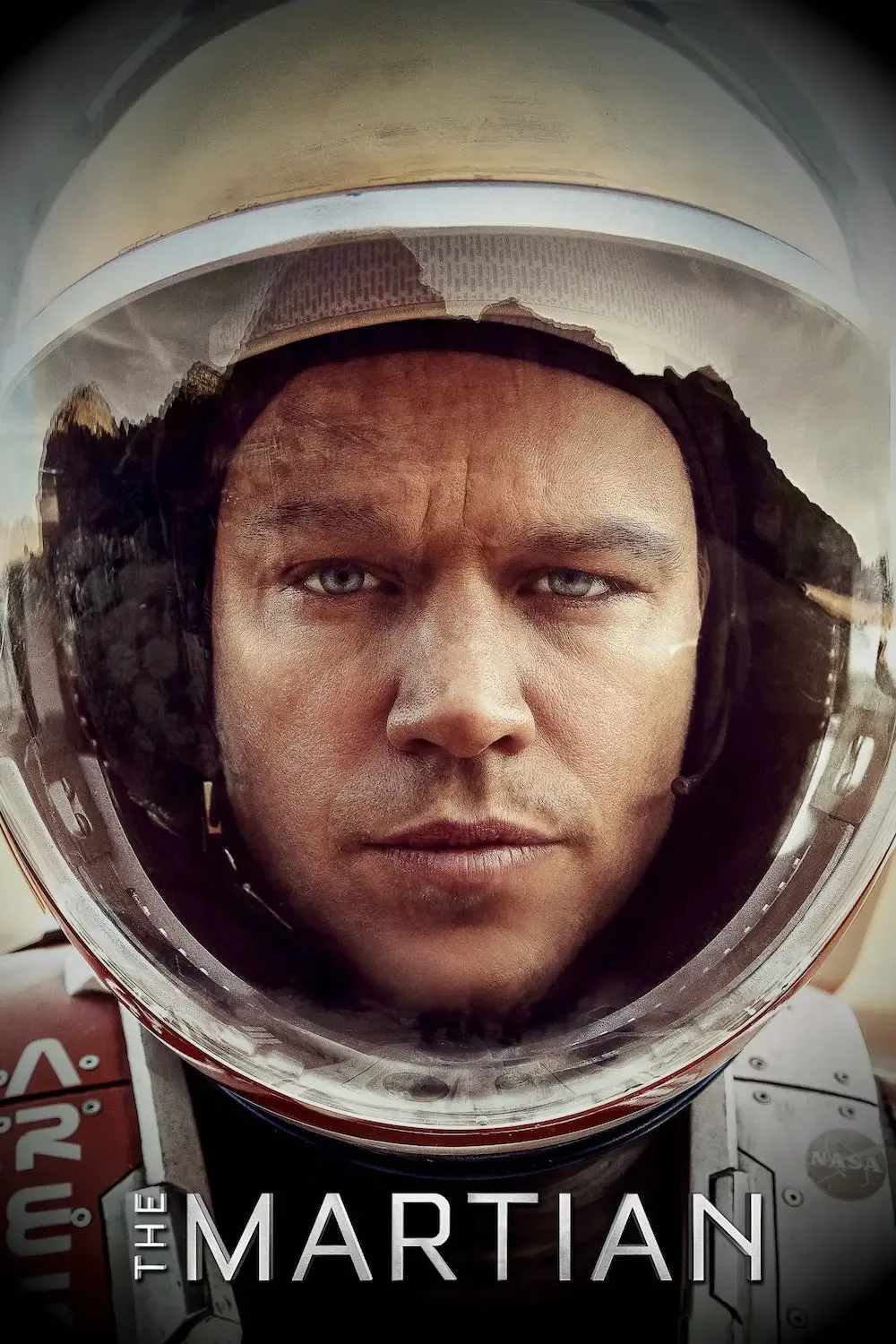
I read and enjoyed Andy Weir’s The Martian several years ago. I described it as a novel that makes you feel smarter as you read it thanks to all of the technical and scientific detail that Weir packs into his pages. Thus, it only makes sense for a director of Ridley Scott’s caliber to tackle the movie adaptation, which stars Matt Damon as an astronaut who must somehow survive alone on Mars after he’s inadvertently left for dead. No spoilers here, but you know he’s going to survive, the only question is how; watching The Martian is more about the journey than the destination. This is really Damon’s movie, as his smart-ass character reacts to seemingly insurmountable situations with pluck and dark humor. Meanwhile, all of NASA, as well as his crew, scramble to figure out how to bring him home. Scott’s film, like Weir’s novel, is deeply optimistic about the human spirit, and the grandeur of space exploration. (The film does a fine job of communicating Mars’ grandeur, with gorgeous shots of the planet’s barren landscape.) For what it’s worth, The Martian evoked similar feelings to what I experienced watching space documentaries like Good Night Oppy and the “Cassini” episode of Netflix’s 7 Days Out.

In an alternate version of feudal Japan, the whole of Asia has been decimated by a mysterious plague. Survivors from Japan, Korea, and China now eke out a hard yet proud existence on a remote island that keeps them hidden and safe. But when the new Japanese Shōgun arrives, demanding their fealty in exchange for protection from horrific monsters ravaging the mainland, two young warriors — a samurai’s son and an orphaned peasant girl — must set aside their differences and work together to save their home. Clearly a labor of love for Greg Pak, Ronin Island has a lot going for it: winsome protagonists, alternate histories, and of course, samurai action. It doesn’t always strike the best tonal balance; sometimes it wants to be really dark and grim, and at other times, seems to aim at something more lighthearted à la Pak’s earlier series Mech Cadet Yu. I was also left wanting to see more of the series’ post-apocalyptic pan-Asian culture. But Ronin Island’s heart is in the right place even as it challenges its two protagonists’ youthful idealism, and I’d gladly read more stories set in its world.
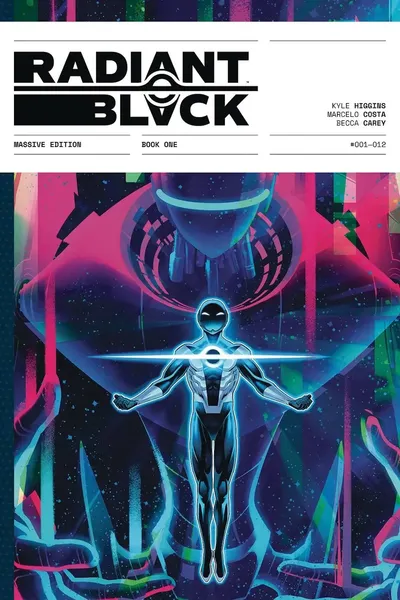
I read the first Radiant Black volume back in 2022, and have been intending to circle back and complete the series ever since. Having finally read the first book, which contains the first twelve issues, I’m left a little underwhelmed. Nathan Burnett is thirty, in debt up to his ears, living with his parents, and trying (and failing) to get his writing career off the ground. His life seems to take a big turn for the best when he acquires mysterious cosmic powers, but of course, things are never that simple. There’s nothing bad about Radiant Black, per se, and it has some fun touches — e.g., Nathan using his ridesharing gig to track down foes, a heroine’s side gig as a Twitch streamer — and I’m always a sucker for cosmic power stuff. That said, its story about down-on-their-luck heroes trying to manage their powers alongside their everyday lives while facing a bigger threat, felt all-too familiar.

My 14yo and his friend wanted to watch a silly movie. After considering various comedies and “B” movies, we settled on Top Secret!, a war movie parody from the same folks behind Airplane!. With its non-stop barrage of puns, sight gags, double entendres, and slapstick, I thought it’d be a sure hit, but their chief reaction was akin to confusion. I’d like to think that’s because Top Secret! doesn’t quite reach the same comedic heights as Airplane! or even The Naked Gun. But the simple fact is that most of the Cold War-era humor — even the purely visual jokes — flew right over their heads. And never mind the jokes about Mel Tormé, Publishers Clearing House, and Montgomery Ward, or the references to The Blue Lagoon, Casablanca, The Great Escape, and Elvis Presley movies. On the one hand, I get it. On the other hand, it makes me a little sad because my exposure to the ZAZ films was pretty foundational to my sense of humor, and I wonder what, if anything, might be comparable for my kids and their peers.
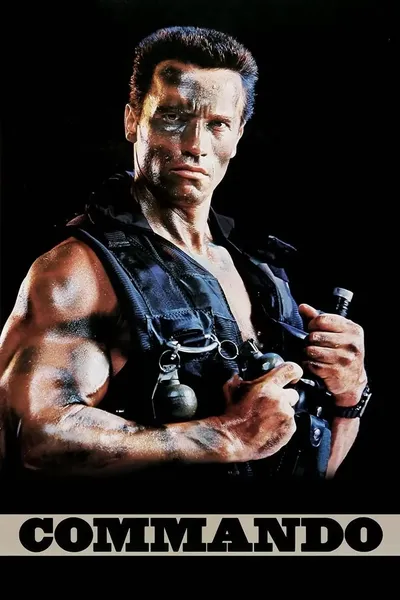
Commando has everything you could possibly want from a mid-’80s Arnold Schwarzenegger action flick. Cheesy one-liners? Check. Ridiculous displays of strength? Check and check. Over-the-top violence with oodles of explosions and bloody squibs? Check, check, and check. Schwarzenegger’s John Matrix is a former Green Beret who just wants to retire to his mountain cabin and spend time eating ice cream and feeding deer with his daughter (Alyssa Milano). But when she’s kidnapped by mercenaries led by The Road Warrior’s Vernon Wells in all of his scene-chewing glory, Matrix goes on a bullet-filled rampage with the help of Rae Dawn Chong’s hapless stewardess. Commando constantly verges on self-parody, and never more so than when Matrix raids the enemy compound and takes out a small army of the most inept marksmen who ever laced up combat boots. That said, it’s kind of amazing just how good this film still looks in 2024; kudos to director Mark L. Lester and cinematographer Matthew F. Leonetti. And I’d be remiss if I didn’t mention James Horner’s steel drum-infused soundtrack, which only adds to the movie’s frivolity.
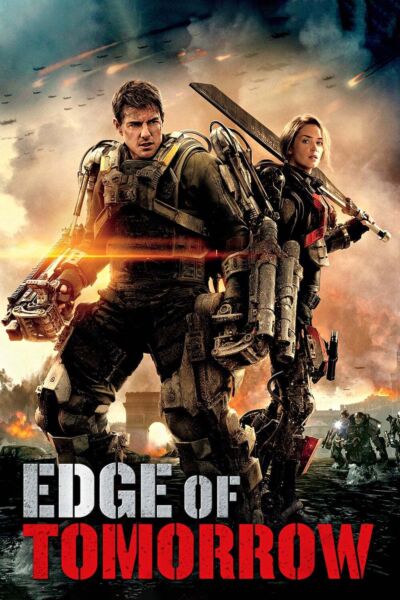
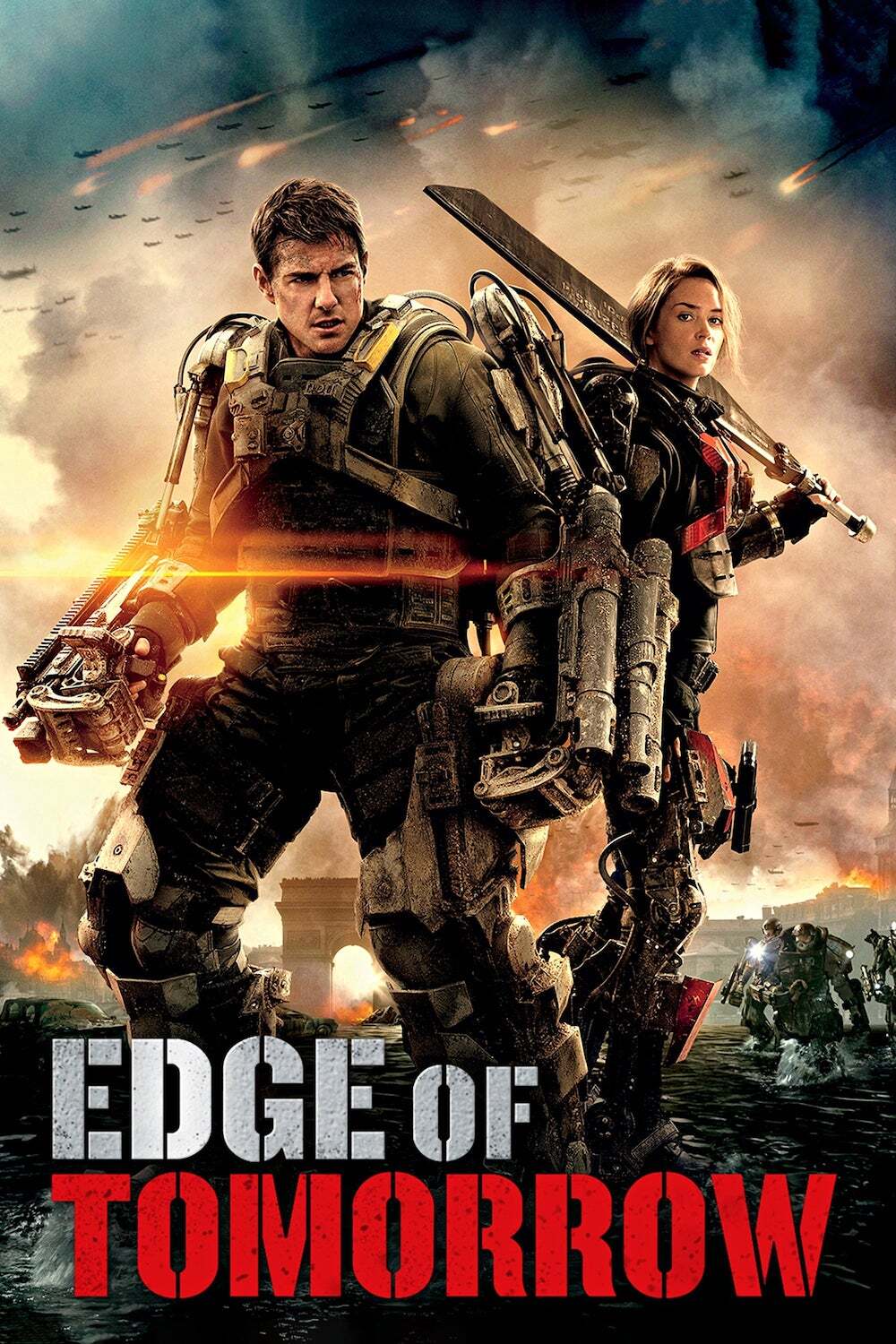
Adapted from Hiroshi Sakurazaka’s All You Need Is Kill — which, let’s face it, is an awesome title — Edge of Tomorrow finds Tom Cruise stuck in a time loop after killing a bizarre alien creature intent on conquering Earth. It’s like Groundhog Day if Bill Murray spent his endlessly repeating days learning how to operate a cool mech suit and shoot aliens instead of the ins and outs of charming Punxsutawney. Doug Liman’s movie has plenty of intense, mech-powered action, something we frankly don’t get enough of from Hollywood. Edge of Tomorrow works best, however, in its bleakly comic moments, when Cruise’s character figures out how to use the time loop to his advantage, but only after dying many, many, many times. Same goes for the quieter moments between him and Emily Blunt’s war hero, which highlight the inherently disquieting, and even terrifying aspects of being stuck in a time loop.
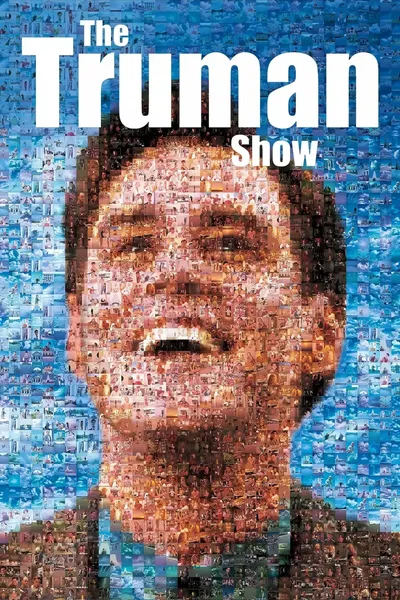
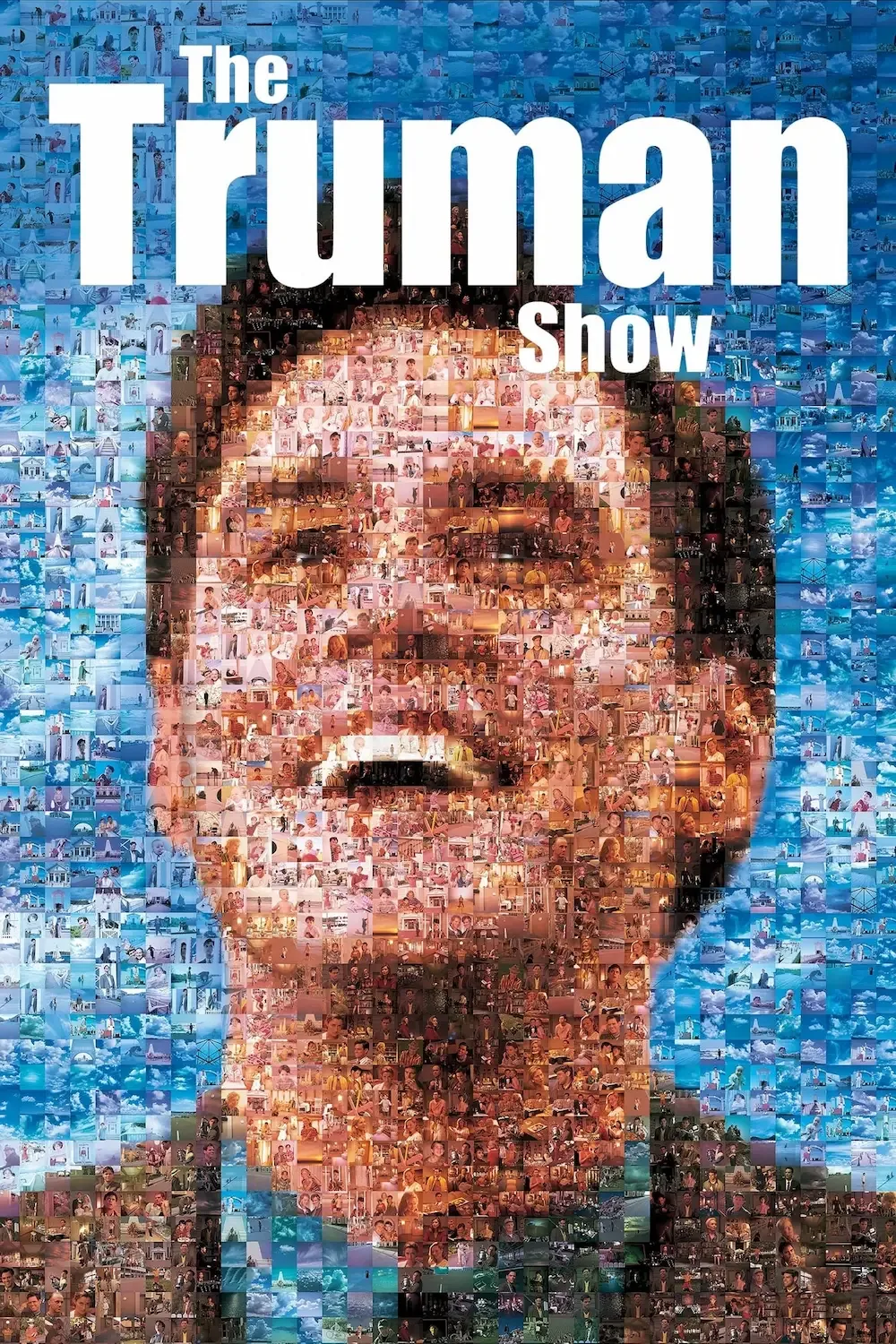
By all appearances, Truman Burbank’s life in idyllic Seahaven Island is as perfect as it gets. But he can’t shake an ever-present feeling of discontent, and when bizarre events start occurring — a light falling from the sky, strange radio broadcasts — his world, and psyche, begin to crack. Unbeknownst to Truman, though, he’s actually the star of his own reality TV show, his entire world since birth contained inside a massive Hollywood soundstage. It’s a pretty meta concept that could easily fall into pretension, but The Truman Show succeeds thanks to Jim Carrey’s winsome performance, which veers from comedic to manic to tragic and back again, as well as strong supporting performances from Ed Harris (as the creator of Truman’s televised world) and Noah Emmerich (as Truman’s in-show best friend). Peter Weir’s movie approaches its heady themes with a deft and humorous touch and some wonderfully retro production design, and despite being released over 25 years ago, feels all the more relevant and even prophetic in our current reality TV-obsessed era.
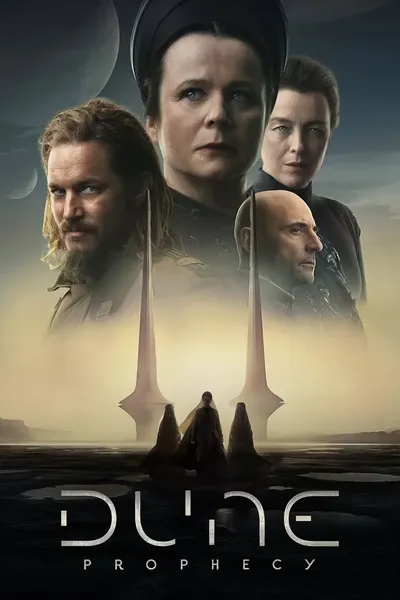
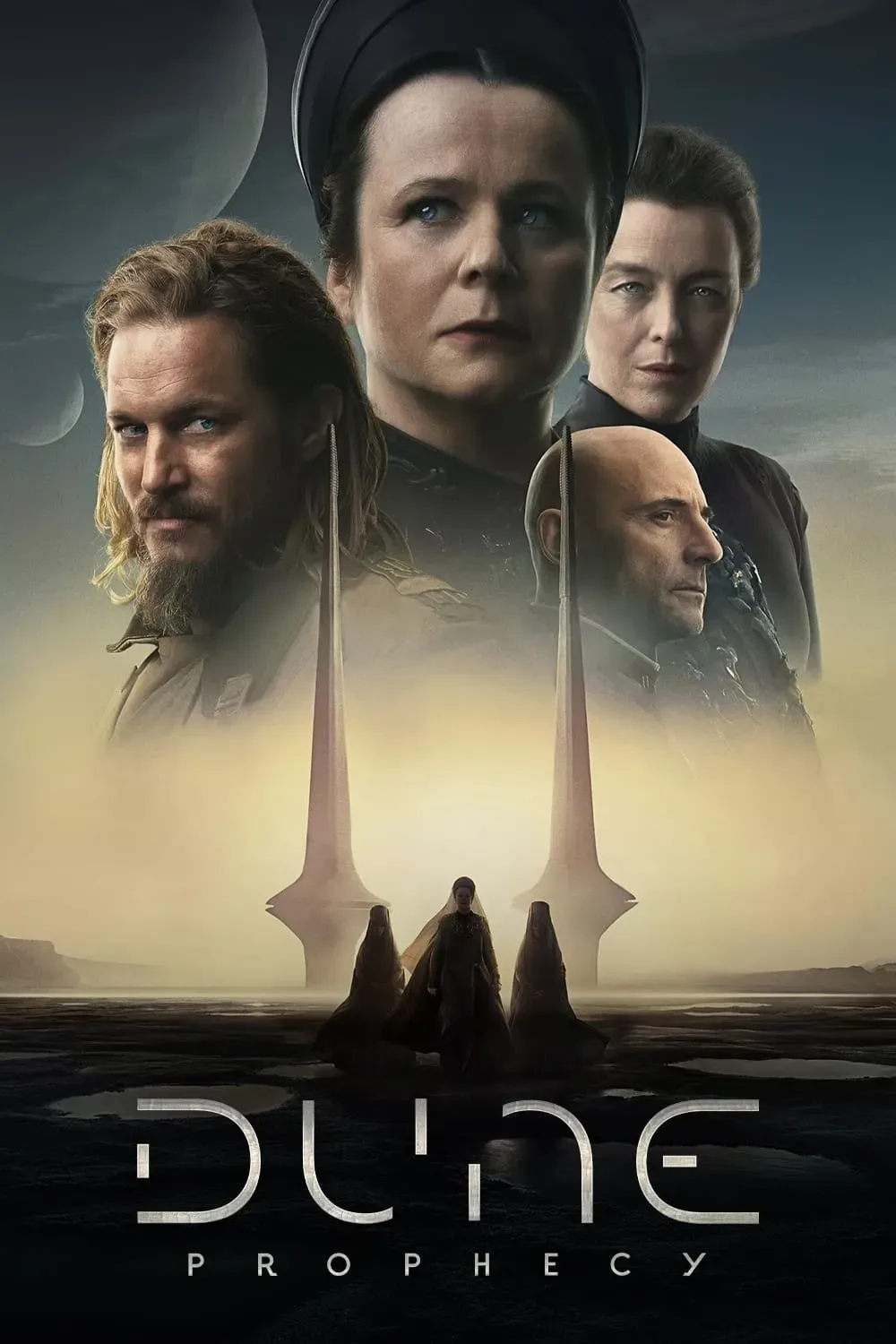
Dune: Prophecy has an awful lot going for it, starting with a stellar cast that includes Emily Watson, Olivia Williams, and Mark Strong. Add some impeccable production and costume design (the Bene Gesserits’ flowing black robes are as impressive as any visual effect) and the series — which is set 10,000 years before the events of the Dune novel and movies — has all the makings for an epic space opera. So why does it feel so underwhelming? Chalk that up to the fact that the season is a mere six episodes long, which is simply not enough time to fully develop its various plots and conspiracies: the Bene Gesserits’ plans to control the Imperium; the power struggles within the enigmatic Sisterhood; and the machinations and rebellions inside the Imperial court. With only a half-dozen episodes, all of them feel underdeveloped and fail to generate the sort of epic-ness one expects from a Dune title. The series has been renewed for a second season, which hopefully means more episodes to flesh things out and/or more efficient storytelling now that the groundwork’s been laid.
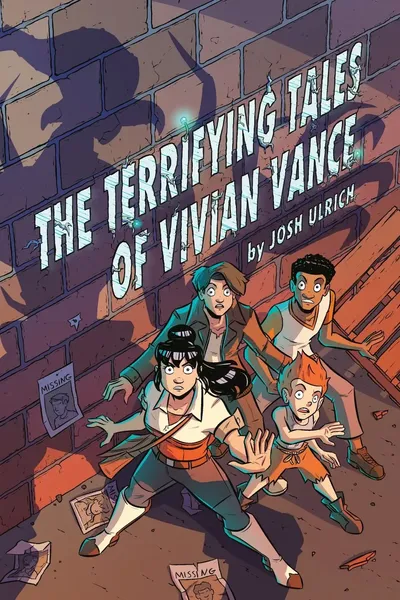
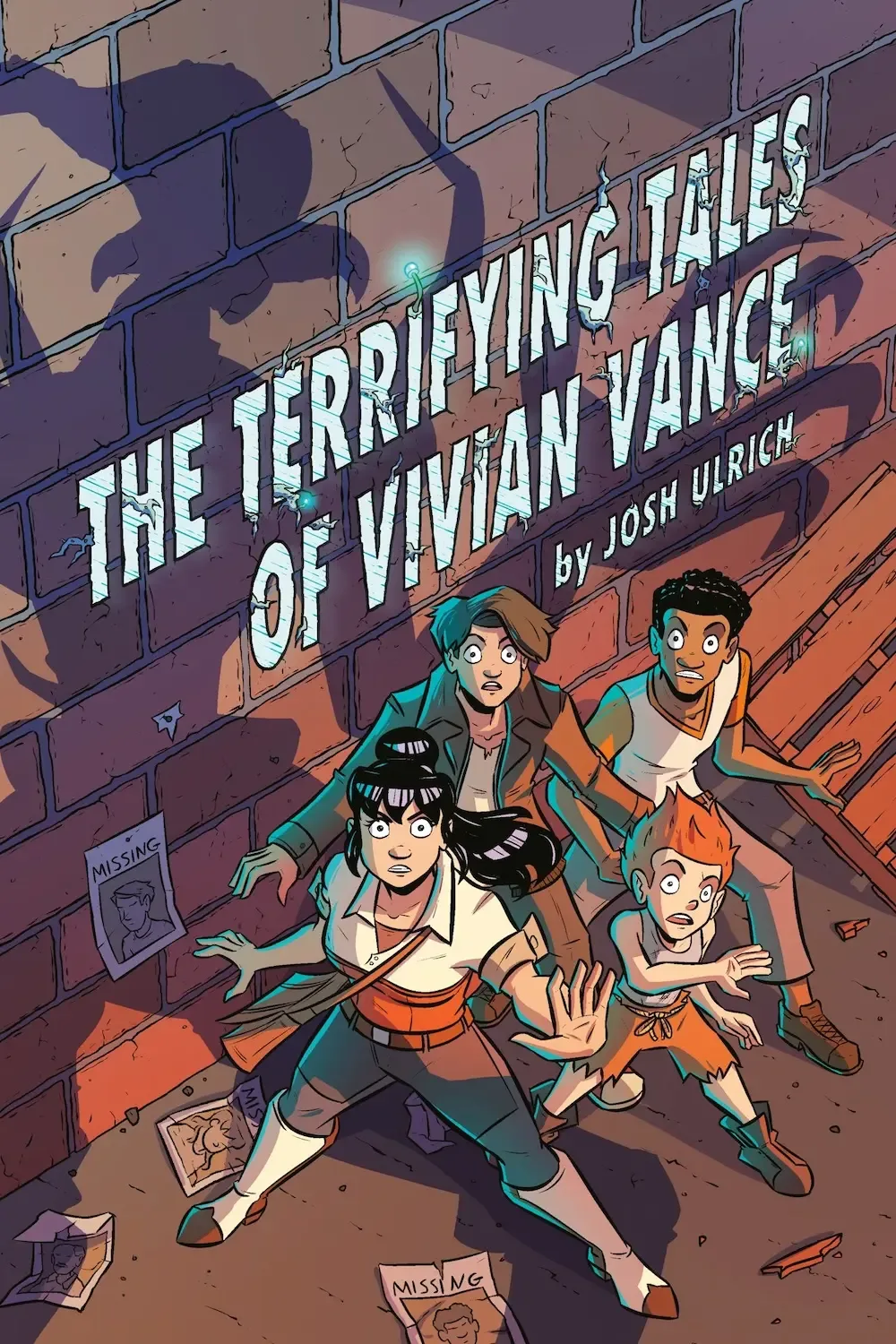
Nobody in the small town of Pensmouth would ever accuse Vivian Vance of lacking ambition. Not content with just being the top student at her prestigious school, Vance also dreams of becoming a private detective and making her father proud. But Pensmouth isn’t all it seems, and before too long, Vance discovers that its mythical monsters are all too real, and her ambition might not be enough to save her and her newfound friends. Containing hints of Buffy the Vampire Slayer and Stranger Things, The Terrifying Tales of Vivian Vance would be a good read for those middle schoolers who want something a little more on the horror side that still has a sense of fun about it. Older readers, however, might find Josh Ulrich’s graphic novel a bit on the slight side.
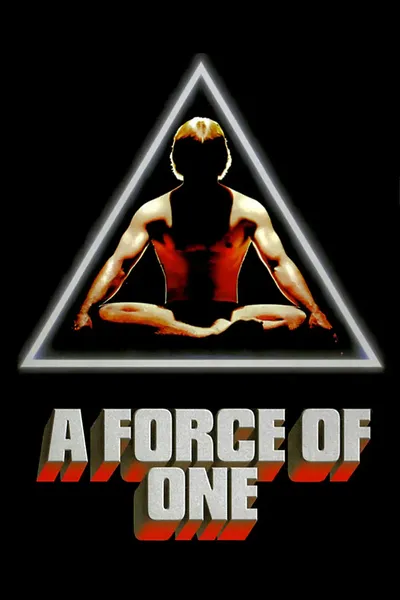
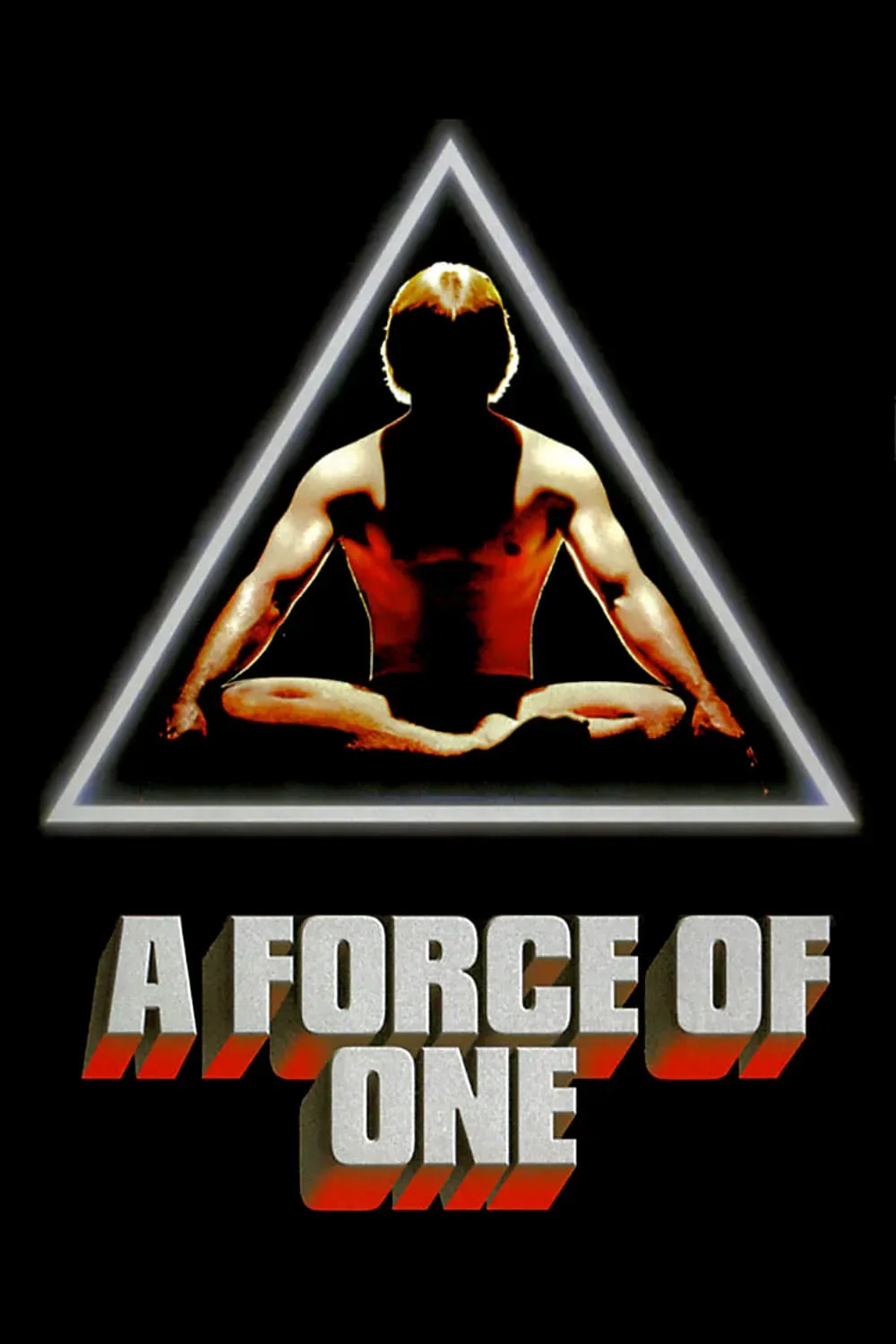
After two undercover narcotics officers are killed by an unknown assailant, the police enlist karate champion Matt Logan (Chuck Norris) to train their officers in hand-to-hand combat. Though reluctant at first, Logan is persuaded after getting a glimpse of the city’s drug problem, but will his training do any good when more officers start dropping? And how will it affect his upcoming championship bout? Released on the heels of Good Guys Wear Black, A Force of One suffers from the same fundamental issue: it lacks any real urgency given its supposedly gritty storyline. At times, the film just seems to meander along, with characters — like Clu Gulager’s police lieutenant — ambling through their scenes. When the inevitable twists happen, it’s all rather meh and relies on characters doing really stupid things. I did like the film’s depiction of the larger karate community, though, as Logan rubs shoulders with his peers and fellow combatants; it makes me wish someone would make a film about the ’70s California karate scene. I also appreciated the fact that, unlike in many of Norris’ movies, his character doesn’t immediately land in bed with the female lead (Jennifer O’Neill) despite their mutual attraction. But the kindest thing that I can say about A Force of One is that it set the stage for one of Norris’ best films, 1980’s The Octagon.
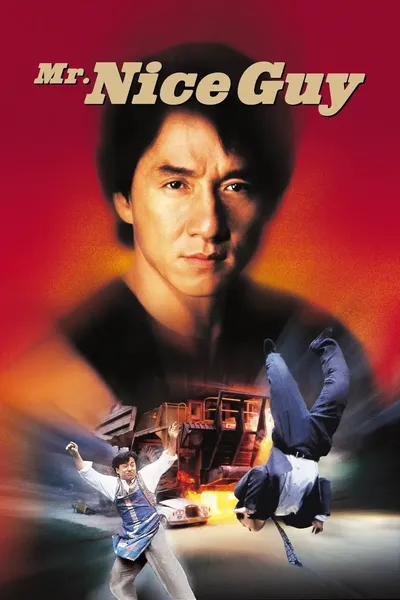
Along with Rumble in the Bronx and Supercop, Mr. Nice Guy was one of the first Jackie Chan movies I ever saw. Though it’s no Police Story or Drunken Master 2, it’s still pretty entertaining in the finest Jackie Chan tradition. (Let’s face facts: the man’s mid-tier work is still twice as entertaining as most movies, if not more so.) Directed by the great Sammo Hung, Mr. Nice Guy has plenty of excellent fights, including a really fun one at a construction site that serves as a prime showcase for Jackie’s acrobatics and trademark prop comedy. Story-wise, though, it’s a mixed bag. Jackie stars a TV chef — who knows martial arts, of course — who gets caught between rival gangs after saving an investigative journalist. The movie is silly for much of its runtime, which means that when Jackie gets desperate after his girlfriend is taken hostage, his newfound intensity just doesn’t quite work given the preceding antics.
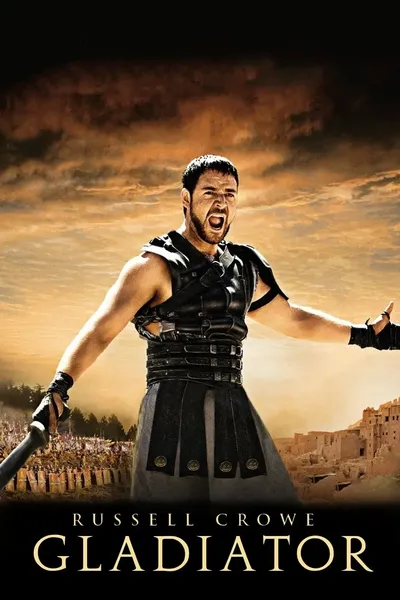
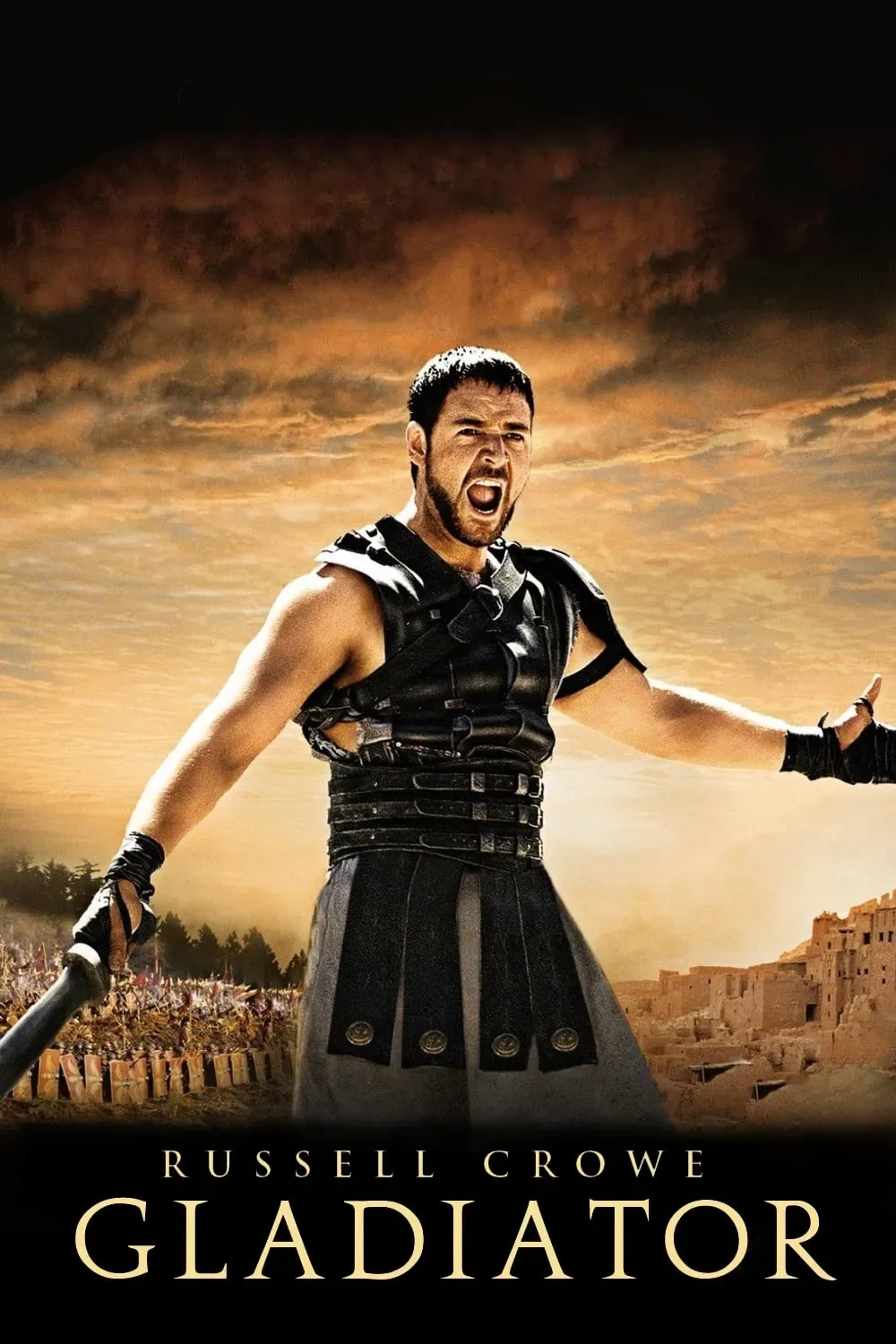
I don’t think I’ve watched Gladiator in its entirety since its original theatrical run, though it frequently pops up in memes and Instagram reels. There’s no denying that Ridley Scott’s film is an epic in nearly every sense of the word, and Russell Crowe’s Oscar-winning performance as Maximus Decimus Meridius is still a delight to watch. Crowe gives Maximus a sort of world-weary dignity and gravitas that’s quite affecting, especially during the early scenes with his troops. On the other hand, Joaquin Phoenix’s scene-chewing as Commodus has not aged as well, and is probably more silly and comedic than Ridley Scott intended. Also, we’re so used to epic battle scenes these days thanks to CGI that Gladiator’s Colosseum battles seem surprisingly small-scale by comparison even with all of the impressive production design.
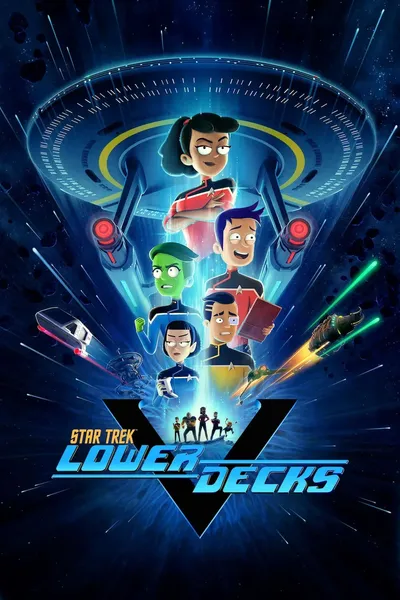
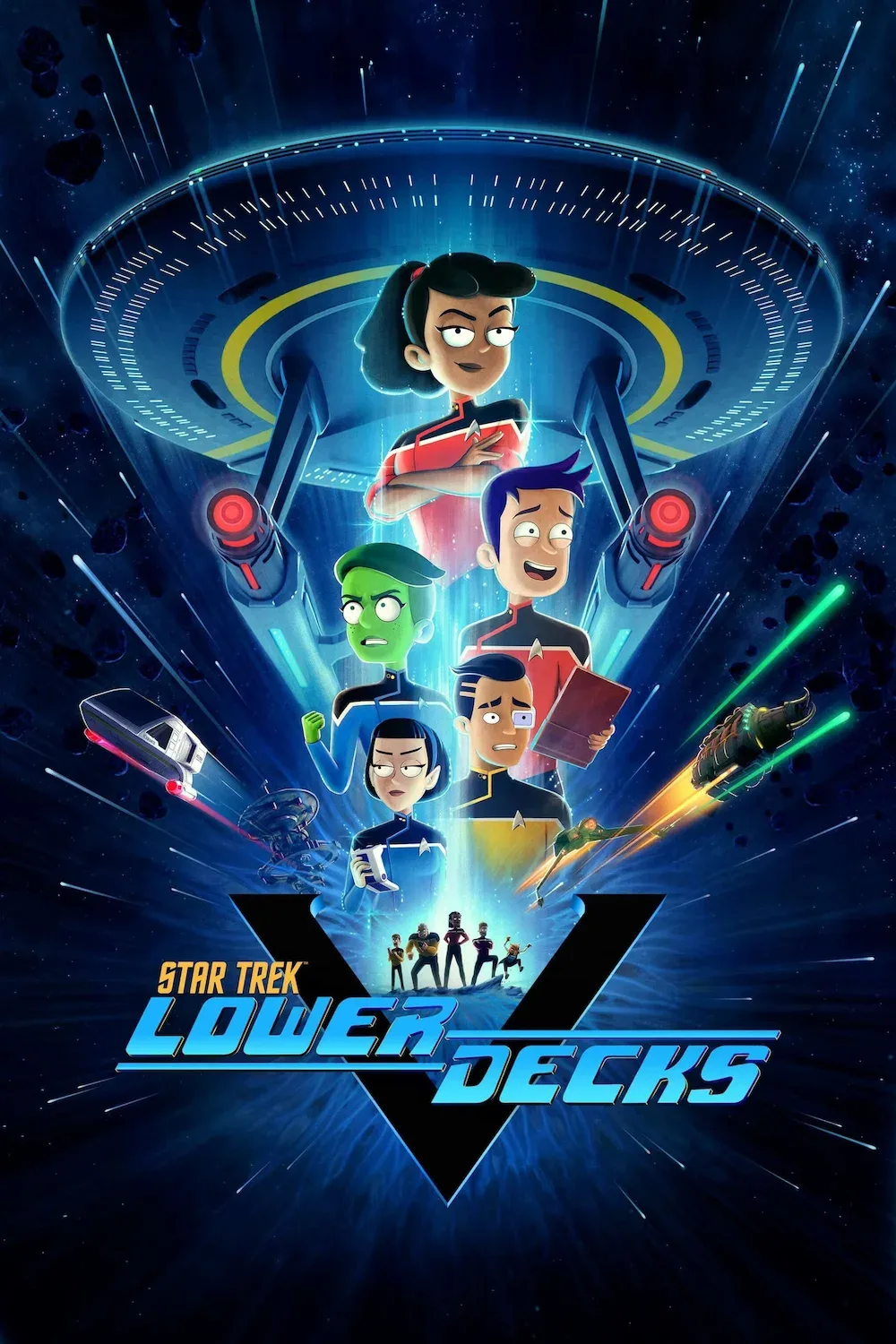
I was prepared to give the fifth and final season of Star Trek: Lower Decks a lower rating. The season’s jokes and references felt a little stale and rote, while the central storyline — the Cerritos crew is trying to figure out what’s causing a series of inter-dimensional rifts — seemed to meander. However, the season’s final episodes end it on such a delightful note, with Boimler, Mariner, et al. trying to save the universe, that the inside jokes and references felt fresh all over again. And, depending on just how canon Lower Decks is, the series finale potentially sets up a whole new chapter for the Star Trek franchise. “Engage the core,” indeed.
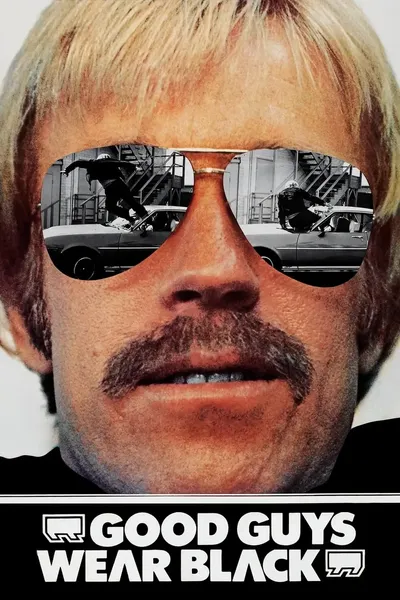
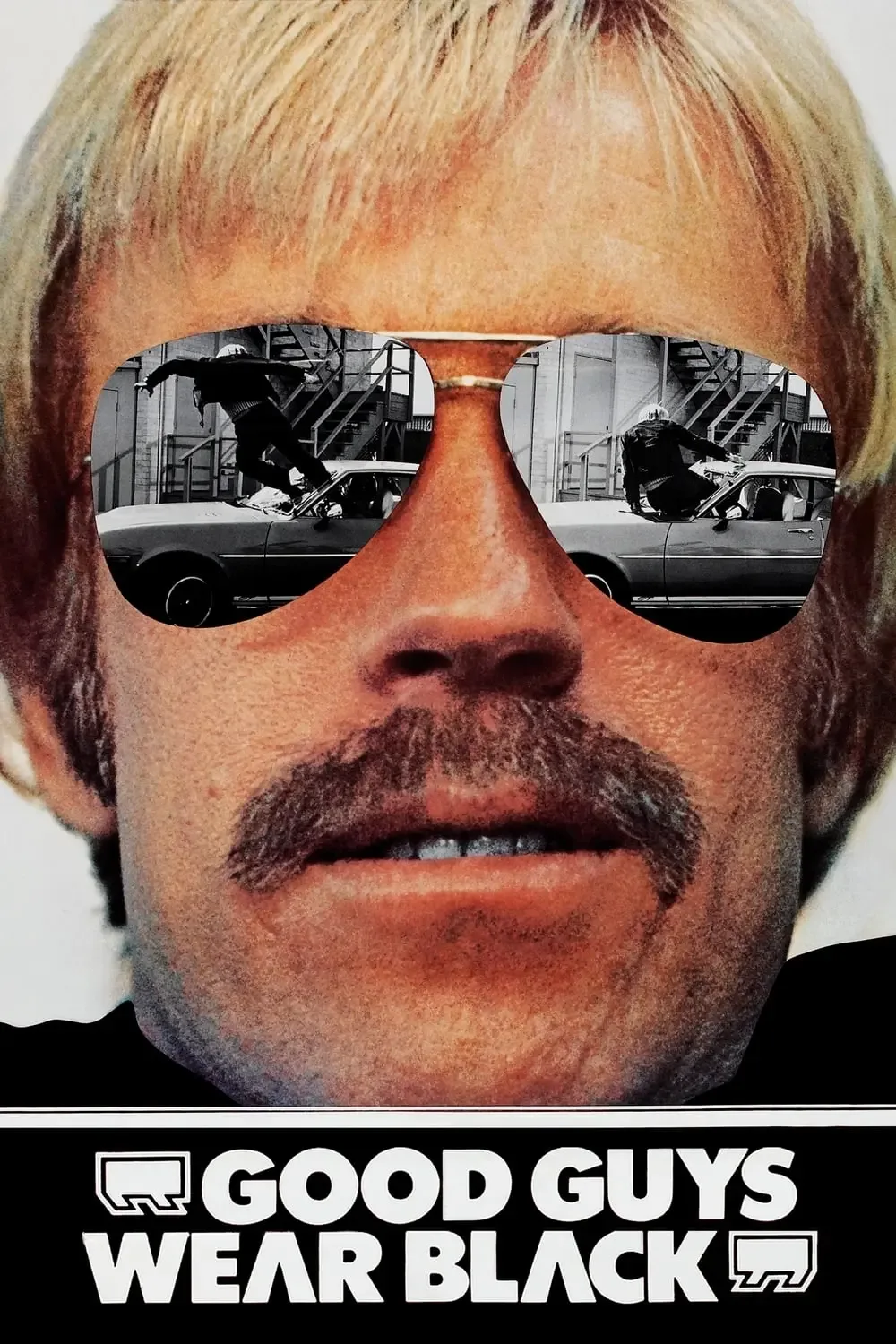
Five years after his elite commando team was all but wiped out in a mission gone sideways, Major John T. Booker (Chuck Norris) has moved on from his time in Vietnam. But after meeting a nosy reporter (Anne Archer) who knows more than she should, he learns that his fellow survivors are being assassinated as part of a conspiracy whose roots lie in the highest levels of the American government. Considered by Norris to be his breakthrough film, Good Guys Wear Black taps into the same Vietnam-era cynicism that fueled movies like Three Days of the Condor and The Parallax View. However, Good Guys Wear Black never drums up the gripping intensity that its storyline so badly wants to suggest. The film is undermined by meandering and preachy dialog, a Blaxploitation-lite soundtrack that’s downright goofy at times, and some obvious budgetary limitations. There’s the requisite martial arts action, of course, but director Ted Post fails to capture Norris’ roundhouse kicks in all of their glory. (The stunt where Booker jumps through the windshield of an oncoming car is pretty boss, though.) The resulting film is more cheesy than anything else, which is a shame because the stuff it’s concerned about — e.g., unchecked government power, expedient political compromises — are just as relevant today, if not more so.

Much like 2022’s Interceptor, Trigger Warning is entertaining and just OK — no more, no less. I mainly watched this Netflix original because it’s on Polygon’s list of 2024’s best action movies. Jessica Alba acquits herself well enough as a government operative who returns home after her father dies under increasingly mysterious circumstances. Will her elite military training come in handy when she discovers a bigger conspiracy? If you don’t already know the answer to that question, then this movie probably isn’t for you. I do find the title somewhat amusing; with its Hispanic lead and right-wing villains (who, in one scene, struggle with the pronunciation of “Latinx”), Trigger Warning might be a little, ahem, triggering for those who typically deride the concept of “trigger warnings.” That said, if you want to watch a movie about a soldier who puts the smack down on some small town villainy, stick with the far superior Rebel Ridge.

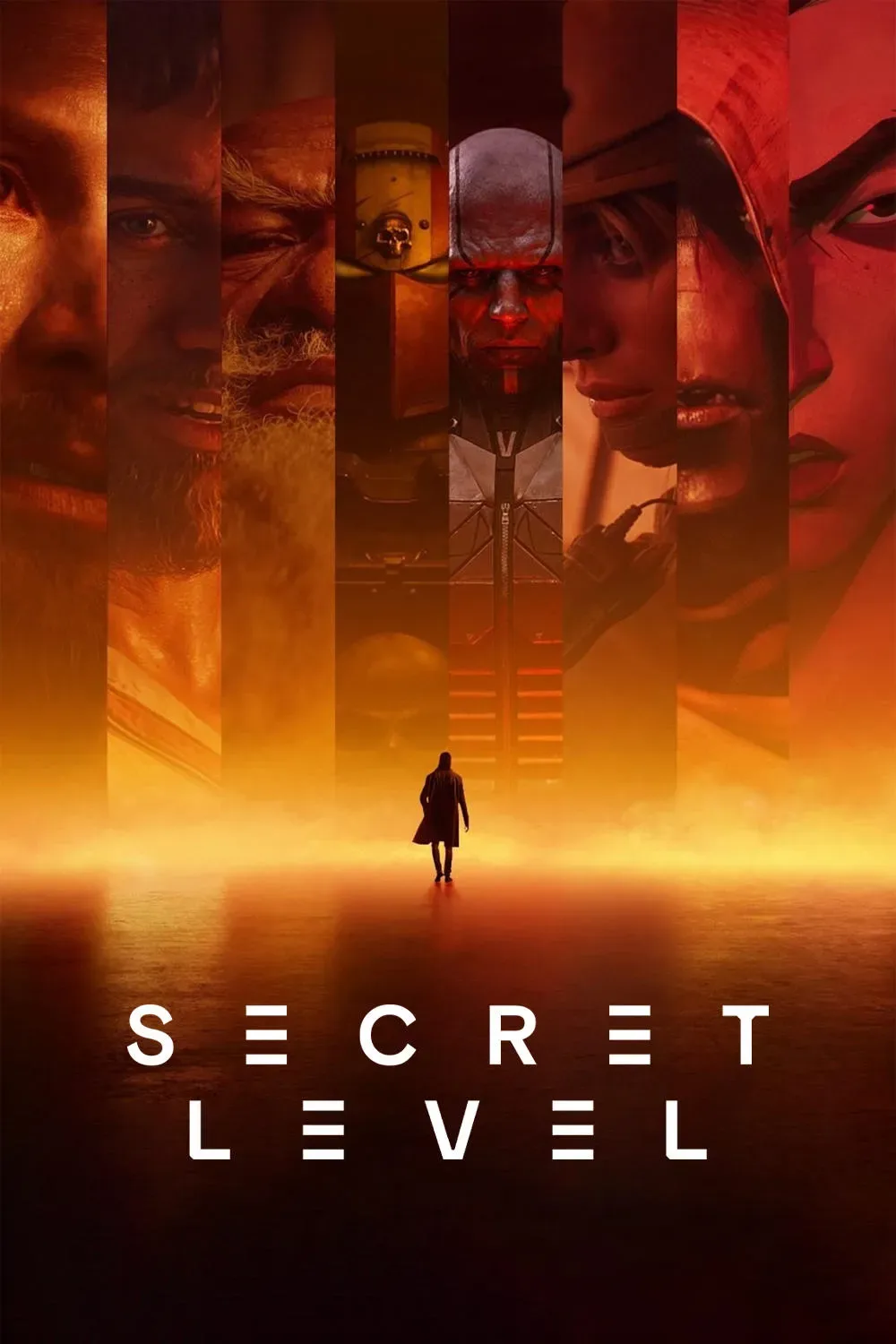
I had some high expectations for Secret Level, especially given that it was produced by the same folks behind Netflix’s Love, Death & Robots anthology. Unfortunately, this collection of animated shorts inspired by various games, both tabletop and video, largely squanders its potential. To be fair, some of the shorts are enjoyable. The Dungeons & Dragons short contains plenty of fun easter eggs, the Warhammer 40,000 short is packed with grimdark ultra-violence, and I really liked the blend of cyberpunk and traditional Chinese mythology in the Honor of Kings short. But by and large, Secret Level feels perfunctory and unnecessary, like a collection of extended cutscenes, or worse, advertisements. In other words, it’s a shameless appeal to nostalgia and fandom that offers precious little in terms of unique or interesting storytelling.
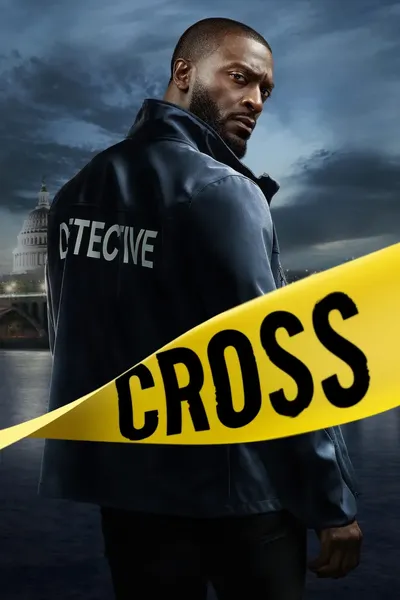
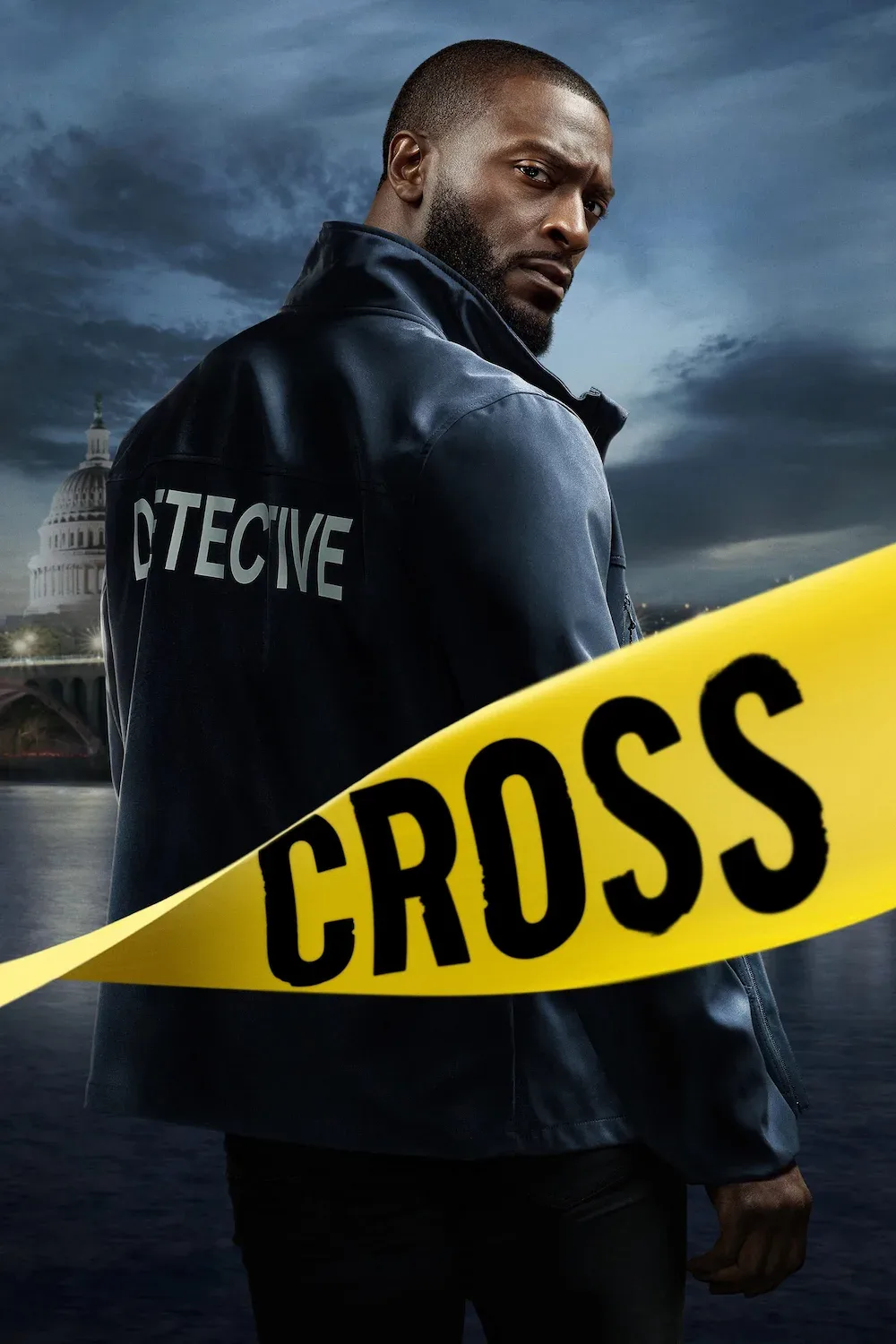
Like Reacher, I haven’t read any of the novels on which Amazon’s Cross is based. Thus, I can’t say how accurate the series, or Aldis Hodge’s lead performance, is to James Patterson’s thrillers. (Which have been previously adapted into several films, like 1997’s Kiss the Girls with Morgan Freeman.) Hodge’s Alex Cross is a driven detective and psychologist who explores the darkest recesses of human nature. That makes him the perfect man to match wits with a serial killer whose activities are inflaming Washington, D.C.’s already-fraught racial divide. But Cross’ grief over his own wife’s murder threatens to undo him, and even more so when an unknown individual targets his family. There’s a lot going on in Cross’ first season — family melodrama, murder mystery, questions of race and policing — and I’m not sure how well it juggles everything. I was never not entertained, and the cast is solid across the board. (I really enjoyed Isaiah Mustafa, of Old Spice commercial fame, as Cross’ best friend and fellow detective, and Eloise Mumford delivers a stirring performance as the killer’s latest victim.) What’s more, the show’s nuanced depiction of Black families seems like a needed tonic in today’s pop culture landscape. As the season neared its conclusion, however, the constant piling on of twists and revelations began to feel unwieldy, and what first interested me in the show got buried. I still plan on watching the already-announced second season, though, because there’s so much potential here.
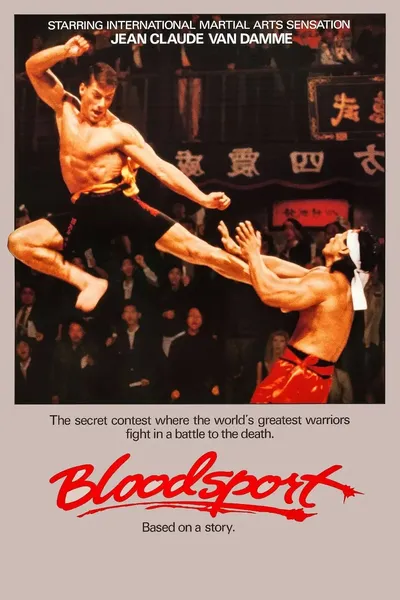
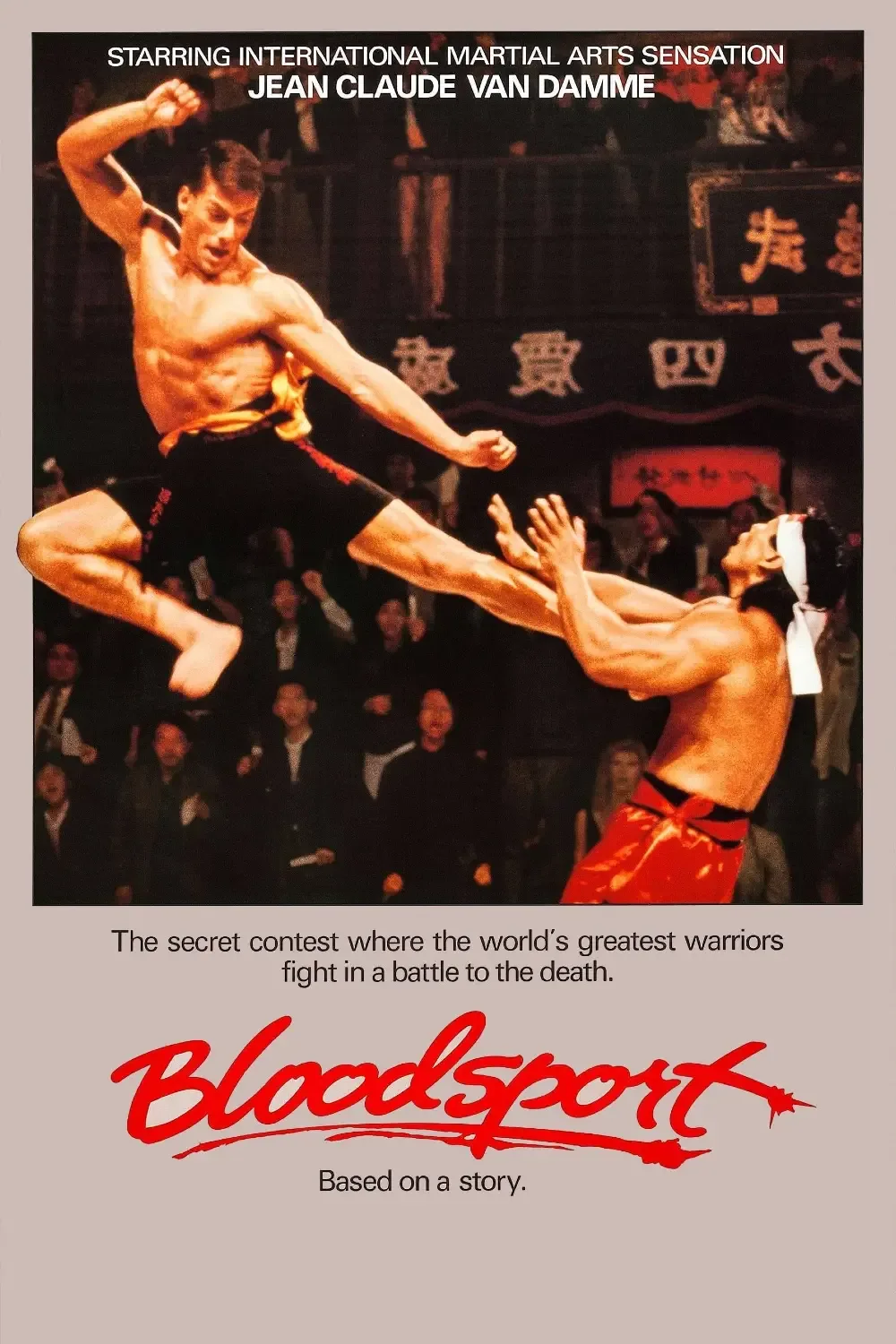
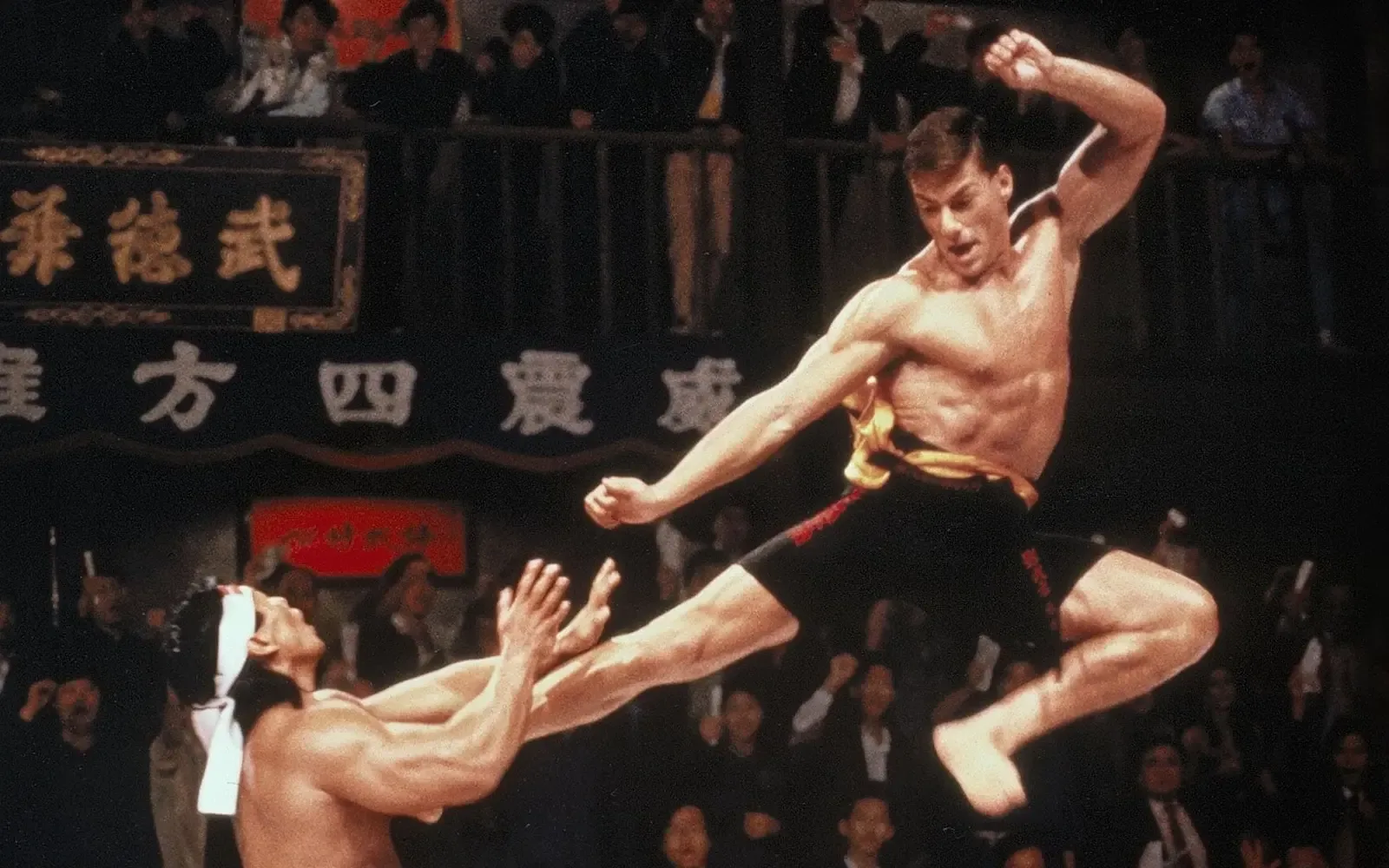
If you weren’t a prepubescent boy in the late ’80s, then I’m not sure I can fully explain the nostalgic appeal that Bloodsport holds, even with its considerable flaws. (Starting with the fact that the “true story” it’s based on is dubious at best.) I was 12 years old at the time, and my friends and I discussed the film’s depiction of an illegal martial arts tournament with a hushed reverence, to say nothing of Jean-Claude Van Damme’s fighting prowess. Watching it now, more than thirty years later, the flaws are more obvious and some of the nostalgic sheen has worn off. Even so, Bloodsport’s still a pretty darn enjoyable “B” movie. As I’ve written before, it’s easy to slag on Van Damme, but his legitimate martial arts skills do enable him to do some pretty impressive-looking stuff on-screen. This time around, though, I was really struck by the film’s moodiness: the soft-focus cinematography, some legitimately stunning shots of Hong Kong at night, and most of all, Paul Hertzog’s synth-heavy soundtrack. Predating synthwave by several decades, his music really sets the movie’s vibe with high-energy tracks during the kumite fight scenes as well as more lowkey pieces like “Kumite,” “Flashback Montage,” and “On My Own” (which has the added bonus of vocals from Stan “The Touch” Bush).

Like its predecessors, Monument Valley 3 — which is now available from Netflix Games — features delightfully tricky puzzles, an eye-pleasing aesthetic, and soothing ambient music, all of which combine for a very pleasant vibe. The game’s story is slight — a young girl named Noor is tasked with maintaining a lighthouse, and you must guide her through various worlds to find the “Sacred Light” necessary for the lighthouse’s operation — and you can play all the way through it in an hour or two. It certainly feels rewarding when you finally master a puzzle’s tricky, Escher-esque geometry, and the storyline veers into some interesting apocalyptic territory. However, given its short playtime and lack of replay value (though new seasonal chapters will be released throughout 2025), Monument Valley 3 ultimately feels like little more than a distraction. An extremely pleasant and intricately crafted distraction, mind you, but a distraction nonetheless.

I’ve been a fan of Jamie Foxx ever since the In Living Color days. With his standup comedy, musical releases, and acclaimed performances in Ray, Collateral, Django Unchained, and They Cloned Tyrone, Foxx has become one of Hollywood’s most versatile and charismatic personalities. But in the spring of 2023, Foxx’s career, and even his very life, seemed to be on the precipice after a mysterious health scare left him hospitalized for weeks. Various rumors circulated during that time, including ones that he’d been cloned or replaced. So on this Netflix special, Foxx sets the record straight. Falling somewhere between a standup routine, a concert, and a sermon, What Had Happened Was… is a bit meandering due to Foxx’s numerous bits and impressions. But it’s also deeply emotional and spiritual, even with all of the crass and profane jokes. Foxx breaks down in tears on multiple occasions as he recalls his stroke and subsequent hospitalization and rehab as well as the profound realizations he had concerning his life, career, and faith. When he leads the audience in a round of “God is good/All the time/All the time/God is good,” it might just be the most worshipful moment Netflix has ever streamed.

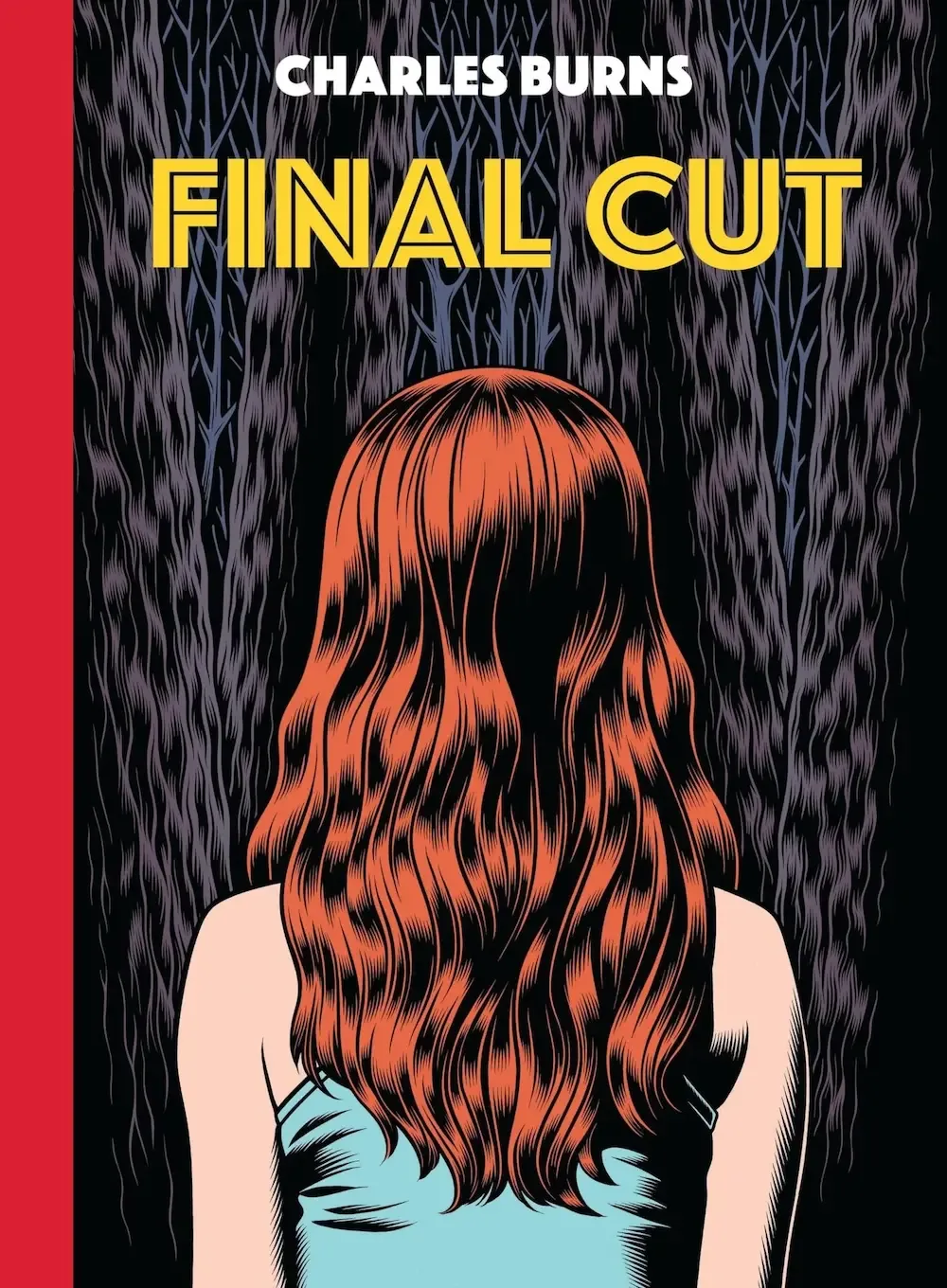
Charles Burns’ artwork was the main draw for me; his dark inking and woodcut-esque style seems staid and static at first, but it becomes increasingly intriguing and even haunting and surreal at times. Unfortunately, Final Cut’s story left me somewhat underwhelmed with its tale of cinema, unrequited love, family dysfunction, and (maybe) male entitlement. A burgeoning cinephile, Brian makes low-budget sci-fi films with his friend Jimmy, and their planned remake of Invasion of the Body Snatchers promises to be their best work yet. But when Brian falls head over heels for their lead actress Laurie, who is going through some relationship drama of her own, his ability to separate fiction from reality grows increasingly fraught. Final Cut is ultimately ambivalent whether Brian’s fixations are tragic or toxic — you could make a convincing case for either one, or both — but it’s stuck with me since finishing the book, and seems particularly relevant in this age of toxic fandoms and “Your body, my choice.”
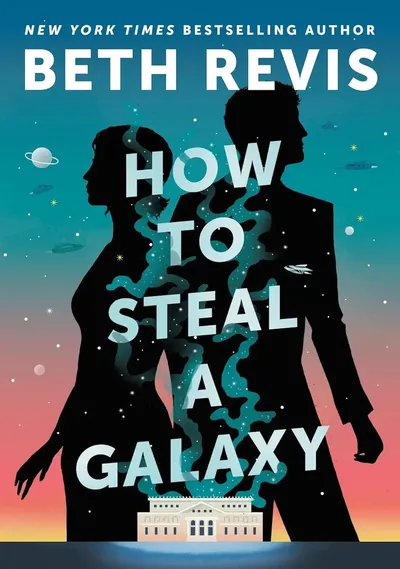
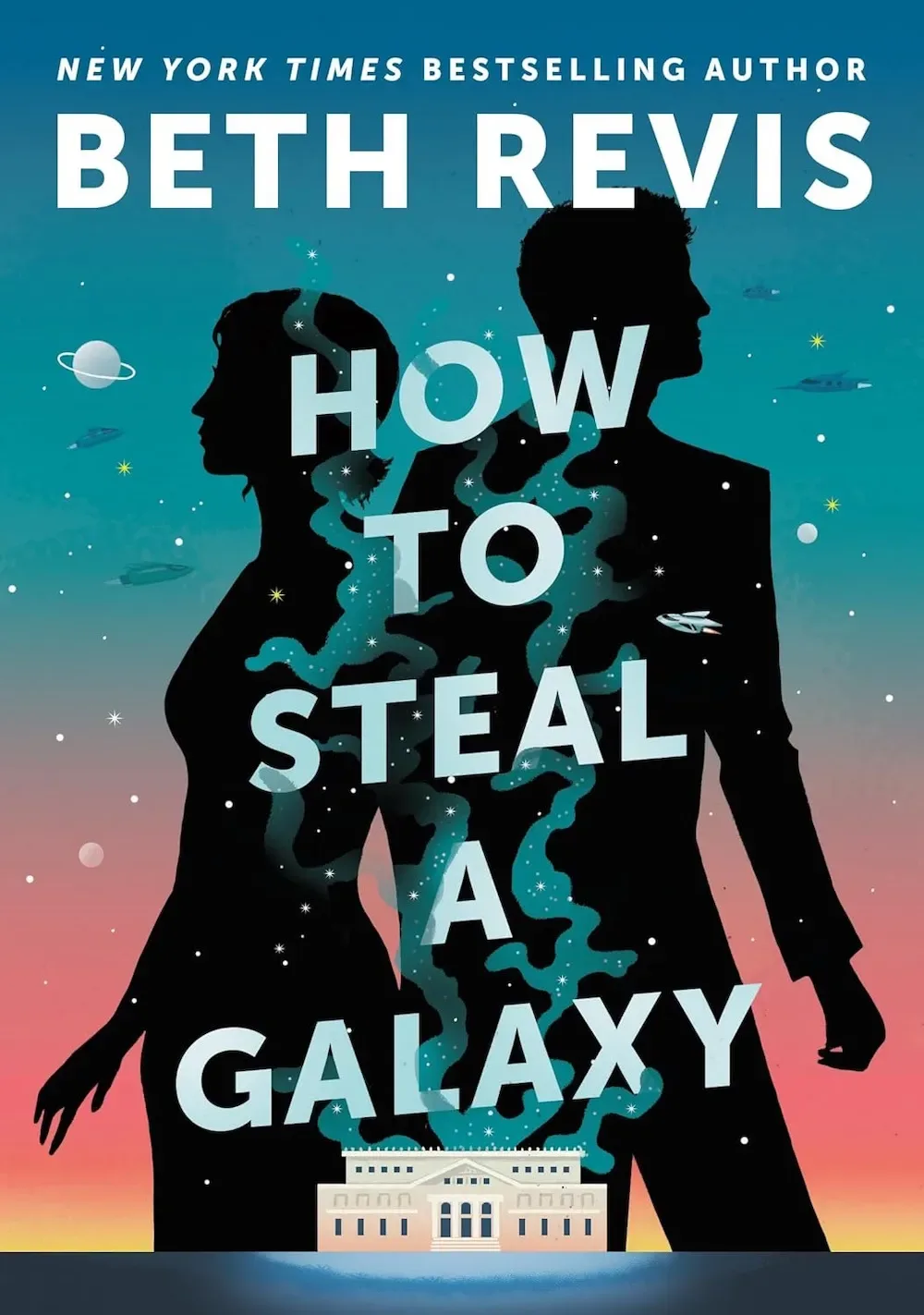
I checked this out from the library without knowing that it’s actually the second novella in a planned trilogy, but that didn’t hinder my reading at all. To Beth Revis’ credit, How to Steal a Galaxy is pretty self-contained, with enough details about what apparently transpired in its predecessor (Full Speed to a Crash Landing) that I never felt lost. Based on the title and jacket copy, it was basically what I expected: a light-hearted heist romp with a dash of romance. It’s also quite clear that Revis is no fan of Elon Musk; the novella’s villain is a thinly veiled caricature of the world’s richest man, and through her smart-ass protagonist, Revis is not shy in expressing her distaste for him. Though I agree with Revis in principle — I quite dislike Musk myself — her parody is pretty on-the-nose, and often serves only to make her protagonist nigh-insufferable. Many will no doubt find this novella breezy and engaging — you can easily finish it in a single sitting — but I found it smug as much as anything else.
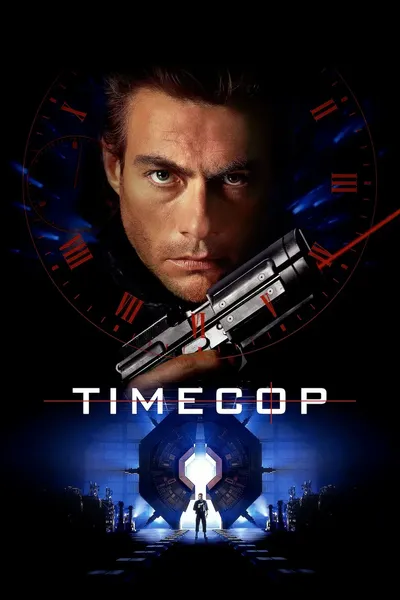
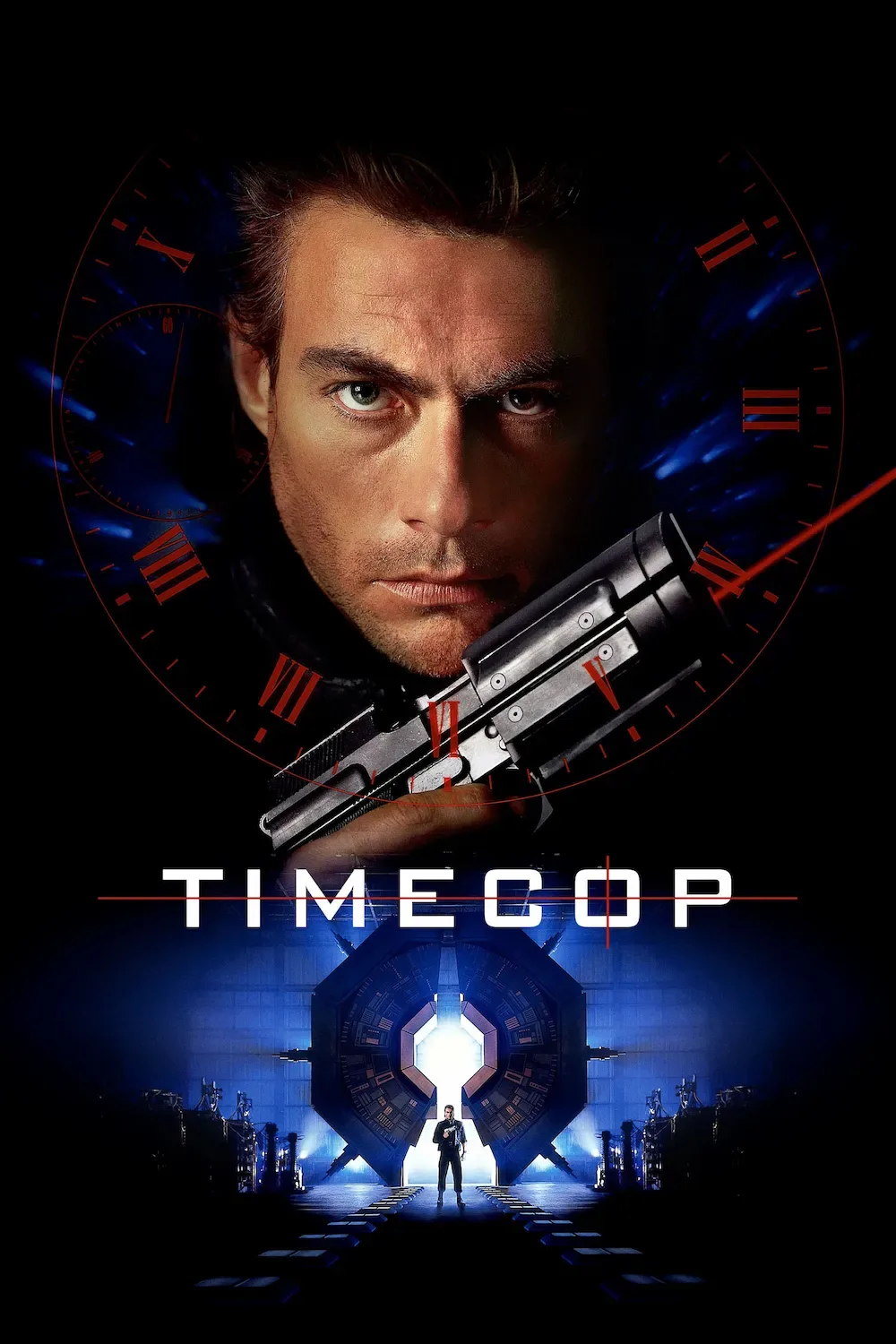
Here’s a movie from 1994 in which the villain is a presidential candidate who claims a good president is someone “so rich he doesn’t have to listen to anybody” and who’s popular with both pro-life/pro-death penalty voters and the anti-immigration crowd. That probably did seem wildly fantastical 30 years ago, but here in 2024, it hits a bit too close to home. (Did someone travel back in time to write this script?) Regardless, Timecop’s a pretty entertaining mid-’90s action film by Peter Hyams starring the one and only Jean-Claude Van Damme. (The duo also made the also-entertaining Sudden Death in 1995.) Van Damme’s cop character is tasked with traveling in time to prevent bad guys from messing up the present, which inevitably brings him into conflict with the aforementioned money-grubbing villain (played with all requisite sliminess by Ron Silver). Being a Van Damme film, I wish the fight scenes hadn’t been so heavily edited — they almost resemble the Bourne movies at times — but the Muscles from Brussels delivers an engaging performance, the visual effects hold up pretty well after 30 years (with one notable exception), and there are flashes of visual panache that’s sorely lacking from modern action movies.
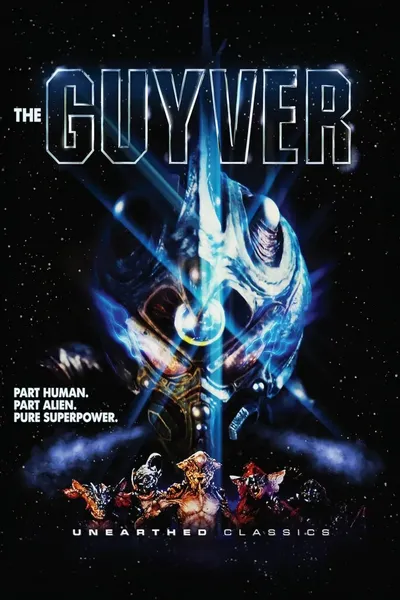
First off, I did enjoy the tokusatsu action on display here, what with all of the creature suits and practical effects. This is 1991 we’re talking about, so advanced CGI was still in its infancy and really only accessible to big budget blockbusters (e.g., James Cameron’s Terminator 2: Judgment Day, which was also released in 1991). The creature suits, while certainly cheesy, were kind of refreshing to see (though the racial and sexual stereotypes displayed on some of the suits have not aged well at all). Unfortunately — and I know this will seem obvious about a film featuring people in alien creature suits battling each other with martial arts — The Guyver is just way too slight and silly. Be it the Keystone Cop routines, Jimmie Walker’s (of Good Times fame) rapping, the chintzy soundtrack, or the godawful dialog, this is prime “Grade A” MST3K fare. Or at least it should have been. David Gale clearly had a blast chewing up the scenery as the main baddie, and Mark Hamill tried to give his CIA agent character some hard-boiled dignity, but their efforts are largely wasted. Fortunately, director Steve Wang would go on to make the much more enjoyable Drive, starring Mark Dacascos, in 1997.
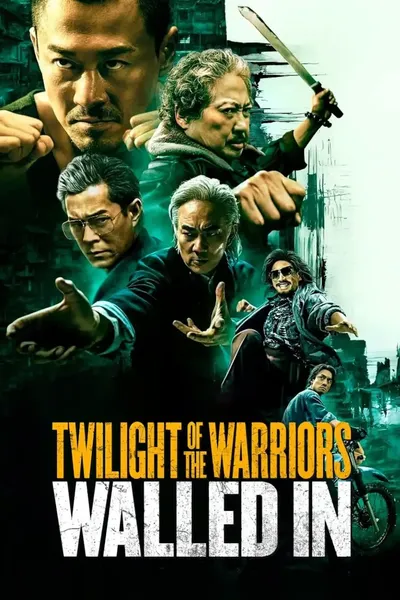
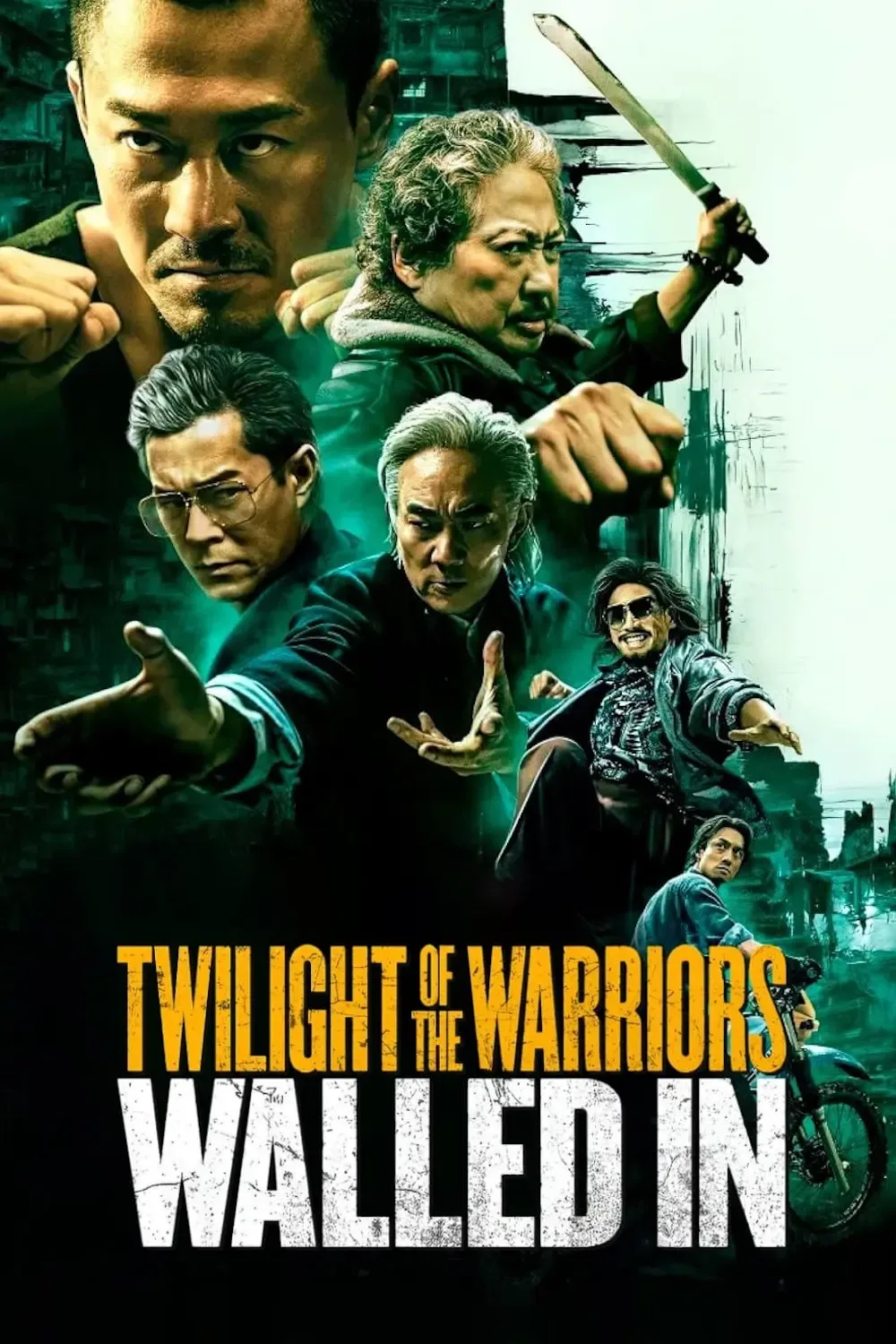
Originally intended to be a John Woo/Johnnie To co-production starring Chow Yun-fat, Andy Lau, and Tony Leung, Twilight of the Warriors: Walled In fell into development hell for a couple of decades until it was resurrected by director Soi Cheang. And I’ll be honest, knowing something of the film’s backstory, I can’t help but imagine what might’ve been. Cheang’s film clearly seeks to recapture the glory days of Hong Kong cinema, but its tale of rival gangs battling over Kowloon Walled City, and the mysterious young refugee who sets in motion calamitous events, is ungainly and over-stuffed. There’s plenty of action, and some of it’s pretty awesome, but the setting of Kowloon Walled City — at one point, the world’s most densely populated spot — is so fascinating that I was more curious about the stories of the side characters inhabiting its labyrinthine corridors. (On a sidenote, Twilight of the Warriors: Walled In is a masterclass in set and production design.) Indeed, the movie’s final scenes of its inhabitants going about their jobs and daily routines sans any gang violence or wire and CGI-enhanced martial arts proved much more interesting than the action sequences.