My Cultural Diet (July 2025): Ran, Superman, Murderbot, Thunderbolts*, Harry Dresden

In order to better track my various cultural experiences (e.g., movies, TV shows, books, restaurants), I’ve created the Cultural Diet. Think of it as my own personal Goodreads, Letterboxd, and Yelp, all rolled into one (more info here). Every month, I recap everything that I watched, read, etc., in the previous month.
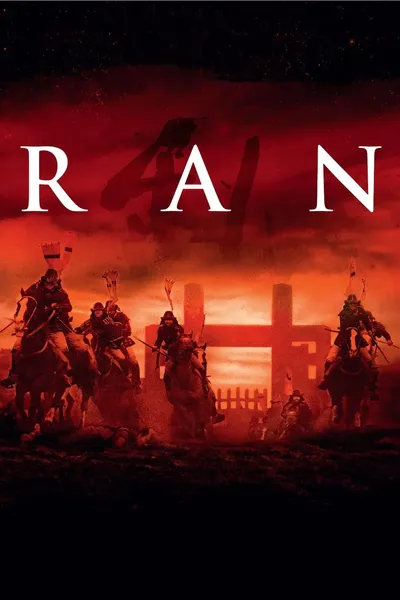
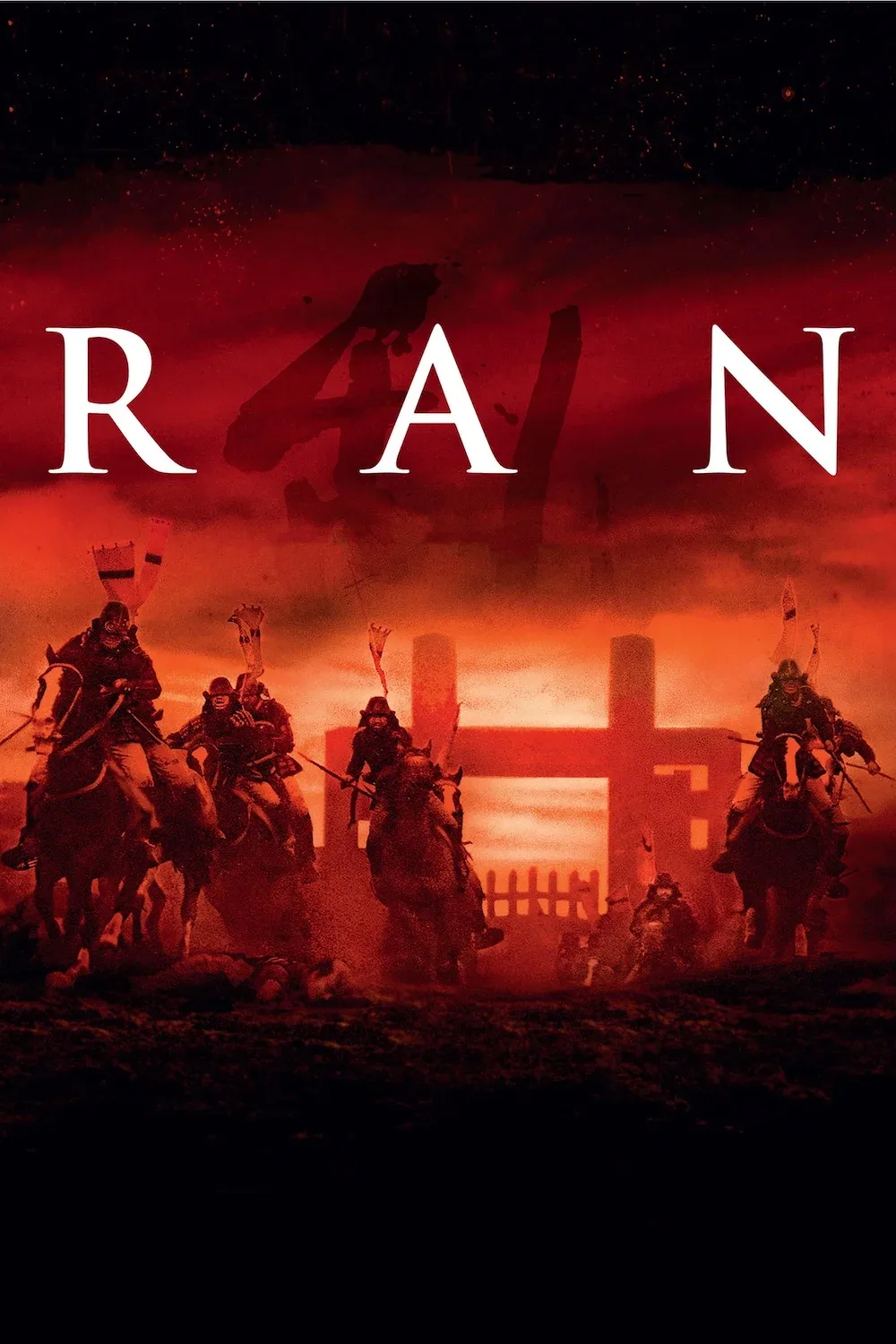
Akira Kurosawa spent ten years storyboarding every shot in this, his final historical epic, as a series of paintings — and it shows. Ran is packed, start to finish, with indelible and perfectly framed images. The scene where Tatsuya Nakadai’s old warlord, his face contorted by grief and madness, descends the stairs of a burning castle is one of cinema’s most iconic images, and the very epitome of “nobody makes ‘em like this anymore.” (Even more impressive, that scene was done with an actual castle built specifically for the movie, and shot in a single take because they didn’t have a backup castle.) The same is true of the preceding battle sequence, during which the only sound is Toru Takemitsu’s mournful score, or the shot of cloud shadows drifting over an open field lined with colorfully armored soldiers, presaging the carnage that is to come. As for Ran’s story of family betrayal, squabbling sons, and conniving wives, which was partly inspired by Japanese history and partly inspired by Shakespeare’s King Lear, Kurosawa lays on thick his observations of human greed, selfishness, and cruelty. I’d never call Ran a cynical film — it’s too grandiose for that — but it certainly lacks Seven Samurai’s warm-yet-bittersweet humanism, and ends with a desolate shot that fully drives home its despairing themes.

I hate to say it, but I may be over Wes Anderson. Rushmore, The Royal Tenenbaums, Fantastic Mr. Fox, and even Moonrise Kingdom will always occupy a dear place in my heart. But his more recent movies have become so contrived as to become tedious and disaffecting. Of course, part of Anderson’s appeal has always been his highly stylized and intricately detailed aesthetic, in which all of the artifice underscores and sells the pathos of his stories. But on The Phoenician Scheme, all that exists is the artifice. Yes, Anderson returns to one of his favorite storylines, that of a highly selfish individual (played this time around by Benicio Del Toro) who gradually realizes the error of his ways and awakens to human connections and relationships, and sure, I chuckled on three or four occasions. Ultimately, though, The Phoenician Scheme left me feeling hollow, empty, and bored.
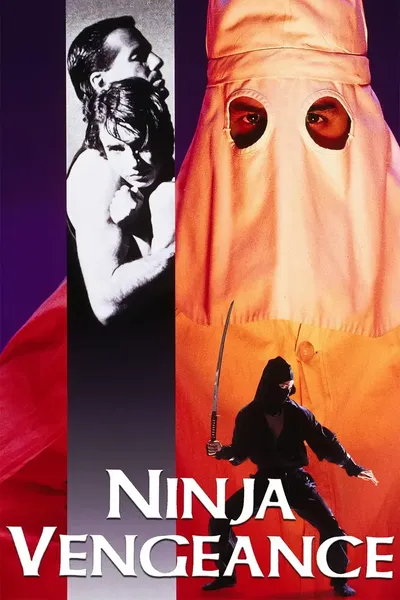
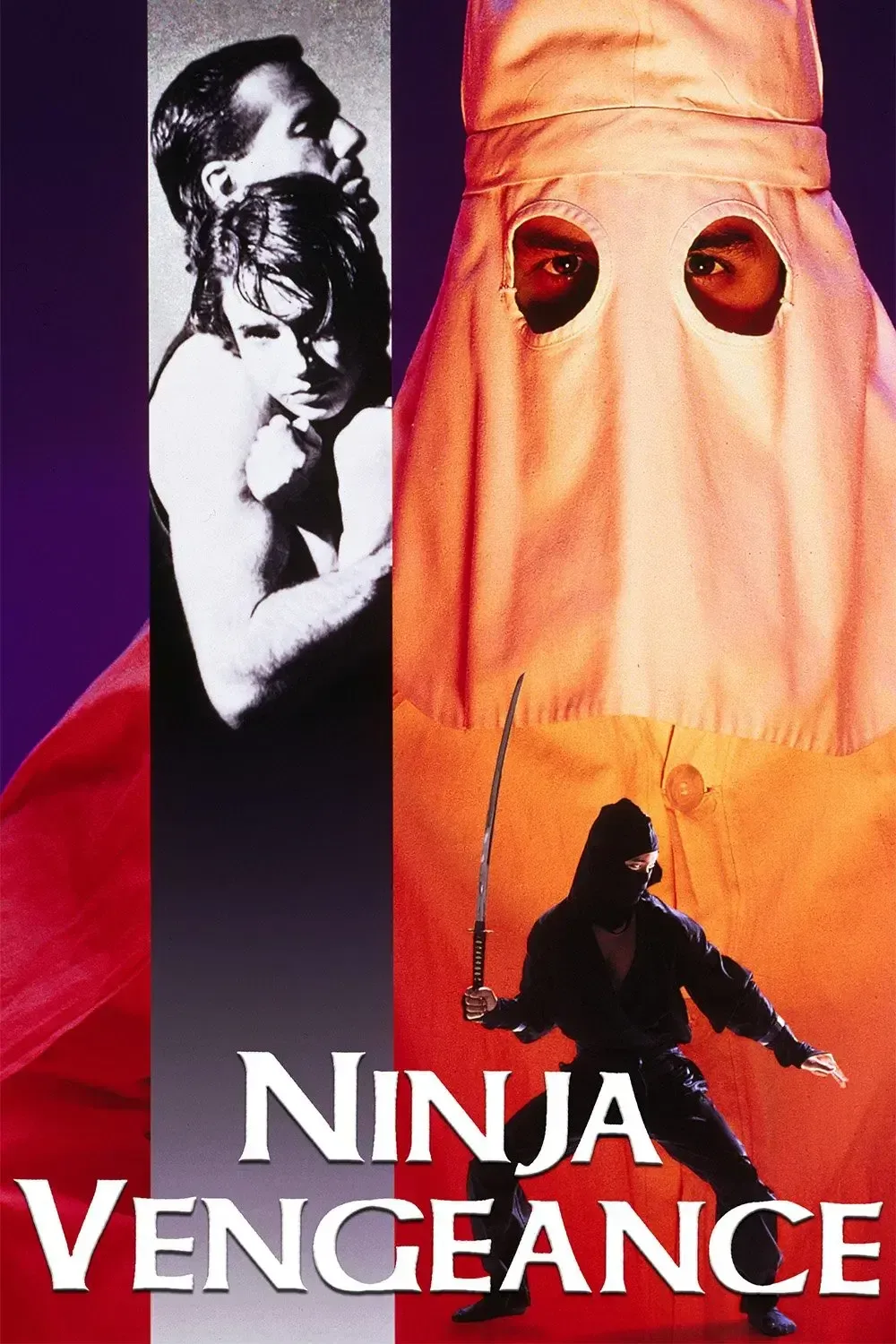
It was well after midnight when Ninja Vengeance popped up in my Tubi recommendations and convinced me to stay up way past my bedtime with its premise of a ninja battling the KKK. And technically speaking, that is what happens in the film when an itinerant ninjutsu student — who rides into the small town of Empire, Texas on (what else?) a Kawasaki Ninja motorcycle — witnesses the Klan kill a young Black man and is subsequently framed for the crime. But as he flees into the Texas backwoods, pretty girl in tow and the Klan in hot pursuit, it quickly becomes obvious that Ninja Vengeance might be the most boring permutation of “ninja vs. the KKK” one could possibly commit to celluloid. Although its premise suggests a gritty exploitation flick, Ninja Vengeance has the look, feel, and acting quality of a made-for-public-access-TV-movie, to say nothing of its fight scenes. To be fair, I’m sure writer/director Karl Armstrong sought to expose the evils of racism, and I’m all for watching Klan members get the smackdown. Furthermore, the film features Stephen K. Hayes, a renowned martial arts instructor who brought ninjutsu to America in the ’80s and drops little nuggets of ninja wisdom throughout the film (e.g., “Your reward is spiritual growth, the opportunity to be a conscious part of the scheme of totality”). Ninja Vengeance thus possesses a certain earnestness that makes it impossible to hate and piques the curiosity as to how it was even made in the first place. That said, it’s arguably the worst ninja movie I’ve ever seen, and that includes Godfrey Ho’s filmography.
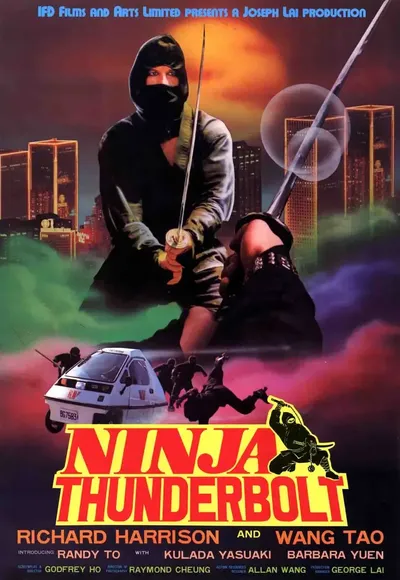
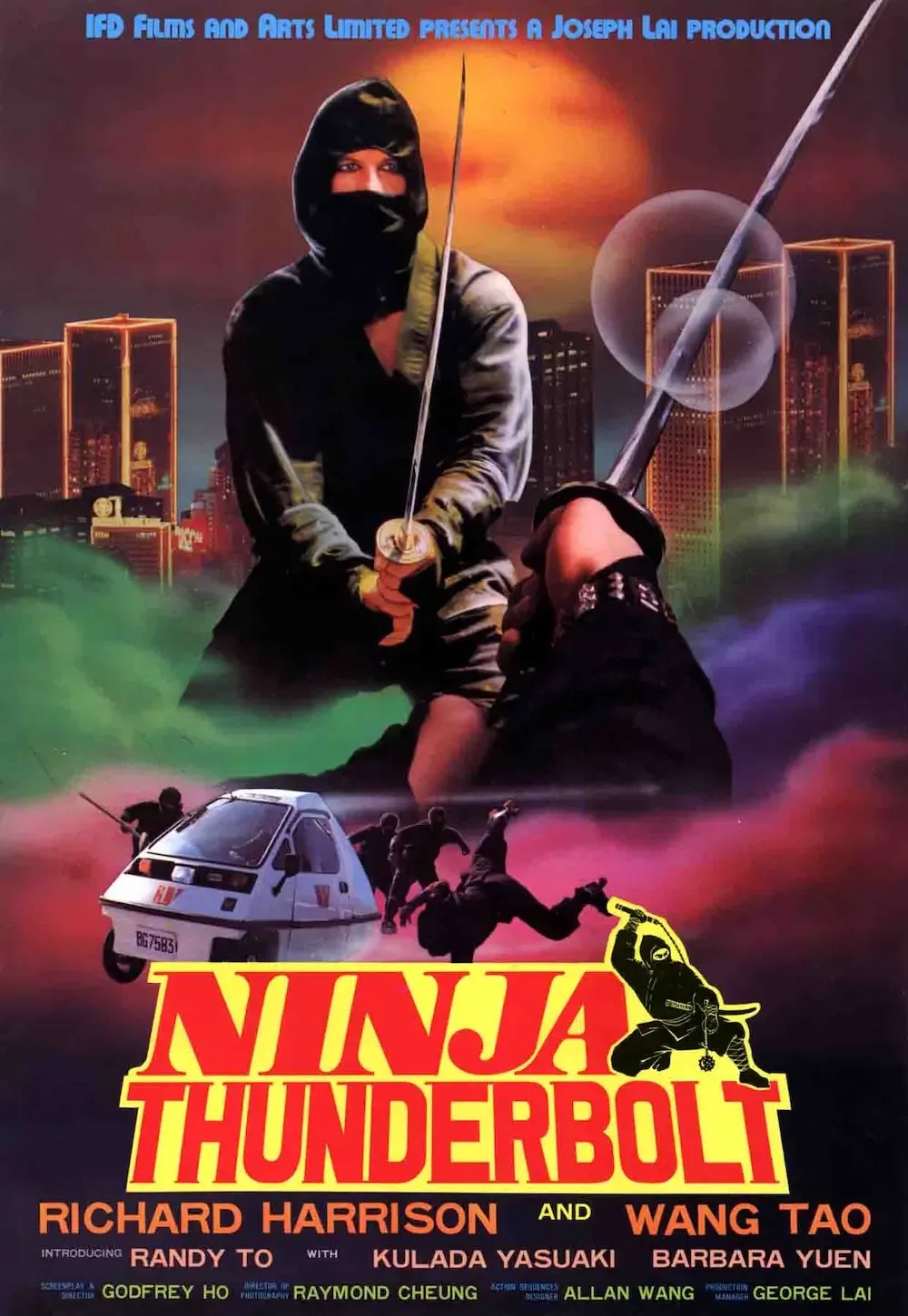
For a movie called Ninja Thunderbolt, there’s a shocking dearth of ninja action here. Sure, there’s the opening sequence involving members of the evil Ninja Empire — Godfrey Ho was really taken with the idea of ninja empires (not that I blame him) — swearing their villainous vows, and there’s some ninja thievery, but most of the film follows the exploits of a headstrong detective and a kung fu insurance agent trying to stop an evil tycoon from committing insurance fraud, or something like that. Given that a third of the movie takes place in dark rooms or at night with the actors barely recognizable smudges, though, there’s probably a lot that I missed. I had high hopes for Ninja Thunderbolt given that it stars martial arts cinema icon Yasuaki Kurata, but that’s only because Ho apparently purchased the rights to Gam Ming’s To Catch a Thief, and as was his wont, sprinkled in a few shots of Richard Harrison to create an “original” ninja film. Ninja Thunderbolt’s not without charm; I couldn’t stop smiling as a gang of roller-skating ninjas chased the detective in his itsy-bitsy Mitsuoka BUBU 501 micro car, and the soundtrack features music from Barry White, Chris & Cosey, Logic System, Bill Wyman, and Lalo Schifrin’s Dirty Harry score (all legally licensed, I’m sure). As far as Godfrey Ho films go, though, this one ranks pretty low on the scale, which is saying something.

Lloyd Alexander sure did love writing coming-of-age stories inspired by the world’s myths and folklore. He is, of course, best known for the Welsh-inspired Chronicles of Prydain. But decades after completing the Prydain books, Alexander also wrote The Iron Ring, which drew from Indian culture and mythology, and the Chinese-influenced Remarkable Journey of Prince Jen. When the young prince of Ch’ang-an volunteers to travel to the legendary kingdom of T’ien-kuo, he envisions a trip that will help him become a strong ruler. Naturally, his trip goes horribly awry, with all manner of unexpected delays and harrowing conflicts that force him to re-evaluate who he is as both a noble and a man. Much of my enjoyment with Prince Jen stems from the fact that I probably would’ve loved this book had I read it back in 4th or 5th grade. Alexander’s writing is often clever, striking a balance between youthful adventure and mature pathos, and weaving in moral instruction without seeming preachy. That said, the novel’s abrupt ending is disappointing. It feels like Alexander didn’t quite know what to do with all of his story’s elements, so he wrapped everything up as quickly as possible with the aid of some convenient coincidences.

When it opened back in 1981, Jasper Mall was so busy, you could scarcely set foot inside to visit its many stores, which included both a Kmart and a JCPenney. Four decades later, Kmart and JCPenney are long gone and Jasper Mall barely seems to be holding on. Even so, it still has its regulars and holdouts, all of whom serve as subjects for filmmakers Bradford Thomason and Brett Whitcomb. Jasper Mall doesn’t have a storyline per se, but rather, just meanders the emptying halls and food court to capture little vignettes of the mall’s life. Most of those center on Jasper Mall’s faithful manager, a former zookeeper named Mike McClelland who works hard to keep the mall clean and drum up new business. There’s an undeniable sense of nostalgia at work here — I was often reminded of Omaha’s own Westroads and Crossroads malls, the latter of which resembled Jasper Mall’s fading glory before it was demolished in 2020 — as well as a certain vaporwave-y vibe. To Thomason and Whitcomb’s credit, though, Jasper Mall isn’t some hipster-ish dig into retro aesthetics, nor does it feature any talking head critiques of capitalism and consumerism. And though there are moments the filmmakers could’ve milked for melodrama, they thankfully resist that urge. Instead, Jasper Mall is just suffused with a gentle humanism that makes it all the more inviting and affecting.

We’re not designed to be online all the time and experience a never-ending stream of news, information, updates, and memes. Patricia Lockwood’s wry and pithy No One Is Talking About This is a deep dive into all the ways being constantly online flattens and trivializes everything, until it’s nigh-impossible to differentiate between the important and the inane. Which is certainly a worthy and relevant topic. However, Lockwood’s stream-of-consciousness style and endless non sequiturs — which are clearly intended to mimic the random, bite-sized nature of social media posts — get her point across pretty quickly and soon start to belabor it. Lockwood’s writing can be funny, affecting, and heartbreaking — I even found it convicting at times — but you have to wade through a lot for those moments, and oftentimes, her novel will just leave you thinking “OK, OK, I get it.” On a side note, after about fifty pages, No One Is Talking About This started to feel really familiar. Sure enough, my library account confirmed that I’d previously checked it out back in June 2021. I’d completely forgotten that and whether or not I’d already read it — and I rarely forget such details. So take that for whatever it’s worth.
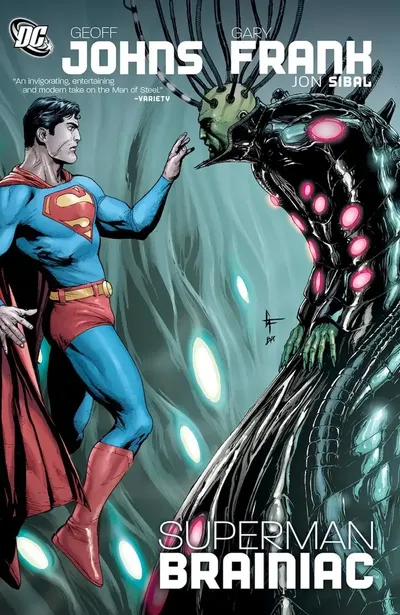
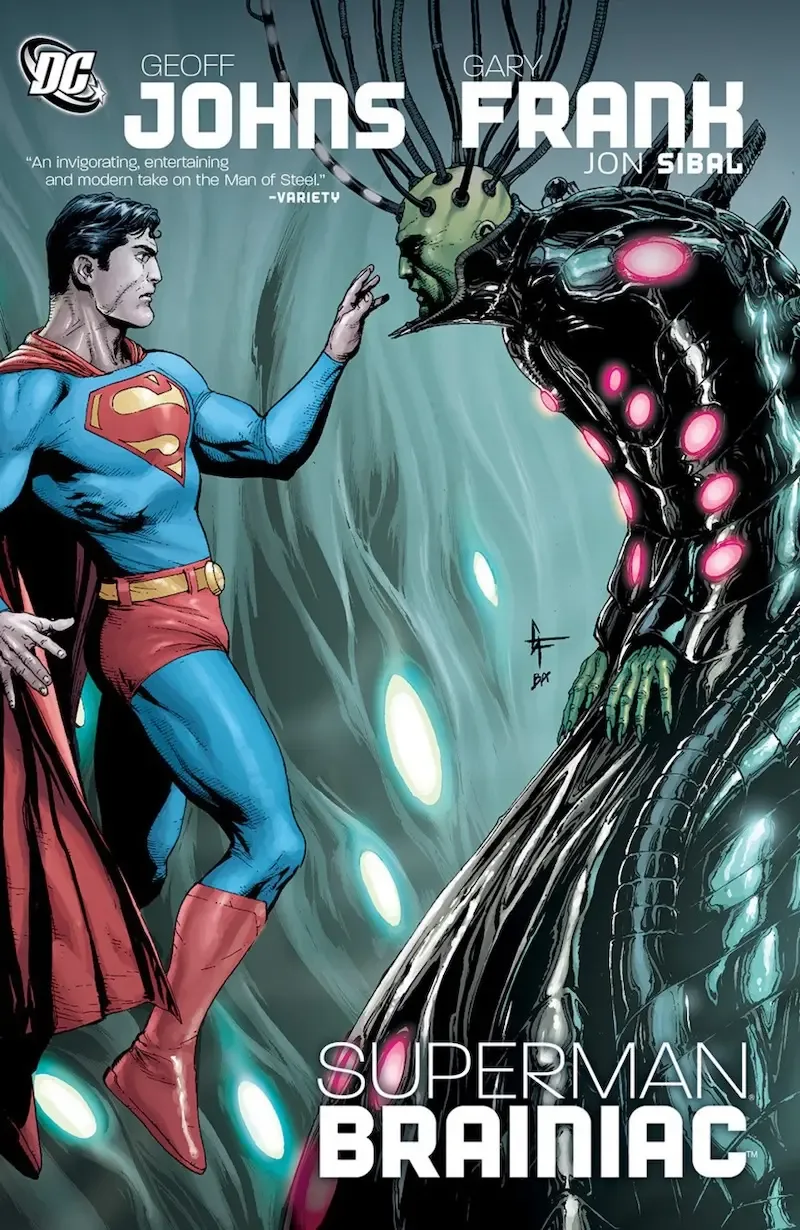
In preparation for James Gunn’s Superman, I checked out some random Superman comics from the public library, including this one. I’ve always thought Brainiac — a super-intelligent cyborg intent on collecting all of the universe’s knowledge for himself — was one of Superman’s cooler villains. Superman: Brainiac has its moments, and I enjoyed Gary Frank’s art (though he’s a bit preoccupied with cleavage and bare midriffs), but the plot — which actually rewrites a foundational moment in Superman’s life — is nothing all that exciting as a standalone story.

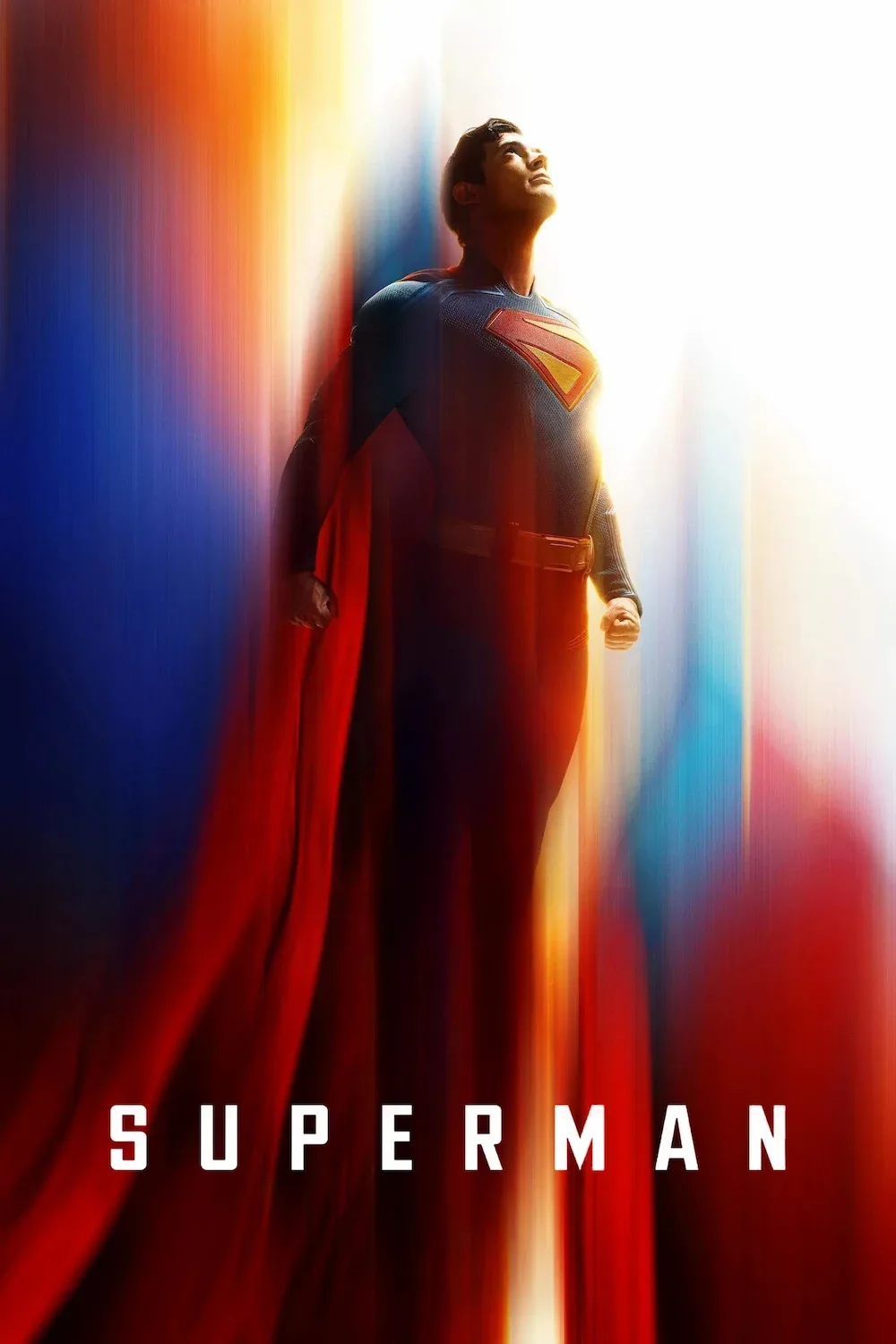
There’s a certain excess to all of James Gunn’s films that wears thin after awhile (which, for the record, is why I never finished 2021’s The Suicide Squad). Also, I really disliked a pretty key change to Superman’s origins. Not to spoil anything, but I’ve always liked that an act of true selflessness sent young Kal-El on his way from doomed Krypton, and that’s no longer the case here. That said, I appreciate that Gunn’s Superman is much closer in tone and style to DC’s animated fare, which I enjoy far more than their live-action movies — and makes this movie’s sillier aspects, like Lex Luthor’s pocket universe army of social media outrage monkeys, a bit more palatable. David Corenswet is great as Superman, perfectly capturing the hero’s earnestness and bigheartedness. (There’s a reason why he’s called the Big Blue Boy Scout, folks.) Nathan Fillion and Edi Gathegi are also great as Guy Gardner and Mister Terrific, respectively. In the end, however, I agree with Steven D. Greydanus’ take: Gunn’s Superman absolutely has its heart in the right place, which is not nothing, but I’m still left wanting something smarter and more substantial for the Man of Tomorrow.
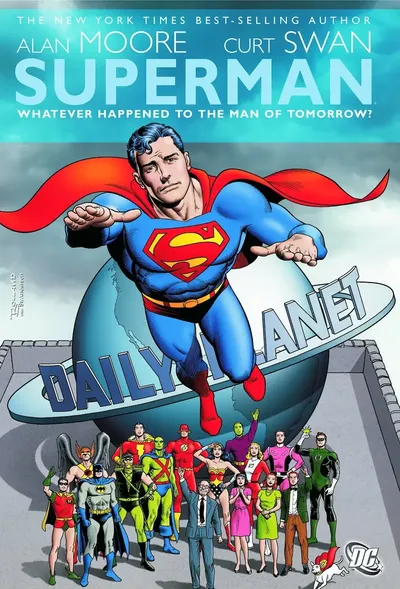
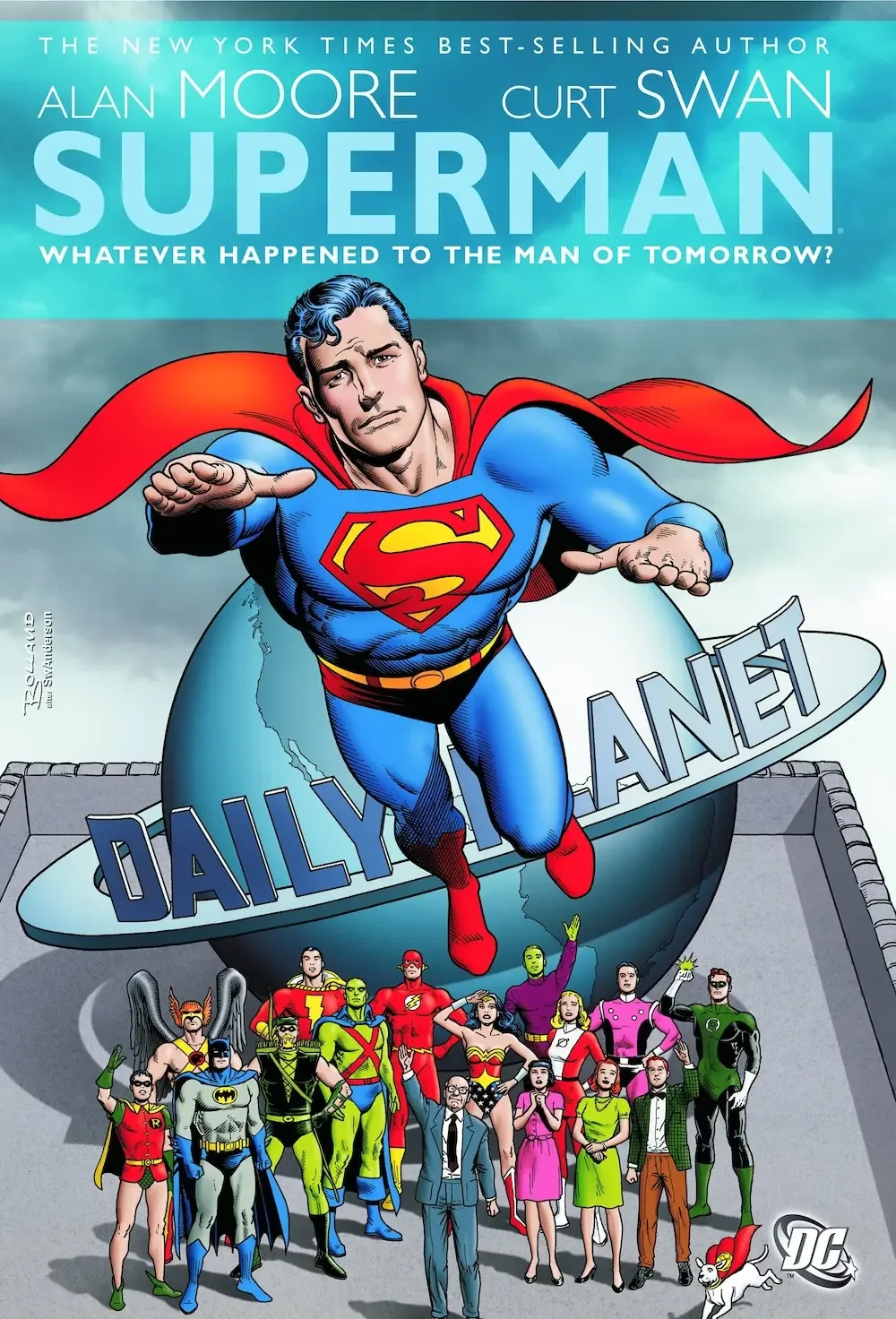
Alan Moore (Watchmen, V for Vendetta) turned his considerable talents to the Man of Steel, envisioning a possible ending for the Kryptonian’s career and life. As is Moore’s wont, there’s some deconstruction going on here, but it’s clear that he has a real fondness for Superman and all that he stands for. This “deluxe” edition also contains a short crossover with Swamp Thing that envisions another mortal threat to Superman, this time in the form of an unlikely survivor from his home planet. However, the real draw is “For the Man Who Has Everything,” one of the all-time great Superman stories that was originally published in 1985 around the same time that Moore and artist Dave Gibbons were beginning work on Watchmen. I originally encountered the story via the excellent Justice League Unlimited animated series, which itself is a pretty faithful adaptation. The story begins with Batman, Robin, and Wonder Woman traveling to the Fortress of Solitude for Superman’s birthday, only to find him under the spell of an alien organism that allows Superman to live out his greatest fantasies — which soon prove to be quite heartbreaking.
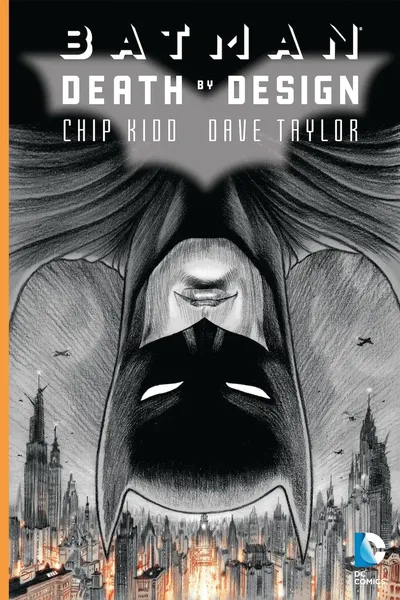
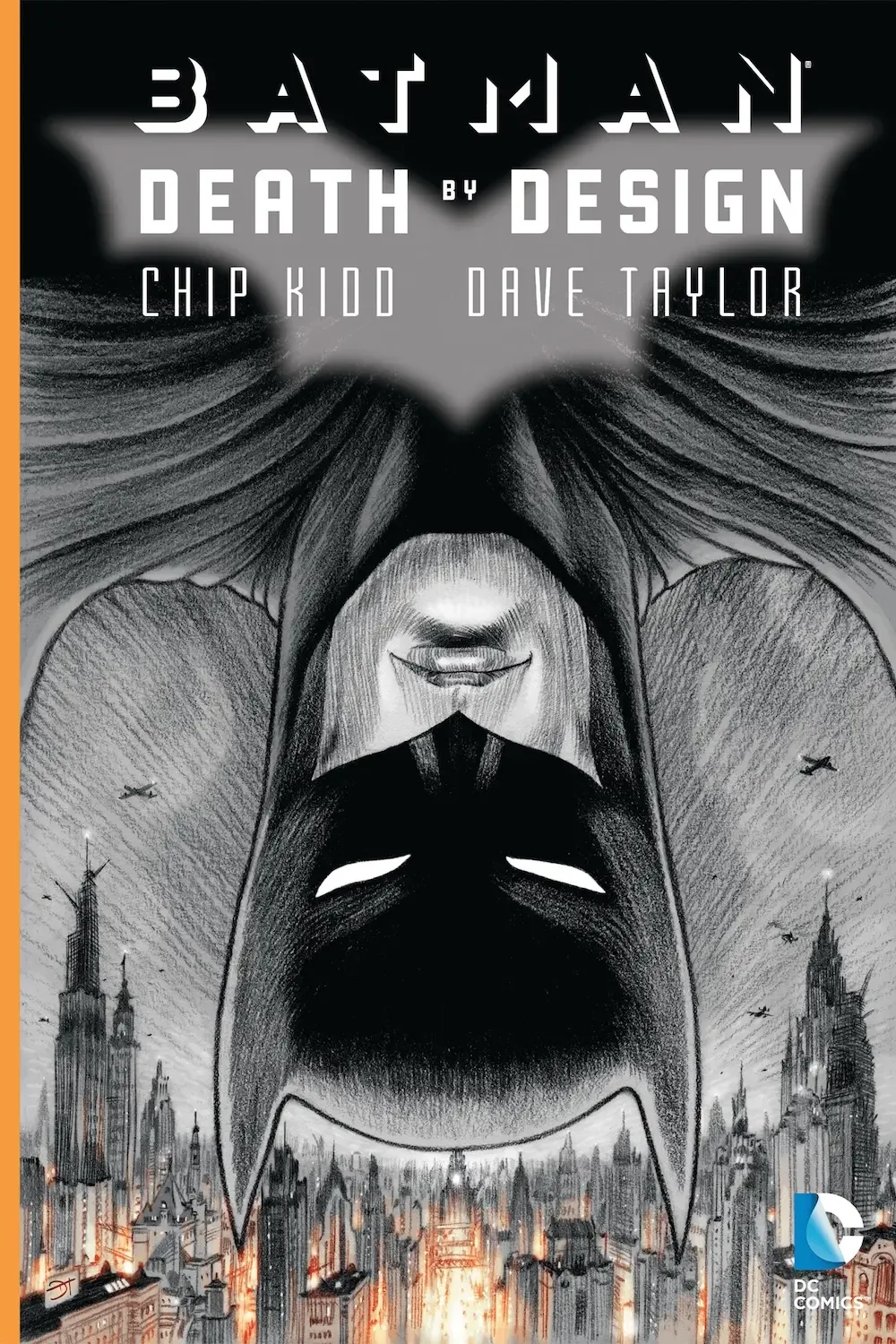
In a slightly retrofuturistic version of Gotham City, Bruce Wayne has decided to tear down one of the city’s most recognizable landmarks: a massive tower originally commissioned by his father. Although he hopes to reinvigorate the city, he also risks exposing corruption and secrets — and endangering a possible new love interest. Although the Joker makes an appearance, Batman: Death by Design is a nice change of pace from your typical Batman comic, with a greater emphasis on more mundane things like architecture, city planning, and union disputes. Dave Taylor’s artwork is the real draw here (npi). Done almost entirely in pencil, his work’s incredibly rich and detailed and adds to the book’s retro feel, and his cityscapes are simply breathtaking. (Indeed, it could be argued that Gotham City itself is the book’s true main character.) That said, his artwork can feel very static, which makes sense for a book that’s largely about architecture, but also means the action scenes lack a certain dynamism. Also, some of the frames are so small as to be almost unintelligible. Overall, Batman: Death by Design is proof that there’s room in Gotham City for all kinds of interesting stories, even niche ones like this.
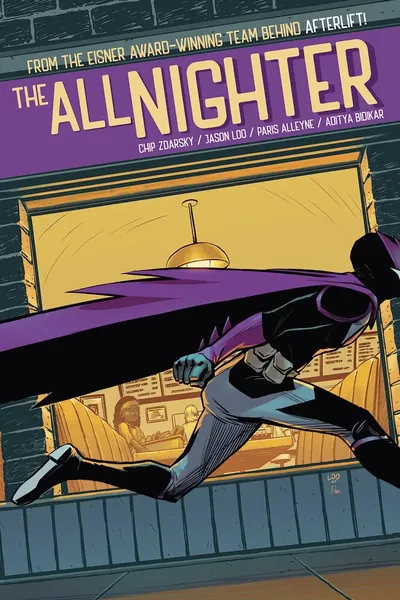
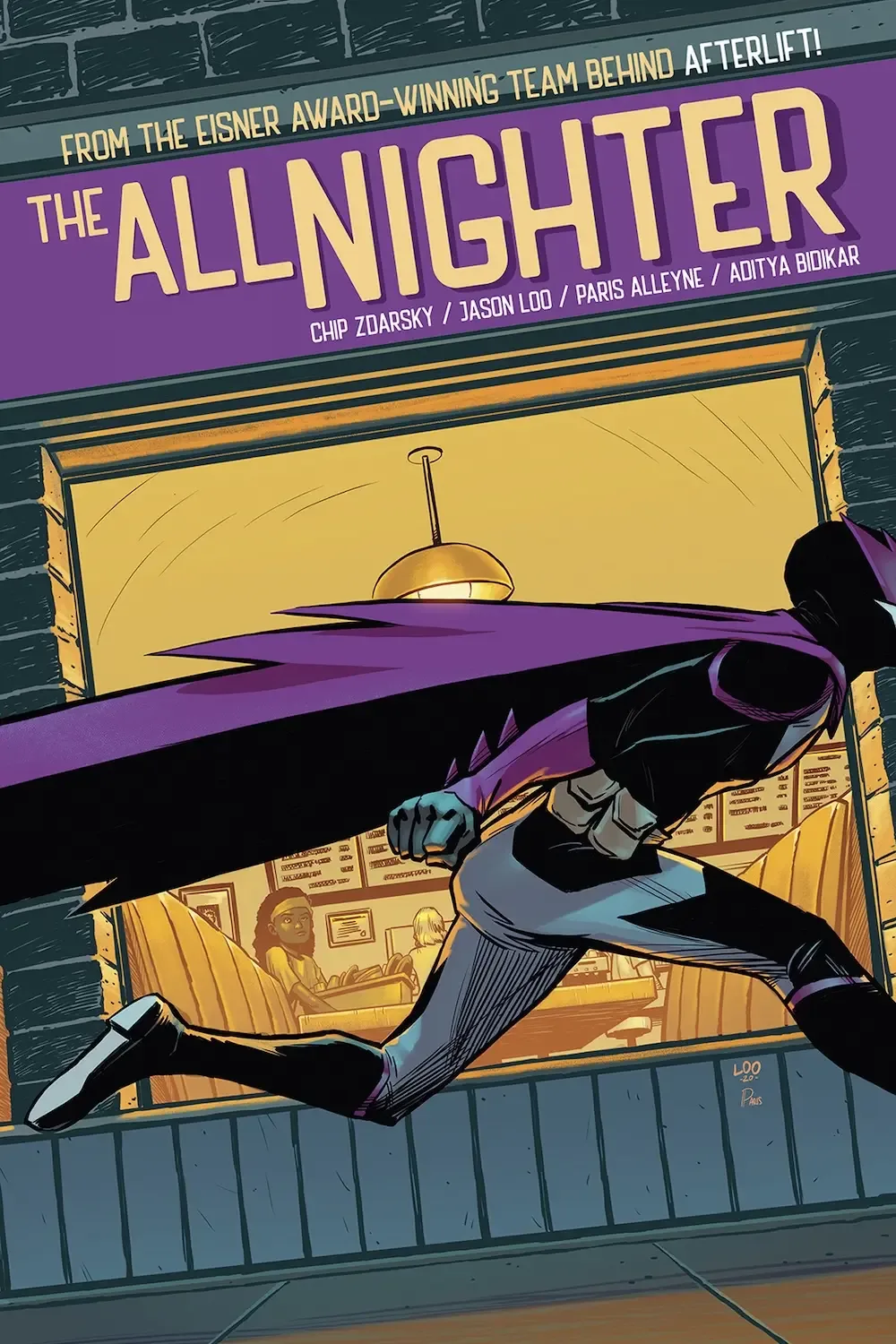
Alex spends his nights flipping burgers at The All-Nighter diner, but he yearns to do something more with his life. So when he has the opportunity to become a superhero, he jumps at it — and not surprisingly, his life suddenly gets a whole lot more difficult. Which, considering the fact that he’s a vampire, is really saying something. Chip Zdarsky juggles a lot of story ideas in what initially seems like a straightforward superhero title, from the hero’s true nature to some meta ideas about the role of stories and the power of fiction. But if I’m honest, it doesn’t feel as smart or clever as it thinks it is. The first All-Nighter volume isn’t bad, but I don’t really have a desire to read the rest of the series.
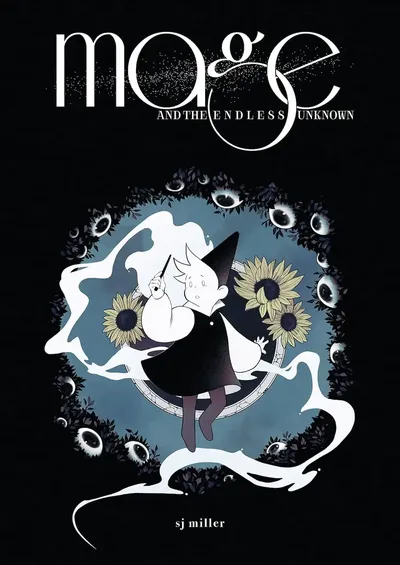
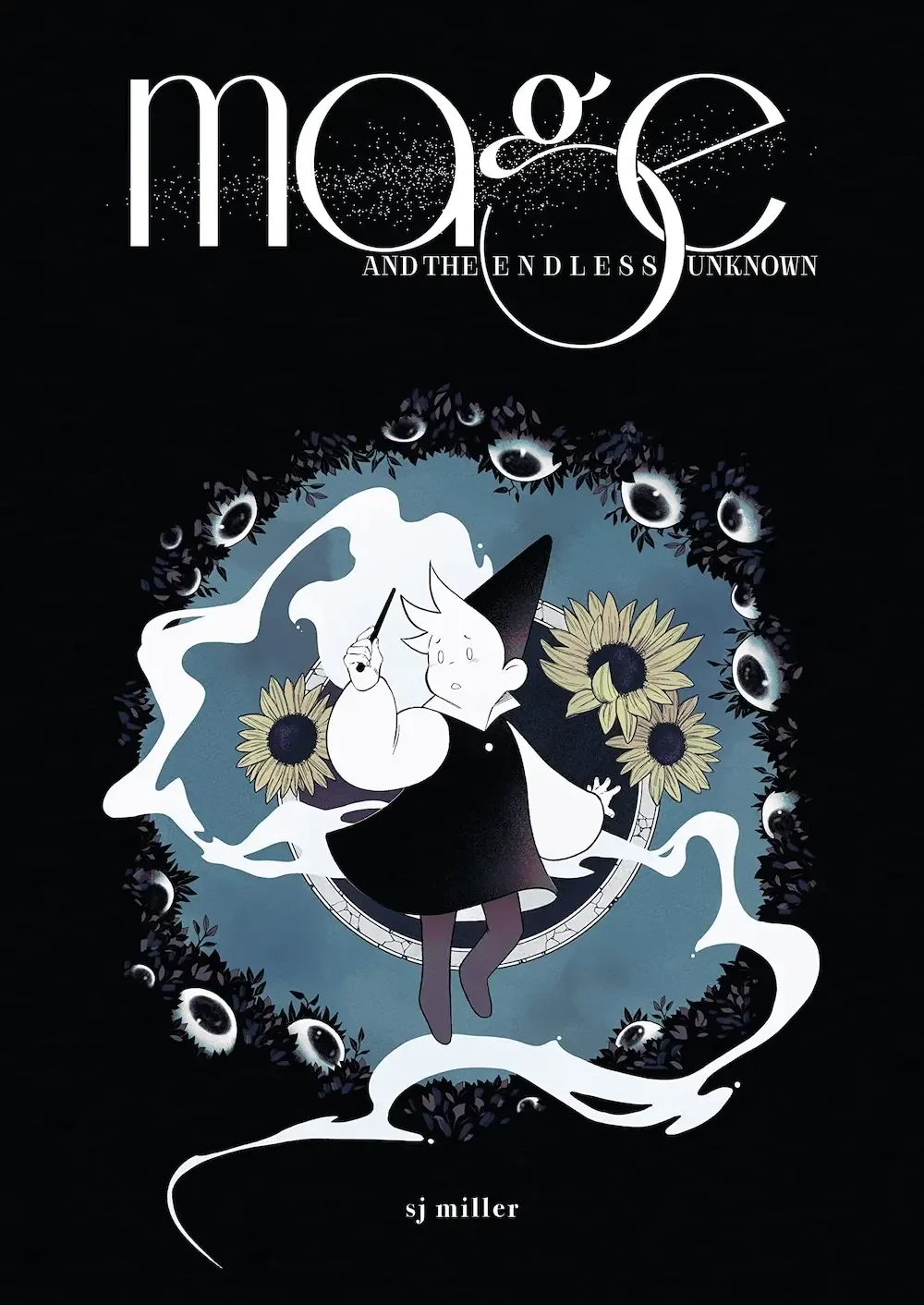
In this nigh-wordless graphic novel, a young mage travels through a bizarre land filled with ancient monuments and strange creatures, a journey that proves surprisingly perilous. The occasional ally offers them comfort and companionship, but even so, their journey will exact a terrible toll. SJ Miller’s story begins on an almost whimsical note, but grows ever more dark and mysterious with each new page. Likewise, Miller’s artwork seems almost simplistic at first, only to throw out a shockingly gruesome or ominous detail that highlights the bizarre-ness of the mage’s world and the deadly stakes of their quest. I liked Mage and the Endless Unknown well enough when I finished reading it, but it’s stuck with me and only grown more intriguing.
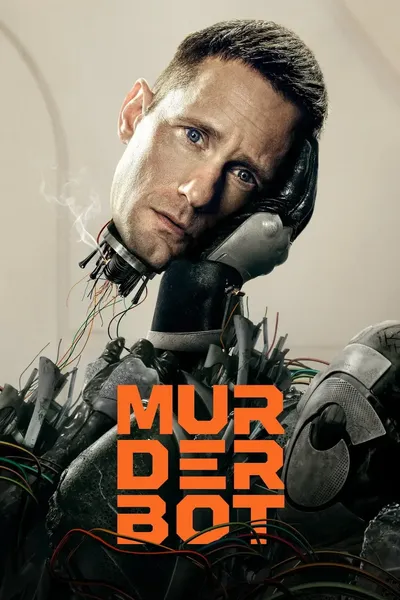
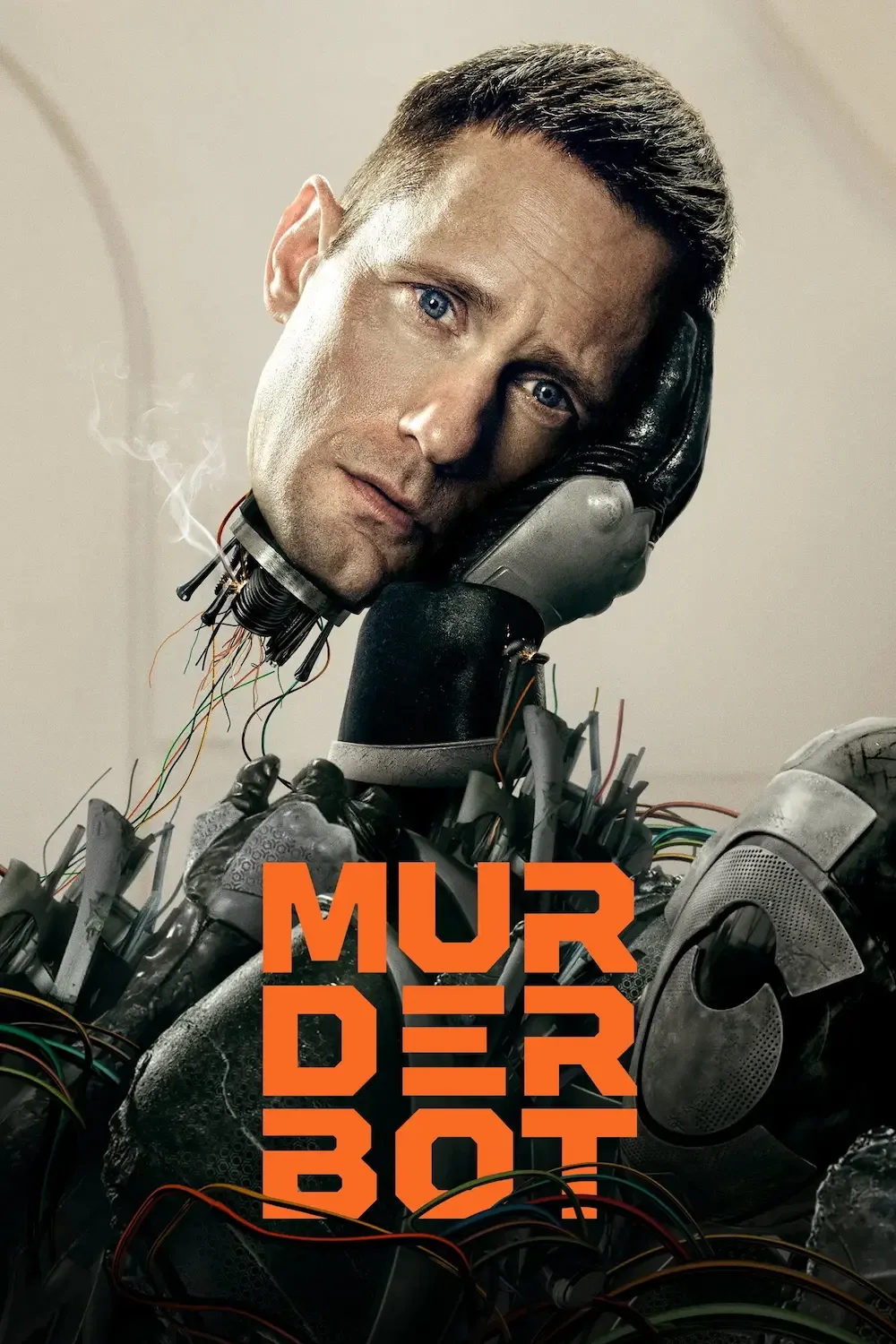
All that the rogue security unit android calling itself Murderbot (Alexander Skarsgård) wants is to be left alone so it can watch its favorite soap opera, The Rise and Fall of Sanctuary Moon. But that’s going to be difficult when it also has to protect a group of future hippies exploring an unknown planet. Based on Martha Wells’ acclaimed Murderbot Diaries novels, Murderbot is an entertaining enough dark comedy that’s highlighted by Murderbot’s overriding contempt of humanity, as evidenced by Skarsgård’s wry commentary. However, it never feels quite as dark or comedic as it so obviously wants to be, be it the jabs at Murderbot’s hopelessly naïve clients or the series’ depiction of a bleak hyper-capitalist future. That said, I totally see why the series was renewed for a second season, and I had a good enough time that I’ll tune into Murderbot’s future escapades.
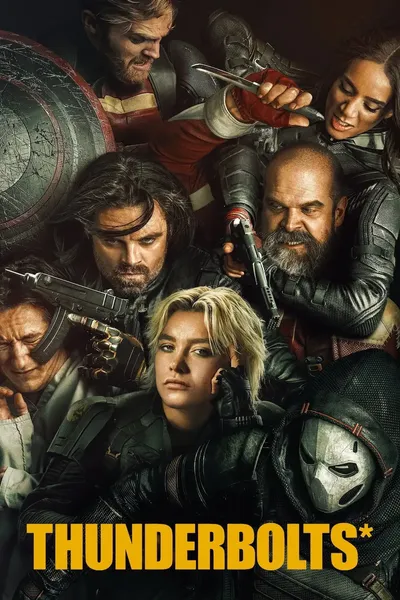
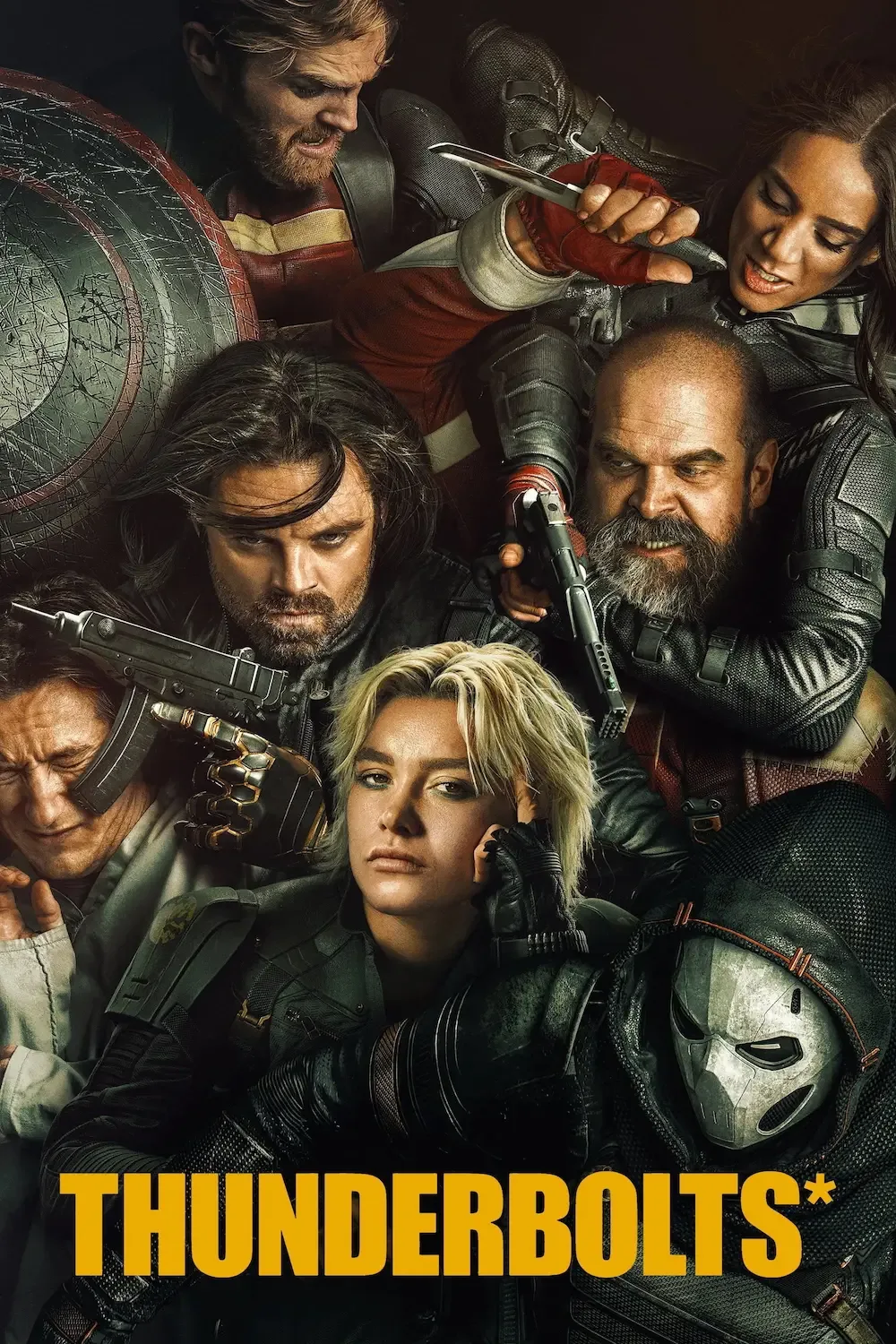
I haven’t exactly made a secret of my ambivalence with regards to the current crop of superhero movies. I had some higher hopes for Thunderbolts*, due in large part to its unconventional cast featuring the MCU’s miscreants and ne’er-do-wells led by Florence Pugh’s Yelena Belova. In the end, though, Thunderbolts* is perfectly OK. I enjoyed it marginally more than Captain America: Brave New World, and that was mainly because of David Harbour’s turn as the lovably boorish Red Guardian. I think I’m mainly frustrated because the film had lots of potential but the our protagonists’ chemistry was often forced, Sebastian Stan rarely looked like he wanted to be there, the characters’ personal and psychological turmoil felt shallow, and the film’s big bad was rather underwhelming as far as MCU villains go.
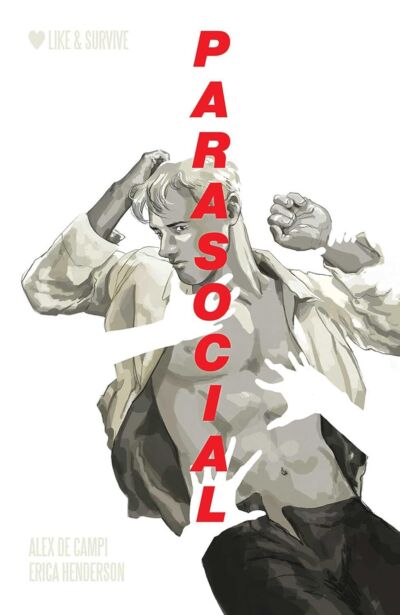
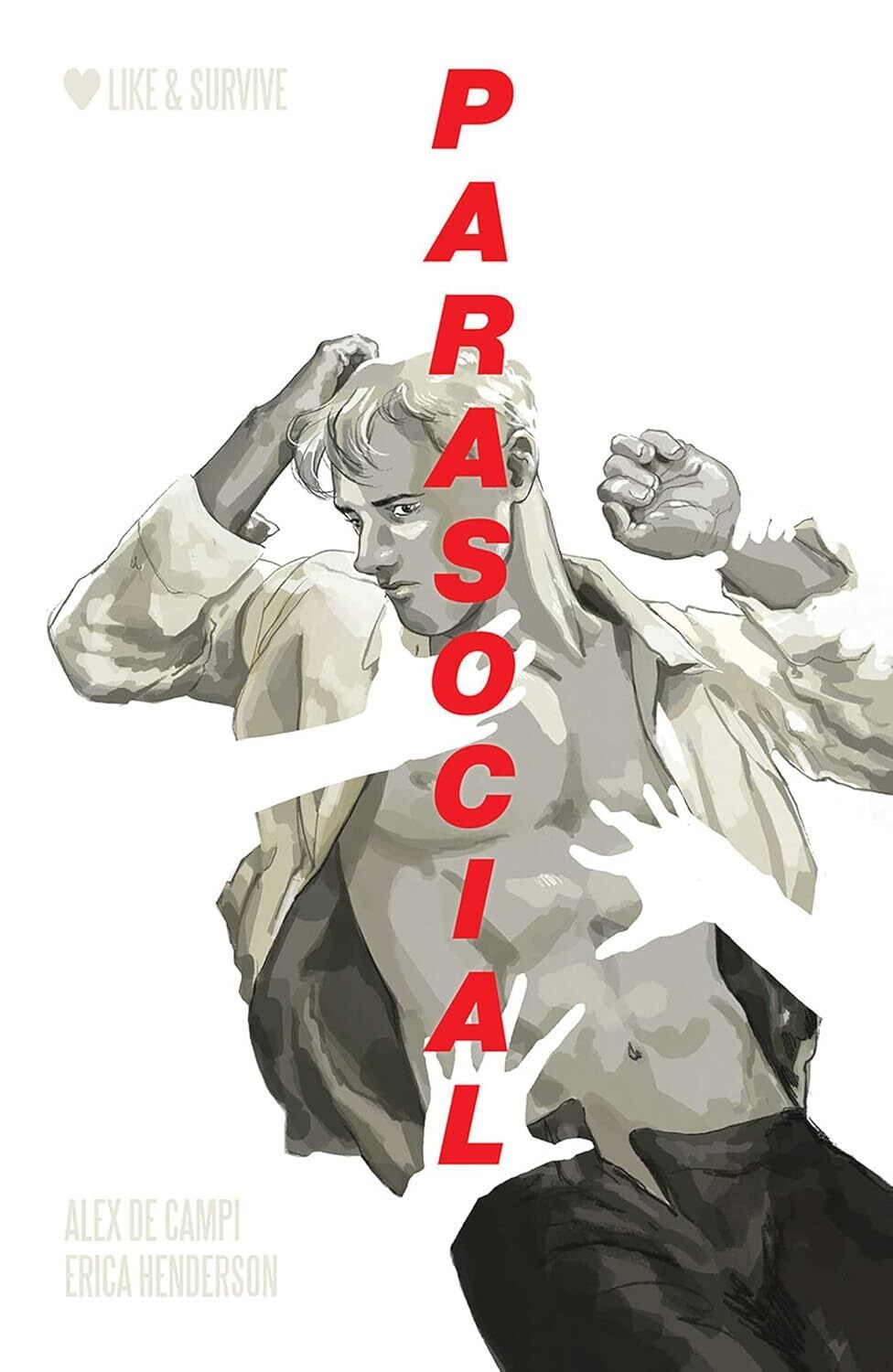
Luke Indiana may have millions of followers on social media, but he’s still a washed up actor whose career and marriage are both on the rocks. While going through the motions at a fan convention, he encounters Lily, his number one fan (i.e., stalker). Before he knows what’s happening, Luke finds himself imprisoned in Lily’s home and forced to use his good looks and acting skills to survive — but will that be enough to outsmart his biggest fan? I enjoyed Alex de Campi and Erica Henderson’s Dracula, Motherf**ker last year, so checking out Parasocial when I saw it on the library shelf was a no-brainer. Unfortunately, Parasocial wasn’t nearly as enjoyable. To de Campi and Henderson’s credit, they inject some nuance into their characters; Luke’s not a complete tool and Lily’s desperate fantasy makes some sense in light of her living situation. Still, Parasocial plays out pretty much how you’d expect from a story about a star and their stalker. The book’s critiques of celebrity, extreme fandom, social media, and the illusive and inherently deceptive nature of entertainment are certainly valid, but also obvious and on-the-nose.
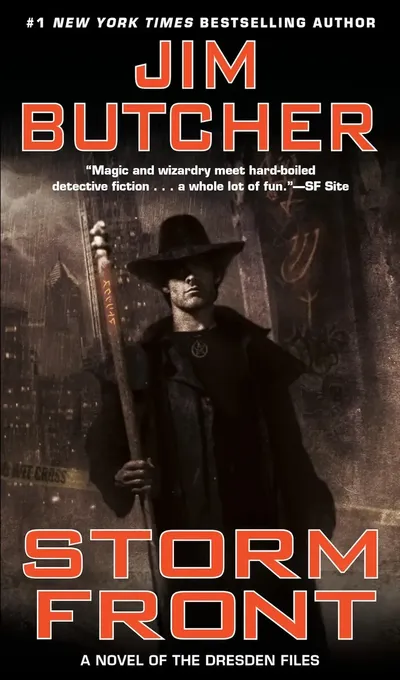
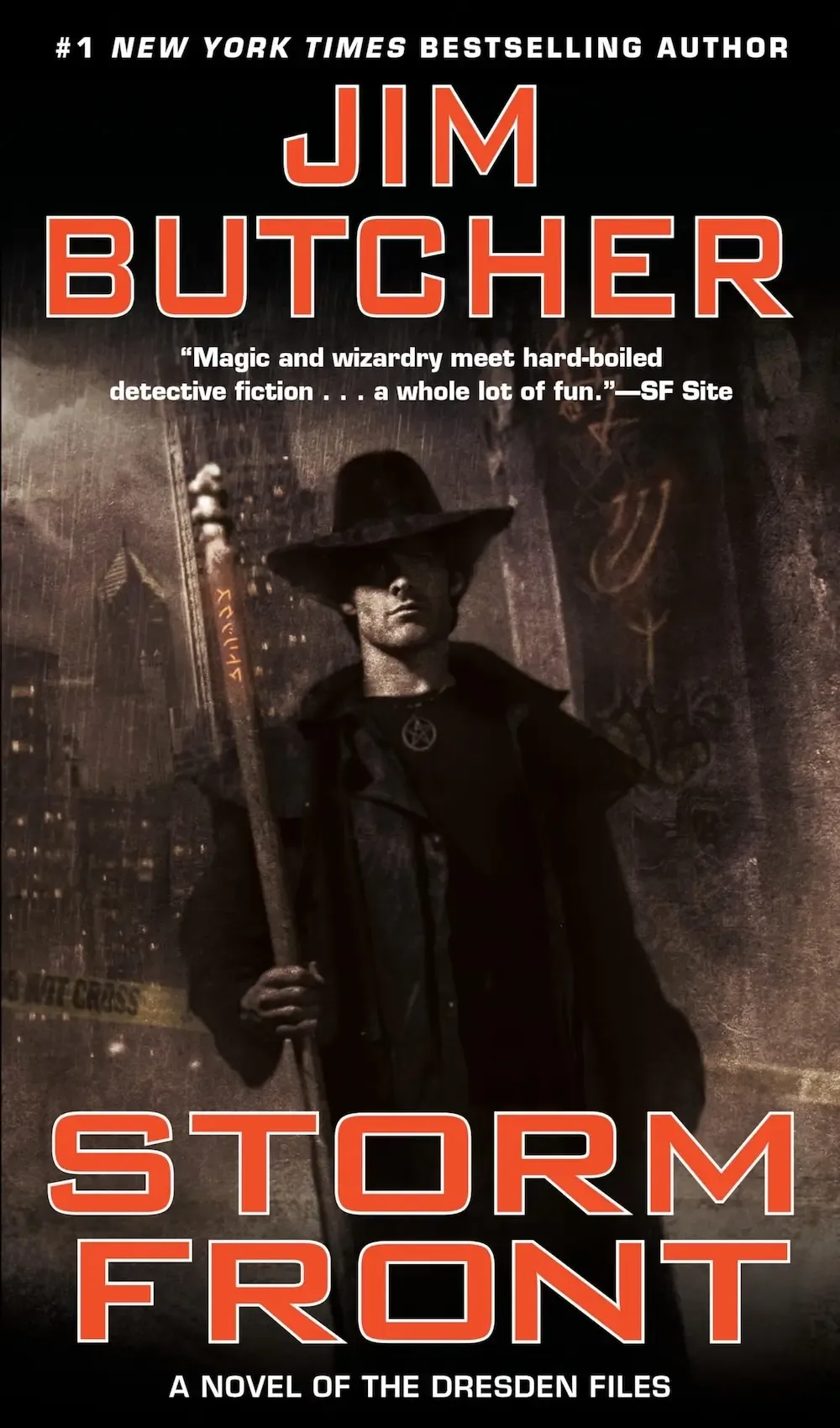
After hearing several friends rave about Jim Butcher’s Dresden Files, I finally checked out the first installment — and I see why now. Harry Dresden is Chicago’s only advertising wizard, a sort of magical private investigator who folks turn to when they need help with the supernatural (or at least think they do). However, Dresden is reluctant to rely on spellcraft to solve cases due to the dangerous nature of magic as well as certain aspects of his own past. Instead, he relies on intuition and quick-thinking, but those will only get him so far when people begin dying in spectacularly gruesome fashion, a new drug hits the streets, and a woman seeks Dresden’s help in finding her missing husband. It’s basically a blend of hard-boiled detective fiction (e.g., Raymond Chandler, Dashiell Hammett) and wizard councils, vampires, and fairies — and it works pretty well. I read Storm Front in just two days, such is Butcher’s way with words. That said, I’m not sure how much further I’ll delve into the series. Though I enjoyed Dresden’s debut, I can see subsequent installments becoming increasingly formulaic.
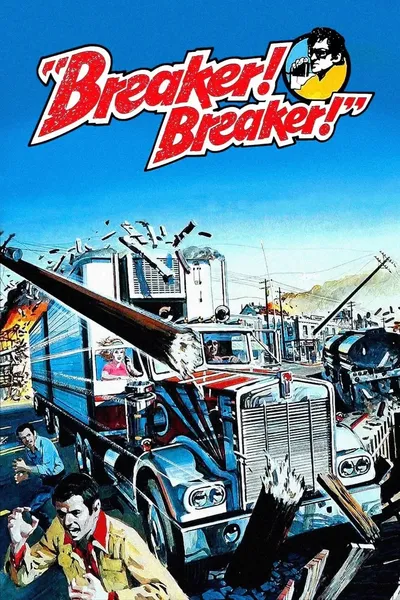
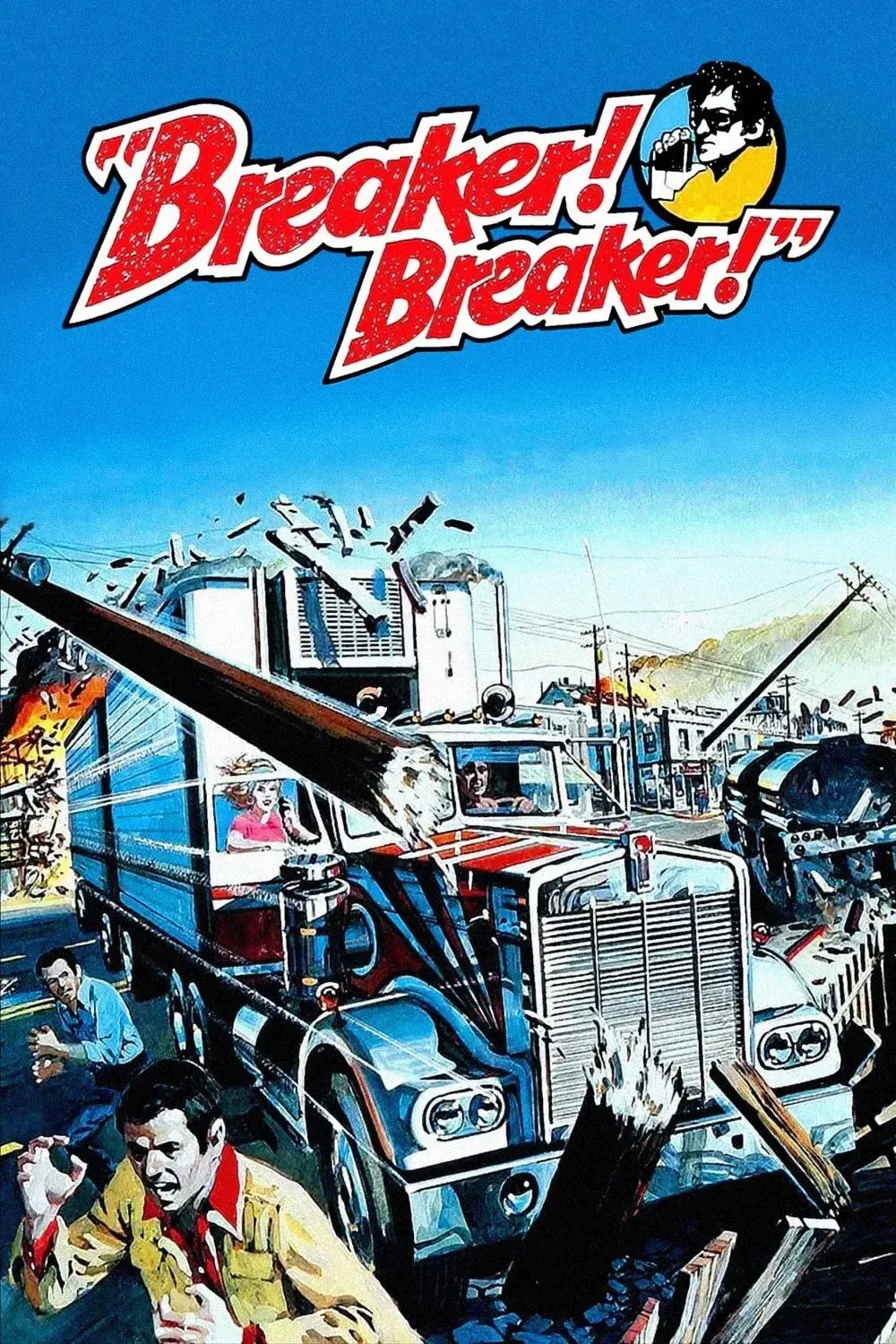
J.D. Dawes (Chuck Norris) is a California trucker who also happens to be a martial arts master. (Why? Because it’s the ’70s, of course.) The latter comes in handy when his brother goes missing in the small town of Texas City, which is run by a crooked judge and filled to the brim with criminal activity. Soon enough, Dawes is roundhouse-kicking his way through the town’s populace while also catching the eye of a pretty young widow (Terry O’Connor). Breaker! Breaker! was Norris’ first lead role, five years after his famous appearance in The Way of the Dragon opposite Bruce Lee, and he acquits himself well enough, establishing the template that would be followed by pretty much every other Chuck Norris film in the ’70s and ’80s. Breaker! Breaker! is definitely fun in places; I might’ve cheered when Dawes revealed his ride, a souped up 4x4 Ford Econoline van with giant golden eagles painted on its sides and I do enjoy seeing corrupt backwoods judges and cops getting their butts handed to them. (On a side note, I wouldn’t be surprised if Jeremy Saulnier watched this in preparation for making Rebel Ridge.) But the film meanders in its final act and feels a lot longer than its 85-minute runtime, right up until its rather abrupt ending.
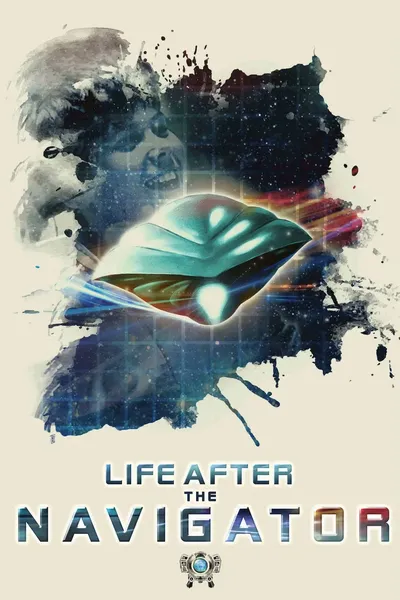
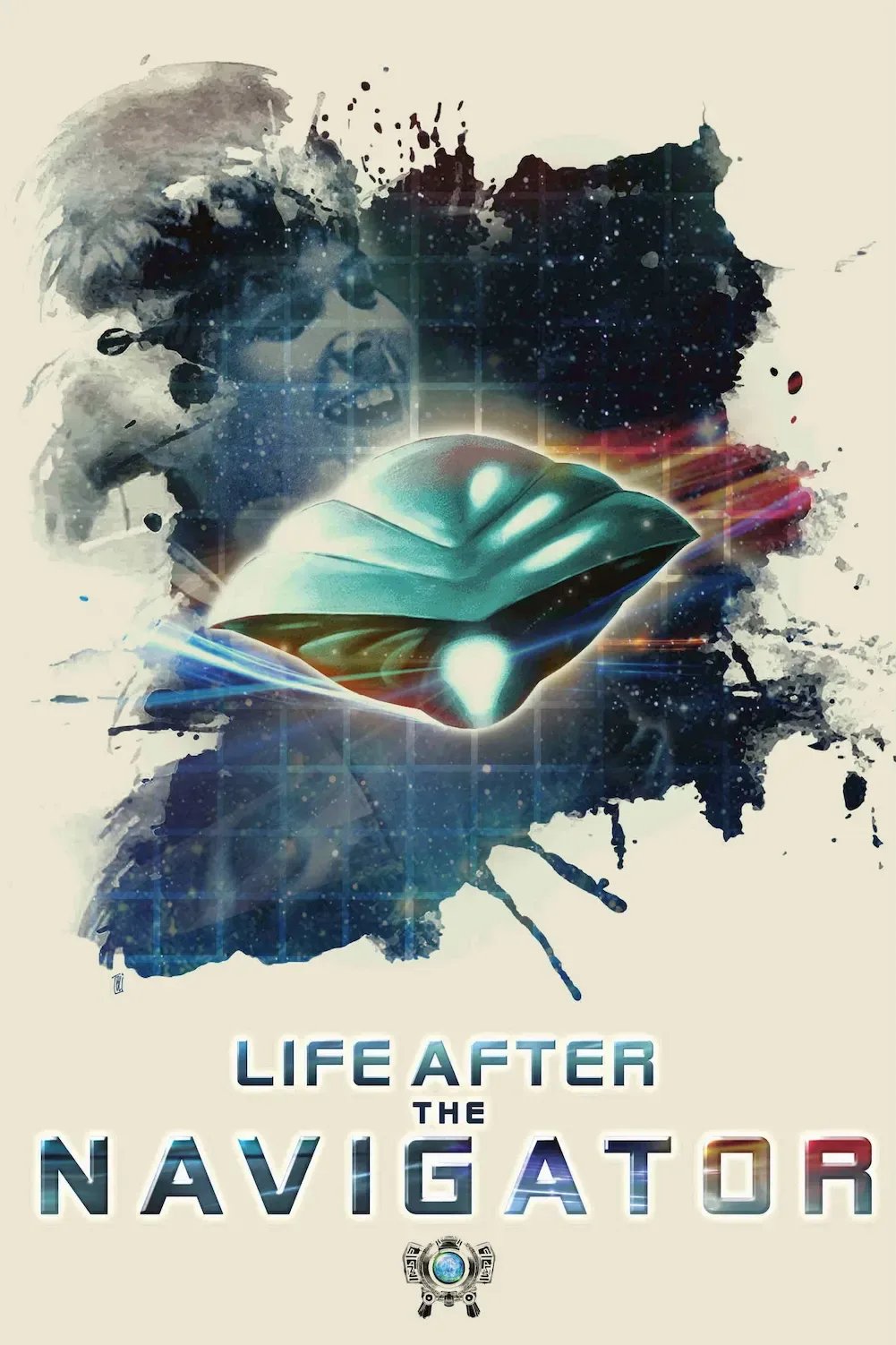
The Flight of the Navigator was my favorite movie as a kid — I must’ve watched it well over a dozen times on VHS — and it still holds up pretty well even today. Much of that’s due to Joey Cramer’s affecting and earnest performance as David Freeman, a 12-year-old boy who awakens eight years in the future with no memory of what’s happened to him and a mysterious connection to an alien spaceship. Cramer seemed on the verge of stardom in the late ’80s, but his post-Navigator life was dominated by drug abuse and various stints in jail and rehab. Life After the Navigator contains plenty of behind-the-scenes information about the film’s production thanks to numerous interviews with the cast and crew, all of whom obviously enjoyed their time making it. (I particularly enjoyed the interviews with the film’s conceptual artist and the two puppeteers who brought all of its aliens to life.) The documentary’s primary purpose, however, is chronicling Cramer’s life, and the former child actor opens up about his youth, experiences making the film, descent into addiction, and efforts to rebuild his life and career. If you don’t have any connection to Flight of the Navigator, then your mileage might vary here, but as a longtime fan, I found it alternately fascinating and moving, and I wish nothing but the best for Cramer’s ongoing recovery.
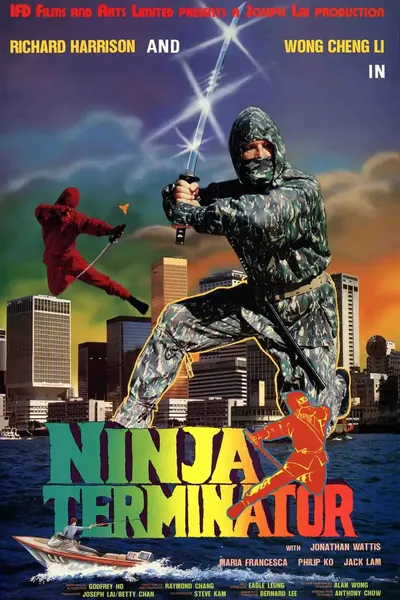
Thanks to the mystical Golden Ninja Warrior idol, the evil Ninja Empire is nigh invincible. Needless to say, when three of its members steal the idol’s pieces, the Empire is determined to retrieve the Golden Ninja Warrior and punish the traitors. Unfortunately, the bulk of Ninja Terminator has precious little to do with ninjas, mystical idols, and such. That’s because much of it’s actually footage from Kim Si-hyun’s The Uninvited Guest of the Star Ferry, a 1984 Korean film that has absolutely nothing to do with ninjas. As is his wont, director Godfrey Ho simply cut up Kim’s film, added in some random ninja scenes starring Richard Harrison, and smoothed over the rough edges with dubbing and editing. (Apparently, he did this to make Kim’s film more palatable to non-Asian audiences.) The mashup seems relatively cohesive at first, but no amount of dubbing or editing can hide the seams between the two films. Nor can the appearance of Tim Blake, Jean-Michel Jarre, and Logic System on the soundtrack. Eventually, Ninja Terminator becomes ridiculous and nonsensical in classic Godfrey Ho fashion, and I wish he’d just stuck with the Richard Harrison footage and its toy robots, cartwheeling and teleporting ninjas, oodles of eyeliner, and Garfield phones.
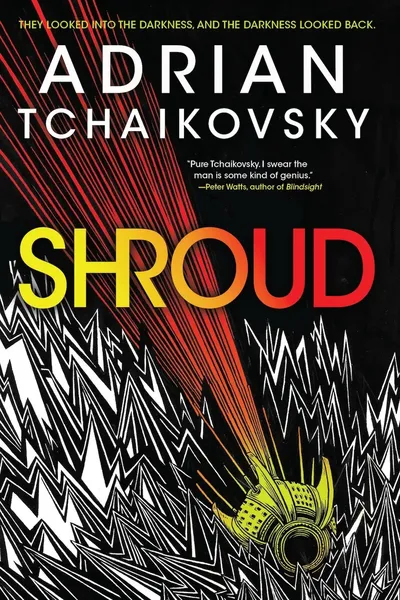
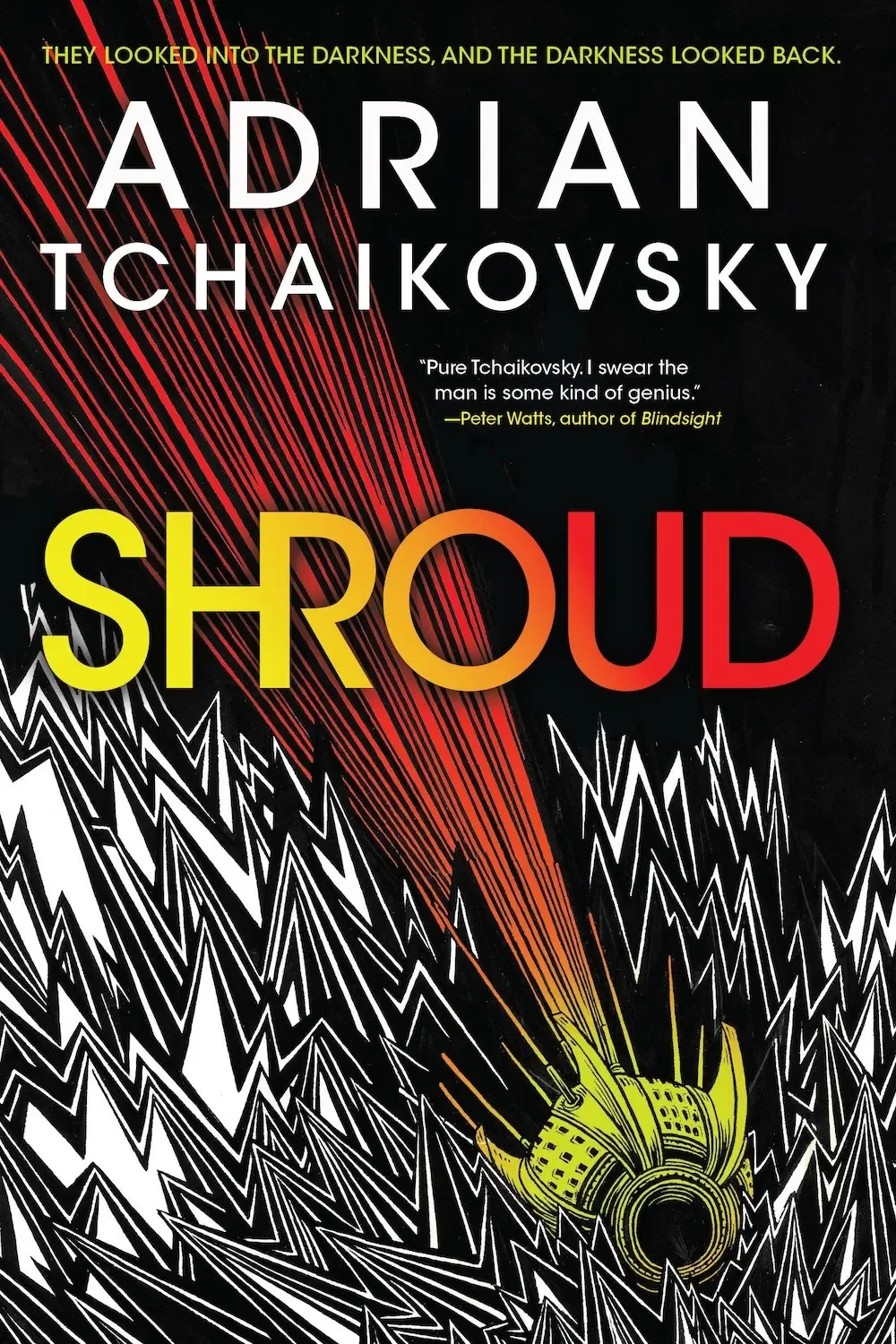
Shortly after they discover a small moon that contains what might be galaxy’s most hostile environment, two survivors of a horrific accident find themselves stranded on its surface. With little hope of survival, they embark on a perilous journey across its surface — a journey that brings them into contact with a bizarre alien species. Never let it be said that Adrian Tchaikovsky lacks imagination. Shroud is packed with fantastical descriptions of its titular world, one that’s awash in darkness and a cacophony of electromagnetic signals. But the novel gets so bogged down in the endless descriptions of Shroud and its alien life that the actual storytelling suffers, and the novel becomes as arduous as our protagonists’ grueling trek. Basically, Tchaikovsky wrote two novels — one from the survivors’ perspective and the other from the aliens’ perspective — but they never quite gel. Shroud does pick up a bit near the end, but I suspect that many readers will have checked out by then.