My Cultural Diet (June 2024): Inside Out 2, Wham!, Hair Metal, Hundreds of Beavers, Star Trek: Discovery

In order to better track my various cultural experiences (e.g., movies, TV shows, books, restaurants), I’ve created the Cultural Diet. Think of it as my own personal Goodreads, Letterboxd, and Yelp, all rolled into one (more info here). Every month, I recap everything that I watched, read, etc., in the previous month.
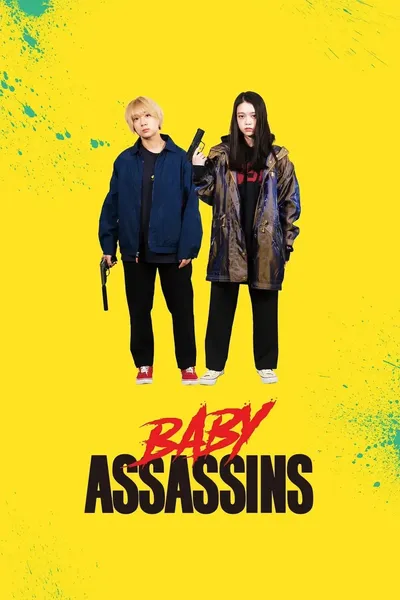
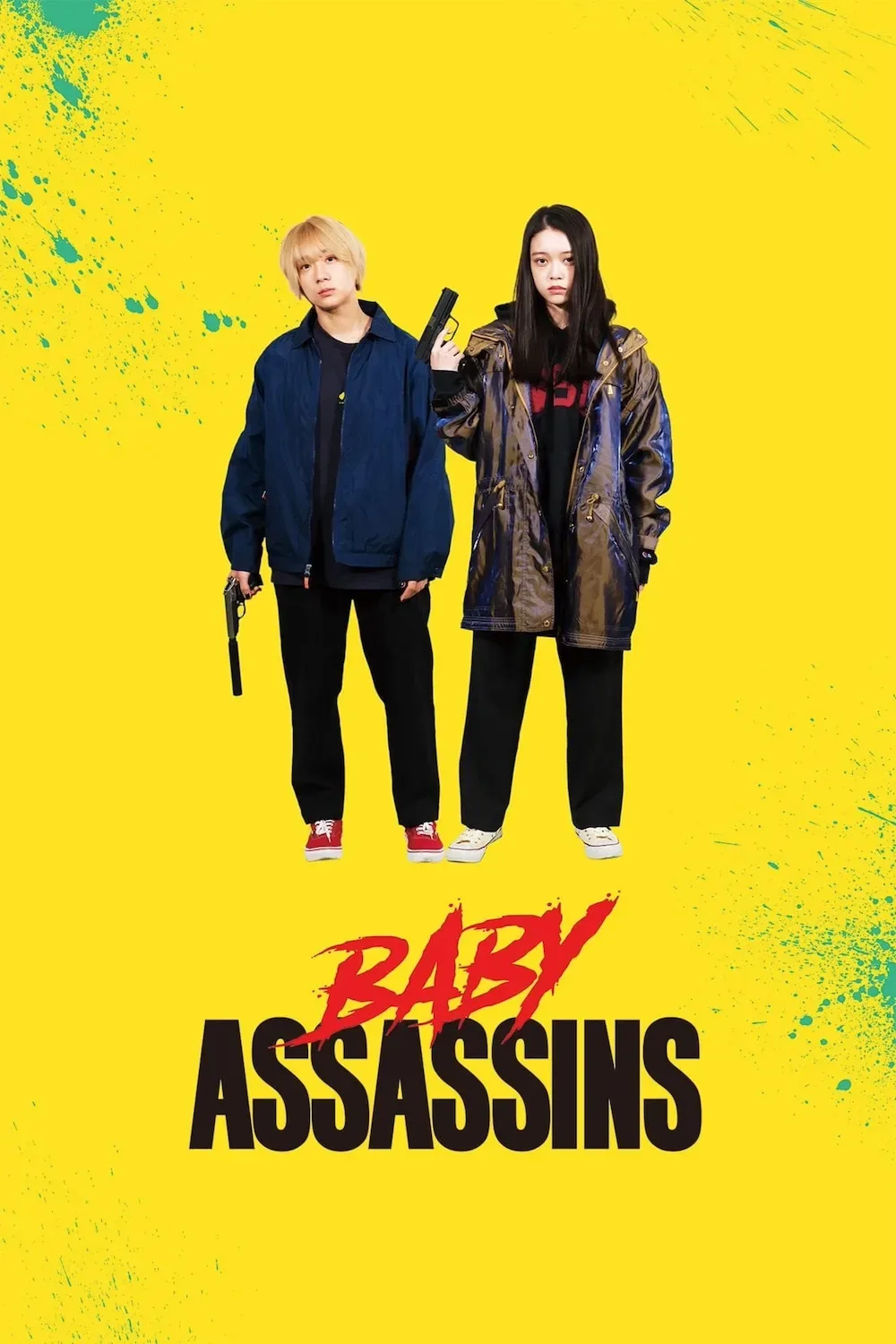
Based on its trailers, you’d be forgiven for thinking that Baby Assassins was wall-to-wall action as its young anti-heroines take on the Yakuza with guns and fists aplenty. The film does feature some impressive action sequences, especially one towards the end featuring Saori Izawa that holds up against anything in the John Wick movies. However, those sequences are few and far between. Baby Assassins is primarily a very dark and very offbeat comedy about a pair of young sociopaths trying to fit into society with mixed (and bloody) results, and thus, your mileage will definitely vary. You’re obviously meant to cheer them on, especially Izawa’s Mahiro, but their characterizations are so thin that they’re annoying more often than not. The film’s efforts to portray them as autistic might’ve been another effort to humanize them, but in the end, I was just left puzzled and asking more questions about what writer/director Yugo Sakamoto really intended to achieve here.
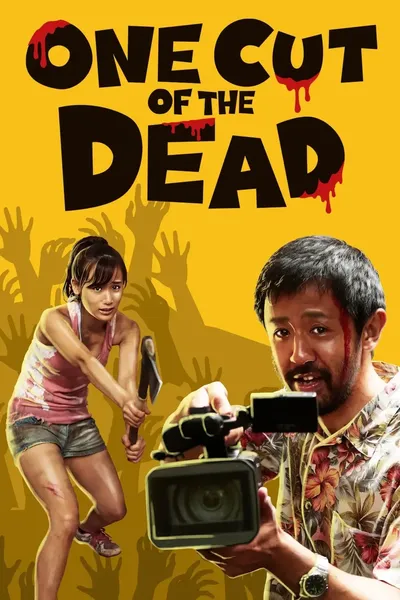
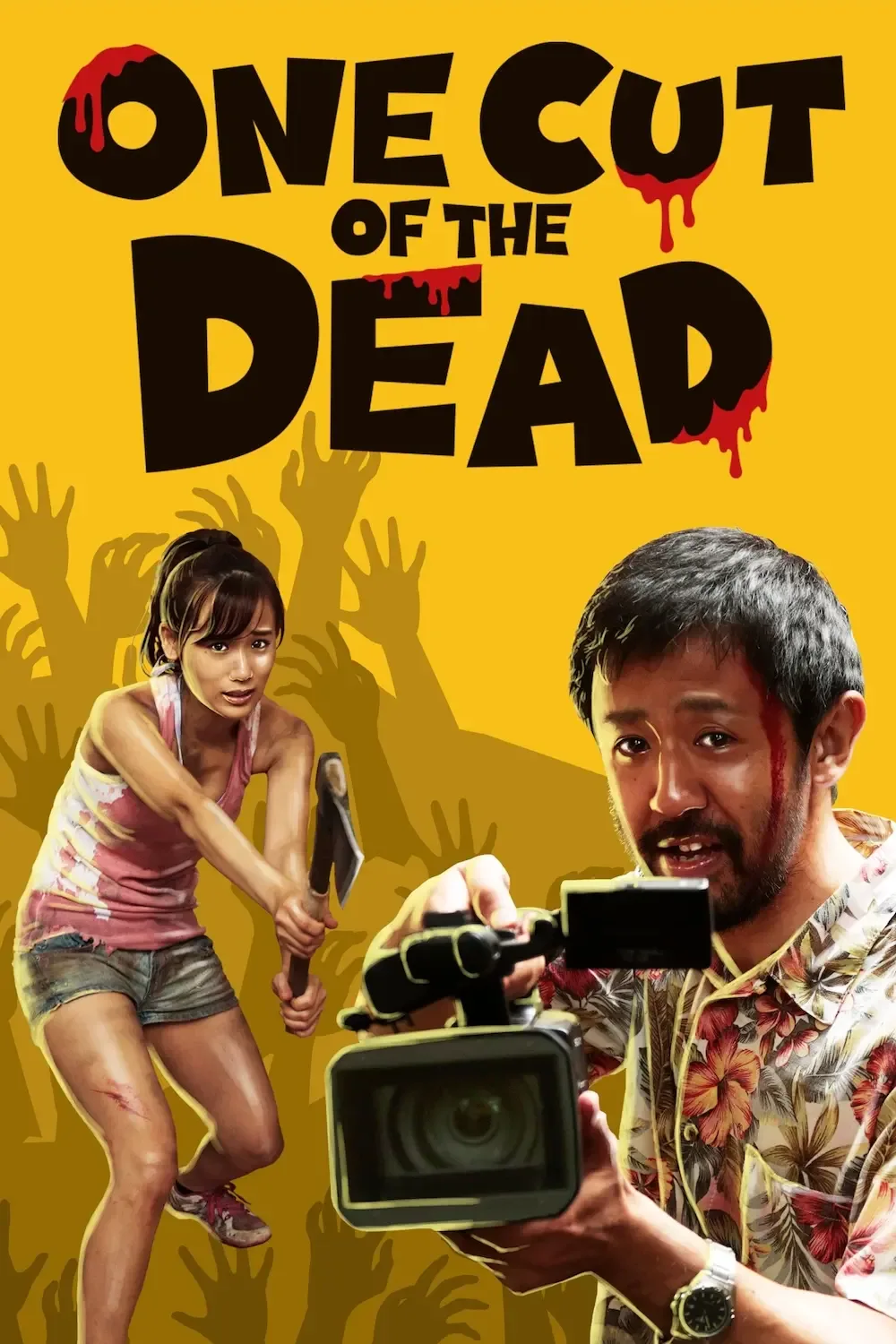
A film crew is doing their darndest to make a low-budget zombie movie somewhere in the Japanese countryside, but their efforts are hindered by the director’s ego. Their situation goes from bad to much, much worse, though, when an actual zombie apocalypse breaks out and the director insists on using it as the backdrop for his movie. But don’t get the wrong idea; there’s a lot more going on in Shin’ichirô Ueda’s One Cut of the Dead than just the undead. To say any more, though, would ruin the pleasure of finding out the truth for yourself. It’s impossible to say too much about this film without revealing some pretty major spoilers. Just know that One Cut of the Dead has more than a few surprises up its blood and gore-soaked sleeve. The film’s middle act does drag a little, but even then I was kept guessing. I kept expecting the film to go one way when instead, it opted for a far more delightful direction that had me laughing, cheering, and even tearing up a little when the final credits started rolling.
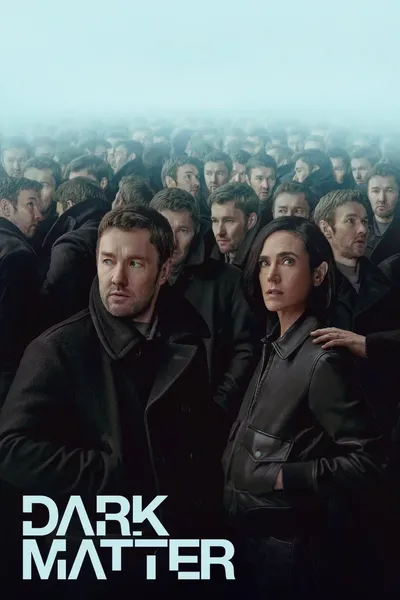
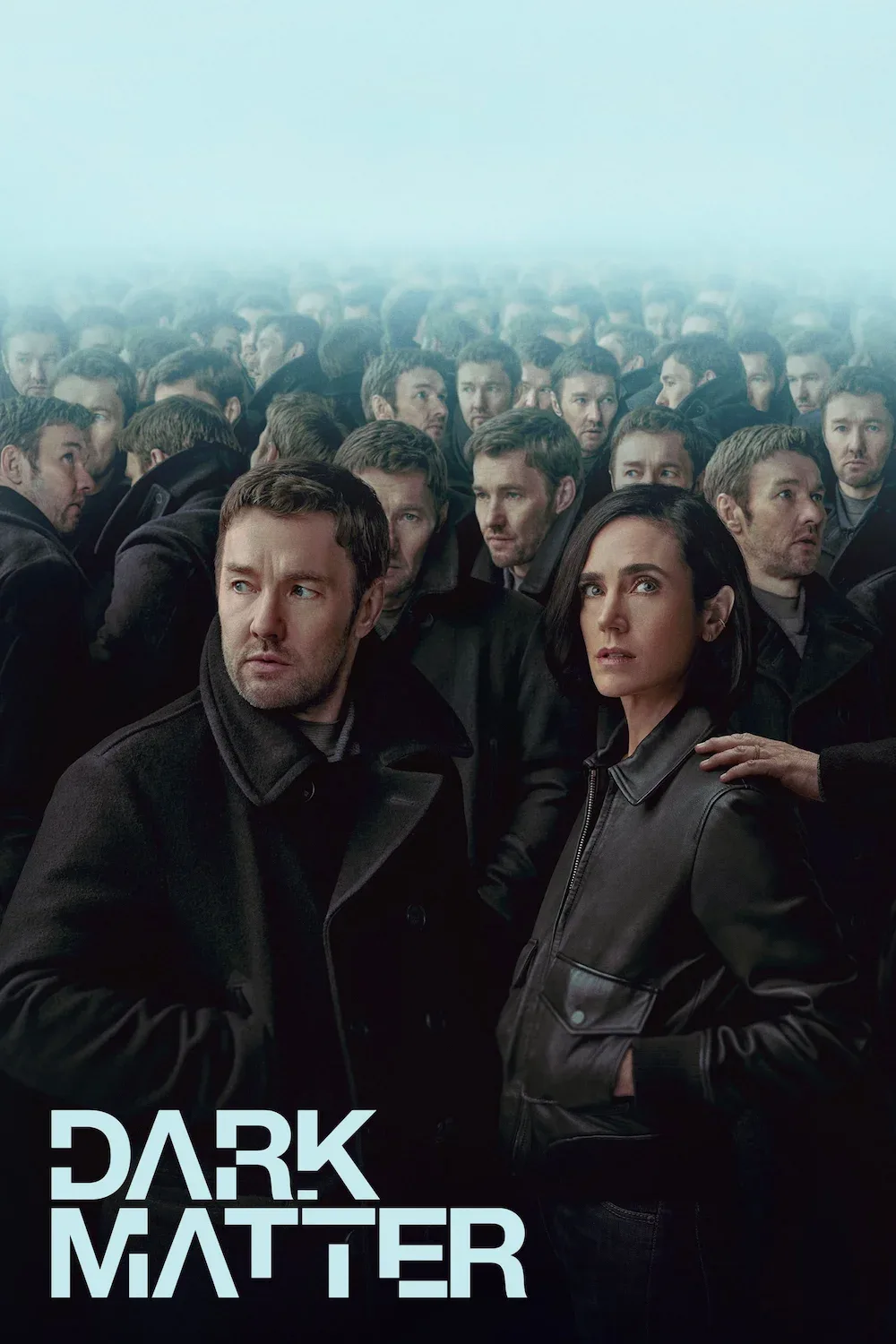
I was set on giving Dark Matter three stars — not great, but still enjoyable enough — but a pair of really solid, thought-provoking episodes elevated my score. Based on Blake Crouch’s 2016 novel, which I read several years ago and remember enjoying, this Apple original series follows a perfectly ordinary man who is kidnapped and wakes up in a world he doesn’t recognize — and the one who sent him there was himself. Given that Dark Matter deals with parallel universes and alternate realities, it works best when you don’t ask too many questions about the details (which, as I recall, the book spends more time exploring). I was a little disappointed that the series didn’t include my favorite moment for the book, but at the same time, Dark Matter features one of my favorite male/female relationships in quite some time that’s anchored by a heartfelt performance from Alice Braga.
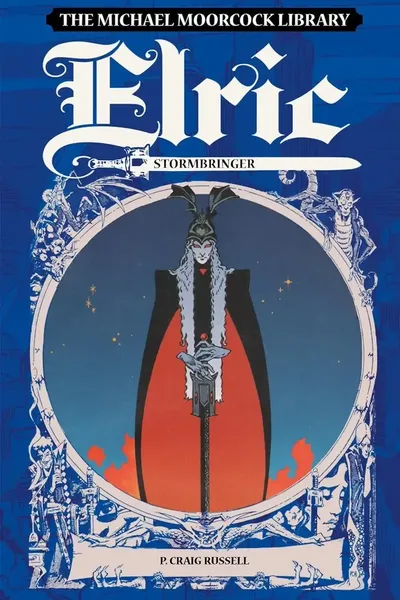
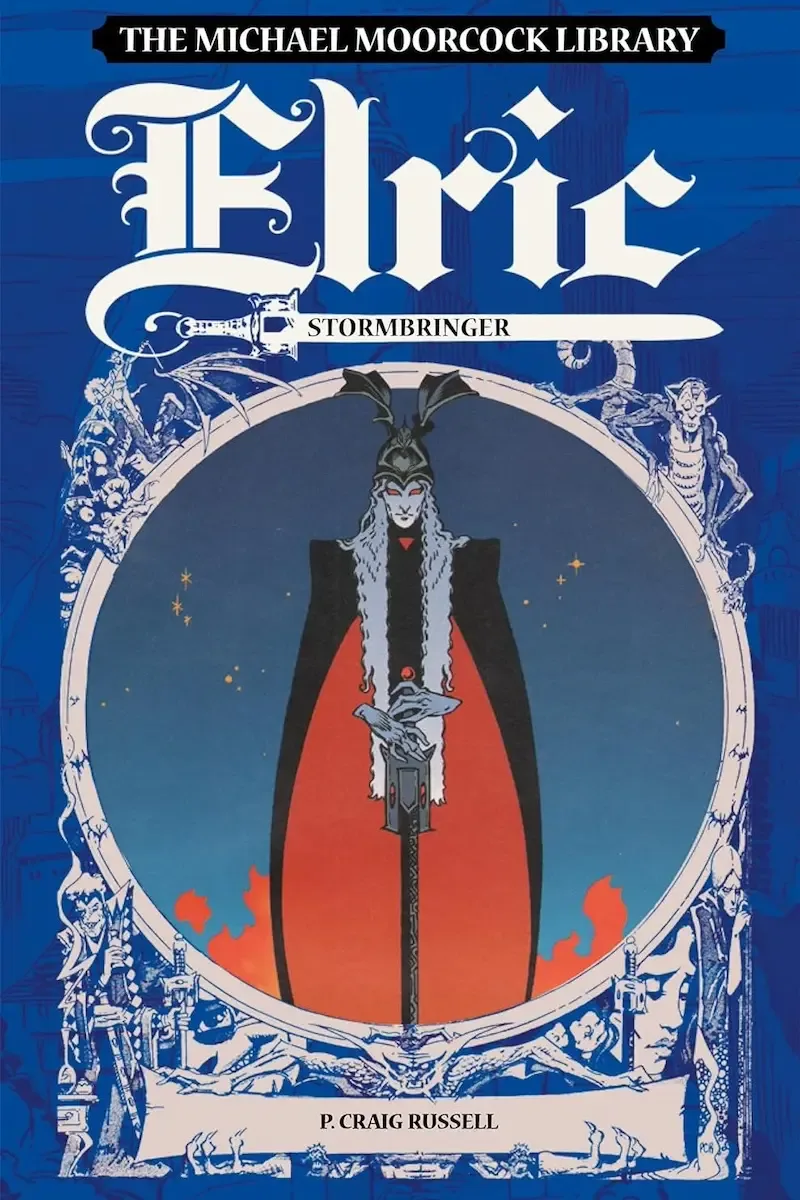
I’m a sucker for Michael Moorcock’s Elric stories. Grim nihilism, excessive violence, and purple-leaning prose notwithstanding, I just can’t quit the doomed albino warrior with all of his existential musings and endless woe. I haven’t had the best experience with Elric comics, but P. Craig Russell’s adaptation of Stormbringer, the apocalyptic conclusion of Elric’s saga (though Moorcock’s written more Elric novels since, like The Fortress of the Pearl), is a faithful adaptation of the original novel. Russell’s art is suitably trippy and psychedelic though sometimes, when I see a panel full of illustrated text, I get the sense that even Russell felt a bit outmatched by Moorcock’s heady prose. Also, special kudos to letterer Galen Showman, whose work gets properly ornate at times. Oddly enough, there are some minor deviations from the original text sprinkled throughout the graphic novel, typos that should’ve been caught by an editing pass. Nothing major, but given Russel’s otherwise devoted treatment of Moorcock’s text, they did give me pause and take me out of the story from time to time.
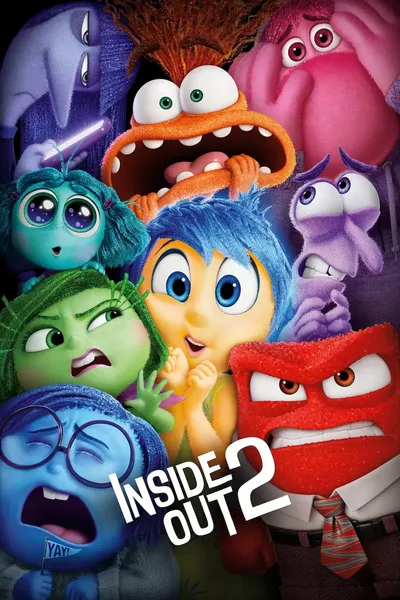
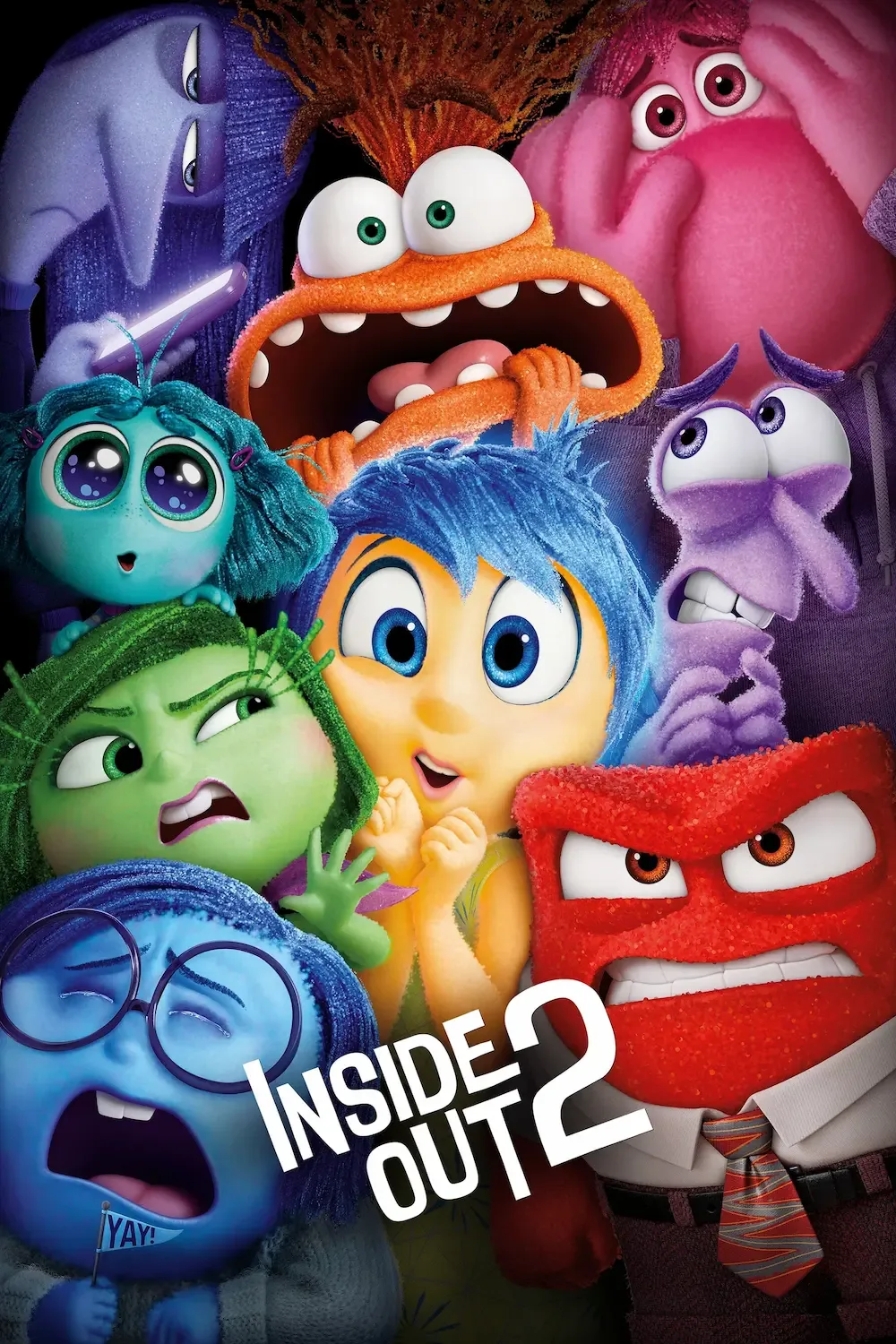
The original Inside Out is one of my favorite Pixar movies, a pitch-perfect blend of entertaining visuals, topflight animation, and heartfelt storytelling that adroitly balances tears and laughter. (RIP Bing Bong.) Thus, I was naturally skeptical about Kelsey Mann’s sequel, given the time that had passed since the original film as well as Pixar’s recent issues with middling quality. It was, therefore, a delightful surprise when Inside Out 2 proved to be, well, a delight. The first two-thirds or so are amusing, if a little on-the-nose. Still, as someone with kids who are either on the cusp of or fully entered into puberty, the film’s images and portrayals all tracked for me. But Inside Out 2’s final act is heart-wrenching in the best and truest Pixar fashion, evoking tears and laughter by tackling heavy subjects (e.g., anxiety, the pains of growing up) with grace even as it insisted on the bedrock necessity of finding and experiencing joy in the midst of the chaos and confusion.
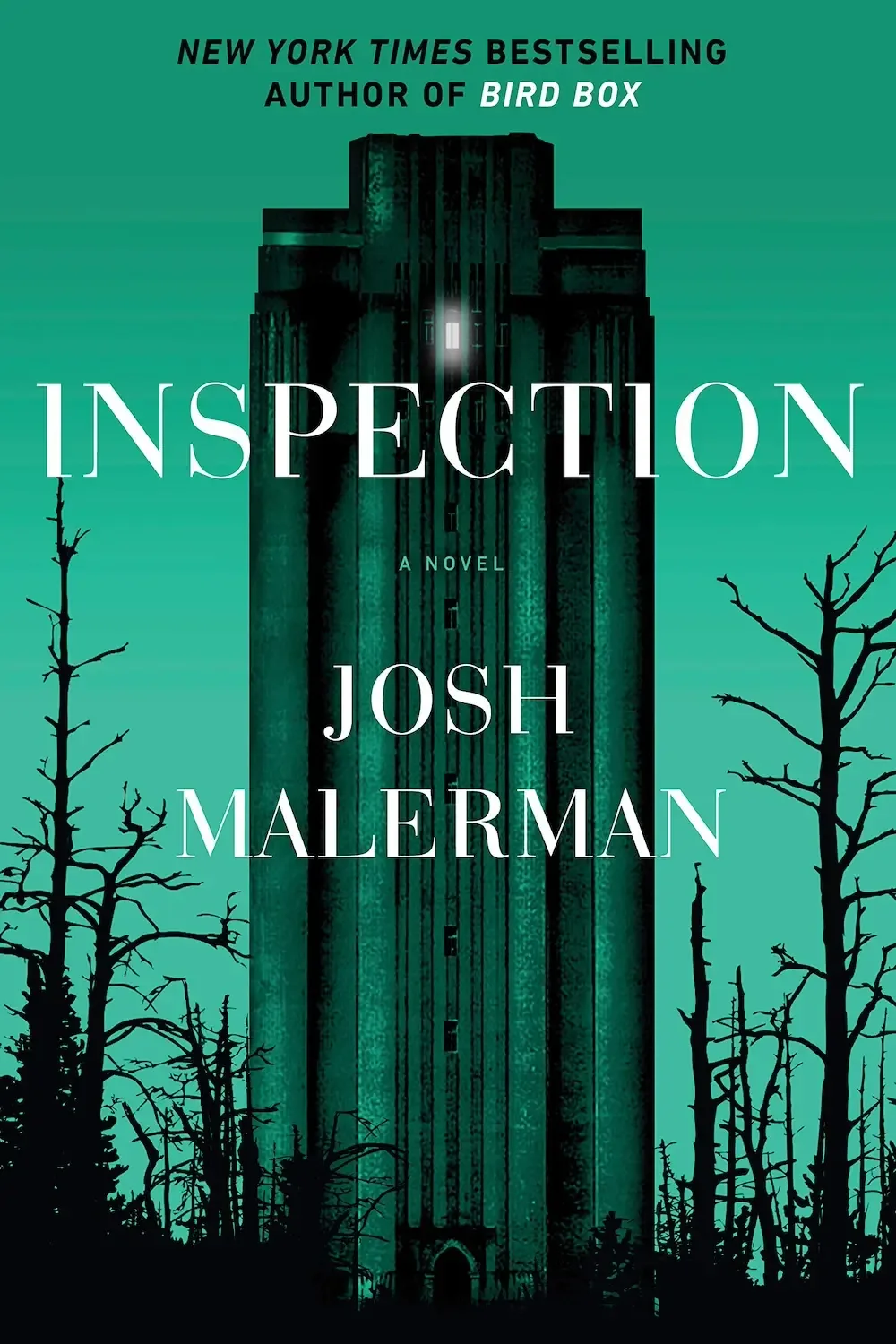
I randomly checked this out from the library based solely on its intriguing premise: a group of young boys are kept in an isolated facility where they’re being raised to be geniuses, except weird things are happening. That, and they’re on the cusp of puberty, which is about to make things even weirder. But once I started reading Inspection, I found it so… extremely… tedious. There’s some interesting world-building concerning the boys’ facility and the experiment they’re in (without their knowledge, of course), but Malerman spends page after page after page chronicling his characters’ inner thoughts and dialog without actually saying all that much. After making it about a third of the way through, I concluded that Josh Malerman’s Inspection is one of those “should’ve been a novella” situations, and I just didn’t care enough to keep reading. Did not finish.
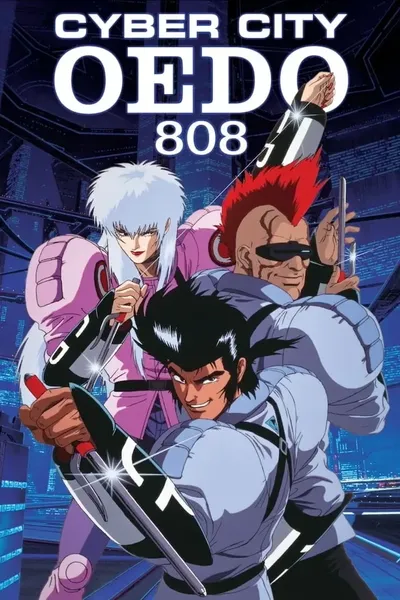
When it comes to cyberpunk anime, odds are that Akira and Ghost in the Shell are the first titles that come to most people’s minds (if not the only titles). But I humbly submit that Yoshiaki Kawajiri’s Cyber City Oedo 808 might actually be the most cyberpunk anime of all time, and perhaps even the most “’80s” anime of all time, as well. Other cyberpunk titles feature extreme dystopian cityscapes, souped up vehicles, cybernetic enhancements, and outlandish computer interfaces, but Cyber City Oedo 808 turns all of those tropes up to eleven with the help of Madhouse’s stylish animation and Rory McFarlane’s proto-synthwave soundtrack. And then for good measure, it throws in some ridiculously foul-mouthed anti-heroes (the swearing in the English dub is hilariously over-the-top), an annoying robotic companion, experimental military cyborgs with psychic powers, and finally, vampires. (Who also have psychic powers.) As with Kawajiri’s other titles (Wicked City, Ninja Scroll), Cyber City Oedo 808 is an exercise in style as substance. When that approach succeeds, it’s a lot of retro fun, and even strangely moving at times (particularly in its final episode). When that approach is less successful, however, the three-episode OVA can be a bit of a slog that struggles to rise above its many clichés.
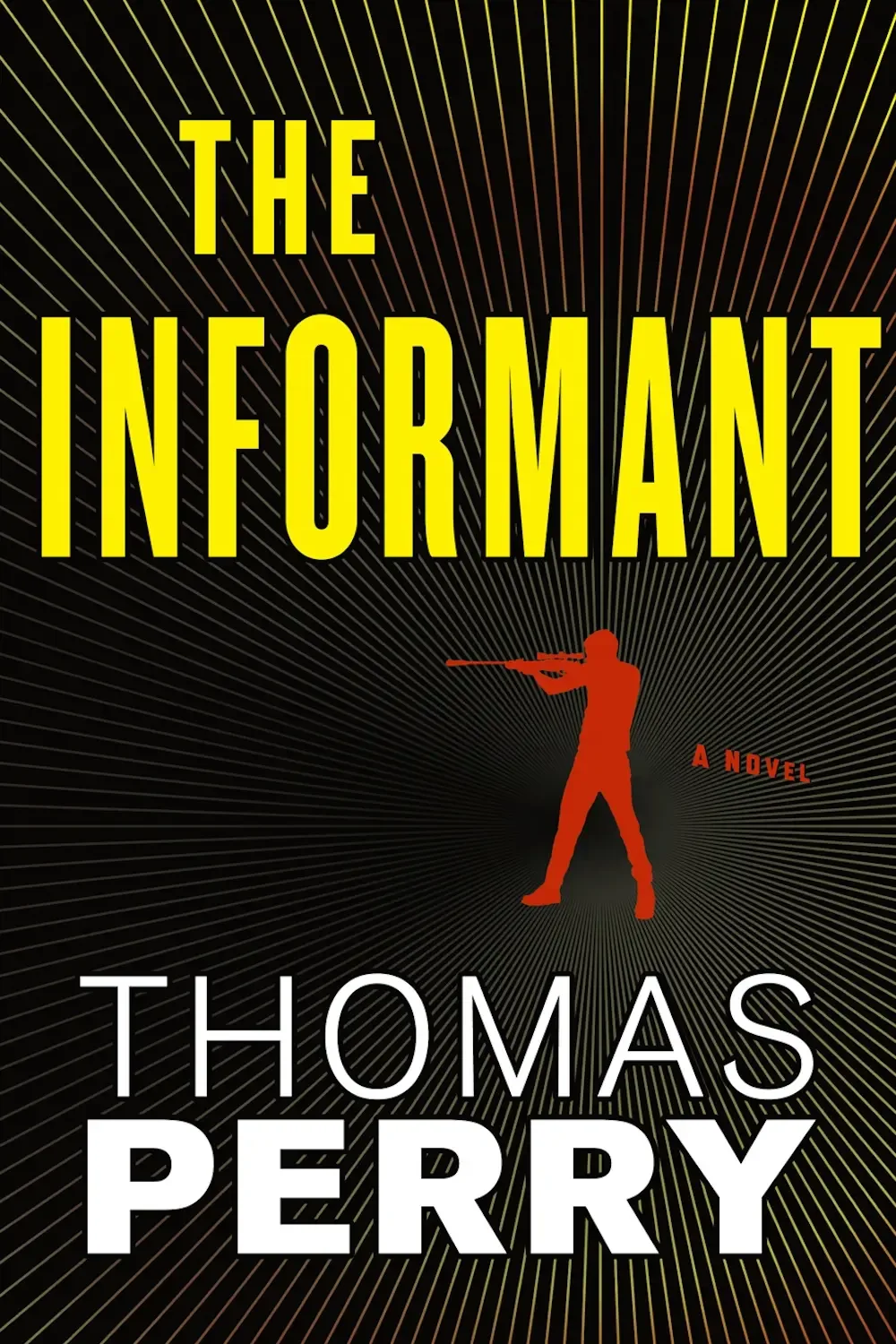
Every so often, I just want to read a thriller or two, so I picked this one from the library shelf at random. The premise promises a cat-and-mouse game between a once-retired hitman who launches a one-man war against the Mafia and the federal agent trying to bring him in. As is often the case with this sort of novel, there are plenty of pages devoted to the hitman’s methodical dispatching of everyone in his way, though Perry resists the urge to get graphic with the bloody details. I wouldn’t say that I was ever bored while reading The Informant, but neither was I terribly enthralled, and definitely not on the edge of my seat as the hitman evaded yet another deathtrap or the agent sought to outfox him. I also found Perry’s prose more heavy-handed than hard-boiled, which kept the novel’s pacing more on the sedate side.
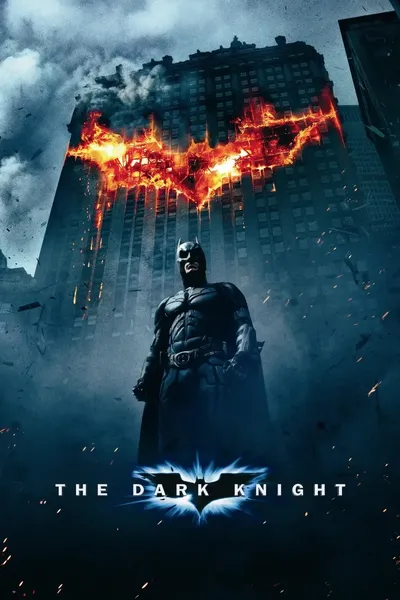
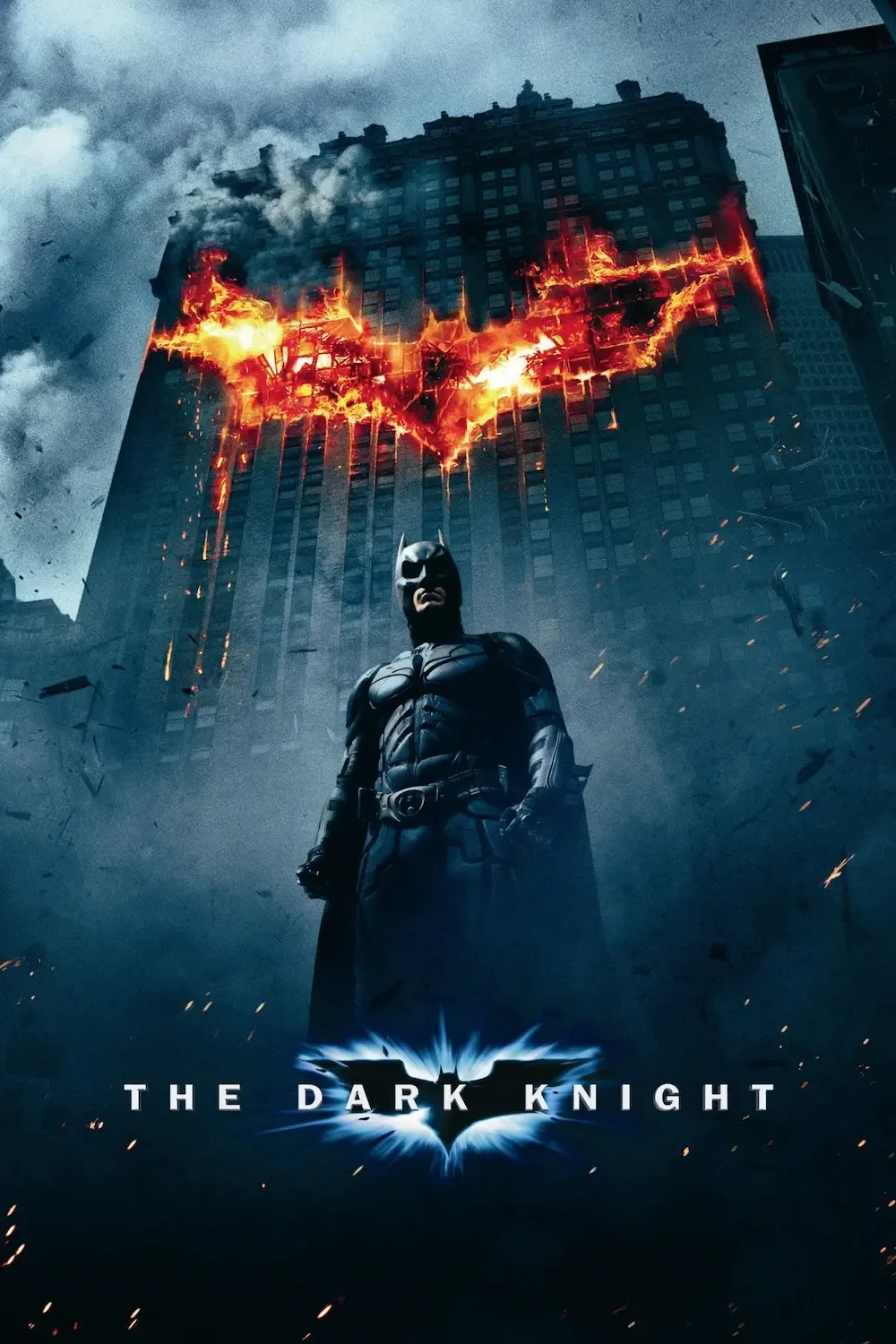
Christopher Nolan’s The Dark Knight has long been held up as not just the best Batman movie of all time, but the best superhero movie of all time, as well. Watching it recently for the first time in over ten years, its strengths are still apparent (e.g., Heath Ledger’s performance as the Joker, the semi truck stunt) as are its weaknesses. Specifically, Nolan is so intent on making his movie a Serious Philosophical Exploration of nihilism and society’s thin veneer between order and chaos that it robs the movie of most of its fun. At least Batman Begins, by contrast, had a bit of campiness with all of the League of Shadows stuff. And just to clarify, there’s nothing campy about Ledger’s Joker (which, at the risk of contradicting myself, is actually plus) and no, Christian Bale’s Batman voice doesn’t count.

You can watch Chris Smith’s Wham! documentary as a film about the band’s meteoric rise up the charts or as nothing more than a fun, frivolous snapshot of ’80s gloss and excess. (With regards to the latter, it serves as an interesting companion piece to Steven Blush’s American Hair Metal, which I reviewed earlier this month.) But with its mix of archival footage, interviews, and even the scrapbooks kept by Andrew Ridgeley’s mom, Wham! is ultimately a film about two best friends who achieved something spectacular while always being there for each other. Wham! does get introspective in places, particularly when George Michael — who died on Christmas Day 2016 — reflects on his closeted homosexuality or his growing need for artistic validation and pop stardom, but the documentary is a celebration more than anything else. Given that so many pop groups have turned on each other due to fame and ego, it’s actually something of a joy to see one of the world’s biggest pop groups of all time go out on a high note, and more importantly, as good friends.
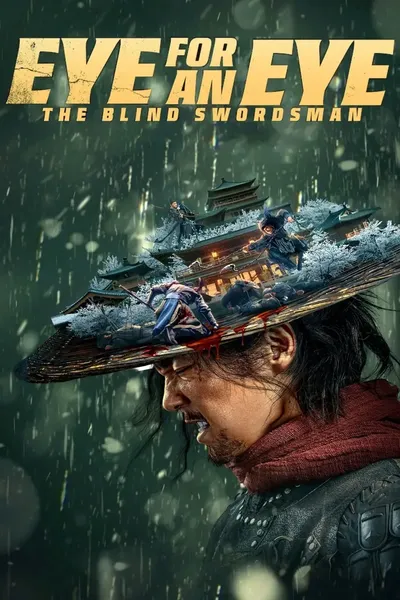
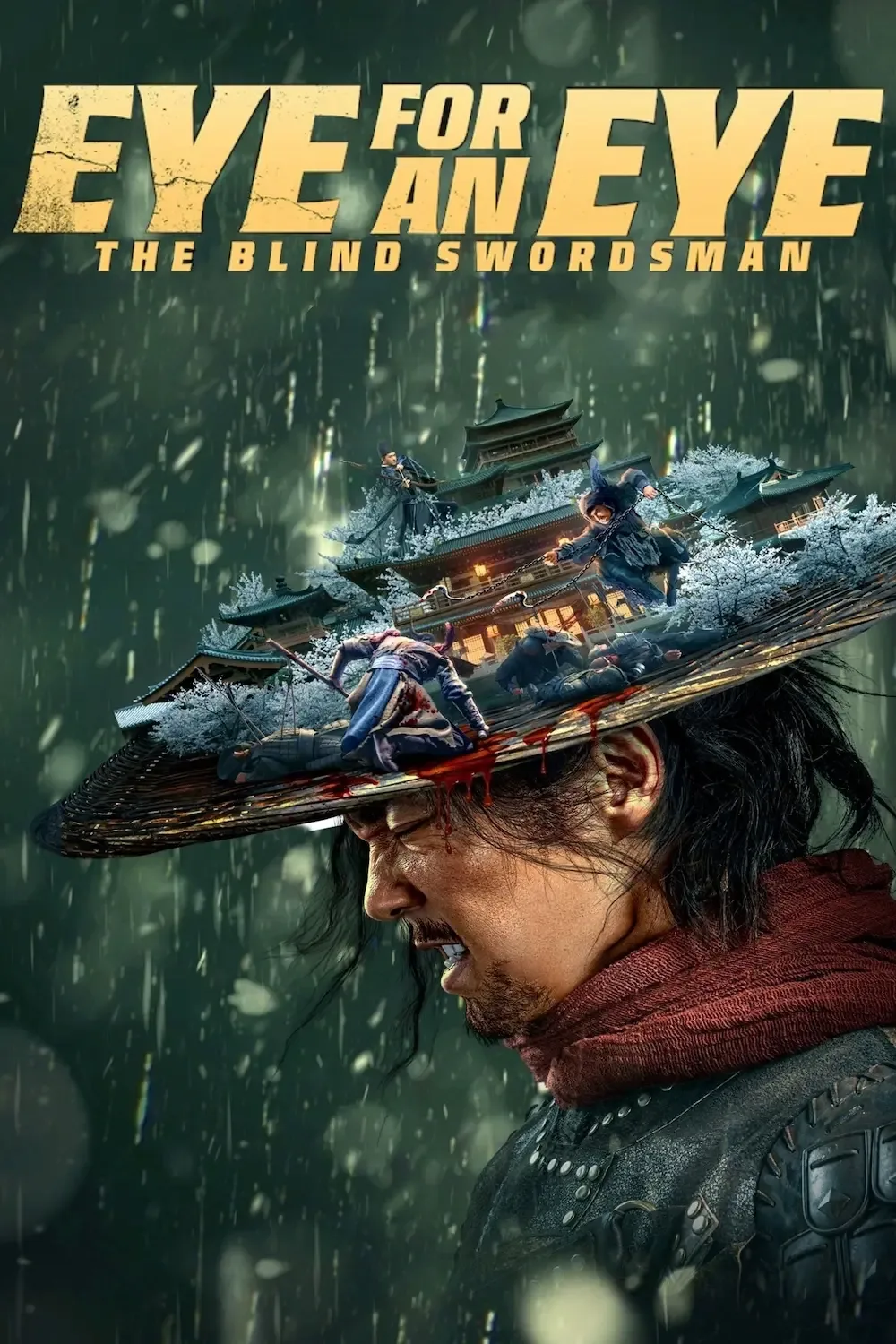
I stumbled across this on Amazon Prime Video, and given it’s relatively short runtime (78 minutes), figured it’d be something nice to fit in before bedtime. I was pleasantly surprised by the film’s rather slow, even contemplative pace, which made for a nice contrast to the action. And the film also has several stark, even stunning images that verge on abstract, so kudos to cinematographers Chi Jia, Wanyi Liu, Xiaofeng Zhao. (Some, however, might find the film’s look a bit too glossy.) Finally, as a fan of ’90s Jet Li films, it was a pleasant surprise to see Miao Xie in the lead role; he previously starred as Li’s son in 1994’s The New Legend of Shaolin and 1995’s My Father is a Hero. Unfortunately, the short runtime does no favors for the film’s clichéd and familiar storyline, which obviously riffs on the Zatoichi films. That, and the fight scenes are often of the hectic, hyper-edited variety, replete with dodgy CGI flames and blood splatters.
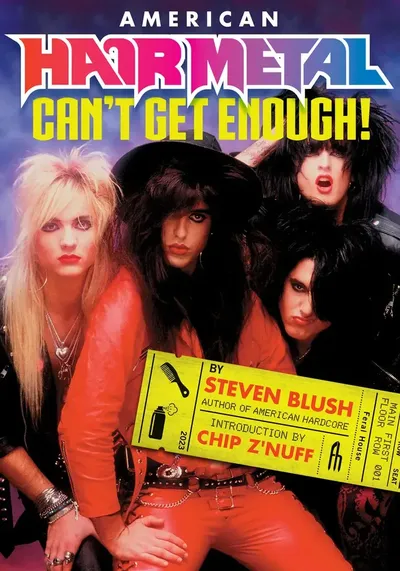
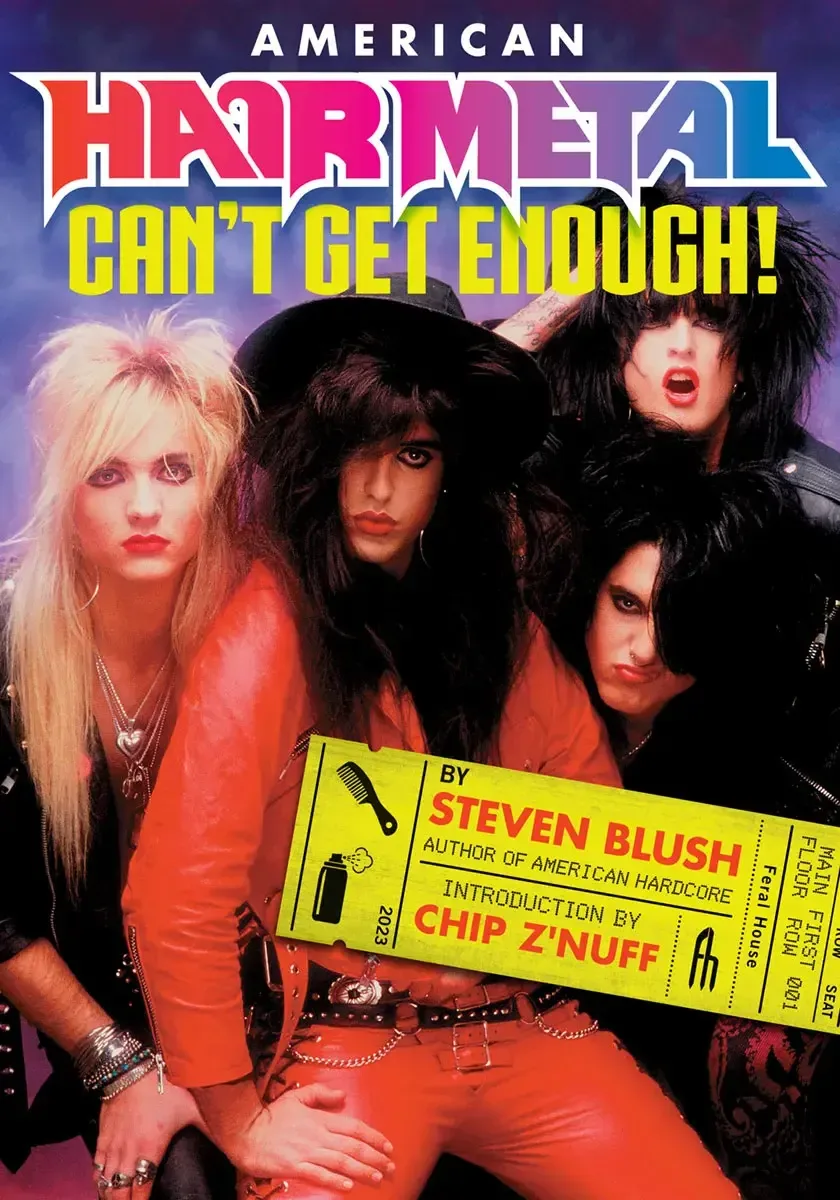
I didn’t listen to hair metal back in the day, but it was practically inescapable. My schools’ hallways were awash with Cinderella, Poison, and Skid Row t-shirts as well as the requisite acid wash jeans and Aqua Net-suffused hair. And I can still remember my incredulity upon seeing the music video for Mötley Crüe’s “Girls, Girls, Girls” for the first time (and at my grandparents’ house, no less). Steven Blush’s American Hair Metal is no “academic” treatise on the genre. Even so, it delves into hair metal’s roots (npi) and captures the genre’s debauchery via numerous photos of classic acts alongside lesser known ones (e.g., Nitro, Roxx Gang, Tuff, Vain) in all of their gender-bending glory (teased hair, mascara, leather, lace). The book is also full of quotes. Some are misogynistic, some are arrogant, most are bone-headed, and few have aged well. (A classic example from White Lion’s Mike Tramp: “We’re a rock and roll band of the ’80s — here today, here to stay, here tomorrow.”) Blush’s book lays bare just how shallow the genre ultimately was. Classic songs emerged from the era, but hair metal wasn’t built to last. The bands were entirely too obsessed with image, style, and excess (often at their labels’ prompting) — an id-driven reflection of the ’80s that, for all of the sex and drugs, was surprisingly conservative and thus, quick to fall at the rise of grunge and alternative music in the early ’90s.
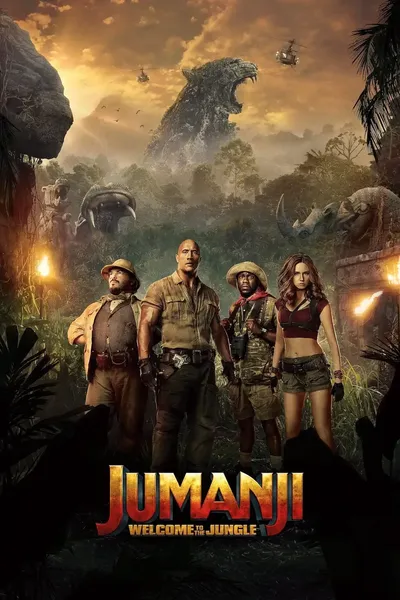
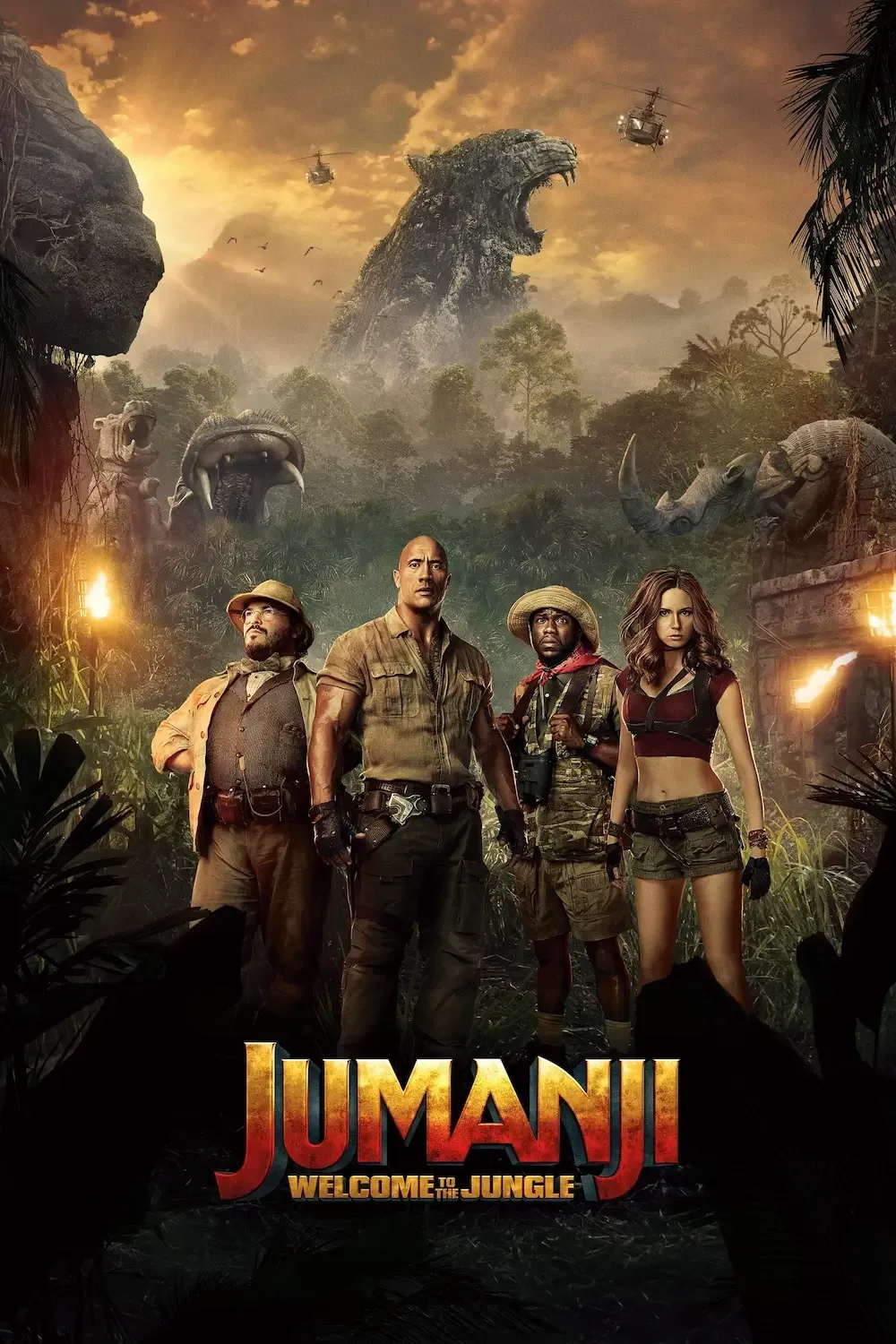
I remember when this film was first announced, and the first promo photos began circulating. It looked utterly ridiculous, the very definition of a sequel that nobody asked for. As it turns out, though, Jumanji: Welcome to the Jungle is far better than it has any right to be. The Rock’s charisma — and smoldering intensity — are in full effect, but he also shows off his humorous side, aided by co-stars Jack Black and Kevin Hart. Plus, Doctor Who’s Karen Gillan gets a chance to struct her action bonafides as Ruby “Killer of Men” Roundhouse. As far as legacy sequels go, this could’ve been so much worse, so kudos to director Jake Kasdan and the cast, who look like they’re clearly have a lot of fun playing up ridiculous video game tropes.
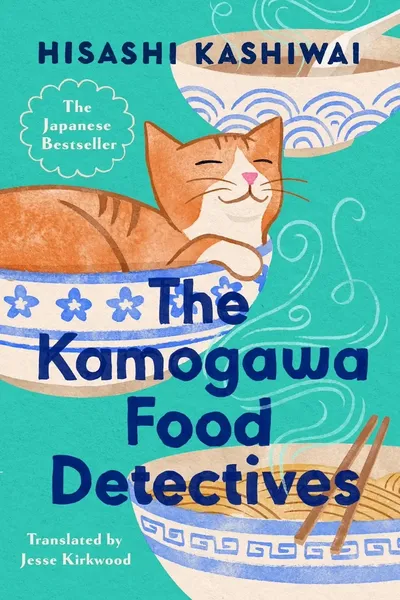
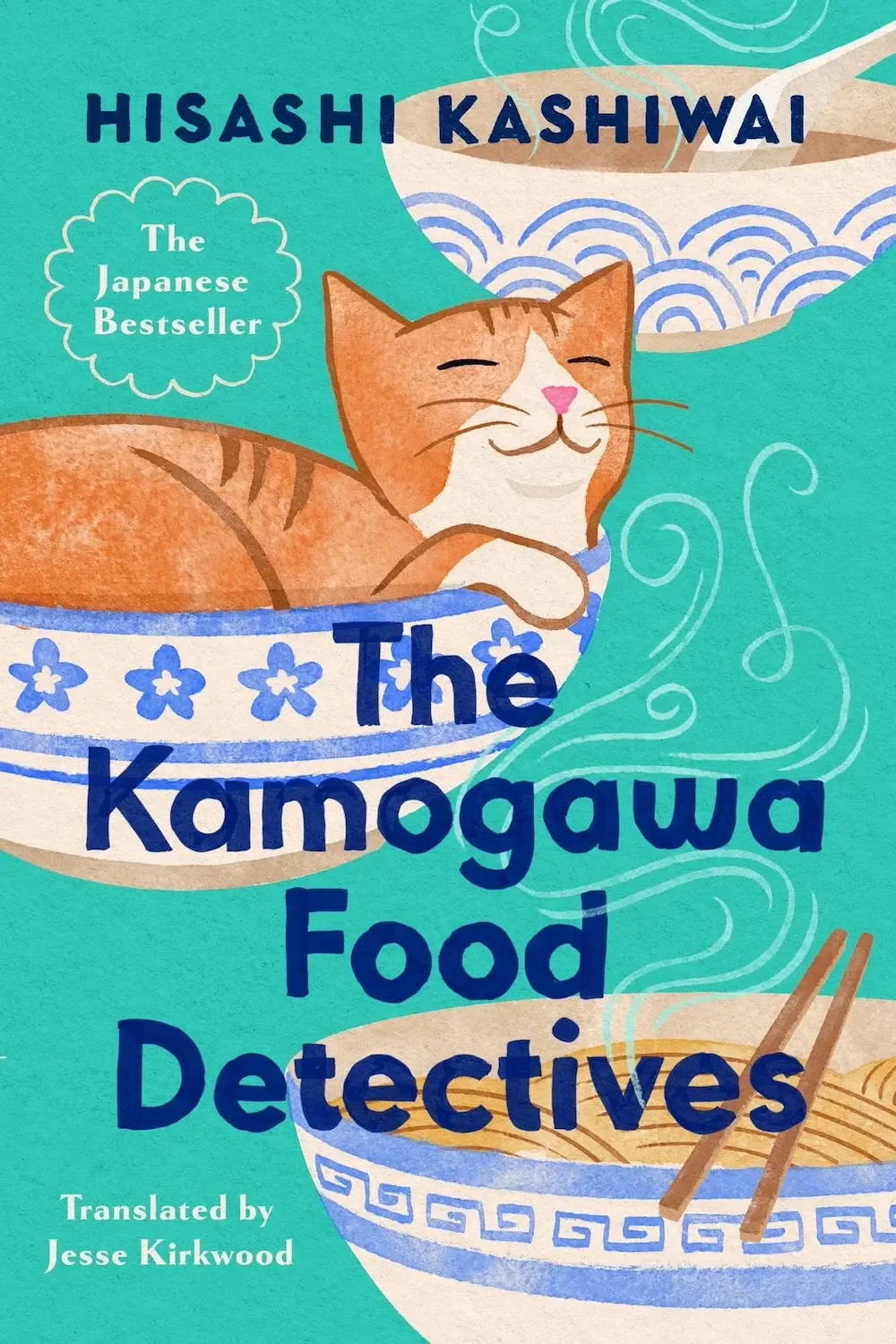
In a nondescript building in a nondescript corner of Kyoto is a most unique detective agency. Rather than solve crimes or find missing persons, though, Nagare Kamogawa and his daughter Koishi will find any meal that you can think of. Be it a beloved childhood dinner that you can barely remember or a special dish at a restaurant that shut down decades ago, the Kamogawas will do their best to track down the ingredients, recreate it, and maybe even help you better understand its importance. The Kamogawa Food Detectives is nothing mind-blowing; there are no wild twists in these cases, no earth-shattering or heart-wrenching revelations. But it is pleasant and enjoyable, the literary equivalent of “comfort food.” It’s a perfect “lazy weekend” read that might have you waxing nostalgic about your own favorite meals. As an added bonus, Hisashi Kashiwai’s detailed descriptions of the many dishes that the Kamogawas create in their tiny restaurant will leave you salivating, and his descriptions of Kyoto’s seasons are an obvious love letter to his hometown. Note: Given Netflix’s past interest in Japanese food shows like Samurai Gourmet, Midnight Diner, and The Makanai: Cooking for the Maiko House, I’d totally watch a Kamogawa Food Detectives TV series.
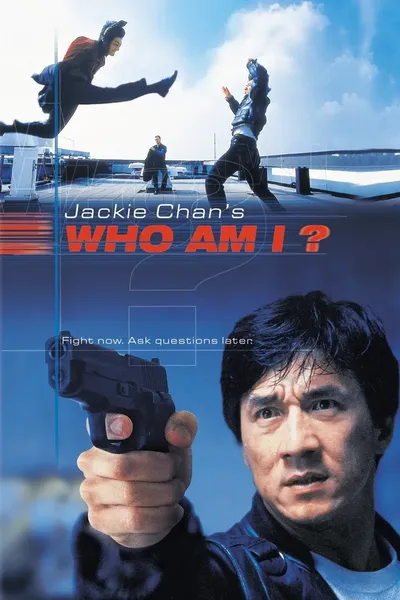
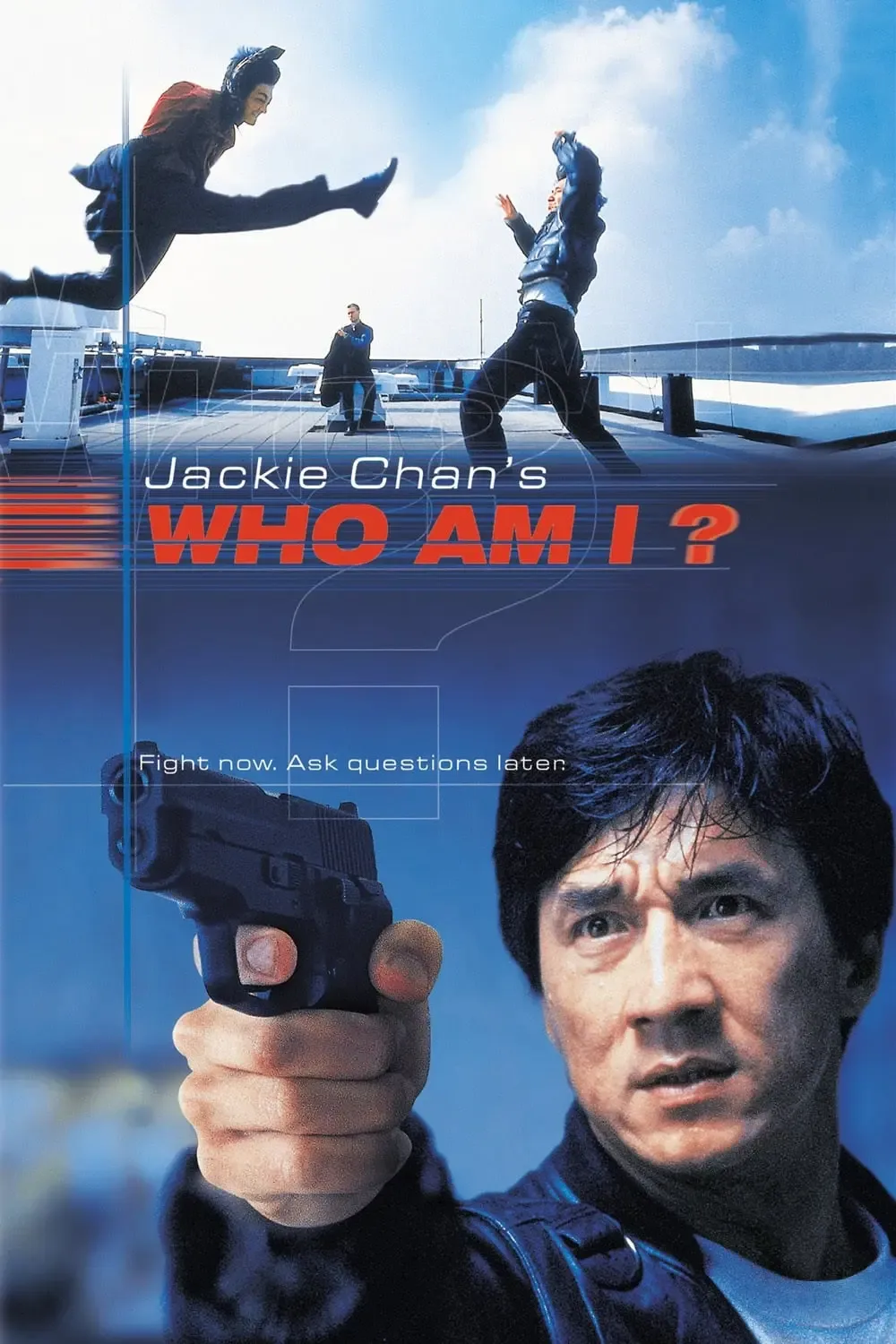
For a long time, this was my favorite Jackie Chan film, as evidenced by my exuberant review from 2003. That’s no longer the case, but it’s still a fun film where Jackie plays a special operative who loses his memory after his unit is betrayed, and must confront CIA conspiracies and arms dealers to get it back. As a result, Who Am I? feels like Jackie’s attempt at writing and directing a serious globe-trotting international thriller, and is therefore less comedic than, say, Mr. Nice Guy or Shanghai Noon. Some parts of Who Am I? are a bit cringe-inducing now (e.g., Jackie’s time recuperating with an African tribe), but it does feature some of his best action scenes and stunts, be it the wooden shoe fight or the climactic brawl atop Rotterdam’s Willemswerf building and Jackie’s subsequent slide down its side.
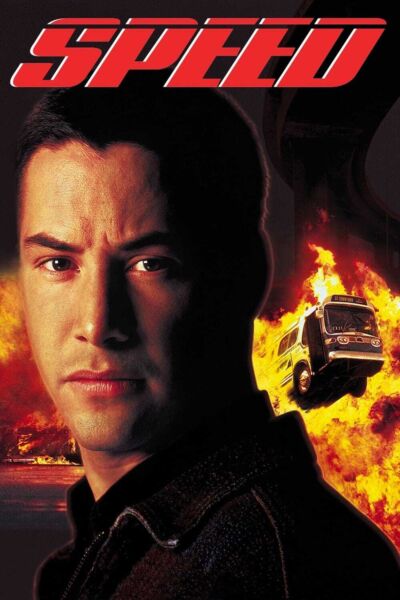
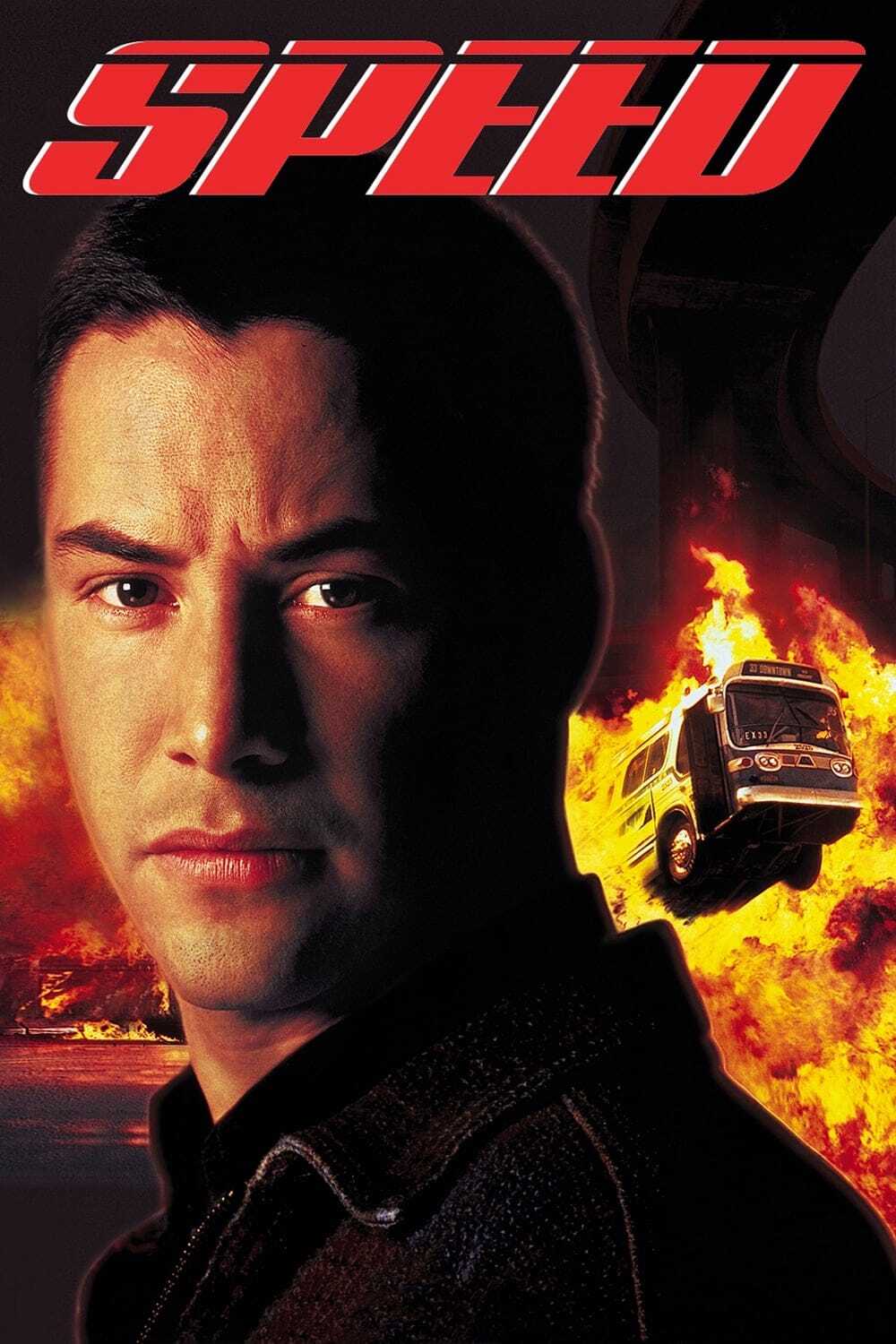
This action classic turned 30 earlier this month, and at least 15 years have passed since I last watched it in its entirety, so now seemed like a good time for a revisit. And, following K. B. Hoyle’s lead, introduce my kids to it. So let me tell you, dear reader, that Speed totally holds up. It’s obviously a product of the ’90s (the extremely wide latitude given to the LAPD feels particularly incongruous these days) and the final act is a bit tacked on, but it’s never not a blast to watch (pun intended). Keanu Reeves and Sandra Bullock are delightful with all of their meaningful looks, Dennis Hopper is appropriately kooky, and the stunts and practical effects are refreshing in this day and age of CGI. Indeed, I was struck by just how good the film still looks after three decades. Director Jan de Bont obviously learned a thing or two working as John McTiernan’s cinematographer on Die Hard and The Hunt for Red October. Speed’s action is never edited to the point of incoherence and scenes are given room to breathe, while the film’s visual storytelling is crisp and efficient. As a result, nothing feels rushed or wasted. Put simply, this is ’90s action filmmaking of the highest quality.
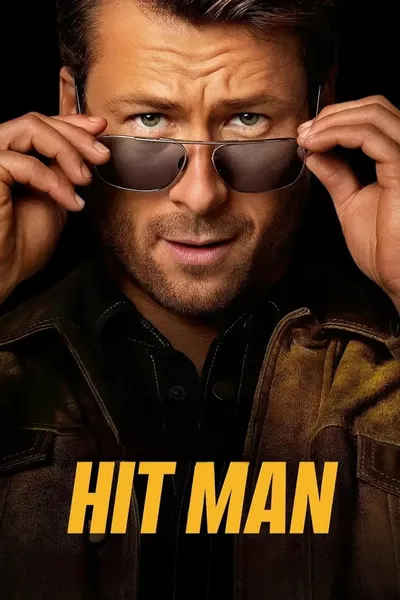
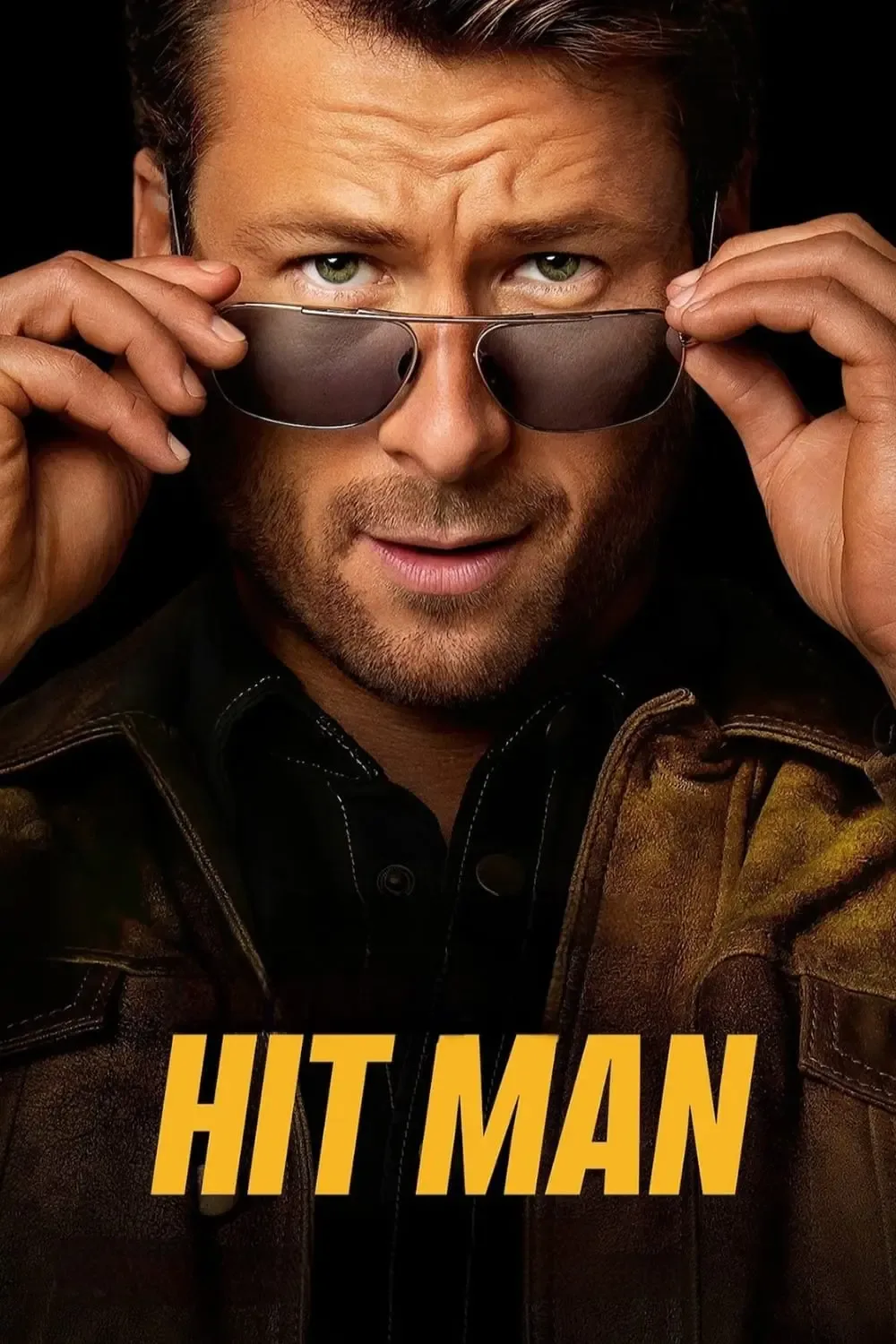
I felt bad for my wife as we watched Hit Man; it features some of her most hated movie tropes (e.g., normal people making increasingly bad decisions with no hope of redemption). I ended up liking the movie more than she did, but honestly, not by much. With its story about a psychology professor who moonlights as a fake hit man for the New Orleans police department, Hit Man seems to want to be a screwy Coen Brothers-esque comedy, especially when leading man Glen Powell begins adopting different hitman personas. (Which the trailer really focuses on.) But then it also plays at being a knotty, twisted thriller laced with pitch-black humor, moral and legal quandaries, and ridiculous sexuality — and frustratingly, ends up being neither. (For the record, we would’ve preferred the former.) To the movie’s credit, Powell delivers a great performance and we were frequently left guessing as to where the story was going. Unfortunately, said story ended up being less satisfying than any of our theories.
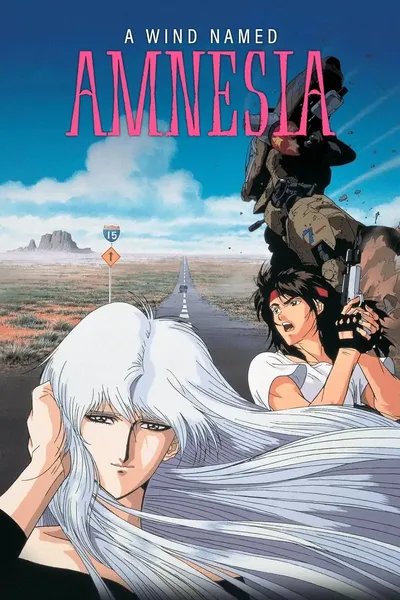
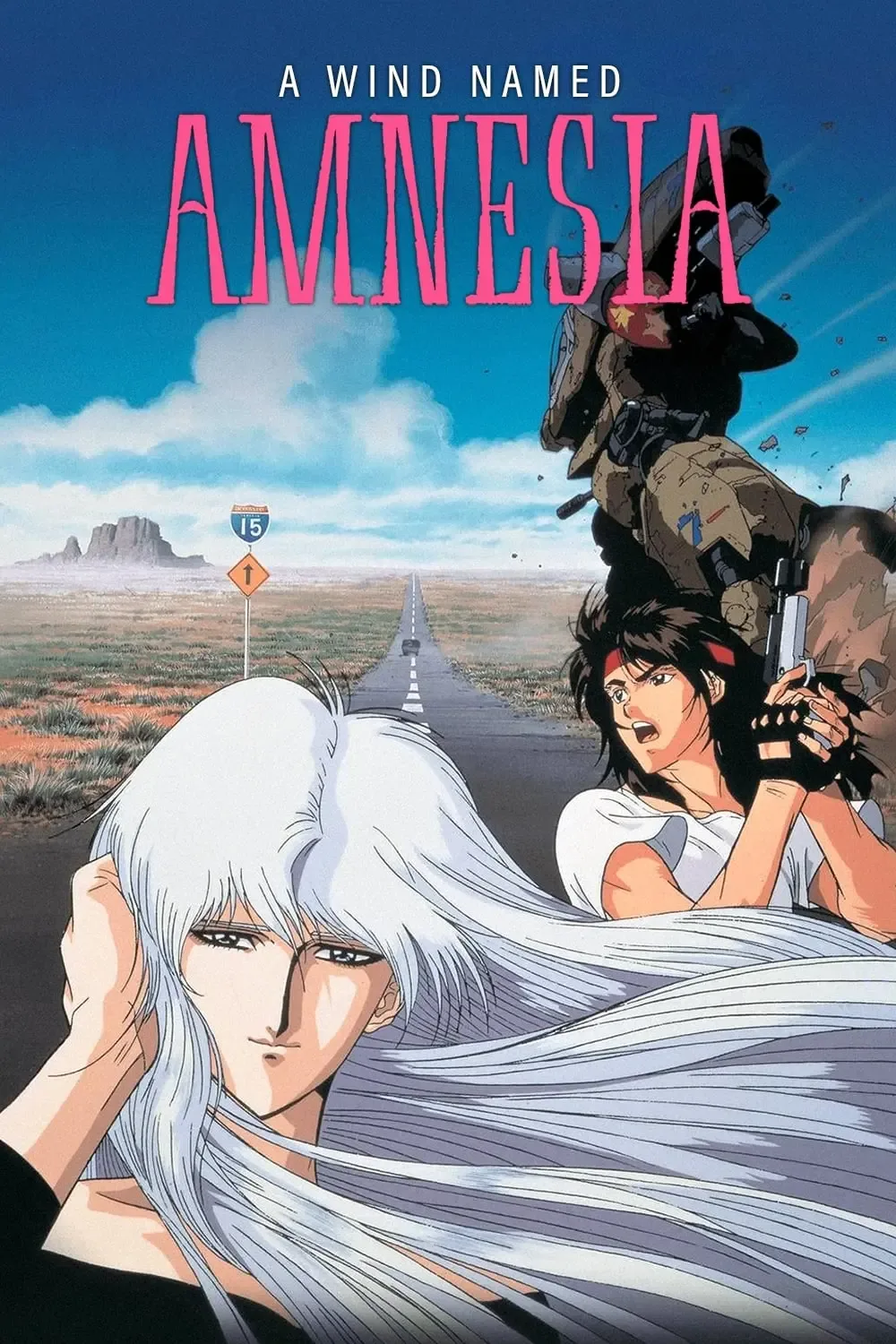
Near the end of the 20th century, a mysterious wind swept across the Earth, stealing everyone’s memories and causing society to crumble. A young man who has since regained some of his memories now travels across the post-apocalyptic U.S. to find the wind’s source. Along the way, he meets an enigmatic woman who guides him and helps him consider the nature of humanity and civilization. A Wind Named Amnesia certainly has a lot on its mind as it tries to wax philosophical about the human condition. But despite featuring some impressive talent in the credits (Yoshiaki Kawajiri, Rintaro, Yoshitaka Amano), it’s really just a portentous mess of a film that’s never as deep as it so desperately wants to be. Not helping matters is an increasingly ludicrous sub-plot involving a pursuing robot as well as some last-minute revelations that are pretty groan-inducing, and make the film feel even dumber. The early ’90s animation is not nearly so bad as, say, M.D. Geist, but A Wind Named Amnesia is far from Madhouse’s best work.
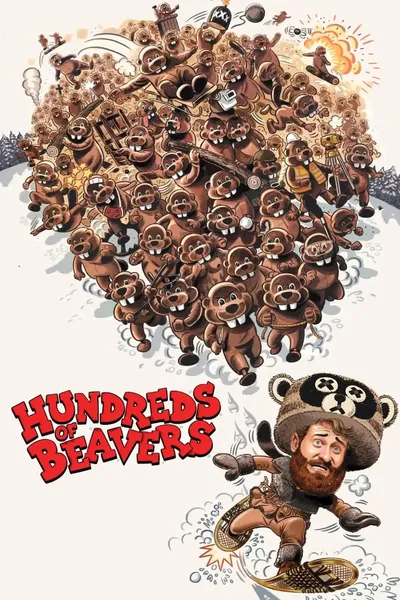
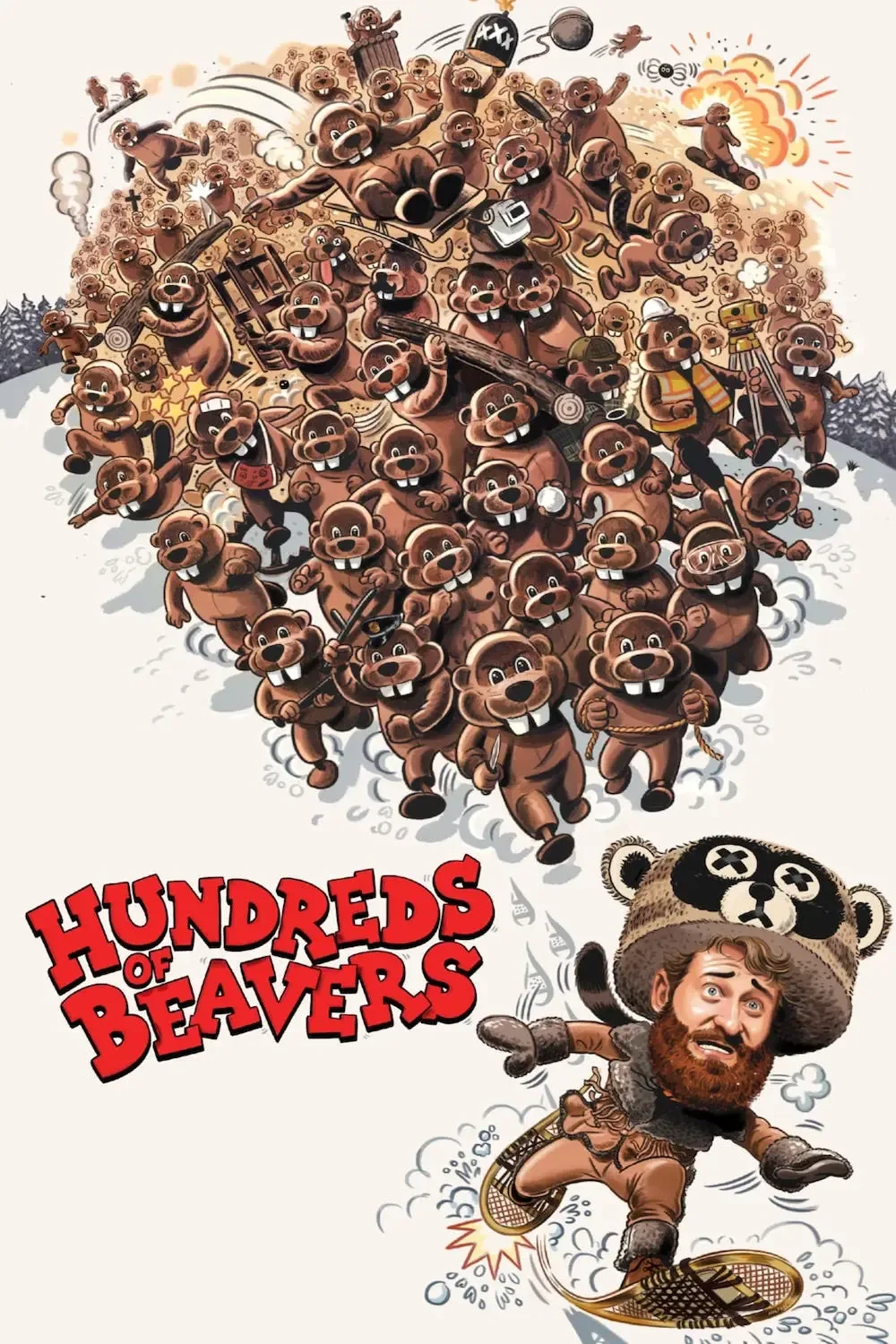
Take a sampling of classic Looney Tunes animation, a dash of Michel Gondry, a pinch of those crazy Japanese commercials that Arnold Schwarzenegger did in the ’80s, a healthy dose of silent filmmaking, plenty of absurdist slapstick, and a fanciful take on Wisconsin history, and that just scratches the surface of the bizarre little film that is Hundreds of Beavers. Shot for $150,000 over the course of twelve weeks, Hundreds of Beavers follows the exploits of Jean Kayak, who seeks to become the region’s greatest fur trapper and win the hand of the local merchant’s daughter — but first he must use his wits to survive the winter and figure out how to outsmart and trap all of the local animals. (Who, by the way, are played by people in animal suits.) And of course, he must do battle with the army of beavers that’s hard at work building a mysterious structure by the river. There are moments when the film’s gags wear a bit thin, but there are also moments that had me chortling with glee whilst admiring its unique low-budget aesthetic mashup. I can only imagine the blast that Hundreds of Beavers would be if you saw it in a theater with an audience of like-minded individuals.
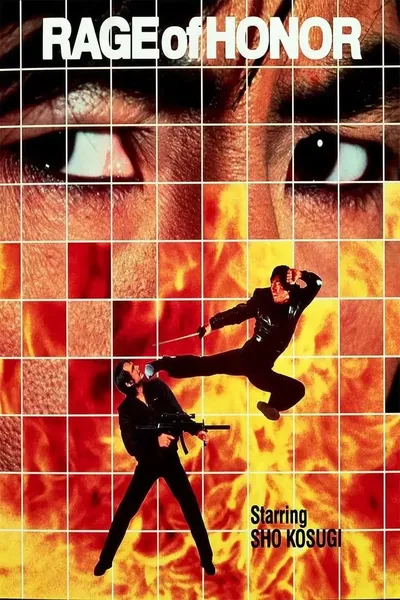
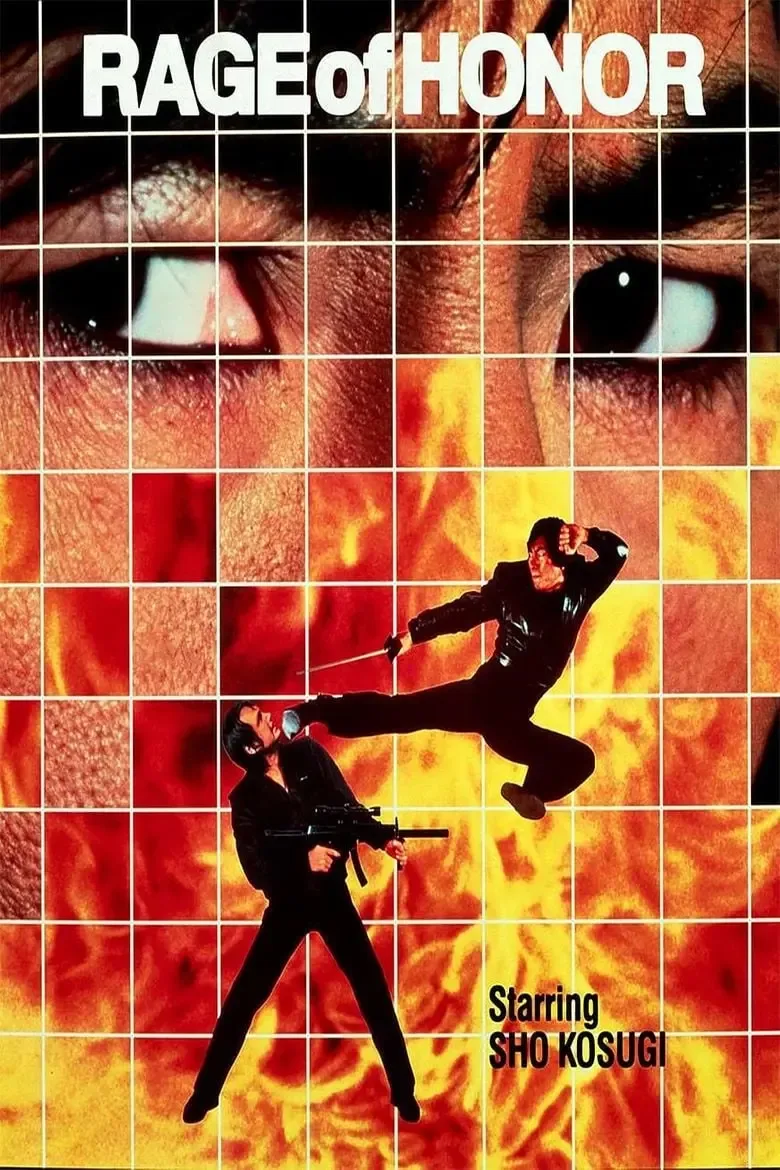
Shô Kosugi helped kick off America’s “ninjamania” craze in the early-to-mid ’80s via such Cannon Film classics as Enter the Ninja and Ninja III: The Domination. Rage of Honor falls into the same category, with Kosugi playing a DEA agent who goes rogue to track down his partner’s killer. Which means traveling to Argentina and putting his girlfriend in danger so he can kill a bunch of goons (and weirdly, some indigenous tribe members) with the help of his ninja skills (which mostly take the form of sweet-looking front flips), exploding shuriken, the tiniest nunchaku in movie history, and some eyeliner. Thankfully, the bad guys are incapable of hitting the broadside of a barn with a machine gun, giving Kosugi ample time to flip over them and dispatch them in all kinds of ways. Rage of Honor does its darndest to be gritty and hard-boiled (e.g., Stelvio Cipriani’s score), but it’s just a goofy film blessed with continuity errors, sloppy editing, and uneven action choreography. I’m a sucker for ’80s ninja fare, though, so I still enjoyed it for what it is.
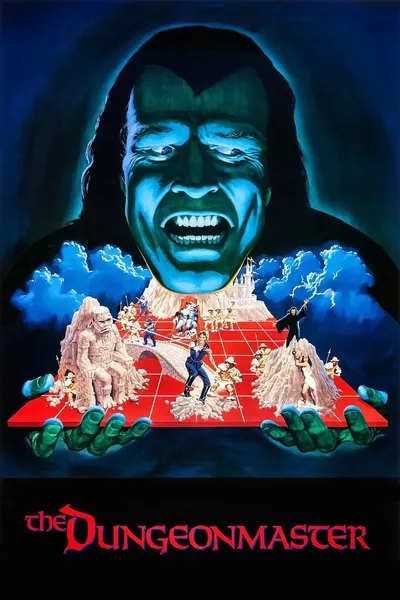
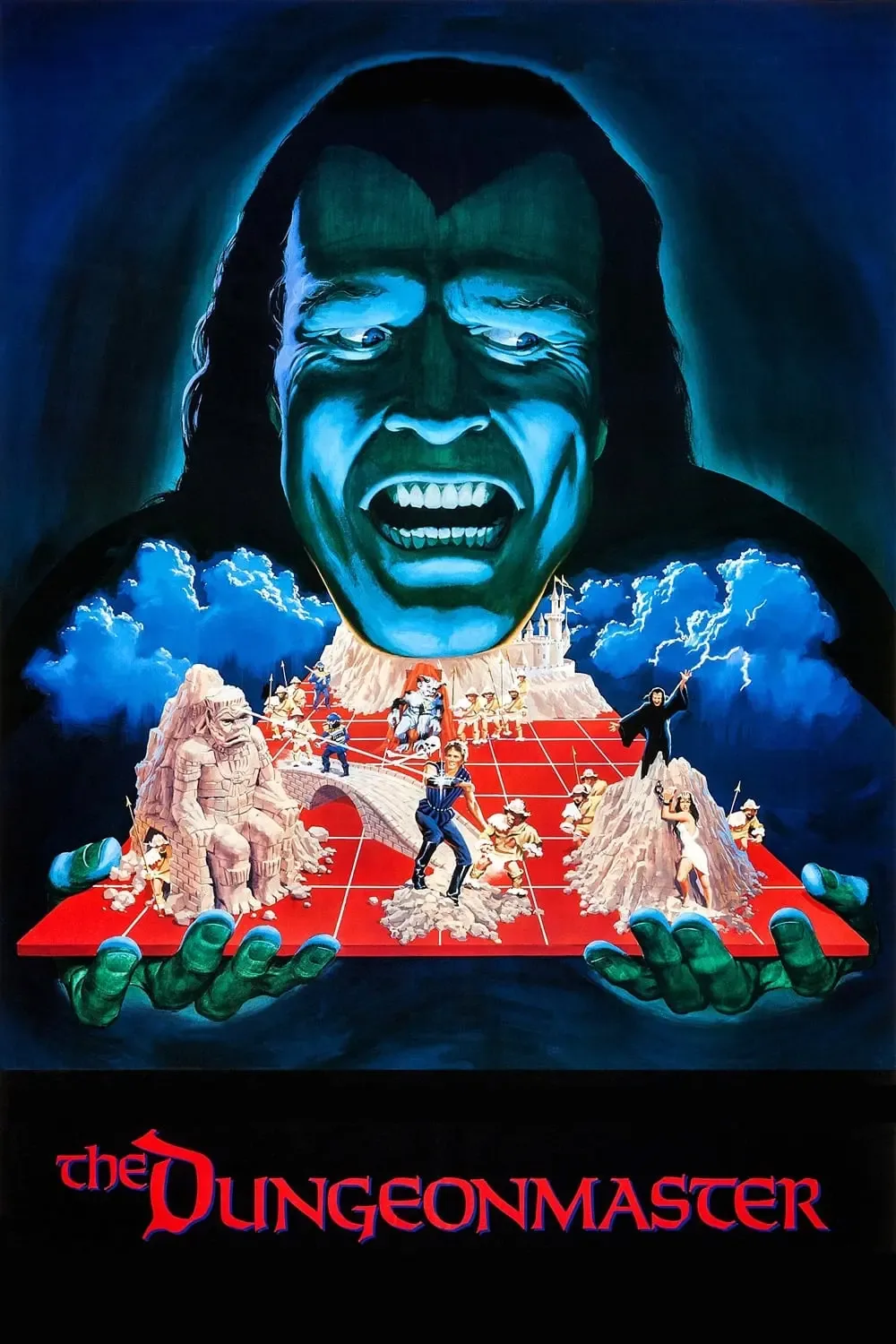
Contrary to what its title might suggest, The Dungeonmaster has nothing to do with Dungeons & Dragons. (It was originally titled Ragewar and renamed to capitalize on D&D’s success.) But it does feature Night Court’s Richard Moll chewing up the scenery as a demonic sorcerer as well as a cameo by heavy metal band W.A.S.P., so there’s that. (And, as to be expected from a mid-’80s fantasy movie, some gratuitous skin.) As for the plot, that actually does feel a bit D&D-esque. Moll’s sorcerer whisks a computer programmer and his girlfriend off to a fantasy world in order to test his technological prowess in a series of challenges. The film is essentially an anthology; all of the challenges were made by different filmmakers and span the fantasy, slasher, and post-apocalypse genres. The Dungeonmaster’s technology vs. magic conceit is promising, but the film is pretty uneven right on up to its abrupt ending. Not even the fact that I probably would’ve loved The Dungeonmaster had I actually seen it back in 1984 changes the fact that it has “low-budget direct to VHS fare” written all over it. (Random bit of trivia: This film was the source of Adam Savage’s “I reject your reality and I substitute my own!” quote.)
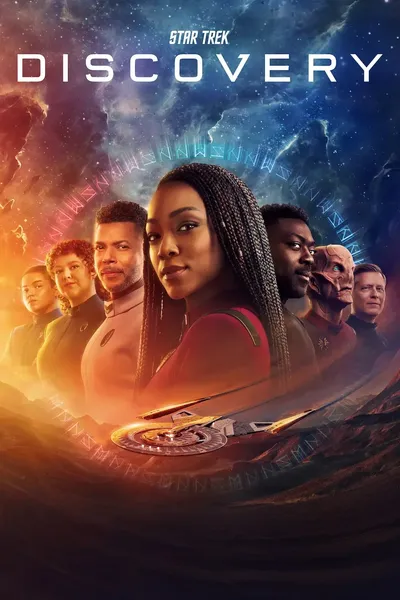
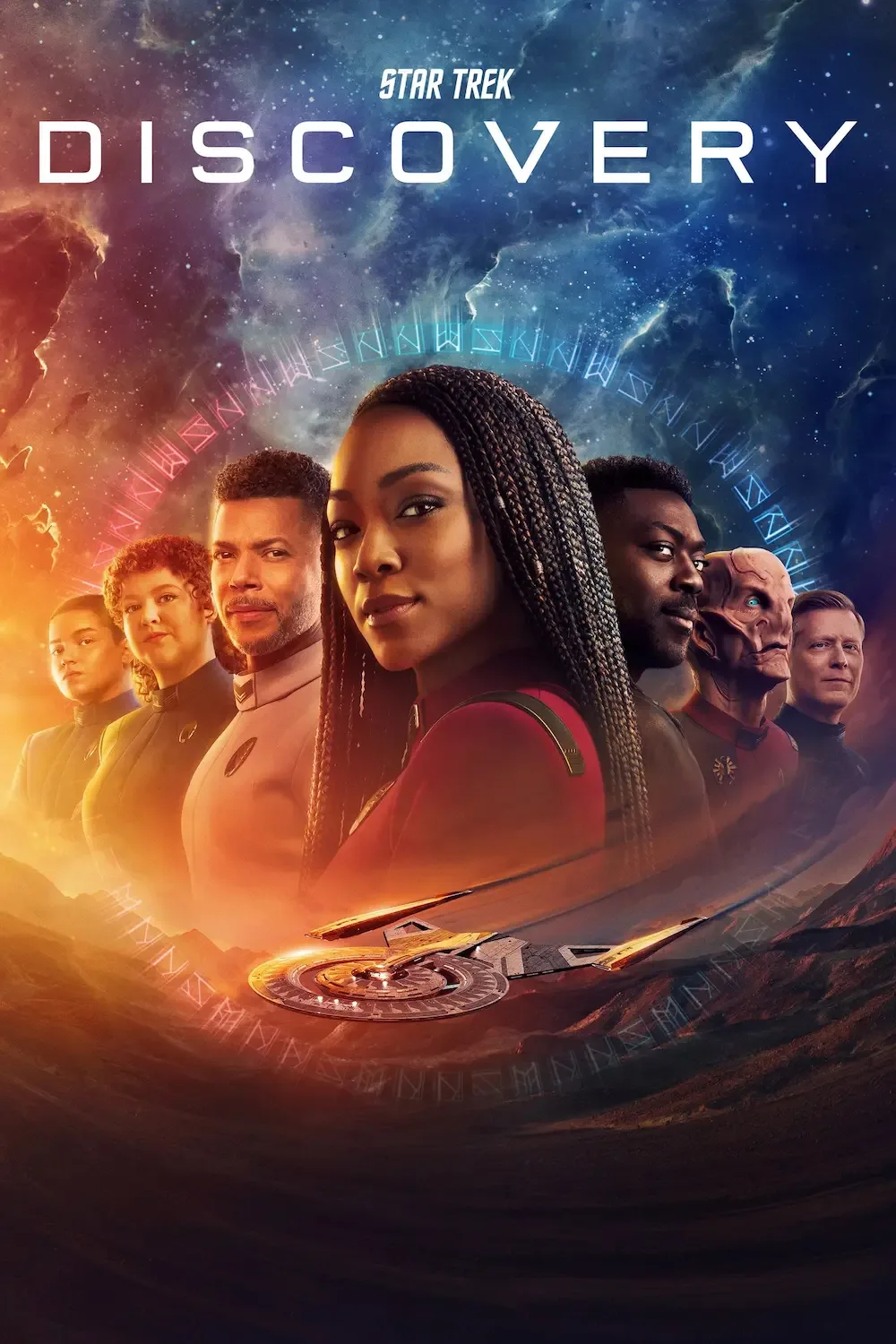
I’ve tried watching Star Trek: Discovery on several occasions, but it never really clicked for me. I thought I’d make an earnest effort for its fifth and final season, though, which tackles some TNG lore as Discovery’s crew tries to unlock the secrets of the Progenitors, the long-dead race that created sentient life throughout the galaxy. At its best, Discovery’s fifth season tackled the big themes you’d expect from Star Trek, like the balance between faith and science. More often than not, however, it was bogged down by melodrama. That, and several major characters just up and disappeared partway through. Worst of all — and I know this risks making me sound like one of those internet trolls who post hours-long YouTube screeds about Star Wars going “woke” — the series was just so darn touchy-feely. I honestly don’t know which is worse: when something’s too cynical or when it’s too earnest, but Discovery was earnest to an eyeroll-inducing fault, with every episode chock full of meaningful glances, heartfelt talks, encouraging words, and so. Many. Feelings. (Not surprisingly, my favorite character was the perpetually crabby and pissed off Commander Rayner.) In other words, the season’s potential was ultimately overshadowed by its good intentions.