My Cultural Diet (June 2025): Godfrey Ho, The Big Bang Theory, Predator, The Decline of Western Civilization
In order to better track my various cultural experiences (e.g., movies, TV shows, books, restaurants), I’ve created the Cultural Diet. Think of it as my own personal Goodreads, Letterboxd, and Yelp, all rolled into one (more info here). Every month, I recap everything that I watched, read, etc., in the previous month.
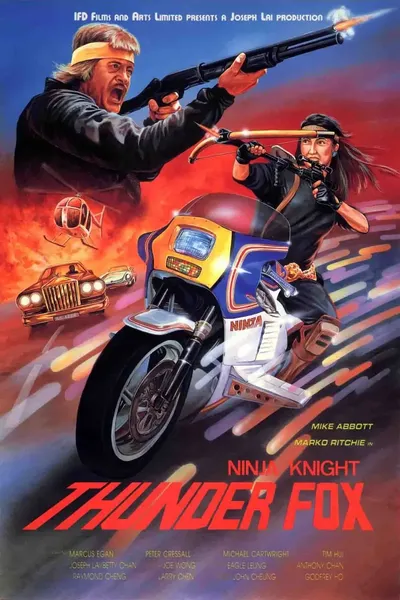
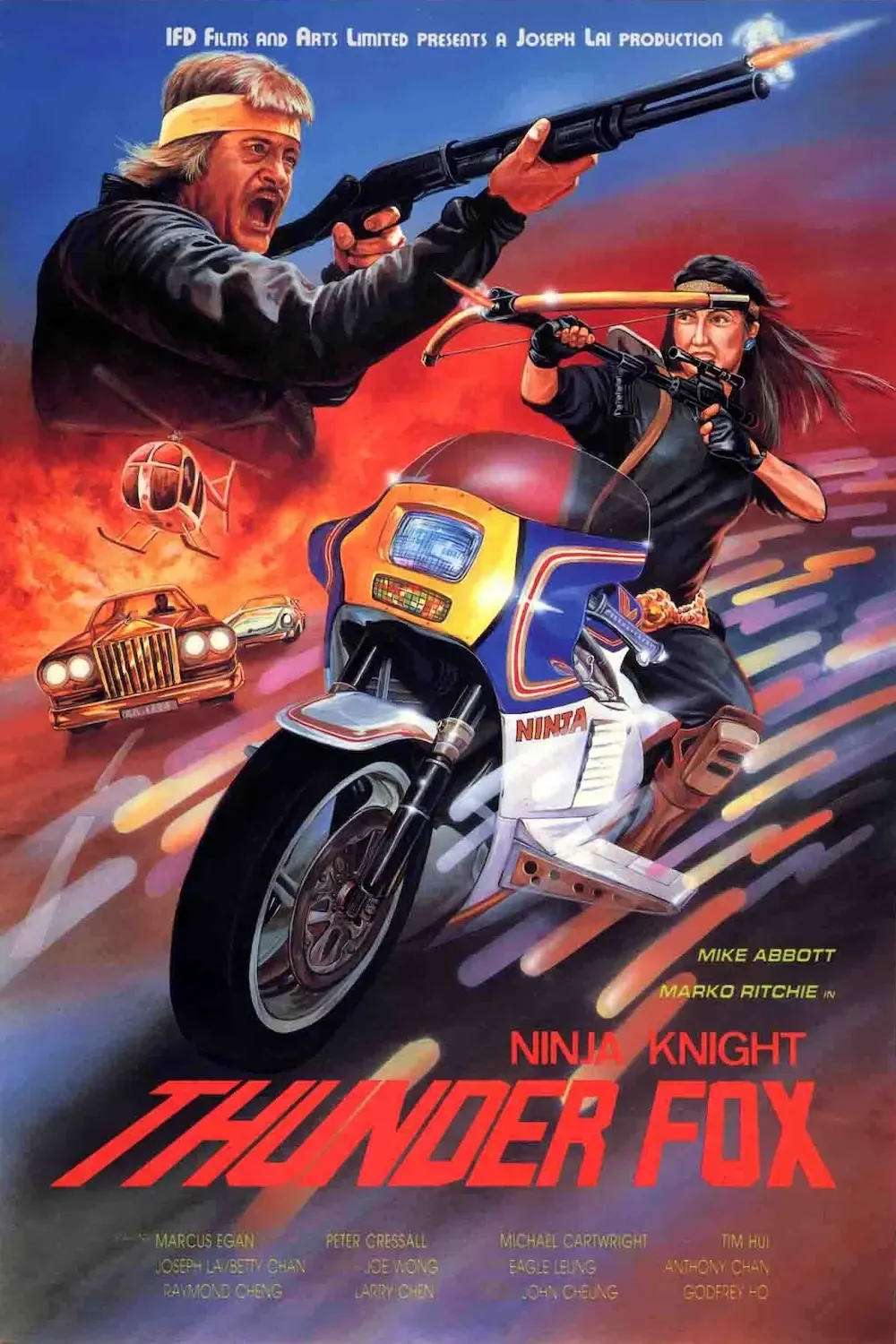
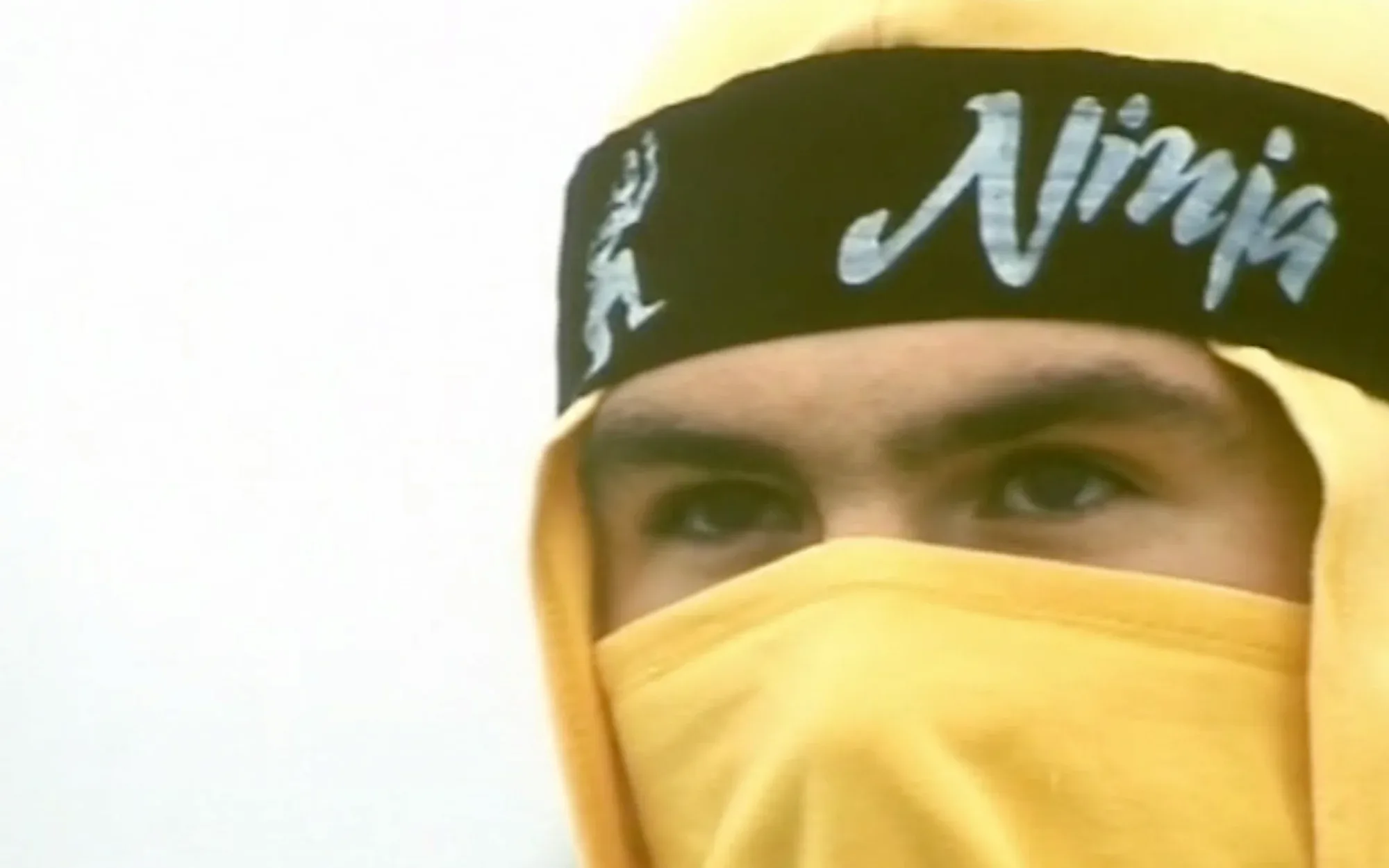
First things first: Ninja Knight Thunder Fox is an awesome title for a movie, and nothing you say can change my mind. Sadly, it has precious little ninja action compared to other Godfrey Ho movies. (That said, I do love the fact that the ninjas wear headbands emblazoned with the word “Ninja,” just to clear up any possible confusion.) Also known as Ninja Empire, Ninja Knight Thunder Fox is a prime example of Ho’s infamous cut-and-paste filmmaking. Cribbing scenes from a completely different film (Wen-Hsing Lai’s Fierce Lady) and mixing in his own footage, Ho uses slapdash editing and hilariously awful dubbing to create a new film about a modeling school terrorized by gangsters. Not surprisingly, the seams are painfully obvious. Case in point, our protagonists are two detectives named Brad (Marko Ritchie) and Bonnie (Hsu Ying-Chu) who own their own detective agency, and yet they never share a single scene together. Instead, they only ever talk on the phone, with the camera zooming in on Bonnie’s photo to sell the effect. Ho’s chutzpah is actually kind of endearing, if not entirely legal, and Hsu’s Bonnie puts some spirit into the film’s fight scenes even more so than the ninjas. And speaking of not entirely legal, the film blatantly uses sounds and music from Tangerine Dream, Re-Flex, Cocteau Twins, and Nightmare on Elm Street, though somehow I doubt Ho bothered to properly license any of it.

Working with an assortment of artists and illustrators, and blending narrative and journalistic writing, Nicolas Finet and Thierry Lamy attempt to create a visual chronicle of the late ’70s punk rock movement in all of its shapes and forms. Plenty of ink is devoted to punk rock’s most well-known exemplars: The Clash, The Ramones, and The Sex Pistols. But Finet and Lamy also highlight lesser known artists including The Saints, Sham 69, and Stiff Little Fingers and explore punk’s influences (e.g., MC5, The Stooges, British pub rock). The duo also cover female punk artists like Siouxsie Sioux and The Slits, the intersection of punk and rasta culture, punk’s confluence with hard rock, and its legacy in the form of post-punk and new wave. Although I’m not a huge punk rock fan, I have a pretty good understanding of the genre — or so I thought until I read Finet and Lamy’s graphic novel. Obviously a passion project, Punk Rock in Comics was eye-opening and educational, and best of all, gave me a slew of new bands and records to check out.
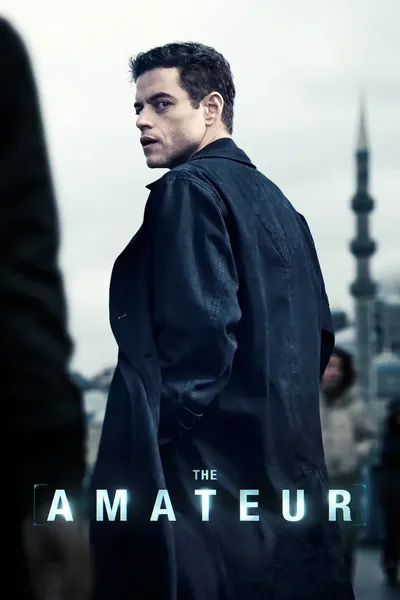
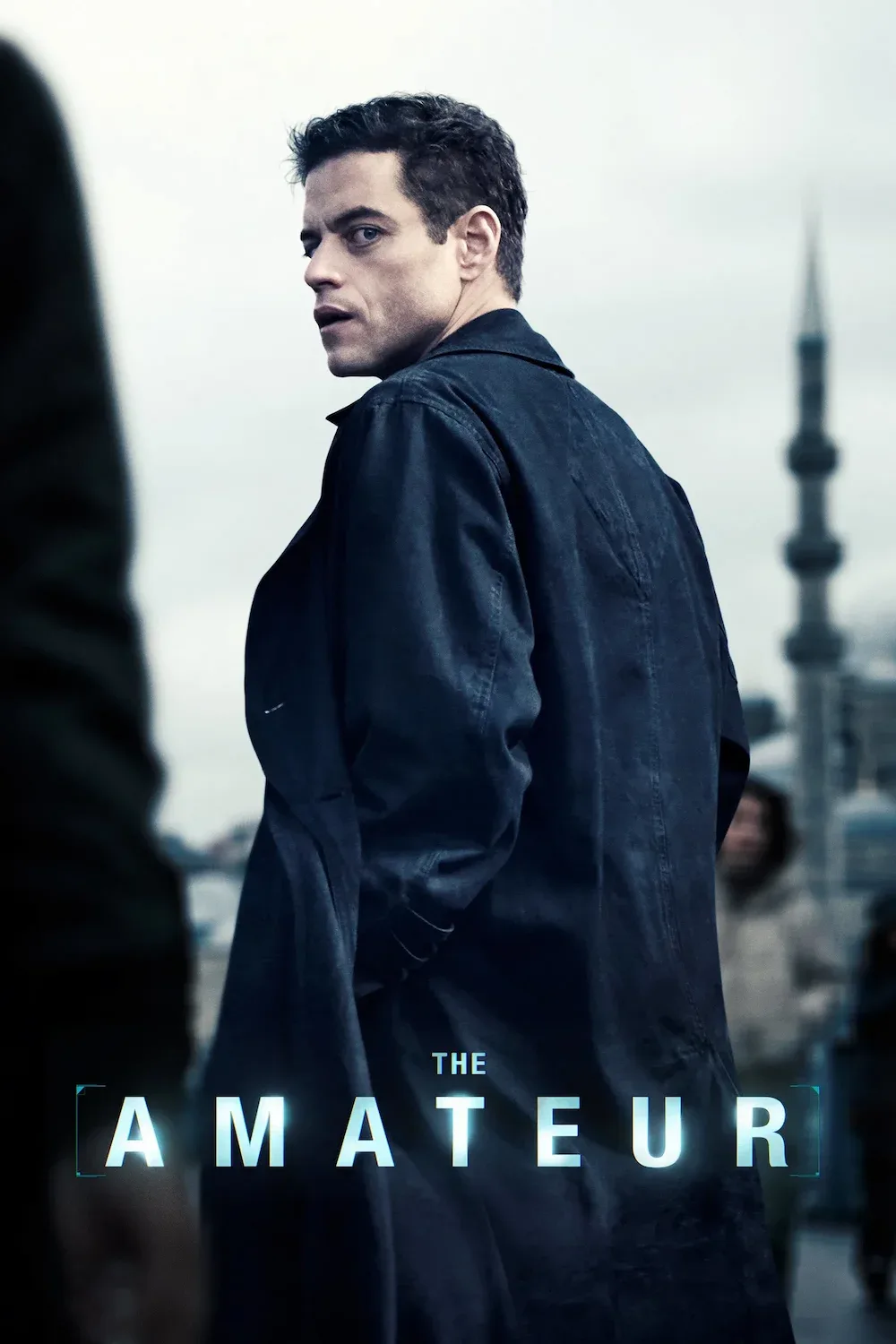
After a CIA analyst’s wife is killed in a terrorist attack, he demands that the agency track down her killers. But when his bosses ignore his request, he decides to take matters into his own hands — no matter the cost. The only thing is, he’s a nerdy analyst who possesses no field training whatsoever. I enjoyed watching Rami Malek’s analyst use his intellect and IT skills to track down and take out terrorists while also staying one step ahead of the CIA; this cat-and-mouse game was The Amateur’s best part. And the film’s subdued tone was a nice change of pace from 007-esque pyrotechnics. Unfortunately, there are times when he’s almost too good at his job, which strains credulity and undermines whatever tension the film so obviously wants to generate. Also, the attempts to depict the analyst’s grief and emotional turmoil feel heavy-handed at times, leading to an ending that’s too neat and tidy considering everything that transpires beforehand. On a side note, I’d totally watch a film about Caitríona Balfe’s character Inquiline.

Kat is a down-on-her-luck comedian stuck teaching improv classes. Marlon is a struggling actor who desperately wants to be taken seriously. And Hugh’s a meek office worker whose “soft skills” are sorely lacking. They’re failures on their own, but their improv talents prove surprisingly useful when a cop needs help with a simple sting operation. Unfortunately, our trio’s a little too good at improv, and they soon find themselves in way over their heads in London’s criminal underground. It’s a fun premise and Deep Cover is certainly entertaining, but I found myself wondering why I wasn’t laughing harder on more than one occasion. (Maybe I should just rewatch Key and Peele’s Keanu.) That said, I’m very tempted to give Deep Cover an extra half star just for Orlando Bloom’s performance as Marlon, the wannabe Brando who constantly turns the method acting up to eleven and gets far more intense than any given situation merits.
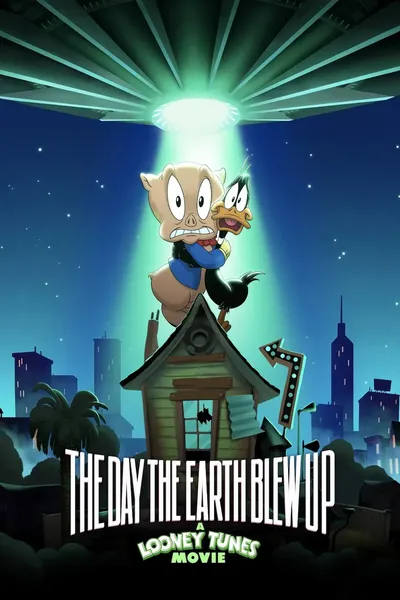
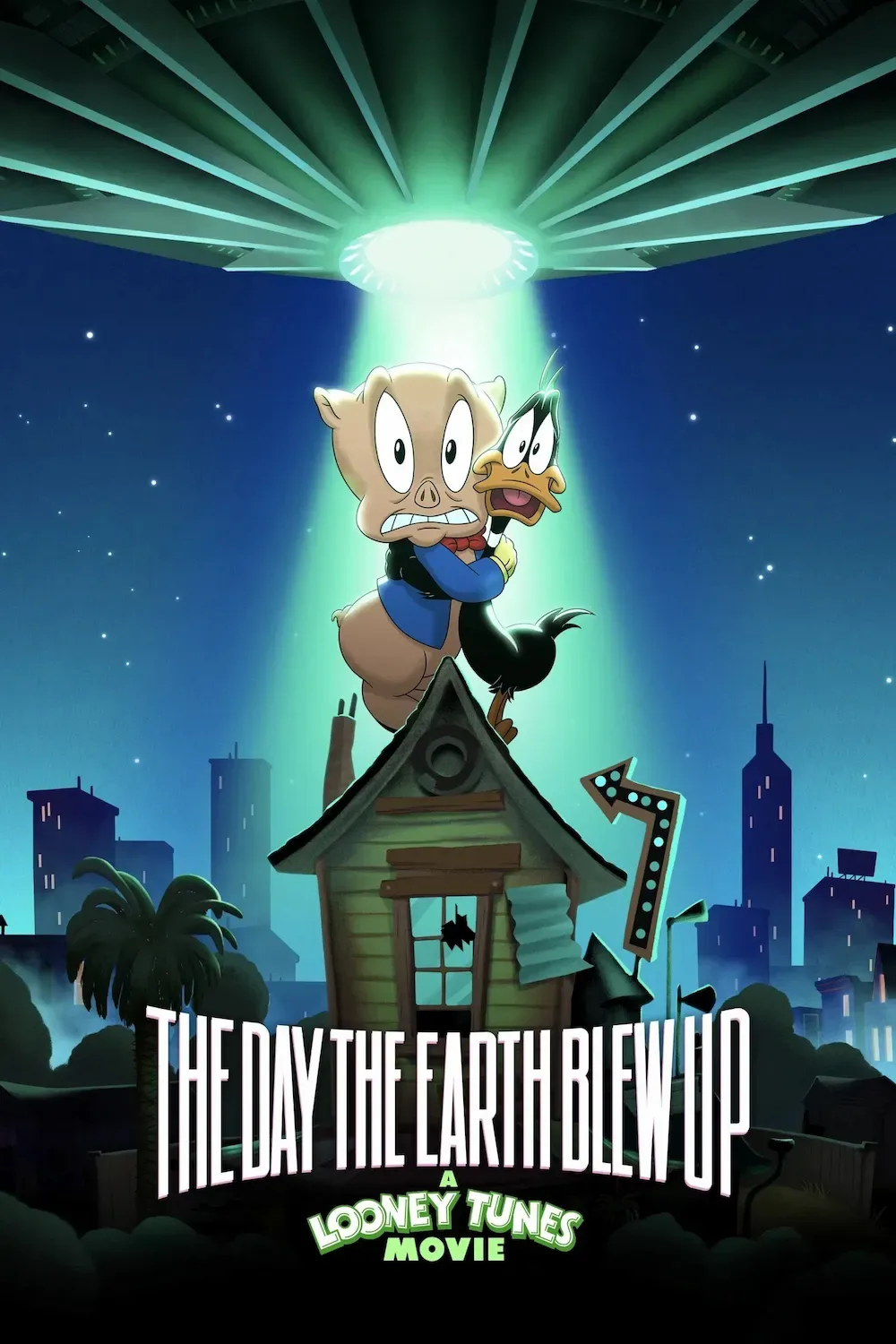
One does not look to Looney Tunes for subtlety. Even so, the never-ending barrage of over-the-top and outrageous jokes, pratfalls, and dialog in The Day the Earth Blew Up is exhausting and tedious. It doesn’t help that the vast majority of the film’s jokes feel dated right out of the gate. (A joke about stupid coffeeshop orders in the Year of Our Lord 2024? Really?) And the clueless henchman gag leaves one pining for the sublimity of Kronk Pepikrankenitz. Any moments of subversive glee — like Daffy trying to become an influencer by twerking on social media — are few and far between. On the one hand, I’m glad to see a modern Looney Tunes cartoon that clearly pays tribute to the classics with its artwork and music. On the other hand, The Day the Earth Blew Up has precious little of the sass and charm of those classics. (The fact that it had eleven writers and four story consultants probably didn’t help matters.)
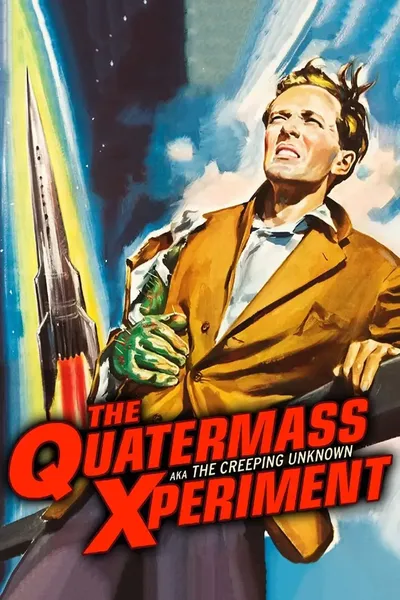
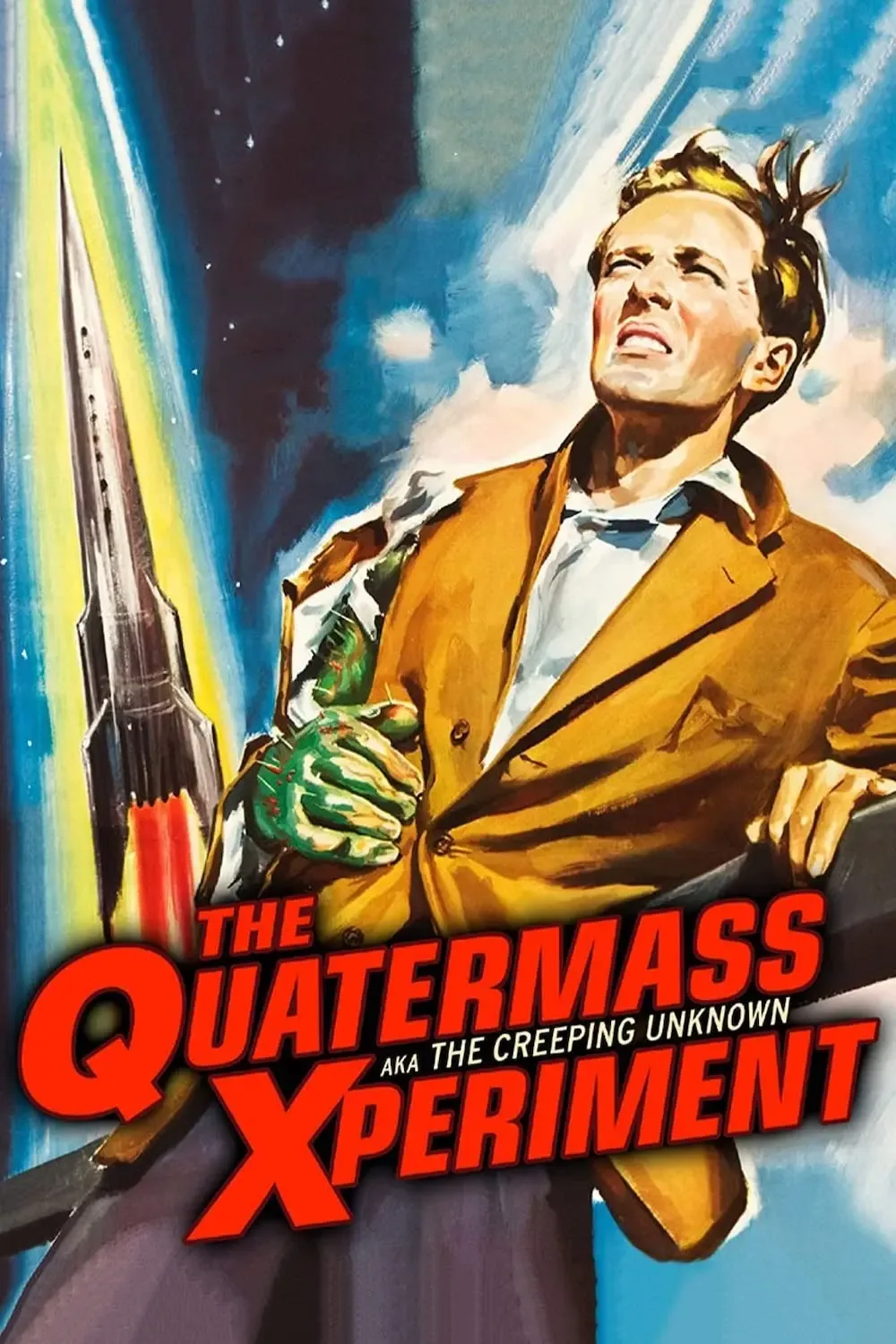
The Quatermass Xperiment is considered the first proper horror film from the legendary Hammer Studios, which would ultimately become synonymous with the genre thanks in part to a string of Dracula films starring Christopher Lee and Peter Cushing. According to the Guinness Book of Records, it also holds the dubious distinction of being the only horror film to scare someone to death (a nine-year-old boy, tragically). Of course, watching it now, seventy years after its release, its story of a scientist racing to protect London from a possible alien virus that came back on a crashed rocket is more quaint than anything. (Interestingly, the titular hero is actually something of a jerk and egomaniac, and the film’s final shot suggests that he’s learned nothing from the preceding events.) At the same time, The Quatermass Xperiment is still a pretty enjoyable “classic” sci-fi/horror film, and the creature effects can still make your skin crawl, even after you see the strings.

With novels like The Wind-Up Bird Chronicle and Sputnik Sweetheart, Haruki Murakami has written some of the most affecting prose I’ve ever read. His latest novel, The City and Its Uncertain Walls, starts off on a similar tack. When teen lovers are separated after the girl returns to the mysterious, walled in town from whence she came, the boy becomes obsessed with following her there — but does it really exist? The novel’s first third or so is intriguing, and characterized by Murakami’s trademark writing style (which is equal parts surreal, ambiguous, and poignant) and his usual themes of alienation, regret, and unrequited feelings. At some point, however, the novel began to feel haphazard and ramshackle, as if Murakami was just making things up as he went along, and I didn’t want to wade through all 670+ pages. The City and Its Uncertain Walls was first published as a short story in 1980. I haven’t read the original story, but I suspect that it does work better in a shorter form. Did not finish.
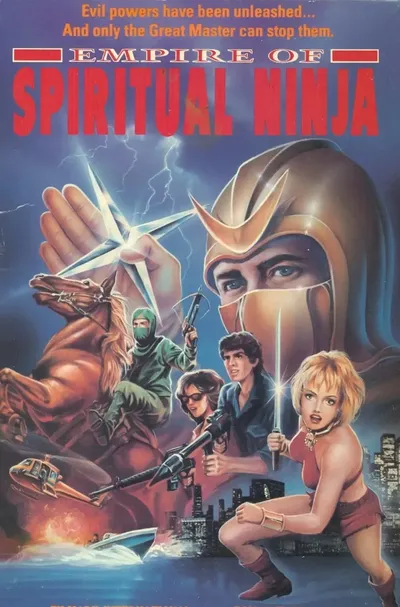
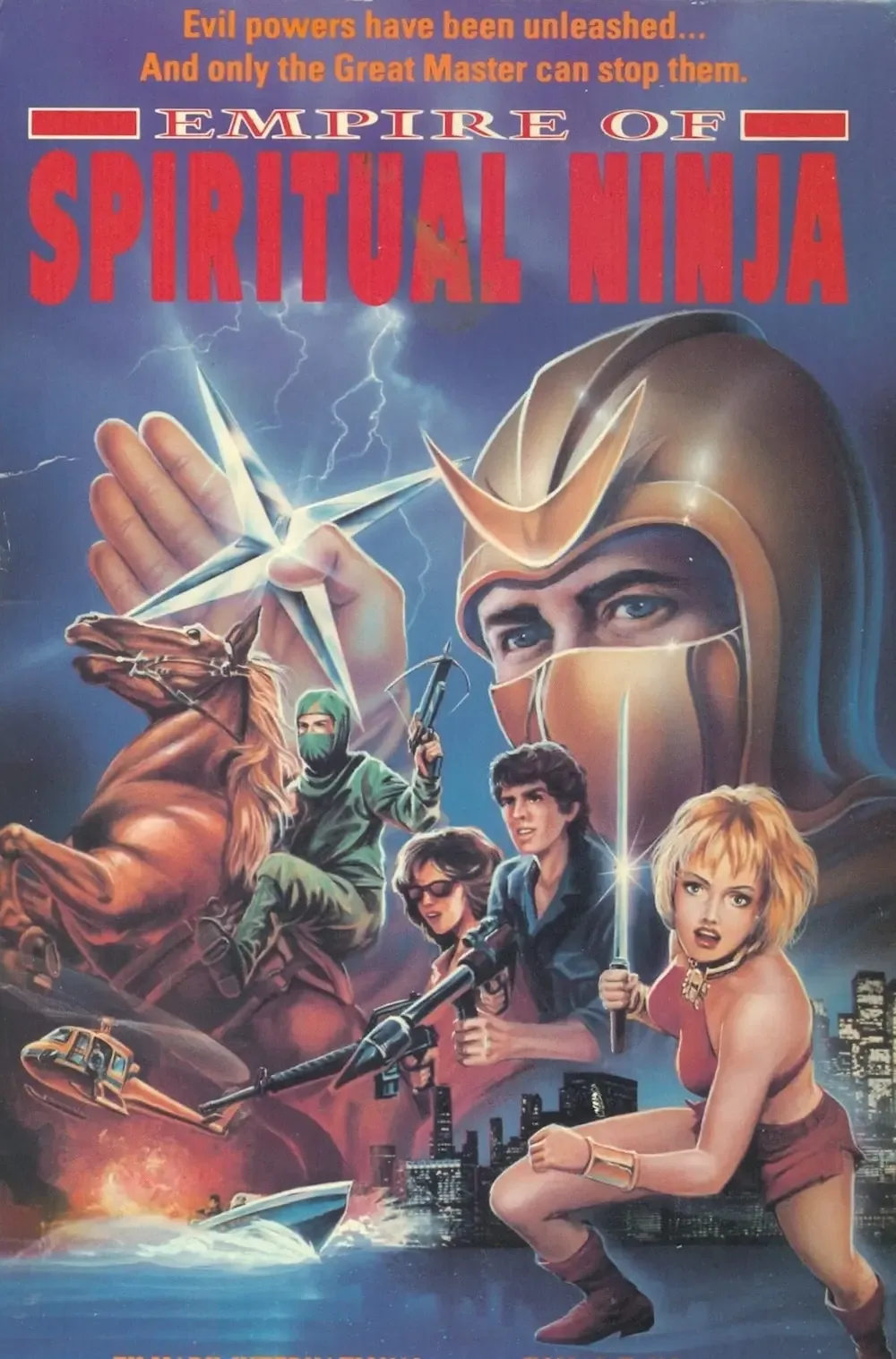
Sometimes you need to watch a movie simply because of its title alone, even if you know it’s going to be terrible. Case in point: Godfrey Ho’s Empire of the Spiritual Ninja (which is attributed to Ho’s Bruce Lambert pseudonym). Now, we can all agree that that’s a great title. But that’s really all the film has going for it. (Well, that and Sherman Chow’s proto-vaporwave soundtrack.) Employing Ho’s famous cut-and-paste filmmaking approach, Empire of the Spiritual Ninja is a truncated, barely coherent mess about police efforts to bring down the “Spiritual Ninjas,” a violent gang of ninja drug dealers led by the cruel — checks notes — Gordon. Fortunately, the CIA are also involved, and they’ve got a secret weapon: Captain Scott, who just so happens to be a ninja himself. Unfortunately, the silly ninja action is sadly lacking, making this less bearable than some of Ho’s other films. Also, the awesome cover artwork bears no resemblance, at all, to the film’s actual events. On a side note, the version currently streaming on Tubi was clearly ripped from a German VHS tape; it has burned in German subtitles and poor VHS tracking lines that gave me a near-physical reaction when they suddenly appeared. (If you ever had to adjust the tracking on an old, worn out VHS tape, then you’ll know exactly what I mean.)
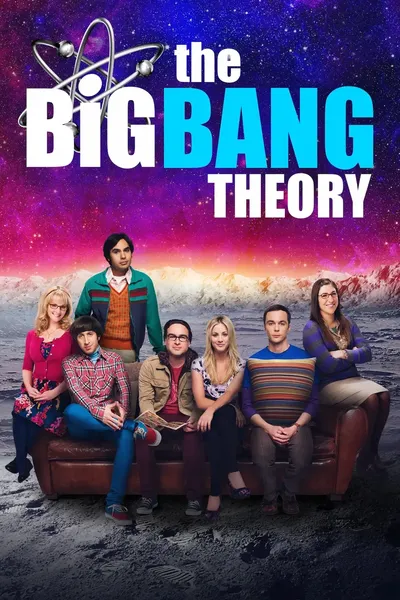
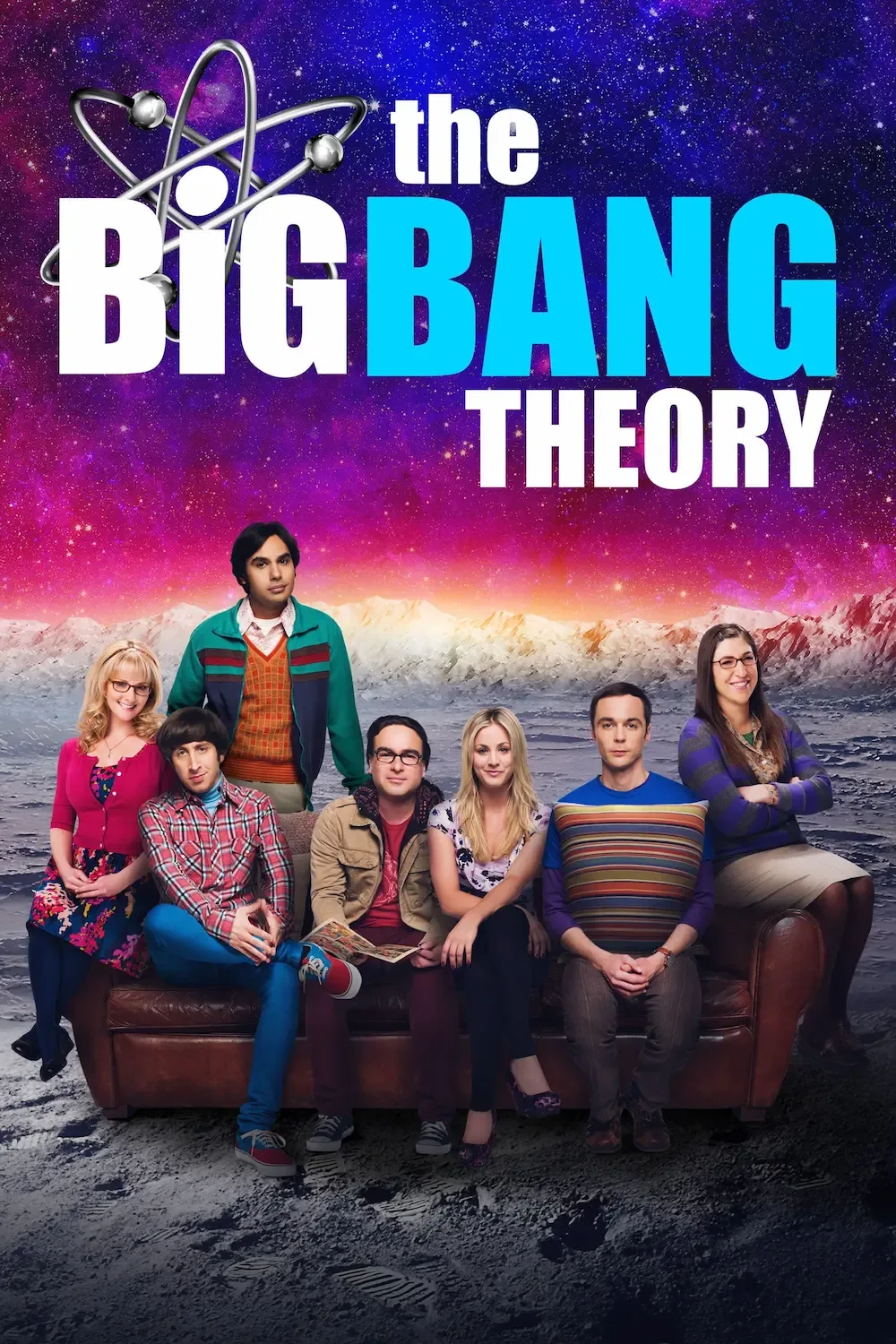
By all rights, I should’ve hated this series. For starters, there’s its shameless appropriation of nerd and geek culture, which traffics in the simplest and most obvious clichés concerning comic books, Dungeons & Dragons, video games, etc. And then there are the characters, which are frequently insufferable and whose constant treatment of each other makes you wonder why they’re even friends in the first place. And yet, its short, bite-sized episodes made The Big Bang Theory perfect lunchtime viewing for my wife and I, and we thoroughly enjoyed it — and now that it’s over, we’re a little sad. We both agree that Mayim Bialik’s Dr. Amy Farrah Fowler was our favorite character, though we also enjoyed Howard and Raj’s “ersatz homosexual marriage,” Howard and Amy’s mutual love of Neil Diamond, and the various celebrity cameos (e.g., Wil Wheaton, Mark Hamill, Bob Newhart).
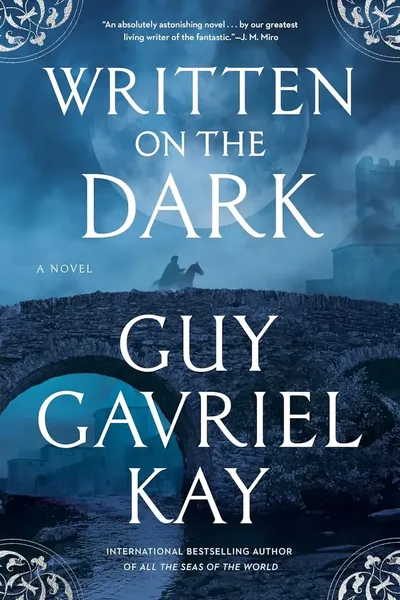
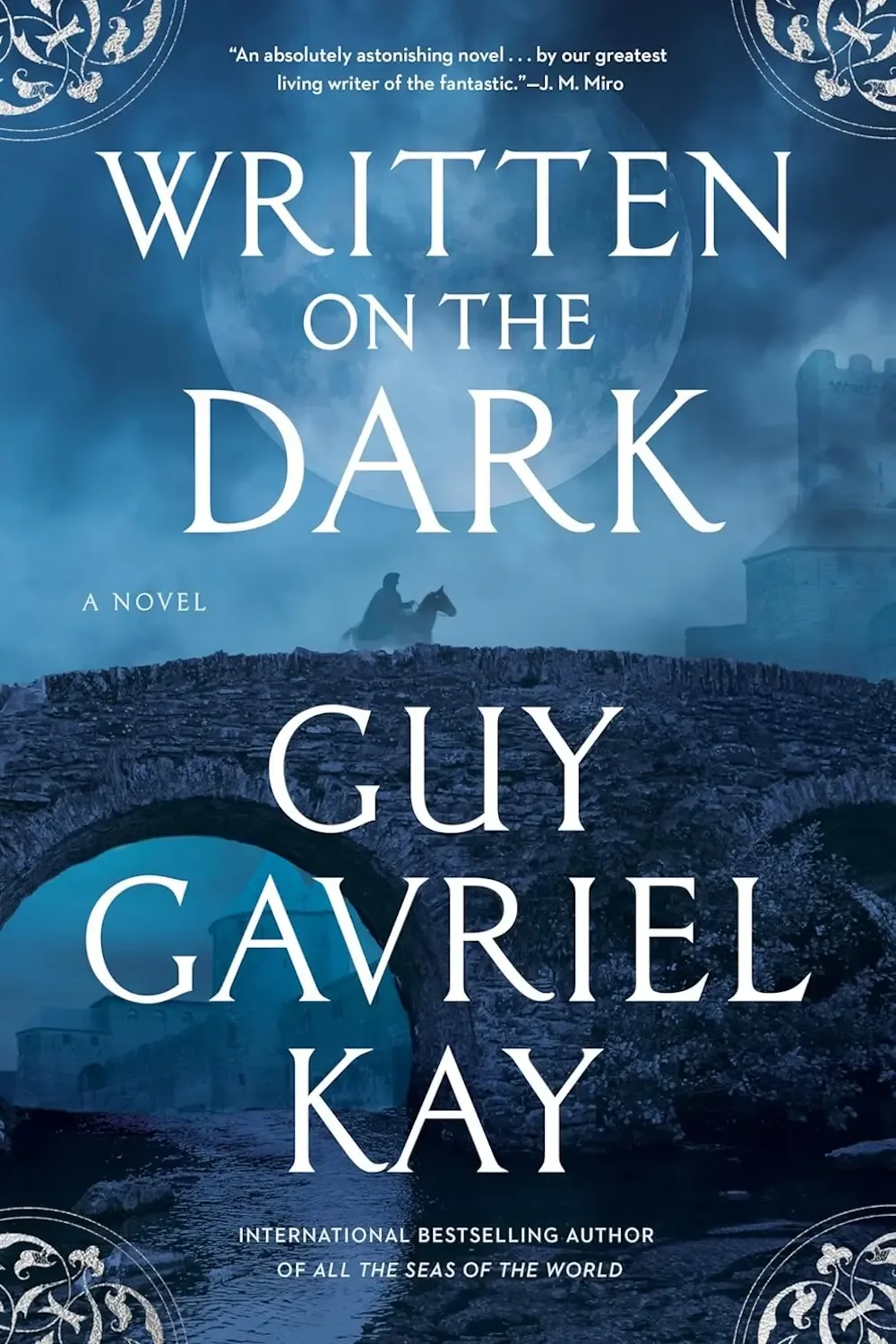
When a powerful noble is brutally murdered, the city of Orane is suddenly thrown into chaos. Landing somewhere in the middle of this chaos is Thierry Villar, a tavern poet of some renown whose primary claim to fame is insulting the wrong people with his verse. But his skills and charm as a poet may be precisely what saves his city and his nation. That’s certainly an interesting premise and protagonist for a fantasy novel. I appreciated how Kay sought to avoid the usual genre clichés while, at the same time, drew inspiration from European history to help ground his fictional world. But about halfway through the novel, I realized that I didn’t care one whit for the story or its characters. Furthermore, Kay’s prose lacked the depth and richness that I appreciated so much in earlier novels like Tigana and A Song for Arbonne. Did not finish.
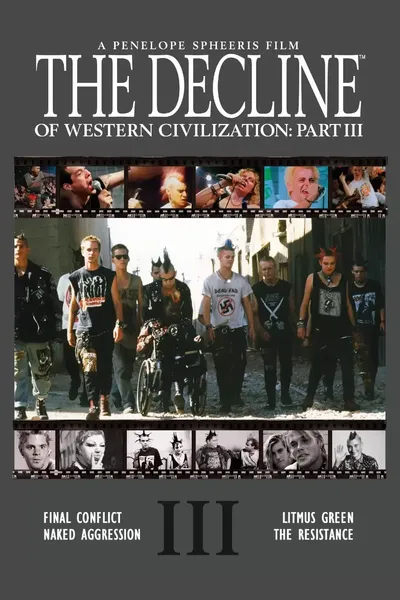
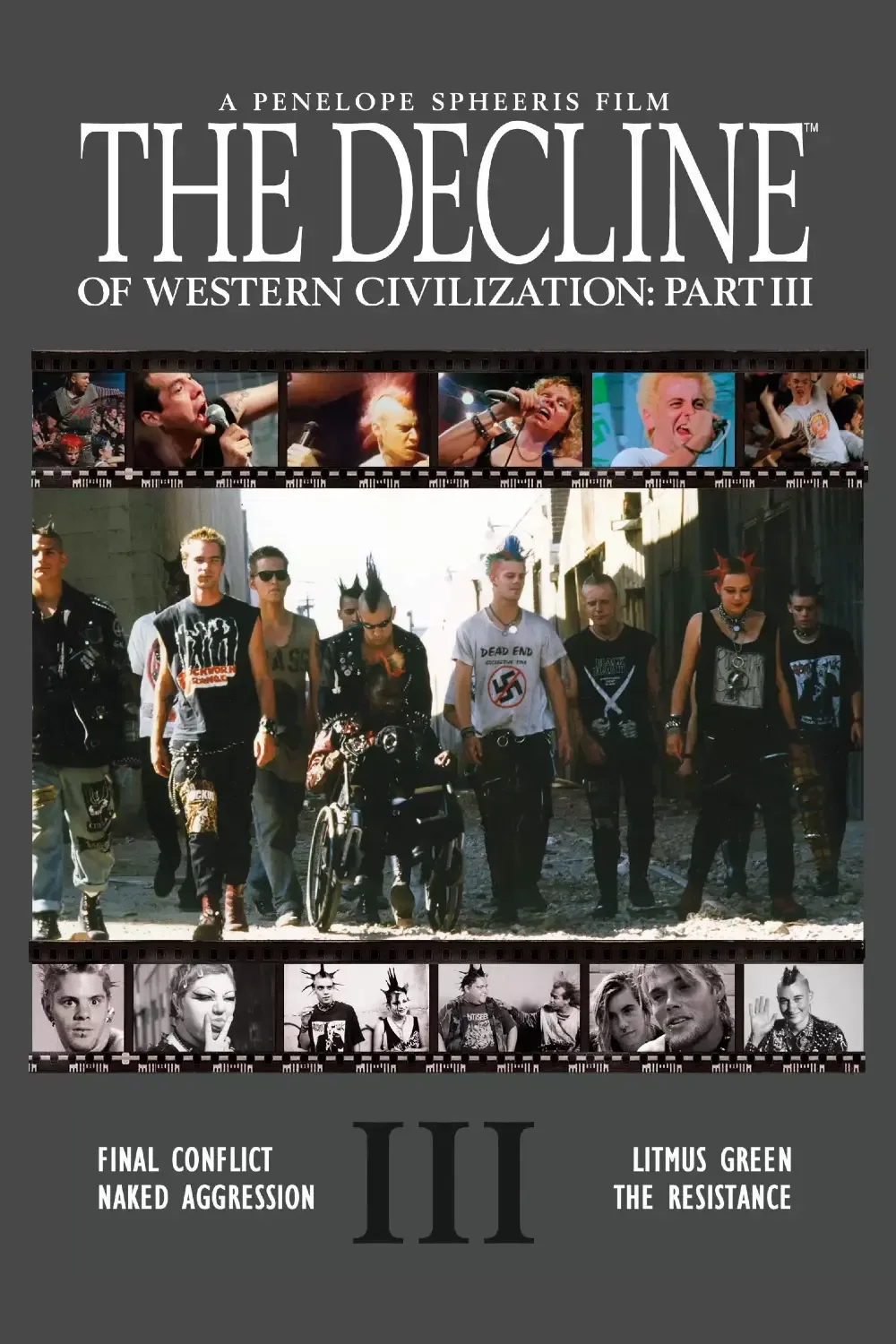
The first Decline of Western Civilization film focused on L.A.‘s burgeoning punk scene circa 1979 – 1980 and specifically, bands like Black Flag, the Circle Jerks, Germs, and X. Nearly two decades later, Penelope Spheeris returned to L.A.‘s punk scene for the third Decline film. Although she interviews several bands (e.g., Final Conflict, Litmus Green, Naked Aggression), her primary focus is the city’s gutter punks: homeless kids who’ve fallen through the cracks and found a sense of identity and community in punk rock. The third Decline film is considerably more sobering than its predecessors, as punks with names like Why-Me?, Eyeball, Squid, and Spoon list their complaints and grievances with mid-to-late ’90s American society. Their criticisms aren’t necessarily wrong, but they can also come across as naïve and juvenile, particularly when the punks in question gleefully indulge in drugs, alcohol, and other nihilistic and self-destructive behavior. But even then, the film remains heartbreaking as the punks reveal the abuse, neglect, and rejection that drove them to the streets and express precious little hope for their future.

Tangentially connected to Ed Brubaker and Sean Phillips’ Criminal series of noir comics (which, full disclosure, I have yet to read), My Heroes Have Always Been Junkies feels like a minor work by the duo. That said, even a “minor” work by Brubaker and Phillips is still pretty darn good and worth checking out. Teen addict Ellie chafes against the rules of the rehab clinic where she’s currently staying. But as she falls for a fellow addict, we learn more of her difficult past and her bizarre, even self-destructive idolization of addicts like Gram Parsons and Billie Holiday. I was actually a little underwhelmed by the story, which seems to follow a fairly clichéd path. But in classic Brubaker fashion, the graphic novel ends with a real gut punch that forces you to reassess everything you just read.
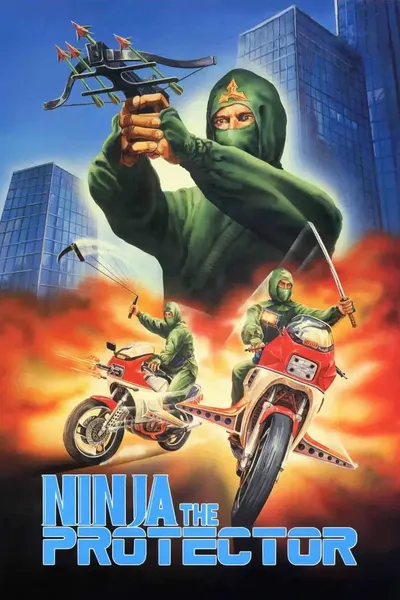
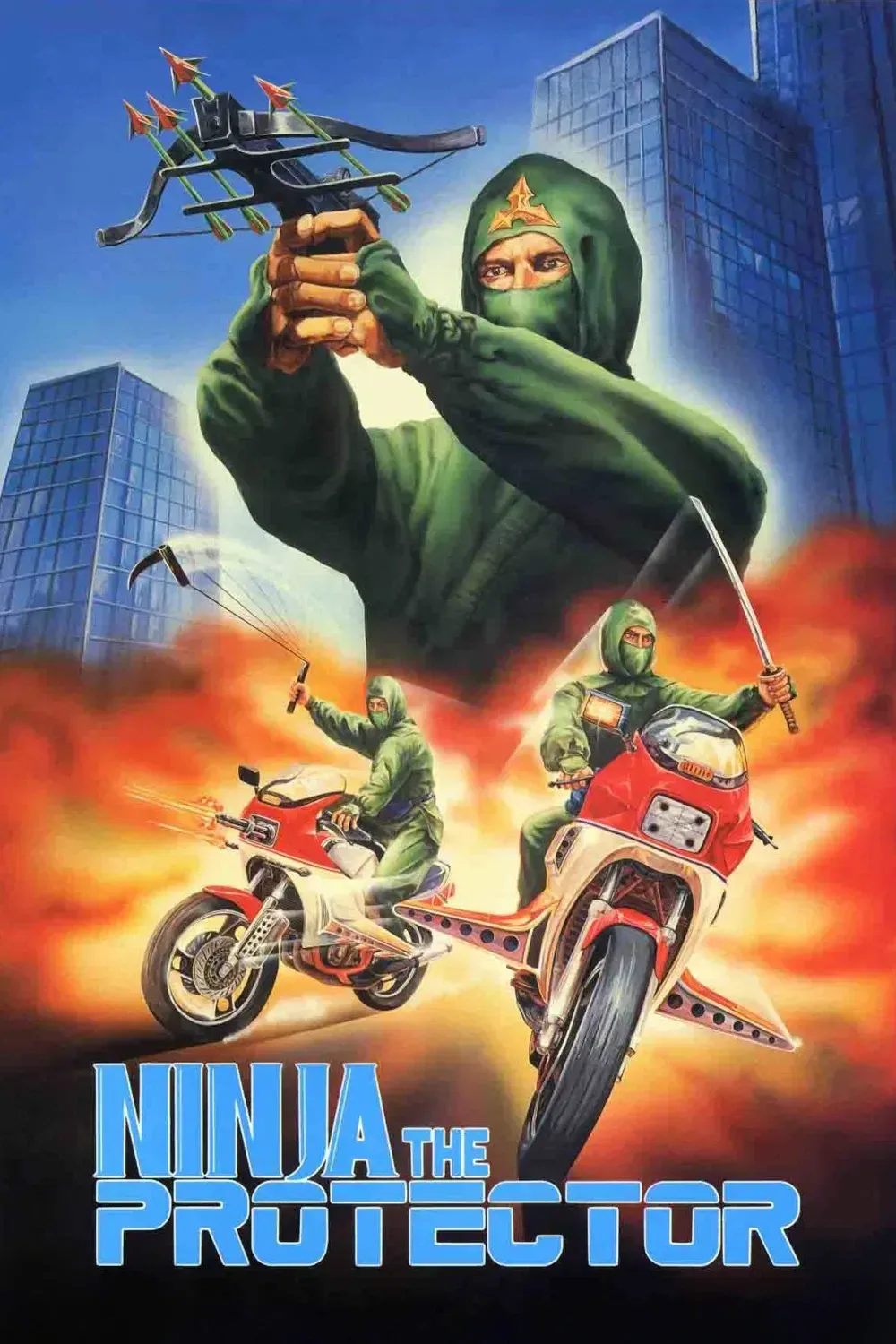
During the ’80s and ’90s, Godfrey Ho would take the footage he shot for one film and simply cut it up and combine it with footage from other films — a sketchy process that allowed him to cheaply release a slew of ultra-low-grade “Z” flicks with titles like Ninja the Protector, Diamond Ninja Force, Full Metal Ninja, and Cobra vs. Ninja. Ninja the Protector stars a gloriously mustachioed Richard Harrison (whose acting career took a hit due to Ho constantly splicing him into terrible films) as an INTERPOL agent trying to shut down vicious counterfeiters who all happen to be ninjas. Fortunately, he happens to be a ninja, too. There’s also a subplot in there about an undercover agent infiltrating the gang, and his tumultuous relationship with his brother, but it’s loosely connected to the ninja storyline — emphasis on “loosely.” Put simply, Ninja the Protector is pretty far from anyone’s definition of a good film; it’s an incoherent mess, narratively, visually, and conceptually. (For example, you’d think that escaping police handcuffs would be a piece of cake for deadly assassins possessing nigh-mystical skills. Apparently not. And don’t get me started on the anticlimactic ninja motorcycle duel that ends the film.) If you don’t like cheesy cult films, then you’ll find this to be extremely painful viewing. If you’re like me, however, then you might just find that its weirdness and ineptitude gives it a sort of ungainly charm that feels channeled from an alternate cinematic universe.
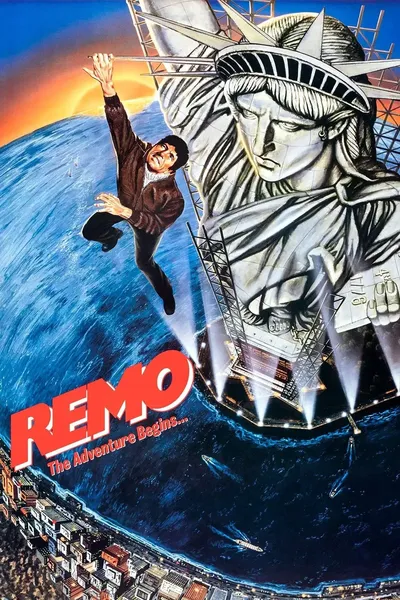
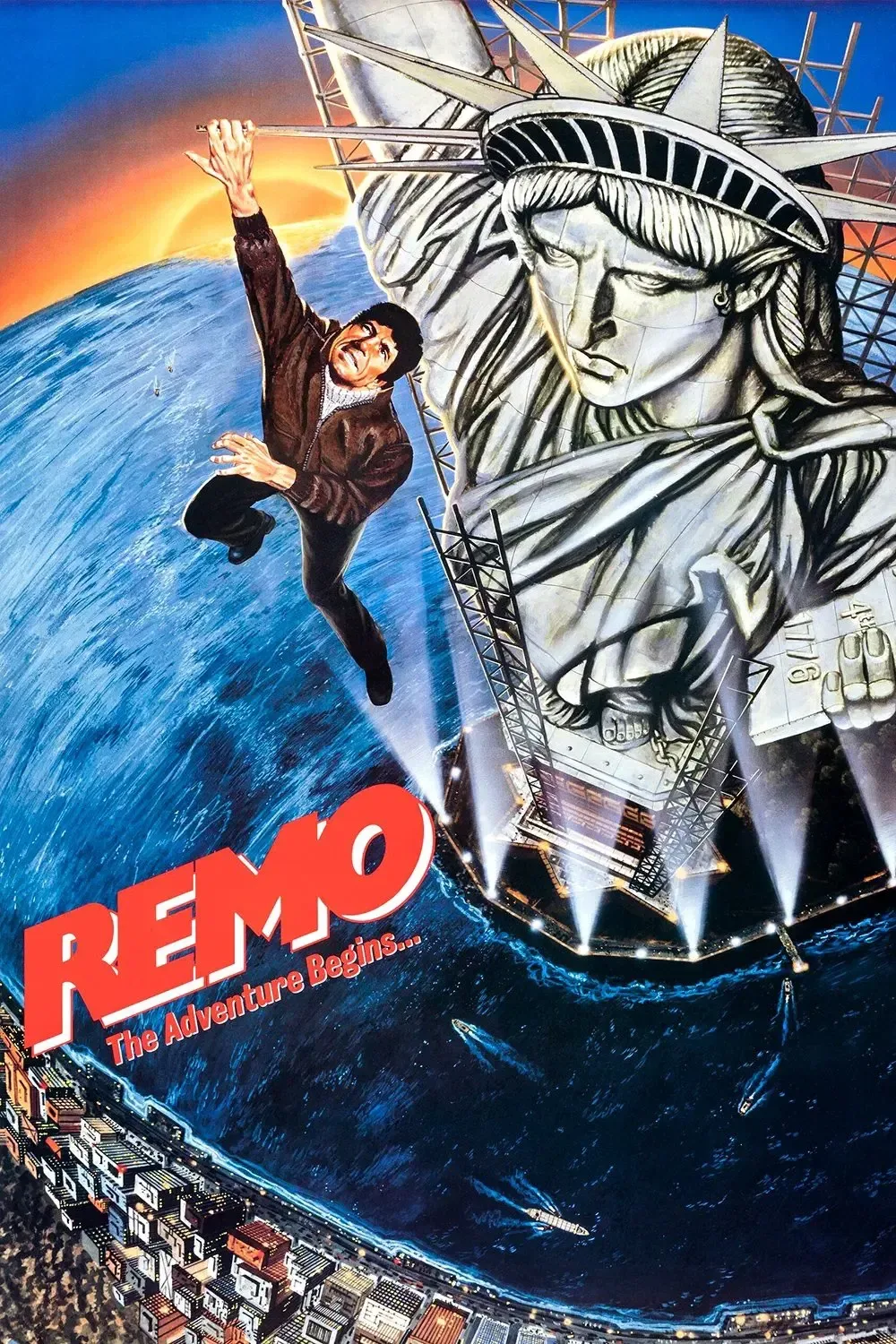
As I near 50, I find it really enjoyable to watch films that I never got a chance to see as a kid. Maybe it’s an attempt to make up for some lost bit of childhood, but in any case, I’m a sucker for films that might’ve played on Omaha’s KPTM during the late ’80s and early ’90s. Which brings us to Remo Williams. Had I seen it as a 6th grader, I might’ve had some nostalgic attachment. Seeing it now, though, I seriously wonder if even my inner 6th grader enjoyed this film about a cop who’s death is faked so he can become a secret assassin for the President. I enjoyed seeing the late Fred Ward in action; he actually performed many of the film’s impressive stunts. However, a film in which the hero kills people at the behest of the President with no accountability or oversight leaves me feeling a little queasy here in 2025 with a President who sees accountability and oversight as anathema. And then there’s Joel Grey’s performance as Korean martial arts master Chiun, who trains Remo in the deadly (and fictitious) art of Sinanju with the help of insults like “He moves like a baboon with two club feet” and “Your reflexes are pitiful! The seasons move faster.” Grey was decidedly not Korean, though, making Chiun one of the most cringe-inducing examples of yellowface this side of Mickey Rooney’s Mr. Yunioshi in Breakfast at Tiffany’s.
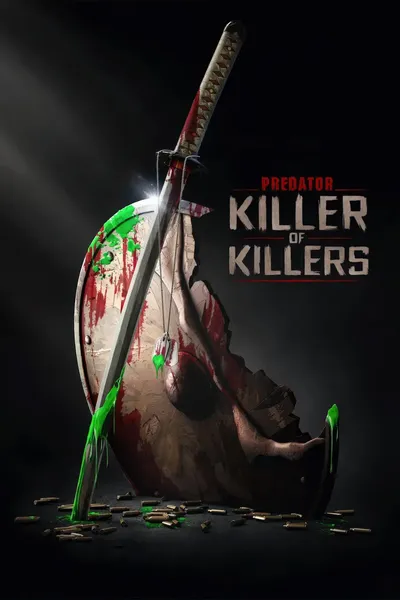
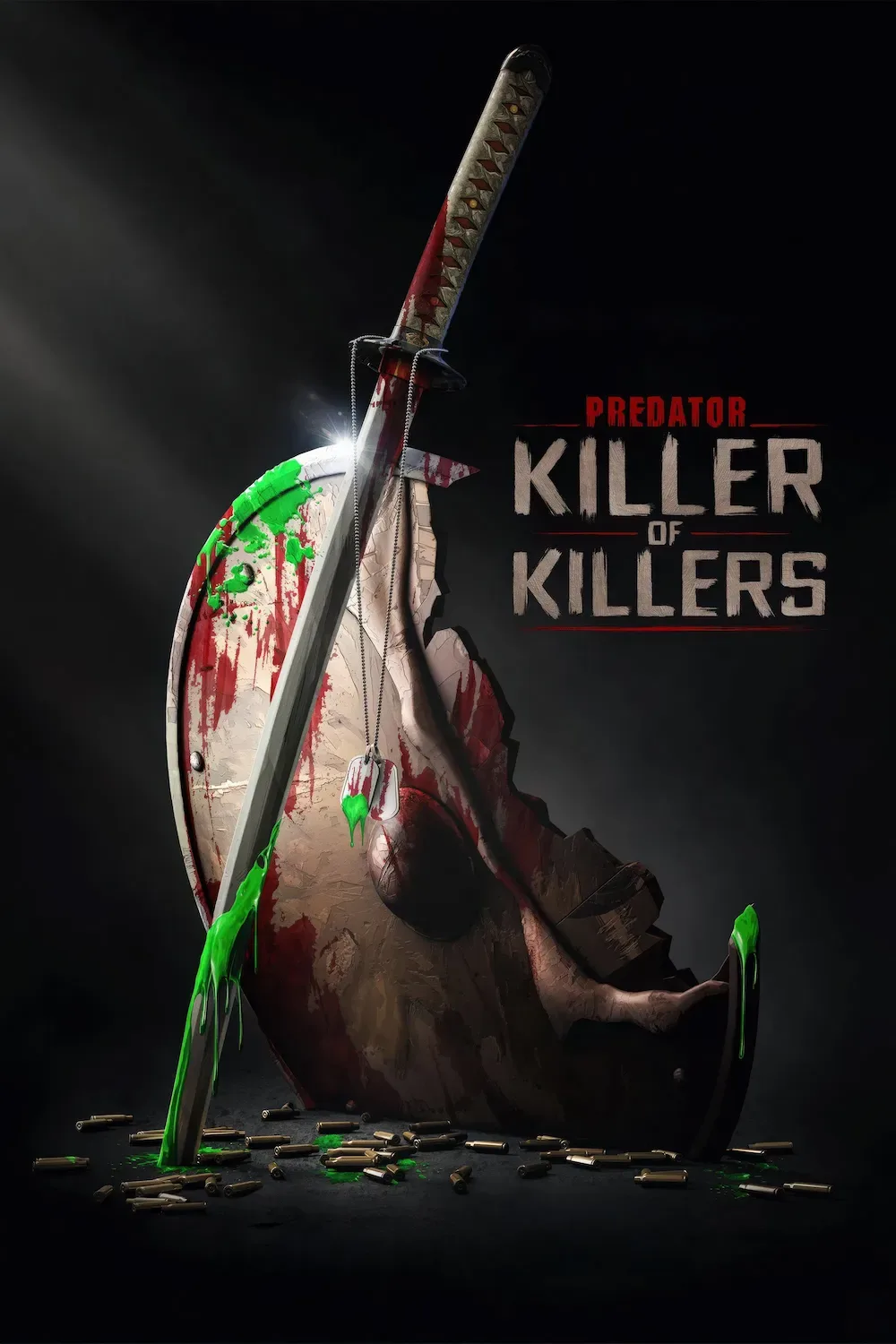
There are moments when Predator: Killer of Killers clearly seems to be striving for an Arcane-esque approach to its animation. But that doesn’t work for two reasons. First, all of the little visual flourishes, which look great in Arcane’s highly stylized and fantastical steampunk world, prove distracting for the anthology’s grittier, bloodier, and more historically anchored battles. (The anthology chronicles humanity’s various and violent interactions with the Predators in the Viking age, feudal Japan, and World War II.) Second, and more egregiously, director Dan Trachtenberg opted to use a reduced frame rate for his animation similar to that seen in The Dragon Prince’s first season. That might’ve saved on production costs, but it frequently rendered all of the action choppy and nigh-incoherent — and consistently pulled me out of the story. Which is a shame because Vikings and ninjas taking on Yautja deserves to be rendered in all of its full blood-soaked glory.
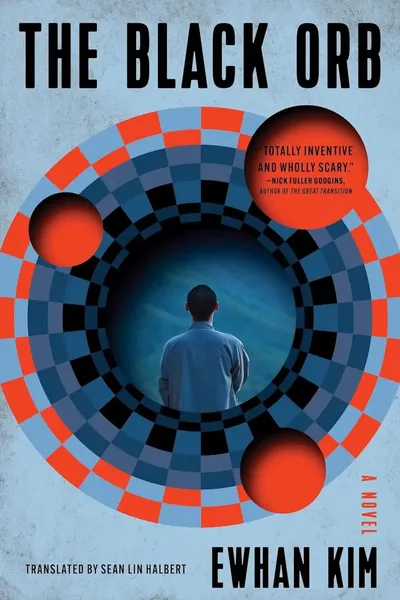
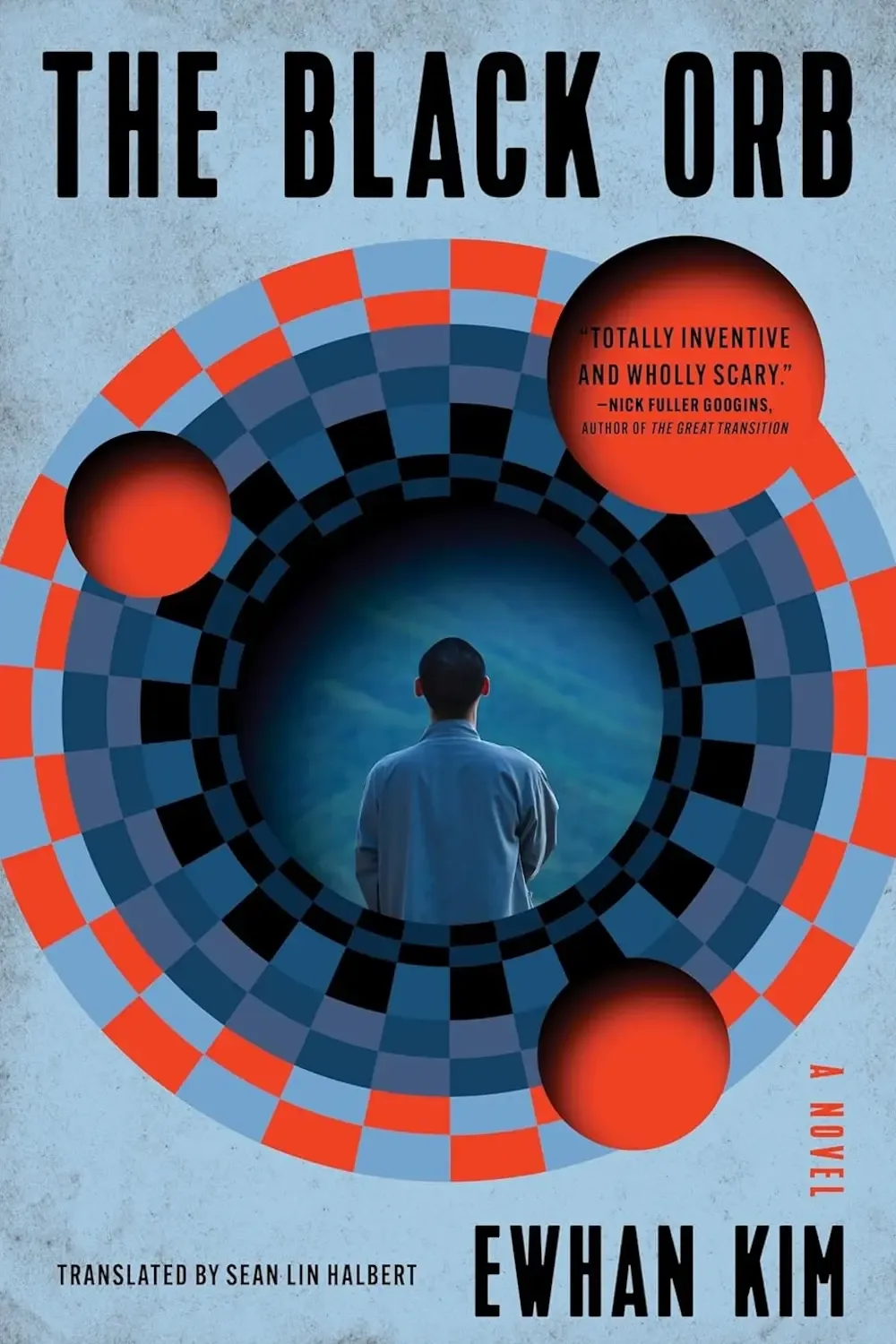
When giant black orbs suddenly appear in Seoul and begin consuming people, society quickly breaks down under the horrific and inexplicable assault. One of the countless individuals caught up in the chaos is Jeong-su, a completely normal thirtysomething salesman who’s desperate to find his parents, and willing to do whatever it takes to escape the orbs and survive. It’s an intriguing premise that plays out like a modern Twilight Zone episode, and as a protagonist, Jeong-su alternates between pitiable and sympathetic, and pitiless and sociopathic from one page to the next. Originally published in 2009 as The Orb of Despair, Ewhan Kim’s novel occasionally feels like a damning indictment of modern South Korean society, and his view of human nature is not great (to put it mildly). In the end, however, The Black Orb just sort of fizzles out. Jeong-su becomes increasingly unsympathetic and uninteresting as a main character while Kim’s nihilistic observations about man’s inherent selfishness and cruelty feel rote, obvious, and tedious.
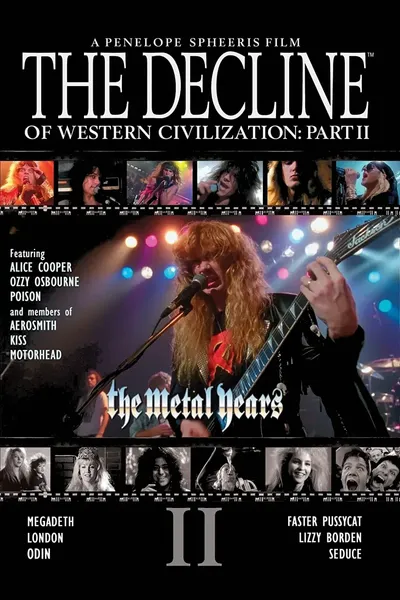
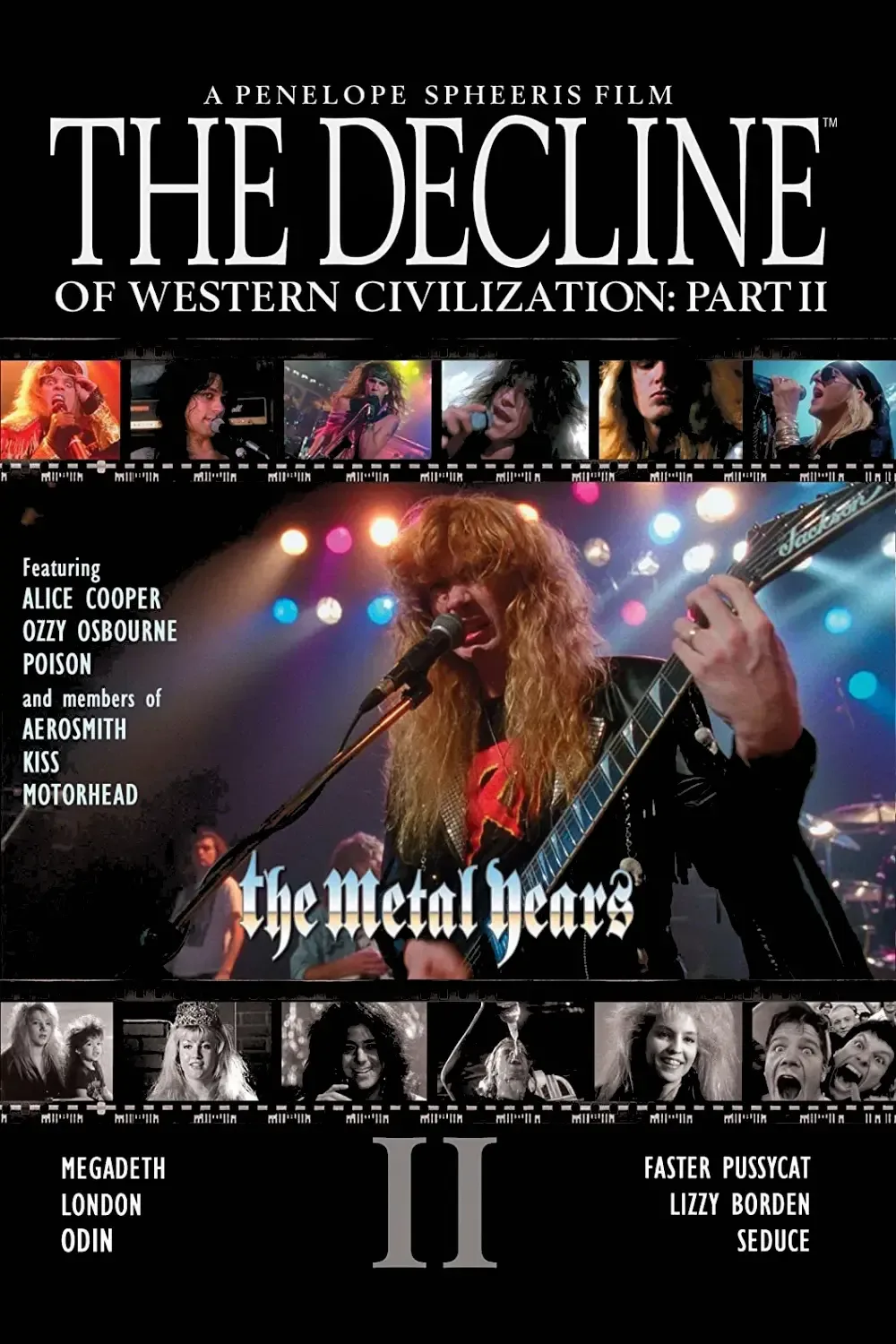
Several years after chronicling L.A.‘s riotous punk scene in the early ’80s, Penelope Spheeris returned to cover another controversial scene: heavy metal, in all of its glammed out glory. As with the first Decline of Western Civilization film, she interviews a wide array of artists (e.g., Alice Cooper, Faster Pussycat, Kiss, Megadeth, Ozzy Osbourne, Poison) and their fans, all of whom swear their allegiance to metal. Not surprisingly, the documentary focuses heavily on the scene’s decadence and debauchery. Sometimes the debauchery is almost ridiculous, like when Paul Stanley is interviewed while lying on a bed surrounded by scantily clad girls. Other times, it’s just sad. In the film’s most disturbing moment, W.A.S.P. guitarist Chris Holmes proudly discusses his groupie escapades and alcoholism, even pouring bottles of vodka all over himself, as his mother(!) looks on with a pained expression. Spheeris also captures the scene’s sky-high confidence (some might say arrogance), interviewing unsigned acts and wannabe rock stars who are absolutely convinced they’ll be the next Rolling Stones or Led Zeppelin. It’s humorous now, of course, given that so many of those bands, with names like Odin and Seduce, ultimately went nowhere. But as in the previous film, there’s also a certain desperation in their defiance that’s bittersweet and haunting.
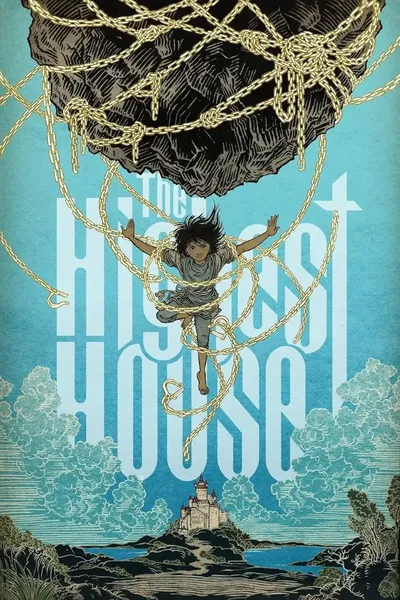
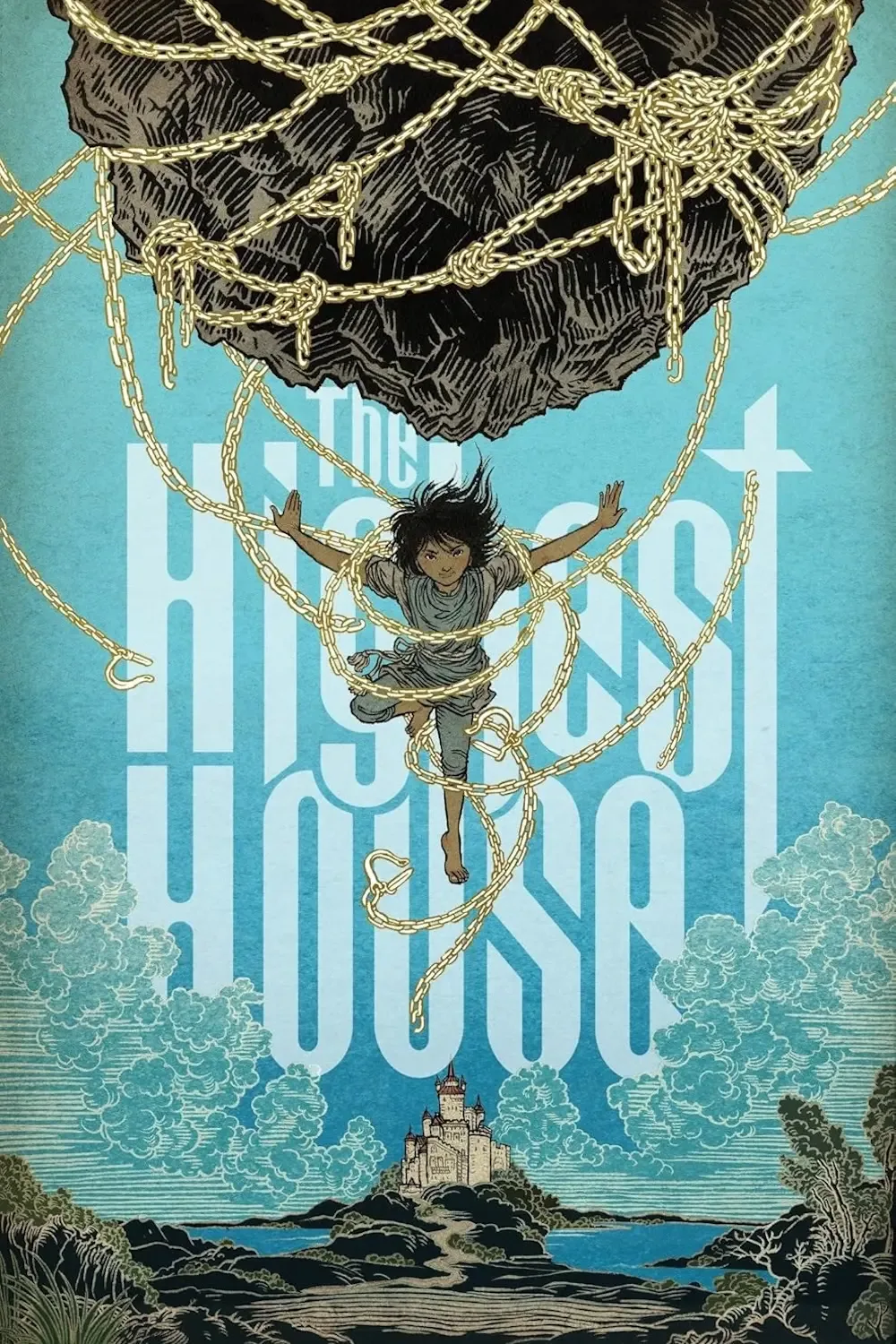
There’s nothing immediately special about young Moth; he’s as ordinary as the rest of the newly arrived slaves at the mysterious Highest House, the seat of power for Ossaniul’s powerful Aldercrest family. A strange encounter with the House’s most bizarre inhabitant, however, unlocks something inside Moth and before too long, his curiosity and questions begin challenging the estate’s status quo. But those in power dislike being challenged, and worse, the truth about Moth’s enigmatic benefactor grows more alarming the more he learns, leading to some hard choices for the youth. Inspired by 16th century Balkan history and culture, The Highest House is a richly wrought tale of power, political intrigue, and yes, even magic that’s filled with fascinating mysteries and complex characters. Unfortunately, only one volume has been released, and if Mike Carey’s past comments are any indication, it’s unlikely that there will be any more. Which means that much of Moth’s story remains untold. Even so, we should be thankful for what Carey and Peter Gross were able to tell in these six issues.
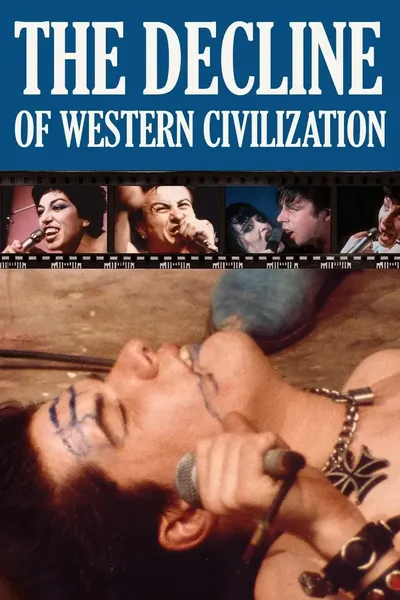
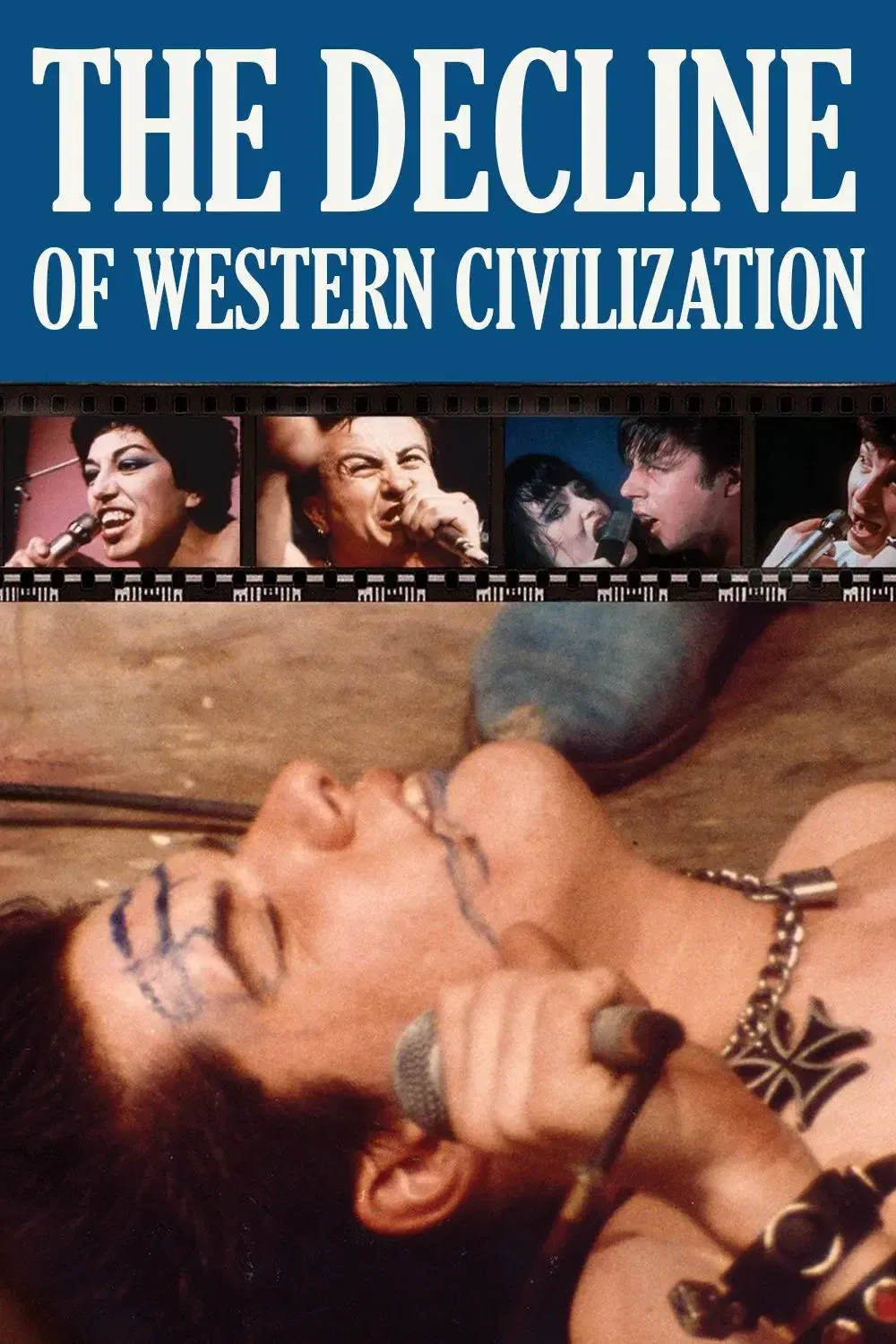
Shortly after its release, Los Angeles police chief Daryl Gates demanded that The Decline of Western Civilization never be shown in the city ever again. And honestly, I can see why. Penelope Spheeris’ documentary about the early ’80s punk scene in L.A. is frequently disturbing; everyone in the film — the bands and their fans alike — seems devoted to mere debauchery, anarchy, and nihilism. Seminal punk bands including Black Flag, the Circle Jerks, Germs, and X are captured on stage, riling up crowds with a chaotic mix of loud music, confrontational behavior, and crass invective. (In one particularly disturbing scene, a clearly stoned and intoxicated Darby Crash — lead singer of the Germs who committed suicide via heroin overdose before the film’s release — stumbles drunkenly around the stage, slurring his lyrics and asking for beer while the audience defaces his body with markers.) Suffice to say, those expecting raucous punk rock fun may be sorely disappointed. To her credit, Spheeris lets her subjects largely speak for themselves and never editorializes, but the resulting film is often sad and sobering. By and large, everyone Spheeris interviews seems strikingly desperate: desperate to be seen as rebellious, desperate to stick it to the status quo, desperate to be truly “punk.” In the end, however, many of them seem tragically lost, and you can’t help but wonder how many of them survived the scene.