My Cultural Diet (March 2026): The Fall, Project Hail Mary, Hunt for the Wilderpeople, Fallout

In order to better track my various cultural experiences (e.g., movies, TV shows, books, restaurants), I’ve created the Cultural Diet. Think of it as my own personal Goodreads, Letterboxd, and Yelp, all rolled into one (more info here). Every month, I recap everything that I watched, read, etc., in the previous month.
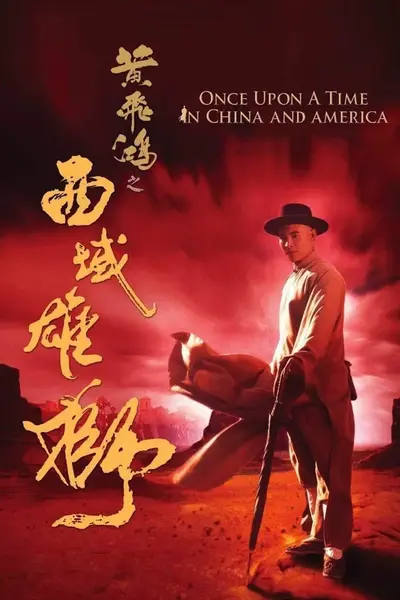
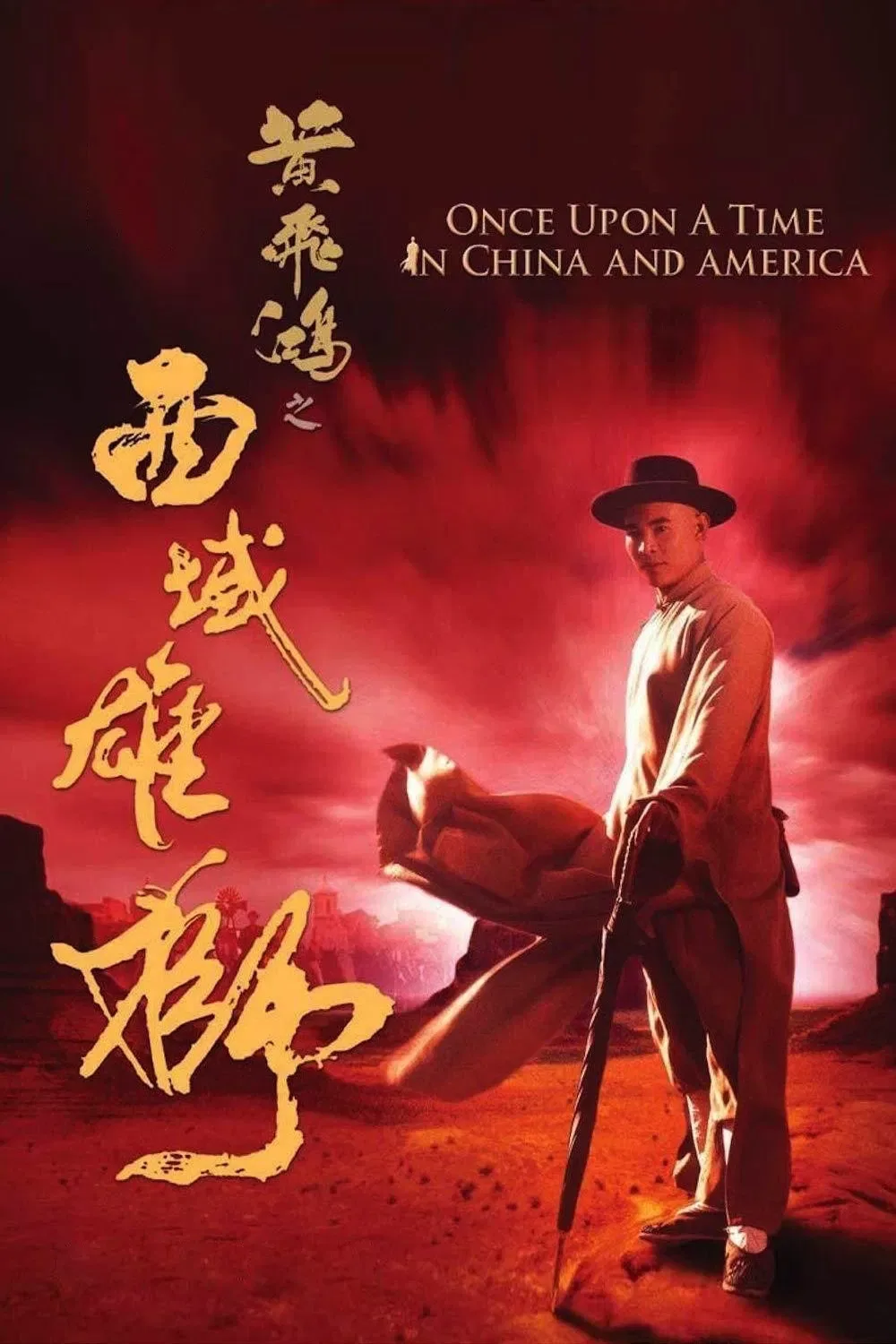
Three years before Jackie Chan ventured into the Old West with 2000’s Shanghai Noon, Jet Li — returning after a two-film absence — ventured there in this, the sixth and final Once Upon a Time in China film. Wong Fei-hung and his friends, including fiancé 13th Aunt (Rosamund Kwan), have traveled to America to visit a former student who’s opened a clinic in the burgeoning town of San Francisco. They’re attacked along the way by Native Americans, though, and in the ensuing chaos, Wong loses his memory and becomes adopted by another tribe. Meanwhile, the rest of his entourage arrive in San Francisco, where they find the local Chinese population oppressed by corrupt, racist officials. In its best moments, Once Upon a Time in China and America explores the various forms of prejudice facing the Chinese, including the prejudice that Wong experiences from Native Americans (who call him “Yellow”). At the same time, cultural sensitivity is not exactly the film’s strong suit, as evidenced by the decidedly non-Native actors and stuntmen dressed up in buckskin and war paint. I was looking forward to seeing what Sammo Hung might bring to the franchise as both director and action choreographer, but the film’s action sequences felt surprisingly stilted and disjointed. And of course, it wouldn’t be a Once Upon a Time in China film without a romantic triangle, this time between Wong, 13th Aunt, and a young Native woman who takes a shine to the amnesiac Wong. In the end, Once Upon a Time in China and America is an interesting mess, but a mess nevertheless.
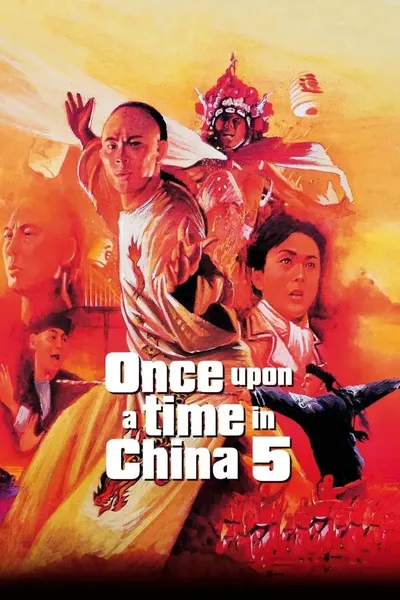
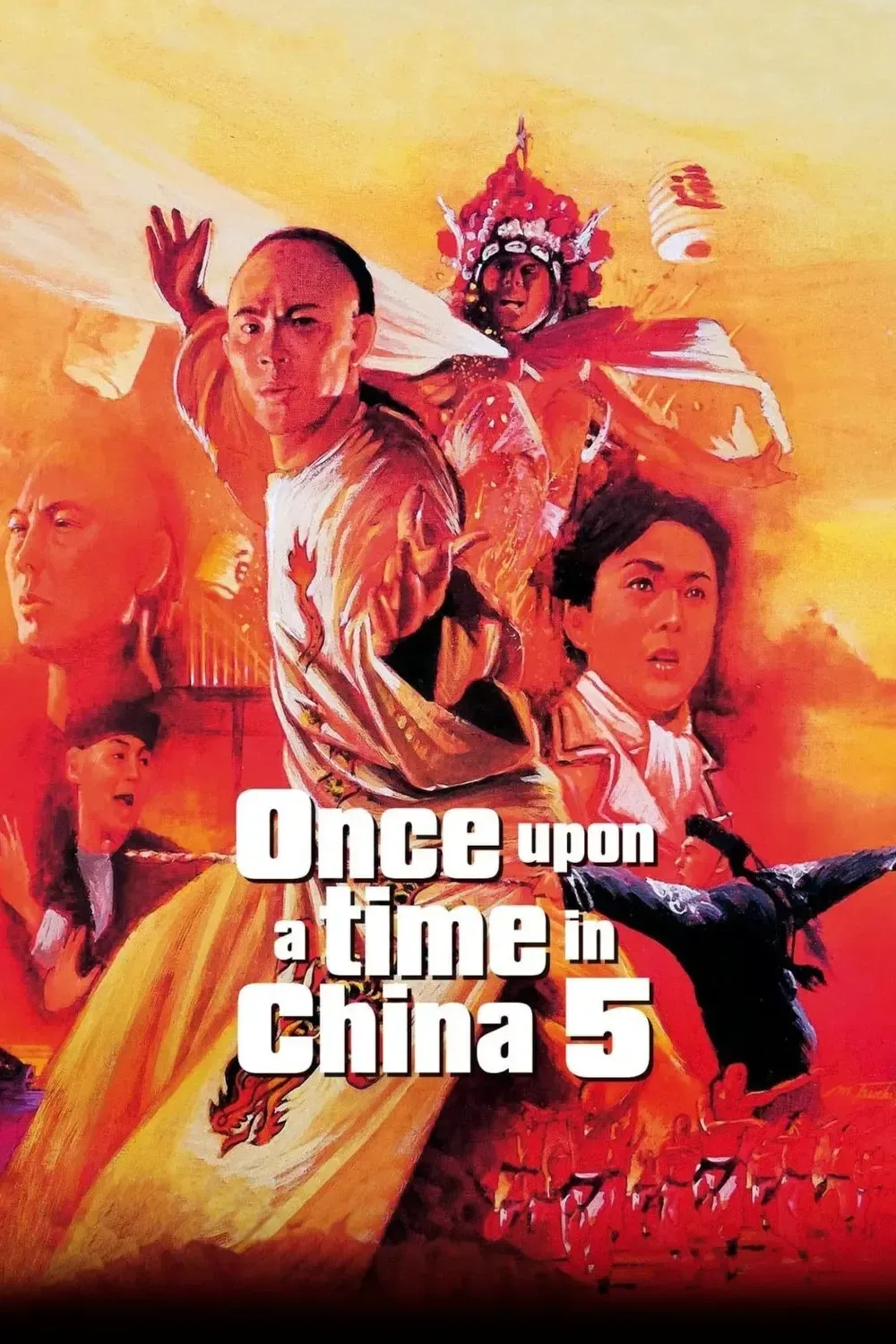
Tsui Hark returned to the director’s chair for this entry in the Once Upon a Time in China series, with the previous film’s director — Bun Yuen — serving as its action choreographer. However, Hark’s return doesn’t do much good. Wong Fei-hung (Vincent Zhao) and his acolytes are on their way to Hong Kong, but unfortunately, the port town they’re staying in has become overrun by vicious pirates and greedy merchants. Meanwhile, a romantic triangle forms between Wong, “13th Aunt” Yee Siu-kwan (Rosamund Kwan, reprising her role from the earlier films), and “14th Aunt” May (Iron Monkey’s Jean Wang) that’s furthered by silly misunderstandings and sight gags. It all amounts to a trivial mess. None of the storylines are interesting, the slapstick humor courtesy of Wong’s students is never not annoying, and the action choreography is silly and incoherent. What’s more, the film can’t make up its mind if it’s a kung fu flick or a John Woo-style heroic bloodshed movie, and it just feels wrong to see Wong dispatch bad guys with a six-shooter rather than his legendary “Shadowless” kick.
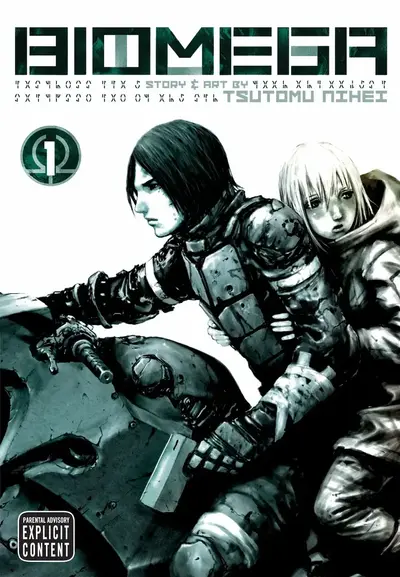
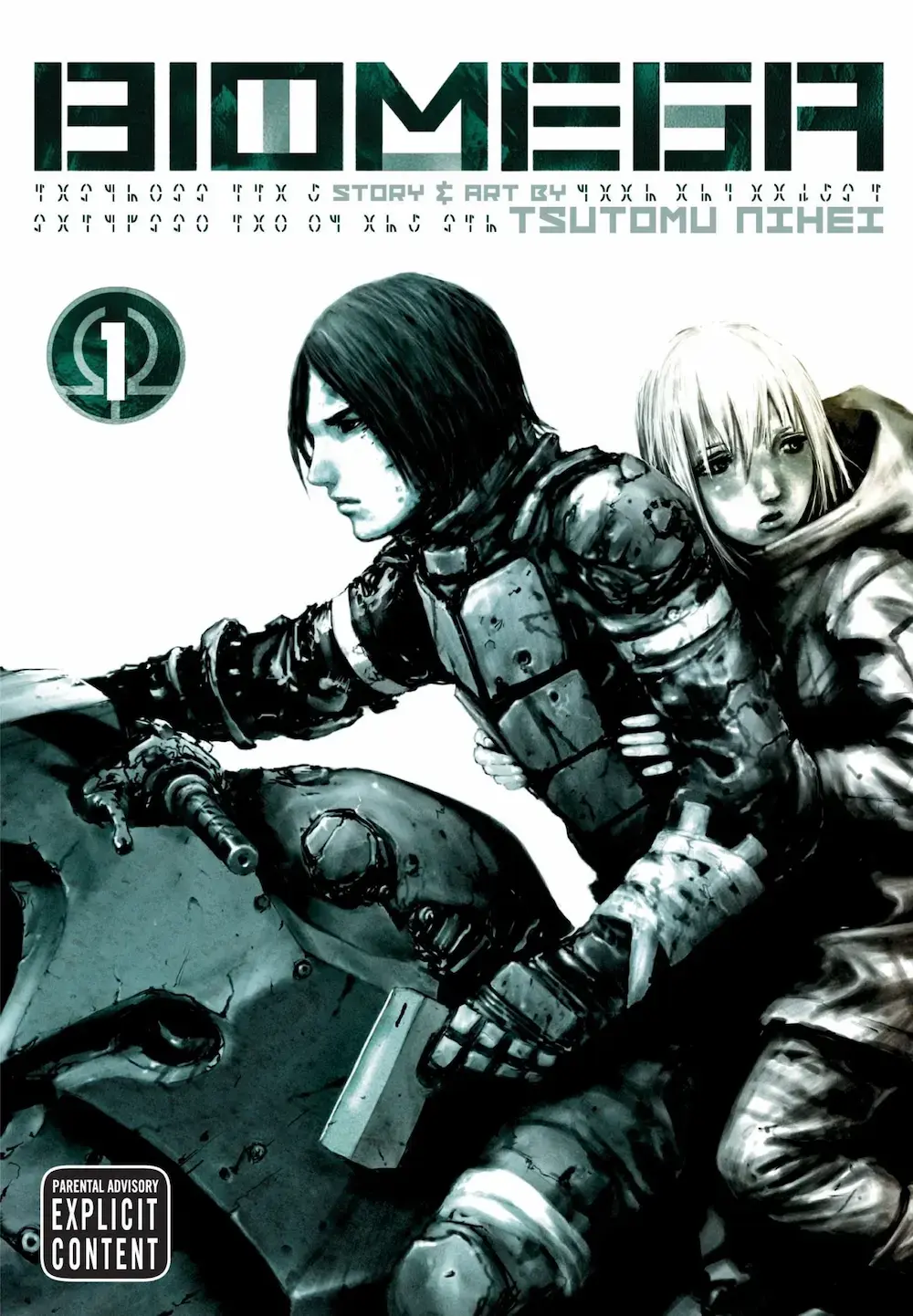
At first, Biomega feels like a bit of a retread of Nihei’s magnum opus, Blame!. Both series feature a taciturn protagonist who travels through an increasingly bizarre post-apocalyptic landscape while battling transhuman horrors with the help of a tiny but super-powerful gun, all in the hopes of discovering the cure to a plague that’s devastating humanity. In the end, Blame! remains the superior work — Biomega’s story really goes off the rails in its final volumes, with an ending that feels rushed and incoherent — but it’s to Nihei’s credit as an artist that Biomega still carves out its own unique identity. Nihei’s architectural background serves him well in Biomega’s early volumes, allowing him to fill his pages with intricate, stunningly envisioned dystopian cities and gothic environments. His crafting of thrilling action sequences with just a bare minimum of panels is also second-to-none, as he draws his series’ taciturn protagonist — a super-powered synthetic human named Zoichi Kanoe who just so happens to have a bad-ass motorcycle — driving up the side of skyscrapers, into the air against fighter jets, and even into outer space.
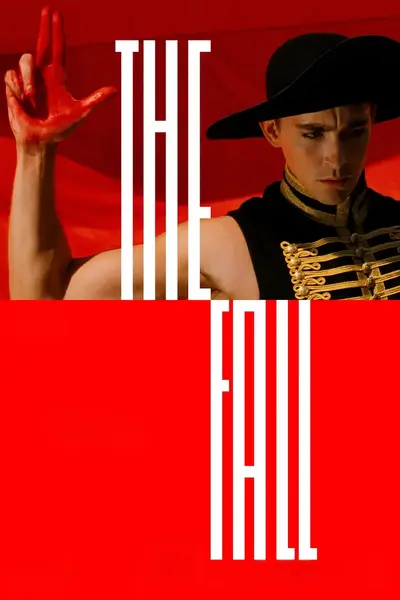
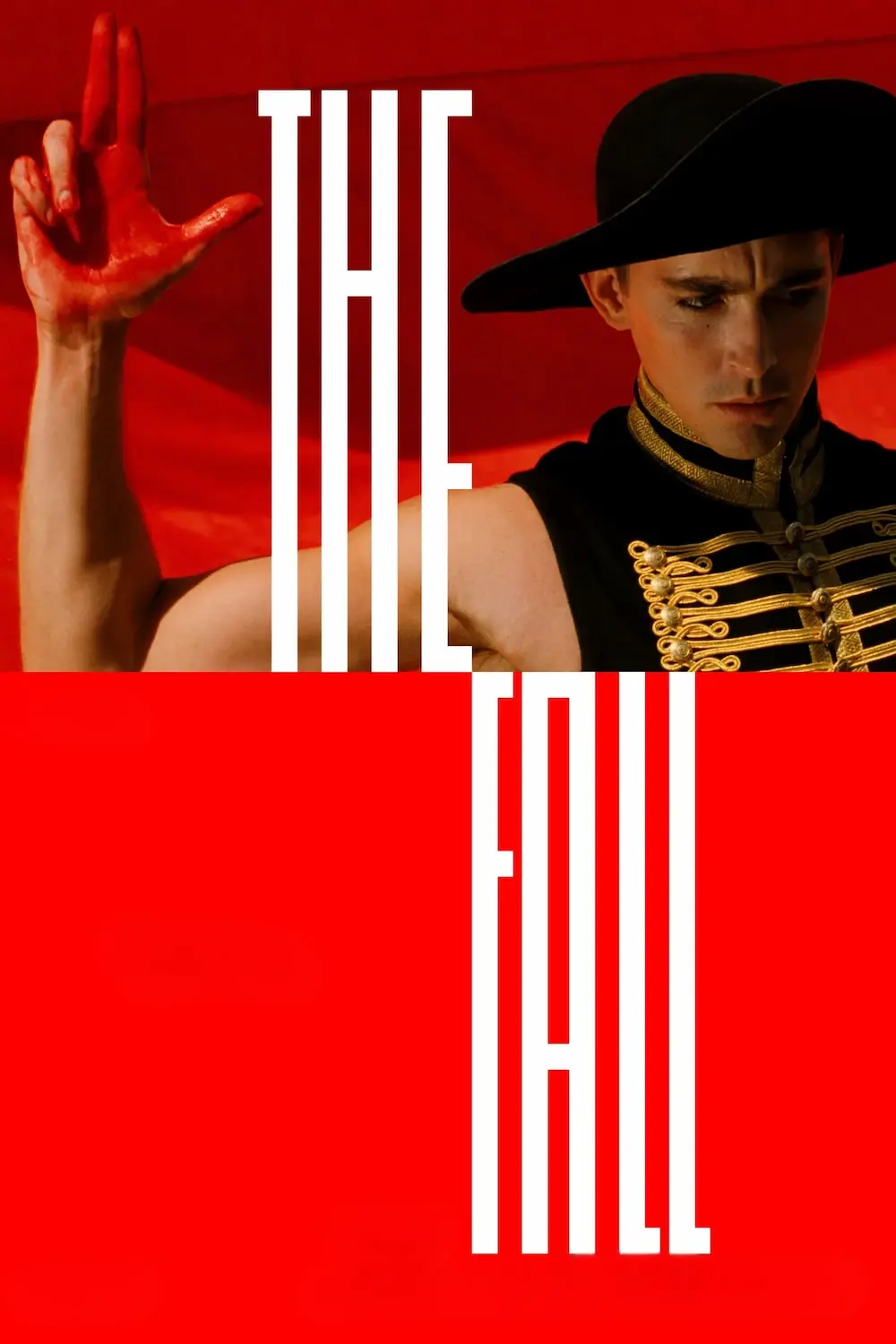
After this particular viewing of Tarsem Singh’s The Fall, I went back and re-read my original review, which I wrote at the 2006 Toronto International Film Festival, and in hindsight, I think I was a bit too hard on the film. My criticisms — that The Fall can often feel excessive and heavy-handed — remain, but I didn’t hold them quite so vehemently or feel them quite so strongly this time around. Or maybe I’ve just come to appreciate obvious ambition when I see it, because The Fall is nothing if not ambitious. Another thing that hasn’t changed is my appreciation for the film’s visuals; The Fall is easily one of the most visually arresting films I’ve ever seen, and it looked even more striking thanks to a recent 4K restoration. Singh’s background lies in advertising and music videos — his works include the award-winning video for R.E.M.‘s “Losing My Religion” — and he uses that to great effect, crafting lush, highly stylized scenes set in locations around the globe. (The Fall was shot in 28 countries over the course of four years, and Singh claims that no sets or stages were built for the film.) As for its story-within-a-story, as a disabled Hollywood stuntman weaves an exotic tale for a young migrant worker, there are moments that almost feel Princess Bride-ish, though Singh — who co-wrote the film with Andor’s Dan Gilroy, based on the 1981 Bulgarian film Yo ho ho — injects a bit more pathos into his fantastical tale.
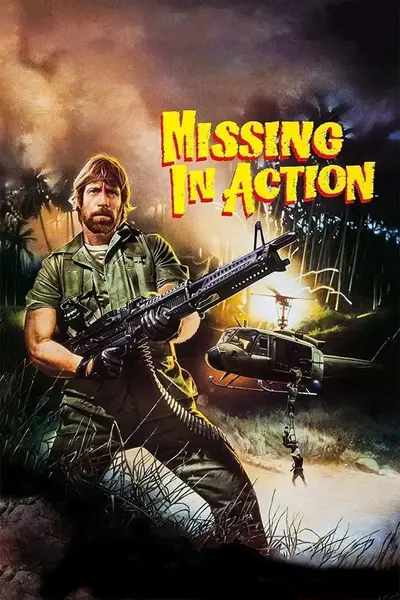
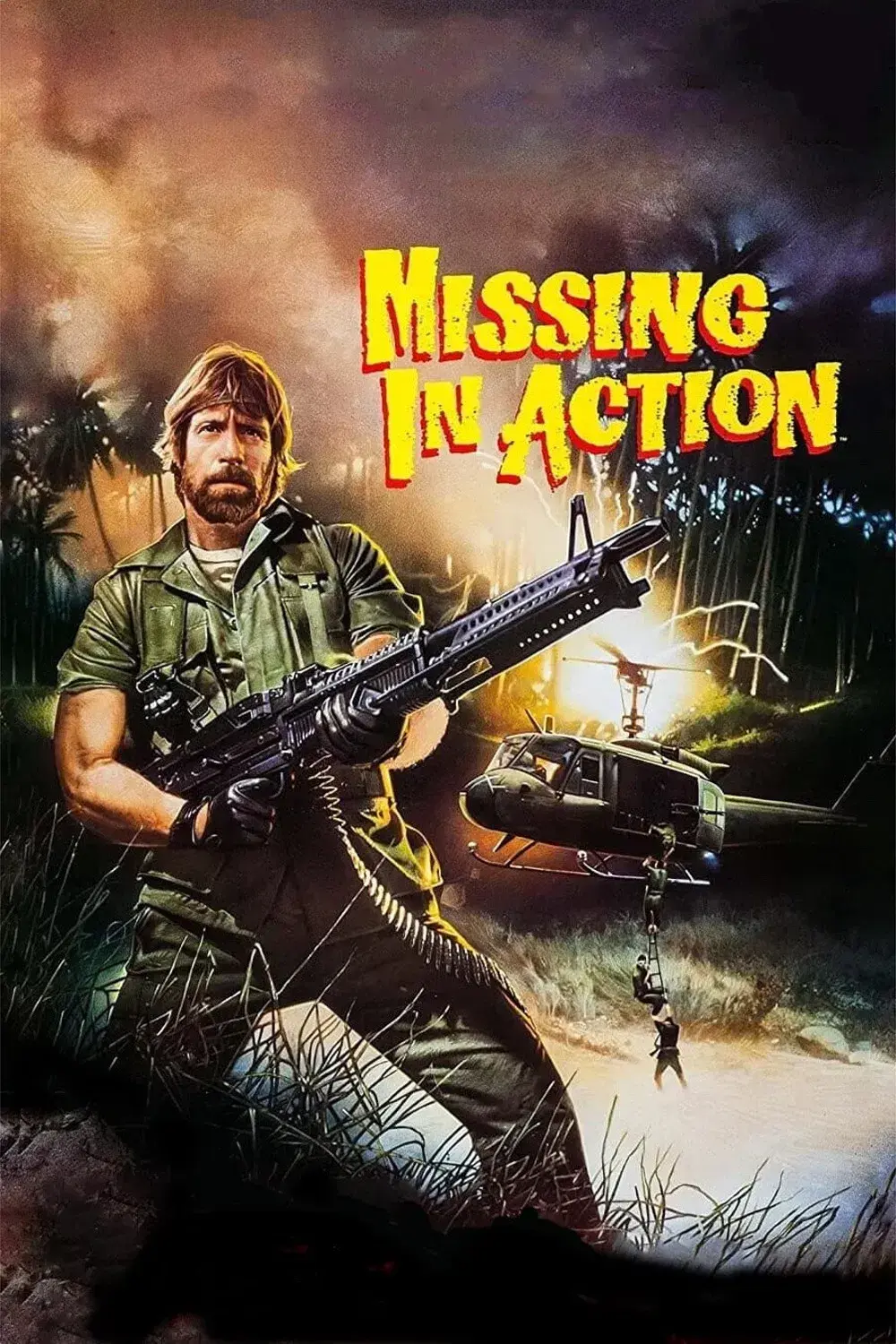
In honor of Chuck Norris’s recent death, I decided to watch this, one of his most popular films, and his first collaboration with both director Joseph Zito and Cannon Films. Along with other ’80s films like Rambo: First Blood Part II and P.O.W. The Escape, Missing in Action drew inspiration from the idea of American prisoners of war still being held in Vietnam. Norris plays Colonel James Braddock, a former POW who returns to Vietnam as part of a U.S. delegation, though he has a far more violent agenda in mind. Missing in Action is unrepentantly patriotic, avoiding any semblance of moral ambiguity. Early in the film, for example, a Vietnamese general (James Hong, whose talents are wasted here) accuses Braddock of war crimes. While that might’ve made for a more interesting film, it would obviously undermine the righteousness of Braddock’s crusade. Notably, there are no similar reservations concerning Braddock’s willingness to sexually assault a woman in order to give himself an alibi. (Ah, the ’80s, when you could rip off a woman’s clothes and she’d still kiss you goodbye the next morning when you leave on your secret — and very illegal — mission.) A better, smarter film might interrogate its hero’s willingness to commingle revenge and desperation with a desire to save fellow soldiers. But its borderline jingoism, combined with Zito’s unimaginative direction and Norris’s perpetually grim visage, makes Missing in Action less gripping than it could’ve been. If I had to pick a Zito/Norris collaboration, my choice would be 1985’s Invasion U.S.A., a similarly uber-patriotic flick that more fully embraces its absurdity and goes bigger in the action sequences… and has better one-liners.
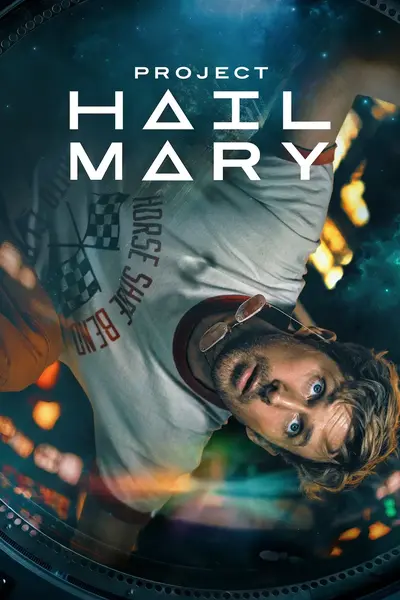
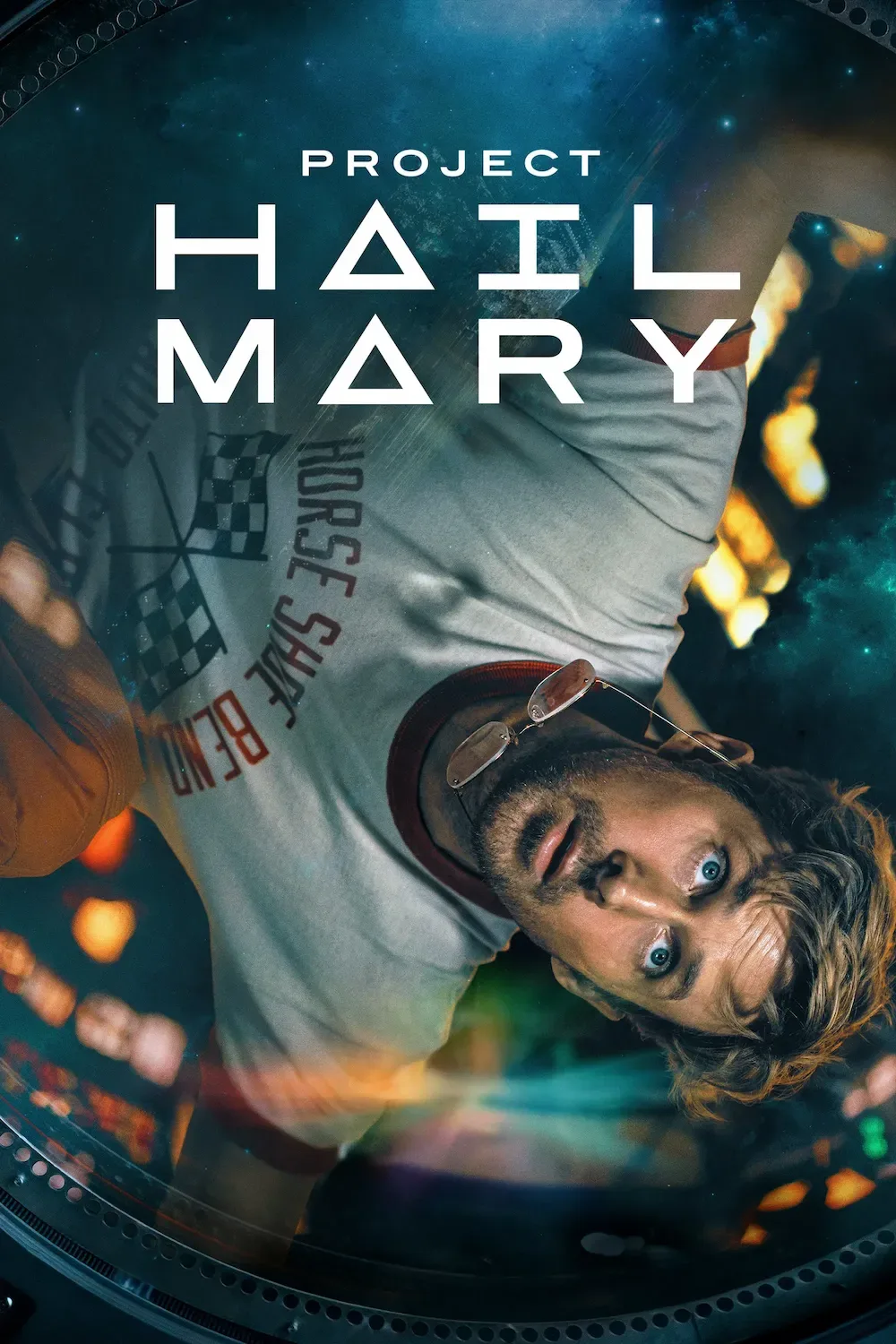
I’ve described Andy Weir’s Project Hail Mary as the sort of sci-fi novel that “makes you feel smarter while you read it” and noted — somewhat blithely, perhaps — that a movie adaptation was all but inevitable, thanks to the success of 2015’s The Martian (another Weir adaptation). I prefer Sir Ridley Scott’s film to this one, if only because Matt Damon works a bit better for me as an isolated astronaut who uses jokes as much as science to survive. That said, Project Hail Mary is still plenty fun in its own right, and quite refreshing. Like The Martian, it’s a prime example of “competence porn” — don’t worry, that link’s “safe for work” — in which smart, resourceful, and dedicated individuals work together to solve insurmountable problems sans any angst or melodrama. Ryan Gosling stars as an astronaut who finds himself adrift in space without any memories, only to slowly realize that it’s up to him to save the sun, and by extension, all of humanity. Fortunately, he’s not alone in this endeavor, not when he encounters an alien who resembles a rock spider, and who’s on a similarly desperate mission. If this odd pair wants to save their respective worlds, then they’ll need to figure out how to communicate and overcome their differences. That they do is never in doubt, but it’s the journey — and their burgeoning friendship — that really matters. Certain parts of Project Hail Mary don’t hold up under close scrutiny, like some of the hand-waving concerning the various logistical challenges facing our two very different heroes. (I recall Weir’s novel being more thoughtful in that regard.) But the film’s so gosh-darn charming and optimistic — not to mention visually stunning — that you just want to hold on and go along for the ride.
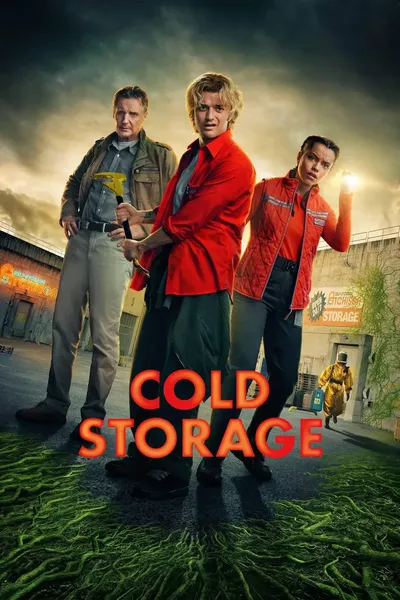
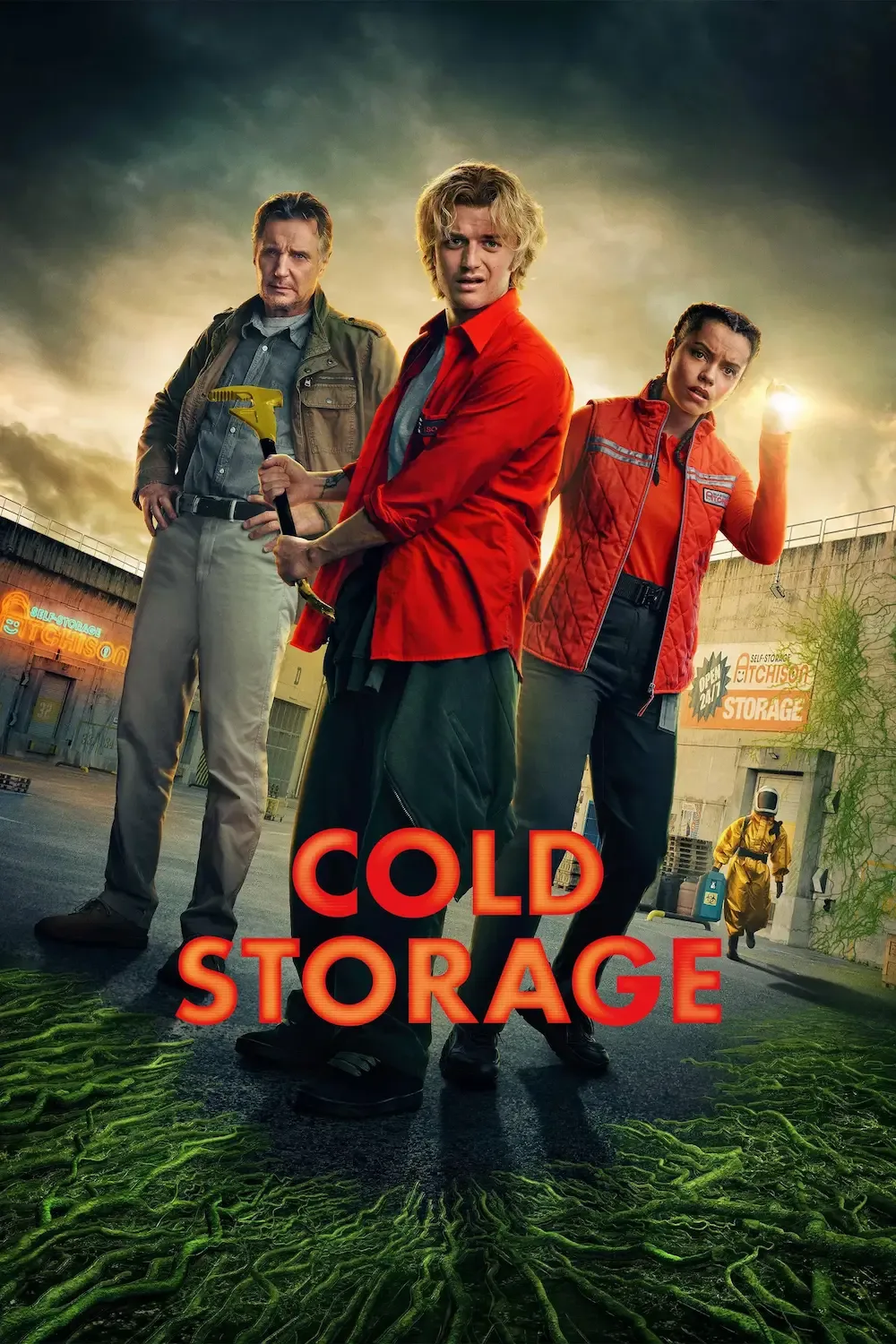
Joe Keery tries to bring some of the same “guy who’s in way over his head” charm that made Steve Harrington so beloved in Stranger Things to this horror comedy, with little success. Which is not Keery’s fault, but rather, the fault of a movie that plateaus within its first ten minutes and does next-to-nothing with its premise. Keery stars as a slacker working at a former military storage facility whose graveyard shift is interrupted by the outbreak of a mutated fungus that the military somehow forgot about. Y’know, the kind of mutated fungus that takes over people’s brains and makes their bodies explode. That alone should make for some fun late night popcorn viewing, but Cold Storage’s aimless plot contains nary a laugh or chuckle. (Liam Neeson also stars in what’s basically a glorified cameo as a government agent called in to deal with the mess, and Vanessa Redgrave shows up randomly as a suicidal widow that the movie largely forgets about.) As for the gore, a good splatter comedy (e.g., Evil Dead 2) knows how to use the ickiness for twisted slapstick and campy laughs, but Cold Storage doesn’t even deliver there. Sure, it’s filled with exploding bodies (both human and animal) galore, but the obviously CGI vomit, entrails, and ichor lack both visual and visceral impact.
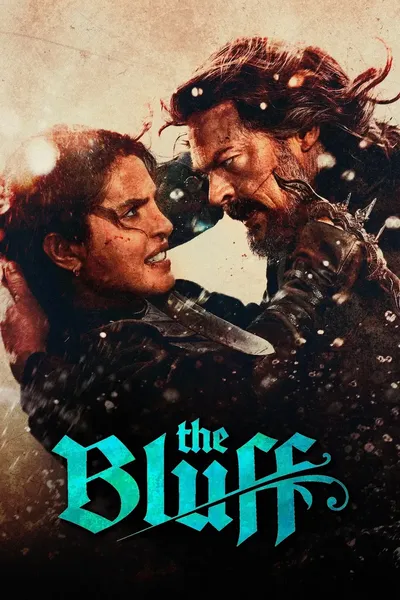
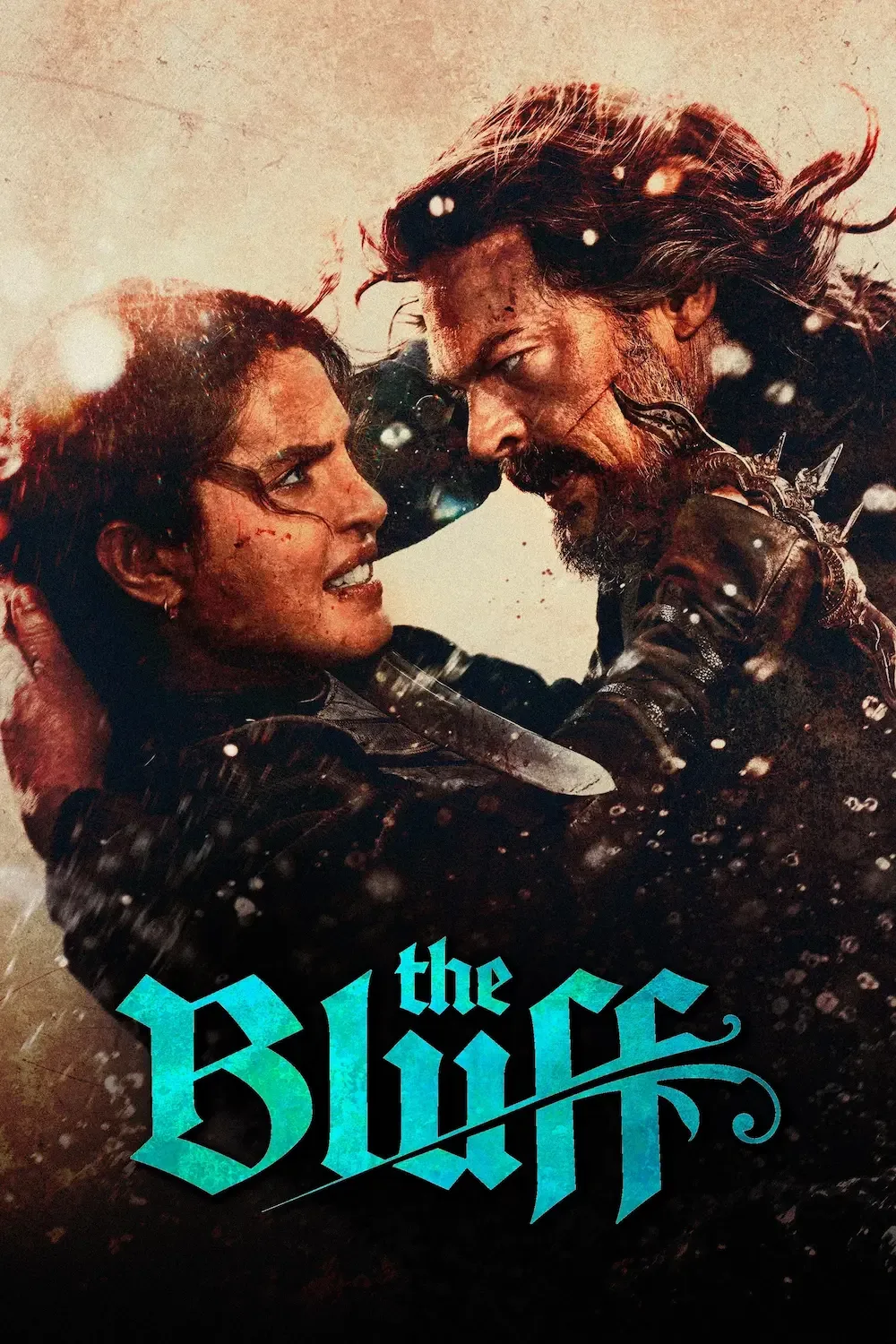
My wife loves stories about lady pirates as well as stories about people who’ve gone legit only to be forced into pulling off one last job. Thus, a movie about a former lady pirate who must call upon her piracy skills when her former captain comes a-calling seemed like an absolute no-brainer for a Friday night. And for what it’s worth, Priyanka Chopra Jonas certainly gives it her all as Ercell, the aforementioned lady pirate. And Karl Urban is appropriately slimy as the aforementioned former captain. But for all of their efforts, The Bluff is never more than the sum of its parts, not even when Ercell is slicing, dicing, slashing, and filling her former comrades full of lead. Unfortunately, much of that action takes place at night or inside darkened caves. Which, when combined with the sort of overly kinetic editing that’s unfortunately become the standard for today’s action movies, means that The Bluff is mostly forgettable.
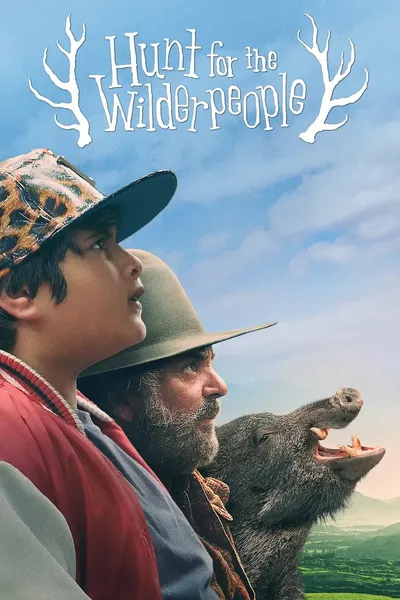
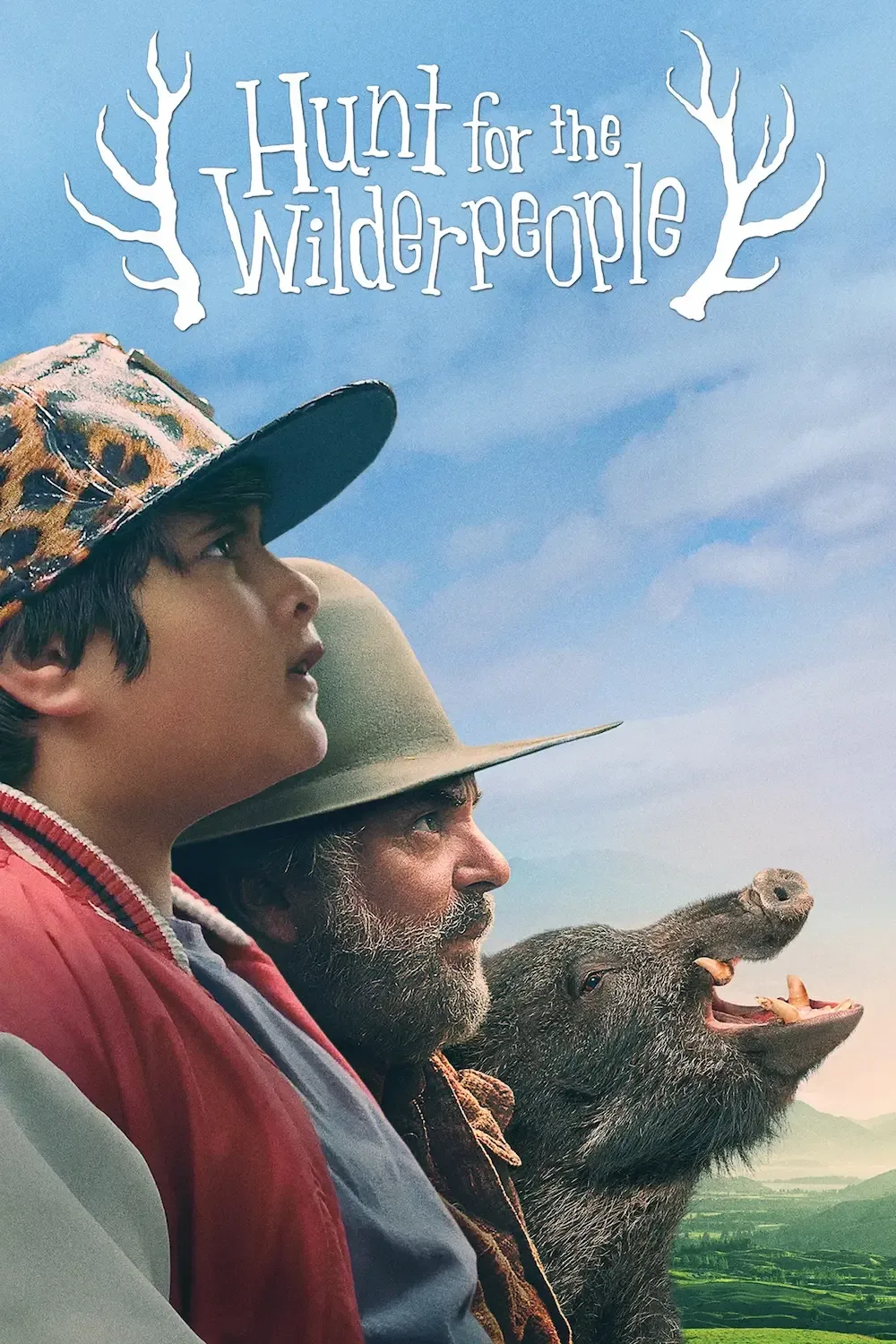
Taika Waititi had been steadily building a name for himself thanks to films like Eagle vs. Shark and What We Do in the Shadows, but 2016’s Hunt for the Wilderpeople was arguably his breakthrough. Ten years on, it remains the highest grossing New Zealand film of all time, and now that I’ve finally seen it, I’m not surprised one bit. When young Ricky arrives at Bella and Hector’s remote farm, it’s his last chance in the foster system before he’s sent to juvenile detention. But when Bella suddenly dies, Ricky fakes his death and heads off into the New Zealand bush with Hector in pursuit, only for the pair to become the target of a nationwide manhunt when authorities suspect that Hector has kidnapped Ricky. When ensues is a charming, Wes Anderson-esque comedy of errors filled with dry humor and affecting performances. Which would be good enough on their own, but Hunt for the Wilderpeople is further elevated by Waititi’s inventive direction and especially the lush New Zealand countryside.
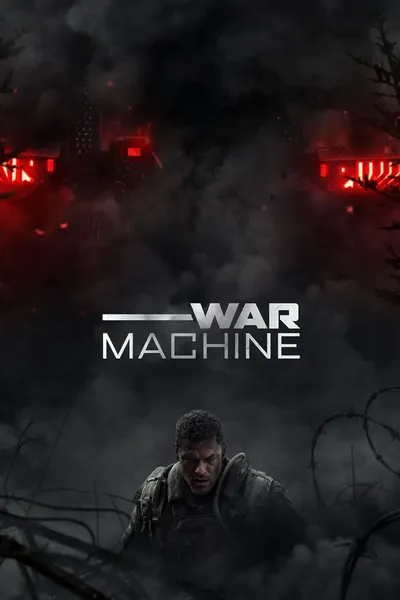
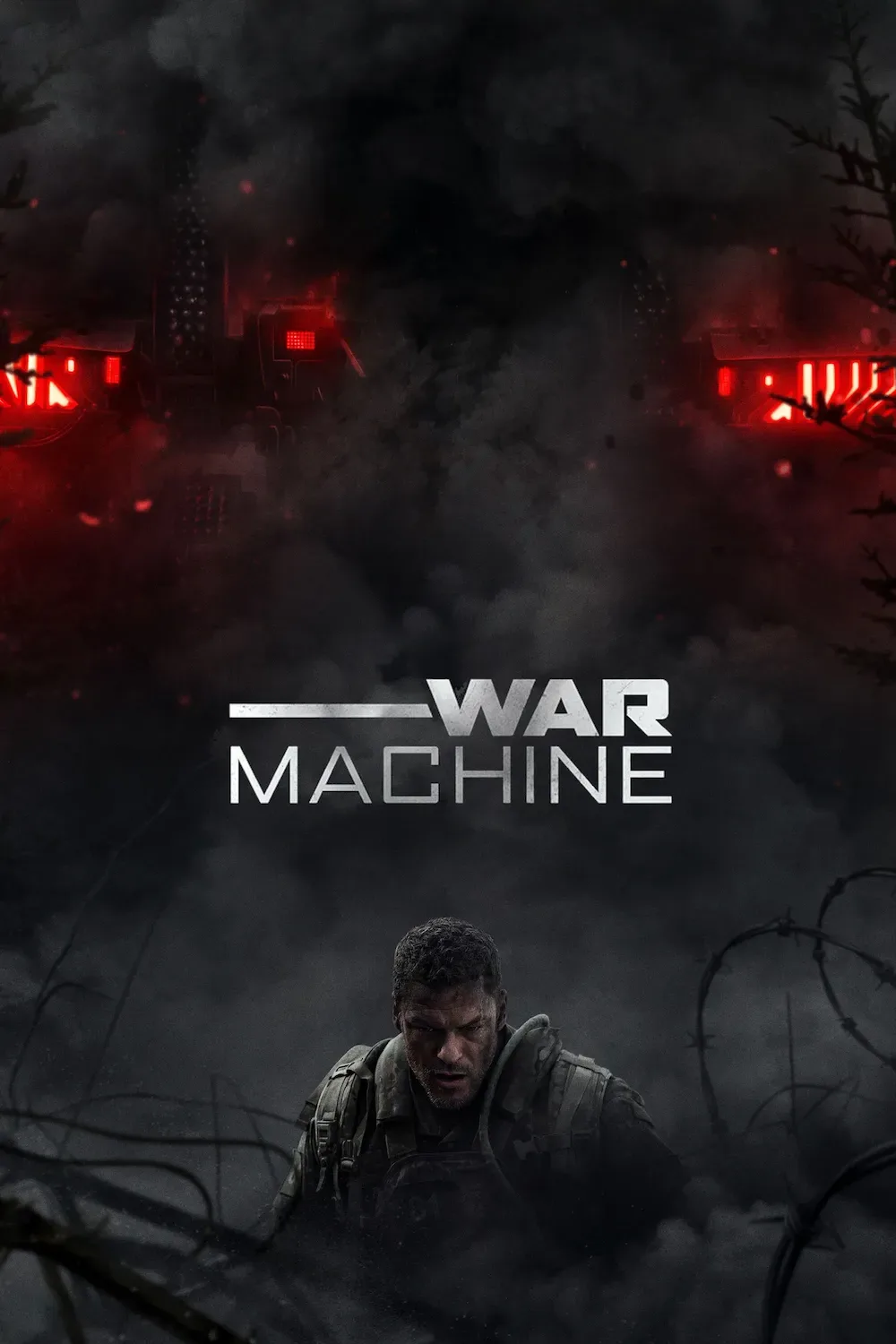
There’s something perverse about watching a movie that celebrates the training and tactics of America’s soldiers even as said training and tactics are being used to wage an immoral (and likely illegal) war at the whim of the most vile, corrupt, and ignorant president in recent history. Of course, that’s not the fault of Patrick Hughes, Alan Ritchson, or anyone else involved in War Machine’s production. How were they supposed to know that Trump would start bombing Iran just weeks after their film began streaming on Netflix? Current geopolitical nightmares aside, War Machine is essentially a retelling of Predator, with a group of Army Ranger candidates encountering the titular alien monstrosity during a training mission. What ensues is a decidedly by-the-numbers survival film that makes for some decent late night popcorn viewing, thanks in large part to some impressive and gnarly stunt work. Ritchson, best known for his lead performance in Amazon’s Reacher series, doesn’t have much to do other than look grim and stoic, which he does pretty well. I just wish the film had given him a better one-liner than “Thermodynamics, motherfucker.” The film’s ending definitely leaves the door open for a sequel, which — let’s be honest, here — I’ll probably watch.
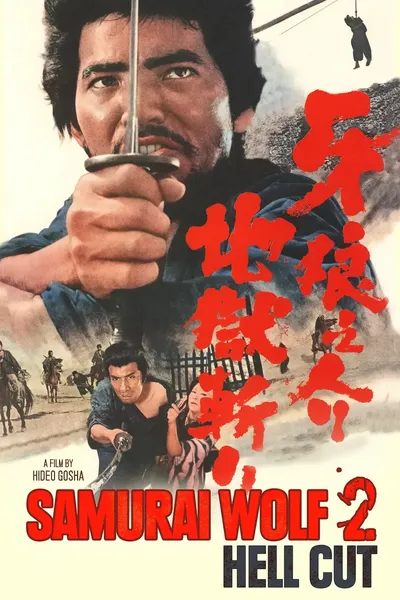
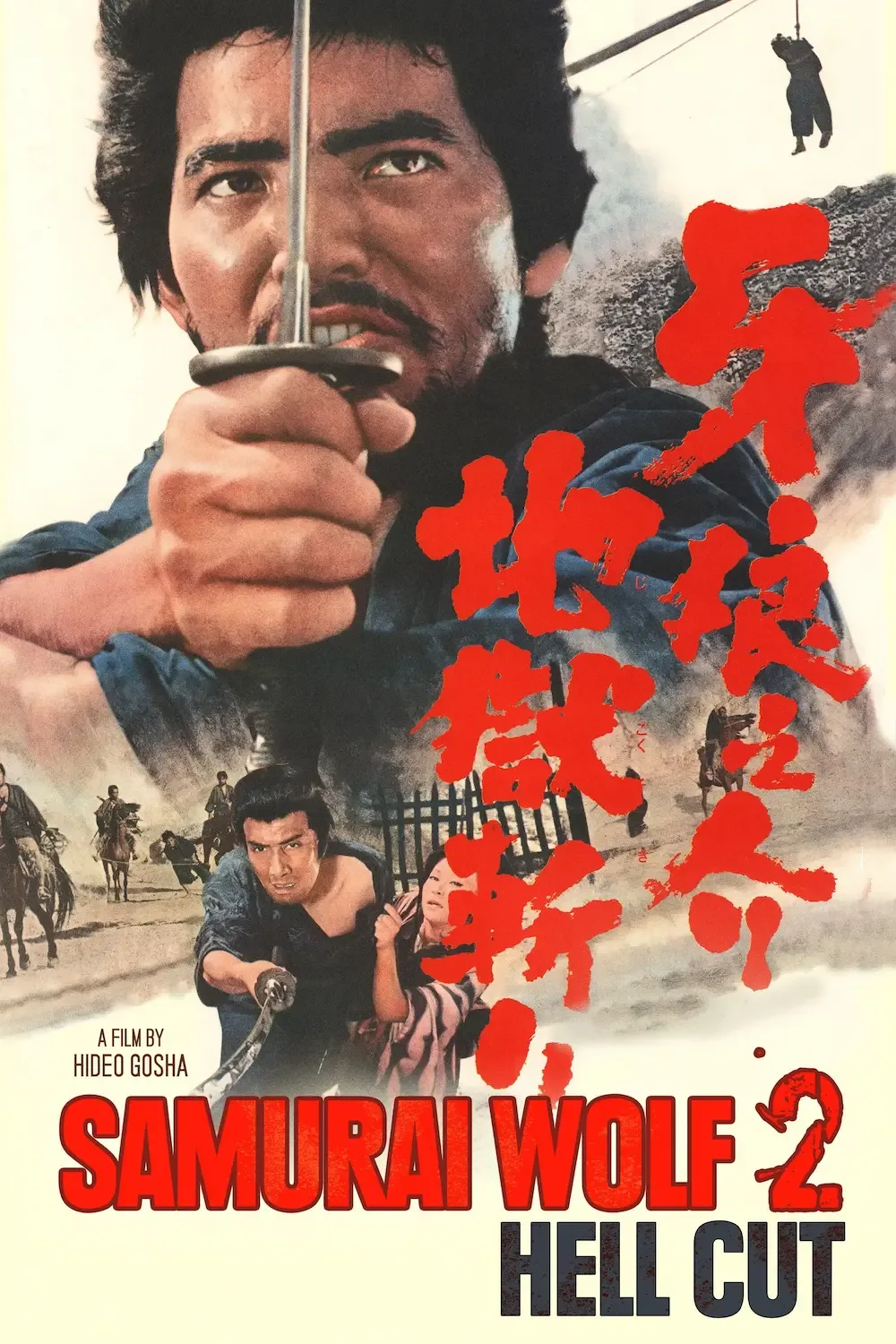
Much like the first Samurai Wolf movie, Hell Cut delivers a deeply cynical take on the samurai genre as the titular rōnin finds himself caught between a dojo that wants his head, a fellow rōnin out for revenge, and a violent gang illegally mining gold from under the Shogun’s nose. One thing I found interesting about Hell Cut is how it subtly deconstructs its hero. Kiba is initially presented as a deadly swordsman of some renown, but when he’s faced with true violence and vendetta, his composure seems to crack and his boasting suddenly feels like all talk. Unfortunately, the movie’s multiple storylines eventually trip over themselves, and Hell Cut starts to feel like two or three movies compressed into one — something its 70-minute runtime just can’t quite accommodate. That subsequently robs the film’s final shot, in which a despairing Kiba is confronted with the disastrous consequences of the rōnin lifestyle, of some of its cynical and tragic power.
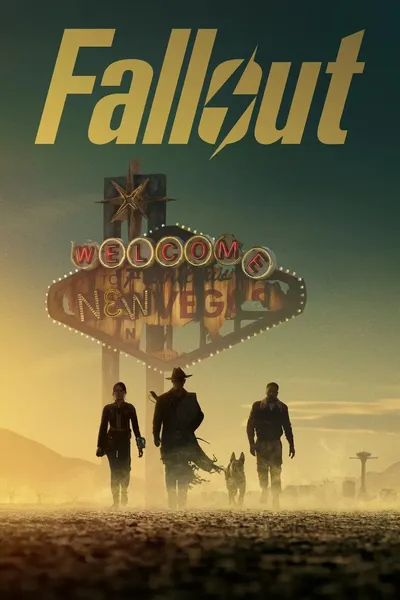
Amazon’s live-action adaptation of the best-selling video game series continues apace in its second season, with plenty of black humor and post-apocalyptic gore. On the negative side, the season’s story does get a bit too muddled at times. The bits concerning the Brotherhood of Steel’s politics and especially Lucy’s brother Norm, as he uncovers more of the Vaults’ secrets, feel like they should be more meaningful than they are. (Norm’s plot line, at least, does promise to pay off in the already-announced third season.) But Hank MacLean’s plans, Lucy’s attempts to bring her father to justice, and Maximus’s heroic evolution are all satisfying to watch. And of course, Walton Goggins continues to rule as the Ghoul, a cynical mutant bounty hunter who used to be a famous movie star before the nuclear apocalypse. The flashbacks to his pre-war life, which depict his moral struggles with his wife’s plans and machinations, were the real heart of the series for me.
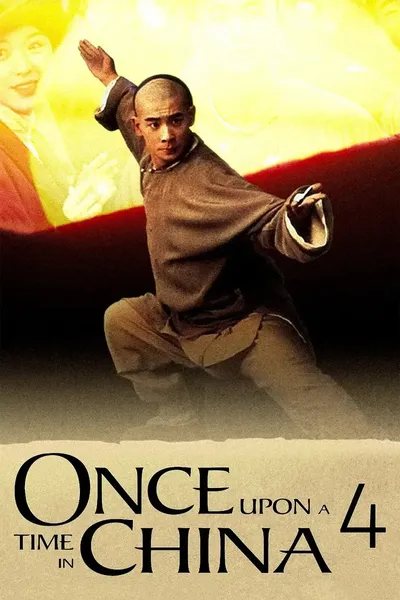
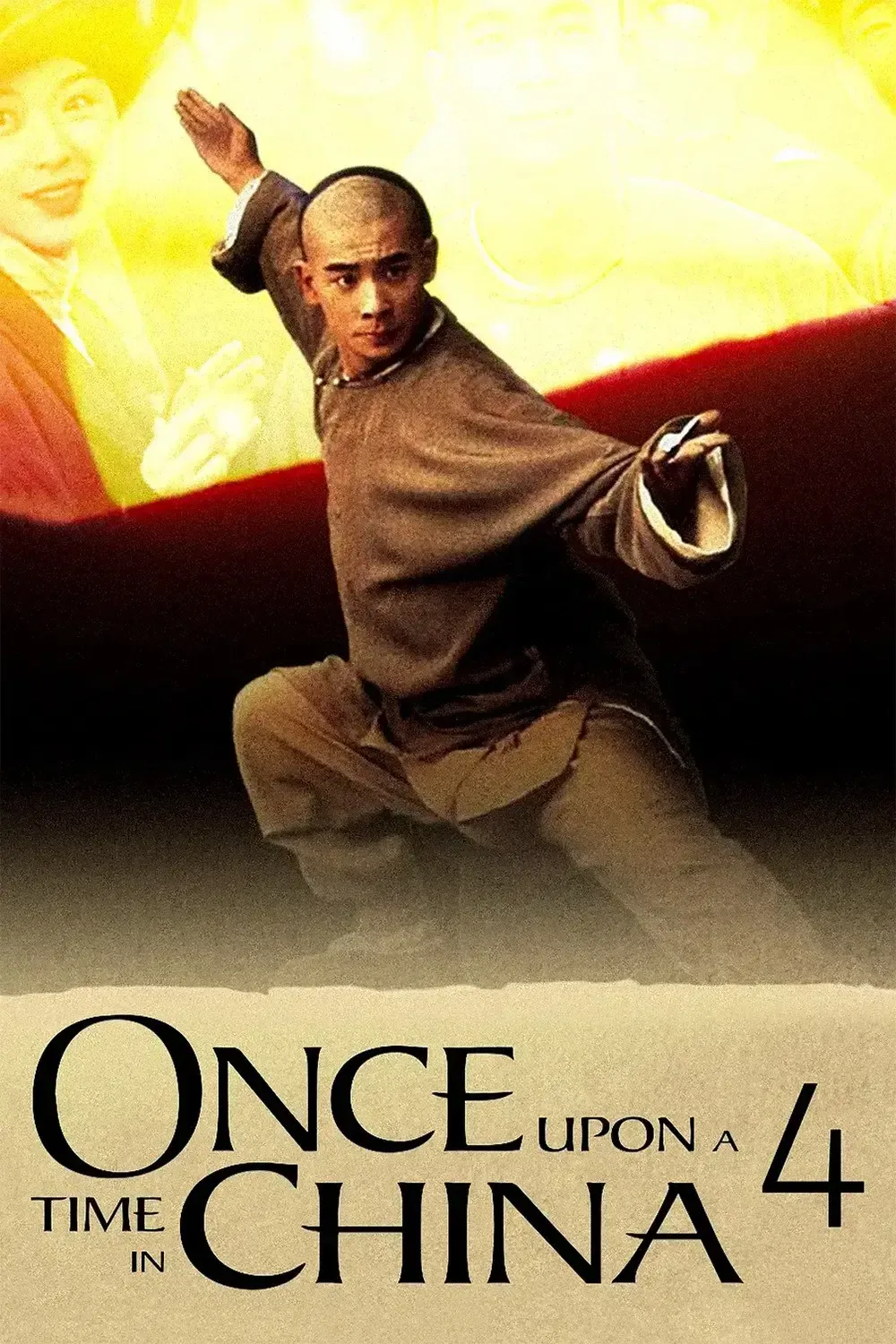
Tsui Hark, Jet Li, and Rosamund Kwan did not return for this installment of the vaunted Once Upon a Time in China series, and were replaced by Yuen Bun (in his directorial debut), Vincent Zhao, and Jean Wang, respectively — and it shows. Wong Fei-hung (Zhao) and his comrades are called upon to defend China once again after a group of other nations (including France, Germany, Italy, and the USA) sponsor an elaborate lion dance competition that’s intended to shame China and undermine its sovereignty. Meanwhile, yet another nationalistic cult — the all-female Red Lantern Sect — has begun attacking foreigners in an effort to preserve Chinese culture. The film’s plot, including the Eight-Nation Alliance and Red Lantern Sect, pull from actual Chinese history, albeit “enhanced” with high-flying “wire fu” and the incessant bumbling of Wong’s young acolyte, Leung Foon (played by Max Mok). Although he’s obviously not Jet Li, Vincent Zhao — who was also a national wushu champion — possesses some impressive skills, and as such, the film does contain a few rewind-worthy action scenes. However, Once Upon a Time in China IV ultimately feels like a retread of its predecessors, and its recycling of their ideas gets increasingly silly and incoherent, both narratively and visually. (The less said about the other nations’ entries in the lion dance competition, the better.)
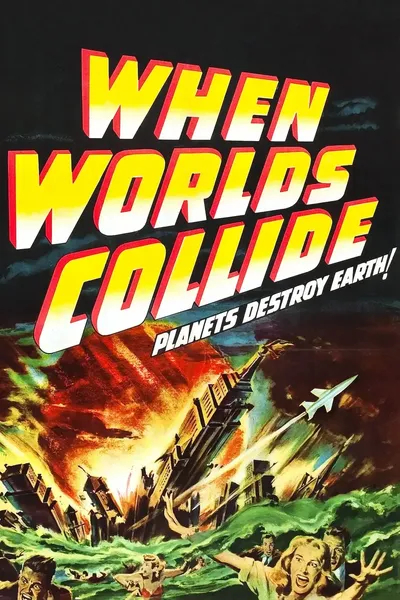
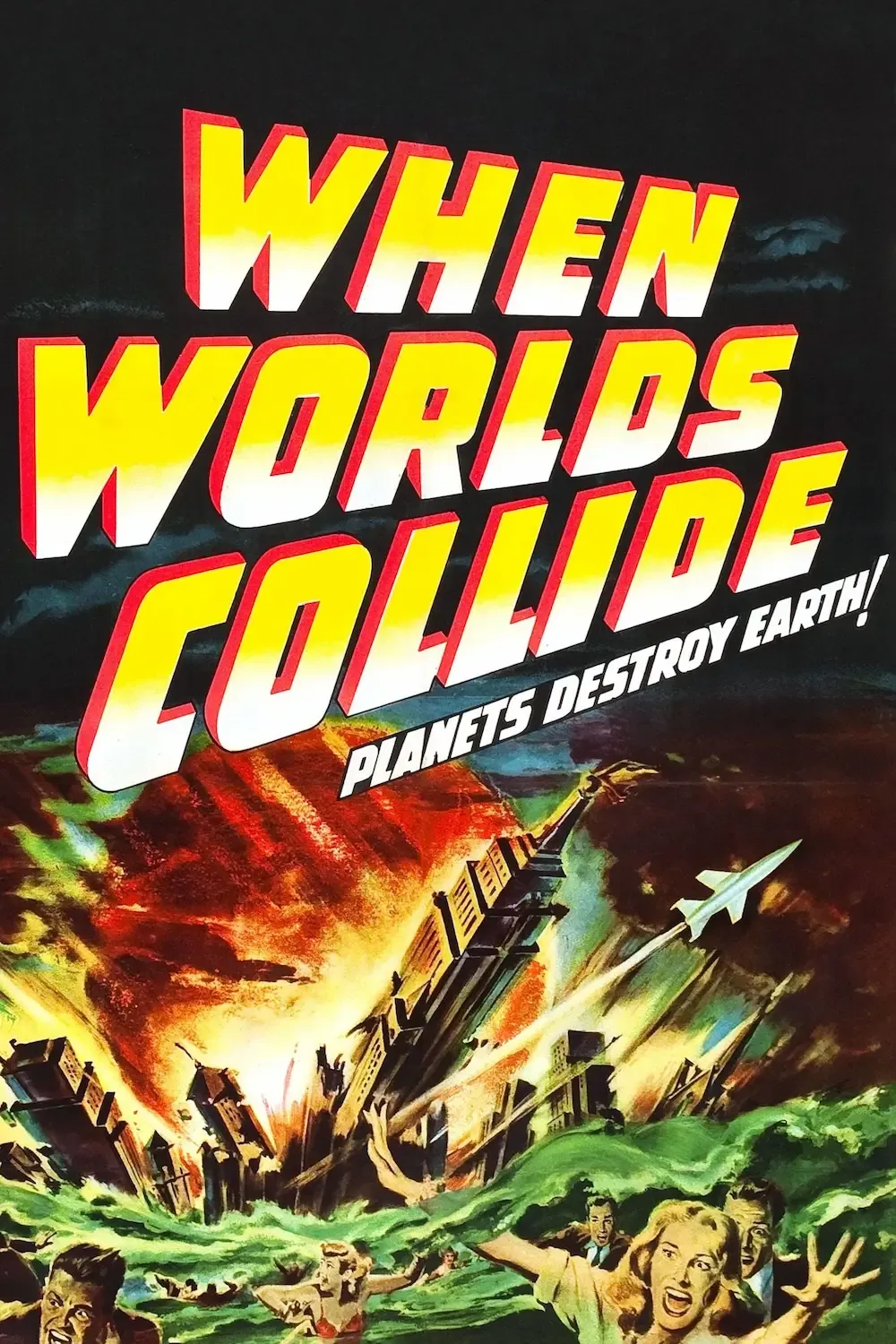
Sci-fi movies require no small amount of suspension of disbelief, and that’s especially true of “end of the world” sci-fi movies like When Worlds Collide. Not only are we supposed to believe that the world’s nations would put aside their differences to deal with the impending apocalypse, but Rudolph Maté’s film also wants us to believe that wealthy industrialists would donate their fortunes, no strings attached, for the good of humanity. Yeah, right. There is one industrialist whose donation does come with strings attached, though, which feels far more believable and on-brand. That said, When Worlds Collide takes its outlandish scenario — another star will soon pass through the solar system and destroy the Earth — seriously enough, or at least as seriously as it can within its 80-minute runtime (and 27-day shooting schedule). When Worlds Collide was produced by George Pal, who also oversaw such genre classics as Destination Moon and The War of the Worlds, and it looks great. I’m a sucker for matte paintings and miniatures, and When Worlds Collide does the best it can with them to show off a global calamity. (The movie also boasts some surprisingly daring helicopter stunts.) The film’s very final shot sets up an obvious sequel, and one was planned. It was ultimately canceled, however, after one of Pal’s subsequent films — 1955’s Conquest of Space — failed at the box office.

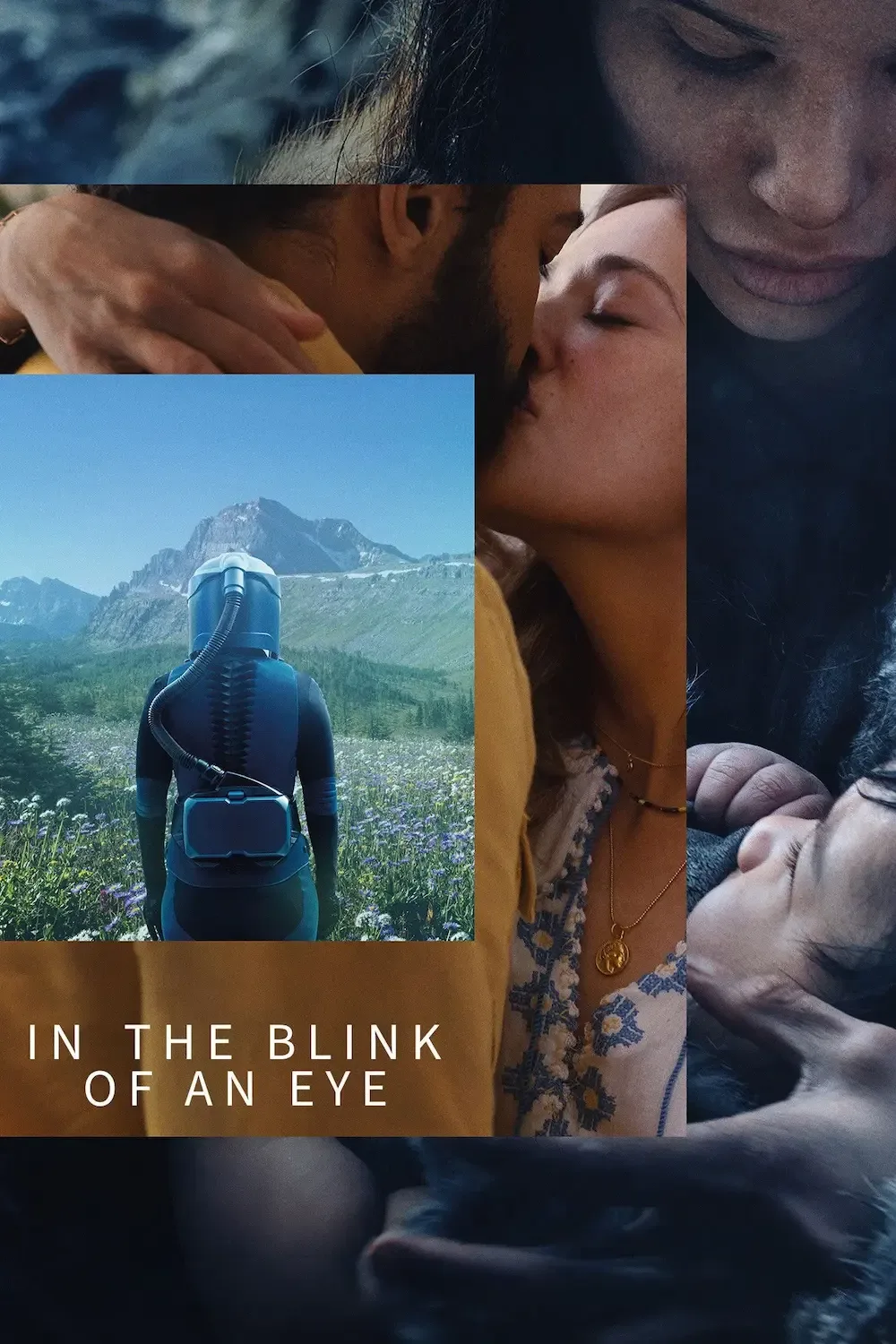
Andrew Stanton is best-known for his work on Pixar classics like Finding Nemo and WALL-E, and he aims for something similarly ambitious with the live-action In the Blink of an Eye. Across three interwoven storylines — a Neanderthal family trying to eke out an existence in the distant past; a modern-day woman juggling career, romance, and her mother’s impending death; and a 25th-century astronaut trying to preserve the human race on a distant planet — Stanton and screenwriter Colby Day clearly want to communicate something profound à la Terrence Malick’s The Tree of Life. Unfortunately, despite all of its earnestness, In the Blink of an Eye feels trite and vapid. (For example, the film’s biggest emotional moment isn’t the mother’s death, but rather, the “death” of the astronaut’s AI companion, which rings pretty false in our present AI slop-saturated age.) The Neanderthal storyline is the most well-executed but the other two storylines failed to connect on any level, emotionally, aesthetically, etc., which is ironic because the entire film is about the many things that connect us over space and time. When Slant’s Jake Cole described the film as “a commercial for life insurance that got out of hand,” he’s not wrong. In the Blink of an Eye sure looks pretty, thanks to the gorgeous British Columbia scenery, but I suspect you’ll quickly forget its profundities once the credits are done rolling.