My Cultural Diet (May 2024): Krull, The Crow, Fallout, Kansas City BBQ, Slowdive

In order to better track my various cultural experiences (e.g., movies, TV shows, books, restaurants), I’ve created the Cultural Diet. Think of it as my own personal Goodreads, Letterboxd, and Yelp, all rolled into one (more info here). Every month, I recap everything that I watched, read, etc., in the previous month.
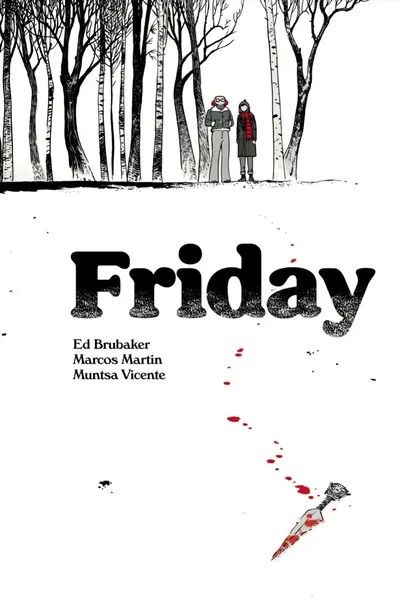
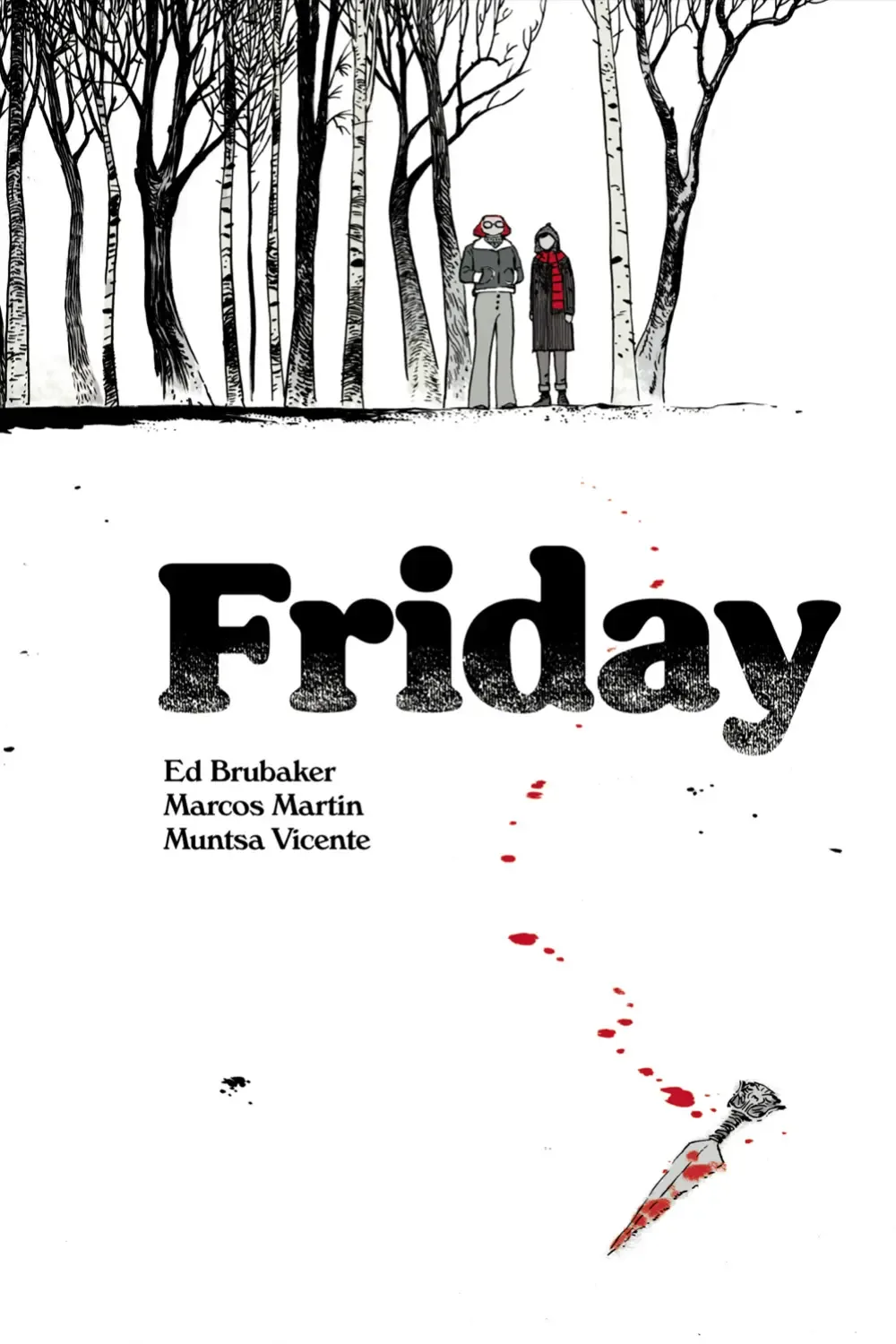
Friday Fitzhugh’s teenage years were spent solving crimes and uncovering the secrets of Kings Hill with her best friend, Lancelot Jones, aka, the world’s smartest boy. But when she returns home from college for Christmas break, their once-unbreakable friendship is now strained and difficult. That soon becomes the least of her worries, though, when supernatural forces begin moving against their strange little town. Will Friday be able to solve the mystery of the White Lady, save Kings Hill, and repair her friendship with Lancelot? Writer Ed Brubaker is arguably best known for his various hard-boiled titles with Sean Phillips (e.g., Reckless, Pulp, The Fade Out). But Friday finds him riffing on middle-grade titles like Encyclopedia Brown and Harriet the Spy with the help of Marcos Martin and Muntsa Vicente, and it’s delightful. The trio have created a fascinating and detailed world filled with mystery and nostalgia, not to mention coming-of-age melodrama, Lovecraftian monsters, arcane artifacts, secret societies, and a pair of immensely likable protagonists. Indeed, there might almost be too much going on in Friday, such that I’m not quite sure it all holds together in its final issues. Even so, Friday is filled with so much heart that it’s a joy to read (and re-read).
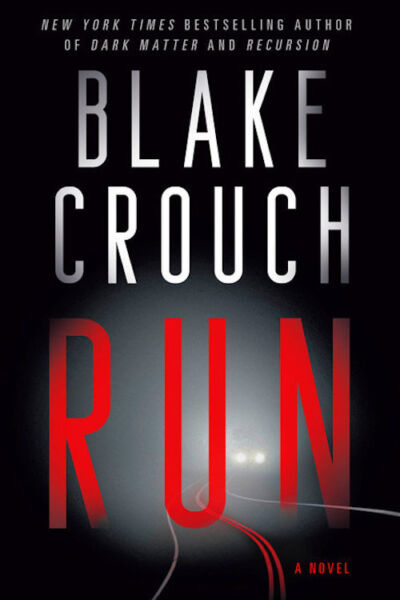
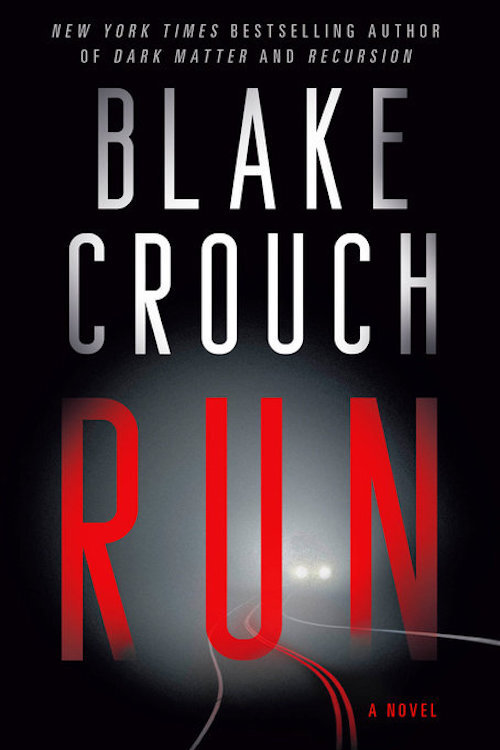
After America is torn apart by unceasing waves of shocking violence, a lone family on the brink of divorce must eke out survival while staying one step ahead of the murderous hordes raping and pillaging across the country. With previous novels like Upgrade and Dark Matter, Blake Crouch has revealed a definite knack for penning thrilling page-turners, and that knack is plenty evident even in his earlier titles, like 2011’s Run (which is being reissued on October 22, 2024). Run is easy to devour; Crouch writes in such a way that you can’t help but turn to the next page again and again and again. (I read the entire thing in a single 24-hour period.) As a post-apocalyptic novel, Run often feels like Crouch’s attempt at Cormac McCarthy’s The Road, albeit with a few hints of sci-fi here and there. A word of warning, though: As you read about the family’s various ordeals, their many narrow escapes, and the discoveries they make concerning the violence ripping apart America, just be prepared to suspend your disbelief higher than you may normally be comfortable with, even to eyeroll-inducing levels. (Thanks to NetGalley for the advance review copy.)
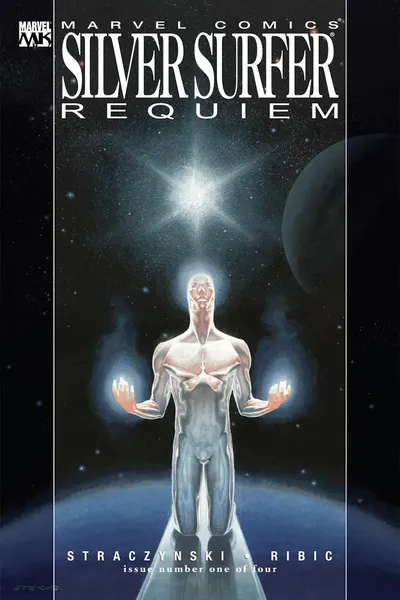
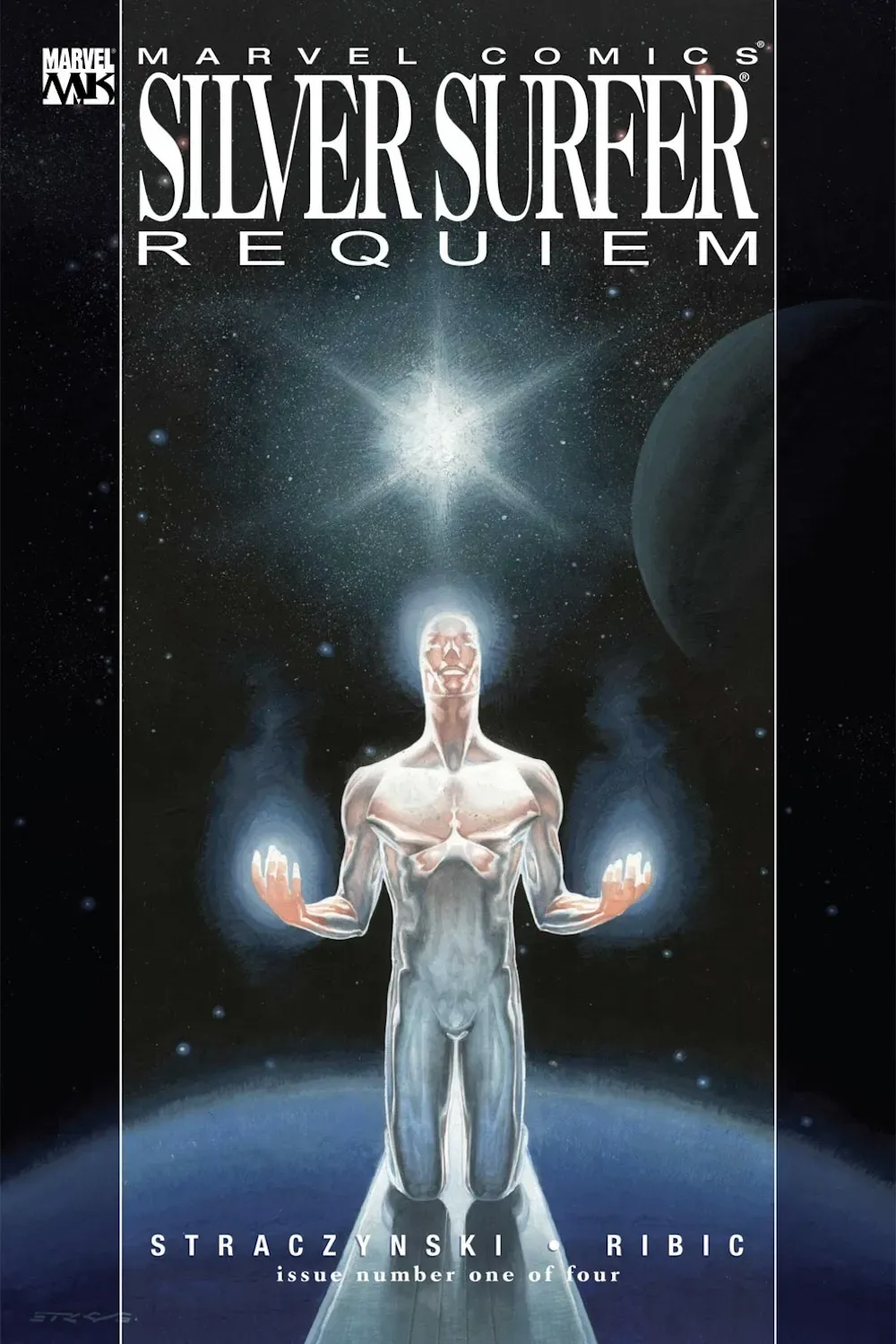
As its title suggests, Silver Surfer: Requiem is a somber story for one of Marvel’s noblest characters. After the Surfer discovers that he’s dying, he subsequently embarks on one last trip through the cosmos, first to his adopted home of Earth, and then to Zenn-la. But it’s also a beautiful, even moving story. J. Michael Straczynski knows that Silver Surfer comics work best when they’re pontificating, and his lofty prose leans into that in all the right ways as the Surfer ponders the joys and sorrows of existence. Requiem could’ve easily been angsty or heavy-handed were it not written so well, and with so much obvious affection for the character. Meanwhile, Esad Ribić’s lush artwork is gorgeous, imbuing Requiem’s four issues with an ethereal-ness that’s suitably elegiac and melancholy. Given that Requiem was published on the “Marvel Knights” imprint, I’m unsure of its canonicity, but it’d be a very fitting end for the Sentinel of the Spaceways.
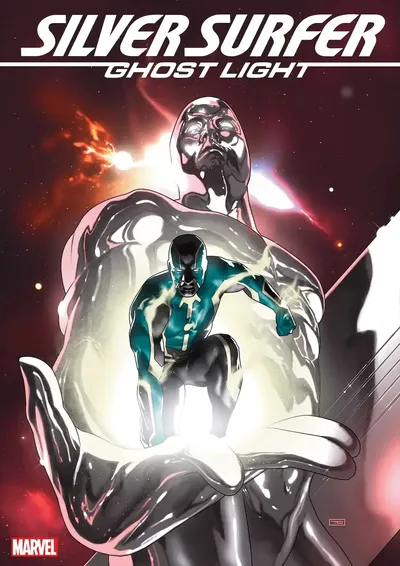
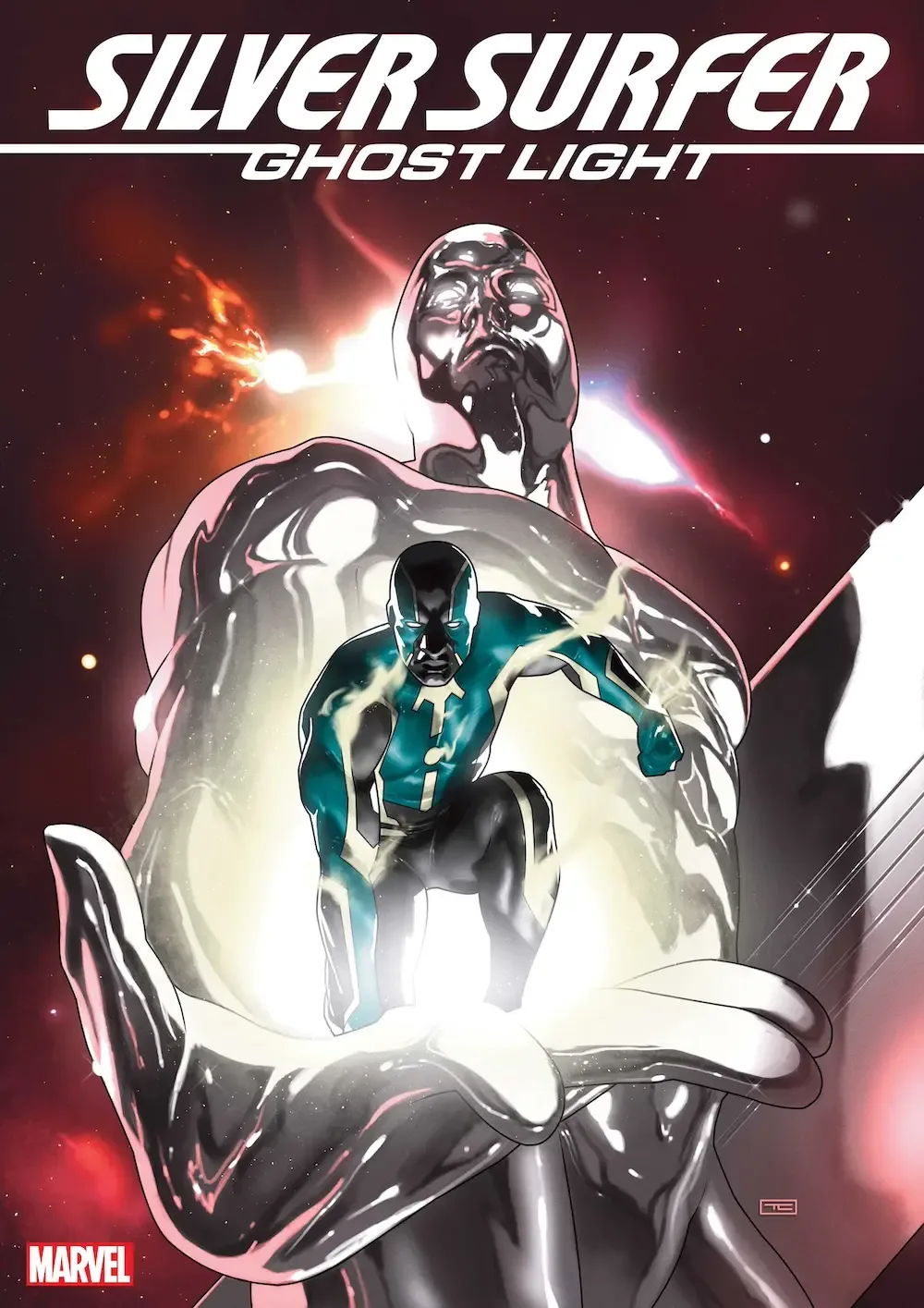
An OK Silver Surfer story that finds the Sentinel of the Spaceways returning the Earth when a mysterious signal resurrects an old friend of his — and, as is always the case in these sorts of things, alerts one of his greatest enemies. There are some interesting ideas (like the seemingly quaint town whose residents have forgotten an entire day) and at one point, it seems like Ghost Light is going to delve a bit into some faith-related issues, which seems apropos for a cosmic character like the Silver Surfer, but I wish more would’ve been done those things. That, and I might’ve rolled my eyes just a wee bit when it turns out that jazz music is the solution to everything.
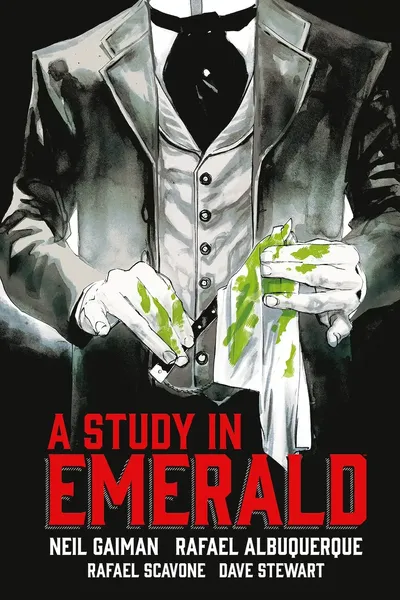
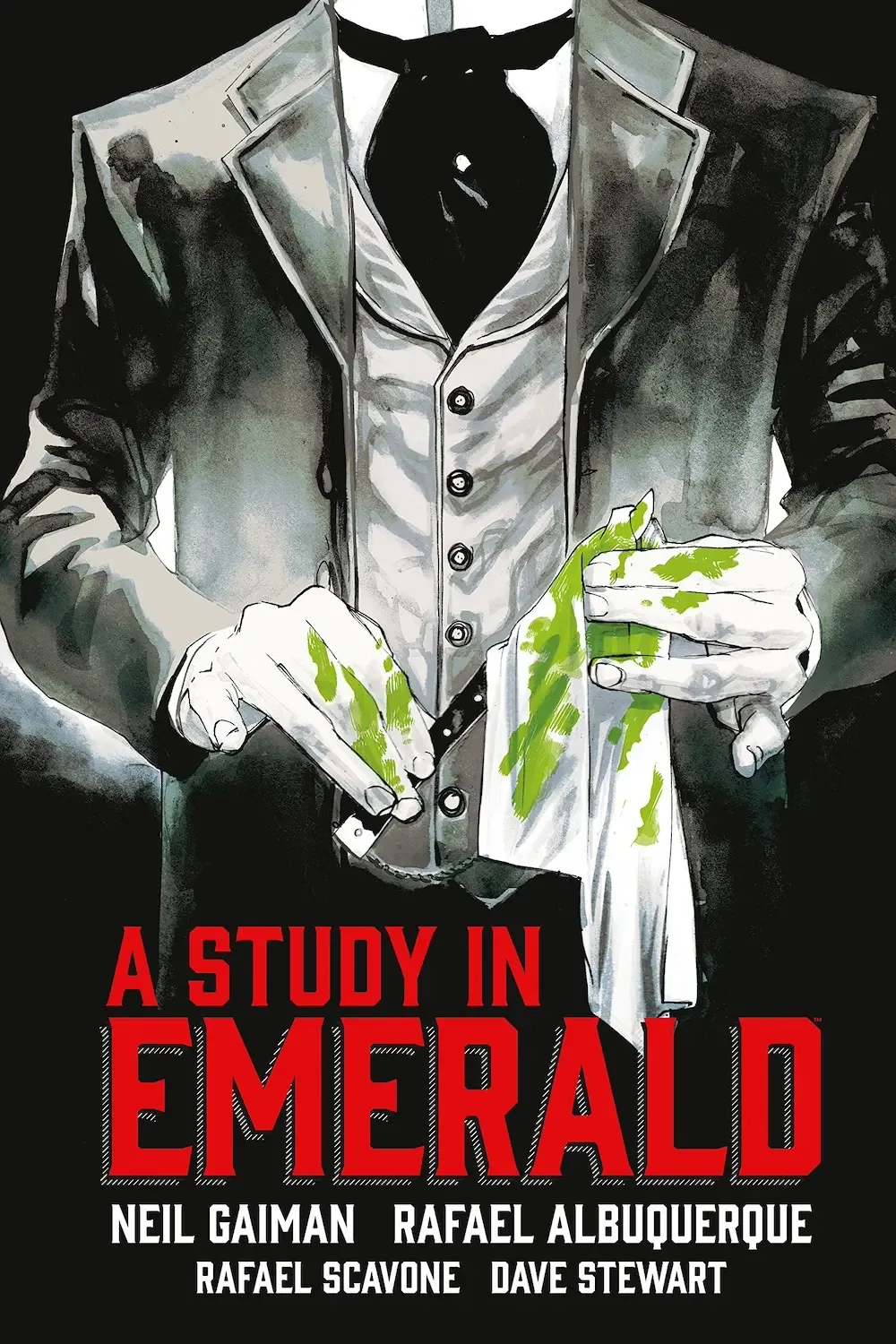
When a member of the royal family is brutally murdered, London’s only consulting detective and his right-hand man are tasked with finding the assassins, and in the process, stopping a vile conspiracy that seeks to free humanity from the centuries-old rule of the Great Old Ones. Originally published as a short story in 2003 that subsequently won a Hugo Award, A Study in Emerald is a pitch-perfect blend of Sherlock Holmes and H. P. Lovecraft. Indeed, the premise is forehead-smackingly obvious, but Gaiman — being the master storyteller that he is — introduces a few twists and wrinkles that make his story all the more delightful. I’ve read the original short story several times, but this was my first time reading Dark Horse’s comic adaptation, and it’s just as delightful. Back in 2018, Gaiman expressed his desire to write a sequel to A Study in Emerald, something that I really hope comes to pass; in his hands, the fictional worlds of Holmes and Cthulhu are just meant to be together.

About a year ago, I finally got around to seeing Ron Howard’s Willow, thus filling what seemed like a significant hole in my childhood moviegoing. Unfortunately, it was rather underwhelming. By contrast, Peter Yates’ Krull — another movie that I missed out on in my childhood — was a much more enjoyable experience. Krull does suffer from some of the same tonal issues as Willow; one minute, the movie’s unremittingly grim, and the next, downright silly (e.g., David Battley’s shapeshifting magician). And given its prominence in the film’s marketing and legacy, I was expecting to see more of the hero’s Glaive weapon. But Krull is ultimately redeemed by its lavish production, be it the stunning outdoor vistas or the incredible set designs (e.g., the surreal hallways and chambers of the main villain’s teleporting space fortress). As for the film’s special effects, they still hold up rather well for the most part, and help sell the film’s unique blend of sci-fi and fantasy. I’d love to see a modern remake, because there’s still so much potential in Krull’s premise, though I’m a little worried that JJ Abrams is apparently behind it.
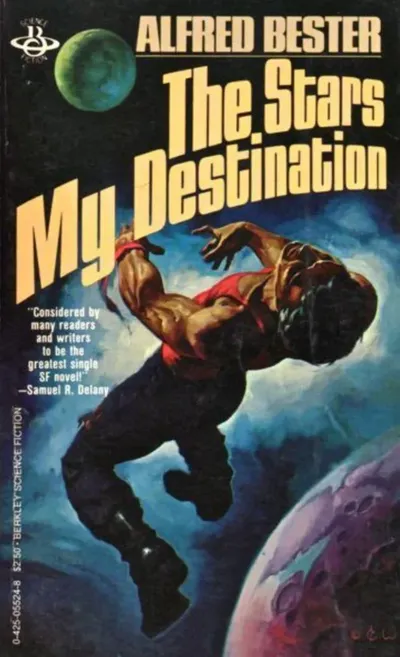
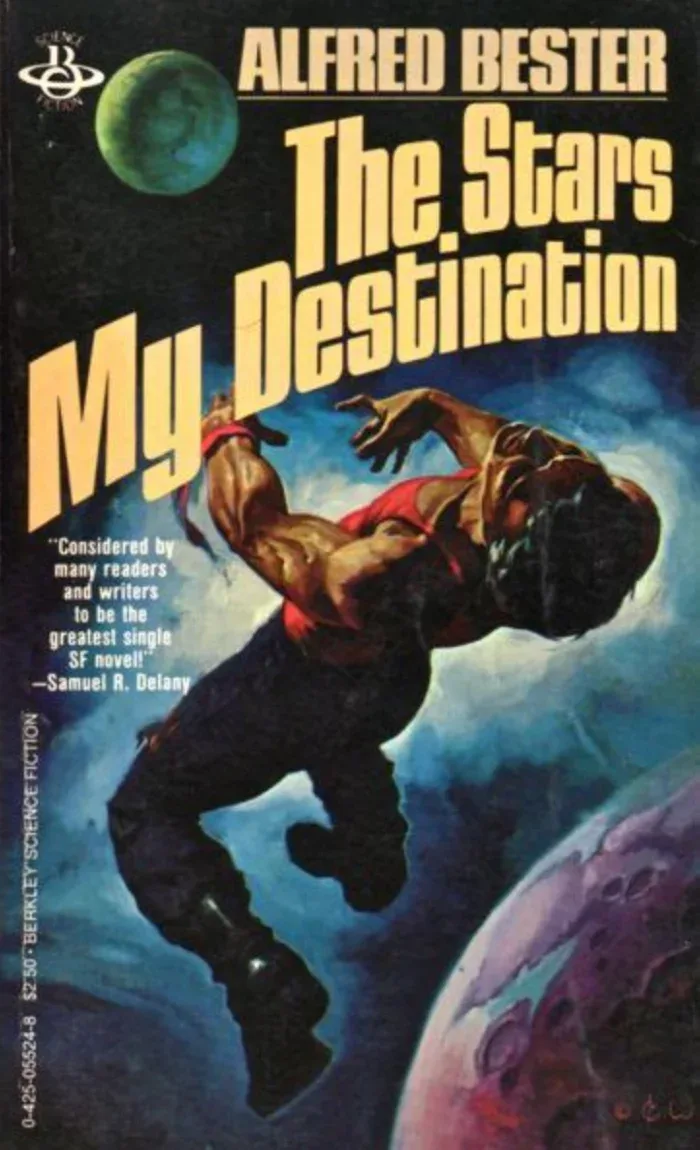
I’ve had a copy of Alfred Bester’s The Stars My Destination sitting on my bookshelf for God knows how long, so facing a bit of a lull in my reading, I finally decided to tackle it. Lauded by the likes of Neil Gaiman, William Gibson, Michael Moorcock, and Carl Sagan, The Stars My Destination is the story of Gully Foyle, an uneducated lout of a man determined to get revenge on the ship that left him marooned in space. Along the way, he rapes, pillages, and deceives, and may just hold the key to the next step in human evolution. The novel has some fantastical conceits — e.g., the discovery of personal teleportation completely upends society — and it’s impossible to not see Bester’s influence on everything from Neuromancer to The Expanse. The story is told in big, broad strokes — maybe too broad. I enjoyed it well enough, and can see how it could have easily caused a stir upon its original publication in 1956, but there are also parts that are so wild as to be silly.
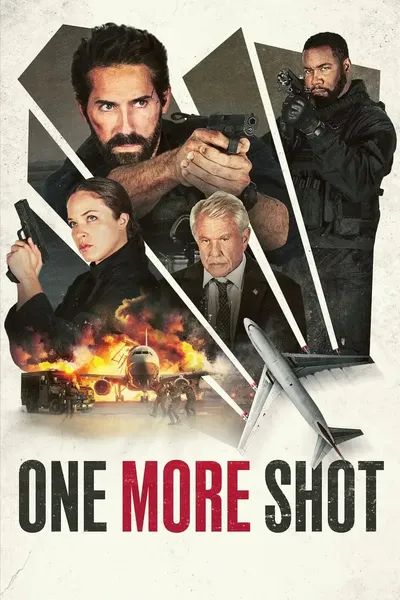
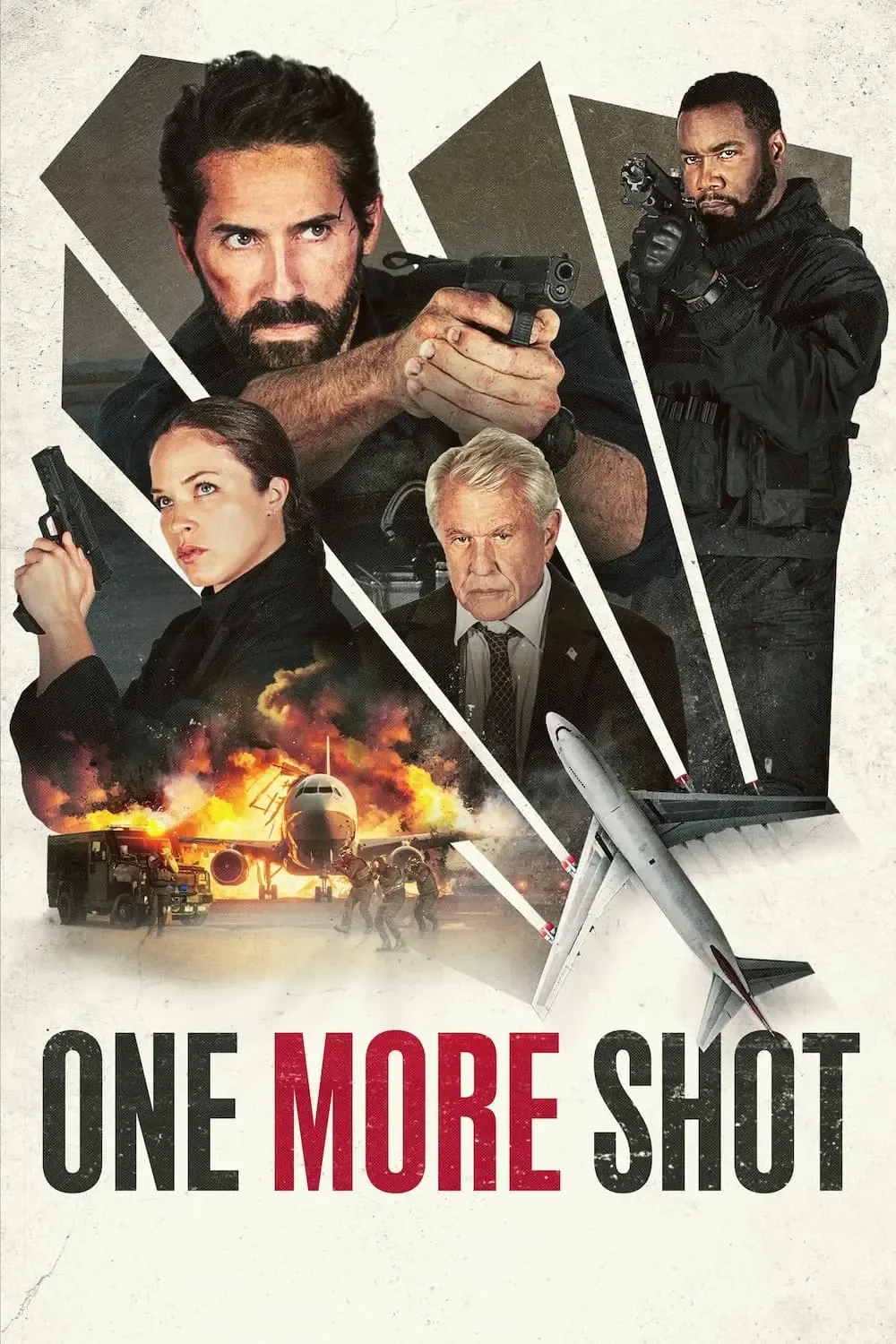
I watched this because Aaron Toney, a stuntman whose insights I’ve enjoyed seeing on Corridor Crew’s “Stuntmen React” videos, was promoting it on his Instagram page. That, and it stars Scott Adkins and Michael Jai White, who are always eminently watchable. Adkins certainly throws himself into the role of a Navy SEAL trying to stop a group of mercenaries from setting off a bomb during the State of the Union address. Plot-wise, One More Shot is pretty standard thriller fare, with all of the requisite twists — but nothing more than that. As for the film’s “shot in a single take” conceit, it’s more gimmicky than immersive, though it does lend itself to some interesting action design as Adkins’ SEAL maneuvers his way through the airport taking down bad guys. This one has all of the seeds for a really interesting thriller, right down to the shady military contractor, but I feel like I’ve seen this kind of movie done before, and done better.
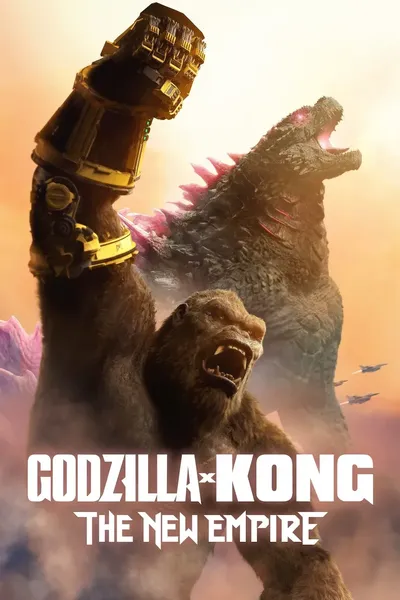
I know this movie exists because I watched it. I know it had characters in it, and that they said and did stuff. I even know that it had some big CGI monsters who roared really loudly and pummeled each other (along with some of the world’s most famous landmarks and best beachfront property). But Godzilla x Kong: The New Empire left behind no impression whatsoever. There were moments when it summoned some of the zaniness of the zanier Toho Godzilla movies — like giving Kong an Iron Man-esque gauntlet — but overall, it all just felt… meh. It crammed in so many ideas — Godzilla getting a glow-up, Kong discovering another giant ape civilization, Godzilla and Kong’s topsy-turvy bromance, the return of Mothra — that all of them felt shortchanged, under-developed, and misguided. And for a movie about giant monsters battling each other with no thought to us puny humans, I was hoping for at least a little existential despair. In the end, however, I can’t summon the strength or desire to think too hard about such things because I. Just. Don’t. Care.
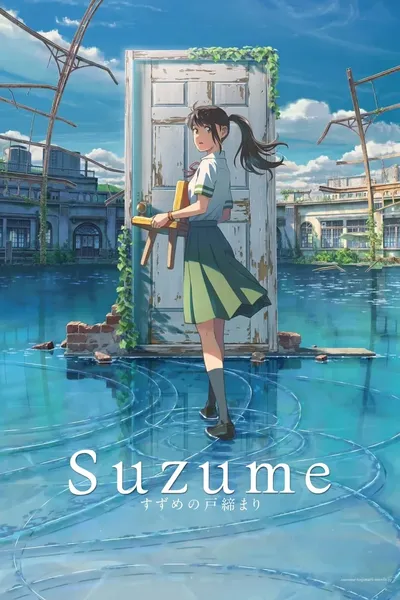
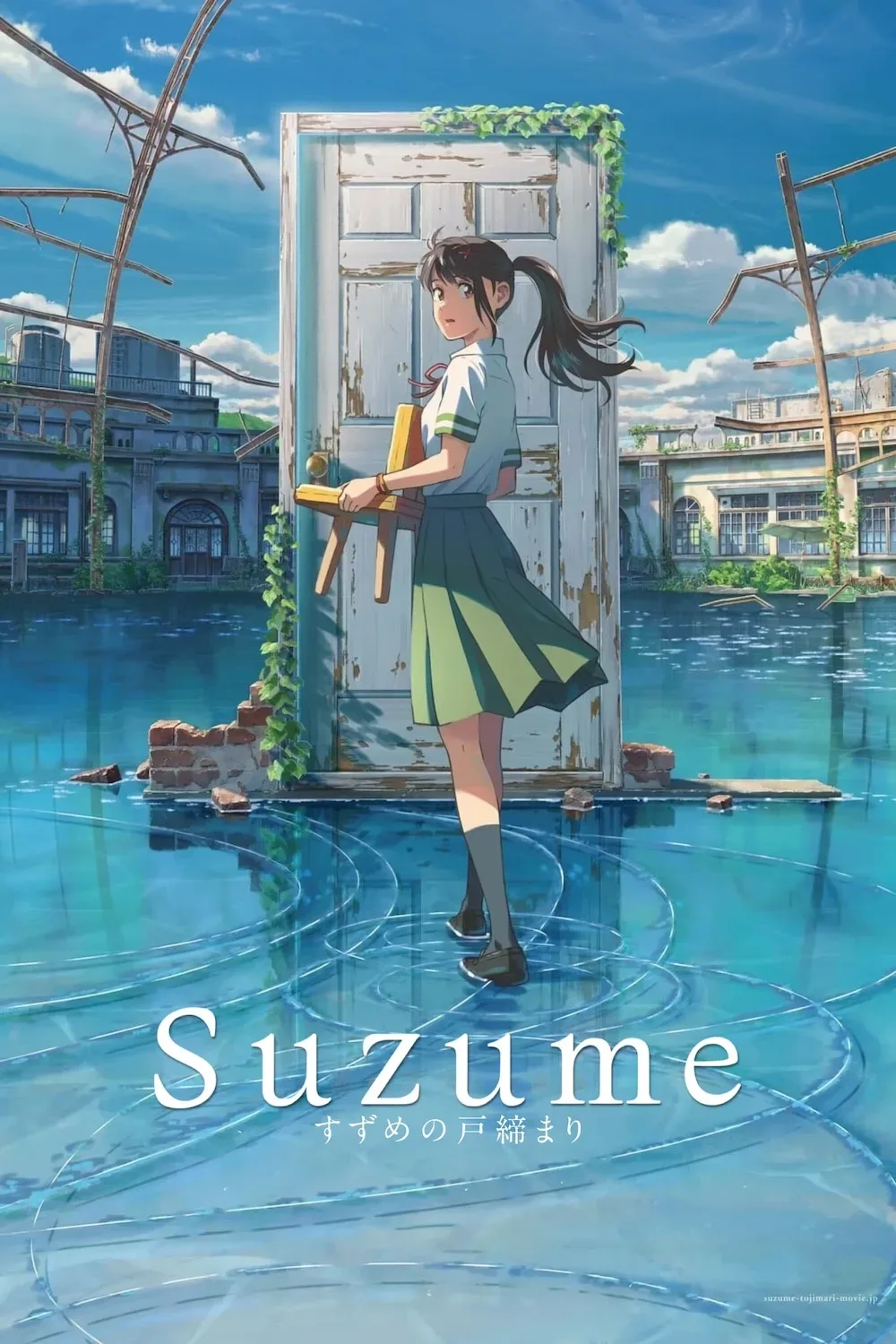
By all appearances, the runaway success with 2016’s Your Name has given Makoto Shinkai carte blanche. Which would certainly explain the level of technical detail in Suzume, his latest animated feature. Put simply, Suzume is a visual feast in every way possible, from the gorgeous countrysides and cityscapes (I want to go to there) to the weather and environmental effects (nobody does rain like Shinkai) to the nigh-seamless blend of cel and CGI animation. Unfortunately, that same level of freedom means that Suzume’s fantastical tale — which draws inspiration from Japanese mythology and the 2011 Tōhoku earthquake and tsunami — runs about 20 – 30 minutes too long. At first, the titular heroine’s journey across Japan in search of mystical doorways, a divine cat, and a cure for her friend being turned into a chair (it all makes sense when you actually see it) is a delightful peek at some mundane aspects of Japanese society that get overlooked in anime. But then the movie keeps on going as Shinkai tries to wrap up some unresolved plot threads in time for the final showdown — which feels anticlimactic in lieu of the previous final showdown.
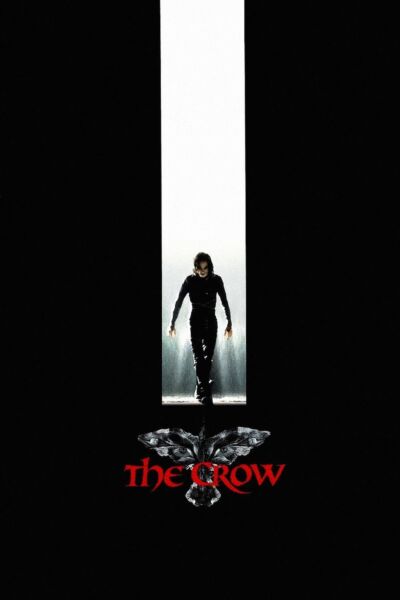
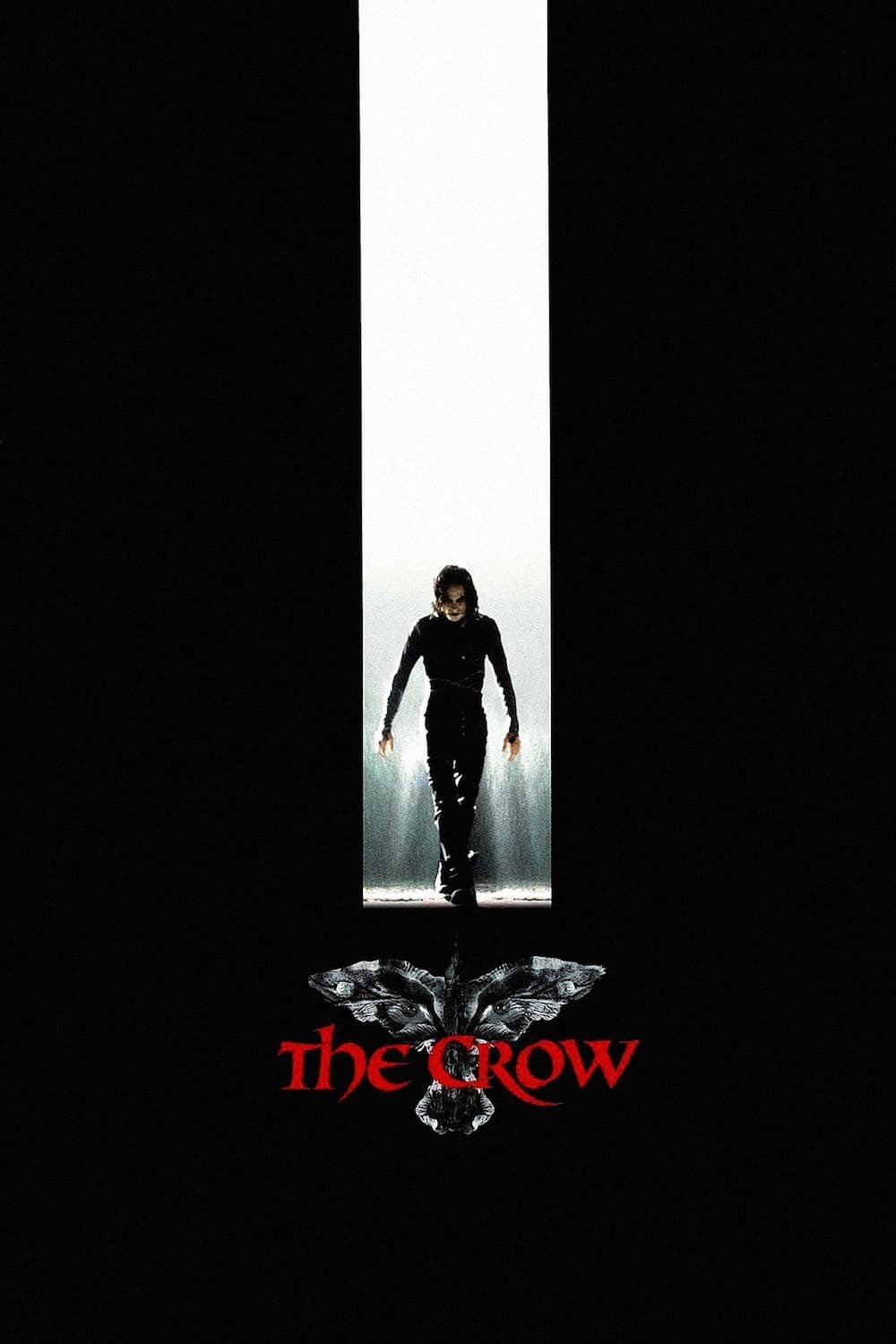
Given that 2024 marks its 30th anniversary and a (dubious-looking) remake is on the horizon, now seemed like a perfect time to rewatch The Crow for the first time in years. I was captivated by the film as a high school senior, and though some parts haven’t aged as well as others, it remains a powerful and unique experience, especially for a superhero film. Of course, it’s impossible to separate The Crow from the tragic death of Brandon Lee, who was fatally shot by a prop gun during filming. His death haunts the film, imbuing its story (a rock star is resurrected from the dead to get vengeance on those who killed him and his fiancée) with an almost mythic power that’s further elevated by the gothic style, gloomy setting, hallucinatory visuals, and stellar soundtrack. (“Burn” is one of my favorite Cure songs.) You can tell how much the role meant to Lee; he delivers a stirring performance as Eric Draven, the avenging angel beset by doubt and sorrow. Watching it this time, though, I was struck by Ernie Hudson as the streetwise cop who becomes Draven’s confidant. I love the scene in his apartment with Draven, a moment of calm in a storm of vengeance.
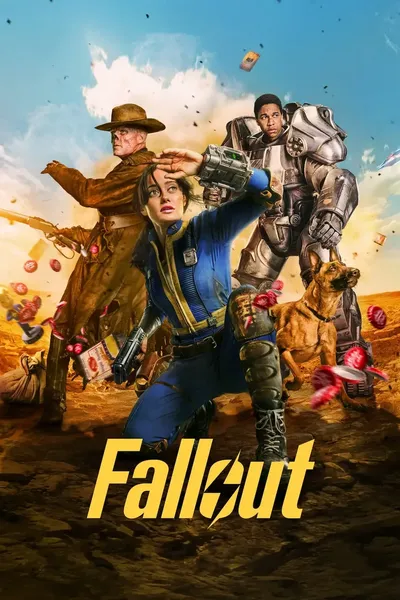
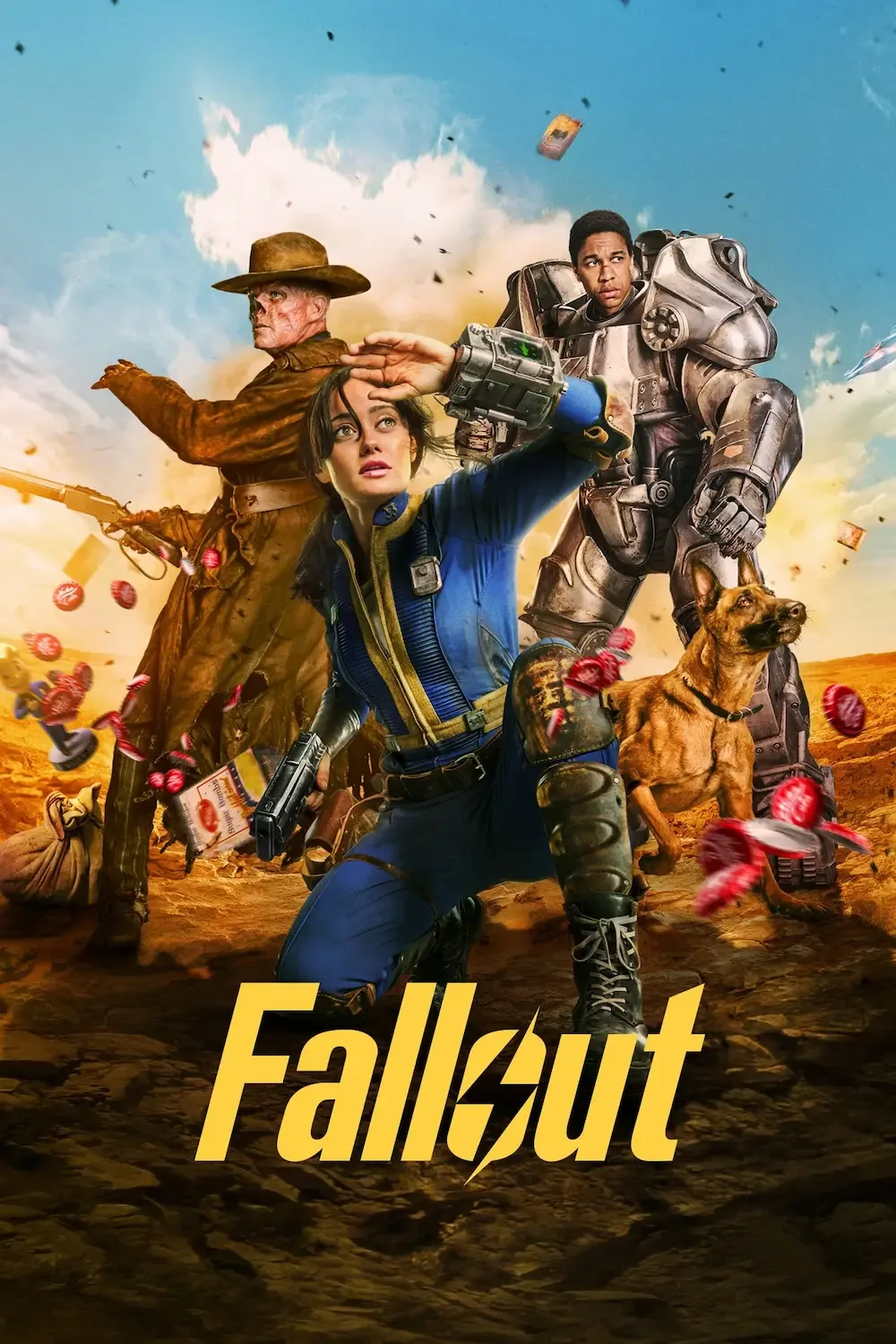
I’ve never played any of the Fallout games, so I have no real attachment to their story and lore. But even with my relative ignorance, I was struck by one thought while watching Amazon’s live-action series: This is how you do a video game adaptation. (I’m looking in your general direction, Halo.) Fallout gets off to a rough start as it follows a young, idealistic woman who leaves the safety of her underground vault’s utopian society to search for her dad in the post-apocalyptic wasteland, but its dark humor, satirical edge, and incredible production design kept me going. By the second half, I was fully invested as the various threads began resolving themselves. It’s deliciously ironic that Fallout, which offers a scathing critique of capitalism and corporate greed, was produced by Amazon of all places. And as should be obvious by now, Walton Goggins makes everything better; his amoral, deeply cynical bounty hunter steals every single scene.
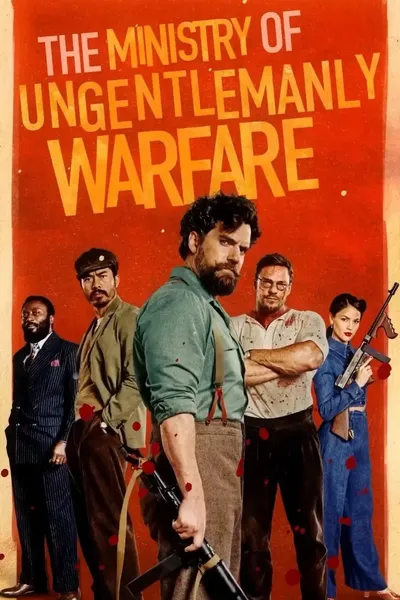
The Ministry of Ungentlemanly Warfare’s heavily fictionalized account of Operation Postmaster is an total lark of a movie. On the one hand, it’s clear that everyone involved had a lot of fun making it; in particular, Henry Cavill is rakishly demented as Gus March-Phillipps (one of the real-life inspirations for James Bond) and the film’s biggest laughs come from Alan Ritchson (Reacher) affecting a Danish accent. Plus, it’s always fun to see Nazis dispatched on the screen in all manner of ridiculous ways. But the film is so much of a lark that when our (anti-)heroes get in a tight spot — when their plans goes awry and the Nazis turn out to be smarter than expected — it’s hard to care about them. Obviously, not every WW2 film needs to a solemn affair, and I appreciate director Guy Ritchie’s attempts to inject his WW2 film with an anarchic spirit, but it’s ultimately shallow and disposable.
The best pork belly I’ve ever had, served on a wonderful bed of Mexican street corn. Their ribs and burnt ends were also excellent, but I’m pretty sure my wife and I will dream about that pork belly in the days to come.
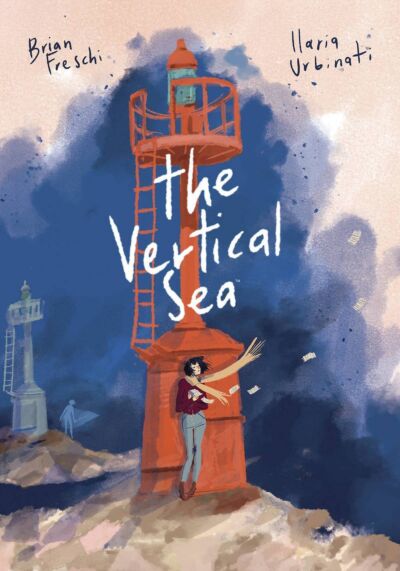
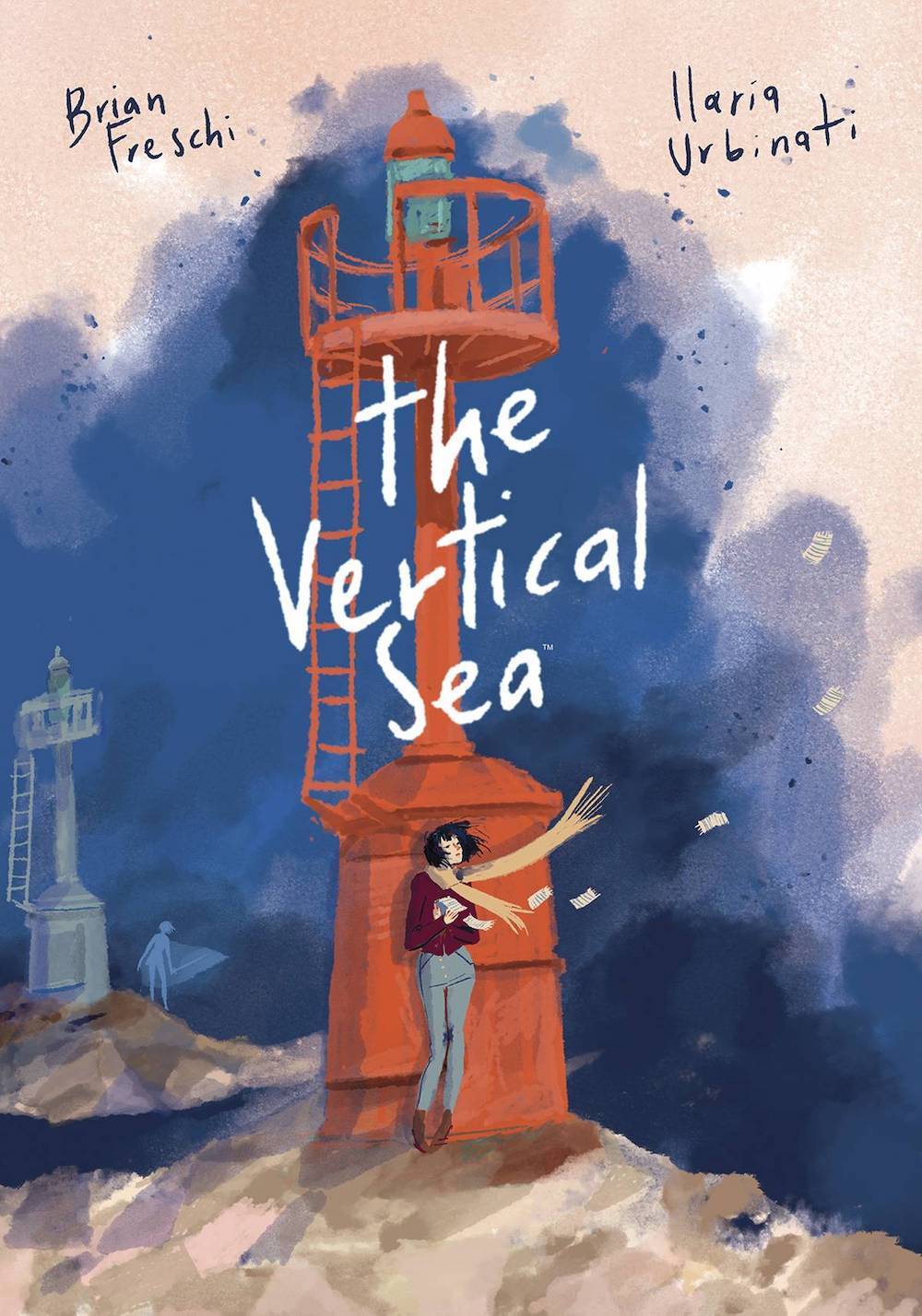
By all appearances, India has a perfect life. She loves her job as an elementary school teacher and she’s in a passionate relationship with her boyfriend. She also suffers from debilitating panic attacks that raise suspicions among her co-workers, students’ parents, and even her boyfriend whether she’s able to function. Brian Freschi’s storyline and Ilaria Urbinati’s watercolor artwork pull no punches, putting you right in the middles of India’s plight. The Vertical Sea is frequently absorbing, as India opens up to a therapist even as she fights for her career and relationship. Unfortunately, The Vertical Sea is also undermined by an ending that feels surprisingly neat and perfunctory given the rawness of the preceding pages.
Here’s all you need to know about this Kansas City cafe: complimentary fresh-baked cinnamon rolls. That alone deserves an extra star or two. Of course, the food we actually ordered was good, but let me repeat: complimentary fresh-baked cinnamon rolls.

After a great war devastated the mainland, survivors sought refuge on the remote island of Celestia. But after many years, Celestia has become a fraught and decadent society where telepaths meet in secret amidst its canals. (Which draw inspiration from the history of Venice.) Two of these telepaths — volatile Pierrot and anxiety-prone Dora, who have a tempestuous relationship (to put it mildly) — are forced to travel back to the mainland, a dangerous journey that reveals hidden truths about themselves and their post-war world. With its painterly artwork, elliptical storytelling, and bizarre architectural designs, Manuele Fior’s Celestia feels like an experimental European arthouse film about the post-apocalypse mixed with some X-Men-esque superpowers. In other words, it gets pretty surreal and ambiguous, so your mileage may vary. What made Celestia particularly engrossing for me, though, is the way in which Fior depicts his characters’ mental powers, blurring the lines between what’s actually happening and what might just be happening in their heads. (Note: With its graphic content, Celestia is definitely not for kids.)
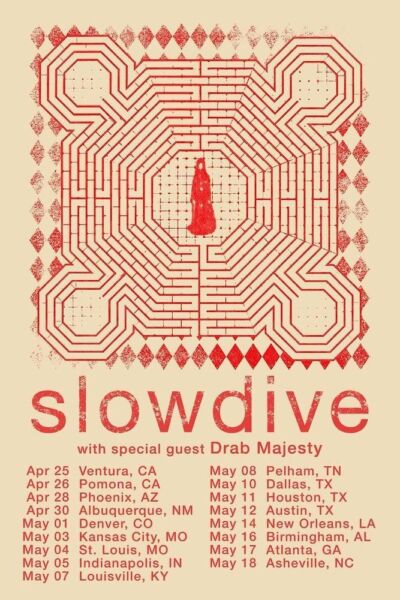
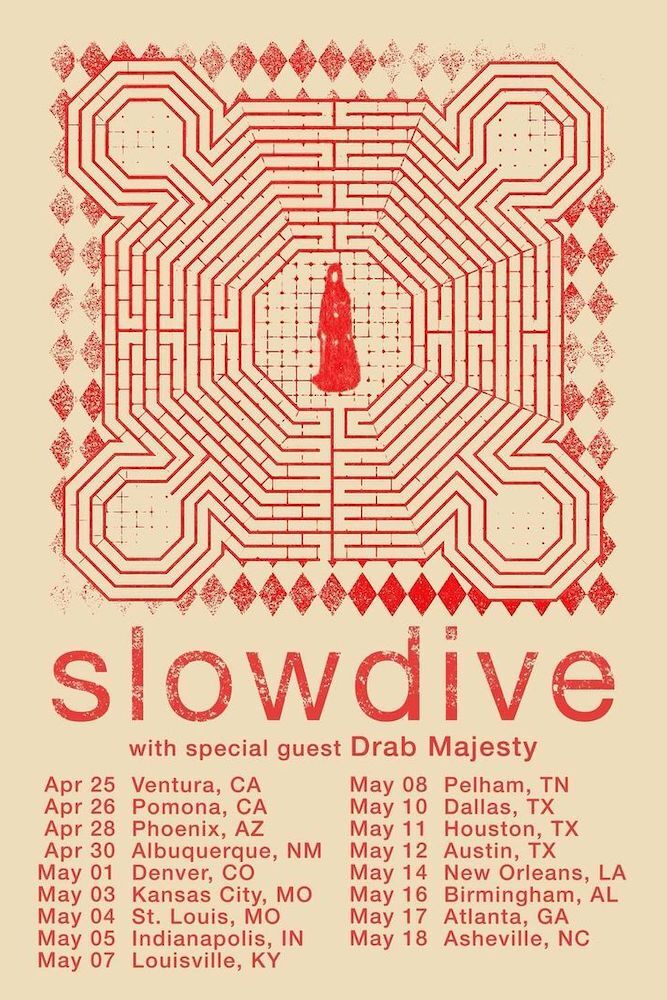
This was a tough one for me. On the one hand, there are two excellent bands, including one of my favorite bands of all time. On the other hand, you have a sound mix that drowned out the performance with way too much bass or pushed the levels past the redline, obscuring intricacies and frequencies. In other words, I could tell that Slowdive and Drab Majesty were delivering incredible performances; I just wish I could’ve actually heard them in all of their splendor. Drab Majesty really tore it up on songs like “Dot in the Sky” and I loved the 12-string guitar and flanged drums on “The Skin and the Glove.” As for Slowdive, the maxed out mix was actually a plus during “She Calls.” One of my favorite Slowdive songs, it’s absolutely overwhelming live, especially when combined with the intense light show. And I couldn’t help but grin when the crowd started dancing during “Alison” and “When the Sun Hits.” There was a palpable sense of joy in the Truman, one further enhanced by Rachel Goswell’s beatific smile.
-
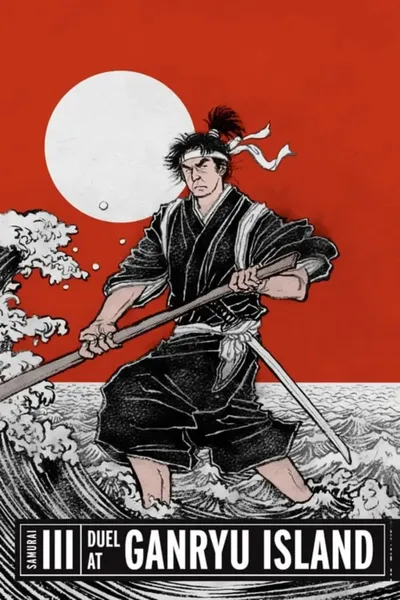
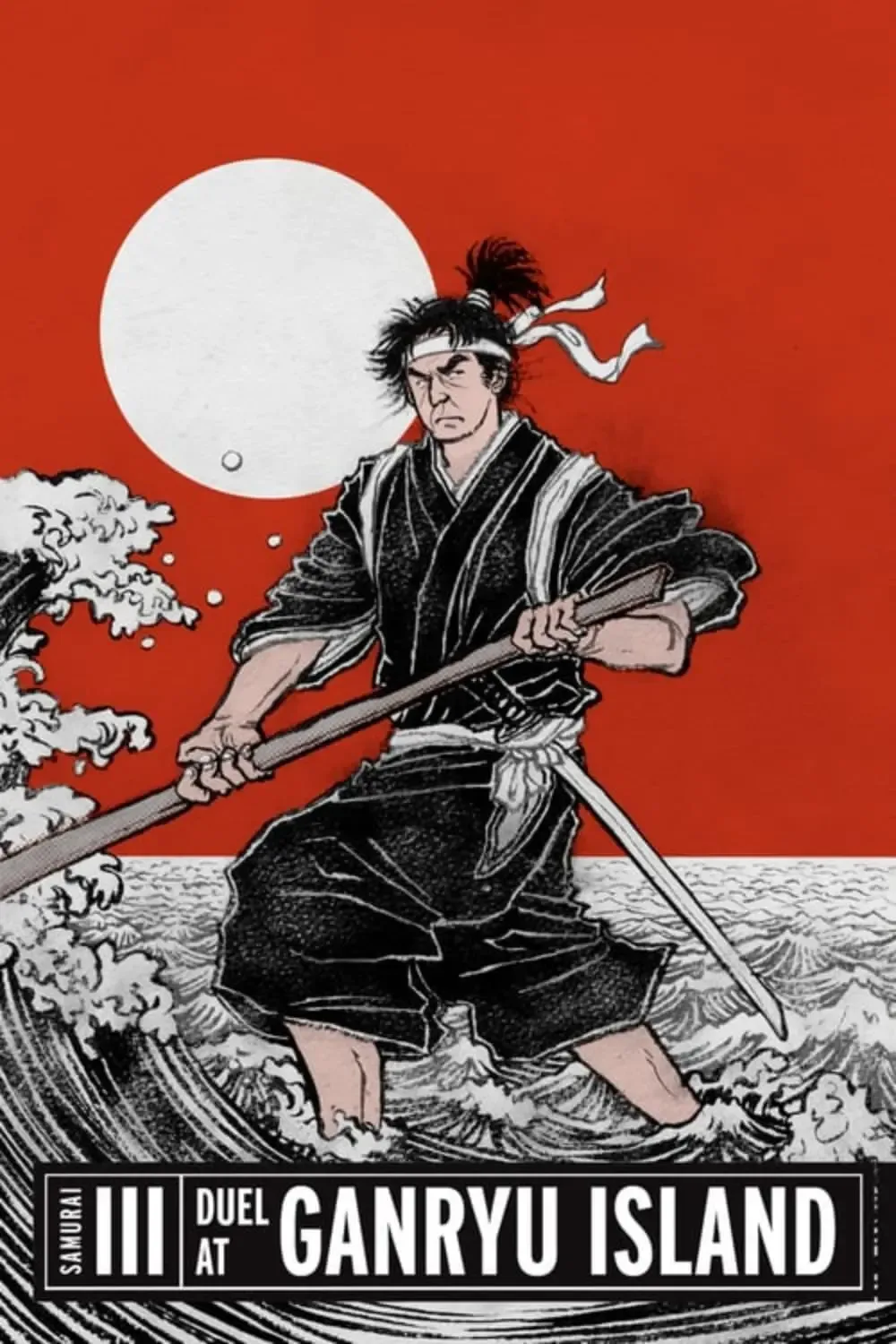
Musashi Miyamoto (Toshirô Mifune) faces the possible end of his adventures when he’s challenged by a young and talented swordsman (Kôji Tsuruta) who possesses the same sort of drive and ambition that Musashi once had in his younger, more reckless days. Asking for a year to prepare, Musashi moves to a distant village to live a more peaceful life, only to find his new home beset by vicious bandits. And if that weren’t complicated enough, Musashi still finds himself in a love triangle with the guileless Otsu and scheming Akemi. The love triangle in Samurai III: Duel at Ganryu Island really does get ridiculous and over-the-top at times, with both women constantly swooning and pining after Musashi even though his samurai’s honor compels him to focus on the blade alone. It all leads up to the titular duel, climactically fought beachside at dawn amidst the roiling surf. As with the previous films in the Samurai trilogy, Mifune is quite magnetic here. Also worth nothing are the film’s theatrical flourishes, which give it a more stylized aesthetic compared to its predecessors.