My Cultural Diet (September 2024): The Cure, The Crow, Django Unchained, Rebel Ridge
In order to better track my various cultural experiences (e.g., movies, TV shows, books, restaurants), I’ve created the Cultural Diet. Think of it as my own personal Goodreads, Letterboxd, and Yelp, all rolled into one (more info here). Every month, I recap everything that I watched, read, etc., in the previous month.

As its title implies, Simon Price’s Curepedia isn’t a biography or memoir, but rather, an encyclopedia of minutiae concerning one of the greatest bands of all time. As expected, there are detailed bios for Robert Smith and all of the other Cure members, past and present, as well as in-depth articles for all of their albums and various hits and singles (e.g., “Boys Don’t Cry,” “Just Like Heaven,” “Lovesong,” “Friday I’m in Love”). But Curepedia also covers the band’s birthplace in Crawley, their influences (musical, literary, etc.), related musical projects, Robert Smith’s marriage, their favorite soccer teams, their views on politics and the British Royal Family, and Smith’s iconic hairstyle and preferred footwear — to name just a few topics. Curepedia even delves into the less savory corners of Cure history, including run-ins with the law, the bullying of founding member Lol Tolhurst, their disastrous tours in the late ’90s, and of course, the band’s long history with drugs and alcohol. Whatever the topic, though, Price tackles it with an eye for detail and verve to spare, making it abundantly clear that Curepedia was a labor of love. With a new album on the horizon, now seemed like a good time to delve into Price’s tome, which proves itself to be an essential resource for Cure fans.
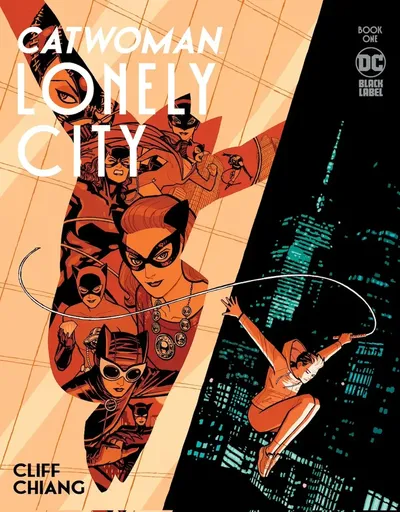
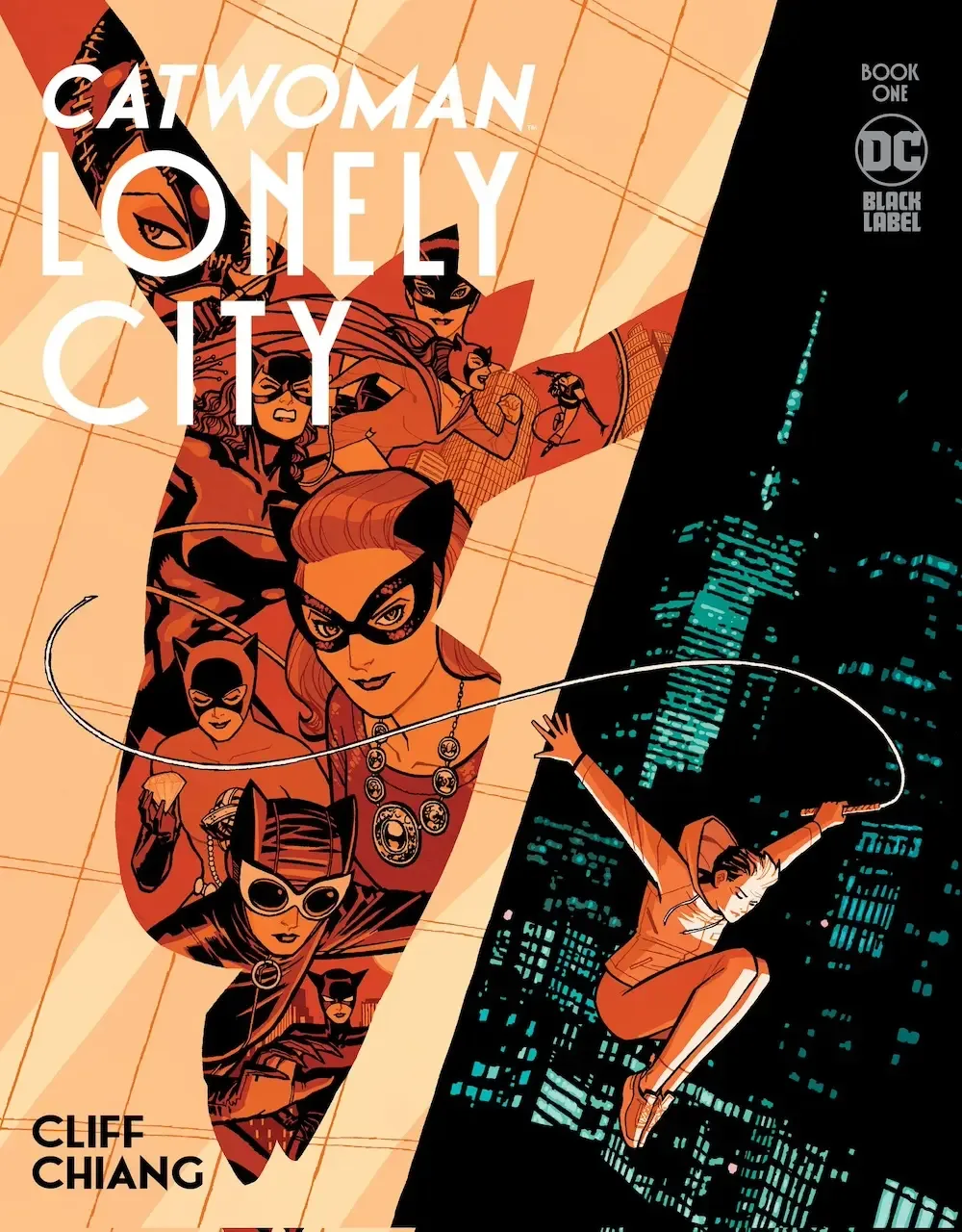
Ten years after Batman, Robin, and Commissioner Gordon were killed in the “Fools’ Night” massacre, Selina Kyle — aka Catwoman — is released from prison into a very different Gotham City. Although costumed heroes are now banned, the city is crime-free thanks to Mayor Harvey “Two-Face” Dent’s authoritarian rule. So what’s a former cat burglar to do? Assemble a crew and pull off one last heist in order to solve Batman’s final mystery, of course. To its credit, Catwoman: Lonely City doesn’t feel like a gritty reboot, though it’s certainly gritty in places, and Cliff Chiang’s (Wonder Woman, Paper Girls) artwork is uniformly lovely. However, the story — which pulls in a bunch of DC characters from Killer Croc to The Riddler to Etrigan the Demon — gets a bit sprawling as it nears the end, with a finale that feels a bit underwhelming. Still, it’s nice to see Catwoman get treated with some gravitas, and not just as a gal in a slinky catsuit.

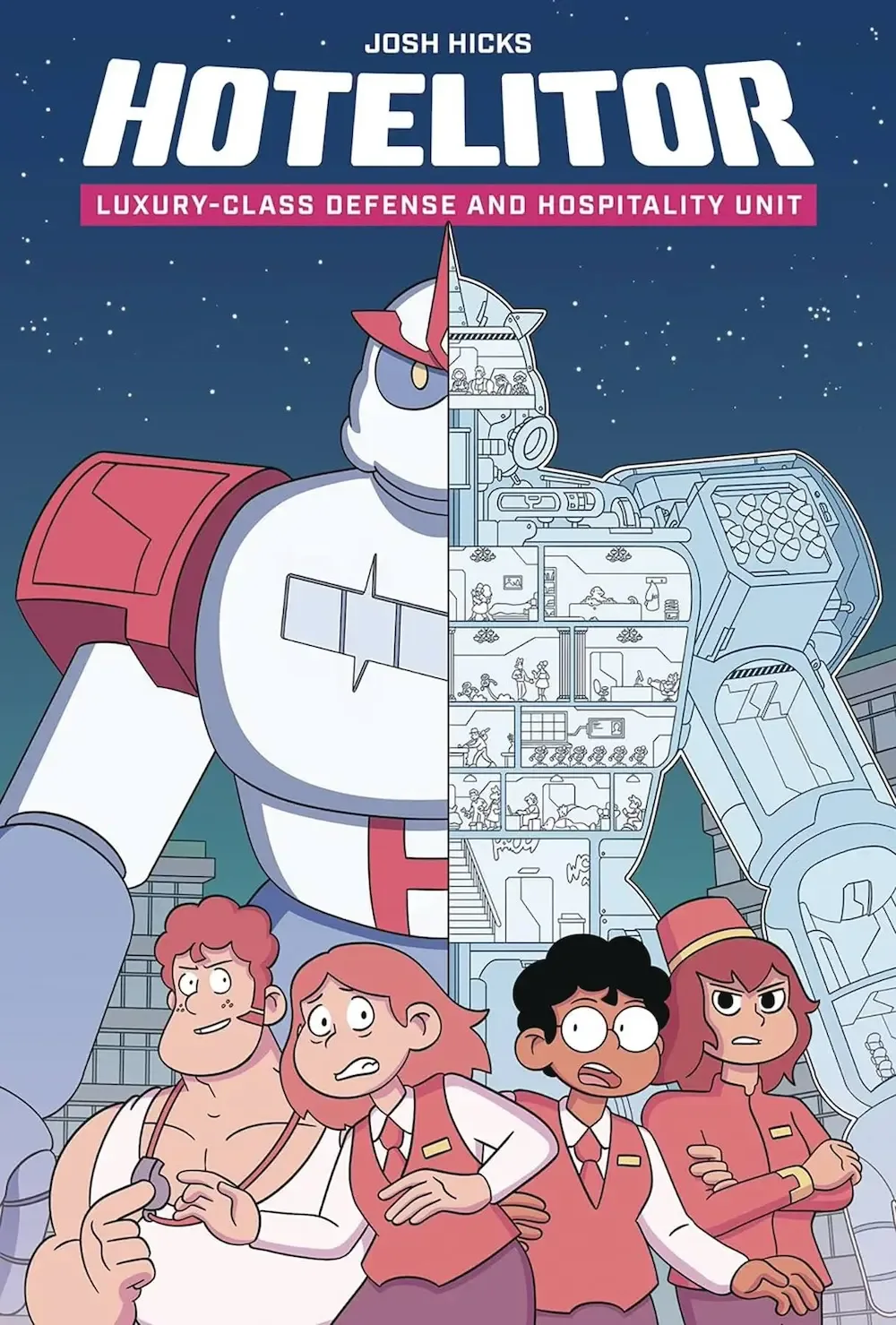
Earth is a toxic and inhospitable wasteland. Fortunately, humanity is able to live in comfort amongst the stars aboard luxurious hospitality craft like Hotelitor — which also just happens to be a giant robot. But when a mysterious alien attacks, Hotelitor is forced to flee into deep space with just a skeleton crew of low-ranking employees to pilot it and care for its colorful residents. I really wanted to like Hotelitor more than I did. I’m a sucker for giant robots, of course, and I like stories about plucky heroes sticking it to the Man — or in this case, ultra-wealthy corporations. But the more I read Hotelitor, the more on-the-nose its anti-corporate message got. I feel bad even writing that because Lord knows greedy corporations and their sycophants don’t need any defending. But Hotelitor’s message ultimately undermines and obscures whatever fun and whimsy might be found in its pages.
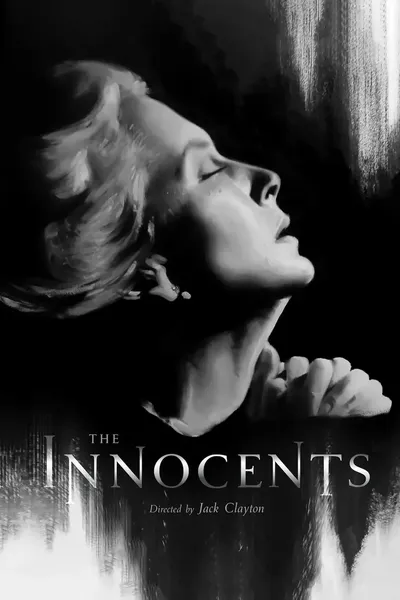
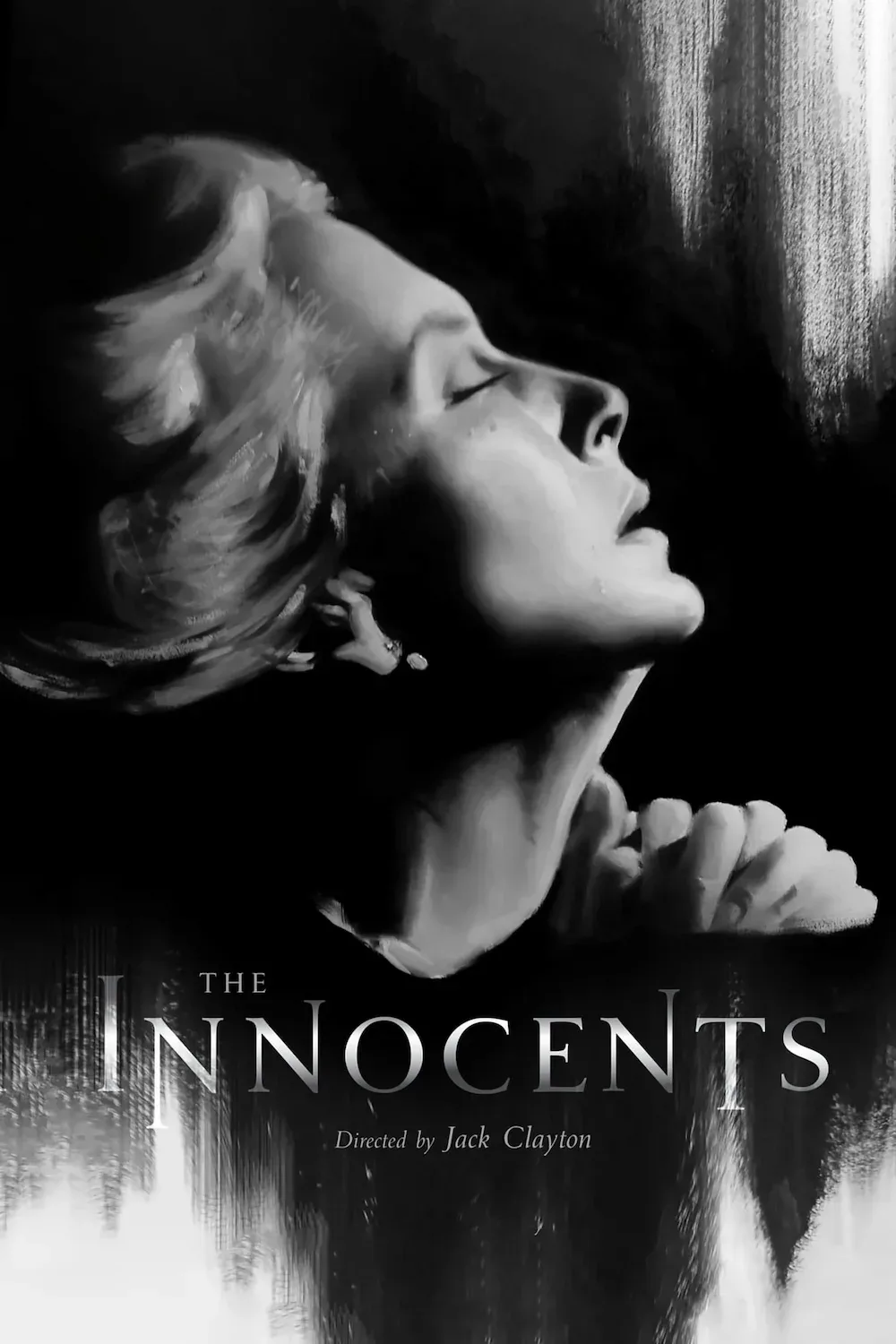
My youngest has been wanting to branch out into spooky movies lately, so now seemed like the perfect time to share what is arguably my favorite horror movie, and it’s held that status ever since my film history professor gave me a VHS copy back in the mid ’90s. Put simply, Jack Clayton’s The Innocents — adapted from Henry James’s The Turn of the Screw by William Archibald and Truman Capote — is a gothic horror masterpiece. When a young governess (Deborah Kerr) moves to a remote English manor to care for two children, it seems like a dream assignment. Something sinister, however, lurks beneath the picturesque setting and the children’s beatific faces, though it’s unclear if it’s something truly supernatural or just a figment of the governess’s anxious mind. Everything about The Innocents is near-perfect. The incredible production design, Freddie Francis’s rich black-and-white cinematography, the beautiful Sheffield Park scenery, the haunting music and sound effects, and the performances by Kerr and Martin Stephens — who’s absolutely chilling as the young Miles — all come together for a true horror classic.
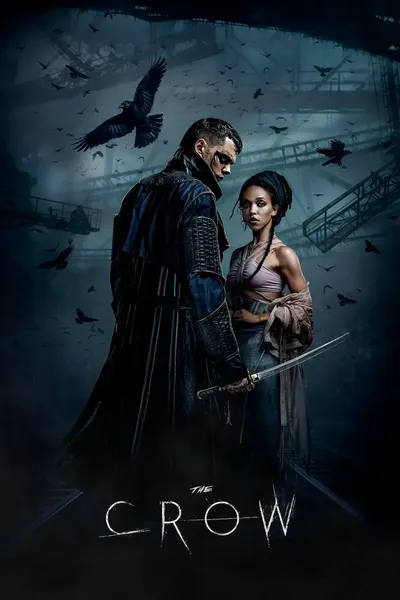
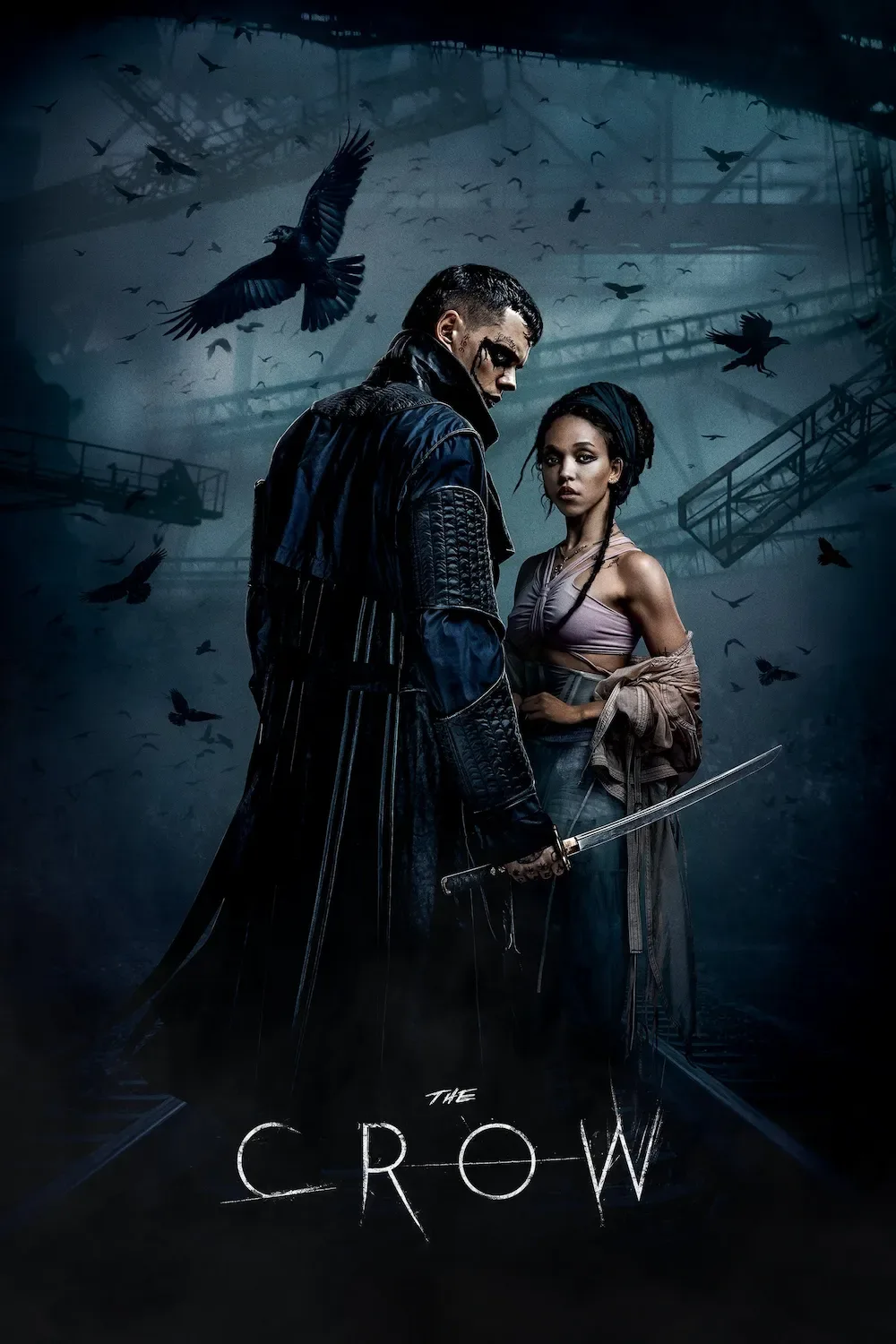
The original Crow, directed by Alex Proyas and starring Brandon Lee — who tragically died in a freak gun accident during the film’s production — is an undeniable cult classic. But that doesn’t mean it’s sacrosanct and therefore, can never be remade. At the very least, the film’s themes of love, death, and supernatural revenge are evergreen and inherently cinematic. But was this really the best that anyone could do? To Bill Skarsgård’s credit, he does give it his all as the titular character, but 2024’s Crow gives him precious little to work with beyond a bunch of tired grimdark nonsense, some tedious dialog, and a silly emo love story. Even the action, which certainly earns the film its “R” rating with decapitations and disembowelments a-plenty, is rendered limp and inert by the film’s hamfisted-ness. (An ultra-violent action sequence set against the backdrop of an opera performance? I’ve never seen that before.)

Junta Yamaguchi’s Beyond the Infinite Two Minutes was a delightful riff on the time loop genre. Apparently he figured if it ain’t broke, than why fix it and decided to make yet another time loop film. This time, however, the staff and guests of a picturesque riverside inn find themselves caught in a two-minute time loop. You’d think the constant repetition would get tedious, but to the credit of Yamaguchi and his cast — who are members of the Europe Kikaku theatrical troupe — the resulting film is quite winsome as the staff tries to comfort their guests, and various characters use the time loop to work out personal problems (like the author who sees the loop as a respite from his pressing deadline). River does get bit slight, and the eventual revelation of the time loop’s cause feels out of sorts with the naturalistic tone. Even so, it’s hard to dislike a film this charming. It doesn’t hurt that the riverside setting at Kyoto’s Fujiya Inn is absolutely gorgeous — I definitely want to go to there — as is the digital cinematography.
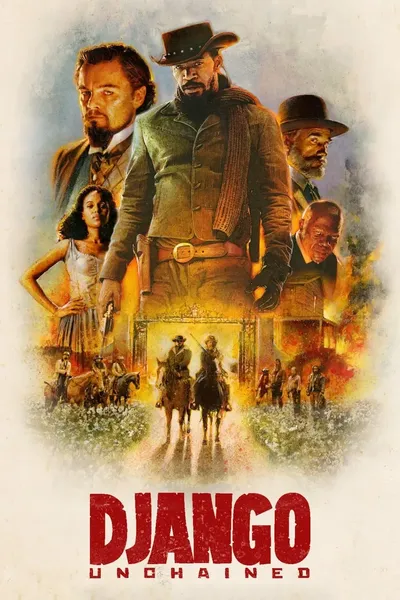
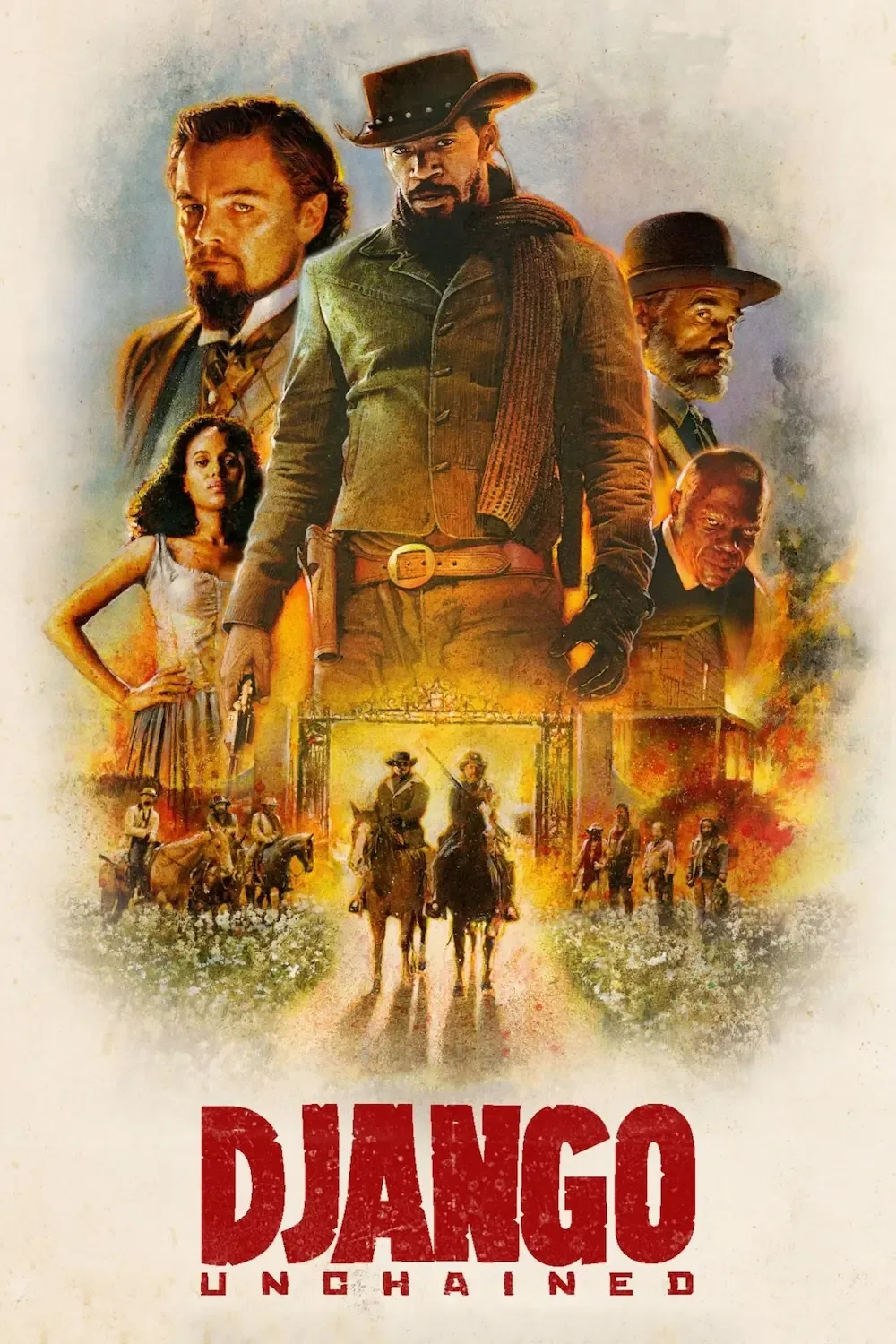
Quentin Tarantino’s sprawling anti-slavery epic is perhaps a bit too, well, sprawling for its own good, especially as it enters its final act. And yet, I don’t really blame Tarantino for wanting to spend as much time as possible with characters like Dr. King Schultz (Christoph Waltz), Django Freeman (Jamie Foxx), and even the despicable Calvin J. Candie (Leonardo DiCaprio). All three men deliver bravura performances in their own way. The relationship between Schultz and Django is really delightful — I’ll never think of the phrase “auf wiedersehen” the same way after seeing this movie — but DiCaprio steals every scene he’s in as the “evil ass enslaver” (to use Roy Wood Jr.‘s phrase) who hides his depravity behind good manners, genteel speech, and Southern hospitality. As a result, the film’s final shootouts are particularly cathartic, not to mention a real treat for those of us who enjoy seeing lots of blood squibs put to good use.
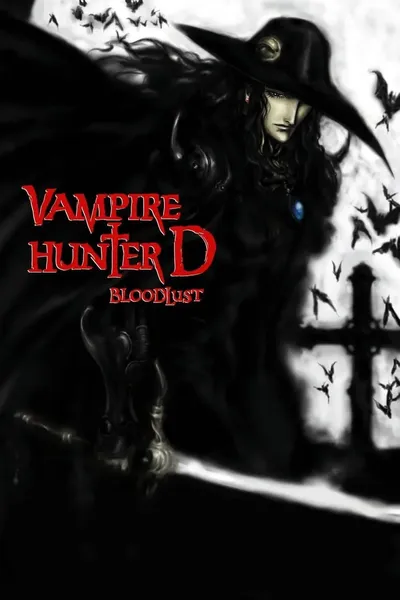
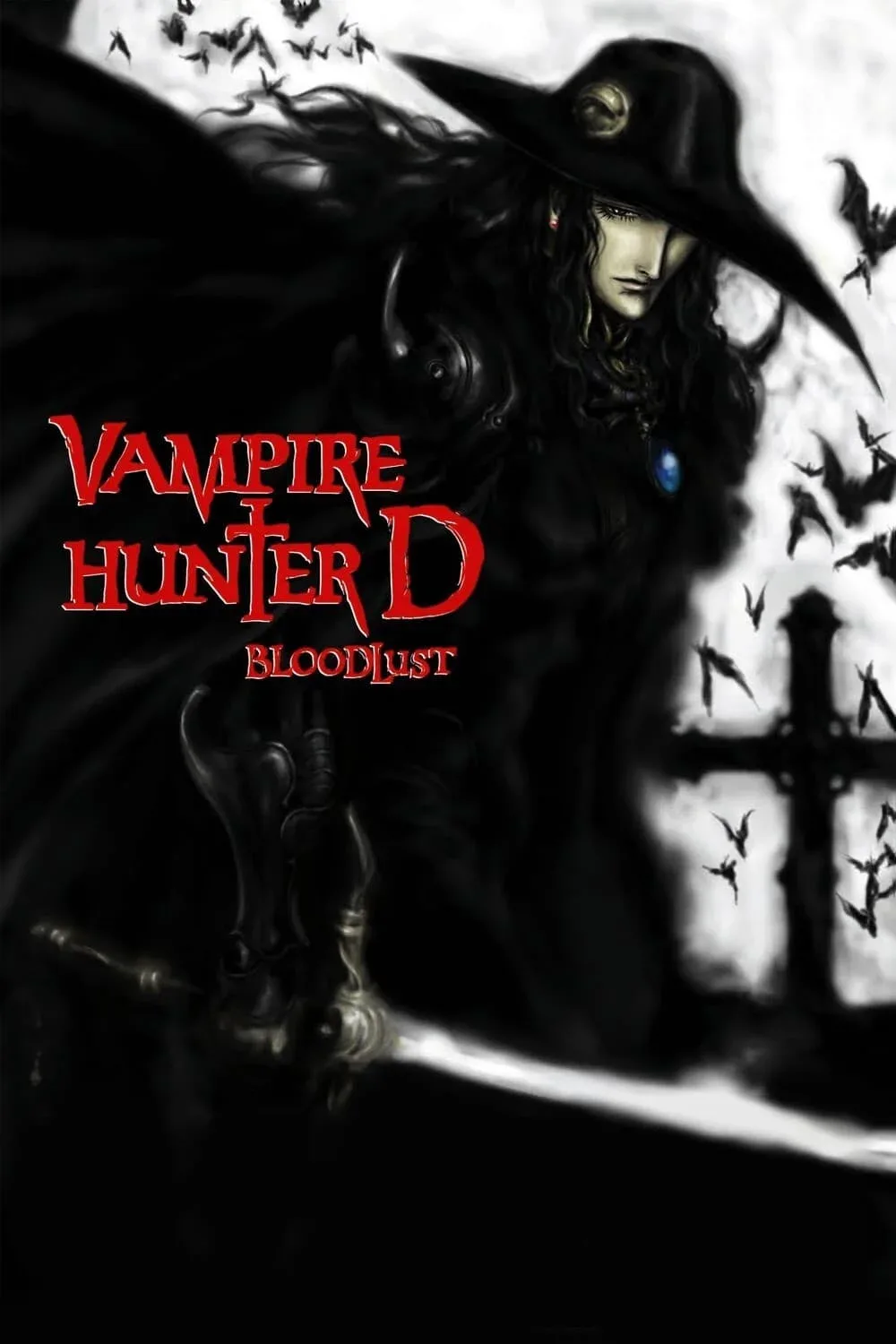
Although a definite improvement over Toyoo Ashida’s 1985 film, Vampire Hunter D: Bloodlust still leaves me yearning for a truly great adaptation of Hideyuki Kikuchi’s popular novels. Bloodlust is filled with a fascinating menagerie of monsters — vampire, mutant, or otherwise — and its far-future setting offers up a promising blend of sci-fi, fantasy, and horror. This is a world where sword-wielding bounty hunters like the titular D ride cybernetic horses across post-apocalyptic wastelands populated with bizarre creatures and filled with the remnants of ancient-yet-advanced technology. And given that Bloodlust was directed by Yoshiaki Kawajiri (Ninja Scroll, Wicked City), then you better believe it’s all stylized to the hilt, and then some. Unfortunately, the script is incredibly awkward and melodramatic. The voice actors do their best, but Bloodlust is filled with awkward and unwieldy dialog that undermines the fantastical setting, tragic romance, and gothic horror. Which is a shame, because D is such a cool character and he deserves better.
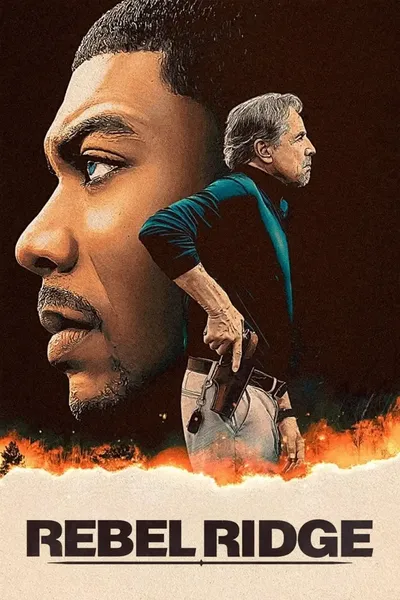
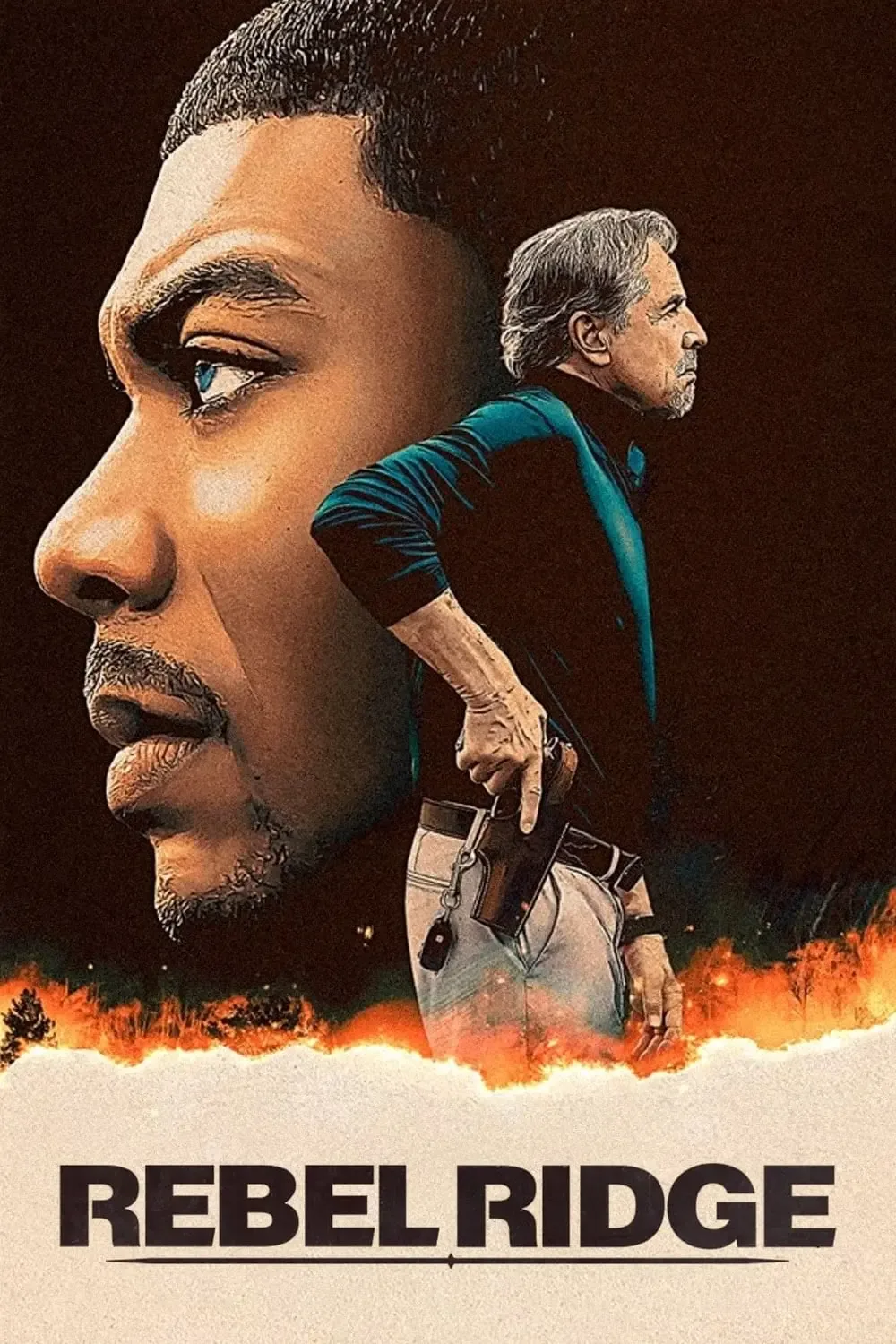
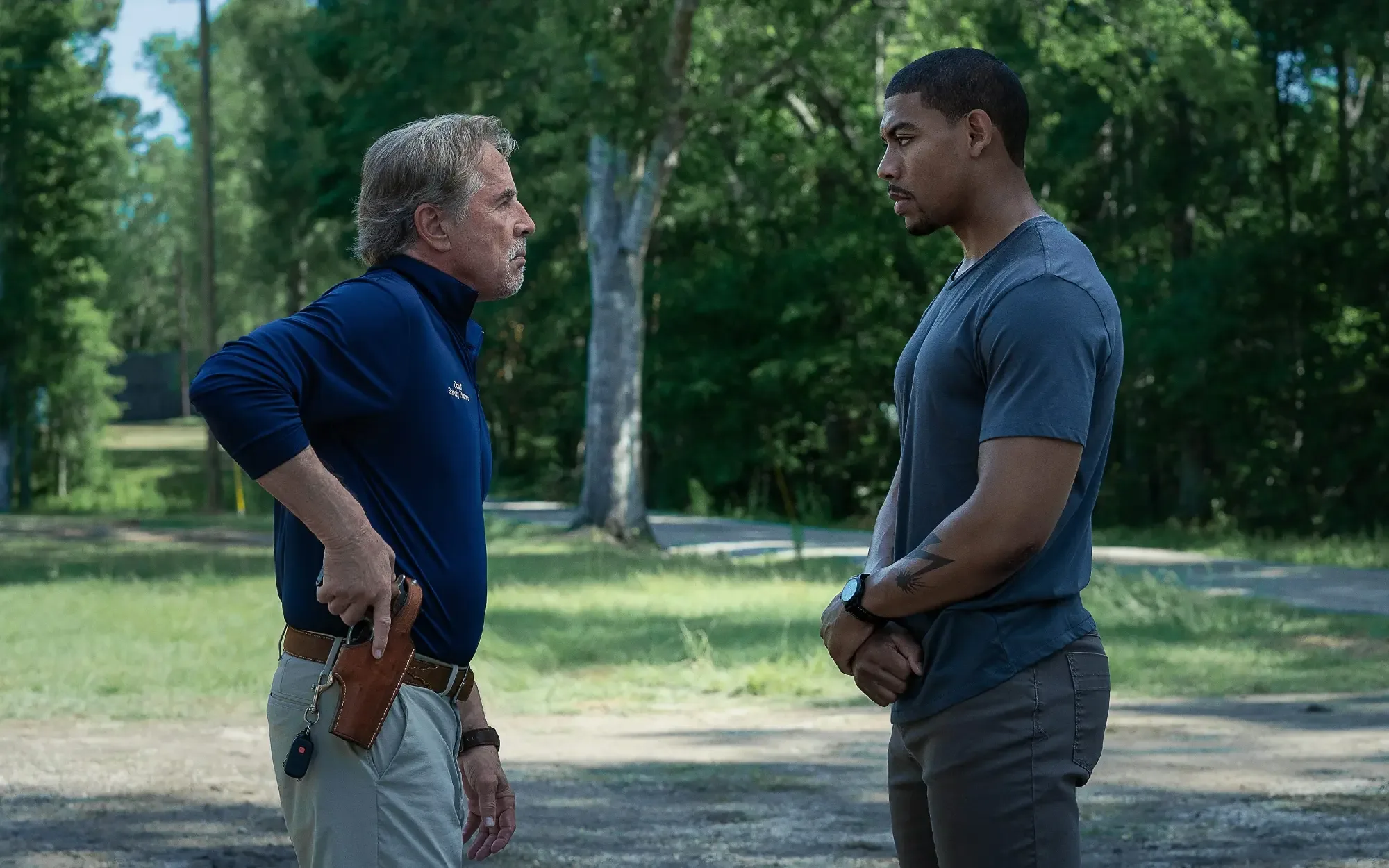
No offense to John Boyega, but I’m glad he dropped out of Rebel Ridge, thus paving the way for Aaron Pierre’s breakout performance. With his piercing gaze and statuesque features, Pierre dominates the screen as a former Marine who’s robbed by some corrupt cops (who are led by a delightfully slimy Don Johnson) as he passes through their small southern town. Unfortunately for them, he possesses a very particular set of skills, which he quickly puts to good use exposing and dismantling their operation. Rebel Ridge’s roots lie in ’70s exploitation films, only updated for modern sensibilities in a way that sacrifices little grit or intensity. Clocking in at just over two hours, the slow-burning film can feel a bit too long. At the same time, I love how writer/director Jeremy Saulnier allows his film to breathe, offering up beautifully designed shots that turn something as simple as two vehicles driving away from each other on a rural highway into riveting cinema, and letting his scenes slowly unfold to ratchet up the tension. Which, of course, makes our hero’s eventual smackdown all the more satisfying.
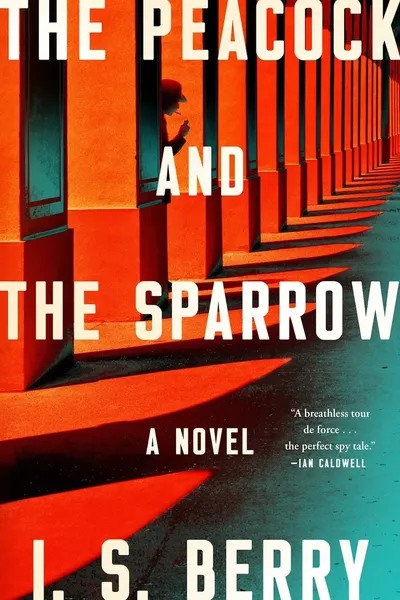
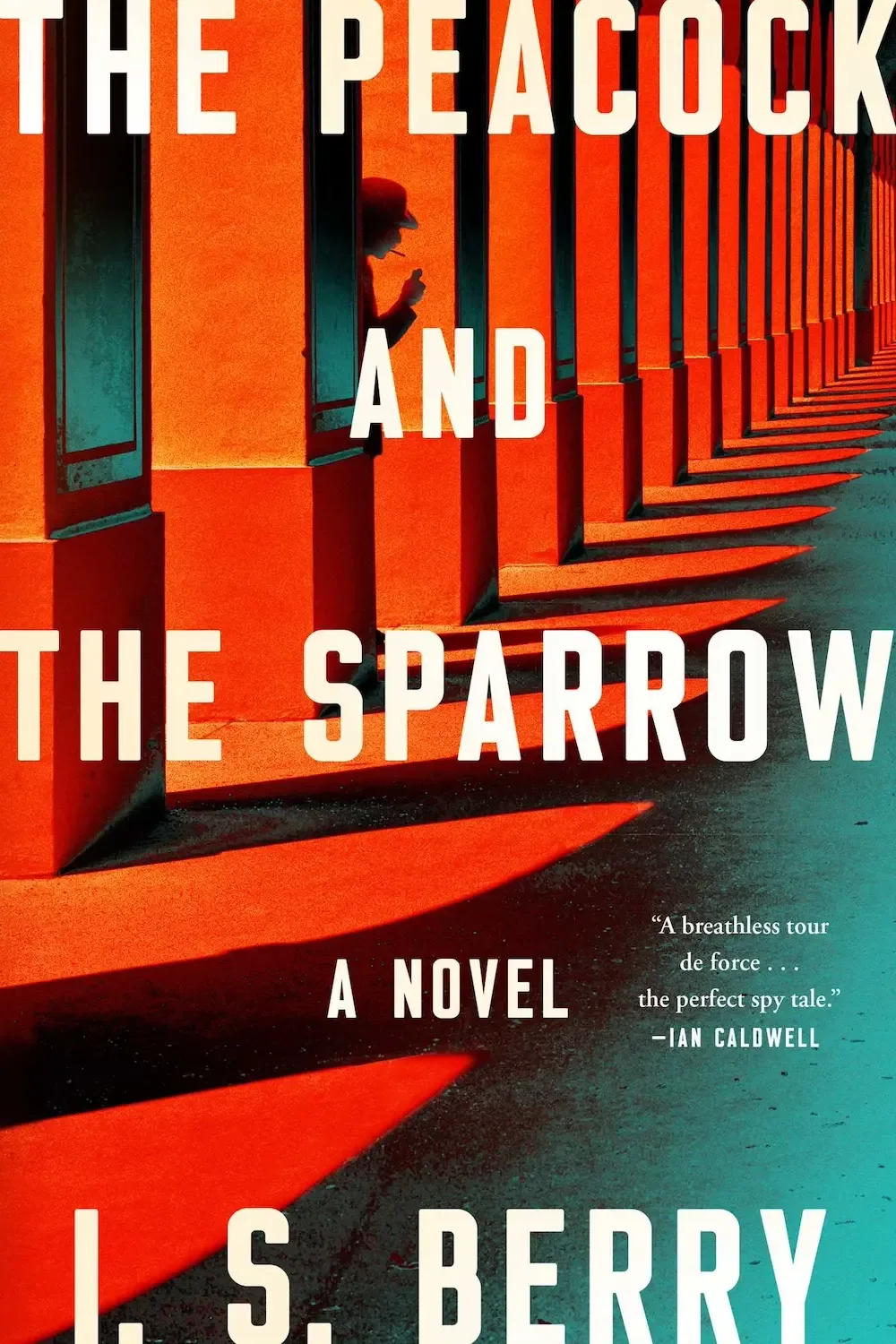
Although Shane Collins is a spy, he’s no James Bond. True, he enjoys drinking and is something of a womanizer, but his years as a spook have left him tired, cynical, and on the verge of cirrhosis. His only goal is to survive his current posting in Bahrain and retire to Florida on a government pension. That all changes, however, when he becomes fixated on a woman named Almaisa — an infatuation that could jeopardize his final mission. Based on the publisher’s copy, you might assume that The Peacock and the Sparrow is the simple story of a world-weary spy’s last grasp at love and redemption. Let me assure you, however, that there’s nothing simple about I.S. Berry’s debut novel, with its shadowy deals, government bureaucracies, and morally vague protagonist. Berry was a CIA agent in Baghdad for several years, which imbues her Arab Spring-set story with no small amount of verisimilitude. Just don’t expect the usual espionage fare; although there’s some globe-trotting, Berry’s novel contains no fancy gadgets or thrilling action sequences. Rather, The Peacock and the Sparrow is more a compelling character study about the many ways the spy trade, with its necessary deceptions and manipulations, can eat away at one’s soul.
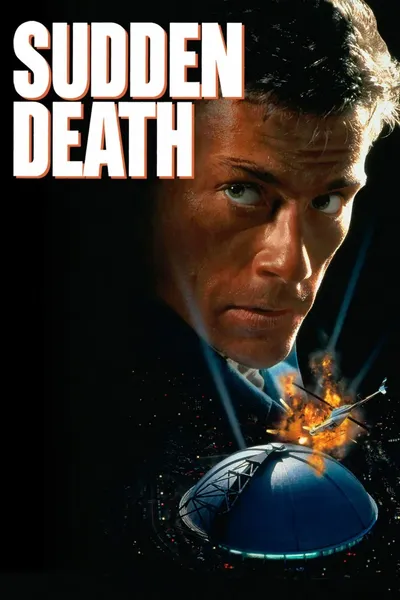
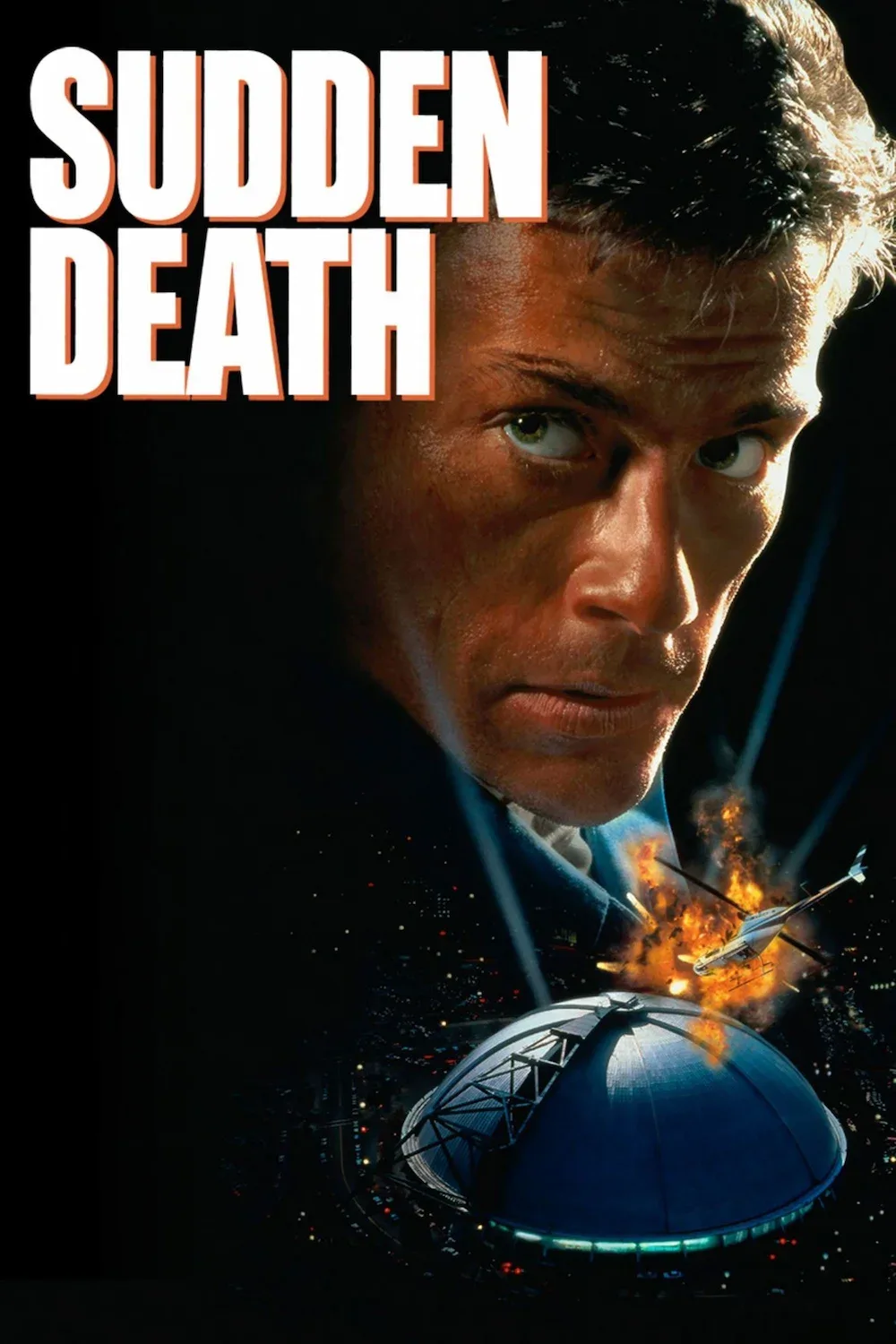
I was prepared to give Sudden Death four stars, perhaps even more — which might seem odd given that it’s a Jean-Claude Van Damme movie, and it’s a foregone conclusion that they’re all cheesy (at best). But for a good portion of its runtime, Sudden Death is a surprisingly taut riff on Die Hard: a lone man with a tragic past and some family problems must save countless innocents when bad guys take over a hockey arena and hold the Vice President hostage during the final game of the Stanley Cup. As it progresses, though, Sudden Death gets just a little too ridiculous, with just a few too many plot holes and inconsistencies. Still, I was very pleasantly surprised by just how enjoyable and entertaining it turned out to be. Van Damme acquits himself well as our dogged hero and Powers Boothe is delightfully smarmy as the chief villain who seems to hold all of the cards.
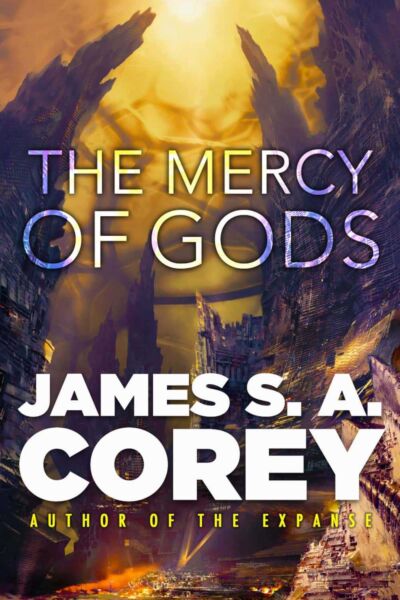
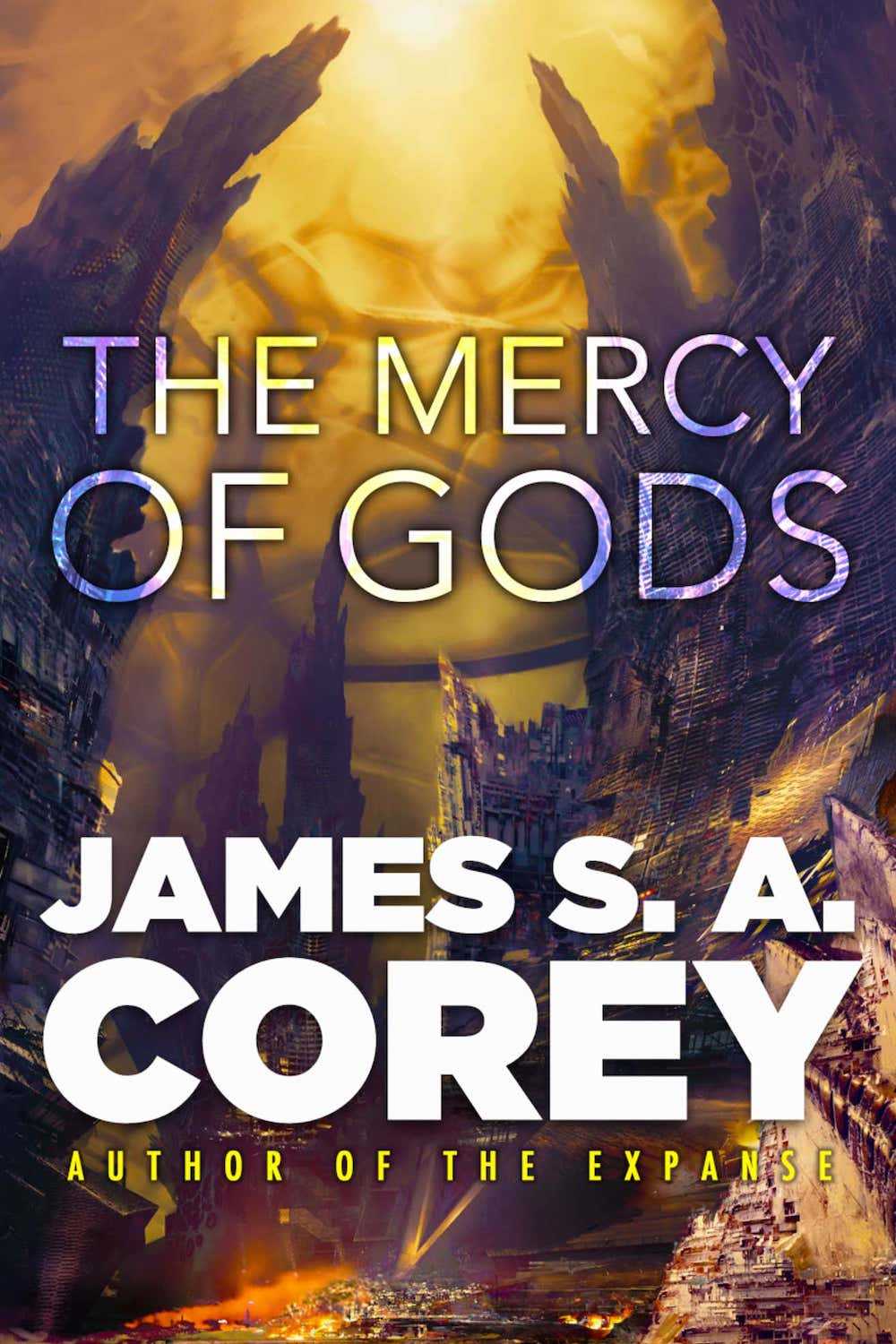
Given that James S.A. Corey — the nom de plume of Daniel Abraham and Ty Franck — wrote The Expanse, arguably one of the best sci-fi series in recent history, I went into The Mercy of Gods with no small amount of excitement and expectation. With its tale of humans enslaved by a superior species and caught up in a vast interstellar war, the duo’s latest certainly promises to be the start of another riveting space opera. But The Mercy of Gods is a lot of set-up, with very little pay-off in its 400+ pages. Being the first novel in The Captive’s War trilogy, that’s to be somewhat expected. Even so, an inordinate amount of the novel feels like busy work, with Abraham and Franck just maneuvering their characters into place for the second novel. There’s plenty of fascinating world-building — the two writers have certainly created a fascinating menagerie of alien cultures and technologies — so I have hope that the second novel will prove more engrossing, now that laying the foundation is done and out of the way.
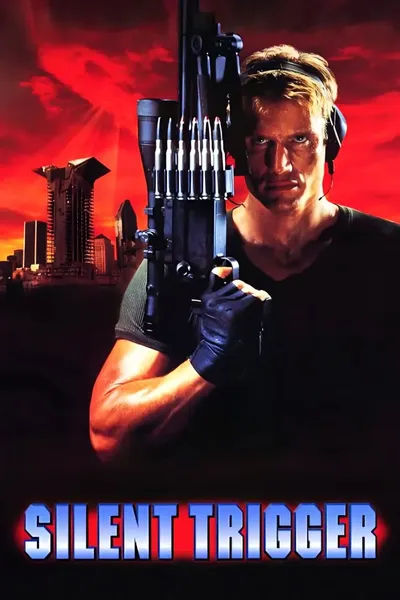
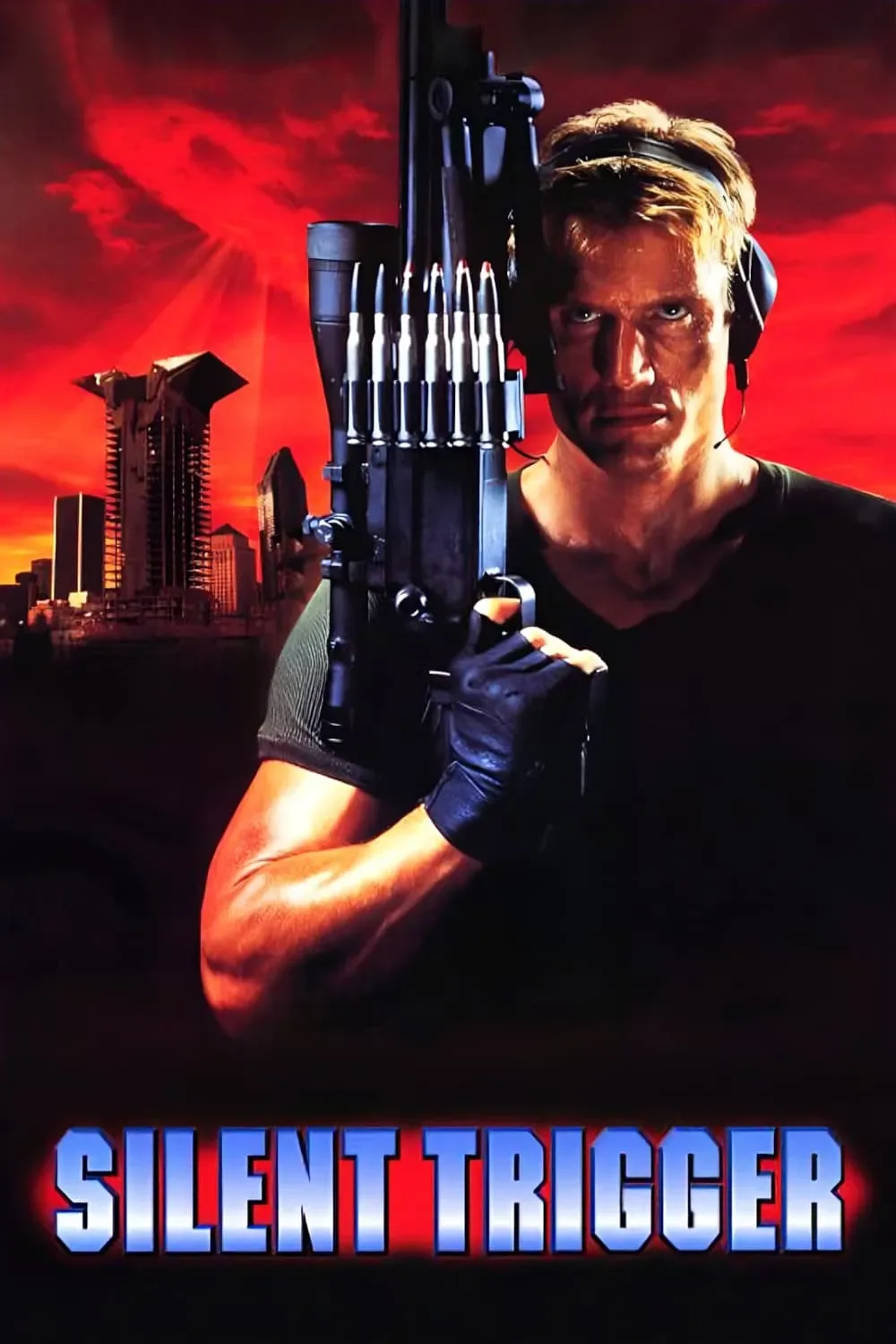
Russell Mulcahy’s Silent Trigger has some serious strikes against it. Its storyline about a sniper (Dolph Lundgren) and spotter (Gina Bellman) was obviously meant to be enigmatic but instead, it’s convoluted and nonsensical. (I’m pretty sure some critical scenes were left on the cutting room floor.) The dialog is filled with clichés. And as for the performances, Bellman was probably going for femme fatale, but her breathy delivery and doe eyes are more pouty than edgy. Meanwhile, Christopher Heyerdahl chews up all the scenery as a deranged, coke snorting misogynist. That said, Silent Trigger is firmly lodged in my subconscious thanks to catching bits of it on Cinemax back in the day, so I can’t help but have a certain fascination with it. Lundgren’s screen presence is undeniable (clunky dialog aside) and the film occasionally possesses a cool atmosphere via the abandoned skyscraper set design (which is all ’90s brutalist techno-chic), the soundtrack’s New Age-y ambience (chants included), and the script’s flirtation with existentialism. With some adjustments and tightening, Silent Trigger could’ve been a true ’90s cult classic. Instead, it’s just more of a curiosity piece.