My Cultural Diet (August 2025): Mission: Impossible, The Expanse, Superman, Amélie, Book and Dagger, Squid Game
In order to better track my various cultural experiences (e.g., movies, TV shows, books, restaurants), I’ve created the Cultural Diet. Think of it as my own personal Goodreads, Letterboxd, and Yelp, all rolled into one (more info here). Every month, I recap everything that I watched, read, etc., in the previous month.
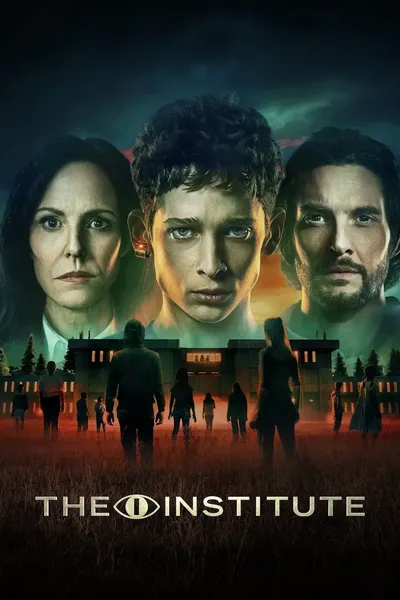
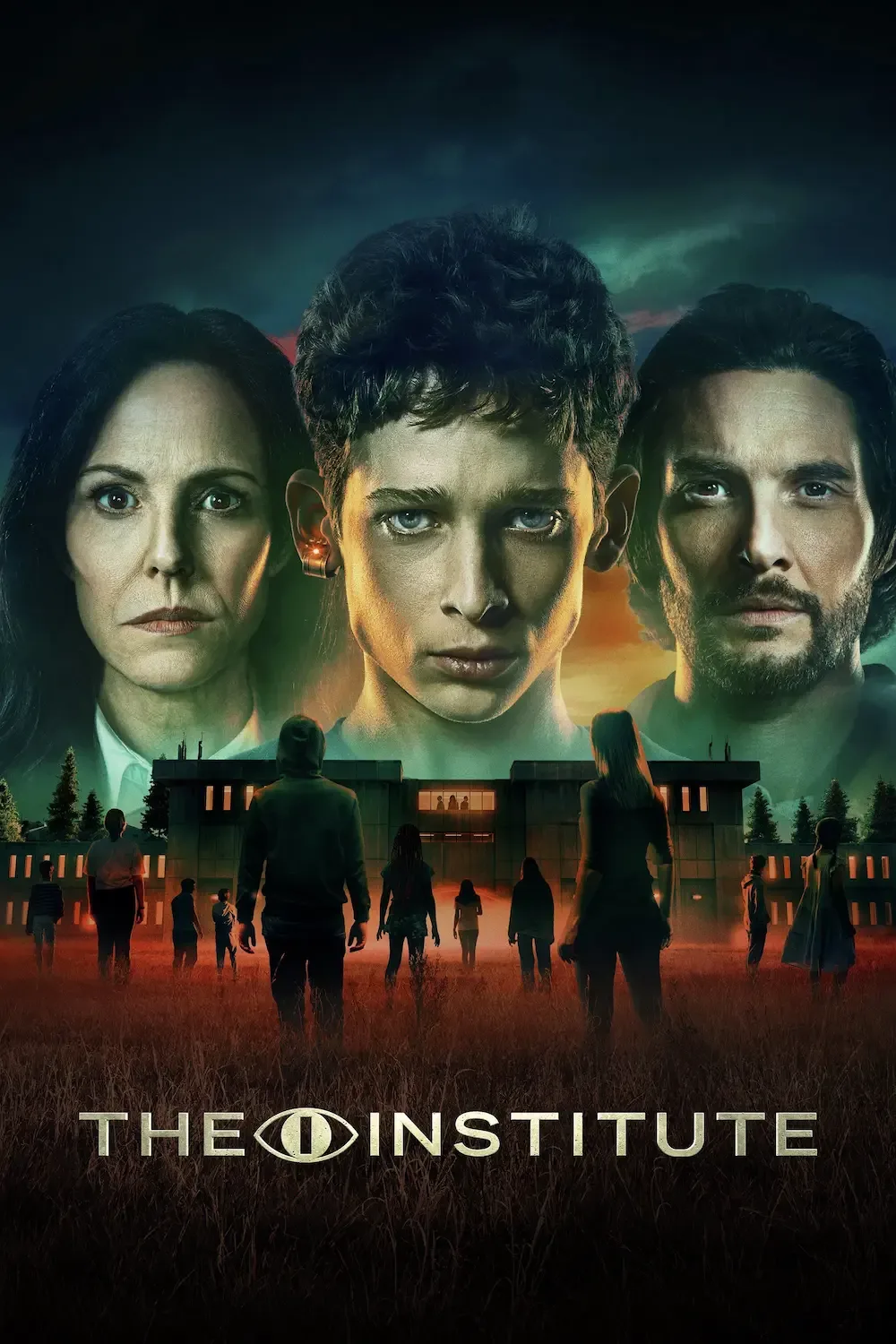
I enjoyed Stephen King’s The Institute when I read it circa 2019. So naturally, I was intrigued when its story of psychic children kidnapped by a shadowy organization and forced to undergo bizarre experiments was adapted for TV. And for what it is, The Institute is enjoyable enough. However, it falls into the same trap as other King adaptations, i.e., it fails to really capture the depth of both the novel’s characters and its world. The actors involved, especially Ben Barnes and Joe Freeman, are clearly giving it their all, and their earnest performances are hard to dislike. Even so, the weak script doesn’t give them much to do. It also doesn’t help that The Institute occasionally feels like a mashup of Stranger Things (psychic kids, bizarre experiments) and Severance (the titular building’s liminal spaces and corporate weirdness, Mary-Louise Parker’s scene-chewing). A second season has already been green-lit, and I expect I’ll check it out, if only to see whether or not the series expands beyond the novel’s original storyline to hopefully develop more of its own identity.
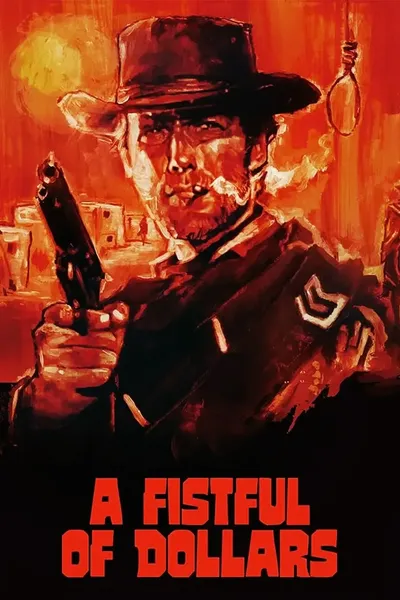
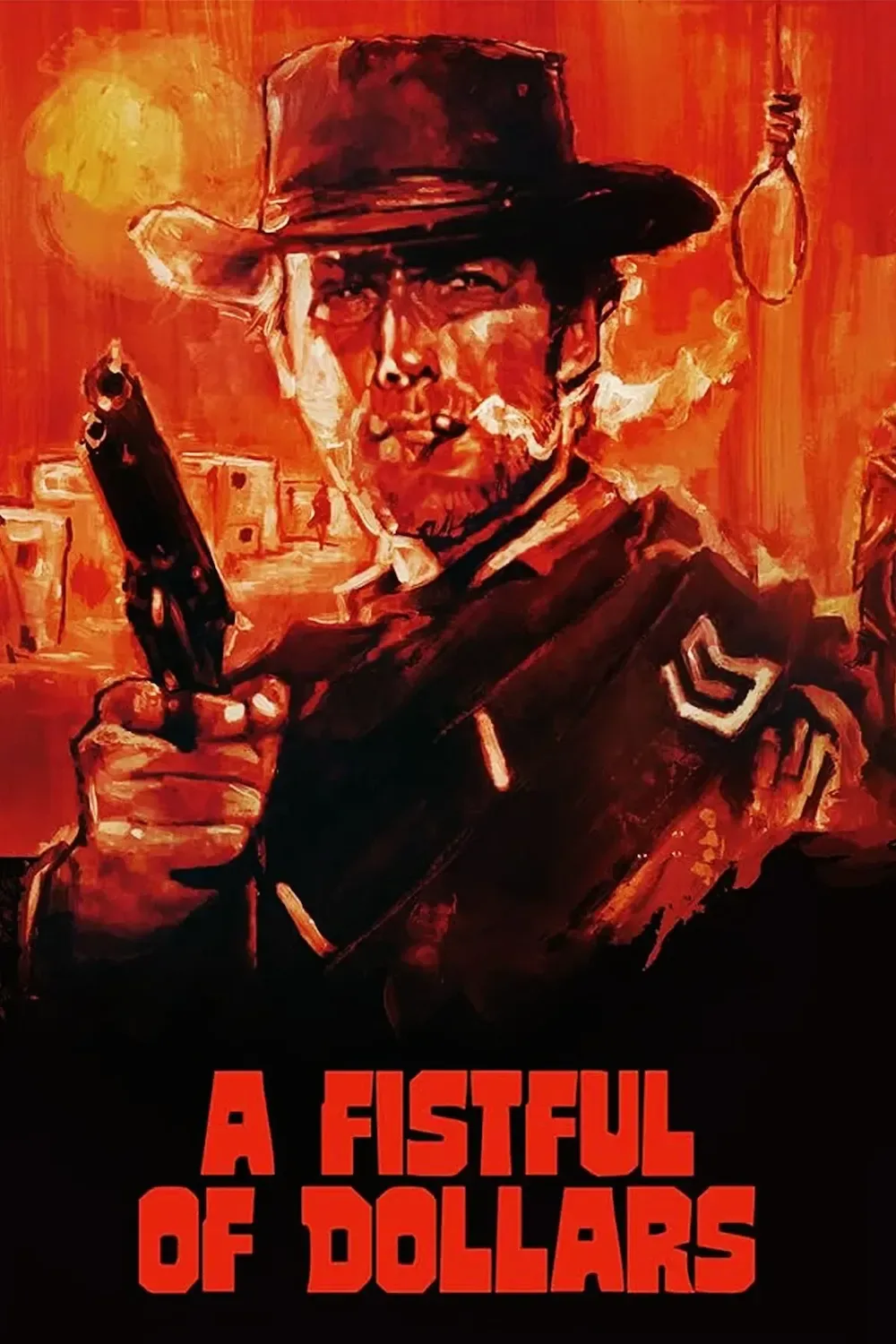
When your kid expresses an interest in watching Sergio Leone’s “Dollars” trilogy, then there’s only one thing you can do, and that’s spin up A Fistful of Dollars as quickly as possible. It’s actually been a few decades since I’d last seen this first installment in the trilogy, but watching it now, it’s easy to see its fingerprints in much of modern cinema. Of course, nobody squints like Clint Eastwood when he’s at his most laconic. And now, in addition to finishing the rest of the “Dollars” trilogy, I have a strong urge to watch Akira Kurosawa’s Yojimbo with my kid.
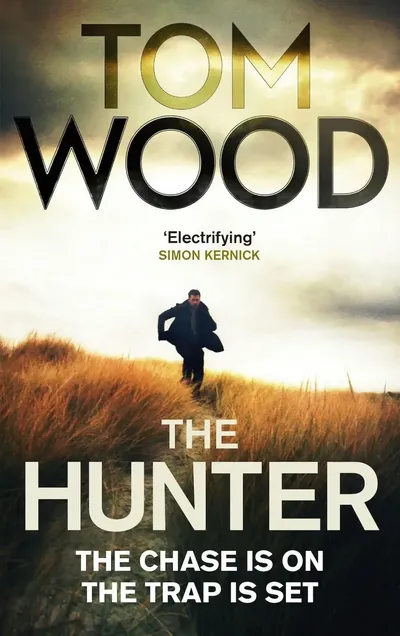
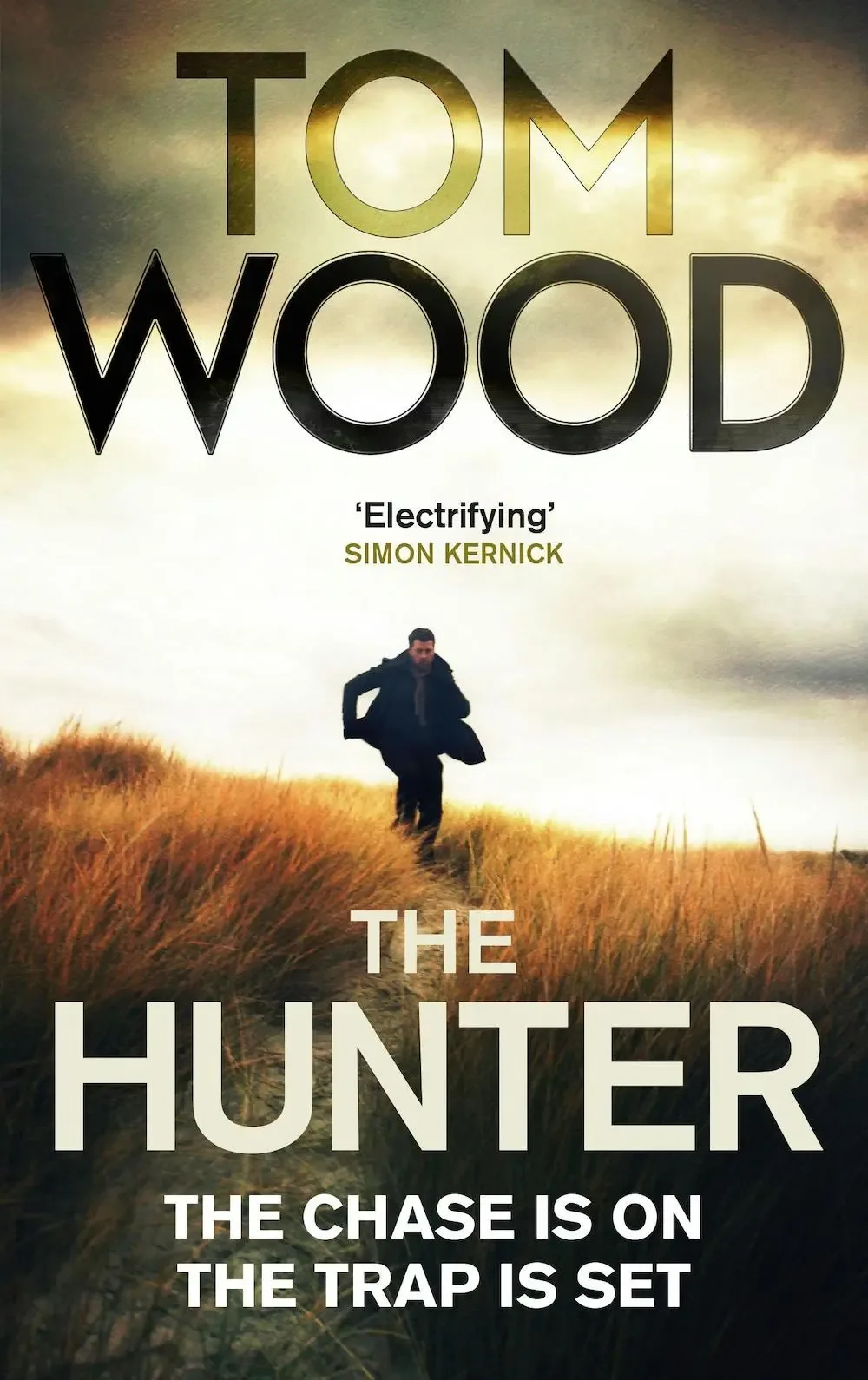
Originally published as The Killer under his original name (Tom Hinshelwood), Tom Wood’s The Hunter is the first in a series of novels that follows exploits of an enigmatic and deadly assassin known only as Victor. In his debut, Victor completes a seemingly “routine” assassination, only to be double-crossed by his unknown employer, setting up a globe-spanning game of cat and mouse as Victor tries to figure out who betrayed him, why, and how he can be kill them before they kill him. Y’know, pretty basic stuff. Even with its various twists and turns, and an interesting angle on post-Cold War espionage, The Hunter is never more than a pretty straightforward airport novel. Though nothing mind-blowing, it can still be entertaining enough if that’s all you’re looking for.
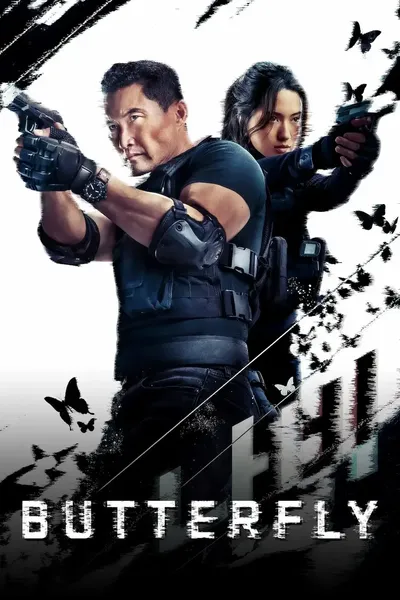
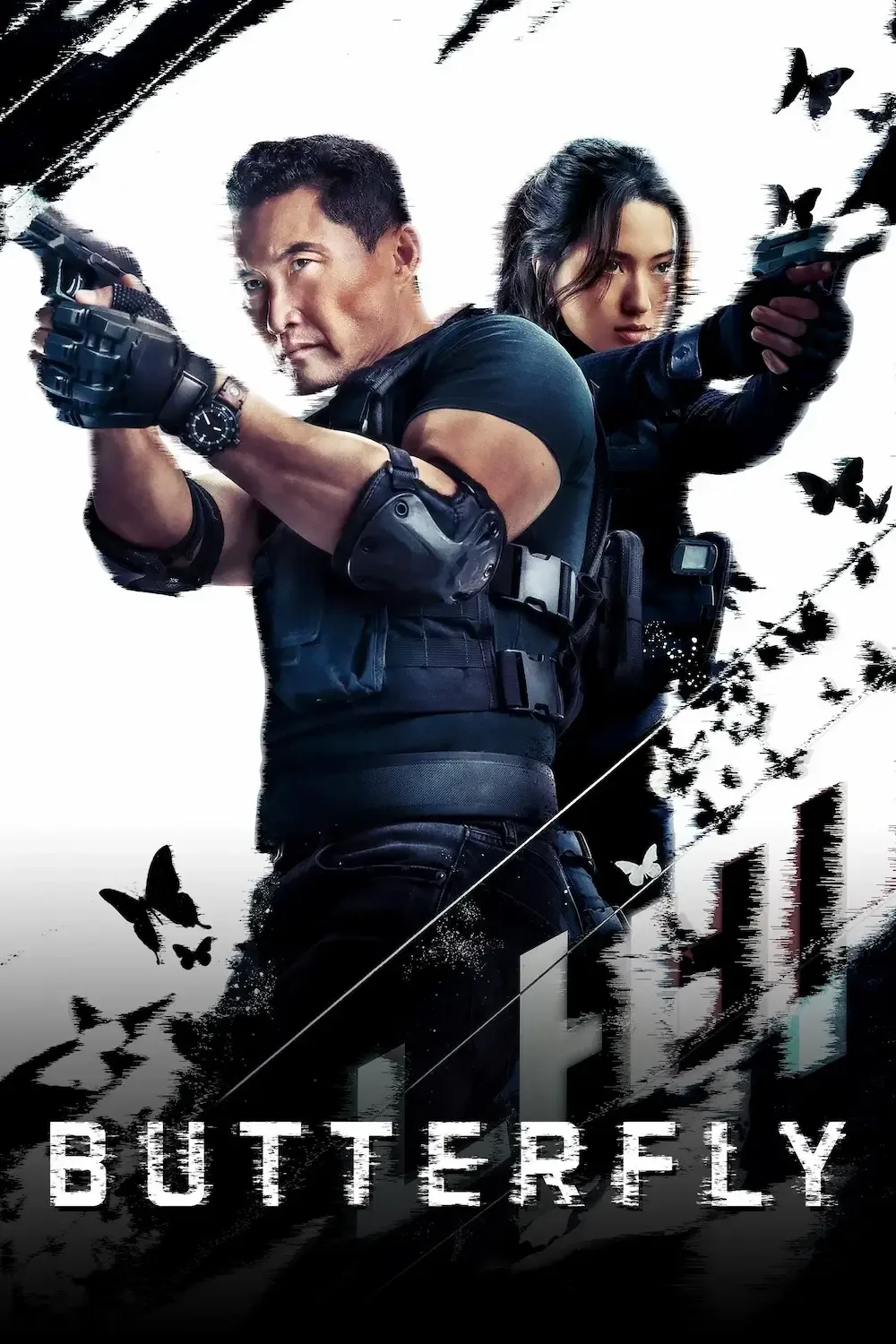
Nine years after he faked his death to protect his daughter Rebecca (Reina Hardesty), agent David Jung (Daniel Dae Kim) resurfaces in order to save her from the private intelligence agency that he helped to create, where she now works as an elite assassin. Amazon’s Butterfly — based on Arash Amel and Marguerite Bennett’s graphic novel series — is a perfectly serviceable spy thriller series. It’s clearly a passion project for Kim (Hawaii Five-0, Lost), who produced the series through his own company, and the change to a Korean setting adds an interesting twist. Butterfly isn’t going win any points for originality, even with its focus on family drama and dynamics, but if you’re looking for something entertaining to watch over the weekend, or late at night, you could do worse.

First, a confession: I’m still in denial that Ilsa Faust is dead. I know what Christopher McQuarrie said after Dead Reckoning Part One concerning her fate, and no offense to Hayley Atwell, but a part of me kept hoping beyond hope that Rebecca Ferguson would suddenly emerge from the shadows to save Ethan Hunt one last time. That aside, The Final Reckoning, as befitting its name, is a solid sendoff for our generation’s best action blockbuster franchise. (And yes, I really do hope it’s Tom Cruise’s final outing as Hunt.) Sure, at nearly three hours long, it’s unwieldy, bloated, and repetitive. But it also possesses a refreshing earnestness thanks to Hunt’s insistence on trust and loyalty above all else, Cruise’s constant willingness to defy death, and various callbacks to previous Mission: Impossible films — callbacks that actually make decent narrative sense and don’t feel like blatant attempts to curry nostalgia or “tie things together.” As for the film’s stunts, they’re as big as you’d expect, although you know Hunt’s going to survive somehow despite all of the odds because he’s, well, Ethan freakin’ Hunt. Much like the film as a whole, it’s about the journey, not the destination — and it’s been quite a journey for nearly thirty years.
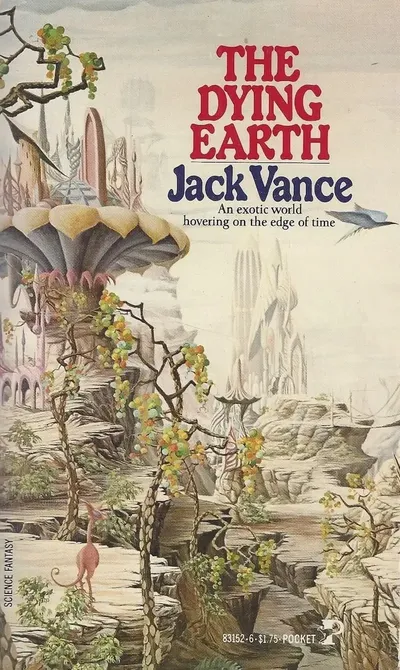
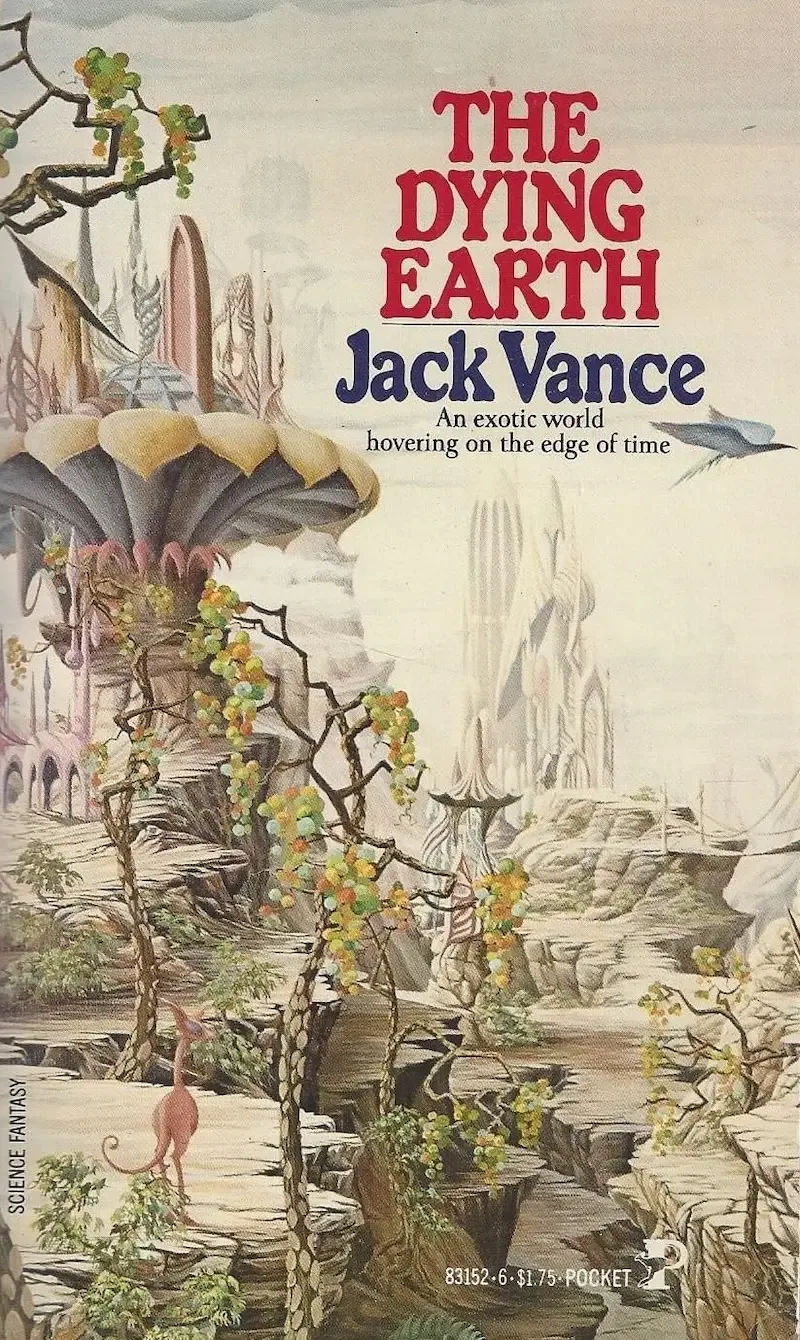
Jack Vance is one of those classic sci-fi authors whom I’ve often seen bandied about as “one of the greatest ever,” and his fans include genre luminaries George R. R. Martin and Michael Moorcock. Thus, I thought it was high time to finally check him out for myself. As its title suggests, this collection of short stories belongs to the “Dying Earth” genre, which takes place on Earth near the end of its days, where the Sun is dimming, countless civilizations have come and gone, and magic and technology are indistinguishable from each other. Vance’s prose is quite fantastical, and a welcome change of pace. Oftentimes, though, he seems less interested in driving the story forward than dazzling the reader with increasingly florid descriptions of bizarre sights and sounds and arcane-sounding terminology. Much like Gene Wolfe’s “Book of the New Sun” tetralogy — another famous “Dying Earth” title — it’s alternately fascinating and frustrating. Nerdy side note: Dungeons & Dragons’ traditional magic system, in which spells are so complex that wizards can only prepare a certain number at any point in time, was inspired by Vance’s writings, as were certain spells like “Prismatic Spray.”
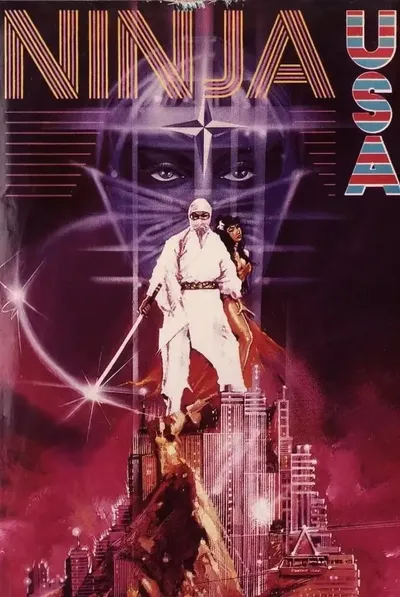
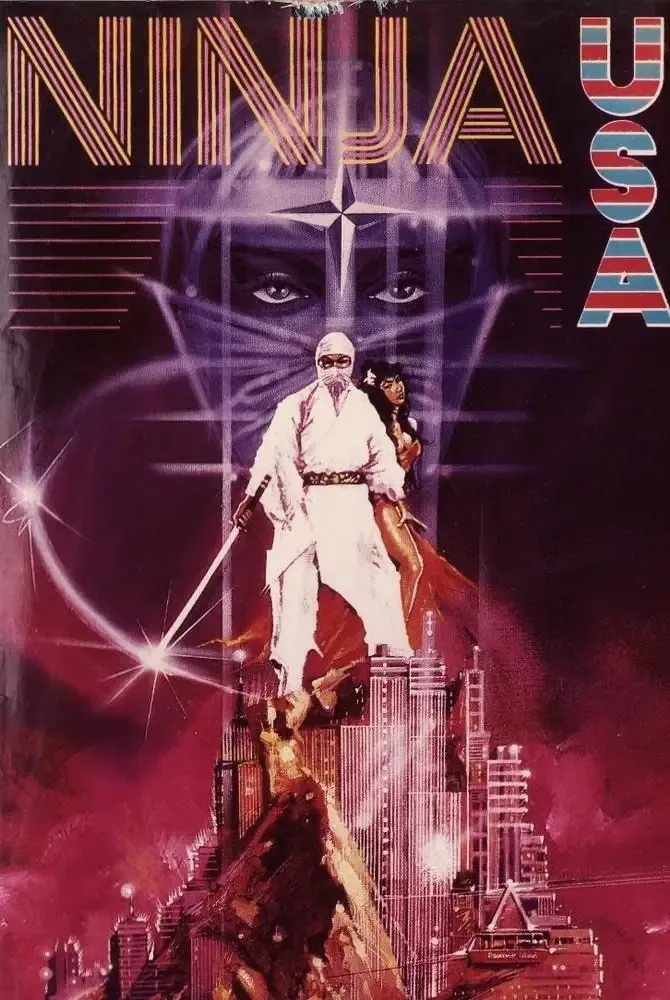
As it turns out, Godfrey Ho wasn’t the only one putting out low-grade ninja movies in the ’80s. Case in point: Kuo-Ren Wu’s Ninja USA, in which two cops take on a vicious drug lord named Tiger who has plans to create an evil ninja empire. There’s just one catch: Tiger is the one who saved them during the Vietnam War. And even worse, Tiger’s henchmen have kidnapped the wife of one of the cops. That makes Ninja USA sound a lot more dramatic than it really is, and it’s nowhere near as cool as its psychedelic poster promises. Still, there’s some legitimate action choreography and stunt work in the midst of the supernatural ninja silliness, undercranking, and reverse footage. Unfortunately, Ninja USA is also plagued by terrible cinematography (half the film looks like vaseline was smeared on the camera lens), incoherent editing, and terrible dubbing. As a former taekwondo champ, lead actor Alexander Lo is no joke, which makes one wonder what might’ve been had he teamed up with a director like Chang Cheh or Ching Siu-tung. (Ninja USA aside, Lo primarily worked with Robert Tai on such cult classics as Ninja: The Final Duel and Shaolin Dolemite.)
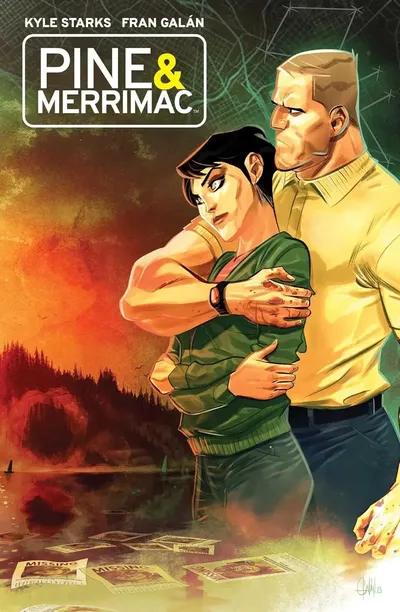
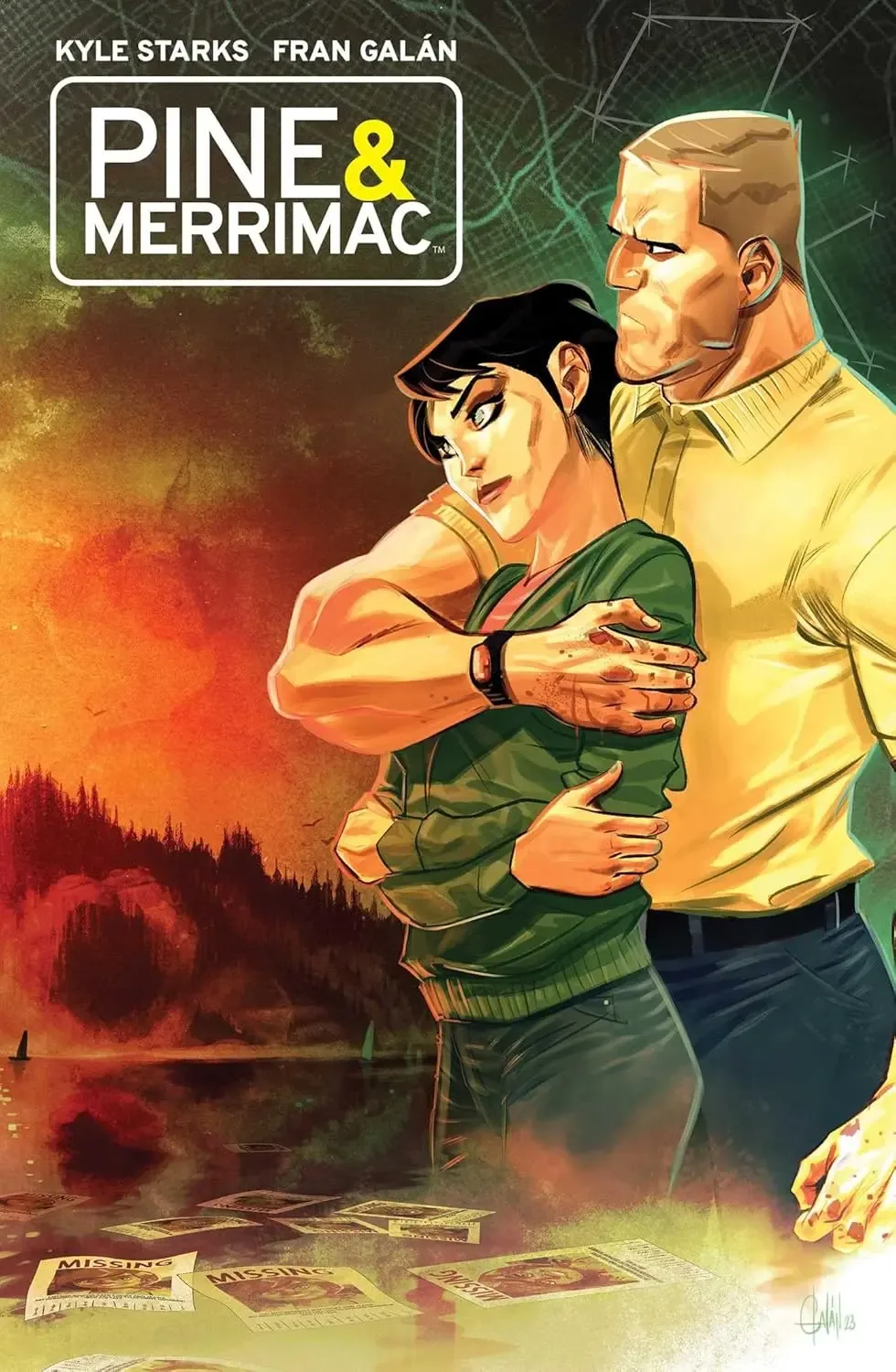
“Perfect for readers of Reckless and The Department of Truth,” claimed the promo copy. Since those are two of my favorite comic titles in recent years, how could I not be curious? But you know what they say about things sounding too good to be true… Linnea Kent is a former homicide detective who couldn’t hack it in the big city, so she’s returned to her hometown with her ex-UFC husband Parker to open a detective agency. Nothing serious ever happens in Linnea’s quiet little burg, and that’s the way she likes it. But when a missing persons case reawakens old memories, Linnea and Parker are forced to confront her hometown’s darkest secrets. Pine and Merrimac certainly possesses the elements of a good story (e.g., a haunted protagonist, a sleepy little town, secrets and conspiracies). Unfortunately, the writing and dialog are clunky, the story is just a series of tropes and clichés strung together, and the “shocking” twist ending feels cheap and unearned. In other words, just stick with Reckless and The Department of Truth.
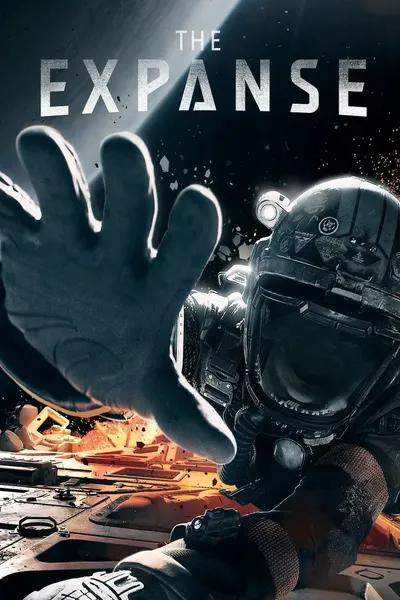
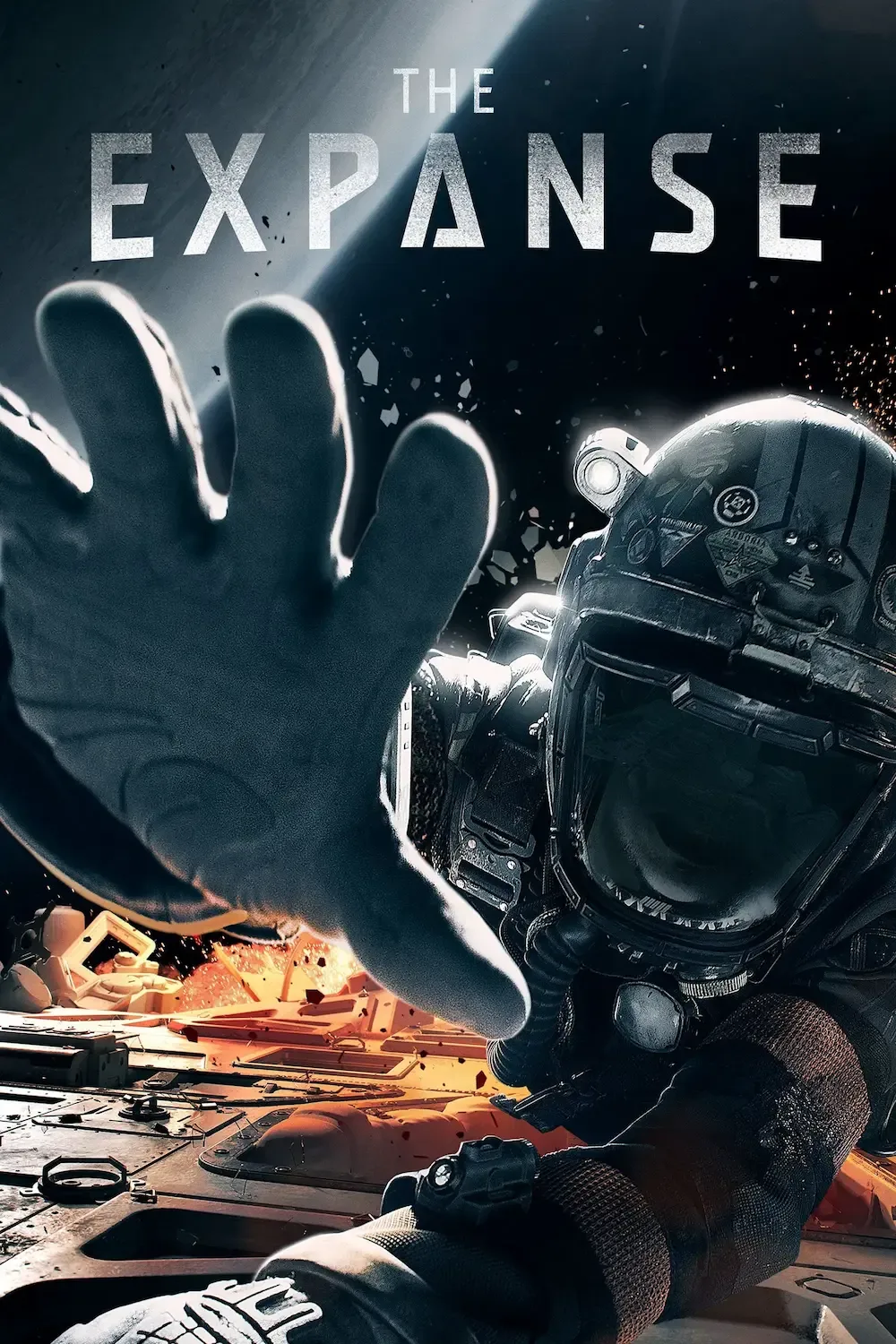
As much as I enjoyed The Expanse’s first season, the sci-fi series really comes into its own during its second season. We’re introduced to some wonderful new characters (e.g., bad-ass Martian soldier Bobbie Draper, devoted father Praxidike Meng) and a whole new set of complications for the intrepid Rocinante crew. Tensions are mounting between Earth and Mars as news of the alien protomolecule begins to spread throughout the solar system. Though I certainly enjoy its space opera action, what I most appreciate about The Expanse is its deep and abiding humanism, best exhibited by James Holden and the rest of the Rocinante crew as they try to maintain their humanity and do what’s right in the midst of war, political conspiracies, and bizarre alien phenomena. Also, the scene where Chrisjen Avasarala dresses down the Martian ambassador with charisma and cussing is *chef’s kiss*.
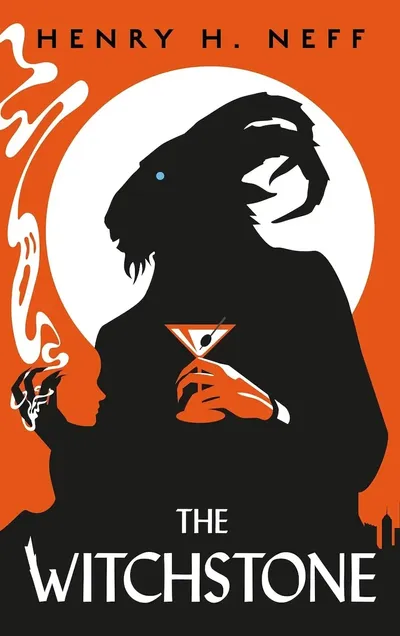
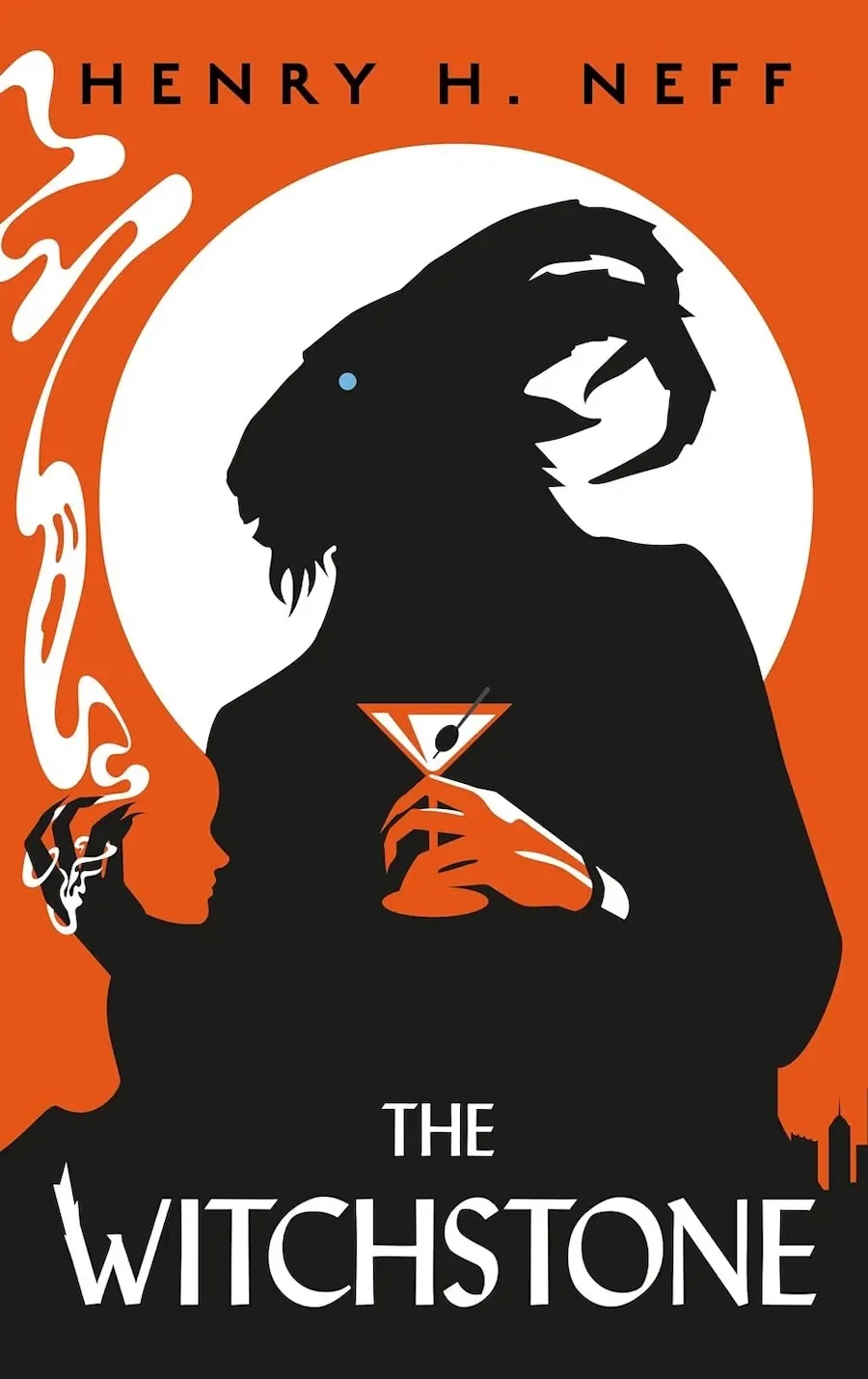
Although he’s the son of a high-ranking Lord of Hell, Laszlo really just wants to enjoy Earth’s finer things, like milkshakes, cigarettes, and outsmarting con artists. Unfortunately, he’s tasked with managing the centuries-old curse on the Drakeford family, and he’s doing a very poor job of it. In order to save his career — and his existence — he must team up with the latest Drakeford scion to be afflicted by the curse’s hideous effects. But can Maggie Drakeford trust the demon’s promises to help her family? And can Laszlo trust his fellow demons when he learns a secret about the curse that challenges Hell’s balance of power? It’s definitely an intriguing premise for a novel that promises a lot of (theologically dubious) fun. Unfortunately, The Witchstone fell flat for me. There’s nothing bad about it per se, but neither is there anything terribly gripping about it. The whole time I was reading it, I kept waiting for something to kick in that would pick up the pace or make the proceedings more interesting and involving. That said, Neff’s depiction of Hell — or at least, Laszlo’s corner of it — as a paperwork and metrics-obsessed corporate bureaucracy replete with sycophants and consultants is The Witchstone’s strongest feature, and the source of most of its humor. (I imagine The Screwtape Letters’ C.S. Lewis having a good chuckle at this part of the novel. I certainly did.)

Sure, the mid-century modern aesthetic is fun and cool and retro, and it’s better than the previous Fantastic Four movies — which, we can all admit, is not a very high bar. But First Steps made little impression on me. Indeed, almost a week has passed since I saw it, and I’m only now writing my review because I kind of kept forgetting about it. (Or maybe I was just trying to repress my memories of that uncanny valley version of Franklin Richards.) You’d think that a film starring the Silver Surfer (aka, my favorite superhero) and a comics-accurate rendition of the world-devouring Galactus would merit a bigger reaction from yours truly, but meh. And just for the record, I couldn’t care less about the Surfer being gender-swapped from Norrin Radd to Shalla-Bal (who is Radd’s lover in the comics). I’m more upset that the Silver Surfer, as a character, is largely sidelined by the film and we never get to see a true display of the Power Cosmic. That, and it’s the multiverse, so I’m sure Norrin Radd is surfing the spaceways somewhere in the MCU.

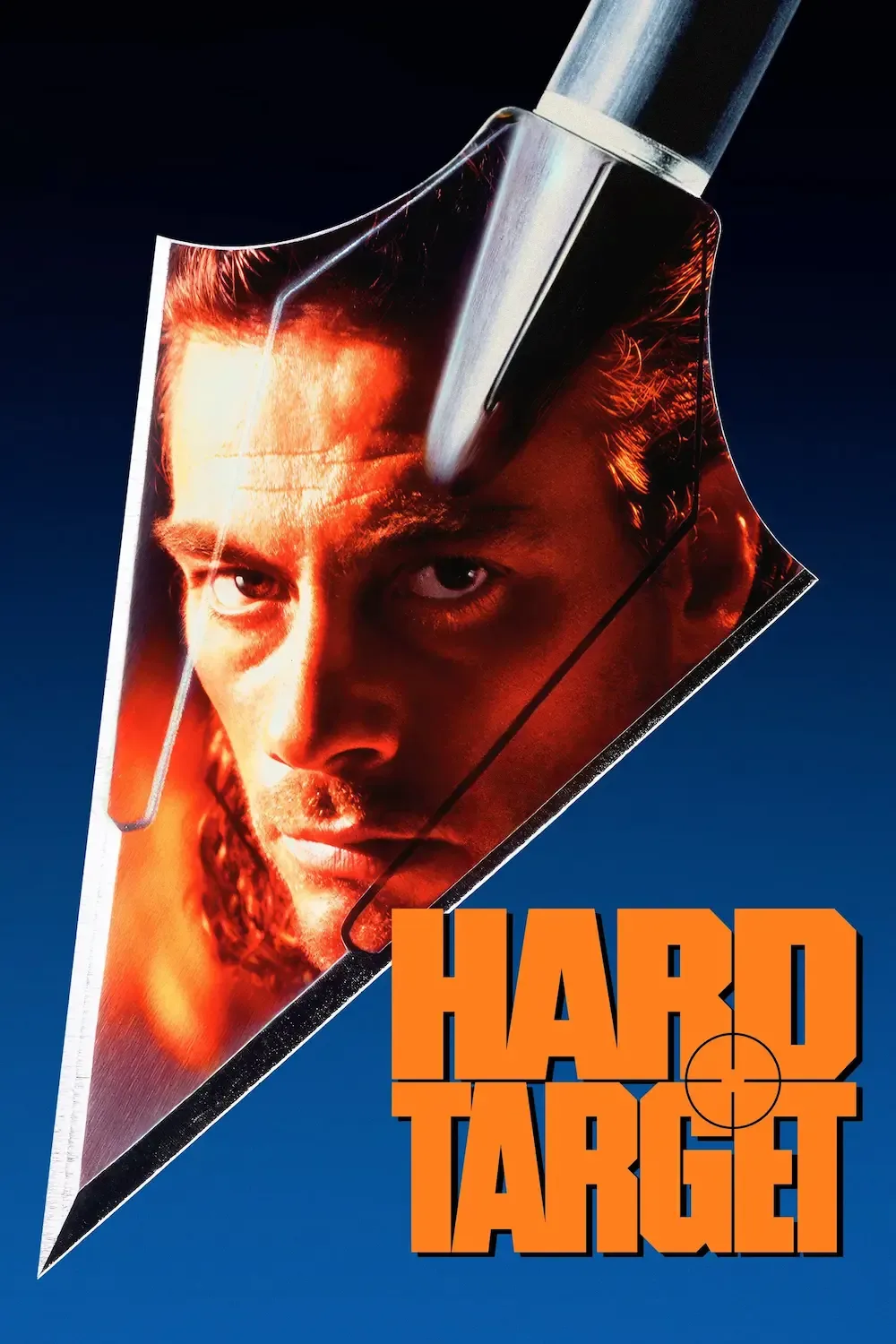
Forget about Jean-Claude Van Damme and his glorious mullet. All you need to know about action icon John Woo’s first Hollywood film is that it stars Wilford Brimley as a Cajun moonshiner, bad French accent and all. I kid, of course… Hard Target is filled to the brim with the sort of over-the-top pyrotechnics, gunplay, and squib work that you’d expect from a John Woo film, as well as plenty of camera work that is distinctly Woo. And yes, there are doves. Maybe it’s the New Orleans setting, the terrible one-liners, or Arnold Vosloo and Lance Henriksen’s non-stop scene-chewing, but Hard Target proved less enjoyable than I was expecting from a riff on The Most Dangerous Game. It feels more like someone trying really hard to make a John Woo-style film, than an actual John Woo film. That said, there’s no knocking the movie’s peak ’90s stunt work, be it Woo’s riff on his own classic Hard Boiled, Van Damme’s ridiculous motorcycle assault, or main baddie Henriksen actually getting set on fire.
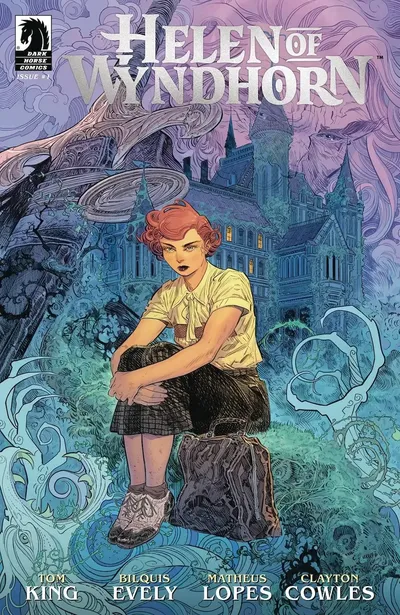
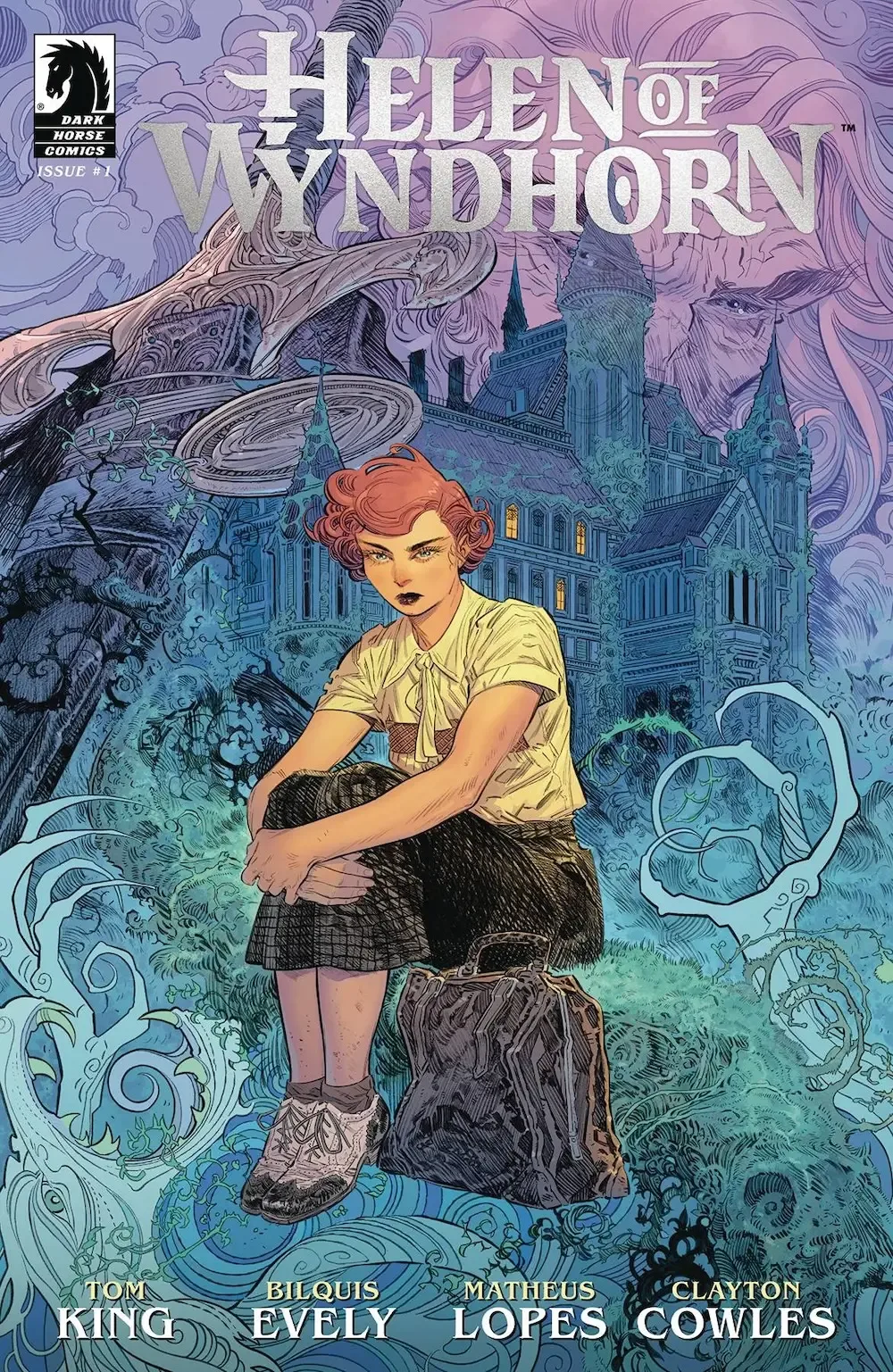
After her father dies, wild child Helen Cole is sent to live with her grandfather on the vast Wyndhorn estate. Only she has no idea just how vast Wyndhorn really is. But when Helen discovers the secrets of her family home, it propels her to fantastical worlds beyond belief, worlds that are strangely reminiscent of her father’s pulp novels. It’s worth reading Helen of Wyndhorn simply to luxuriate in Bilquis Evely’s (Supergirl: Woman of Tomorrow, Wonder Woman) artwork. Lush, colorful, and intricately detailed, it has a vintage look as befitting the series’ 1930s setting and pulp influences. As for the story, that’s a bit more frustrating. Tom King (Mister Miracle, The Vision) has no lack of imagination, that’s for sure, as evidenced by Helen’s various otherworldly adventures. But as he tries to juggle several storylines — e.g., Helen’s efforts to connect with her estranged grandfather while still grieving her father, modern day fans reflecting on the influence of her father’s novels — Helen of Wyndhorn gets rather muddled, as if King is trying to combine several very different series. The result is a highly imaginative story with an underwhelming and less-than-satisfying conclusion.
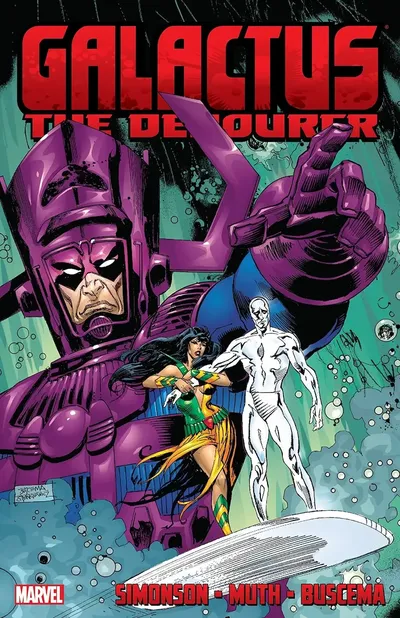
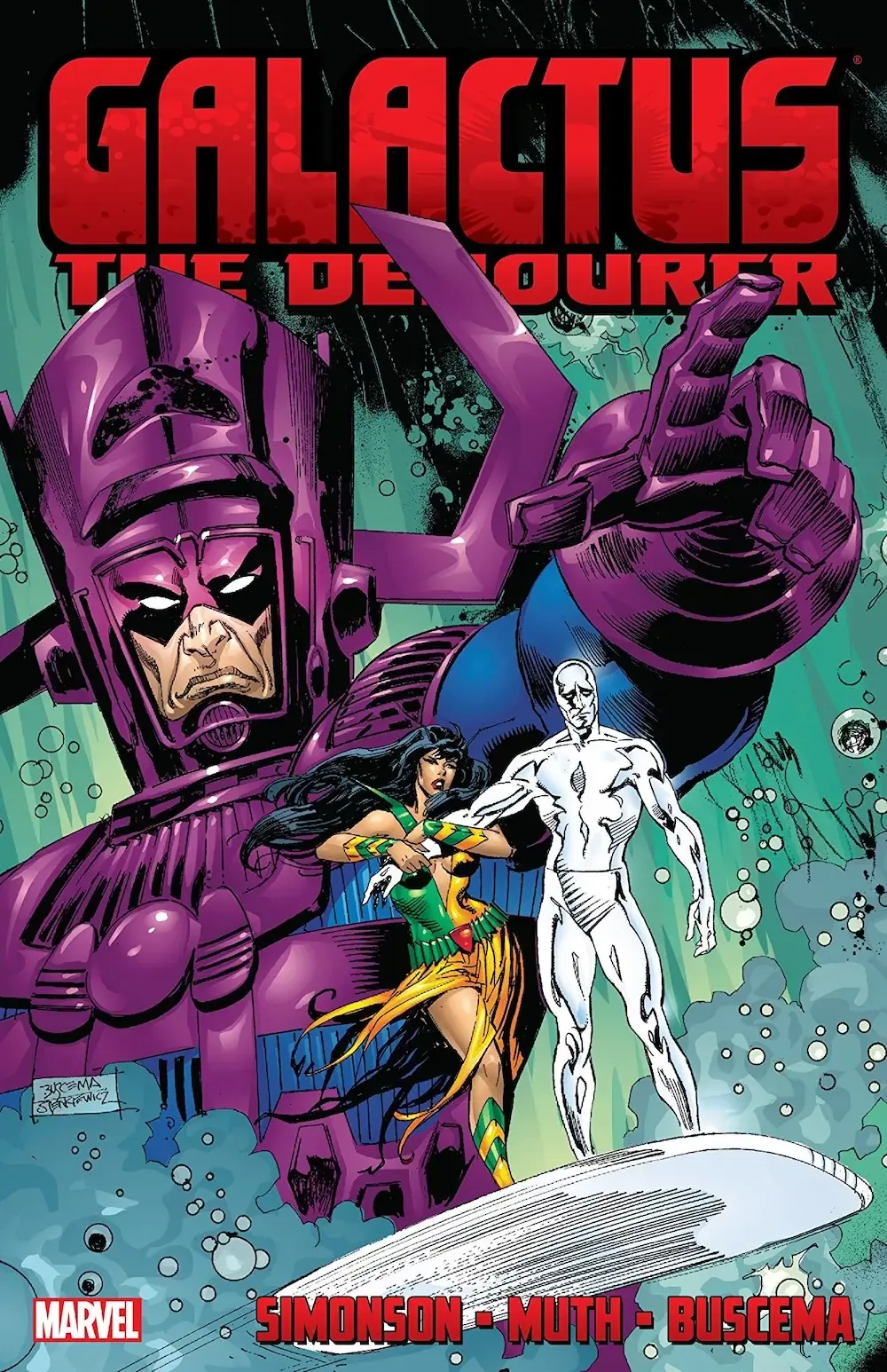
Originally publised as a six-part series in 1999, Galactus the Devourer finds the Silver Surfer (aka, my favorite superhero) returning to Earth and uniting with Alicia Masters, the Fantastic Four, Avengers, et al., to stop his former master who has grown increasingly insane. To my nerdy chagrin, I didn’t initially realize that this was written in 1999 — I thought it was a much newer series — but Louise Simonson’s writing is perfectly in-line with ’90s Marvel over-the-top-ness. That said, I didn’t necessarily care for her take on the Surfer, which makes his angst feel increasingly repetitive. (That’s a delicate balance with a character as inherently overwrought and melodramatic as the Surfer.)
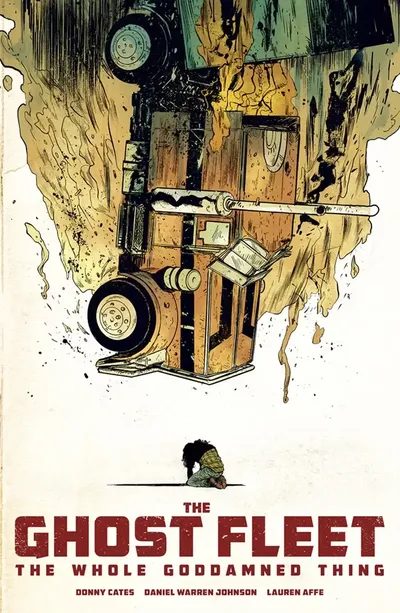
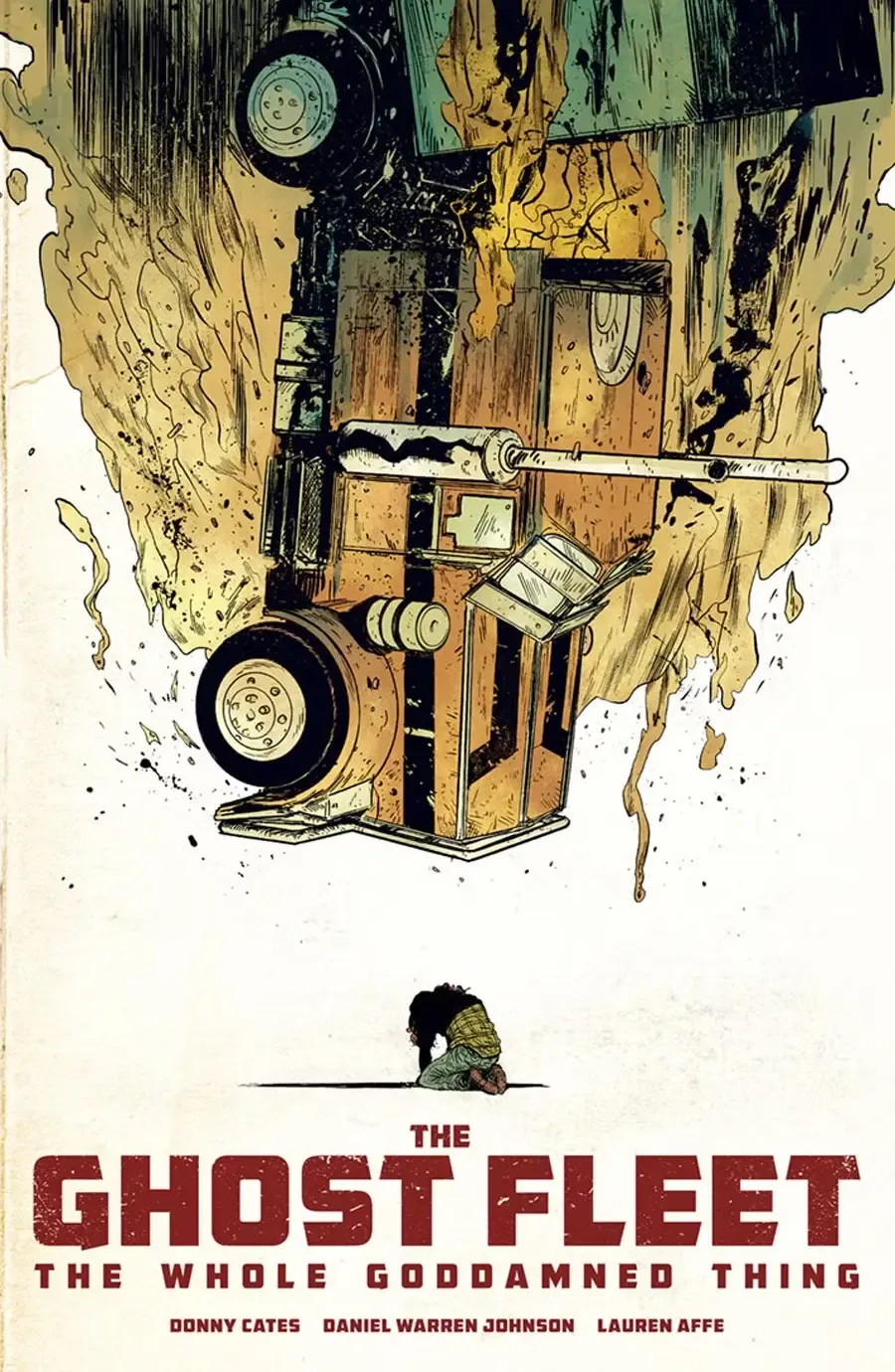
If you have something important that you need to ship across the country, something you want to hide from everyone else, then your best option is to hire the Ghost Fleet: a covert group of truckers who haul all manner of secrets and contraband in their heavily armored rigs. But when one of their drivers breaks the Fleet’s cardinal rule and takes a peek at what they’re actually transporting, the Apocalypse might not be that far behind. The Ghost Fleet has a pretty cool premise, replete with Mad Max-style anti-heroes, secret cults and conspiracies, and over-the-top gore and action. But the story doesn’t quite go the distance. Rather, it begins to peter out right around the time when Donny Cates finally starts to reveal the series’ big secrets (which, in hindsight, aren’t all that big). Plus, it ends on a cheesy coda that trivializes the preceding story’s grimness.
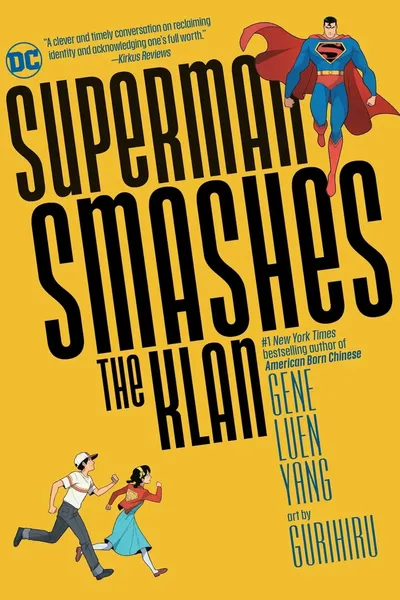
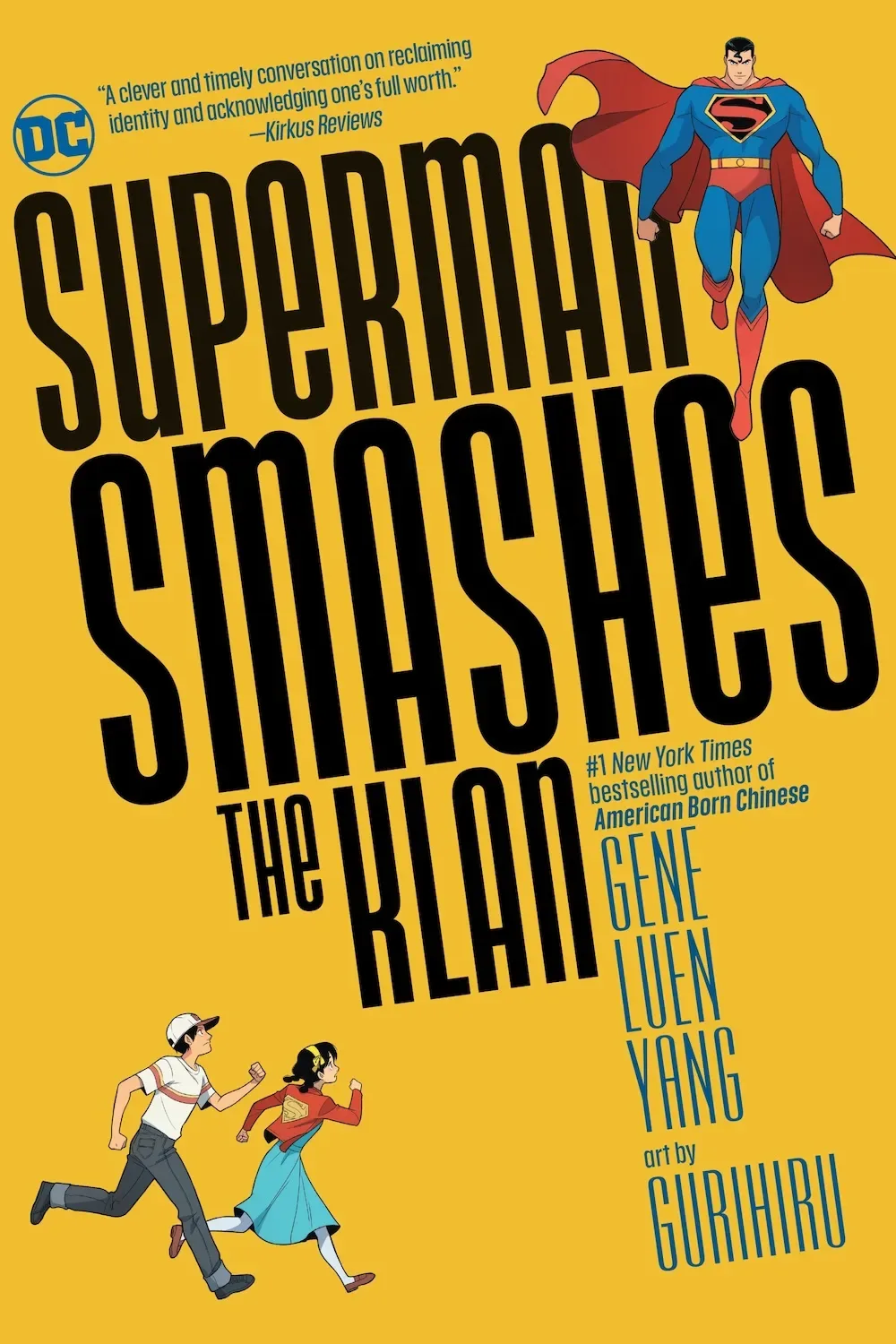
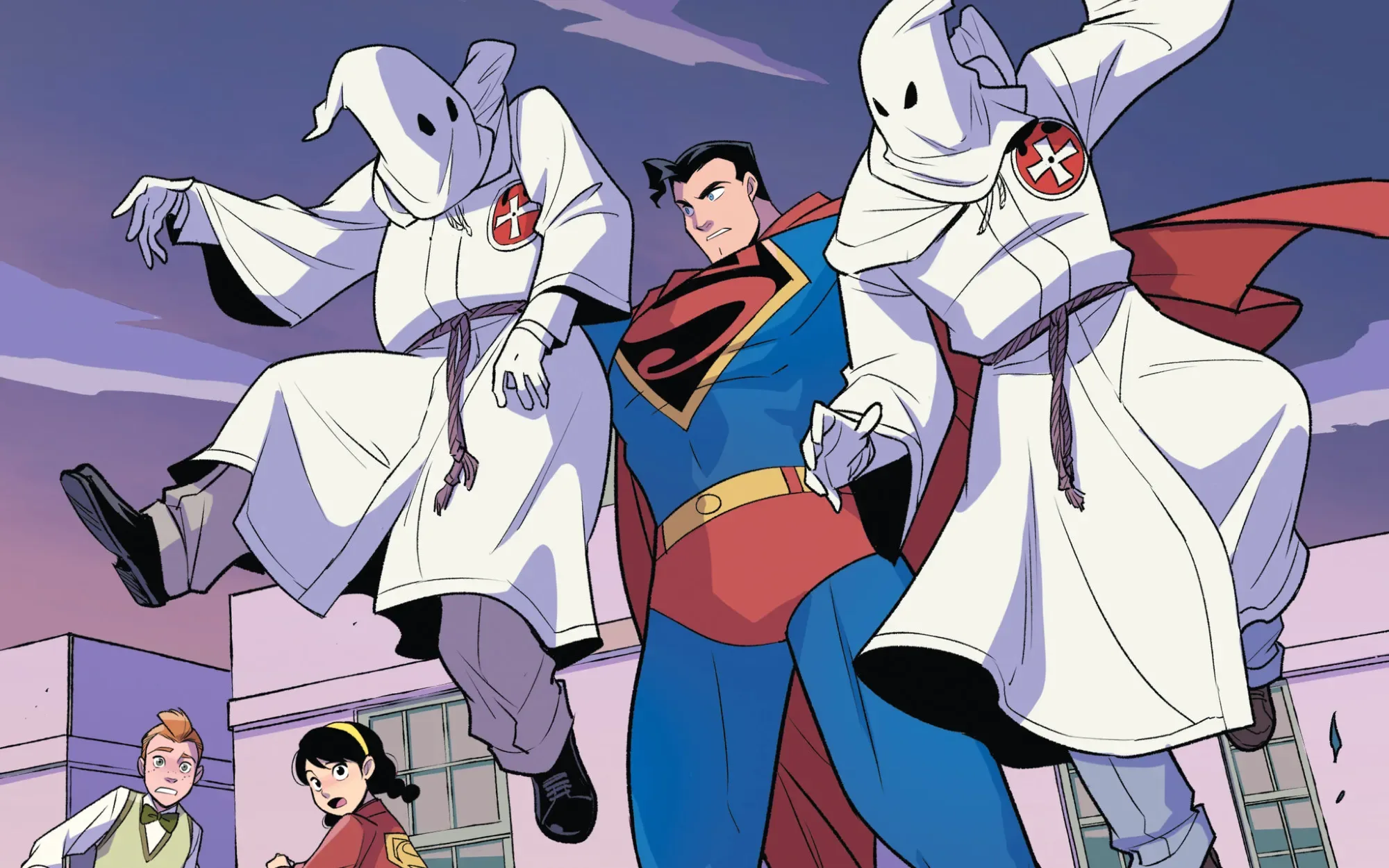
It’s 1946 and the Lee family have just moved from Chinatown to the bustling city of Metropolis. Her dad’s excited about his new job and her charismatic brother is quickly making new friends, but young Roberta can’t stop feeling like an outcast — a feeling that only increases when the racist Klan of the Fiery Kross targets her family. Meanwhile, Metropolis’ defender Superman is experiencing bizarre visions after battling a Nazi super-soldier and learning things that call into question his very identity. Will he still be able to save the Lees, and all of Metropolis, from the Klan’s threat? Taking his inspiration from “Clan of the Fiery Cross,” a Superman radio drama from 1946 that actually helped curtail the Klan’s activity in America, Gene Luen Yang (American Born Chinese) spins a wonderful — though sadly all-too-relevant — Superman story that tackles bigotry and racism with wit, charm, and nuance while also serving as a great Superman origin story in its own right. Meanwhile, Gurihiru’s crisp, anime-inspired artwork keeps the story light and fun without ever trivializing the subject matter. Utterly delightful.
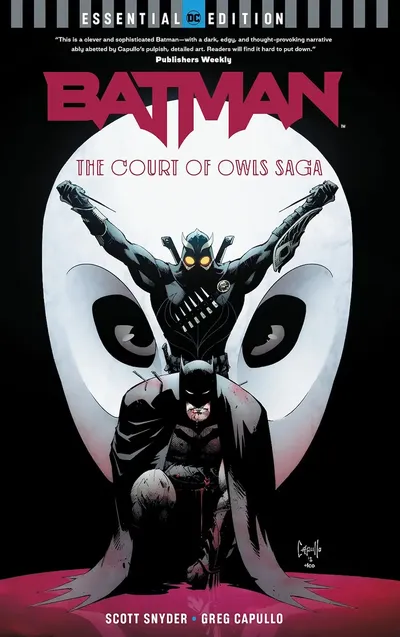
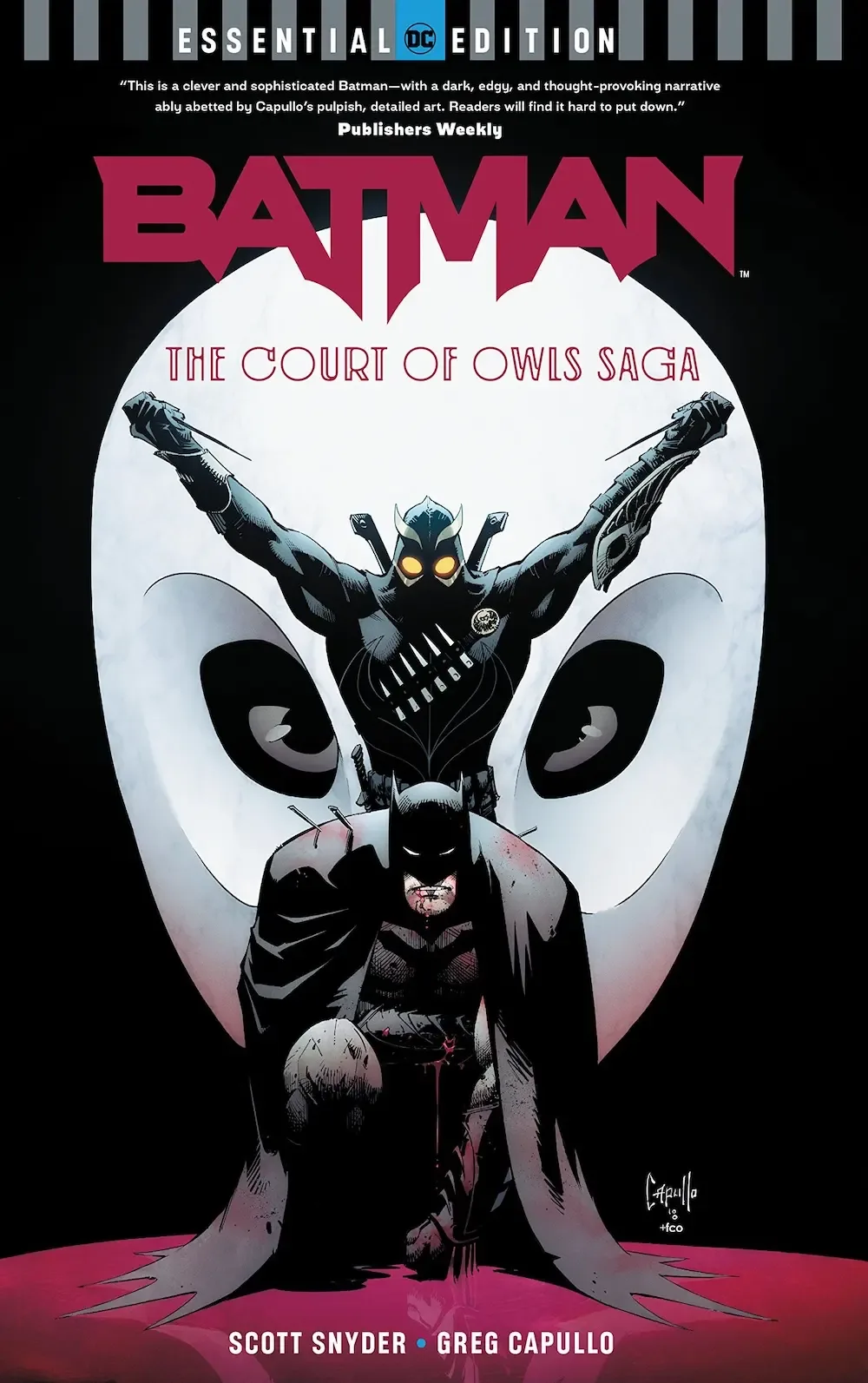
Originally released at part of DC’s “New 52″ relaunch of all of their comic titles, this saga finds the Caped Crusader matching fists and wits with the Court of Owls, a secretive organization made up of Gotham’s wealthiest families that has supposedly ruled the city from within the shadows for over a century. But Batman’s battle against a foe that seems more like a superstition than reality could reveal tragic secrets about his own family and past. Although it gets a bit convoluted as it tries to pack in one surprising revelation after another about Bruce Wayne and the rest of the Bat-Family, Scott Snyder’s tale is consistently engrossing. Meanwhile, Greg Capullo’s art is gorgeous and one of my favorite renditions of the Dark Knight.

There was a period of time in the early ’00s when Jean-Pierre Jeunet’s Amélie was in my top 10 favorite films of all time. Watching it again for the first time in 15 – 20 years, I can still understand why that was the case. Amélie is almost impossibly whimsical, thanks to a star-making performance by Audrey Tautou as the titular character, a consummate dreamer who starts meddling in other people’s lives, with mixed results. But her various machinations may end up ruining her own chance at love. (As for whether or not I had a crush on Ms. Tautou back then, what do you think?) And then there’s the film’s dreamy look, which presents Paris as a sort of postcard come to life where delightful wonders and mysteries lurk around every corner. Here in 2025, Amélie does get a bit cloying at times, but its charms remain largely intact, and I appreciate the film’s insistence on enjoying life’s seemingly trivial and mundane pleasures. What’s more, I actually got a wee bit emotional remembering just how deeply it affected me when I first saw it, and was going through a bit of a romantic crisis of my own.
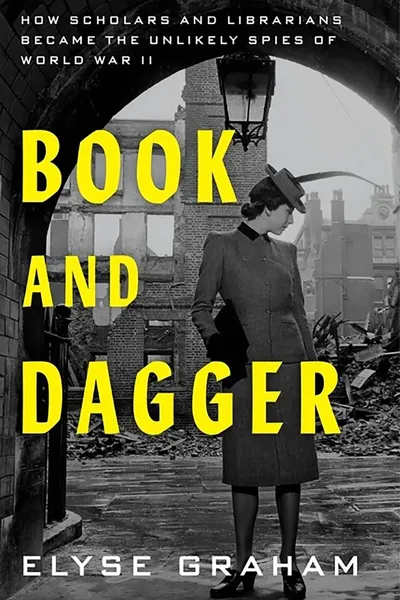
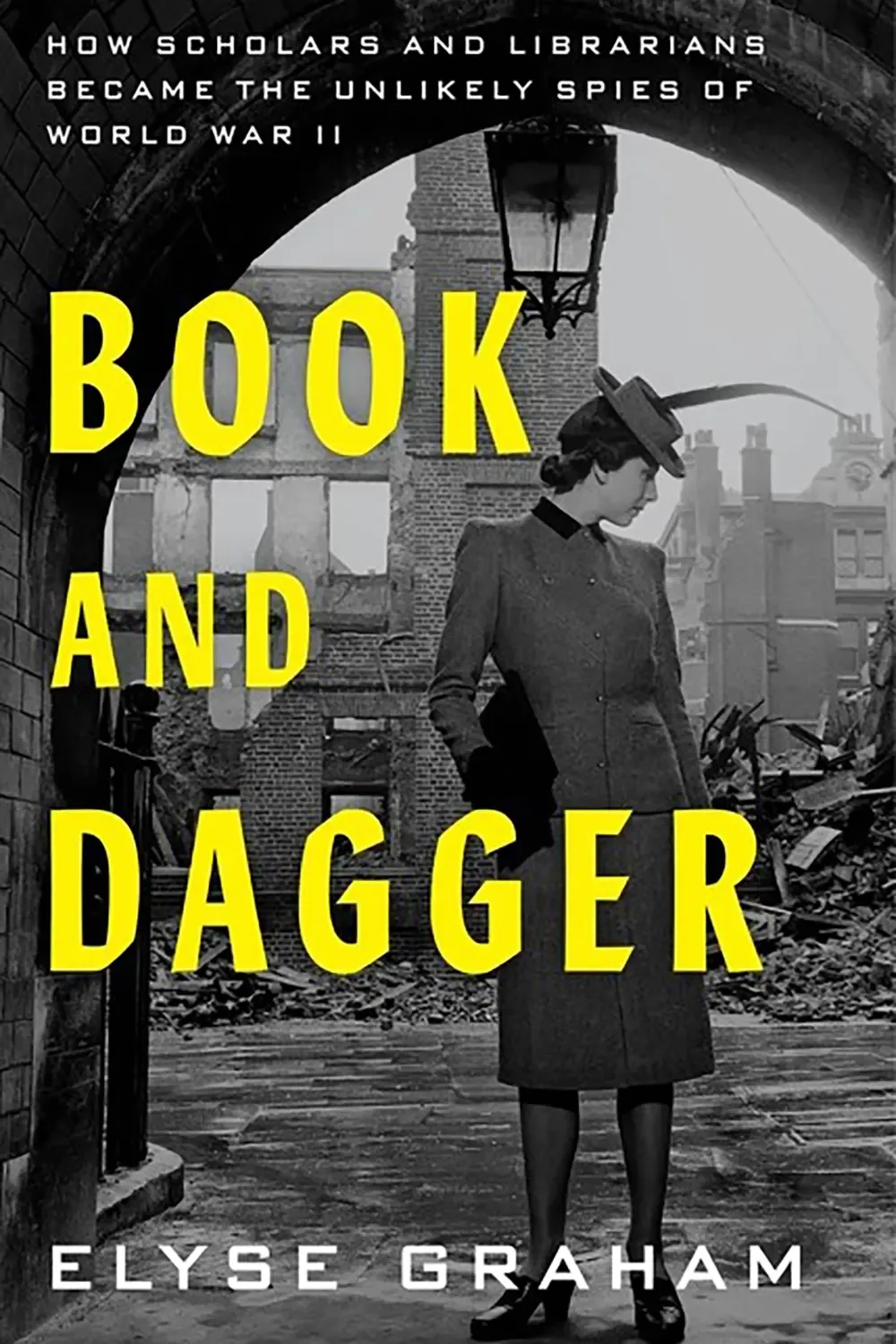
Our popular conception of a spy is that of a dashing and debonair individual who gallivants around the globe, stopping nefarious villains with clever gadgets and equally clever wit. But that image is hopelessly romanticized, explains Elyse Graham in Book and Dagger, which chronicles the WW2-era rise of modern espionage. Rather than recruit what we’d consider “spy” material, the Allies turned instead to scholars, librarians, historians, and economists — none of whom were soldiers but all of whom had the necessary skills and academic training to outthink Hitler and the Third Reich. Along with other unlikely folks (e.g., Hollywood studio execs and production crews) as well as refugees fleeing the Nazi regime, the Allies’ academics created a highly effective intelligence operation that proved essential to winning the war. Graham’s enthusiasm for her subject matter is readily apparent, and her heavily researched book is filled with fascinating details, and even proves legitimately gripping at times. (Her chapter on the D-Day invasion, and all of the behind-the-scenes planning and subterfuge that made it successful, is an absolute page-turner.) The book’s focus does wander at times; Graham casts a wide net and occasionally heads down what feels like elaborate rabbit trails. Even so, Book and Dagger is a fascinating look at a side of history most of us probably know nothing about, and given the current administration’s ongoing assault on academics and the humanities, it serves as a warning, as well.
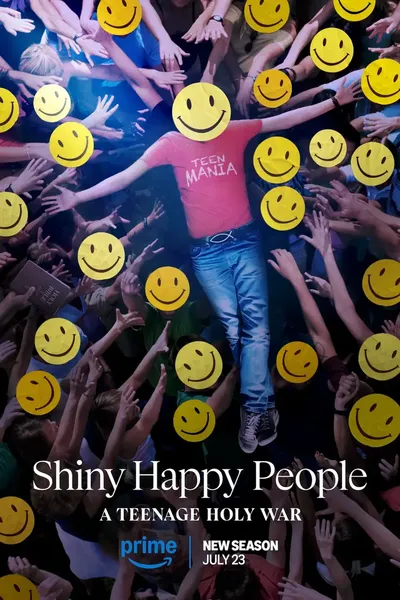
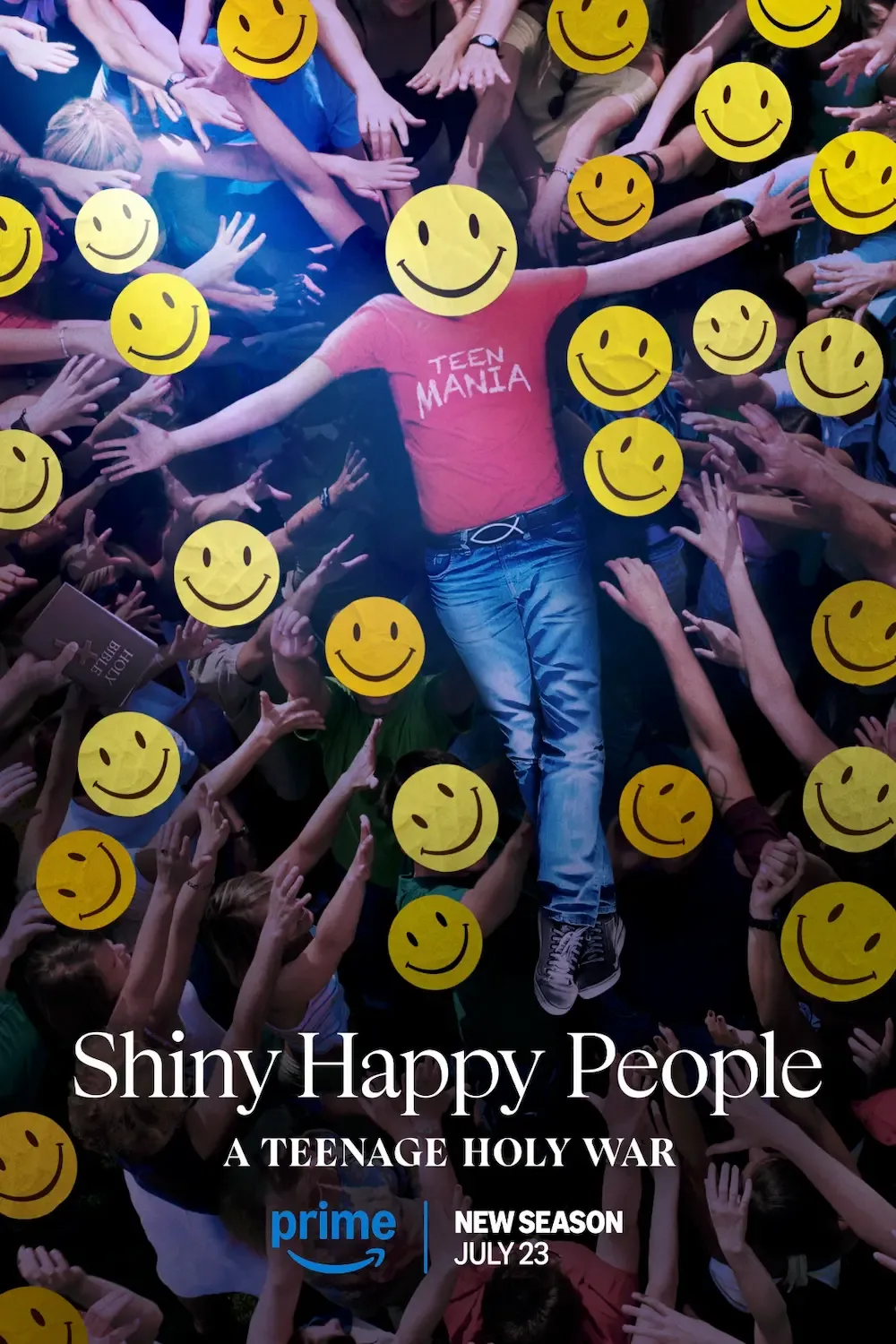
Amazon’s Shiny Happy People docuseries turns its focus to Teen Mania, a ministry launched by Ron Luce in 1986 that became one of the nation’s largest Christian youth organizations in the ’90s and ’00s. Famous for their overseas missions trips and elaborate “Acquire the Fire” rallies, Teen Mania also launched an elite internship program where teens underwent intense training (some might say indoctrination). But through interviews with several Teen Mania alumni, the series explores how the organization grew increasingly militant and politically minded, with Luce ramping up his culture war rhetoric even as he came under fire for exploiting and abusing teens. Shiny Happy People’s second season isn’t quite as solid as its first season, which focused on the Duggar family. (For example, the final episode’s efforts to connect Teen Mania to modern right-wing politics feels a bit tacked on and tenuous.) Even so, it’s a fascinating (if disquieting) look at the evangelical Christian subculture and how a sincere desire to serve the Lord can be coopted. Needless to say, my wife and I talked at length after each episode, comparing and contrasting Teen Mania with our own evangelical youth group experiences. Although neither of us experienced Teen Mania or the sort of trauma described by the interviewed alumni, the footage of Teen Mania’s missions trips was eerily familiar, as I went on several summer missions trips to Mexico as a high schooler.
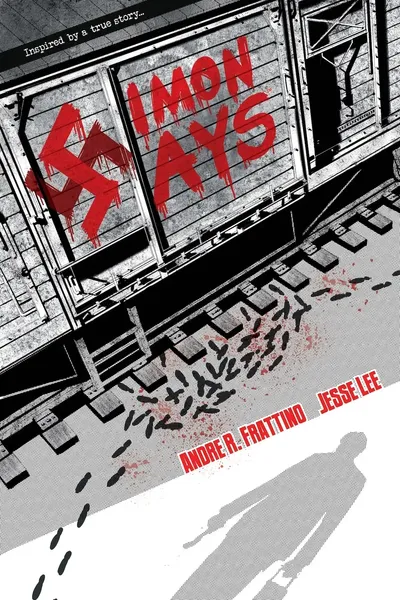
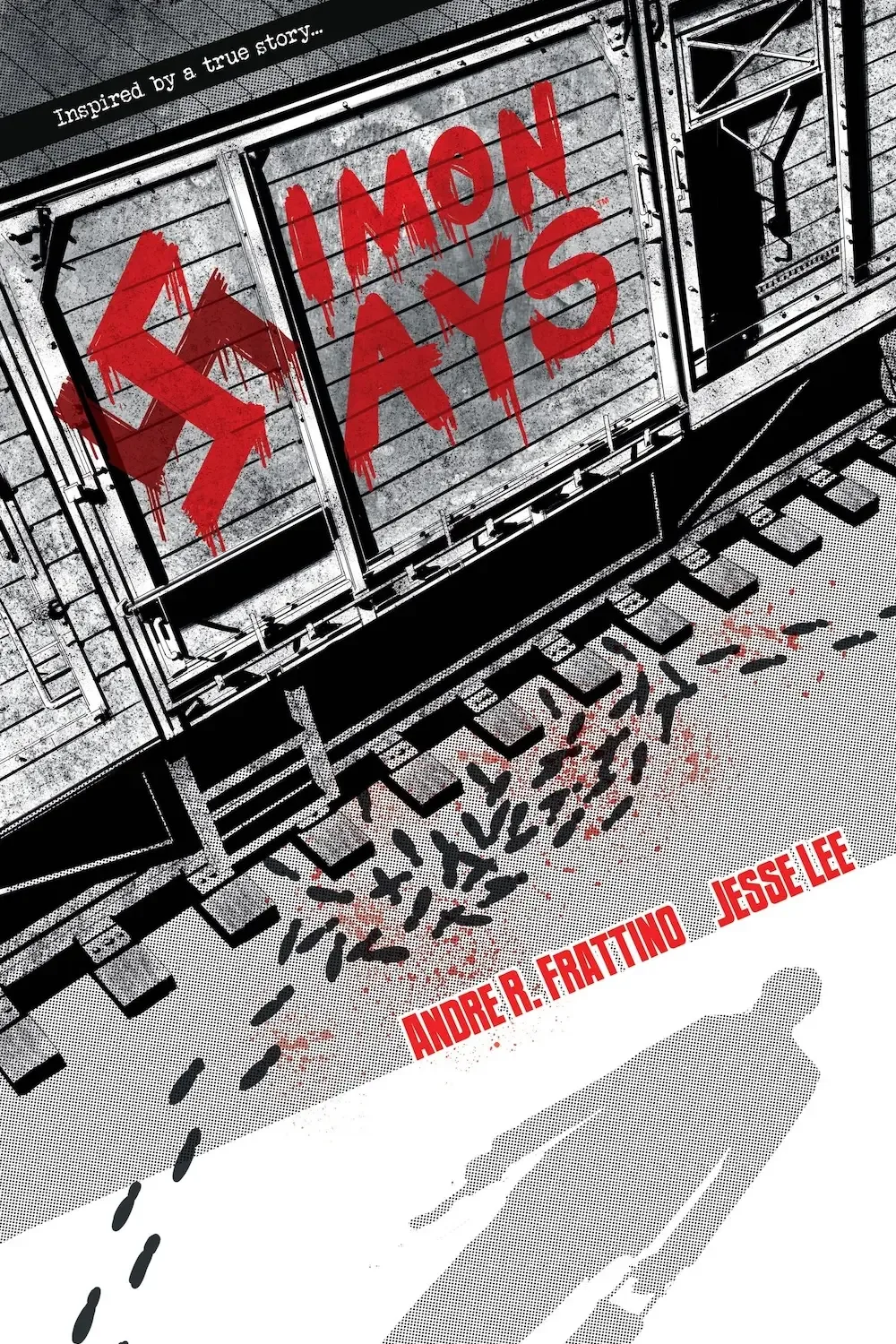
During the war, Simon was forced to use his artistic skills to paint swastikas on train cars. But now, in post-WW2 Berlin, he’s using his skills to track down the Nazis who murdered his wife and countless other Jews. But as the war recedes into history, many just want to move on and put the past behind them. Which is something that Simon just can’t do, especially when he hears disturbing rumors of a movement to revive the Third Reich. Simon Says has everything necessary for a great story: a driven, even obsessed protagonist, some truly evil villains, a nefarious conspiracy, and a unique spin on a familiar historical setting. Unfortunately, it never quite comes together with the intensity or impact that Frattino and Lee are clearly aiming for. Also, the big reveal at the end is more frustrating than anything, and given that its creators have moved on to other work, leaves Simon Says ending on a very unresolved note.
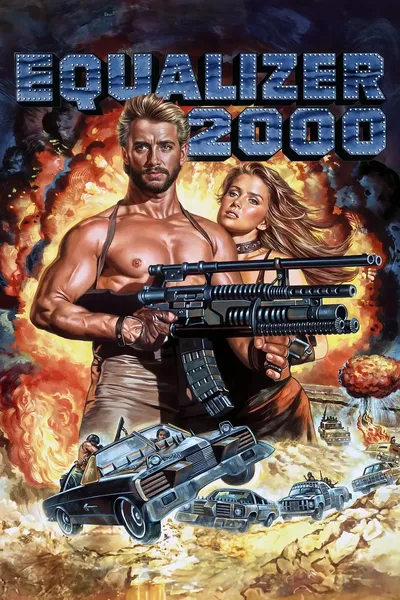
A hundred years after nuclear war ravaged the planet, Alaska has become a desert wasteland ruled by a fascist military group called the Ownership. When they betray one of their own, he swears vengeance — but his only hope lies in acquiring the titular gun, an overpowered weapon that looks an awful lot like the ridiculous guns I drew in my notebooks back in 6th grade. Put simply, Equalizer 2000 is a blatant Mad Max rip-off by Filipino director Cirio H. Santiago, who often worked with B-movie king Roger Corman and produced several post-apocalyptic flicks. I mainly watched this because I was curious to see Richard Norton in a lead role; up until now, I mainly knew Norton from his work as villains (e.g., Mr. Nice Guy opposite Jackie Chan). Norton, who sadly died this past March, certainly gives being a glowering, stoic anti-hero the ol’ college try, and he’s got the look down pat, complete with feathered hair and perpetually open leather vest. And to his credit, director Santiago apparently never met a pyrotechnic or squib he didn’t like. But Equalizer 2000 never escapes the limitations of its budget, nor is it bizarre or crazy enough to be all that memorable. Nerdy side note: The film also stars a pre-Terminator 2 Robert Patrick in one of his earliest roles.
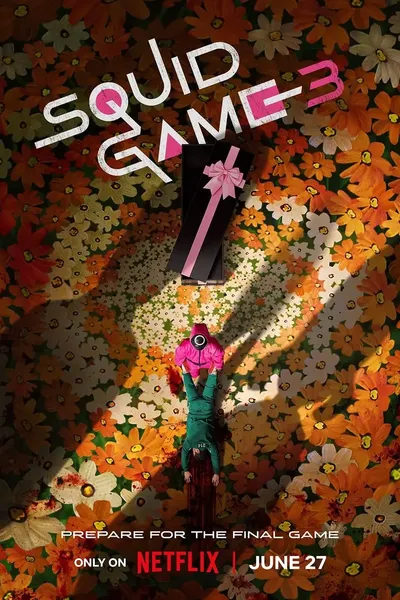
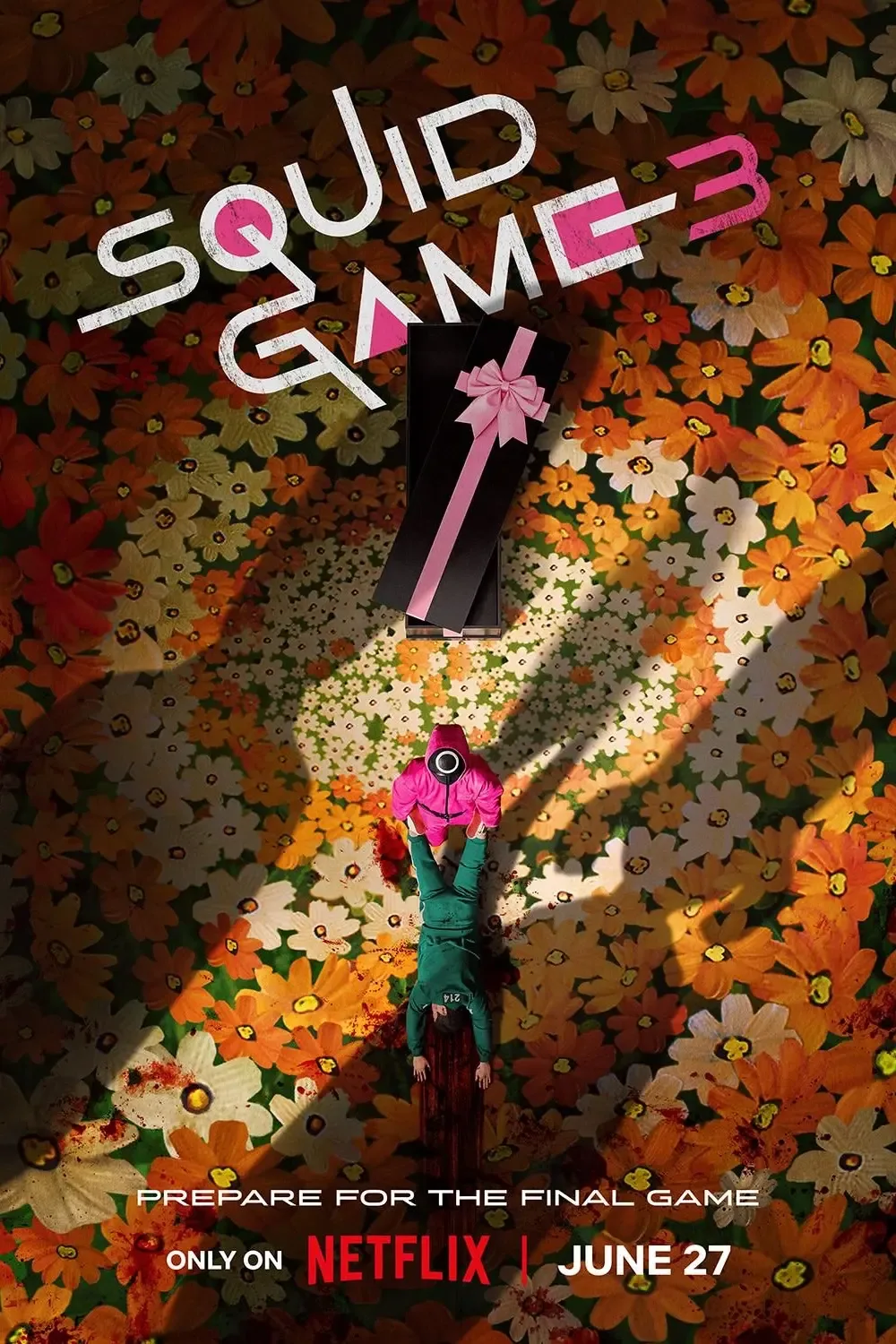
After two solid seasons of engrossing twists, turns, and drama, Squid Game ends on a somewhat underwhelming note that leaves you wondering what might’ve been had series creator Hwang Dong-hyuk not written himself into a corner. Season three tries to balance several compelling storylines: the game itself, a rogue detective trying to shut down the game, and a North Korean defector who works for the game but has her own agenda. However, the end result is something of a mess, with the various storylines stretched to their breaking point (especially the detective’s island-hopping search) and ultimately undercutting each other. That said, Squid Game’s final season does contain its fair share of compelling and gasp-inducing moments, and I appreciate that Hwang still refused to play it safe with his characters right up to the bitter (if somewhat predictable) end.