My Cultural Diet (December 2025): Lord of the Rings, Wake Up Dead Man, One Battle After Another, Angel’s Egg, Tron: Ares
In order to better track my various cultural experiences (e.g., movies, TV shows, books, restaurants), I’ve created the Cultural Diet. Think of it as my own personal Goodreads, Letterboxd, and Yelp, all rolled into one (more info here). Every month, I recap everything that I watched, read, etc., in the previous month.
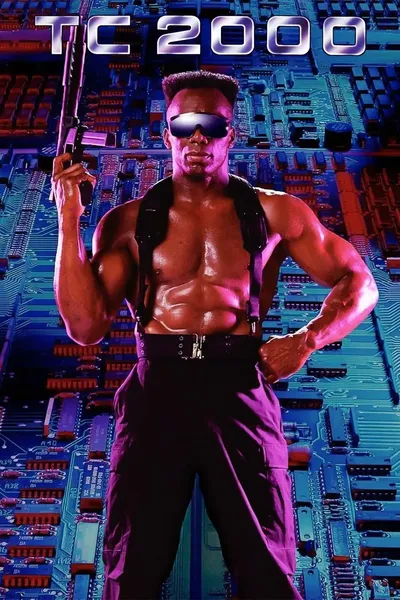
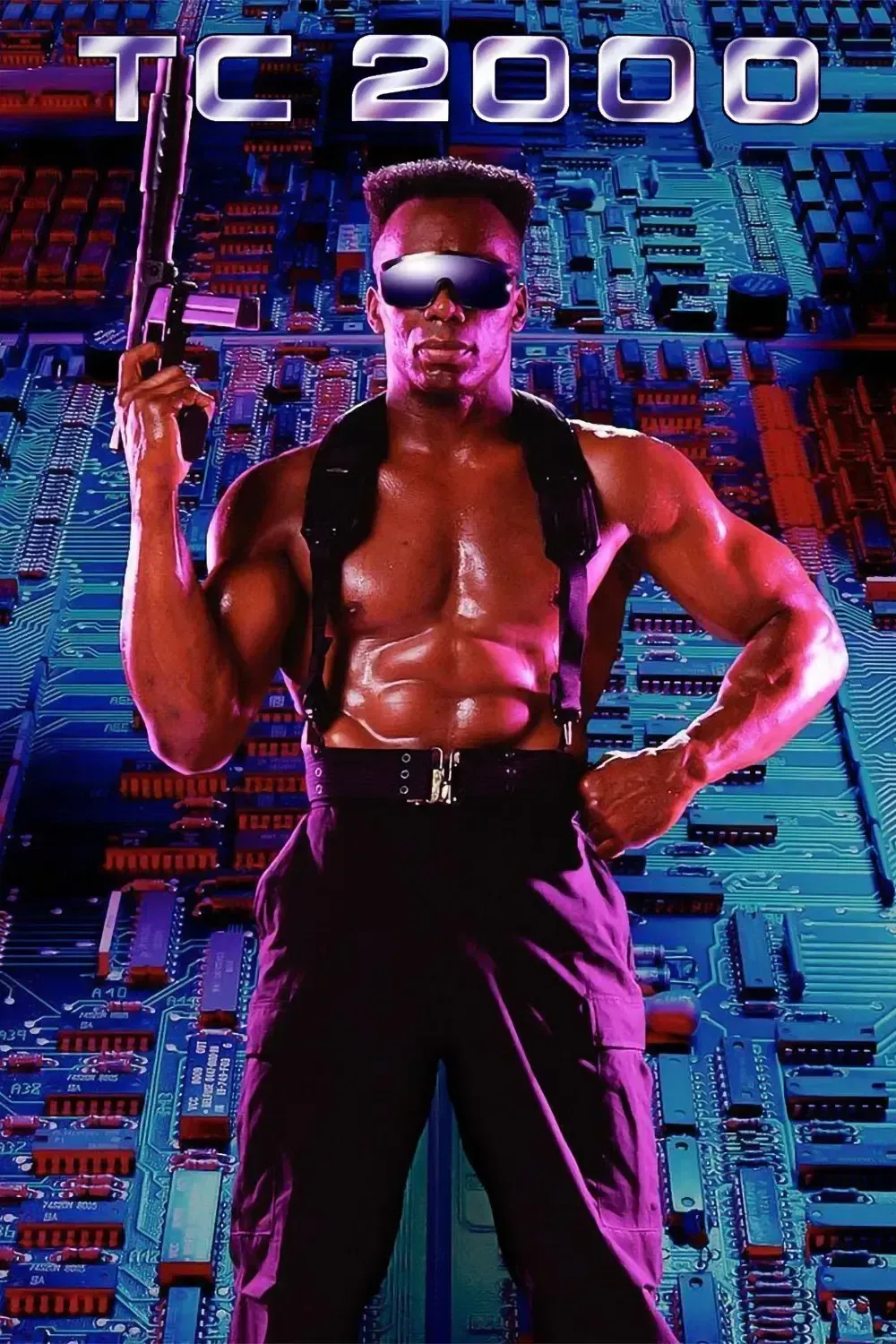
Continuing in my quest to watch all of those movies whose VHS covers fascinated me back in the early-to-mid ’90s, I checked out this dystopian martial arts action flick starring Billy Blanks (of “Tae Bo” fame) as a police-like enforcer who protects the underground city of the wealthy from the scavengers of the surface world. TC 2000 isn’t a great movie, even by cult standards, although Blanks certainly gives it his all, right down to some film noir-ish voiceovers. I do, however, have a fondness for how ’90s films envisioned societal and environmental collapse in the not-too-distant future — TC 2000 is set in 2020 — and in that regard, the film doesn’t disappoint. I love all of the ’90s architecture (e.g., Ontario’s Mississauga Civic Centre) as well as the little ways the movie tries to communicate “futuristic,” from the fashion to the vehicles. Still, it’s hard to watch TC 2000 and not be consistently reminded of far better films like The Terminator, RoboCop, and even Demolition Man. That, and the endless martial arts sequences eventually become a slog, meaning the film wastes both Blanks and Bolo Yeung. Oh, and the film also serves as a 90-minute promo piece for a line of martial arts gear. So take that for whatever it’s worth.
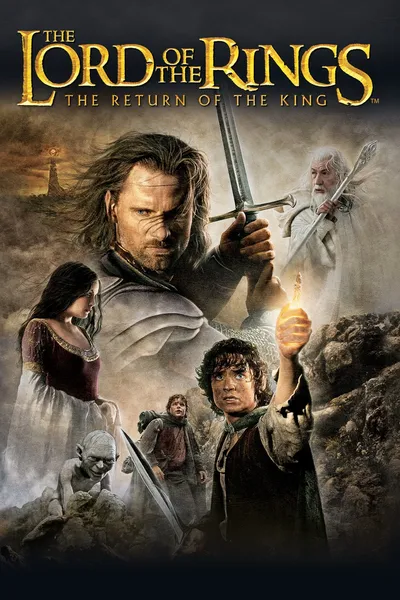
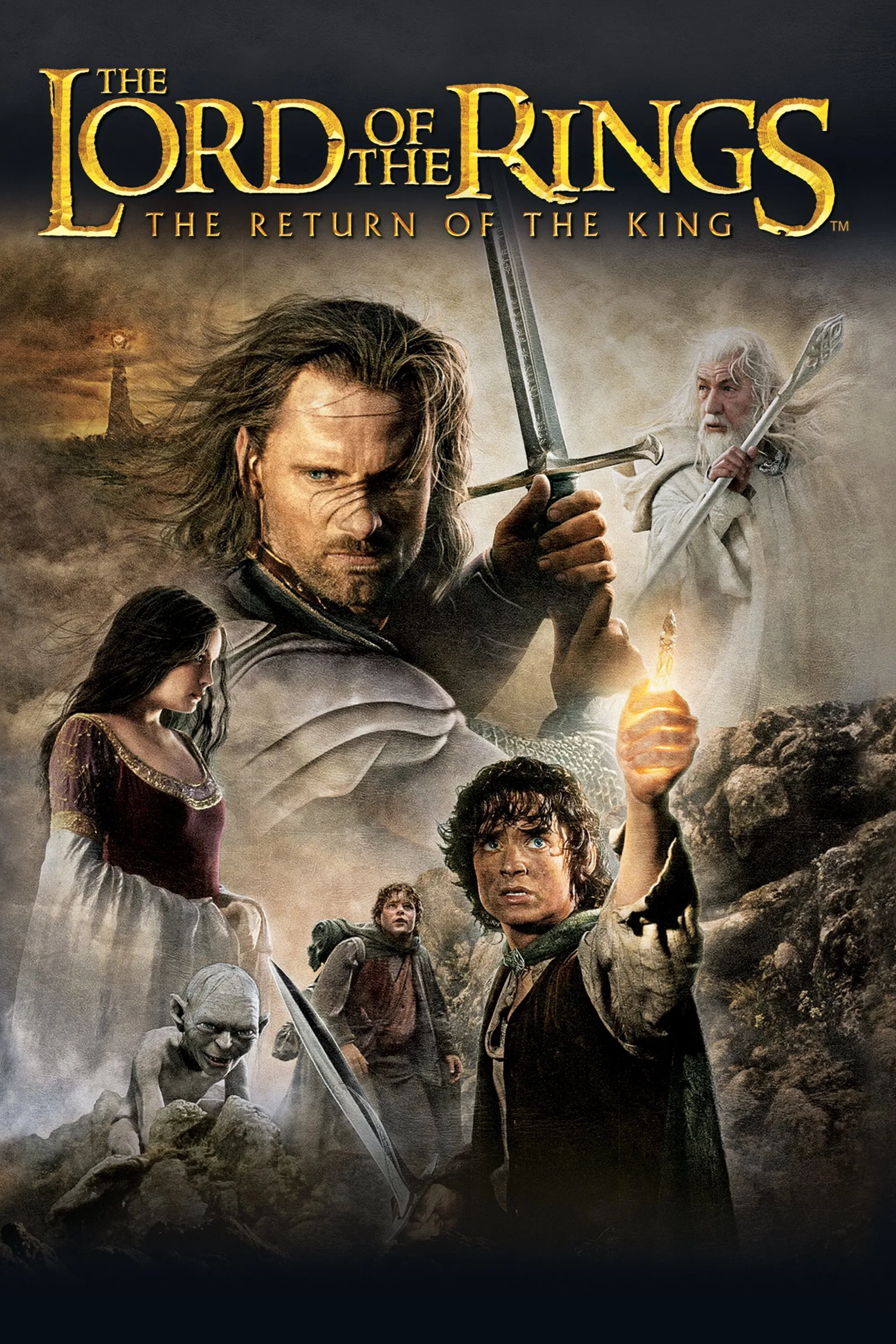
The Return of the King contains some of Peter Jackson’s biggest liberties with Tolkien’s original epic, like the reforging of Andúril and almost everything involving the Army of the Dead, from their skull-filled underground lair to their arrival on Pelennor Fields. And don’t get me started on Denethor, especially his nonsensical death. At times, such moments almost seem like they could undermine the film, but it contains far too many grace notes for that. Gandalf’s encouraging words to Pippin. Sam’s glimpse of stars while in the darkness of Mordor. Éowyn’s battle with the Witch-king of Angmar. And of course, the charge of the Rohirrim. I find every single one of them deeply moving even to this day. (I can’t think of Théoden’s battlecry — “Ride for ruin and the world’s ending!” — and not get a little choked up.) I remember the movie often being mocked for its many endings, but how else could such an epic tale end? I love Gandalf’s line about not all tears being an evil; the fact that the film, like Tolkien’s story, ends on a melancholy note with a bittersweet farewell and a return to simple domestic life, and not some massive military victory, is precisely what makes it so endearing and enduring.
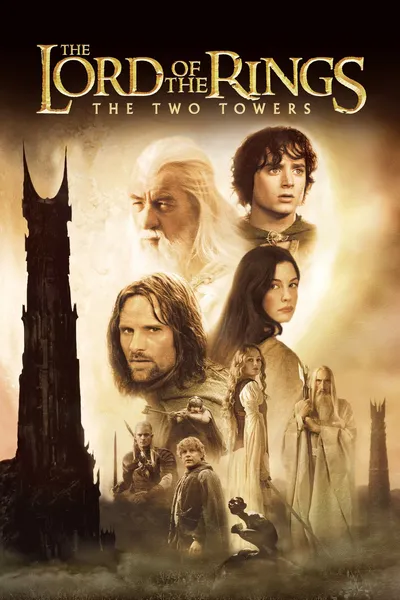
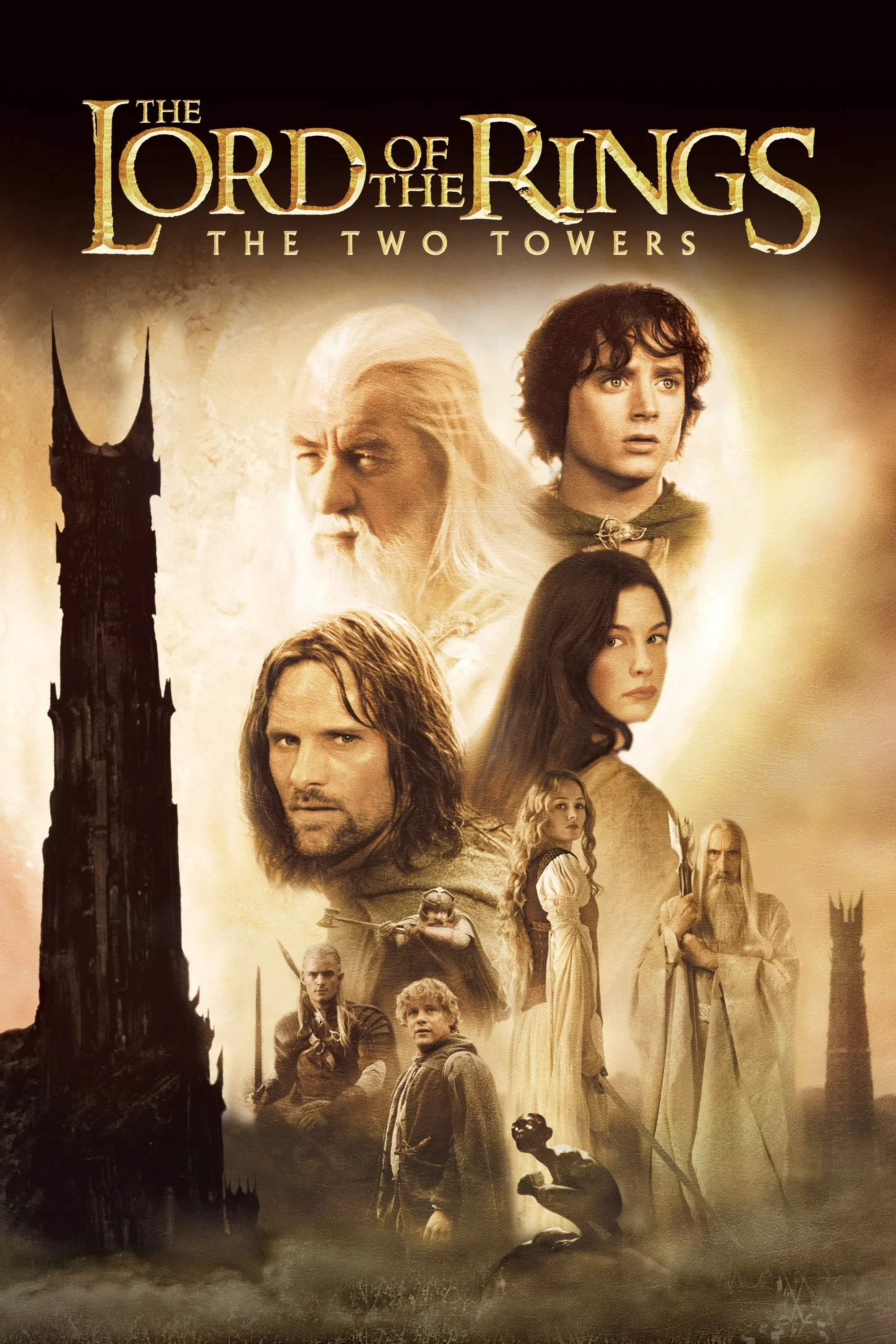
This is where Peter Jackson’s liberties with Tolkien’s story really become noticeable, for better or worse. There’s the obvious shifting around of story beats, like moving Boromir’s last stand to The Fellowship of the Ring, or more seriously, altering the character of Faramir. (I have friends who absolutely hate that particular change, claiming that it ruins one of the Tolkien’s noblest characters. I get where they’re coming from, but I also understand why Jackson made the change for dramatic purposes, even though I don’t think it works as well as it could have.) On a more positive note, The Two Towers introduces us to Bernard Hill’s King Théoden of Rohan, whose desire to save his people might prove their undoing, and Miranda Otto’s proud Éowyn. But more importantly, it brings us Andy Serkis’s Gollum, who is brought to life by detailed visual effects work and is both loathsome and pitiable, sometimes even in the same scene. This time around, I was particularly struck by the interplay between Gollum, Frodo, and Sam as the two hobbits argue over how to treat the creature formerly known as Sméagol. Frodo is driven by a sense of mercy and compassion that borders on naïve while Sam’s suspicions are as warranted as they are cruel. It’s tricky storytelling, especially considering one of the characters is entirely digital, but done in a very compelling manner here.
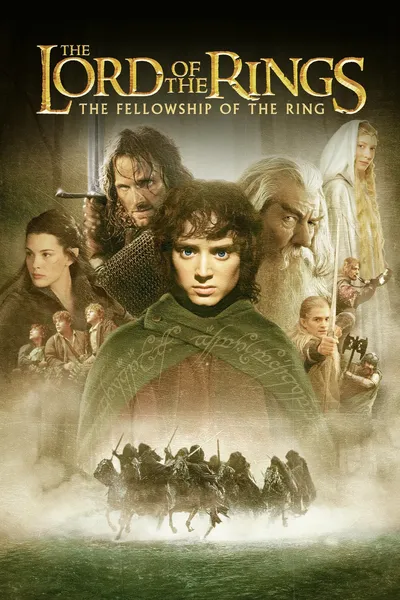
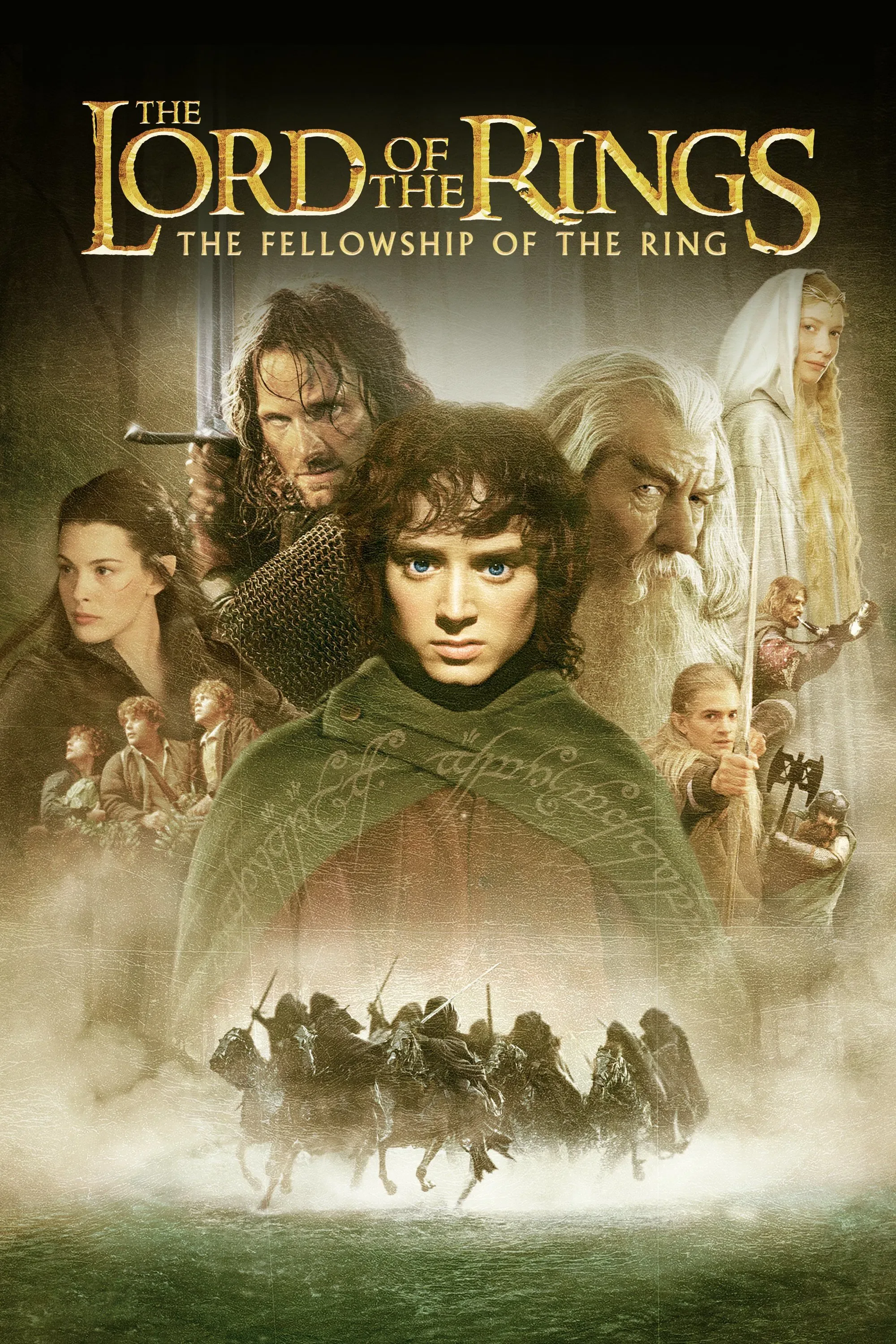
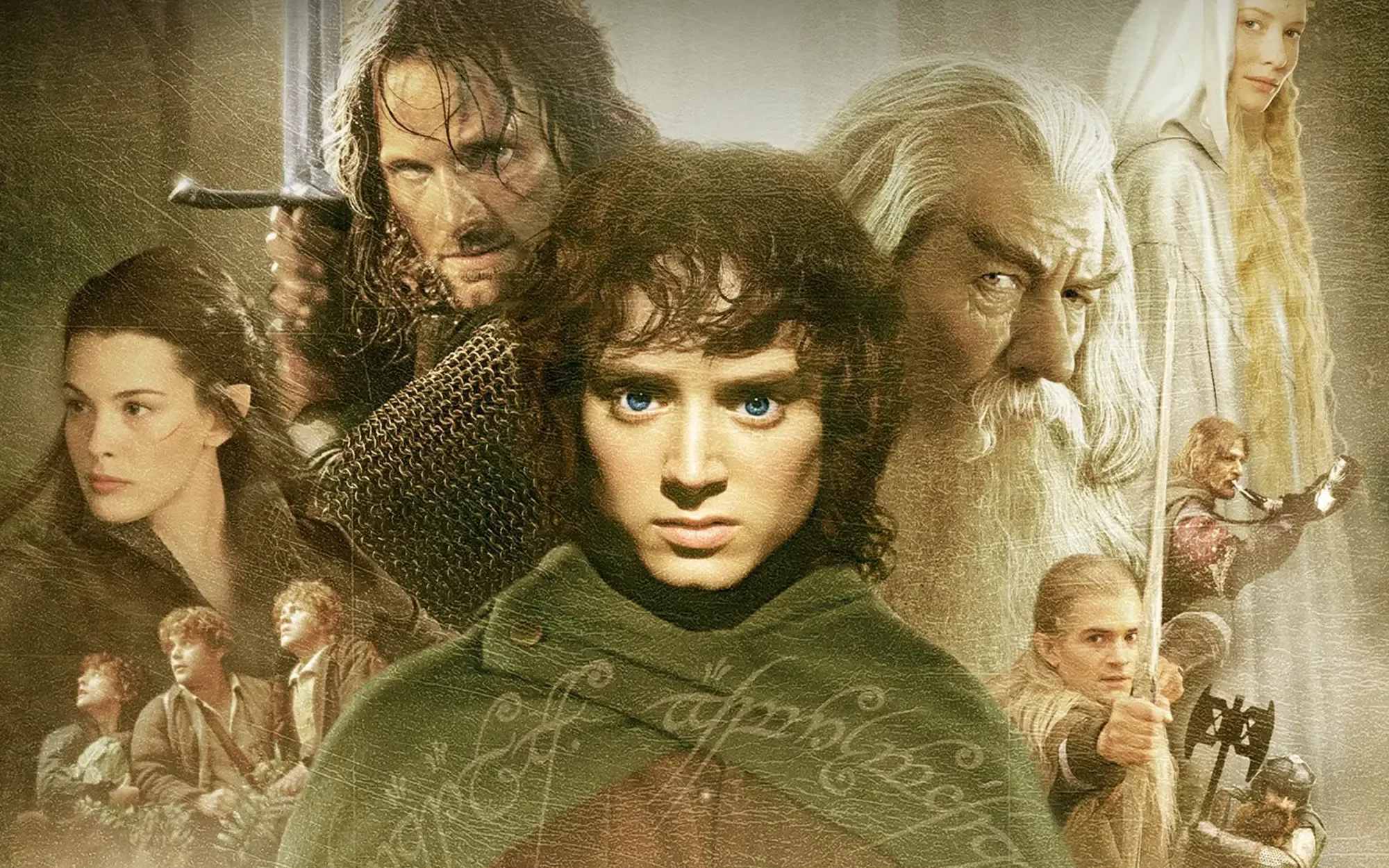
I’m sure that when Peter Jackson — director of such splatter classics as Bad Taste, Meet the Feebles, and Braindead — announced that he was adapting J. R. R. Tolkien’s Lord of the Rings, one of the most revered stories in Western literature, more than a few people doubted that he would deliver a modern cinematic epic that verges on transcendent. But that’s precisely what we got with The Fellowship of the Ring. Much of that’s due to the film’s incredible production design and art direction, which transform Tolkien’s Middle-earth into a living, breathing place that I believe can be visited every time I watch the film. Although Jackson’s changes to Tolkien’s story merit criticism in the trilogy’s subsequent titles, here they largely make the film a stronger and more cohesive story. (I’m sure Tom Bombadil has his fans, but he’s not really missed here.) From the first frame to the very last, Jackson and his incredible cast and crew deliver the very definition of movie magic that — to quote Yeats — I feel “in the deep heart’s core” every time I watch it.
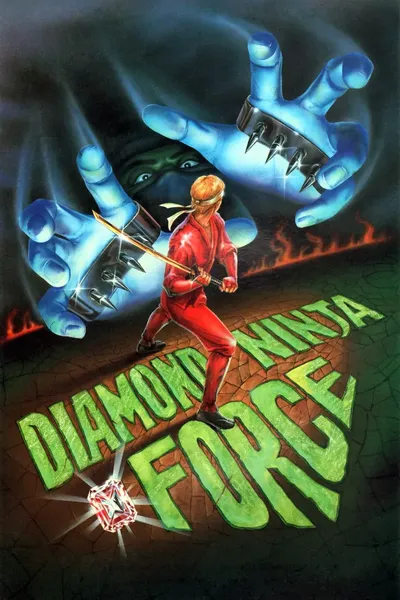
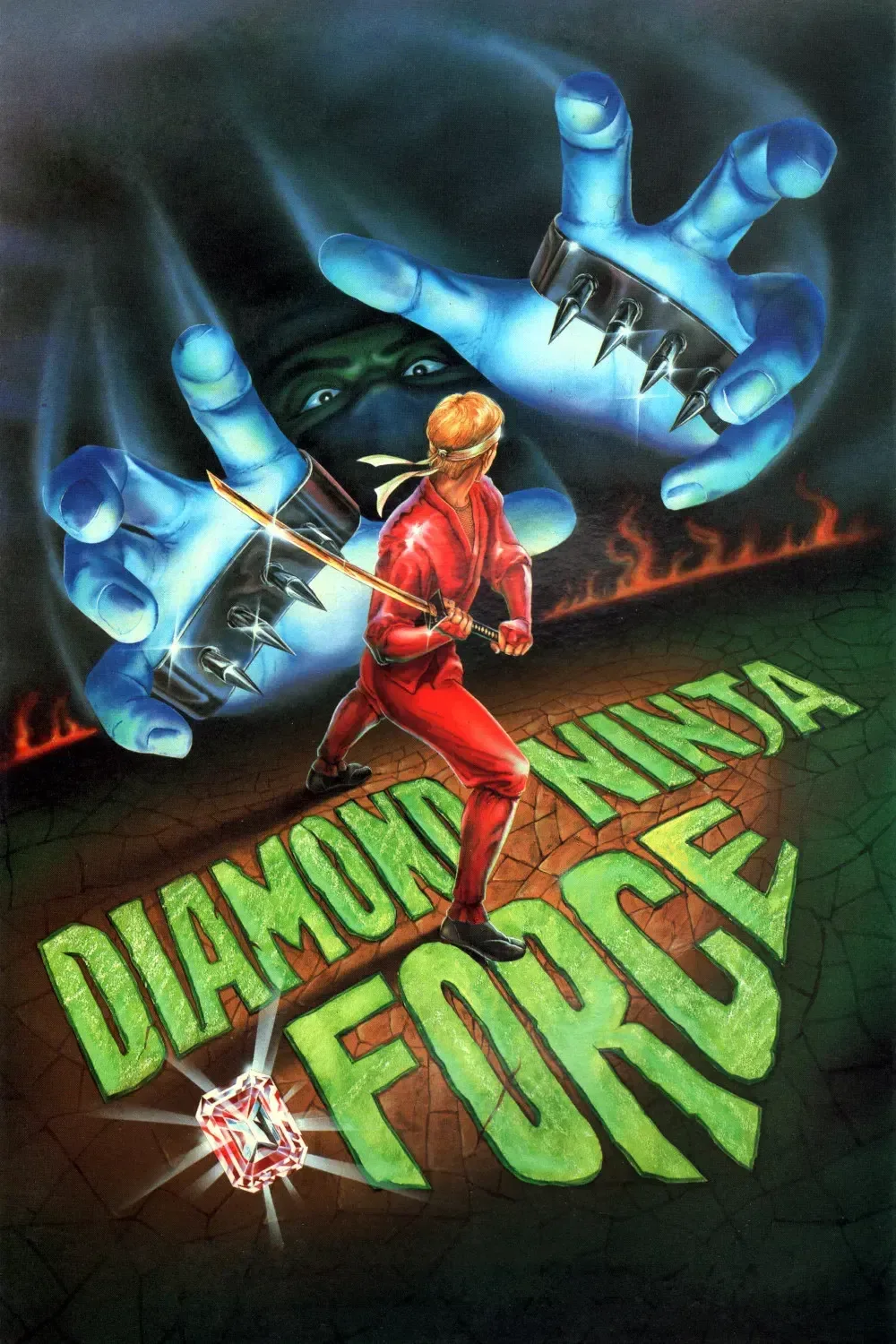
When construction workers uncover the long-lost burial ground of the Black Ninja clan, the clan will stop at nothing to reclaim their ancestral home, even sending ghost ninjas to haunt the landowner’s family. At the same time, the clan’s after a precious artifact that’s been hidden away by Gordon of the rival Diamond Ninja Clan. Gordon — who’s played by Richard Harrison in all of his mustachioed and eyelined glory — just wants to live a normal life with his lovely wife, but when she’s killed by the Black Ninja clan, he’ll need to summon all of his Diamond Ninja skills to avenge her death. Diamond Ninja Force is as delightfully incoherent as any Godfrey Ho movie. (Leo Lau and Frank Ford are credited with continuity and story development, respectively, which I suspect took them all of five minutes.) In classic Godfrey Ho fashion, Diamond Ninja Force recycles the Golden Ninja Warrior idol and Garfield phone from Ninja Terminator, throws in random scenes of Harrison doing his ninja schtick, and ties it all together with footage cribbed from an entirely different film. In this case, the other film is Feng-Pan Yao’s Ghost Rapist, a cheap Poltergeist knock-off from Taiwan that — as its title suggests — let Ho sneak in a bit more skin than usual. As is often the case with Godfrey Ho’s ninja movies, I wish he’d have made a film that’s just Harrison doing wacky ninja things, but the inclusion of a supernatural/horror element — as well as music from Kraftwerk, Tangerine Dream, and Orchestral Manoeuvres in the Dark — does make Diamond Ninja Force more interesting than other IFD offerings.
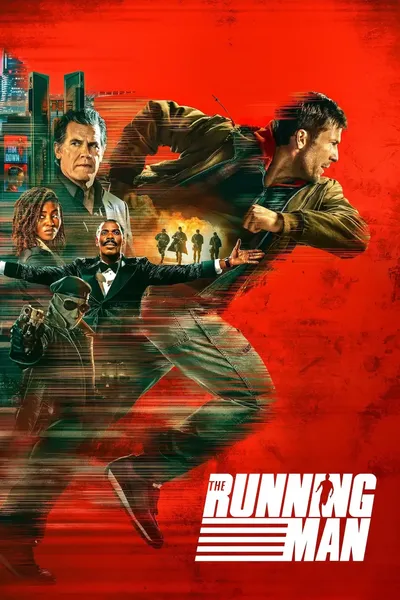
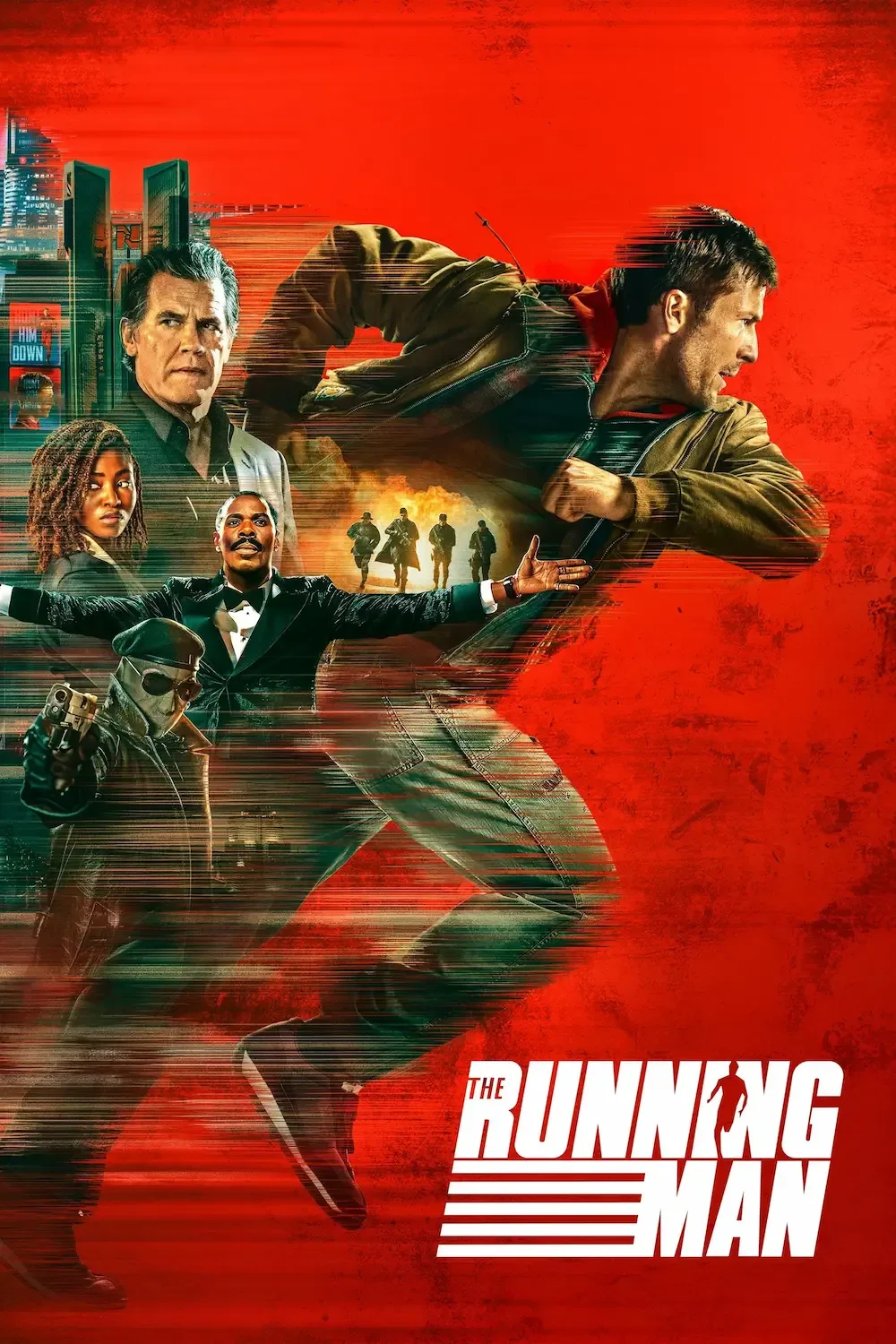
I’ve been an unabashed Edgar Wright fan for years now thanks to titles like Hot Fuzz, Shaun of the Dead, and Spaced. His brand of meta humor combined with a unique visual style has been total catnip for me. Thus it pains me to say that his take on The Running Man is an incoherent mess from start to finish. Wright tries to mix bleak dystopian humor, commentary about the media’s controlling effects on our society, and over-the-top violence, but the resulting film is a slog that beats you over the head with its supposedly satirical points until you decide to hate watch it simply so you can say you weren’t defeated by its inanity. Glen Powell, God bless him, certainly gives it his all as the down-on-his-luck schmuck who agrees to participate in an ultra-violent TV gameshow to provide for his family. However, his too-handsome features are just a constant reminder that you’re watching a Hollywood movie that thinks it’s more subversive than it actually is. And yes, I remember that the original Running Man starred Arnold Schwarzenegger of all people, but that film leaned heavily into camp — something that’s sorely lacking from Wright’s film.
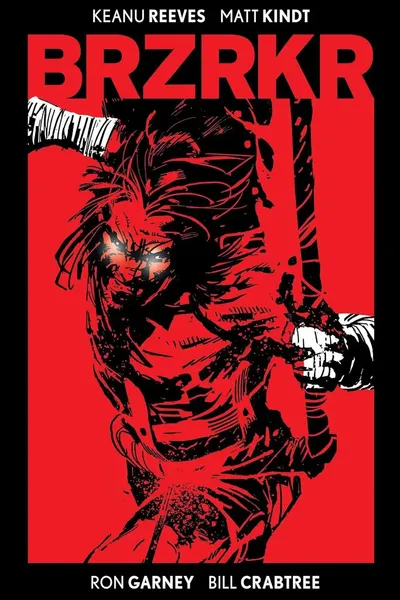
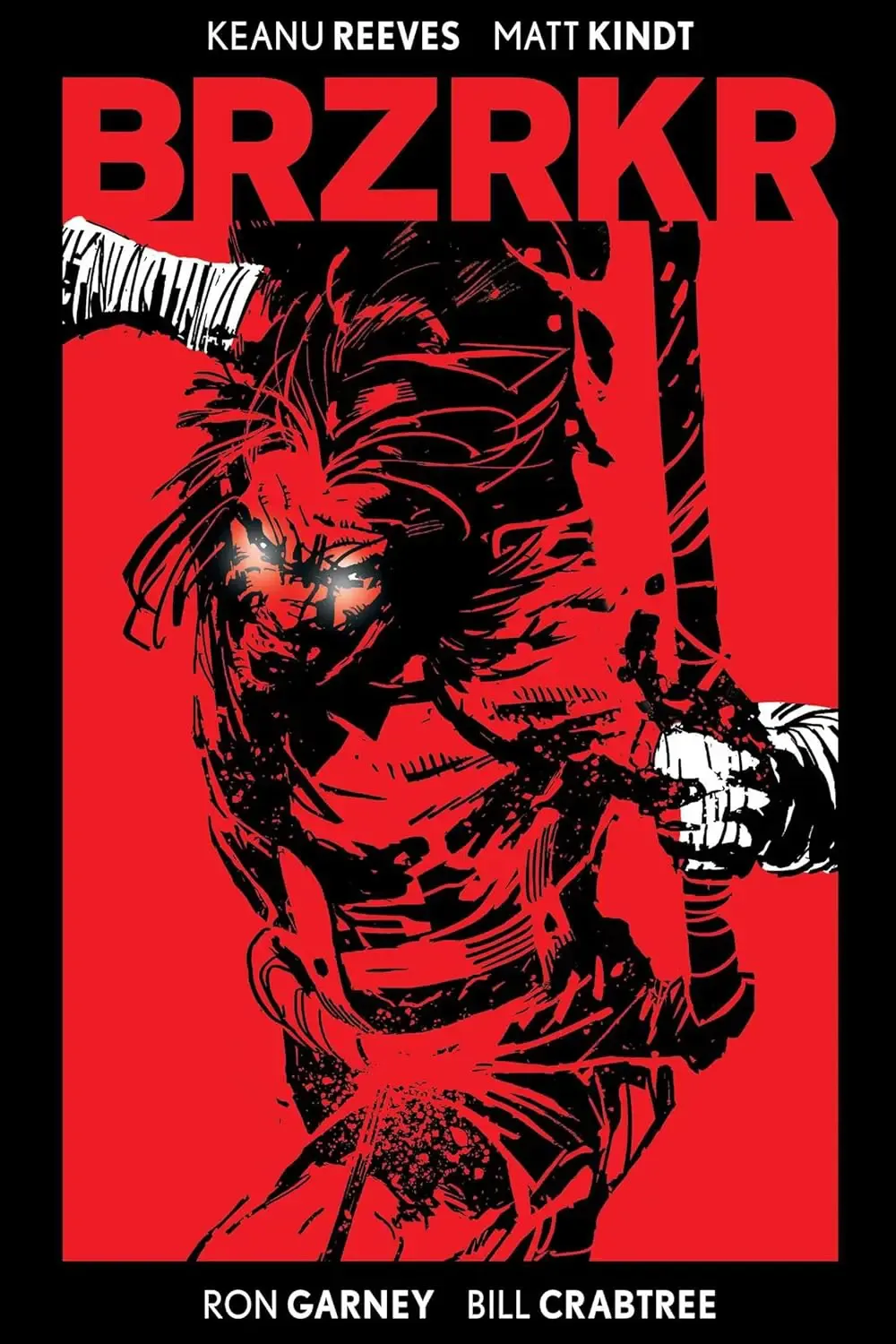
B isn’t just some black ops super-soldier taking out America’s worst enemies. He’s also a virtual demigod who’s been alive for 80,000 years, and his superhuman strength and healing might just hold the key to the next stage in humanity’s evolution. But 80,000 years of death and violence have taken their toll on B’s mind, and all he wants is to finally die — something the U.S. government promises in exchange for his fighting talents. As you might expect, this collaboration between Keanu Reeves and Matt Kindt (MIND MGMT, Dept. H) is violent in the extreme, with plenty of panels depicting B disemboweling, decapitating, and tearing apart his enemies limb from limb. But in the midst of all that violence, Reeves and Kindt manage to capture a certain tragic element in B’s story of a man forced to keep living even as everything and everyone he knows and loves is inevitably ripped away from him. And it doesn’t hurt that BRZRKR also taps into some cosmic weirdness for good measure. Not surprisingly, given Reeves’ involvement, Netflix is working on live-action and anime adaptations with Reeves in the lead role. I plan on watching both of them when they’re released.
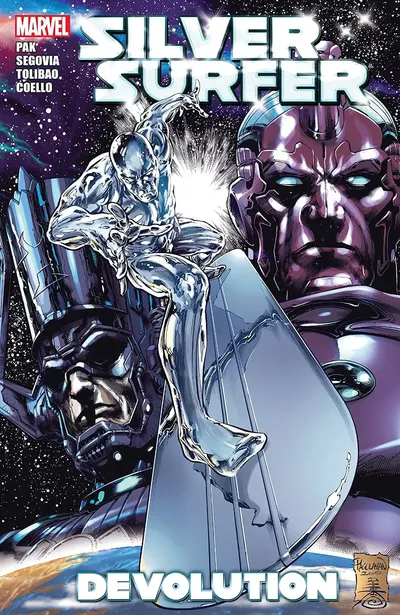
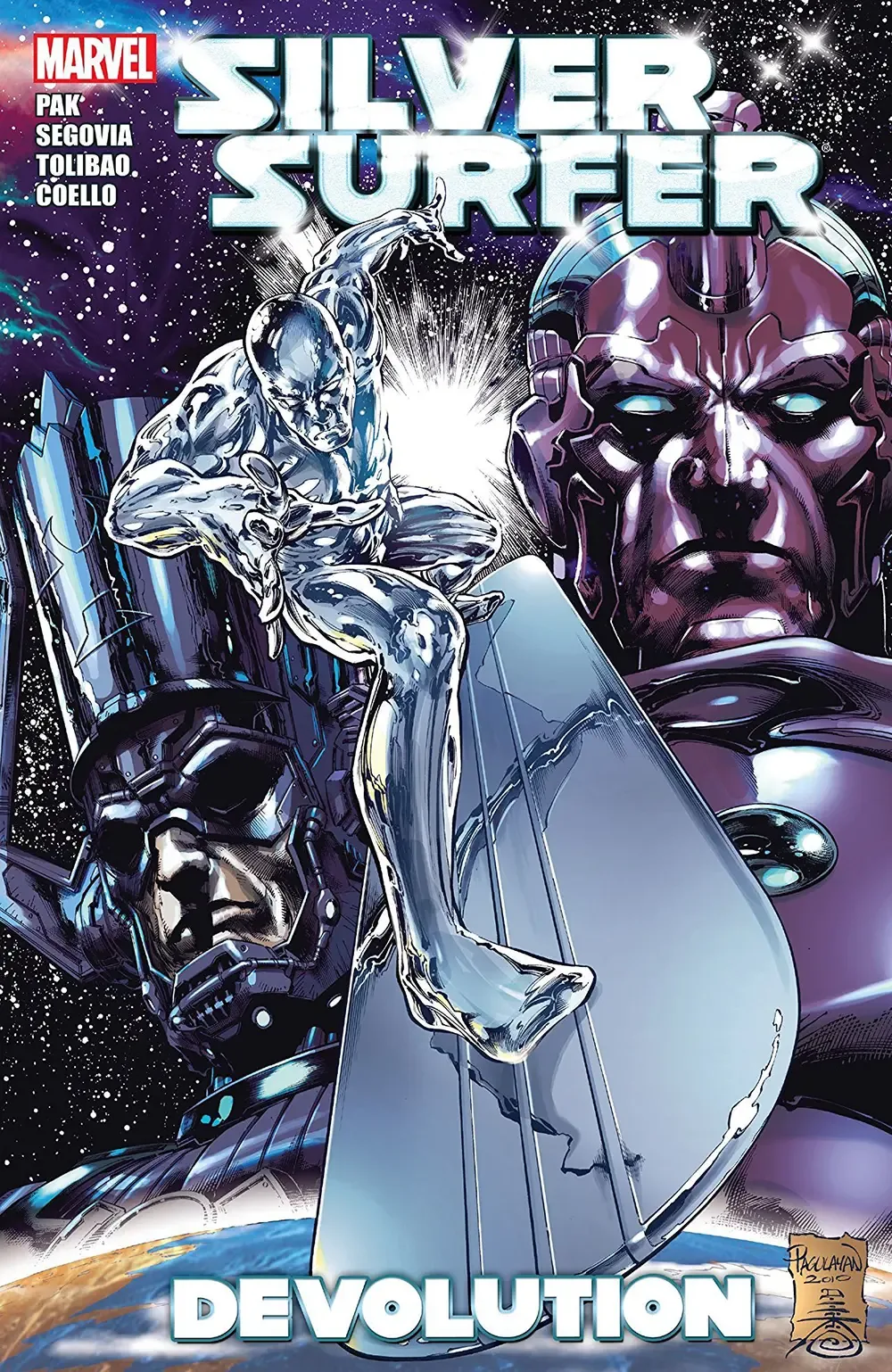
I’ve previously enjoyed some of Greg Pak’s indie work (e.g., Mech Cadet Yu, Ronin Island), so I was curious to read his take on the Sentinel of the Spaceways. Only this time, there’s a bit of twist: the Surfer is stripped of his powers and reduced to mere flesh and blood after an encounter with the High Evolutionary, who seeks to use the Power Cosmic in his quest to perfect life. There are some interesting ideas here and there, starting with what the Surfer must deal with when he suddenly becomes a mere mortal man and all that entails. But at just five issues, Silver Surfer: Devolution’s treatment of those ideas is slight and forgettable, even when Galactus — who’s consuming part of the Sun for some reason — and the Fantastic Four arrive on the scene. And the less said about Suzi Endo, who becomes both the Surfer’s new love interest and the High Evolutionary’s herald, the better. Finally, I didn’t really care for Harvey Tolibao’s artwork, which felt inconsistent and dated. This one’s for Silver Surfer completists only; everyone else can skip it.
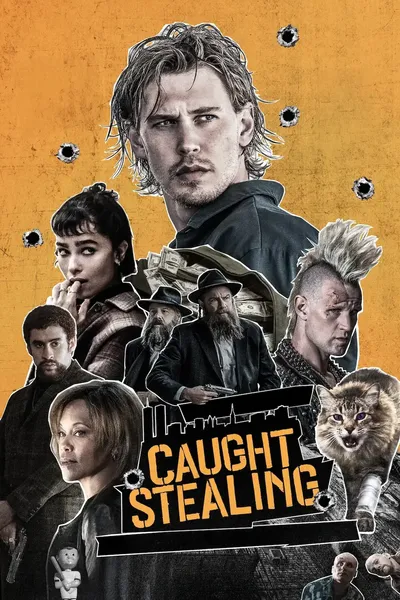
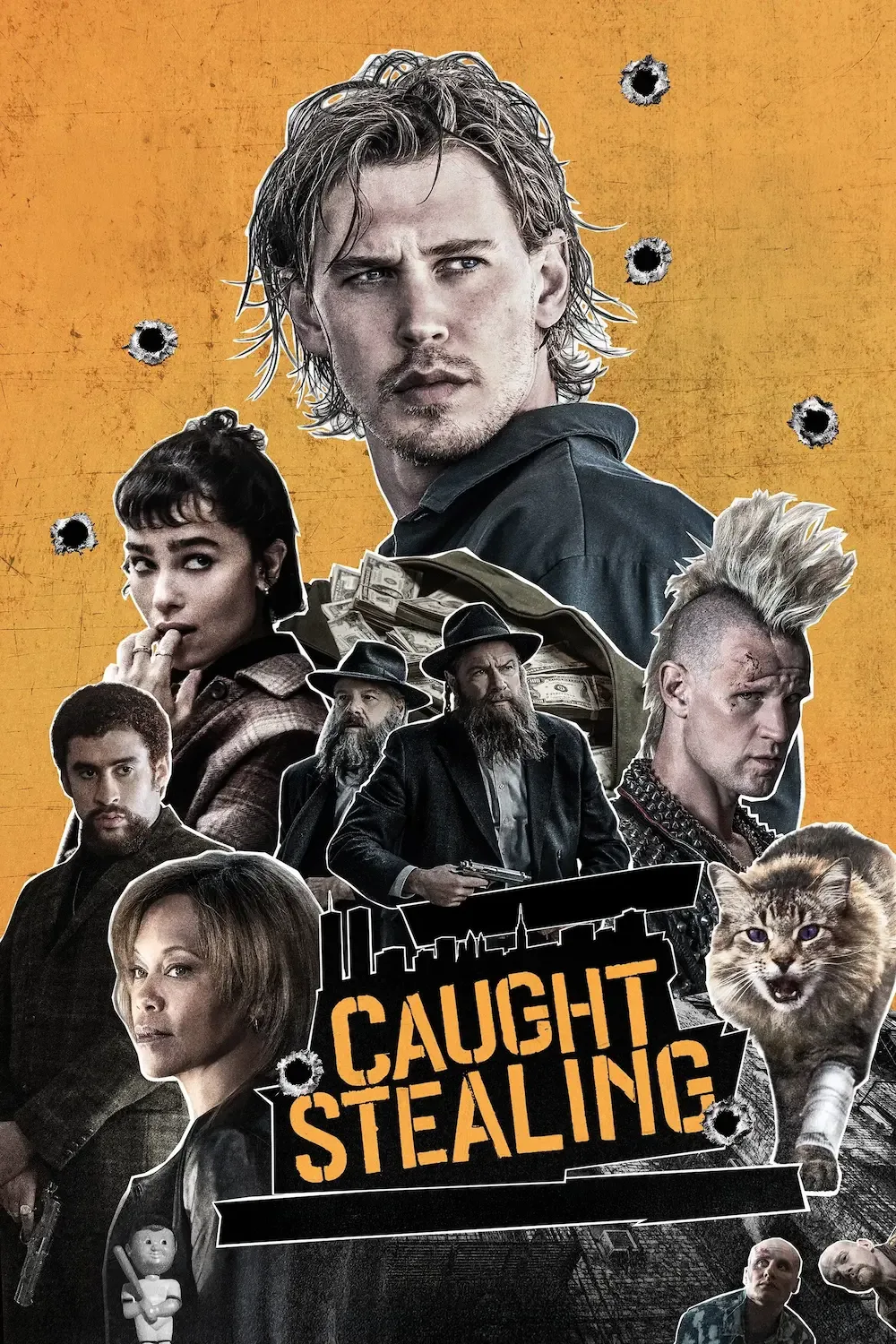
Darren Aronofsky is best-known for dark, nightmarish, and highly stylized films like Pi, Requiem For a Dream, and Black Swan. But Caught Stealing represents something of a shift for the acclaimed director: a comedy crime caper, albeit a really dark one replete with Russian gangsters and Hasidic drug dealers. Hank Thompson (Austin Butler) was an aspiring major league baseball player who now just tends bar in New York circa 1998. But when his punk rock neighbor (Matt Smith) asks him to cat sit for awhile, Hank gets caught up in a whirlwind of drug deals, stolen money, and the aforementioned villains. It’s all twist-y and turn-y, and Aronofsky is not shy with the bodily fluids as people get beat up, tortured, and shot. But to be honest, it’s surprisingly tepid. Based on the trailer, I was expecting something in the vein of a classic Guy Ritchie caper like Lock, Stock and Two Smoking Barrels or Snatch, but Caught Stealing never quite achieves that level of riotous energy. Butler is never anything less than watchable and the film’s evocation of the late ’90s is fun (flip phones everywhere!), but in the end, Caught Stealing is mostly forgettable — which is something you’d never think you’d say about a Darren Aronofsky film.
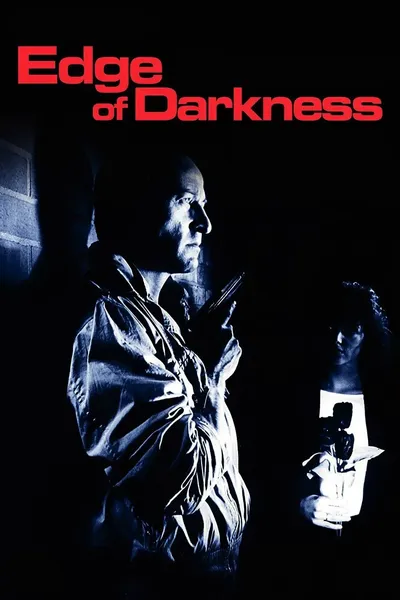
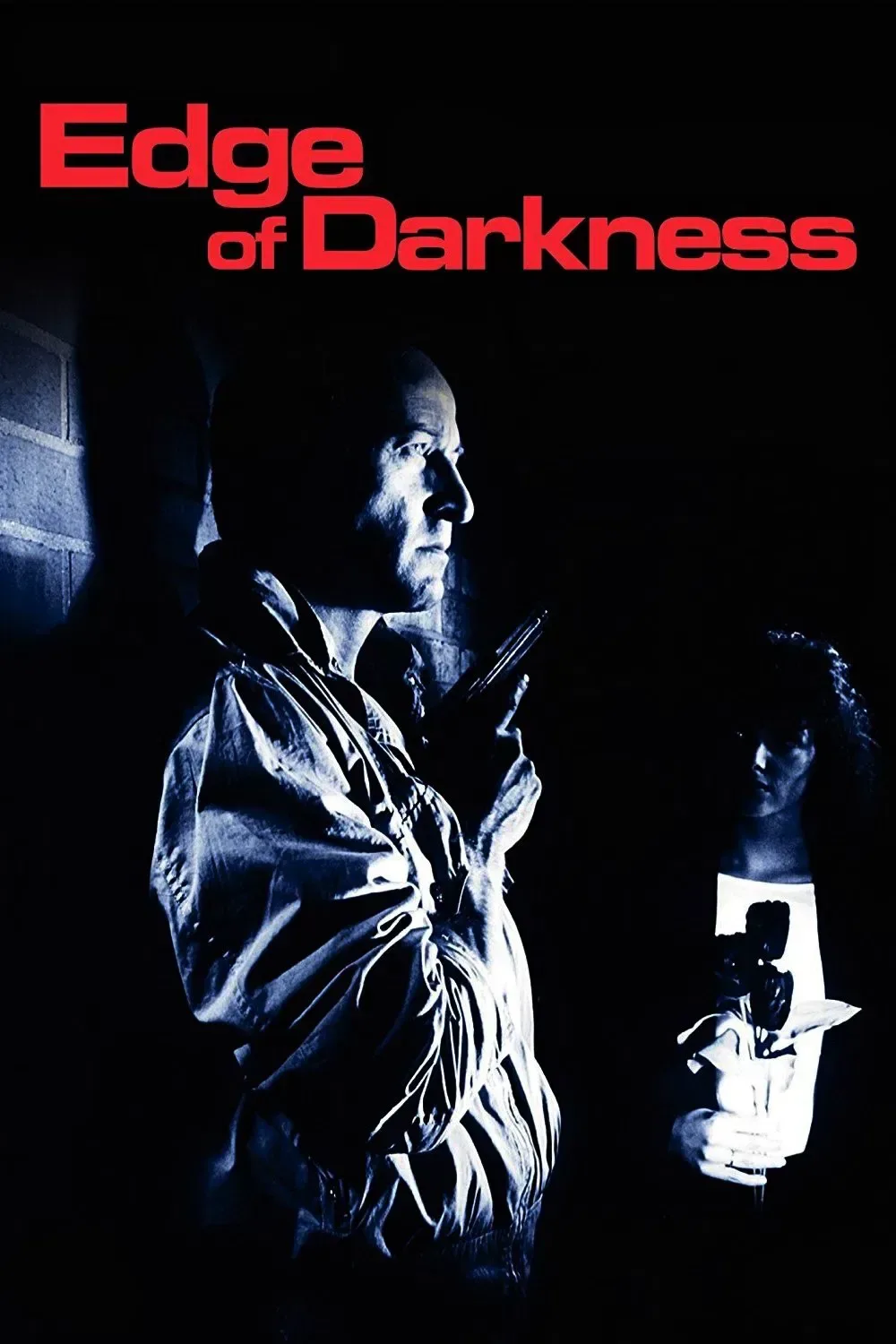
After his activist daughter is brutally murdered in front of him, police officer Ronald Craven is determined to catch her killer. But when he learns more about his daughter’s association with a radical environmentalist group opposed to nuclear power, he becomes increasingly convinced that her death was no simple murder, much to his superiors’ consternation. When Edge of Darkness premiered on British TV in 1985, it became a massive hit and was widely acclaimed for tapping into the nascent concerns around nuclear power and proliferation. To this day, it’s frequently counted as one of the best British TV series of all time. As a child of the ’80s myself, the series’ nuclear concerns had a certain nostalgic whiff, and I was never not intrigued by its twists and turns, especially once Joe Don Baker’s unorthodox CIA agent made his entrance. But if I’m honest, I kept expecting the series to get a lot weirder than it did (though I could’ve done without the implied subtext in Craven’s relationship with his daughter). Bits and pieces are dropped here and there that hint at something more surreal and perhaps even supernatural, but in the end, the series remains a more conventional political thriller.

When they released Songs of a Lost World last year, The Cure marked the occasion by playing a three-hour-long set at London’s Troxy theater and streaming it on YouTube. I watched the concert when it was on their YouTube channel for a short time afterwards, and it was an even bigger treat to see it in a theater this week. Over the course of three hours, Robert Smith et al. actually deliver four mini-concerts. The first is Songs of a Lost World performed in its entirety (and I daresay I much prefer the live versions to the album) followed a collection of Cure classics (e.g., “Pictures of You,” “Fascination Street,” “Just Like Heaven”). Then comes a selection of songs from Seventeen Seconds, which turned 45 this year, and then another collection of Cure classics that includes “Friday I’m in Love” (which Smith hilariously flubs) and “Boys Don’t Cry.” It’s all excellent, must-see material for Cure fans, and ample proof that The Cure truly excel as a live band. Sure, Robert Smith gets a bit winded at times and he can’t quite hit some of those higher notes, but he still sounds great for a goth icon in his 60s, and the rest of the band create one evocative soundscape after another. As was the case when I saw them live in 2023, I was particularly struck by Reeves Gabrels’ fiery playing, which adds a muscular intensity to The Cure’s iconic gloom.
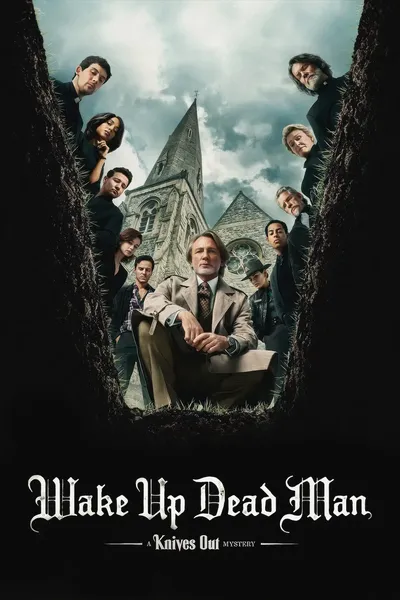
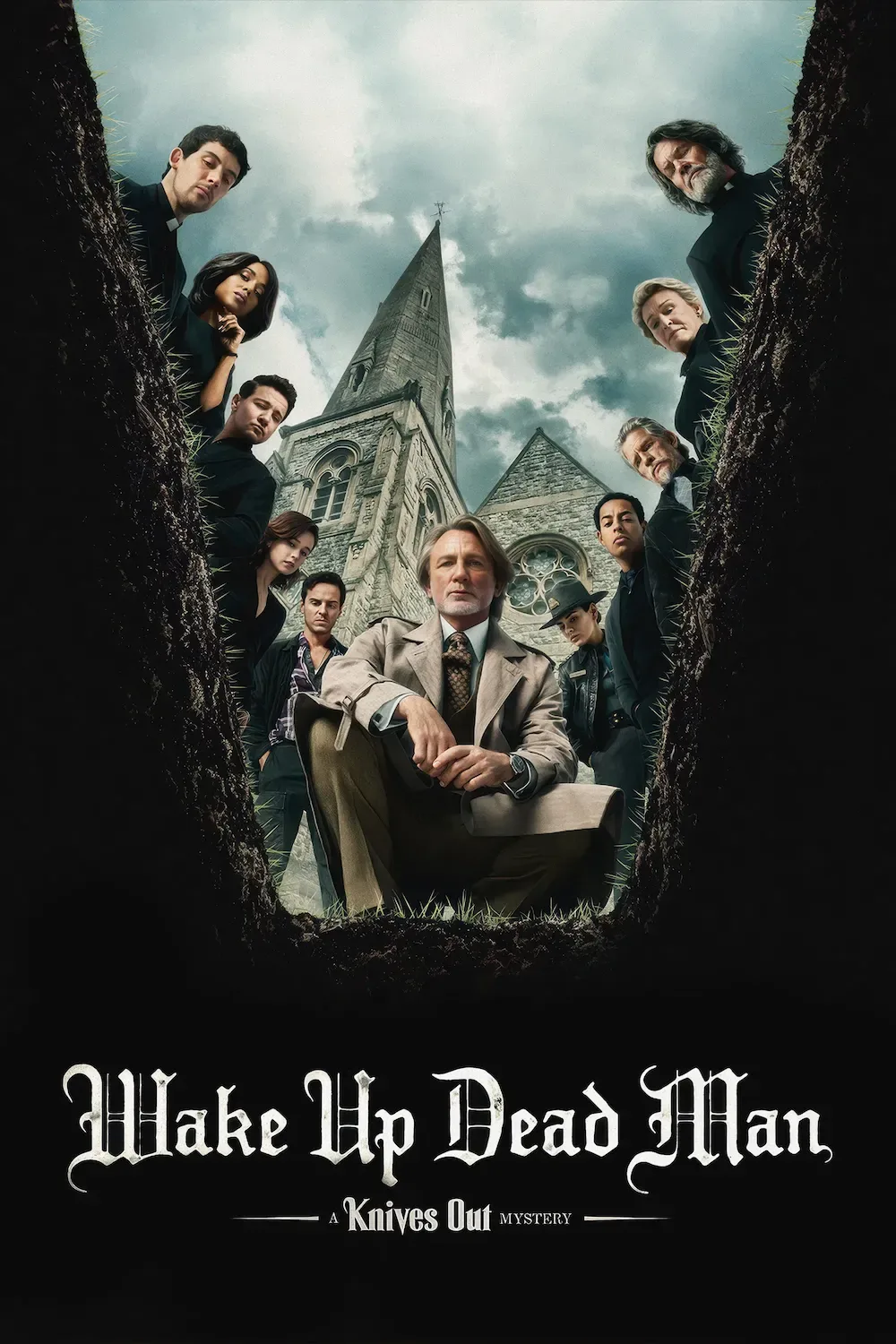
Benoit Blanc (Daniel Craig) has never met a murder he couldn’t solve, but that might change when he’s tasked with solving the death of a powerful priest in a rural New York community. Not surprisingly, religion plays a heavy role in Wake Up Dead Man, with writer/director Rian Johnson exploring Christianity at both its most toxic and most redemptive. Unfortunately, the film’s critique of toxic Christianity feels a bit too on the nose with Josh Brolin’s wild-eyed performance as the charismatic Monsignor Wicks, who spouts hate and division to the cult-ish flock that hangs on his every word. You can practically feel Johnson trying to beat you over the head with his talking points, and Brolin’s performance verges on parody. (Given that Wicks’s hateful sermons aren’t all that dissimilar to the extreme rhetoric emerging from MAGA and Christian nationalist circles, a subtler approach to the character might’ve worked better than Brolin’s exaggerated performance.) Thankfully, the film’s depiction of redemptive Christianity is wonderful, thanks to Josh O’Connor’s performance as the young Father Jud. In a lesser film by a lesser filmmaker, Jud would be too good, too wide-eyed, too naïve. However, Wake Up Dead Man never shies away from Jud’s flaws and checkered past, which makes his earnest desire to serve Christ and his flock all the more winsome for both the audience and a dyed-in-the-wool atheist like Blanc. Every time I thought that Wake Up Dead Man was going off the rails, Jud’s gentle, sacrificial faith won me back over.
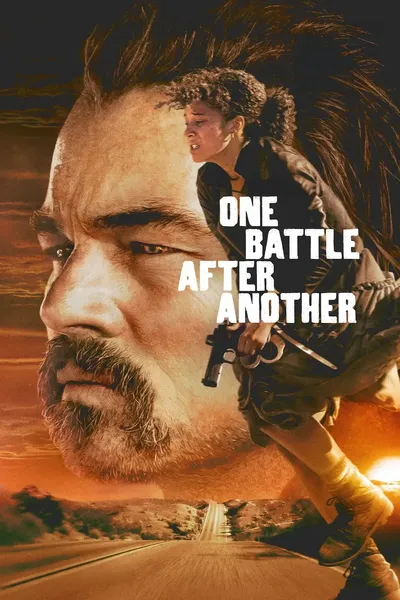
Bob Ferguson isn’t his real name. In a previous life, he was Pat Calhoun of the French 75, a far-left group intent on overthrowing the system. These days, however, he’s just a washed up stoner living off the grid with his 16-year-old daughter and trying to fly under the radar of Colonel Lockjaw, the fascist officer who ruined their family. Given that it’s a Paul Thomas Anderson film, One Battle After Another is a sprawling bit of everything: action, dark comedy, and pointed melodrama with a healthy dose of absurdism sprinkled on top. (Case in point, Sean Penn’s Lockjaw is so uptight, it looks like his spine is giving him a wedgie whenever he walks, and he’s desperate to ingratiate himself to a white supremacist group called — wait for it — the Christmas Adventurers Club.) But frankly, it’s too sprawling for its own good. It’s never not entertaining, especially when Leonardo DiCaprio gets manic as the ultra-paranoid ex-revolutionary desperate to protect his daughter, but the film gets lost amidst its own excess and tonal shifts. That said, the scenes of Lockjaw’s masked troops rounding up immigrants under dubious pretenses hit awfully close to home in light of ICE’s ongoing campaign of terror. And though some on the right claim that One Battle After Another is too sympathetic towards Antifa types, Anderson spends just as much time critiquing those who make ridiculous speeches and claim devotion to “the cause” but abandon and sell out their friends and families, not to mention their common sense and decency, to keep play-acting as revolutionaries sticking it to the Man.
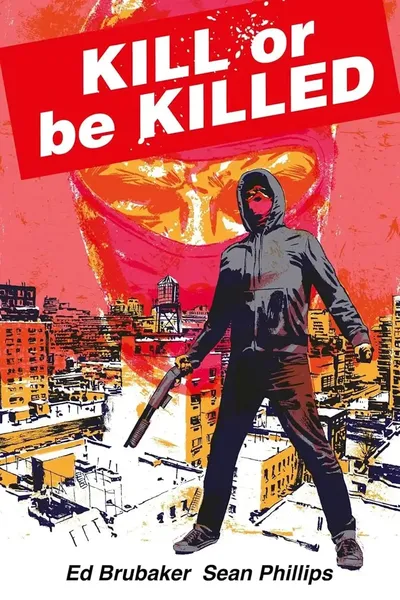
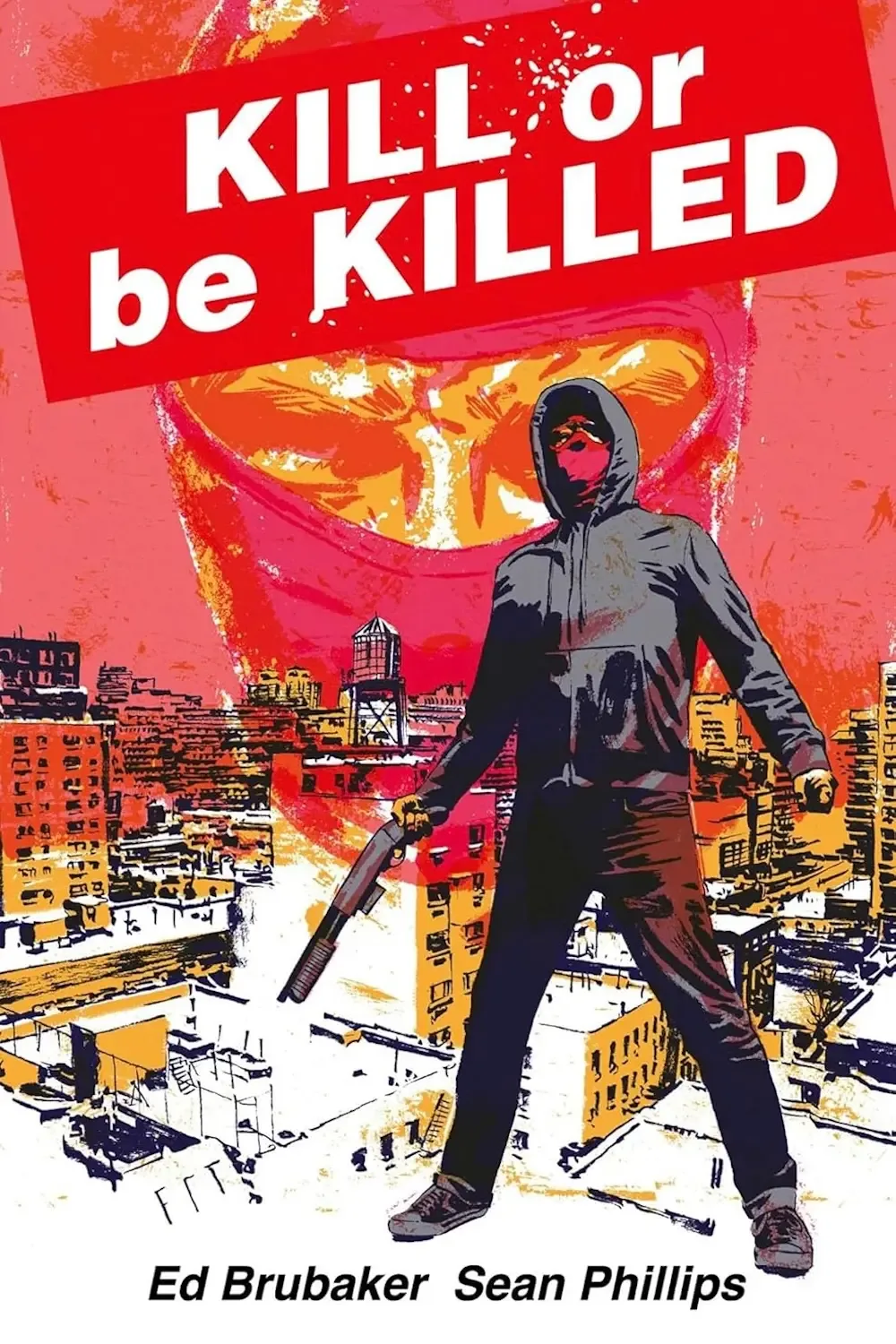
I’ve been a fan of Ed Brubaker and Sean Phillips ever since I discovered Reckless back in 2023. The duo excel at spinning noir-ish, hard-boiled tales exploring the seamier sides of life, be it Hollywood’s golden age, ’80s suburbia, or 1930s New York. Kill or Be Killed is a modern-set story that introduces a supernatural aspect to the duo’s work. When a depressed college student survives a suicide attempt, he brings back an infernal presence that compels him to start killing the scum of the earth. Though billed as a vigilante tale, Kill or Be Killed also weaves in themes of addiction, mental illness, and family secrets and trauma. As such, it feels markedly unfocused compared to the rest of Brubaker’s writing, as if he couldn’t quite decide which angle to take, and so he tried to take them all. (An impression that’s further enhanced by the non-linear storytelling.) After awhile, the countless twists and turns start to feel increasingly rote and ridiculous. In fact, I’m pretty sure I literally rolled my eyes at the twist in the final panel, which came after a completely unnecessary denouement. As you can probably tell, Kill or Be Killed is my least favorite Brubaker/Phillips title to date.
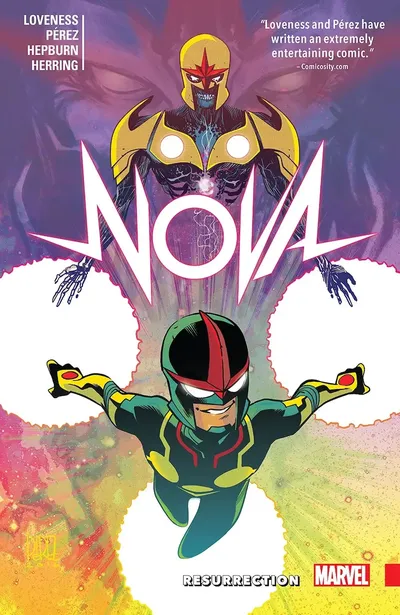
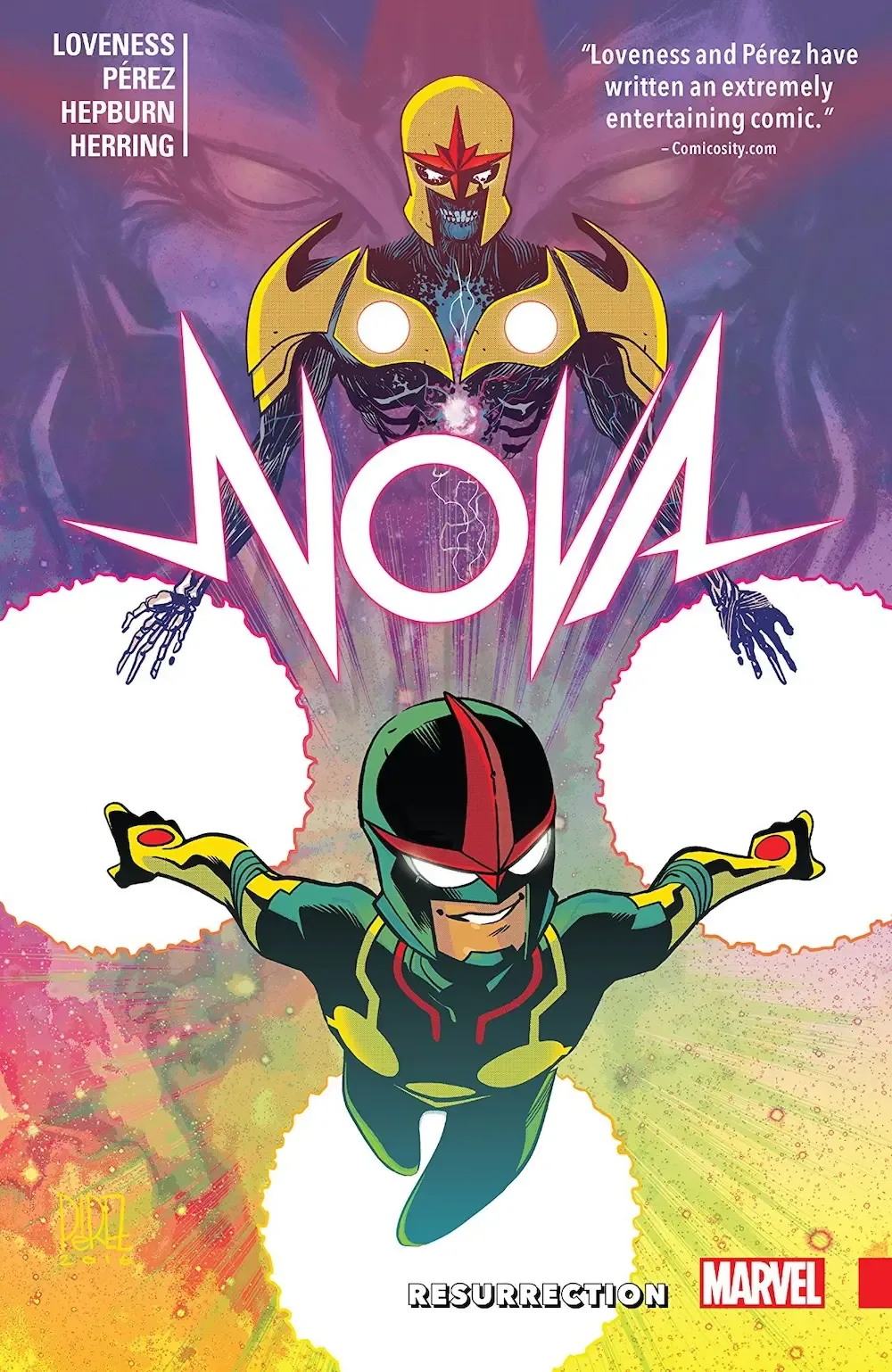
As Nova, Richard Rider was one of the most powerful superheroes in the Marvel pantheon, but he sacrificed himself to stop Thanos and was lost in the Cancerverse, an alternate universe ruled by Lovecraftian entities. So when he mysteriously returns to the primary universe, Rider sees it as a second chance. However, the world has moved on and there’s a new Nova who just so happens to be a precocious 15-year-old. Even worse, Rider is plagued by disturbing visions and begins manifesting strange new phenomena. That description might make Nova: Resurrection sound like a rather grim affair, but it’s actually quite a bit of fun thanks to the presence of Sam Alexander, the aforementioned precocious 15-year-old. Perhaps the best thing I can say about Nova: Resurrection is that it occasionally reminded me of the Spider-Verse movies thanks to Alexander’s adolescent hijinks and the mentee relationship he develops with Rider. It does feel a bit abbreviated at just seven issues, but it also made me chuckle out loud on several occasions, and that’s not nothing.

Despite making some of the biggest and most influential anime titles of all time (e.g., Ghost in the Shell), Mamoru Oshii has always been one to follow his own muse. Case in point: Angel’s Egg, an experimental 1985 OVA that saw Oshii collaborating with legendary illustrator Yoshitaka Amano (the Final Fantasy games). Ostensibly about a young girl intent on protecting a large egg and a young soldier who accompanies her on her journey, the 71-minute film eschews a conventional narrative. Instead, Oshii blends post-apocalyptic imagery with the biblical Flood account to create a very surreal and dream-like experience. As such, it’s definitely a head-scratcher that many will find unsatisfying. Indeed, Hayao Miyazaki himself had this to say of Oshii’s effort: “he goes on a one-way journey without thinking of how to get back.” From a purely visual standpoint, however, Angel’s Egg might be confusing, but it’s never not interesting, and I was frequently captivated by its detailed hand animation, an experience further heightened by Yoshihiro Kanno’s otherworldly soundtrack.
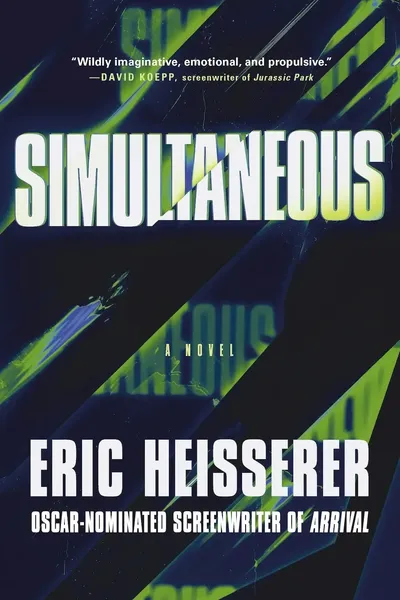
Denis Villeneuve’s Arrival is one of my all-time favorite movies, so checking out the debut novel from its screenwriter was a no-brainer. While investigating a pipeline explosion, Homeland Security agent Grant Lukather gets caught up in something far more mysterious when he meets a therapist who claims to be able to tap into people’s past lives. Soon enough, Lukather, the therapist, and her patient are on the trail of an impossible serial killer. Simultaneous contains some interesting ideas, and not surprisingly given Heisserer’s Arrival script, the reincarnation stuff is pretty high-concept. Unfortunately, the novel never really gelled for me, and the twists, though interesting in the moment, only further muddled things. Naturally, sparks inevitably fly between the agent and the therapist, but the characters are so bland in their respective traumas that it doesn’t really matter. Note: Sony Pictures has already acquired the movie rights to Simultaneous, so we’ll see what Hollywood does with the story.
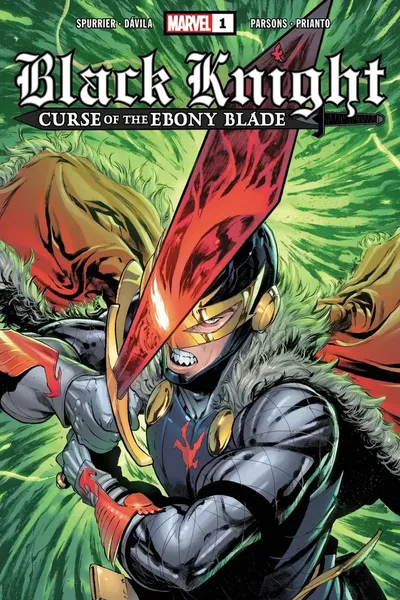
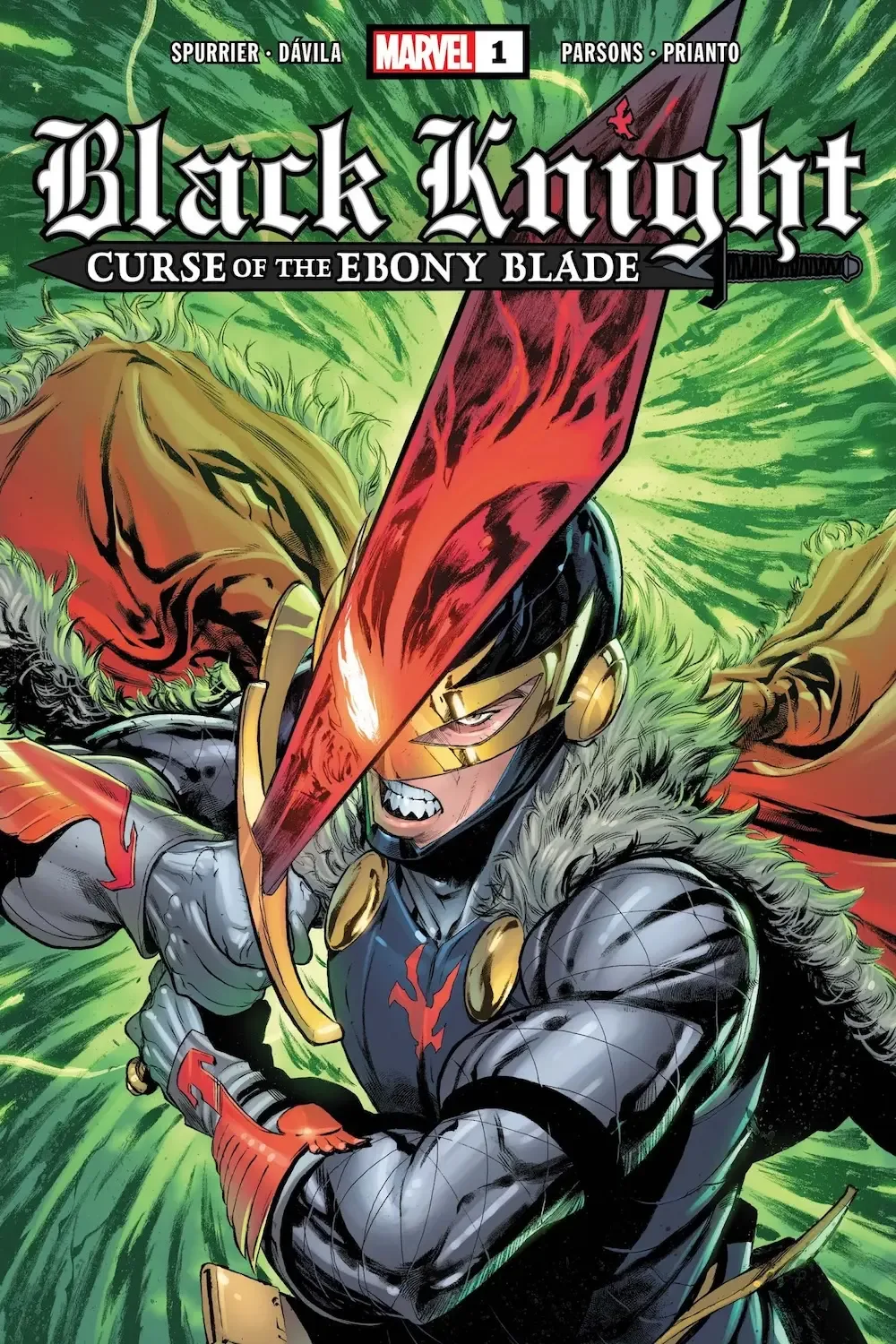
As a longtime fan of Arthurian lore thanks to Howard Pyle’s stories and illustrations, I’ve always had a soft spot in my heart for Dane Whitman, aka The Black Knight, who has often battled alongside the Avengers with his cursed Ebony Blade. (See also Michael Moorcock’s Elric saga.) 2021’s Curse of the Ebony Blade explores the Black Knight’s dark legacy as well as that of Camelot’s. It’s not bad, but the revelations of the Knight’s legacy, as well as the truth of Camelot — surprise, Arthur’s kingdom wasn’t quite the chivalric utopia that the legends would have us believe — end up feeling rather rote and clichéd.
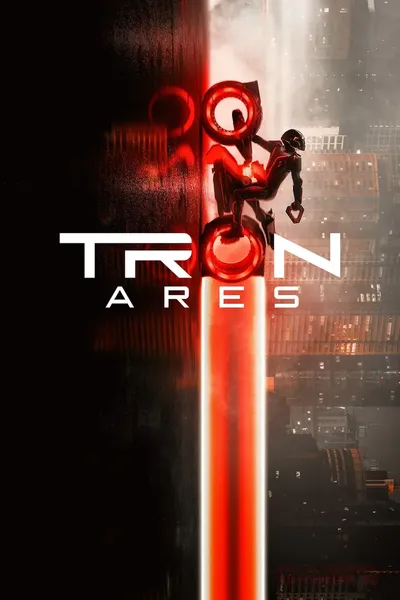
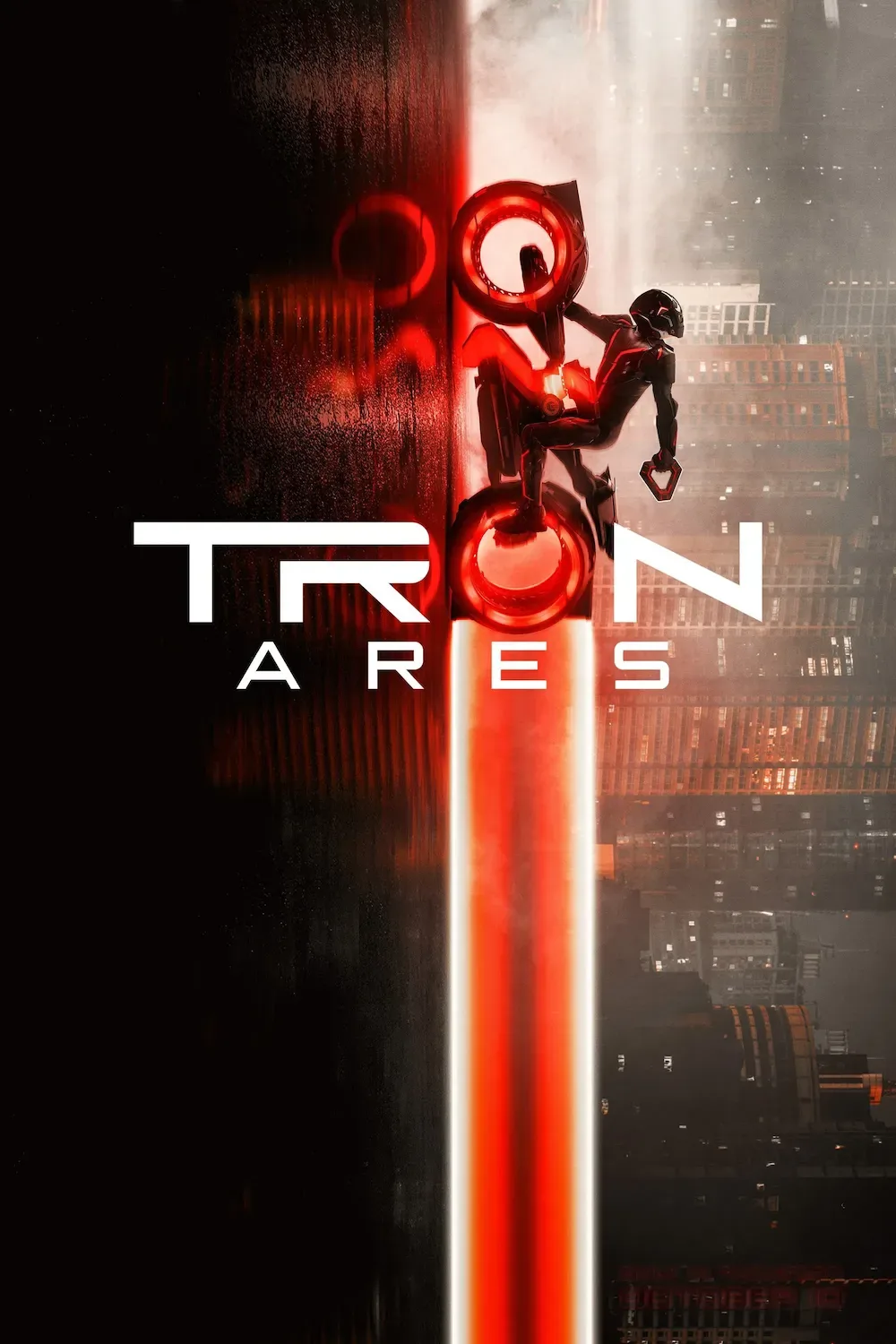
I’ve always thought that 2010’s Tron: Legacy was an unnecessary sequel, but it’s practically a vital piece of genre filmmaking compared to Tron: Ares, a pretty-looking but ultimately vapid film in which Jared Leto plays a cyber-warrior spawned from the depths of the Grid who begins to question his programming. The original Tron worked as well as it did, and still feels far-reaching and futuristic, because it was ultimately a fantasy film in which the computer is a magical realm. (To be fair, computers probably did seem quite a bit more magical 40 years ago than they do today.) But with its AI-centric plot and tatted up “tech bro” villain, Tron: Ares feels instantly dated, and while I never look to Hollywood for accurate depictions of computer technology and usage — see “2 Idiots 1 Keyboard” — Tron: Ares feels particularly egregious in that regard. Given its $200 million budget, some of the film’s visuals are pretty slick, like the climactic scene of a Recognizer drifting through the real world, but even they have diminishing returns. As for the Nine Inch Nails soundtrack, well, it deserved a better film than it got.