My Cultural Diet (February 2026): Once Upon a Time in China, The Expanse, Slow Horses, Lone Wolf and Cub
In order to better track my various cultural experiences (e.g., movies, TV shows, books, restaurants), I’ve created the Cultural Diet. Think of it as my own personal Goodreads, Letterboxd, and Yelp, all rolled into one (more info here). Every month, I recap everything that I watched, read, etc., in the previous month.
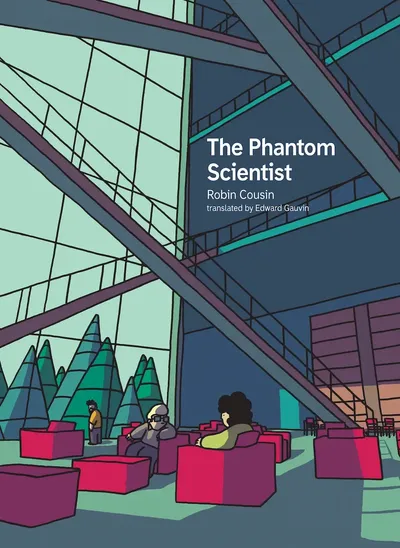
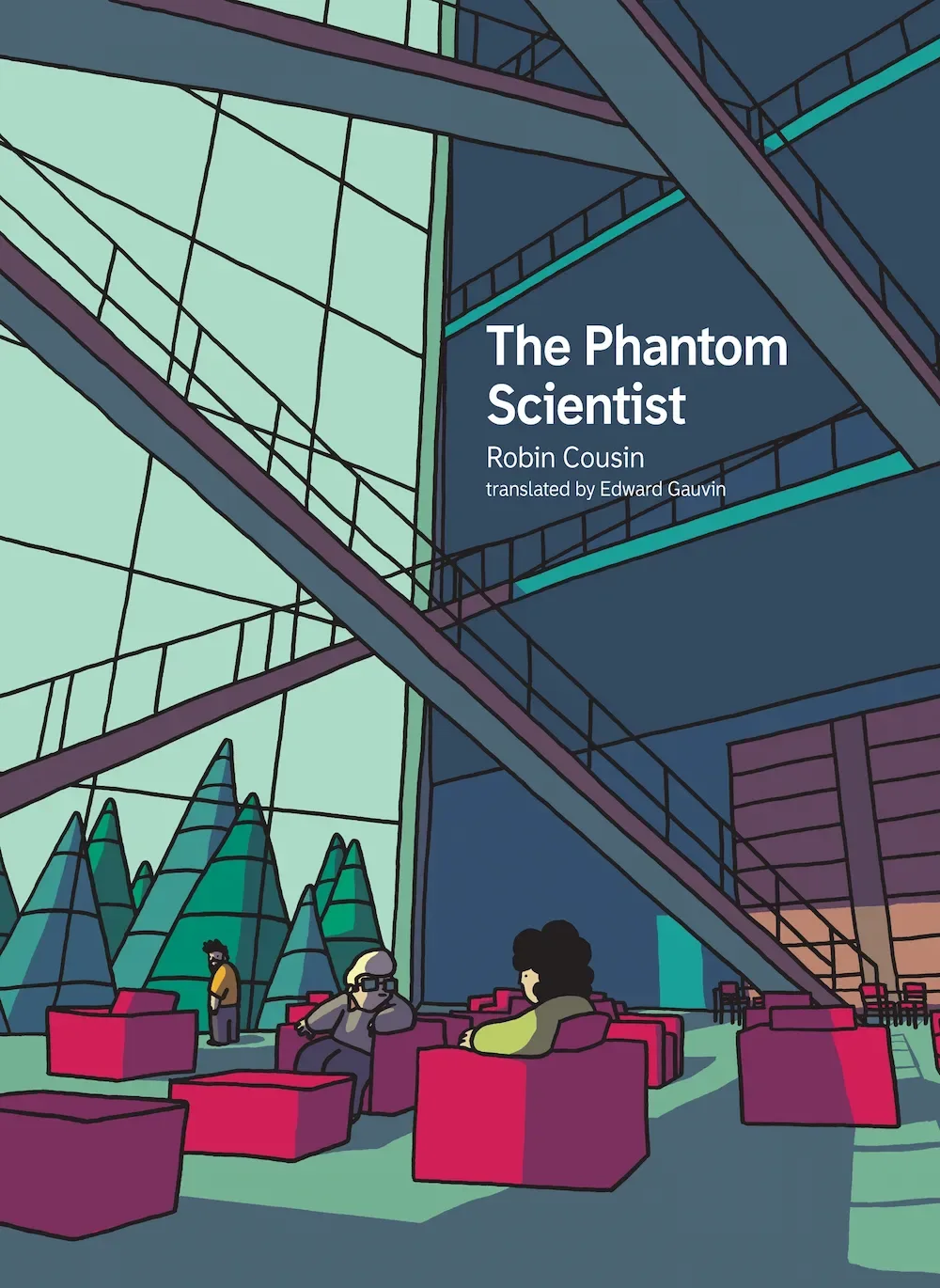
The Institute for the Study of Complex and Dynamic Systems seems like a researcher’s dream come true, allowing one to pursue their chosen area of study without any interruption. But the isolated institute is not without secrets, and despite its precise arrangement and pristine facilities, seems to thrive on chaos — something that physicist Stéphane Douasy realizes when he and his neighboring researchers begin to explore the disappearance of one of their own, and the awesome implications of his research. Robin Cousin’s graphic novel is certainly more than your ordinary mystery thriller, and in the course of reading it, you’ll probably learn more about theoretical computer science and the P versus NP problem than you thought possible. And the setting — a remote scientific facility surrounded by endless forests — is intriguing. But even though I found The Phantom Scientist interesting, I never found it particularly gripping — which is what you really want in a thriller, even one featuring computer scientists, robots run amok, and chaos theory.
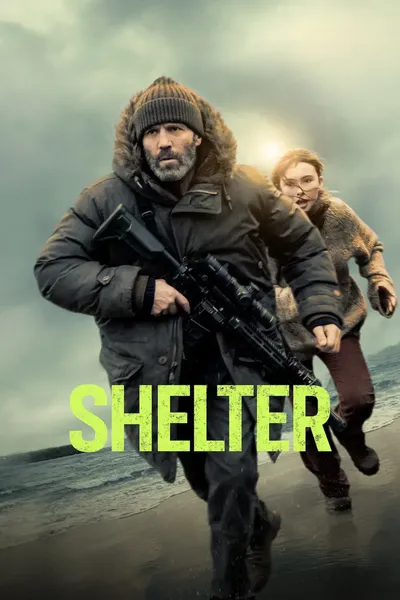
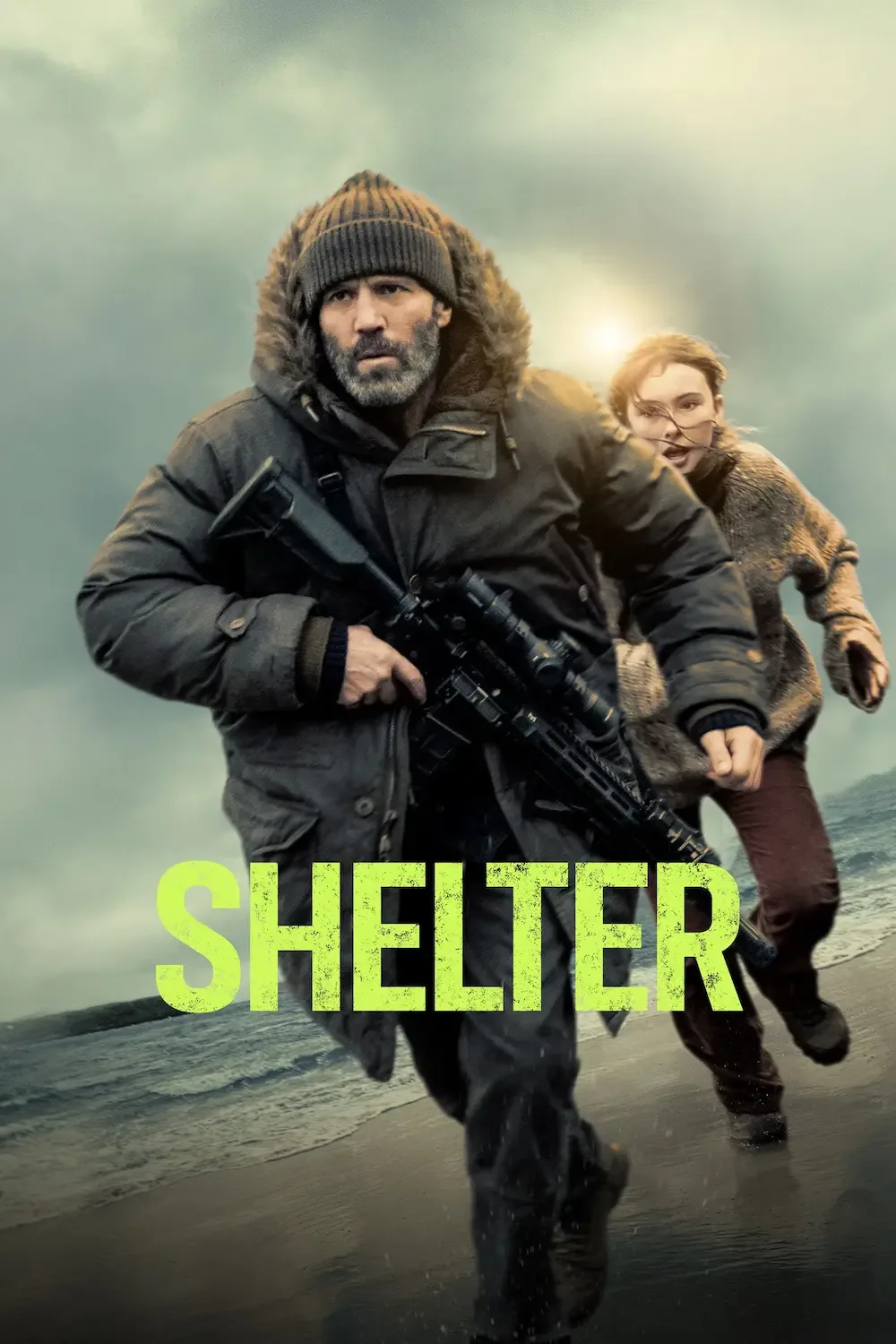
Jason Statham has perfected a very specific role over the years: the taciturn loner who just wants to be left to his own devices and is clearly hiding from a mysterious past, only to be forced to reveal a bad-ass set of skills that you knew he had all along. It’s a role that he plays to the hilt in films like Wrath of Man, The Beekeeper, A Working Man, and most recently, Shelter. Mason (Statham) lives with his dog on a remote Scottish island, with his only human contact being the boat that brings him supplies. But when a young girl falls into his care, Mason is forced to venture back out into the world, which catches the attention of some deadly people. Nobody pulls off “looking grim while kicking ass” like Statham, but Shelter is definitely a mid-tier film of his, and his haunted visage looks a little less cool against all of the conspicuous green screen. Once the revelations and conspiracies come to light in the film’s final act, don’t be surprised if you suddenly find yourself wishing you were watching one of the Bourne films instead. Also, I think I might have given Shelter slightly higher marks if I hadn’t just watched She Rides Shotgun, another film about a man and a young girl on the run that’s much more interesting, visually and thematically.
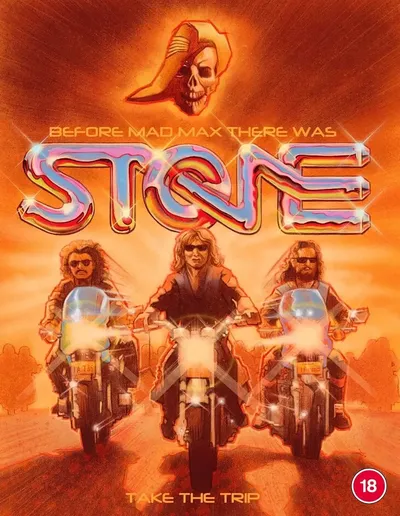
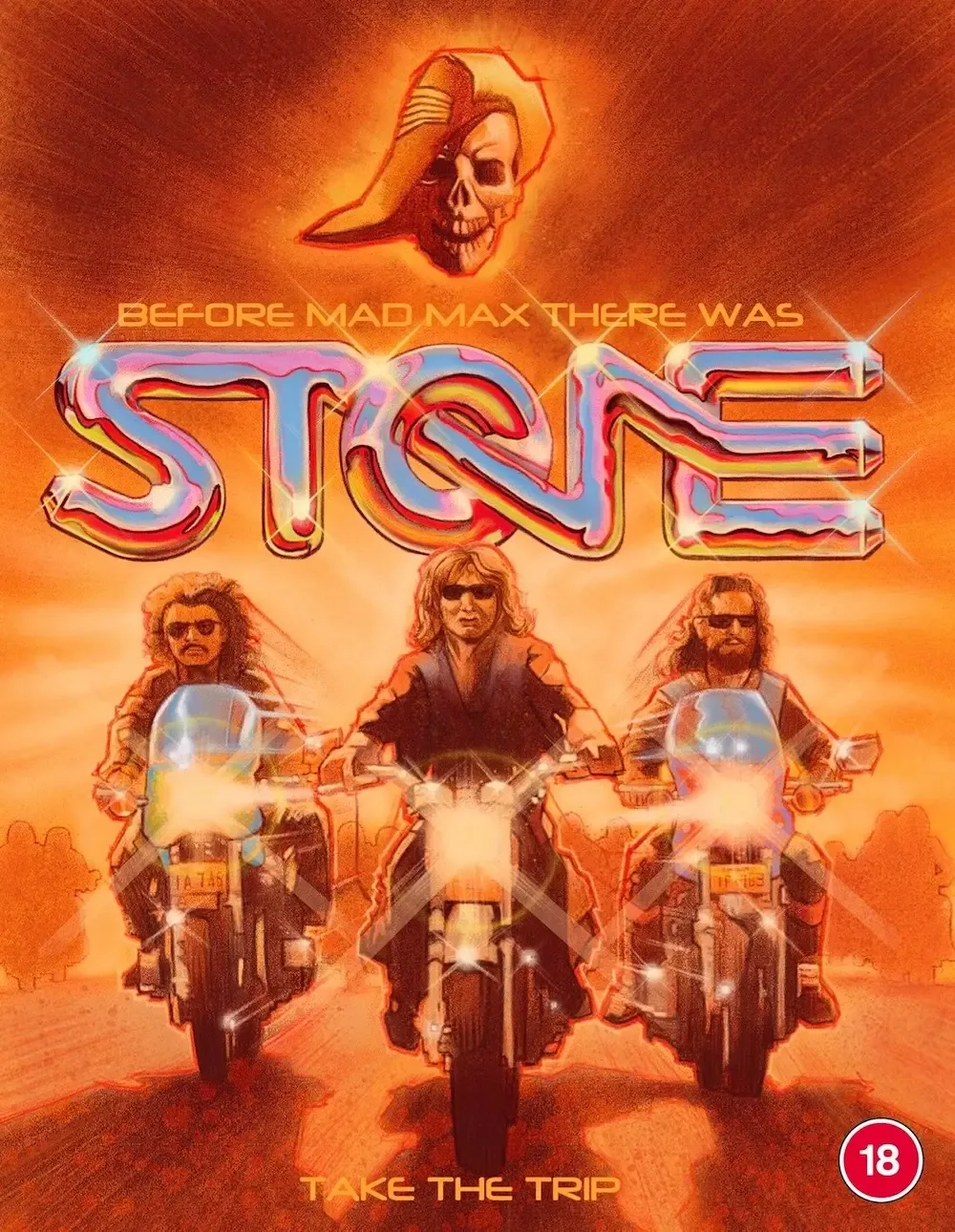
“Before Mad Max There Was Stone” goes the poster’s tagline. Which might lead you to believe that this 1974 film is some sort of post-apocalyptic adventure when in fact, it’s about the titular police officer (Ken Shorter) joining the notorious Grave Diggers motorcycle gang to track down an assassin who’s killing their members. Writer/director Sandy Harbutt, who also plays the gang’s leader, was clearly aiming for something countercultural, what with all of the sex, drugs, psychedelia, and subversive behavior. For starters, the Grave Diggers are loud and proud Satanists with names like Septic and Scrag, and as the film progresses, the straitlaced Stone actually begins to admire and adopt the gang’s free-spirited ways. Unfortunately, Stone’s not quite as subversive as it obviously wants to be. A meandering and underbaked plot involving environment-destroying industrialists hampers the film, as does dialog that surely must have seemed corny even back in the mid ’70s.
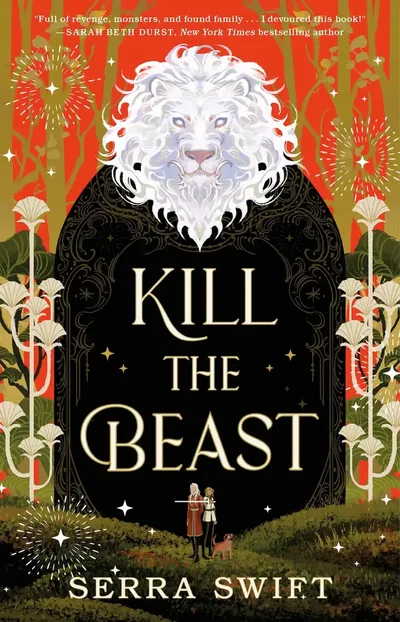
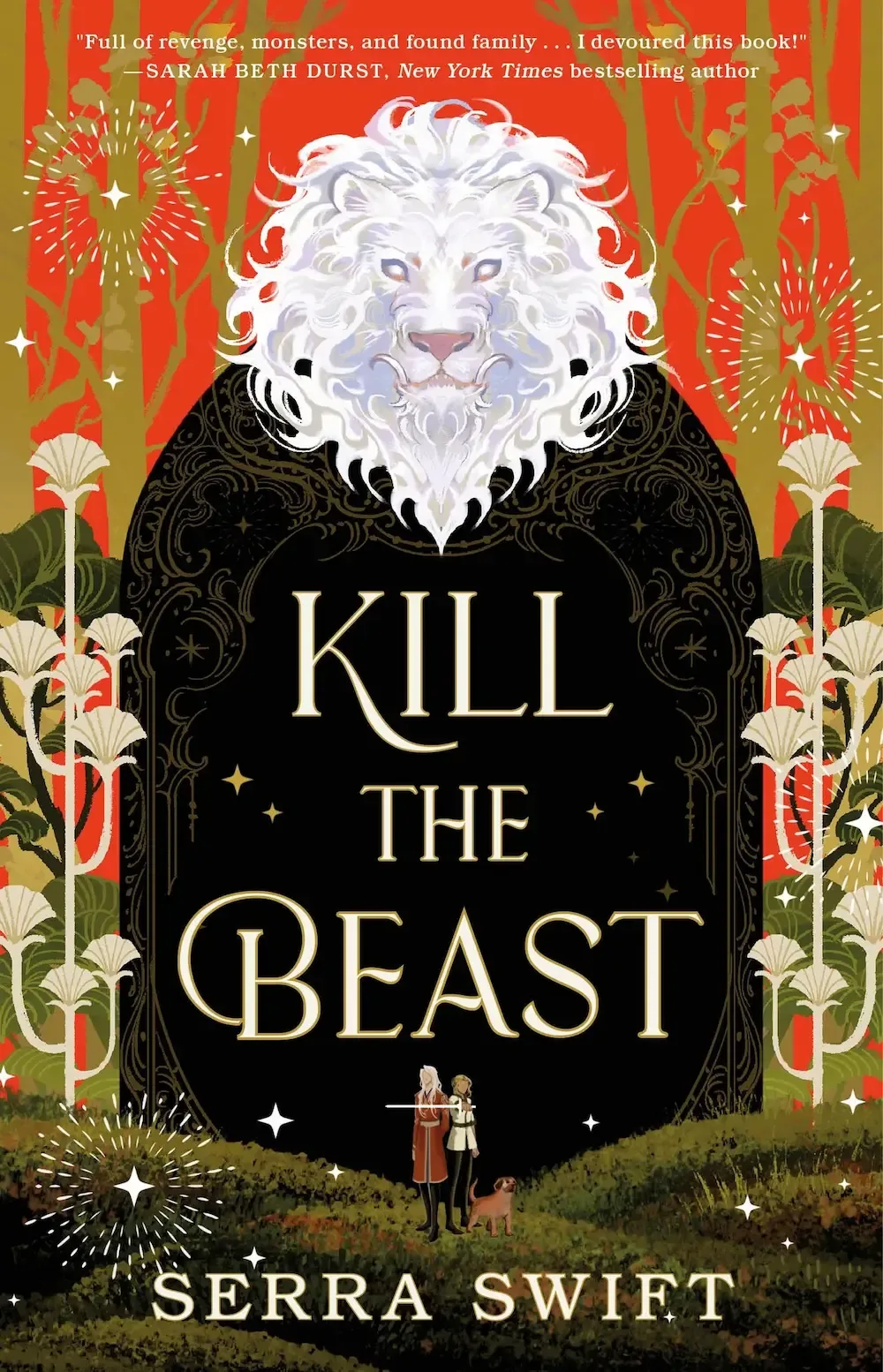
Lyssa Cadogan has devoted her life to hunting down fairies and their horrible creatures, all in the hopes of one day slaying the Beast that killed her brother when they were children. The Beast remains elusive, however, much to Lyssa’s frustration. But when she’s hired by Alderic, a foppish noble who claims he can lead her to the Beast, Lyssa might finally get her revenge. That is, if dark secrets from both her and Alderic’s past don’t undermine her efforts. Serra Swift’s debut novel is billed as a cross between The Witcher and Howl’s Moving Castle, which is certainly an interesting notion. (It’s also a deconstruction of a famous fairy tale, but I’ll let you guess which one.) Kill the Beast leans far more heavily towards the former, though, thanks mainly to a grim protagonist whose all-consuming desire for revenge blinds her to everything else and leaves her near-petulant at times — which can make it difficult to care or see her as the bad-ass monster hunter she’s meant to be. That said, Swift’s world-building is quite intriguing; the novel’s quasi-steampunk setting feels much like our world but with just enough difference to keep things interesting.
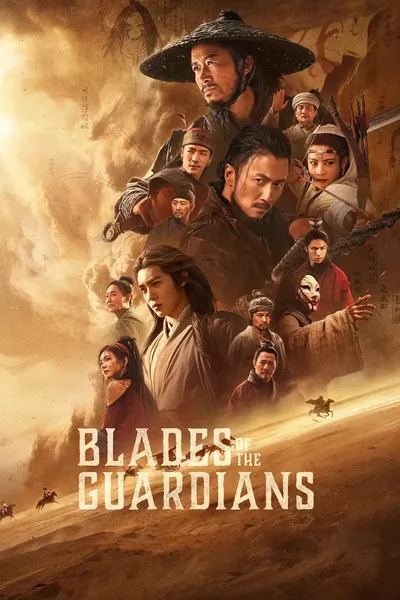
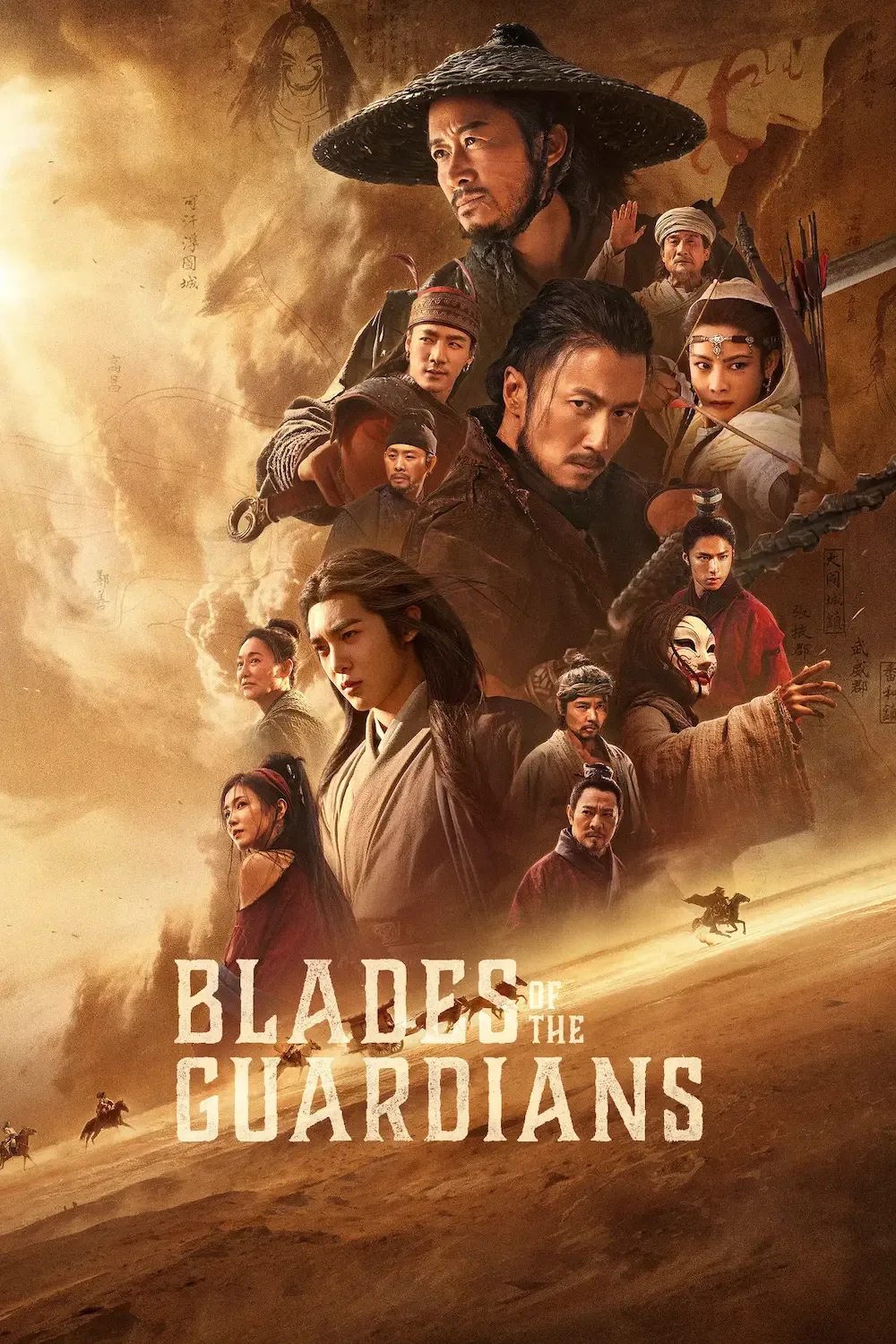
Yuen Woo-ping’s first feature in nearly a decade is arguably his most epic film to date, a sweeping wuxia classic set in the Chinese desert. Which means that even without the martial arts action, Blades of the Guardians looks fantastic. As for the martial arts action, Yuen and action choreographer Shan Peng Dang deliver some truly original moments that had me rewinding the film at times so I could better appreciate what happened. The film does suffer from an overly convoluted storyline with elements that feel like they should be in their very own movies. (One plotline involving the hero’s past definitely feels like an entirely different picture.) Still, it’s really cool to see that Yuen — who’s been making martial arts cinema for over 50 years — can still deliver the high-flying action, and it was a special treat to see Jet Li and Tony Leung Ka-fai in the cast. Li has starred in some of Yuen’s most well-known films and clearly relishes his role here as a devious general, even getting to show off his still-formidable martial arts skills, while Leung brings a real gravitas and nobility to his role as a conflicted clan leader. No sequels have been announced but Blades of the Guardians certainly feels like the first in a series, and I plan on watching any sequels that might come our way.
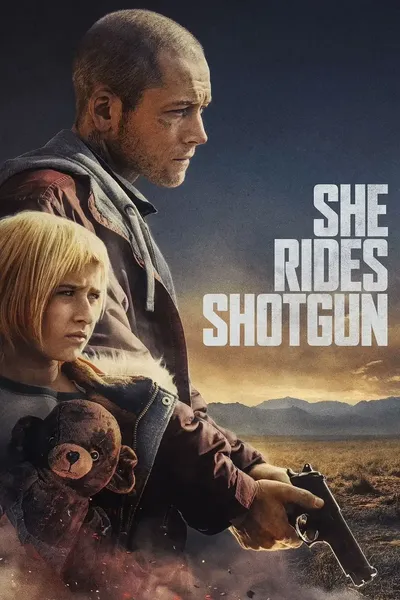
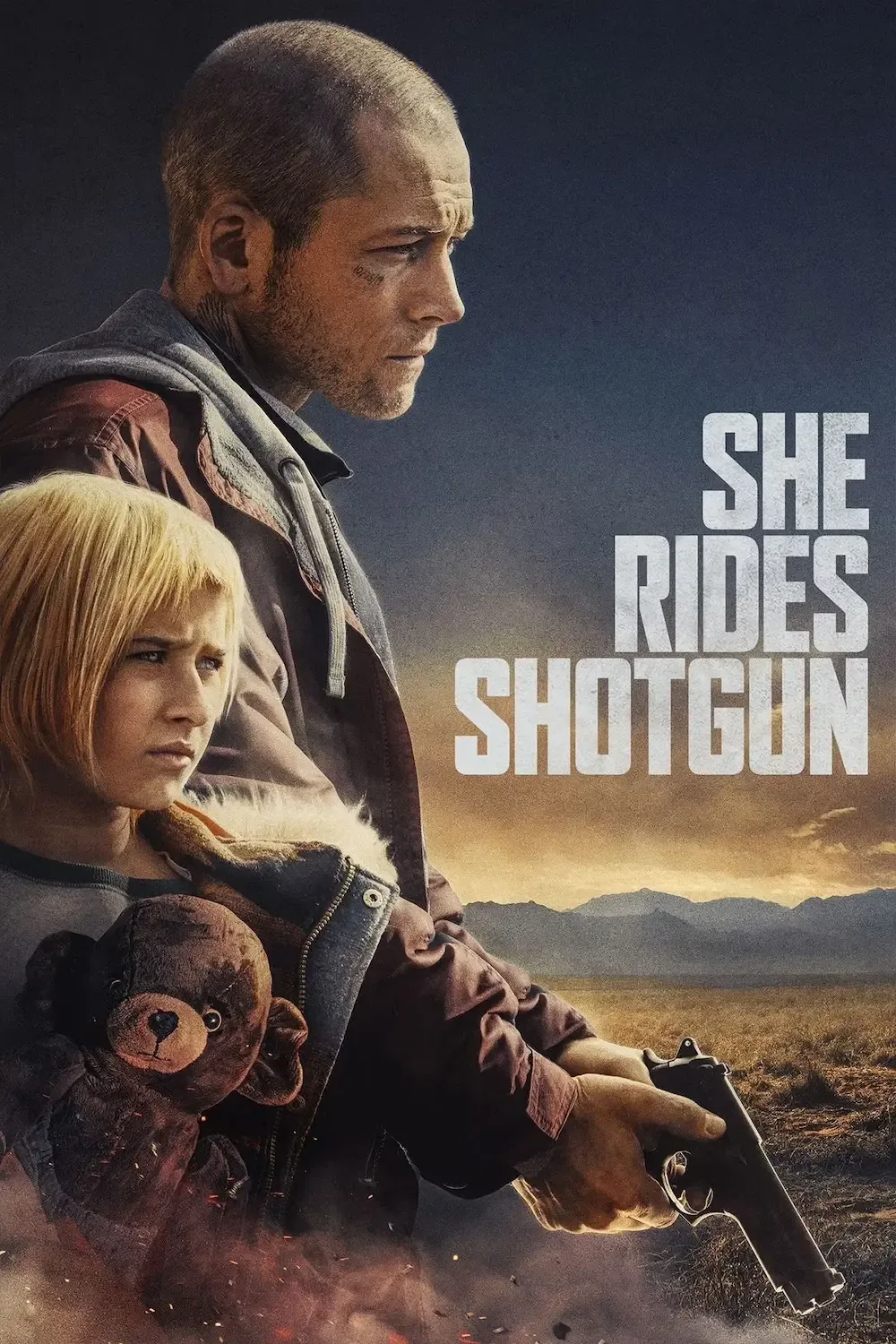
No offense to Taron Egerton and the rest of the cast, but She Rides Shotgun is worth checking out entirely for Ana Sophia Heger’s performance as Polly, a young girl who’s seemingly kidnapped by her estranged father — only to find herself in a far more dangerous situation. I considered bumping my review up to a full four stars for Heger’s performance alone, which is nuanced, heartfelt, and often heart-wrenching. One scene in particular at the movie’s end nearly had me in tears as I watched an ocean of emotions play across her young face. The rest of the film, however, just doesn’t quite measure up. There are moments when She Rides Shotgun seems to be angling for a mythic tale of blood and violence à la Cormac McCarthy. The opening narration certainly feels McCarthy-esque, and Wyatt Garfield’s cinematography infuses the film’s barren Southwestern vistas with portentous import. But it eventually settles into something more akin to a standard police thriller, albeit one involving meth labs and white supremacists. That doesn’t make She Rides Shotgun a bad movie by any stretch, but it could’ve been something even more interesting.
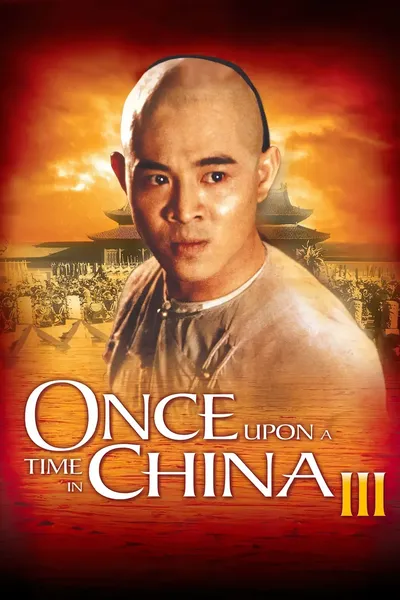
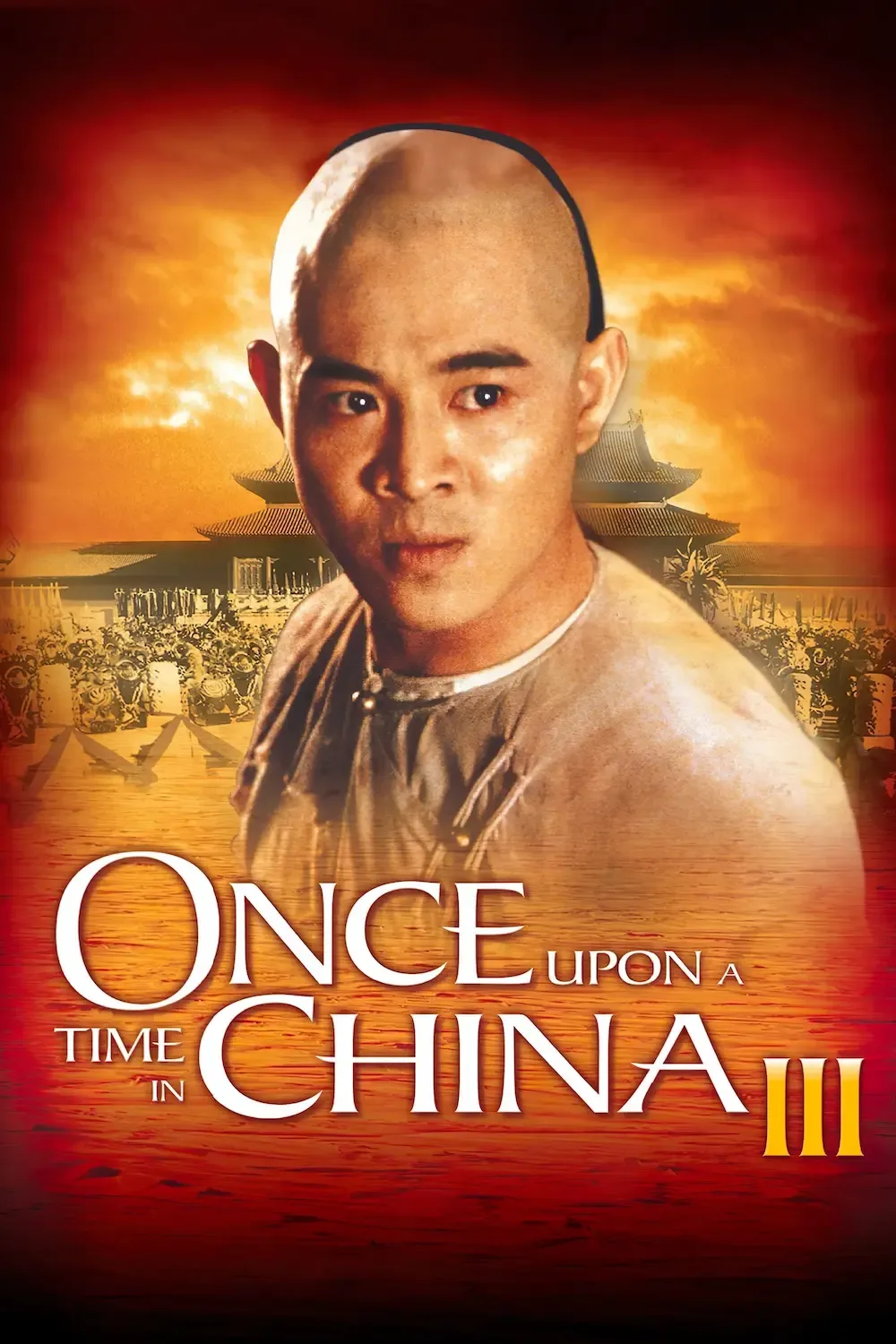
The third Once Upon a Time in China still finds China grappling with the ramifications of modernization and Western influence. In order to promote Chinese traditions, officials announce a national lion dance competition, which only leads to violence and corruption as ambitious men try to take advantage of it for their own ends. Naturally, Wong Fei-hung (Jet Li) finds himself in the middle of it all. National pride isn’t the only thing on Wong’s mind, though. His relationship with Siu-kwan (Rosamund Kwan) continues to deepen, leading to the possibility of marriage, but the arrival of a foreign suitor throws a potential wrench into those plans. And of course, there’s yet another conspiracy that needs undoing. Once Upon a Time in China III contains enough storylines for three separate movies, and as a result, is pretty muddled compared to the previous two films — and less enjoyable as a result. In particular, Max Mok’s antics as Wong’s impetuous student Foon were annoying in the previous film, but they’re pretty grating here. As for the martial arts, even those feel lacking here. The lion dances are certainly vibrant — kudos to cinematographers Andrew Lau and Chow Man-keung — but they’re edited so frenetically that watching them becomes physically exhausting after awhile.
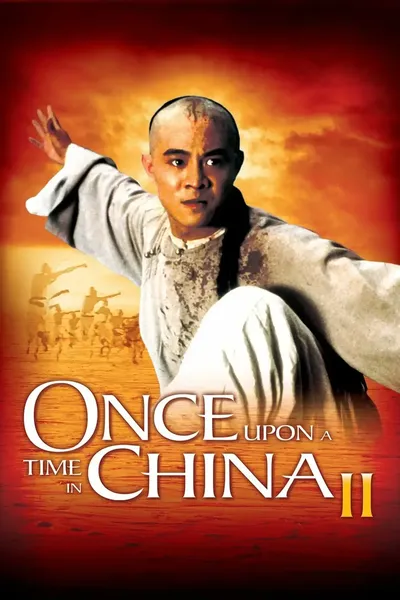
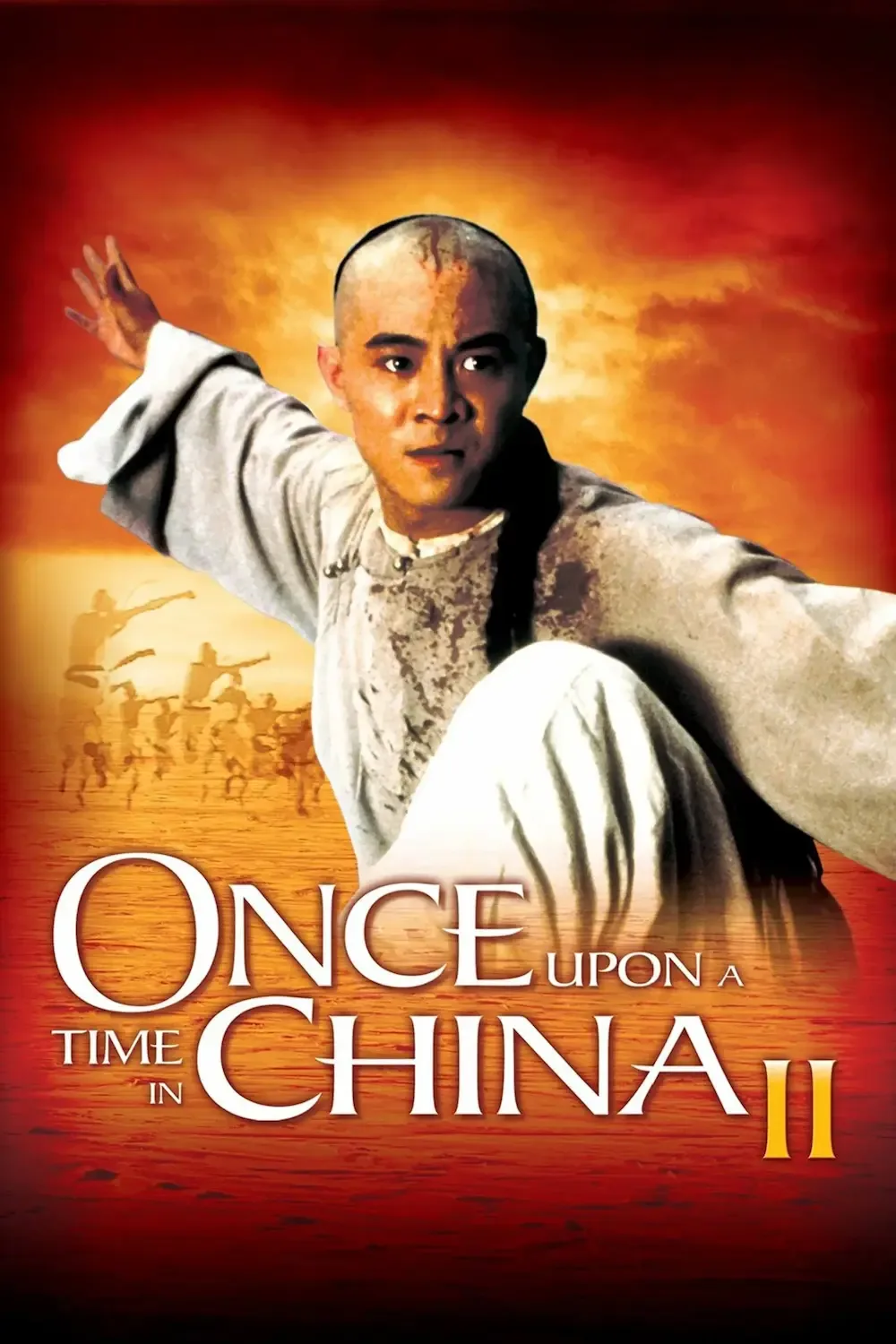
The first Once Upon a Time in China was a massive box office hit in Hong Kong when it was released in 1991. Once Upon a Time in China II arrived in theaters less then a year later, and became an even bigger hit — a rarity in Hong Kong cinema at the time. The sequel finds Wong Fei-hung (Jet Li) and his fellow Chinese still struggling with the influx of Westerners and their influence. Some Chinese, however, have begun responding to the foreigners with ultra-nationalist fervor. Chief among them is the White Lotus Sect, a xenophobic cult that’s determined to root out all Western influence, even if that means killing every foreigner they see. But as Wong is dealing with the cult’s violence, he gets caught up in something more dangerous: a conspiracy to potentially overthrow the government. It’s easy to see why Once Upon a Time in China II did so well at the box office; it’s bigger and better than the first film in almost every way. (That said, Max Mok is a poor substitute for Yuen Biao as Wong’s hapless student Leung Foon.) The White Lotus Sect adds a bizarre, quasi-supernatural aspect to the movie while martial arts fans will love the pairing of Jet Li and Donnie Yen, with the latter playing a ruthless military officer determined to quash any rebellion. Yuen Woo-ping’s dazzling and riotous wire fu garnered him “Best Action Choreography” at the 1993 Hong Kong Film Awards, beating out the likes of Police Story 3: Supercop, New Dragon Gate Inn, and Swordsman II (which, interestingly enough, also starred Li).
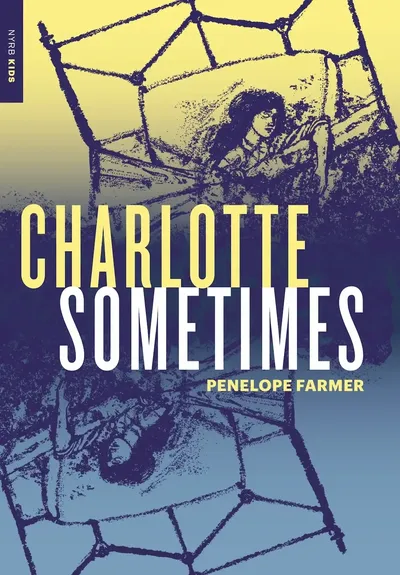
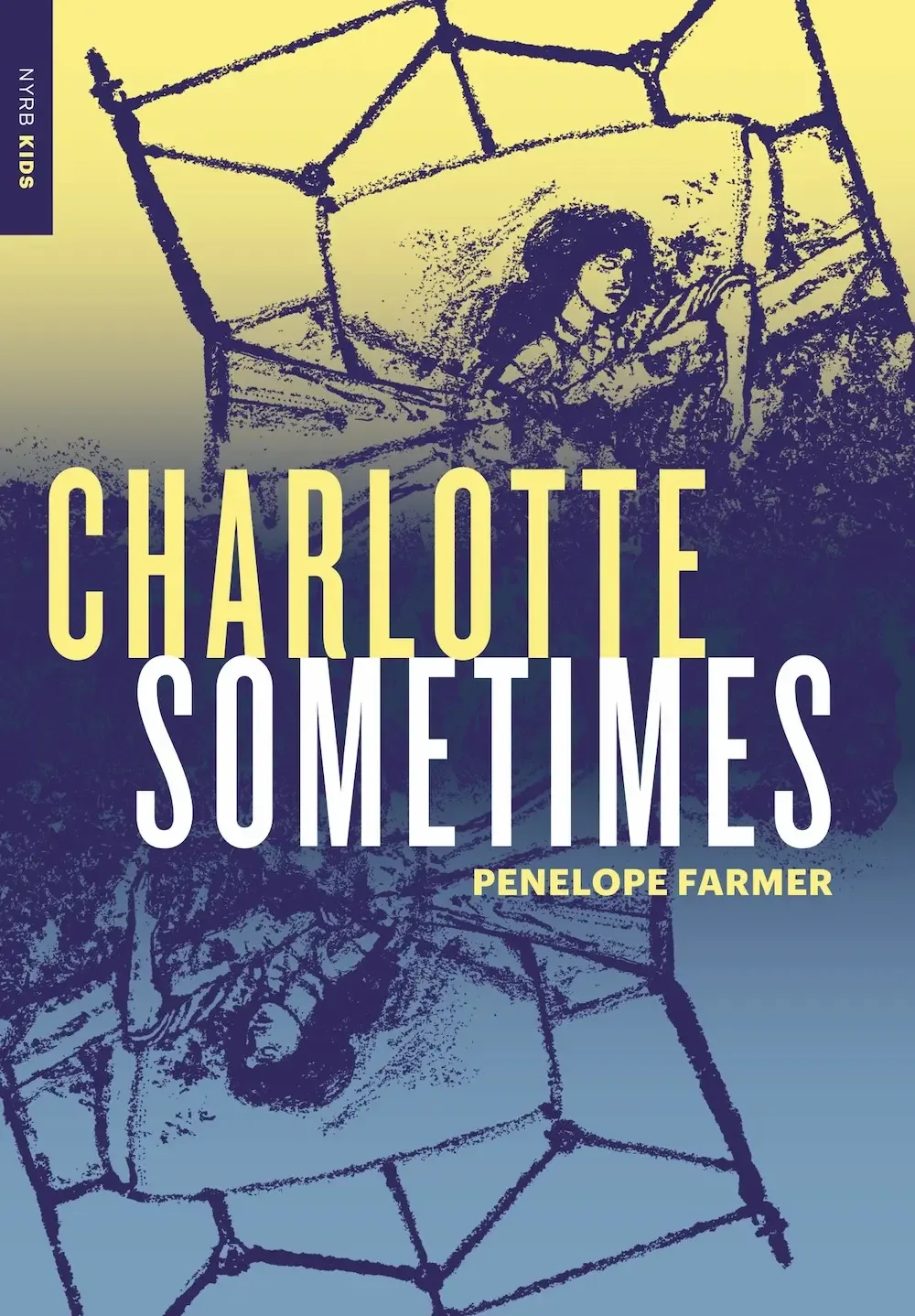
“Charlotte Sometimes” is one of my all-time favorite Cure songs, an otherworldly pop tune as only Robert Smith and Co. could write. I’ve known for a long time that it was inspired by Penelope Farmer’s novel of the same name, just one of the many examples of Smith’s literary influences. (See also Albert Camus, Charles Baudelaire, Franz Kafka, and Mervyn Peake.) However, I’d never actually read the book until my wife bought me a copy for my birthday. When Charlotte Makepeace arrives at her new boarding school, the last thing she expected was to suddenly wake up 40 years in the past with a different identity. As she leaps back and forth between past and present, and learns more about Clare, the girl with whom she trades places, Charlotte can feel her own identity slip and fade away. Read through a modern lens, Charlotte Sometimes might seem rather slight; there are no grand revelations and Farmer is completely uninterested in the actual time travel mechanics. But I loved Farmer’s prose, which could get quite surreal and abstract in keeping with Charlotte’s own increasingly fractured perspective. I can see why Robert Smith was so drawn to the book, and like any true Cure fan, I enjoyed identifying all of the lines that he lifted for his song’s lyrics.
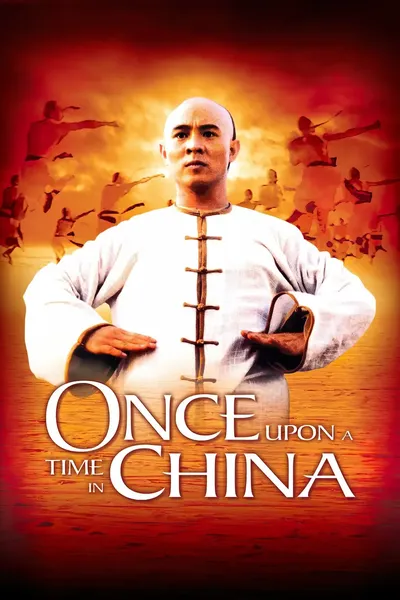
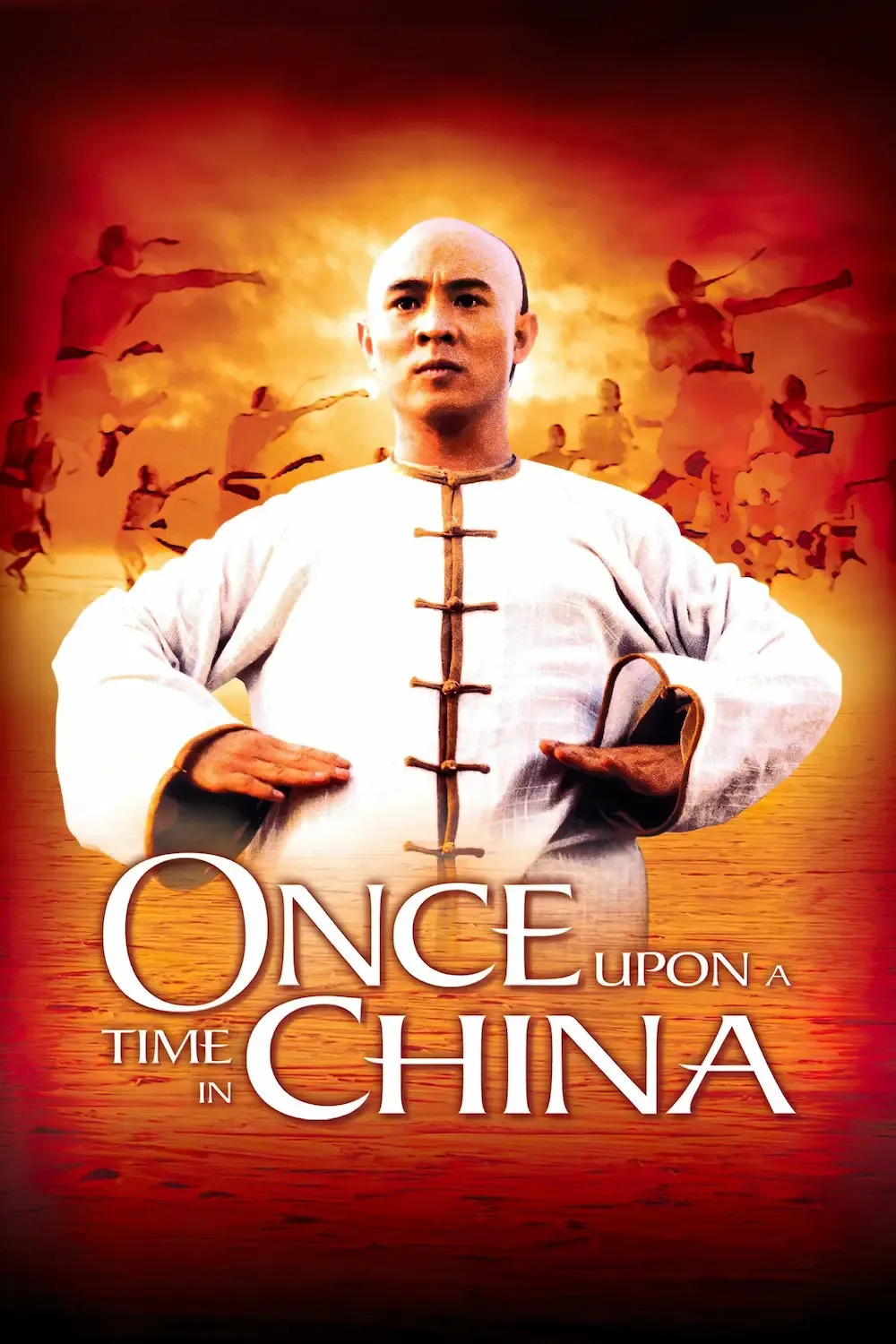
Although he’d appeared in several martial arts films prior to Once Upon a Time in China, this was the film that made Jet Li a bonafide martial arts cinema star, right up there with Jackie Chan. After this, he would go on to make multiple genre classics, including Fong Sai-yuk, Tai Chi Master, and Fist of Legend. Here, Li stars as Chinese folk hero Wong Fei-hung, a kung fu master who’s called to help defend China from the foreigners seeking to divy up the country as well as his fellow Chinese willing to sell out for a quick buck. Tsui Hark’s movie is certainly ambitious, and at times, approaches “epic” status. (The opening training sequence on the beach is one of the most stirring scenes of any martial arts movie I’ve seen.) And its storyline concerning foreign influence and China’s inevitable need to modernize is wonderfully nuanced. Unfortunately, the film occasionally descends into hijinks, usually courtesy of Yuen Biao, Jacky Cheung, and Kent Cheng’s characters and their constant bickering. Action-wise, the film is the epitome of “wire fu,” with Li flying through the sky and consistently defying the laws of physics. Sometimes it works and sometimes it’s just silly. In any case, there’s no denying Jet Li’s martial arts credentials — prior to becoming an actor, he was a four-time national martial arts champion in China — and it’s obvious why he ultimately became such an action icon.
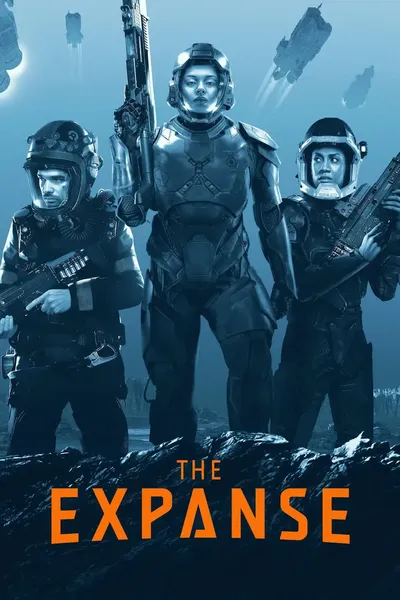
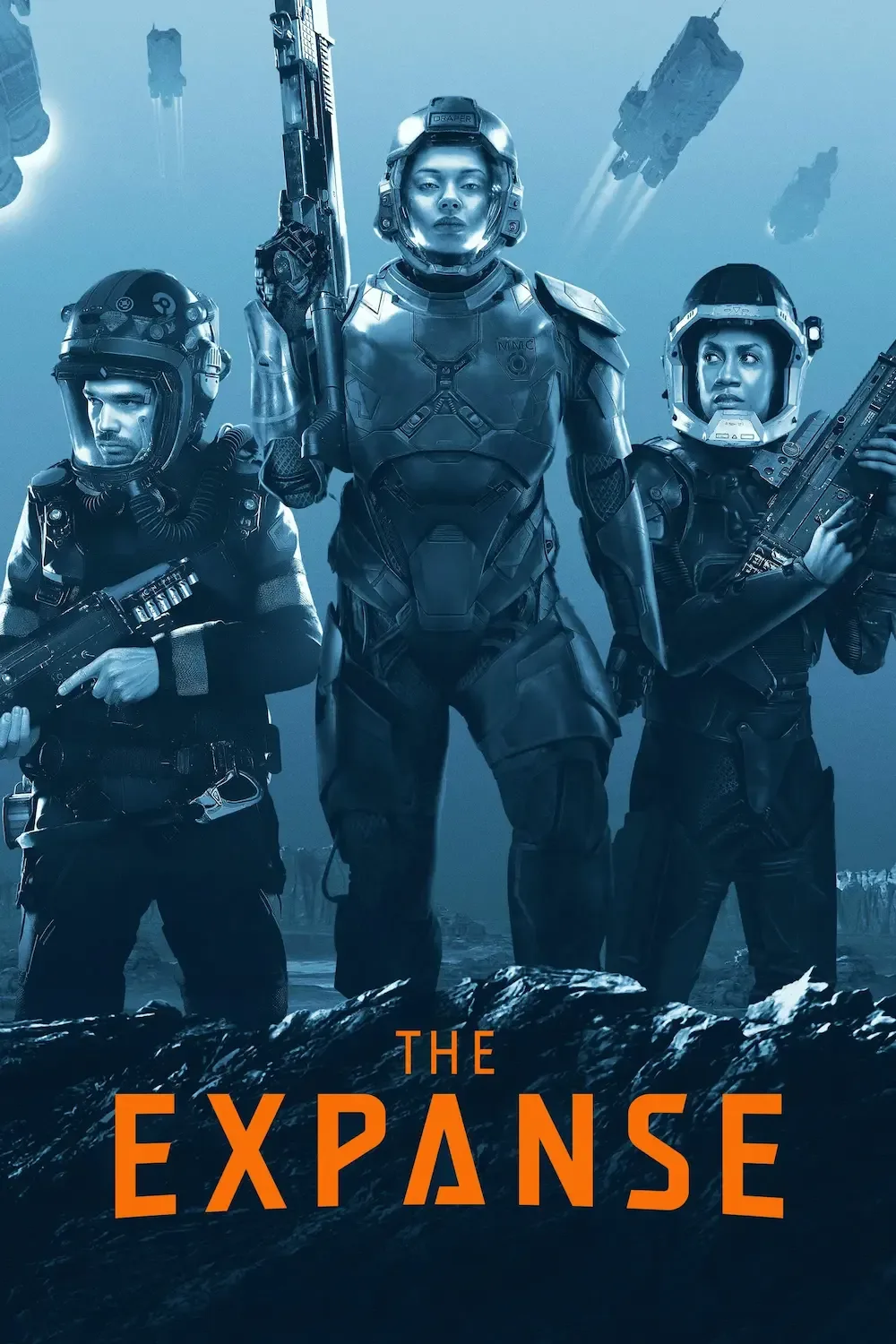
It took us quite awhile to make it through this season of The Expanse, so much so, in fact, that I was worried that we’d lost momentum and might never finish. But I needn’t have worried. Every time we watched another episode, I slipped right back into the world of the Rocinante with ease. Time and again, I’m impressed at just how good an adaptation this turned out to be, given the original book’s wide-ranging scope. Season three is arguably my favorite season of The Expanse, and it contains some of my favorite moments in the series, be it the culmination of the Earth/Mars war, Amos’s “You’re not that guy” speech, or Anna Volovodov’s faithful introspection in the face of the unknown.
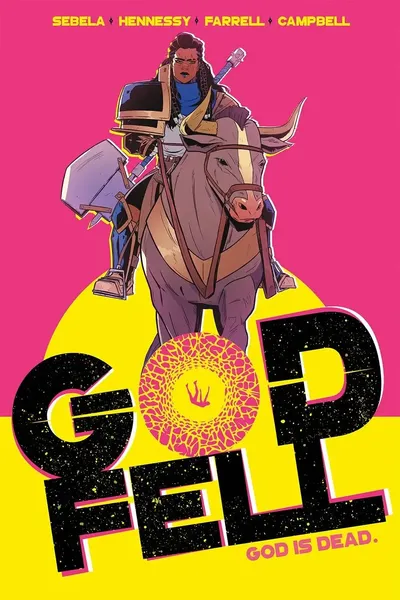
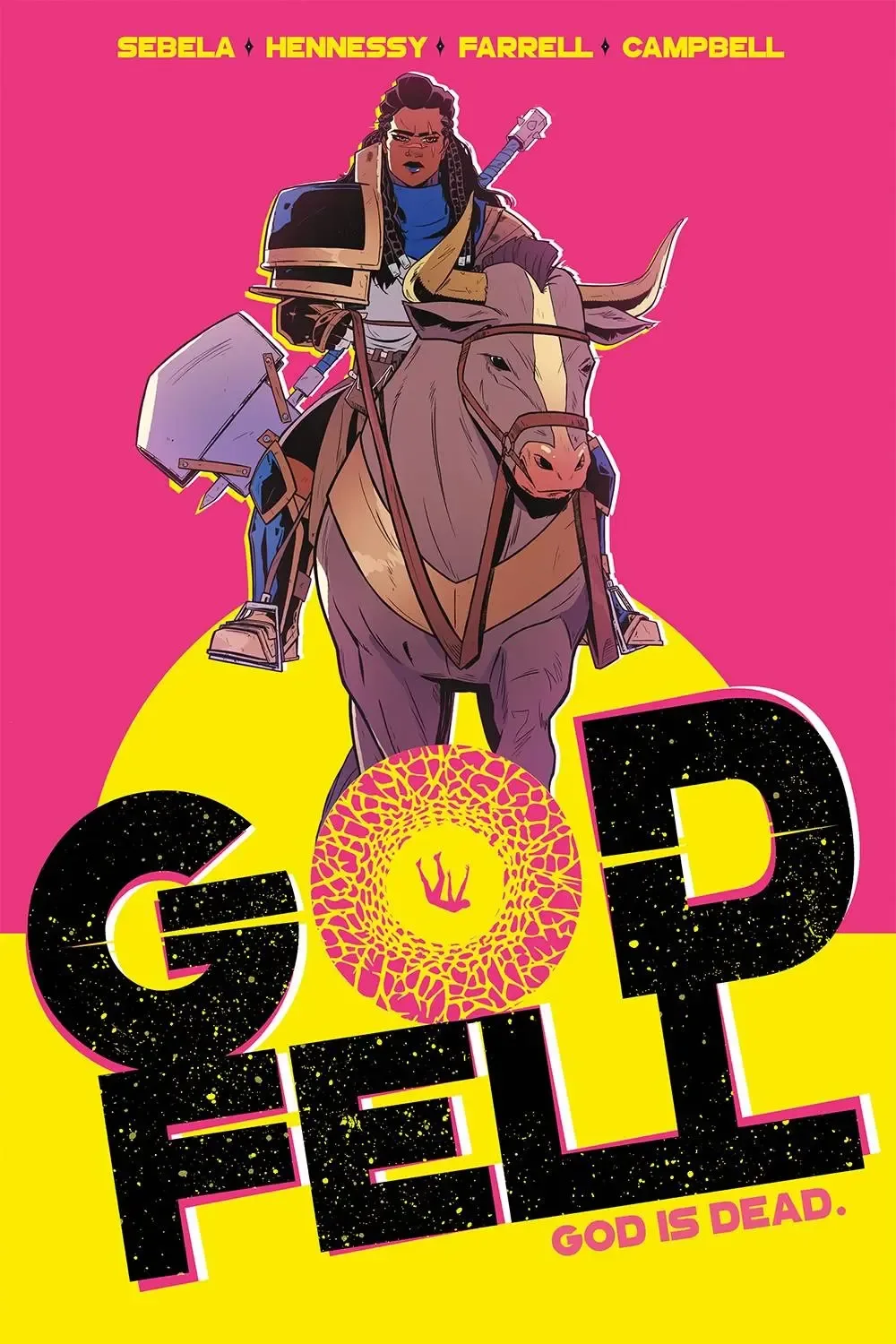
When God suddenly falls dead from heaven and his body hits the ground, it sends shockwaves, both literal and figurative, across the war-torn world of Kerethim. Soon, everyone is laying claim to the divine corpse and any secrets — and wealth — that it might contain. Cast into this newly godless world is Zanzi Vuiline, a bloodthirsty soldier who simply wants to return to her home and family, even if that means traveling inside and through God’s own body. Make no mistake, Godfell has an intriguing premise, though it doesn’t get nearly as philosophical or theological as you might think. Instead, writer Chris Sebela (Captain Marvel, High Crimes, Injustice Ground Zero) focuses mainly on the (extremely) bloody action as Vuiline and her unlikely companion carve a swathe through the various factions vying for control over God’s body. Godfell is never not entertaining, but don’t be surprised if you end the book thinking that it could’ve been more interesting than it was.
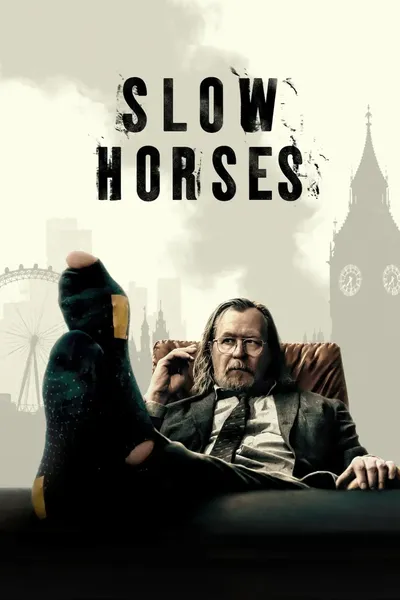
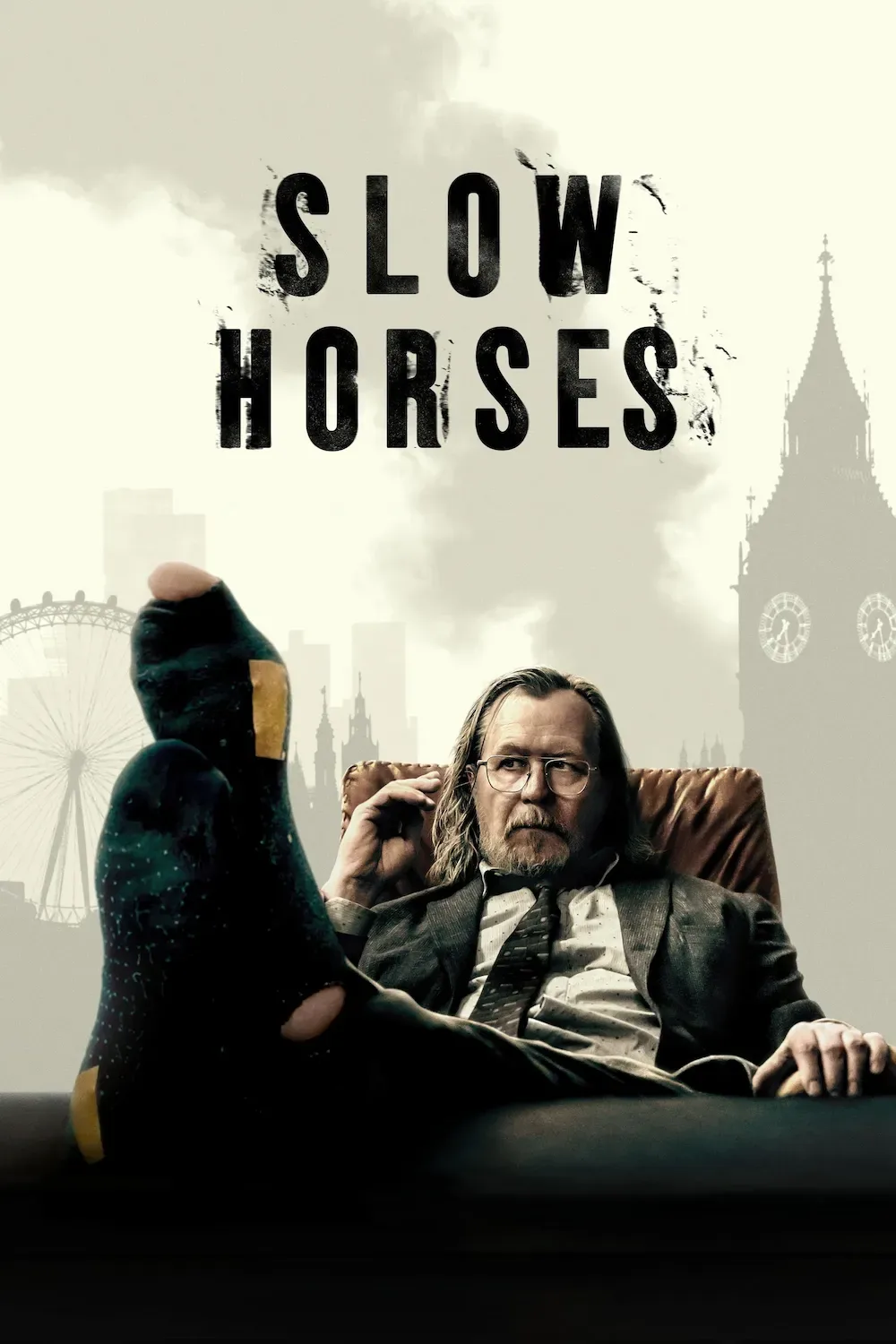
Slow Horses remains one of the eminently watchable series on TV. I blazed through all six episodes of this latest season in two nights, thanks once again to Gary Oldman’s performance as the delightfully loathsome Jackson Lamb. This time, Lamb and his MI5 screwups are unceremoniously pulled into the action when an assault rifle-toting incel shoots up a quiet London mall. Before too long, the entire city is caught up in seemingly random acts of violence that threaten to reveal one of the government’s dirty little secrets. Oldman is, of course, fantastic as always — his performance really is the heart of the show — and the propulsive storyline kept me watching way past my bedtime. The already announced sixth season promises to build on season four’s storyline, and you’d better believe I’ll be tuning in (though I am a little worried that head writer Will Smith, who wrote most of Slow Horses’ episodes to date, is no longer working on the series).
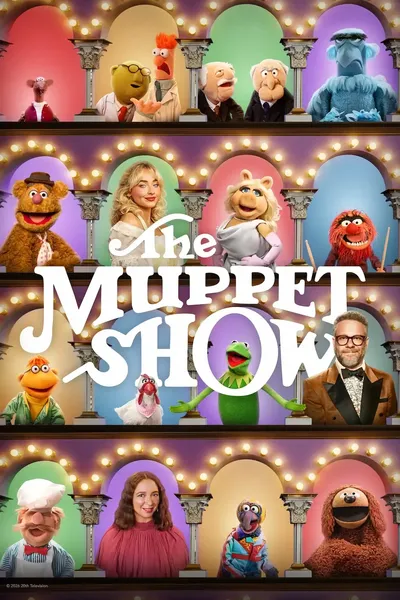
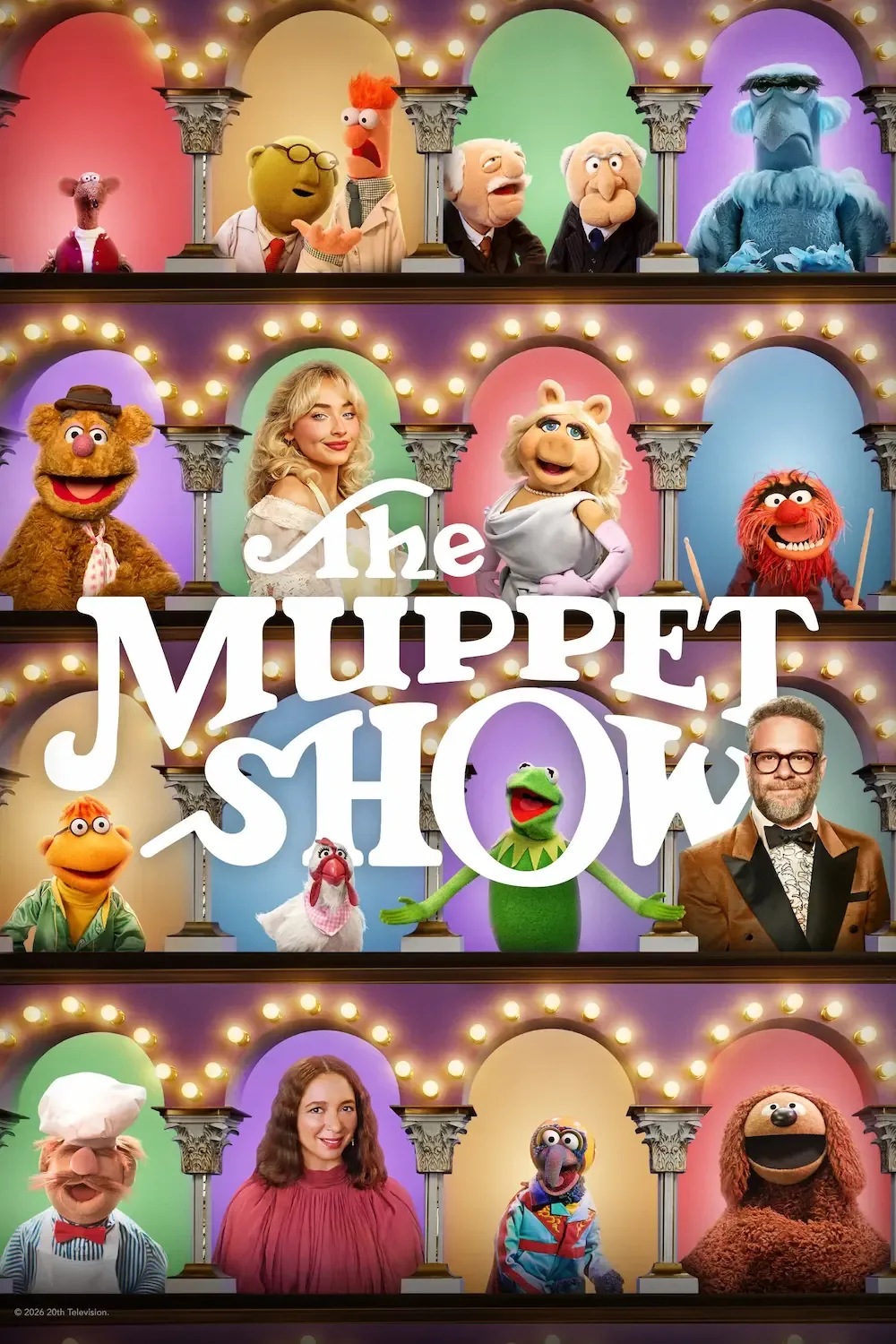
I don’t have the same nostalgic attachment to Kermit, Miss Piggy, et al., as other people (like my wife) do. As such, I can’t really say how well this most recent 30-minute special stacks up against their classic material. That said, I still enjoyed its willingness to lean into the absurd and nonsensical, which elicited some hearty laughter from both my wife and myself. And kudos to guest Sabrina Carpenter for going along with the zaniness in good fun. (On a related note, I now have “Islands in the Stream” stuck in my head.) Jeffrey Overstreet, who’s the biggest Jim Henson fan I know, is calling for several seasons’ worth of new Muppets episodes, and I don’t think that’s a bad idea at all.
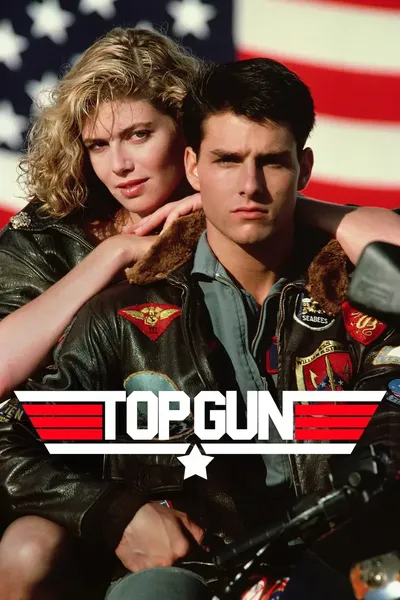
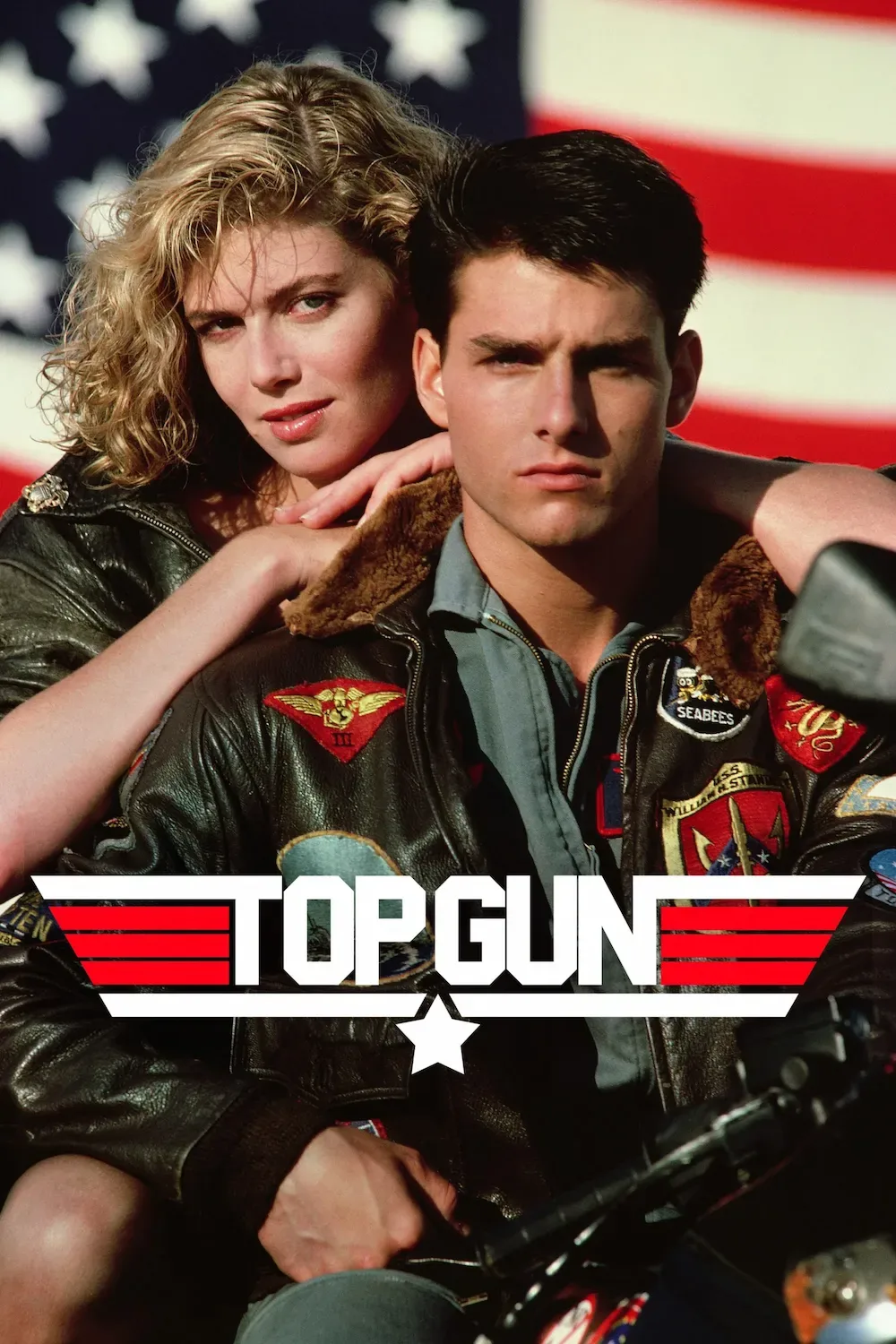
Back in 5th grade, I was absolutely convinced that I was going to be a fighter pilot when I grew up. I was obsessed with military aircraft, read everything I could about them, and loved going to the Offutt Air Show to watch the Blue Angels and the Thunderbirds tear up the sky. Needless to say, my dad pulling me out of school one day so I could see Top Gun in the theater ranks as a top-tier childhood memory. So when my son asked if I’d watch it with him, what else could I say but “Yes”? It’s been awhile since I’ve watched Top Gun, and its flaws are readily apparent, starting with the great liberties it takes while depicting naval aviators and military regulations. (In the real world, I’m pretty sure Maverick would’ve been dishonorably discharged before he ever climbed into a cockpit.) But when Tom Cruise’s cocky, million-dollar smile lights up the screen and his F-14 Tomcat takes to the skies, I’m all in. Tony Scott’s advertising background served him well here; Top Gun still looks amazing, even forty years after its original release. Obviously, the main focus is the numerous aerial sequences. However, Scott and cinematographer Jeffrey L. Kimball’s frequent use of soft lighting imbues the movie with a dream-like quality that only adds to the nostalgia.
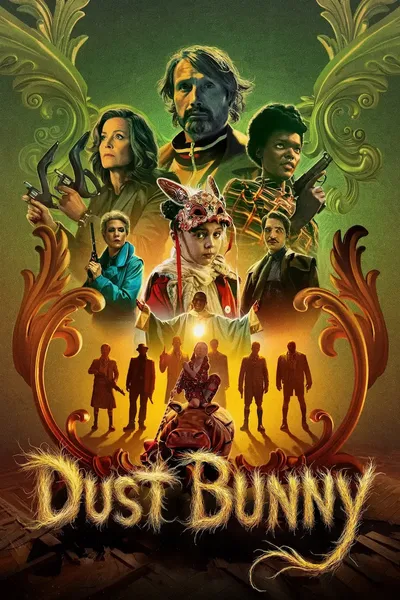
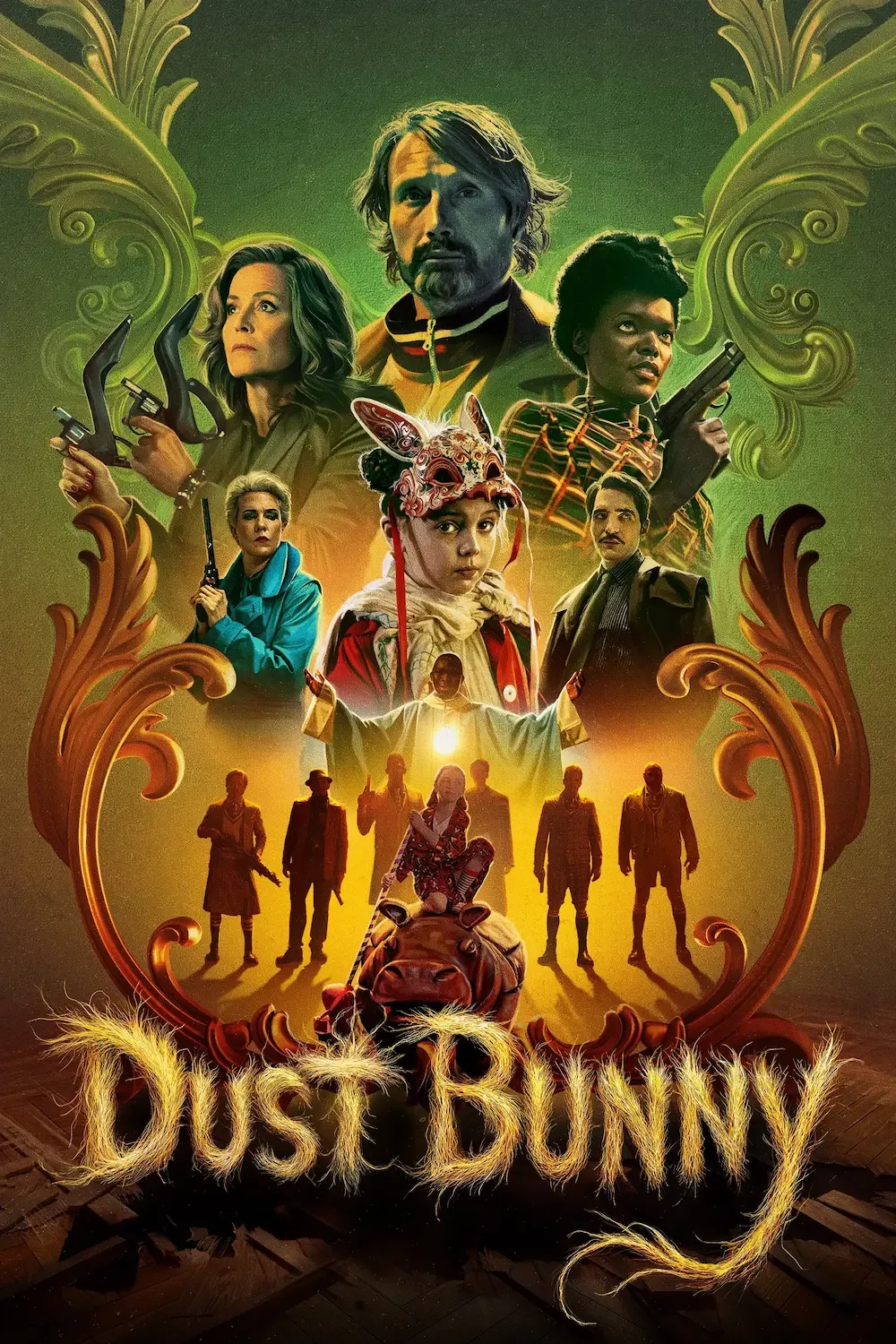
What would you do if the monster under your bed was real and ate your parents one night? For young Aurora, the solution is obvious: hire the hitman living across the hall to kill the monster. Naturally, he doesn’t believe her and chalks it up to an overactive imagination. Before too long, though, the seemingly imaginary world under Aurora’s bed will collide with his violent world of assassins in ways that no one can possibly foresee. Clearly inspired by the films of Jean-Pierre Jeunet and Luc Besson — think City of Lost Children meets Léon: The Professional — Bryan Fuller’s Dust Bunny tries to be dark and twisted but also charming and whimsical. Unfortunately, it ends up being none of those things. Fuller’s film consistently looks amazing, with sumptuous sets and stylized production design, but the arch dialog soon grates, as does the acting’s calculated whimsy. Ultimately, everything about the film’s dark fairy tale tone that feels like it ought to be clever and charming just ends up feeling forced and affected.

It seems only fitting to watch a movie that culminates in an epic ski ninja battle on the eve of the Winter Olympics. Yes, you read that correctly: ski ninjas. As with the previous Lone Wolf and Cub movies, Ogami Itto once again crosses katanas with the Yagyu clan, who are increasingly desperate to save face before the Shogun and kill the former executioner-turned-assassin once and for all. They’re so desperate, in fact, that they reach out to a disgraced Yagyu bastard who now belongs to a secret clan that practices bizarre black magic rites. White Heaven in Hell gets pretty bonkers at times, featuring supernaturally powered ninjas who burrow underground and utter ominous prophecies, but that’s precisely why I liked it so much. The sixth and final Lone Wolf and Cub movie possesses a certain verve that’s missing from, or never fully realized in, the previous installments. (A verve that’s further enhanced by Kunihiko Murai’s funky soundtrack.) Unfortunately, the film offers no conclusion to Ogami’s story of revenge. Nevertheless, I definitely enjoyed it more than most of the other Lone Wolf and Cub movies.
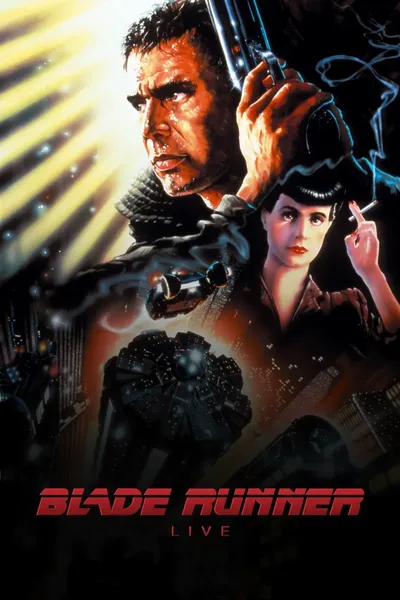
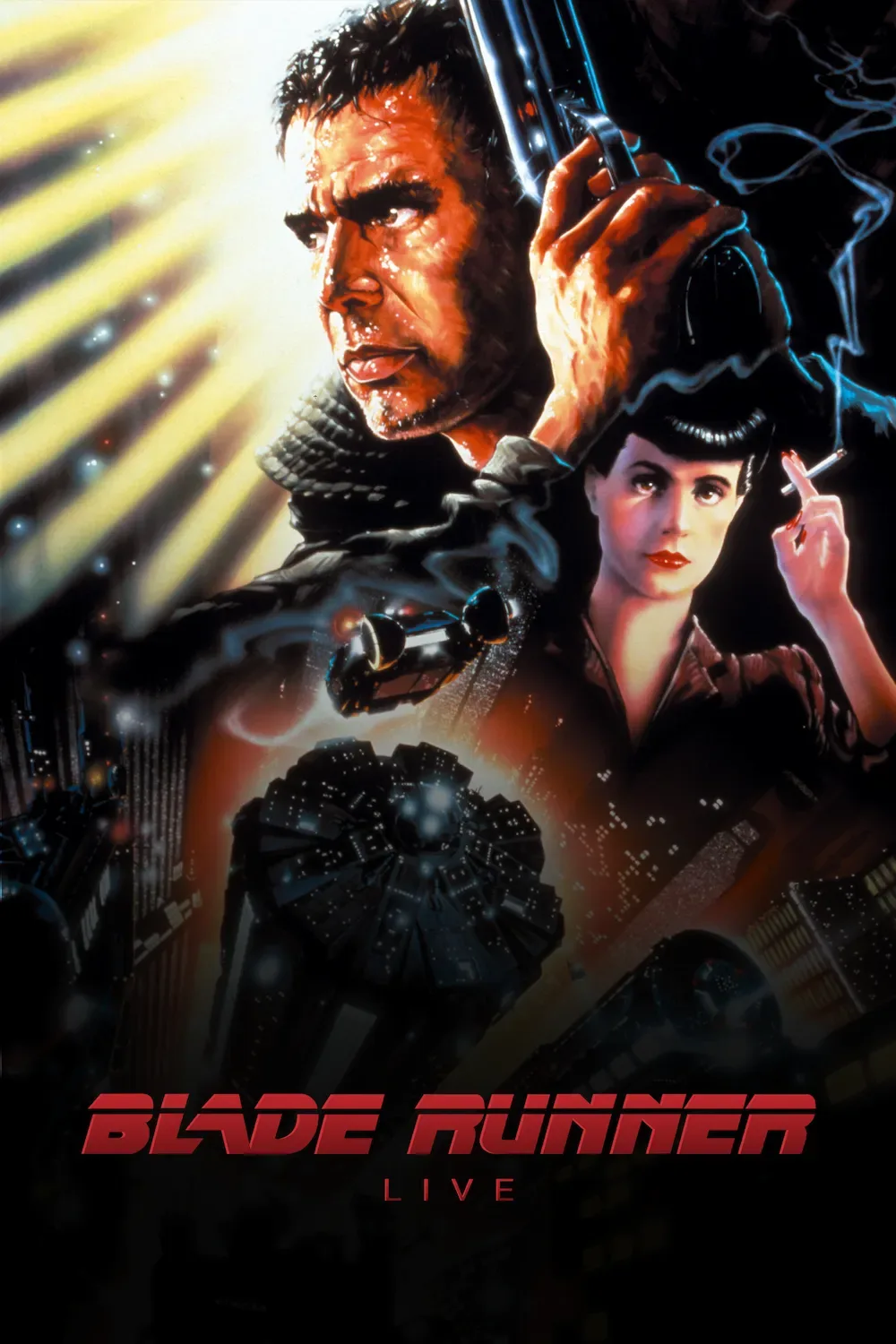
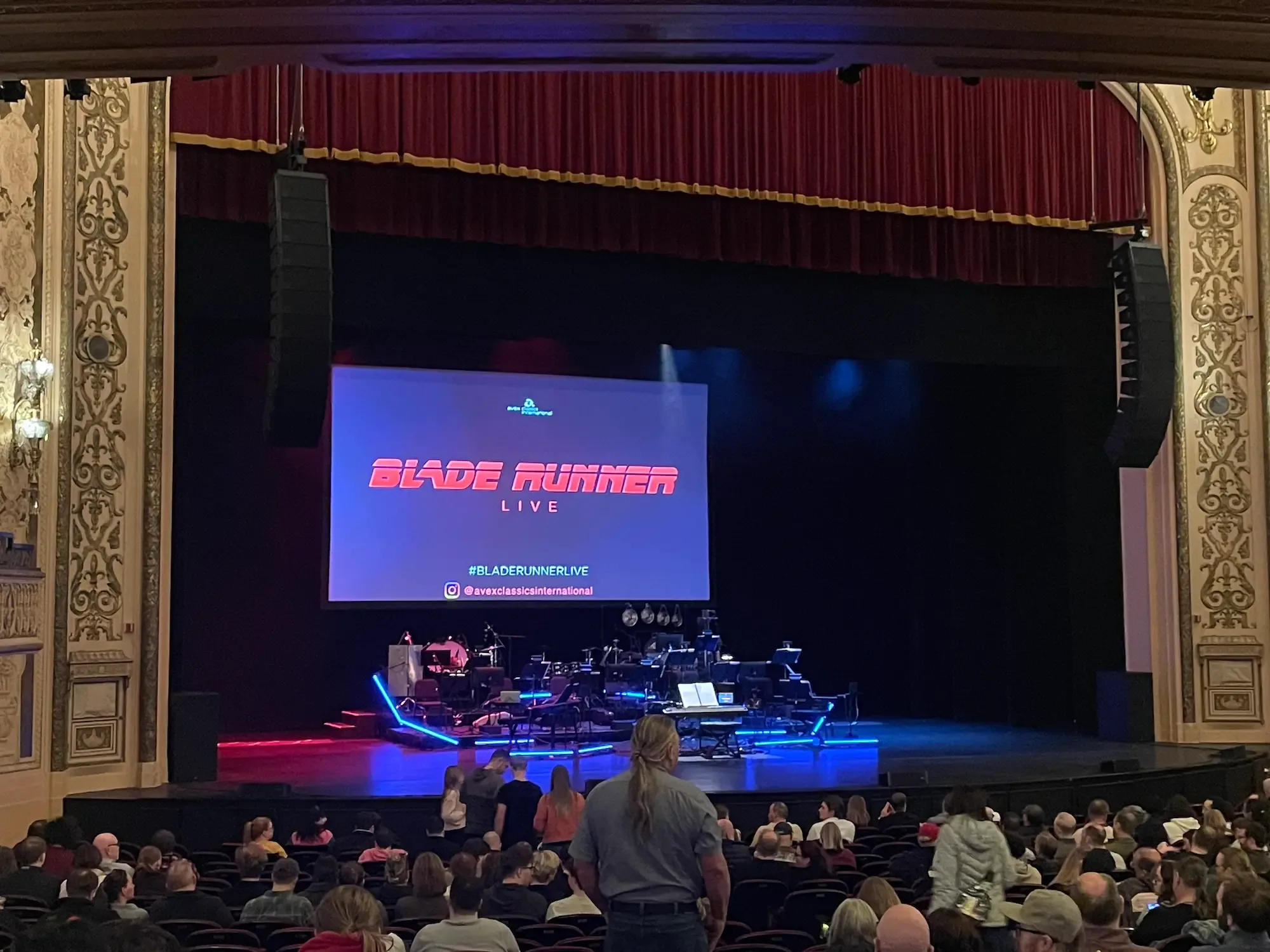
It’s pretty safe to say that Ridley Scott’s Blade Runner is my favorite movie of all time. I don’t know how many times I’ve seen it over the years, but it never fails to draw me into its detailed and highly stylized world. I’m hard-pressed to think of another movie with a visual style that’s so captivating. As it turns out, though, the only thing that’s as captivating as Blade Runner’s visuals is its atmospheric and eclectic score, courtesy of Vangelis. Thus, it was a truly special treat to watch Blade Runner with live musical accompaniment courtesy of The Avex Ensemble, who pull off Vangelis’s score perfectly with an 11-piece band. I’ve never actually seen a live accompaniment quite like this before, but as soon as I heard that first booming percussion during the opening sequence, I knew I was in for something special. There were one or two moments when the live music threatened to overwhelm the movie, but I attribute that more to a mixing issue than the performance. More often than not, I simply forgot that I was watching a movie with live accompaniment. That’s how good the Ensemble’s performance was, from the opening sequence to an exhilarating rendition of the end titles theme. Finally, special kudos to the vocalist — sadly, I can’t seem to find her name anywhere — who nailed the Middle Eastern chants heard on “Tales of the Future.”
-
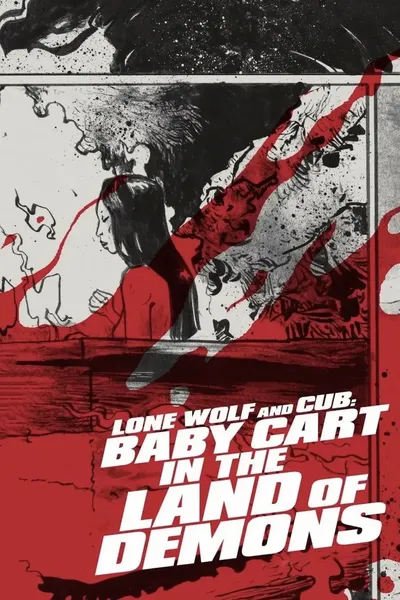
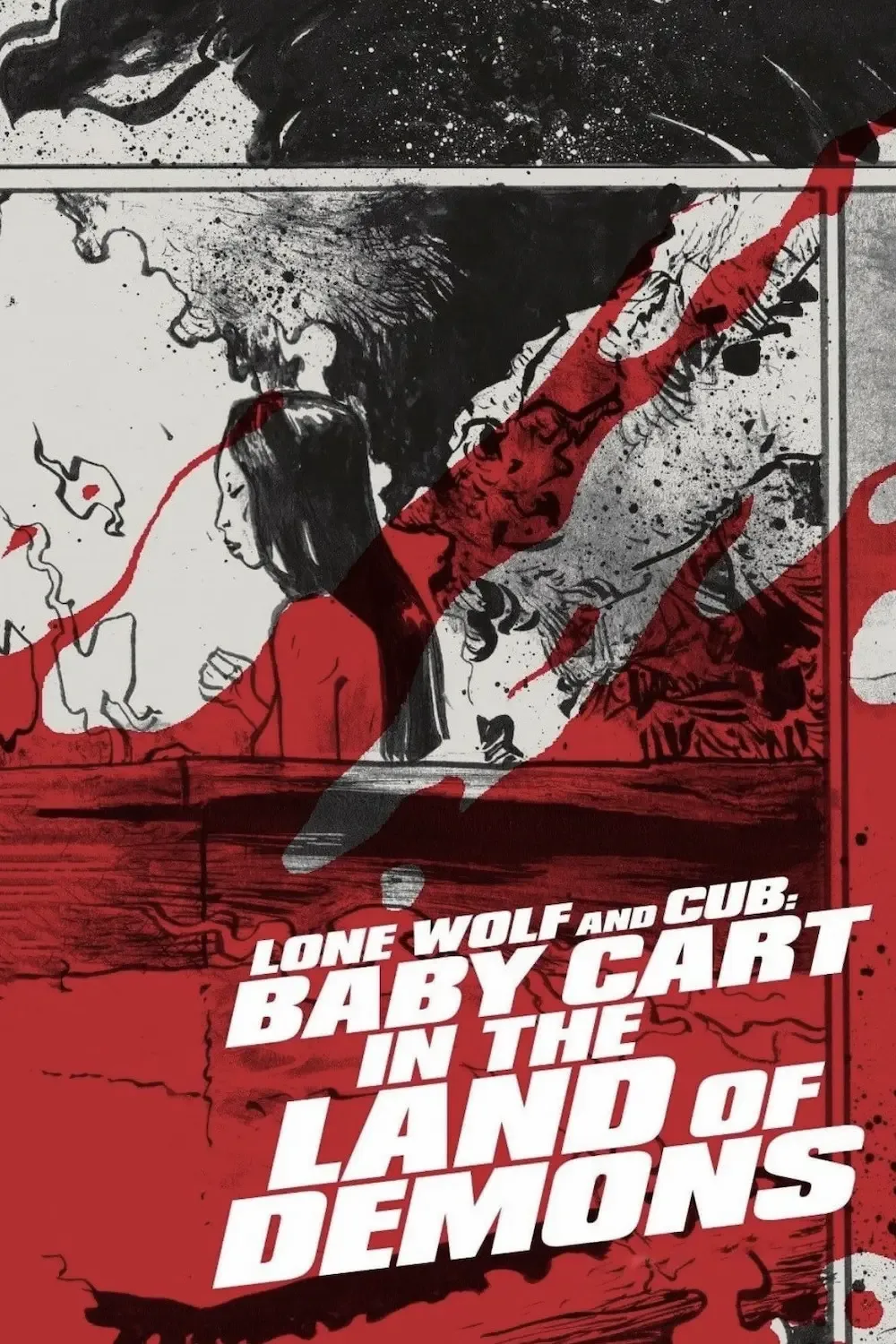
The fifth Lone Wolf and Cub movie begins in a really promising manner that suggests it might just be the franchise’s best title. Ogami Itto is contacted and tested by five retainers of the Kuroda clan, and as he defeats each one, they reveal the next piece of his mission. This is actually a really cool narrative device and makes for some delightfully insane moments, like the retainer who delivers his message to Ogami even as his body is consumed by flames. And when Ogami tries to complete his assassination, it leads to a bizarre supernatural moment that’s unlike anything else the franchise has offered to date. But then Baby Cart in the Land of Demons gets bogged down in a side story about Daigoro and an infamous pickpocket that I suppose is intended to prove just how brave and honorable Ogami’s young son has become. In truth, however, it’s a pointless rabbit trail that contributes nothing to the movie. By the time we get back to the original storyline about Ogami’s mission, the movie’s lost its momentum. Of course, the Yagyu clan are back, and there’s yet another grand finale involving Ogami slicing and dicing his way through countless samurai and ninja. It’s all pretty underwhelming, though, and I can’t stop thinking about the first act, and how it promised a far more interesting movie than the one we actually got.

Kenji Misumi, who directed the previous Lone Wolf and Cub movies, was replaced this time around by Buichi Saitō, who previously worked as an assistant to Yasujirō Ozu on Tokyo Story and Early Spring. But if you think that means Baby Cart in Peril is going to be more contemplative than its predecessors, think again. Under Saitō’s direction, the film veers fully into exploitation territory, featuring a female assassin named Oyuki who defeats her opponents by disrobing and revealing her tattooed flesh. (While accompanied by a very ahistorical psychedelic jazz soundtrack, to boot.) Ogami is hired to kill Oyuki for betraying her former lord and disgracing his retainers, but not surprisingly, things get complicated. Oyuki is seeking revenge against her rapist, a cause that Ogami can’t help but respect. Meanwhile, the Yagyu clan’s machinations continue apace, and the film reveals more of their vendetta against Ogami and the extreme lengths to which they’ll go to beat him. I’m really torn on this film. It dives headlong into the gratuitiousness that the previous films merely flirted with, which gives it a certain ickiness. As David Vining writes in his review, “the semblance of serious consideration of the samurai code that had been intermittently addressed gets tossed aside fully for empty action and titillation.” Also, the film’s insistence on moral ambiguity gets a bit tiresome. Exploitative aspects aside, though, Ogami and Oyuki’s parallels are interesting. Both are kindred spirits of a sort, sacrificing their own honor and humanity in order to get revenge on those who’ve wronged and disgraced them. I just wish the film had done a better job with their story, and actually earned the poignancy that it tries so hard to communicate.
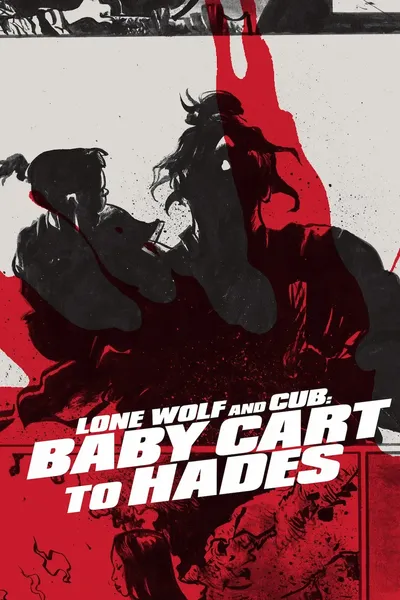
The third Lone Wolf and Cub movie veers back towards arthouse territory thanks to its slower pace, complex plot, and less reliance on gratuitous content. Make no mistake, though, this is still a Lone Wolf and Cub movie, as evidenced by the abundance of arterial spray. This time around, the ever-stoic Ogami Itto — who has yet to crack even the slightest hint of a smile — sacrifices his honor to save a young woman sold into prostitution even as he’s still being pursued by his rivals in the evil Yagyu clan. Along the way, he encounters a former samurai who’s desperate to die with honor and a corrupt ruler. The film’s final battle is a doozy, with the titular baby cart revealing a veritable arsenal of machine guns and cannons. (Historical accuracy be damned here.) At times, director Misumi and writer Kazuo Koike seem to be questioning deconstructing the samurai code of bushido, which holds that a samurai can still be considered honorable even after he tried to cover up rape and murder, as much as uphold and idealize it. The film is far too concerned with spectacle to offer a really thoughtful deconstruction — Harakiri, this most certainly is not — but the moral ambiguity is interesting to consider.

The wealthy Davenport family is thrilled when their daughter Poppy agrees to marry her first cousin Archibald, since that means they’ll get to keep their fabulous estate. But when Poppy leaves Archibald at the altar, it falls to their other daughter Rose to save the family’s wealth. Unfortunately, Rose has all sorts of crazy notions about being an independent woman, and she also happens to be in love with one of the family’s servants, a lovable rogue with an entirely predictable secret. All bets are off, however, when the Davenport patriarch turns up dead one morning. On paper, mashing up Downton Abbey-style historical drama with ZAZ-style slapstick comedy (e.g., Airplane!, The Naked Gun) seems like a winning proposition. And perhaps it will be someday, but Fackham Hall isn’t it. This might’ve been a hilarious 10-minute YouTube sketch, but when stretched out to 90+ minutes, it quickly overstays its welcome with running gags that soon run themselves into the ground and a surprising number of jokes that just don’t land. I certainly chuckled on several occasions, but honestly, I expected more bite from comedian Jimmy Carr, who co-wrote the script. Even with all of the jokes about incest and bestiality, Fackham Hall is quite tame, and I’m surprised that Carr didn’t opt for a more ruthless skewering of his movie’s blue bloods. To their credit, the cast is clearly game for whatever the script asks of them — Thomasin McKenzie, in particular, manages to look radiant even as she delivers pratfalls and stupid jokes — but it’s just too bad that they weren’t in a funnier movie.
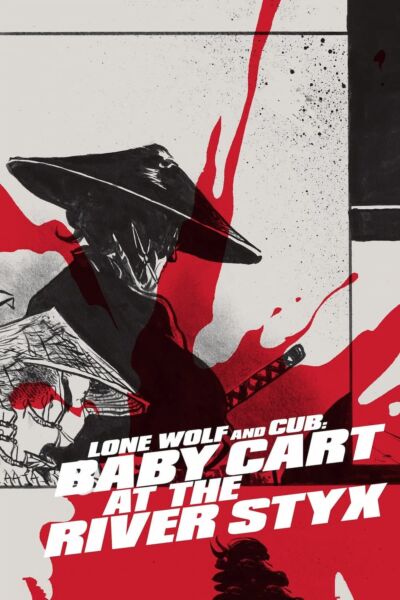
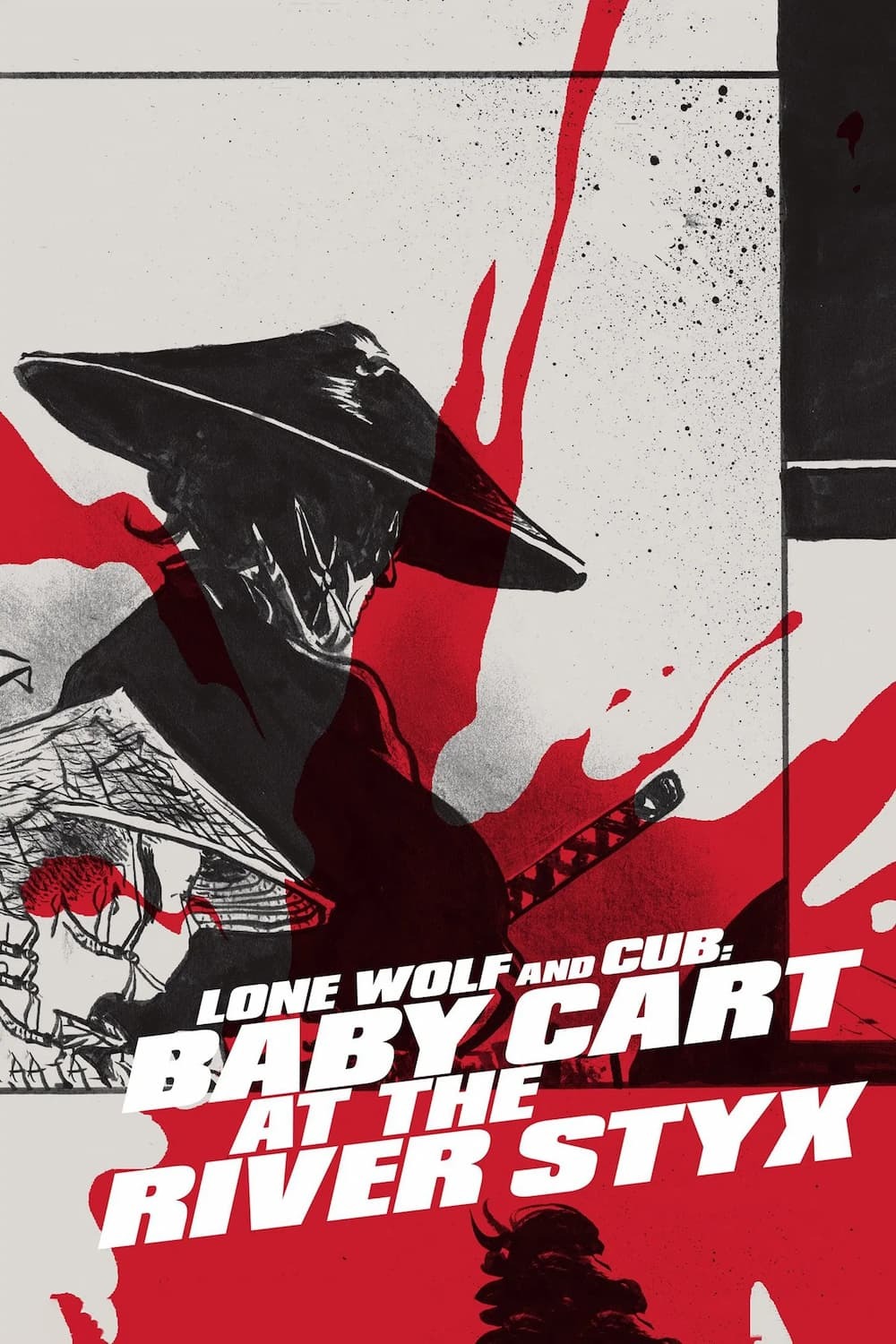
Whereas Sword of Vengeance is a relatively straightforward samurai film, bloody arterial sprays and quasi-exploitation notwithstanding, Baby Cart at the River Styx gets surprisingly abstract and even existential — for better and worse. This time around, Ogami Ittō is hired to assassinate an expert at making indigo dye. Unfortunately, the expert is guarded by three brothers who are infamous martial arts masters. Further complicating things, the Yagyu clan is hot on Ittō’s trail, this time sending a clan of female assassins after the former executioner and his young son. At times, the abstractions make the film more intriguing, such as when Ittō and his son heighten their senses to keep safe; the soundtrack and Kenji Misumi’s direction really sell the idea that Ittō’s quest for vengeance has made him something inhuman. And then there are the fights where the combatants’ colorful outfits are as much a weapon as their blades, or a dying man comments on the sound of the blood spraying from his neck. (Which is ridiculous but still quite apropos for Lone Wolf and Cub’s blood-soaked world.) The psychedelic editing employed to make the martial arts look superhuman has a charm that CGI just can’t match. But there are also moments when the film slows to a crawl, and scenes are dragged out to make them feel more significant and portentous. As with the first film, it still looks gorgeous thanks to Chishi Makiura’s cinematography. But perhaps in trying to make a heavier, more serious film, the filmmakers robbed Baby Cart at the River Styx of some of the edge possessed by its predecessor.
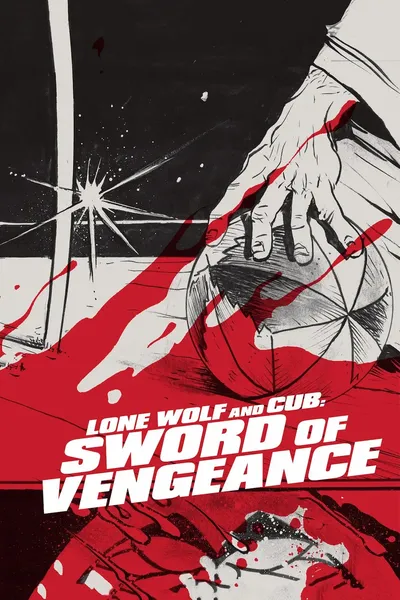
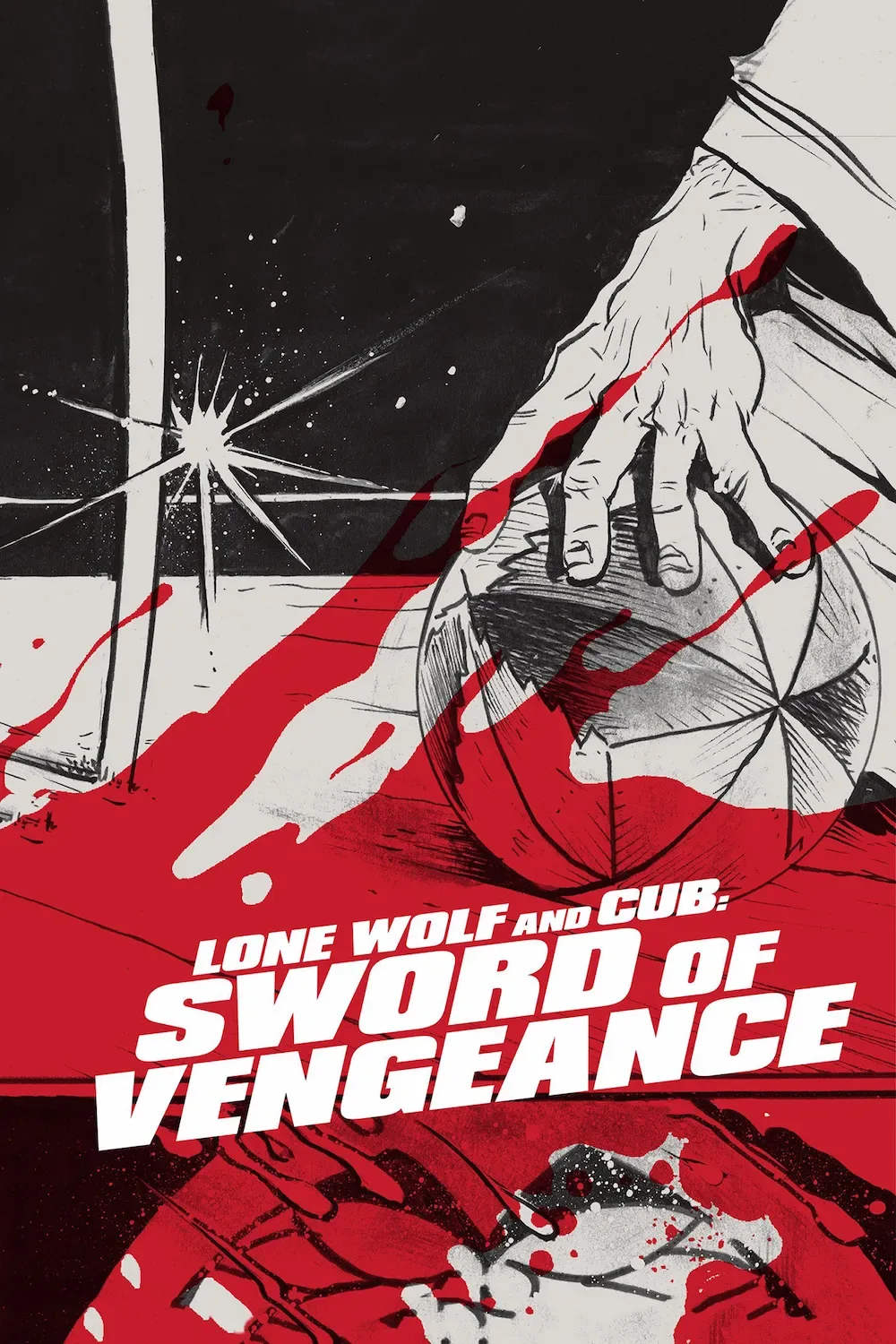
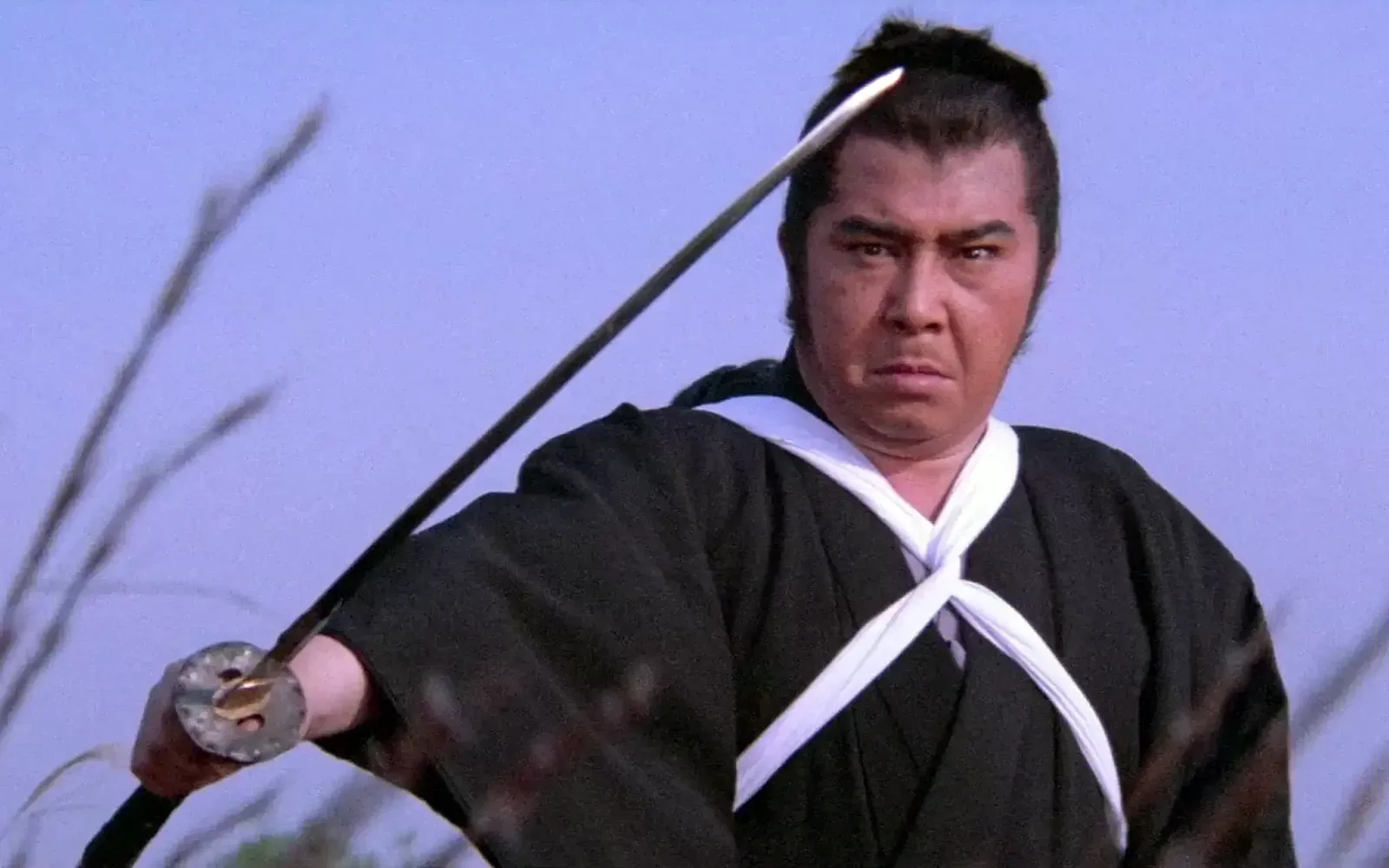
Years ago, Ogami Ittō was the shōgun’s official executioner, a task he carried out with diligence and honor. But when the rival Yagyu clan murdered his wife and framed him for treason, Ittō was forced to go on the run with his young son Daigoro. Now working as a lowly assassin, Ittō travels the country while carefully plotting his revenge against the Yagyu clan. Based on Kazuo Koike and Goseki Kojima’s influential Lone Wolf and Cub manga series — Koike wrote the movie’s screenplay — Sword of Vengeance is filled with all of the arterial sprays that you could possibly want, as Ittō slices and dices his way through rival samurai and ninja with his dōtanuki blade. (I actually paused and rewound several action scenes just to try and better understand the action choreography and Tomisaburo Wakayama’s impressive movements.) Sword of Vengeance does get lurid in places and verges on exploitation territory, but director Kenji Misumi still keeps things artful. You’d never mistake it for an Akira Kurosawa or Yôji Yamada film, but there are moments when Lone Wolf and Cub looks and feels like my platonic ideal of a samurai movie.