My Cultural Diet (October 2024): Chuck Norris, The Addams Family, Deadpool, Control

In order to better track my various cultural experiences (e.g., movies, TV shows, books, restaurants), I’ve created the Cultural Diet. Think of it as my own personal Goodreads, Letterboxd, and Yelp, all rolled into one (more info here). Every month, I recap everything that I watched, read, etc., in the previous month.

If I had to rank Studio Ghibli’s films, I’d probably put From Up on Poppy Hill somewhere near the upper-end of the middle — which is more a reflection on the studio’s surfeit of classic titles than anything truly bad about Gorō Miyazaki’s film. True, its storyline is a bit slight at times, its character designs are distractingly different from the classic Studio Ghibli mold, and the ending feels a bit truncated given all of the melodrama leading up to it. Nevertheless, this coming-of-age film about two high school students who discover a surprising connection while trying to save their school’s dilapidated clubhouse still contains plenty of flashes of the ol’ Ghibli magic, from the colorful characters to the beautifully rendered visions of everyday life. Also, I won’t deny getting choked up at times by its nostalgia-suffused depiction of 1960s-era Japan.

A graphic novel about the “Satanic Panic” by Ed Brubaker and Sean Phillips (Where the Body Was, The Fade Out, Reckless)?! Was someone reading my mind? Because this basically sounds like my dream comic. As you’d expect from Brubaker and Phillips, Houses of the Unholy is grimmer than grim as it tells the story of Natalie Burns, a woman forever haunted by her childhood involvement in the Satanic Panic of the ’80s. Trying — and failing — to put it all behind her, Burns is forced to face her childhood head-on when she teams up with an FBI agent to track down a killer targeting others who, like her, claimed to be abused by Satanic cults as kids. I’ve written elsewhere about my own brush with the Satanic Panic as a church kid in the ’80s and ’90s, so in that sense, this was right up my alley. Ironically, though, I think my personal experience actually kind of ruined Brubaker’s story for me; everything was familiar in a way that blunted its impact. Also, Houses of the Unholy felt rushed with a rather abrupt ending, as if Brubaker and Phillips had originally planned to make a longer series, only to cut things short mid-production.
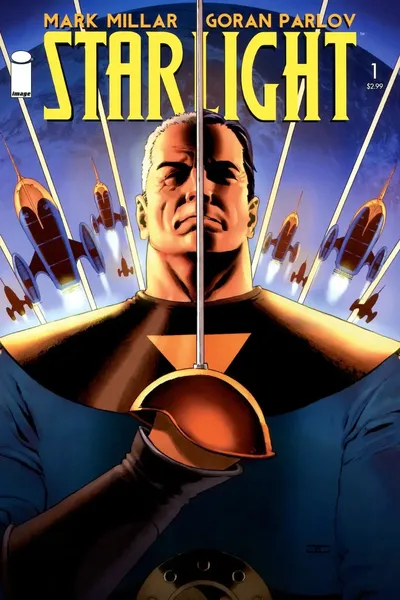
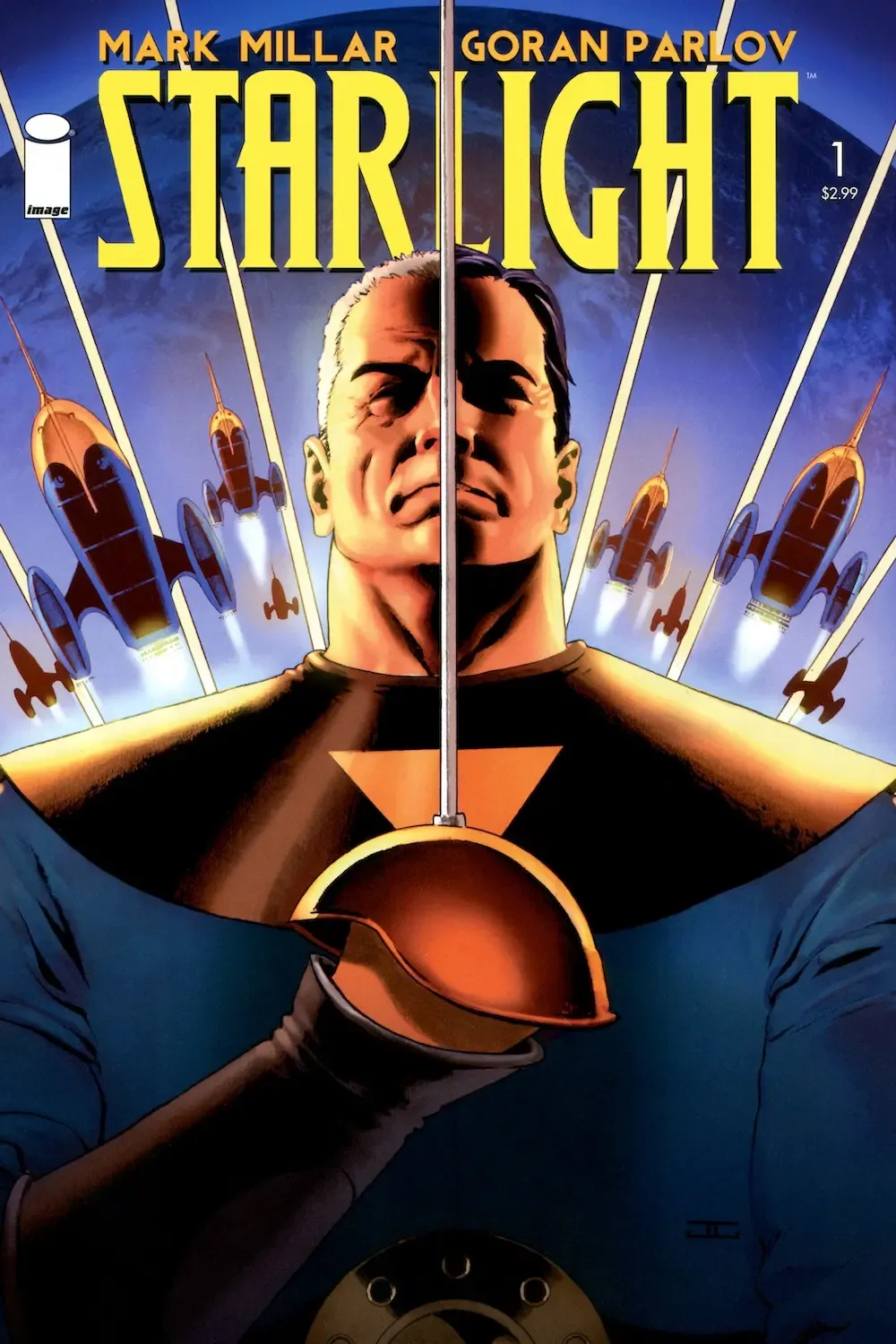
Forty years ago, Air Force pilot Duke McQueen liberated an oppressed alien world from a brutal tyrant. Unfortunately, nobody back on Earth believed he was an intergalactic hero except for his beloved wife. After she dies, though, McQueen is left all alone in the universe — until an unlikely alien visitor arrives with an opportunity for him to find a new purpose in life and relive his past glories. Given Mark Millar’s work on Wanted, Kick-Ass, and Wolverine’s “Old Man Logan” storyline, you might expect Starlight to be a rather gloomy affair. Although there is a melancholy thread running throughout the series, with its ruminations on aging and nostalgia, it’s ultimately a delightful swashbuckling tale that pulls inspiration from pulp heroes like Buck Rogers and Flash Gordon, complete with crazy rayguns and fantastical spaceships. A film adaptation by Joe Cornish (Lockwood & Co., Attack the Block) is currently in production, and I really hope it captures both the comic’s emotional subtext and pulp-y vibe.
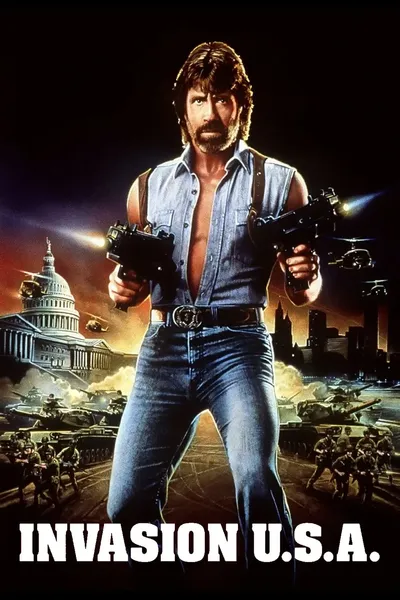
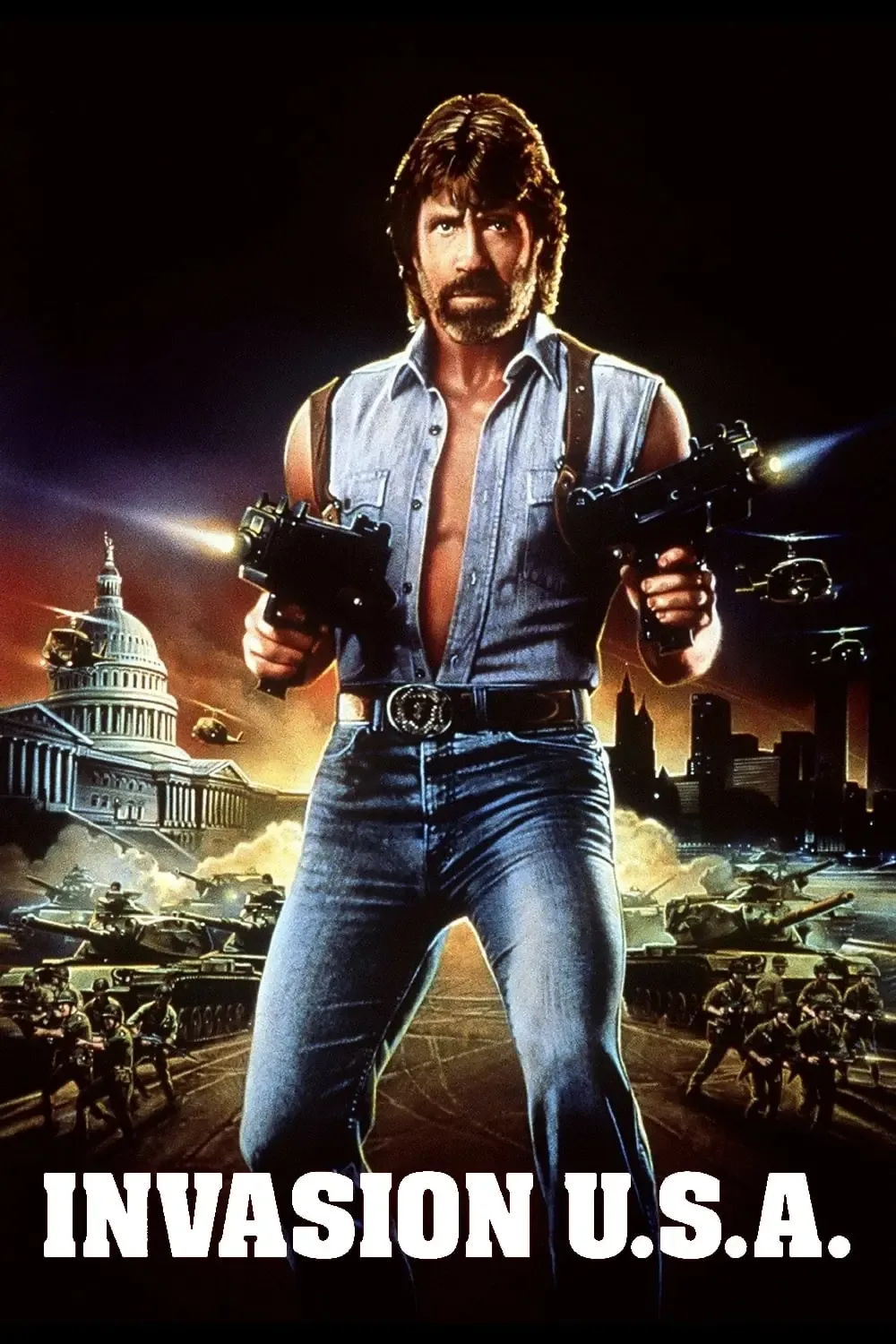
Given their fixation on immigration and the border, it might be surprising that MAGA types haven’t latched onto Joseph Zito’s Invasion U.S.A. as a prescient wake-up call. After all, it’s about an army of terrorists arriving on Florida’s shores and taking advantage of our freedoms and liberties to move unrestricted and unleash terror and violence in American cities. And of course, the only one who can stop them is that manliest of men, Chuck Norris, in all of his mulleted glory. On paper, Invasion U.S.A. seems like a MAGA dream come true. But MAGA types — who generally think Putin is awesome — would probably sour on the film upon learning that the invasion is a Russian scheme. And then there’s the fact that the film, which was roundly criticized for its wanton violence, is just. So. Darn. Boring. Despite the film being about a nation-wide invasion, 98% of the action apparently takes place in Miami’s suburbs and side streets, making the film’s stakes feel considerably smaller. Also, somebody forgot to tell Norris that “glum” and “dour” are not synonyms for “bad-ass.” His “haunted CIA agent” character is supposed to be intense, hence the constantly steel-jawed performance, but onscreen, he has no personality or charisma. Norris obviously intended Invasion U.S.A. to be a serious “statement” film, but it’s so portentous and heavy-handed that it’s hard to enjoy even as a Cannon Films cult oddity.
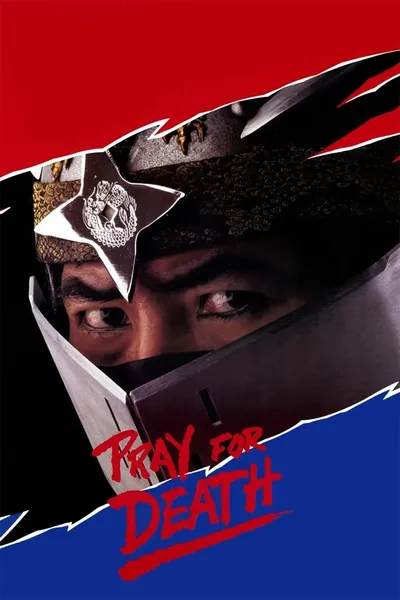
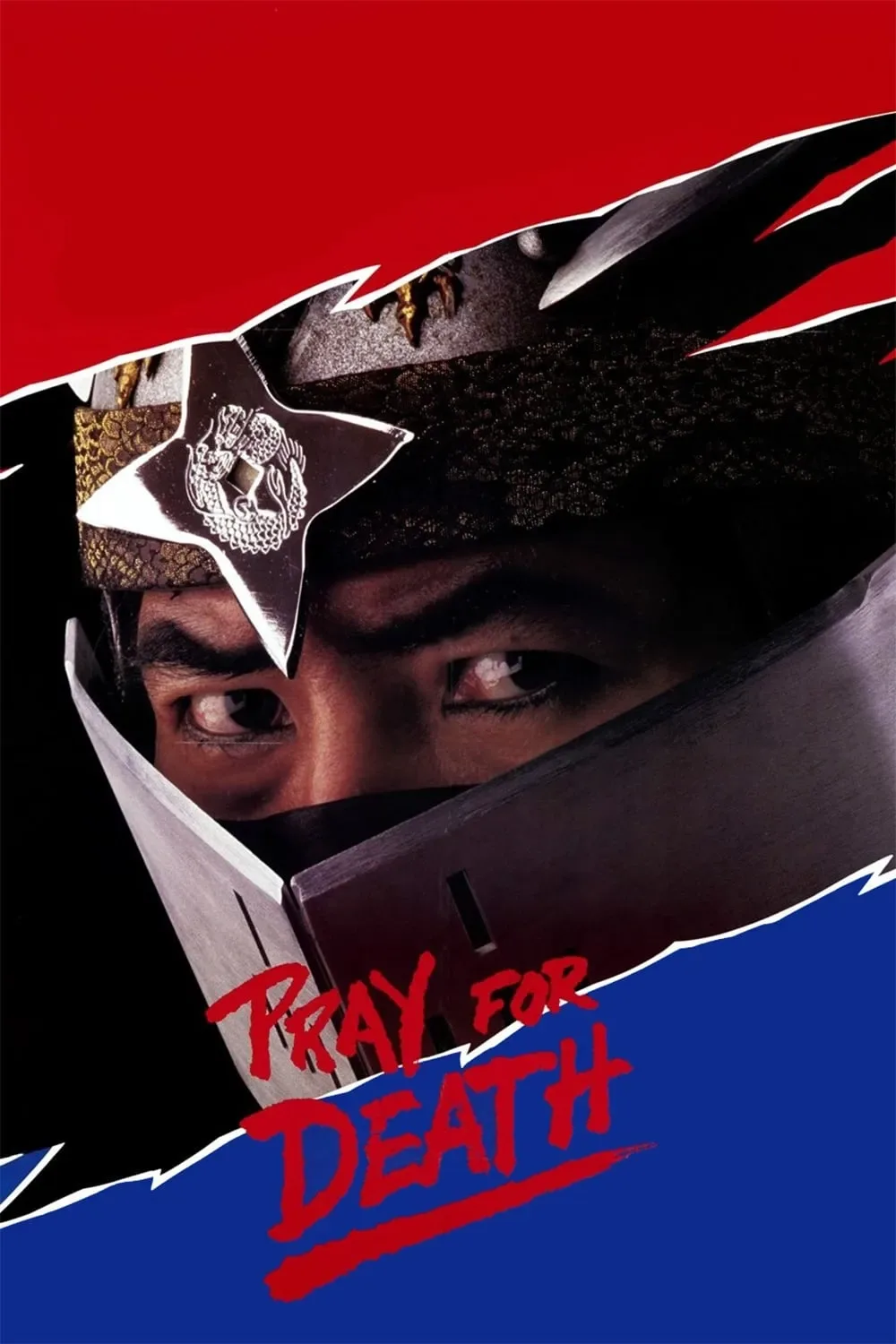
A mild-mannered Japanese salaryman (Sho Kosugi) moves his family to America in search of better opportunities, and they open a Japanese restaurant in the Houston ghetto. Unbeknownst to them, however, their new domicile is used by criminals, and soon enough, they’re caught between crooked cops and violent gangsters. Unfortunately for those cops and gangsters, our salaryman just so happens to be a ninja, and when his family is threatened, he must use his deadly skills to protect and avenge them. Kosugi’s first collaboration with director Gordon Hessler is pretty standard ’80s ninja fare, though it falls short of The Octagon and Enter the Ninja — bad-ass title notwithstanding — and I personally prefer Rage of Honor as far as Kosugi/Hessler films go. Though it’s ridiculous that a film about shadow warriors finds our hero donning a shiny metal ninja suit, the film does give him numerous opportunities to dispatch bad guys with all manner of ninja weapons as well as Kosugi’s patented flips — which probably looked super cool and exotic to your average ’80s American moviegoer. Pray for Death also stars Kosugi’s real-life sons, and in one scene, the oldest fights the bad guys himself with the aid of his tricked out bicycle, a perfect example of the film’s uneven tone. One minute, it’s filled with gritty and disturbing violence, and the next, attempts at jokes and cute, family-friendly humor.
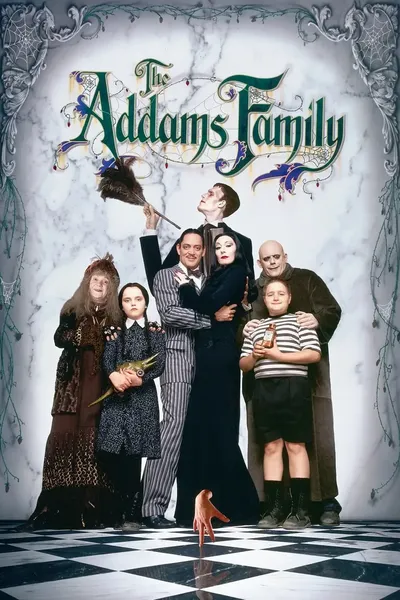
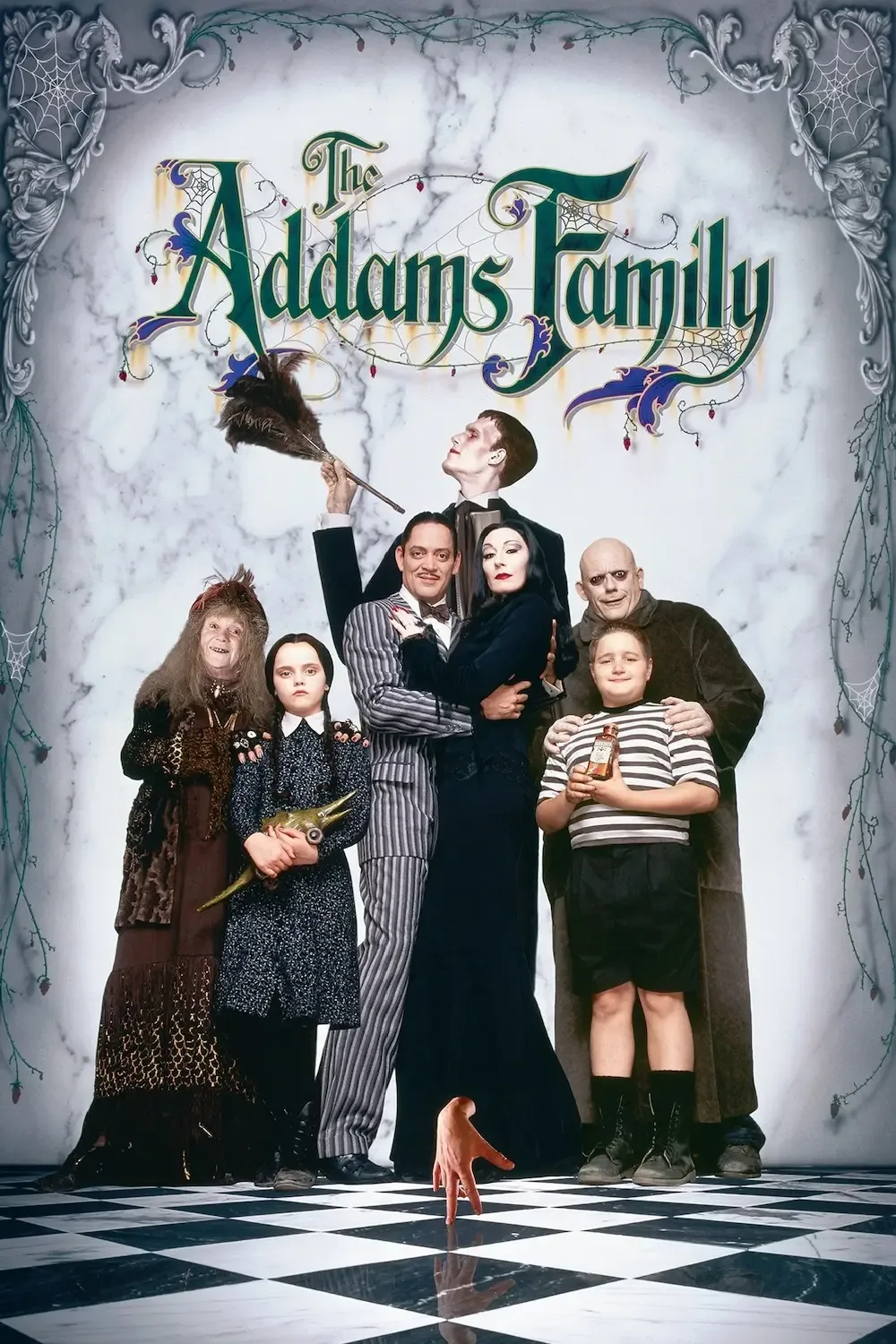
Since my daughter loved Wednesday so much, it seemed only right that I introduce her to this ’90s classic. I use the term “classic” somewhat lightly, though. Although it’s plenty fun, due in large part to the performances of Raúl Juliá, Anjelica Huston, and Christina Ricci as Gomez, Morticia, and Wednesday Addams (respectively), it’s also pretty all over the place, tone-wise. (See: The musical numbers, doses of surrealism, and some of the crazy, MTV-esque camerawork and editing.) In other words, The Addams Family is a film that only could’ve been released in the early ’90s.
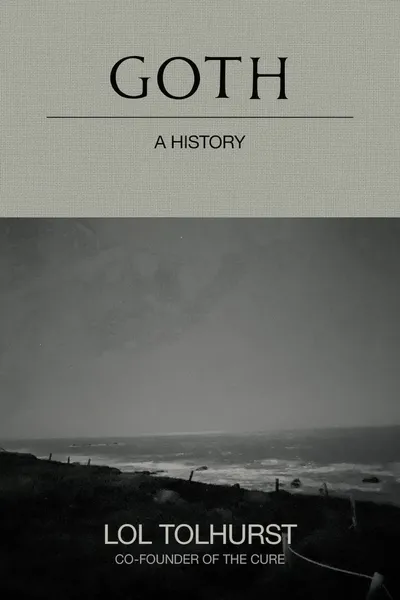
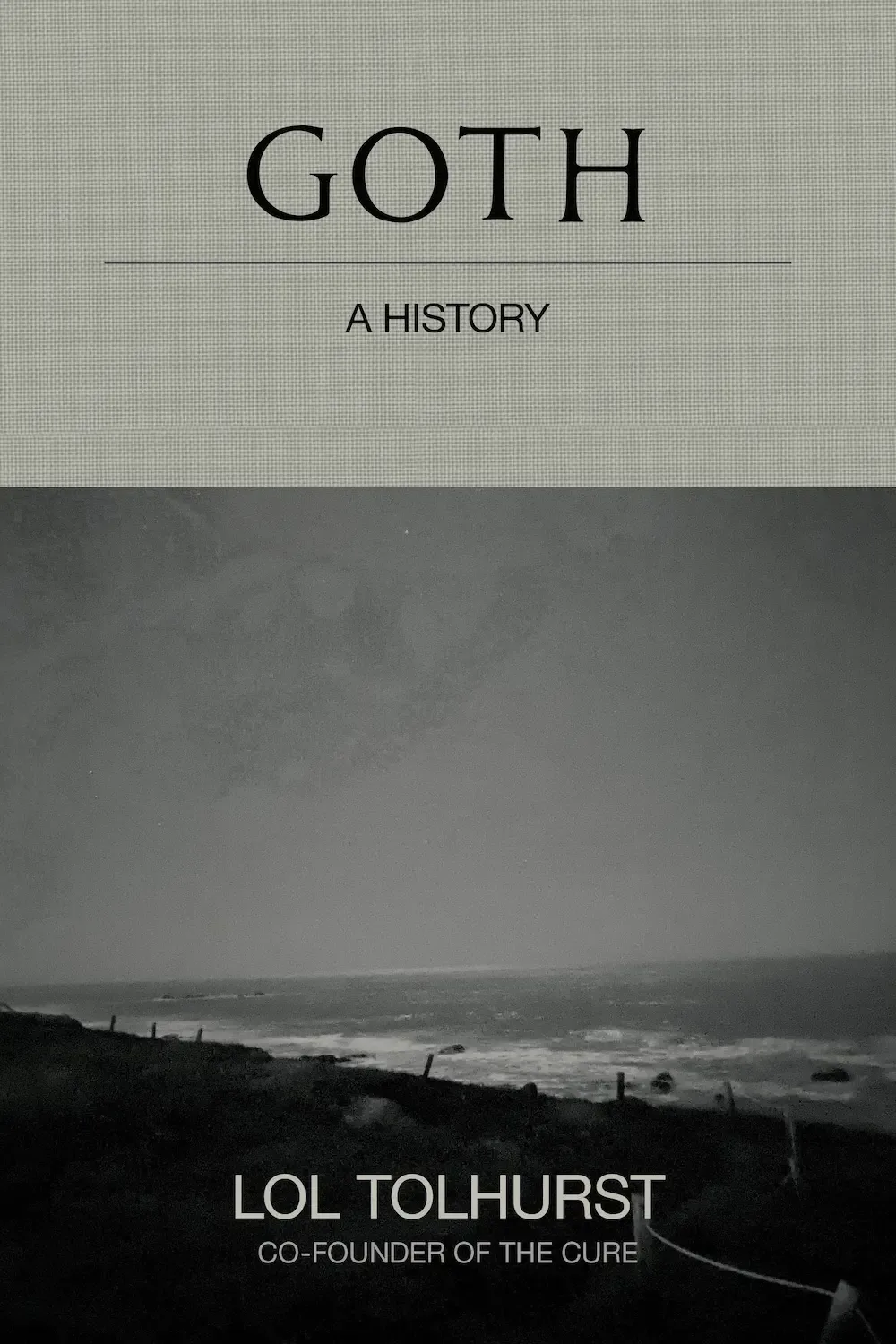
It might seem a little on-the-nose for a member of The Cure to write a history of the goth movement. And yet, who better to write such a tome? That said, the title of Goth: A History is a bit misleading. It’s not so much the definitive history of an artistic movement that came into being on the heels of punk and post-punk, as it is the personal history of one goth in particular: Lol Tolhurst, who co-founded The Cure in 1976 with Robert Smith and Michael Dempsey. Tolhurst covers a lot of ground in his book. He reminisces about recording The Cure’s Faith and Pornography albums; reflects on his Catholic upbringing and the influence of Joe Strummer, Sylvia Plath, and Alice Cooper; breaks down Joy Division’s discography; and shares stories about Siouxsie and the Banshees, Bauhaus, and California’s deathrock scene. The resulting book is a bit disorganized at times, but Tolhurst writes with the passion and authority of someone who was actually there, seeing The Clash as a teen, hanging out at London’s Batcave club, and of course, recording some of the definitive goth albums. Tolhurst’s ode to goth may lack the sort of criticism historians might prefer, but his descriptions of a restless adolescence spent in search of new ideas and art that would speak meaning into his life certainly resonated with me, and rang true to my own experiences.
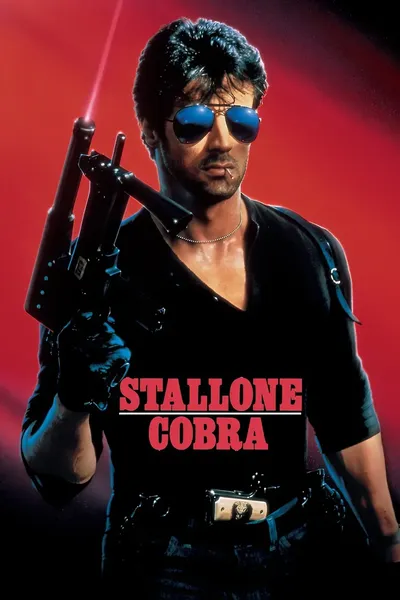
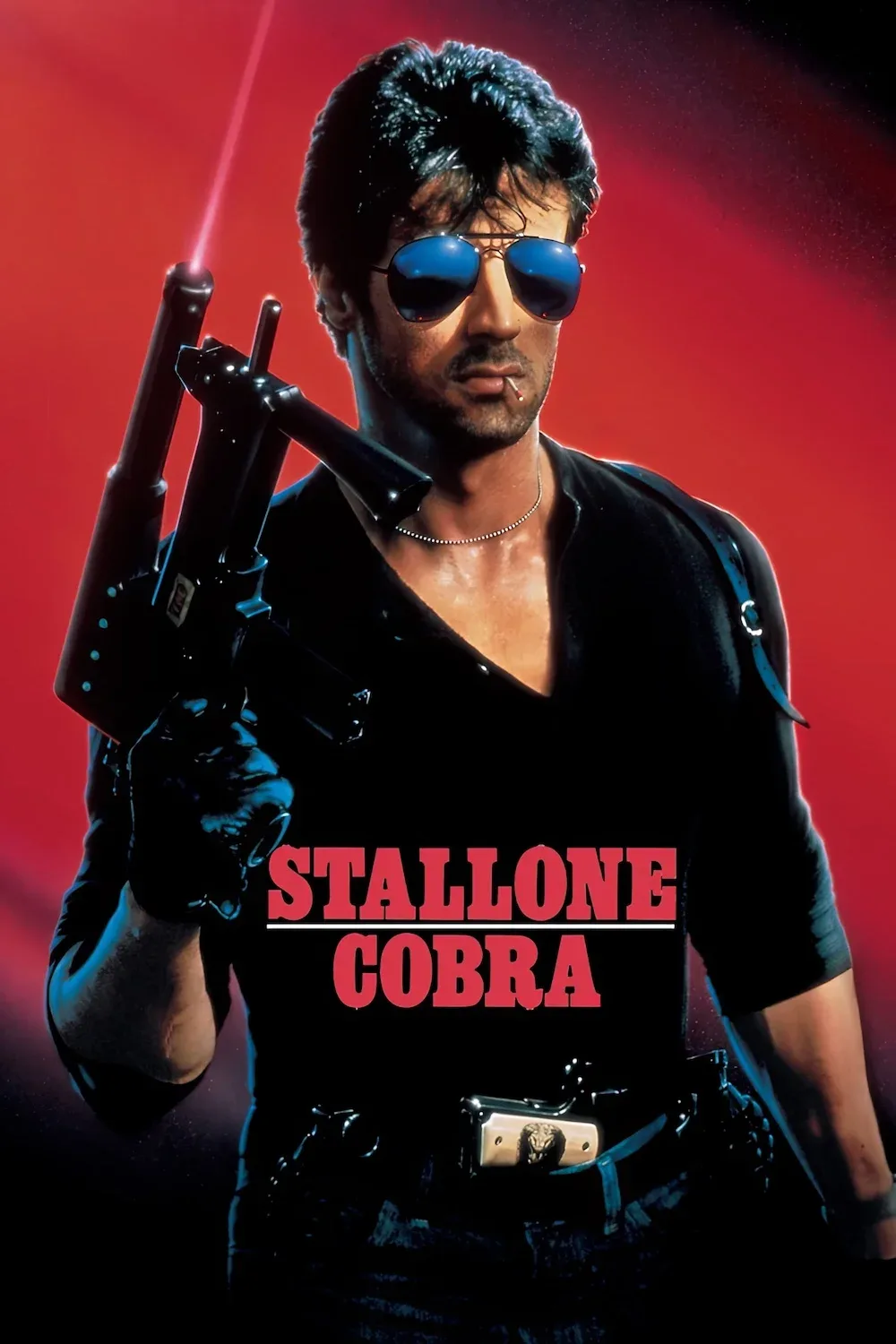
One of my favorite things to do as an adult is watch movies that caught my eye as a kid but that I never actually got to watch because, well, I was a kid. Case in point: George P. Cosmatos’s Cobra, a film whose poster artwork is seared into my memory. The platonic ideal of the “lone wolf” cop films that were all the rage in the ’80s, Cobra stars Sylvester Stallone as Marion “Cobra” Cobretti, an unorthodox cop tasked with protecting a model (Brigitte Nielsen) from a violent cult leader and serial killer (Brian Thompson). Cobretti proves just as psychopathic as his quarry, and willing to ignore such trivial things as civil rights in his pursuit of psychos, instead uttering cool lines like “You’re a disease, and I’m the cure” and “This is where the law stops and I start, sucker!” before offing the bad guys. That sort of policing is obviously anathema in our present age, and for good reason, but it’s hard to be too offended by Cobra because it’s just so boring. Stallone tries to play Cobretti as stoic and bad-ass with his sunglasses, cobra-emblazoned Colt pistol, and ever-present toothpick, but he has zero personality; the cult leader is a complete blank; and the film’s attempts to ratchet up the tension largely fall flat. Cobra does earn some points for style, and there’s an idea for a really cool film in there somewhere, but honestly, it’s nowhere near as lurid or exciting as the Cannon Films logo on the box might suggest.

In preparation for Deadpool vs. Wolverine, I rewatched the first Deadpool movie for the first time in years. When it came out in 2016, Deadpool’s irreverent tone, crass humor, and ultra-bloody violence were a welcome tonic to the MCU’s spectacle. Watching it now, it’s… OK. There were still plenty of parts that left me chuckling, starting with the creative profanity, and it’s clear that Ryan Reynolds has a blast playing the Merc with a Mouth. (It’s the part he was born to play.) But it also feels oddly disconnected. The constant stream of meta references — Deadpool certainly does enjoy his fourth wall breaks — wears thin over time. The result is a fun-yet-hollow film that wants to have its cake and eat it, too, i.e., Deadpool wants to thoroughly deconstruct the whole notion of a “superhero movie” even as it enjoys all of the trappings of one.
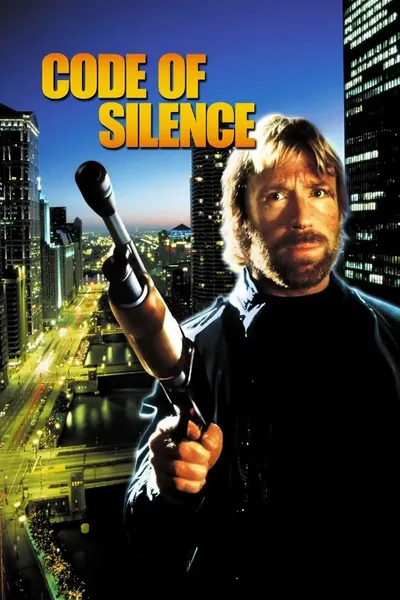
What can I say… I have a fondness for classic Chuck Norris movies. Code of Silence is basically Norris’s attempt at a gritty crime thriller à la the Dirty Harry films. (In fact, the film was originally pitched as the fourth Dirty Harry film.) As such, it features far less martial arts than your typical Norris movie, but don’t worry, he still gets in a few roundhouse kicks as a Chicago cop caught up in a war between rival Colombian and Italian gangs. Which would be bad enough, except he’s also shunned by his fellow officers when he refuses to support a crooked cop. Kudos to Norris for doing his best to be a Serious Actor here. As a result, Code of Silence is arguably the most critically acclaimed of his films. But watching it now, 40 years later, it all seems a bit quaint. That, combined with the juggling of multiple storylines (I wish the “corrupt cop” storyline had been the film’s focus) as well as some wasted performances from Henry Silva (as the Colombian gang leader) and Dennis Farina (as Norris’s joke-y partner), means that Code of Silence ends up being a bit underwhelming. And don’t even get me started on the armored police robot.

This game has been on my radar since 2019, but I only picked it up a few months ago during an Xbox sale — and was instantly sucked into its world. Drawing inspiration from brutalist architecture, liminal space imagery, Cold War relics, and creepypasta like the Backrooms and (most importantly) the SCP Foundation, Control puts you in control (npi) of Jesse Faden, whose search for her missing brother has brought her to the Federal Bureau of Control (the secretive government agency tasked with monitoring paranormal phenomena). Once there, however, she discovers something more ominous: an extra-dimensional force that appears bent on taking over and corrupting our reality. Fortunately, Jesse is not without her own unique and unusual powers. Control is filled with indelible images (e.g., massive office complexes filled with chanting bodies floating in mid-air, haunted laboratories that feel displaced in time, other planes of existence) that encourage you to explore the FCB’s seemingly endless and otherworldly headquarters. Unfortunately, the game is hampered by finicky controls and occasionally inconsistent gameplay, and its difficulty levels can fluctuate wildly. (I confess to occasionally turning to the internet to get past a particularly challenging boss or level. I’m pretty sure the “Training Mission” stage took a few months off my life.) Nevertheless, Control’s storyline and aesthetic hit a real sweet spot for me, and I can’t wait for the sequel.

In the annals of rock n’ roll history, X Japan arguably has one of the more bittersweet stories. One of Japan’s most successful bands and pioneers of the “visual kei” movement — think American hair metal turned up to 11, and then some — X Japan’s story includes suicides, health issues, and even cult brainwashing amidst massive amounts of success. Stephen Kijak’s We Are X captures all of that, with frontman Yoshiki baring his soul as he talks about his father’s suicide, his grief, and his struggles with chronic pain and poor health (we see him getting medical injections so he can play as well as him collapsing on stage from playing drums) even as X Japan prepares to play Madison Square Garden. It’s a fascinating story that’s deeply affecting at times. Unfortunately, the film’s narrative does occasionally meander as it jumps back and forth in the band’s history. Thus, some parts of their story — like Yoshiki’s reunion with his friend and singer Toshi after the latter leaves a cult — lose some of the impact they might’ve had otherwise. Still, We Are X is a cool glimpse into a rock n’ roll world that most non-Japanese folks probably know nothing about.