My Cultural Diet (October 2025): Alien, The Naked Gun, Silver Surfer, Satanic Panic
In order to better track my various cultural experiences (e.g., movies, TV shows, books, restaurants), I’ve created the Cultural Diet. Think of it as my own personal Goodreads, Letterboxd, and Yelp, all rolled into one (more info here). Every month, I recap everything that I watched, read, etc., in the previous month.
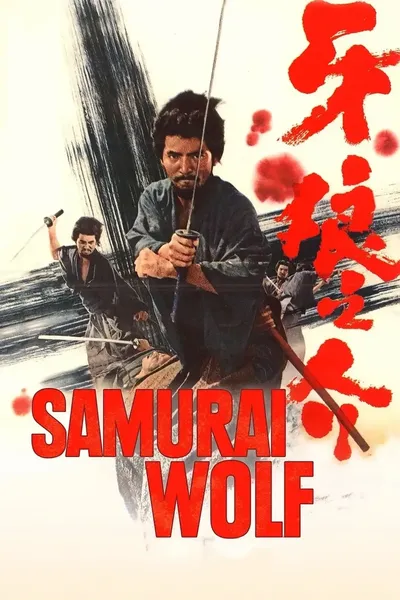
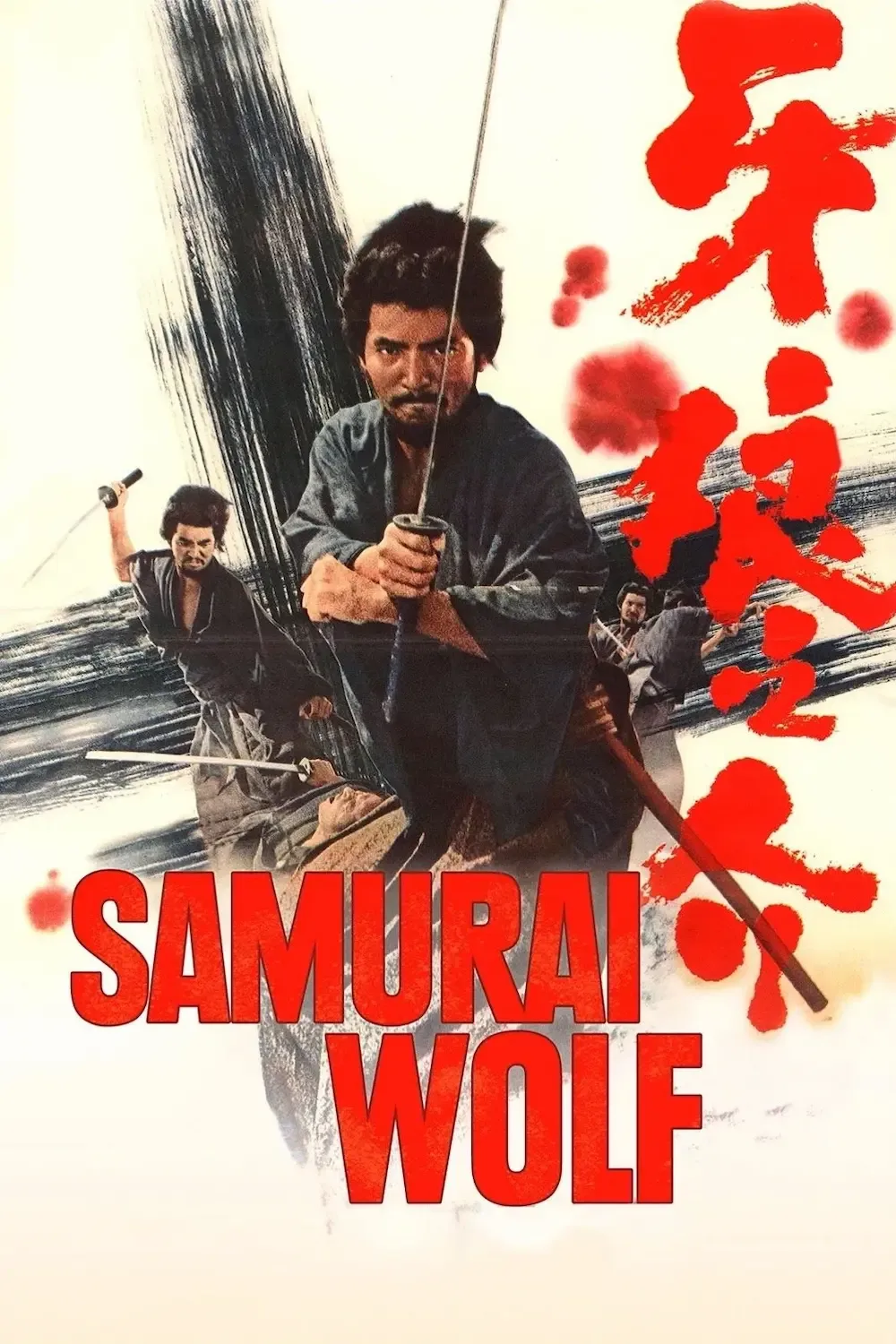
If you want evidence of the influence that spaghetti westerns had on samurai films — an influence that, for the record, went both ways — look no further than Hideo Gosha’s Samurai Wolf. Indeed, it’s hard to imagine this film even existing without Sergio Leono’s films. Isao Natsuyagi stars as a rough-looking samurai whose braggadocio and scruffy appearance bely a surprisingly noble spirit. But that spirit gets tested when he arrives in a remote village beset with danger and corruption. Samurai Wolf feels pretty by-the-numbers as far as samurai films go, with deadly foes arriving every other minute and a doomed romance or two, plus some routinely over-the-top melodrama. But it does have some interesting twists and Gosha spices up his film with surreal slow-motion, Dutch angles, and some well-placed arterial sprays.
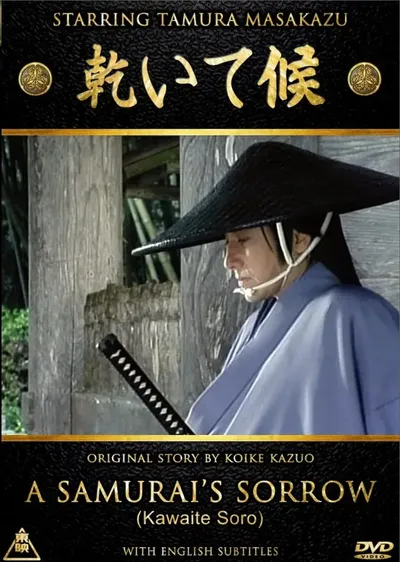
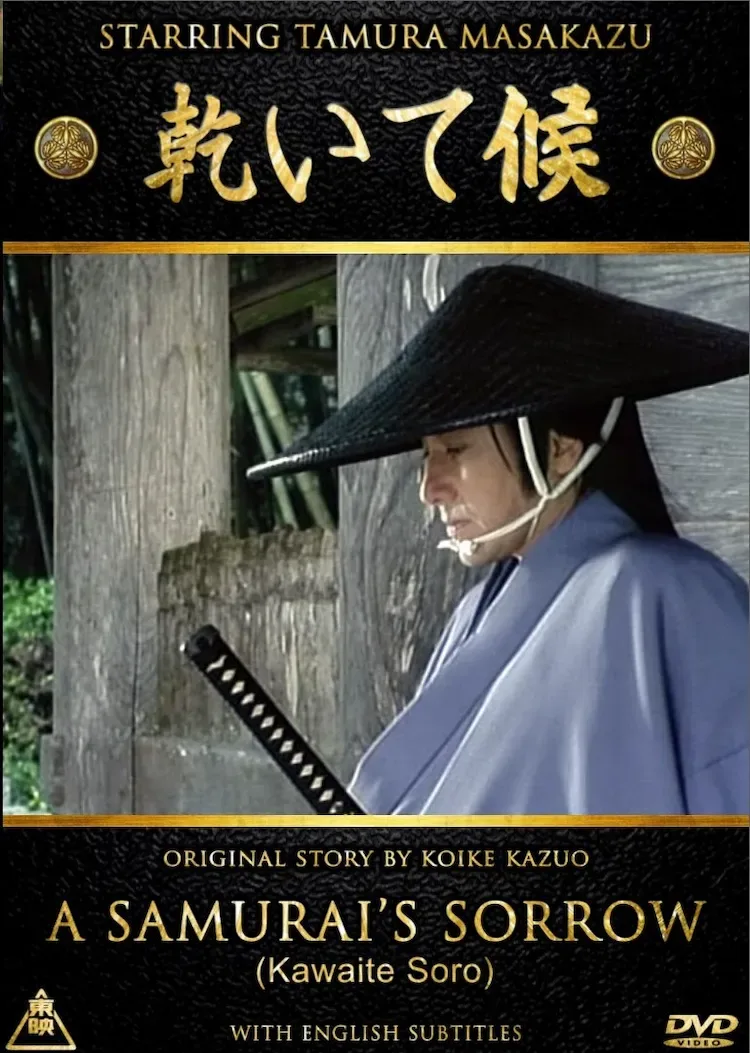
A Samurai’s Sorrow — also known as A Samurai in Torment — certainly lives up to its title, thanks to its overwrought storyline. In 18th century Japan, the life of Shogun Tokugawa Yoshimune has been threatened by rivals trying to poison him. It’s up to Yoshimune’s official food taster, an enigmatic samurai named Kainage Mondo, to unravel the conspiracy. However, doing so will unearth tragic secrets from Mondo’s past that could also doom the Shogun’s rule. Based on a story by Lone Wolf and Cub creator Kazuo Koike, which subsequently spawned multiple film, TV, and stage adaptations, A Samurai’s Sorrow strives to be a stately period piece. But it’s too caught up in the melodrama, what with all of the pregnant pauses, tortured looks, and swelling music (which sounds awfully similar to Joe Hisaishi’s score for Castle in the Sky). Granted, samurai titles aren’t typically known for their subtlety, but A Samurai’s Sorrow ultimately feels like a jidaigeki telenovela.
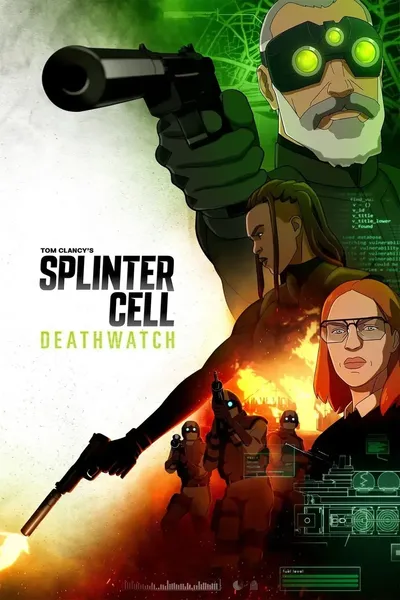
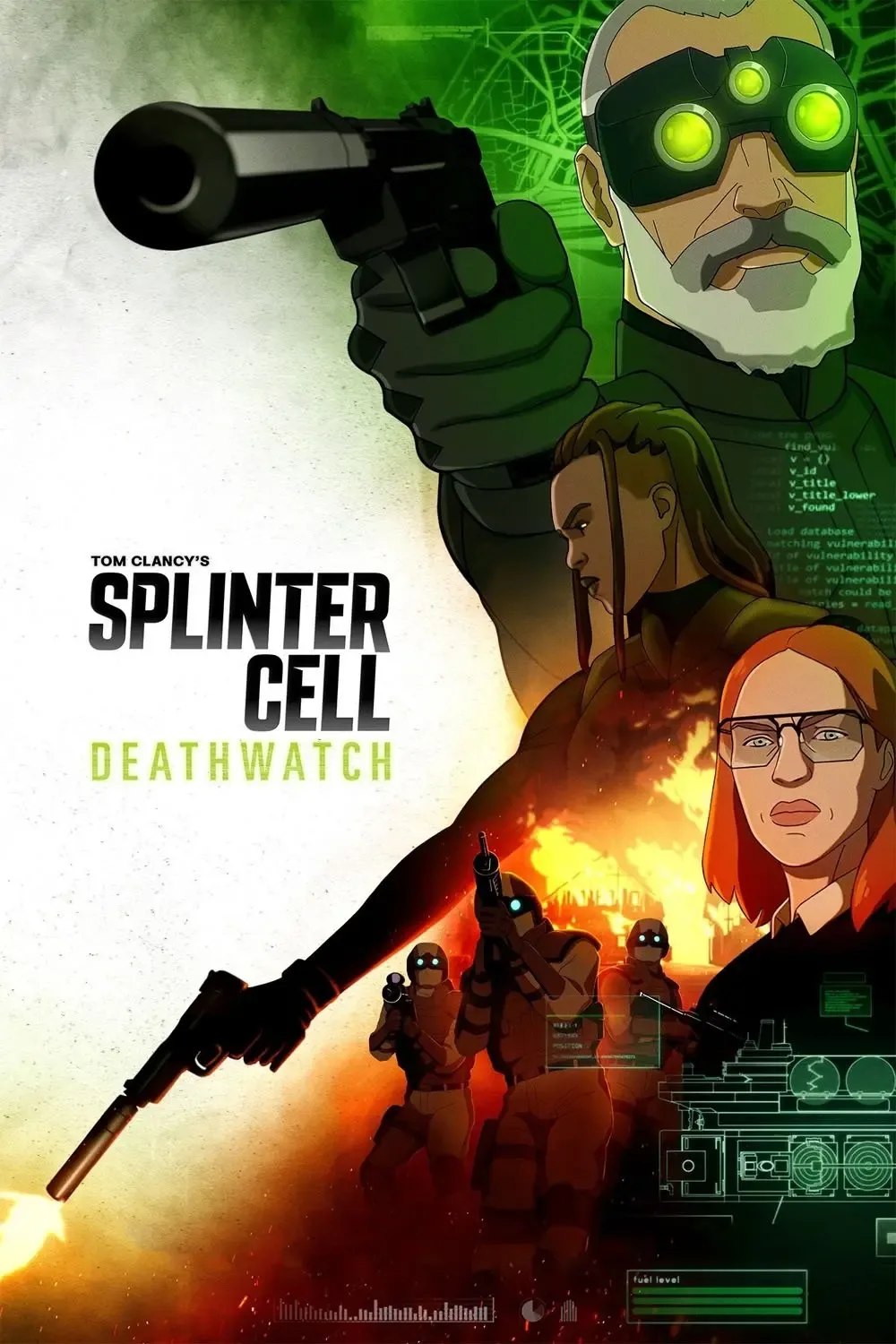
Sam Fisher is an ex-government agent who just wants to retire in peace. However, he’s pulled back into action when another agent goes missing during her investigation into a wealthy industrialist’s clean energy plans. What seems like a simple rescue mission soon grows more complicated, though, thanks to the other agent’s vendetta and some ghosts from Fisher’s past. Based on the popular video games, and created by Derek Kolstad — who also created the John Wick franchise — Splinter Cell: Deathwatch doesn’t skimp on the action and violence. Unfortunately, the story’s not very compelling — we all know you can’t trust billionaire industrialists who want to save the world — and suffers from clunky and overwrought dialog.

Keira Knightley stars in this Netflix original as an investigative journalist who’s invited to travel on a yacht alongside some of the world’s richest folks in order to cover a fledgling charity. But when she witnesses the woman in the neighboring cabin fall overboard — an accident that all of the evidence seems to disprove — she begins to suspect foul play. But is there really a murderer onboard, or is she just imagining a deadly conspiracy? To its credit, The Woman in Cabin 10 is absolutely gorgeous to look at, from the luxury yacht itself to the Norwegian scenery. (Indeed, Norway’s travel board could probably use stills from this movie in their promotional materials.) But that’s about all this so-called thriller has going for it. The Woman in Cabin 10 is certainly watchable. However, it’s nowhere near as smart or thrilling as it seems to think it is, and whatever tension it might possess can be cut with a dull butter knife.
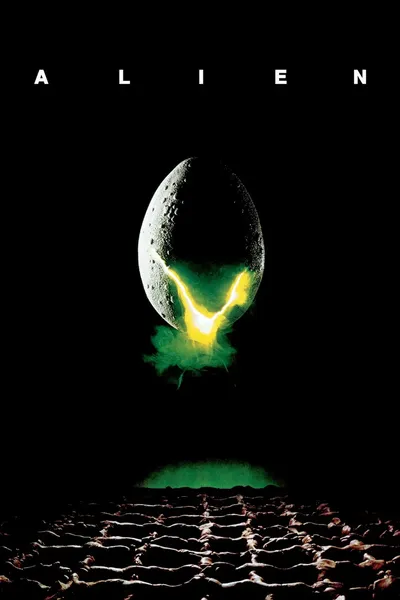
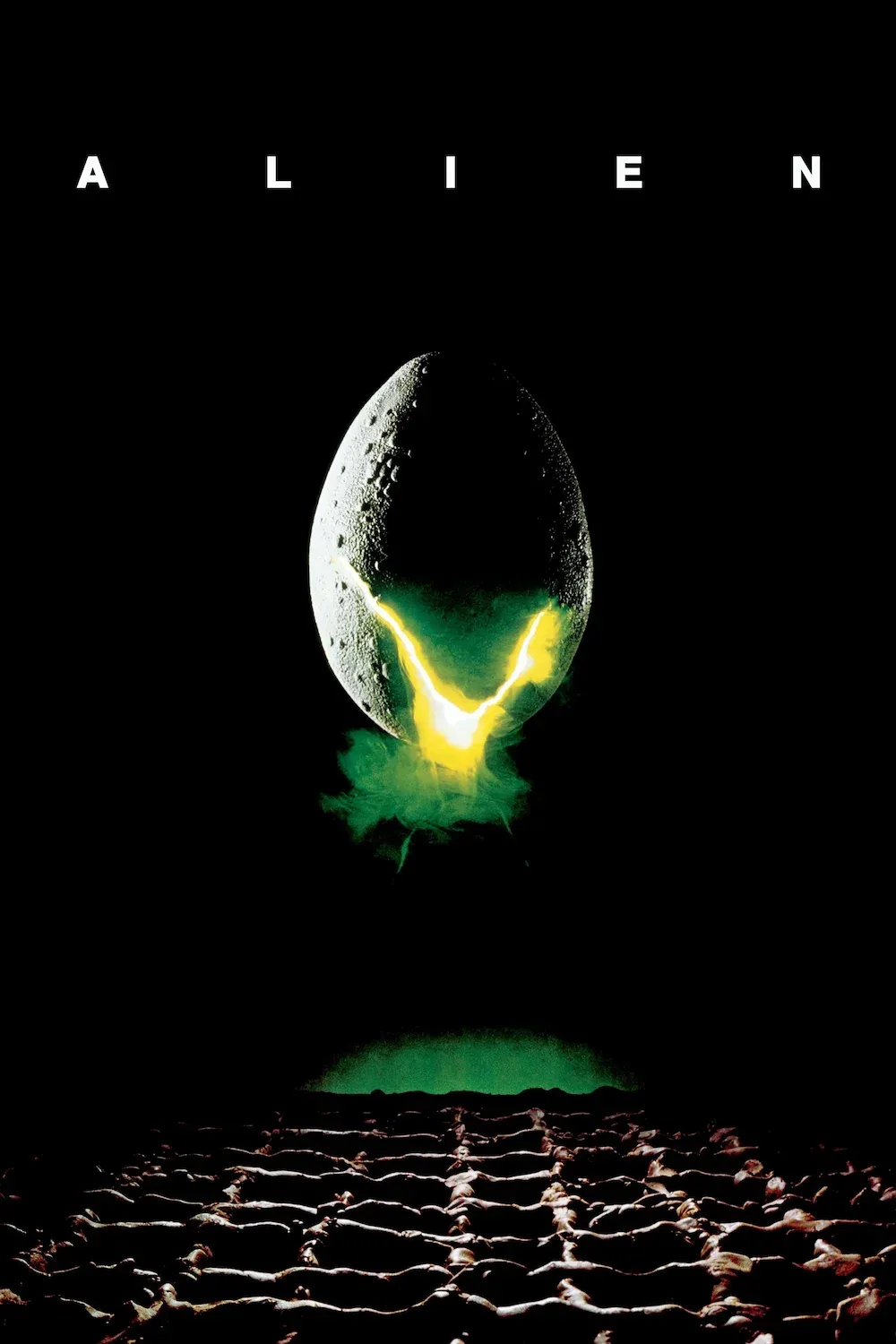
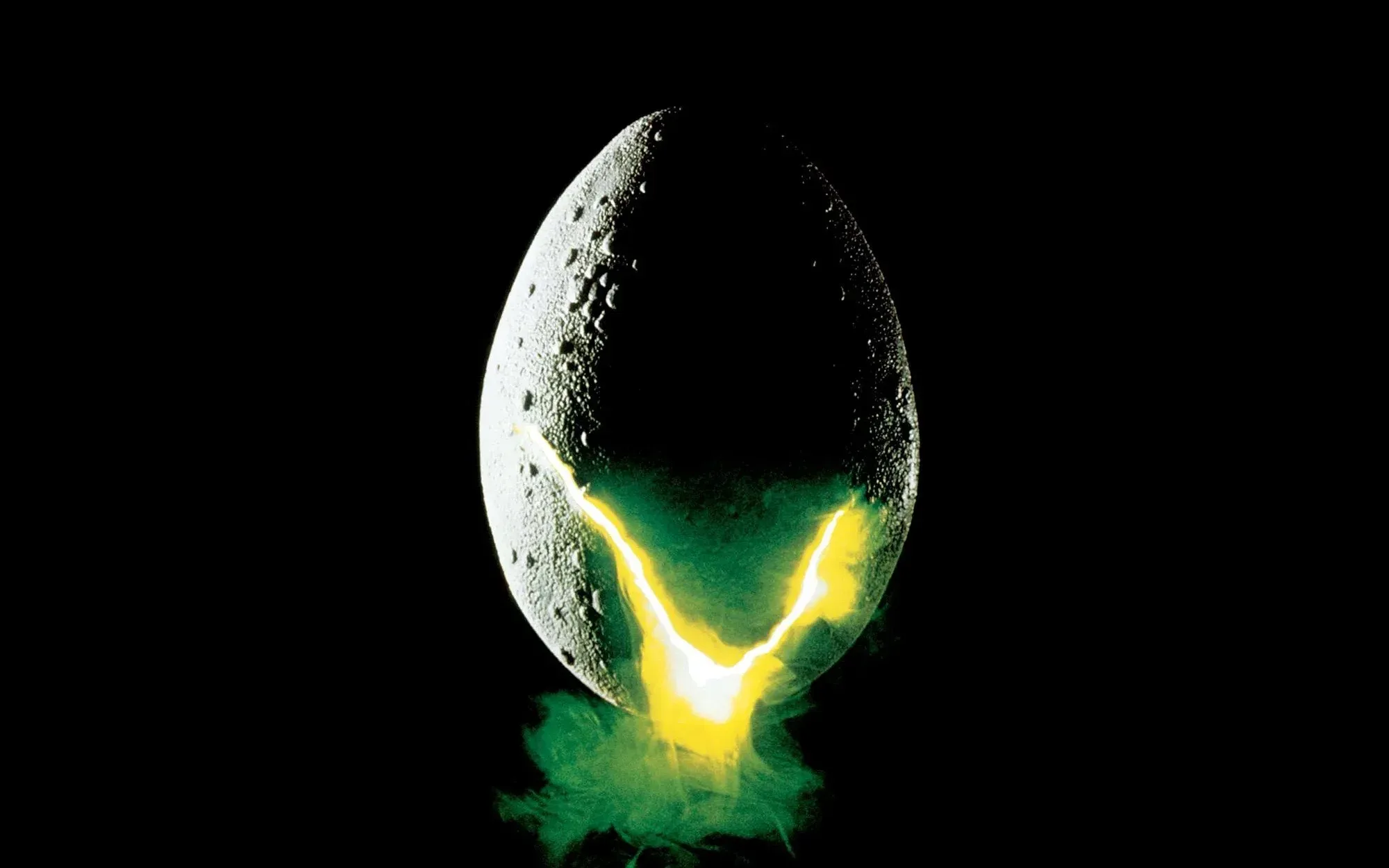
I’m a bit embarrassed to admit this was my first time watching Ridley Scott’s sci-fi horror classic in its entirety. Up until now, I’d only seen bits and pieces, but a screening at The Ross’s 2025 Fright Fest seemed like the perfect time to address this particular gap in my movie-watching history. Not surprisingly, it did not disappoint. Everything in Alien, from Jerry Goldsmith’s score to the incredible sets and production design to Scott’s camerawork, is designed to ratchet up the tension and sense of claustrophobic dread — and quite successfully so. As for the alien itself, it’s suitably, well, alien. Which is to say, horrific and terrifying. (H. R. Giger drew inspiration from his own nightmares for the creature’s design.) Much like Scott’s Blade Runner, Alien’s visuals still hold up and run circles around many of today’s CGI-laden special effects. The elaborate Nostromo sets feel “lived in” and authentic, a sense enhanced by the cast’s performances, which make it easy to believe that we’re really watching a crew of blue collar space workers just trying to get back home. On a related note, the film’s underlying critique of hyper-capitalism that prioritizes profit over people still hits hard in 2025, and perhaps even more so.
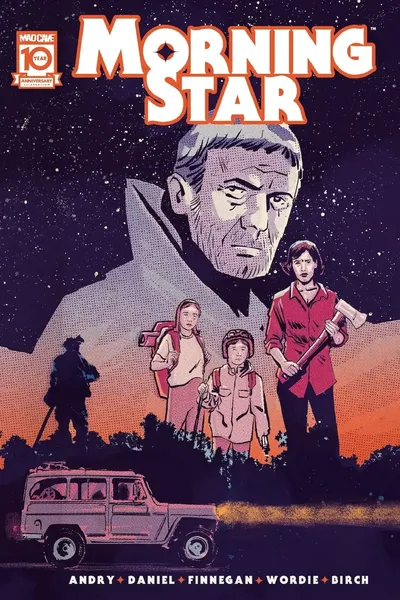
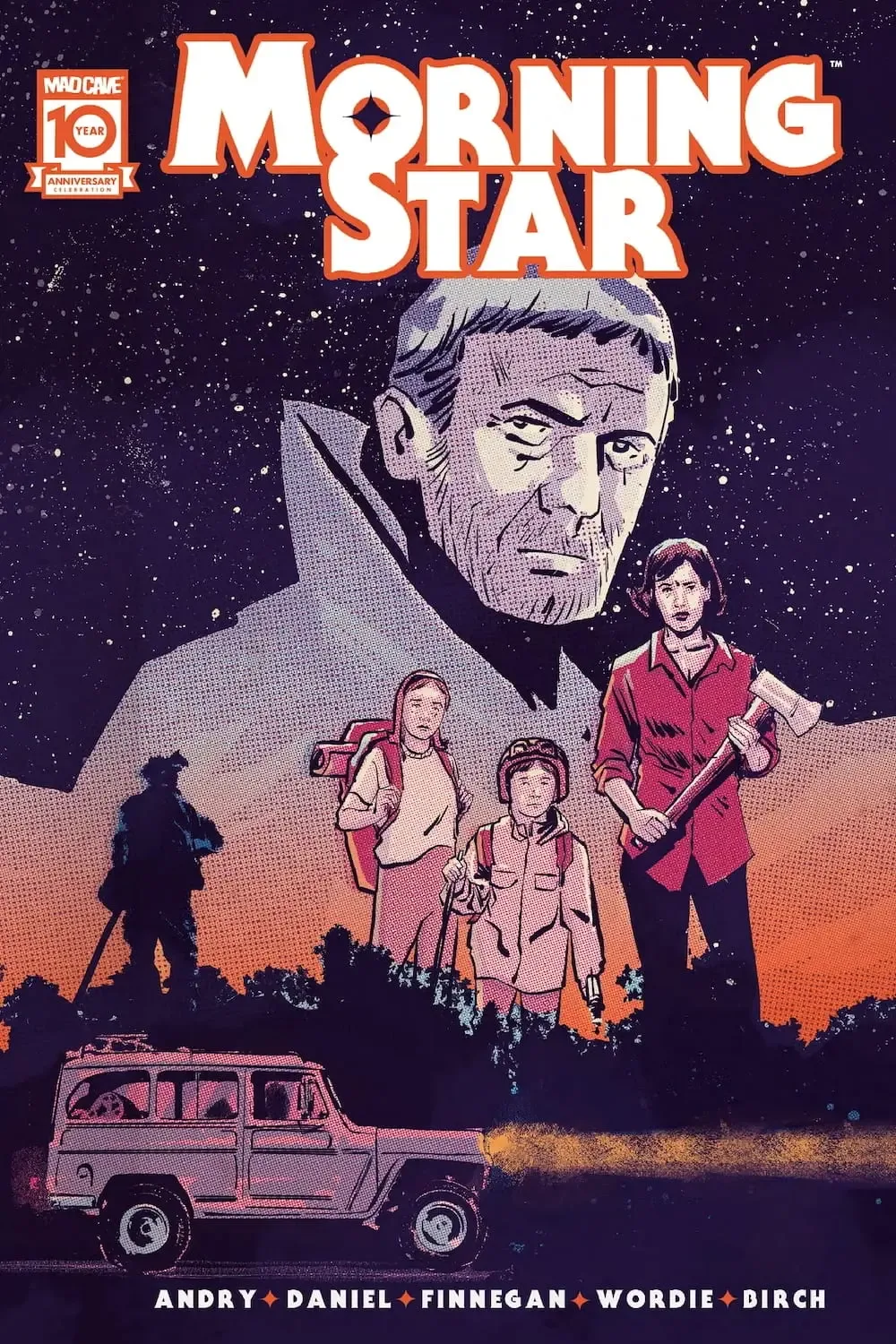
It’s 1956 in Montana, and the Garrett family are traveling to Kootenai National Forest to bid farewell to their husband and father, Nathan, who died battling a wildfire. But shortly after arriving in the forest, Jolene Garrett and her two kids begin experiencing bizarre phenomena that seem to suggest that Nathan might not be dead, after all. That, or some malevolent force is just toying with them. I know this will sound harsh, but I kind of forgot that I’d read Morning Star within a day. It’s not a bad storyline, and I do like Marco Finnegan’s artwork quite a lot, which feels of a piece with the era in which the comic takes place. But Tim Daniel and David Andry’s story, though clearly inspired by classic Spielberg movies, falls flat. The comic’s final moments strive for a sense of a wonder to resolve the storyline, but it feels perfunctory and tacked on considering everything that happens beforehand. It’s frustrating, because this is normally the sort of story I really like, and the bones are certainly there. However, it just didn’t materialize for me.
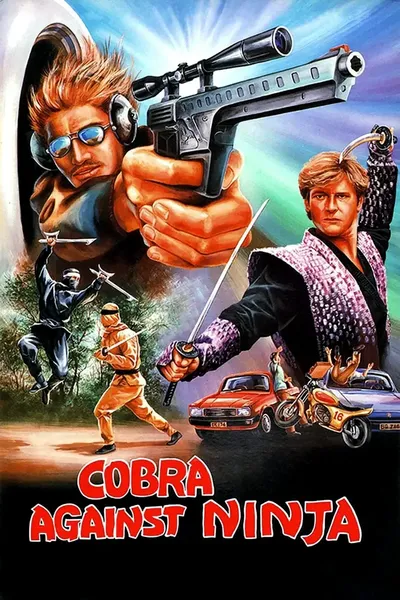
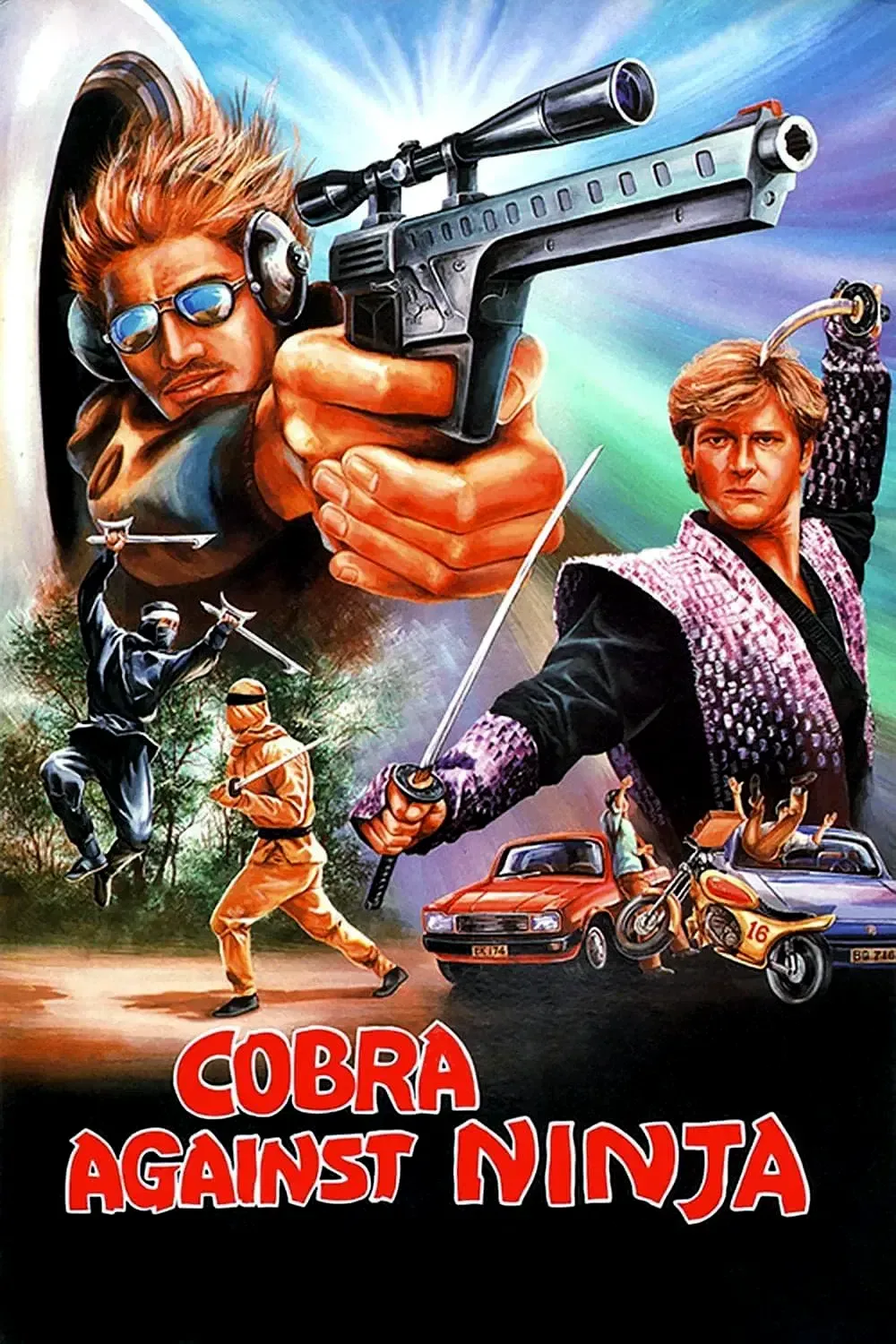
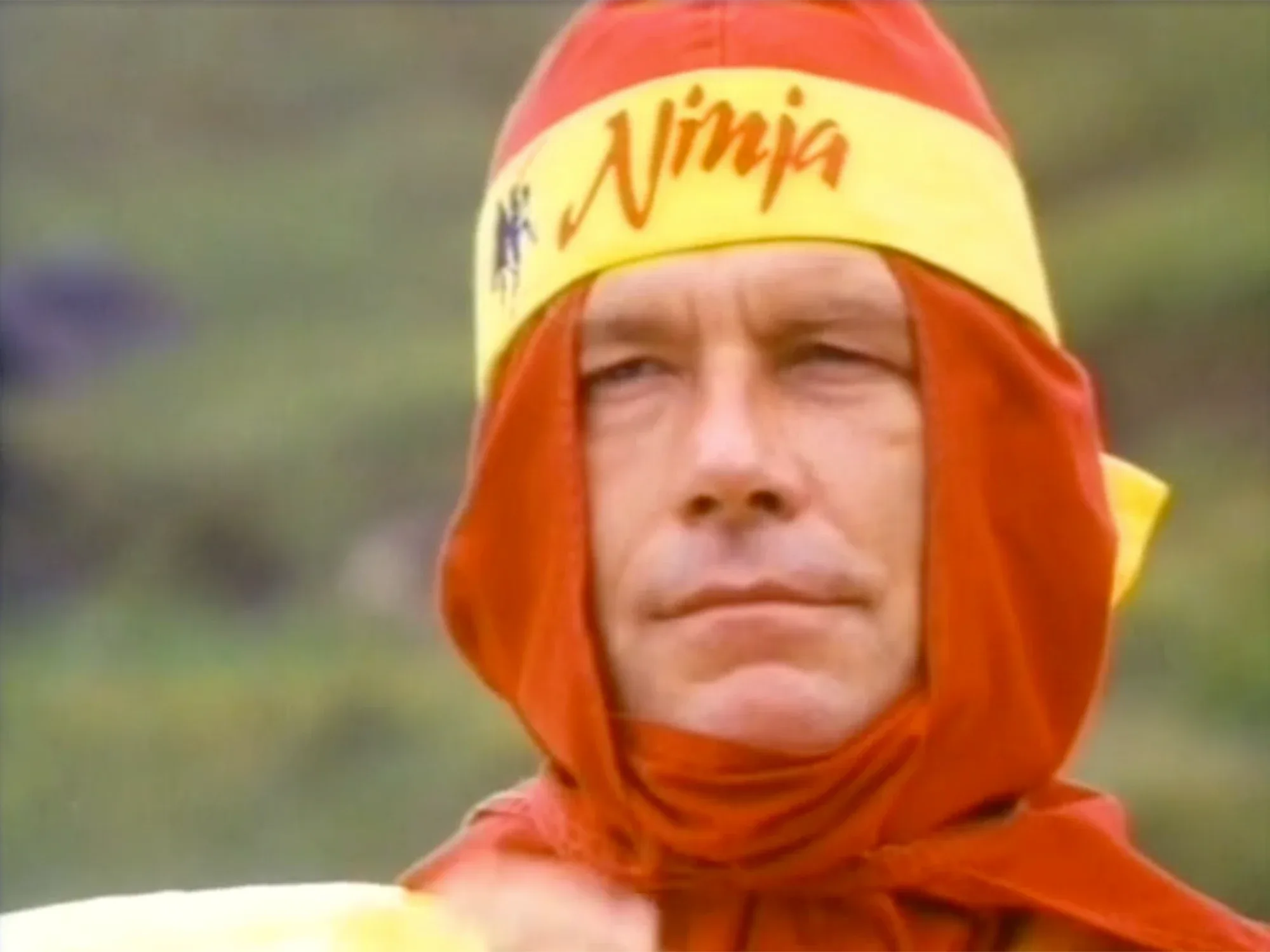
When you watch a “classic” IFD ninja film from the ’80s, you know to go in with low expectations, but even then, Cobra Against Ninja is particularly underwhelming. Though directed by Joseph Lai, it uses the same cut-and-paste approach to filmmaking as (in)famously employed by his colleague and collaborator, Godfrey Ho, just not as well. This time around, a group of recent graduates from boot camp find themselves mixed up with gangsters and a ninja gambling tournament. When it comes to IFD films, the connections between their original ninja footage (which is sorely lacking here) and whatever source film they’re hacking to pieces are tenuous at best, but that’s doubly so with Cobra Against Ninja. It doesn’t help that the source film — 1978’s Kaa maa jaak meuang na-kon, apparently — is boring as all get out, with bland characters and interminable plotting, even with the dubbing. I did appreciate, though, that one of the gang’s female members was given a broad New York accent à la Fran Fine. Also, in keeping with IFD tradition, the soundtrack features almost certainly unlicensed songs from Glass Tiger, INXS, Joy Division, and Tangerine Dream. I picked Cobra Against Ninja because it stars IFD stalwart Richard Harrison as the champion ninja — lest there be any doubt about that, he wears a bright yellow headband with the word “Ninja” emblazoned on it — but not even Harrison can save what turns out to be the worst IFD film I’ve seen to date.
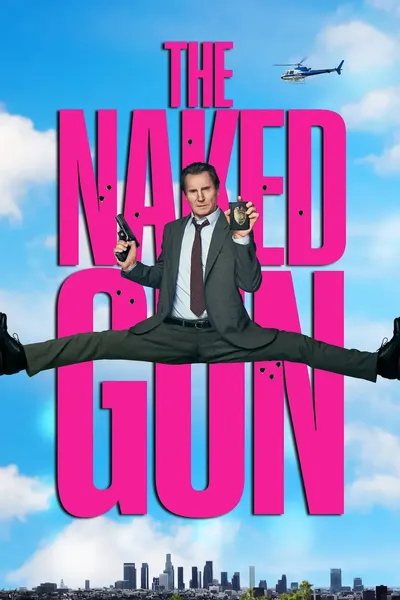
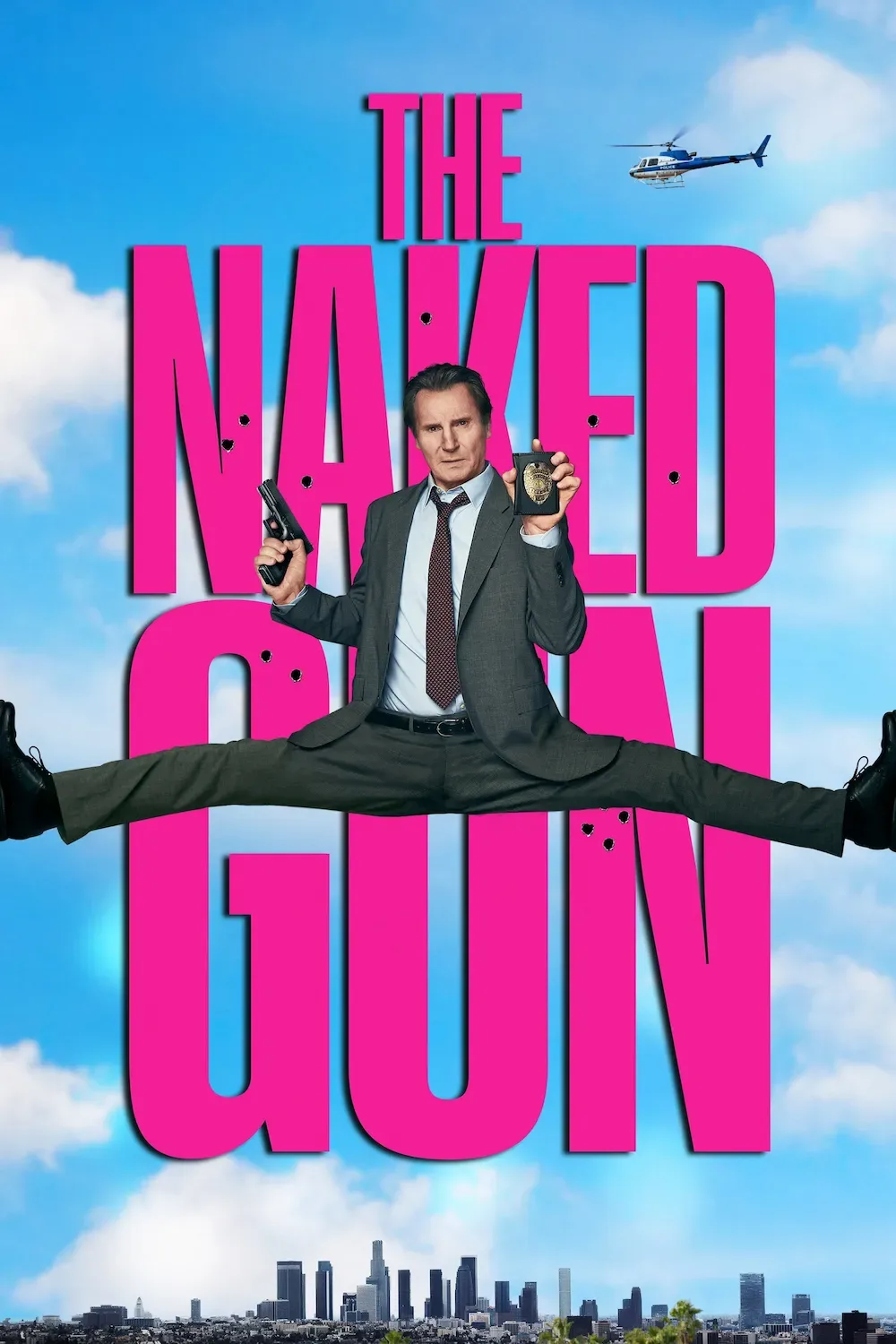
Sure I chuckled a few times, like when Frank Drebin (Liam Neeson) takes a bite out of bad guy’s pistol, and I was pleasantly surprised by Pamela Anderson’s all-in performance as the damsel in distress who might also be a femme fatale (and writes true crime novels based on fictional stories that she makes up). But part of me wishes I’d seen The Naked Gun in a theater with others — some movies are just better when seen with a like-minded crowd — while another part of me couldn’t stop wondering why we even needed a new Naked Gun movie in the first place.
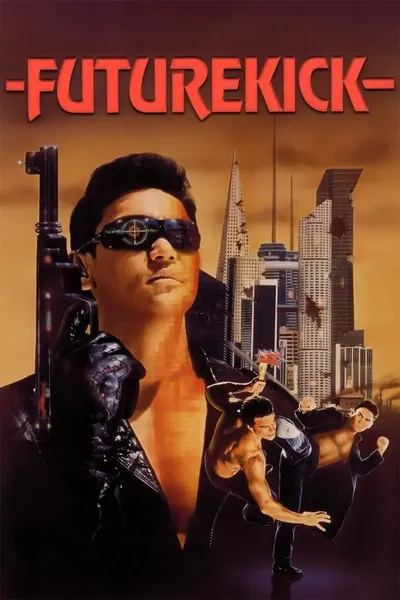
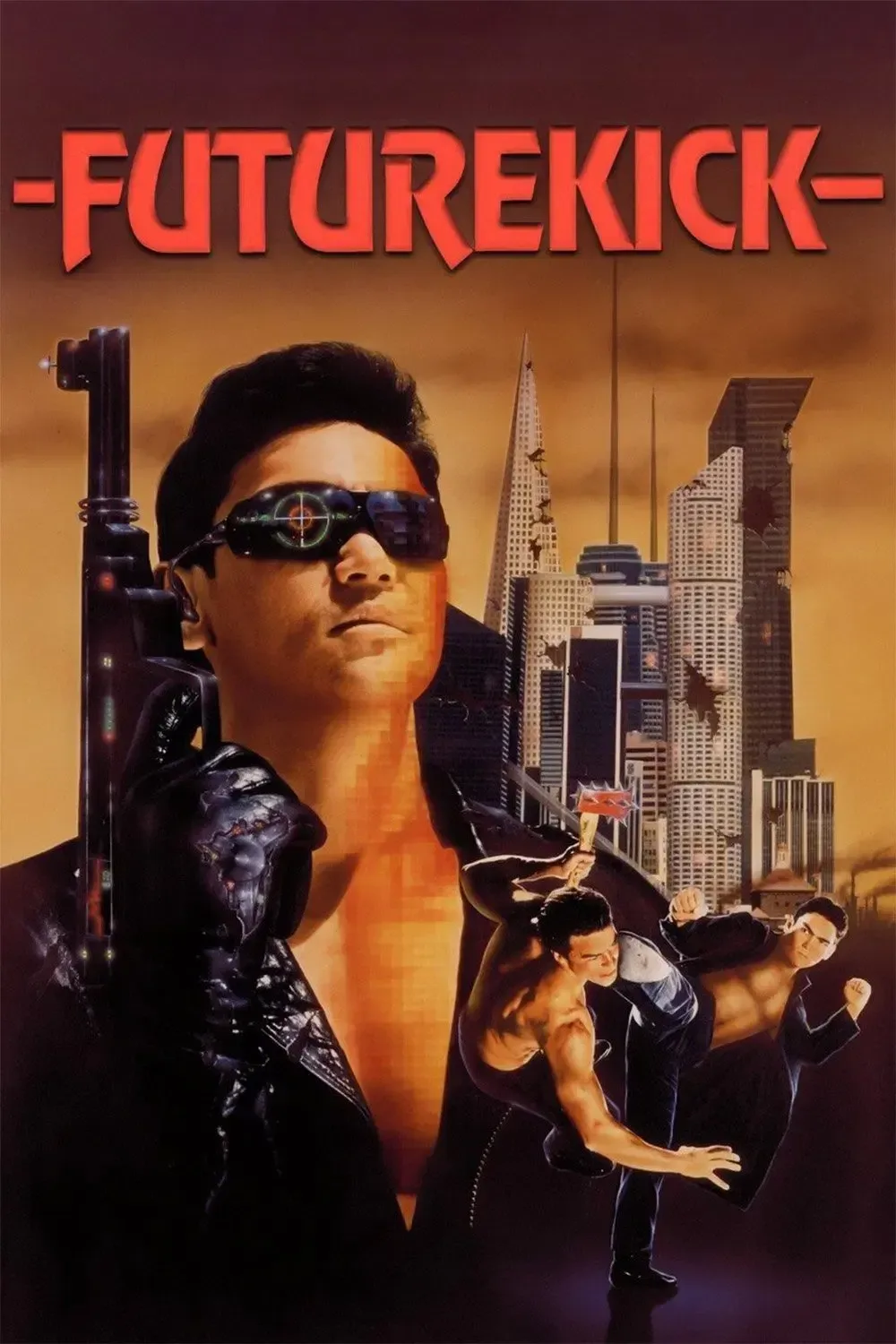
I’ve written about a lot of martial arts films over the years, but it recently occurred to me that I’d never reviewed anything starring Don “The Dragon” Wilson. I know he was in a bunch of direct-to-video movies in the ’80s and ’90s, the sort of stuff that played on HBO and Cinemax late at night. But not knowing where to start, and being a sucker for ’90s-era cyberpunk, I kicked off (pun intended) my Wilson viewing with Future Kick — and I’m pretty sure I could’ve made a much better choice. In the distant future of 2025, the rich have abandoned Earth to live virtual reality-enhanced lives on the Moon, leaving the rest of humanity to fend for themselves amongst the ruins. Wilson plays the last remaining android soldier who takes on an evil corporation with the help of a widow seeking to avenge her VR developer husband. Or something like that. Future Kick is a mess from start to finish, from its muddled plot and cheap sets (imagine Blade Runner’s Los Angeles recreated with cardboard and papier-mâché) to the yawn-inducing fights (you’d never guess Wilson was a world champion kickboxer) and gratuitous content (though the film does score a point or two for some creative gore). Confession: I actually fell asleep during my first viewing of Future Kick, so I rewatched it to see if I’d missed anything after dozing off. Reader, believe me when I tell you that I did not.
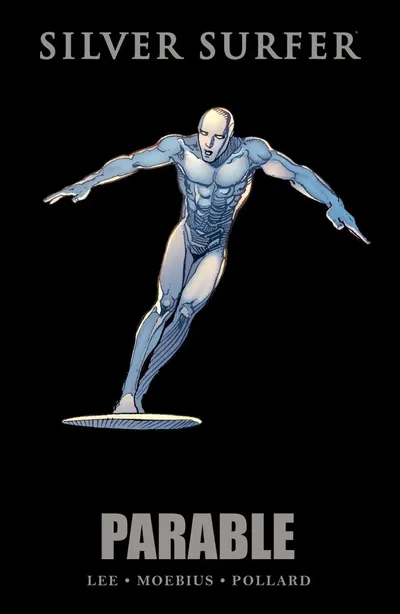
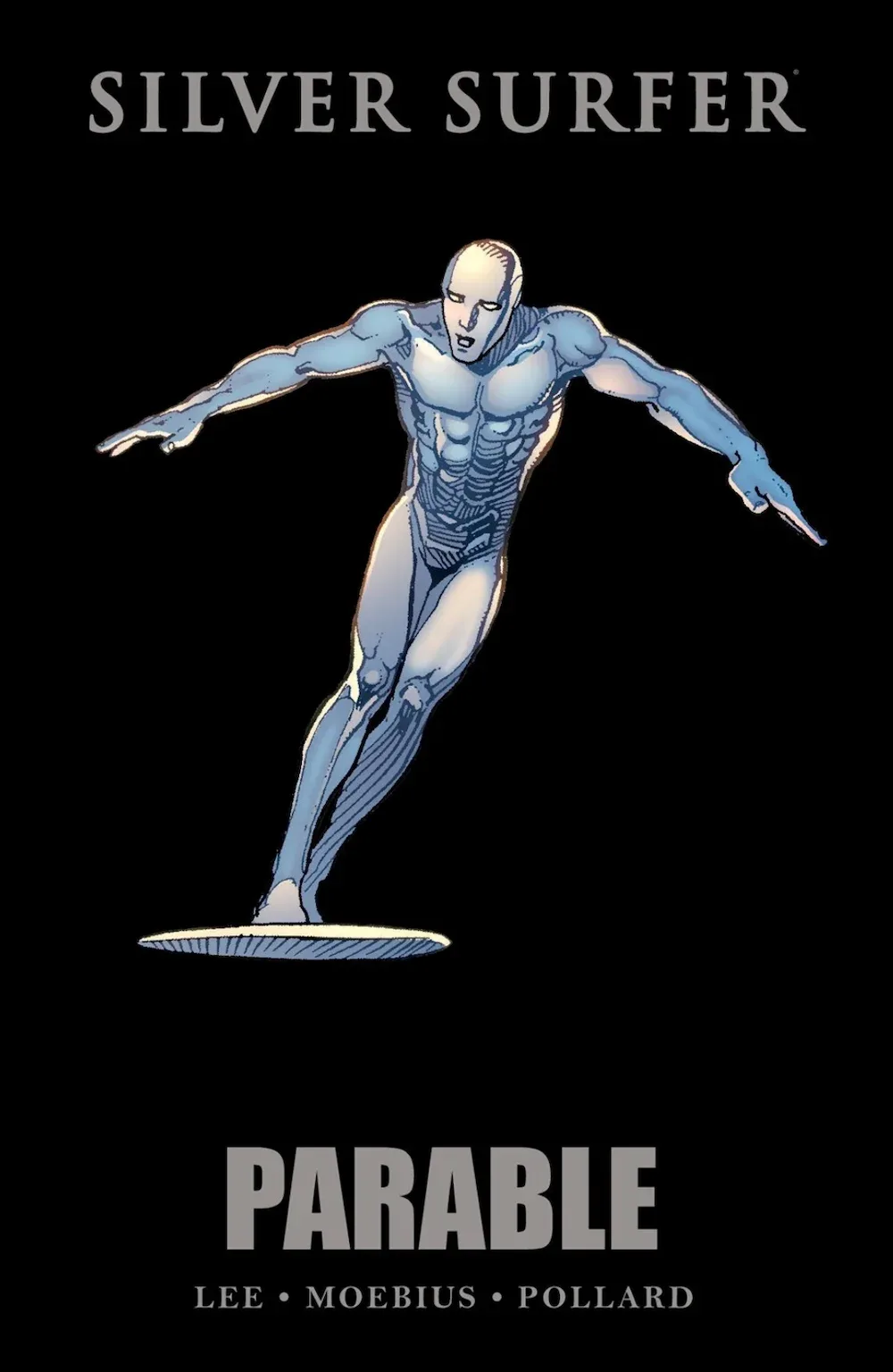
Although it’s canonicity is questionable, this collaboration between Marvel impresario Stan Lee and legendary French artist Moebius might be the quintessential Silver Surfer tale. When Galactus returns to Earth, the Devourer of Worlds sets off a religious frenzy that’s fueled by a desperate televangelist. It’s up to the Silver Surfer, who has been living incognito on Earth for some time now, to challenge both his former master and humanity’s growing madness — but will the Power Cosmic prove triumphant? As expected from its title, Silver Surfer: Parable is rife with religious imagery as Lee pontificates like he’s never pontificated before. It’s undoubtedly heavy-handed, sometimes to its detriment, but there’s an earnestness in Parable’s plea against blind, slavish devotion that’s appealing — and sadly, maybe even a bit too relevant at times. Not surprisingly, Moebius’s artwork is gorgeous, his clean lines imagining both a slightly futuristic version of Earth and ably capturing the Surfer’s cosmic grace and elegance.
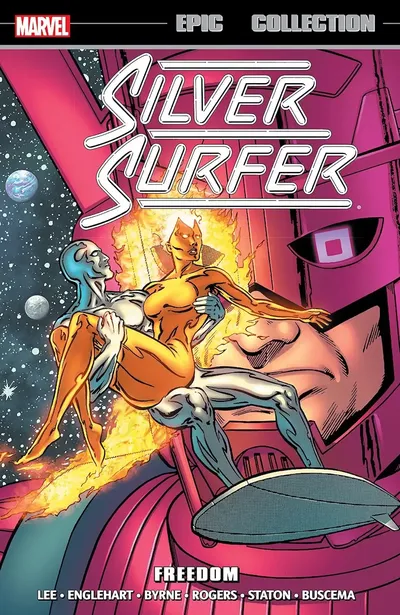
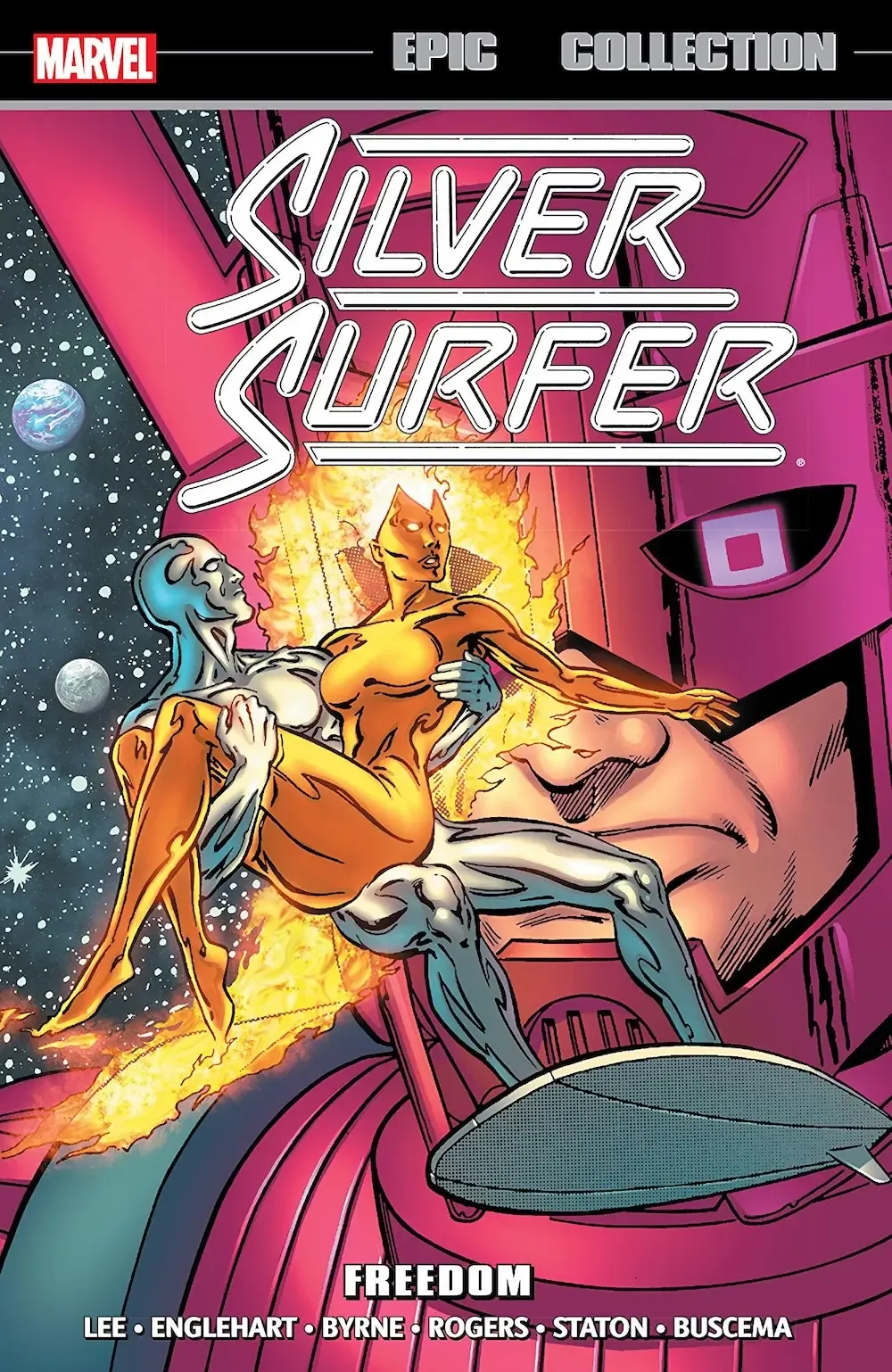
The Silver Surfer has long been my favorite superhero, but there are large swaths of his titles that I’ve never read. Fortunately, Marvel’s “Epic Collections” offer a perfect opportunity to explore the Surfer’s epic (npi) run since the ’60s. Freedom actually collects some of the very first Surfer comics that I ever got, which are set shortly after he escapes his Galactus-imposed exile on Earth and chronicle his return to his home planet of Zenn-La. Along the way, the former Norrin Radd gets caught up in a new war between the Kree and Skrull empires, meets Mantis (who is a far cry from the Mantis in the Guardians of the Galaxy movies), battles Mephisto (i.e., Marvel’s Satan), and uncovers a plot against Galactus by the Elders of the Universe. Most of these stories were written and drawn by Steve Englehart and Marshall Rogers, and alternate between suitably epic and cosmic, and kinda goofy (e.g., when the Surfer infiltrates a gang of space pirates).
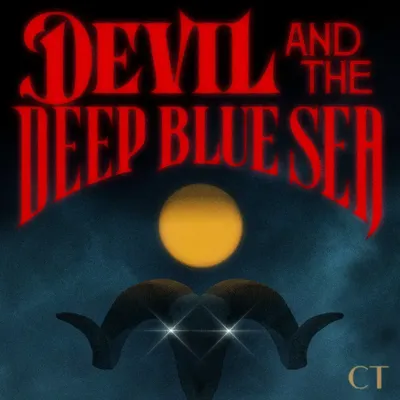
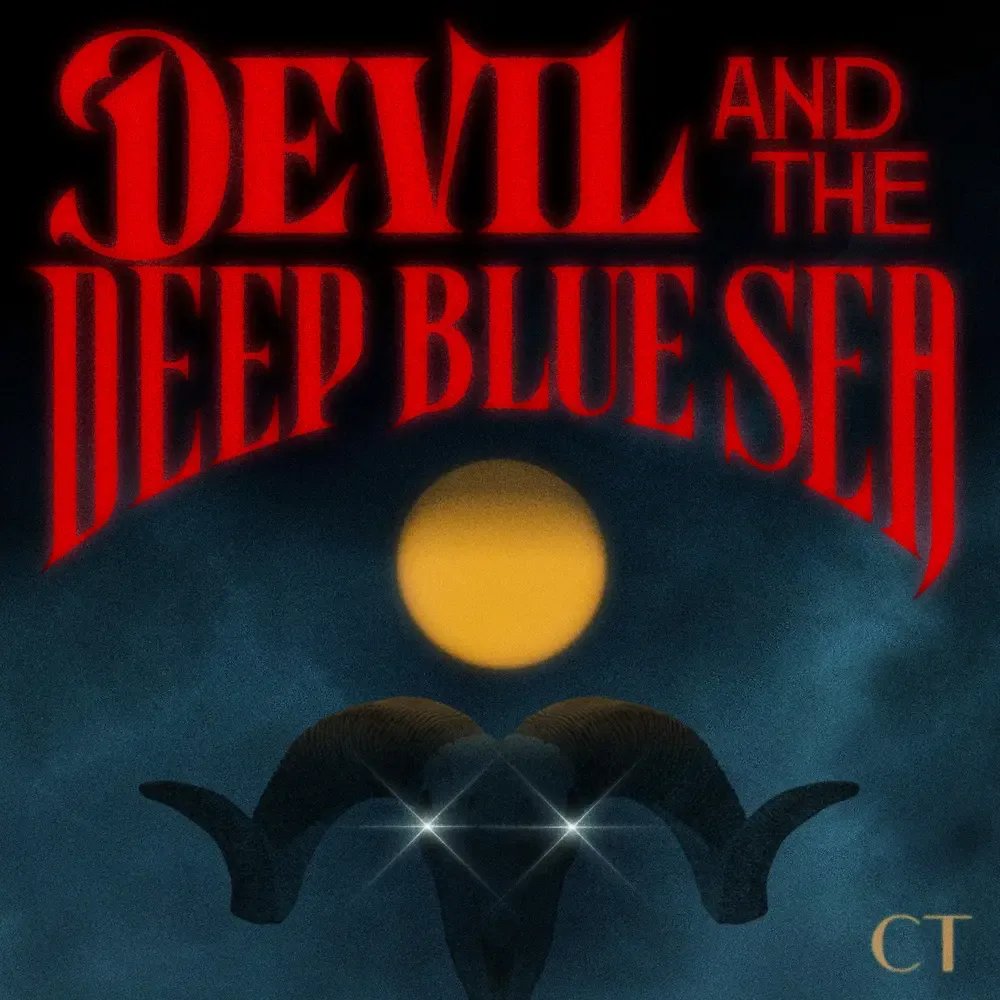
I’m not much of a podcast listener, but the promise of an in-depth exploration of the Satanic Panic was just too good to pass up. Now, if you didn’t grow up in the church during the ’80s and ’90s, then I don’t know if I can fully explain what it was like to believe that an underground cabal of Satanists was kidnapping, torturing, and sacrificing children all over the nation. That sounds outlandish now, I know, but it permeated the culture back then, giving rise to moral panics over heavy metal and Dungeons & Dragons, allowing grifters like Mike Warnke and Beatrice Sparks to turn a tidy profit, and upending countless lives over hearsay. Host Mike Cosper does yeoman’s work, teasing out the Panic’s origins stretching all the way back to Christian concerns over the ’60s counterculture. He explores its various manifestations and key events (like the McMartin preschool trial and the West Memphis Three) and considers its lingering influence on modern politics (e.g., Christian Nationalism, January 6, QAnon). Cosper casts a pretty wide net, and at times, the podcast’s episodes do meander as he goes down one rabbit trail or another. Still, the result is a fascinating — and troubling — account of a truly bizarre moment in American history that hasn’t really left us. More importantly, it’s a potent reminder (for Christians, especially) that the more obsessed we become with perceived evils “out there,” the blinder we’ll become to the very real evils in our own midst.
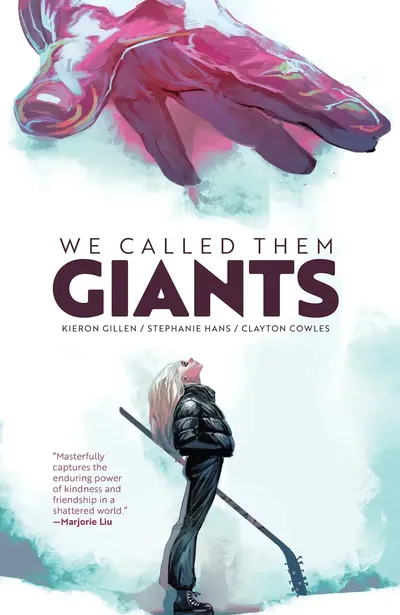
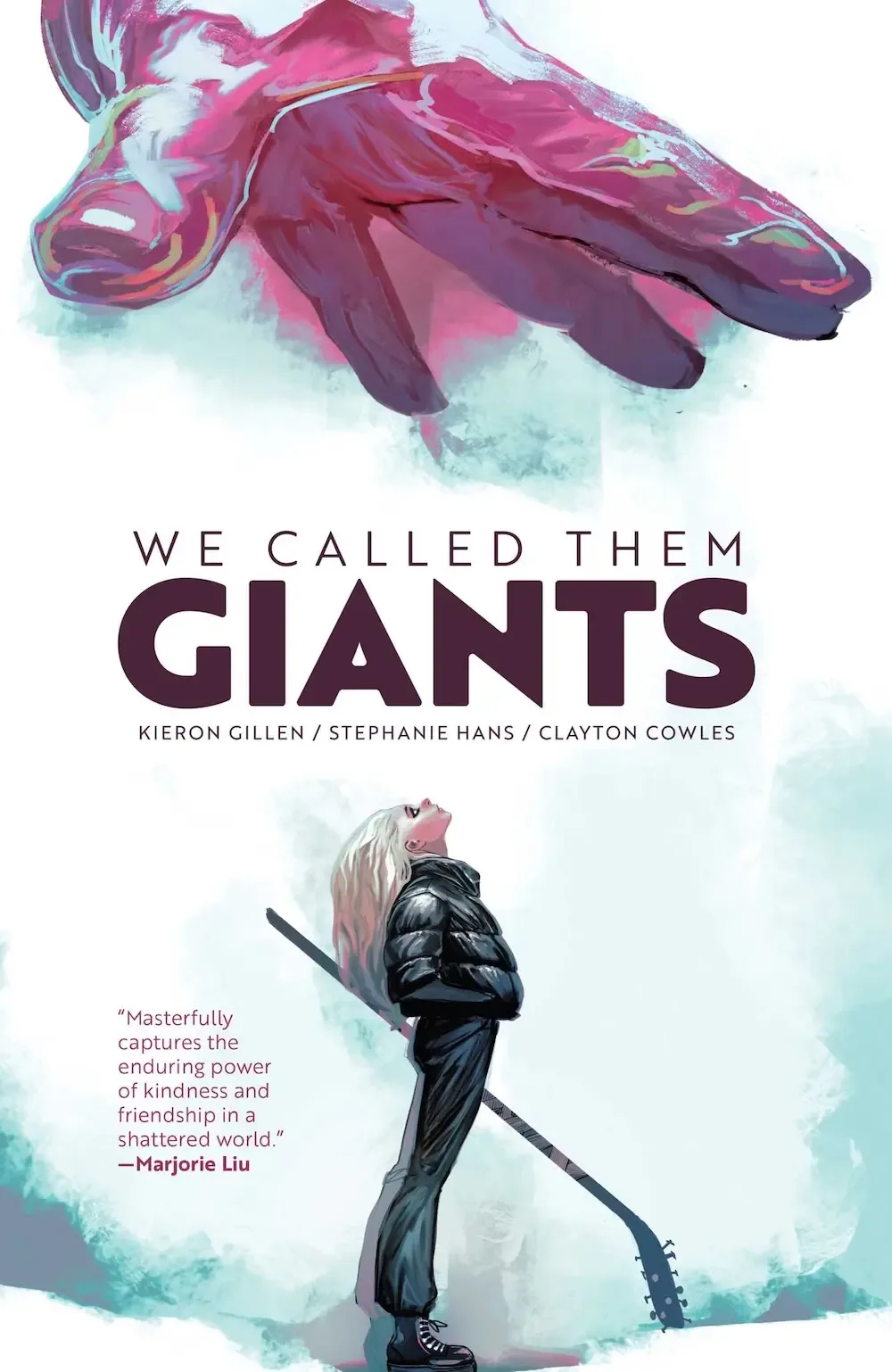
I enjoy a good post-apocalyptic tale, and We Called Them Giants starts out as you’d expect. A young woman wakes up to find that nearly everyone has vanished from the face of the Earth, and the few survivors are forced to eke out a hardscrabble existence while avoiding vicious gangs. It’s a brutal, cynical existence… and then the godlike giants arrive, their aims and purposes completely unknown. Have they come to care for the survivors? To enslave them? Or just ignore them altogether? After its intriguing setup, We Called Them Giants didn’t do much for me. Not that I expect every post-apocalyptic story to be contain epic, mind-blowing revelations, but Kieron Gillen and Stephanie Hans’s story left me wanting more. Upon reaching the final panel, my only reaction was “That’s it?”