My Cultural Diet (September 2025): KPop Demon Hunters, Foundation, Sergio Leone, Donnie Darko, Sinners

In order to better track my various cultural experiences (e.g., movies, TV shows, books, restaurants), I’ve created the Cultural Diet. Think of it as my own personal Goodreads, Letterboxd, and Yelp, all rolled into one (more info here). Every month, I recap everything that I watched, read, etc., in the previous month.

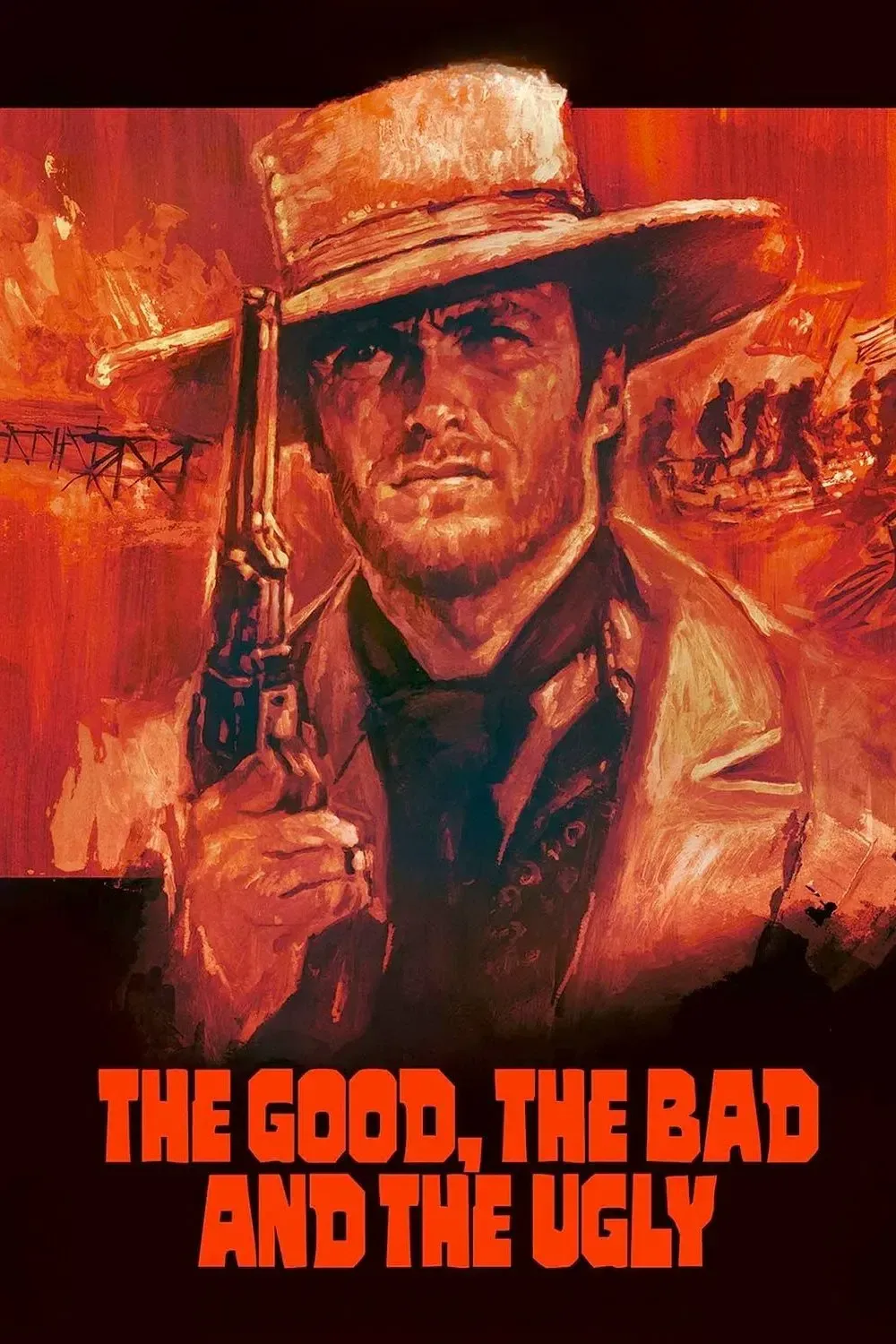
Much like Once Upon a Time in the West, which was released two years after this film, The Good, the Bad and the Ugly is best described as “sprawling.” Clocking in at nearly three hours, Sergio Leone’s tale of three bounty hunters — Blondie (Clint Eastwood), Angel Eyes (Lee Van Cleef), and Tuco (Eli Wallach) — who are searching for a stash of stolen Confederate gold takes it own sweet time from beginning to end. And yet, I just don’t know what you could possibly cut from the film to “speed it up.” Perhaps the Civil War battle sequence where Blondie and Tuco join the Union Army, but even that has some important character moments. Best just to settle in, ride along with the film for its entire length, and enjoy the sort of ambitious, cinematic filmmaking that just doesn’t exist any more, not to mention the steely eyed performances, grim humor, and of course, Ennio Morricone’s iconic score.
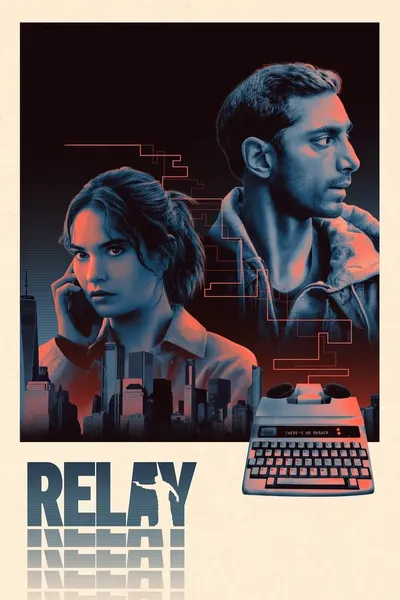
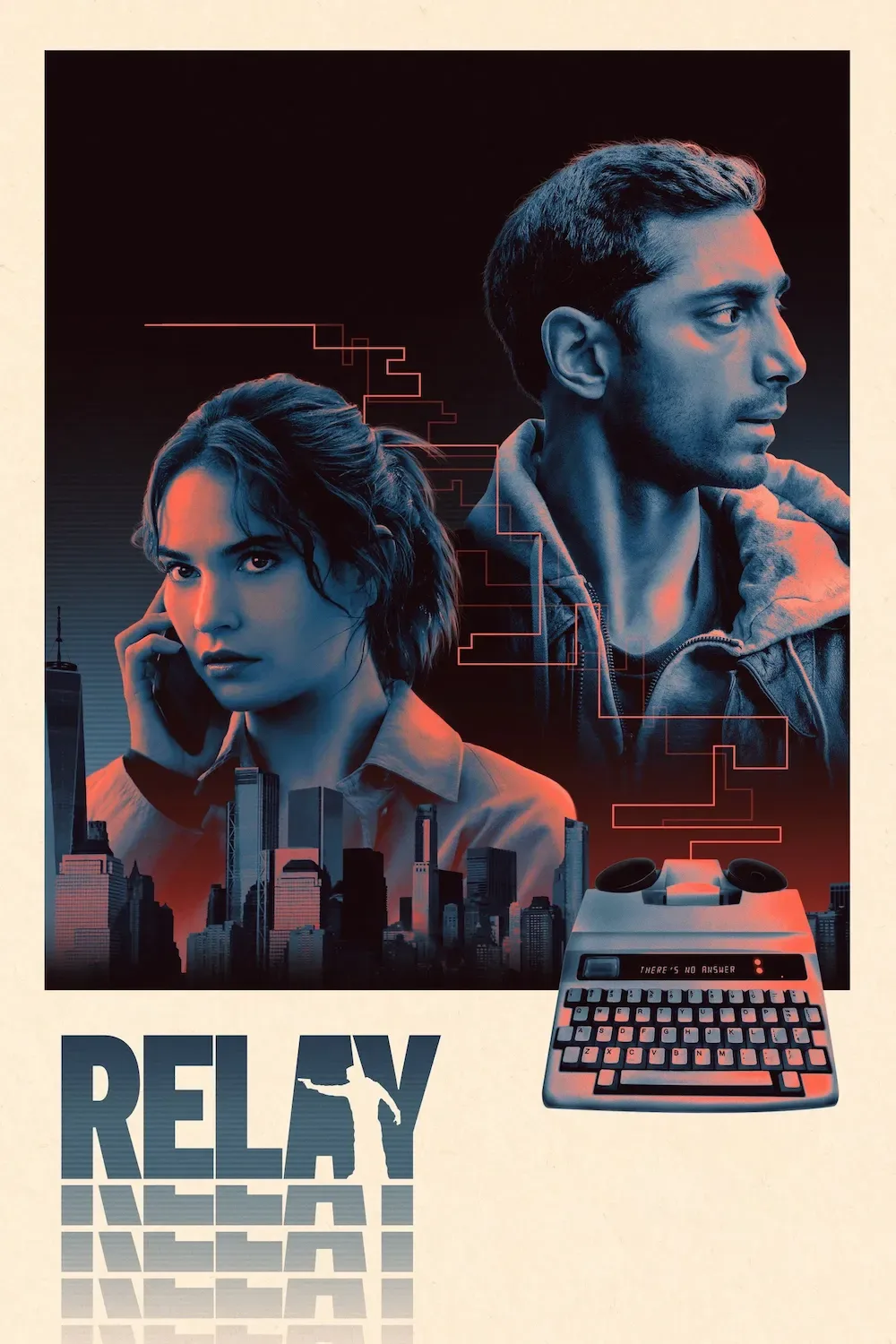
Riz Ahmed shines in this slow-burning thriller about a fixer who might be getting a bit too close to his latest client, a woman (Lily James) who’s facing threats and harassment from a large biotech firm for her potential whistleblowing. In order to keep his identity secret, Ahmed’s fixer employs a relay service for the deaf — arguably the film’s most clever and intriguing detail — but as the threats mount, he might have to compromise his ideals and emerge from the shadows. As expected with this sort of film, Relay is full of twists and turns, though it perhaps has one twist too many that strains disbelief. Still, Ahmed’s quiet, understated performance is captivating and pulls you into his lonely-by-design world. As a result, Relay is engaging right to the end.
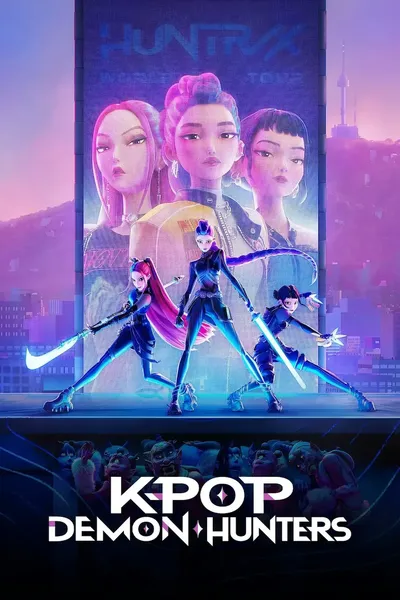
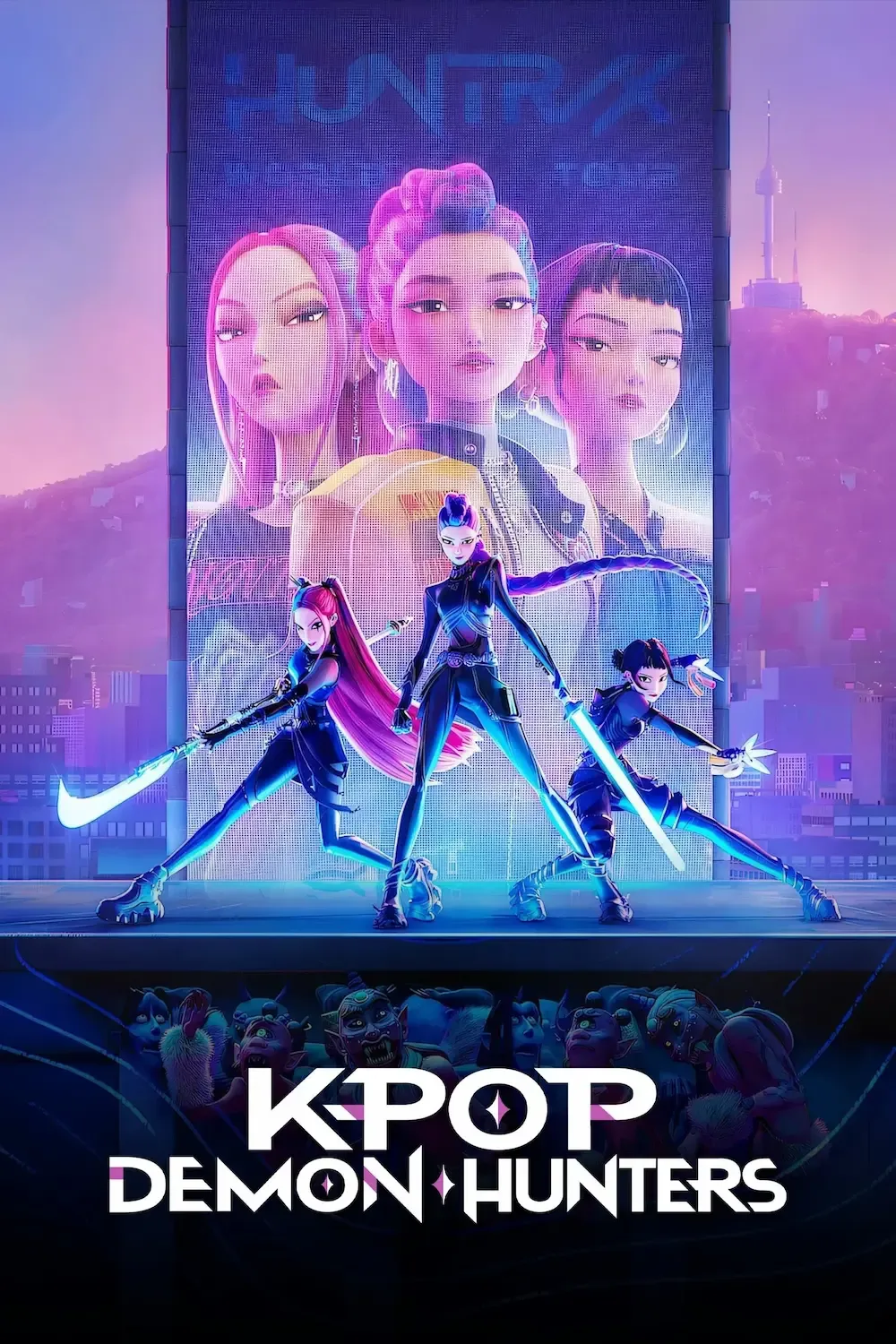
Rumi, Mira, and Zoey aren’t just Huntr/x, the world’s greatest K-pop group. They’re also the latest in a long line of supernatural warriors tasked with protecting humanity from the predations of the demon king Gwi-Ma and defending the Honmoon, a magical barrier that separates humanity from the demon world. Unbeknownst to her bandmates, though, Rumi is half-demon herself, a fact that threatens their efforts to establish the Honmoon once and for all. Further complicating matters is the arrival of the Saja Boys, a boy band that challenges Huntr/x’s chart dominance — and happen to be demons themselves. Can Rumi come to terms with her demonic heritage? Will Huntr/x defeat the Saja Boys at the upcoming Idol Awards? Can the three friends overcome their deepest fears to defeat Gwi-Ma once and for all? With its vivid artwork, striking animation (by the same studio behind the Spider-Verse films), and of course, a totally banging K-pop soundtrack, it’s no surprise that KPop Demon Hunters is Netflix’s biggest title ever, with 325 million views to date. (2021’s Red Notice comes in second with a measly 231 million views.) Even as it pokes fun at K-drama clichés, the film’s melodrama does get a bit much, and I wish it did more with its demon mythology. Nevertheless, I was totally caught up in the girls’ final showdown with Gwi-Ma, which is set to the sounds of the inspirational “What It Sounds Like.”

There’s a whole genre of YouTube videos that showcase mechanical designs from classic ’80s and ’90s anime like Patlabor and Ghost in the Shell. If you go down that particular rabbit hole, you’ll inevitably see some clips from Metal Skin Panic MADOX-01, a little-known action comedy about a hapless mechanic who comes into possession of an advanced military mech (as you do), and proceeds to wreak havoc throughout Tokyo as he tries to reunite with his girlfriend. Not surprisingly, the story here is pretty goofy, but no less nostalgic for those of us who came of age watching fansubs and VHS bootlegs. Not surprisingly, the main attraction here is the mechanical design work, courtesy of Kimitoshi Yamane and Shinji Aramaki (who also directed the film). It’s obvious that most of the budget is used in the opening scenes, where the military mech is put through its paces. If that’s not your bag, then Aramaki’s film won’t have much interest for you. For the rest of us, Metal Skin Panic MADOX-01 contains some delights even though it’s a bit on the slight side.
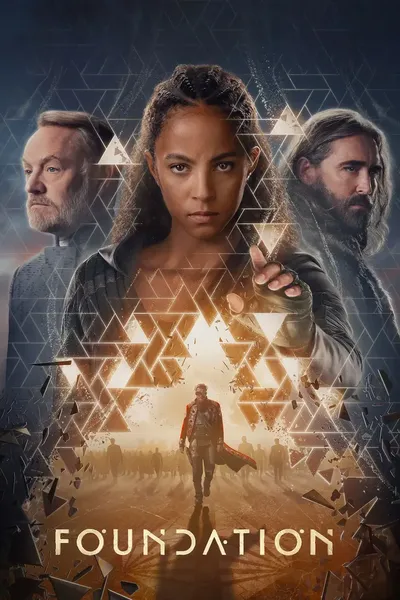
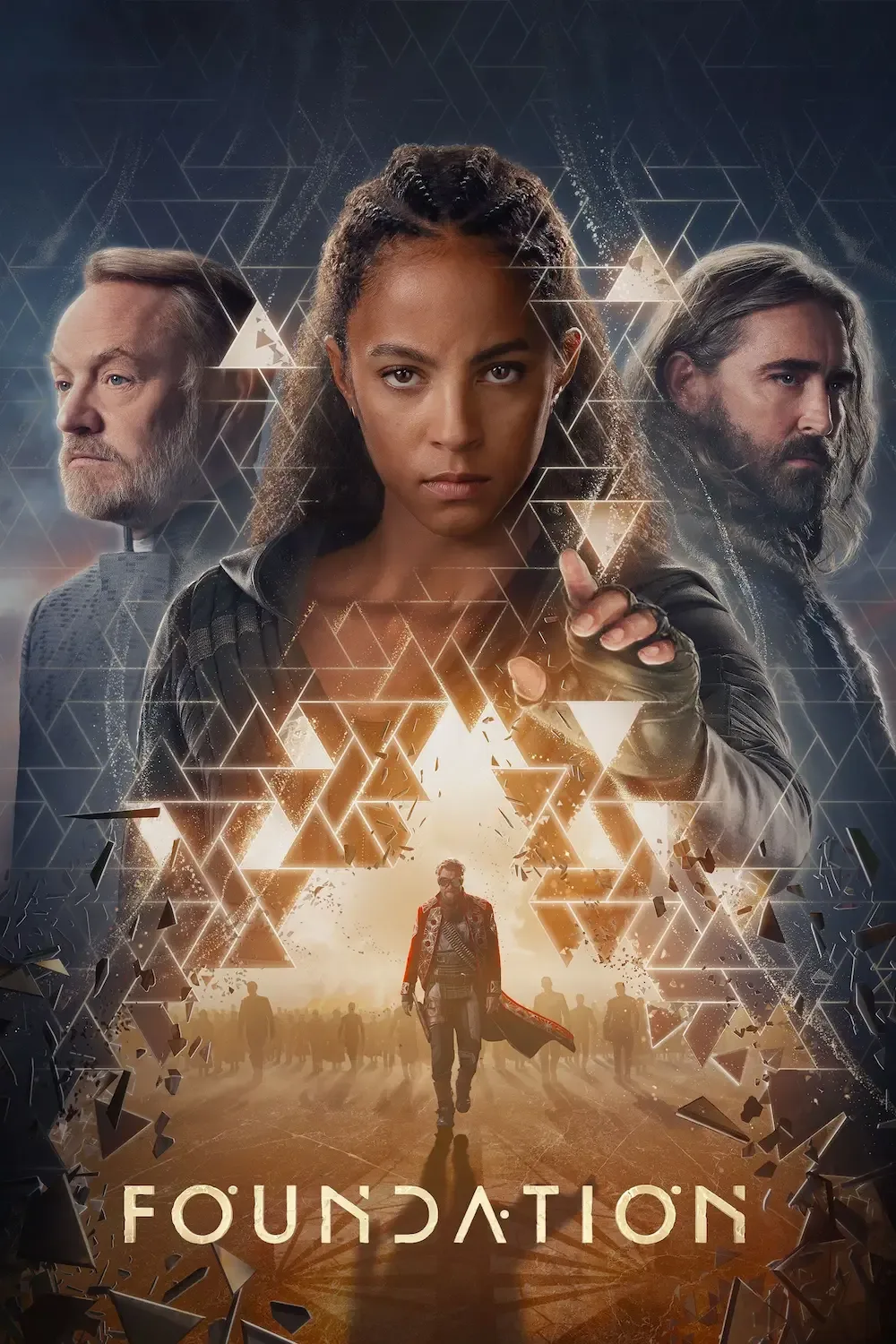
Make no mistake, Foundation looks and feels as epic as anything streaming today. Every single dollar in the series’ budget is on screen in terms of effects and production design, so it’s pretty easy on the eyes. (The same goes for Lee Pace’s flowing locks.) But I find the storyline less compelling. Some of that has to do with the fact that each season so far is set a century or more after its predecessor, essentially rebooting things while still holding to the overarching storyline about galactic decline. Which, on the one hand, makes sense given the epic scope, but it also makes for a jarring transition. That’s especially so in season three, which finds both the Foundation and the Galactic Empire battling a powerful psychic known only as The Mule. But the season’s narrative feels fractured and prone to revelations that make no sense whatsoever. Granted, it ends on a cliffhanger to set up season four, and I’ll be watching. But less for the story, and more the ambitious scope and elaborate production.
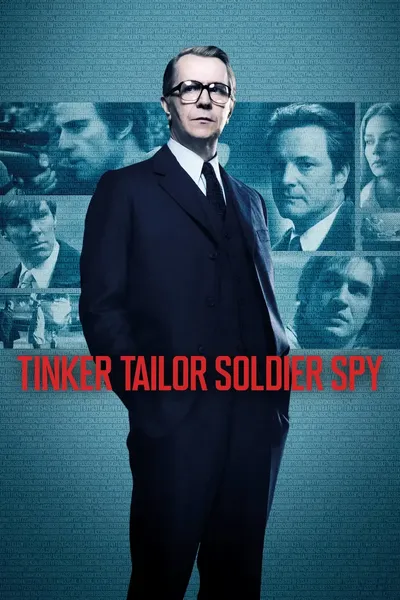
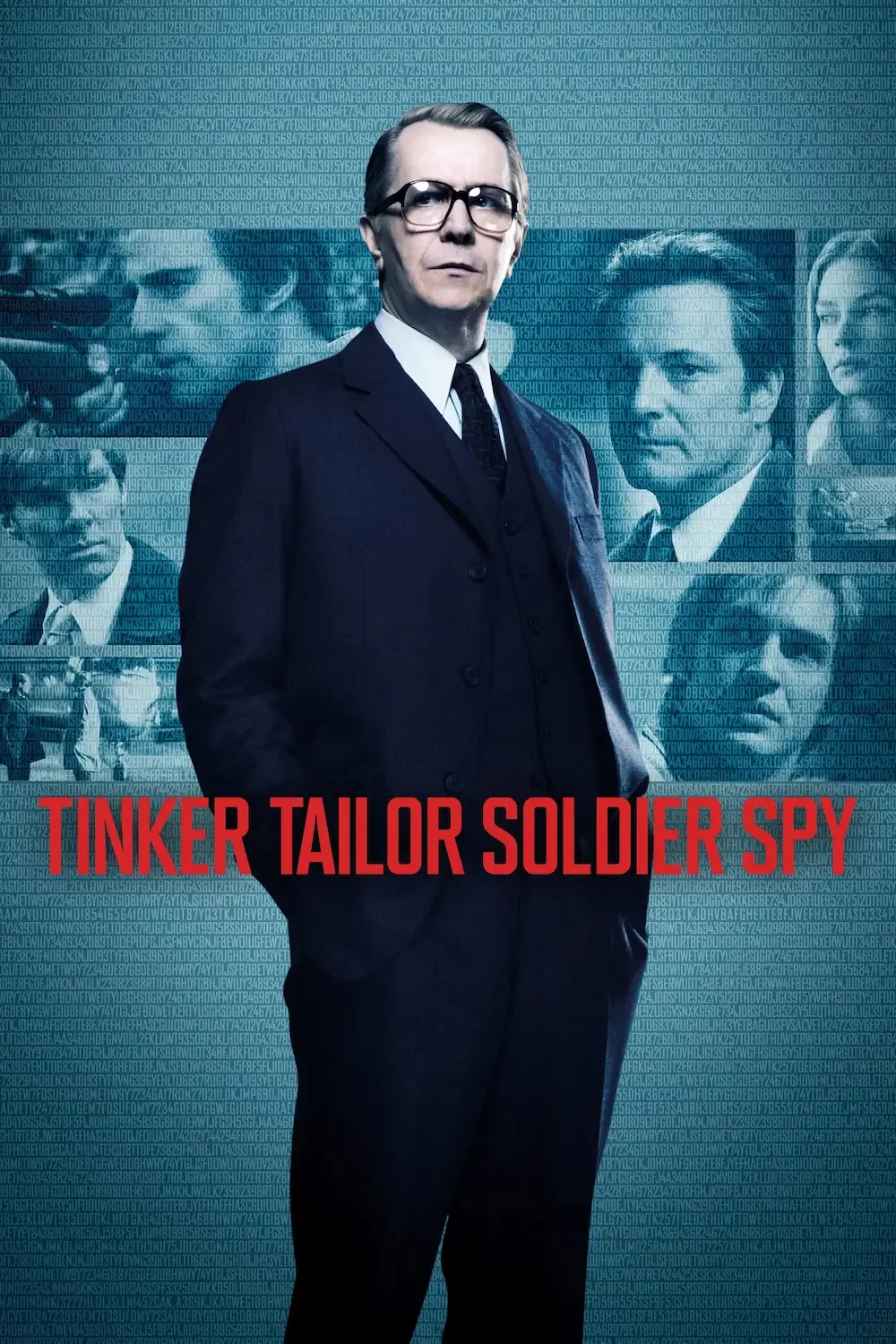
Don’t worry, I still love watching the debonair 007 gallivant around the world to foil dastardly conspiracies with wit, charisma, and an arsenal of fancy gadgets. But I also love spy films that forgo the globe-hopping glamor and instead, dive headfirst into the moral quagmire, films in which secret agents find their souls hollowed out by secrets and conspiracies until they’re so weary and cynical, it’s not entirely sure if they’re still one of the good guys. And when it comes to that sort of spy story, nobody’s better than John le Carré. Tinker Tailor Soldier Spy is one of his best-known novels, and Tomas Alfredson ably sets up its chilly Cold War-set story. Told in a fractured manner, it’s easy to get lost at times, to find yourself constantly wondering if you’ve somehow missed a key piece to the puzzle. Fortunately, even when you’re confused — and you probably will be — you can still relish in the film’s powerhouse cast, which includes Colin Firth, Tom Hardy, Mark Strong, Ciarán Hinds, Benedict Cumberbatch, Toby Jones, John Hurt, and Gary Oldman as spymaster George Smiley. (Who, by the way, is a complete one-eighty from his other great spy role as Slow Horses’ Jackson Lamb.)
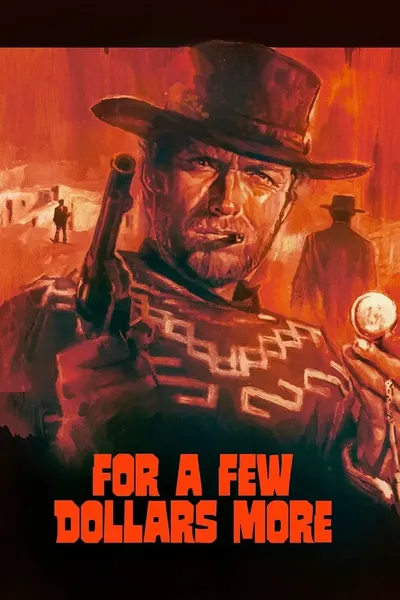
Although Clint Eastwood is officially the star of Sergio Leone’s “Dollars” trilogy, Lee Van Cleef steals the show here, his erudite and strategizing Colonel Mortimer a nice foil to Eastwood’s rougher Manco. (A bit of movie trivia: Prior to this film, Van Cleef’s career had stalled due to his alcoholism, and he thought Leone had hired him for just a few scenes. He was shocked to learn he was actually a co-star, and the film led to a career resurgence.) This time around, The Man with No Name is on the trail of his biggest bounty yet, the infamous bank robber El Indio, who plans to hit the bank at El Paso. He crosses paths with Mortimer, and the two bounty hunters agree to join forces — but can they trust each other? And can they outsmart the ruthless Indio, who has his own machinations? Although For a Few Dollars More has everything you’d expect from Leone (e.g., a blasted desert setting, Ennio Morricone’s haunting score, amoral characters and antiheroes), it tends to drown in its own excesses, and I think A Fistful of Dollars is the better film.

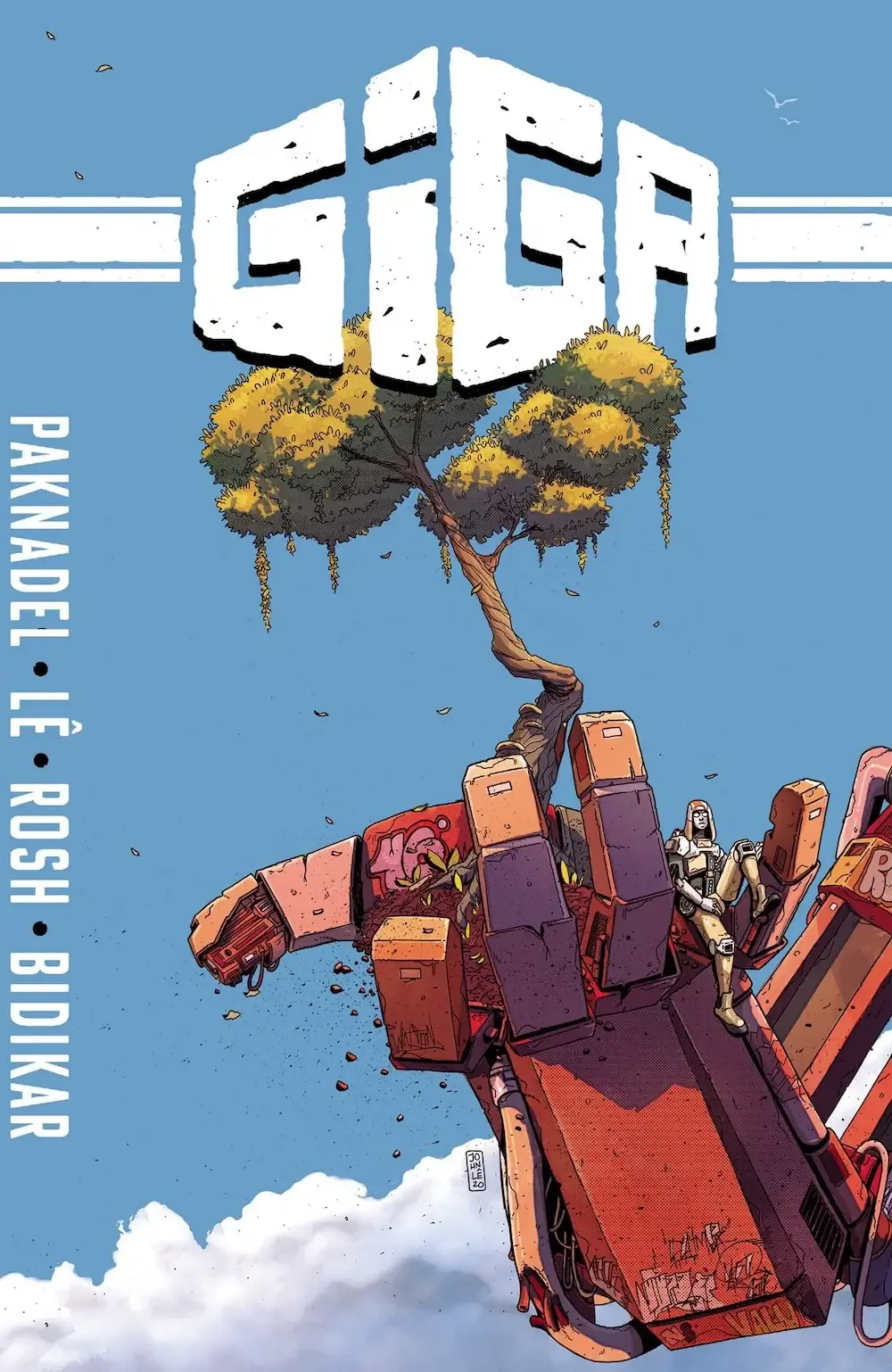
Centuries ago, gigantic mecha known as the Giga appeared on Earth and began waging a devastating war. These days, however, the Giga now lie dormant and serve as both humanity’s new living quarters and humanity’s new gods. But when a disgraced engineer discovers a recently killed Giga, it’s a discovery that could unravel his society. That is, if a growing religious war doesn’t destroy it first. Giga’s premise is very interesting, and Alex Paknadel has created a wild world for his story in which it’s hard to tell the difference between technology, magic, and religious miracles. It might be bit too ambitious, though, and his story’s resolution — which touches on concerns over real world AI — was underwhelming. I was also put off by John Lê’s artwork; though highly detailed and intricate, it doesn’t suit the grim tone of Paknadel’s story.
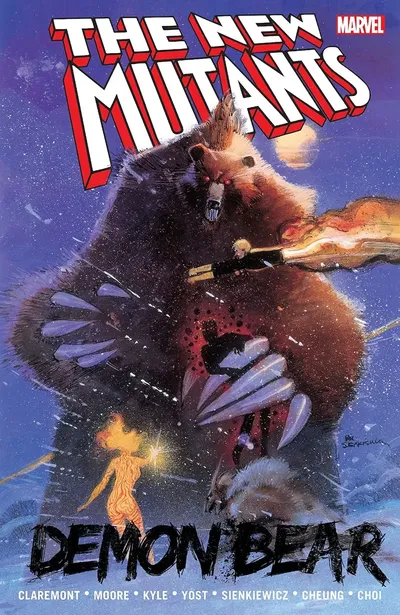
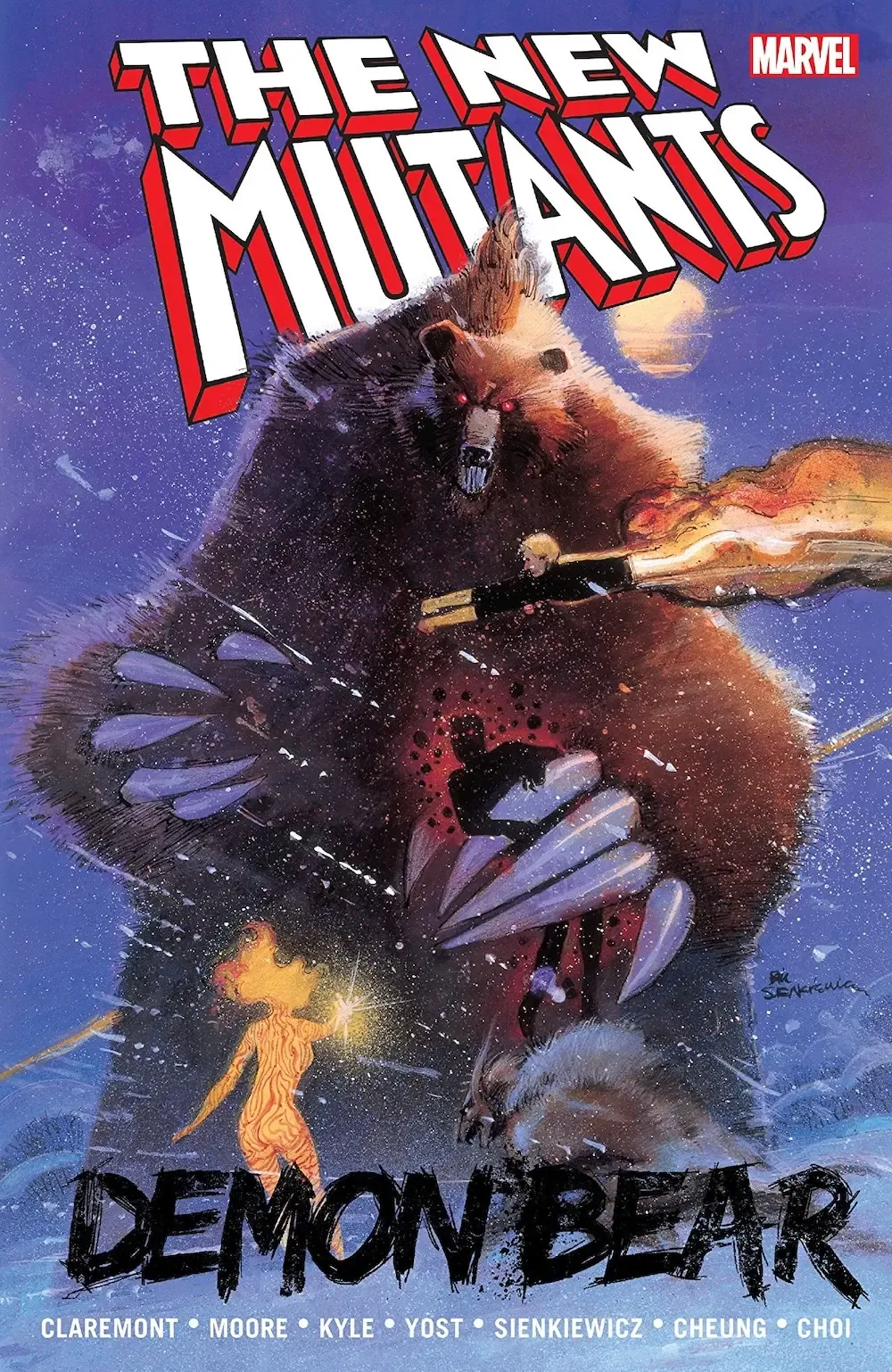
Back in the day, my friend Jason — who introduced me to Dungeons & Dragons, Metallica, Public Enemy, and a host of other cultural touchstones — was a New Mutants fan, and I remember seeing issues scattered across his bedroom floor. I never really followed the New Mutants until they became X-Force in the early ’90s, though. So consider this an effort to catch up on my mutant history. Written by Chris Claremont and drawn by Bill Sienkiewicz, the “Demon Bear Saga” is considered one of the great New Mutant storylines, with young Dani Moonstar tormented by a hellish ursine that killed her parents. Story-wise, it’s pretty standard mutant superheroics, and sets the stage for other storylines (e.g., the true nature of Magik’s abilities). In its attempt to be comprehensive, though, this collected edition pulls in material from other issues that kind of muddy the central narrative. The real draw here is Sienkiewicz’s artwork; his use of abstract and stylistic imagery greatly enhances Moonstar and the New Mutants’ otherworldly battle.

The Coopers Chase retirement village has all sorts of activities for its aging residents, from painting and archery to a llama petting zoo. But three residents have their own special activity: solving cold cases. When murders start happening in the midst of their community, though, they could be in way over their heads. Hollywood is notoriously youth-obsessed, hence it’s a real treat to see folks like Helen Mirren, Ben Kingsley, and Pierce Brosnan get a chance to strut their stuff, and they clearly relish their work here (especially Brosnan as a retired union leader who’s lost none of his revolutionary spirit). Unfortunately, this adaptation of Richard Osman’s novel doesn’t give them very much to work with. The Thursday Murder Club is an enjoyable enough distraction, but its slight storyline stays squarely in the middle of the road, and ends up feeling mostly like a lost opportunity.
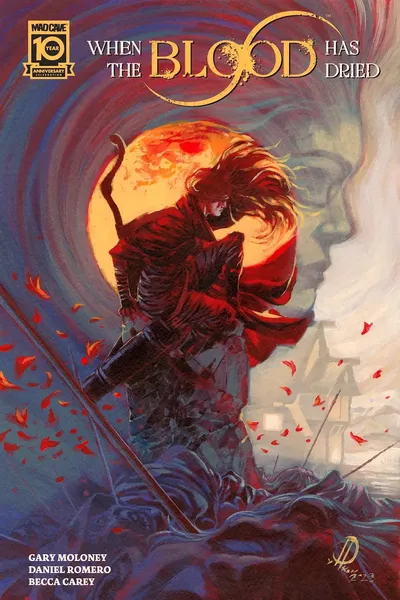
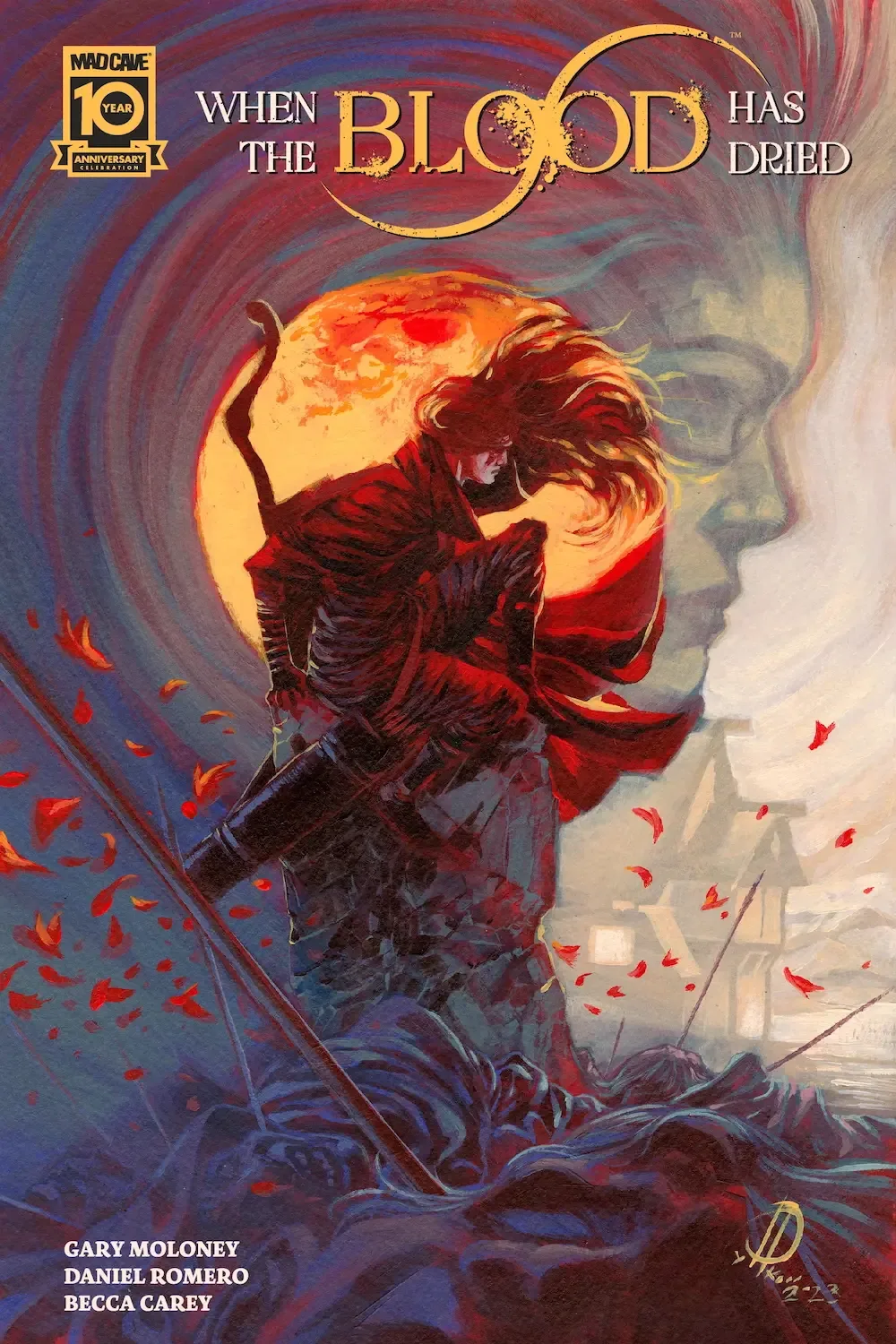
In a previous life, Meabh was hard-fighting mercenary. These days, however, she runs a quaint little inn in a quiet little town. But when her previous life — and comrades — catch up to her, will she have to resort to her bloody ways to preserve the life that she’s made for herself? Billed as a cross between a spaghetti western and high fantasy, When the Blood Has Dried is the latest riff on that classic trope of a stranger trying to escape their violent past. Unfortunately, Gary Moloney and Daniel Romero’s When the Blood Has Dried doesn’t really do anything all that interesting with that premise. It’s not bad by any means, and at 160 pages, it’s a pretty quick read, but neither is it all that memorable.

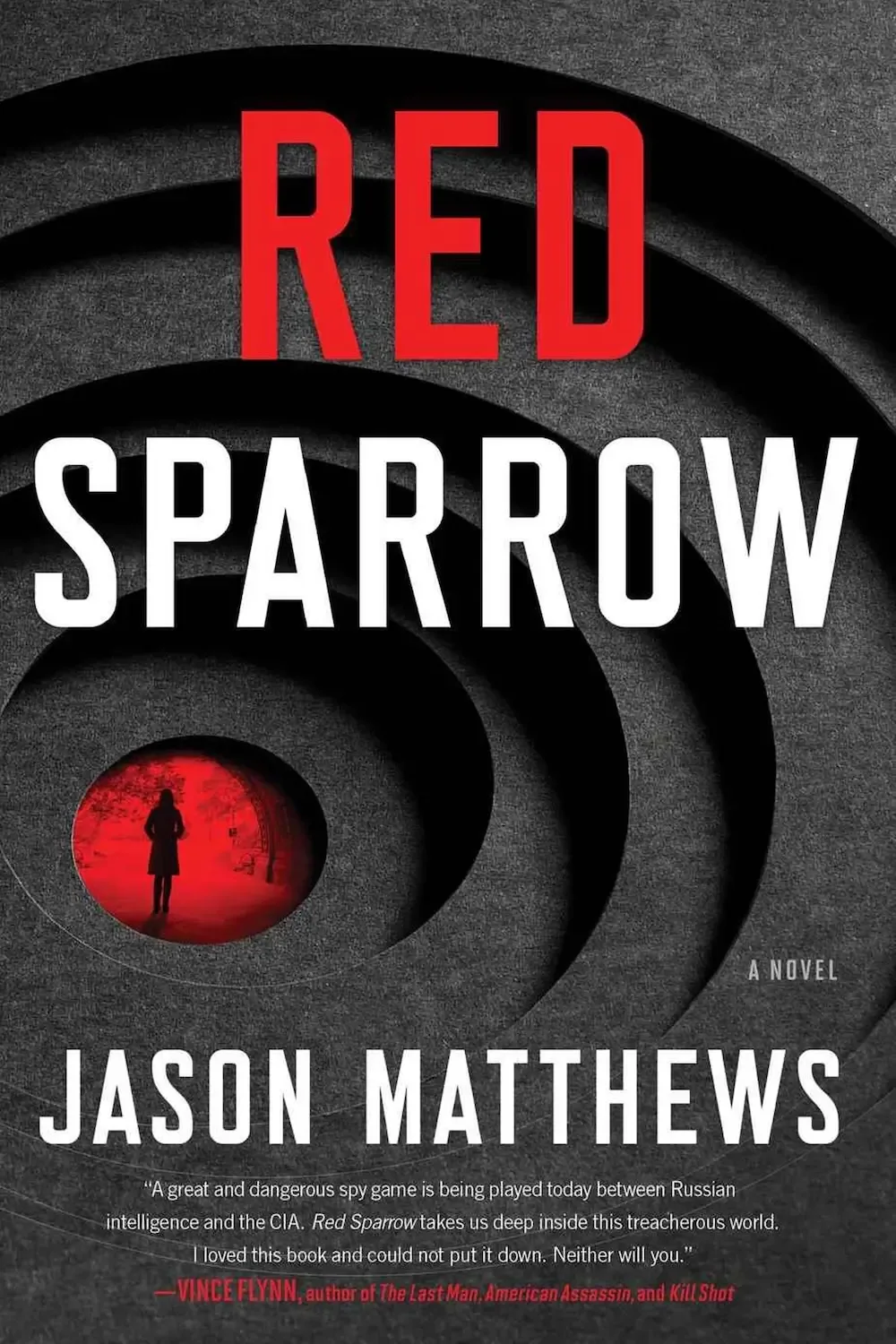
After finishing Jason Matthews’ Red Sparrow, I was curious to see if and how the movie adaptation did justice to its intricate spy story. To its credit, the movie does add a bit more intrigue as well as a twist that I didn’t see coming, but in every other respect, it completely flattens and dulls the story and its characters. Director Francis Lawrence tries to elevate the movie with lots of beautifully bleak European locations (the film was largely shot in Hungary, Slovakia, and Austria as stand-ins for Russia), a somber James Newton Howard score, and a suitably frosty tone. But not even the presence of actors like Jennifer Lawrence and Jeremy Irons can save Red Sparrow from its own tepid-ness.

Given that one of its protagonists is a beautiful ballet dancer-turned-Russian spy trained in “sexpionage,” Red Sparrow does occasionally slip into lurid and graphic detail. Some readers might find that titillating but more intriguing are the novel’s descriptions of mundane spy work, which possess a verisimilitude thanks to the author’s own history in the CIA as a recruiter of foreign agents. Although I was never not entertained by Red Sparrow, I found it devoid of any nail-biting tension, which one would expect from an acclaimed spy novel. I suspect that’s because, with a few notable exceptions, all of the Russian agents are corrupt, self-serving, back-stabbing bastards. Meanwhile, American agents might be crass and uncouth, but every single one of them is smart, competent, and loyal. Matthews’ contempt for Russia’s government and spy agencies is both undeniable and understandable, but it also means that you know how every single conflict, twist, and conspiracy is going to pan out. Finally, I found it amusing that one of the novel’s villains is a shrewish (and sex-obsessed) Democratic senator who betrays her country and starts selling secrets to the Russians. That might’ve been plausible in 2013, but it feels less so in 2025 when our Republican president publicly kowtows to Putin and various right-wing figures have a history of parroting Kremlin talking points.

I would never call 2021’s Nobody a modern action classic, but it was still an enjoyable flick due in large part to Bob Odenkirk’s performance as Hutch Mansell, a seemingly mild-mannered middle-class family guy who possesses a darker — and considerably more kick-ass — side. But Odenkirk’s action chops are completely wasted in this sequel, which finds Hutch and his family going on vacation to a cheesy theme park. Unfortunately for us all, trouble and bloodshed just have a way of following Hutch wherever he goes. Nobody 2 does nothing original with this premise, but simply recycles everything we saw in the previous film, from the flamboyant villain (an utterly ridiculous Sharon Stone) to the final showdown, which is yet another cavalcade of creative killing methods. Nobody 2 might’ve been a more interesting film had it actually delved into Hutch’s need and propensity for violence — a few concerned lines from his wife doesn’t count — but that would’ve distracted from seeing wave after wave of nameless goons get dispatched in various and ignominious ways for 90 increasingly pointless minutes.

When Ellen returns to her home town of Victory Point, she’s beset by ambivalence concerning both her past and her future. As she meanders the coastal town’s sun-drenched streets and beaches, and visits old friends and family members, will she find some wisdom to help her determine where her life should go? Victory Point’s story is rather slight, focusing on the mundane and quotidian. As such, those expecting some big life-changing twist or revelation in Ellen’s story will be disappointed. Even so, Victory Point is worth reading if only to experience Owen Pomery’s artwork. His crisp, clean lines and beautiful colors bring Victory Point’s modernist architecture and coastal setting to life. (In this regard, I’m reminded of Seiji Yoshida’s delightful Houses with a Story.) I wish Pomery would write a sequel or two, if only so I might get to know the town of Victory Point a little bit better.
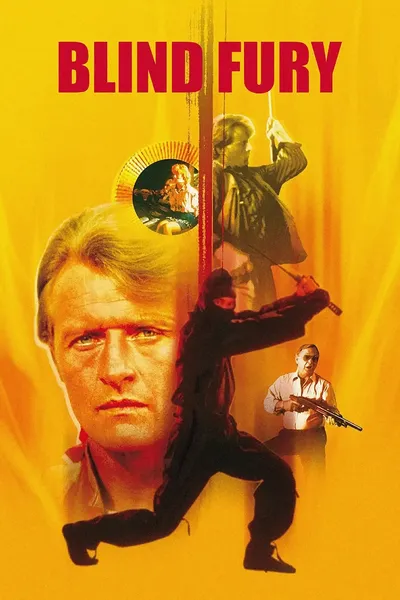
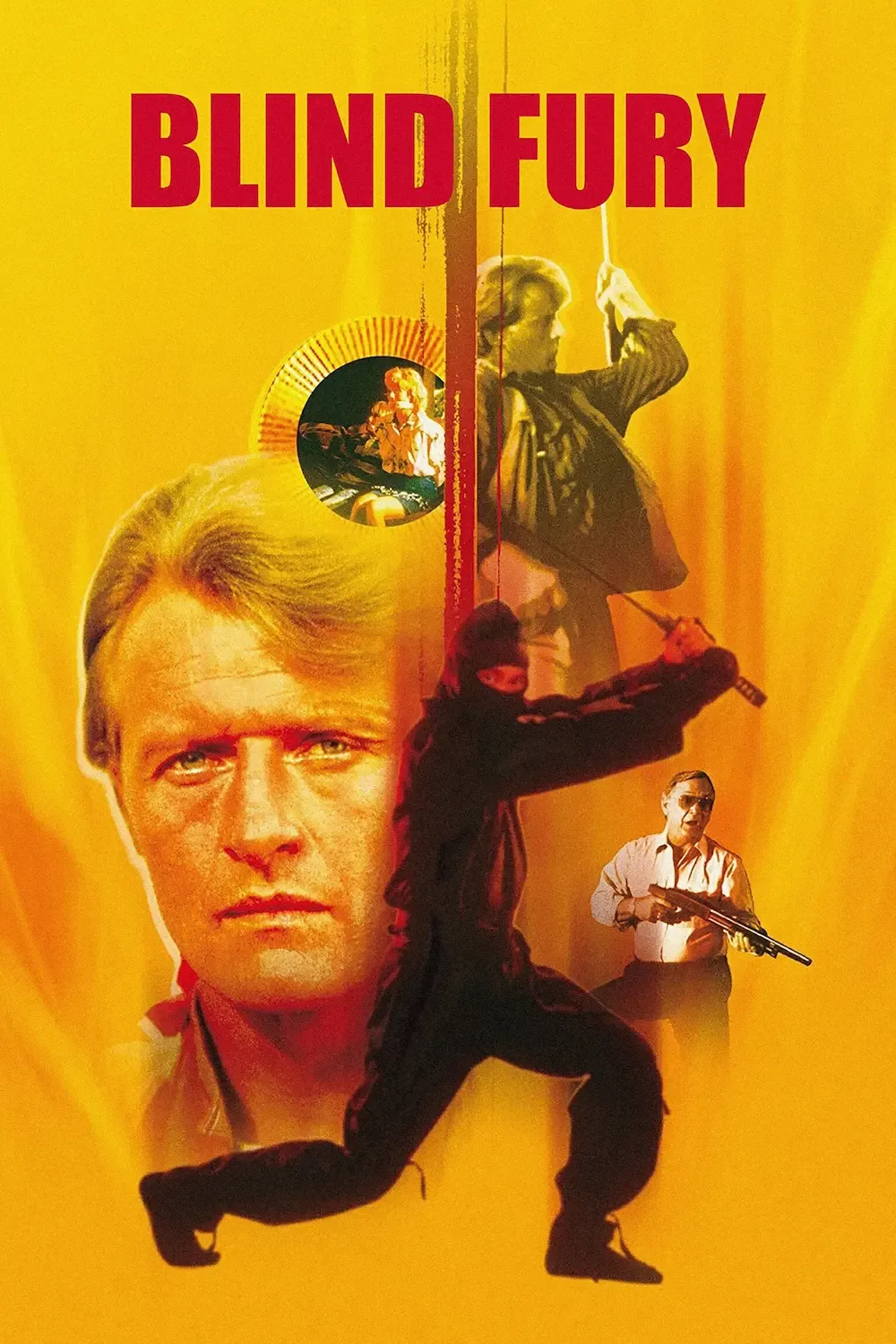
20 years after villagers rescued and trained him to be a deadly swordsman, Nick Parker returns to the US to track down an old Army buddy, only to discover that he’s long gone and left behind a wife and kid. After the woman’s suddenly killed, Nick sets off for Reno with the kid in tow in the hopes of saving his friend. The always watchable Rutger Hauer certainly gives it his all in this Hollywood remake of 1967’s Zatoichi Challenged, playing a Vietnam vet whose blindness masks his skill with the sword — and that’s about all Blind Fury has going for it. Most of the time, it’s just a jumble. One minute, it’s a gritty crime film involving drug dealers and corrupt cops, the next a goofy road movie with Parker imparting some valuable life lessons to the young lad (Brandon Call of Baywatch and Step by Step fame), and the next a martial arts flick. Contrary to its poster, though, no ninjas actually appear in Blind Fury, though Shô Kosugi (Enter the Ninja, Pray for Death) does have an extended cameo as an assassin hired to kill Parker. On a side note, director Phillip Noyce would later go on to direct such acclaimed films as Rabbit-Proof Fence and The Quiet American.
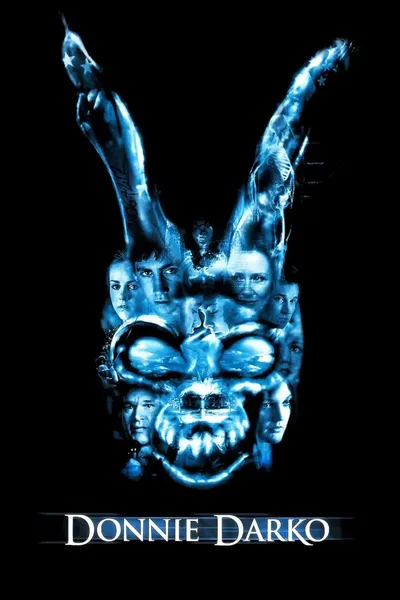
There’s a scene in Tenet where the protagonist, upon learning the truth about entropically reversed bullets, is simply told “Don’t try to understand it. Feel it.” That’s also pretty good advice concerning Donnie Darko. Yes, there are in-depth explanations for its bizarre, circular storyline involving time travel and parallel universes. And those explanations might even be relatively coherent. But Donnie Darko is best experienced as a vibe. Which is not a knock on Richard Kelly’s script, which is full of excellent lines (e.g., “Sometimes I doubt your commitment to Sparkle Motion.”) and poignant treatments of alienation and loneliness. Nor is it a knock on the film’s performances, and in particular, Jake Gyllenhaal as the titular character, a deeply troubled high school student who begins receiving strange apocalyptic visions. Donnie Darko may be too ambitious for its own good, but it nevertheless unfolds with a confidence that belies the fact that it was Kelly’s directorial debut (he was only 25 years old at the time), and its keenly wrought sense of time, place, and atmosphere is engrossing. Watching it now, nearly 25 years after its release, the film’s flaws are readily apparent. But so, too, are all the reasons why my friends and I became so obsessed with it back in the day.
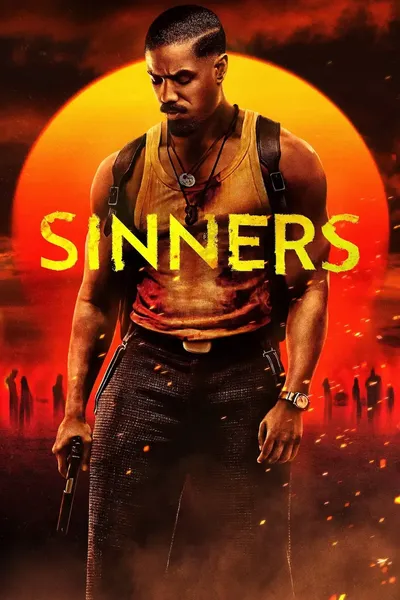
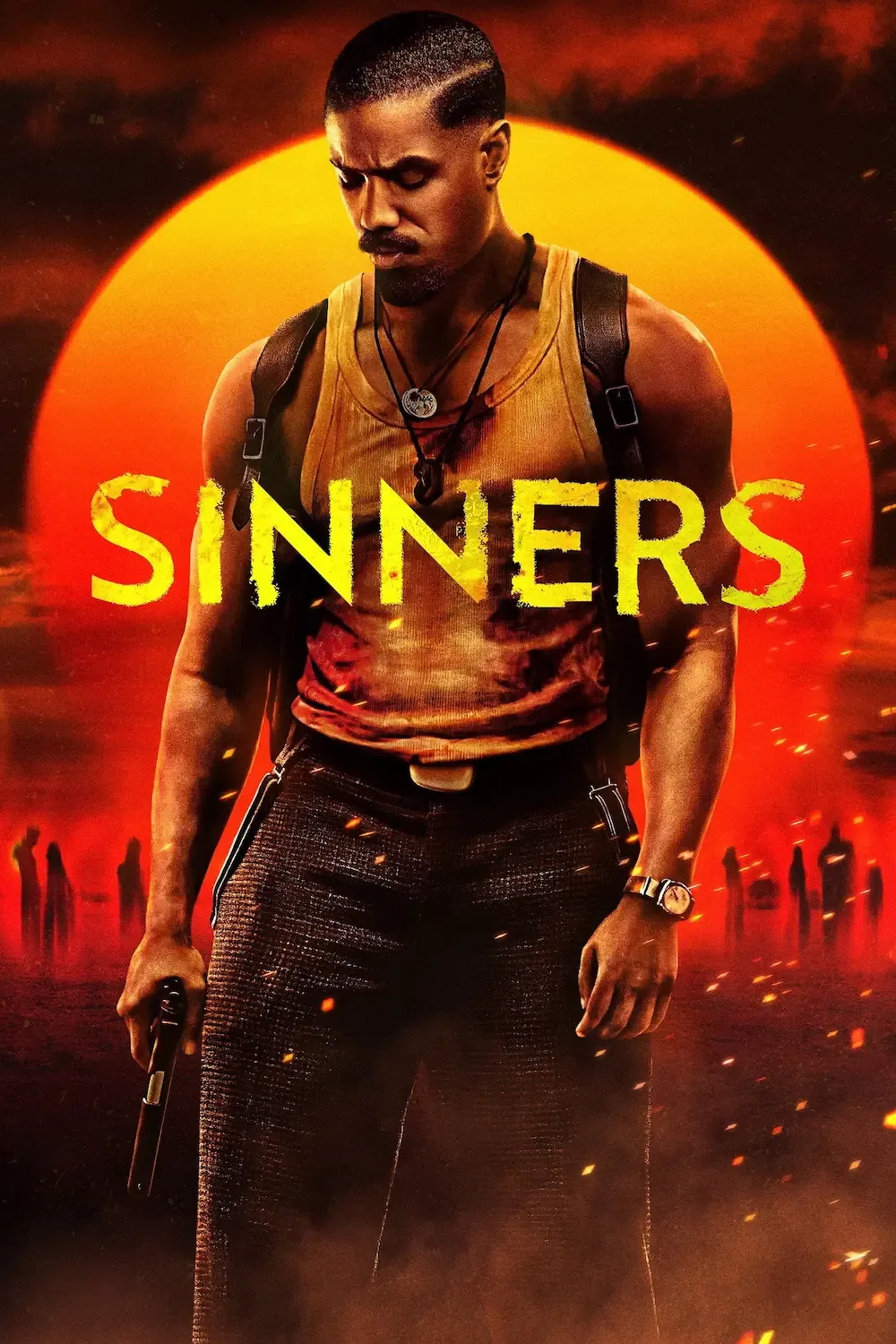
Because it features vampires, Ryan Coogler’s Sinners will forever be categorized as a horror movie. However, it’s more than that. Much more. And therein lies the problem. Writer/director Coogler, re-teaming with frequent collaborator Michael B. Jordan, swings for the fences with his story of twin brothers (played by Jordan) who return to Jim Crow-era Mississippi with a bunch of ill-gotten wealth and plans to launch their own juke joint, only to encounter something far darker than the local KKK. Coogler’s sprawling film tackles a lot: the lingering effects of slavery and segregation, the history and cultural importance of blues music, family legacies and drama, religion, and of course, the undead. Unfortunately, it never quite comes together in a truly cohesive manner, but rather, feels like three or four movies struggling to fit inside the runtime of just one. Sinners moves in some truly unexpected ways — in the film’s central number, for instance, a young bluesman’s music breaks down the barriers between eras, allowing the past, present, and future to collide in stunningly executed fashion — and there’s no denying Coogler’s scope and ambition. Although it’s clear why Sinners has become one of 2025’s biggest movies, it just didn’t cohere for me.
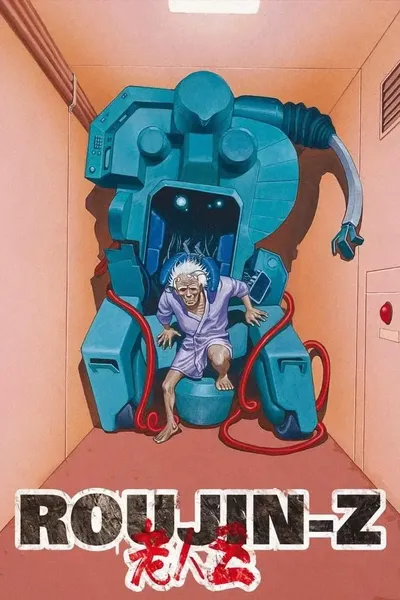
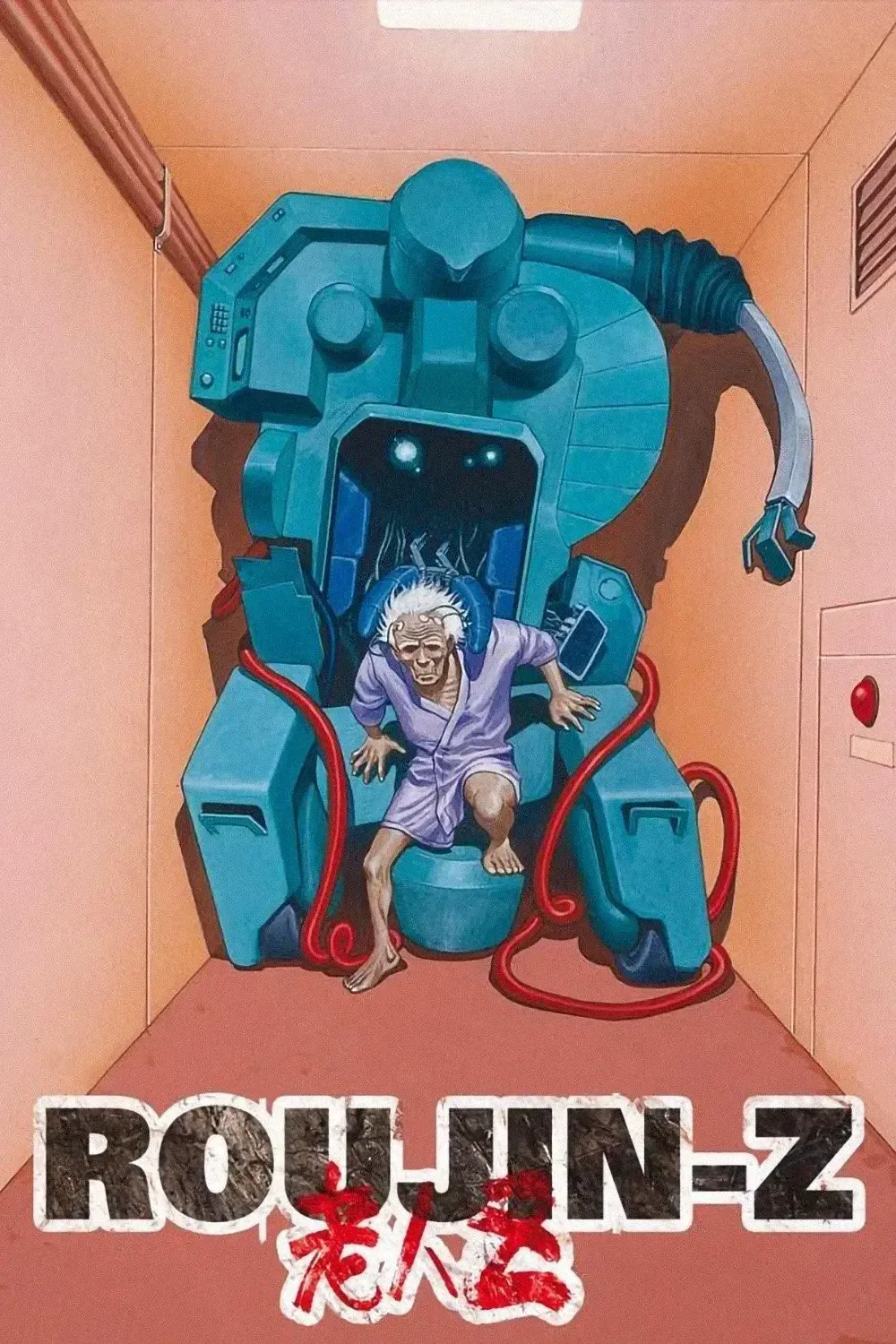
In the not-too-distant future — as envisioned in 1991 — Japan’s senior population is crippling the nation and putting an undue strain on staff and facilities. To solve this growing problem, the government unveils a high-tech solution: a fully computerized and nuclear-powered hospital bed that will automatically care for elderly patients without the need for human doctors and nurses. Unfortunately, when old Takazawa is put into his bed, it quickly runs amok, and it’s up his faithful nurse Haruko and an unruly gang of elderly hackers to save him from the runaway technology as well as the government bureaucracy. As you might guess, Roujin Z is a pointed satire of modern society’s dismissive treatment of its oldest members as well as its over-reliance on technological solutions for human problems (a theme that’s grown only more relevant with time). A bonkers script by Akira’s Katsuhiro Otomo and some uneven animation means that Roujin Z does feel a bit unpolished at times, but it’s nevertheless thought-provoking and consistently entertaining.