My Cultural Diet (July 2024): Rivers of London, Once Upon a Time in Hollywood, Fist of Legend, Samurai Cop
In order to better track my various cultural experiences (e.g., movies, TV shows, books, restaurants), I’ve created the Cultural Diet. Think of it as my own personal Goodreads, Letterboxd, and Yelp, all rolled into one (more info here). Every month, I recap everything that I watched, read, etc., in the previous month.

Arterial sprays abound in this classic Japanese exploitation film from 1973 that served as the inspiration for Quentin Tarantino’s Kill Bill. Meiko Kaji is riveting as the beautiful young woman who’s been trained since birth to avenge her family’s murder, and Lady Snowblood is particularly powerful when it leans into the inherently tragic nature of her vengeance-fueled existence. The film’s visuals, which are drenched in color (usually due to the copious amounts of blood) are riveting, and the film employs an interesting meta framing device that highlights our heroine’s doomed fate. And I’d be remiss if I didn’t mention the funky soundtrack, and especially the haunting theme song (“Flower of Carnage”), sung by Kaji herself.
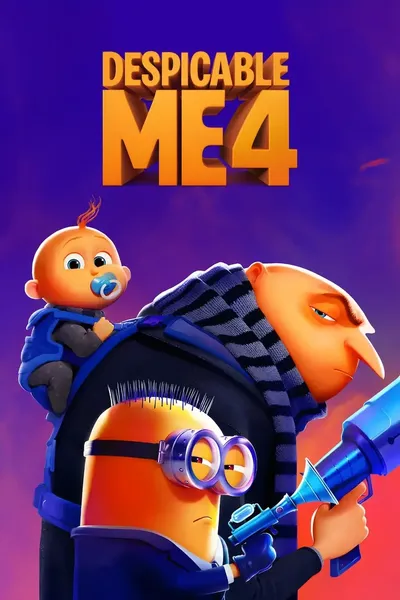
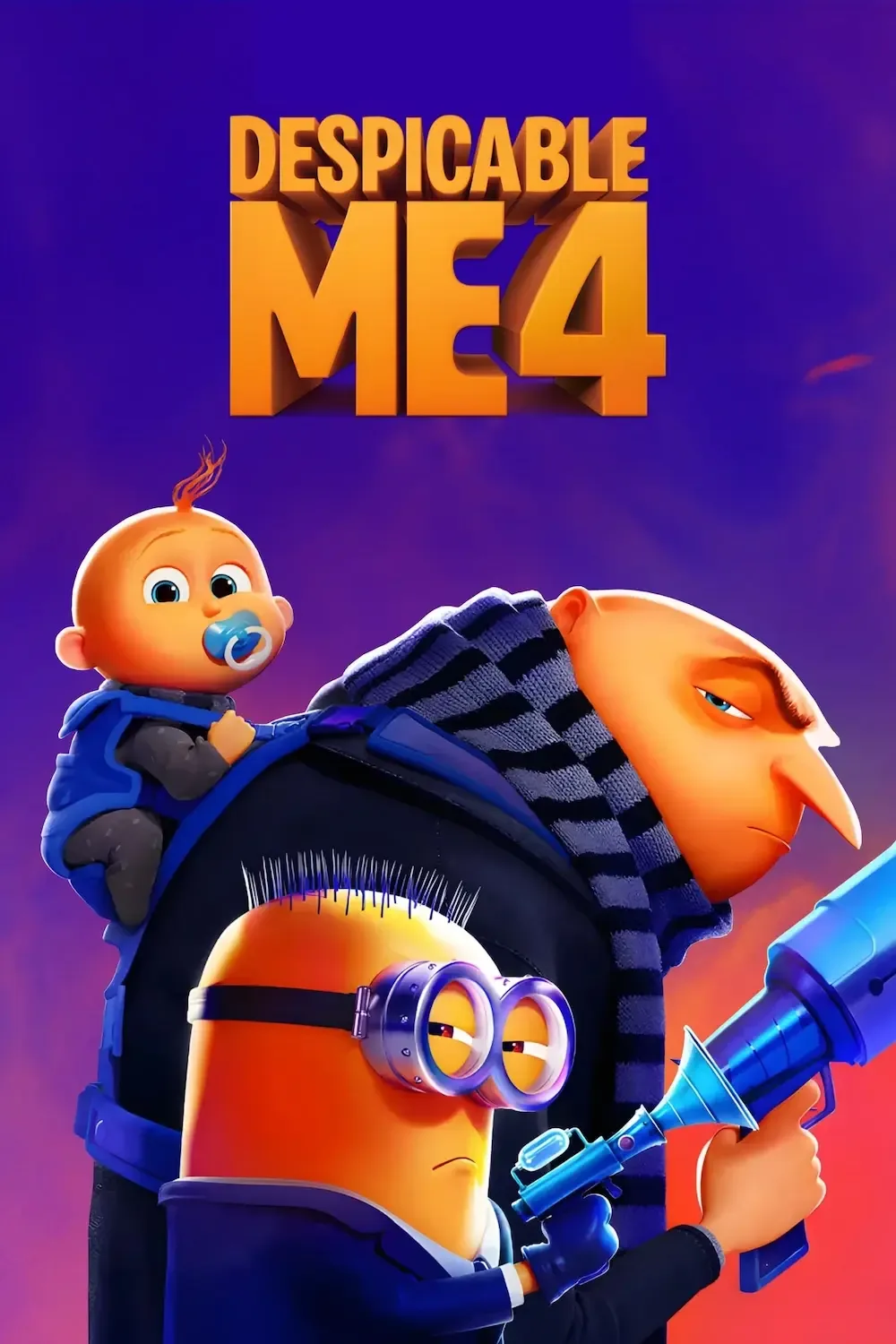
No joke is too obvious, no reference too dated, no story beat too telegraphed, no cliché too… clichéd for the fourth Despicable Me movie. I mean, really: honey badger and Terminator 2 references in this, the Year of our Lord 2024?! And The Incredibles did the baby-beating-up-the-bad-guy gag a hundred times better back in 2004. Given the run of stellar, creative, and affecting animated movies that we’ve had in recent years — a run that includes Inside Out 2, Across the Spider-Verse, and The Mitchells vs. the Machines — I mourn all of the computing cycles that were forced to give their lives for these 95 minutes of utter mediocrity. But given that Despicable Me 4 has already earned almost $600 million to date, it’s all but guaranteed that we’ll get more of the same from the franchise in a few years’ time.
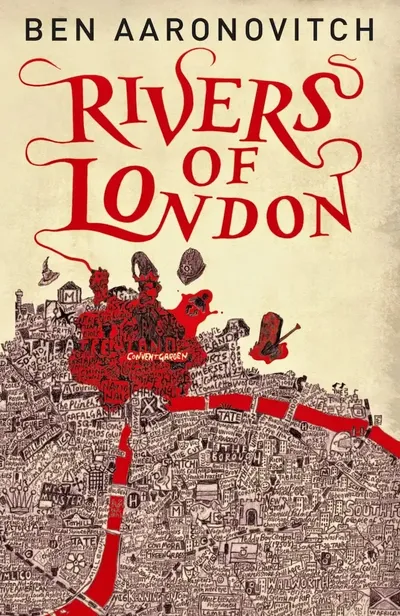
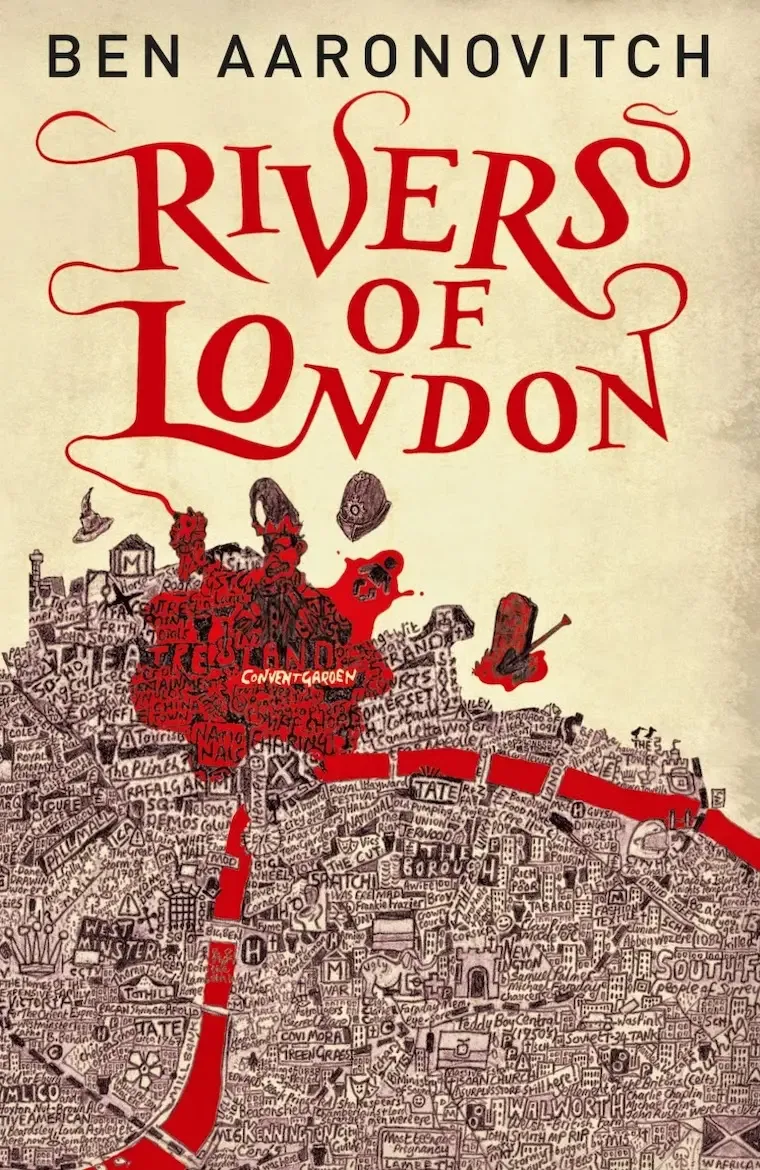
I’m honestly disappointed that I didn’t love this more than I did. Don’t get me wrong, I love the premise (a young police officer becomes a wizard-in-training after discovering London’s magical side) and the characters, and Ben Aaronovitch’s writing style is consistently clever. But my frustration with Rivers of London was all of the world-building, which is odd to me because I love world-building. Aaronovitch pulls from lots of sources, including English and Celtic history and mythology, while also throwing in vampires, British theater, and the history of Punch and Judy shows. But there’s almost too much world-building, as if Aaronovitch was worried he wouldn’t get to write another novel and so he threw in everything he could think of. (To that point, Aaronovitch has since penned numerous follow-up novels, novellas, and graphic novels.) As a result, Rivers of London occasionally loses its focus and is never quite as breezy a read as it feels like it ought to be. That said, if and when the long-gestating TV series ever happens, I’ll check it out.
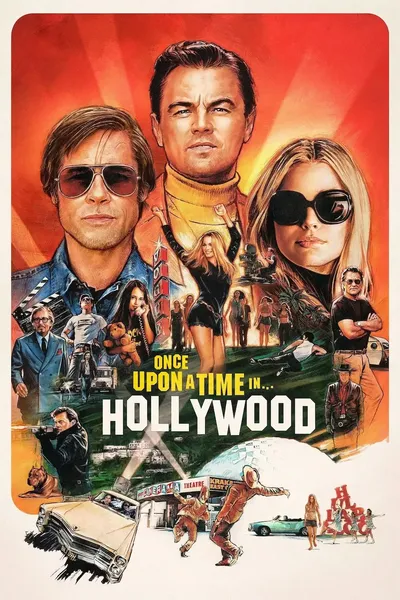
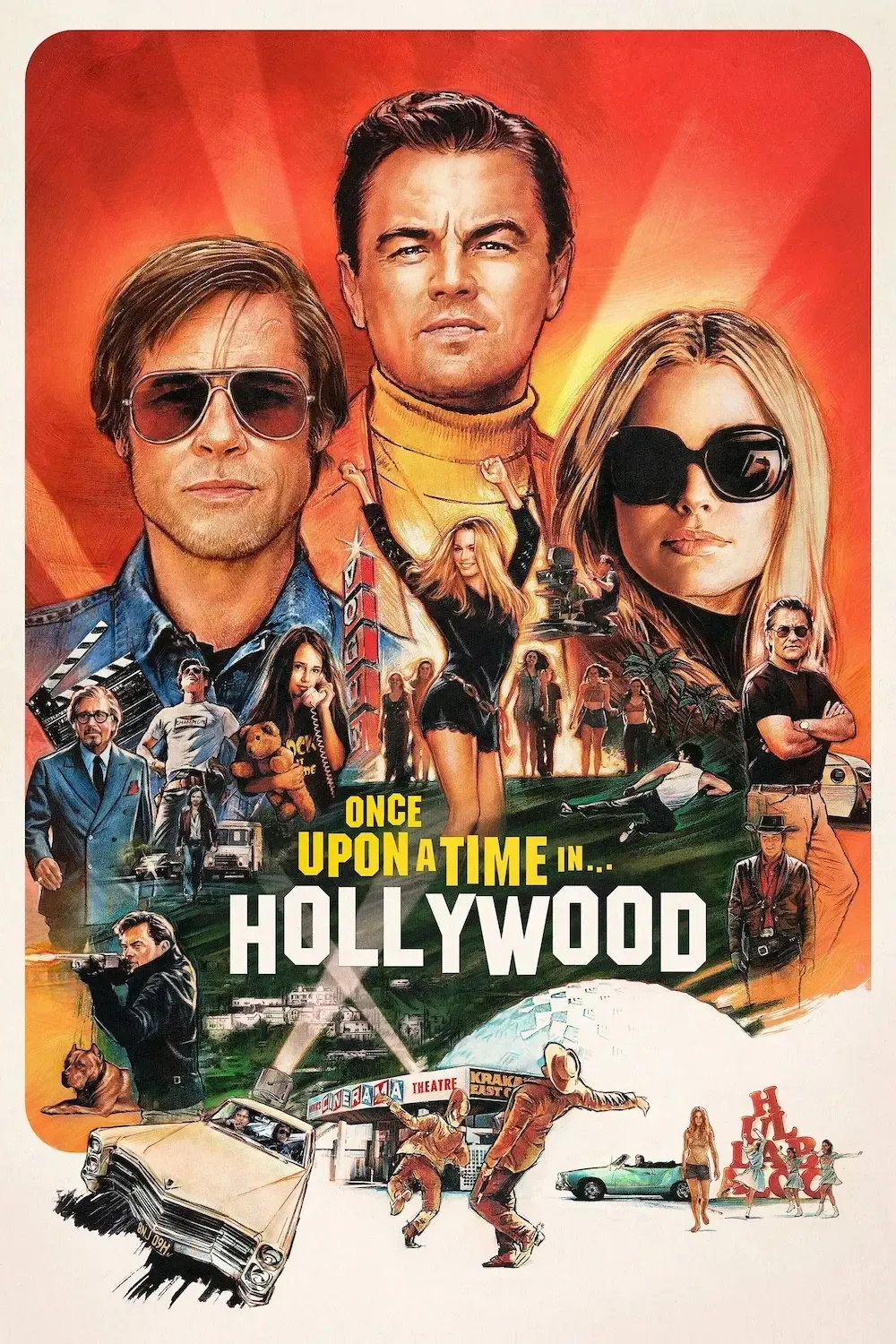
Quentin Tarantino’s ninth and penultimate film is a rambling reimagining of one of Hollywood’s darkest chapters, the murder of Sharon Tate by acolytes of Charles Manson. The cast is the usual star-studded affair, with Leonardo DiCaprio and Brad Pitt leading the way as a washed up cowboy actor and his stuntman/best friend trying to find new relevance in Tinsel Town circa 1969. The film has the usual referential dialog you’d expect from Tarantino, though my favorite bits were when DiCaprio and Pitt’s characters watch TV together and discuss the work they’ve done, or when DiCaprio’s struggling actor seeks to remake himself as a cinematic villain. Upon my first viewing, Once Upon a Time in Hollywood has an almost random quality to it as we wait for the inevitable carnage and bloodshed that’s also a Tarantino mainstay. (On that point, the film fully delivers, and this “Stuntwomen React” video offers some cool behind-the-scenes info about the film’s climax.) While I suspect that subsequent viewings will reveal more layers, I’m sticking with a lower rating for now.
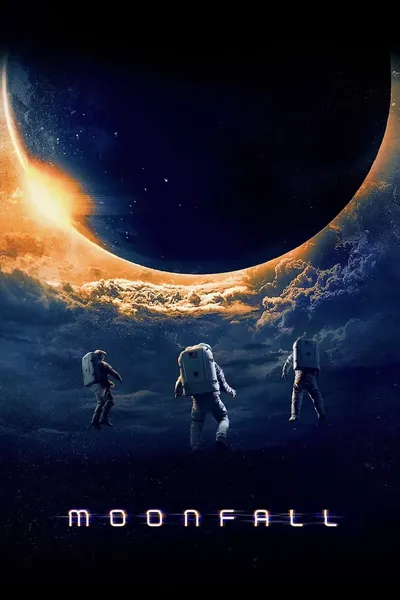
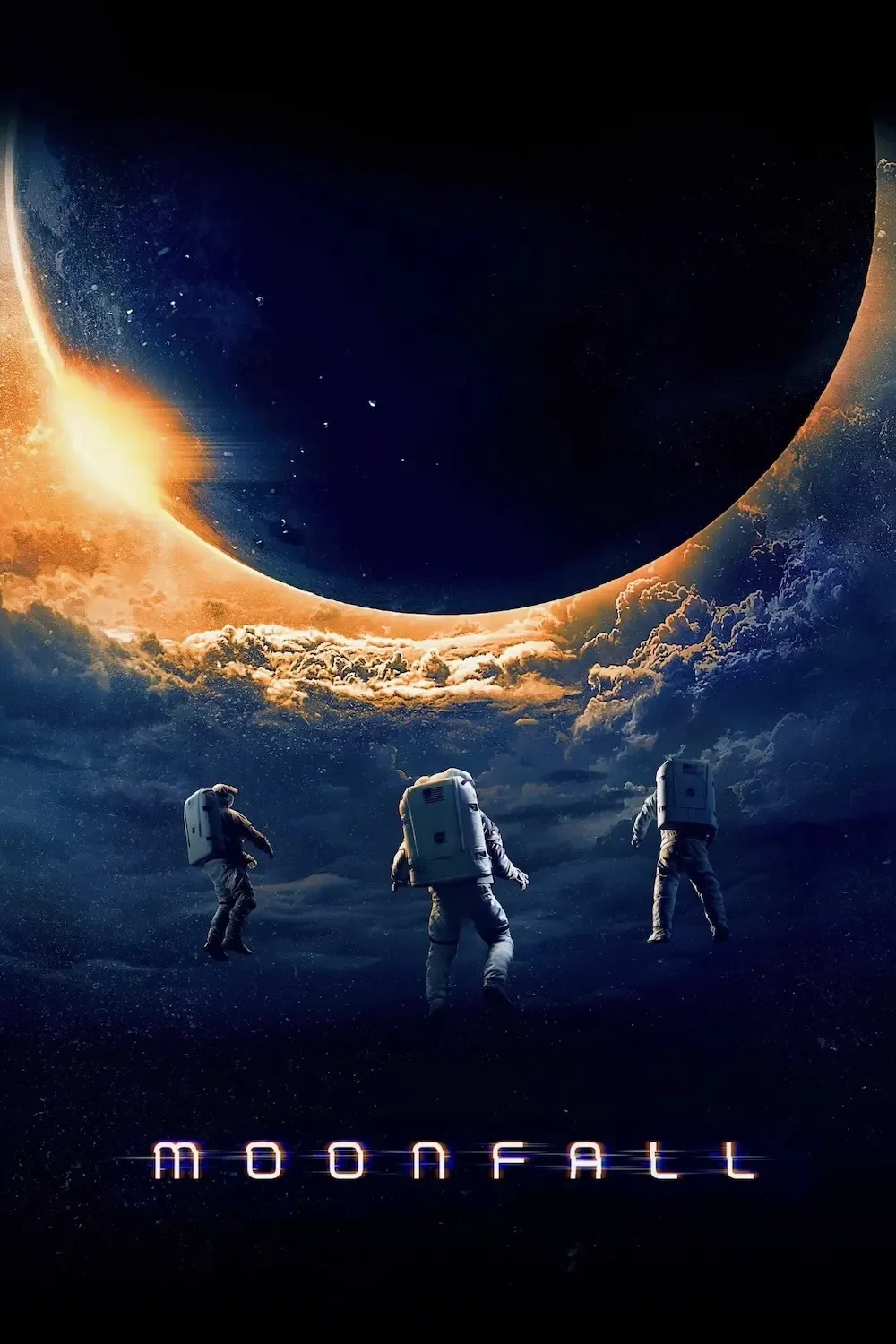
Sometimes you just want to watch a movie that’s — to quote Nick Nunziata from his review of Transporter 2 — dumber than a bucket of lotion. At the same time, you don’t want to hate yourself for watching it. Roland Emmerich’s Moonfall is definitely the former and I still pretty much felt the latter. I’m a sucker for Dyson spheres and other sci-fi megastructures, as well as depictions of Kardashev-level civilizations, so that was cool, but that’s about all that Moonfall has going for it. The dialog is even lamer than you’d expect, the product placement and Elon Musk fanboy-ism as annoying as you’d expect, the cast’s talents are wasted, and despite its considerable budget, the production, visual effects, etc., look disappointingly cheap. Shortly after finishing Moonfall, I watched several scenes from 1996’s Independence Day (also directed by Emmerich), and any random five minutes of that movie contains more charm, excitement, and visual panache than all of Moonfall’s 130 minutes combined.
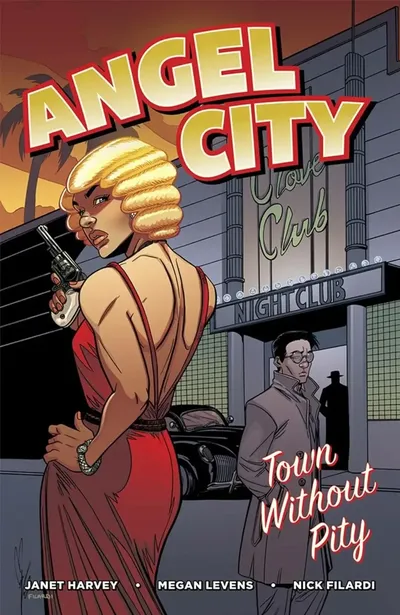
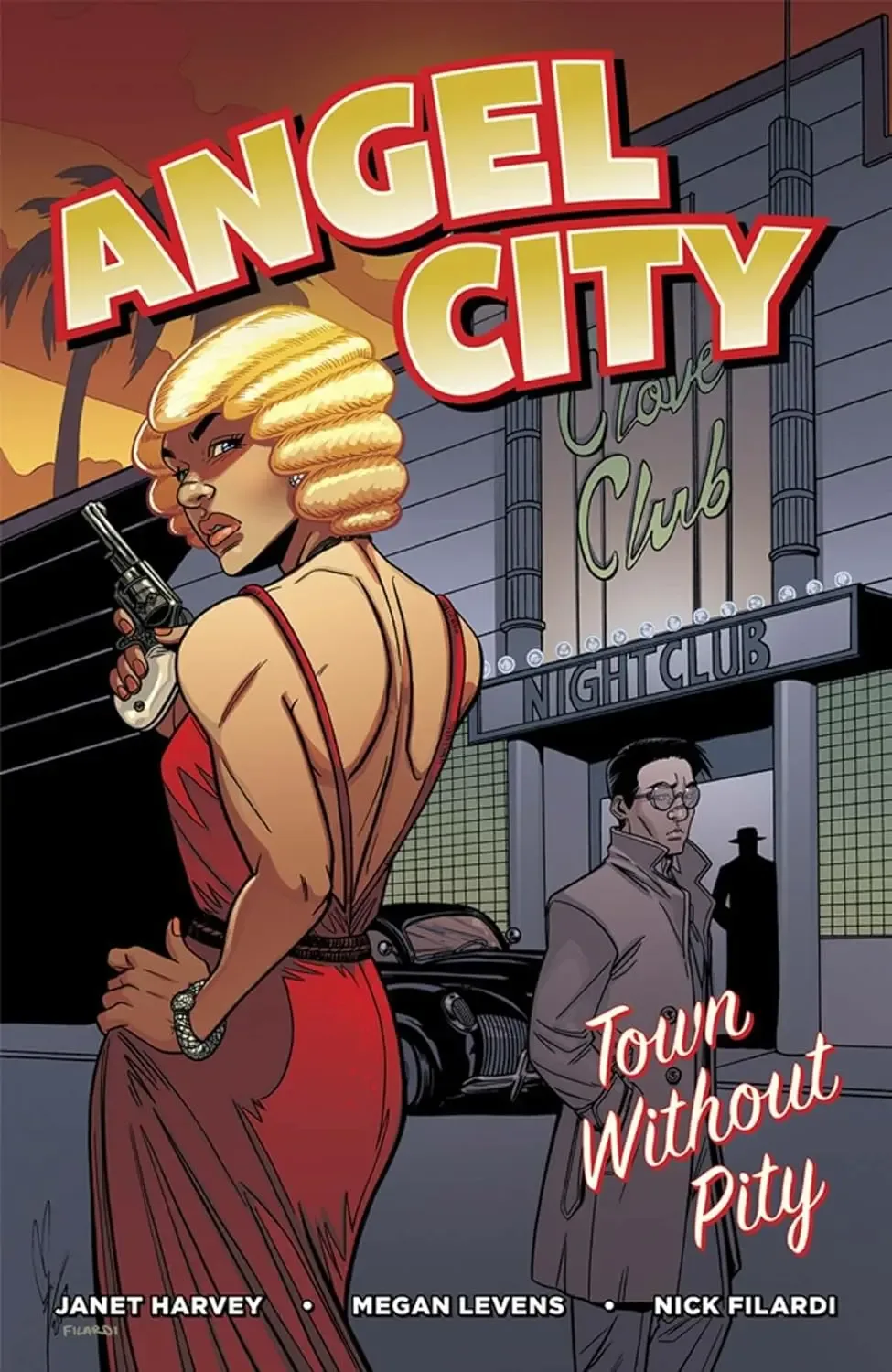
When a young starlet is discovered dead and dismembered, it’s up to a crime photographer and a mob enforcer to uncover the truth — which might just go the way to the upper echelons. Janet Harvey draws directly from California history, be it the Black Dahlia murder or the Zoot Suit Riots, for her tale of Tinsel Town’s seamier side. Angel City explores similar themes as Ed Brubaker and Sean Phillips’ The Fade Out, and though I preferred the work to this one, Angel City gets points for it historical grounding. (This volume also includes several short essays on the aforementioned historical events, which further puts the lie to Hollywood’s glamorous reputation.)
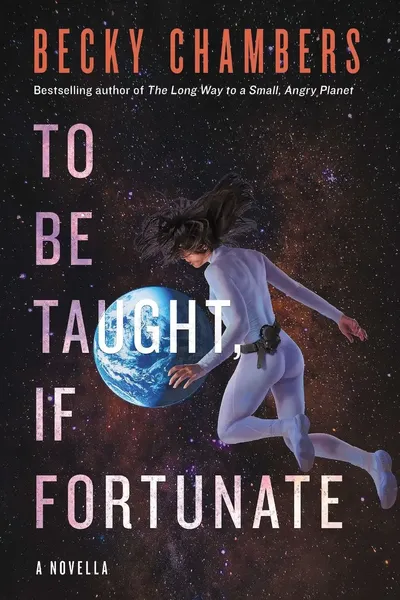
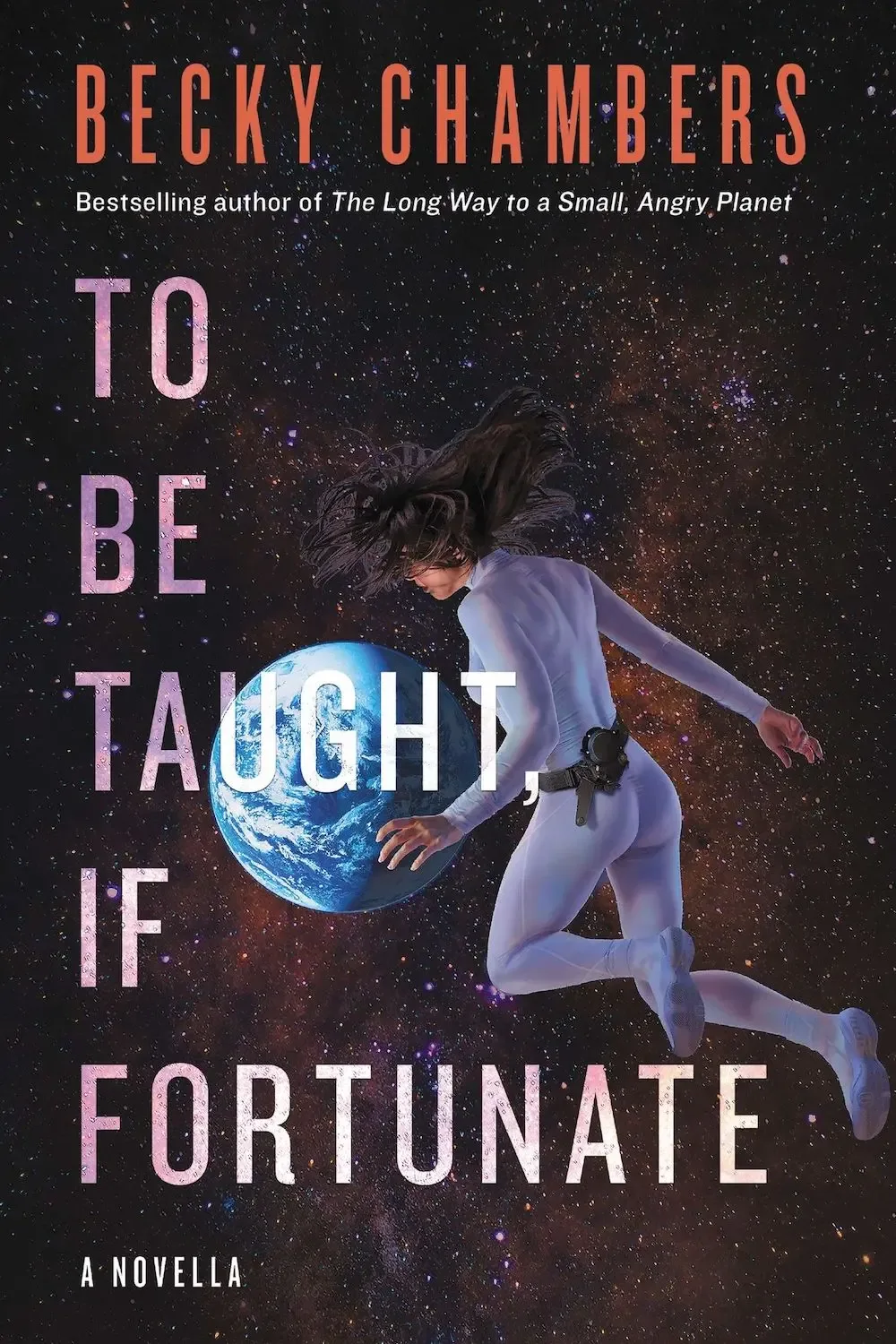
I checked this out from the library because I enjoy Becky Chambers’ Monk and Robot novellas, which have helped cement her place in the “hopepunk” genre. To Be Taught, If Fortunate is cut from the same cloth as it follows a group of astronauts on a deep-space exploration mission. (You can tell it’s hopepunk because, for example, the astronauts are deeply concerned about the ethics of their exploration and their impact on the environments they explore.) The novella exults in the astronauts’ celebration of their fascinating discoveries even as it hints at their disconnect with events back home on an increasingly distant Earth as well as the stress and strain of their mission. I didn’t like it as much as the Monk and Robot novellas, but To Be Taught, If Fortunate is still a quick, enjoyable read that’s a nice palette cleanser.
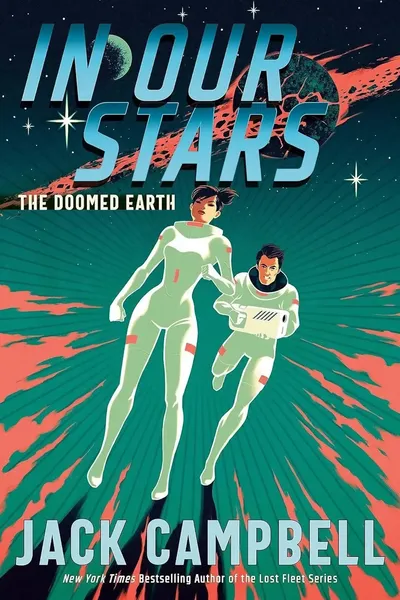
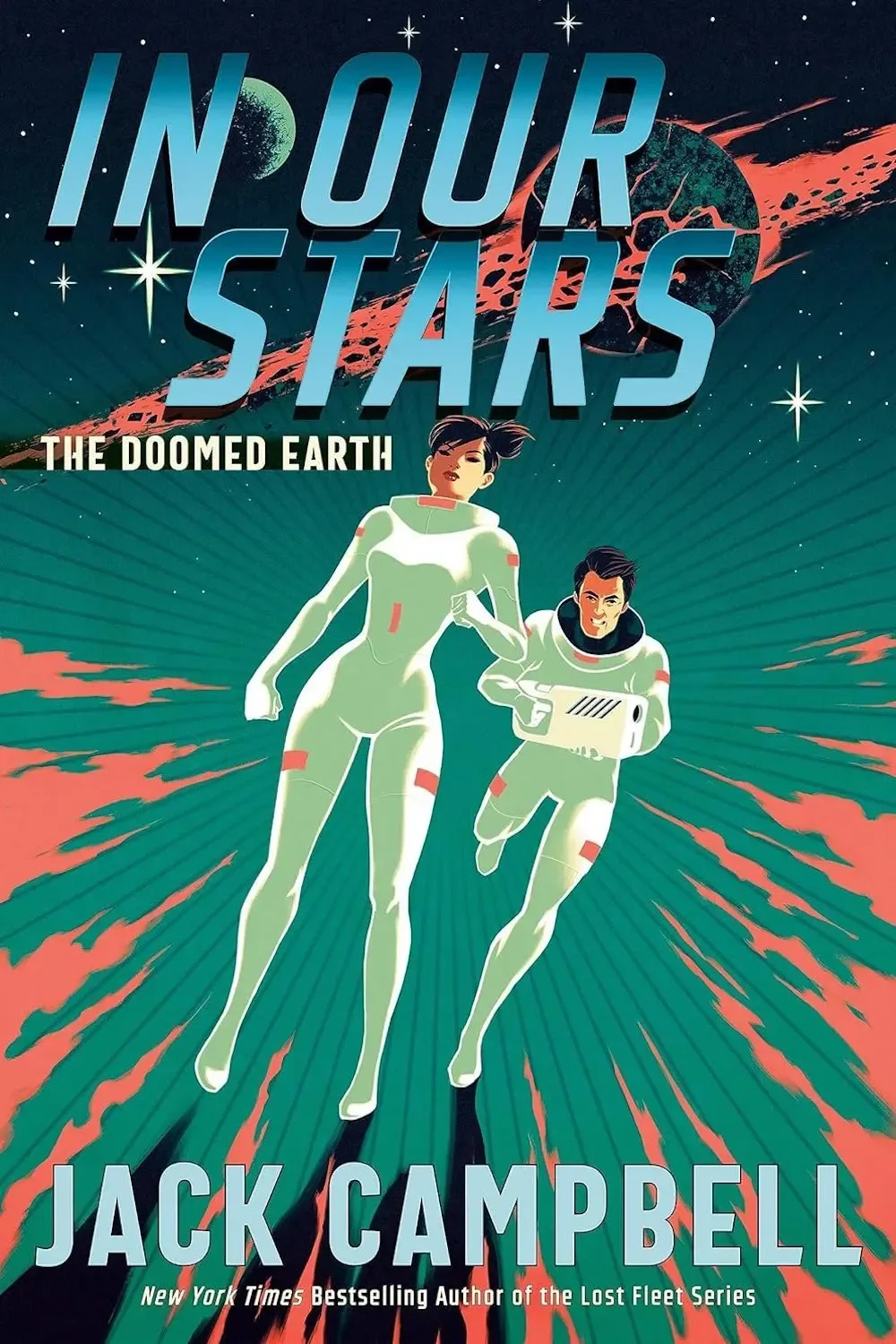
A soldier is hurtled back in time 40 years by Earth’s destruction. There, she meets a disgraced officer and together, they must escape corrupt military officials while trying to prevent the horrific future that she’s experienced. Jack Campbell’s In Our Stars is far from terrible, but his writing style — which feels, for lack of better terms, simplistic and casual (there’s even an honest-to-goodness “I’m a doctor” joke straight out of Star Trek) — never grabbed me. The fact that one character is partly alien does add some interesting dynamics — she struggles with a constant sense of alienation and foreboding as our two heroes inevitably fall in love — but that’s not enough to carry the entire novel. As for the book’s criticism of racism, classism, and corrupt systems, that’s nice to see, but it also gets rather heavy-handed at times. Some might appreciate the book’s earnest and optimistic tone, but for all of the danger that our two protagonists face, not to mention the high stakes (e.g., preventing the Earth’s destruction), In Our Stars is very safe, predictable, and boring.
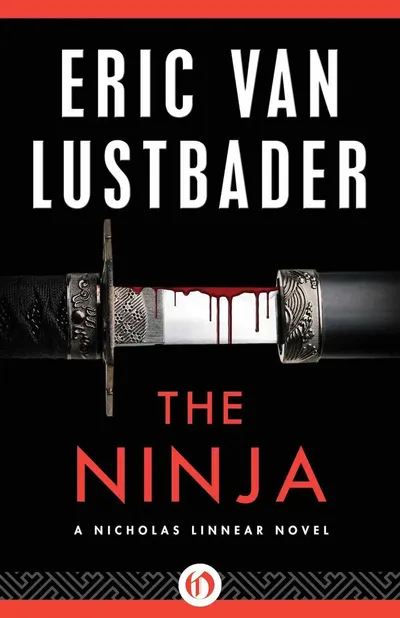
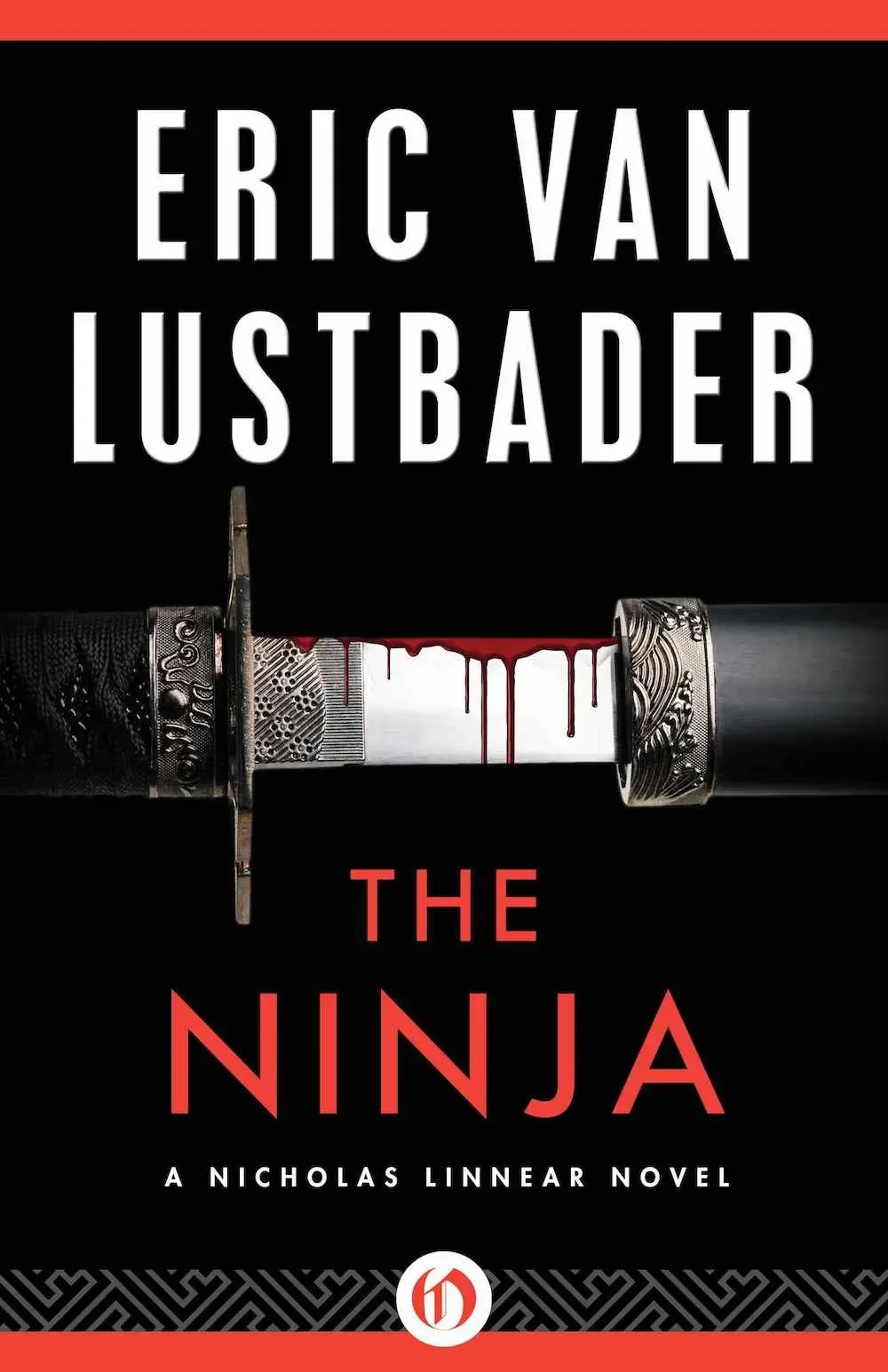
In keeping with my renewed interest in ninja-themed material… Oh, who am I kidding, my interest in ninja-themed material has never needed renewing. But I digress… Originally published in 1980, Eric Van Lustbader’s The Ninja helped kick off the ninja craze that swept American pop culture in the ’80s. Unfortunately, however, it hasn’t aged very well in the ensuing four decades. Lustbader’s writing is ponderous and rambling, and though I’m all for angst-ridden heroes haunted by the ghosts of their past, The Ninja’s Nicholas Linnear is far less interesting than I expected for a novel about a globe-trotting ninja-turned-advertising executive. (For what it’s worth, I naturally pictured him as Richard Harrison in all of his mustachioed glory.) What’s more, The Ninja contains ridiculously raunchy sex scenes that might’ve made it seem mature and exotic in the early ’80s, but now, they just read as egregiously juvenile fantasies. Did not finish.
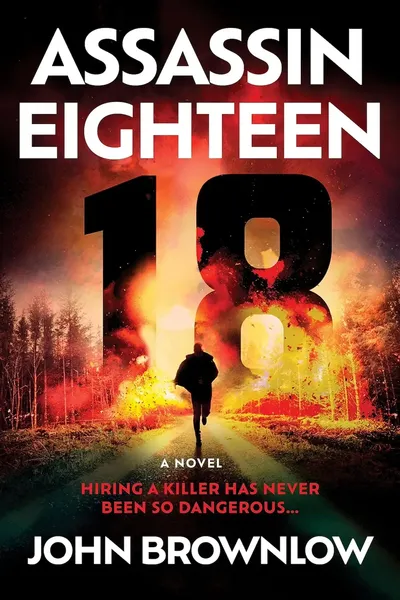
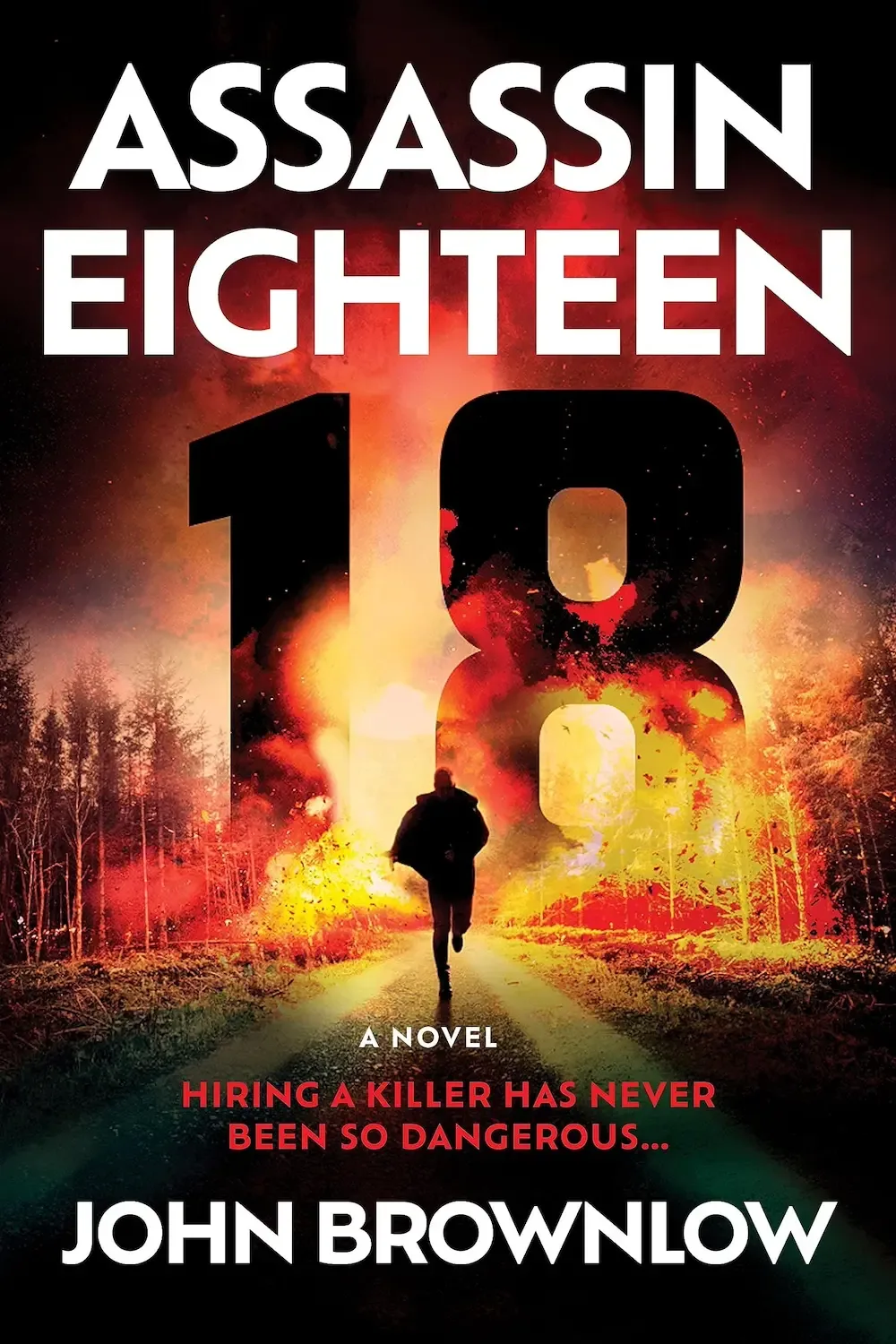
I was all set to give Assassin Eighteen two-and-a-half stars. This thriller about the world’s most infamous assassin pulled out of retirement and forced to confront a secret from his past that has shocking ramifications for his present is rife with clichés. Not bad clichés, mind you, but still, precisely the sort of thing you’d expect from this sort of novel. But then there’s a part towards the end, when the titular assassin links up with some hackers to take down the ultra-racist big bad, that had me smiling in the same way that Hackers makes me smile. The cyber lingo is obviously dumbed down for general audiences, but it added a fun nerdy element to all the globe-trotting, espionage, and assassinating.
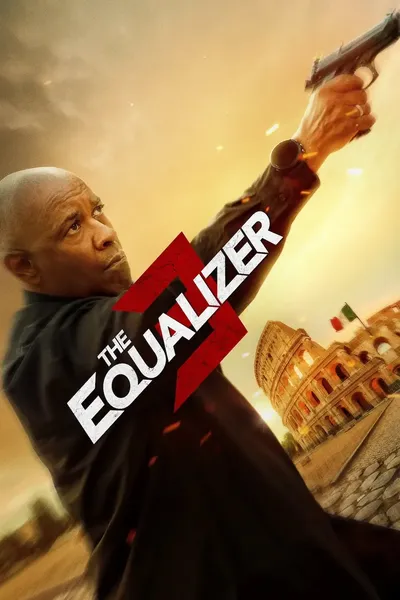
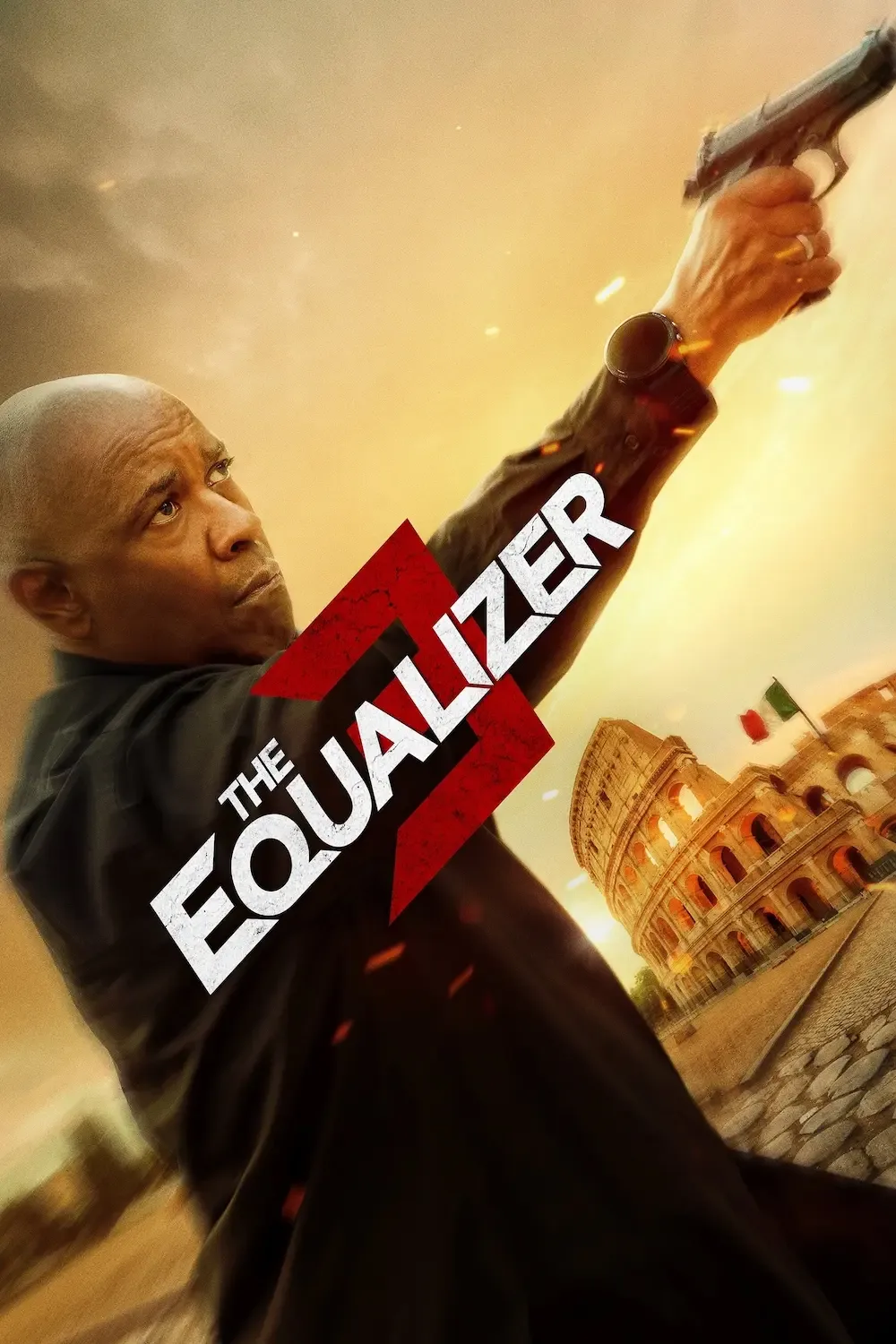
The third and (presumably) final Equalizer movie actually feels like two movies in one. The first finds Denzel Washington’s titular anti-hero settling down in an idyllic seaside Italian town (is there any other kind?) only to have to use his “special skills” to protect his new neighbors from a gang of Mafia thugs. The second follows a CIA agent trying to stop a dangerous new drug smuggling operation linked to terrorists. The two storylines are linked, of course, but the film sometimes struggles to keep them balanced. Thankfully, Denzel’s natural gravitas, as well as the lovely Italian scenery, smooths over any rough spots. Of course, this being an Equalizer film, the action’s brutal and violent, but the third film really outdoes itself in terms of gougings, gunshot wounds, stabbings, and so on.
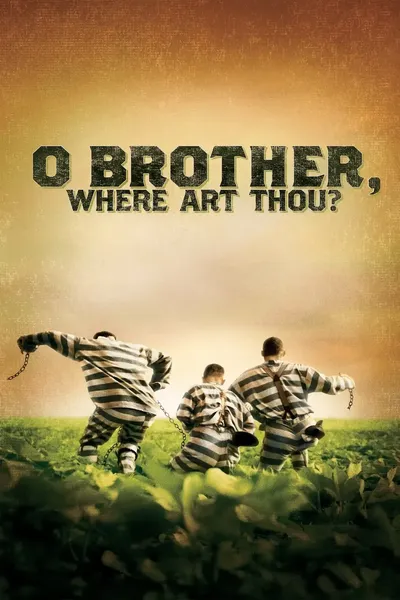
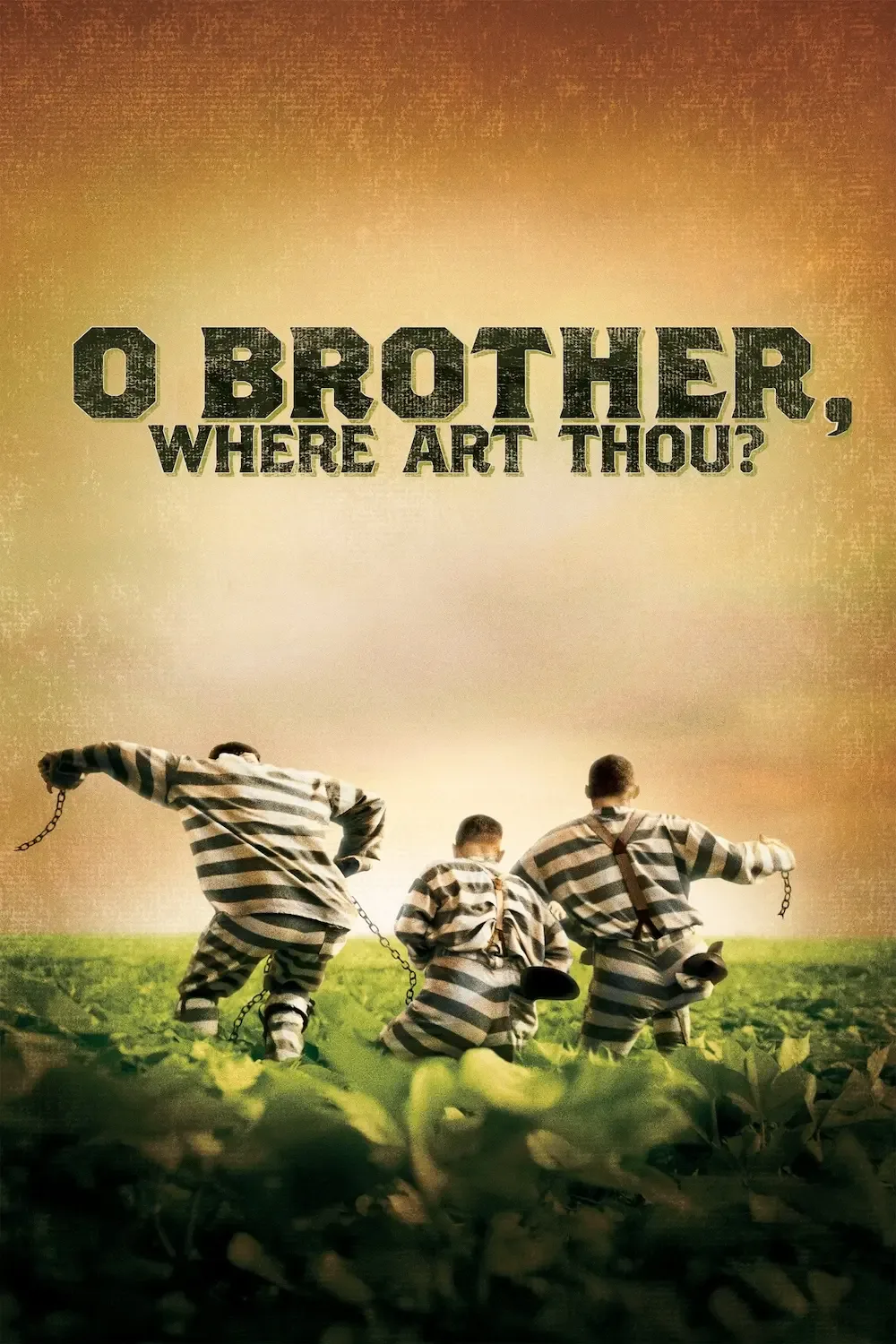
24 years after its original release, the Coen Brothers’ take on Homer’s Odyssey — which they transplanted from ancient Greece to 1930s-era Mississippi — is as delightful as ever, thanks to the Coens’ offbeat script and a host of strong performances led by George Clooney, John Turturro, and Tim Blake Nelson. This around, though, I particularly enjoyed Charles Durning’s performance as Pappy O’Daniel, the governor of Mississippi who might be corrupt, but is still preferable to the alternative. His group of cronies and yes men are also delightful in their clueluessness and uselessness. We watched O Brother, Where Art Thou? with our kids, which immediately made me want to turn them onto some other Coen films, like Raising Arizona and The Hudsucker Proxy.
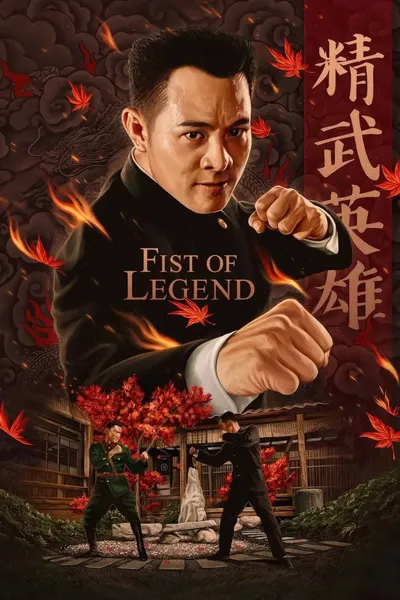
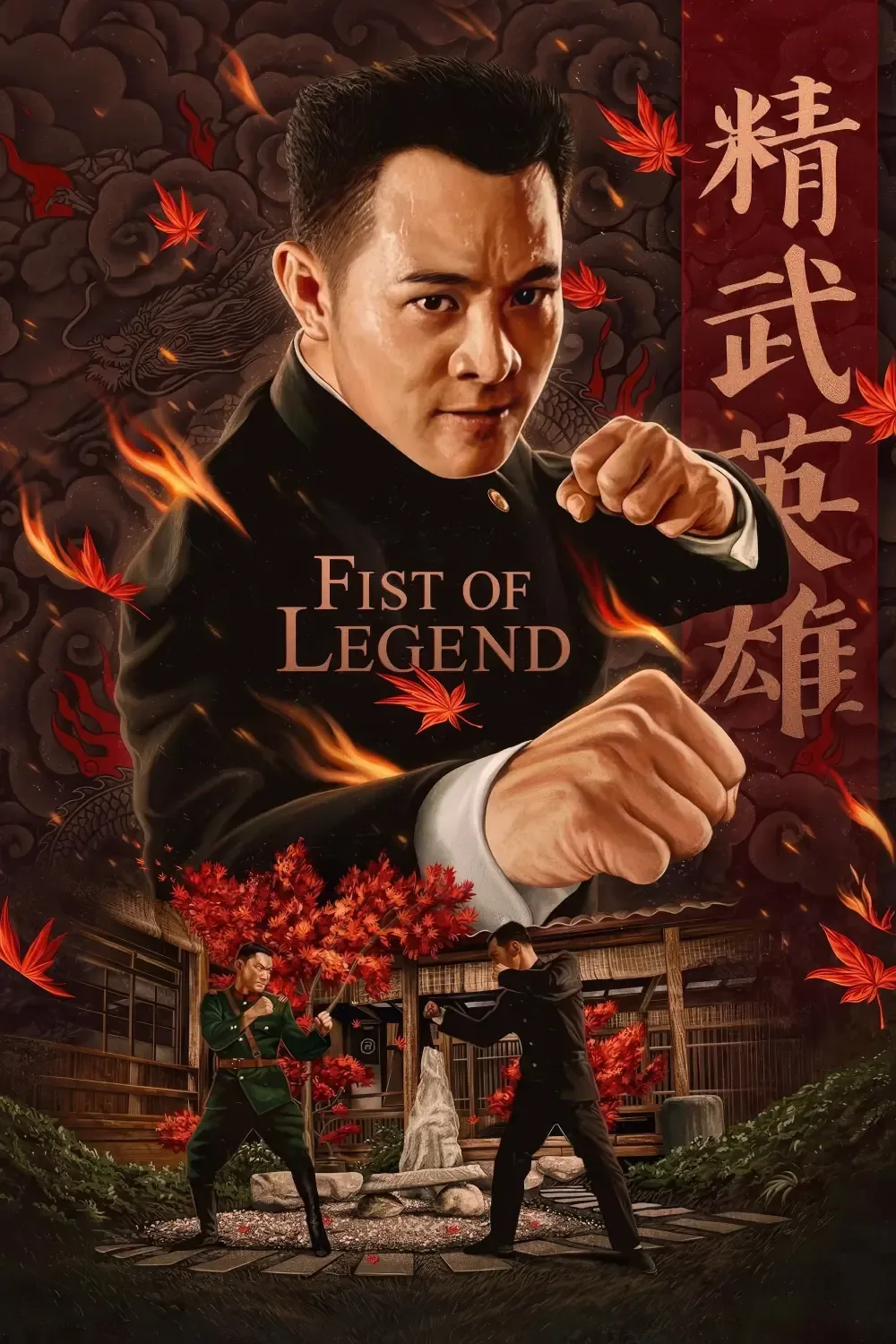
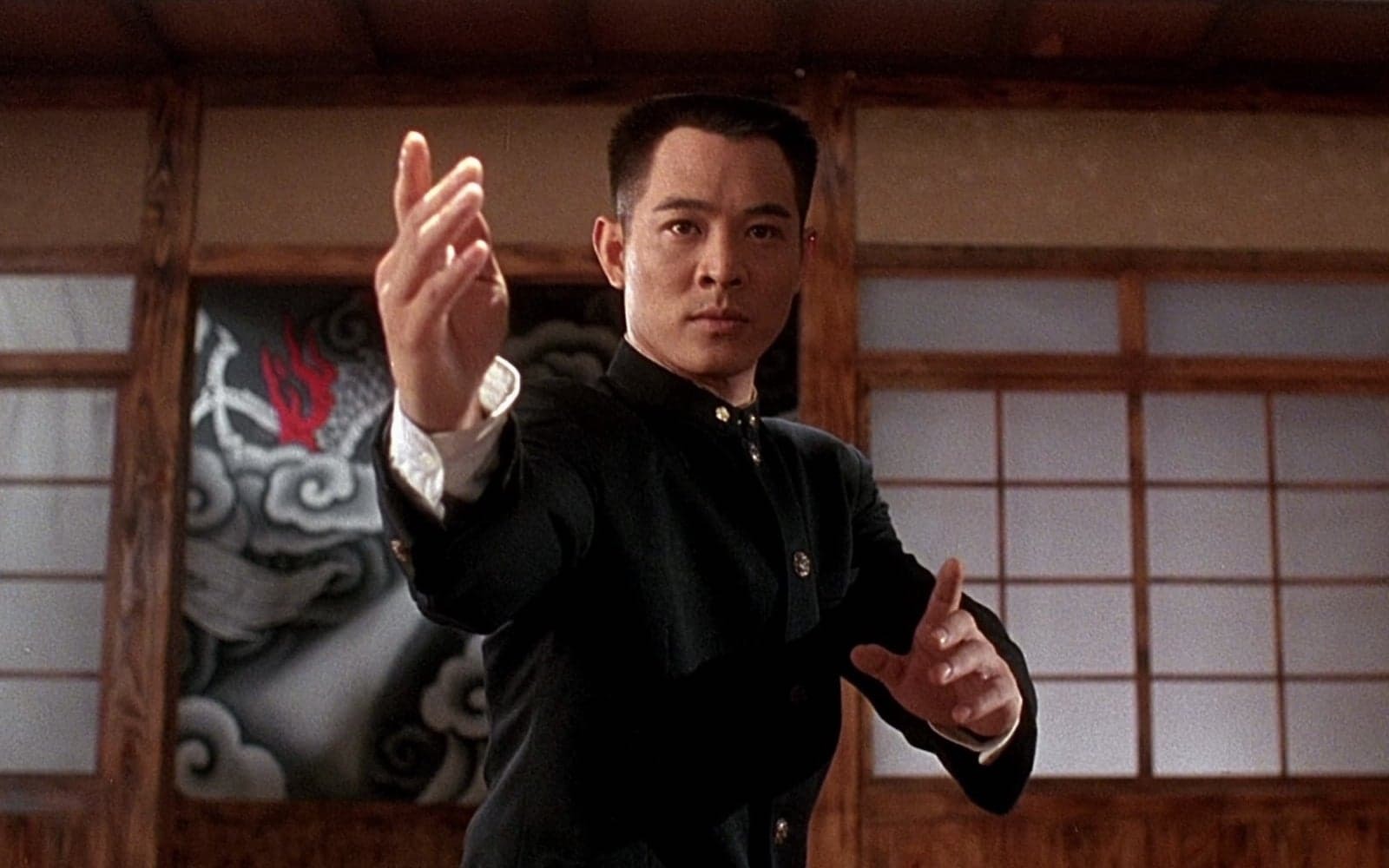
One of the greatest martial arts films of all time, and arguably Jet Li’s finest film to boot. When a young Chinese man returns home from Japan to mourn his master’s untimely death, he uncovers a web of political conspiracy and racial animus. Fortunately, he possesses some incredible martial arts skills, but even those might not save him and his loved ones. At the risk of sounding blasphemous, Gordon Chan’s remake of Bruce Lee’s Fist of Fury is actually an improvement on the original, with a much more nuanced storyline that isn’t afraid to delve into shades of gray. While Jet Li doesn’t have Bruce Lee’s charisma, he nevertheless acquits himself well here as a man forced to constantly reassess his idealism and loyalties. As for his martial arts prowess, that’s never in doubt, not even when it’s (occasionally) enhanced with wires and undercranking. Li’s speed and agility are a perfect match for Yuen Woo-Ping’s inventive fight choreography, and the result is at least five outstanding martial arts sequences, with the highlight being a surprisingly philosophical duel with an older Japanese master played by Yasuaki Kurata.
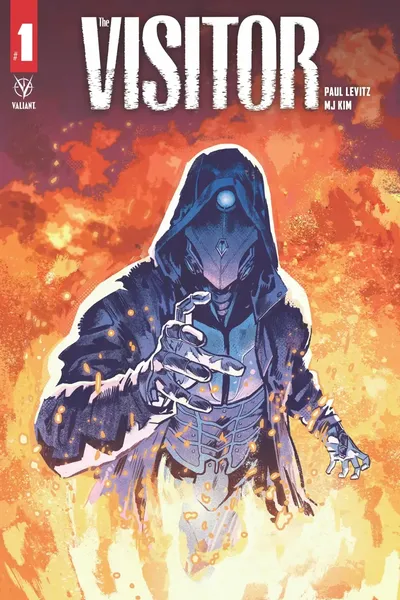
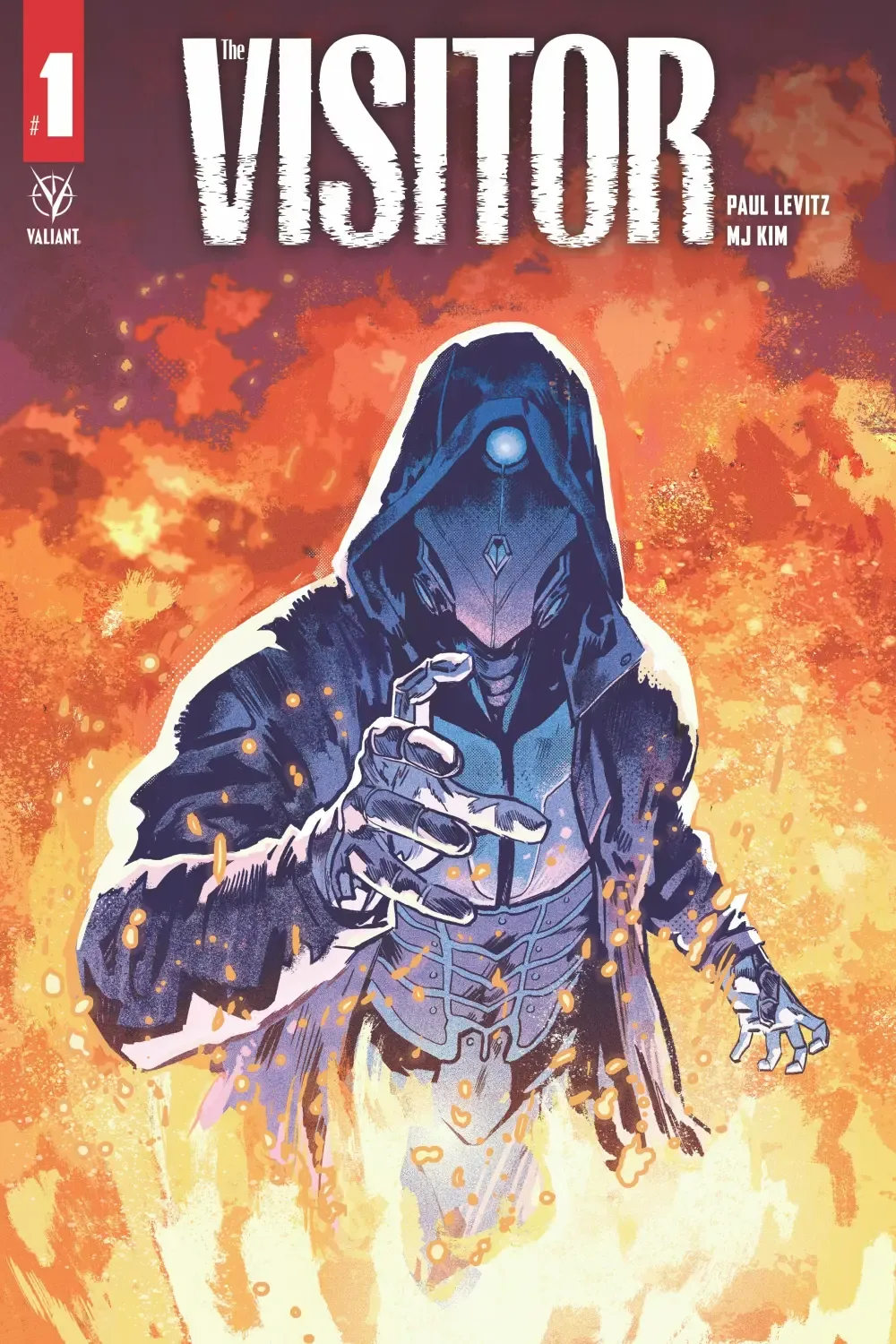
I added this to my Hoopla queue awhile ago — I loved the character design on the cover — and since I was looking for a quick evening read, I thought I’d give this six-issue series a chance. Now, to be honest, my experience with the Valiant comics universe is extremely limited, so I don’t know how The Visitor — a mysteriously augmented figure who seems to be targeting the world’s leading scientists — fits into the larger Valiant pantheon, but this particular take was pretty ho hum. A lot happens in these six issues, so much so that it all feels pretty truncated and arbitrary and I found myself skimming the last few pages.
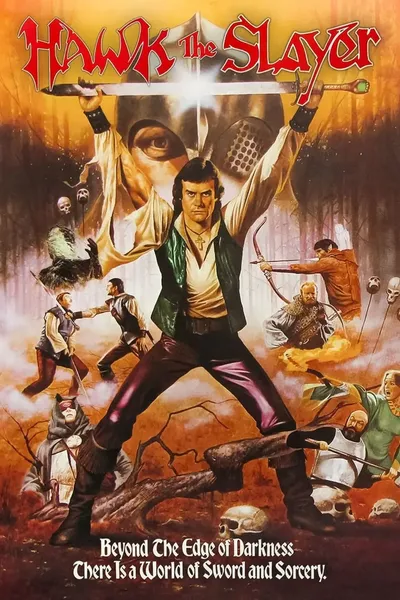
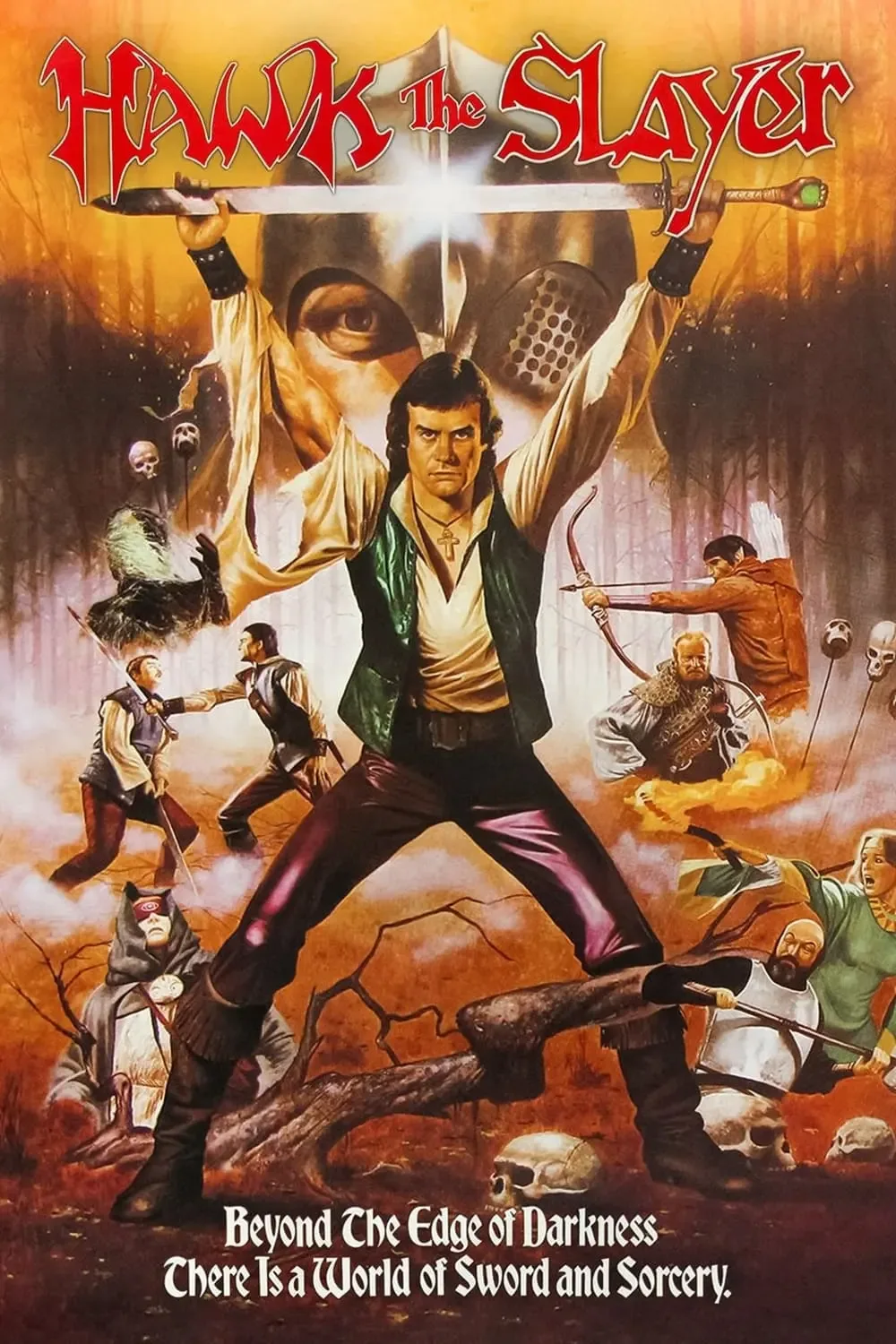
Thanks to Peter Jackson’s Tolkien adaptations, fantasy movies have become synonymous with really long runtimes. Not so with Terry Marcel’s Hawk the Slayer, which tells its epic tale of good and evil in under 100 minutes. Unfortunately, Hawk the Slayer feels like it’s three hours long because it’s just soooo boring. (Sorry, Tim and Bilbo.) All of the elements are there (e.g., a prophesied hero with a magic sword, a diverse group of companions, an evil warlord) and I respect the smaller scope (our heroes are just trying to rescue a nun from the aforementioned warlord, who is played to scene-chewing perfection by Jack Palance) and dig the ’80s visual effects, but Hawk the Slayer’s no Krull or Beastmaster.
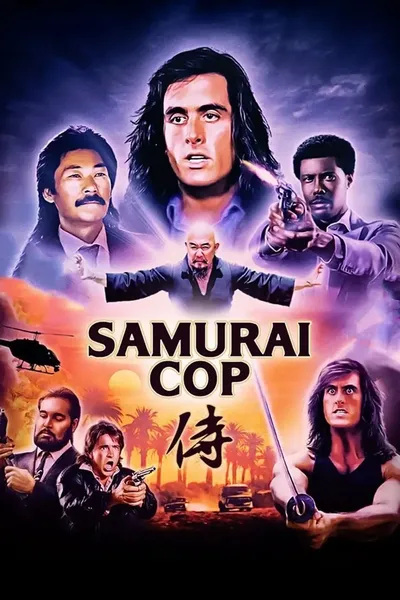
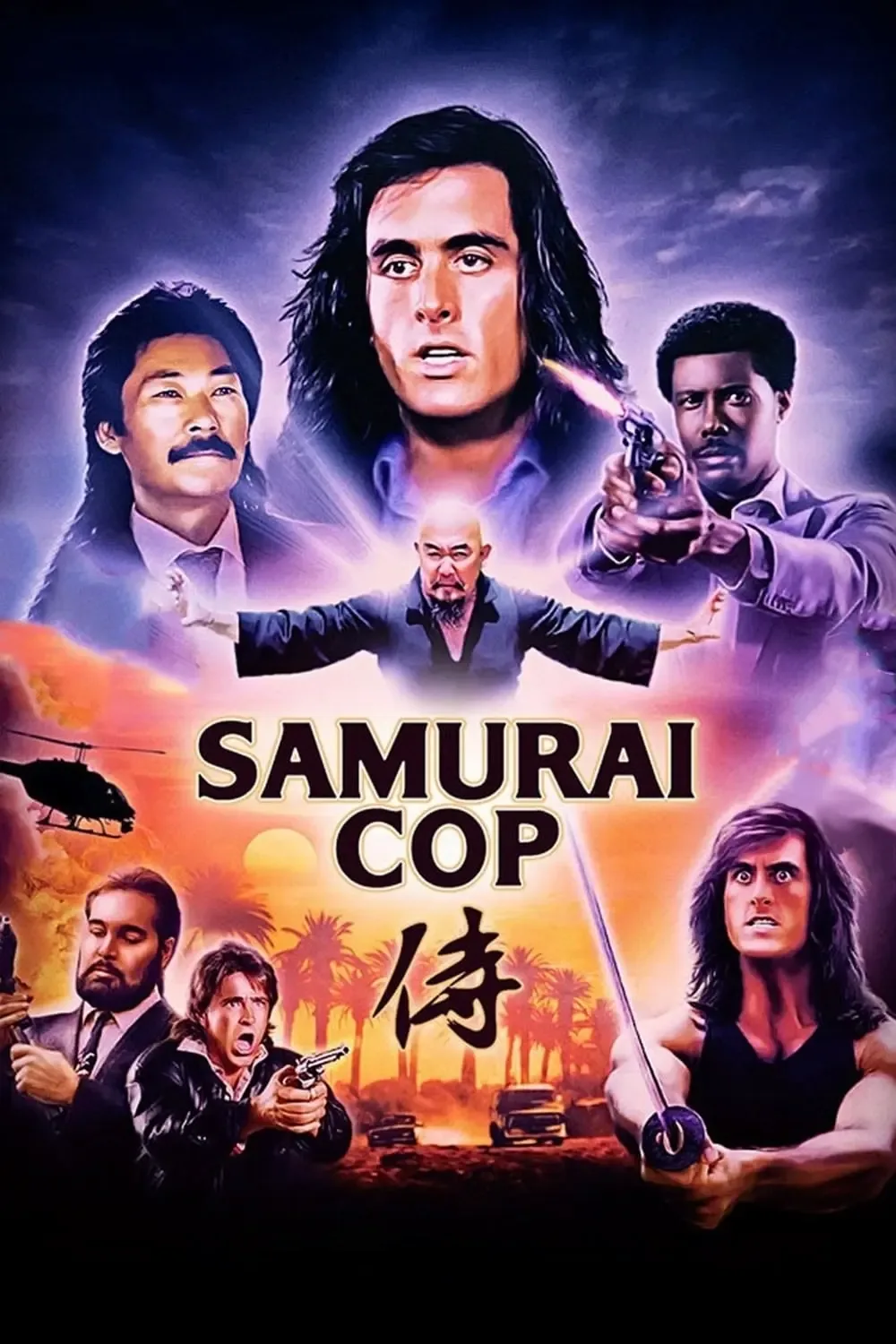
Movies like Samurai Cop highlight a fundamental flaw with star ratings. Objectively speaking, it’s a terrible movie filled with inept filmmaking, nonsensical editing, corny dialog, ham-fisted acting, uneven cinematography, and a chintzy “press ‘Demo’ key on the Casio keyboard” soundtrack. By all rights, it deserves — at most — a single star. And yet, I was never not entertained by all of the above as I continued my quest to watch movies whose VHS covers fascinated me as a kid. (See also Beastmaster and Ninja III: The Domination.) I’m a sucker for this sort of Z-grade cinema from the ’80s and ’90s, if only because it contains absolutely zero pretension, which is quite refreshing at times. And though I enjoyed it well enough by myself, Samurai Cop really should be watched at a late night screening with scores of fellow genre fans.